Article

Exposure to OPFRs Is Associated with Obesity and Dysregulated Serum Lipid Profiles: Data from 2017–2018 NHANES

1
School of Civil Engineering, Southeast University, Nanjing 210096, China
2
Laboratory of Pesticide Environmental Assessment and Pollution Control, Nanjing Institute of Environmental Sciences, Ministry of Ecology and Environment (MEE), Nanjing 210042, China
3
School of Environmental and Chemical Engineering, Jiangsu University of Science and Technology, Zhenjiang 212003, China
4
CAS Key Laboratory of Renewable Energy, Guangdong Provincial Key Laboratory of New and Renewable Energy Research and Development, Guangzhou Institute of Energy Conversion, Chinese Academy of Sciences, Guangzhou 510640, China
*
Authors to whom correspondence should be addressed.
Metabolites 2024, 14(2), 124; https://doi.org/10.3390/metabo14020124

Submission received: 22 December 2023 / Revised: 29 January 2024 / Accepted: 8 February 2024 / Published: 13 February 2024
(This article belongs to the Special Issue Human Metabolites Associated with Diet, Sleep, and Related Diseases)

Abstract

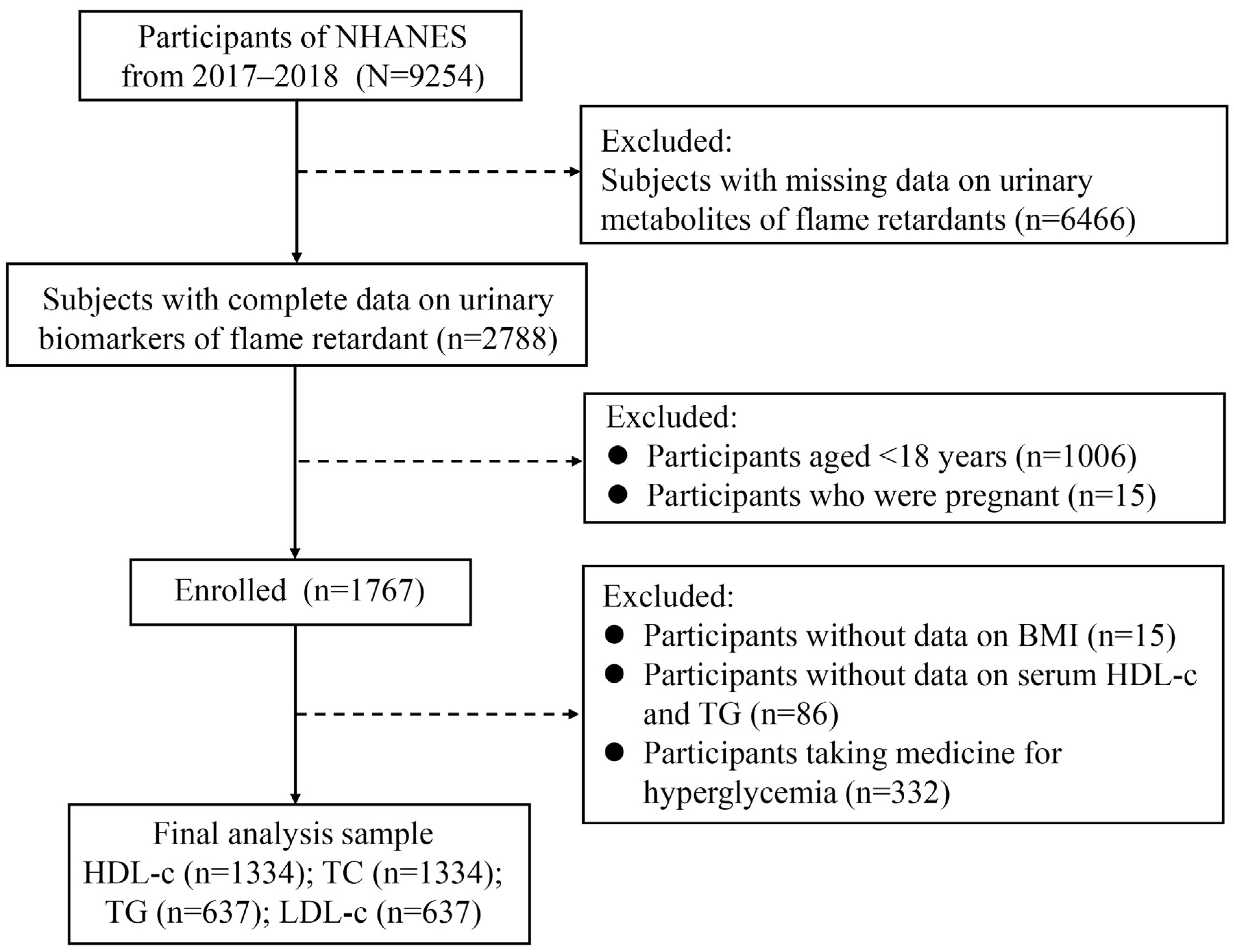
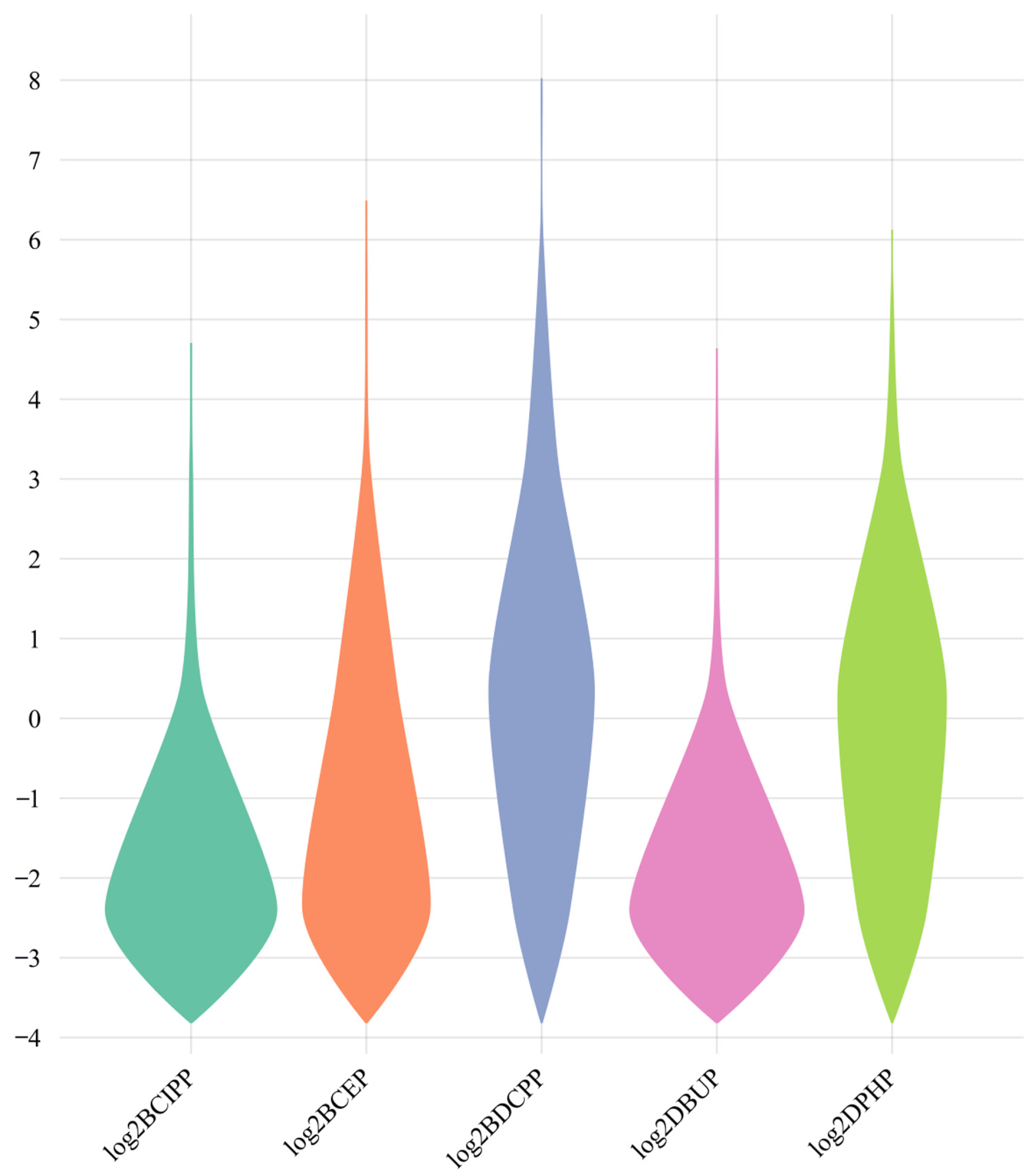
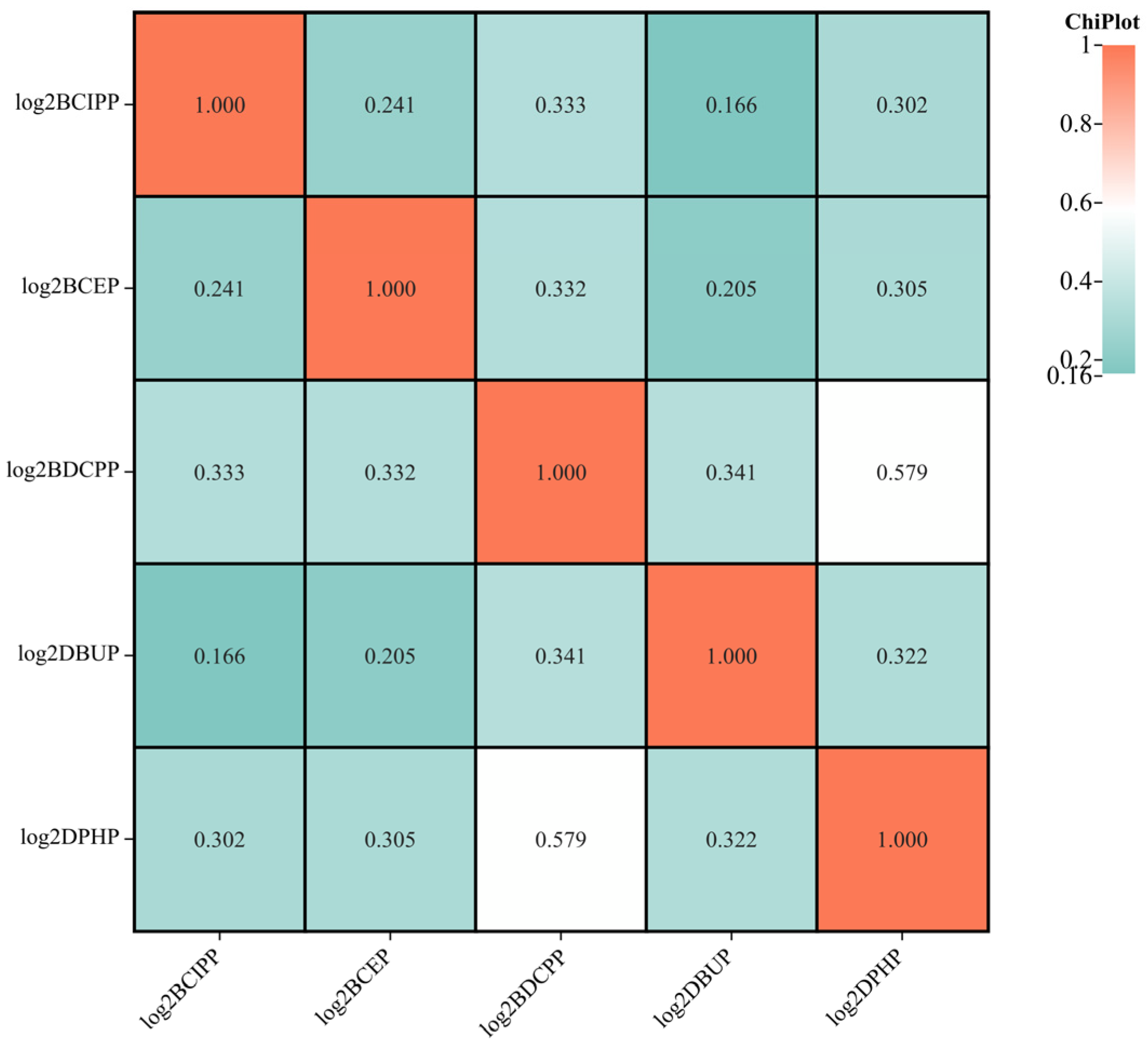
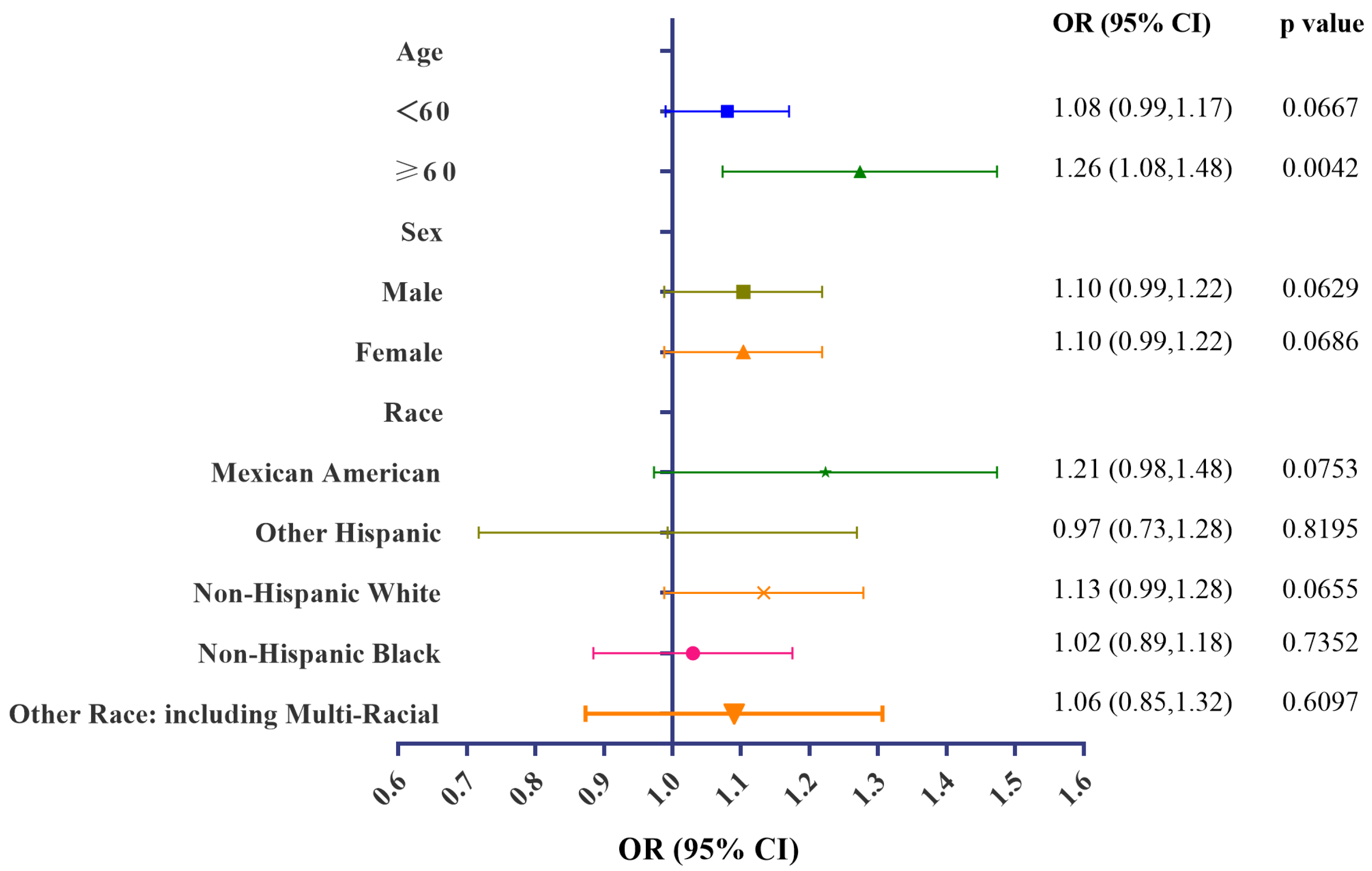
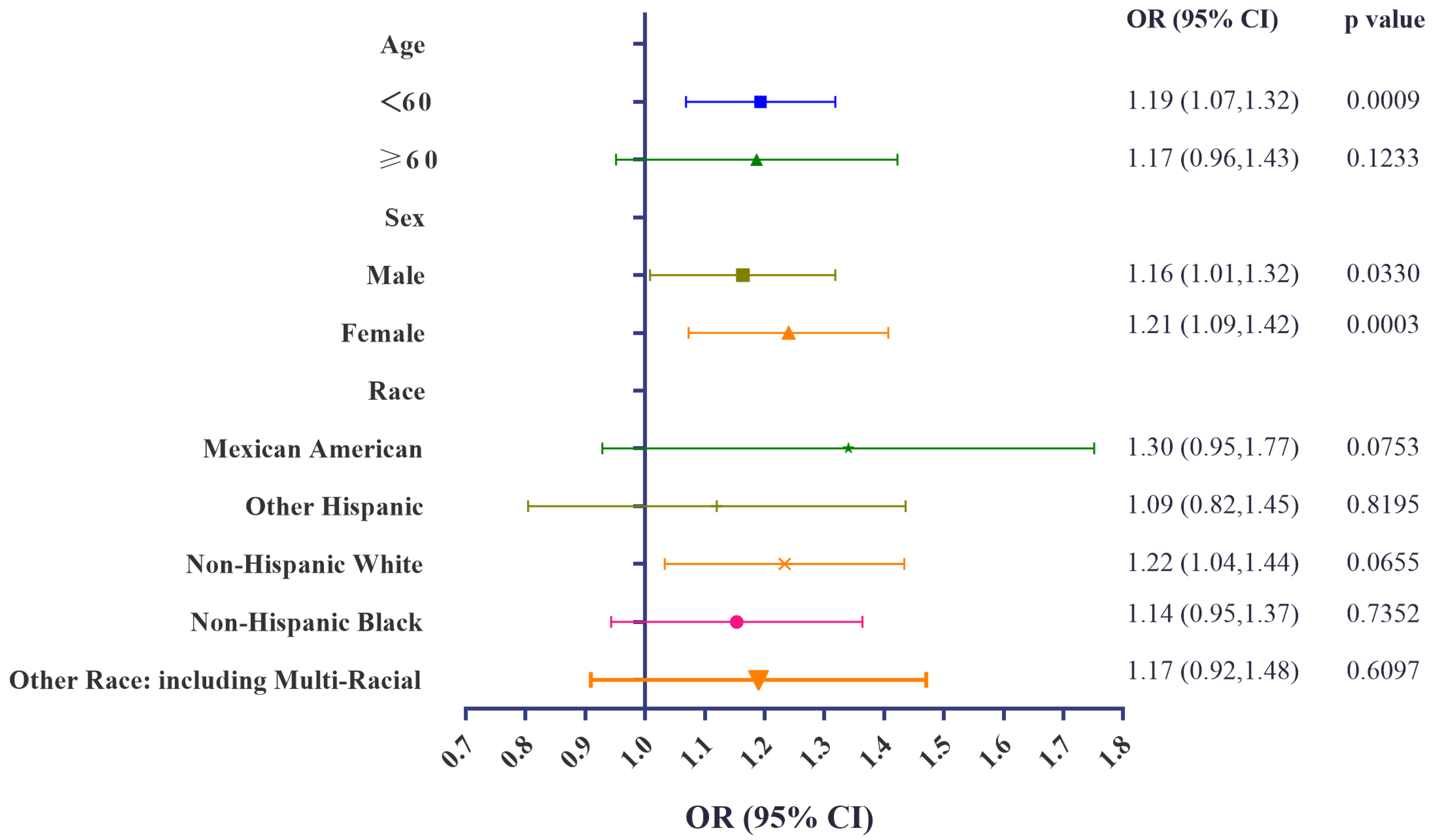
Widespread exposure to organophosphorus flame retardants (OPFRs) has been observed in the general population. Emerging studies have revealed OPFRs possess endocrine-disturbing properties. The present study aims to assess the association between urinary metabolites of OPFRs, BMI, and serum lipid profiles. Data from the National Health and Nutrition Examination Survey (NHANES) 2017–2018 were obtained, with 1334 adults enrolled in the current study. Urinary concentrations of bis (1-chloro-2-propyl) phosphate (BCIPP), bis(2-chloroethyl) phosphate (BCEP), bis(1,3-dichloro-2-propyl) phosphate (BDCPP), dibutyl phosphate (DBUP), and diphenyl phosphate (DPHP) were quantified to assess OPFR exposure. Covariate-adjusted linear and logistic regression models were conducted to explore the associations between log2-transformed concentrations of OPFR metabolites, BMI, obesity, and serum lipid profiles. Stratified analyses were performed to assess the heterogeneity of associations by age, gender, race, etc. Positive associations were found between OPFR exposure and the risk of obesity. The multivariate linear analysis indicated that a one-unit increase in log2-transformed urinary concentrations of BCEP and BDCPP was associated with 0.27 (95% CI: 0.02–0.52, p = 0.0338) and 0.56 (95% CI: 0.25–0.87, p = 0.0004) higher BMI value, respectively. One log2-unit increase in urinary BCEP and BDCPP concentrations was associated with 1.1-fold (95% CI: 1.02–1.18, p = 0.0096) and 1.19-fold (95% CI: 1.09–1.30, p = 0.0001) risk for developing obesity. Furthermore, the non-linear relationship between exposure to OPFRs and obesity was identified. Additionally, multivariable linear regression showed that urinary DPHP concentrations were inversely correlated with serum triglyceride (TG) levels (β = −7.41, 95% CI: −12.13 to −2.68, p = 0.0022). However, no other OPFR metabolites were found to be significantly statistically associated with serum lipid levels after adjusting for potential confounders. In conclusion, environmental exposure to OPFRs might contribute to obesity and dysregulated TG concentrations in adults. Future prospective research is warranted to confirm the causal relationship between metabolites of OPFRs and obesity.
Keywords: flame retardant; obesity; BMI; serum lipid; NHANES flame retardant; obesity; BMI; serum lipid; NHANES