Review

Role of Oxidative Stress in Ocular Diseases: A Balancing Act

1
Department of Ophthalmology, Schepens Eye Research Institute of Mass Eye and Ear, Harvard Medical School, Boston, MA 02114, USA
2
Department of Chemistry and Chemical Biology, Harvard University, Cambridge, MA 02138, USA
3
Department of Anesthesia, Critical Care and Pain Medicine, Massachusetts General Hospital, Harvard Medical School, Boston, MA 02114, USA
*
Author to whom correspondence should be addressed.
Metabolites 2023, 13(2), 187; https://doi.org/10.3390/metabo13020187

Submission received: 31 December 2022 / Revised: 22 January 2023 / Accepted: 24 January 2023 / Published: 27 January 2023
(This article belongs to the Special Issue Bioenergetics and Cellular Dysfunction in the Brain and Eye)

Abstract

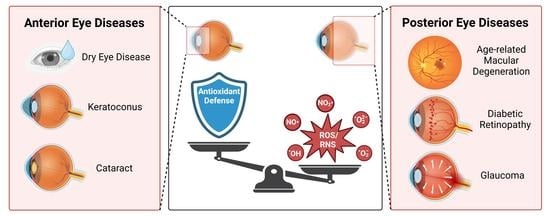
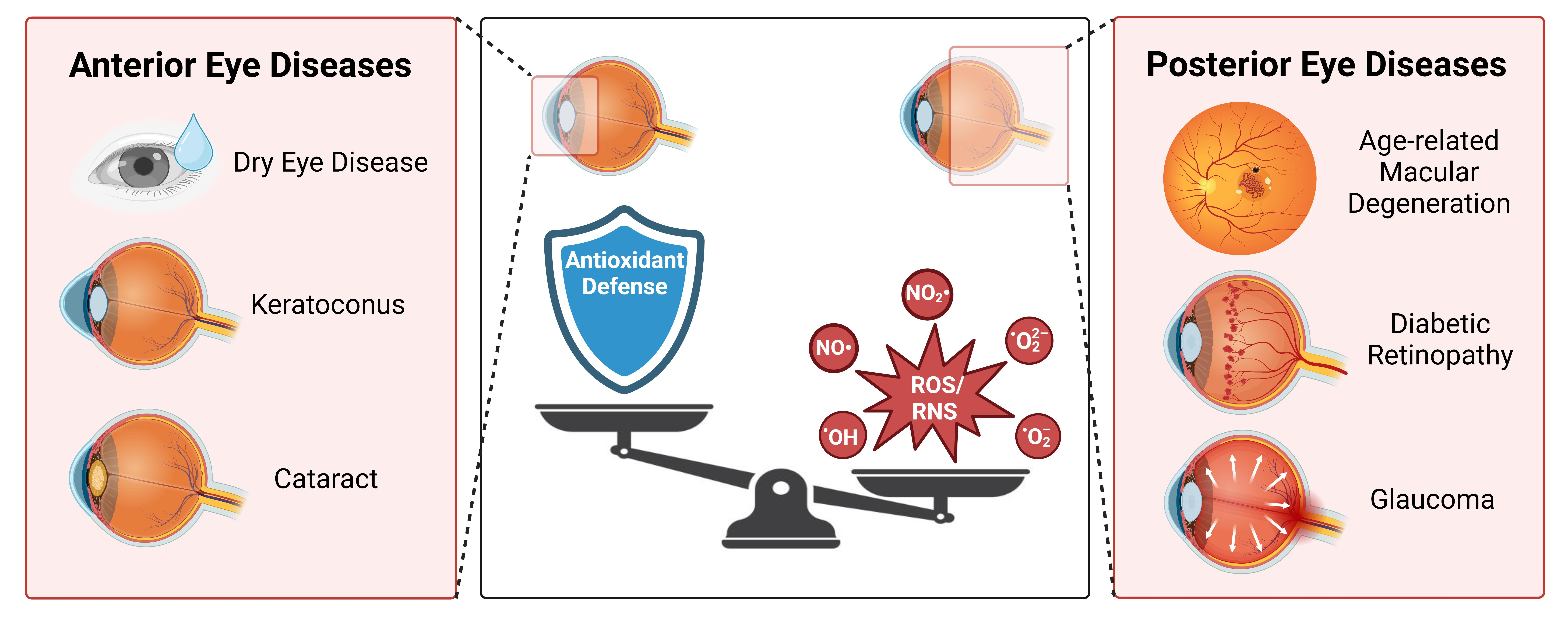
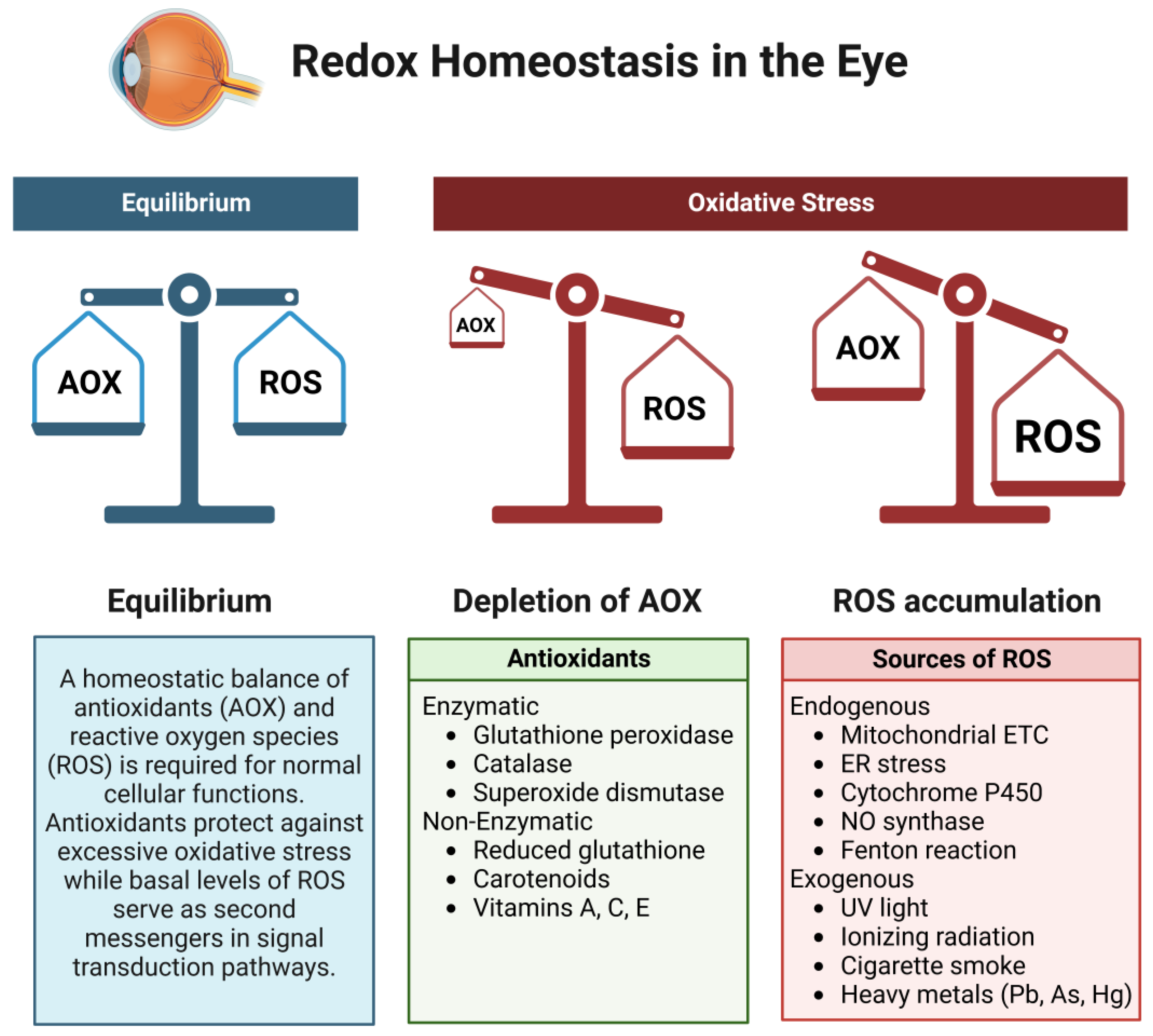
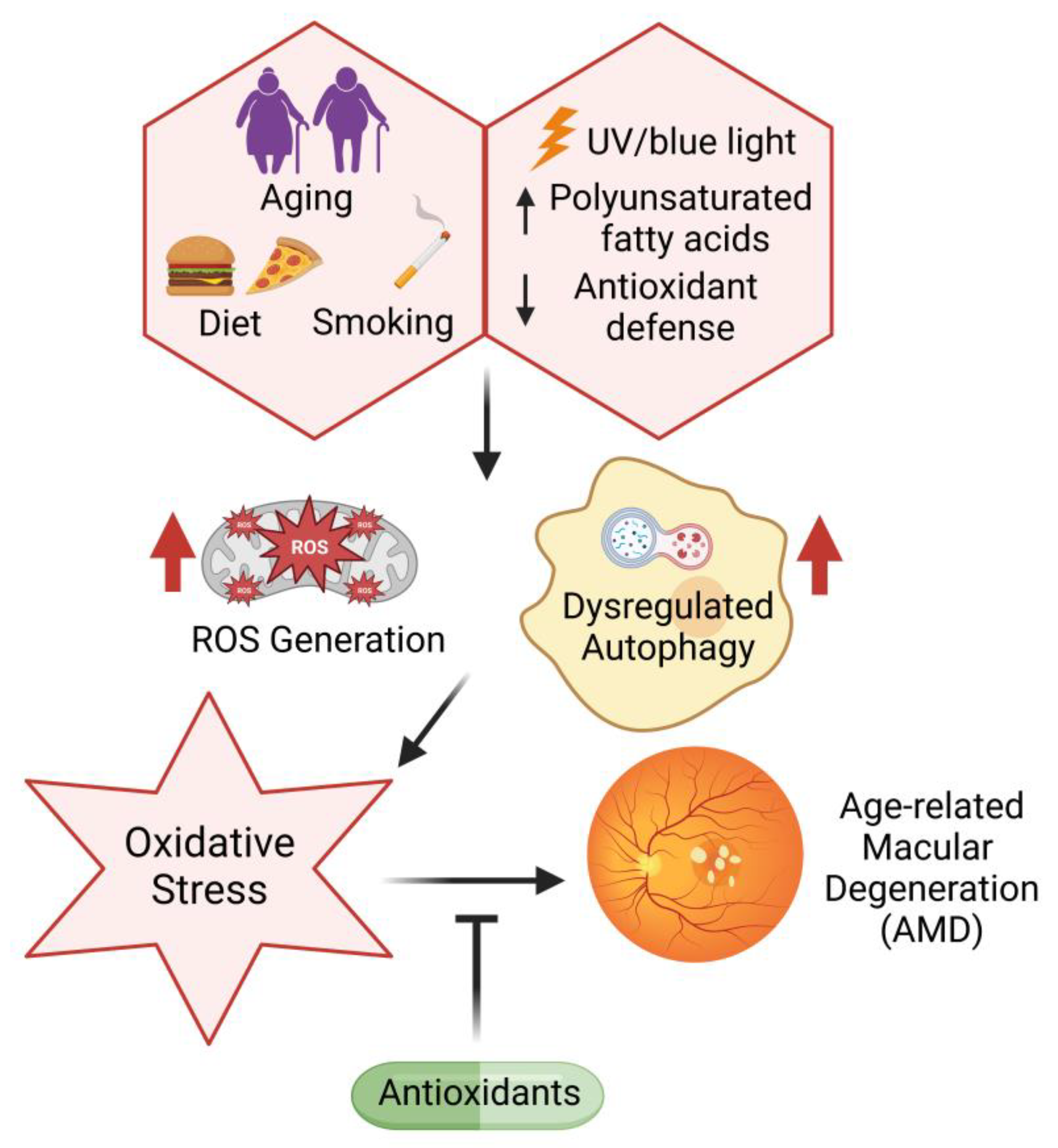
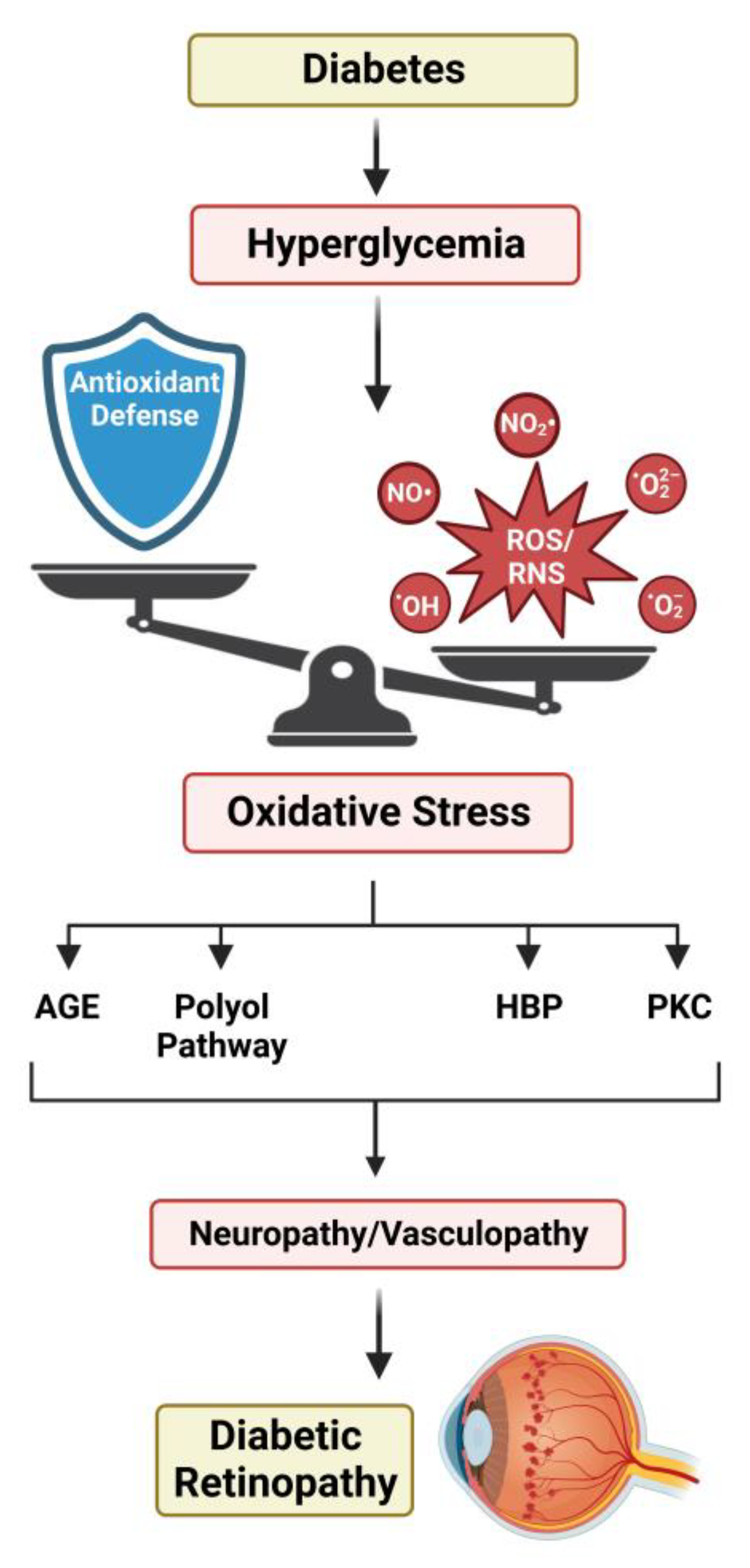
Redox homeostasis is a delicate balancing act of maintaining appropriate levels of antioxidant defense mechanisms and reactive oxidizing oxygen and nitrogen species. Any disruption of this balance leads to oxidative stress, which is a key pathogenic factor in several ocular diseases. In this review, we present the current evidence for oxidative stress and mitochondrial dysfunction in conditions affecting both the anterior segment (e.g., dry eye disease, keratoconus, cataract) and posterior segment (age-related macular degeneration, proliferative vitreoretinopathy, diabetic retinopathy, glaucoma) of the human eye. We posit that further development of therapeutic interventions to promote pro-regenerative responses and maintenance of the redox balance may delay or prevent the progression of these major ocular pathologies. Continued efforts in this field will not only yield a better understanding of the molecular mechanisms underlying the pathogenesis of ocular diseases but also enable the identification of novel druggable redox targets and antioxidant therapies.
Keywords: reactive oxygen species; mitochondrial dysfunction; cornea; retina; age-related macular degeneration; keratoconus; dry eye disease; cataract; proliferative vitreoretinopathy; glaucoma; epithelial–mesenchymal transition reactive oxygen species; mitochondrial dysfunction; cornea; retina; age-related macular degeneration; keratoconus; dry eye disease; cataract; proliferative vitreoretinopathy; glaucoma; epithelial–mesenchymal transition
Graphical Abstract