
Article

Diabetes-Independent Retinal Phenotypes in an Aldose Reductase Transgenic Mouse Model
by
Jonathan Mark Petrash
1,2,*,
Biehuoy Shieh
1,
David A. Ammar
3,
Michelle G. Pedler
1 and
David J. Orlicky
4
1
Department of Ophthalmology, University of Colorado School of Medicine, 12800 E. 19th Ave., Aurora, CO 80045, USA
2
Department of Pharmaceutical Sciences, Skaggs School of Pharmacy and Pharmaceutical Sciences, University of Colorado Anschutz Medical Campus, 1635 Aurora Ct, Aurora, CO 80045, USA
3
Lions Eye Institute for Transplant and Research, 1410 N 21st St, Tampa, FL 33605, USA
4
Department of Pathology, University of Colorado School of Medicine, 12800 E. 19th Ave., Aurora, CO 80045, USA
*
Author to whom correspondence should be addressed.
Metabolites 2021, 11(7), 450; https://doi.org/10.3390/metabo11070450

Submission received: 24 May 2021 / Revised: 21 June 2021 / Accepted: 26 June 2021 / Published: 10 July 2021
(This article belongs to the Special Issue Metabolic Regulation of Aldo-Keto Reductases)

Abstract

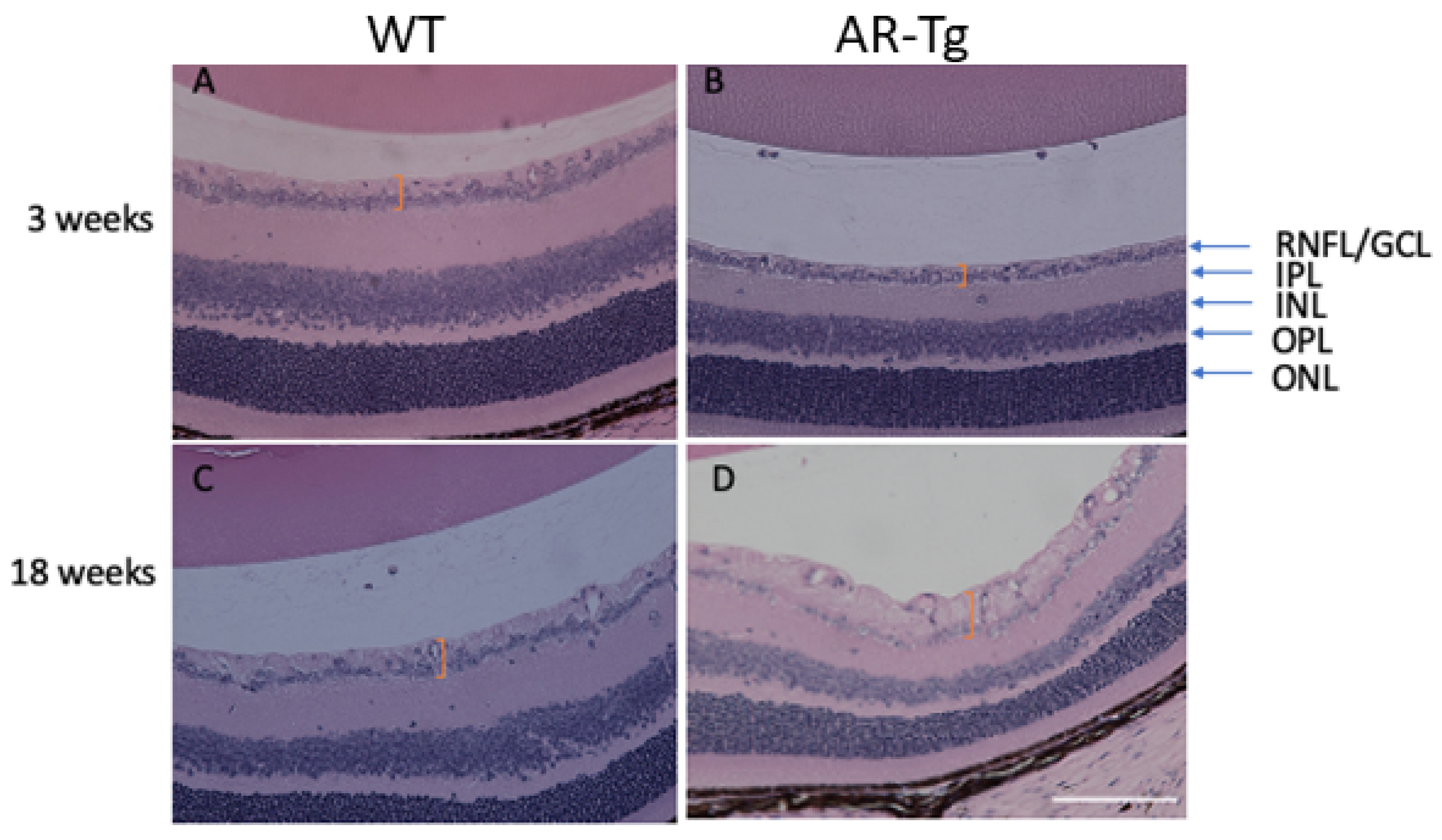
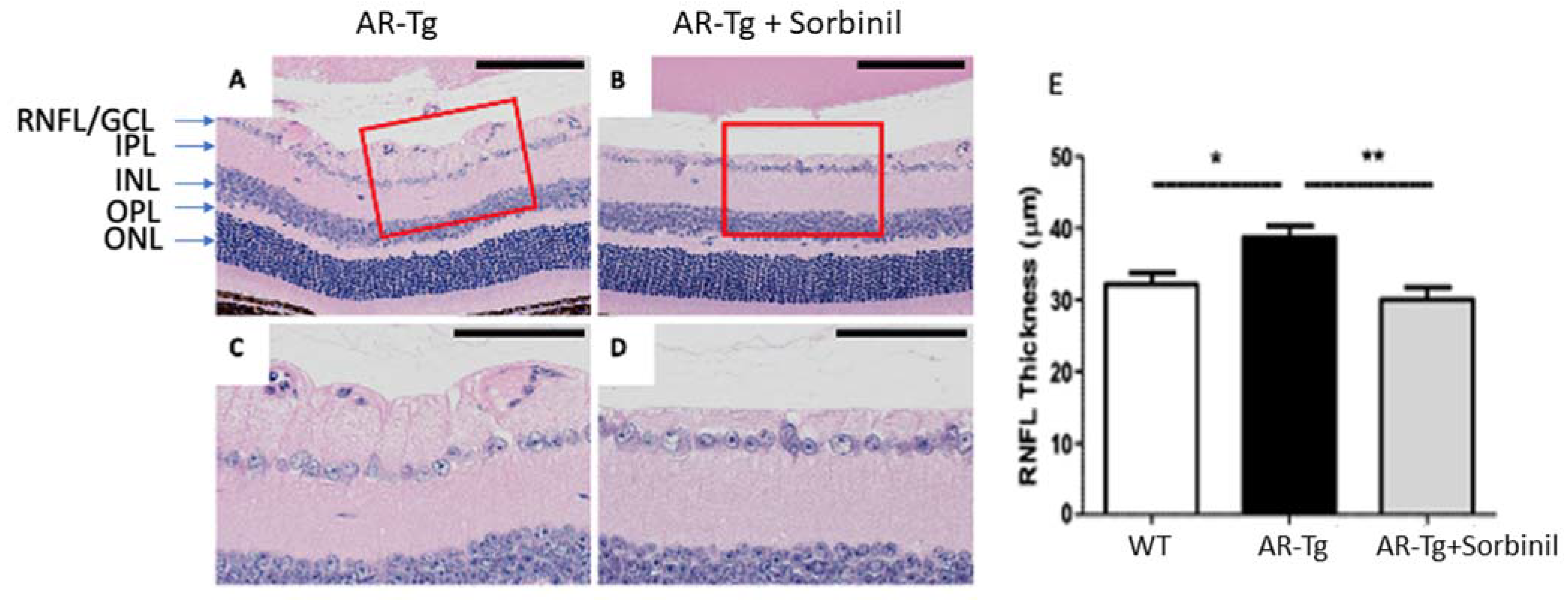
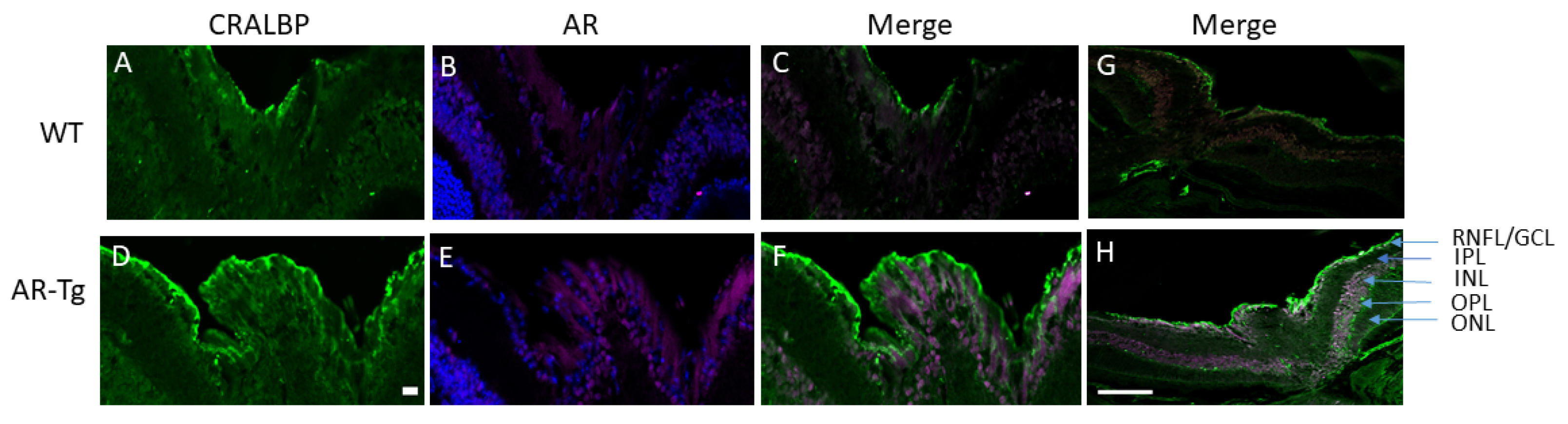
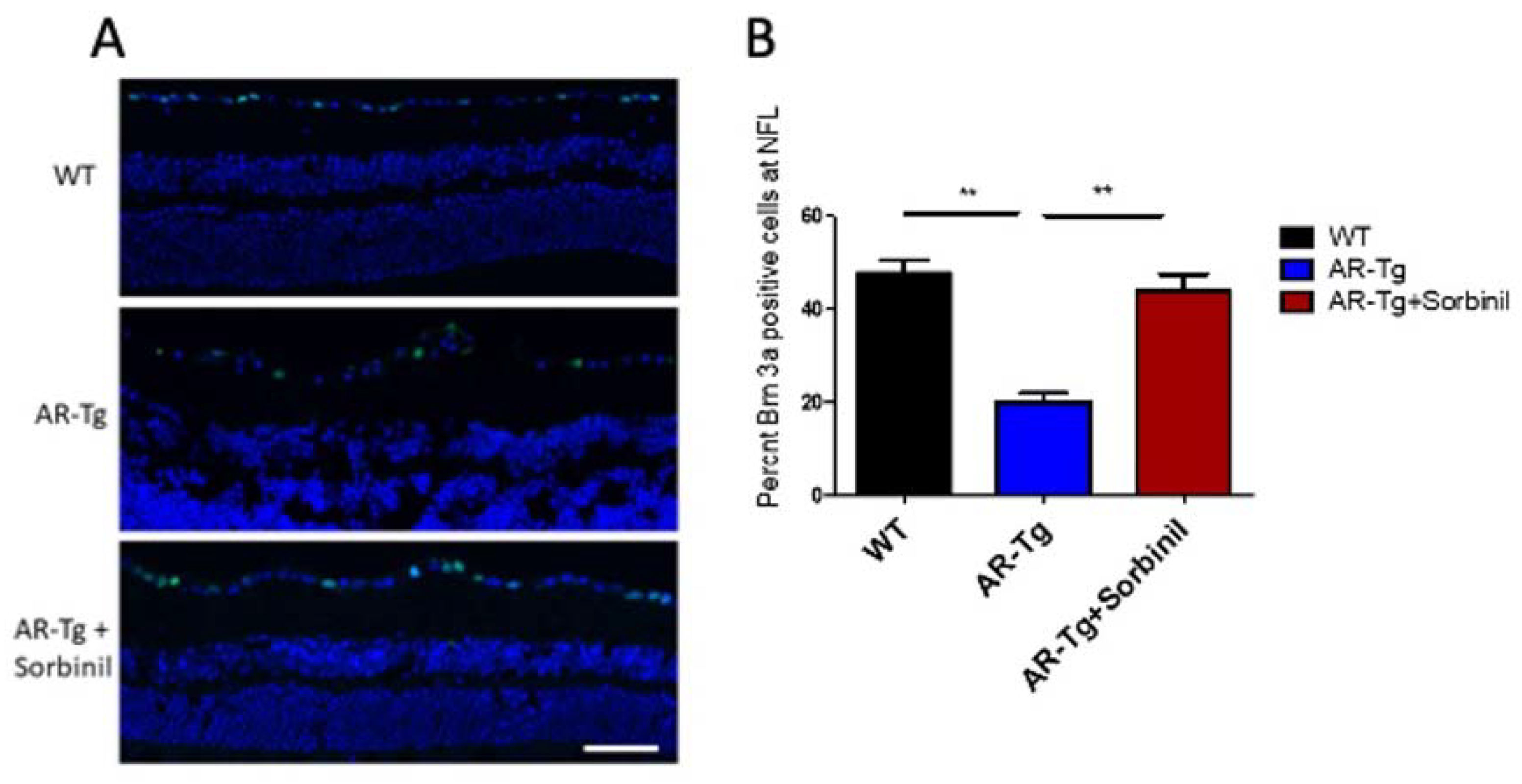
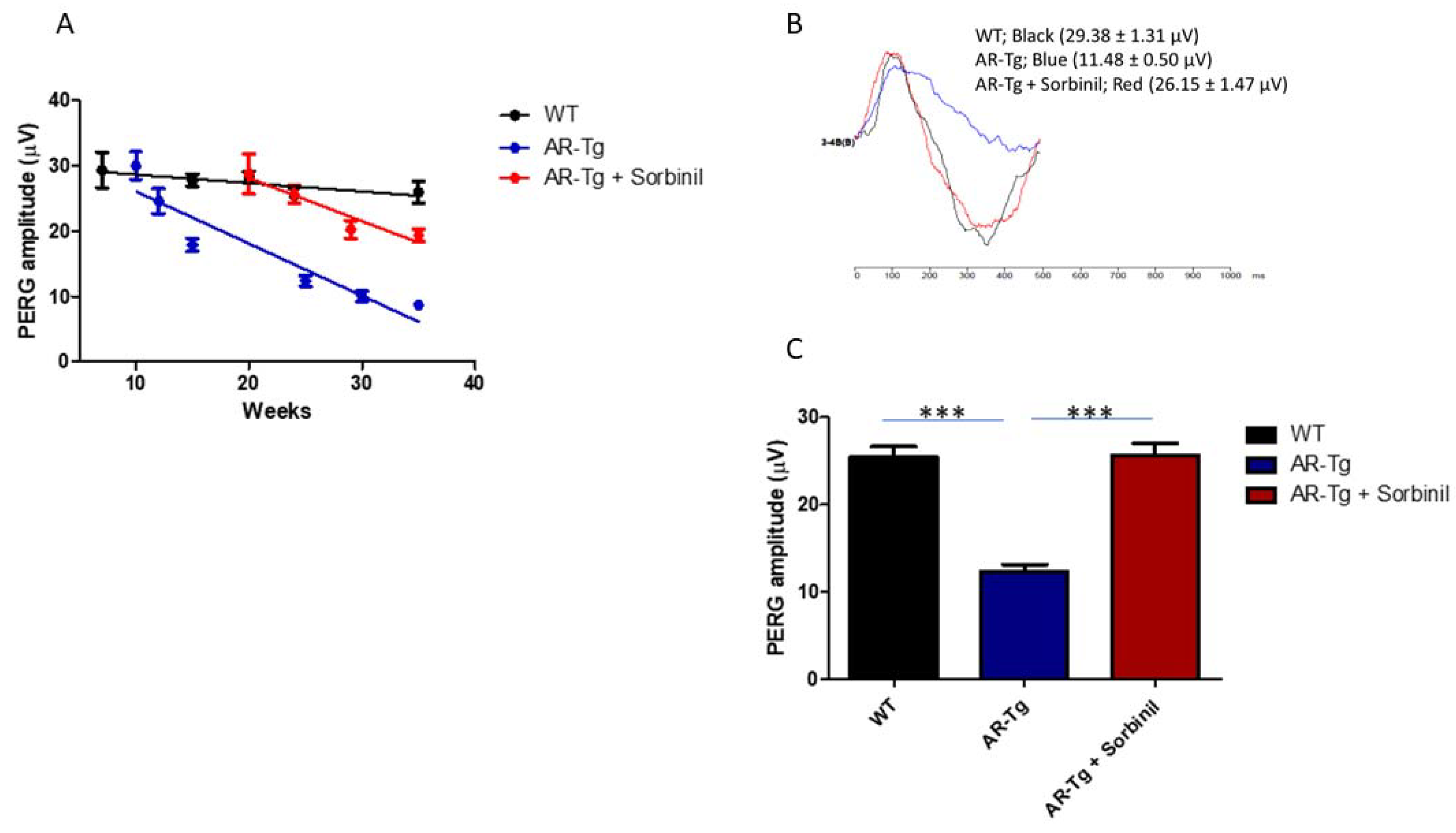
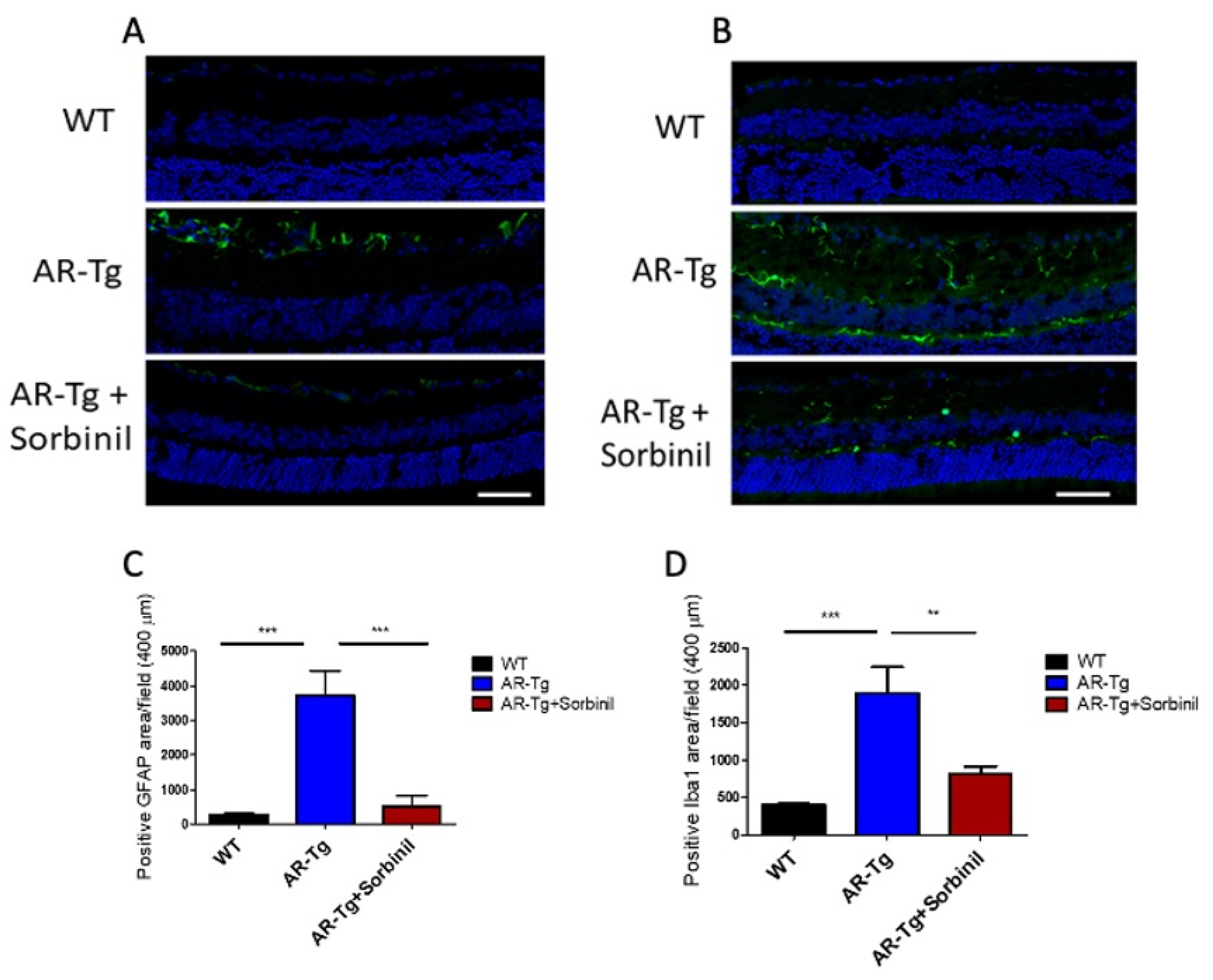
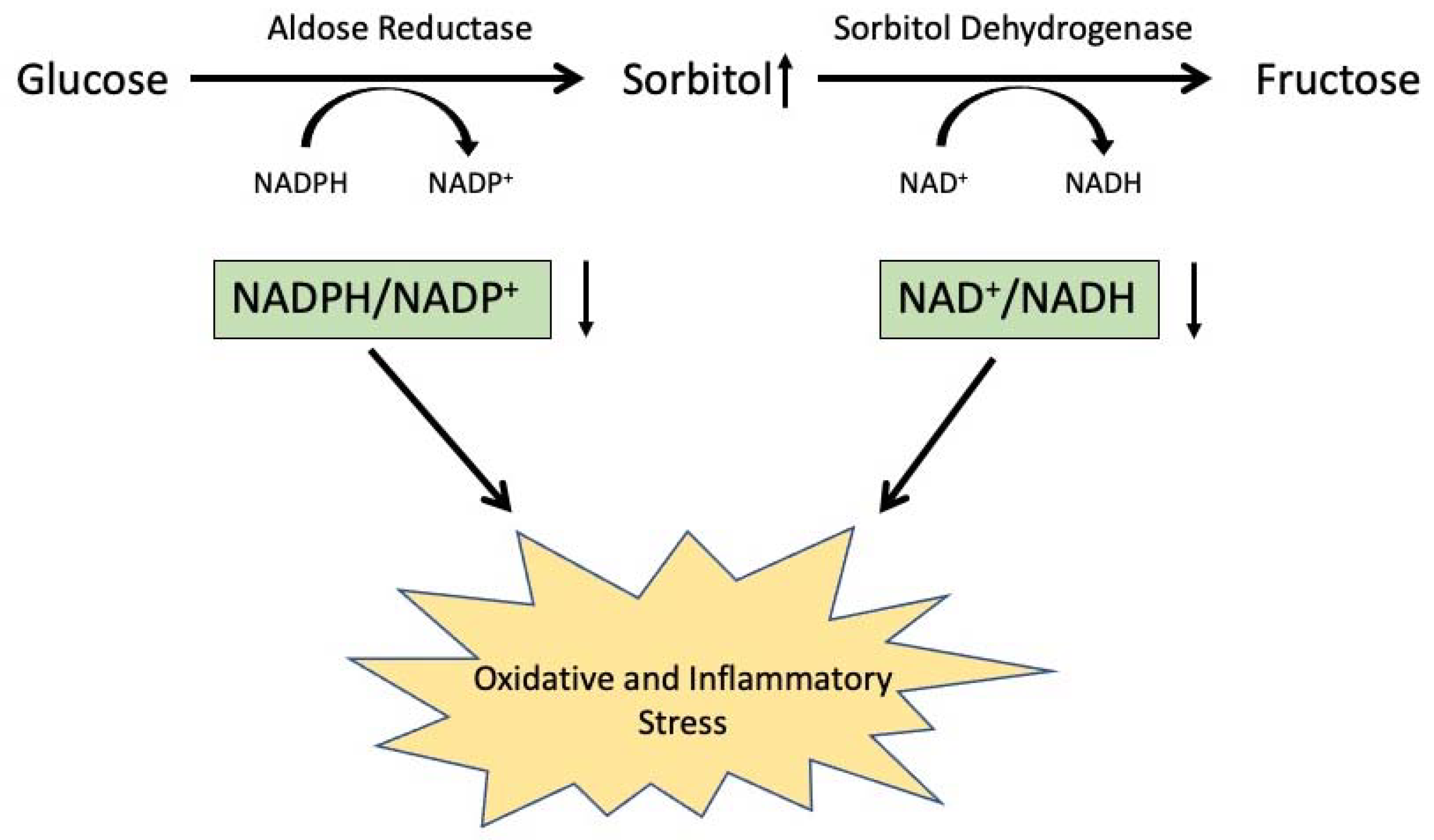
Aldose reductase (AR), the first and rate-limiting enzyme of the polyol pathway, has been implicated in the onset and development of the ocular complications of diabetes, including cataracts and retinopathy. Despite decades of research conducted to address possible mechanisms, questions still persist in understanding if or how AR contributes to imbalances leading to diabetic eye disease. To address these questions, we created a strain of transgenic mice engineered for the overexpression of human AR (AR-Tg). In the course of monitoring these animals for age-related retinal phenotypes, we observed signs of Müller cell gliosis characterized by strong immunostaining for glial fibrillary acidic protein. In addition, we observed increased staining for Iba1, consistent with an increase in the number of retinal microglia, a marker of retinal inflammation. Compared to age-matched nontransgenic controls, AR-Tg mice showed an age-dependent loss of Brn3a-positive retinal ganglion cells and an associated decrease in PERG amplitude. Both RGC-related phenotypes were rescued in animals treated with Sorbinil in drinking water. These results support the hypothesis that increased levels of AR may be a risk factor for structural and functional changes known to accompany retinopathy in humans.
Keywords: aldose reductase; Müller glia; retinal ganglion cell; Sorbinil; pattern electroretinogram; retinal microglia aldose reductase; Müller glia; retinal ganglion cell; Sorbinil; pattern electroretinogram; retinal microglia