1. Introduction
Breast cancer remains a major global health burden, with an estimated 2,296,840 new cases and 666,103 deaths reported worldwide in 2022 [
1]. In Mexico, breast cancer was also the leading cancer among women in 2022, with 31,043 new cases reported (GLOBOCAN 2022). Within this broad clinical and epidemiological context, triple-negative breast cancer (TNBC) represents approximately 10–20% of all breast cancer cases and is recognized as one of the most aggressive subtypes because of its high metastatic potential, early recurrence, marked molecular heterogeneity, and limited therapeutic options [
2,
3].
TNBC is defined by the absence of estrogen receptor, progesterone receptor, and human epidermal growth factor receptor 2 expression, which excludes the use of endocrine therapy and HER2-directed agents in most cases [
2]. Consequently, systemic treatment has historically depended largely on chemotherapy, despite variable response rates, frequent relapse, and the development of therapeutic resistance [
2,
3]. Although recent advances in immunotherapy and other targeted approaches have improved outcomes in selected clinical settings, overall benefit remains heterogeneous, underscoring the need for new molecularly rational therapeutic strategies [
4,
5,
6].
Among the mechanisms that underlie TNBC progression, the programmed cell death protein 1/programmed death-ligand 1 (PD-1/PD-L1) axis has emerged as a major mediator of tumor immune escape [
4]. PD-L1 expression is not restricted to tumor cells but is also detected in immune and stromal compartments of the tumor microenvironment, where it contributes to the establishment of a broadly immunosuppressive niche [
4,
7,
8]. Through engagement of PD-1 on activated T cells, PD-L1 suppresses effector signaling, limits proliferation and cytokine production, and promotes T-cell dysfunction, thereby impairing antitumor immune clearance [
4,
7,
9,
10]. Notably, increasing evidence indicates that PD-L1 may also have tumor-intrinsic roles beyond immune regulation. In preclinical TNBC models, PD-L1 has been associated with epithelial–mesenchymal transition, cancer stem cell-related features, resistance to apoptosis, and metastatic potential, suggesting that it may function as an active contributor to tumor aggressiveness rather than solely as an immune checkpoint ligand [
2,
11,
12,
13]. These observations are especially relevant for a gene-silencing strategy, since direct reduction in PD-L1 expression could theoretically disrupt both immune-evasive and tumor-supportive functions. Accordingly, although immune checkpoint blockade has validated PD-L1 as a clinically relevant target in TNBC, the limited durability of benefit in only a subset of patients supports the investigation of complementary approaches aimed at modulating PD-L1 more directly at the molecular level [
4,
7].
In this context, small interfering RNA (siRNA)-based gene silencing represents an attractive strategy because it enables sequence-specific downregulation of target transcripts at the mRNA level [
14]. Applied to PD-L1, this approach could reduce immune checkpoint-mediated immunosuppression and potentially enhance antitumor immune responses in TNBC. Nevertheless, relevant translational challenges remain, particularly those related to delivery efficiency, intracellular stability, tumor selectivity, and sustained biological efficacy [
14].
Previous studies have demonstrated that PD-L1 silencing using siRNA can reduce tumor-associated immune evasion and proliferation in TNBC models, including MDA-MB-231 cells. However, many of these studies have primarily focused on conventional two-dimensional (2D) cultures and have not integrated transcriptomic meta-analysis, rational siRNA design, structural evaluation, and biologically relevant three-dimensional (3D) validation within a single experimental framework. Therefore, the present study combined GEO-based transcriptomic analysis, rational in silico siRNA design, structural evaluation, and functional validation in both 2D and 3D MDA-MB-231 models to provide a more comprehensive assessment of PD-L1-targeting siRNAs in TNBC.
2. Materials and Methods
2.1. Transcriptomic Analysis and Meta-Analysis of CD274 (PD-L1) Expression
A transcriptomic analysis of CD274 (PD-L1) expression was performed using publicly available datasets deposited in the Gene Expression Omnibus (GEO) database. For the construction of the forest plot, the datasets GSE233242, GSE129563, GSE76250, GSE58135, GSE71651, GSE38959, and GSE45827 were included, selecting exclusively samples corresponding to triple-negative breast cancer (TNBC) and their respective normal breast tissue controls. The number of TNBC and normal samples included from each dataset is summarized in
Supplementary Table S1.
Differential expression analysis for each dataset was carried out using GEO2R (NCBI, Bethesda, MD, USA; available online at:
https://www.ncbi.nlm.nih.gov/geo/geo2r/, accessed on 26 June 2026), which implements the limma (Linear Models for Microarray Data) package for transcriptomic analysis. Platform-specific normalized expression values available in each GEO series were used for downstream analysis. Statistical significance was established using an adjusted
p value < 0.05, applying the Benjamini–Hochberg false discovery rate (FDR) correction method, together with a fold change > 1 as selection criteria.
For each dataset, the difference in CD274 expression between TNBC and normal samples was obtained and expressed as log2 fold change (log2FC). Individual effect sizes and their corresponding 95% confidence intervals were subsequently calculated. The results from the individual studies were then integrated through meta-analysis, estimating pooled effects under both common-effect and random-effects models.
Inter-study heterogeneity was assessed using I2, τ2, and the corresponding heterogeneity p value to determine the consistency of the effect across the different transcriptomic datasets. The results were represented in a forest plot, in which each square indicates the effect size of an individual study and its size is proportional to the statistical weight of the dataset, while the horizontal lines represent the corresponding 95% confidence intervals.
2.2. Design and Selection of siRNA Candidates Targeting CD274 (PD-L1)
For the design of siRNAs targeting PD-L1, the sequences corresponding to the human PD-L1 mRNA were first retrieved in FASTA format. These sequences were initially analyzed using siRNA Wizard, which allowed the identification of several potential silencing candidates. From this initial set, the three candidates considered most suitable for the present study were selected for further analysis, based on their localization characteristics and their potential structural relevance within the transcript.
As part of the selection process, special consideration was given to the fact that the chosen sequences were directed against the coding region of the mRNA, so that the target sites corresponded to segments encoding defined amino acid motifs in the PD-L1 protein. In this context, the three selected siRNAs were directed against regions encoding the motifs AEVIWT, ADYKRIT, and DPVTSEH, respectively. These motifs were then mapped onto the known structural organization of PD-L1, where they were mainly located in the membrane-proximal extracellular portion associated with the IgC-like domain of the ectodomain.
For each candidate, the sense sequence, antisense sequence, coordinates within the transcript, and the amino acid motif encoded by the target region were documented. This strategy made it possible not only to select sequences with silencing potential, but also to prioritize those directed against coding regions with possible structural importance within the PD-L1 ectodomain.
2.3. Identification of siRNA Target Sites and Structural Accessibility Analysis in CD274
To identify siRNA target sites within the coding sequence of CD274 (PD-L1), the reference mRNA sequence was obtained in FASTA format. Based on this sequence, the selected regions were mapped to determine the exact hybridization position of each siRNA within the coding region, as well as their corresponding nucleotide coordinates. According to this analysis, the three selected target sites corresponded to distinct non-overlapping regions recognized by siRNA-2, siRNA-3, and siRNA-1 within the CD274 transcript.
Subsequently, the reference CD274 sequence was analyzed using the RNAfold server to predict its secondary structure. This analysis allowed the spatial localization of the selected target sites within the folded transcript conformation and the evaluation of their predicted structural accessibility. Special attention was given to whether the siRNA binding regions were positioned within relatively exposed regions, such as loops or partially unpaired segments, since these structural features are generally considered favorable for siRNA hybridization and RNA-induced silencing complex (RISC)-mediated transcript recognition. The evaluation of these structural characteristics supported the rational selection of candidate siRNA sequences for sequence-specific CD274 transcript silencing.
2.4. Multiple Sequence Alignment of PD-L1 Transcript Variants
In order to evaluate whether the regions selected for silencing were conserved among different PD-L1/CD274 transcript variants, a multiple sequence alignment was performed using Clustal Omega (version 1.1.0). For this purpose, the sequences corresponding to different human PD-L1 mRNA transcript variants were retrieved in FASTA format from publicly available databases and subsequently aligned to compare the conservation of the regions recognized by siRNA-1, siRNA-2, and siRNA-3.
From the alignment, the sequence corresponding to each target site was specifically examined in order to determine its degree of conservation among the different transcripts. This analysis made it possible to identify whether the selected regions remained conserved across transcript variants and, therefore, to estimate whether the designed siRNAs could maintain sequence complementarity and transcript recognition capacity against different forms of PD-L1 mRNA.
The alignment analysis was used as an additional selection criterion to prioritize siRNA target regions with broader potential transcript coverage, under the assumption that transcript variants retaining the conserved target sequences could remain susceptible to RNA interference-mediated silencing.
2.5. Chemical Synthesis and Purification of siRNAs
The selected siRNA oligonucleotides targeting CD274 (PD-L1) were synthesized by automated solid-phase phosphoramidite chemistry using a MerMade 8 Oligonucleotide Synthesizer (BioAutomation Corporation, Irving, TX, USA) and controlled pore glass (CPG) support. RNA chain assembly was performed through sequential coupling cycles using commercially available TBDMS-protected RNA phosphoramidites under anhydrous conditions. Following synthesis, oligonucleotides were cleaved from the solid support and chemically deprotected according to standard RNA synthesis protocols. Removal of 2′-O-TBDMS protecting groups was performed using tetrabutylammonium fluoride (TBAF). Subsequently, siRNAs were purified, quantified, and resuspended under RNase-free conditions prior to transfection experiments.
2.6. Quantification of Relative CD274 Expression by RT-qPCR
To evaluate the effect of silencing on CD274 (PD-L1) expression, MDA-MB-231 cells were transfected with three siRNAs individually directed against PD-L1 (siRNA-1, siRNA-2, and siRNA-3), with a mixture of the three candidates, and with a non-targeting siRNA control (Qiagen, Hilden, Germany, Cat. No. 1027280). As comparison conditions, untreated cells and transfection controls corresponding to the medium and delivery reagent Opti-MEM and Opti-MEM + Lipofectamine were included.
For transfection experiments performed in 25 cm2 culture flasks, 100 pmol of each individual siRNA sequence was diluted in 125 µL of Opti-MEM medium. For the siRNA mix condition, a total concentration of 100 pmol was maintained by combining 33.33 pmol of each individual siRNA candidate (siRNA-1, siRNA-2, and siRNA-3). In a separate tube, 3 µL of Lipofectamine reagent was diluted in 125 µL of Opti-MEM. Both solutions were incubated independently for 10 min at room temperature to allow complex preformation. Subsequently, both mixtures were combined and added to MDA-MB-231 cells maintained in DMEM/F12 medium supplemented with 10% fetal bovine serum.
After transfection, total RNA was extracted using TRIzol™ Reagent (Thermo Fisher Scientific, Waltham, MA, USA) according to the manufacturer’s instructions. cDNA was synthesized from the extracted RNA using a two-step reverse transcription system (Promega, Madison, WI, USA). CD274 expression was subsequently evaluated by SYBR Green-based RT-qPCR using β-actin as the endogenous reference gene.
For CD274 amplification, the following primers were used: Forward 5′-GGTTGTGGATCCAGTCACCT-3′ and Reverse 5′-GTCCAGATGACTTCGGCCTT-3′. For β-actin, the primers used were Forward 5′-AGACCTGTACGCCAACACAG-3′ and Reverse 5′-TTCTGCATCCTGTCGGCAAT-3′. RT-qPCR reactions were performed using SYBR Green Master Mix under standard amplification conditions according to the manufacturer’s recommendations. Amplification and fluorescence detection were performed using a LightCycler® Nano Real-Time PCR System (Roche Diagnostics, Rotkreuz, Switzerland).
Relative CD274 expression was normalized to β-actin and expressed using the 2−ΔΔCt method. Each biological replicate corresponded to an independent transfection experiment performed in separate 25 cm2 culture flasks (n = 6), while technical replicates were performed for each RT-qPCR reaction. Results were represented as mean relative expression levels ± standard error of the mean (SEM), together with the visualization of individual data points.
Statistical analysis was performed using one-way ANOVA followed by Tukey’s multiple comparisons post hoc test, establishing statistical significance at p < 0.05. This analysis allowed comparison of CD274 expression among untreated controls, transfection controls, non-targeting siRNA controls, and cells treated with PD-L1-targeting siRNAs.
2.7. Quantification of Relative CD274 Expression in 3D Spheroids by RT-qPCR
MDA-MB-231 cells were cultured under three-dimensional (3D) conditions using Matrigel as an extracellular matrix support for spheroid formation. Cells were maintained in Dulbecco’s Modified Eagle Medium (DMEM) supplemented with 10% fetal bovine serum (FBS) at 37 °C in a humidified atmosphere containing 5% CO2. Cell suspensions were seeded onto Matrigel-coated plates to promote spheroid formation.
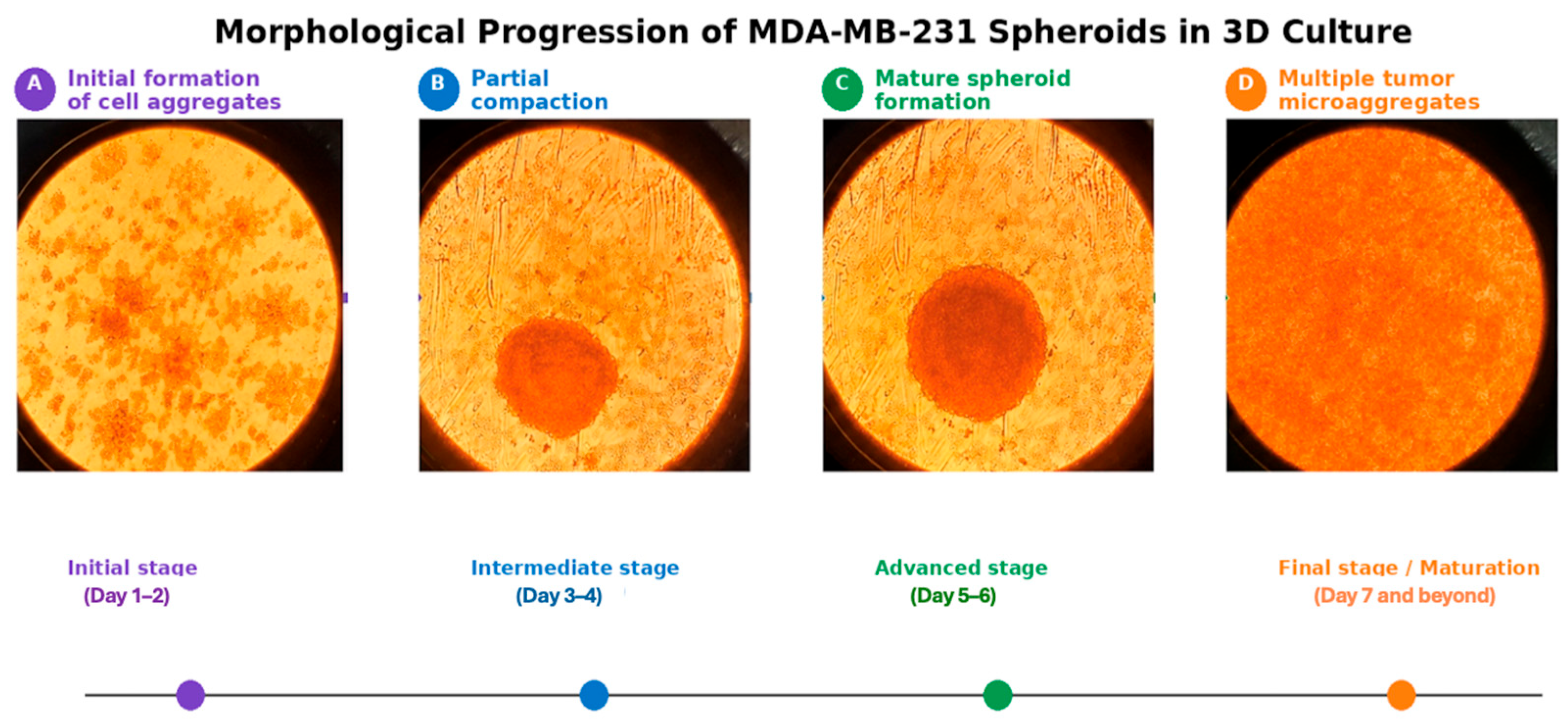
During the initial culture period, cells progressively aggregated and formed multicellular tumor spheroids. Between Days 5 and 7, compact and morphologically homogeneous spheroids were observed and subsequently selected for transfection experiments.
For gene-silencing experiments, mature spheroids were transfected with the PD-L1-targeting siRNA MIX using Lipofectamine™ 2000 as the transfection reagent and Opti-MEM™ as the reduced-serum medium. Each well of a 96-well plate, with a final volume of 100 µL, received 3.33 pmol of siRNA, 0.10 µL of Lipofectamine™ 2000, and 8.33 µL of Opti-MEM™, corresponding to a final siRNA concentration of 33.3 nM. Transfected spheroids were incubated for 72 h prior to downstream analyses.
Total RNA was extracted from transfected spheroids using TRIzol™ Reagent (Thermo Fisher Scientific, USA) according to the manufacturer’s instructions. cDNA synthesis was performed using a two-step reverse transcription system (Promega, USA). Relative CD274 (PD-L1) expression was quantified by SYBR Green-based RT-qPCR using β-actin as the endogenous reference gene and analyzed using the 2−ΔΔCt method. RT-qPCR amplification was performed using a LightCycler® Nano Real-Time PCR System (Roche Diagnostics, Switzerland).
2.8. Cell Viability Assessment by MTT Assay
Cell viability of MDA-MB-231 cells was evaluated by MTT assay after treatment with an siRNA mixture directed against PD-L1. The experimental conditions included untreated cells, transfection controls corresponding to Opti-MEM and Opti-MEM + Lipofectamine, and cells treated with increasing concentrations of the siRNA mixture (1, 10, 100, 1000, and 10,000 pM).
The transfection conditions used for the MTT assay in 96-well plates were proportionally scaled from the optimized transfection conditions previously established in 25 cm2 culture flasks. Briefly, equivalent siRNA: Lipofectamine ratios were maintained under reduced working volumes appropriate for 96-well plate experiments using a final volume of 100 µL per well. Complex formation was performed using Opti-MEM medium following the same experimental procedure described for flask transfections, including independent incubation of the siRNA and Lipofectamine solutions for 10 min at room temperature prior to mixture. Cells were maintained in DMEM/F12 medium supplemented with 10% fetal bovine serum and incubated at 37 °C in a humidified atmosphere containing 5% CO2.
Cells were incubated for 72 h under the corresponding experimental conditions. Subsequently, MTT (5 mg/mL PBS) reagent was added and the cells were incubated for 4 h to allow the formation of formazan crystals by metabolically active cells. After this period, the generated formazan crystals were solubilized using acidified isopropanol with HCl (4 µM), and absorbance was determined spectrophotometrically (540 nM) in the multimode VarioskanTM LUX multimode microplate reader (Thermo Fisher Scientific, Waltham, MA, USA). The obtained values were used to estimate relative cell viability in each experimental condition.
Results were represented as mean viability values ± standard error of the mean (SEM), together with the visualization of individual data points. Statistical analysis was performed using one-way ANOVA followed by Tukey’s multiple comparisons post hoc test, establishing statistical significance at p < 0.05. This analysis allowed comparison of the effect of different concentrations of the siRNA mixture on cellular metabolic activity and evaluation of a possible dose-dependent behavior.
2.9. Detection of PD-L1 Protein Expression by Immunofluorescence
PD-L1 protein expression in MDA-MB-231 cells was evaluated by immunofluorescence under basal conditions and following treatment with a PD-L1-targeting siRNA mixture for 72 h. Cells were maintained in DMEM/F12 medium supplemented with 10% fetal bovine serum and incubated at 37 °C in a humidified atmosphere containing 5% CO2.
Following treatment, cells were washed with phosphate-buffered saline (PBS), fixed, and processed for immunofluorescence staining. Nonspecific binding sites were blocked using a fetal bovine serum-containing blocking solution. PD-L1 detection was performed using a mouse monoclonal anti-PD-L1 primary antibody (Invitrogen™, Thermo Fisher Scientific, Waltham, MA, USA; Cat. No. 14-5983-82) at a dilution of 1:200, followed by incubation with Alexa Fluor Plus 488-conjugated secondary antibody (Thermo Fisher Scientific, Waltham, MA, USA; Cat. No. A32723) at a dilution of 1:500. The primary antibody was incubated overnight at 4 °C, whereas secondary antibody incubation was carried out for 1 h at room temperature protected from light. Cell nuclei were counterstained with propidium iodide (PI), visualized as red fluorescence.
After staining, samples were washed with PBS and examined using an EVOS™ M5000 Imaging System (Thermo Fisher Scientific, Waltham, MA, USA) under fluorescence microscopy conditions in order to compare the intensity and distribution of the PD-L1-associated signal between untreated control cells and siRNA-treated cells. PD-L1-associated fluorescence was visualized in the green channel.
For semiquantitative analysis, acquired fluorescence images were analyzed using ImageJ software, version 1.54 (National Institutes of Health, Bethesda, MD, USA). The fluorescence signal corresponding to the green channel was quantified following background subtraction, and fluorescence intensity was expressed as corrected fluorescence per analyzed area. Corrected fluorescence values were obtained from the integrated density of the green fluorescence channel normalized to the total analyzed field area, thereby reducing variability associated with differences in field size and cell density.
Results were represented as mean fluorescence intensity values together with semiquantitative comparison between experimental conditions. Statistical analysis was performed using one-way ANOVA followed by Tukey’s multiple comparisons test, establishing statistical significance at p < 0.05. This approach allowed quantitative comparison of PD-L1-associated fluorescence between control and siRNA-treated conditions as an indirect measure of changes in detectable PD-L1 protein abundance following transcript silencing.
2.10. Evaluation of Immunostimulatory Response by RT-qPCR
To evaluate potential siRNA-associated immunostimulation, the expression levels of IL6 and IFNB1 were quantified in MDA-MB-231 cells following treatment with the PD-L1-targeting siRNA MIX. Untreated cells and non-targeting siRNA-transfected cells were included as control groups. The non-targeting siRNA control used in this study corresponded to AllStars Negative Control siRNA (Qiagen, Cat. No. 1027280).
Cells were transfected with 100 pmol of the PD-L1-targeting siRNA MIX and incubated for 72 h post-transfection prior to RNA extraction and downstream analyses.
Total RNA was extracted using TRIzol™ Reagent (Thermo Fisher Scientific, Waltham, MA, USA) according to the manufacturer’s instructions. cDNA synthesis was performed using a two-step reverse transcription system from Promega. Relative IL6 and IFNB1 expression levels were quantified by SYBR Green-based RT-qPCR using β-actin as the endogenous reference gene. Relative gene expression was analyzed using the 2−ΔΔCt method.
For IL6 amplification, the following primers were used: Forward 5′-ACTCACCTCTTCAGAACGAATTG-3′ and Reverse 5′-CCATCTTTGGAAGGTTCAGGTTG-3′. For IFNB1 amplification, the following primers were used: Forward 5′-CAGCAATTTTCAGTGTCAGAAGC-3′ and Reverse 5′-TCATCCTGTCCTTGAGGCAGT-3′.
Each biological replicate corresponded to an independent transfection experiment (n = 3), while technical replicates were performed for each RT-qPCR reaction. Statistical analysis was performed using one-way ANOVA followed by Tukey’s multiple comparisons post hoc test, with statistical significance established at p < 0.05.
3. Results
The
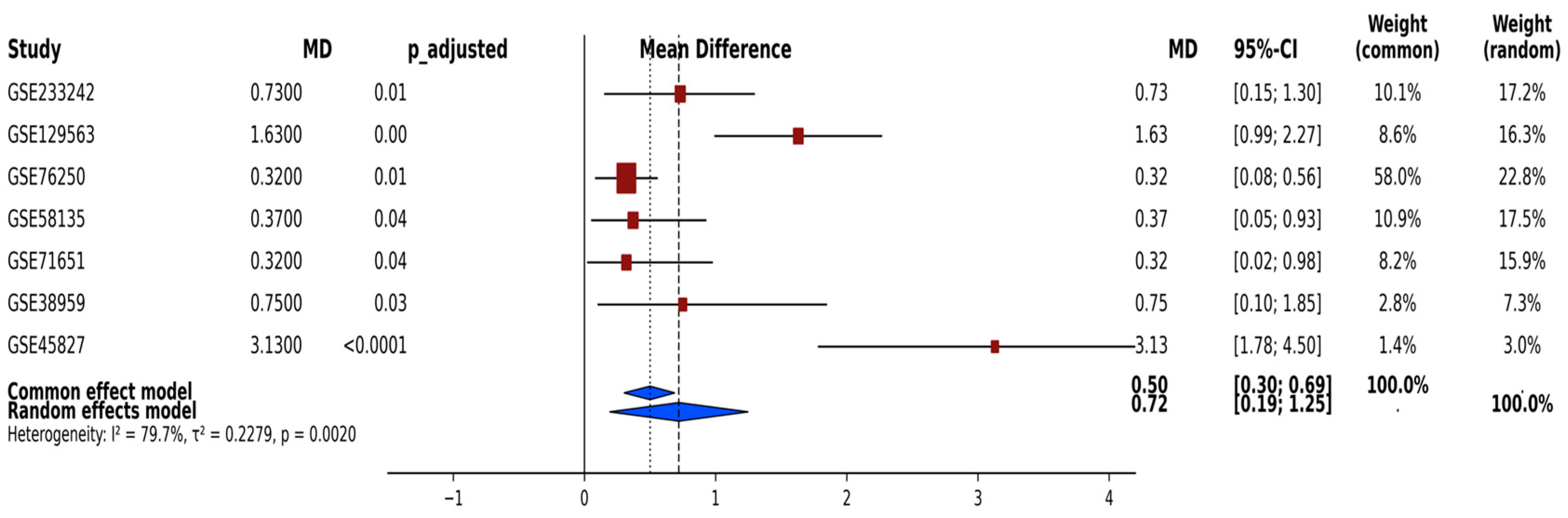
Figure 1 forest plot below shows CD274 (PD-L1) expression, expressed as log2 fold change (log2FC), between triple-negative breast cancer (TNBC) and control samples across individual GEO datasets. Squares represent study-specific effect sizes, with horizontal lines indicating 95% confidence intervals (CIs); square size is proportional to study weight. Pooled estimates are presented for both fixed-effect and random-effects models. Overall, CD274 expression was upregulated in TNBC compared to controls, supporting its potential involvement in immune evasion mechanisms associated with this breast cancer subtype. Substantial inter-study heterogeneity was observed (I
2 = 79.7%, τ
2 = 0.2279,
p = 0.002), potentially associated with differences in patient cohorts, transcriptomic platforms, sample processing, and tumor microenvironment composition among datasets. Due to this significant heterogeneity, the random-effects model was considered the most appropriate approach for pooled effect estimation. Sample sizes and dataset characteristics are summarized in
Supplementary Table S1.
Based on the observed upregulation of CD274 (PD-L1) in TNBC, siRNA candidates were rationally designed to target functionally relevant regions of the transcript. The reproducible overexpression pattern of CD274 across independent TNBC datasets further reinforced its relevance as a potential therapeutic target.
Table 1 summarizes the main characteristics of the selected siRNA sequences.
The table summarizes the three siRNA candidates designed against the human CD274 (PD-L1) transcript, including their sense and antisense sequences, target coordinates within the coding sequence, the corresponding encoded amino acid motifs, and the structural regions of PD-L1 targeted by each siRNA. All candidates were designed to target sequences within the extracellular domain of PD-L1, particularly within the Ig-like domains and membrane-proximal ectodomain regions. This localization supports their potential effectiveness in reducing the expression of structurally and functionally relevant regions of the PD-L1 protein through transcript-level silencing.
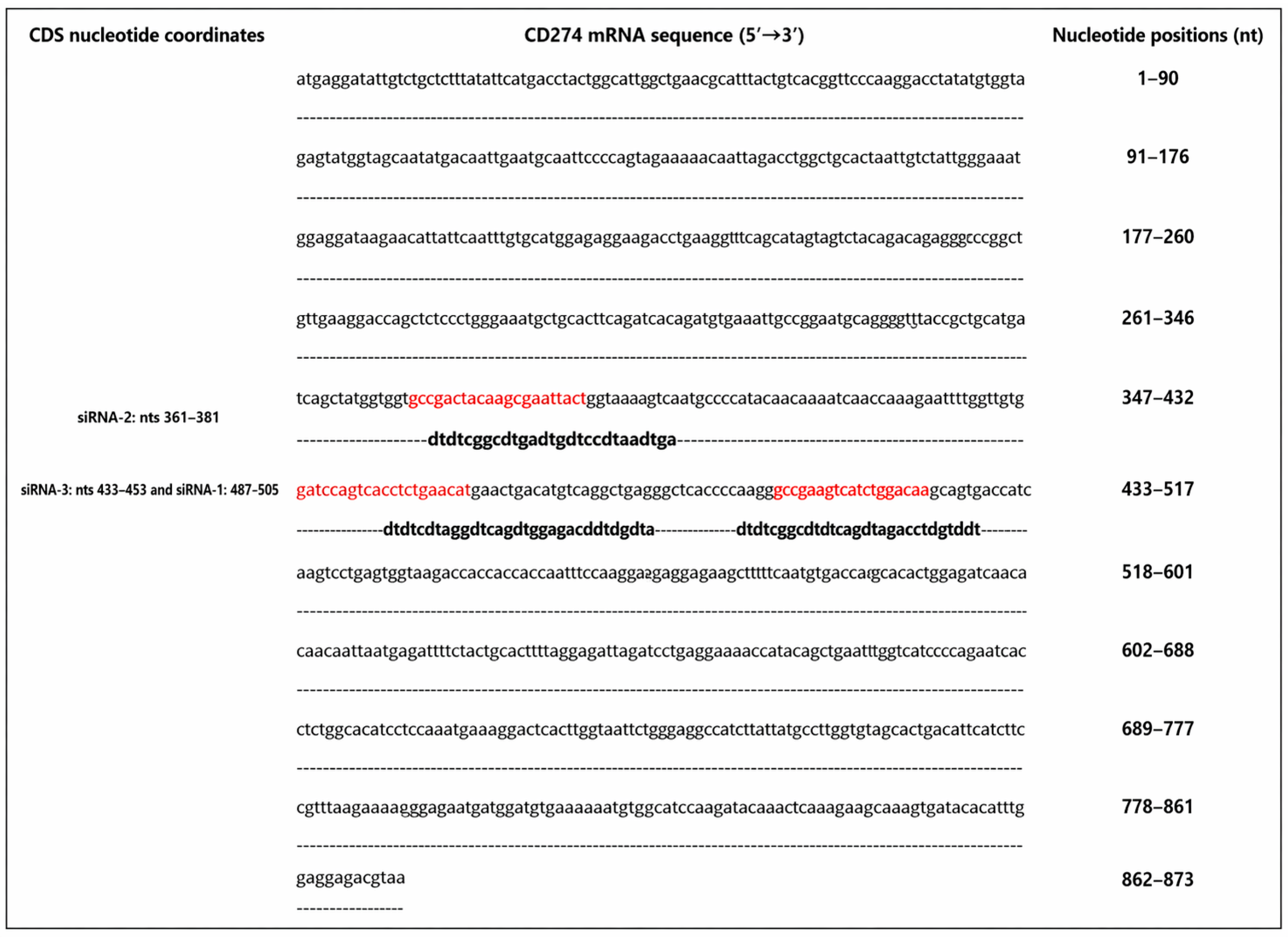
The figure below shows the localization of the designed siRNA target sites along the CD274 (PD-L1) mRNA coding sequence. The selected siRNAs are distributed across distinct regions of the transcript, ensuring coverage of structurally relevant domains.
Figure 2 is a schematic representation of the CD274 (PD-L1) mRNA coding sequence (5′→3′), showing the nucleotide coordinates used for siRNA target-site mapping. The regions targeted by the designed siRNAs are highlighted in red within the coding sequence, corresponding to siRNA-2 (nt 361–381), siRNA-3 (nt 433–453), and siRNA-1 (nt 487–505). The antisense strands corresponding to each target site are shown below their respective regions.
This mapping demonstrates that the three designed siRNAs target distinct non-overlapping coordinates within the CD274 coding sequence, providing broader transcript coverage and potentially enhancing sequence-specific transcript silencing. The positional distribution of these target sites further supports their rational selection as candidate RNA interference molecules directed against structurally relevant regions of the PD-L1 transcript.
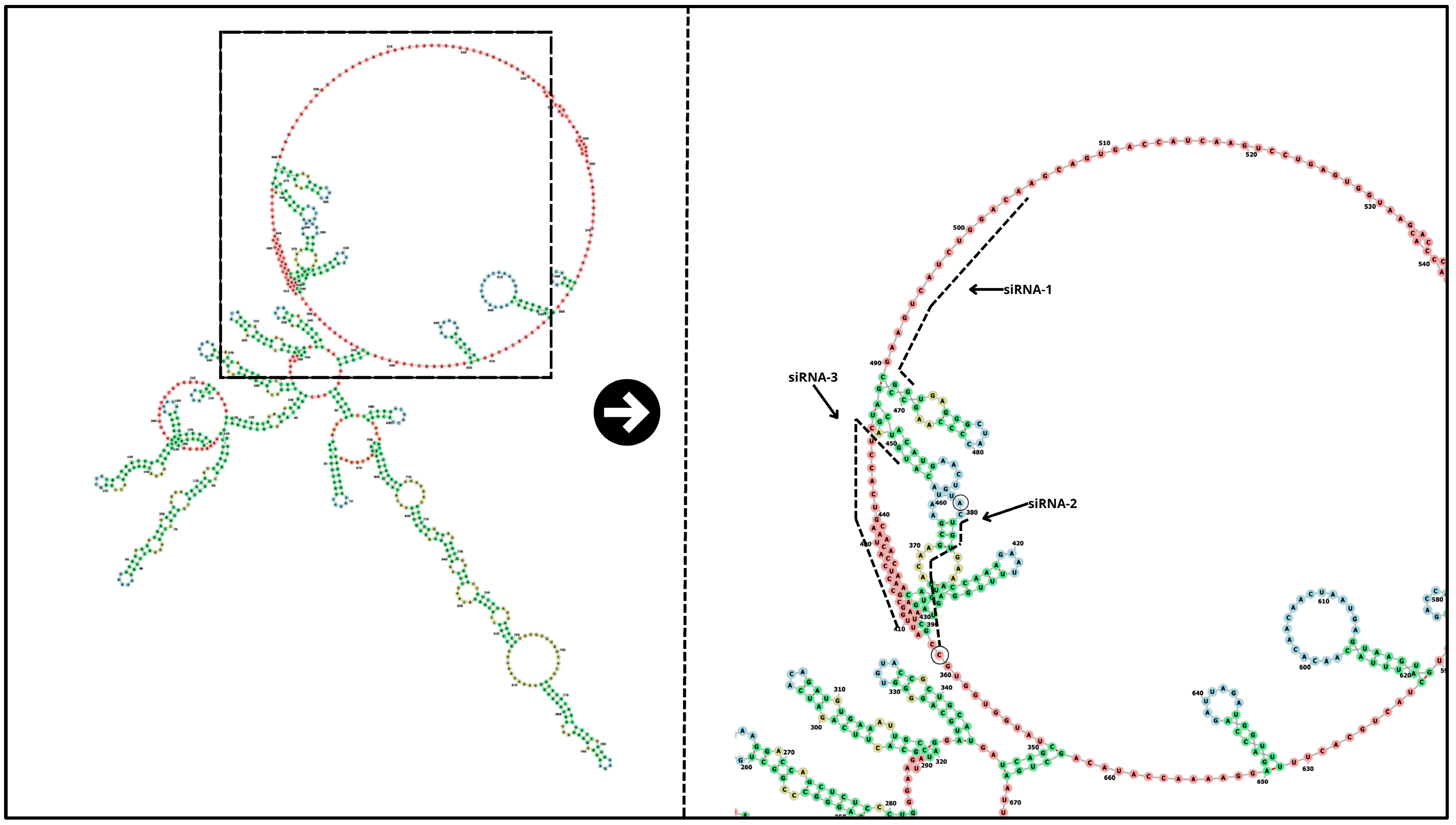
Figure 3 shows the predicted secondary structure of the CD274 mRNA highlighting the structural context of the three selected PD-L1-targeting siRNA binding sites. The left panel shows the global secondary structure of the transcript, while the boxed region is magnified in the right panel to visualize the local architecture surrounding the target sites. The positions corresponding to siRNA-1, siRNA-2, and siRNA-3 are indicated by arrows.
This representation illustrates the spatial distribution and predicted structural accessibility of the selected silencing regions within the folded CD274 transcript. Notably, the selected target sites are positioned within partially exposed and loop-containing regions, which are generally considered favorable for siRNA hybridization and RNA-induced silencing complex (RISC)-mediated transcript recognition. These structural features support the rational selection of the designed siRNAs as candidate RNA interference molecules for sequence-specific CD274 transcript silencing.
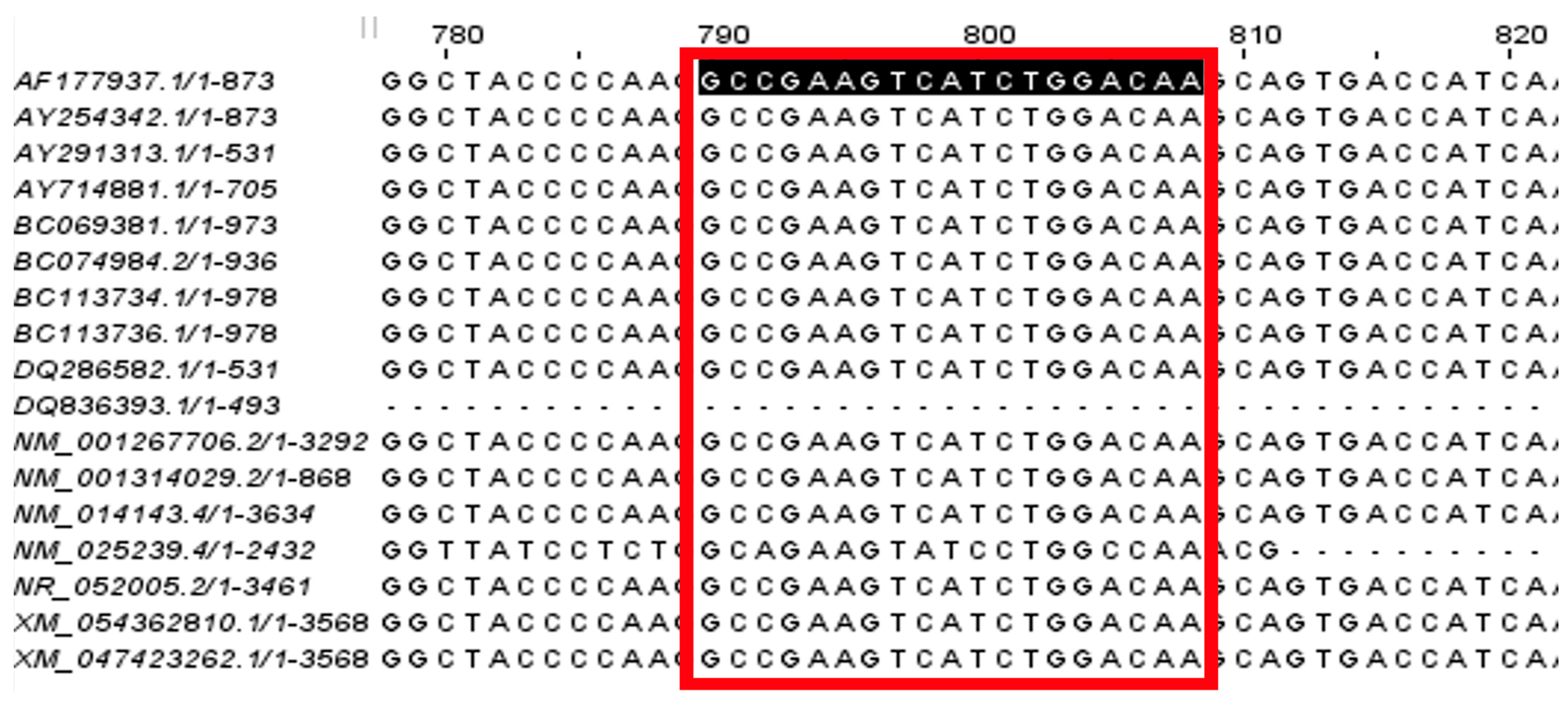
The
Figure 4 boxed region highlights the siRNA-1 target sequence, allowing visualization of its conservation across aligned CD274 transcript variants. This analysis demonstrates that the selected siRNA-1 recognition site remains conserved among multiple PD-L1 transcript variants, supporting the preservation of sequence complementarity required for sequence-specific transcript recognition and RNA interference-mediated silencing.
The observed conservation of this target region suggests that siRNA-1 may retain transcript-targeting capability across distinct CD274 transcript variants, potentially contributing to broader and more robust transcript silencing.
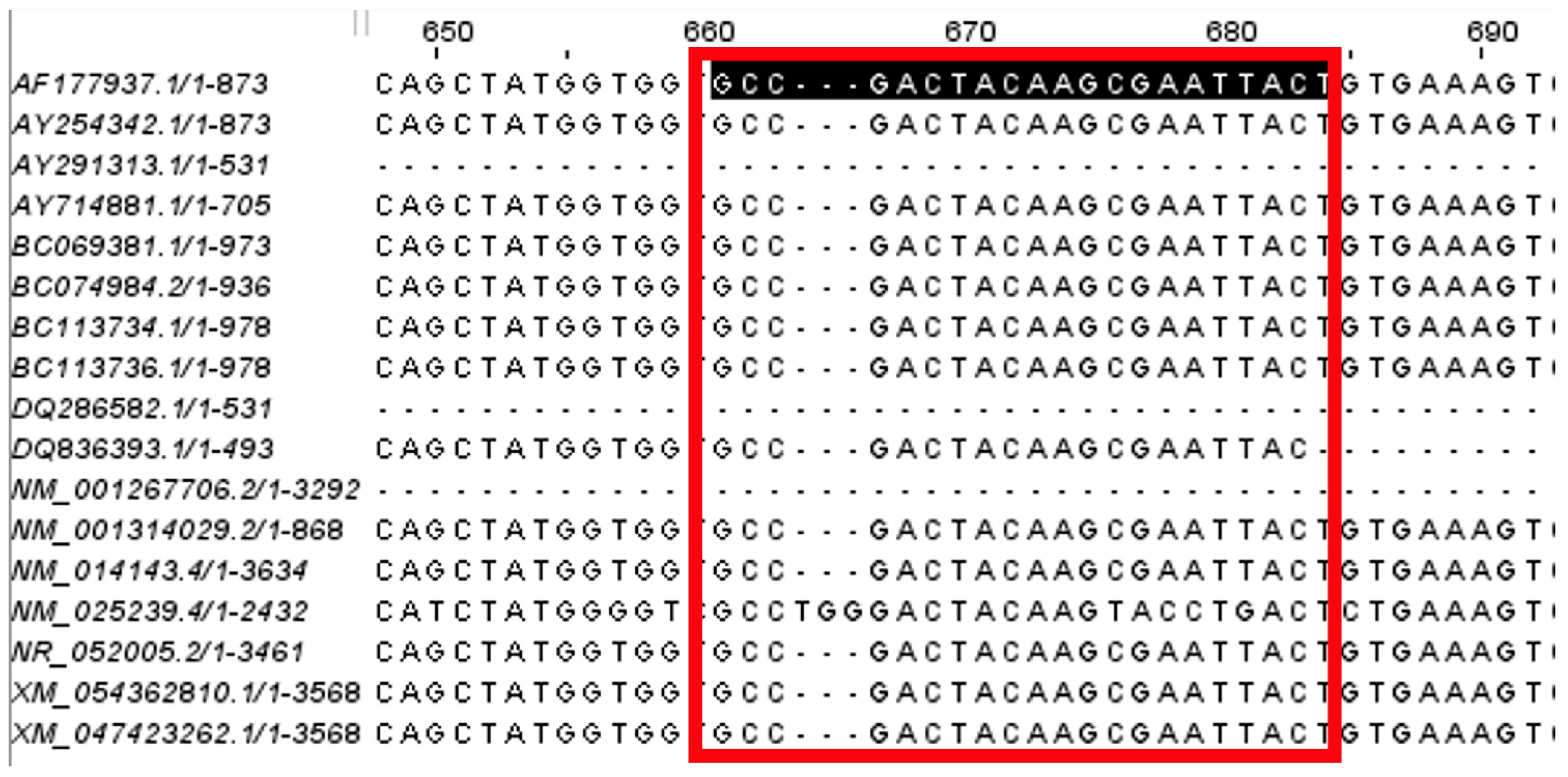
The
Figure 5 boxed region highlights the siRNA-2 target sequence, allowing visualization of its conservation across aligned CD274 transcript variants. This analysis demonstrates that the selected siRNA-2 recognition site remains conserved among multiple PD-L1 transcript variants, supporting the preservation of sequence complementarity required for sequence-specific transcript recognition and RNA interference-mediated silencing.
The observed conservation of this target region suggests that siRNA-2 may retain transcript-targeting capability across distinct CD274 transcript variants, potentially contributing to broader and more robust transcript silencing.
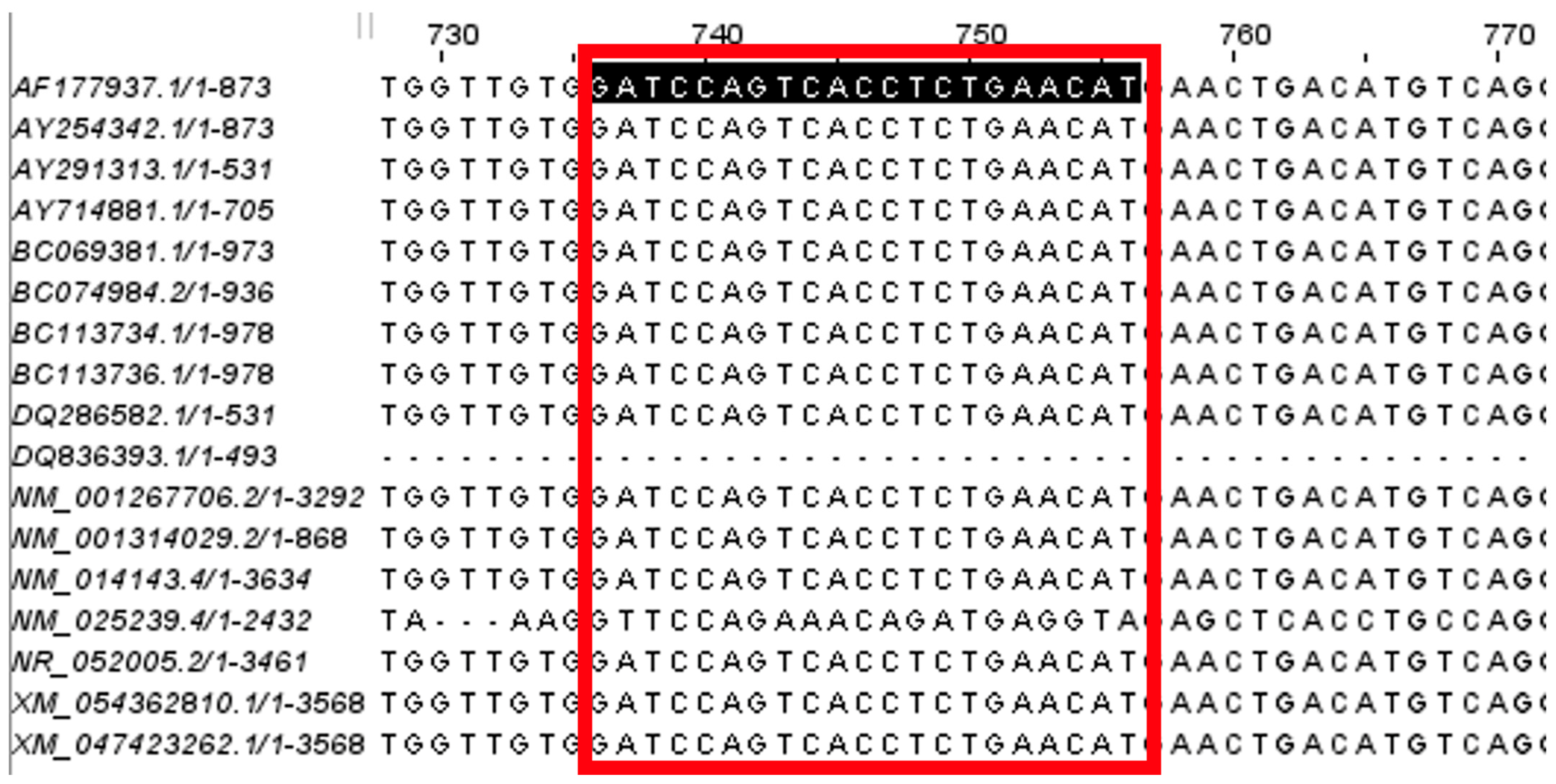
The
Figure 6 boxed region highlights the siRNA-3 target sequence, allowing visualization of its conservation across aligned CD274 transcript variants. This analysis demonstrates that the selected siRNA-3 recognition site remains conserved among multiple PD-L1 transcript variants, supporting the preservation of sequence complementarity required for sequence-specific transcript recognition and RNA interference-mediated silencing.
The observed conservation and limited sequence variation within this target region suggest that siRNA-3 may retain transcript-targeting capability across distinct CD274 transcript variants, potentially contributing to broader and more robust transcript silencing.
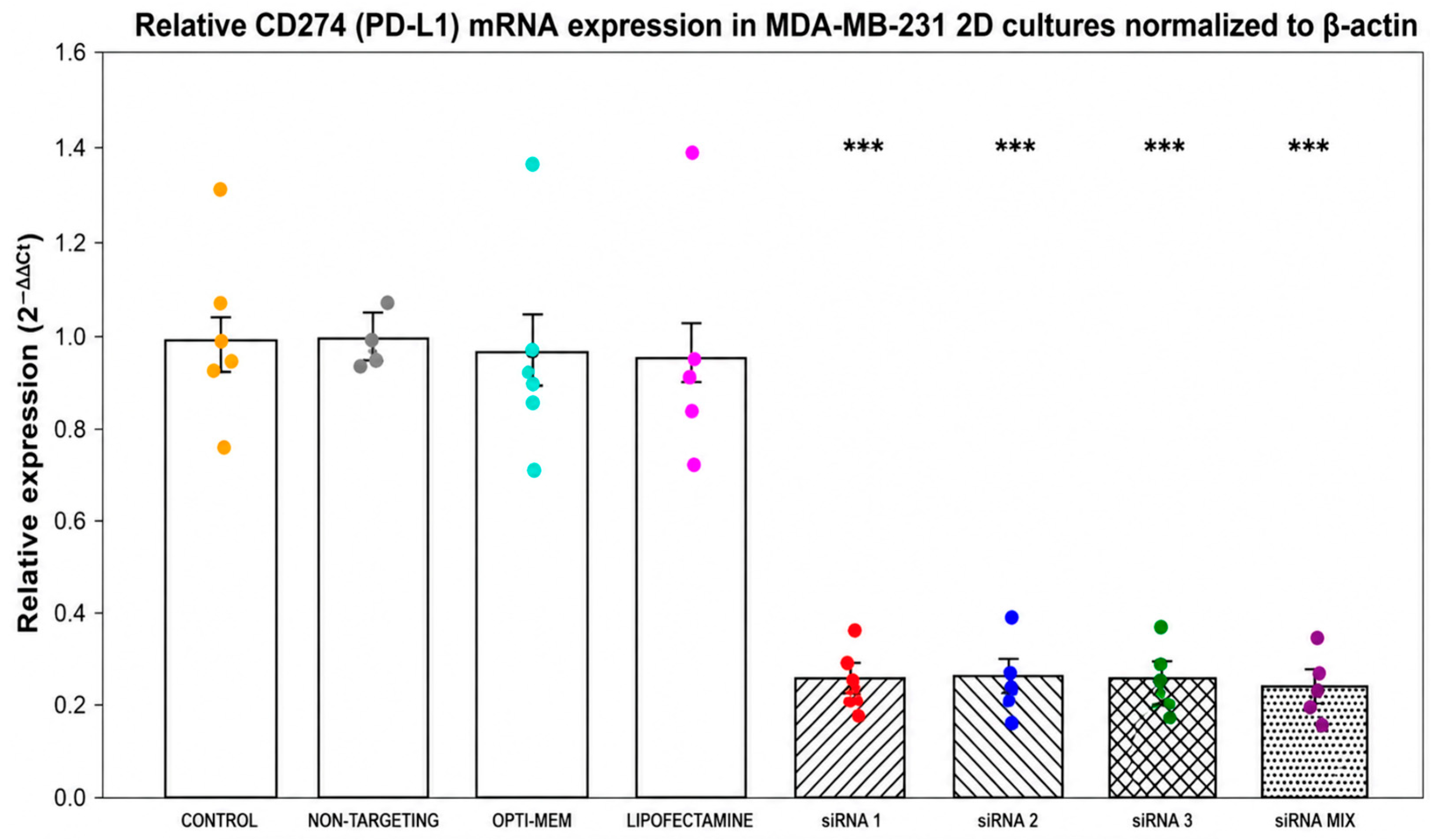
The
Figure 7 Relative CD274 expression was quantified by RT-qPCR and normalized to β-actin using the 2
−ΔΔCt method. Data are presented as mean ± SEM, with individual data points representing independent biological replicates (
n = 6). Each biological replicate corresponded to an independent experiment performed in separate 25 cm
2 culture flasks. Cells were transfected with 100 pmol of individual PD-L1-targeting siRNAs or with an siRNA MIX containing a total of 100 pmol, composed of 33.33 pmol of each individual siRNA candidate (siRNA-1, siRNA-2, and siRNA-3). CD274 gene expression was evaluated 72 h post-transfection.
No significant differences were observed among the control, Opti-MEM, Lipofectamine, and non-targeting siRNA groups, indicating that neither the vehicle, the transfection reagent, nor the non-targeting control affected basal PD-L1 expression levels.
In contrast, all PD-L1-targeting siRNAs significantly reduced CD274 expression compared with both the control and non-targeting siRNA groups (*** p < 0.001). siRNA1 reduced expression to 0.22 ± 0.02 (78% reduction), siRNA2 to 0.24 ± 0.02 (76% reduction), and siRNA3 to 0.25 ± 0.02 (75% reduction). The siRNA MIX produced a comparable reduction (0.23 ± 0.02; 77% reduction). No statistically significant differences were observed among the individual siRNAs or between the individual siRNAs and the siRNA MIX, indicating comparable silencing efficiency across all PD-L1-targeting treatments.
Statistical analysis was performed using one-way ANOVA followed by Tukey’s multiple comparisons post hoc test, with statistical significance established at p < 0.05.
The
Figure 8 MDA-MB-231 cells successfully formed compact 3D spheroids during culture progression. Early stages were characterized by the formation of loose cellular aggregates, followed by progressive compaction and spheroid organization. By Days 5–7, well-defined and structurally compact spheroids with homogeneous morphology were observed, indicating successful establishment of the 3D culture model. Mature spheroids obtained at Day 7 were subsequently selected for transfection with the PD-L1-targeting siRNA MIX in downstream gene-silencing experiments.
The
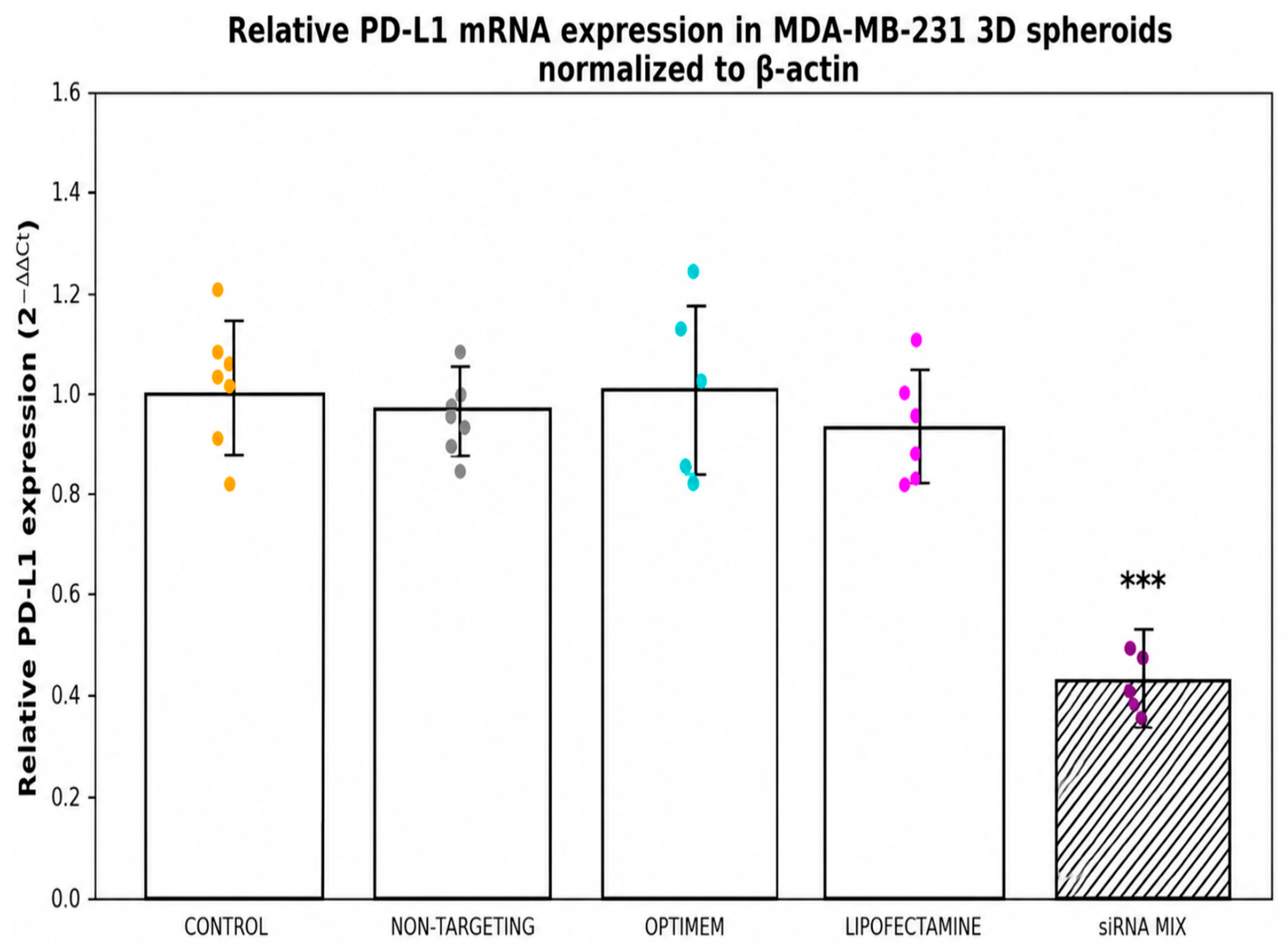
Figure 9 Relative CD274 (PD-L1) mRNA expression in MDA-MB-231 3D spheroids was quantified by RT-qPCR and normalized to β-actin using the 2
−ΔΔCt method. Data are presented as mean ± SD, with individual data points representing independent biological replicates (
n = 6). Each biological replicate corresponded to an independent experiment performed using mature MDA-MB-231 spheroids cultured in Matrigel. Spheroids were transfected with the PD-L1-targeting siRNA MIX, and CD274 expression was evaluated 72 h post-transfection.
No significant differences were observed among the control, non-targeting, OptiMEM, and Lipofectamine groups, indicating that neither the vehicle, the transfection reagent, nor sequence-independent siRNA effects altered basal PD-L1 expression under 3D culture conditions. Notably, the non-targeting siRNA group showed a relative expression of 0.97 ± 0.07, comparable to the control group (p > 0.05), confirming the absence of nonspecific gene silencing.
In contrast, treatment with 100 pmol siRNA MIX significantly reduced CD274 expression compared with the control group (*** p < 0.001). Relative PD-L1 expression decreased to 0.43 ± 0.08, corresponding to an approximate 57% reduction in transcript levels. These findings demonstrate that the siRNA MIX retained robust gene-silencing activity in the 3D spheroid model, despite the increased structural complexity and delivery barriers associated with Matrigel-based cultures. Statistical analysis was performed using one-way ANOVA followed by Tukey’s multiple comparisons post hoc test, with statistical significance established at p < 0.05.
The
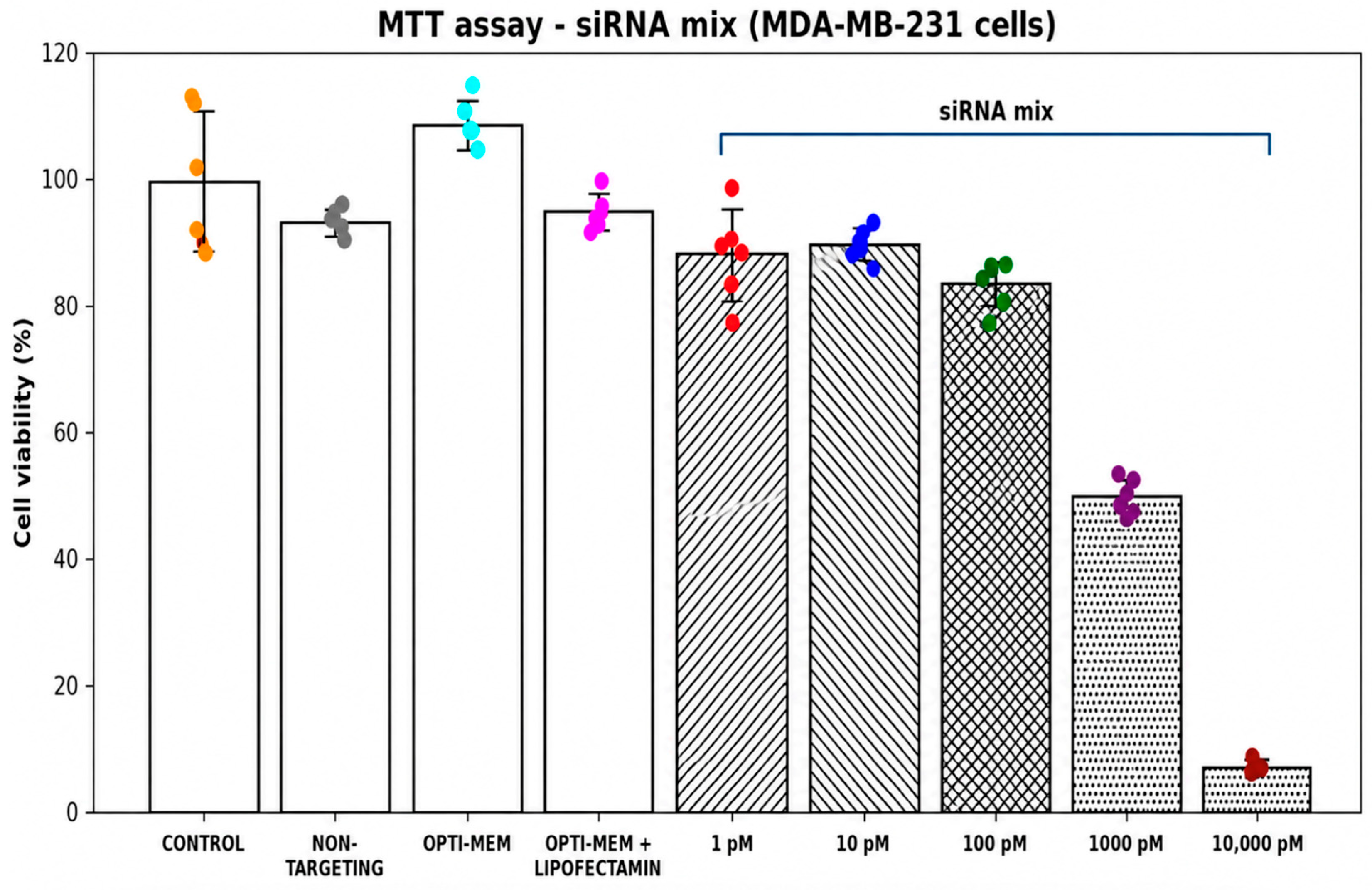
Figure 10 Cell viability was assessed by MTT assay and expressed as a percentage relative to the control group (set as 100%). Data are presented as mean ± SD, with individual biological replicates (
n = 6). Cell viability was evaluated 72 h post-transfection.
Treatment with Opti-MEM, Opti-MEM + Lipofectamine, and non-targeting siRNA did not significantly affect cell viability compared with the control group, confirming the absence of cytotoxic effects associated with the transfection conditions or sequence-independent siRNA effects. The transfection conditions used in the 96-well plate MTT assay were proportionally scaled from the optimized conditions established in 25 cm2 culture flasks, corresponding to 100 pmol siRNA, 3 µL Lipofectamine, 250 µL Opti-MEM, and a final volume of 3 mL.
Low concentrations of the siRNA MIX (1–10 pM) maintained cell viability close to 90%, indicating minimal cytotoxicity at these concentrations. The 100 pM concentration, selected for subsequent gene-silencing experiments, resulted in a cell viability of approximately 82.9%, representing only a moderate reduction relative to the control group and remaining compatible with a non-cytotoxic experimental condition.
In contrast, higher siRNA MIX concentrations (≥1000 pM) produced a marked dose-dependent decrease in cell viability. Treatment with 1000 pM reduced viability to approximately 49.5%, whereas 10,000 pM reduced viability to below 10% (approximately 6.8%), indicating pronounced cytotoxic effects at elevated oligonucleotide concentrations.
Gene expression analysis was performed using conventional SYBR Green RT-qPCR using gene-specific forward and reverse primers for CD274 (PD-L1) and β-actin. No hydrolysis probes were used in this study. The primer sequences employed for amplification are shown in
Table 2.
The
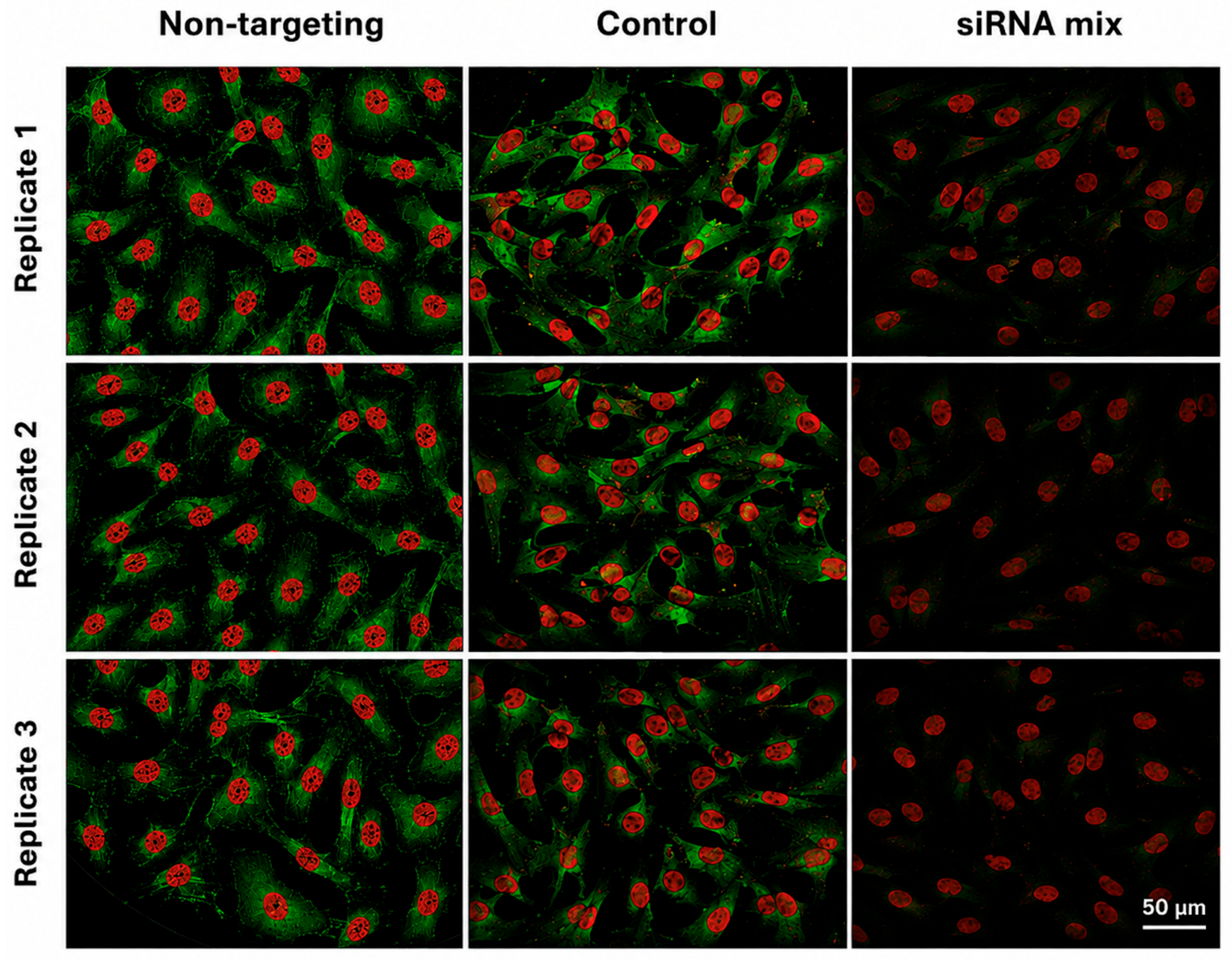
Figure 11 Representative immunofluorescence images of MDA-MB-231 cells from the non-targeting, control, and PD-L1-targeting siRNA mix groups at 72 h post-transfection are shown. PD-L1 protein expression was detected using a specific primary antibody and visualized as green fluorescence, while nuclei were counterstained with propidium iodide (red). Three independent biological replicates are presented for each experimental group. Cells treated with the siRNA mix showed a clear reduction in PD-L1-associated fluorescence intensity compared with both the control and non-targeting groups, indicating effective silencing at the protein level. No appreciable differences in fluorescence intensity were observed between the control and non-targeting groups, confirming that the non-targeting siRNA did not affect basal PD-L1 expression. These findings are consistent with the significant downregulation of CD274 mRNA detected by RT-qPCR, supporting successful PD-L1 silencing at both the transcript and protein levels. Scale bar = 50 μm.
The
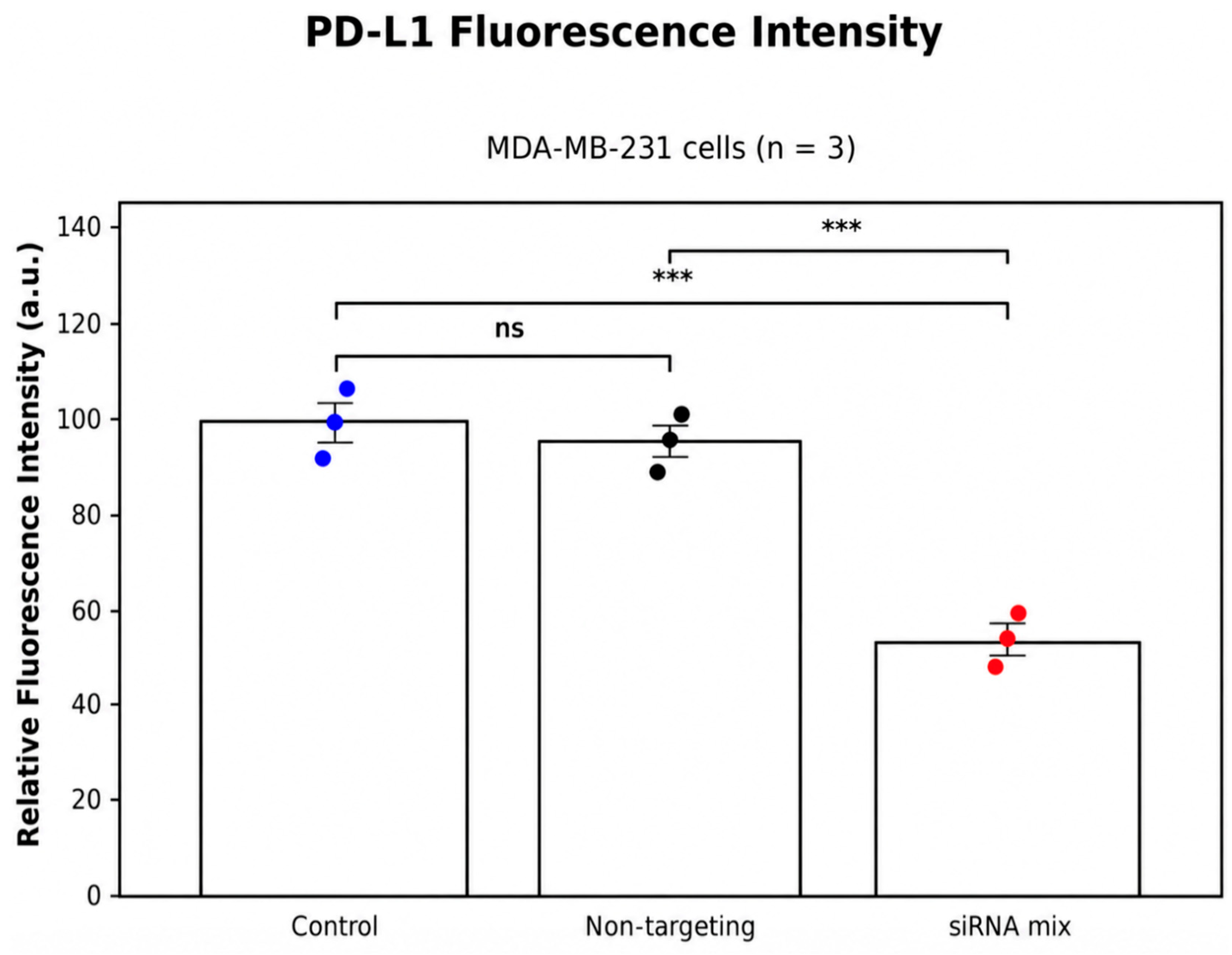
Figure 12 PD-L1-associated immunofluorescence was quantified from fluorescence microscopy images using ImageJ software. Signal intensity was expressed as area-corrected fluorescence, calculated from the green fluorescence channel after background subtraction and normalization to the analyzed field area. Data are presented as mean ± SD from three independent biological replicates (
n = 3), with individual data points representing independent experiments.
No significant differences were observed between the control and non-targeting siRNA groups (ns), indicating that transfection with the non-targeting siRNA control did not affect basal PD-L1 protein expression. In contrast, the siRNA MIX-treated group showed a markedly lower area-normalized fluorescence signal compared with both the control and non-targeting groups (54.3 vs. 98.7 and 95.2 a.u., respectively), corresponding to an approximate 45% reduction in PD-L1-associated fluorescence. These results are consistent with effective PD-L1 protein silencing following siRNA treatment. Statistical analysis was performed using one-way ANOVA followed by Tukey’s multiple comparisons test.
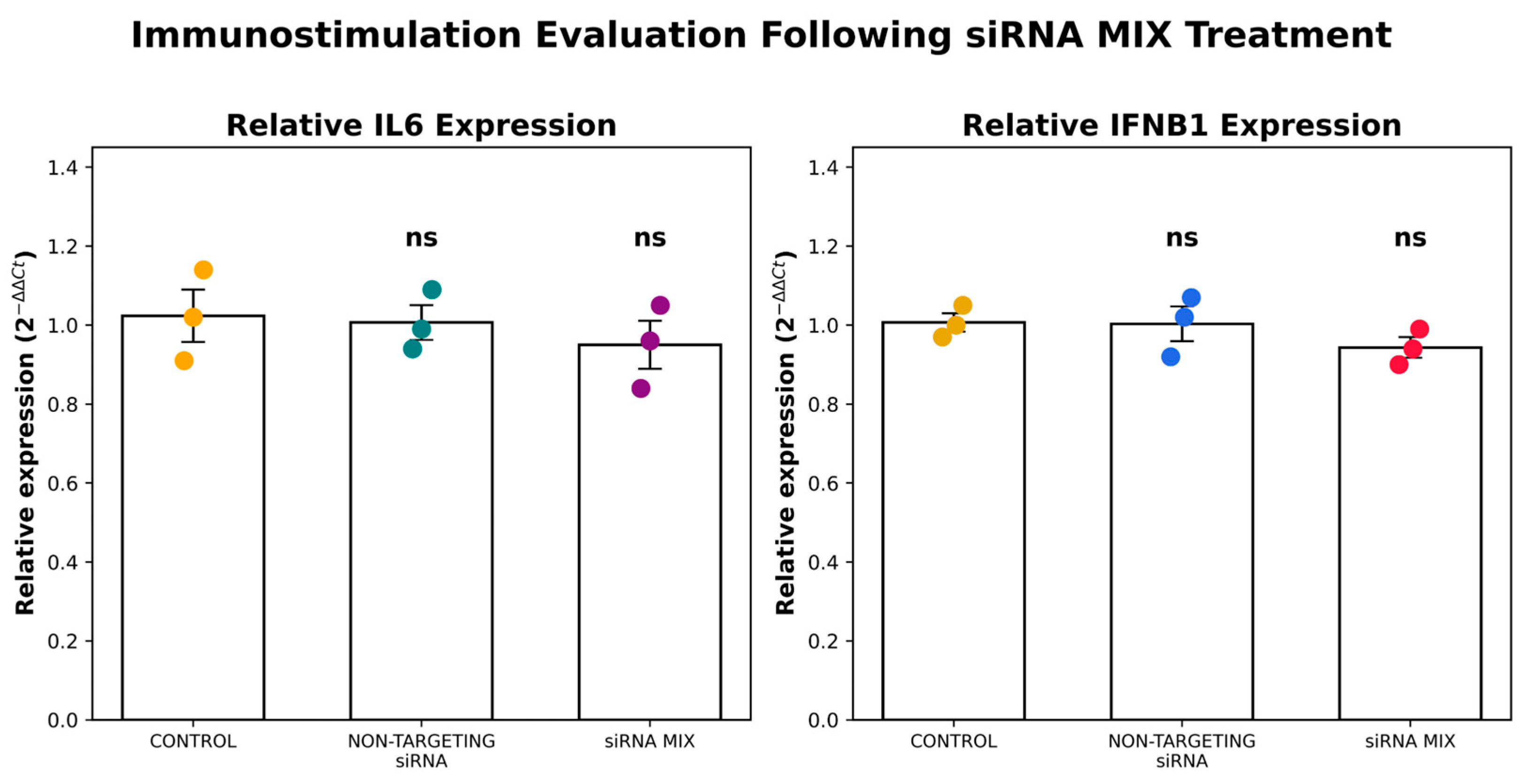
The
Table 3 Relative IL6 and IFNB1 expression levels were quantified by SYBR Green RT-qPCR and normalized to β-actin using the 2
−ΔΔCt method. Data are presented as mean ± SEM, with individual biological replicates (
n = 3). No significant differences were observed among the control, non-targeting siRNA, and PD-L1-targeting siRNA MIX groups, indicating that siRNA treatment did not induce detectable immunostimulatory activation under the experimental conditions evaluated. The
Figure 13 findings suggest that the PD-L1-targeting siRNA MIX did not trigger a measurable innate immune response in MDA-MB-231 cells. Statistical analysis was performed using one-way ANOVA followed by Tukey’s multiple comparisons post hoc test, with statistical significance established at
p < 0.05.
4. Discussion
Triple-negative breast cancer (TNBC) remains one of the most aggressive and therapeutically challenging breast cancer subtypes because of its marked molecular heterogeneity, elevated metastatic potential, early recurrence, and limited availability of targeted therapeutic options [
2,
3,
4]. Although immune checkpoint inhibitors directed against the PD-1/PD-L1 axis have improved clinical outcomes in selected TNBC patient populations, therapeutic responses remain heterogeneous and are frequently restricted to a subset of patients [
5,
7,
8,
15,
16]. These limitations highlight the need for complementary therapeutic strategies capable of directly modulating immune evasion pathways at the molecular level.
In the present study, transcriptomic meta-analysis of independent GEO datasets consistently demonstrated CD274 (PD-L1) overexpression in TNBC samples, reinforcing the relevance of PD-L1 as a biologically meaningful therapeutic target in this breast cancer subtype. Although substantial inter-study heterogeneity was observed, likely associated with differences in patient cohorts, sequencing platforms, tumor microenvironment composition, and intrinsic TNBC molecular diversity, the overall direction of the effect consistently supported PD-L1 upregulation across datasets. This reproducible overexpression pattern strengthens the rationale for targeting PD-L1 in TNBC and supports the translational relevance of RNA interference-based approaches directed against CD274, consistent with previous reports describing elevated PD-L1 expression in TNBC [
17,
18].
Beyond its well-established role in immune evasion through PD-1 interaction, increasing evidence indicates that PD-L1 also exerts tumor-intrinsic functions associated with epithelial–mesenchymal transition, stemness, resistance to apoptosis, metabolic adaptation, and metastatic progression in TNBC cells [
11,
12,
13]. Consequently, direct suppression of PD-L1 expression through siRNA-mediated silencing may simultaneously interfere with both immune checkpoint signaling and tumor-supportive cellular pathways. In agreement with this concept, all designed PD-L1-targeting siRNAs produced marked suppression of CD274 expression in MDA-MB-231 cells, achieving transcript reductions greater than 75% under optimized experimental conditions. Importantly, the inclusion of a non-targeting siRNA control demonstrated no significant changes in basal CD274 expression relative to untreated cells, confirming that the observed silencing effect was sequence-specific and not attributable to nonspecific siRNA exposure or transfection-associated cellular stress. Importantly, the siRNA MIX produced comparable silencing efficiency relative to individual siRNAs, suggesting that simultaneous targeting of multiple transcript regions can preserve robust transcript suppression without compromising specificity. This multi-targeting strategy may additionally reduce the probability of transcript escape caused by local sequence variation or structural masking within the CD274 transcript.
Previous studies such as Lotfinejad et al. [
19], Pacheco-Torres et al. [
20], and Camorani et al. [
21] demonstrated the feasibility of PD-L1 silencing in TNBC; however, these studies primarily focused on delivery systems or conventional monolayer models. In contrast, the present study integrated transcriptomic meta-analysis, rational structural design, transcript conservation analysis, and functional validation in both 2D and 3D TNBC models within a unified experimental framework.
One of the principal strengths of the present study is the integration of transcriptomic, structural, and functional analyses into a unified siRNA design framework. Unlike studies based primarily on empirical sequence selection, the present work incorporated transcriptomic meta-analysis, target-site mapping, RNA secondary structure prediction, and transcript variant conservation analysis to support rational siRNA design. Structural accessibility analysis demonstrated that the selected target regions were localized within partially exposed and loop-containing regions of the folded CD274 transcript, conformations generally considered favorable for efficient RISC accessibility and siRNA hybridization [
10,
22,
23,
24]. Furthermore, multiple sequence alignment analyses demonstrated conservation of the selected recognition sites across distinct PD-L1 transcript variants, supporting preservation of sequence complementarity required for sequence-specific transcript recognition and RNA interference-mediated silencing. This aspect is particularly relevant because transcript heterogeneity and splice variation may reduce the effectiveness of RNA interference strategies when poorly conserved target regions are selected [
25,
26].
Importantly, the present study extended PD-L1 silencing evaluation beyond conventional two-dimensional monolayer cultures by incorporating a biologically relevant three-dimensional (3D) spheroid model of MDA-MB-231 cells. Three-dimensional tumor models more accurately reproduce several characteristics of solid tumors observed in vivo, including cell–cell interactions, spatial organization, nutrient and oxygen gradients, hypoxic regions, and diffusion barriers affecting therapeutic penetration [
27,
28,
29,
30]. Under these conditions, the siRNA MIX maintained significant silencing activity, reducing CD274 expression by approximately 57% in mature spheroids. Although the magnitude of silencing observed in 3D cultures was lower than that obtained in 2D monolayers, this finding is biologically expected because a compact spheroid architecture represents a substantially more restrictive environment for oligonucleotide penetration and intracellular delivery. Similar reductions in transfection efficiency under 3D conditions have been previously reported for lipid- and nanoparticle-mediated nucleic acid delivery systems [
29,
30]. The preservation of silencing activity in spheroids is particularly relevant because penetration barriers observed in 3D cultures partially resemble those encountered in solid tumors in vivo. Therefore, the maintenance of significant PD-L1 suppression within spheroids supports the functional activity of the designed siRNAs under tumor-like conditions with increased biological complexity.
Another important finding was the preservation of cellular viability at the working concentration selected for gene-silencing experiments. MTT analysis demonstrated that low concentrations of the siRNA MIX maintained cell viability near baseline levels, whereas pronounced cytotoxicity became evident only at substantially higher oligonucleotide concentrations. Notably, the non-targeting siRNA control also preserved cell viability at levels comparable to the untreated control, further supporting that the transfection procedure and exposure to siRNA molecules per se did not induce relevant cytotoxic effects under the selected experimental conditions. These observations support the interpretation that the reduction in CD274 expression was primarily attributable to sequence-specific gene silencing rather than nonspecific cytotoxic effects associated with transfection conditions or oligonucleotide overload. This distinction is especially important in RNA interference studies because excessive siRNA concentrations may induce off-target effects, nonspecific metabolic alterations, or innate immune activation [
31,
32,
33].
Consistent with transcript-level suppression, immunofluorescence analysis demonstrated a marked reduction in PD-L1-associated fluorescence intensity following treatment with the siRNA MIX, supporting effective translation of transcript suppression into reduced protein expression. In contrast, cells transfected with the non-targeting siRNA exhibited fluorescence intensity comparable to the control group, further confirming that the reduction in PD-L1-associated signal resulted from sequence-specific silencing rather than nonspecific effects of siRNA delivery. This observation is particularly relevant because PD-L1 expression can be regulated by post-transcriptional and post-translational mechanisms, including glycosylation and protein stabilization processes capable of partially uncoupling transcript abundance from protein levels [
6,
34]. Therefore, the concordant reduction observed at both transcript and protein levels strengthens the evidence supporting functional PD-L1 suppression mediated by the designed siRNA strategy.
Importantly, no significant differences were observed among the control, Opti-MEM, Lipofectamine, and non-targeting siRNA groups, indicating that neither the transfection vehicle nor the nonspecific siRNA control significantly altered basal PD-L1 expression. Additionally, the absence of detectable IL6 and IFNB1 induction after treatment with the PD-L1-targeting siRNA MIX suggests that the experimental conditions used in this study did not trigger measurable nonspecific immunostimulatory activation. This finding further supports the biological specificity of the observed silencing effect and reduces the likelihood that transcript suppression resulted from nonspecific innate immune responses [
32,
33].
Several limitations should nevertheless be acknowledged. First, the present study was performed using a single TNBC cell line, and additional validation in other TNBC molecular subtypes would strengthen the generalizability of the findings. Second, although substantial transcript and protein suppression were achieved, downstream functional consequences such as migration, invasion, apoptosis, immune-cell interaction, and in vivo antitumor activity were not evaluated in the present work. Third, efficient systemic delivery remains one of the major translational barriers for siRNA-based therapeutics, particularly in solid tumors characterized by a dense stromal architecture and heterogeneous vascularization [
14,
32]. Future studies should therefore explore nanoparticle-based delivery systems, ligand-targeted formulations, or tumor-selective carriers capable of improving siRNA stability, biodistribution, and intratumoral penetration.
Overall, the present findings support PD-L1-targeting siRNA therapy as a promising RNA interference-based strategy for TNBC. By integrating transcriptomic meta-analysis, rational structural design, transcript conservation analysis, and functional validation in both 2D and 3D tumor models, this study provides a comprehensive preclinical framework supporting further development of PD-L1-directed gene-silencing approaches in aggressive breast cancer.
5. Conclusions
Taken together, the present findings identify PD-L1 as a biologically relevant molecular target in triple-negative breast cancer (TNBC) and demonstrate the feasibility of its modulation through siRNA-mediated gene silencing. Transcriptomic meta-analysis of independent GEO datasets consistently revealed CD274 overexpression in TNBC, further reinforcing the relevance of targeting PD-L1 in this aggressive breast cancer subtype.
The rational design strategy employed in this study integrated transcriptomic analysis, target-site mapping, RNA secondary structure prediction, and transcript variant conservation analysis, enabling the selection of siRNA sequences directed against structurally accessible and conserved regions of the CD274 transcript. Under optimized experimental conditions, all designed siRNAs and the siRNA MIX produced robust suppression of CD274 expression in MDA-MB-231 cells, supporting the susceptibility of PD-L1 to sequence-specific RNA interference-mediated silencing.
Importantly, the specificity of the silencing effect was strengthened by the inclusion of a non-targeting siRNA control, which showed no significant changes in basal CD274 expression, PD-L1-associated fluorescence intensity, or cellular viability relative to untreated controls. Additionally, the absence of detectable IL6 and IFNB1 induction following siRNA MIX treatment suggests that the experimental conditions used did not trigger measurable nonspecific immunostimulatory responses, further supporting the biological specificity of the observed gene-silencing effect.
PD-L1 suppression was validated not only in conventional two-dimensional cultures but also in a biologically relevant three-dimensional spheroid model that more closely reproduces the structural complexity of solid tumors. Although silencing efficiency was partially reduced under 3D conditions, significant downregulation of CD274 expression was maintained, supporting the functional activity of the designed siRNAs under tumor-like conditions with increased structural complexity and therapeutic penetration barriers.
Consistent with transcript-level suppression, immunofluorescence analysis demonstrated a marked reduction in PD-L1-associated fluorescence intensity following siRNA treatment, confirming effective translation of transcript silencing into reduced protein expression. Moreover, MTT assays indicated that effective gene silencing could be achieved under conditions compatible with preserved cellular viability at the selected working concentration.
Overall, the present work provides a comprehensive preclinical framework supporting further investigation of PD-L1-directed RNA interference strategies in TNBC. By integrating transcriptomic validation, rational siRNA design, specificity controls, and functional validation in both 2D and 3D tumor models, this study highlights siRNA-mediated PD-L1 silencing as a promising molecular strategy for targeted modulation of immune checkpoint signaling in aggressive breast cancer.





 ,
,