Article

Bus Dynamic Travel Time Prediction: Using a Deep Feature Extraction Framework Based on RNN and DNN

1
Key Laboratory of Transport Industry of Big Data Application Technologies for Comprehensive Transport, Beijing Jiaotong University, Beijing 100044, China
2
School of Automotive and Transportation, Shenzhen Polytechnic College, Shenzhen 518055, China
3
School of Transportation and Civil Engineering, Nantong University, Nantong 226000, China
4
Guangdong Provincial Key Laboratory of Intelligent Transportation System, Sun Yat-sen University, Guangzhou 510006, China
5
School of Intelligent Equipment, Shandong University of Science and Technology, Huangdao District, Qingdao 266590, Shandong Province, China
6
Singularity Cloud, Beijing 100000, China
*
Author to whom correspondence should be addressed.
Electronics 2020, 9(11), 1876; https://doi.org/10.3390/electronics9111876

Submission received: 24 September 2020 / Revised: 28 October 2020 / Accepted: 29 October 2020 / Published: 8 November 2020

Abstract

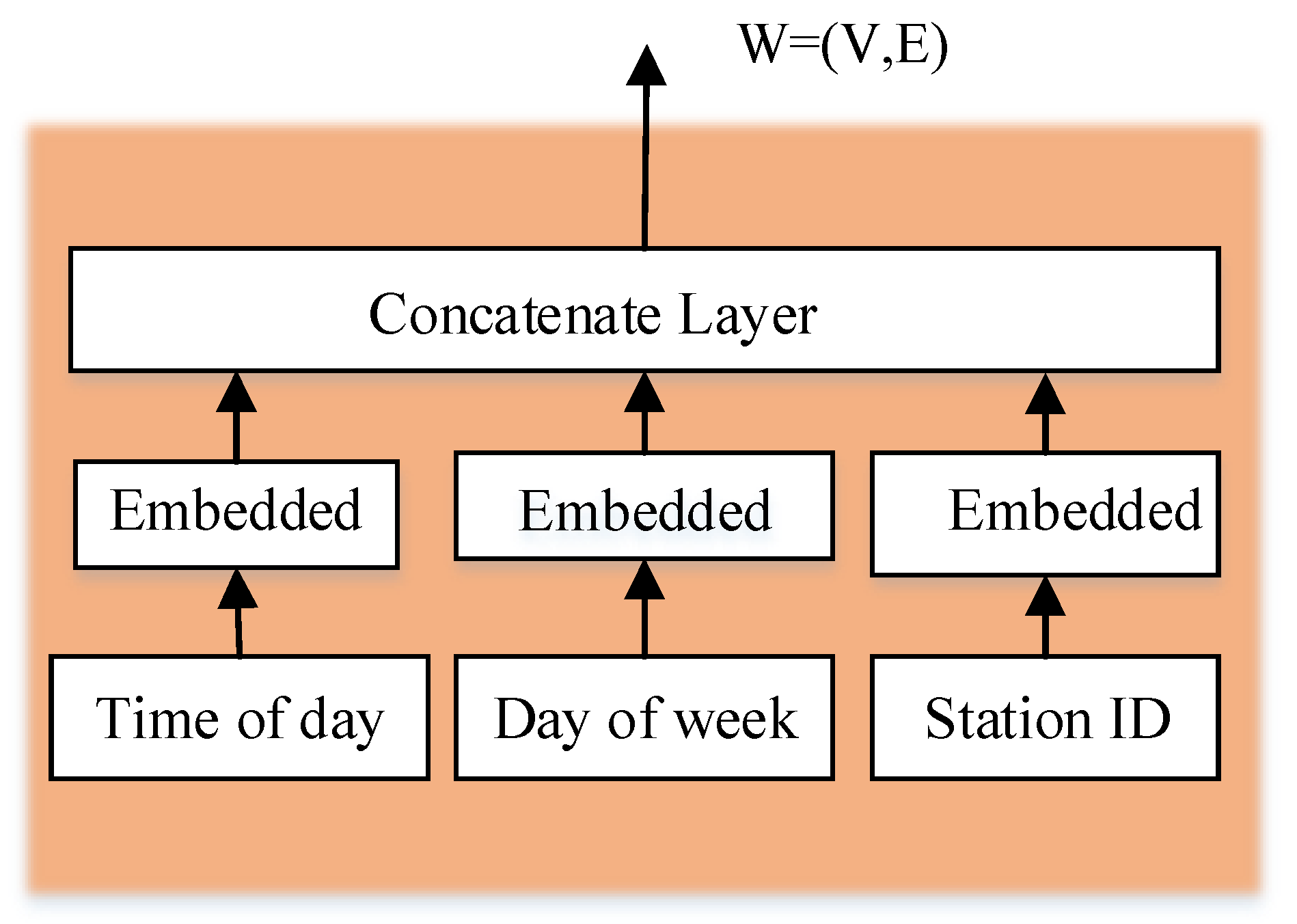
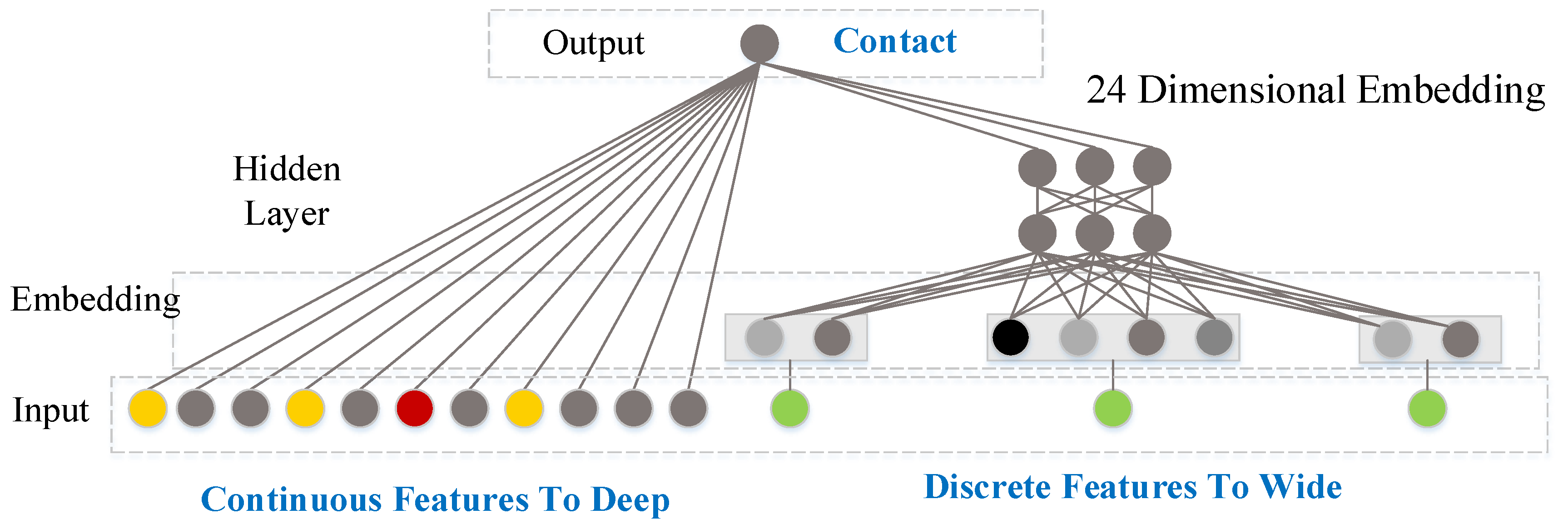
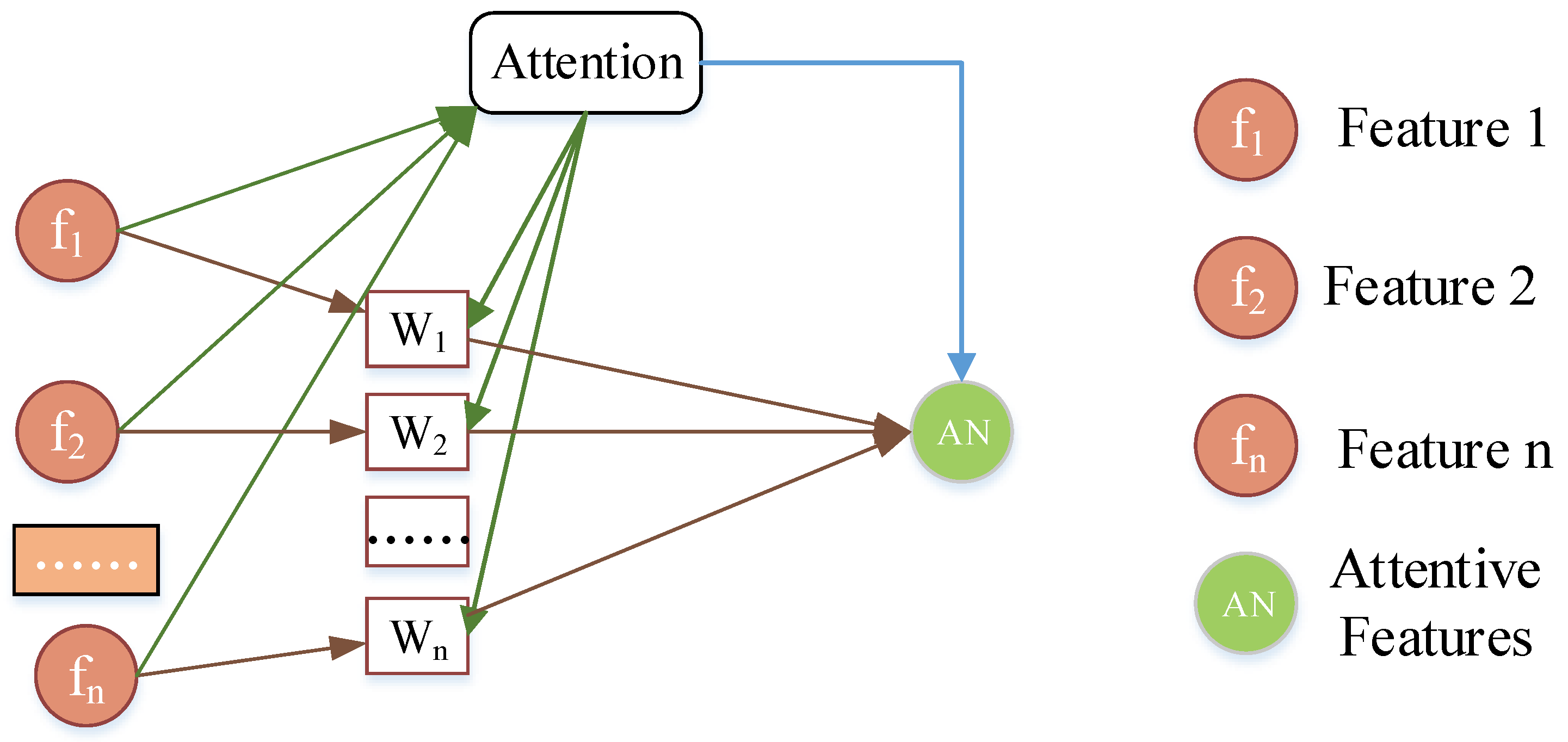
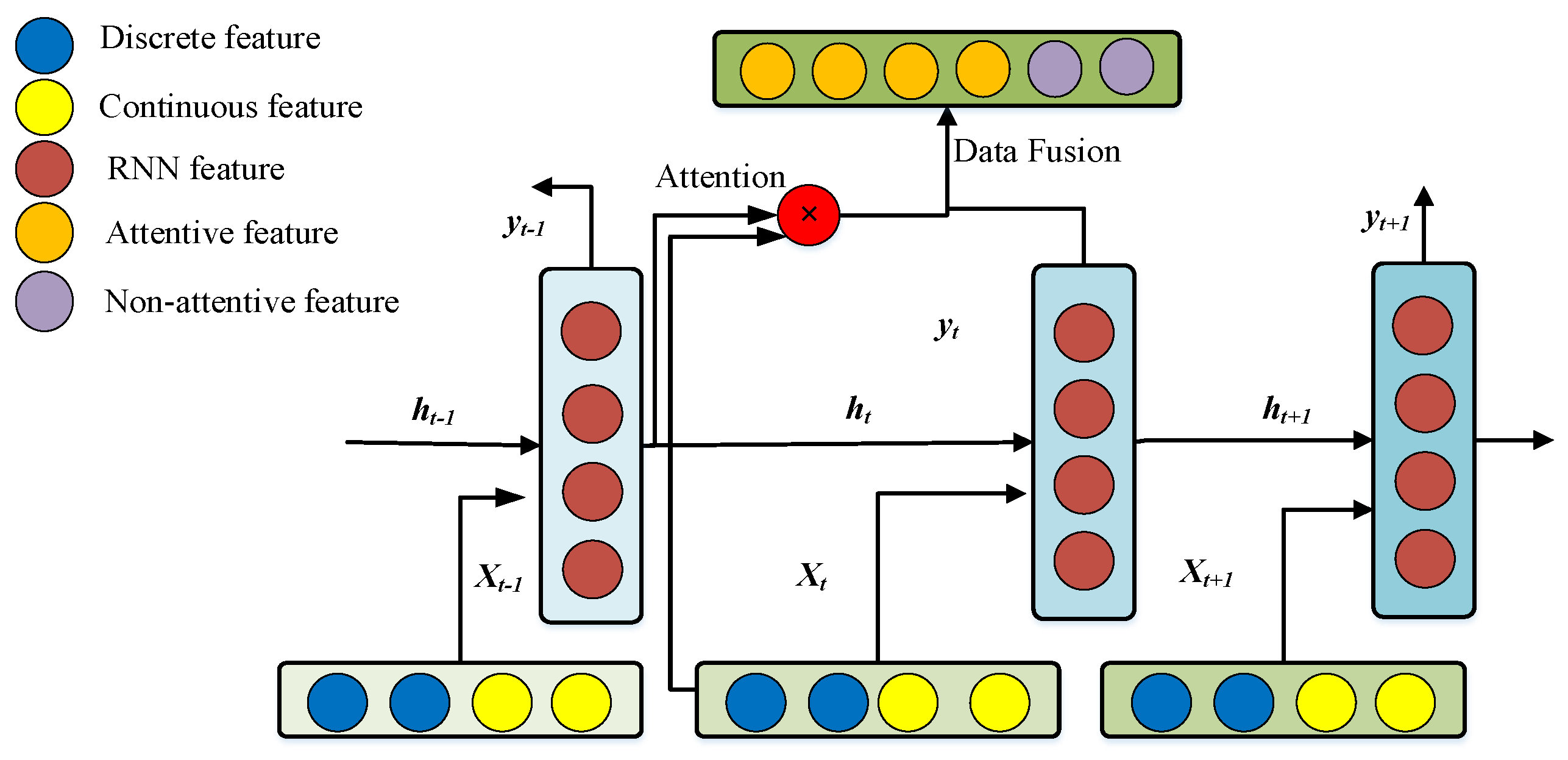
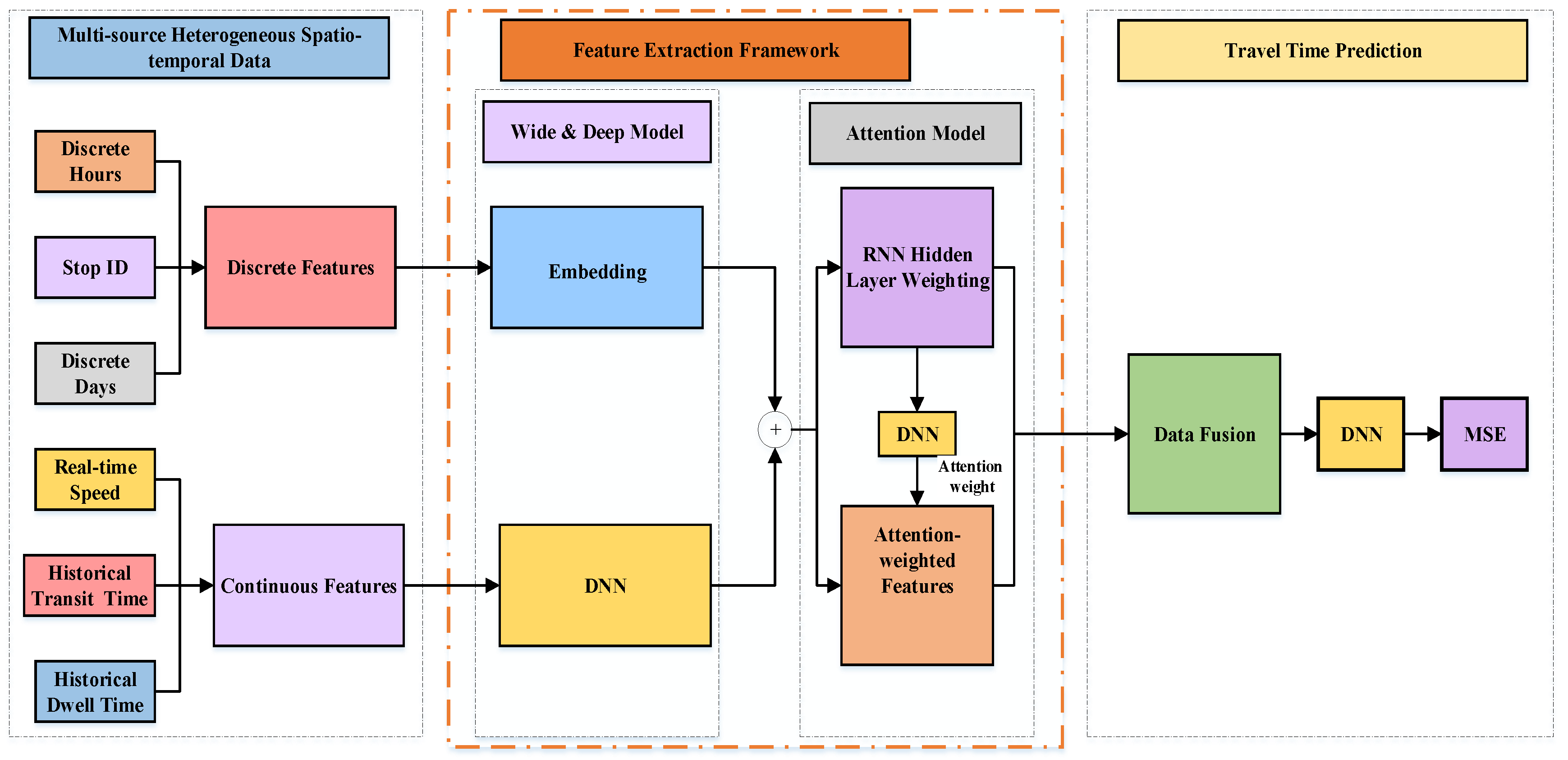
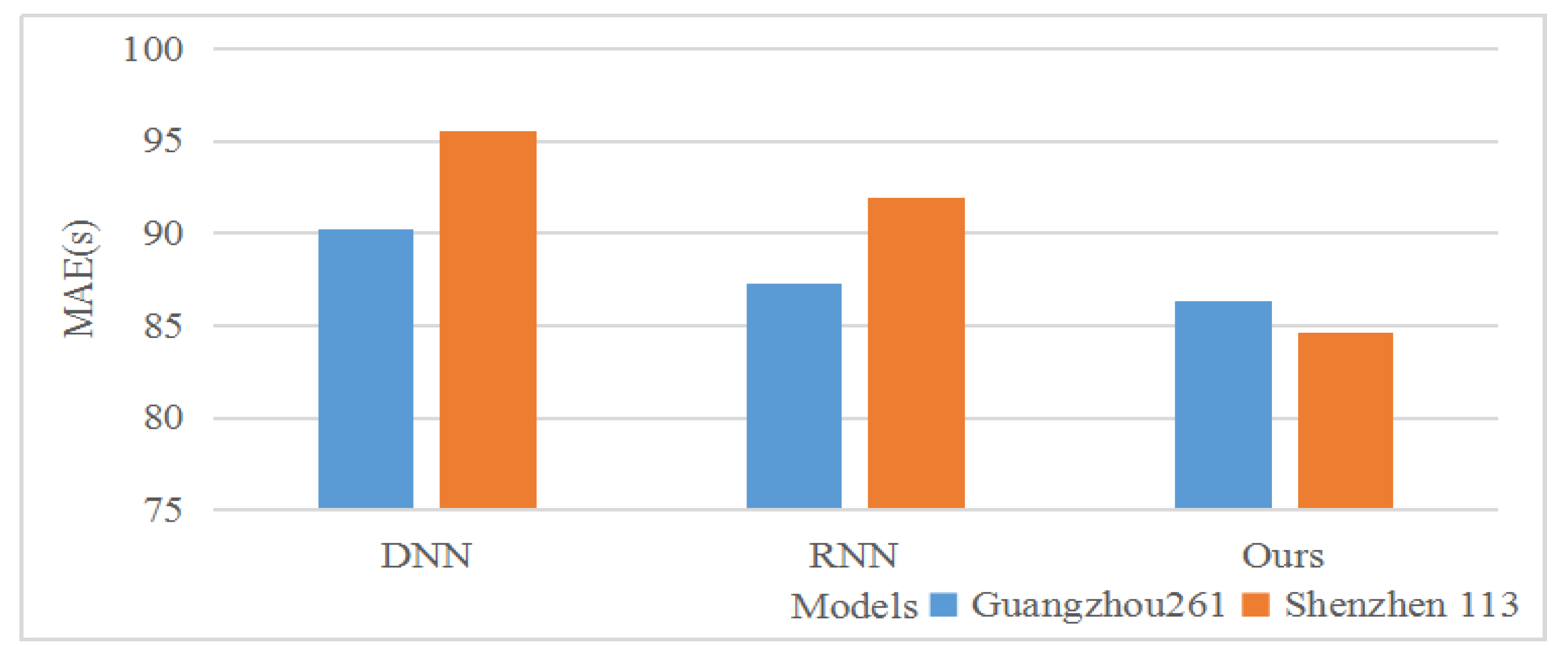
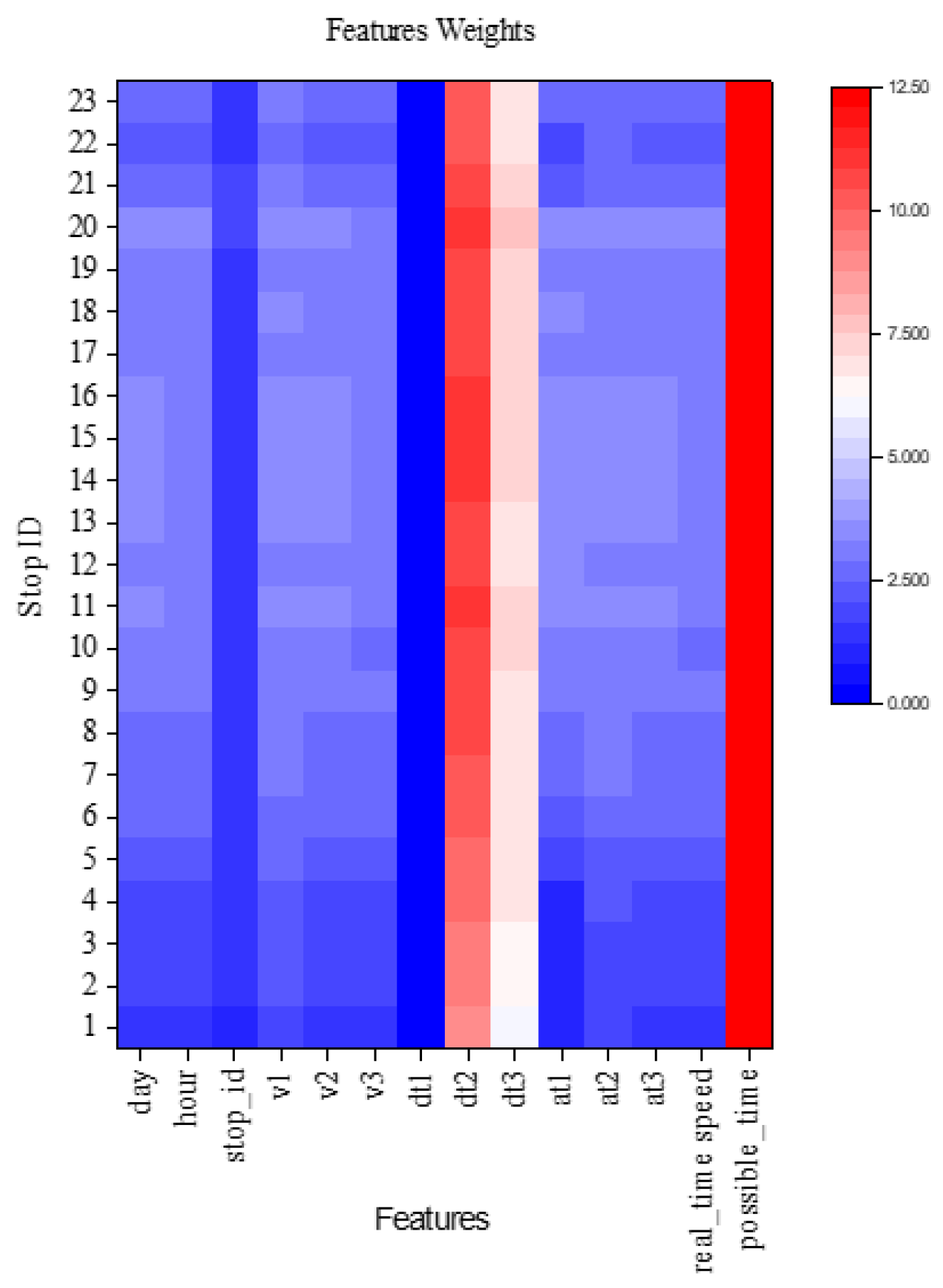
Travel time data is an important factor for evaluating the performance of a public transport system. In terms of time and space within the nature of uncertainty, bus travel time is dynamic and flexible. Since the change of traffic status is periodic, contagious or even sudden, the changing mechanism of that is a hidden mode. Therefore, bus travel time prediction is a challenging problem in intelligent transportation system (ITS). Allowing for a large amount of traffic data can be collected at present but lack of precisely-conducting, it is still worth exploring how to extract feature sets that can accurately predict bus travel time from these data. Hence, a feature extraction framework based on the deep learning models were developed to reflect the state of bus travel time. First, the study introduced different historical stages of bus signaling time, taxi speed, the stop identity (ID) of spatial characteristics, and real-time possible arrival time, signified by fourteen spatiotemporal characteristic values. Then, an embedding network is proposed to leverage a wide and deep structure to mate the spatial and temporal data. In order to meet the temporal dependence requirements, an attention mechanism for a Recurrent Neural Network (RNN) was designed in this research in order to capture the temporal information. Finally, a Deep Neural Networks (DNN) was implemented in this research in order to achieve the dynamic bus travel time prediction. Two case studies of Guangzhou and Shenzhen were tested. The results showed that the performance of the algorithm was more efficient than that of the traditional machine-learning model and promoted by 4.82% compared to the deep neural network applied to the initial feature space. Moreover, the study visualized the weighted cost of attention on the bus’s travel time features during a certain running state. Therefore, the study demonstrated the proposed model enabled to understand the characteristic data of transit travel time with visualization.
Keywords: dynamic bus travel time prediction; wide and deep; data fusion; attention; recurrent neural network; deep neural networks dynamic bus travel time prediction; wide and deep; data fusion; attention; recurrent neural network; deep neural networks