1. Introduction
Planar transformers are becoming increasingly popular in power electronics [
1,
2]. The advantage of such transformer designs is their small size and the ability to integrate them with a printed circuit board (PCB) upon which the transformer windings are made [
3,
4]. The small size (volume between 0.25 and 80 cm
3) [
5] of the transformer means that its windings can contain only a few or a dozen turns in one layer [
6]. Therefore, such solutions are dedicated to transformers operating at a low voltage amplitude or high frequency [
4,
7,
8].
As is known from the literature [
3,
8,
9], temperature strongly affects transformer components. Its increase causes an increase in winding resistance, due to the positive sign of the temperature coefficient of copper resistivity [
3]. For ferrites, a decrease in the core saturation flux density is observed when its temperature increases, because the increasing thermal vibrations of the atoms disturb the magnetic ordering within the material [
9,
10]. Additionally, a change in the core’s magnetic permeability and a change in its losses are also observed when the temperature value changes [
3,
8,
11]. Furthermore, an increase in temperature shortens the lifetime of electronic devices [
12,
13].
When transformers operate, energy losses occur both in the core and in the windings [
14,
15]. The result of these losses is an increase in the temperature of all transformer components, i.e., the core and each winding, due to the self-heating phenomenon and mutual thermal coupling between the transformer components [
16].
Computer simulations are commonly used in the design and analysis of electronic components and systems [
17,
18]. Thermal analyses are a special type of such simulations [
19,
20]. They can be conducted using the finite element method (FEM) [
20] or compact models [
19]. FEM analysis allows for the determination of the temperature distribution in the analyzed element, but it requires greater computational effort. A compact model, on the other hand, allows for the determination of a single temperature value for the entire element [
21] or for each of its components [
16,
19], but requires significantly less computational effort than FEM. Therefore, compact models are typically used in the analysis of electronic systems.
The compact thermal models of planar transformers described in the literature are very simplified. For example, in [
22], a model for FEM analysis was proposed, which assumed a uniform power density generated throughout the transformer. In turn, in [
4], it was assumed that power is only generated in the transformer windings.
Paper [
23] presents an investigation of the magnetic and thermal properties of a planar toroidal transformer consisting of two planar toroidal coils. The electromagnetic properties are described using Maxwell’s equations, and the heat transfer using the Navier–Stokes equations. Calculations were performed using FEM and COMSOL Multiphysics software.
Paper [
24] analyses a thermal modeling method for planar transformers, considering different winding configurations and distribution of power loss. The non-uniform temperature distribution in the tested transformer was observed. A simplified analytical model was proposed in the cited paper.
Paper [
25] proposes simplified thermal models of a planar transformer, based on the concept of transient thermal impedance. Additionally, a simplified thermal model of this transformer is proposed based on the theory of thermal radiation. This model uses only the total power losses in the transformer to calculate the temperature rise in this component.
Paper [
26] presents a literature review on thermal modeling of planar transformers. It was shown that compact models are widely used for early stage designs, due to their simplicity. Such models have a network form that is easy to use in classical software for analysis electronic circuits.
The aim of this paper is to verify the usefulness of a compact thermal model of a planar transformer for selected designs of this component. The considered model makes it possible to calculate the values of temperature for each winding and the core of the considered kind of transformers. A form of thermal model of such a transformer, designed for steady-state analysis, is described. A method for determining the model’s parameters is presented, and the results of model validation are presented for selected transformer designs operating over a wide range of frequency and load resistance variations. The differences between the values of temperature of the transformer components were analyzed and discussed.
Section 2 describes the compact thermal model of a planar transformer.
Section 3 presents a method for determining the model’s parameters.
Section 4 describes the tested transformers.
Section 5 presents the results of the experimental verification of the model.
Section 6 discusses the scope of the tested model’s applicability.
2. Compact Thermal Model
The compact thermal model of the transformer considered in this paper allows for the determination of the steady-state core temperature TC, primary winding temperature TW1, and secondary winding temperature TW2. This model accounts for changes in ambient temperature Ta and self-heating in each transformer component, as well as the thermal coupling between each pair of these components.
The method of formulation compact thermal modeling of electronic devices containing thermally coupled components is presented in [
19]. Using this method, the formulas describing the temperatures of individual transformer components in a steady state were formulated. They have the following form:
In Formulas (1)–(3), RthC, RthW1, and RthW2 denote the thermal resistances of the core, primary winding, and secondary winding, respectively. In turn, RthW1C, RthW2C, RthCW1, RthCW2, RthW1W2, and RthW2W1 denote the mutual thermal resistances between the primary winding and the core, the secondary winding and the core, the core and the primary winding, the core and the secondary winding, and between the windings, respectively. The average values of the power dissipated in the steady state in the core, primary winding, and secondary winding are designated by the symbols pC, pW1, and pW2.
Because the heat transfer between the transformer components is equally intense in both directions, the individual pairs of mutual thermal resistances are equal. This means that the following equalities hold: RthW1C = RthCW1, RthW2C = RthCW2, and RthW1W2 = RthW2W1.
3. Model Parameters Estimation
As can be seen from the description of the compact thermal model of a planar transformer, its practical implementation requires determining the values of six parameters. These are the thermal resistances of each of the transformer components, RthC, RthW1, and RthW2, as well as the mutual thermal resistances between each pair of the components RthW1C, RthW2C, and RthW1W2.
The values of these parameters can be determined based on their definitions. The adopted concept of transformer thermal modeling assumes that each component has a different temperature, but the temperature distribution within each component is uniform. The thermal resistances of individual transformer components are defined as the steady-state temperature rise in that component above the ambient temperature
Ta, divided by the power dissipated in that component. During this measurement, no power is generated in other transformer components. For example, the thermal resistance of the core,
RthC, is described by the formula
In the case of measuring RthW1, the temperature TC should be replaced by the temperature of the primary winding TW1, and the power pC by the power pW1. In turn, when determining RthW2, the temperature of the secondary winding TW2 and the power dissipated in this winding pW2 are used.
To determine the mutual thermal resistances, it is necessary to measure the temperature of one transformer component while dissipating power in another component. For example, the mutual thermal resistance between the core and the primary winding
RthCW1 is described by the formula
During this measurement, no power is generated in either winding. To determine the mutual thermal resistance RthCW2, we replace the temperature TW1 with the temperature TW2 in Formula (5). In turn, to determine RthW1W2, it is necessary to measure the temperature TW2 with the power dissipation pW1 in the primary winding.
Formulas (4) and (5) define the self and mutual thermal resistances used in the presented model. They determine the method for measuring the above parameters. The temperature and power values in these formulas refer to the steady state. The power dissipated in individual transformer components, including the core, is determined by the external circuit supplying the transformer.
As can be seen from the presented definitions, determining each parameter of the compact thermal model of a transformer requires dissipating power in one component of the tested transformer until a steady state is achieved. Once a steady state is achieved, the power and temperature of the corresponding transformer component are measured. The temperatures of individual transformer components were measured using a pyrometer. By dissipating power in one transformer component and measuring the steady-state temperature of each component, the values of three parameters of the considered model can be determined in a single measurement process: one thermal resistance and two mutual thermal resistances.
The power dissipated in the windings was determined as being the product of the winding current and the voltage across the winding when the winding was supplied from a DC source. The power dissipated in the core was determined by supplying the primary winding with a sinusoidal signal with amplitude
Vm and frequency
f. During this measurement, the secondary winding was loaded with a high-resistance resistor, ensuring a low current flowing through both windings. Based on the data provided by the core manufacturer regarding its cross-sectional area
SFe (given in m
2) and the number of turns
z1 on the primary winding, the flux density amplitude in the core (given in T) was determined using the following formula [
22]:
Of course, the value of
Bm has to be lower than saturation flux density
BS, because the core cannot operate in the saturation range. The average value of the power lost in the core is determined based on the Steinmetz formula [
3,
27], using the following relationship
In Formula (7), Ve denotes the core volume provided by the manufacturer and given in m3, and PV0, α, and β are the Steinmetz model parameters. The values of these parameters are determined based on the approximation of the PV(f) and PV(Bm) characteristics provided by the manufacturer of the core material. Parameters α and β do not have any units, whereas PV0 is given in W/m3sα/Tβ.
4. Tested Transformers
The tests were carried out for six planar transformers. Their construction was based on cores containing two ELP 22/6/16 profiles made of various manganese–zinc ferrites. Each profile has the shape of the letter E. The numbers occurring in the symbol of this profile denote that it is 21.8 mm long, 15.8 mm wide, and 5.7 mm high. The profile thickness is 2.5 mm. The side columns are 2.5 mm wide, and the central column is 5 mm wide. The cores under consideration have the following geometric parameters: magnetic path length
lFe = 32.5 mm, core cross-sectional area
SFe = 78.3 mm
2, and core volume
Ve = 2540 mm
3 [
28].
For individual transformers, four ferrite materials were used, designated by the manufacturer as N49, N87, N92, and N97.
Table 1 summarizes the values of the selected parameters of these materials provided by the manufacturer [
29,
30,
31,
32]. They include the initial permeability
μi, saturation induction
BS, recommended operating frequency range
fmin–fmax, losses per unit of volume
PV at selected frequency values
f, flux density amplitudes
Bm, core temperatures
TC, the Curie temperature
TCurie and resistivity
ρ.
As can be seen, the µi values for individual materials differ by up to 50%. BS values at 25 °C fall within the range of 500 ± 10 mT, while at 100 °C, this range is wider: 415 ± 25 mT. The recommended operating frequency range is from 25 to 500 kHz for the N87, N92, and N97 materials, while for the N49 material, the optimal operating frequency range is from 300 kHz to 1 MHz. The N49 material has the lowest loss. The TCurie temperature for each of the materials considered exceeds 210 °C. The resistivity ranges from 8 to 17 Ωm.
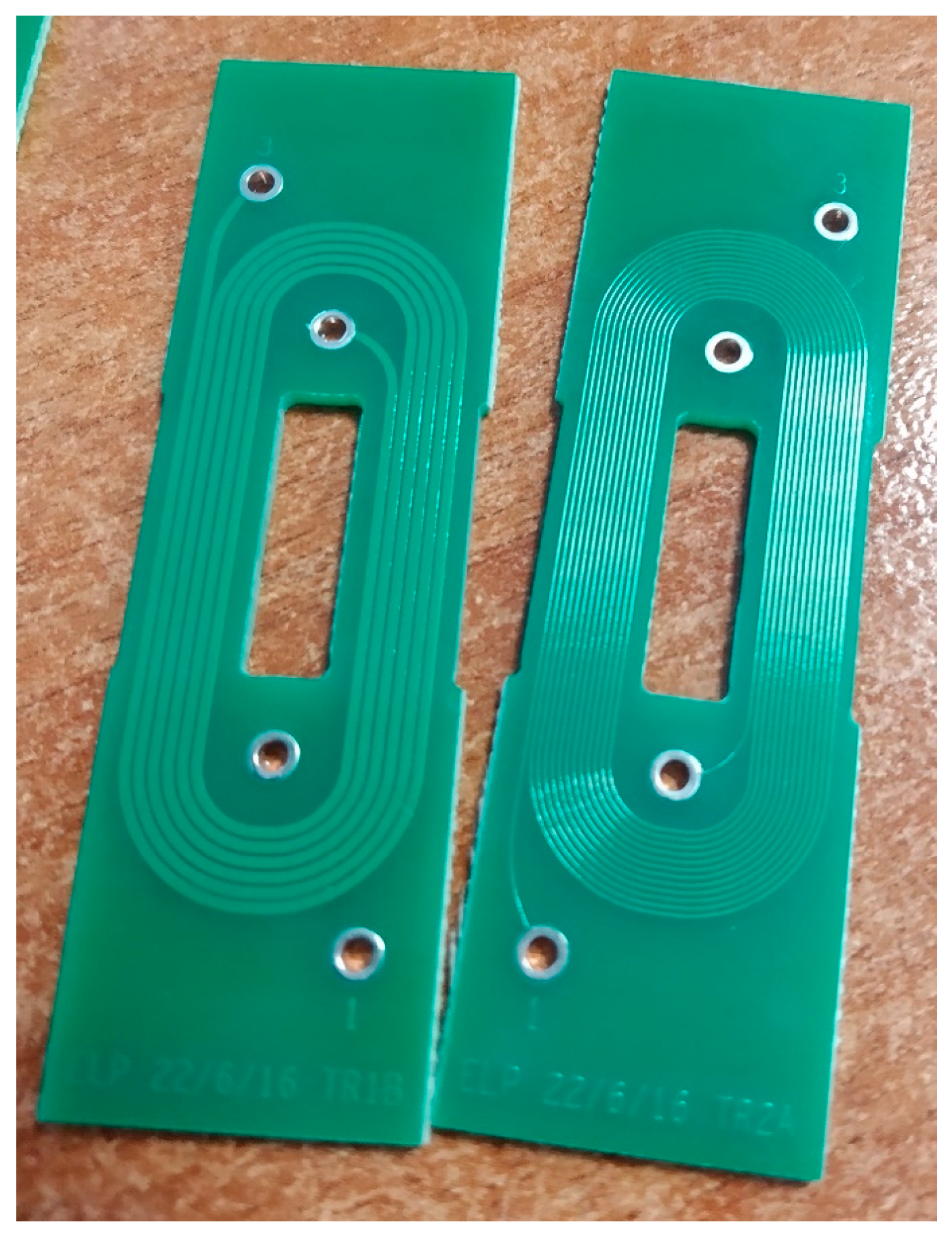
The transformer windings were made on a 1.6 mm-thick FR-4 laminate substrate covered with 35 µm copper foil. Two types of oval-shaped windings were used. Windings designated W
Z1 contain 6 turns in a 0.5 mm wide track, while windings designated W
Z2 contain 13 turns in a 0.15 mm wide track. The distance between adjacent turns in each of the considered windings is 0.2 mm. The ends of each winding are led out to solder pads, to which wires connecting the planar transformer windings to the measuring system are soldered. A view of the manufactured boards with windings is shown in
Figure 1.
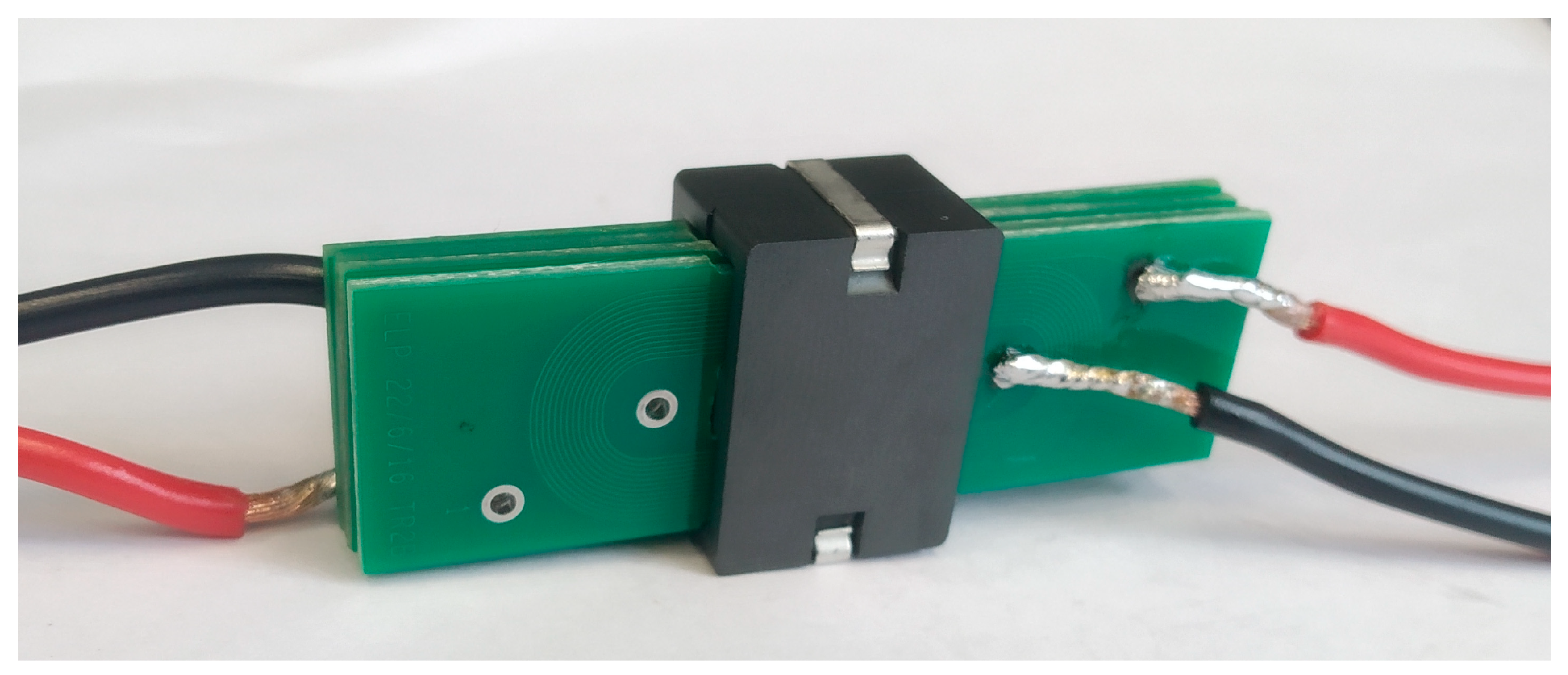
Using different printed circuit boards for the primary and secondary windings and different core materials, planar transformers were constructed for testing. Six transformers were constructed, designated TR1-TR6. Their design details are provided in
Table 2, and a view of the assembled transformer is shown in
Figure 2. The transformer windings were connected to the measuring system, using 2.5 mm
2 copper wires. These wires were soldered to the winding leads using standard solder.
As you can see, transformers TR1, TR4, TR5, and TR6 have a turns ratio of one. Transformer TR2 steps down the voltage, and transformer TR3 steps up the voltage. Three transformers contain an N49 core (TR1–TR3), while the remaining transformers contain cores made of other materials.
Based on data provided by the manufacturer, the values of the parameters appearing in the Steinmetz model were determined for each of the ferromagnetic materials used, approximating the catalog dependencies
PV(
Bm) and
PV(
f), using the Steinmetz formula. The values of these parameters are summarized in
Table 3.
Each tested transformer contains four 1.6 mm-thick PCBs. The total thickness of the planar transformer laminate stack is therefore 6.4 mm. The boards outside this stack contain the primary and secondary windings, while the boards inside the stack contain no copper layer. This results in weaker thermal coupling between the primary and secondary windings than between each winding and the core.
Using the model parameter estimation method described in
Section 3 and the measured temperatures of the components of the tested transformers given in [
7], the values of thermal resistances and mutual thermal resistances occurring in the planar transformer model for the considered components were determined. These values are summarized in
Table 4.
During the measurements, the ambient temperature was 21 °C. The power dissipated in the heat source component was selected so that the steady-state temperature of this component was between 100 and 120 °C. For example, for transformers with a WZ1 winding with fewer turns and wider paths, the measured value of power dissipated in this winding was approximately 5 W, while for transformers with a WZ2 winding, it was only 3 W.
It is worth noting that the secondary winding has a higher thermal resistance than the primary winding. The highest thermal resistance values were obtained for the transformer with an N87 core, up to 30% higher than for the other cores. Mutual thermal resistances are always lower (up to 30%) than the thermal resistances of the individual transformer components. The thermal resistance of the core is similar to the thermal resistance of the windings.
5. Measurement and Calculation Results
The thermal properties of the tested transformers were measured and simulated, operating at different supply voltage amplitudes Vm and frequencies f. In each case, a load resistor RL was connected to the secondary winding. Various values of this resistance were considered.
Formulas (1)–(3) were used to calculate the temperature values of individual components. The values of thermal resistances and mutual thermal resistances are given in
Table 4. The average values of power dissipated in individual windings were determined based on the measured values of the current amplitude of winding, I
W1 or I
W2, and their resistance, R
W1 or R
W2. These resistance values were measured when individual windings were supplied from a DC voltage source. The resistance of the W
Z2 windings at a temperature of 25 °C is 3.85 Ω, and for the W
Z1 windings it is 0.52 Ω. The temperature coefficient of change in the winding resistance, equal to 4.45 × 10
−3 °C
−1 (estimated using data given in [
33]), was also taken into account. In turn, the average value of power dissipated in the core is described by the formula
where
Vm1 is the voltage amplitude on the primary winding,
d is the squared temperature coefficient of dissipation, and
Tm is the temperature at which the core dissipation reaches a minimum. The values of these parameters were determined based on the
PV(
TC) characteristics provided by the manufacturer.
The form of Equation (8) results from the modified Steinmetz model for ferrite cores given in [
3]. This equation includes an empirical factor describing the effect of temperature
TC on the ferrite core loss. The flux density amplitude
Bm is expressed in terms of the amplitude of the voltage
Vm1 appearing on the transformer’s primary winding, the frequency
f, and the transformer’s design parameters, in accordance with the relationship from [
3].
During the measurements, the transformer’s primary winding was supplied with a sinusoidal voltage from the output of an AE Techron 7228 power amplifier [
34] via a 4.7 Ω resistor. This amplifier was driven by a sinusoidal signal generator. The voltage waveforms in the system were measured using a Gwinstek GDS-2104A oscilloscope [
35]. Optex PT-3S pyrometers [
36] were used to measure the windings and core temperatures.
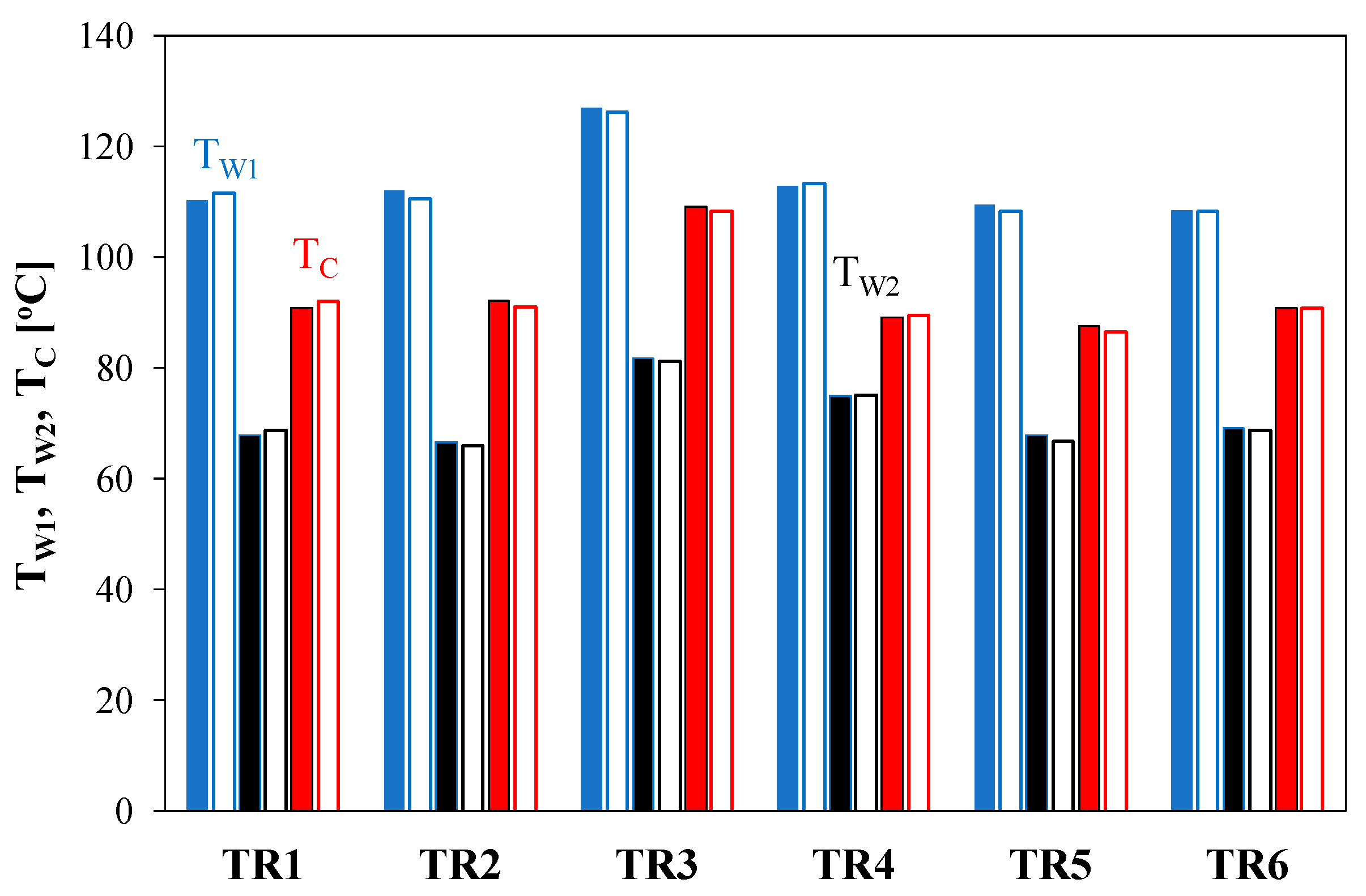
Figure 3 presents the measured (solid bars) and calculated (empty bars) temperature values of the components of the tested transformers when their primary windings are powered from a DC source. In this figure, the primary winding temperature measurements are marked in blue, the secondary winding temperature in black, and the core temperature in red.
In the operating mode under consideration, the only heat source is the primary winding, which is subject to self-heating. The supply current values for individual transformers were selected to ensure that the primary winding temperature exceeded 100 °C. Under these operating conditions, the primary winding resistance increased by over 35% compared to the ambient temperature of
Ta = 20 °C.
Figure 3 shows that for each of the tested transformers, the highest temperature was achieved for the primary winding (
TW1) and the lowest for the secondary winding (
TW2). The differences between them reach up to 50 °C. The transformer cores have an intermediate temperature between the winding temperatures. Deviations between the measurement and calculation results do not exceed 1.5 °C. The increase in the core and secondary winding temperature above the ambient temperature is the result of mutual thermal coupling between the transformer components. The highest temperature values for all the components were obtained for the transformer TR3. This is the result of the fact that the primary winding of this transformer dissipates more power than the other transformers.
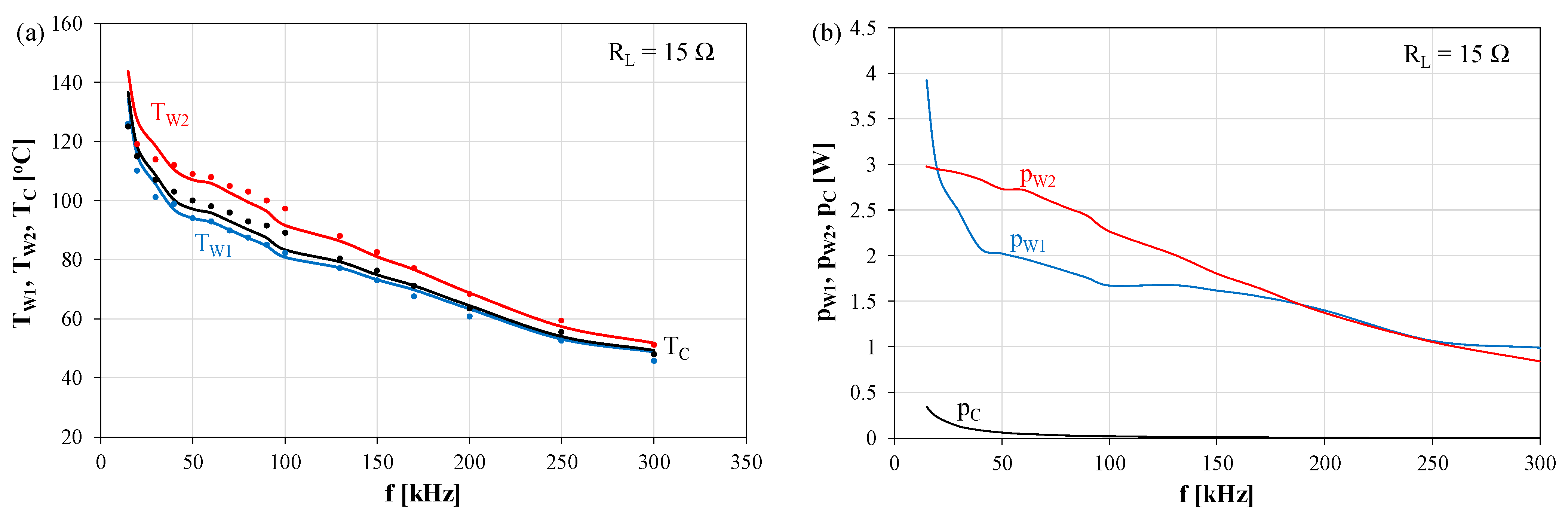
The following research results concern the classic operation of transformers. Their primary winding is supplied by a sinusoidal voltage source, with amplitude Vm and frequency f. The secondary winding is loaded with a resistor with resistance RL. In these figures, the points represent the measurement results, and the lines represent the calculation results.
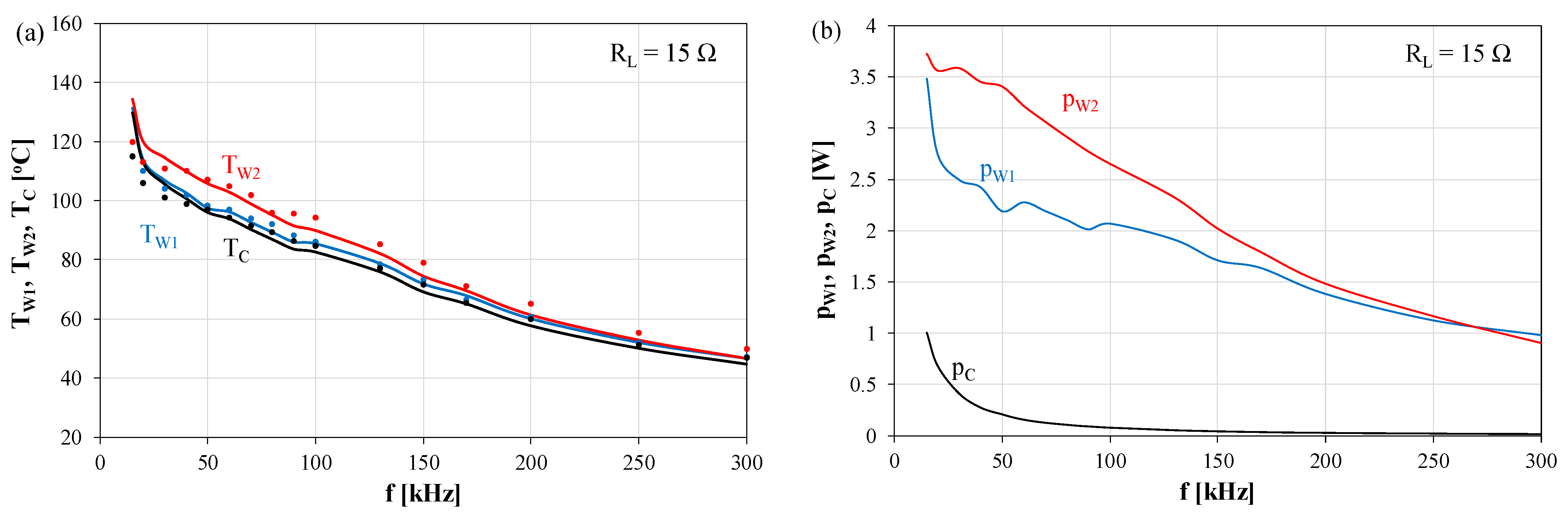
Figure 4 shows the effect of the supply voltage frequency on the temperatures of the TR1 transformer components (
Figure 4a) and the power dissipated in the individual transformer components (
Figure 4b). The amplitude of this voltage is
Vm = 30 V, and the resistance is R
L = 15 Ω.
Figure 4a shows that the temperature dependencies of all the transformer components on the frequency are monotonically decreasing functions. The highest values are achieved by temperature
TW2, and the lowest by temperature
TW1. The differences between them are greatest at the lowest frequency values, reaching 12 °C. Within the considered frequency range, the transformer component temperatures decrease from 130 °C to only 45 °C. This is the result of an increase in the primary winding impedance modulus with increasing frequency, which causes a decrease in the winding current.
Figure 4b shows that the power in the windings decreases with increasing frequency. For the operating conditions considered, the power dissipated in the core
pC is much lower than the power in each of the windings. Despite this, the core temperature
TC is close to the temperature
TW1, due to mutual thermal coupling between the core and the windings.
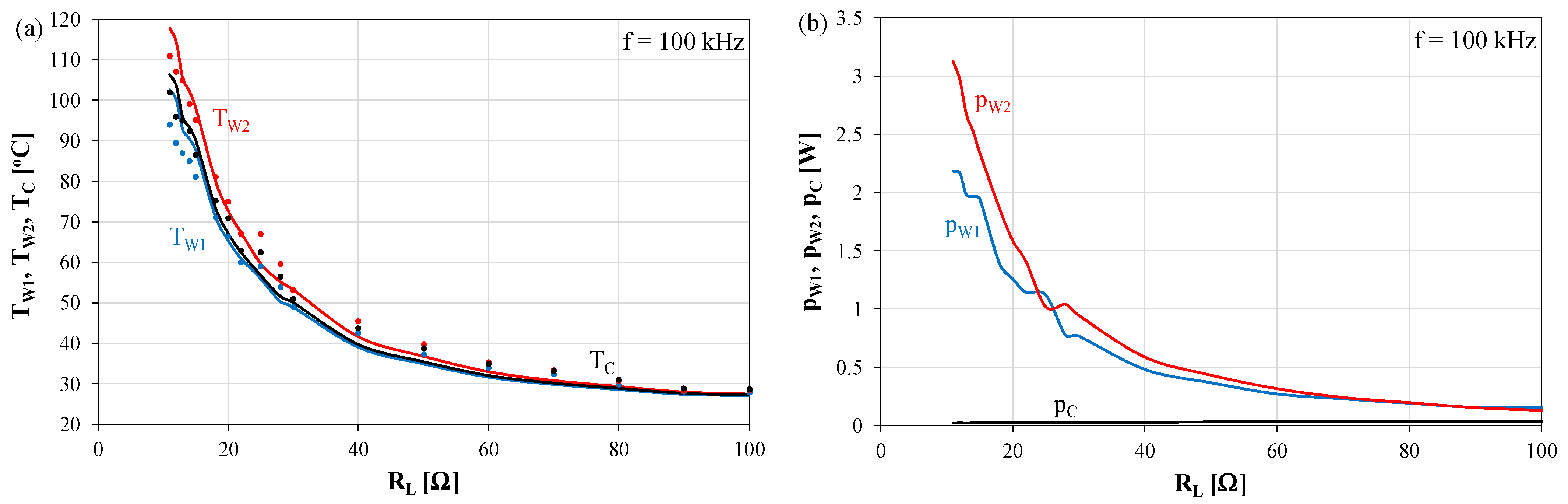
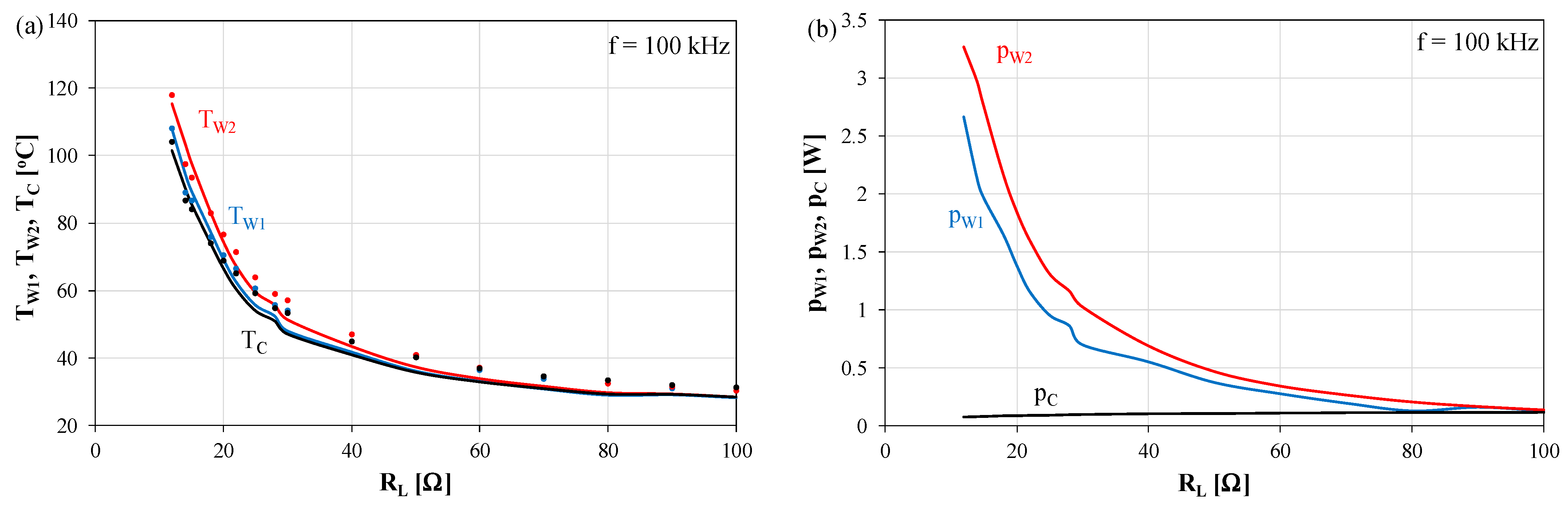
Figure 5a shows the effect of the load resistance of the TR1 transformer on the temperatures of its components, and
Figure 5b shows the effect on the power dissipated in these components. The tests were carried out at a frequency
f = 100 kHz and a supply voltage amplitude
Vm = 30 V.
Figure 5a clearly shows that the temperatures of all transformer components decrease with increasing resistance R
L. This is related to the decreasing dependence of the power dissipated in the windings on the resistance R
L, which is visible in
Figure 5b. Under the considered transformer operating conditions, the temperature
TW2 decreases from almost 120 °C to only 27 °C. The temperature values of the transformer components are determined by the power dissipated in the windings. For resistance R
L < 30 Ω, the power dissipated in the secondary winding dominates, while for R
L > 30 Ω, the power in the primary winding dominates. This means that for R
L > 30 Ω, the magnetizing current is a significant component of the primary winding current.
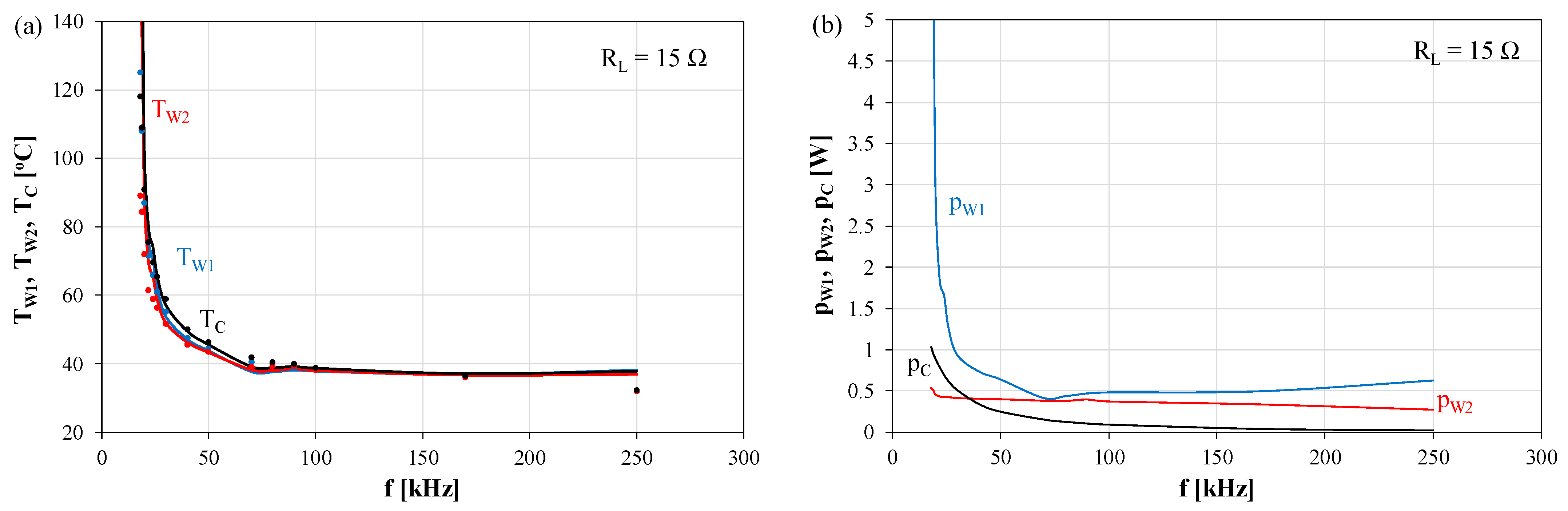
Figure 6 illustrates the effect of the frequency on the temperature of the components of the TR2 transformer (
Figure 6a) and on the power dissipated in the components of this transformer (
Figure 6b). During the measurements, the resistance R
L = 15 Ω and the supply voltage amplitude
Vm = 45 V.
The dependencies visible in
Figure 6a are strongly decreasing functions for
f < 70 kHz and with a further increase in frequency, they have a practically constant course.
Figure 6b shows that the power
pW2 is practically constant over the entire frequency range. The dominant component of the power dissipated in the transformer is p
W1, which is almost constant for f > 70 kHz. The low resistance of the secondary winding causes the power in the primary winding to be higher than in the secondary winding. It is worth noting that for f > 70 kHz, the temperature distribution in the transformer is almost uniform.
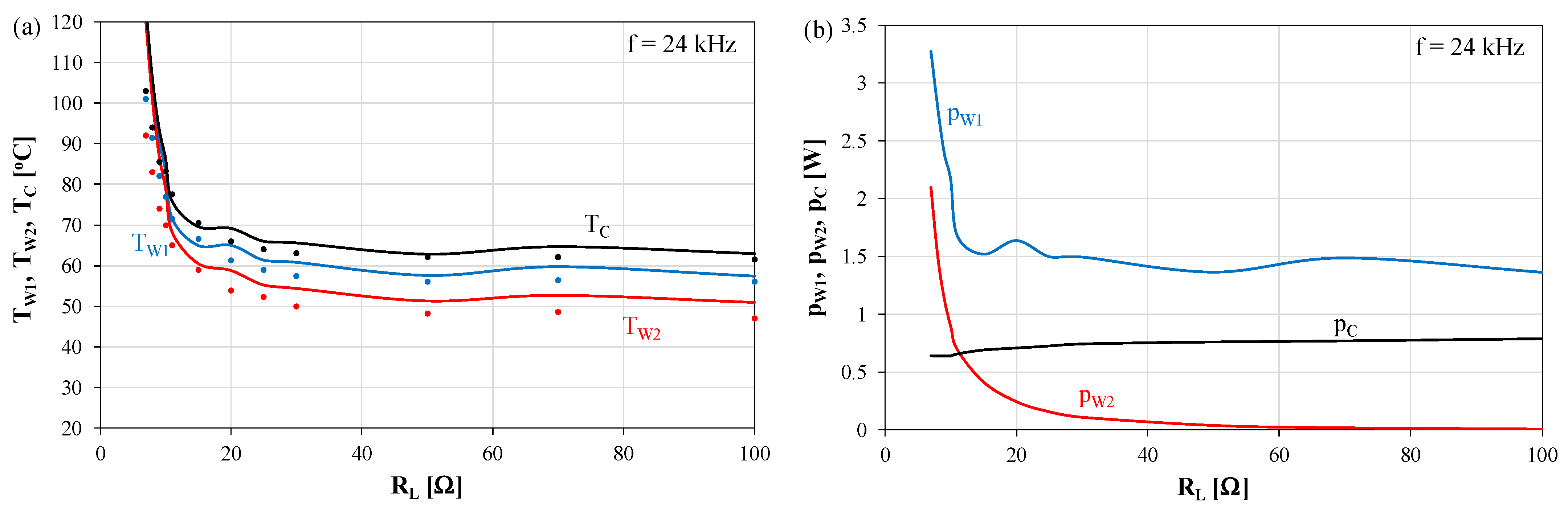
Figure 7 illustrates the effect of resistance R
L on the temperatures of the windings and core of the TR2 transformer (
Figure 7a) and the power dissipated in its components (
Figure 7b). The tests were carried out at f = 24 kHz and
Vm = 45 V.
Of course, the planar transformers are typically used in a high-frequency range. On the other hand, it was shown that at a fixed value of the amplitude of the voltage on the primary winding, the power dissipated in the core increases with a decrease in frequency. In order to illustrate the influence of load resistance on the temperature of transformer components when the power of high value is dissipated in the core, the lower frequency value was selected in the example presented in
Figure 7.
In
Figure 7a, changes in temperature
TW1,
TW2, and
TC, due to changes in R
L, are visible for R
L < 20 Ω. For R
L > 20 Ω, the considered temperatures practically do not depend on the value of this resistance. The highest values are reached by temperature
TC, and the lowest by temperature
TW2. The differences between them reach up to 10 °C.
Figure 7b shows that the power
pW2 decreases quickly with increasing R
L, while the values of
pW1 and
pC are almost constant for R
L > 20 Ω. Despite the fact that the power
pW1 is greater than
pC, the temperature
TC is higher than
TW1 due to the fact that the thermal resistance of the core is greater than the thermal resistance of the primary winding.
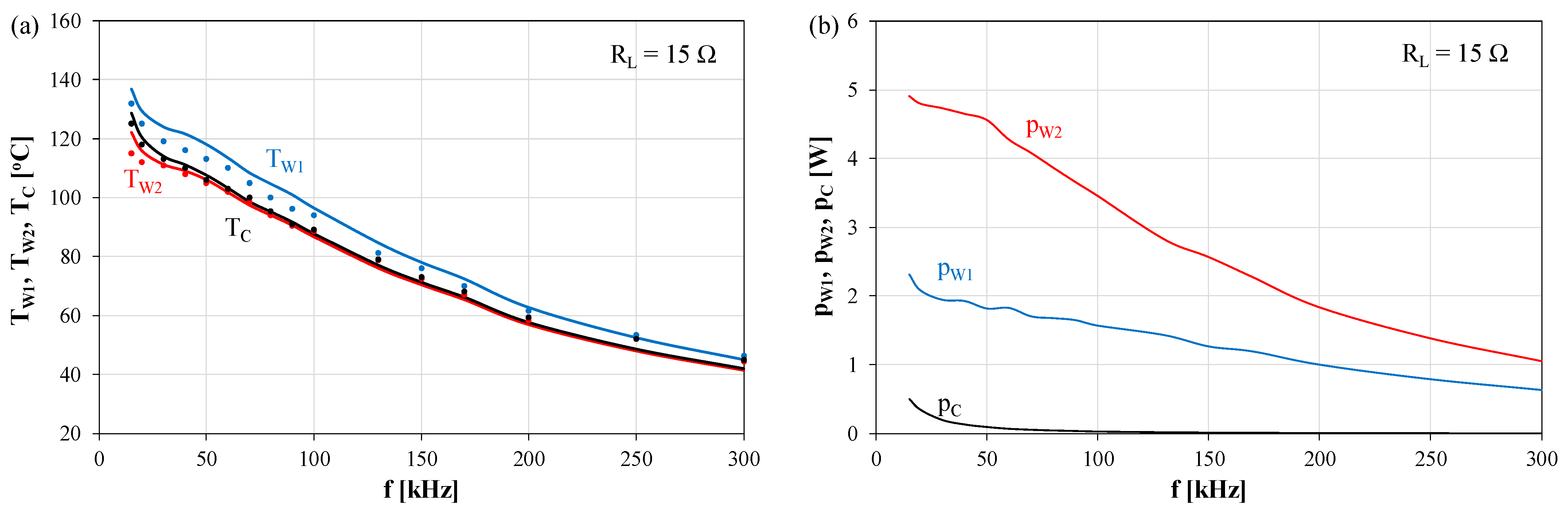
Figure 8 presents the dependence of the temperatures of the TR3 transformer components (
Figure 8a) and the power dissipated in these components (
Figure 8b) on the frequency. The tests were carried out at a resistance of R
L = 15 Ω and a supply voltage amplitude of
Vm = 27.5 V.
Figure 8a shows that all considered temperatures are decreasing functions of frequency. The highest values were obtained for the primary winding temperature, and the lowest for the secondary winding. The differences between them are greatest at the lowest frequency values, reaching as much as 15 °C.
Figure 8b shows that the power dissipated in the secondary winding is up to twice that in the primary winding, but due to the differences in the thermal resistance of both windings and the strong thermal coupling between them, the highest temperature is observed in the component that does not dissipate the highest power. The power dissipated in each transformer component decreases monotonically as a function of frequency.
Figure 9 illustrates the effect of resistance R
L on the temperatures of the windings and core of transformer TR3 (
Figure 9a) and the power dissipated in its components (
Figure 9b). The tests were carried out at
f = 100 kHz and
Vm = 27.5 V.
The decreasing temperature dependencies of each component on the resistance RL were obtained. Under the operating conditions considered, the highest power value was obtained for the secondary winding. The power dissipated in the core is much lower than in either winding. In
Figure 9a, very small temperature differences between the windings and the core can be observed. The differences between these temperatures do not exceed 5 °C.
Figure 10 presents the dependence of the temperatures of the core and windings of the TR4 transformer (
Figure 10a) and the power in these windings and core (
Figure 10b) on the frequency. The tests were carried out at a resistance of R
L = 15 Ω and a supply voltage amplitude of
Vm = 25 V.
An almost linearly decreasing dependence of each of the considered temperatures on the frequency was obtained. The highest temperature value was obtained for the primary winding, and the lowest for the core. The maximum difference between them reaches 12 °C. Analyzing the waveforms shown in
Figure 10a,b, it can be concluded that the cooling efficiency of the primary winding is significantly worse than that of the secondary winding. It is worth noting that the power dissipated in the windings of transformer TR4 is up to two times lower than for transformer TR3 operating under identical supply and load conditions.
Figure 11 illustrates the effect of resistance R
L on the temperatures of the windings and core of the TR4 transformer (
Figure 11a) and the power dissipated in its components (
Figure 11b). The tests were carried out at
f = 100 kHz and
Vm = 25 V.
Figure 11a shows that practically identical values were obtained for all components of the TR4 transformer over a wide range of frequency changes. The power dissipated in both windings is also very close to each other. They are significantly greater than the power dissipated in the core over the entire range of the R
L resistance changes. The relationships between the power and temperatures of the windings and the core demonstrate that the heat dissipation efficiency of both windings is the same.
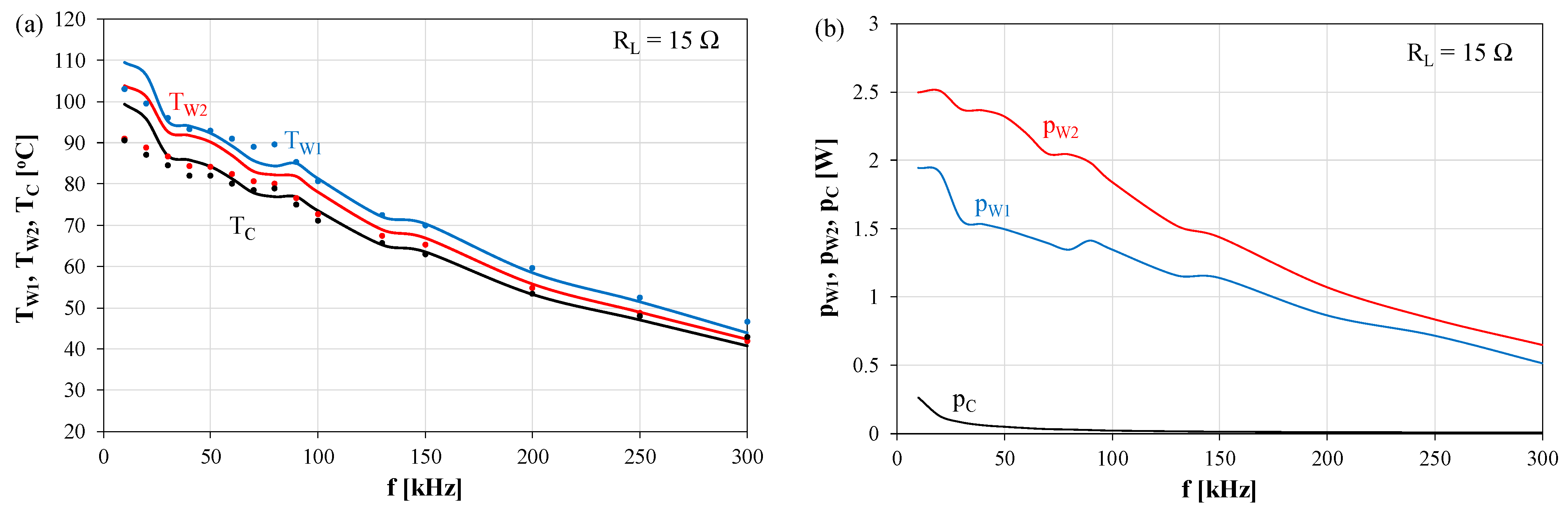
Figure 12 presents the dependence of the temperatures of the core and windings of the TR5 transformer (
Figure 12a) and the power in these windings and core (
Figure 12b) on the frequency. The tests were carried out at a resistance of R
L = 15 Ω and a supply voltage amplitude of
Vm = 30 V.
For the transformer under consideration,
Figure 12a shows the strongly decreasing dependencies of the temperatures of each component of the transformer as a function of frequency. It is worth noting that in
Figure 12b, at a frequency
f < 30 kHz, the power dissipated in the core
pC reaches almost 40% of the power dissipated in the primary winding. This power component is responsible for the significant temperature increase in all transformer components in the low-frequency range. A significant temperature difference between individual transformer components is visible, reaching up to 15 °C. The highest temperature is observed in the secondary winding, where the highest power is dissipated.
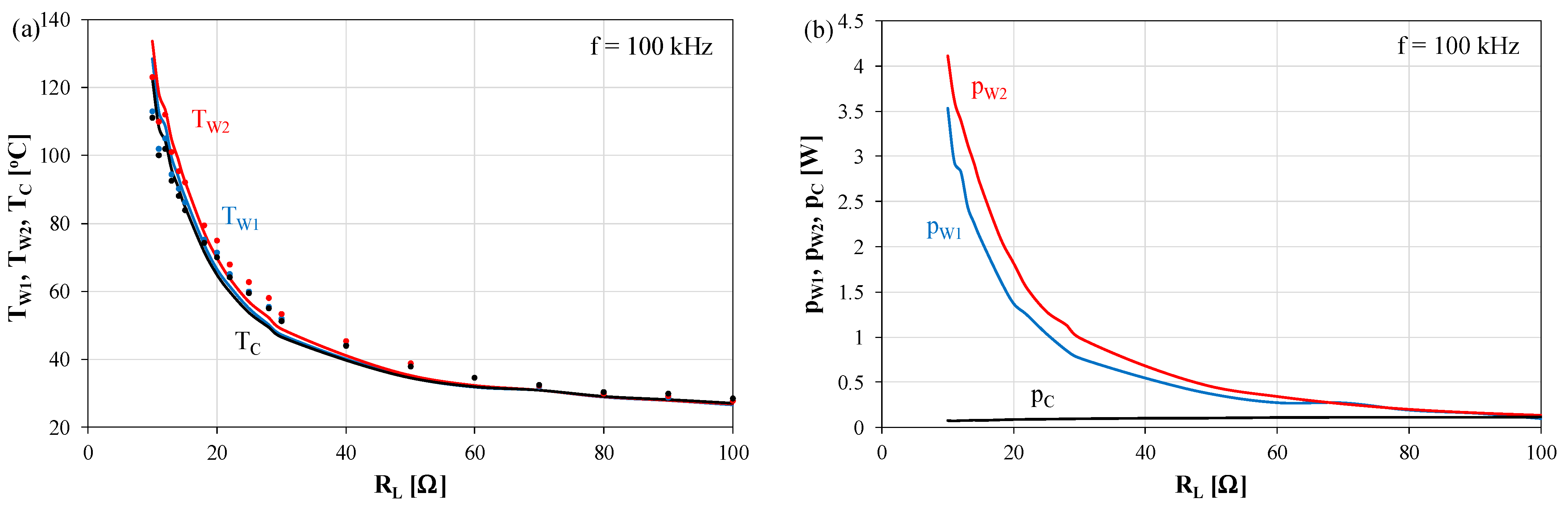
Figure 13 illustrates the effect of the resistance R
L on the temperatures of the windings and core of the TR5 transformer (
Figure 13a) and the power dissipated in its components (
Figure 13b). The tests were carried out at
f = 100 kHz and
Vm = 30 V.
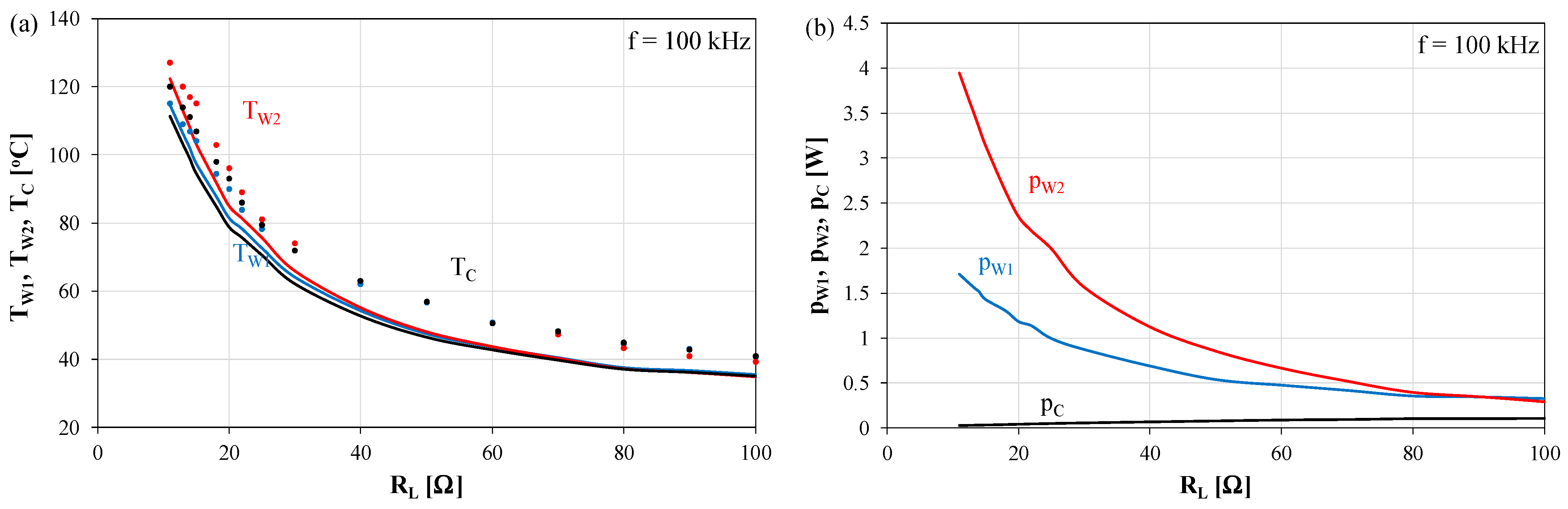
In
Figure 13a, it can be seen that the temperature of the secondary winding is higher than that of the primary winding, and the difference between them reaches 10 °C at resistance R
L = 12 Ω. The core temperature is only slightly lower than the
TW1 temperature.
Figure 13b shows that the highest power is dissipated in the secondary winding. The powers in the windings are decreasing functions of resistance R
L, while the power dissipated in the core is an increasing function of this resistance. At R
L > 80 Ω, the powers dissipated in the core and in each winding equalize.
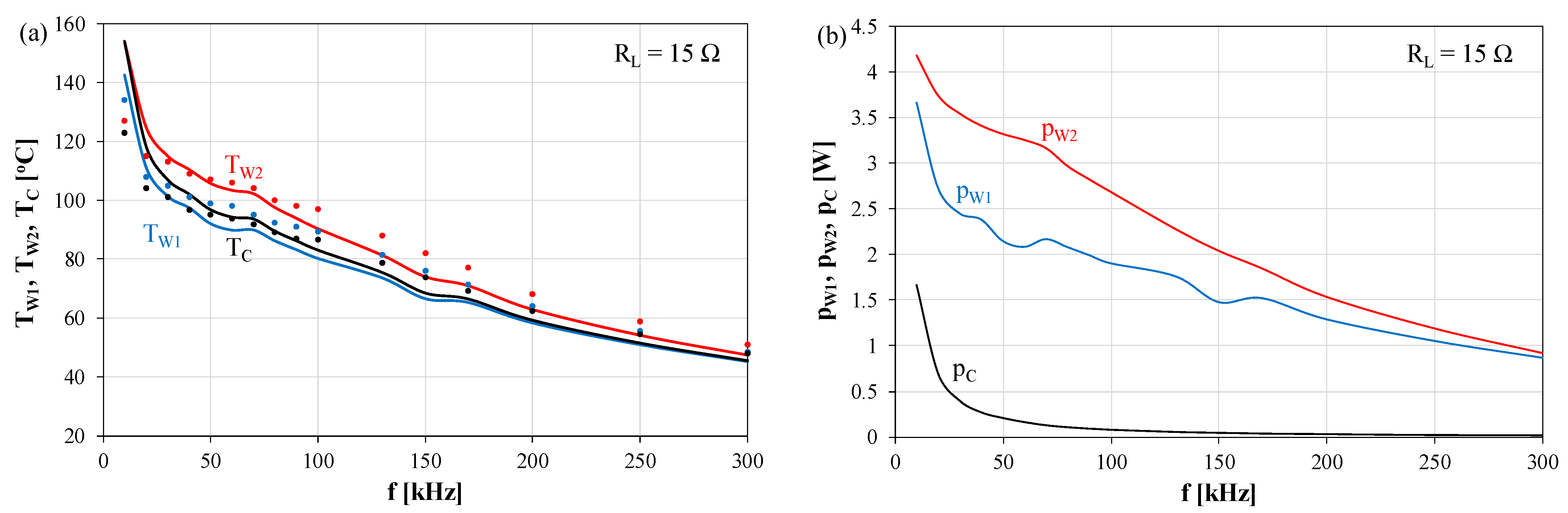
Figure 14 presents the dependence of the temperatures of the core and windings of the TR6 transformer (
Figure 14a) and the power in these windings and core (
Figure 14b) on the frequency. The tests were carried out at a resistance of R
L = 15 Ω and a supply voltage amplitude of
Vm = 30 V.
The dependencies of the temperatures of individual components of the TR6 transformer on the frequency (
Figure 14a) and the dependencies of the power lost in these components on the frequency (
Figure 14b) have similar shapes to the dependencies presented in
Figure 12 for the TR5 transformer.
Figure 14b shows that at the lowest of the considered frequency values, the powers lost in both windings have similar values.
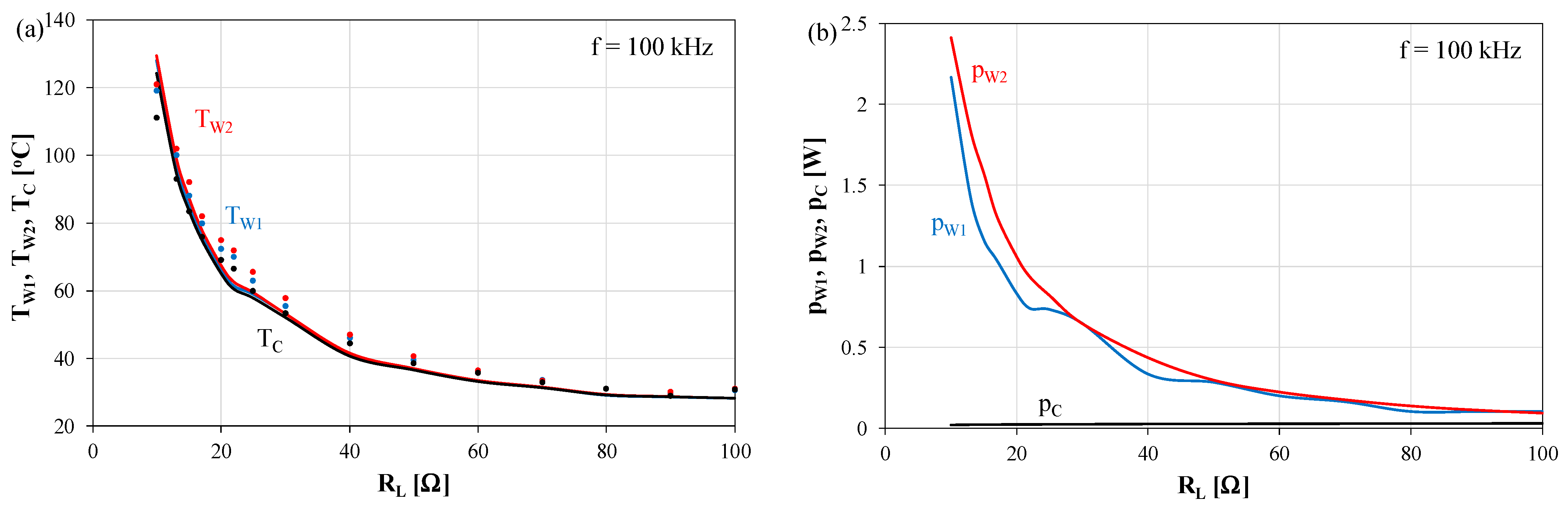
Figure 15 illustrates the effect of resistance R
L on the temperatures of the windings and core of the TR6 transformer (
Figure 15a) and the power dissipated in its components (
Figure 15b). The tests were carried out at
f = 100 kHz and
Vm = 30 V.
Figure 15a shows a weak differentiation between the temperatures of the transformer components, and
Figure 15b shows that the powers dissipated in both windings have similar values. This relationship between the powers indicates that the currents in both windings have similar values.