AI-Assisted UPQC with Quasi Z-Source SEPIC-Luo Converter for Harmonic Mitigation and Voltage Regulation in PV Applications

Abstract
1. Introduction
1.1. Importance
1.2. Literature Review
1.3. Research Gaps
1.4. Contributions
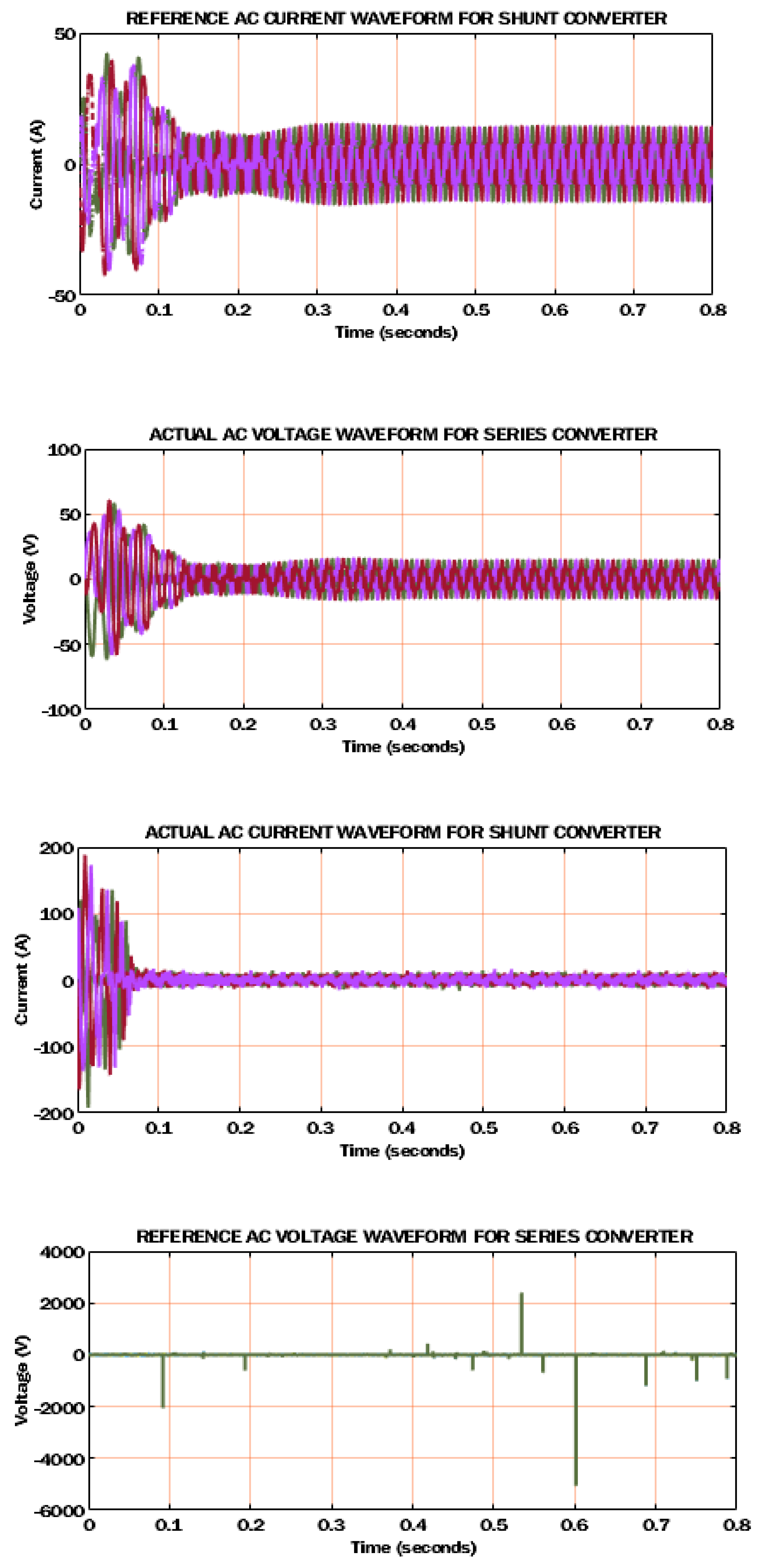
- Introduces NeuPQ-Net controller for UPQC, which directly operates in the abc domain, eliminating the dependency on SRF, DDSRF or PLL-based transformations.
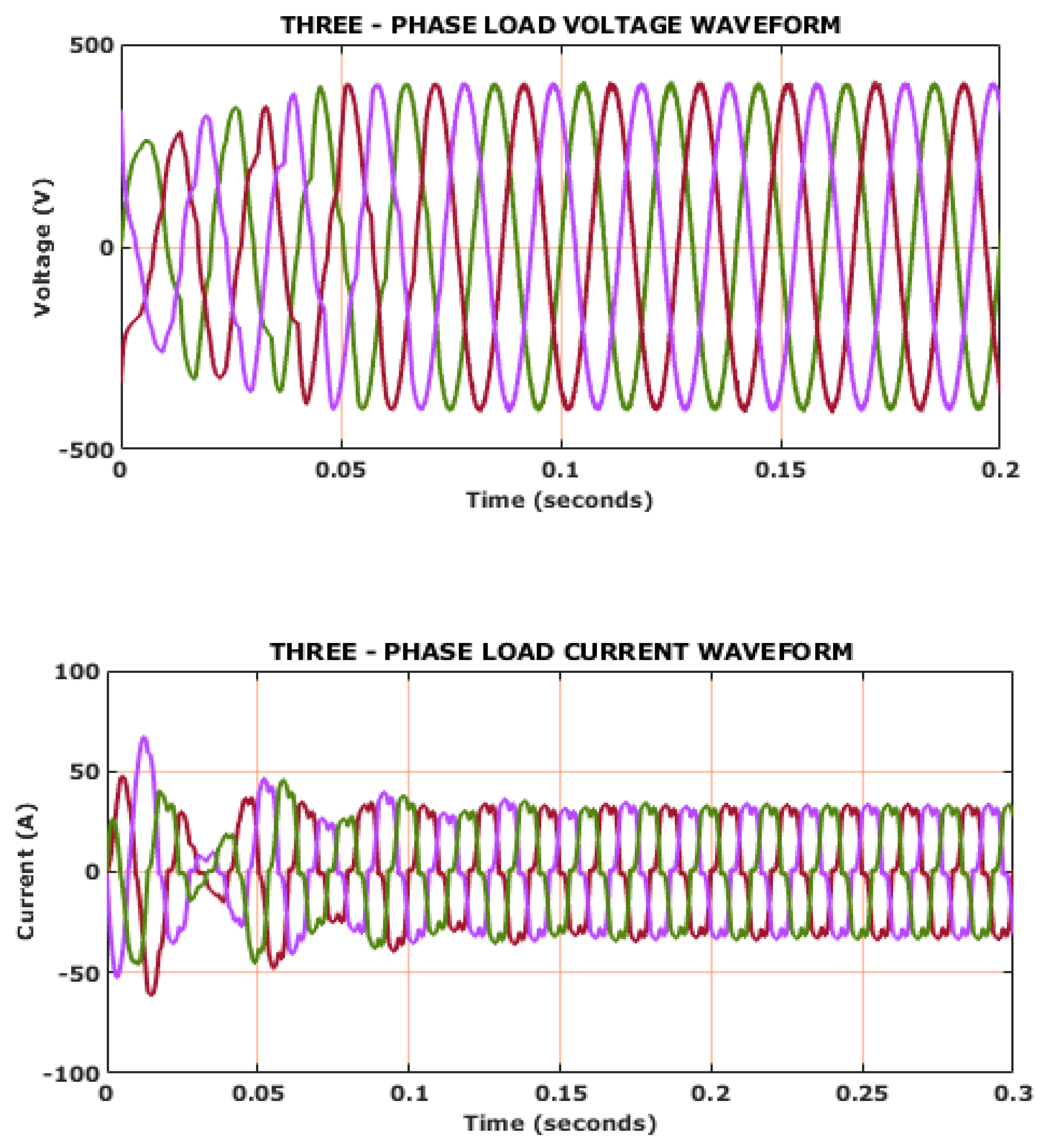
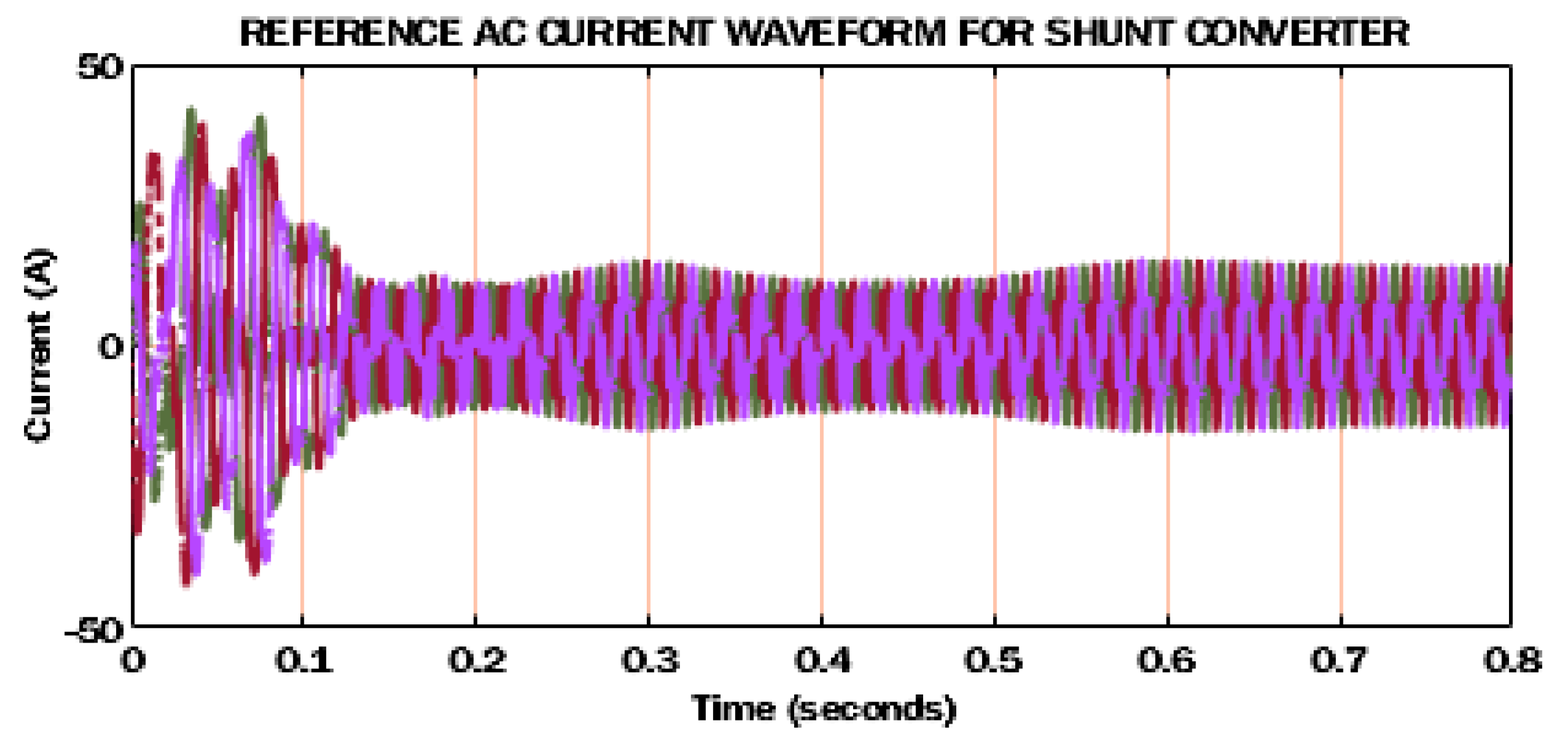
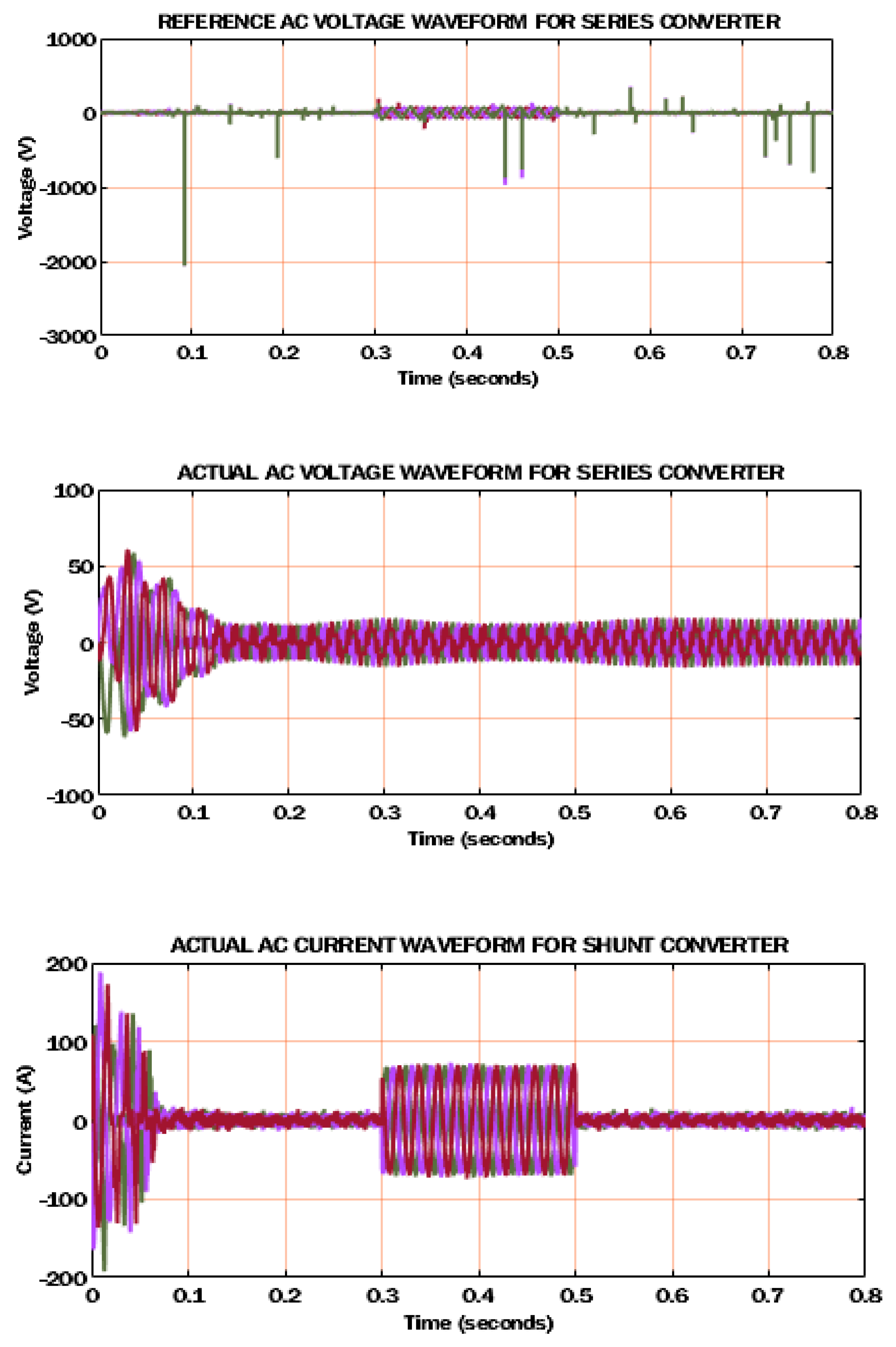
- NeuPQ-Net concurrently produces reference compensating currents for the shunt active power filter and reference injected voltages for the series compensator, resulting in the complete mitigation of voltage sags/swells, unbalances, harmonics and reactive power disturbances.
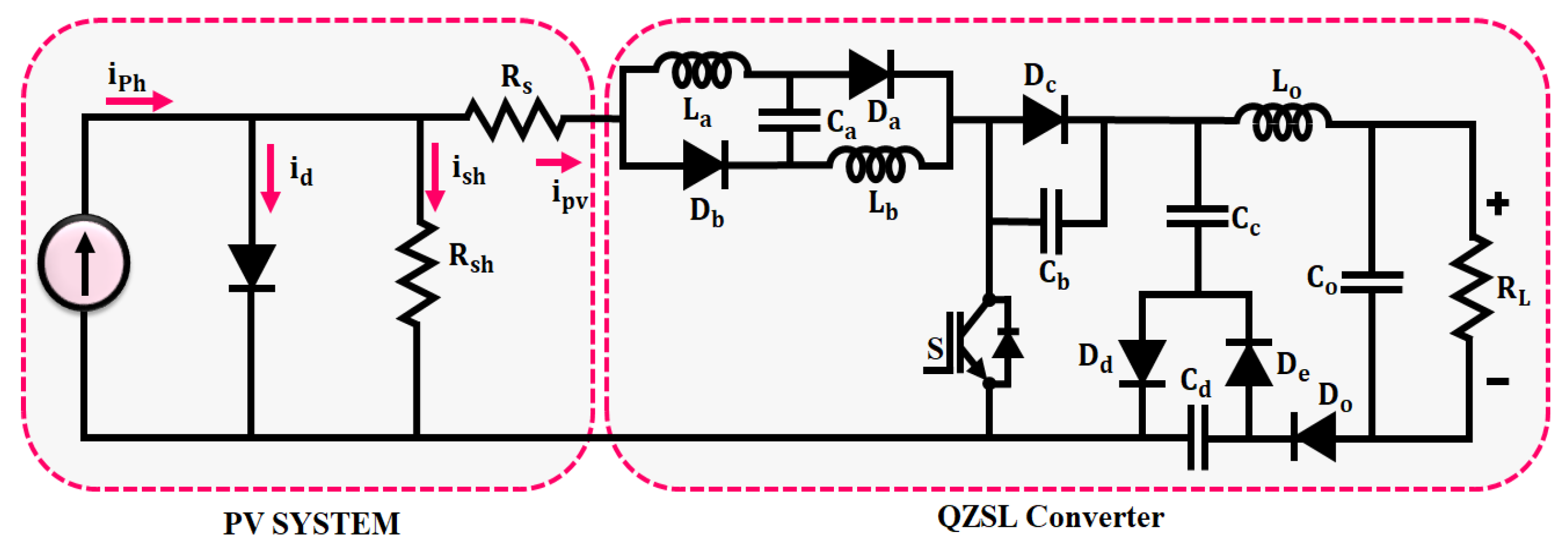
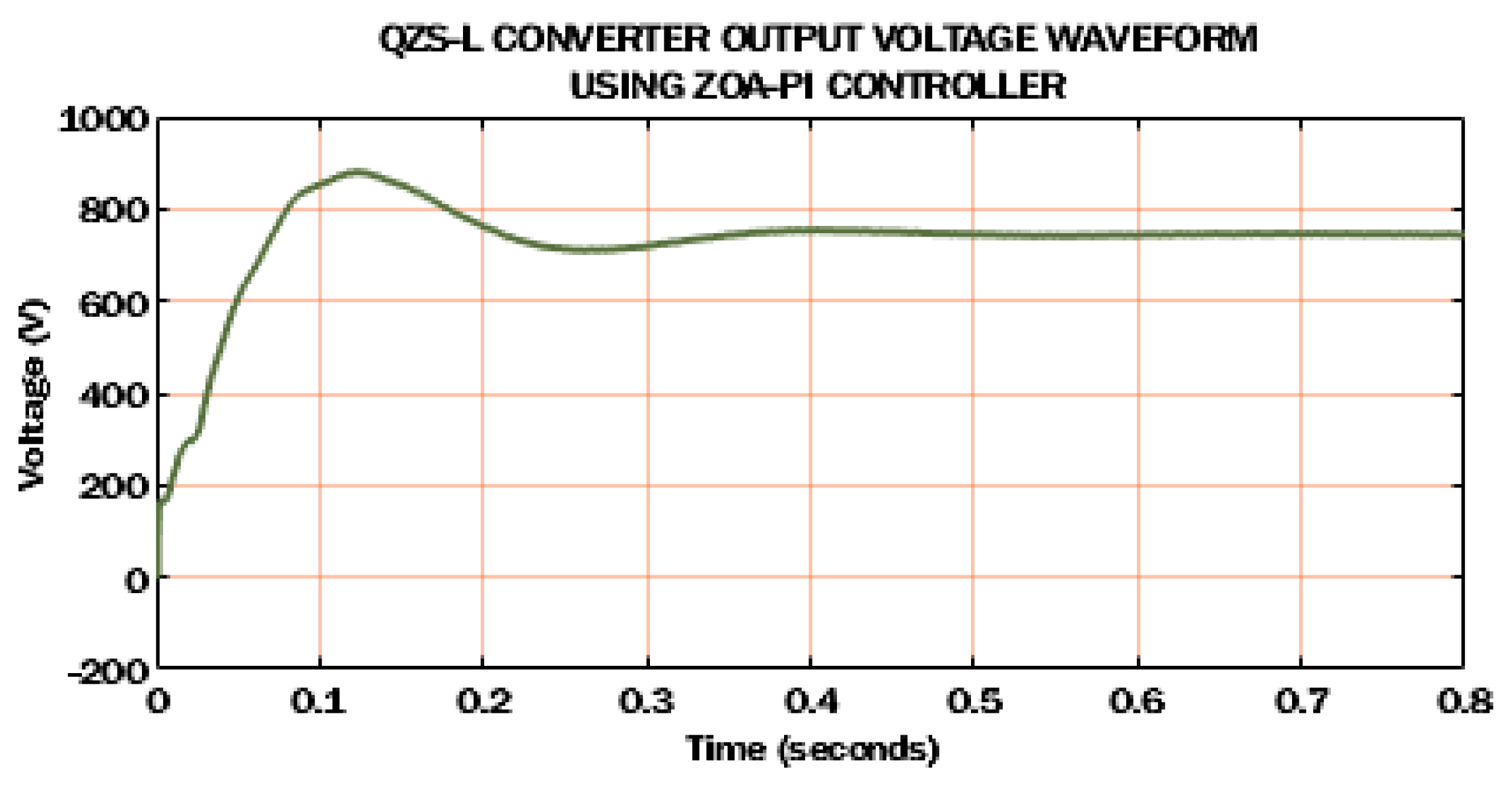
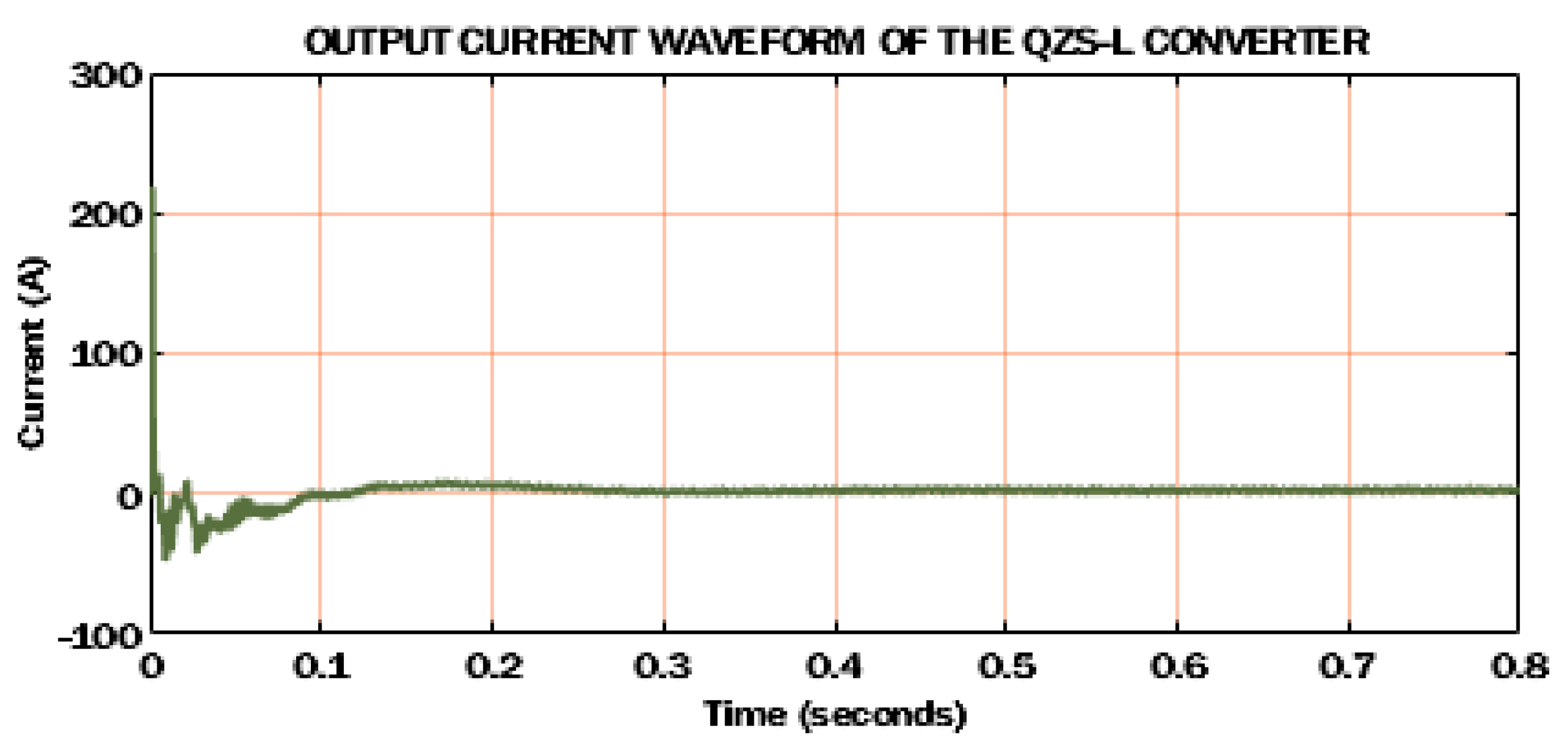
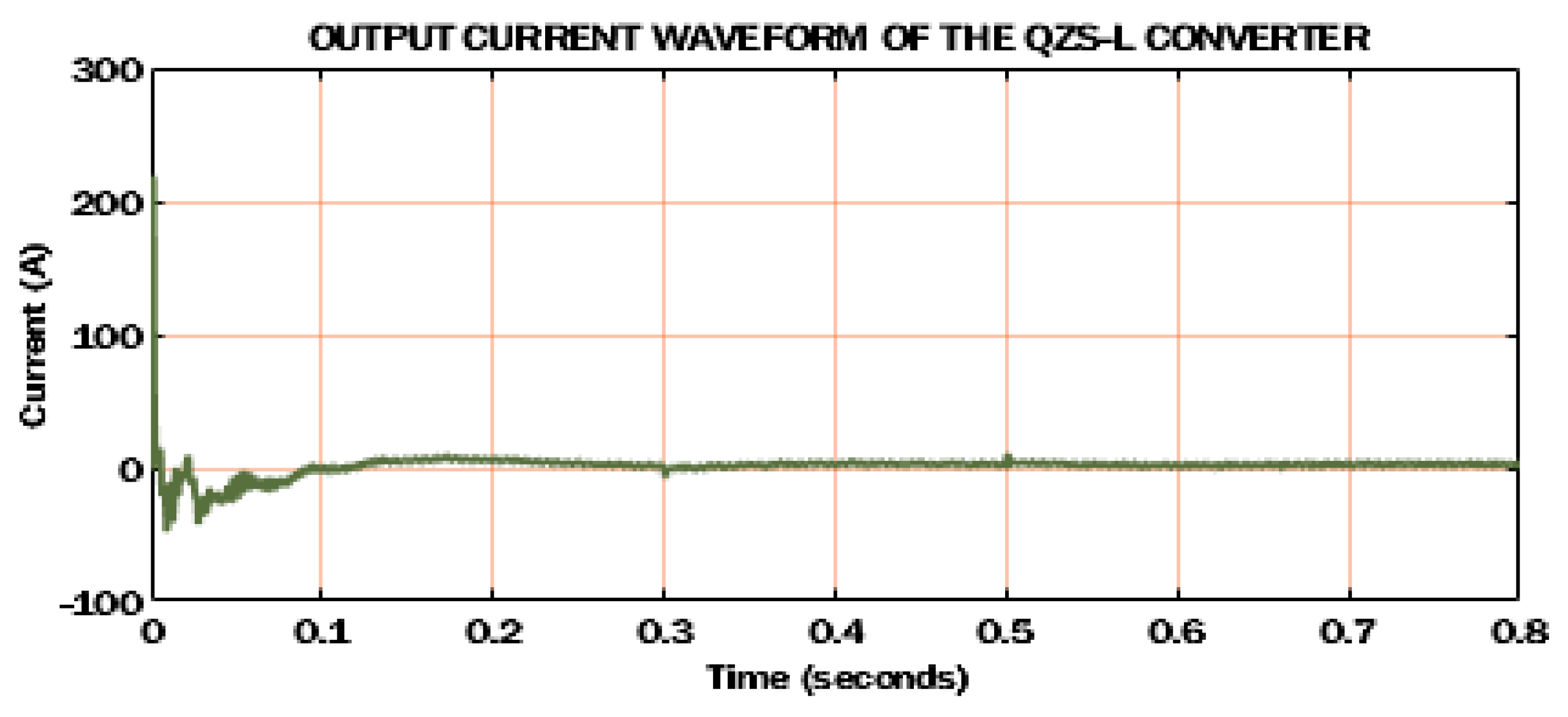
- Introduces QZSL converter to efficiently boost the voltage generated by the PV system, making it suitable for grid system.
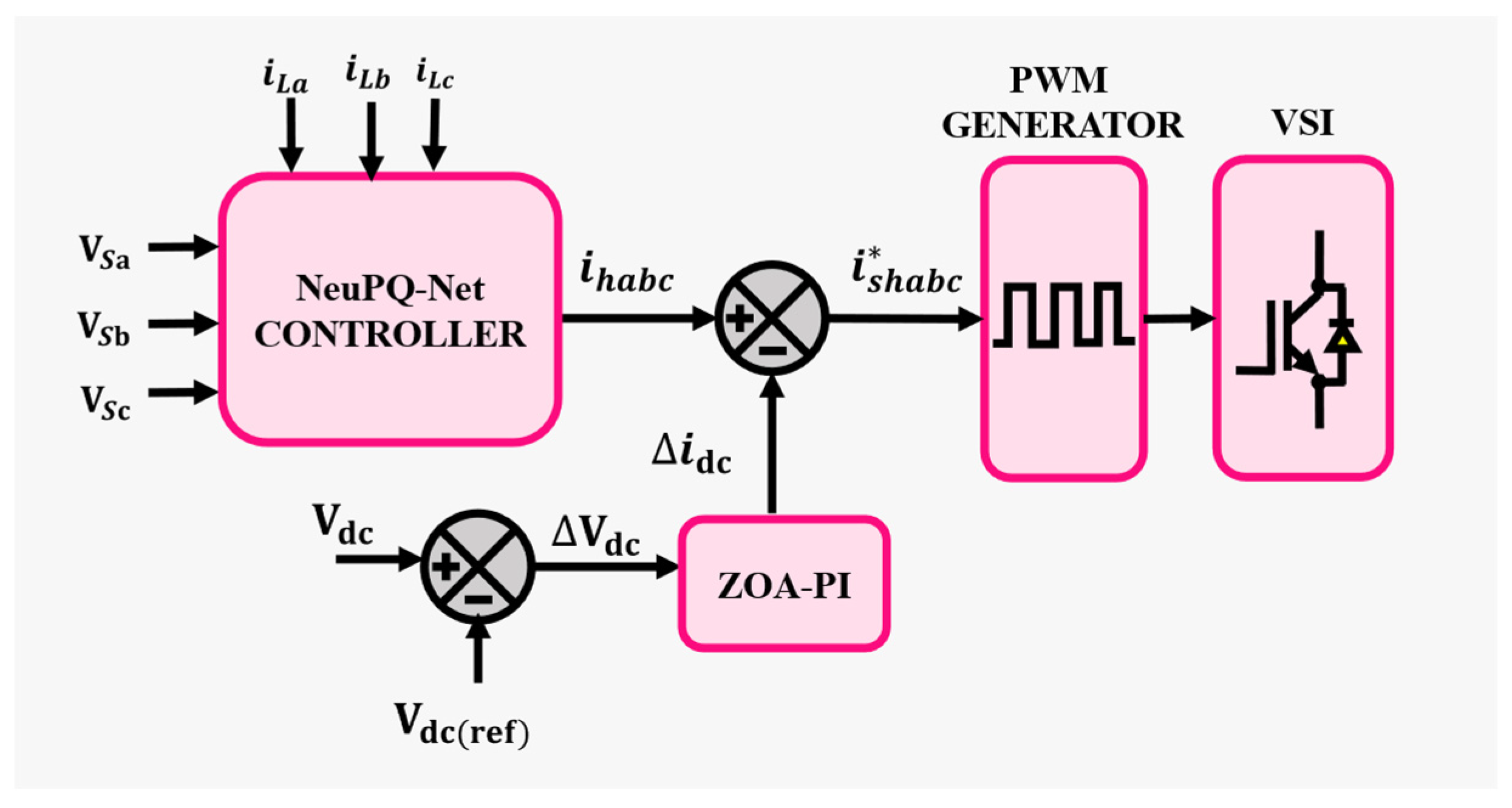
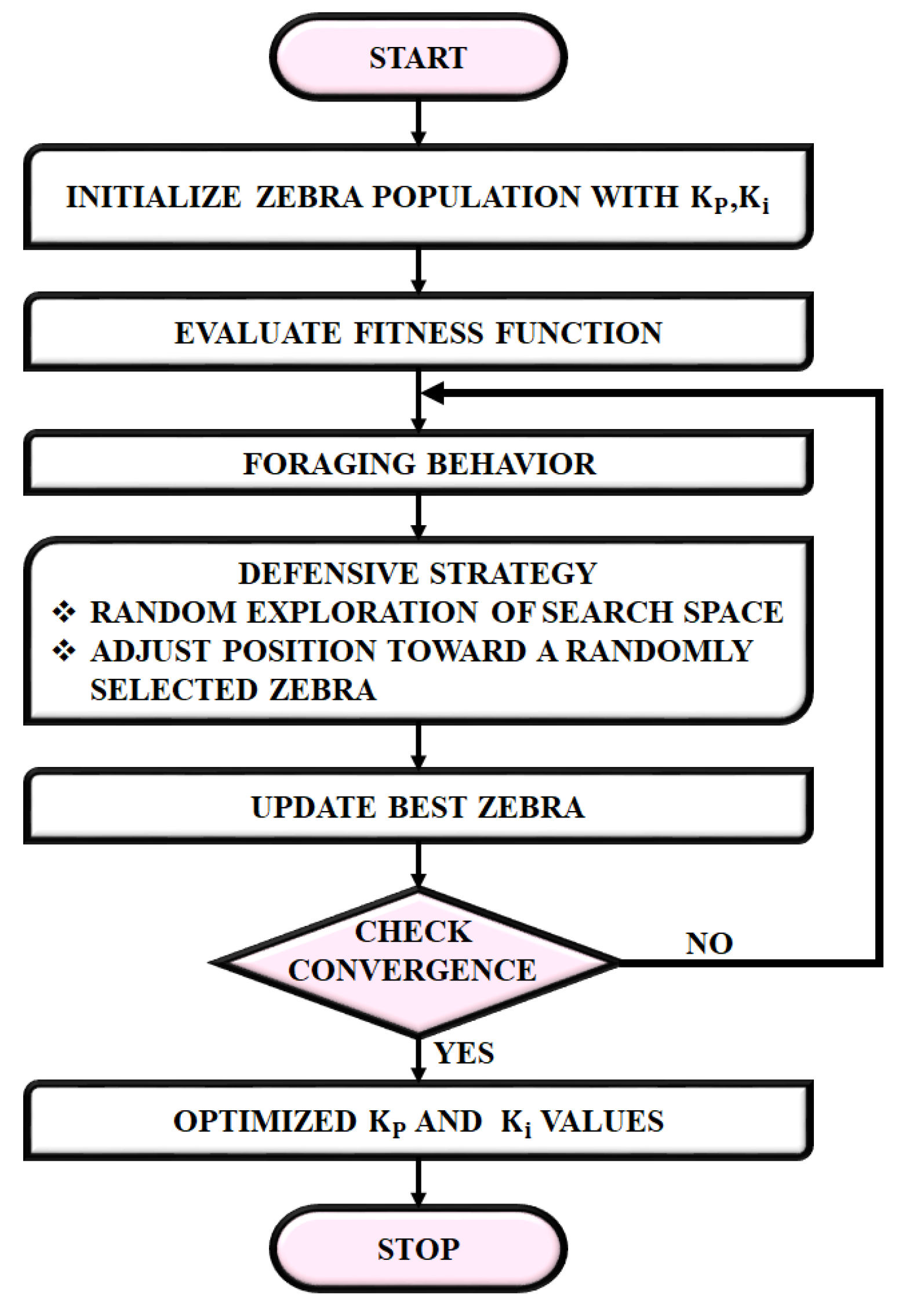
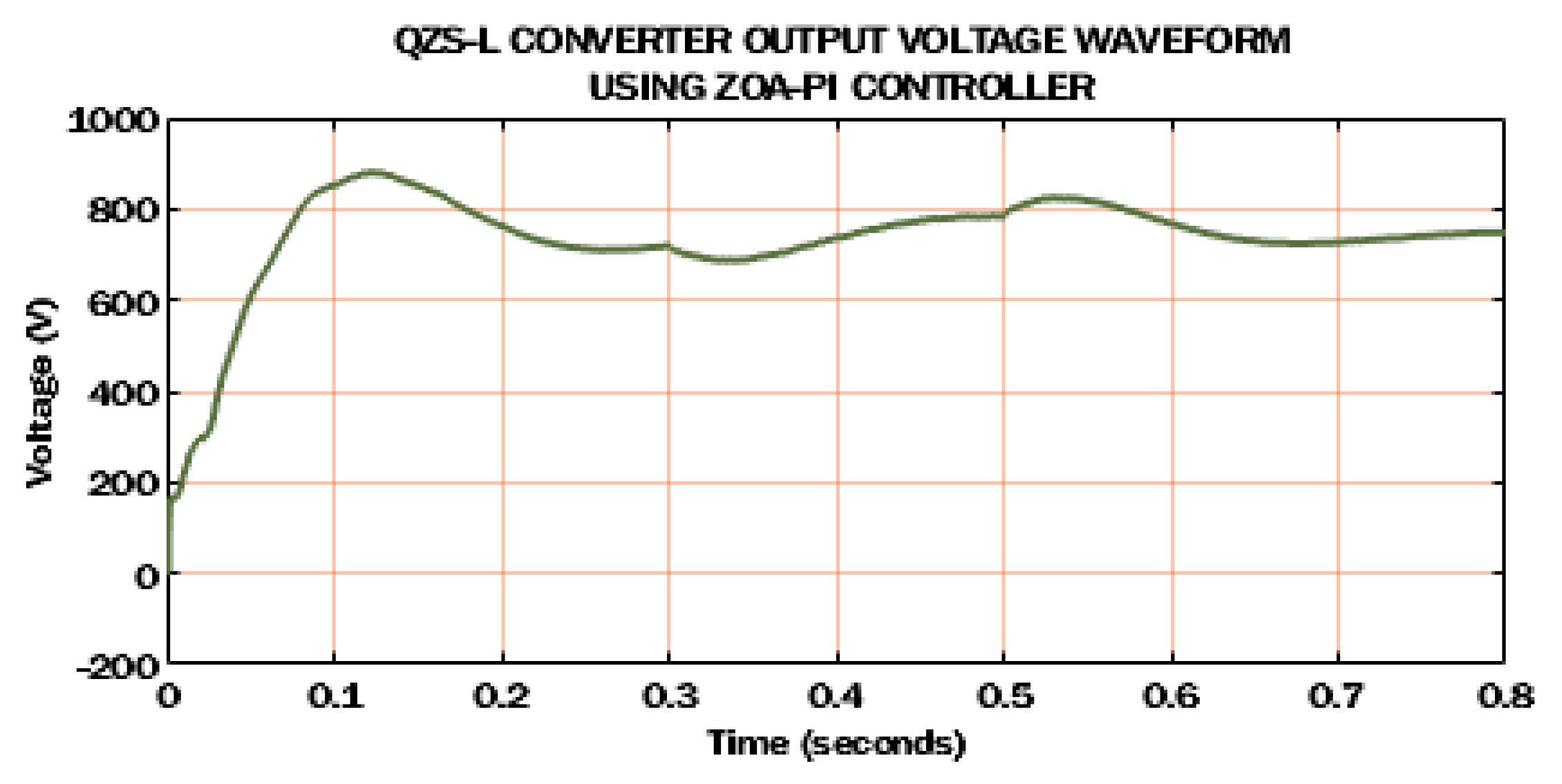
- Implements a ZOA to fine-tune PI controller parameters and regulate the DC-link voltage.
1.5. Organization
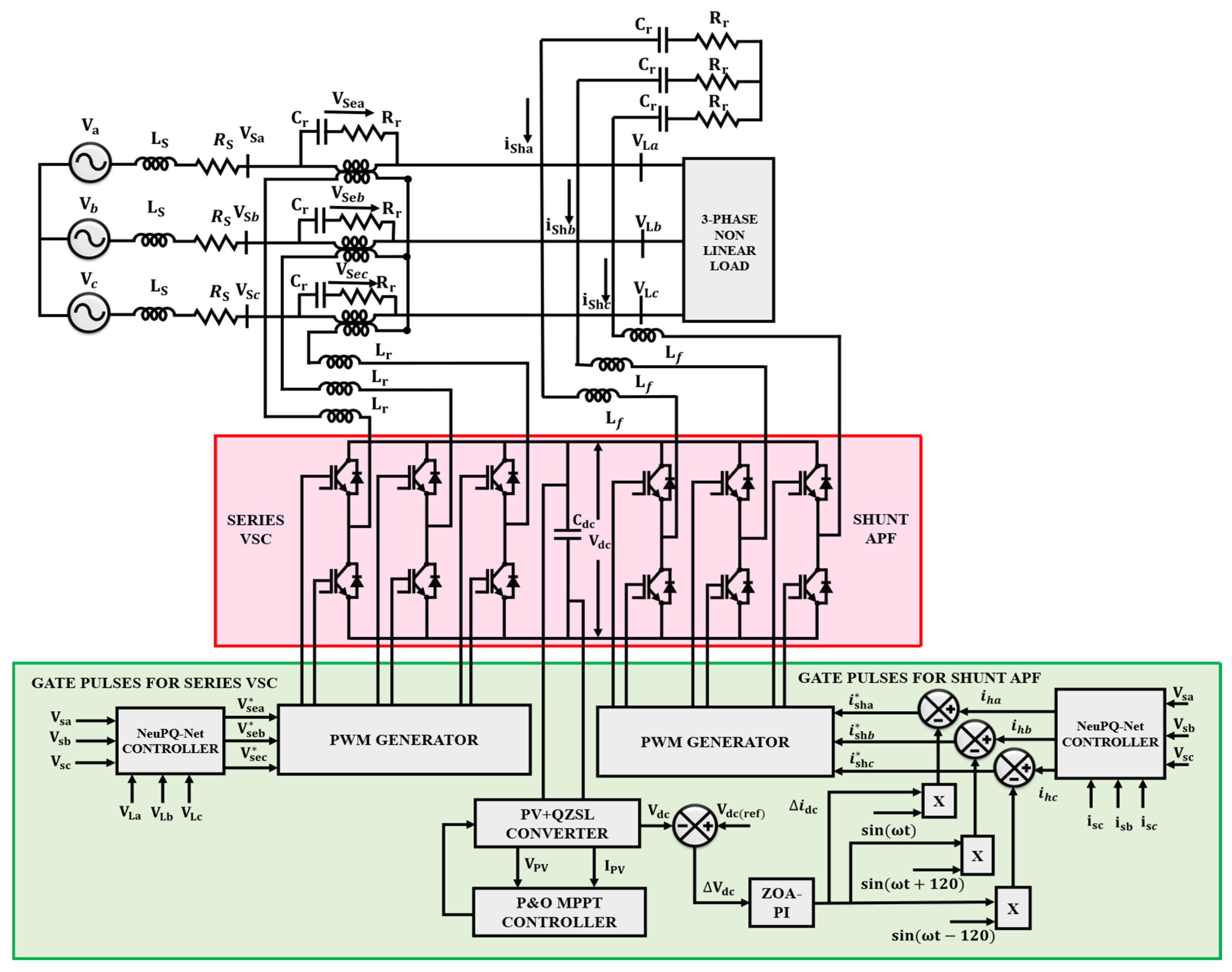
2. Description of Proposed System
3. System Modelling
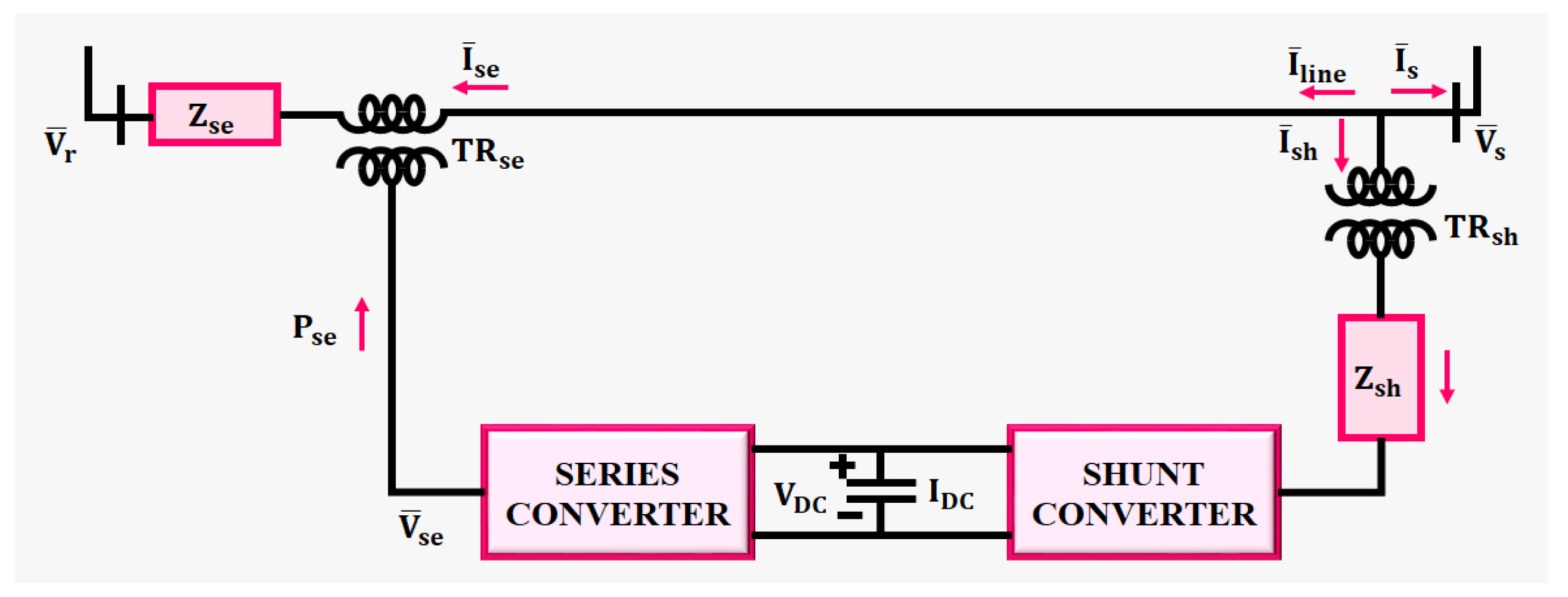
3.1. UPQC System Mathematical Representation
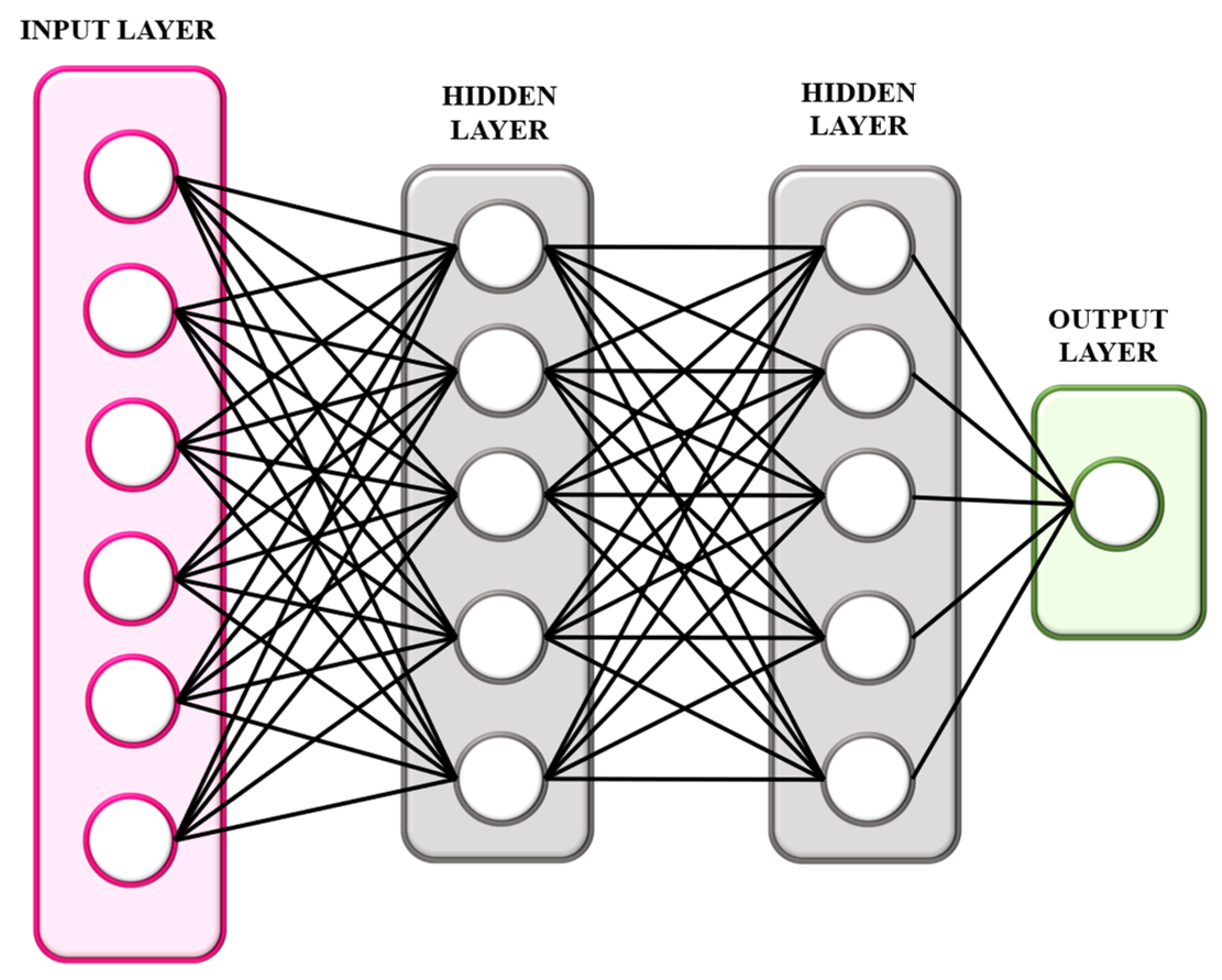
3.2. Neural Power Quality Network (NeuPQ-Net) Control of UPQC
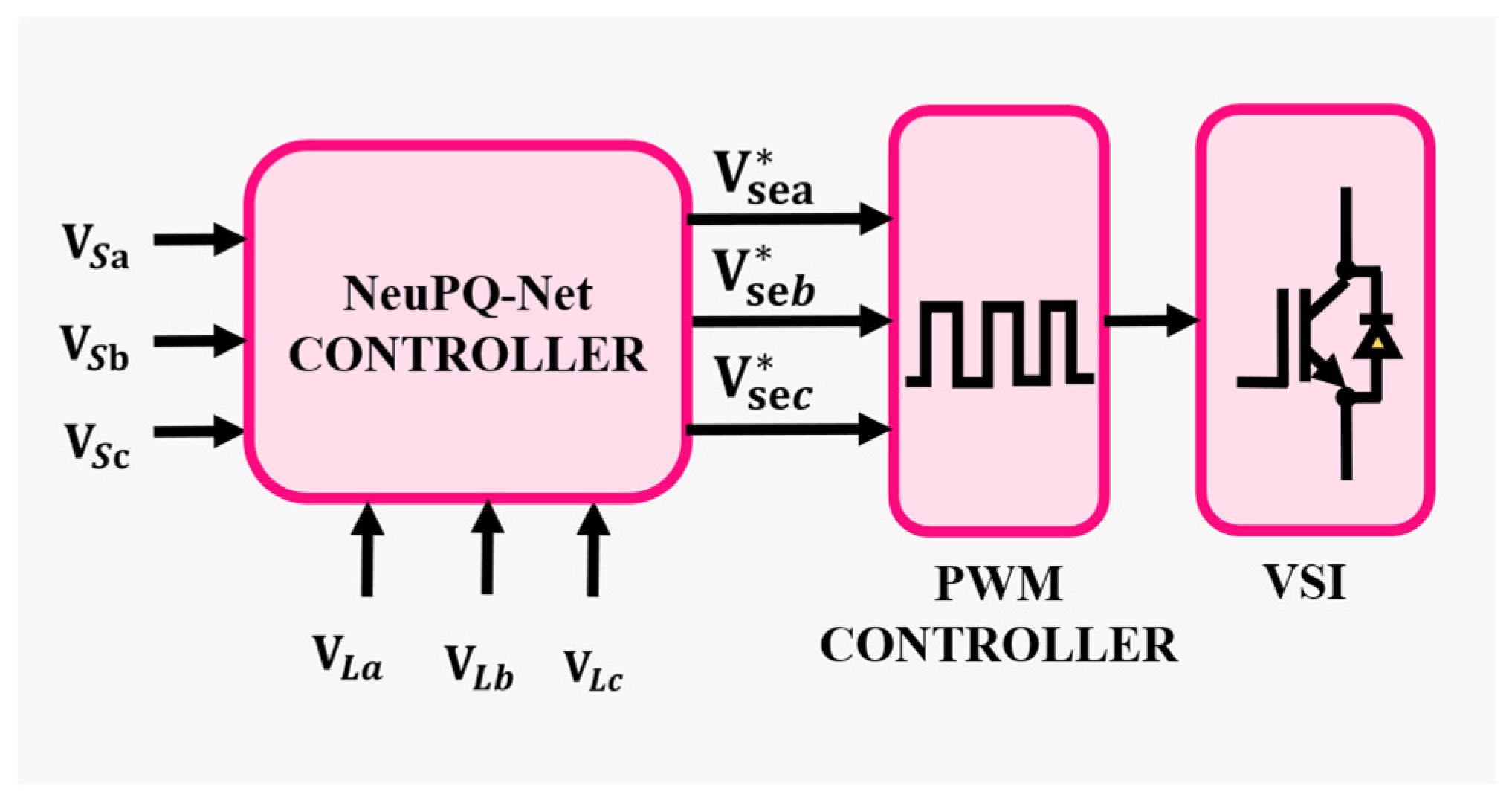
3.2.1. Working of NeuPQ-Net Controller for Series Compensator
3.2.2. Working of NeuPQ-Net Controller for Shunt Compensator
3.3. ZOA Optimized PI Controller for DC-Link Voltage Control
3.3.1. Initialization of Population
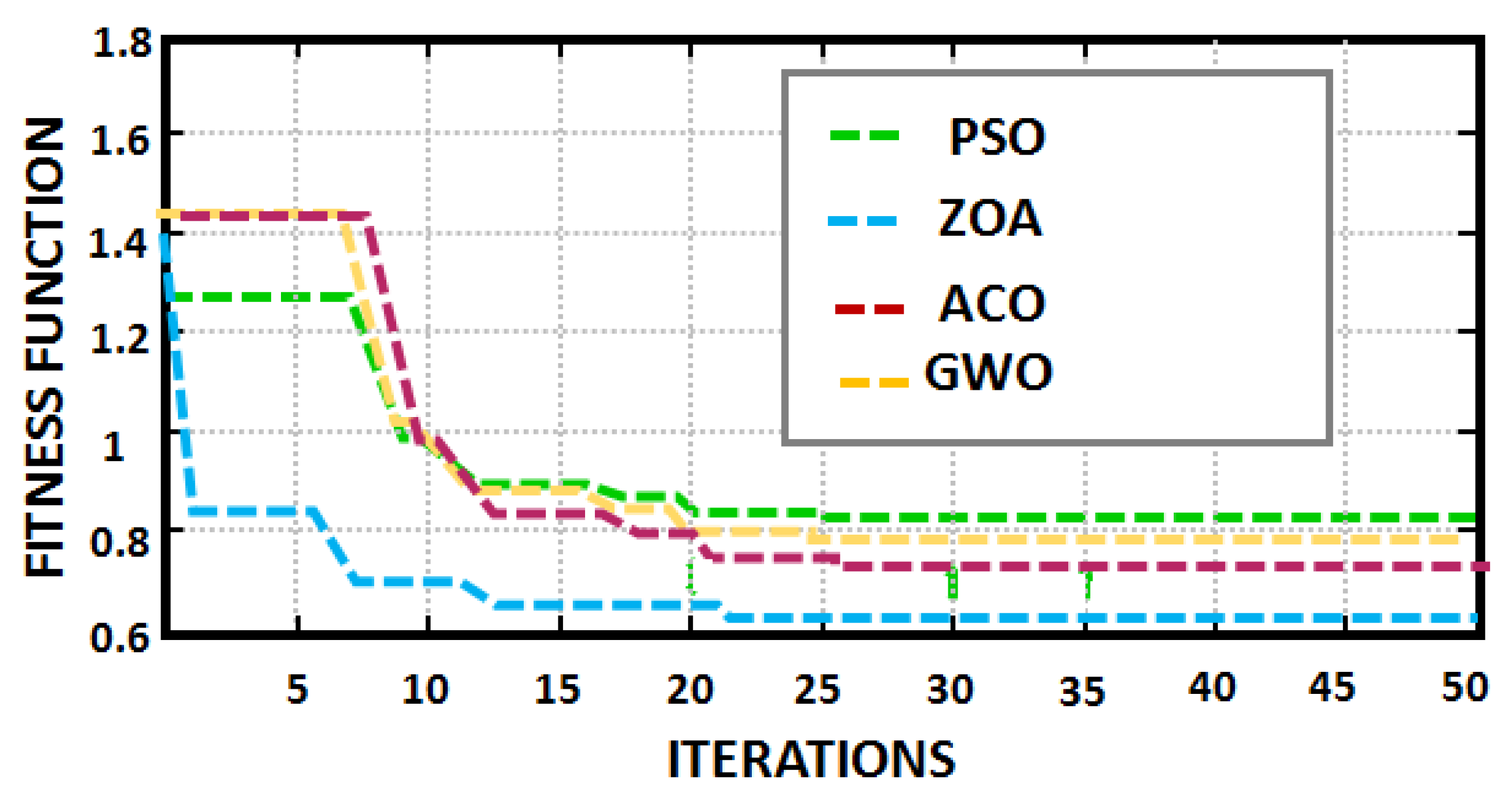
3.3.2. Fitness Function Evaluation
3.3.3. Foraging Behavior—Update of Position Based on Best Solution
3.3.4. Selection of Best Individuals
3.3.5. Defensive Strategy—Further Refinement of PI Gains
3.3.6. Selection of Best PI Gains
3.4. PV System with QZSL Converter
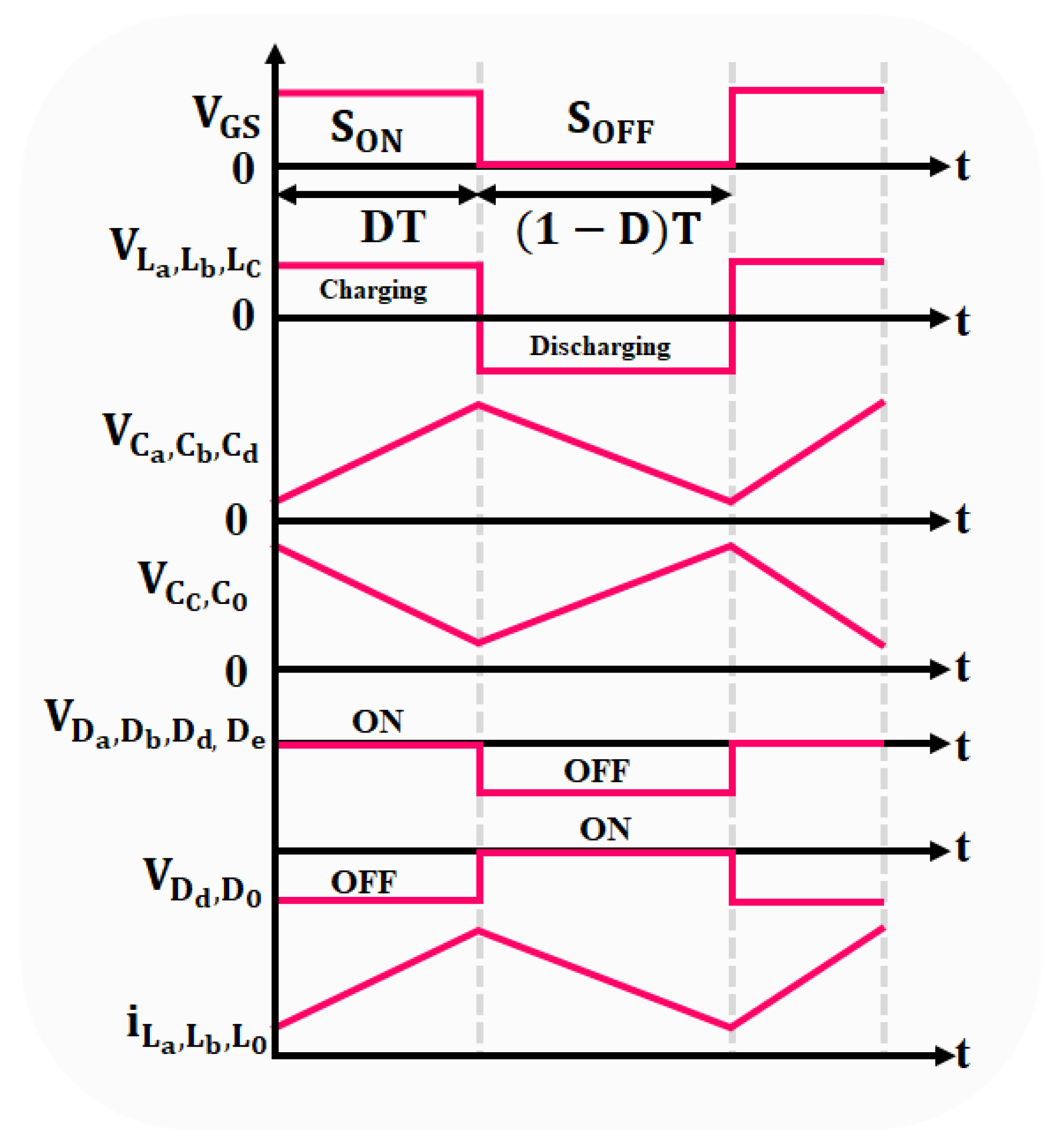
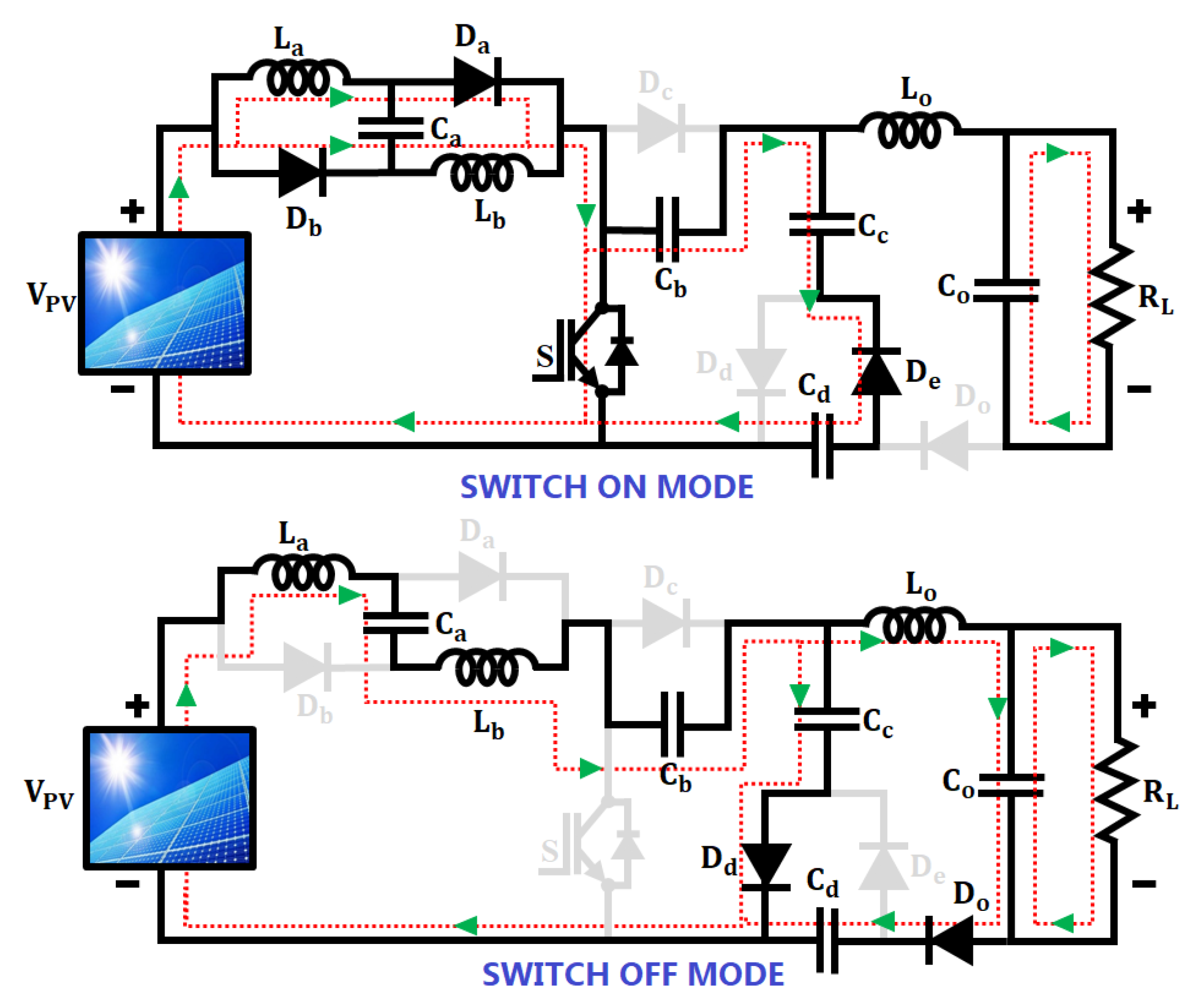
Operation of QZSL Converter
4. Results and Discussion
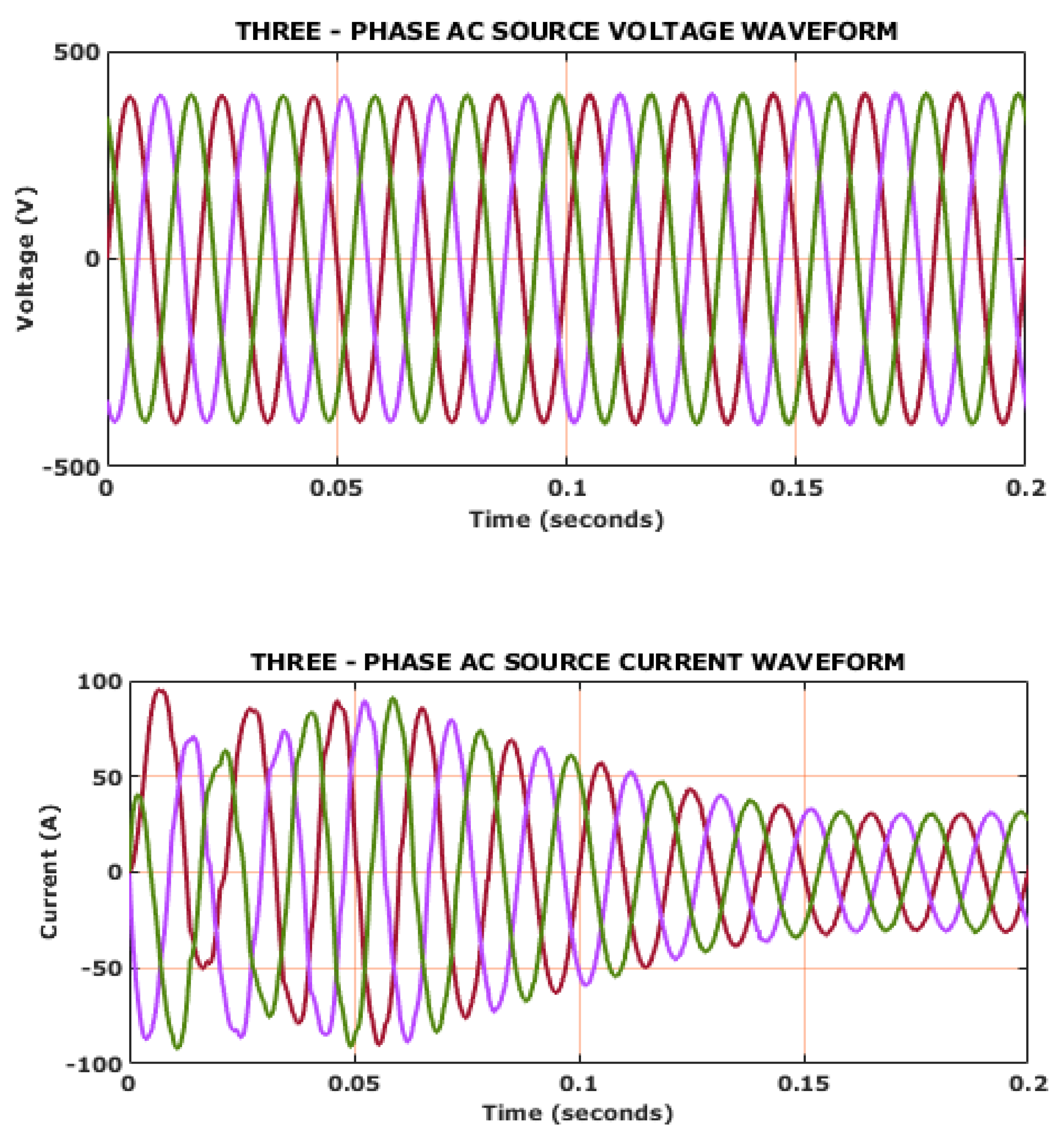
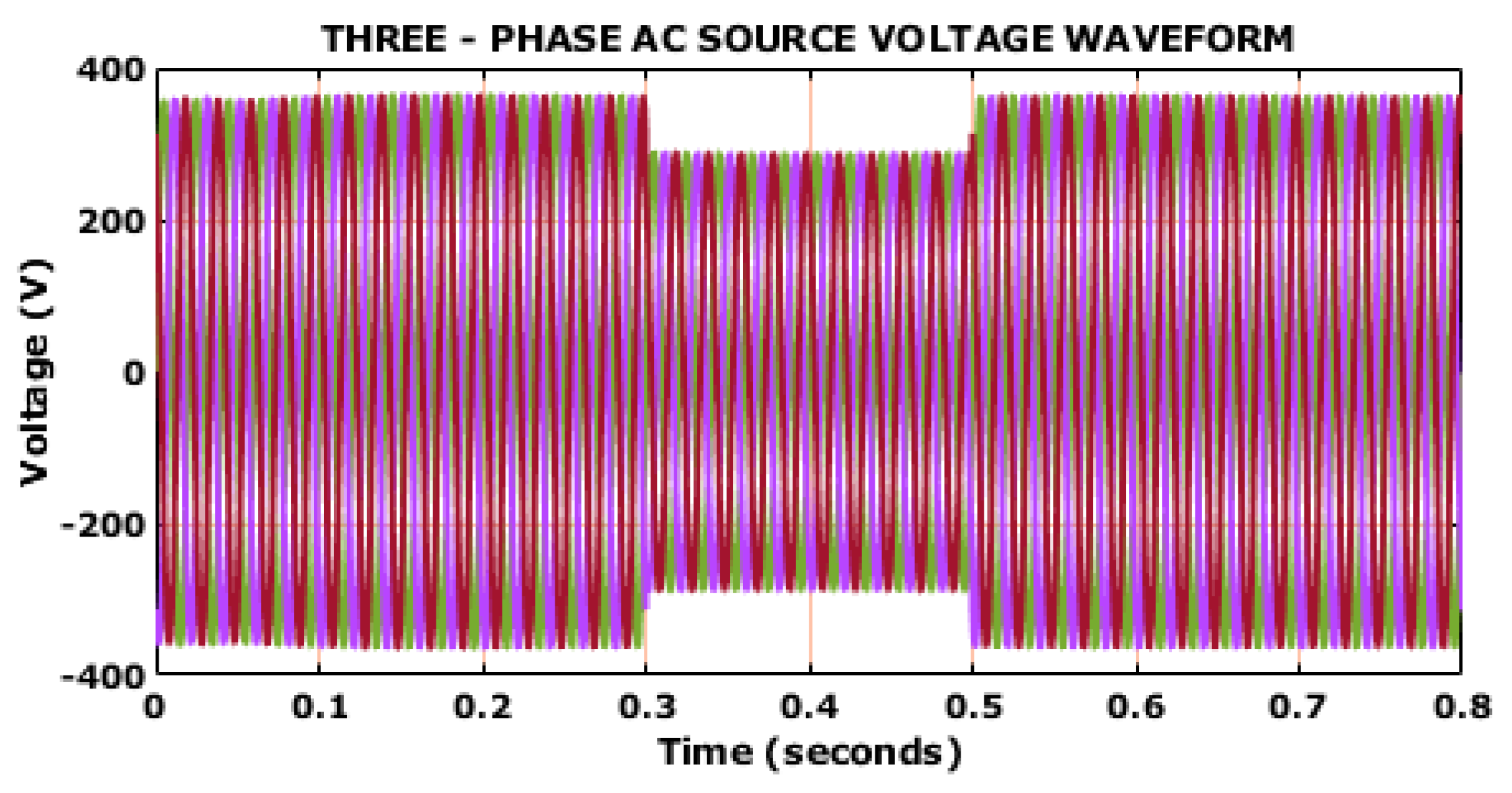
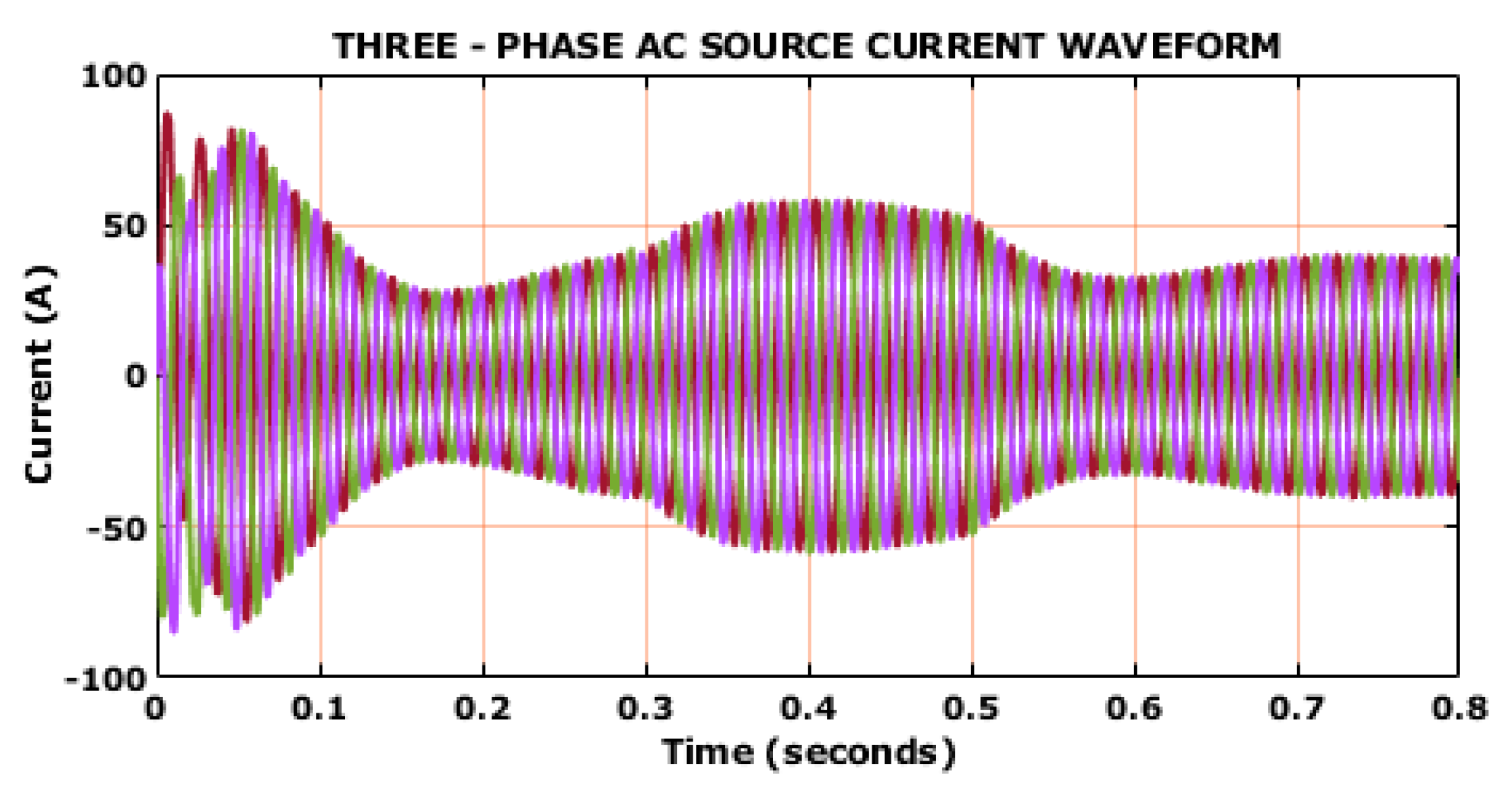
- Case 1: Normal Condition
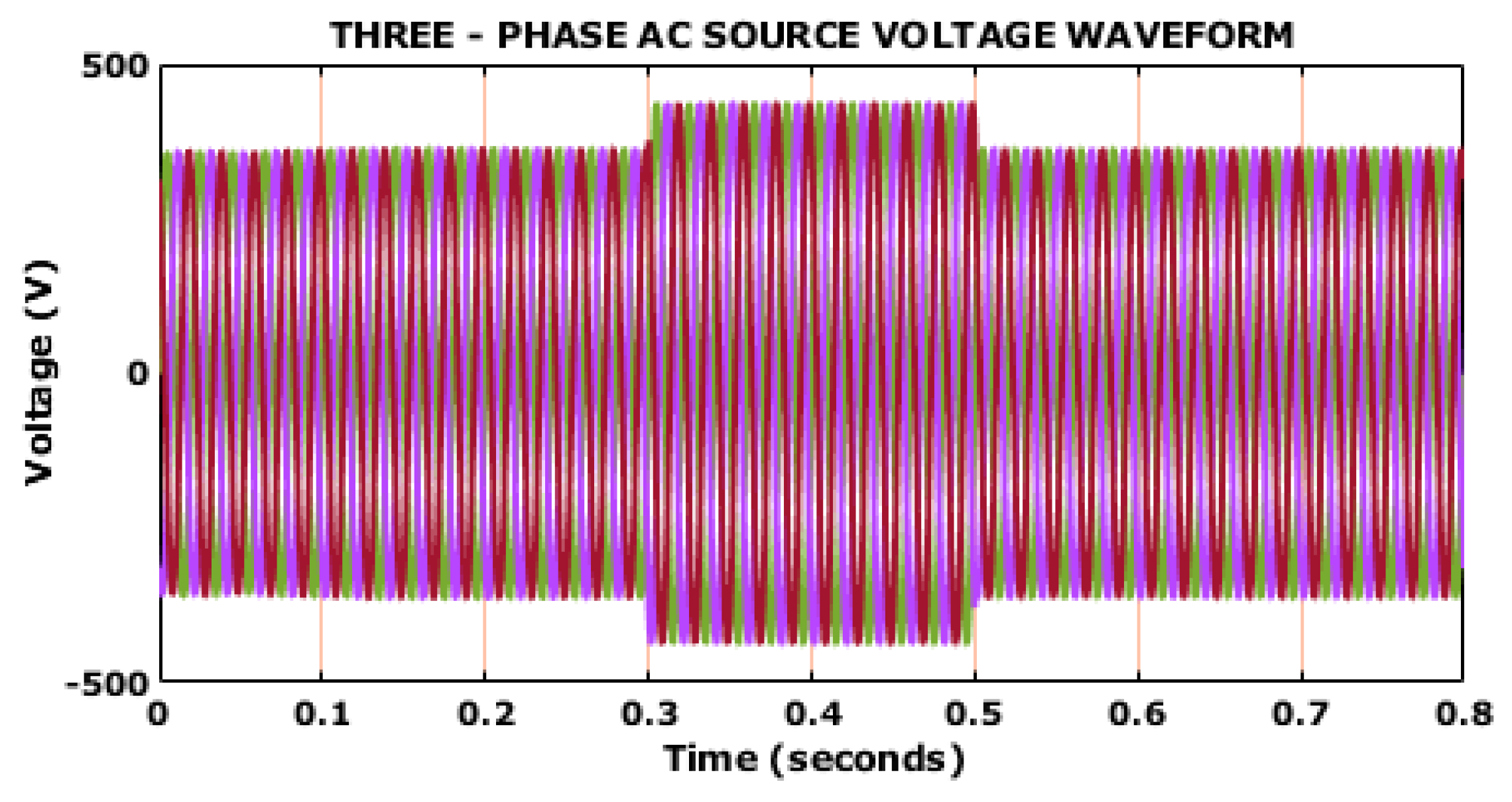
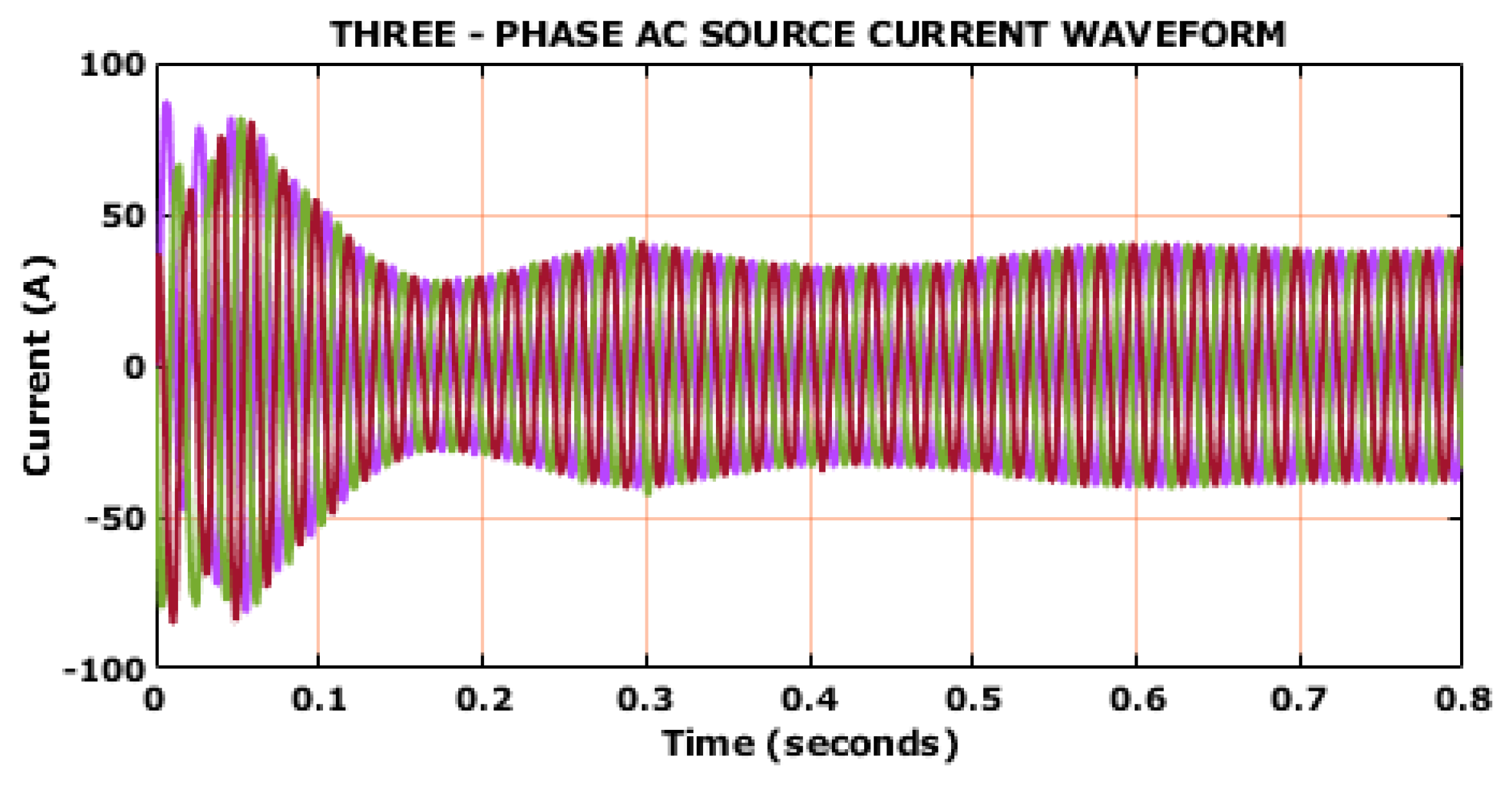
- Case 2: With step magnitude +0.2 (Voltage Swell)
- Case 3: With step magnitude −0.2 (Voltage Sag)
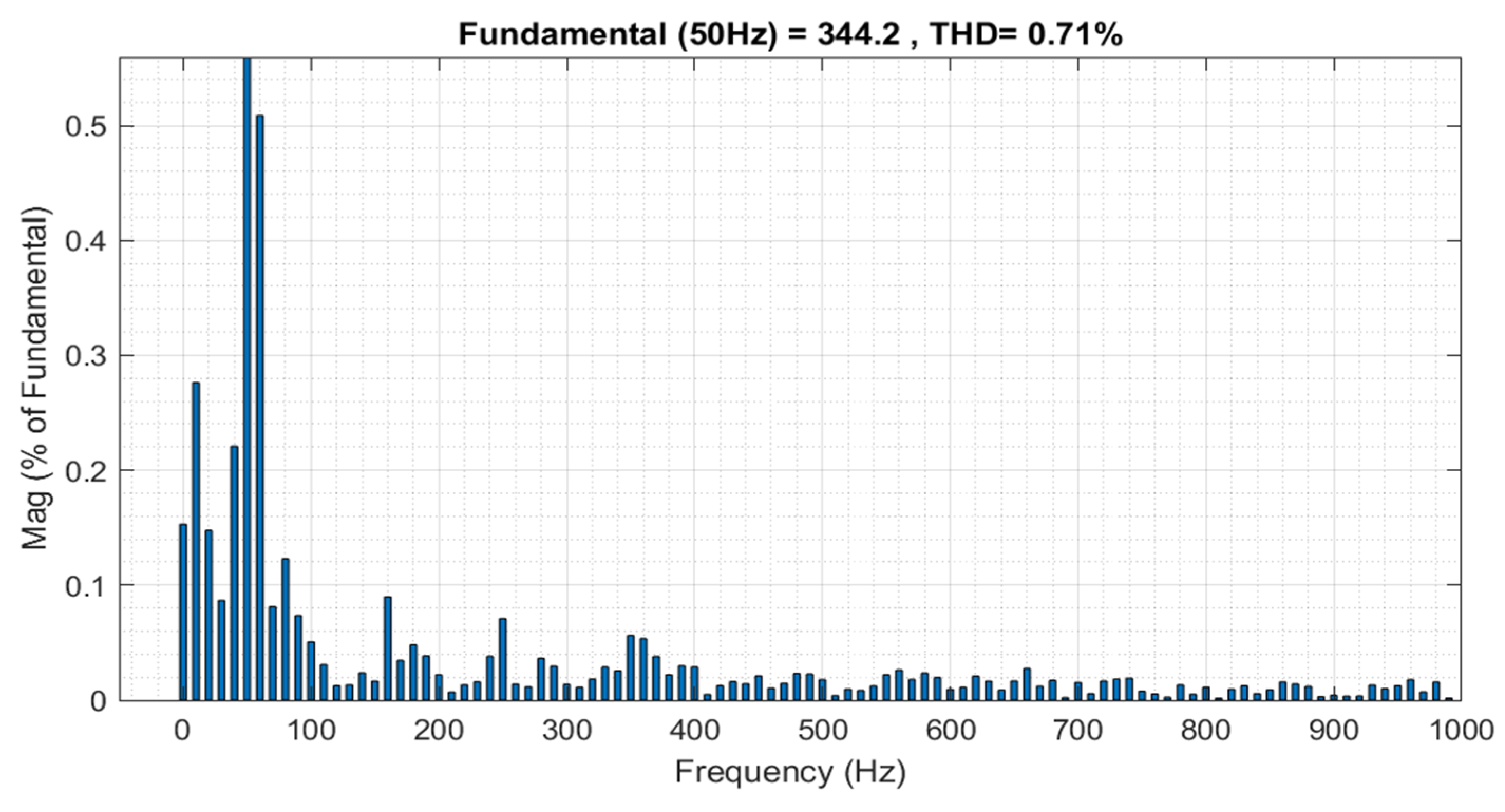
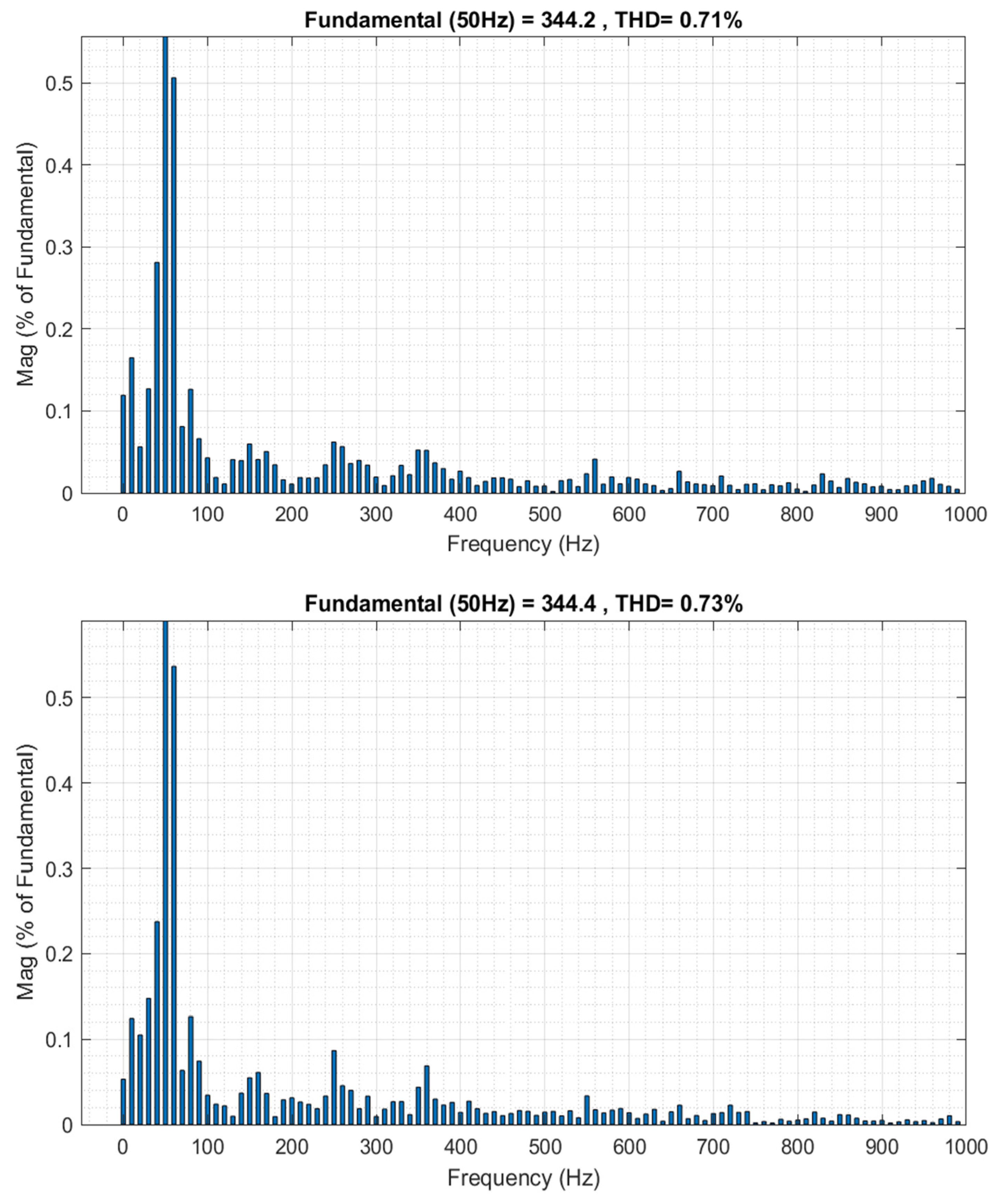
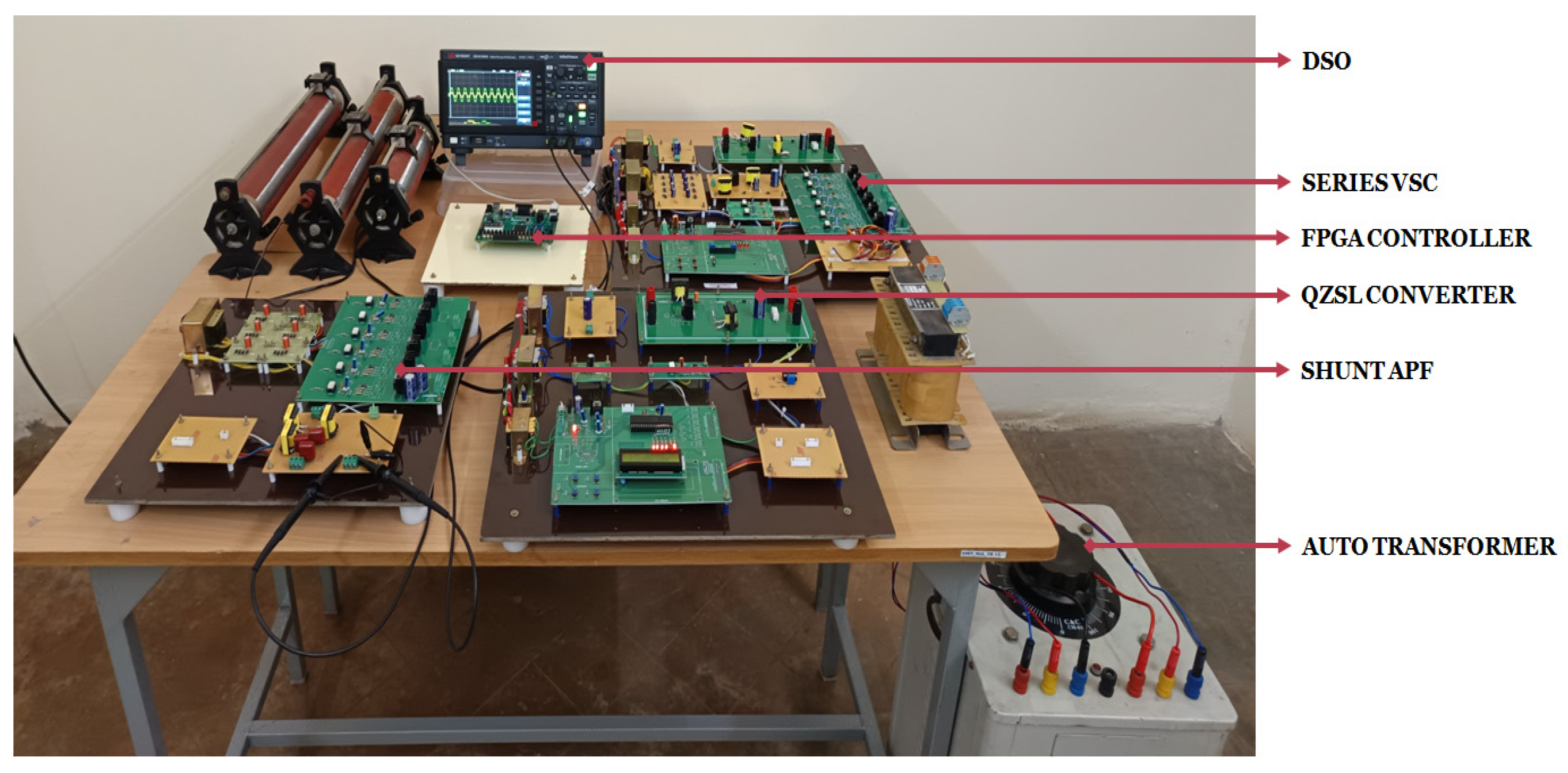
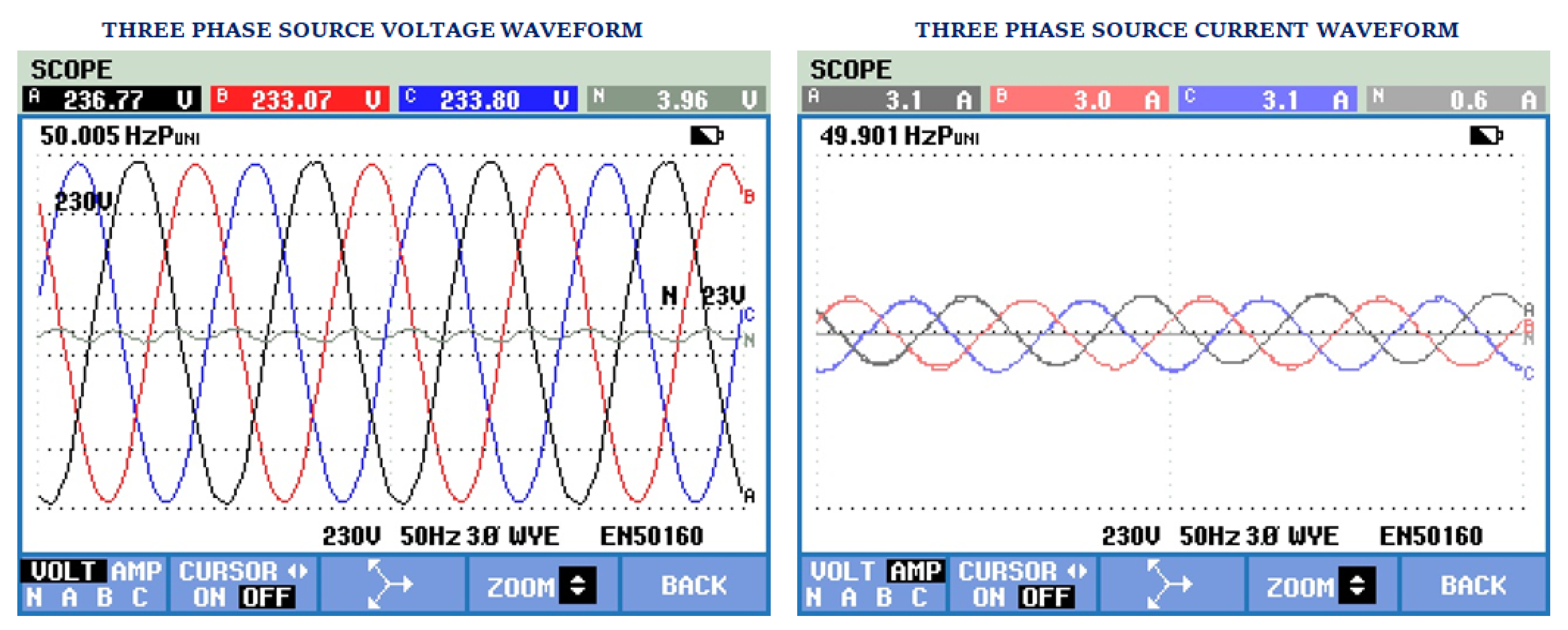
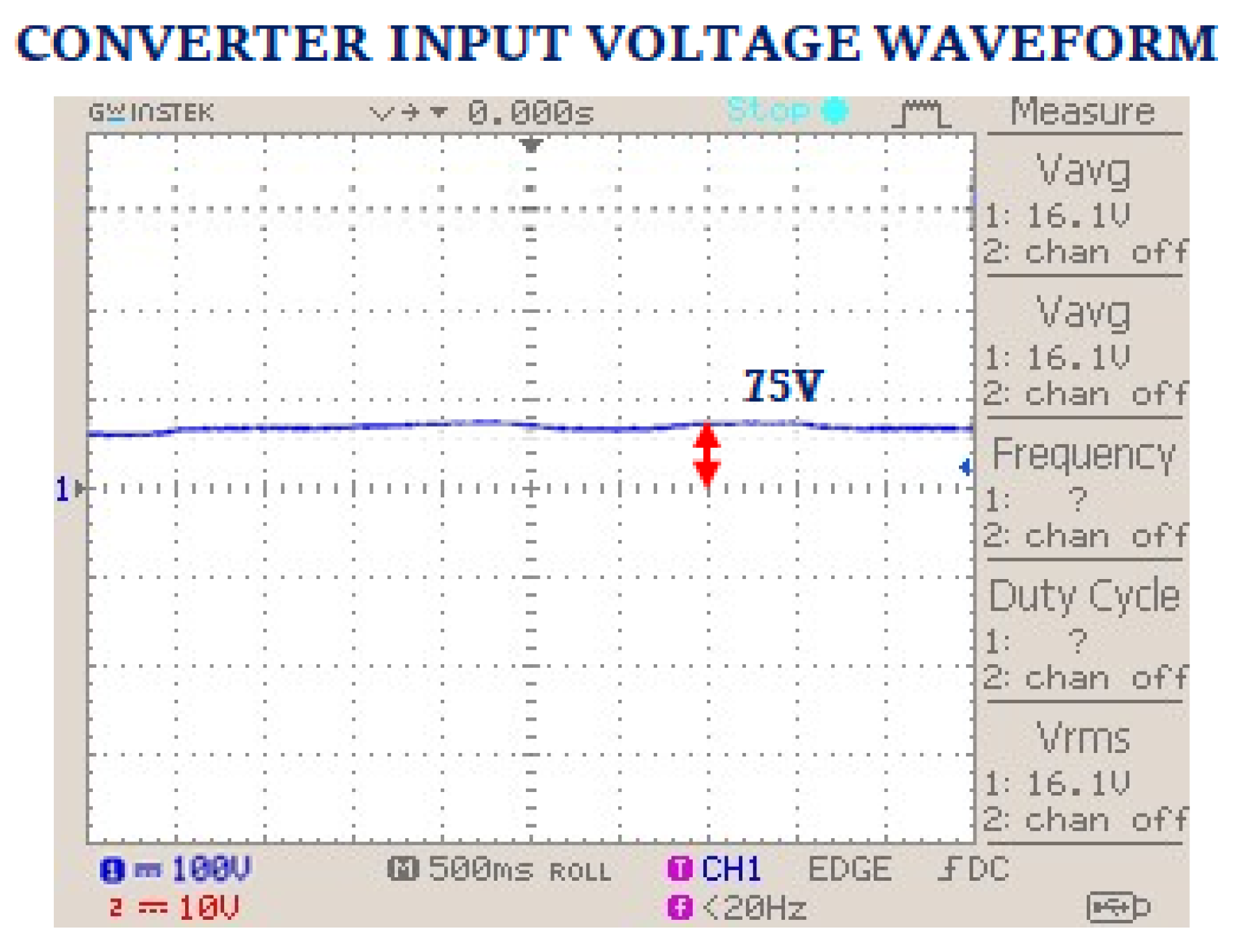
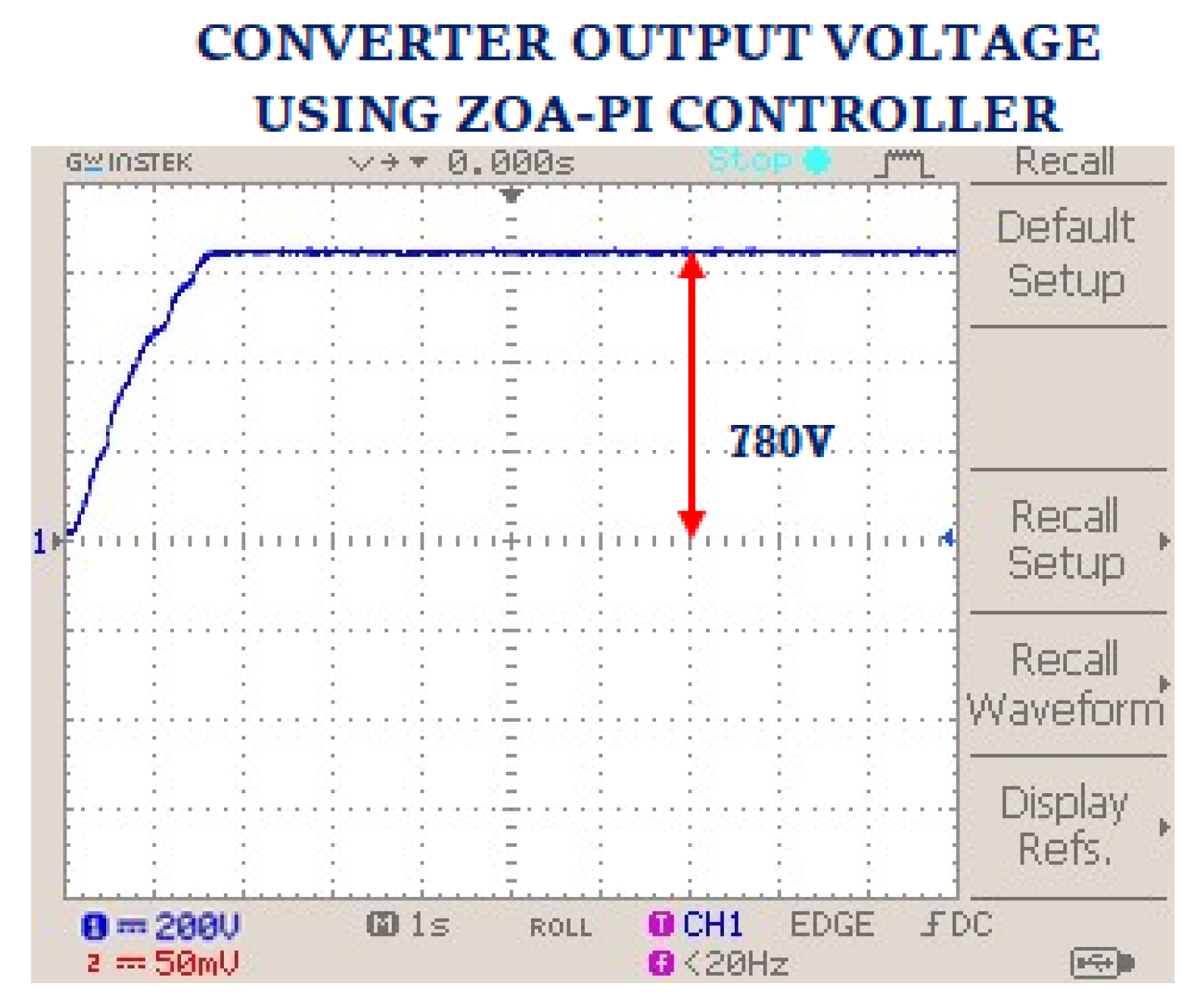
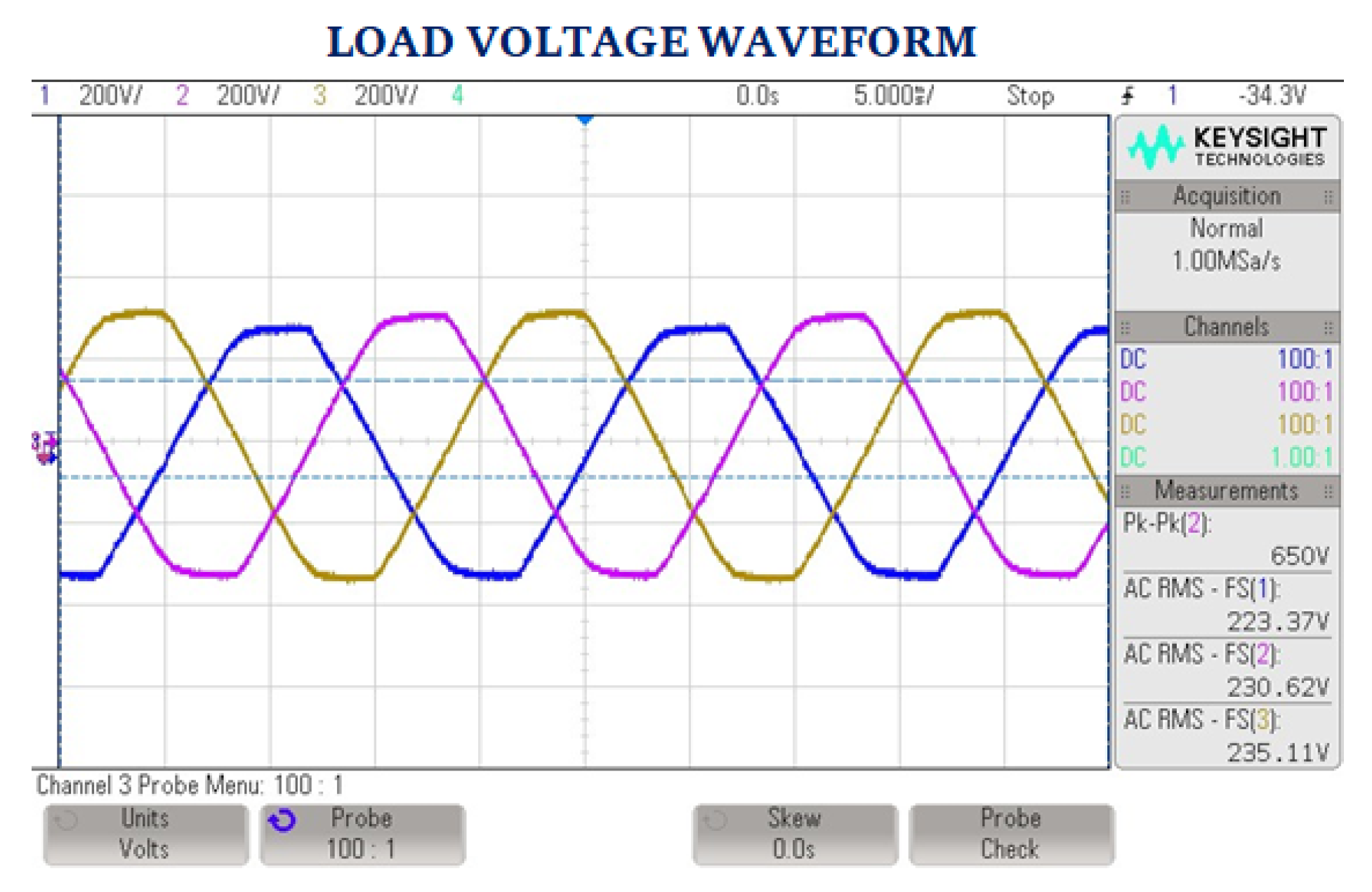
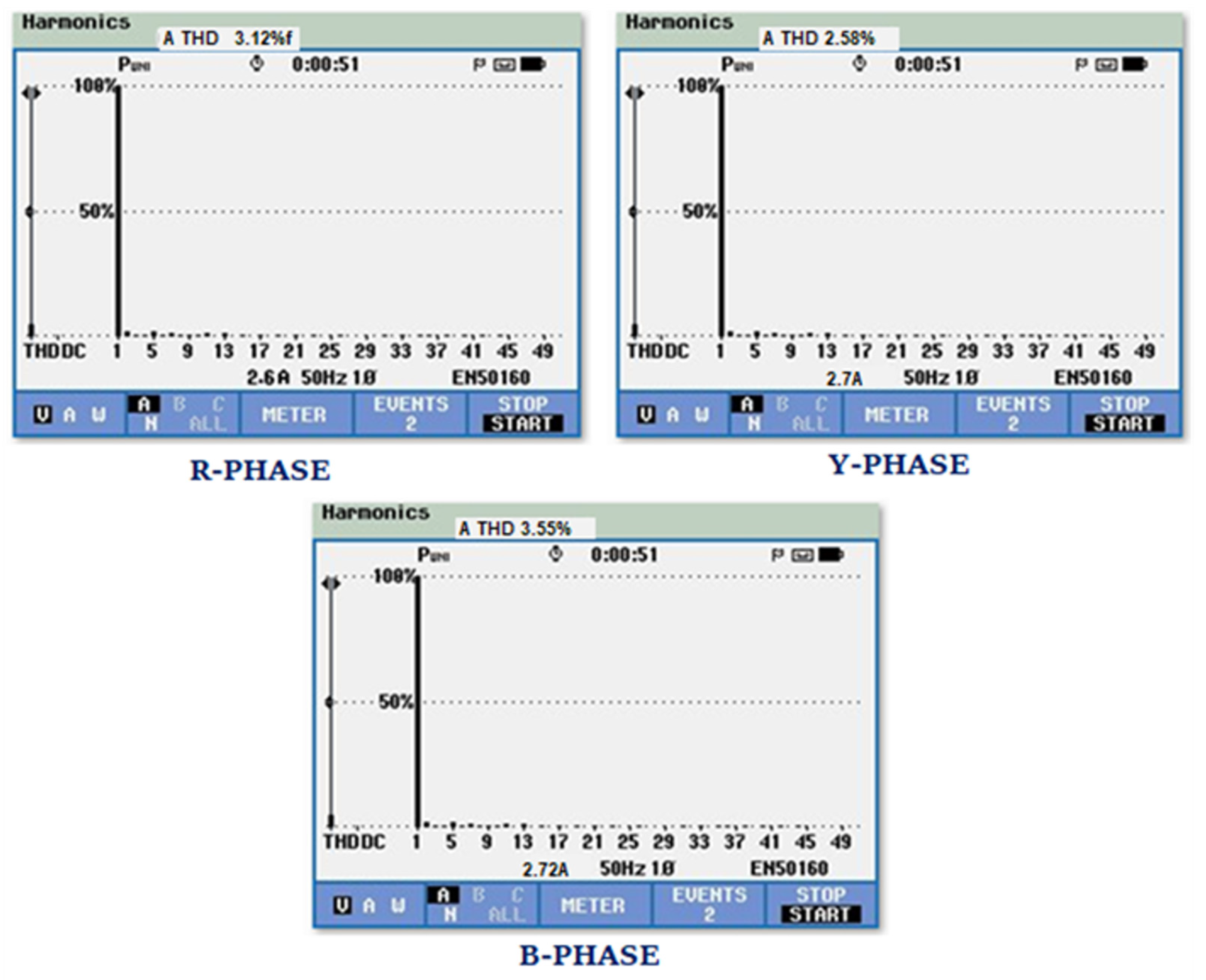
4.1. Hardware Assessment
4.2. Comparative Analysis
5. Conclusions
Funding
Data Availability Statement
Conflicts of Interest
References
- Kavin, K.S.; Subha Karuvelam, P.; Devesh Raj, M.; Sivasubramanian, M. A novel KSK converter with machine learning MPPT for PV applications. Electr. Power Compon. Syst. 2024, 1–19. [Google Scholar] [CrossRef]
- Gulzar, M.M.; Iqbal, A.; Sibtain, D.; Khalid, M. An innovative converterless solar PV control strategy for a grid connected hybrid PV/wind/fuel-cell system coupled with battery energy storage. IEEE Access 2023, 11, 23245–23259. [Google Scholar] [CrossRef]
- Pawar, B.; Batzelis, E.I.; Chakrabarti, S.; Pal, B.C. Grid-forming control for solar PV systems with power reserves. IEEE Trans. Sustain. Energy 2021, 12, 1947–1959. [Google Scholar] [CrossRef]
- Beniwal, R.K.; Saini, M.K.; Nayyar, A.; Qureshi, B.; Aggarwal, A. A critical analysis of methodologies for detection and classification of power quality events in smart grid. IEEE Access 2021, 9, 83507–83534. [Google Scholar] [CrossRef]
- Babu, V.; Ahmed, K.S.; Shuaib, Y.M.; Manikandan, M. Power quality enhancement using dynamic voltage restorer (DVR)-based predictive space vector transformation (PSVT) with proportional resonant (PR)-controller. IEEE Access 2021, 9, 155380–155392. [Google Scholar] [CrossRef]
- Sahoo, G.K.; Choudhury, S.; Rathore, R.S.; Bajaj, M.; Dutta, A.K. Scaled conjugate-artificial neural network-based novel framework for enhancing the power quality of grid-tied microgrid systems. Alex. Eng. J. 2023, 80, 520–541. [Google Scholar]
- Ku, H.K.; Kwon, H.I.; Song, J.Y.; Oh, S.C.; Shin, J.H. Analysis of the System Impact upon Thyristor Controlled Series Capacitor Relocation Due to Changes in the Power System Environment. Energies 2023, 16, 722. [Google Scholar] [CrossRef]
- Urrea-Aguirre, C.; Saldarriaga-Zuluaga, S.D.; Bustamante-Mesa, S.; López-Lezama, J.M.; Muñoz-Galeano, N. Optimal Placement and Sizing of Modular Series Static Synchronous Compensators (M-SSSCs) for Enhanced Transmission Line Loadability, Loss Reduction, and Stability Improvement. Processes 2024, 13, 34. [Google Scholar] [CrossRef]
- Tan, K.H.; Li, M.Y.; Weng, X.Y. Droop controlled microgrid with DSTATCOM for reactive power compensation and power quality improvement. IEEE Access 2022, 10, 121602–121614. [Google Scholar] [CrossRef]
- Absar, M.N.; Islam, M.F.; Ahmed, A. Power quality improvement of a proposed grid-connected hybrid system by load flow analysis using static var compensator. Heliyon 2023, 9, e17915. [Google Scholar] [CrossRef]
- Zand, M.; Nasab, M.A.; Padmanaban, S.; Maroti, P.K.; Muyeen, S.M. A novel three-phase multiobjective unified power quality conditioner. IEEE Trans. Ind. Electron. 2023, 71, 59–70. [Google Scholar] [CrossRef]
- Zand, M.; Nasab, M.A.; Padmanaban, S.; Maroti, P.K.; Muyeen, S.M. Sensitivity analysis index to determine the optimal location of multi-objective UPFC for improvement of power quality parameters. Energy Rep. 2023, 10, 431–438. [Google Scholar] [CrossRef]
- Hasanzadeh, S.; Shojaeian, H.; Mohsenzadeh, M.M.; Heydarian-Forushani, E.; Alhelou, H.H.; Siano, P. Power quality enhancement of the distribution network by multilevel STATCOM-compensated based on improved one-cycle controller. IEEE Access 2022, 10, 50578–50588. [Google Scholar] [CrossRef]
- Al-Gahtani, S.F.; Salem, E.Z.; Irshad, S.M.; Azazi, H.Z. Improved instantaneous reactive power (PQ) theory based control of DVR for compensating extreme sag and swell. IEEE Access 2022, 10, 75186–75204. [Google Scholar] [CrossRef]
- Al-Gahtani, S.F.; Barnawi, A.B.; Azazi, H.Z.; Irshad, S.M.; Bhutto, J.K.; Majahar, H.M.; Salem, E.Z. A new technique implemented in synchronous reference frame for DVR control under severe sag and swell conditions. IEEE Access 2022, 10, 25565–25579. [Google Scholar] [CrossRef]
- Daramukkala, P.; Mohanty, K.B.; Karthik, M.; Swain, S.D.; Behera, B.P. Power Quality Enhancement Using Signed Variable Step Size LMS Adaptive Filter-Based Shunt Hybrid Active Power Filter. In International Symposium on Sustainable Energy and Technological Advancements; Springer Nature Singapore: Singapore, 2023; pp. 509–520. [Google Scholar]
- Karchi, N.; Kulkarni, D.; Pérez de Prado, R.; Divakarachari, P.B.; Patil, S.N.; Desai, V. Adaptive least mean square controller for power quality enhancement in solar photovoltaic system. Energies 2022, 15, 8909. [Google Scholar] [CrossRef]
- Lenka, R.K.; Panda, A.K.; Patel, R.; Guerrero, J.M. PV integrated multifunctional off-board EV charger with improved grid power quality. IEEE Trans. Ind. Appl. 2022, 58, 5520–5532. [Google Scholar] [CrossRef]
- Priyadarshini, M.S.; Bajaj, M.; Zaitsev, I. Energy feature extraction and visualization of voltage sags using wavelet packet analysis for enhanced power quality monitoring. Sci. Rep. 2025, 15, 2226. [Google Scholar] [CrossRef]
- Pandu, S.B.; Sundarabalan, C.K.; Srinath, N.S.; Krishnan, T.S.; Priya, G.S.; Balasundar, C.; Sharma, J.; Soundarya, G.; Siano, P.; Alhelou, H.H. Power quality enhancement in sensitive local distribution grid using interval type-II fuzzy logic controlled DSTATCOM. IEEE Access 2021, 9, 59888–59899. [Google Scholar] [CrossRef]
- Kavin, K.S.; Subha Karuvelam, P.; Matcha, M.; Vendoti, S. Improved BRBFNN-based MPPT algorithm for coupled inductor KSK converter for sustainable PV system applications. Electr. Eng. 2025, 107, 7831–7853. [Google Scholar] [CrossRef]
- Paul, A.R.; Bhattacharya, A.; Chatterjee, K. A Novel SEPIC-Ćuk-based high gain solar PV micro inverter for grid integration. IEEE Trans. Ind. Electron. 2023, 70, 12365–12375. [Google Scholar] [CrossRef]
- Darwish, A.; Aggidis, G.A. A Modular Step-Up DC–DC Converter Based on Dual-Isolated SEPIC/Cuk for Electric Vehicle Applications. Energies 2025, 18, 146. [Google Scholar] [CrossRef]
- Qiao, J.; Wang, G.; Yang, Z.; Luo, X.; Chen, J.; Li, K.; Liu, P. A hybrid particle swarm optimization algorithm for solving engineering problem. Sci. Rep. 2024, 14, 8357. [Google Scholar]
- Hou, Y.; Gao, H.; Wang, Z.; Du, C. Improved grey wolf optimization algorithm and application. Sensors 2022, 22, 3810. [Google Scholar] [CrossRef]
- Ellithy, H.H.; Hasanien, H.M.; Alharbi, M.; Sobhy, M.A.; Taha, A.M.; Attia, M.A. Marine Predator Algorithm-Based Optimal PI Controllers for LVRT Capability Enhancement of Grid-Connected PV Systems. Biomimetics 2024, 9, 66. [Google Scholar] [CrossRef]
- Zhao, J.; Chen, D.; Jiang, J. A novel transformerless high step–Up DC–DC converter with active switched–inductor and quasi–Z source network. IET Power Electron. 2021, 14, 1592–1605. [Google Scholar] [CrossRef]
- Ertekin, D. A high gain switched-inductor-capacitor DC-DC boost converter for photovoltaic-based micro-grid applications. CSEE J. Power Energy Syst. 2023, 10, 2398–2410. [Google Scholar]
- Abbasi, M.; Abbasi, E.; Tousi, B.; Gharehpetian, G.B. New family of expandable step-up/-down DC-DC converters with increased voltage gain and decreased voltage stress on capacitors. Int. Trans. Electr. Energ. Syst. 2020, 30, e12252. [Google Scholar]
- Abbasi, M.; Abbasi, E.; Li, L. New transformer-less DC–DC converter topologies with reduced voltage stress on capacitors and increased voltage conversion ratio. IET Power Electron. 2021, 14, 1173–1192. [Google Scholar] [CrossRef]
- Elsayad, N.; Moradisizkoohi, H.; Mohammed, O.A. A New Single-Switch Structure of a DC–DC Converter with Wide Conversion Ratio for Fuel Cell Vehicles: Analysis and Development. IEEE J. Emerg. Sel. Top. Power Electron. 2020, 8, 2785–2800. [Google Scholar] [CrossRef]
- Kumar, P.V.; Ganapathi, B.; Kartigeyan, J. Intelligent controller based WECS fed unified power flow conditioner for PQ enhancement. Int. J. Power Electron. Drive Syst. (IJPEDS) 2023, 14, 2148–2162. [Google Scholar] [CrossRef]
- Mittal, M.B.; Yadav, D.L. Hybrid Energy Management and Control Strategy through UPFC with PID and FLC. Int. J. Artif. Intell. Mechatron. 2023, 11, 97–119. [Google Scholar]
- Salama, M.M.; Mosaad, M.I.; Abdel Hadi, H.A. Performance Enhancement of Grid-Connected Renewable Energy Systems Using UPFC. Energies 2023, 16, 4362. [Google Scholar] [CrossRef]



| Technique | Description | Advantages | Disadvantages |
|---|---|---|---|
| Instantaneous Reactive Power Theory (p-q Theory) [14] | transformation, it decomposes active and reactive power components in a three-phase system. | Fast response time and suitable for balanced loads. | Performance degrades under unbalanced and distorted voltage conditions. |
| Synchronous Reference Frame Theory (SRF Theory—d-q Theory) [15] | Uses Park transformation to extract the fundamental component of current in the synchronous reference frame. | Provides precise fundamental component extraction and is effective under steady state conditions. | Requires a Phase-Locked Loop (PLL) for better performance under dynamic conditions. |
| Adaptive Filter-Based Approach [16] | Uses adaptive filters to estimate reference currents dynamically. | Appropriate for non-stationary signals and fast tracking capability. | Higher computational complexity and need for high-speed digital processing. |
| Least Mean Square (LMS) Algorithm [17] | Iteratively updates filter coefficients to estimate reference current. | Suitable for noise rejection and dynamic loads. | Slow convergence in some cases with requirement of extensive parameter tuning. |
| Synchronous Detection Method [18] | The mechanism of reference current generation is based on recognizing the supply current parts that match the phase of the fundamental voltage. | Works well for harmonic filtering. | Ineffective for unbalanced loads and are not suitable for transient conditions. |
| Wavelet Transform-Based Method [19] | Uses multi-resolution analysis to extract harmonic components from the signal. | Highly accurate for transient and steady-state analysis with better noise filtering ability. | High computational burden and needs for complex transformation algorithms. |
| Fuzzy Logic [20] | Uses Fuzzy rules for determination of reference current depending on system condition. | Works well under uncertain conditions. | Necessitates extensive rule-based tuning. |
| Parameter | Ratings | Parameter | Ratings |
|---|---|---|---|
| Solar Photovoltaic System | |||
| PV power rating | 5 kW | No. of panels connected in series | 3 |
| No. of panels connected in parallel | 7 | Cells per module | 36 |
| Open circuit voltage | 37.25 V | Voltage at MPP | 29.95 V |
| Short circuit current | 8.95 A | Current at MPP | 8.35 A |
| QZSL Converter | |||
| C0 | 2200 | La, Lb | 22 |
| Da, Db, Dc, Dd, De | MUR1560 | Ca, Cb, Cc, Cd | 22 |
| Switching frequency | 10 kHz | Duty cycle | 0.5 |
| ZOA-PI | |||
| Proportional gain (Kp) | 0.5–1.5 | Integral gain (Ki) | 0.01–0.1 |
| Population size | 20–40 | Maximum iterations | 100–300 |
| Learning rate | 0.8–0.95 | Response time | 0.02 s–0.1 s |
| Settling time | ≤0.5 s | Steady state error | ≤0.01% |
| Sampling frequency | 20 | Control implementation time | 40–50 |
| Neural network interface latency | 8–12 | ADC resolution | 12 |
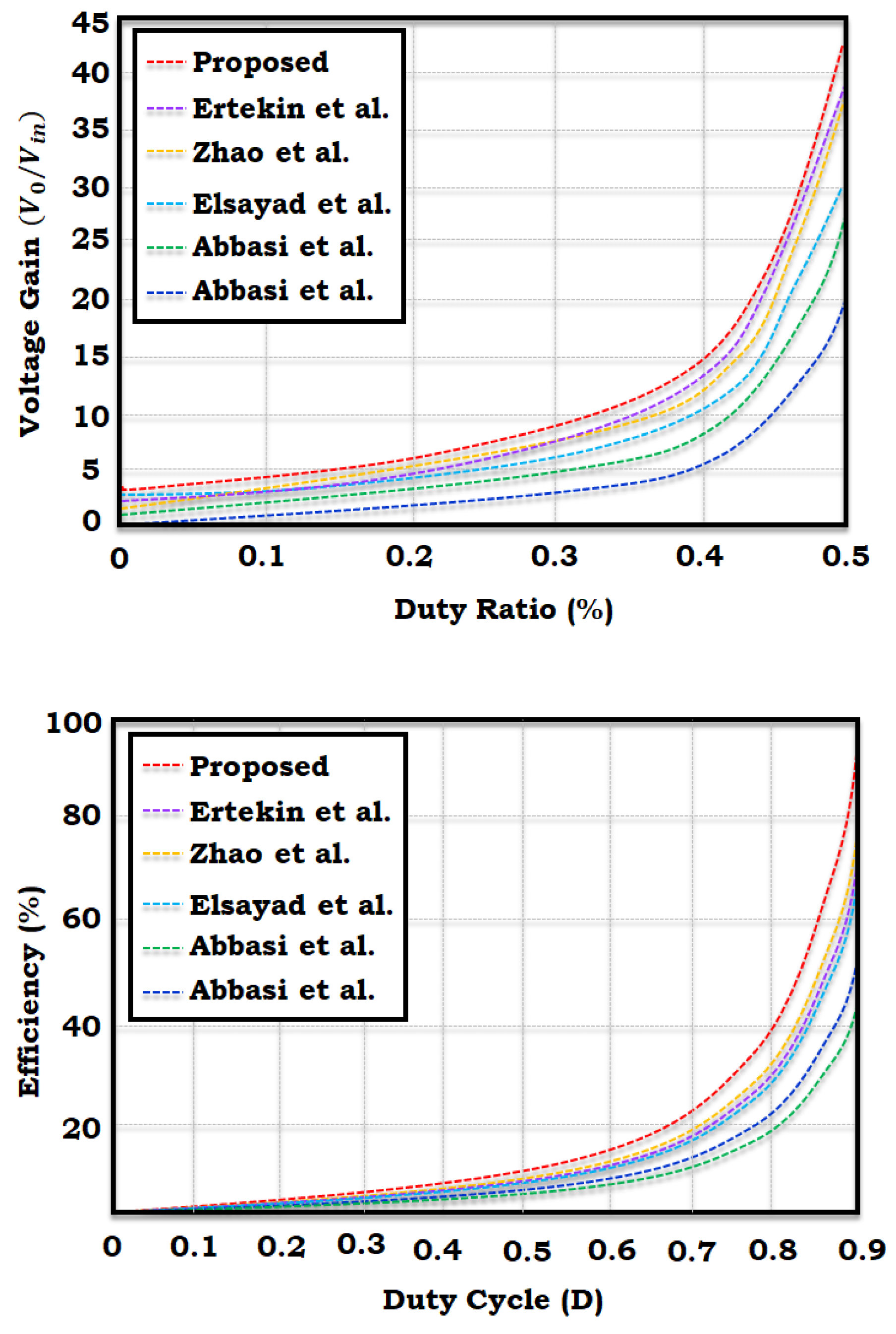
| Converter Analysis | Converter of Ref [27] | Converter of Ref [28] | Converter of Ref [29] | Converter of Ref [30] | Converter of Ref [31] | Proposed QZSL |
|---|---|---|---|---|---|---|
| Total No. Components | 14 | 16 | 15 | 12 | 12 | 16 |
| Voltage Stress on Switch | ||||||
| Voltage Gain |
| Performance Indices | PI | FLC | MPC | SMC | GA | PSO | NeuPQ-Net |
|---|---|---|---|---|---|---|---|
| Peak Time (s) | 0.29 | 0.2793 | 0.279 | 0.278 | 0.2777 | 0.2801 | 0.255 |
| Peak (pu) | 11.22 | 11.0661 | 11.062 | 11.071 | 11.0486 | 11.0235 | 10.01 |
| Undershoot (pu) | 0 | 0 | 0 | 0 | 0 | 0 | 0 |
| Overshoot (pu) | 2.304 | 0.6714 | 0.637 | 0.723 | 0.4965 | 0.2449 | 0.182 |
| Settling Max | 11.22 | 11.0661 | 11.062 | 11.071 | 11.0486 | 11.0235 | 9.01 |
| Settling Min | 9.972 | 9.9677 | 9.971 | 9.964 | 9.972 | 9.965 | 9.559 |
| Setting time (s) | 0.416 | 0.3976 | 0.379 | 0.381 | 0.4173 | 0.3973 | 0.265 |
| Rise Time (s) | 0.023 | 0.0215 | 0.022 | 0.022 | 0.0229 | 0.0228 | 0.0105 |
| Control execution time per sampling step (µs) | 72 | 65 | 61 | 68 | 63 | 59 | 41 |
| Control delay (ms) | 1.85 | 1.62 | 1.48 | 1.56 | 1.44 | 1.38 | 0.92 |
| Performance Indices | PI | FLC | MPC | SMC | GA | PSO | NeuPQ-Net |
|---|---|---|---|---|---|---|---|
| Peak Time (s) | 0.5413 | 0.5332 | 0.5312 | 0.5327 | 0.5316 | 0.5326 | 0.41 |
| Peak (pu) | 0.9488 | 0.8135 | 0.7993 | 0.7999 | 0.793 | 0.7923 | 0.665 |
| Undershoot (pu) | 87.8895 | 88.5834 | 89.3283 | 88.3666 | 86.8853 | 87.3603 | 84.5 |
| Overshoot (pu) | 35.109 | 15.785 | 13.761 | 13.8478 | 12.8551 | 12.7617 | 10.125 |
| Settling Max | 0.9488 | 0.8135 | 0.7993 | 0.7999 | 0.793 | 0.7923 | 0.665 |
| Settling Min | 0.56 | 0.5833 | 0.5815 | 0.5846 | 0.581 | 0.5793 | 0.455 |
| Setting time (s) | 0.5725 | 0.567 | 0.5567 | 0.6036 | 0.542 | 0.5422 | 0.425 |
| Rise Time (s) | 0.0153 | 0.0123 | 0.01452 | 0.022 | 0.0131 | 0.0133 | 0.0105 |
| Control execution time per sampling step (µs) | 74 | 66 | 63 | 69 | 64 | 61 | 43 |
| Control delay (ms) | 1.92 | 1.71 | 1.55 | 1.63 | 1.49 | 1.44 | 0.95 |
Disclaimer/Publisher’s Note: The statements, opinions and data contained in all publications are solely those of the individual author(s) and contributor(s) and not of MDPI and/or the editor(s). MDPI and/or the editor(s) disclaim responsibility for any injury to people or property resulting from any ideas, methods, instructions or products referred to in the content. |
© 2026 by the author. Licensee MDPI, Basel, Switzerland. This article is an open access article distributed under the terms and conditions of the Creative Commons Attribution (CC BY) license.
Share and Cite
Justin, S. AI-Assisted UPQC with Quasi Z-Source SEPIC-Luo Converter for Harmonic Mitigation and Voltage Regulation in PV Applications. Electronics 2026, 15, 1156. https://doi.org/10.3390/electronics15061156
Justin S. AI-Assisted UPQC with Quasi Z-Source SEPIC-Luo Converter for Harmonic Mitigation and Voltage Regulation in PV Applications. Electronics. 2026; 15(6):1156. https://doi.org/10.3390/electronics15061156
Chicago/Turabian StyleJustin, Shekaina. 2026. "AI-Assisted UPQC with Quasi Z-Source SEPIC-Luo Converter for Harmonic Mitigation and Voltage Regulation in PV Applications" Electronics 15, no. 6: 1156. https://doi.org/10.3390/electronics15061156
APA StyleJustin, S. (2026). AI-Assisted UPQC with Quasi Z-Source SEPIC-Luo Converter for Harmonic Mitigation and Voltage Regulation in PV Applications. Electronics, 15(6), 1156. https://doi.org/10.3390/electronics15061156