Article

Filter Independence-Aware Pruning: Efficient Neural Networks for On-Device AI

1
Intelligent Media Computing Center, School of Artificial Intelligence, Beijing University of Posts and Telecommunications, Beijing 100876, China
2
School of Computer and Cyber Sciences, Communication University of China, Beijing 100024, China
*
Author to whom correspondence should be addressed.
Electronics 2026, 15(4), 794; https://doi.org/10.3390/electronics15040794

Submission received: 6 January 2026 / Revised: 4 February 2026 / Accepted: 10 February 2026 / Published: 12 February 2026
(This article belongs to the Section Artificial Intelligence)

Abstract

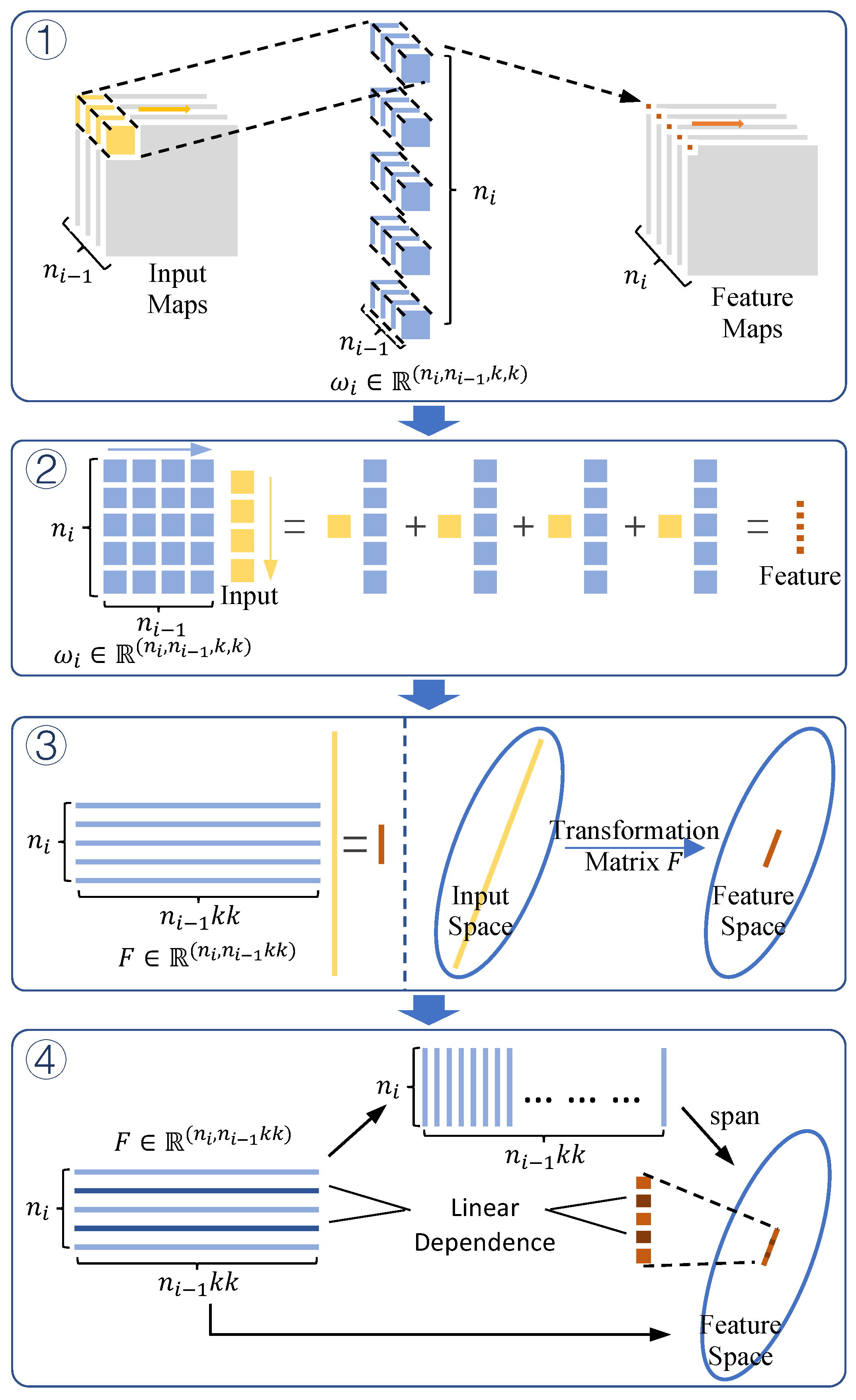
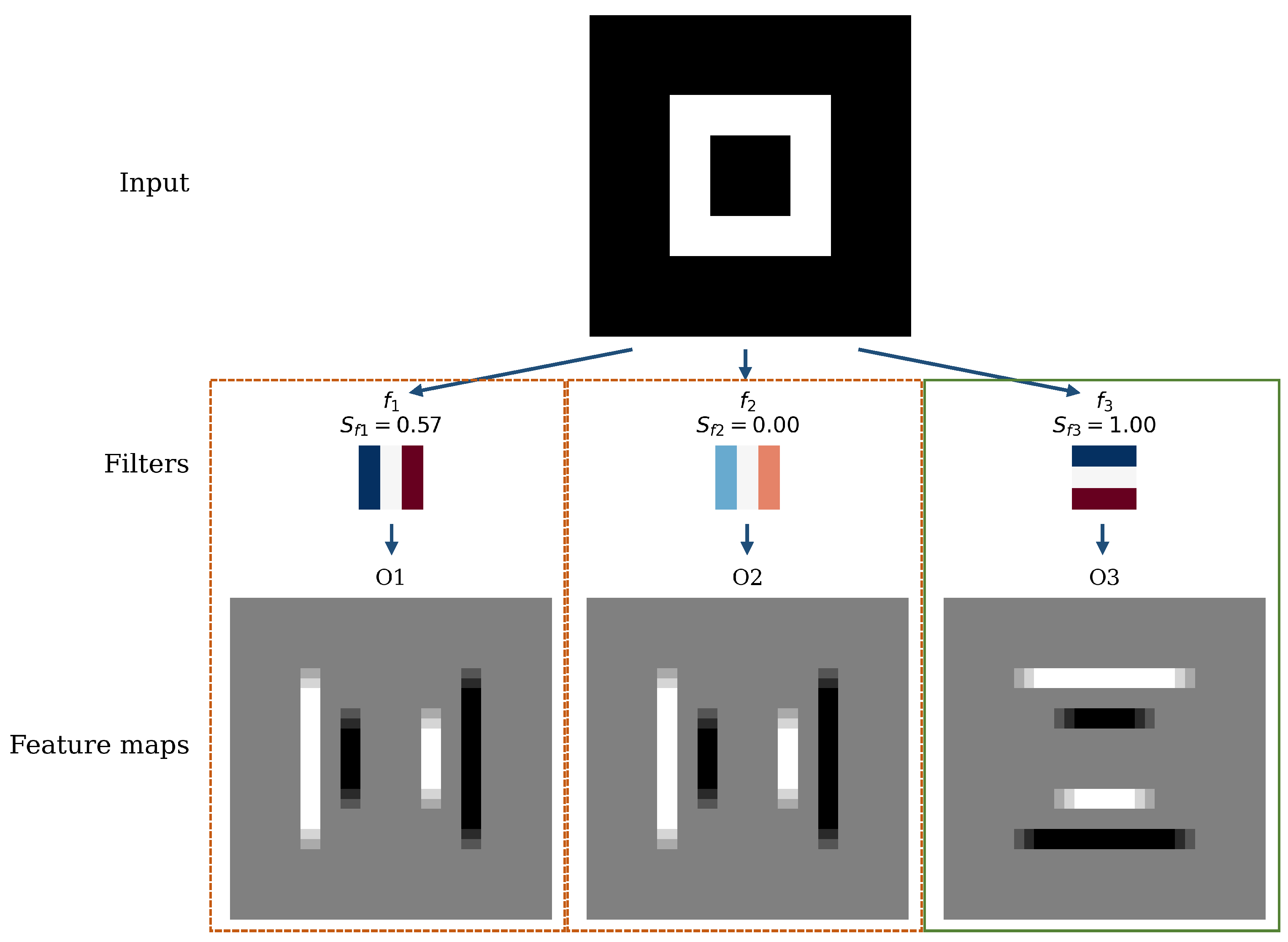
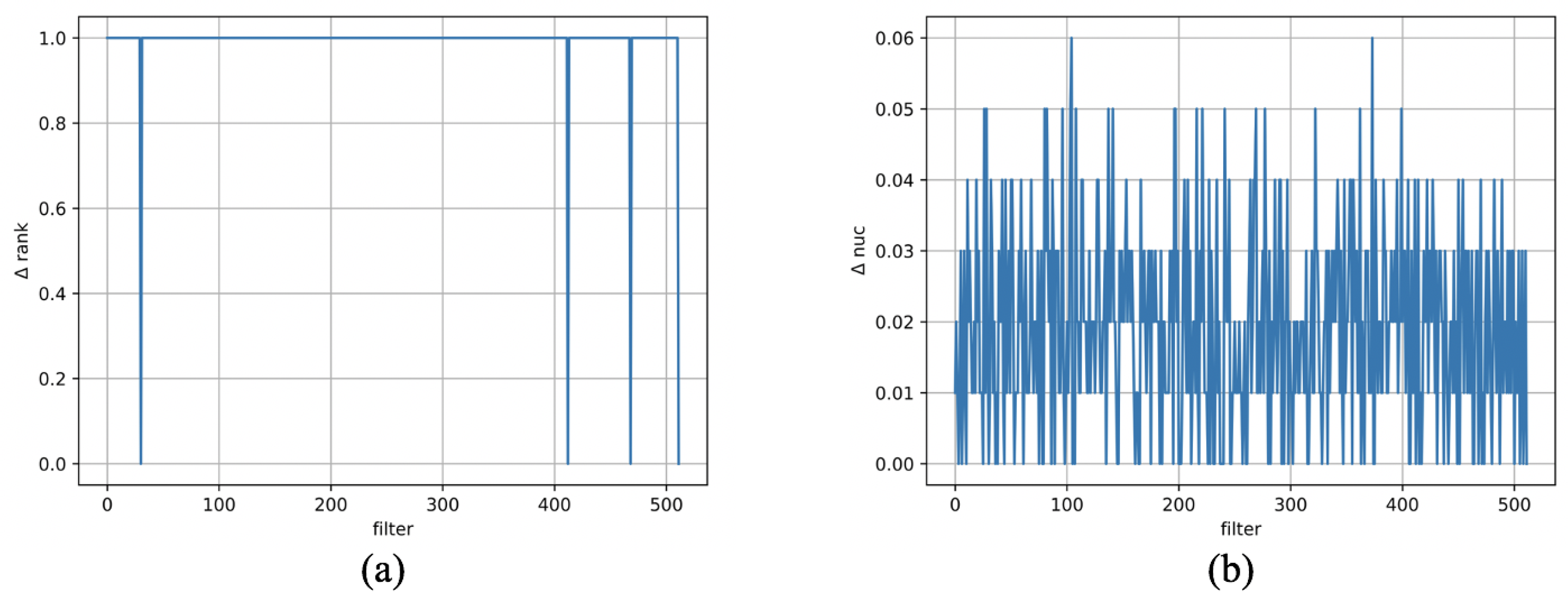
Filter pruning is an effective approach for improving the inference efficiency of neural networks and is particularly attractive for on-device artificial intelligence (AI) applications. However, many existing methods fail to accurately identify redundant filters due to limited modeling of inter-filter dependencies. A filter pruning method based on nuclear norm analysis is proposed to quantify filter independence and guide structured pruning. By analyzing the layer-wise distribution of independence scores, a principled trade-off between pruning rate and accuracy preservation is achieved. In most evaluation scenarios, the proposed method achieves 75–95% parameter reduction and 70–80% FLOPs reduction, while substantially higher compression ratios (up to 99%) can be obtained for more redundant network architectures, with consistent performance trends observed across multiple accuracy-related metrics. Furthermore, deployment on an RK3588 neural processing unit (NPU) demonstrates substantial reductions in memory consumption and inference latency, confirming the practical effectiveness of the method for mobile and edge AI applications.
Keywords: filter pruning; structured pruning; nuclear norm; filter independence; efficient neural networks; neural processing unit filter pruning; structured pruning; nuclear norm; filter independence; efficient neural networks; neural processing unit