Article

Dual-Axis Transformer-GNN Framework for Touchless Finger Location Sensing by Using Wi-Fi Channel State Information

1
Department of Artificial Intelligence Applied, Graduate School, Kwangwoon University, Seoul 01897, Republic of Korea
2
School of Information Convergence, Kwangwoon University, Seoul 01897, Republic of Korea
*
Author to whom correspondence should be addressed.
Electronics 2026, 15(3), 565; https://doi.org/10.3390/electronics15030565

Submission received: 12 December 2025 / Revised: 23 January 2026 / Accepted: 26 January 2026 / Published: 28 January 2026

Abstract

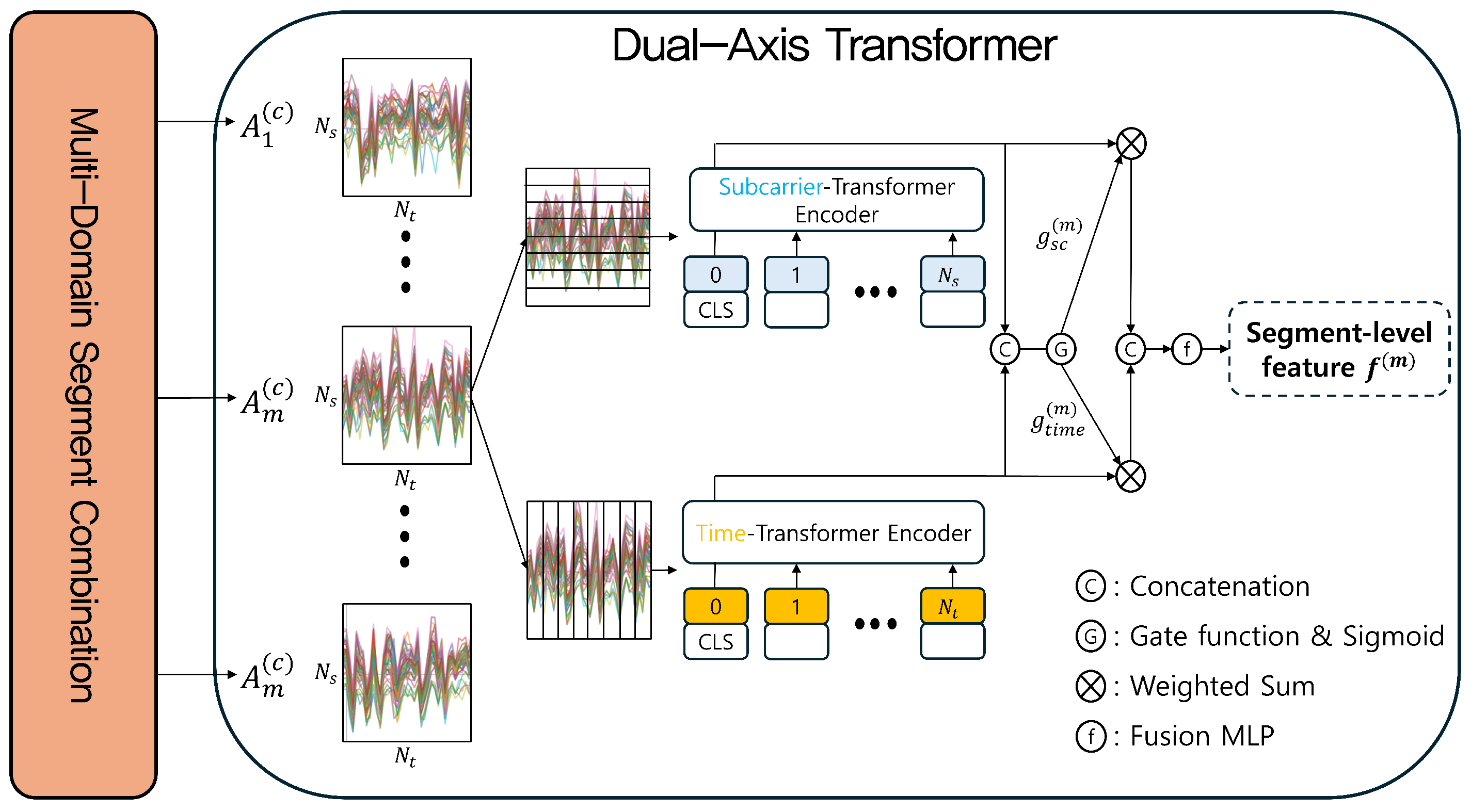
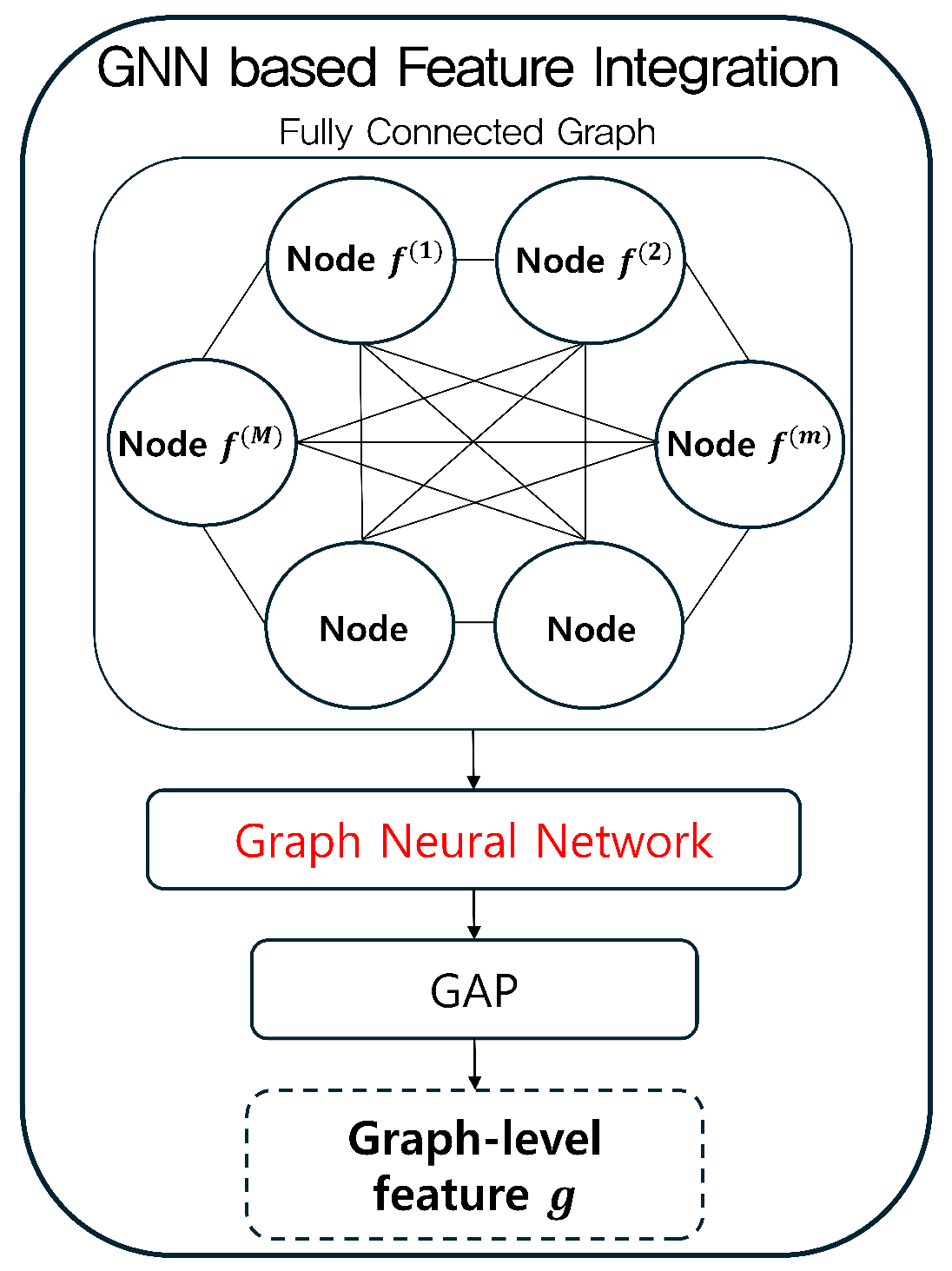
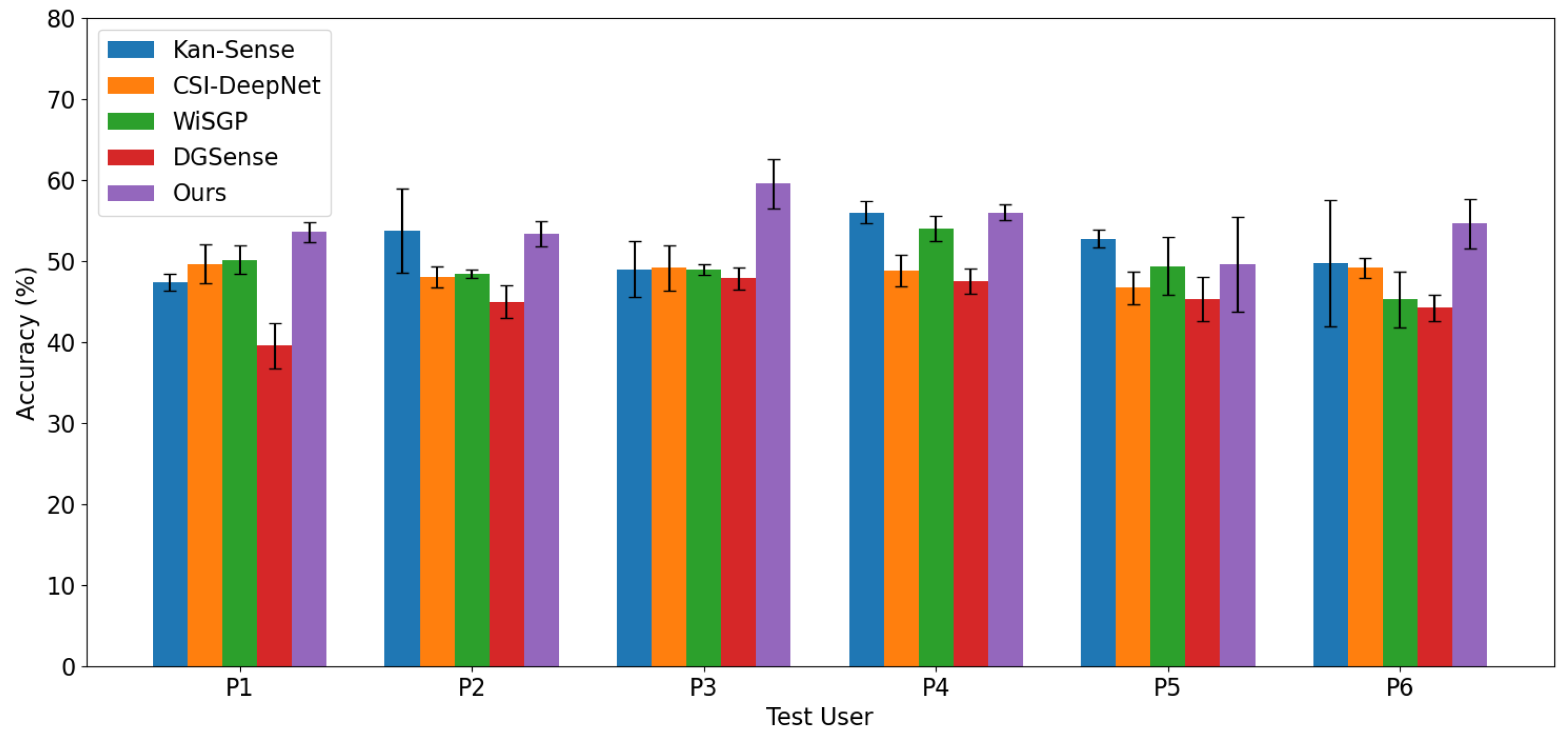
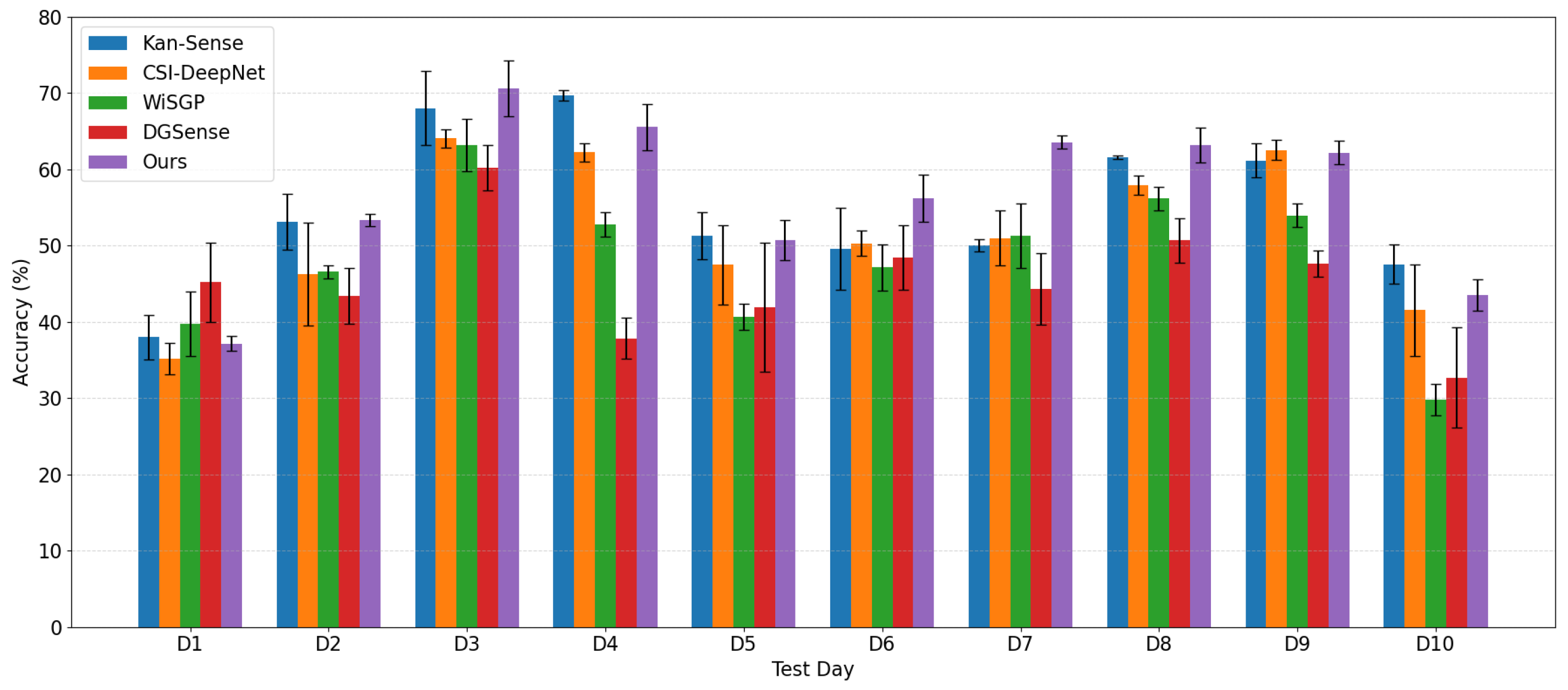
Camera, lidar, and wearable-based gesture recognition technologies face practical limitations such as lighting sensitivity, occlusion, hardware cost, and user inconvenience. Wi-Fi channel state information (CSI) can be used as a contactless alternative to capture subtle signal variations caused by human motion. However, existing CSI-based methods are highly sensitive to domain shifts and often suffer notable performance degradation when applied to environments different from the training conditions. To address this issue, we propose a domain-robust touchless finger location sensing framework that operates reliably even in a single-link environment composed of commercial Wi-Fi devices. The proposed system applies preprocessing procedures to reduce noise and variability introduced by environmental factors and introduces a multi-domain segment combination strategy to increase the domain diversity during training. In addition, the dual-axis transformer learns temporal and spatial features independently, and the GNN-based integration module incorporates relationships among segments originating from different domains to produce more generalized representations. The proposed model is evaluated using CSI data collected from various users and days; experimental results show that the proposed method achieves an in-domain accuracy of 99.31% and outperforms the best baseline by approximately 4% and 3% in cross-user and cross-day evaluation settings, respectively, even in a single-link setting. Our work demonstrates a viable path for robust, calibration-free finger-level interaction using ubiquitous single-link Wi-Fi in real-world and constrained environments, providing a foundation for more reliable contactless interaction systems.
Keywords: Wi-Fi sensing; channel state information; gesture recognition; domain generalization; single link; transformer; graph neural network Wi-Fi sensing; channel state information; gesture recognition; domain generalization; single link; transformer; graph neural network