Article

AC Fault Ride-Through Strategy for Offshore Wind Power via Diode Rectifier Unit-Based Transmission System


State Grid Jiangsu Electric Power Co., Ltd., Research Institute, Nanjing 211103, China
*
Author to whom correspondence should be addressed.
Electronics 2026, 15(18), 4201; https://doi.org/10.3390/electronics15184201

Submission received: 11 August 2026 / Revised: 9 September 2026 / Accepted: 13 September 2026 / Published: 16 September 2026

Abstract

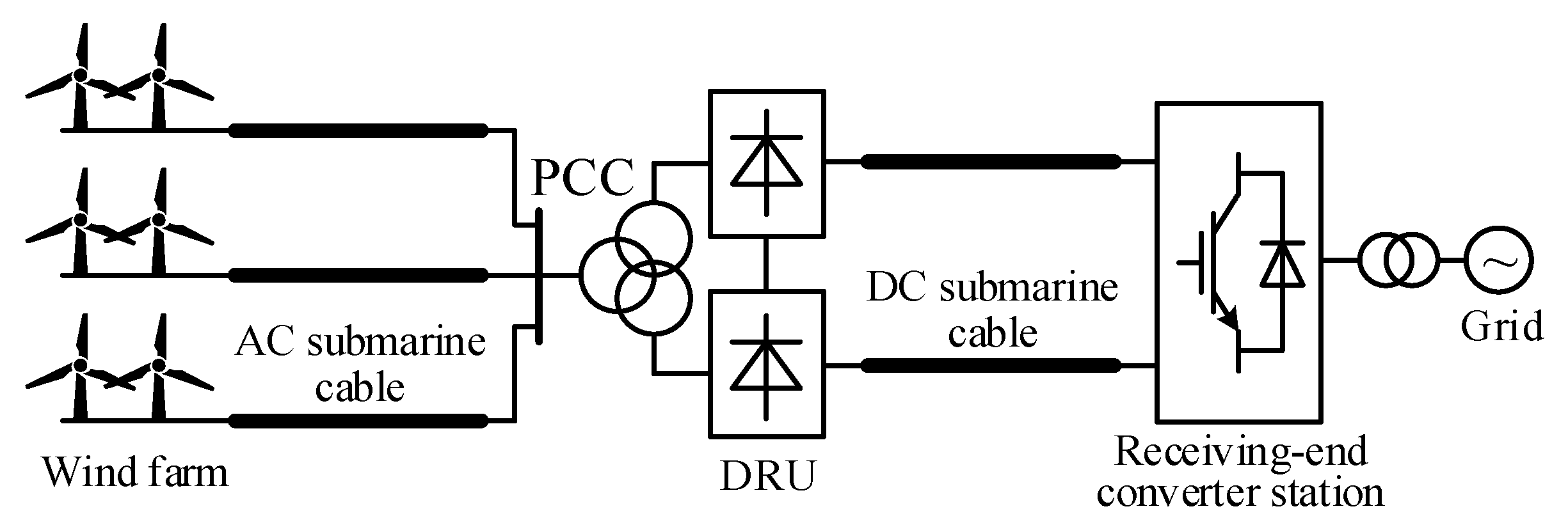
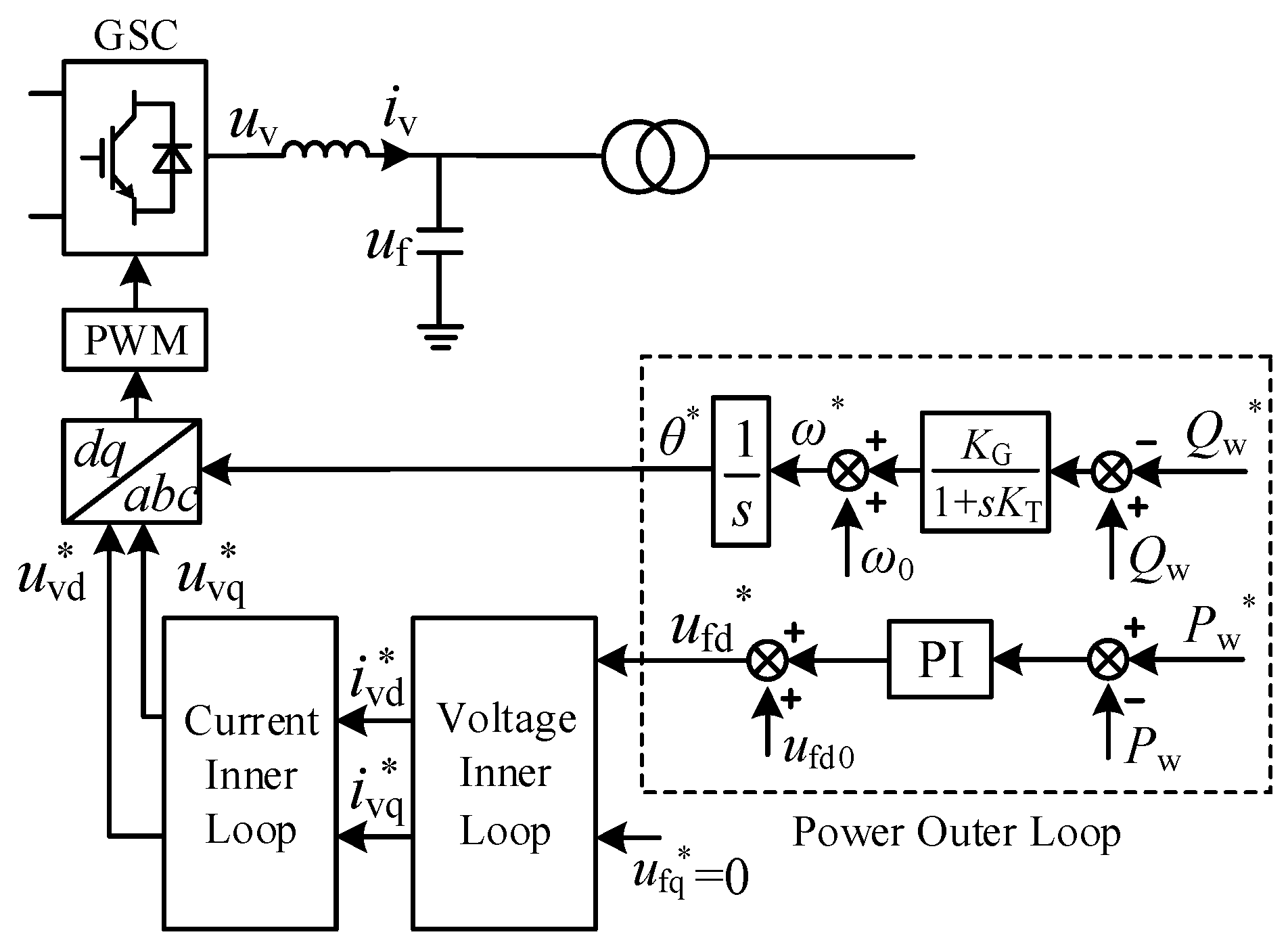
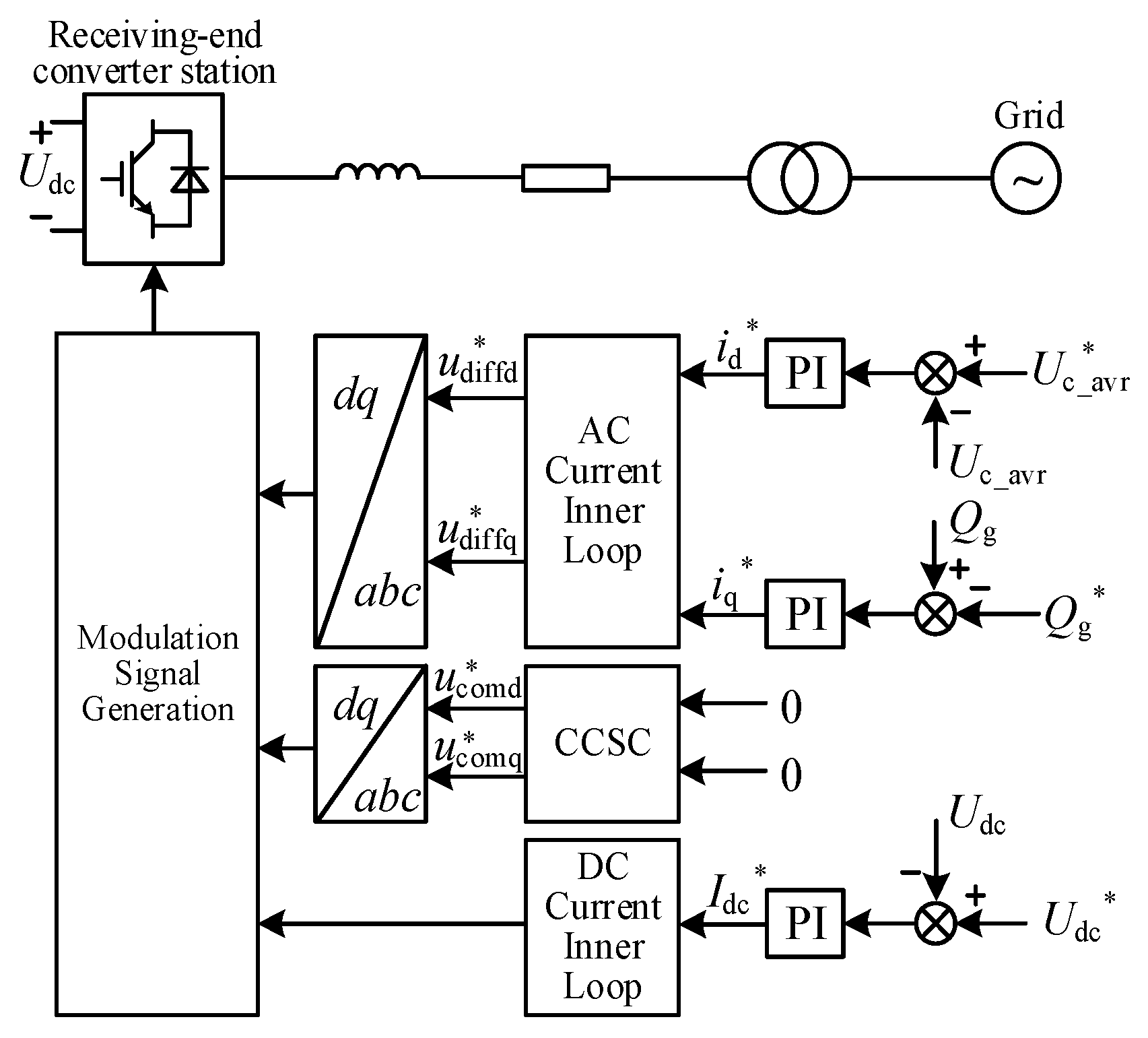
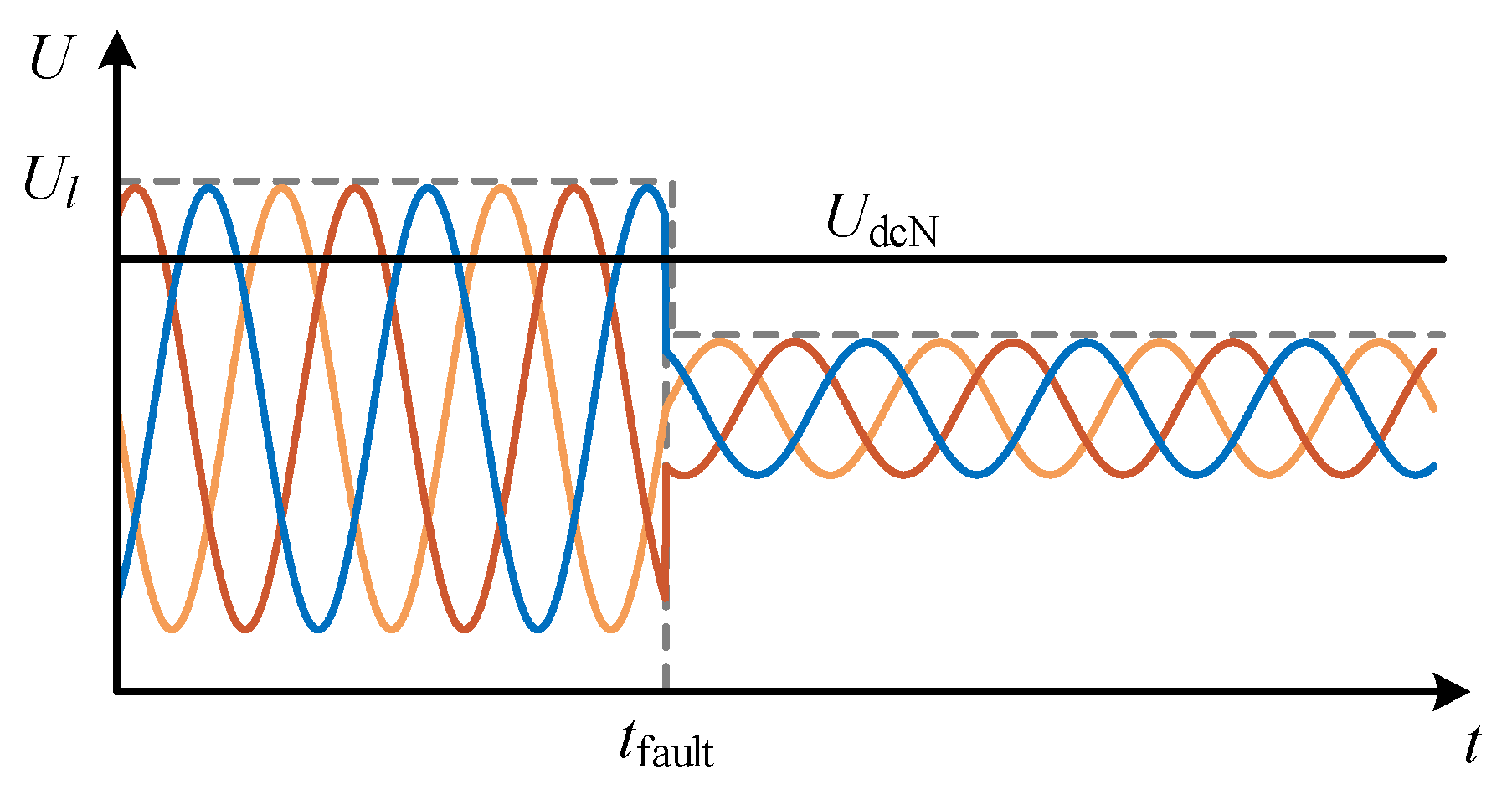
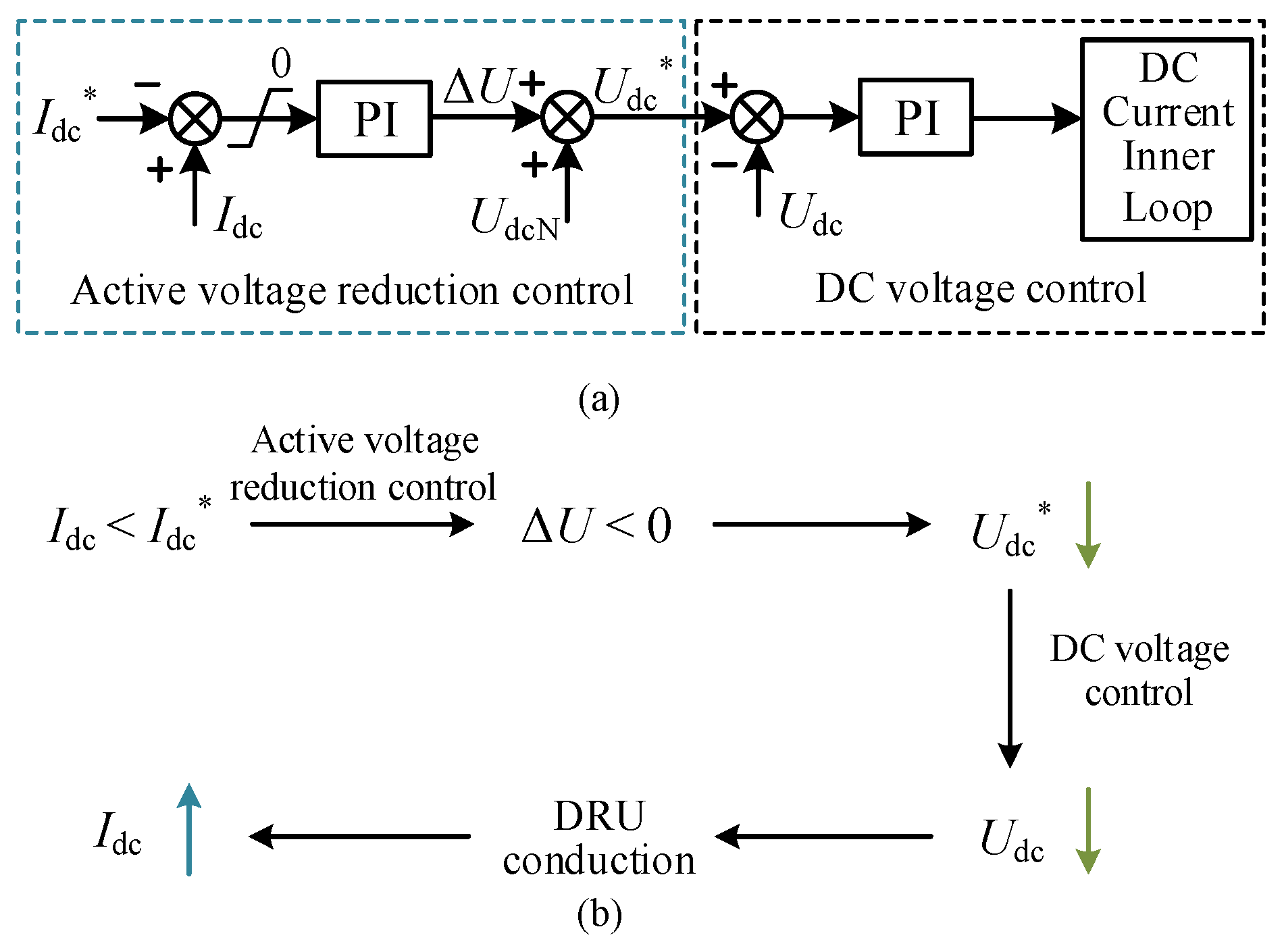
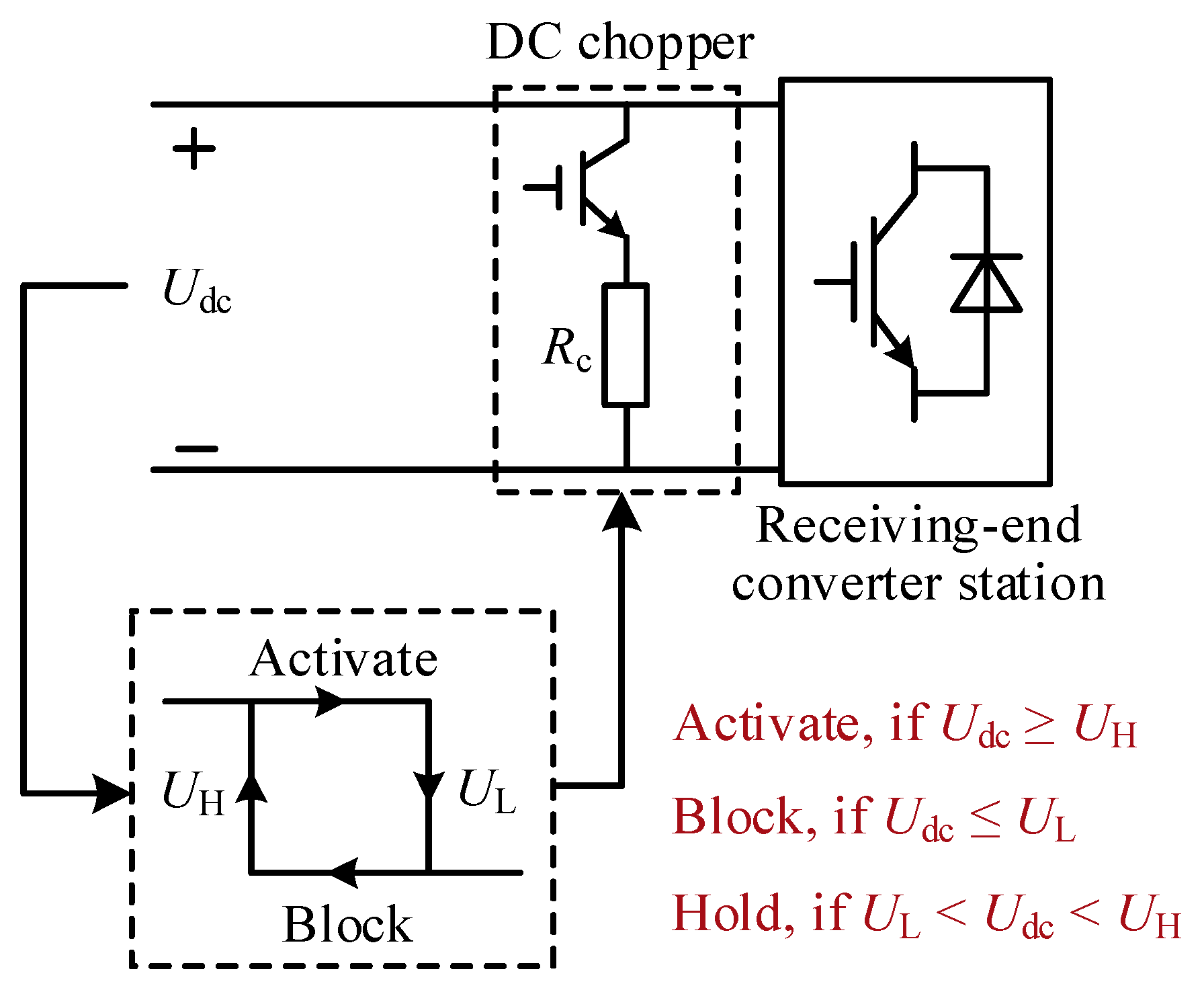
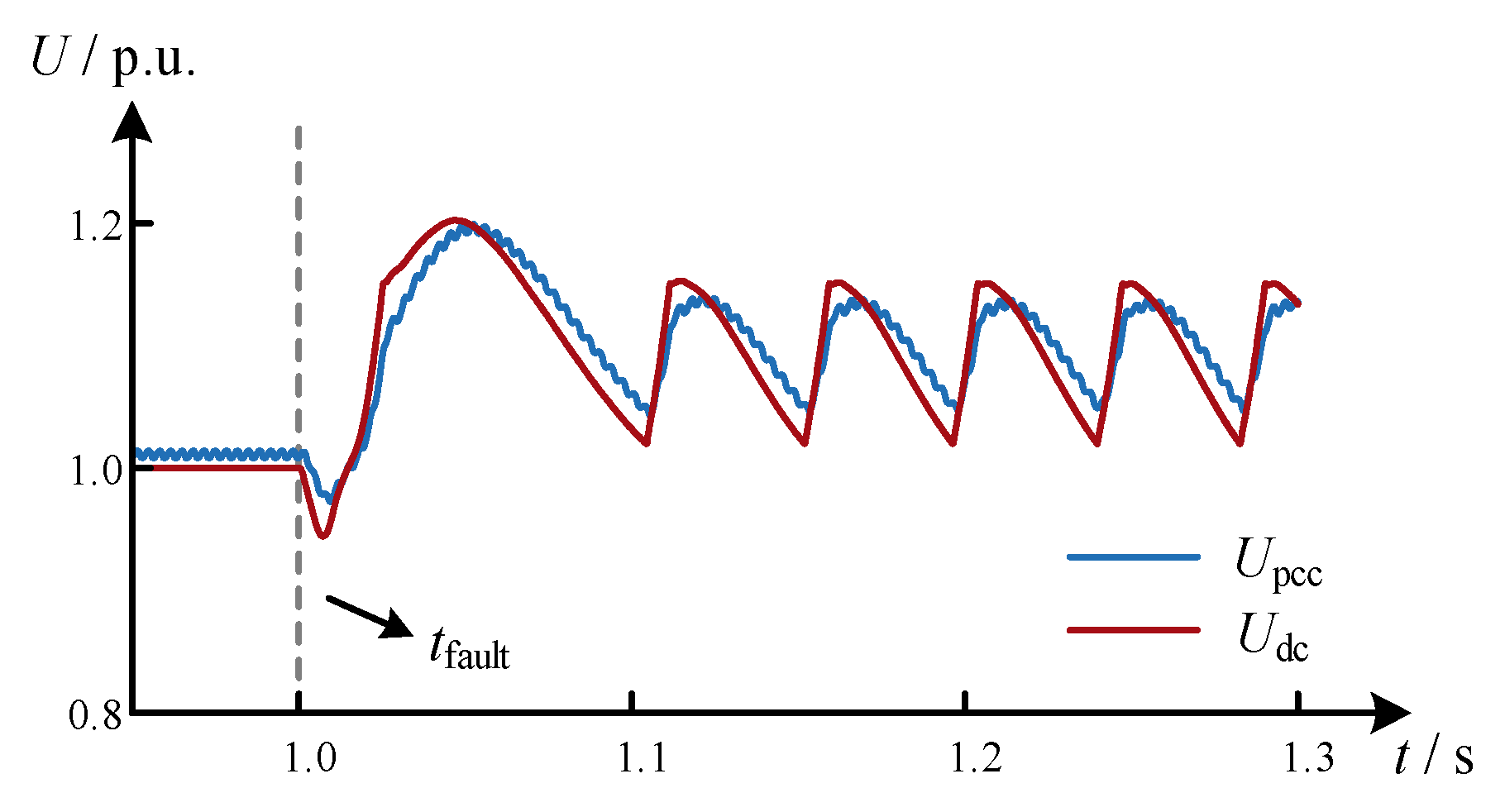
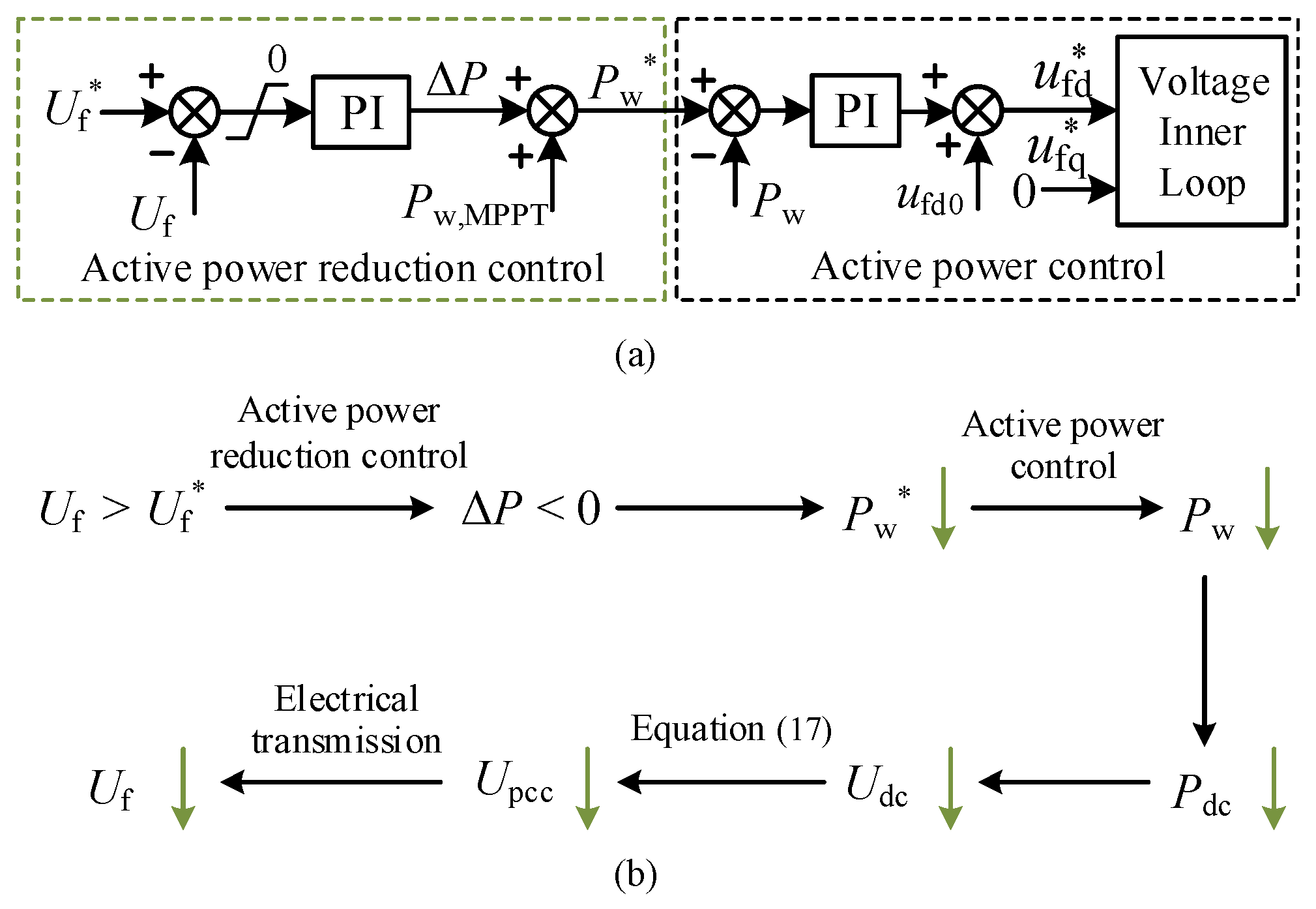
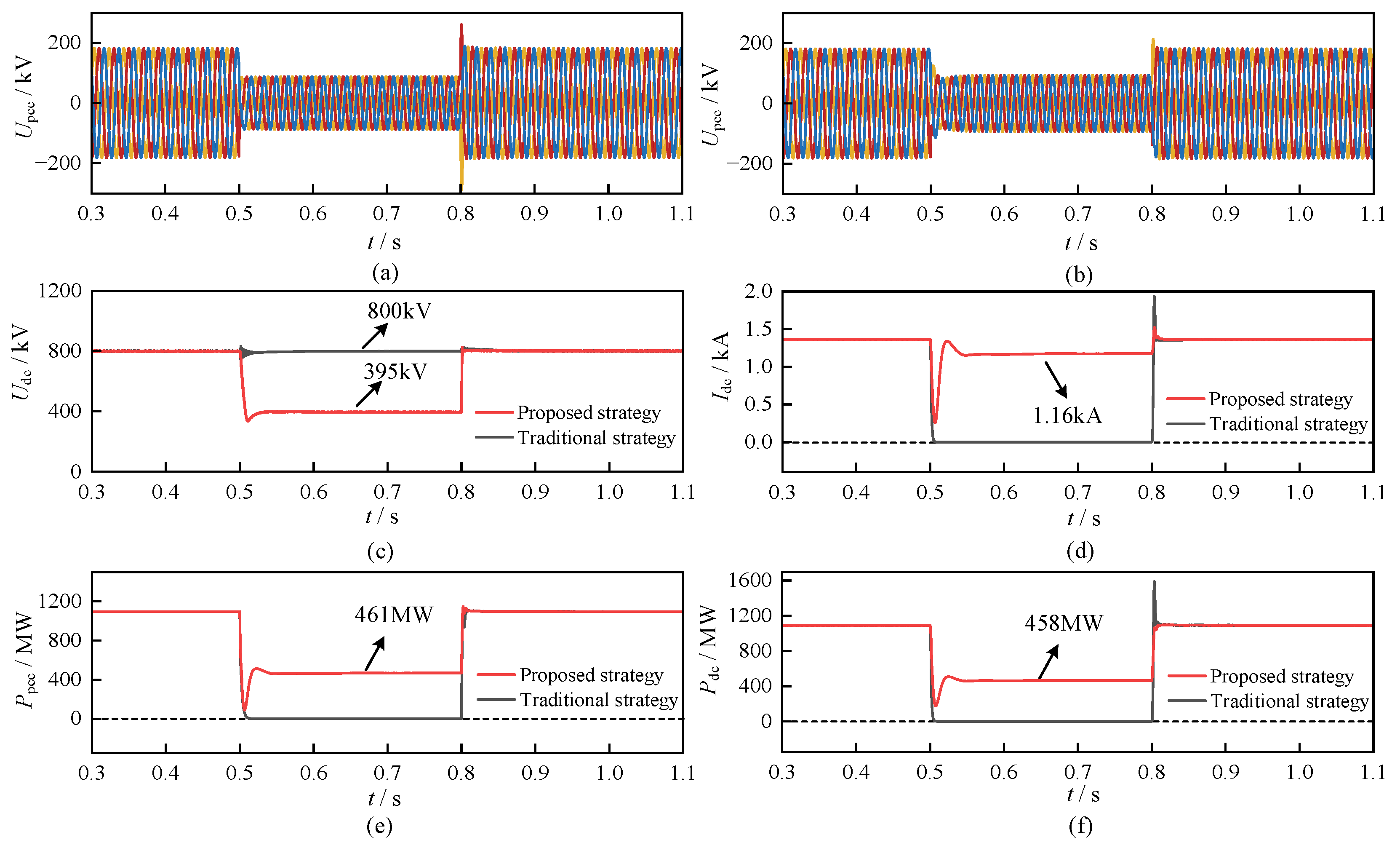
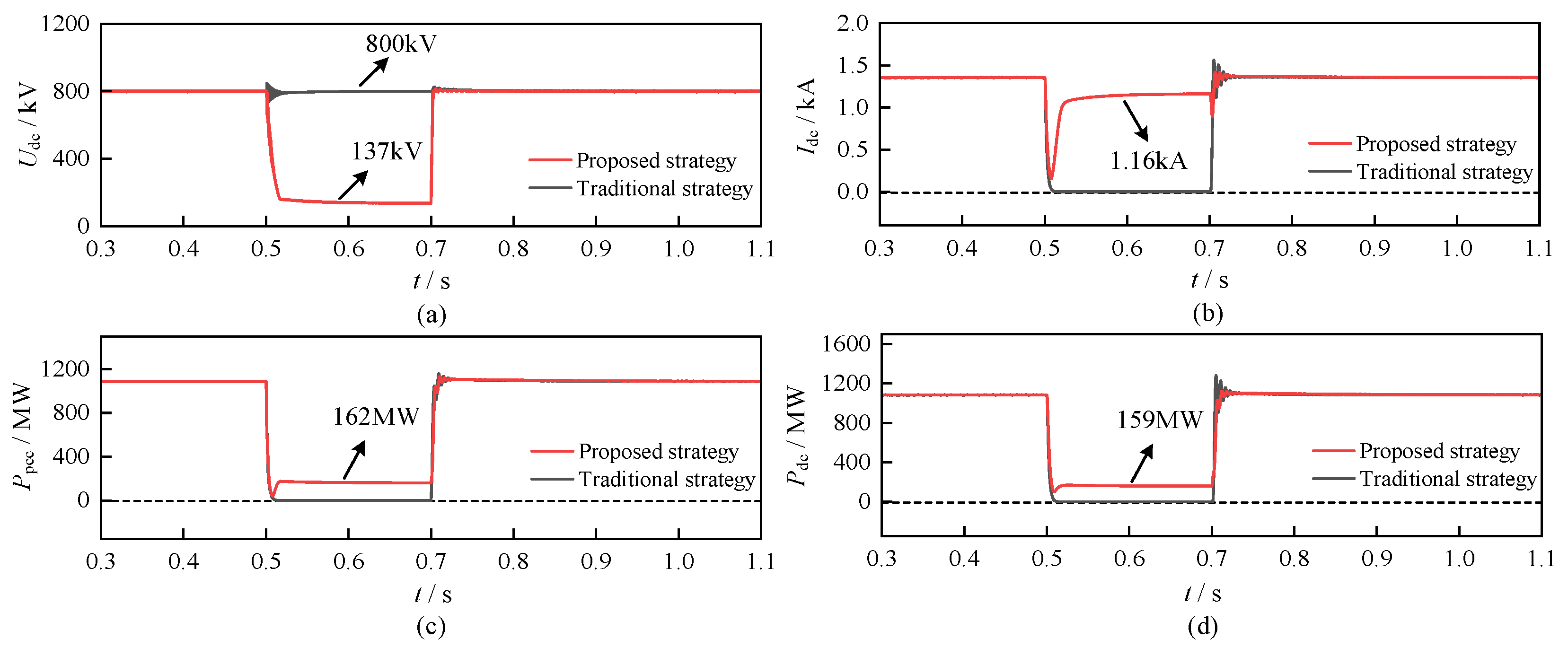
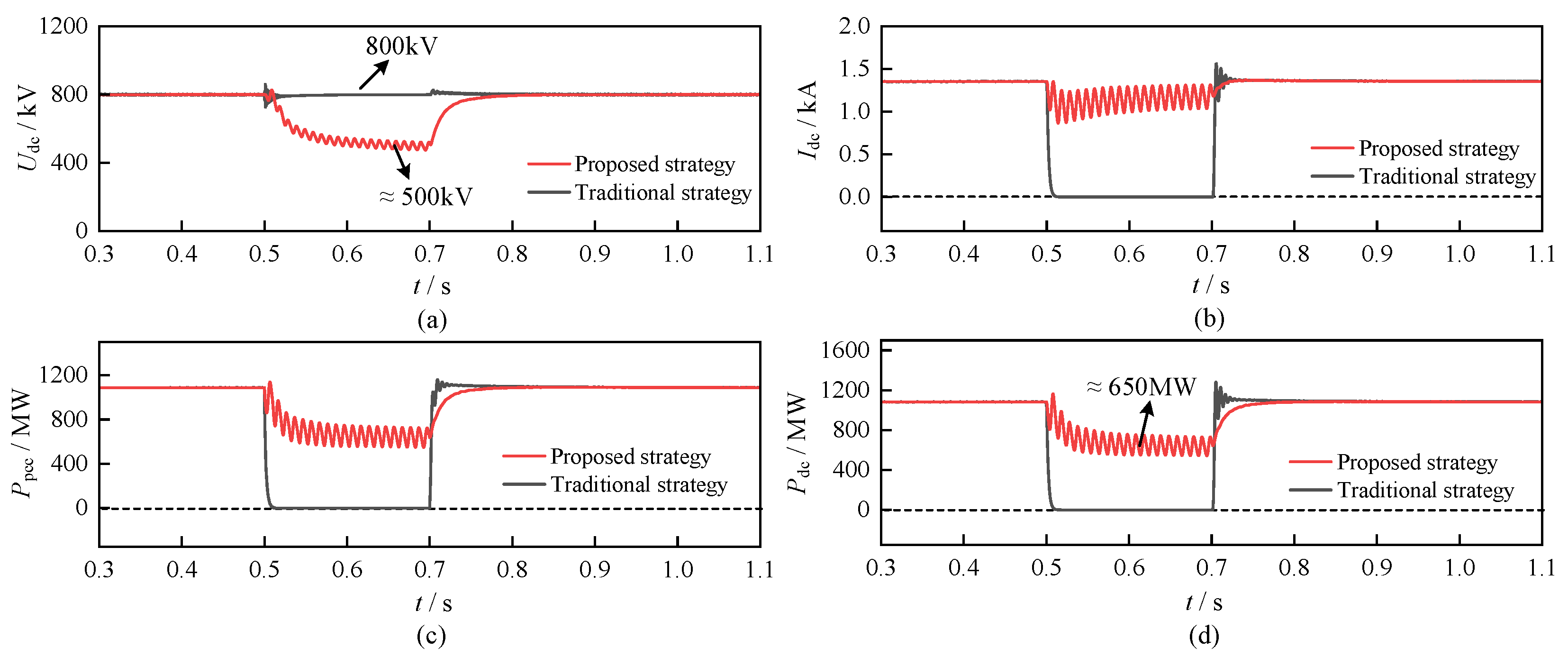
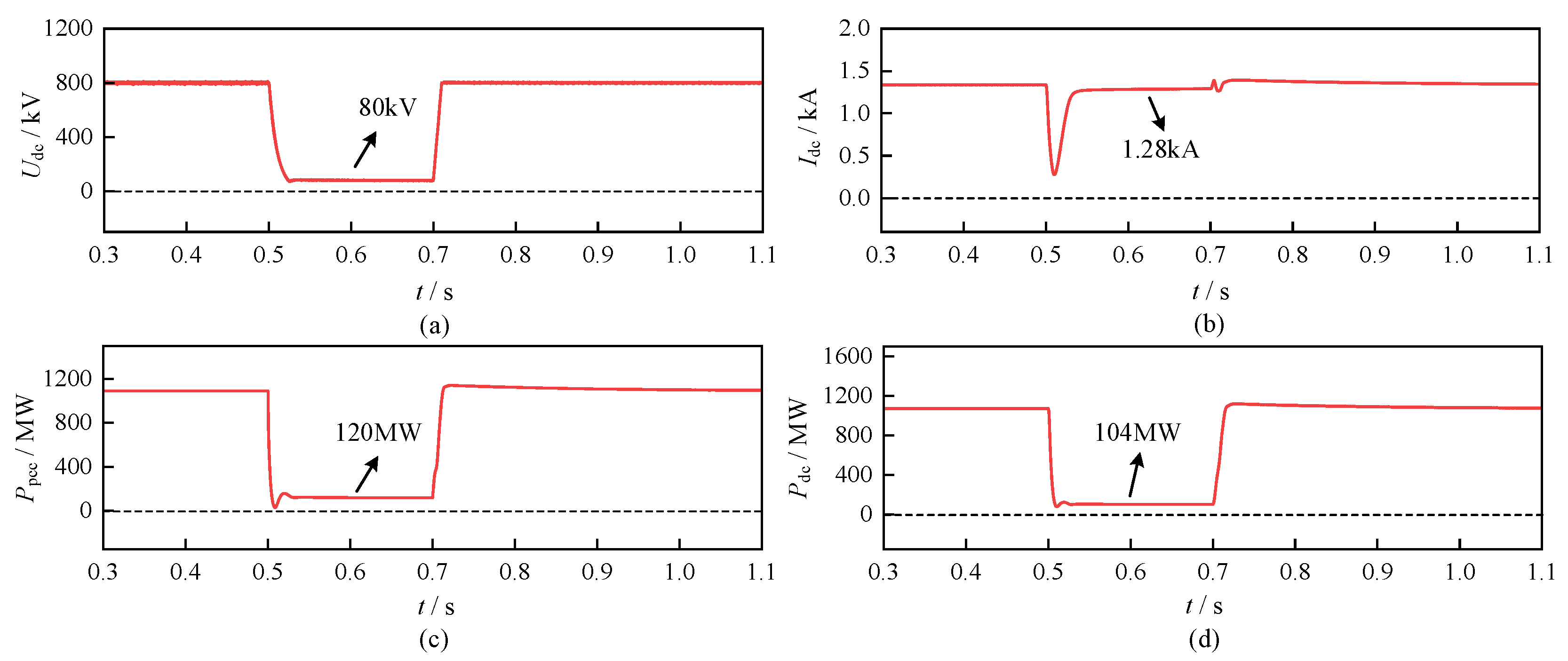
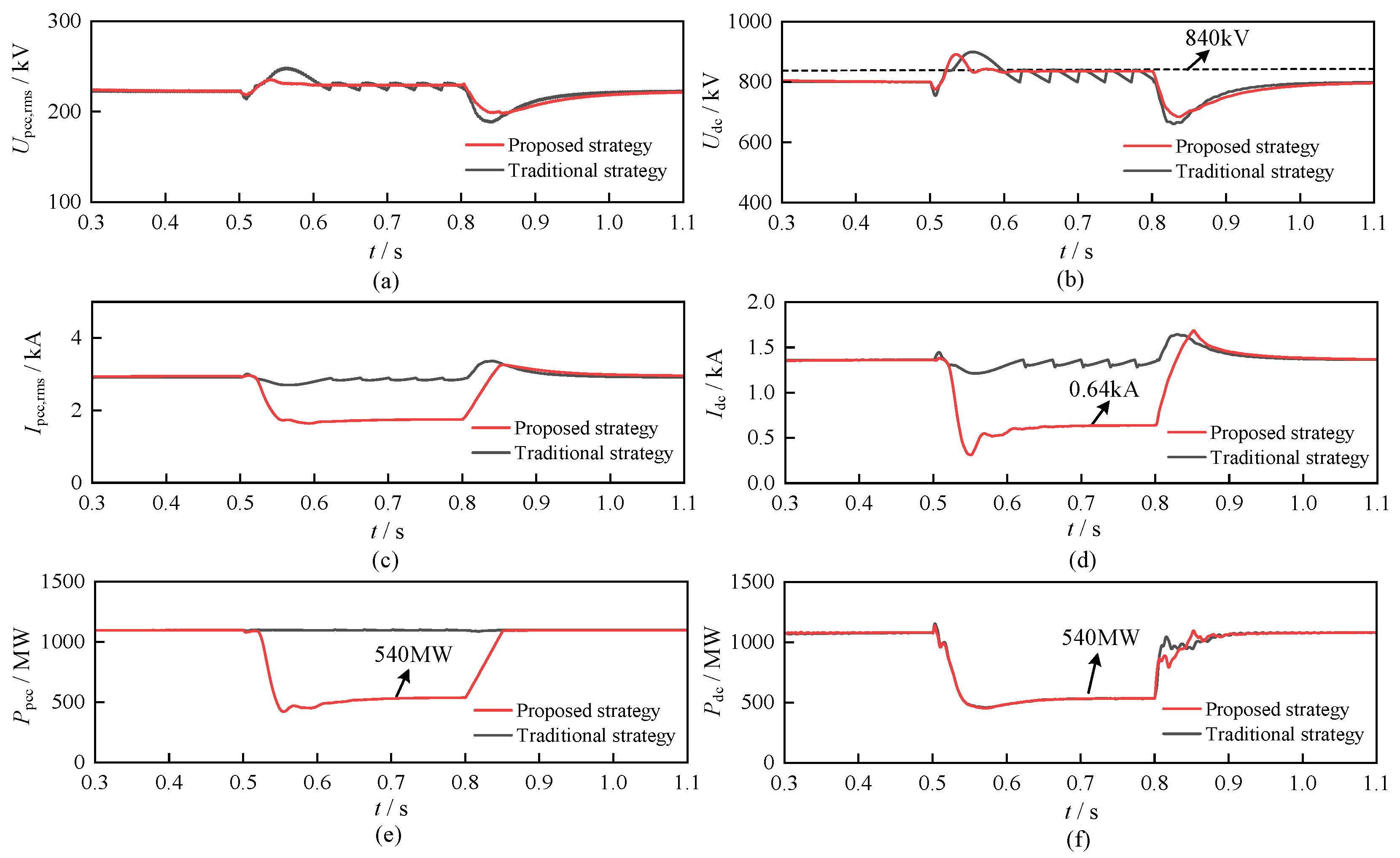
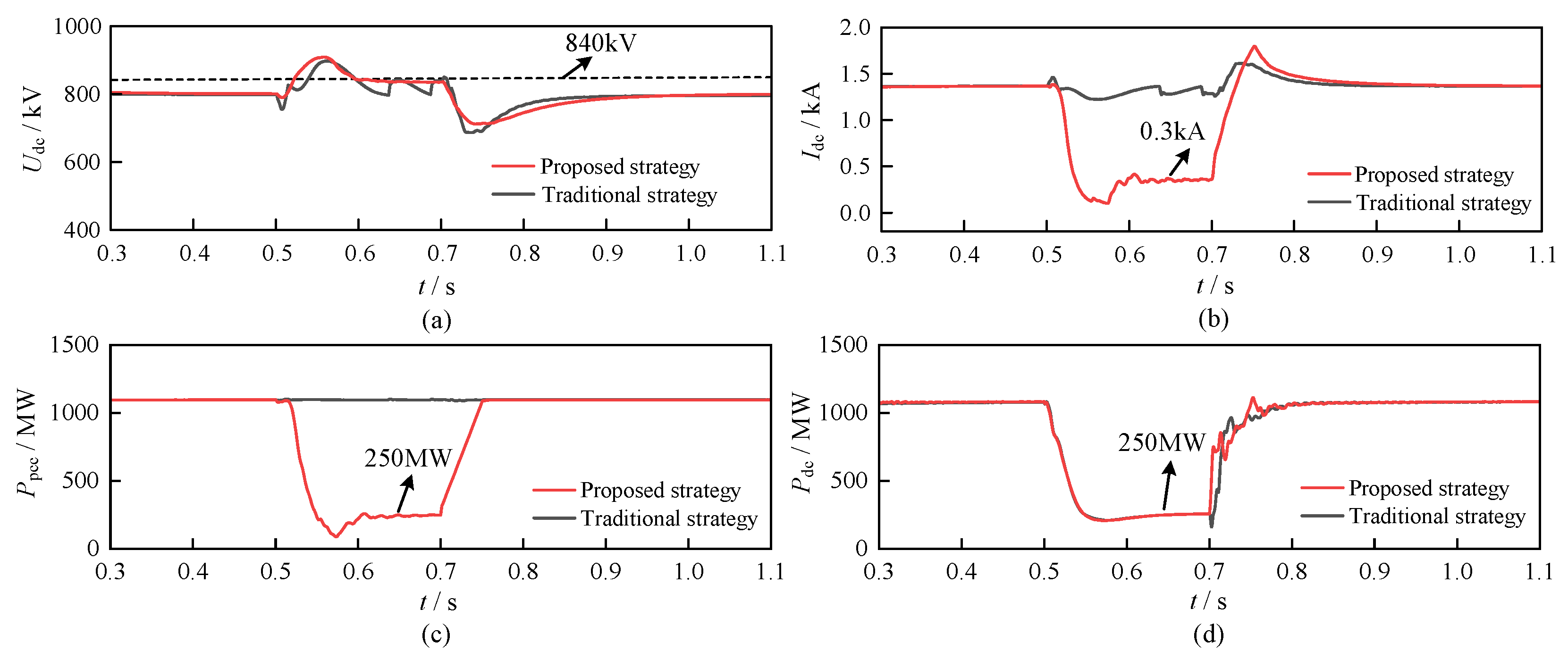
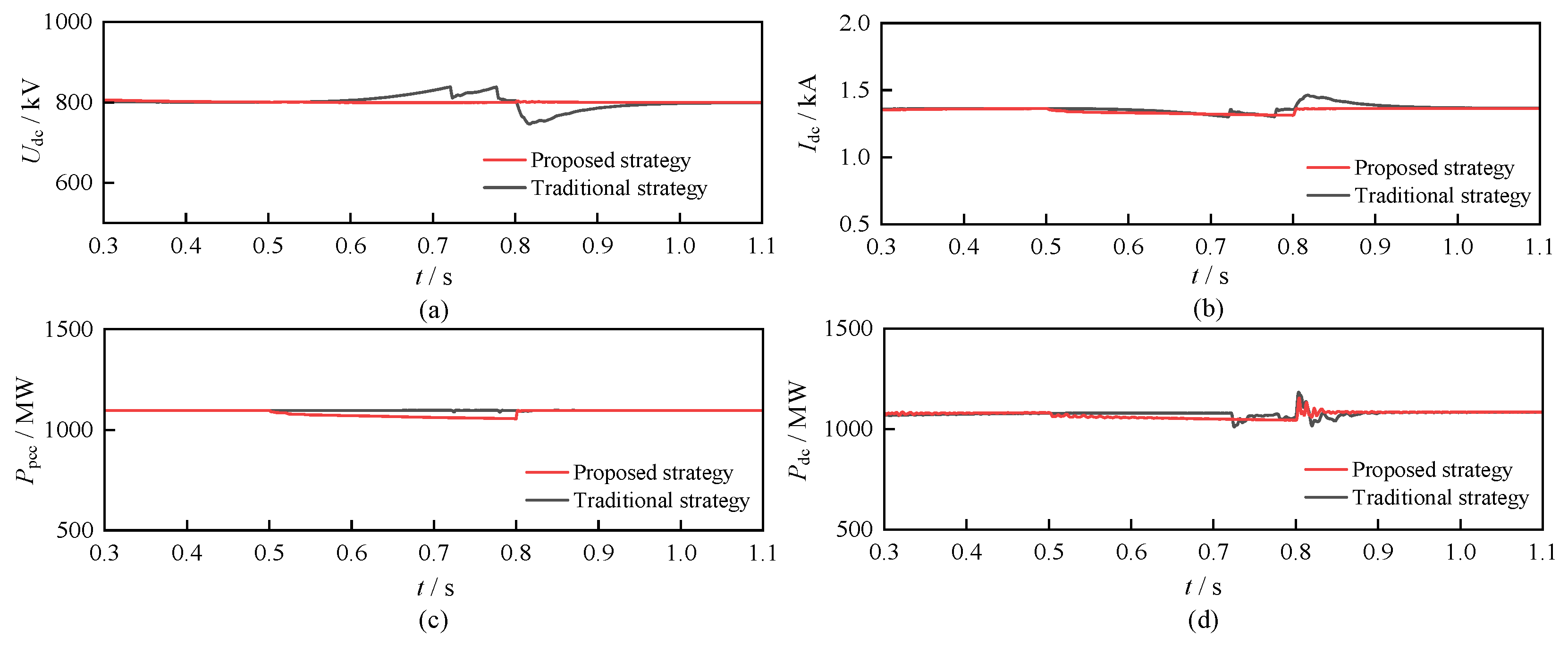
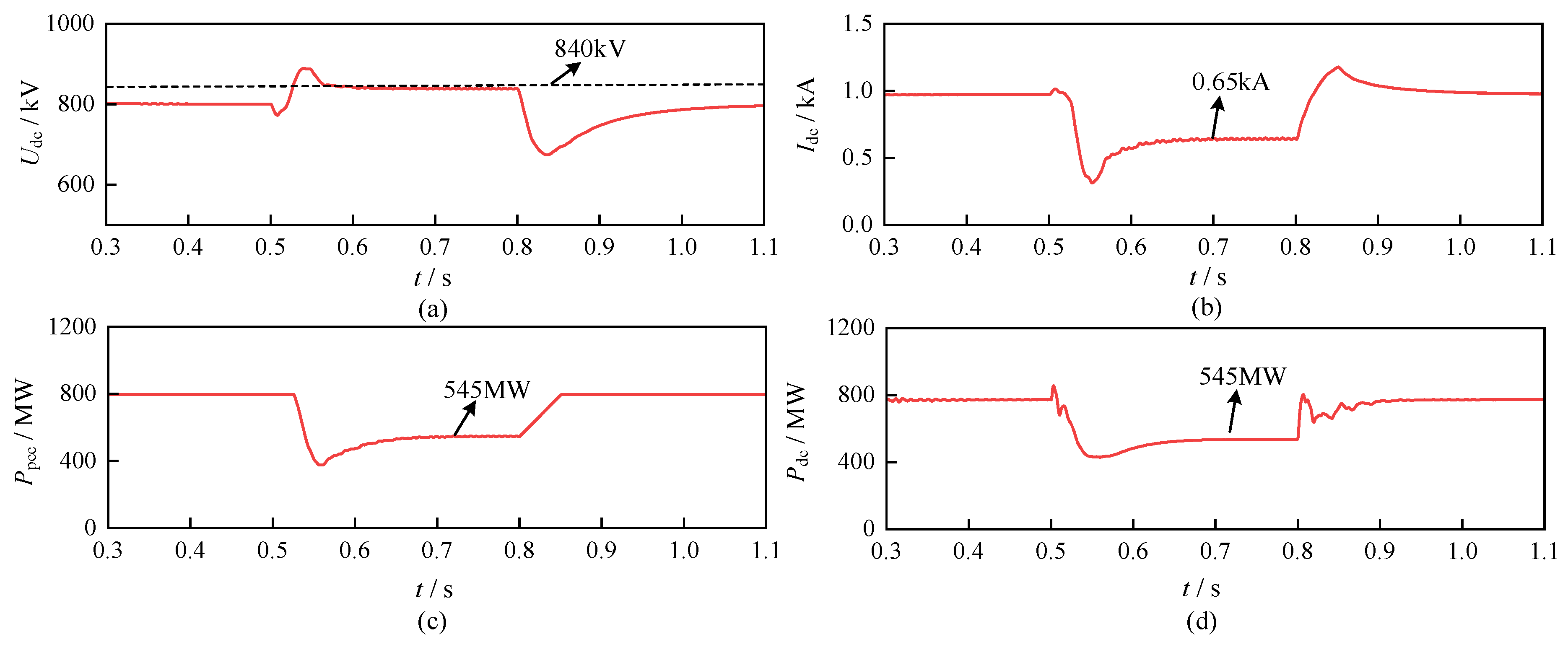
The offshore wind power transmission system based on a diode rectifier unit (DRU) high-voltage direct current (HVDC) faces DRU blocking under sending-end AC faults and DC overvoltage under receiving-end AC faults. To address these two types of AC fault scenarios, corresponding fault ride-through strategies are proposed. For sending-end AC faults, a fault ride-through strategy based on active voltage reduction of the receiving-end converter station is proposed. An active voltage reduction control loop based on DC current deviation is added before the original DC voltage control loop of the receiving-end converter station, so that the DC voltage can be adaptively reduced with the decrease in DC current during sending-end faults. Thus, the conduction condition of the DRU is satisfied, and wind power transmission is maintained. For receiving-end AC faults, a fault ride-through strategy based on source-side active power reduction is proposed. According to the coupling relationship between the DC voltage and the wind turbine outlet voltage, an active power reduction control loop based on the outlet voltage deviation is added before the active power control loop of the wind turbine grid-side converter. During receiving-end faults, each wind turbine actively reduces its active power output, thereby suppressing the DC-side power surplus from the source side. The effectiveness of the proposed strategies was further evaluated through comparative simulations. Taking the 50% voltage-sag cases as examples, the proposed strategy maintains the DC current and transmitted power at approximately 0.84 p.u. and 0.42 p.u., respectively, during the sending-end fault, whereas both decrease to zero under the traditional strategy. During the receiving-end fault, the proposed strategy limits the DC voltage to within 1.05 p.u. and stabilizes the sending-end and receiving-end transmitted powers at approximately 0.49 p.u., while avoiding sustained voltage and current oscillations.
Keywords: offshore wind power; high-voltage direct current transmission; diode rectifier unit; sending-end AC fault; receiving-end AC fault; fault ride-through offshore wind power; high-voltage direct current transmission; diode rectifier unit; sending-end AC fault; receiving-end AC fault; fault ride-through