Article

Visualizing Urban Dynamics: Insights from Electric Scooter Mobility Data
Institute of Computer Science, Warsaw University of Technology, Nowowiejska 15/19, 00-665 Warsaw, Poland
*
Author to whom correspondence should be addressed.
Electronics 2026, 15(1), 187; https://doi.org/10.3390/electronics15010187

Submission received: 5 November 2025 / Revised: 16 December 2025 / Accepted: 21 December 2025 / Published: 31 December 2025
(This article belongs to the Special Issue Artificial Intelligence, Computer Vision and 3D Display)

Abstract

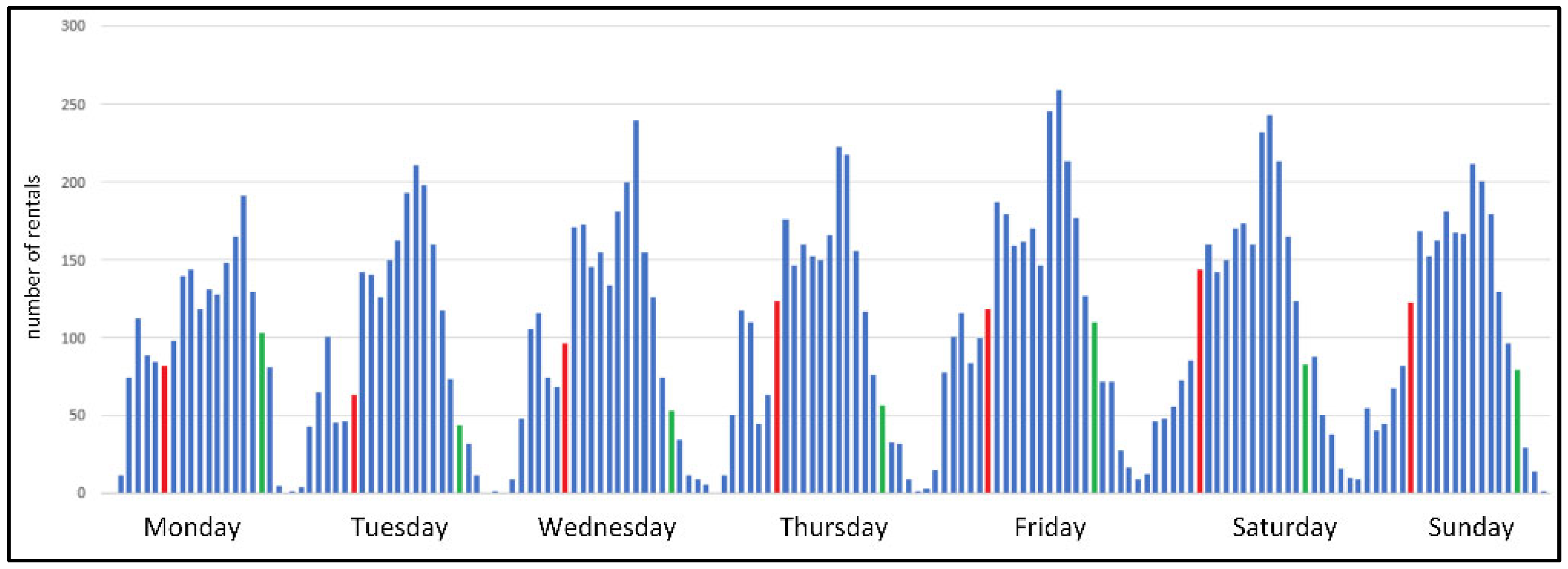
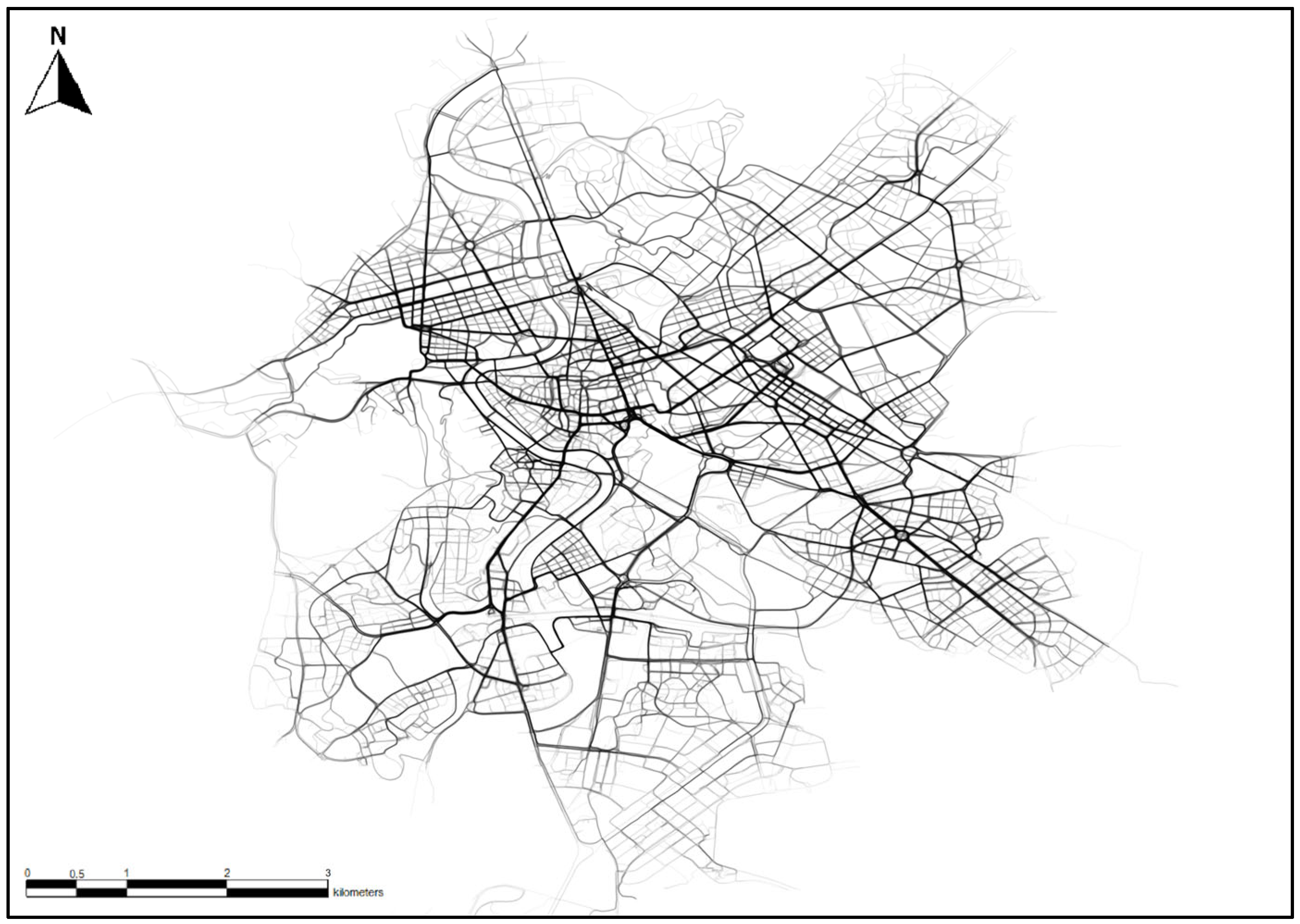
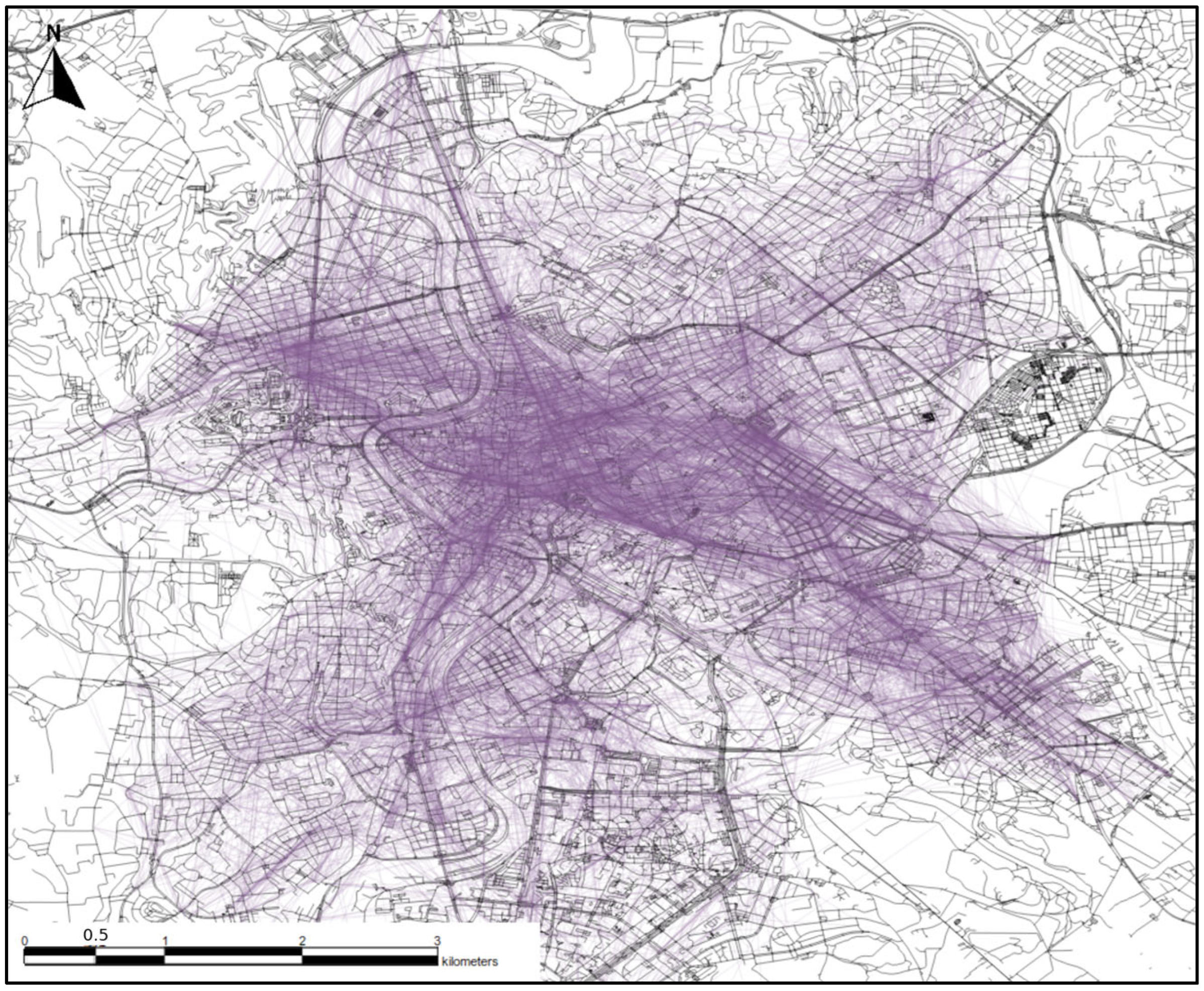
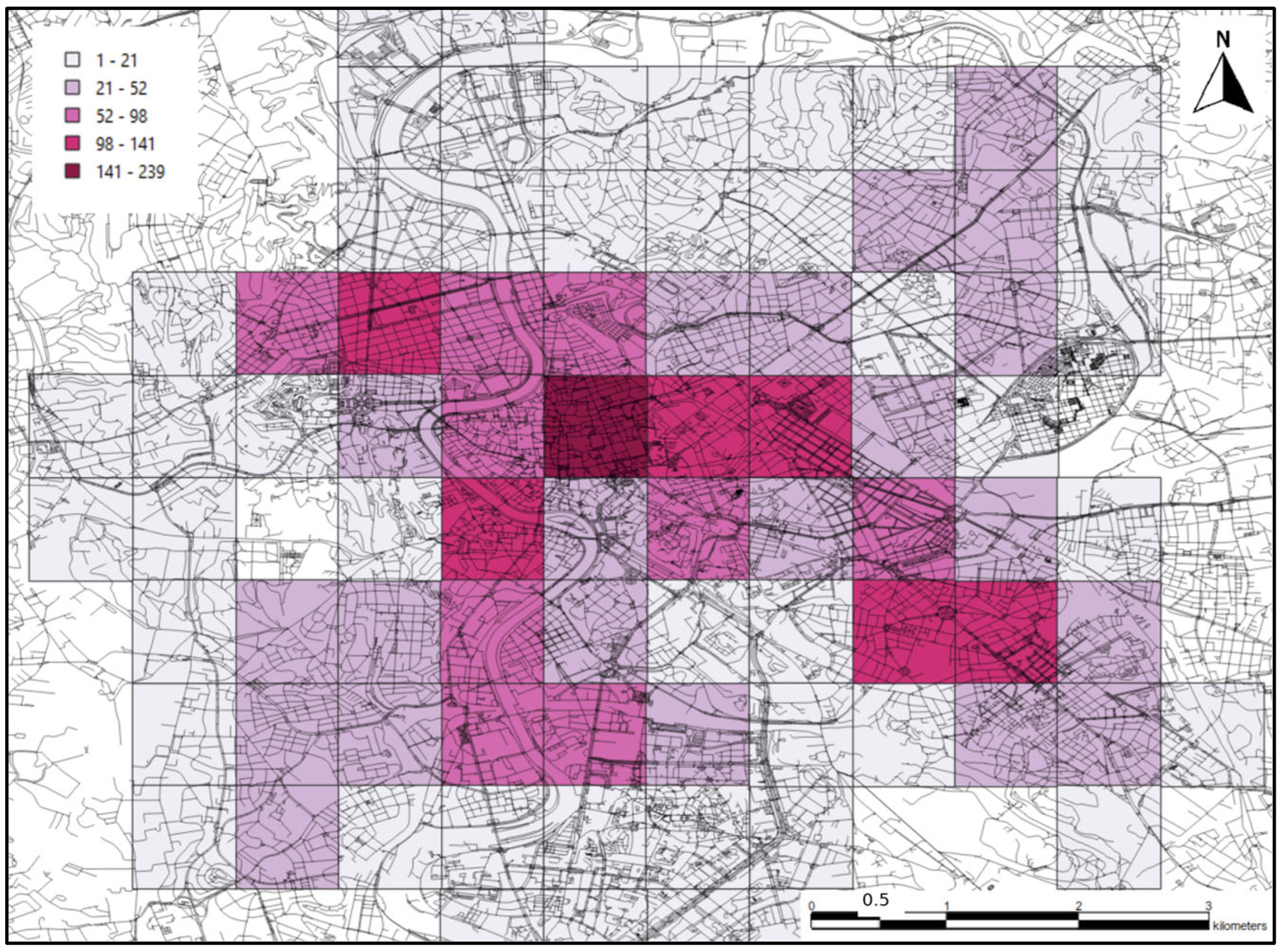
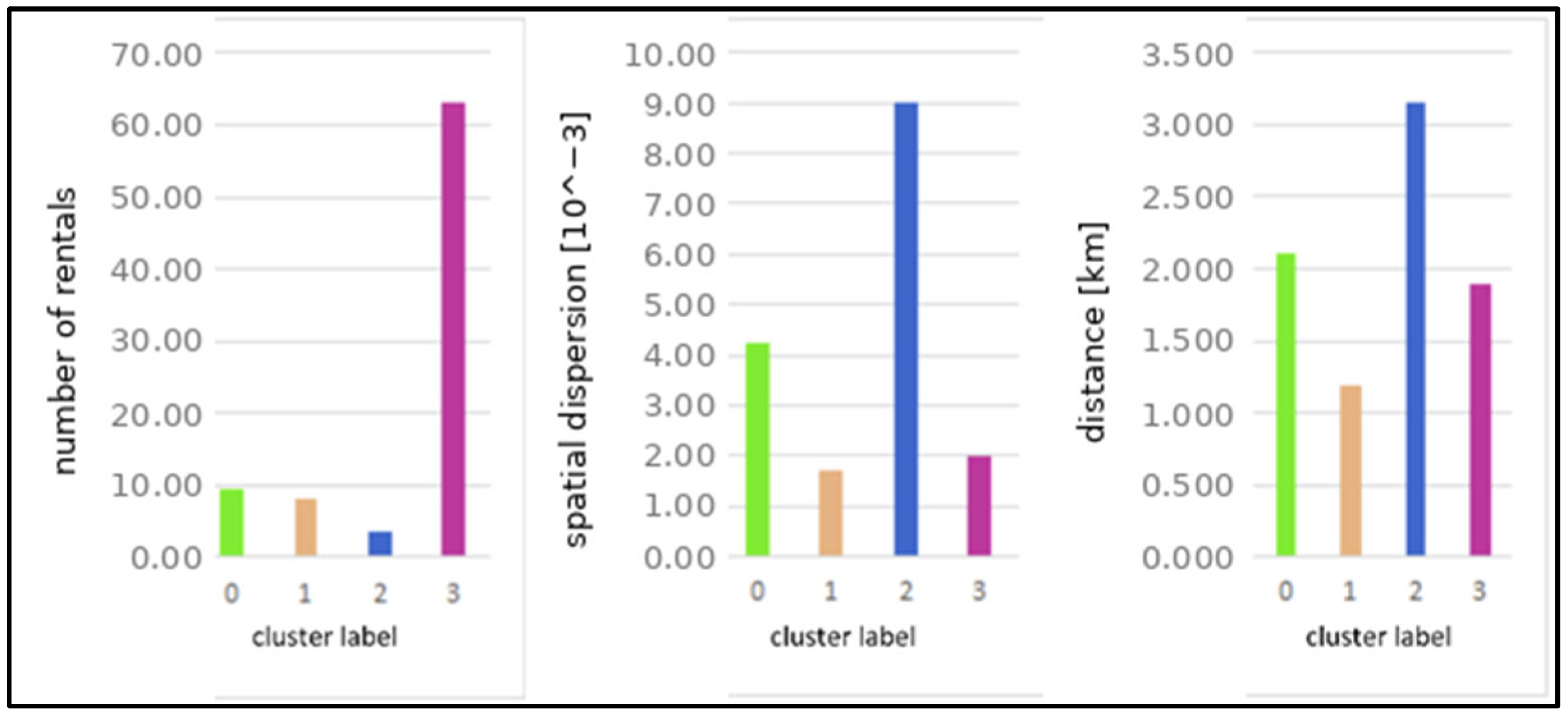
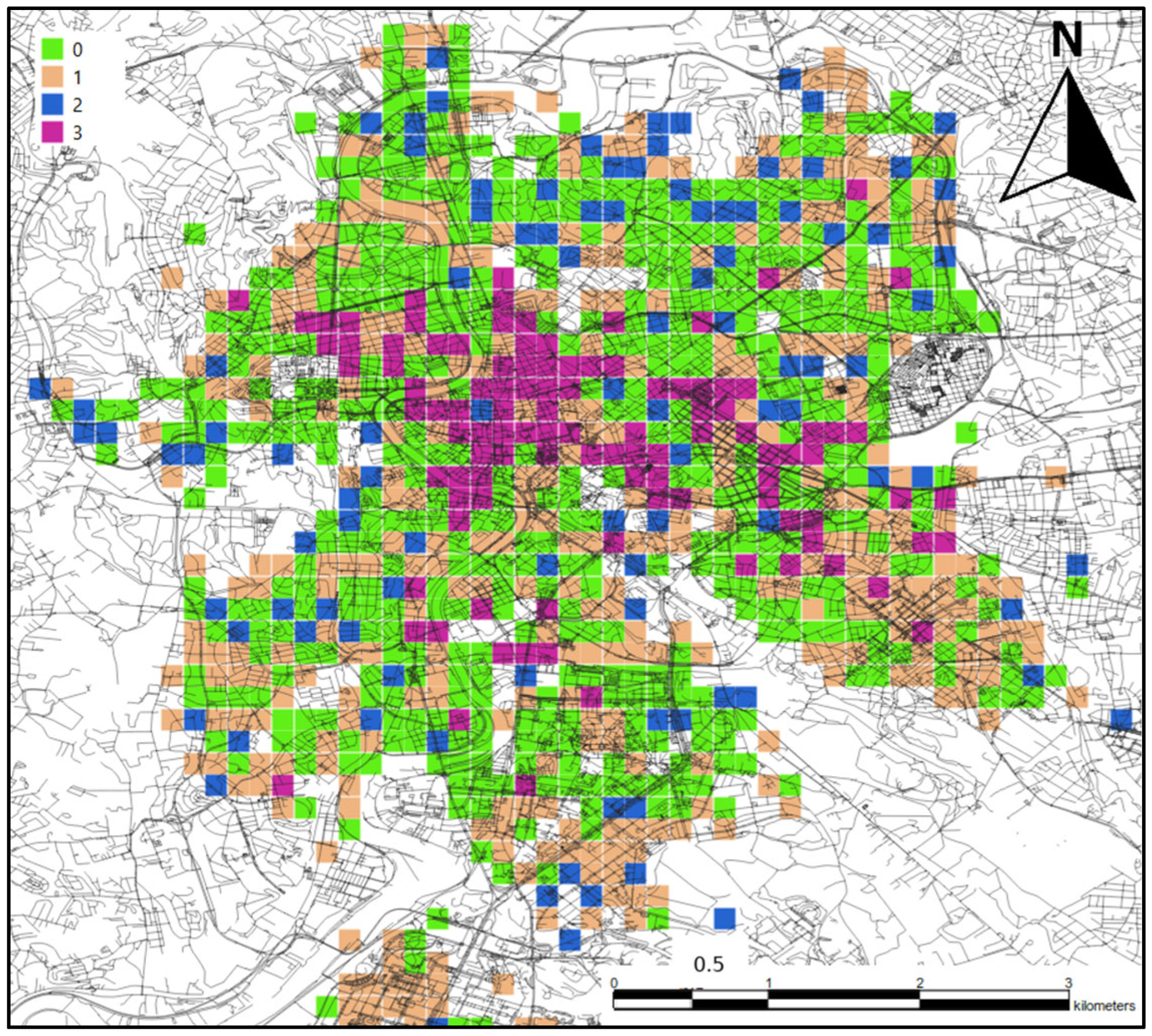
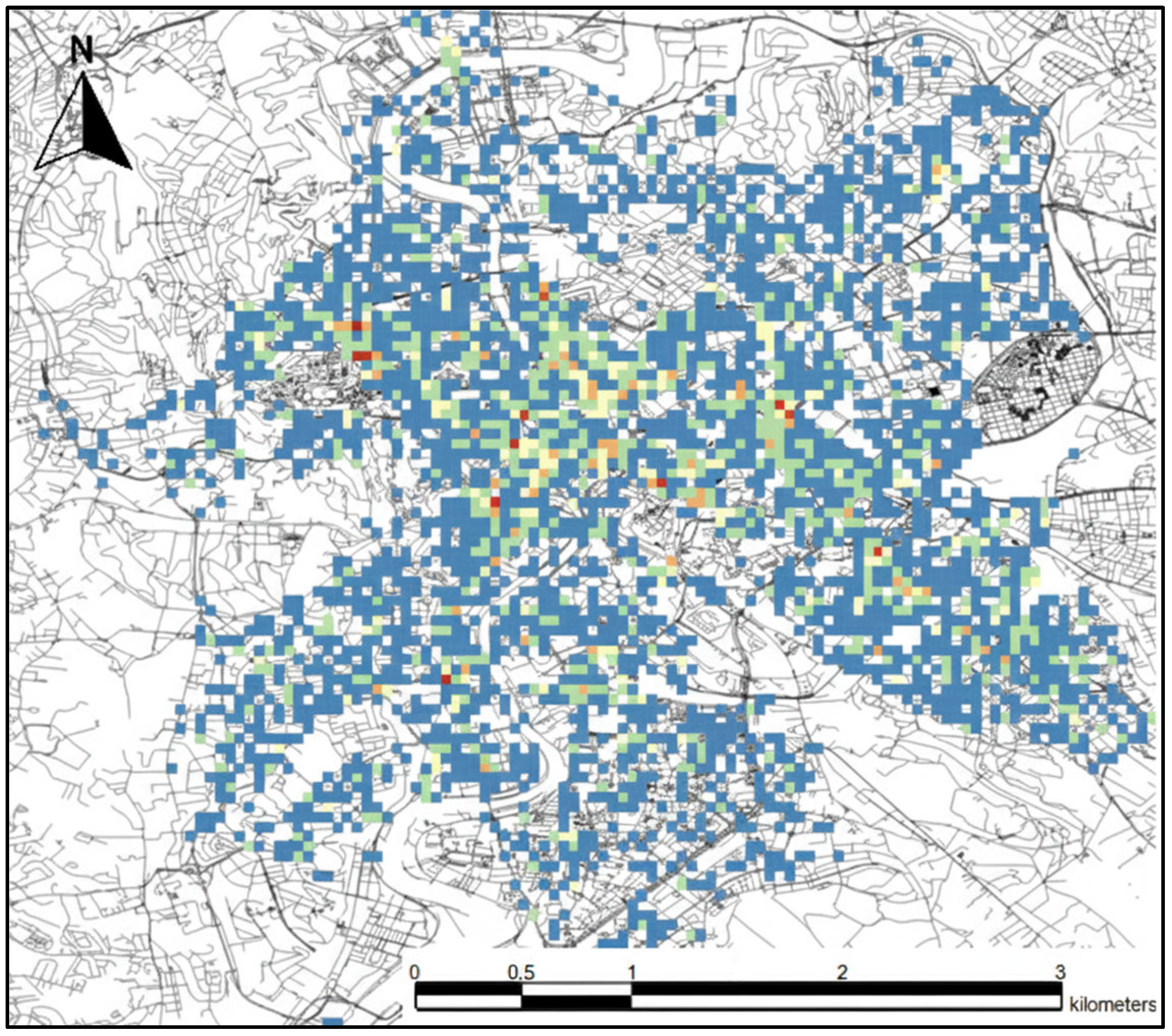
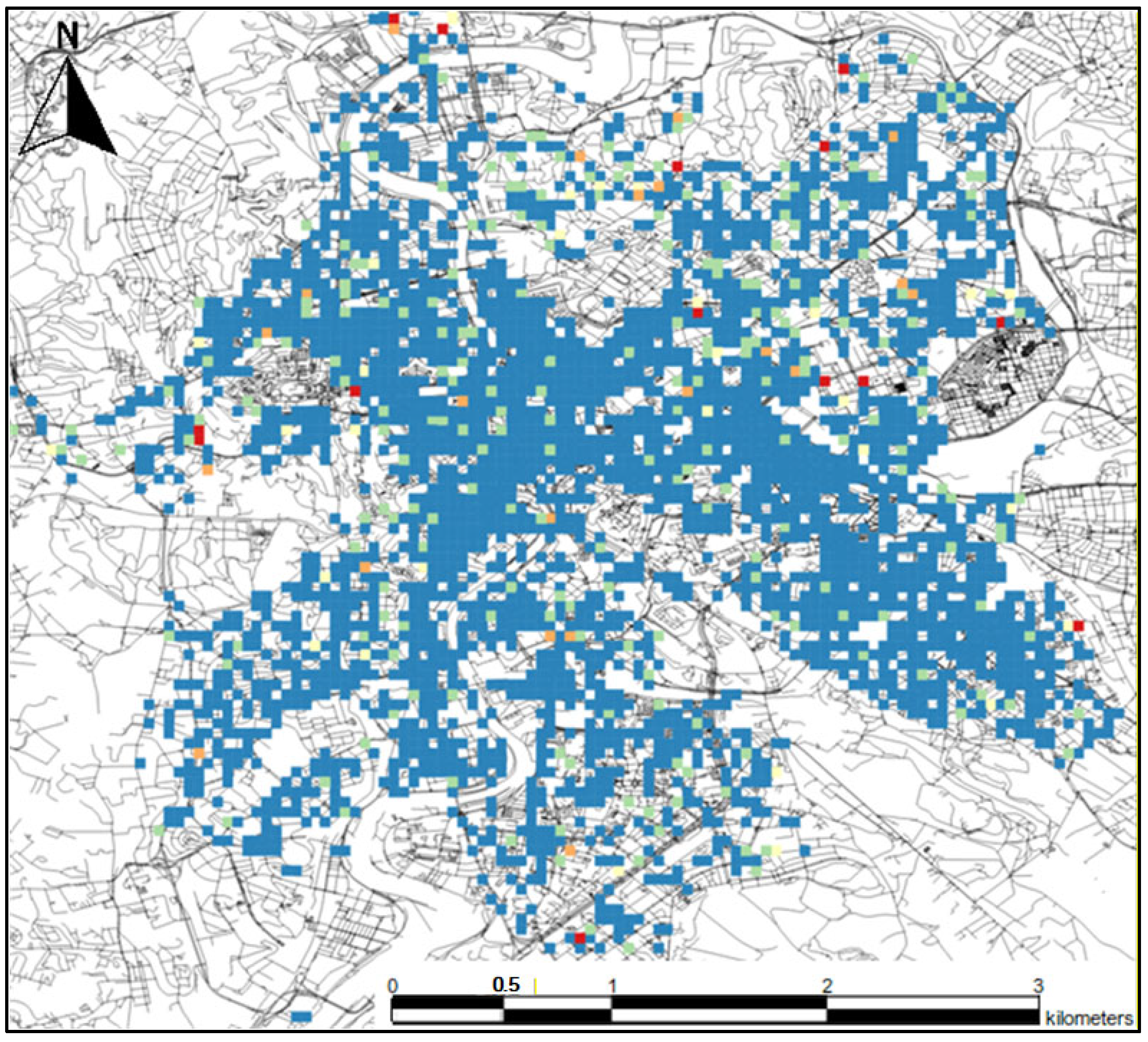
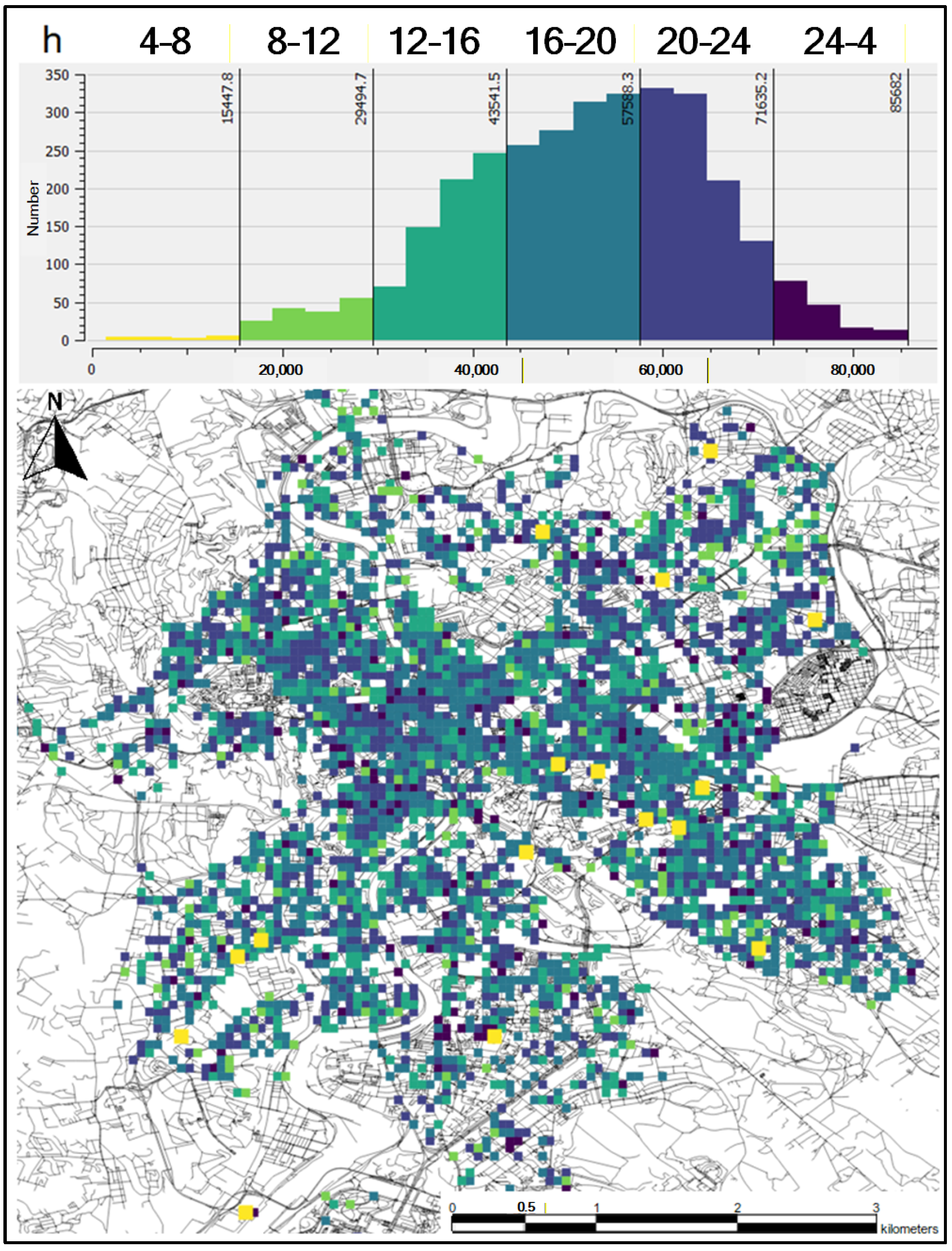
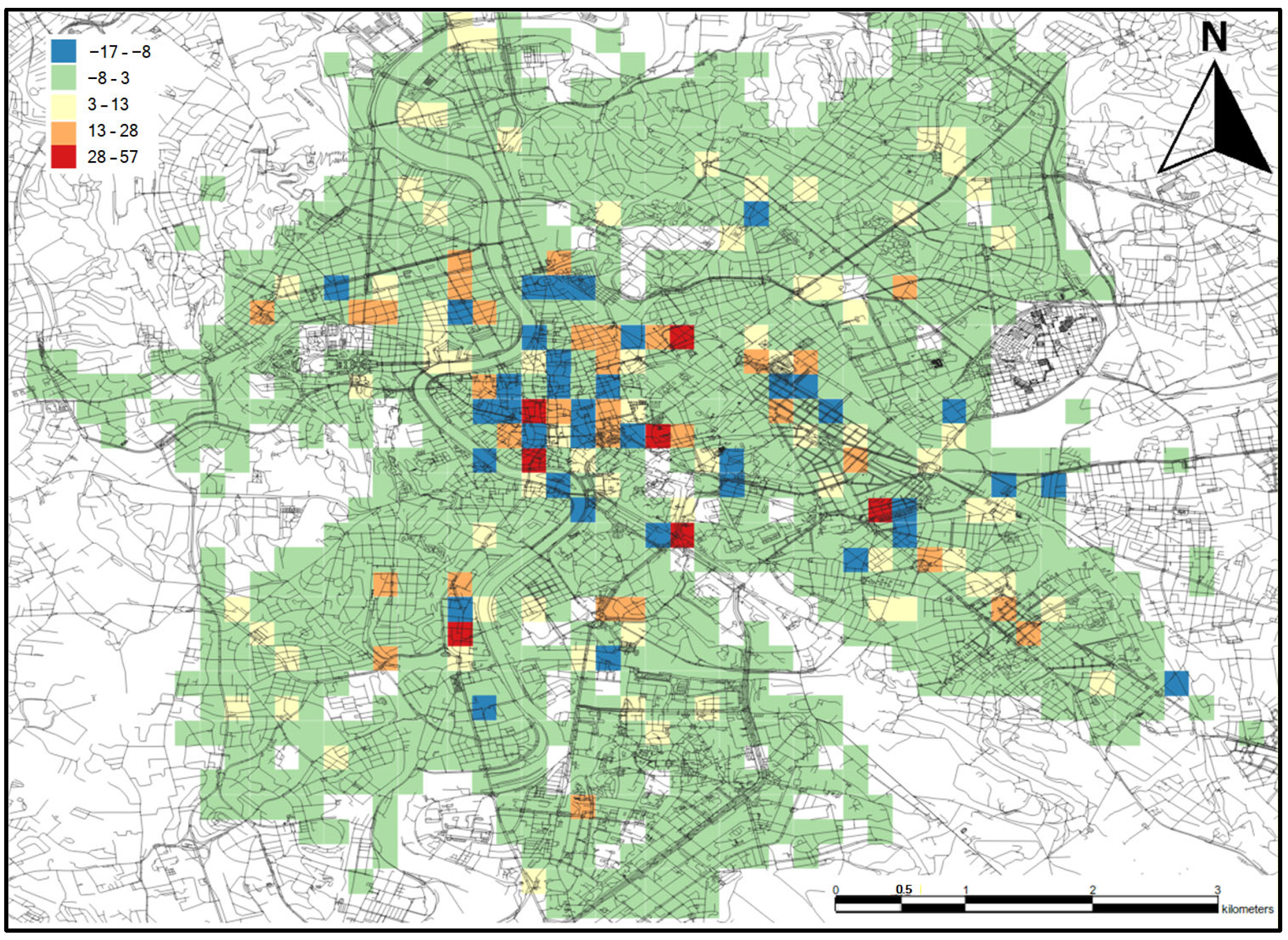
This paper showcases how electric scooter data can be used to visually explore and interpret urban dynamics, offering a perspective on city structure and mobility patterns. The goal of the study is to investigate how visual analysis of micromobility data can reveal spatial and temporal patterns that support urban planning and operational decision-making. Through a series of visual analyses, the article identifies high-demand areas and popular travel routes, with areas of particularly strong traffic—insights valuable for infrastructure planning and operational optimization. Temporal visualizations reveal distinct peaks in e-scooter activity during lunch hours and late evenings, highlighting behavior patterns that may inform service adjustments. Clustering techniques are used to delineate functional zones within the city, which are then visualized to reflect how users interact with urban space. These visuals help uncover mobility-based boundaries and support a deeper understanding of the city’s layout. Additionally, the approach highlights key locations that may be attractive for business development, such as new commercial spots, based on user behavior. By focusing on visual storytelling rather than predictive modeling, this work proposes analyses suitable for urban planners, mobility providers, and other stakeholders with actionable insights into urban movement and structure.
Keywords: spatial analyses; city structure; electric scooters; E-scooters; open data; GBFS; shared micromobility spatial analyses; city structure; electric scooters; E-scooters; open data; GBFS; shared micromobility