Article

Gamification as an Innovative Approach for the Assessment of Procedural Knowledge

1
School of Art and Design, Guangdong University of Technology, Guangzhou 510090, China
2
School of Digital Media and Interactive Design, Guangzhou Maritime University, Guangzhou 510725, China
3
School of Computer Science and Informatics, De Montfort University, The Gateway, Leicester LE19BH, UK
4
School of Art and Design, South China Normal University, Guangzhou 510635, China
*
Authors to whom correspondence should be addressed.
Electronics 2025, 14(8), 1573; https://doi.org/10.3390/electronics14081573

Submission received: 20 January 2025 / Revised: 12 March 2025 / Accepted: 10 April 2025 / Published: 13 April 2025

Abstract

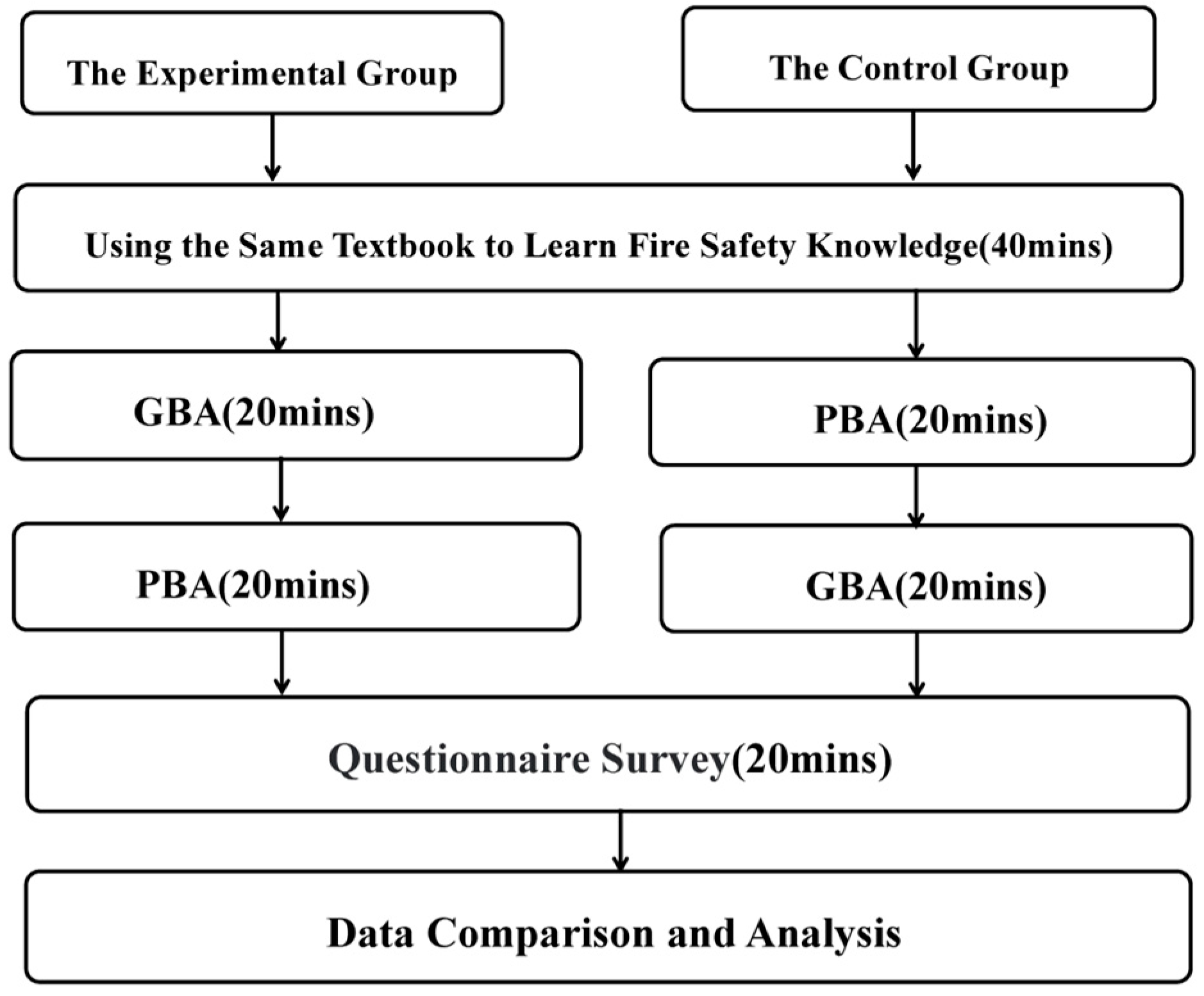
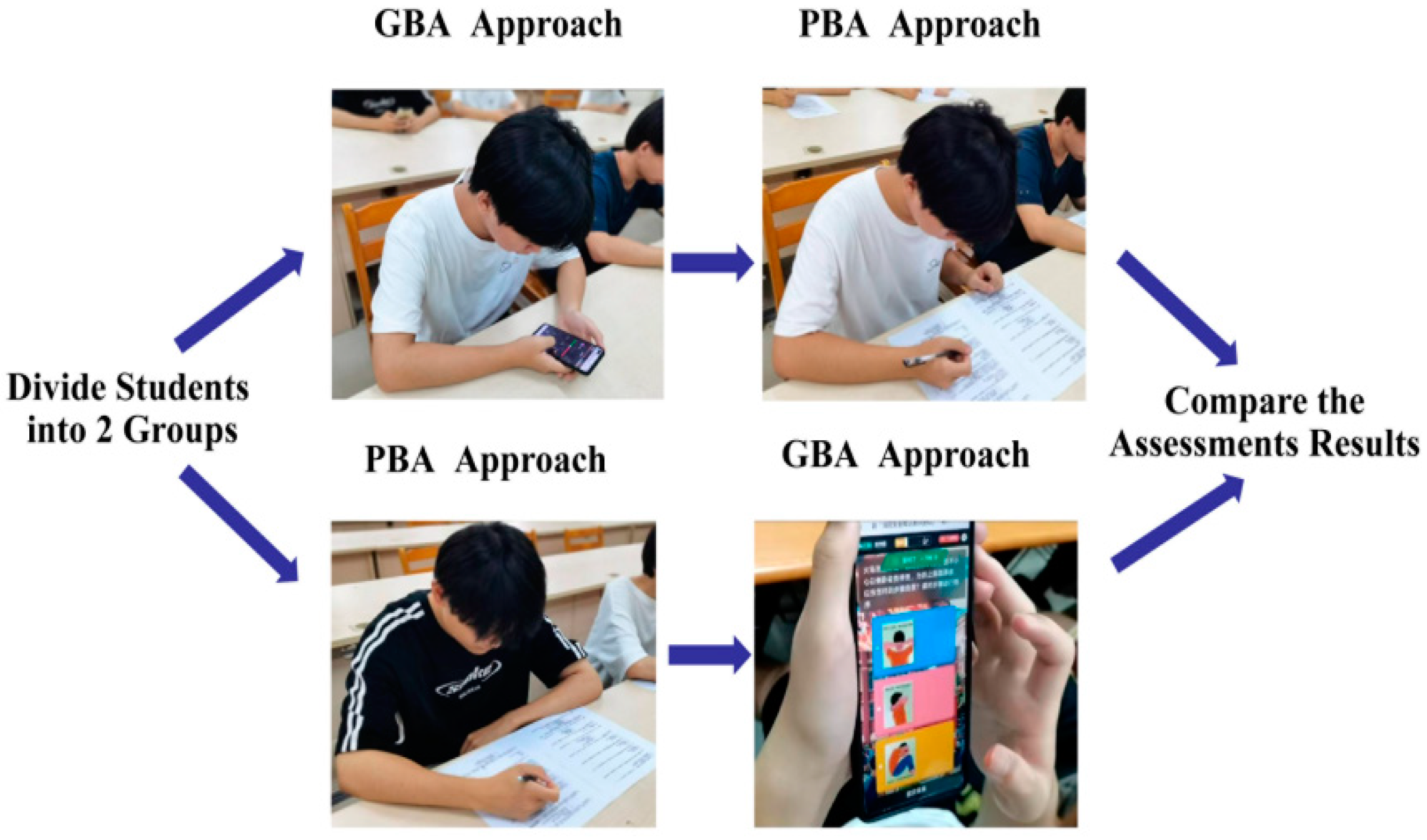
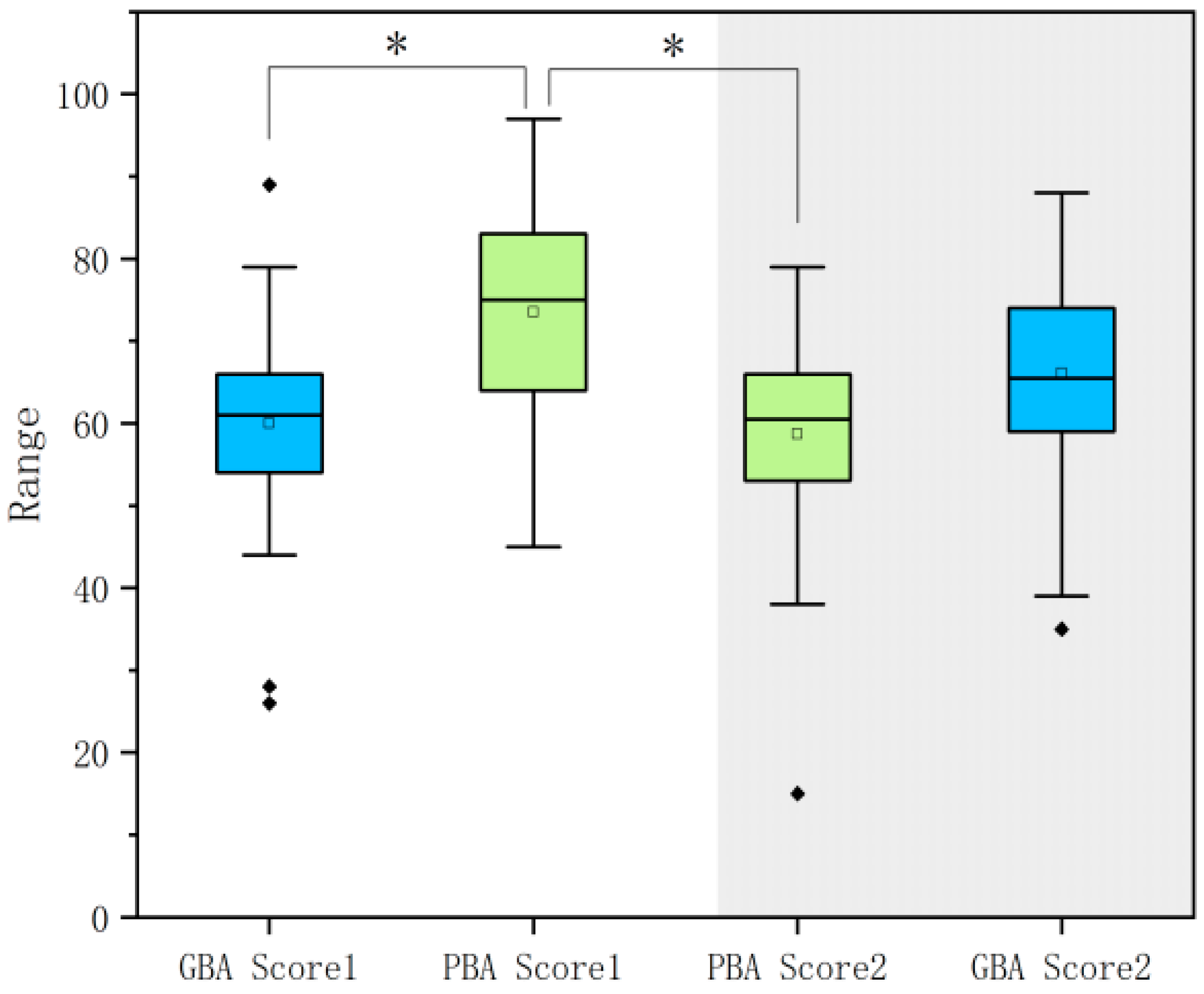
In the era of artificial intelligence (AI), generative AI tools like ChatGPT 4.5 have greatly improved the ease of obtaining answers to questions, thereby diminishing the importance of memorizing declarative knowledge while increasing the significance of procedural knowledge required in the problem-solving process. However, conventional assessment approaches such as paper-based assessments still focus on assessing declarative knowledge; these are difficult to adapt to the challenges of the AI era. This study aims to explore an innovative approach for the assessment of procedural knowledge, with a specific emphasis on gamification. This study employs a comprehensive approach involving an experimental research method, a case study, and a questionnaire survey. A total of 151 undergraduate students were recruited and randomly assigned to an experimental group and a control group for the experiment. We compared performance outcomes between a gamification-based assessment and paper-based assessment. The results confirmed the effectiveness of the gamification-based assessment, demonstrating its superiority over the paper-based assessment in assessing procedural knowledge. The findings of the paper are not only applicable to assess knowledge in emergency situations such as fire safety but can also be applied to the assessment of procedural knowledge across various academic subjects within educational institutions.
Keywords: gamification; procedural knowledge; knowledge assessment; gamification-based assessment; computer software gamification; procedural knowledge; knowledge assessment; gamification-based assessment; computer software