Article

A Comparison of Deep Learning Techniques for Pose Recognition in Up-and-Go Pole Walking Exercises Using Skeleton Images and Feature Data


1
Master Program in Medical Informatics, Chung Shan Medical University, Taichung 40201, Taiwan
2
Institute of Biomedical Informatics, National Yang Ming Chiao Tung University, Taipei 11221, Taiwan
3
Department of Physical Medicine and Rehabilitation, Chung Shan Medical University Hospital, Taichung 40201, Taiwan
4
Department of Physical Medicine and Rehabilitation, School of Medicine, Chung Shan Medical University, Taichung 40201, Taiwan
5
Information Technology Office, Chung Shan Medical University Hospital, Taichung 40201, Taiwan
*
Author to whom correspondence should be addressed.
These authors contributed equally to this work.
Electronics 2025, 14(6), 1075; https://doi.org/10.3390/electronics14061075

Submission received: 30 January 2025 / Revised: 28 February 2025 / Accepted: 5 March 2025 / Published: 7 March 2025
(This article belongs to the Special Issue Advances in Information, Intelligence, Systems and Applications)

Abstract

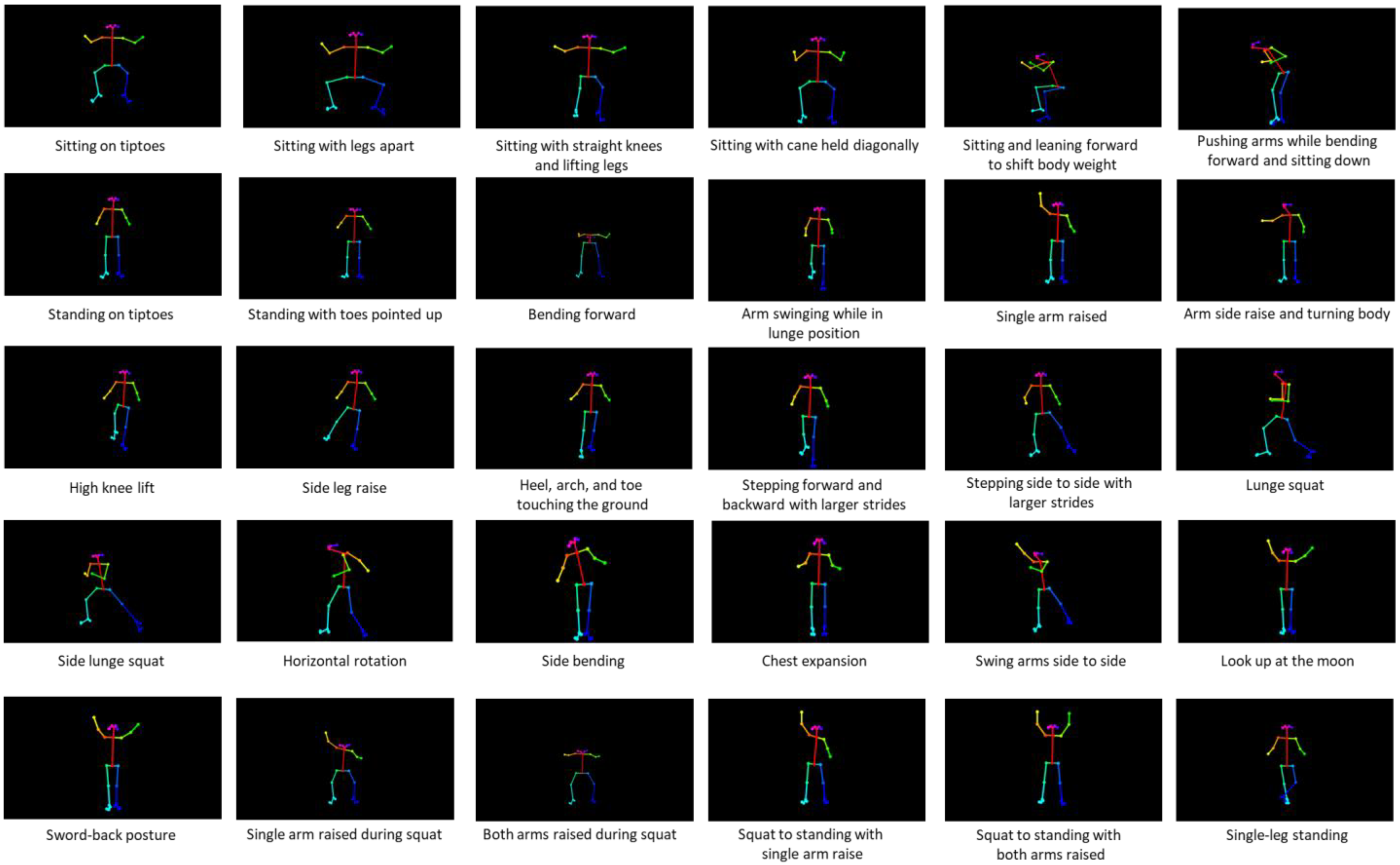
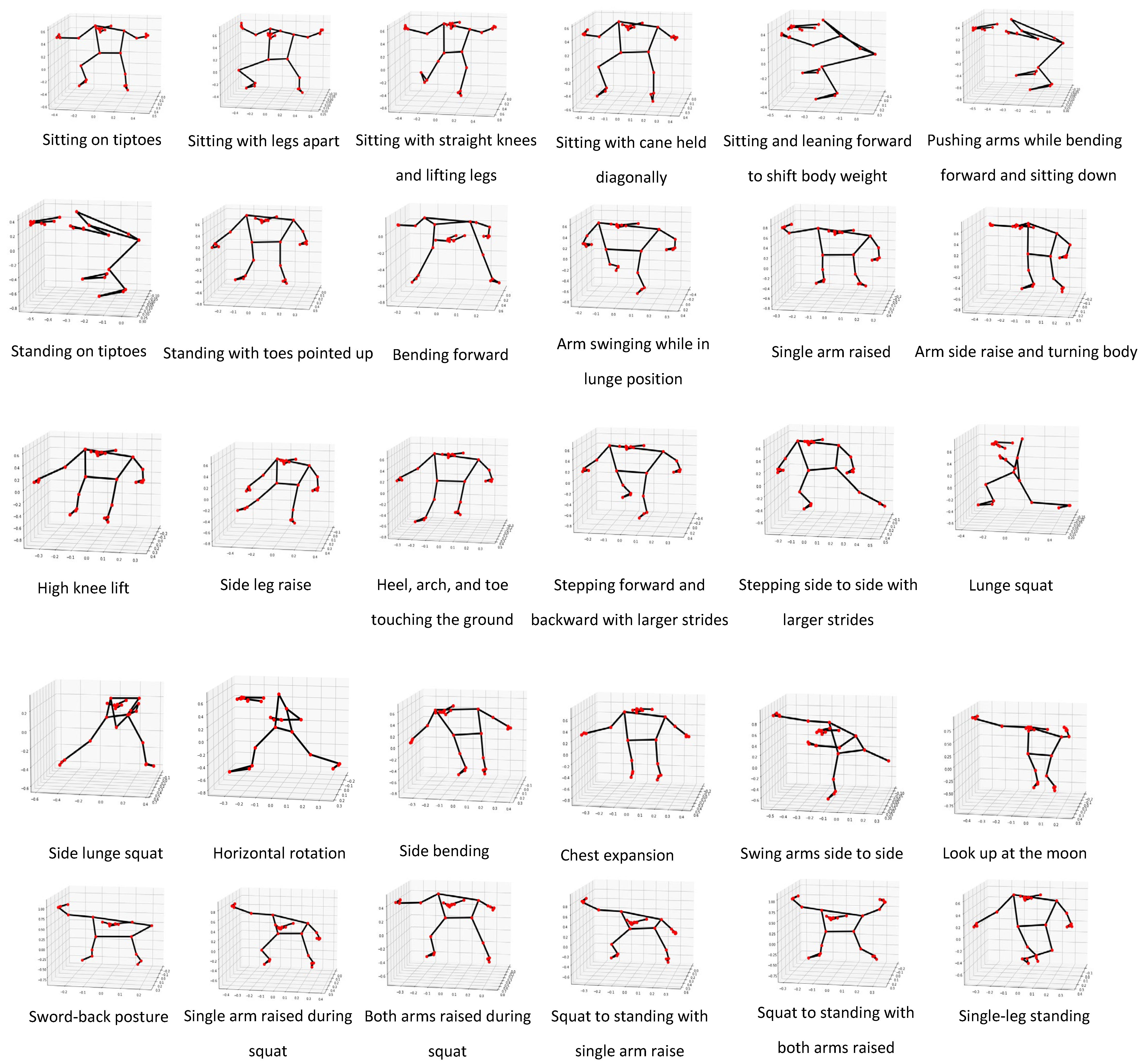
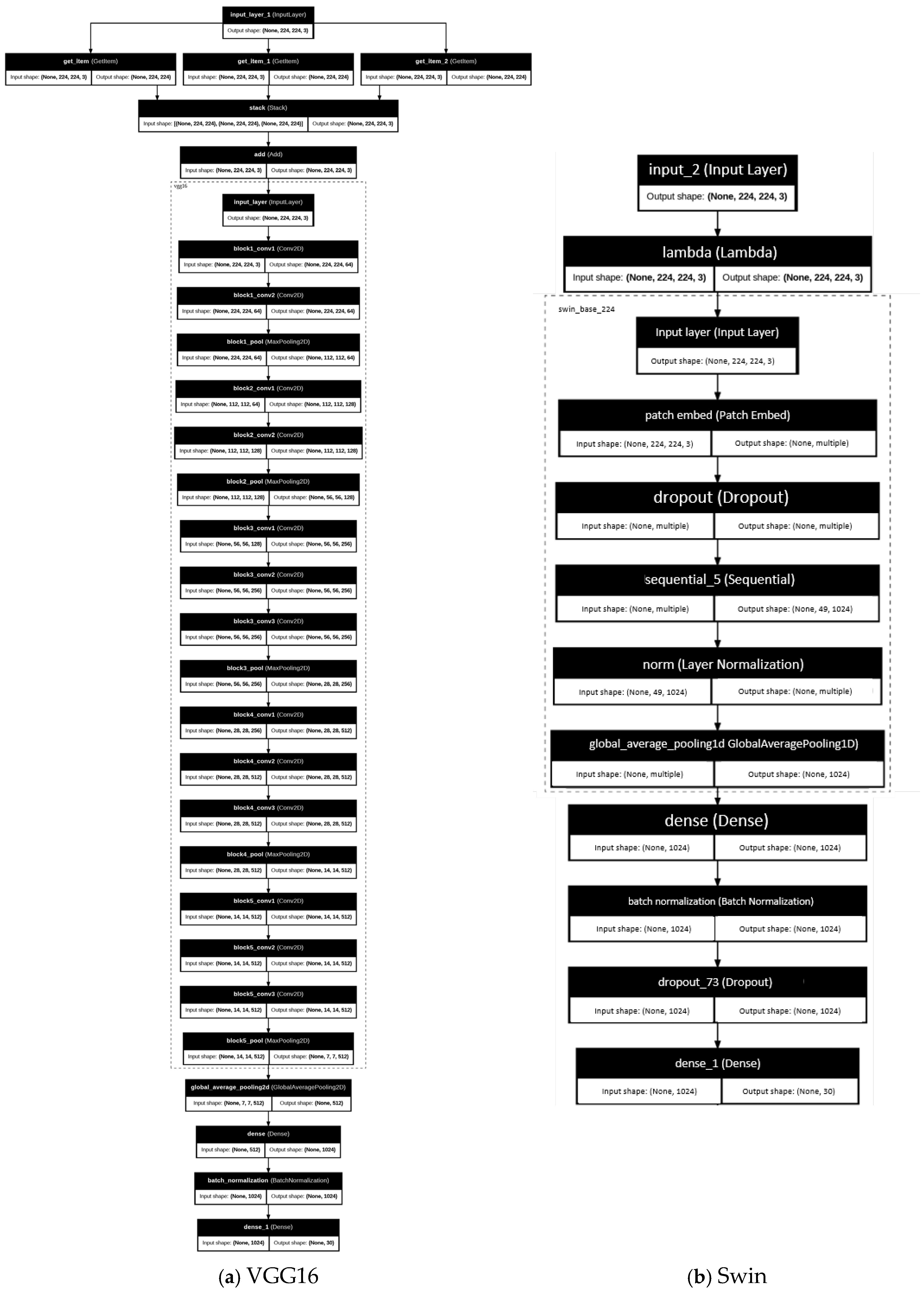
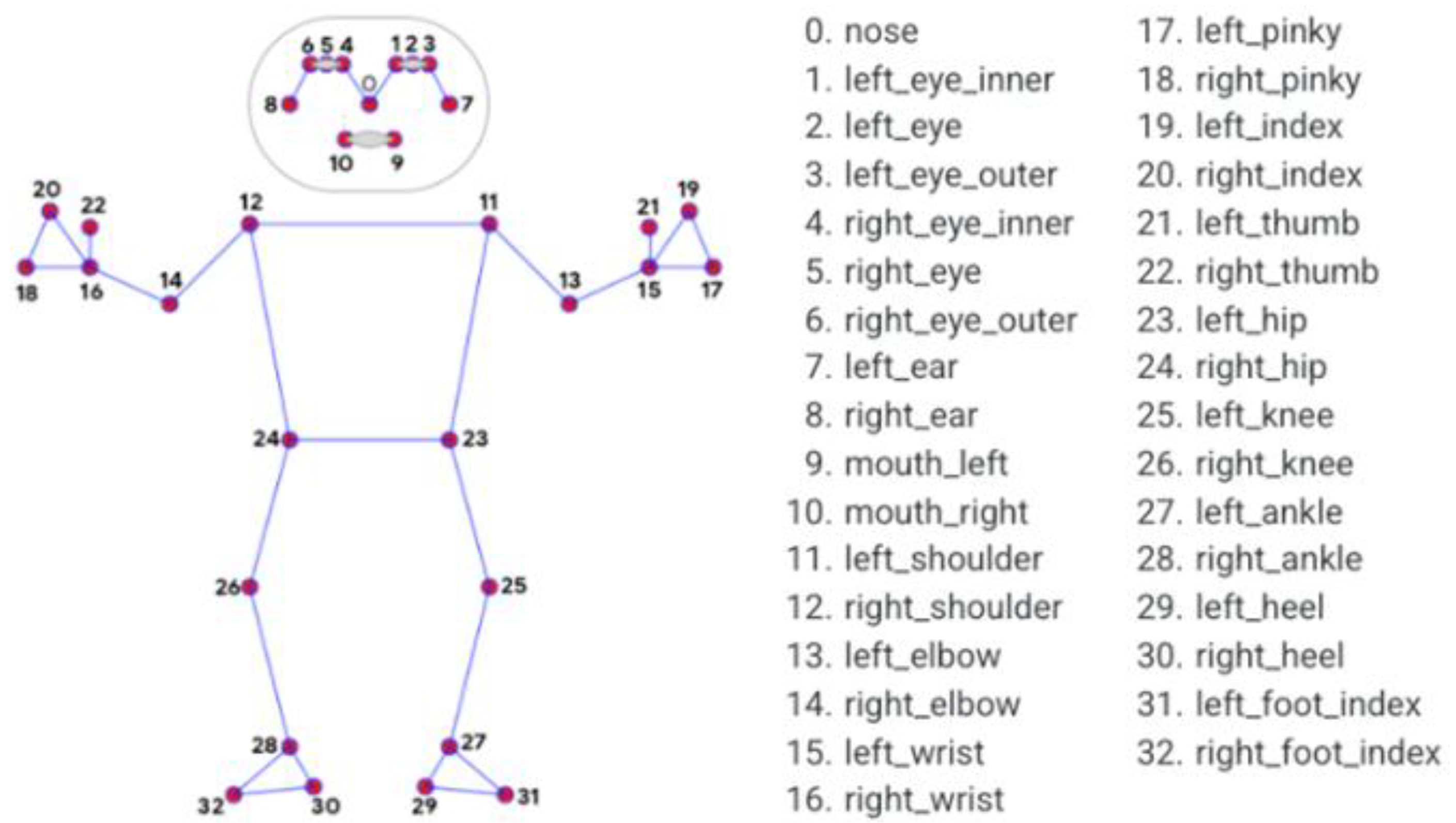
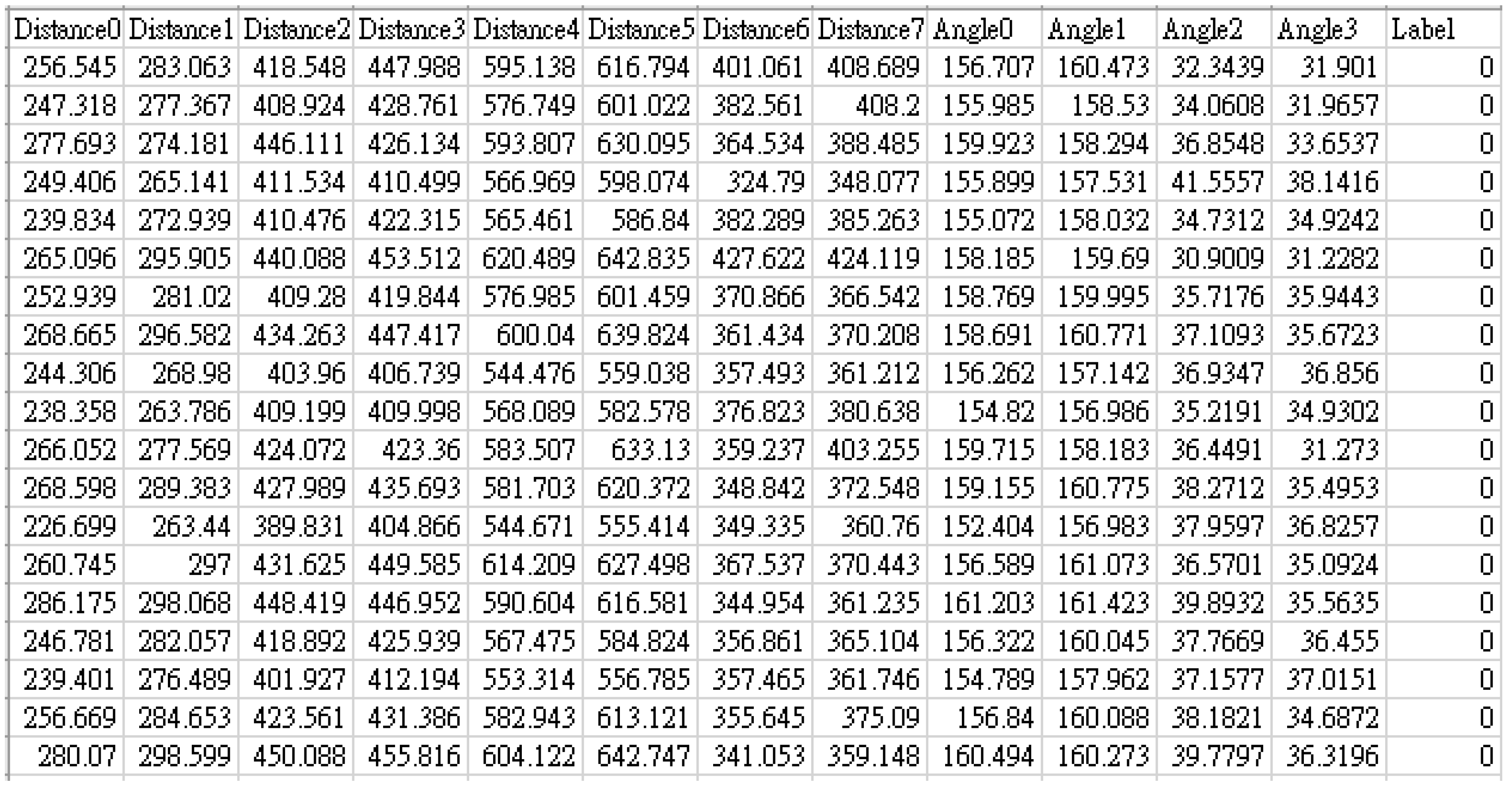
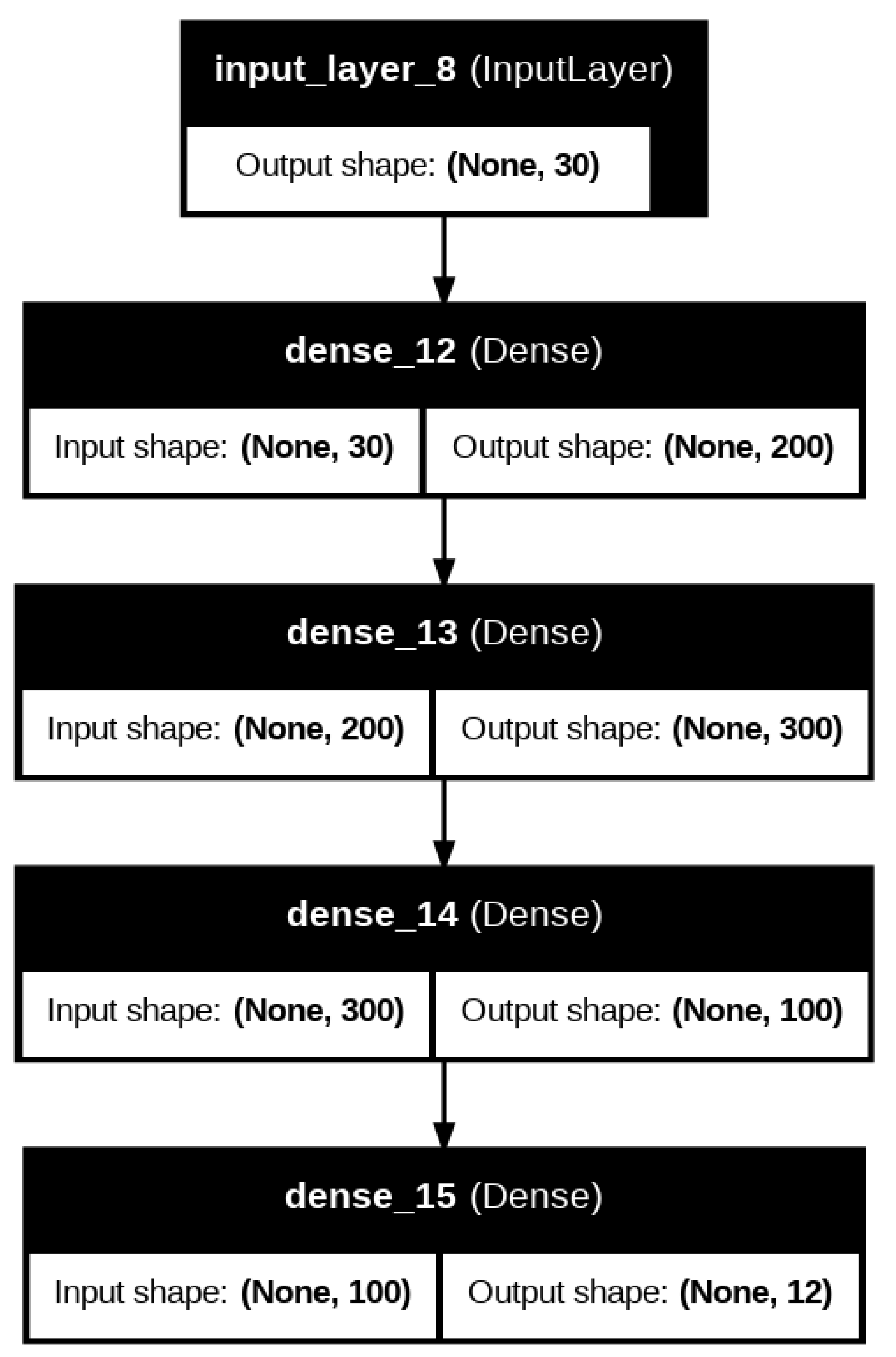
This study evaluates the performance of seven deep learning methods for recognizing motion patterns in Up-and-Go pole walking exercises, aiming to improve rehabilitation technologies for the elderly population. For the ageing population, improving the accuracy of movement posture for elderly people is crucial in obtaining better rehabilitation outcomes. Up-and-Go pole walking exercises offer significant health benefits, but attaining the correct pose in motion is essential for achieving these benefits. The dataset includes skeleton images generated by OpenPose 1.7.0 and 2D and 3D skeleton images extracted through MediaPipe 0.10.21. Two sets of feature data were developed for model evaluation: one that comprises 12 features representing the key coordinates of the hands and feet and another consisting of 30 features derived from subdivided full-body skeletons. The study compares the accuracy and performance of each method, examining the impact of different combinations and representations on motion patterns. The experimental results indicate that the Swin model based on MediaPipe 2D skeleton images achieved the highest accuracy (99.7%), demonstrating superior performance in recognizing motion patterns of Up-and-Go pole walking exercises. The study summarizes the advantages and limitations of each approach, highlighting the contributions of different features and data representations to recognition outcomes. This research provides scientific evidence to advance elderly rehabilitation technologies by accurately recognizing poses.
Keywords: deep learning; CNN (Convolutional Neural Network); ViT (Vision Transformer); pose recognition; Up-and-Go pole walking exercises; healthcare deep learning; CNN (Convolutional Neural Network); ViT (Vision Transformer); pose recognition; Up-and-Go pole walking exercises; healthcare