Article

Research on Trajectory Planning Method Based on Bézier Curves for Dynamic Scenarios

1
School of Automobile and Transportation Engineering, Guangdong Polytechnic Normal University, Guangzhou 510665, China
2
School of Innovative Engineering, Macau University of Science and Technology, Macau 999078, China
*
Author to whom correspondence should be addressed.
Electronics 2025, 14(3), 494; https://doi.org/10.3390/electronics14030494

Submission received: 30 November 2024 / Revised: 14 January 2025 / Accepted: 23 January 2025 / Published: 25 January 2025

Abstract

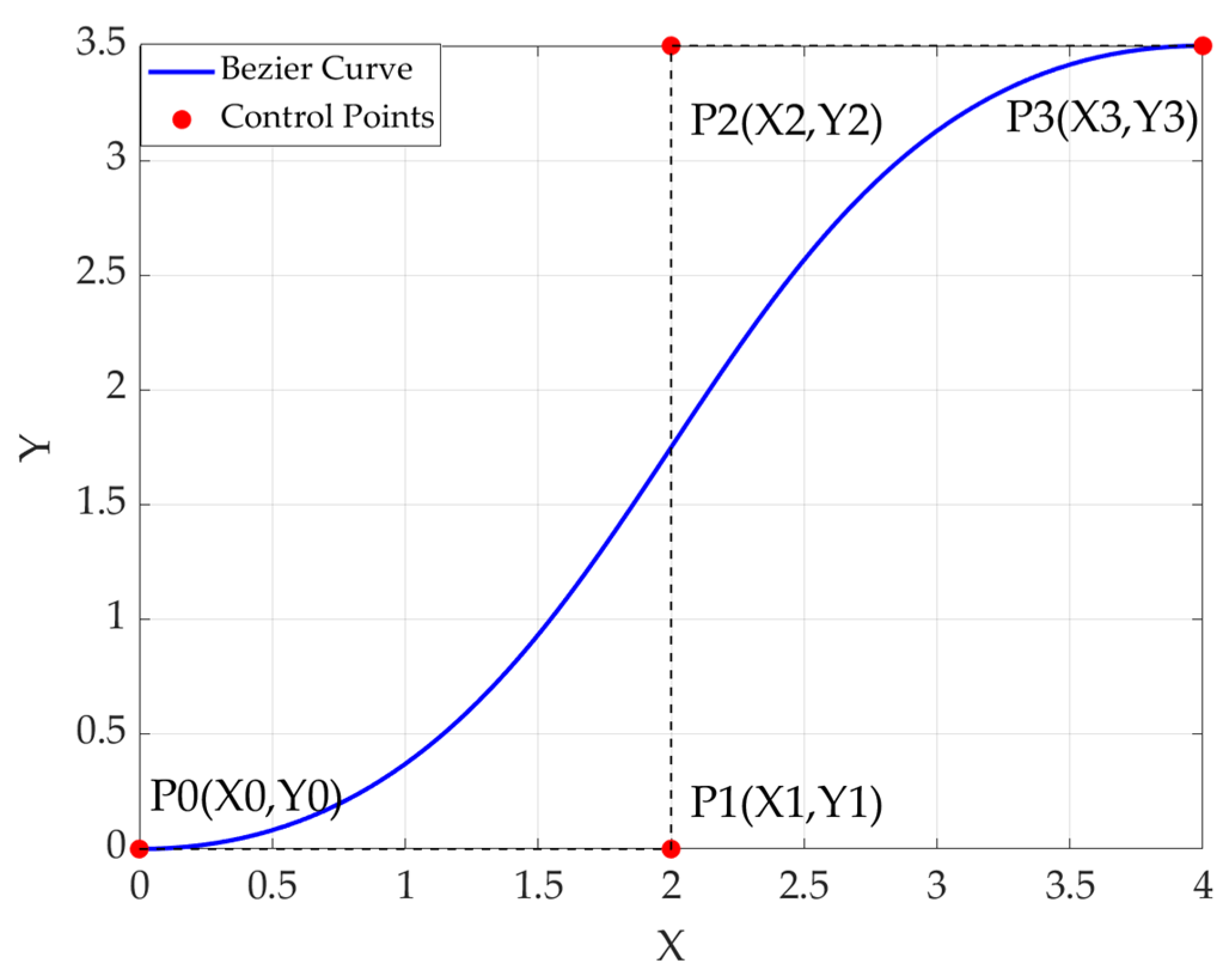
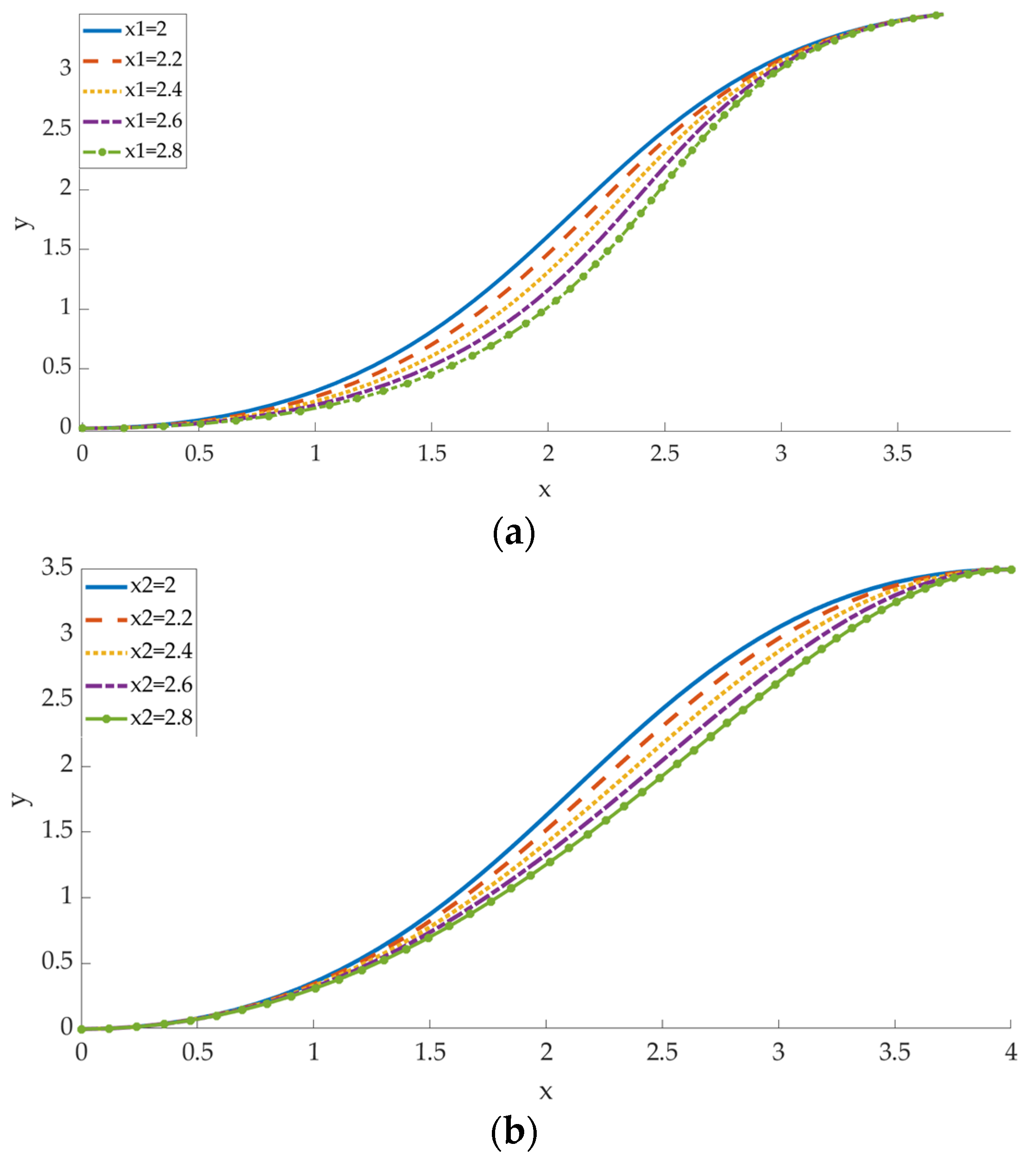
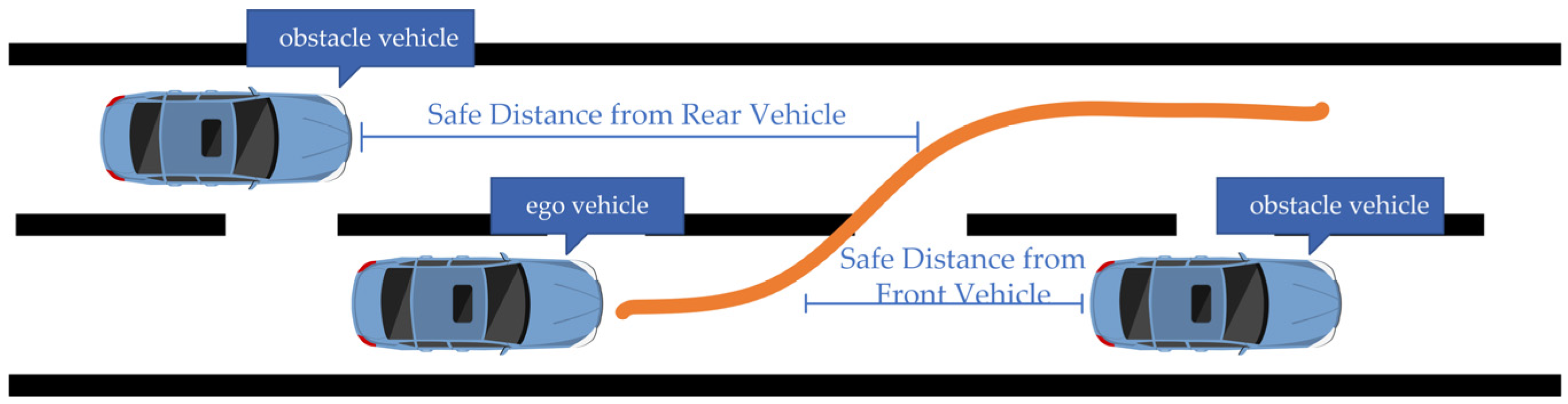
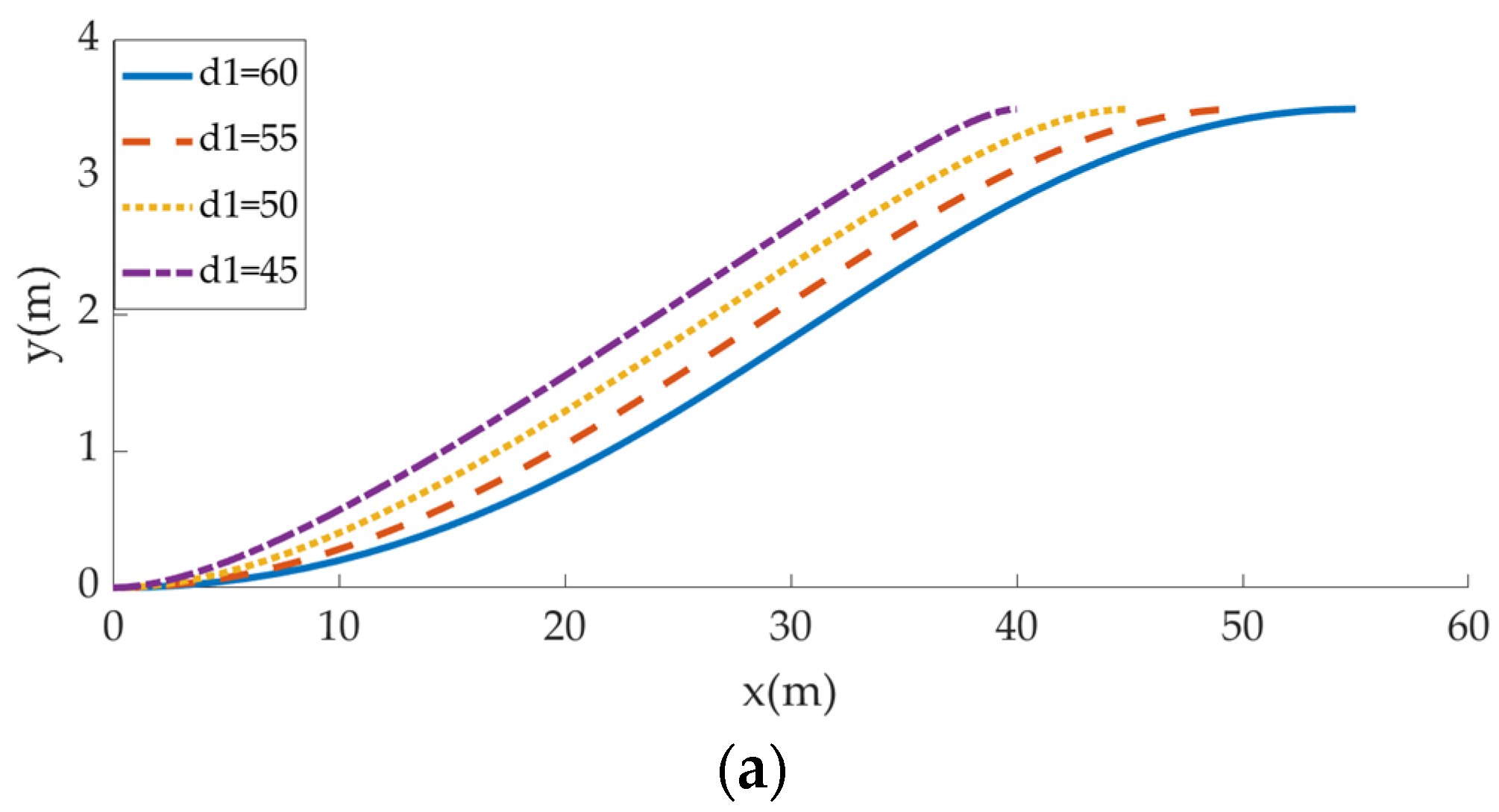
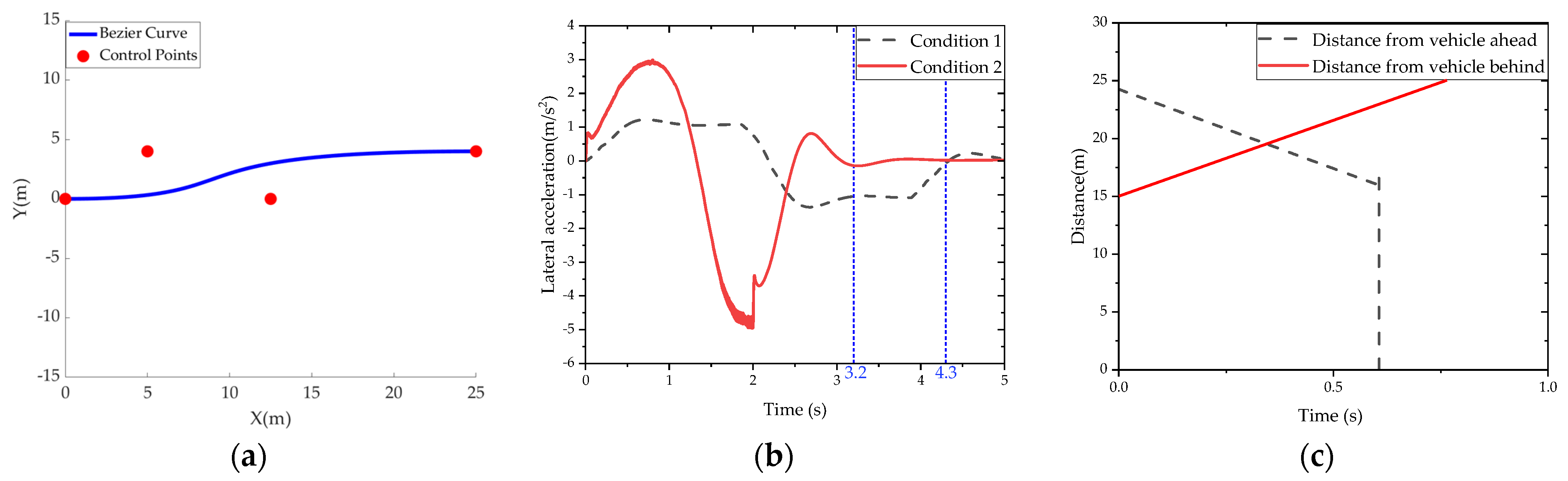
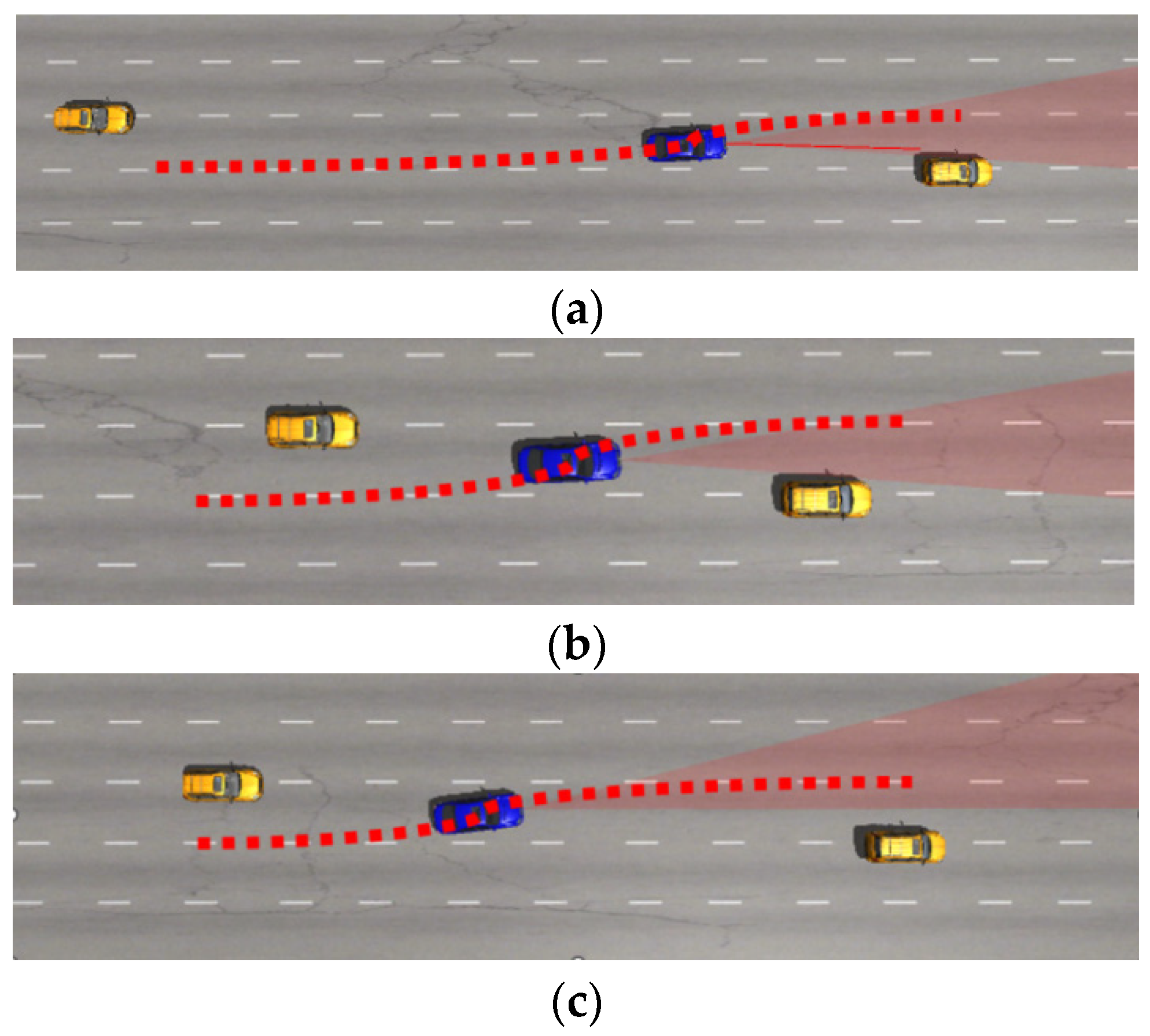
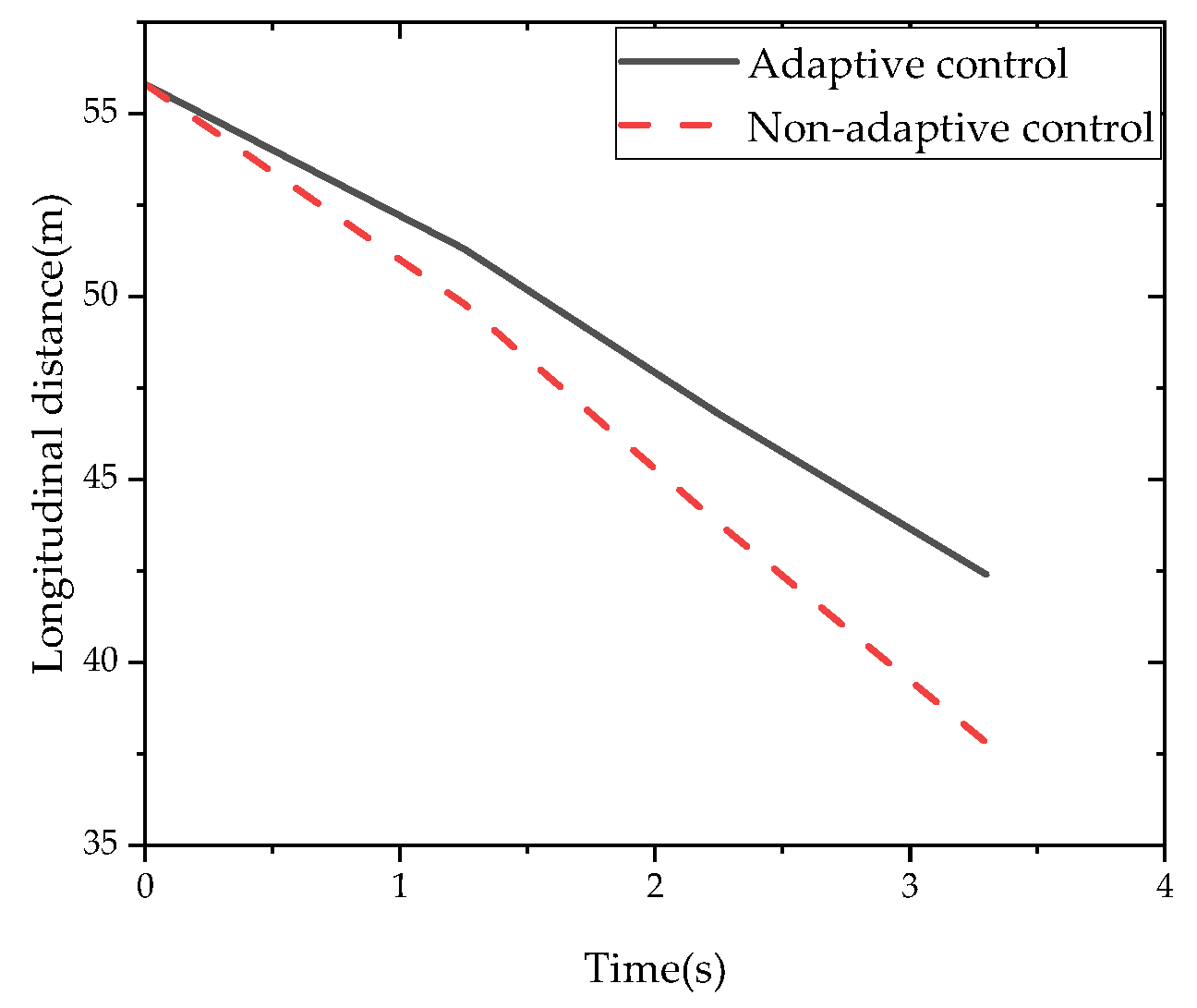
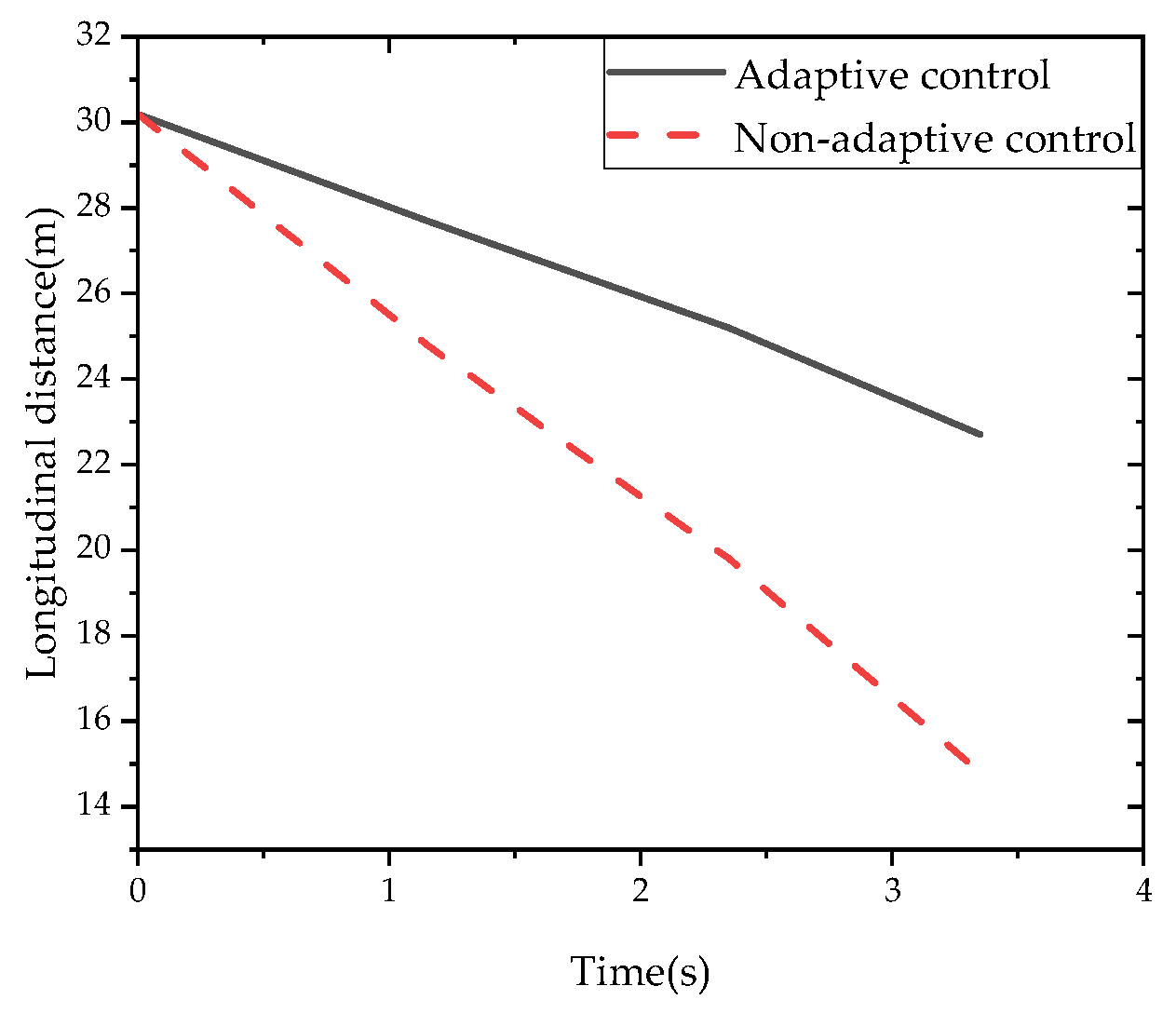
With the increase in car ownership, traffic congestion, and frequent accidents, autonomous driving technology, especially for dynamic driving scenarios in the whole domain, has become a technological challenge for today’s researchers. Trajectory planning, as a crucial component of the autonomous driving technology framework, is gradually becoming a hot topic in intelligent research. In response to the challenges of planning lane-changing trajectories in complex dynamic driving scenarios under emergency evasive maneuvers, where it is difficult to consider surrounding vehicles and achieve dynamic adaptability, this paper proposes a dynamic adaptive trajectory planning method based on Bézier curves. Firstly, a mathematical model of Bézier curves is established and its curve characteristics are analyzed, which facilitates the correlation between the trajectory control points and the vehicle and the surrounding obstacles. Secondly, a mathematical function representing the Bézier curve is formulated, where the control points serve as the input and the lane-changing control curve as the output. Finally, the proposed method is validated through simulations on a jointly established simulation platform. The results indicate that the proposed method can plan lane-changing trajectories that are both safe and efficient under emergency evasive maneuvers, considering both static and complex dynamic conditions. This provides a novel solution for lane-changing trajectory planning in emergency evasive maneuvers for autonomous vehicles and holds significant theoretical research value.
Keywords: autonomous driving; trajectory planning; Bézier curve; adaptability autonomous driving; trajectory planning; Bézier curve; adaptability