Article

A Method for Sizing Shipboard ESSs Based on Generator Output Fluctuation Analysis

1
School of Electrical and Electronic Engineering, Yonsei University, Seoul 03722, Republic of Korea
2
Department of Electrical Engineering, Jeonbuk National University, Jeonju 54896, Republic of Korea
3
Graduate School of Mechanical-Aerospace-Electric Convergence Engineering, Jeonbuk National University, Jeonju 54896, Republic of Korea
4
Smart Grid Research Center, Jeonbuk National University, Jeonju 54896, Republic of Korea
*
Authors to whom correspondence should be addressed.
Electronics 2025, 14(19), 3885; https://doi.org/10.3390/electronics14193885

Submission received: 31 August 2025 / Revised: 25 September 2025 / Accepted: 27 September 2025 / Published: 30 September 2025

Abstract

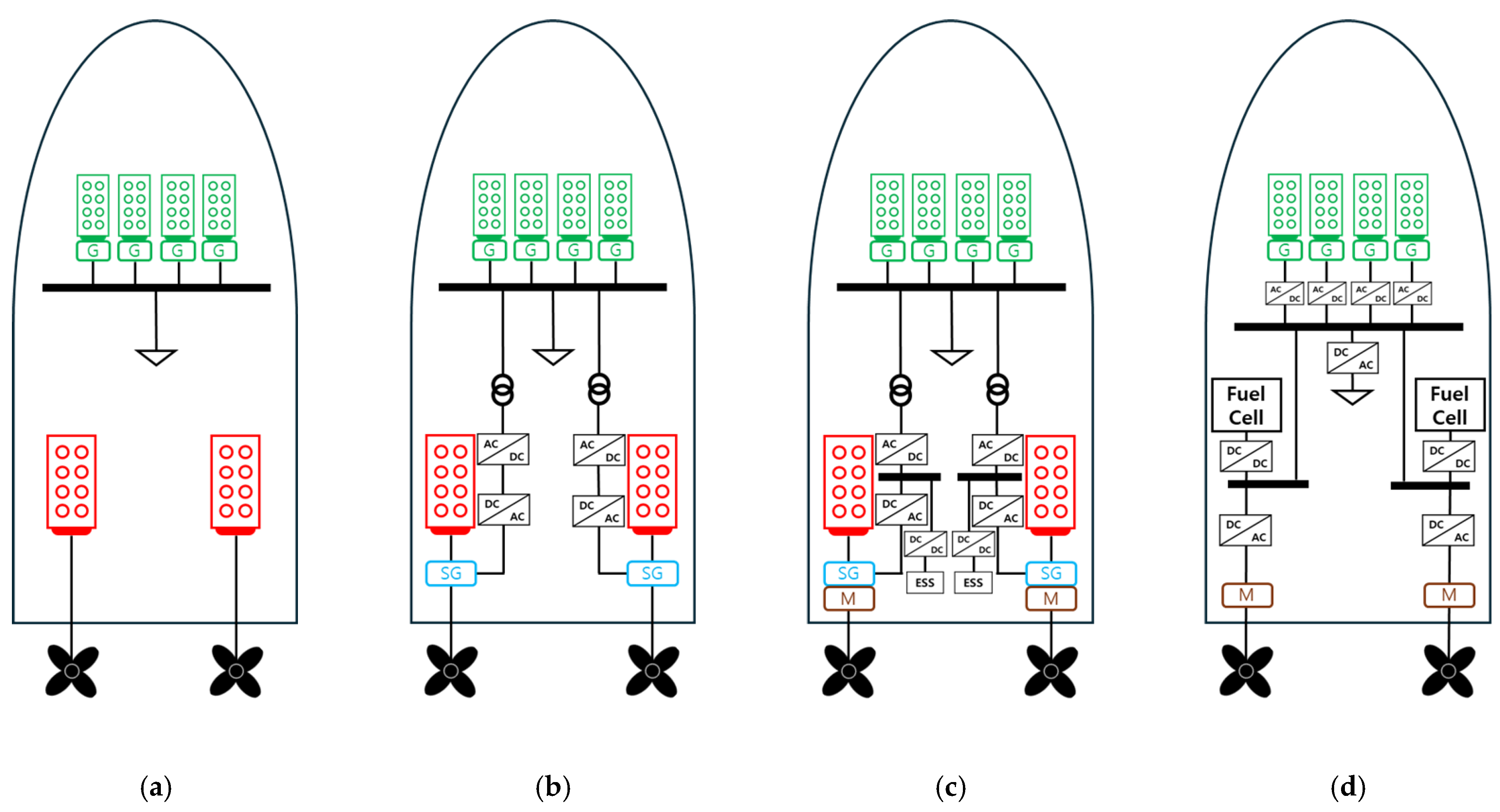
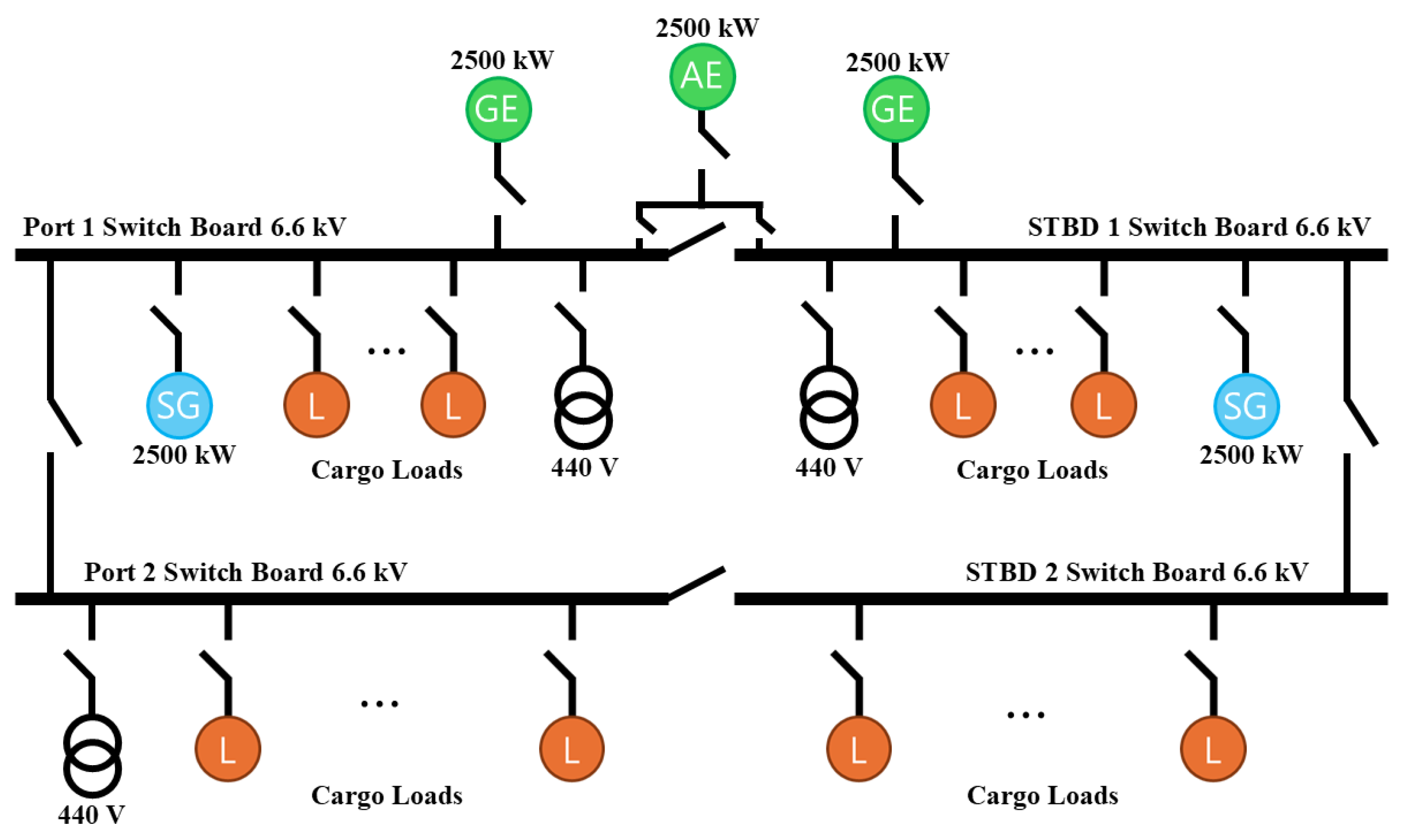
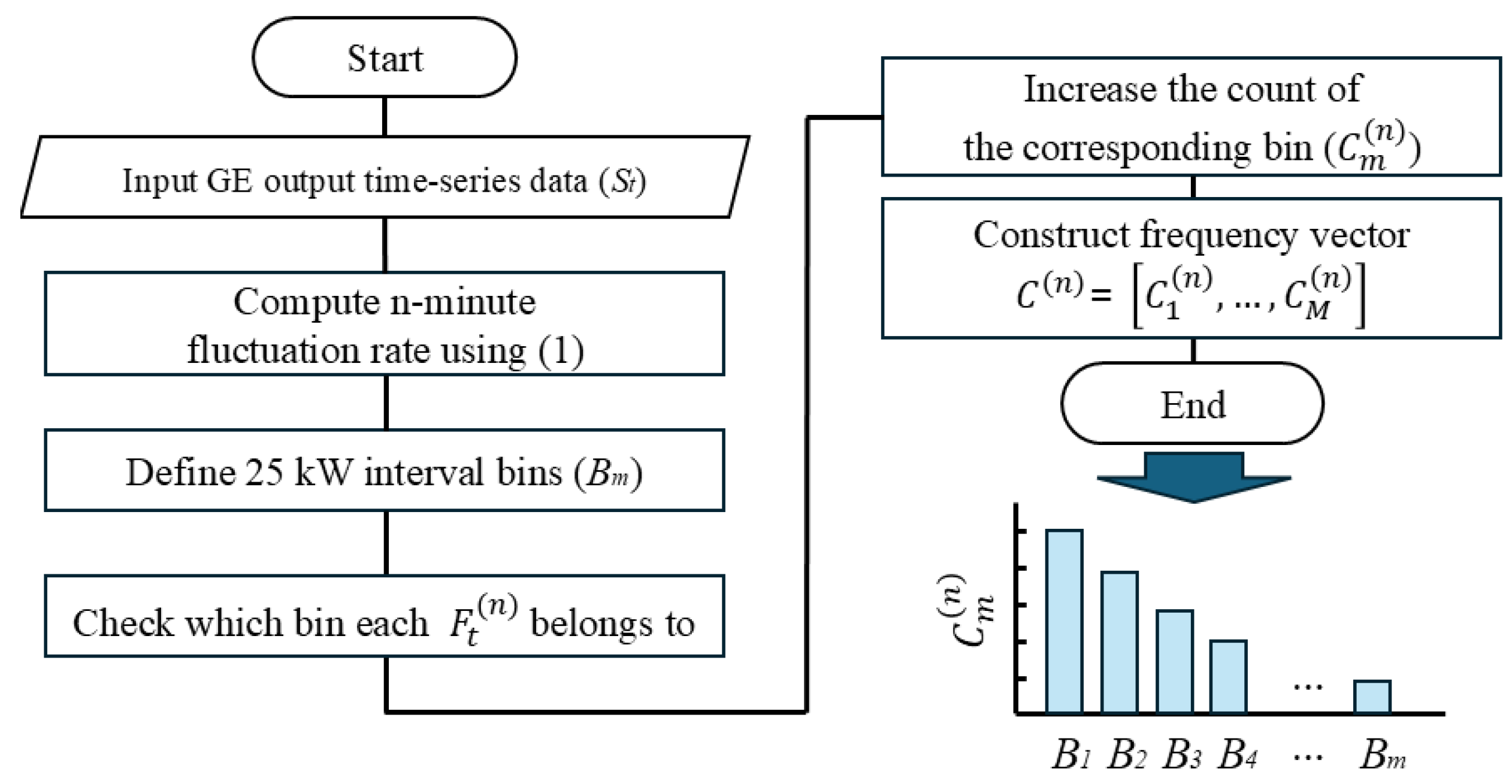
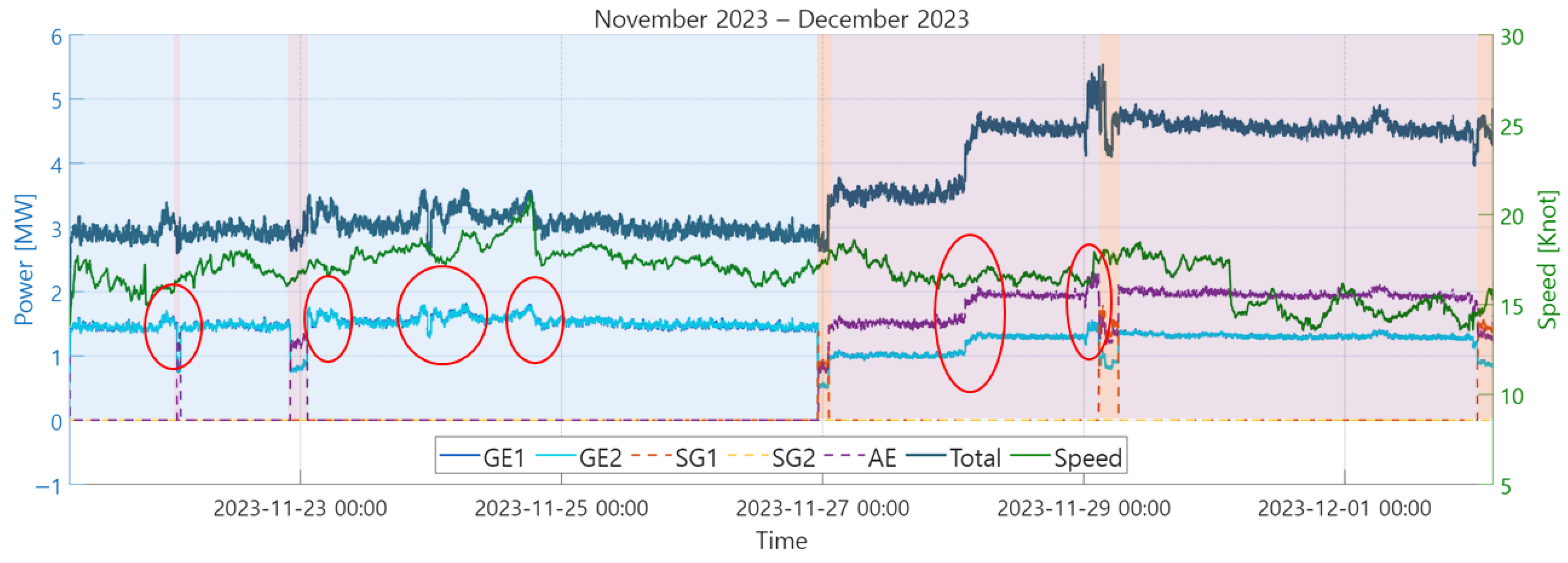
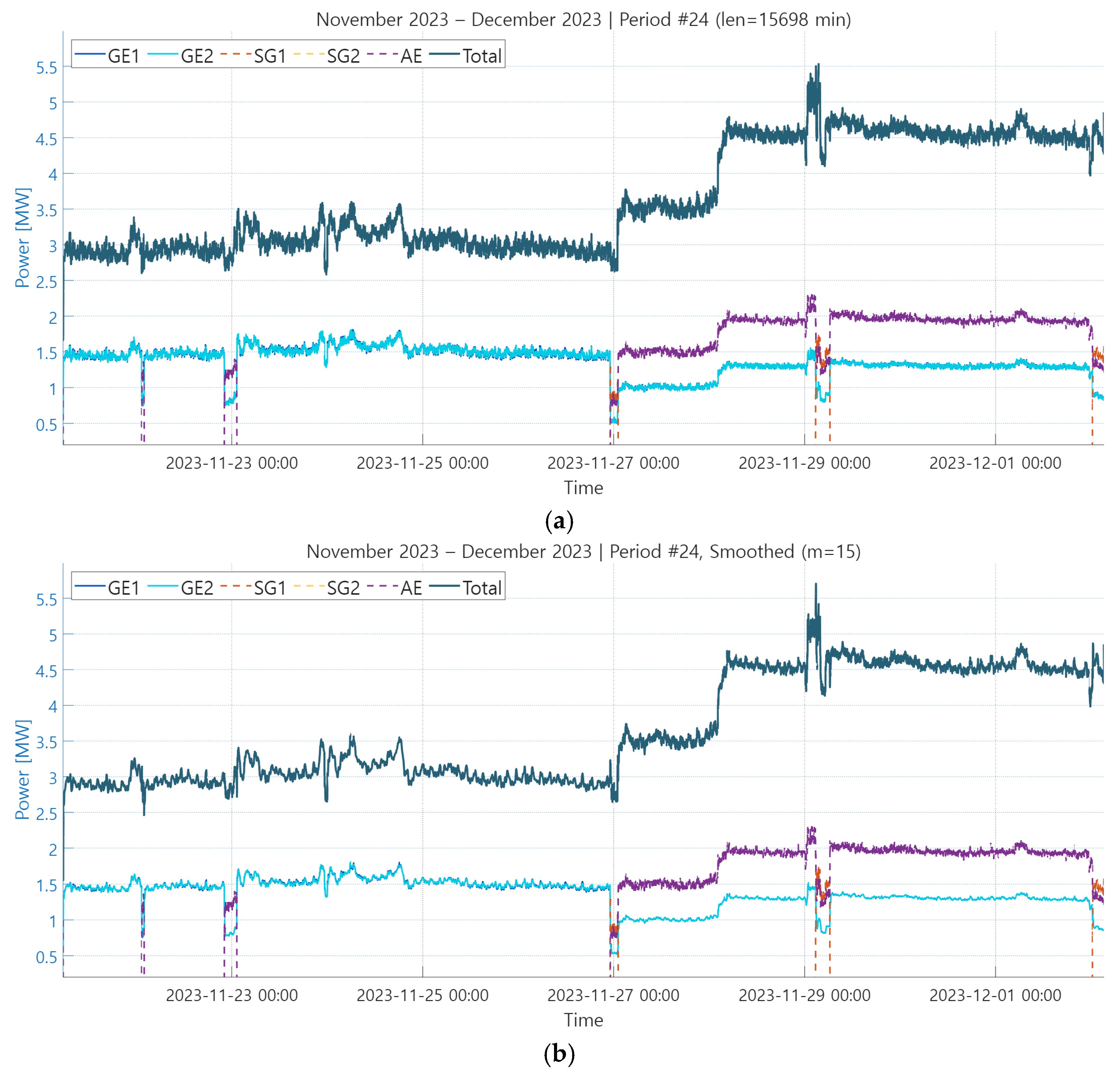
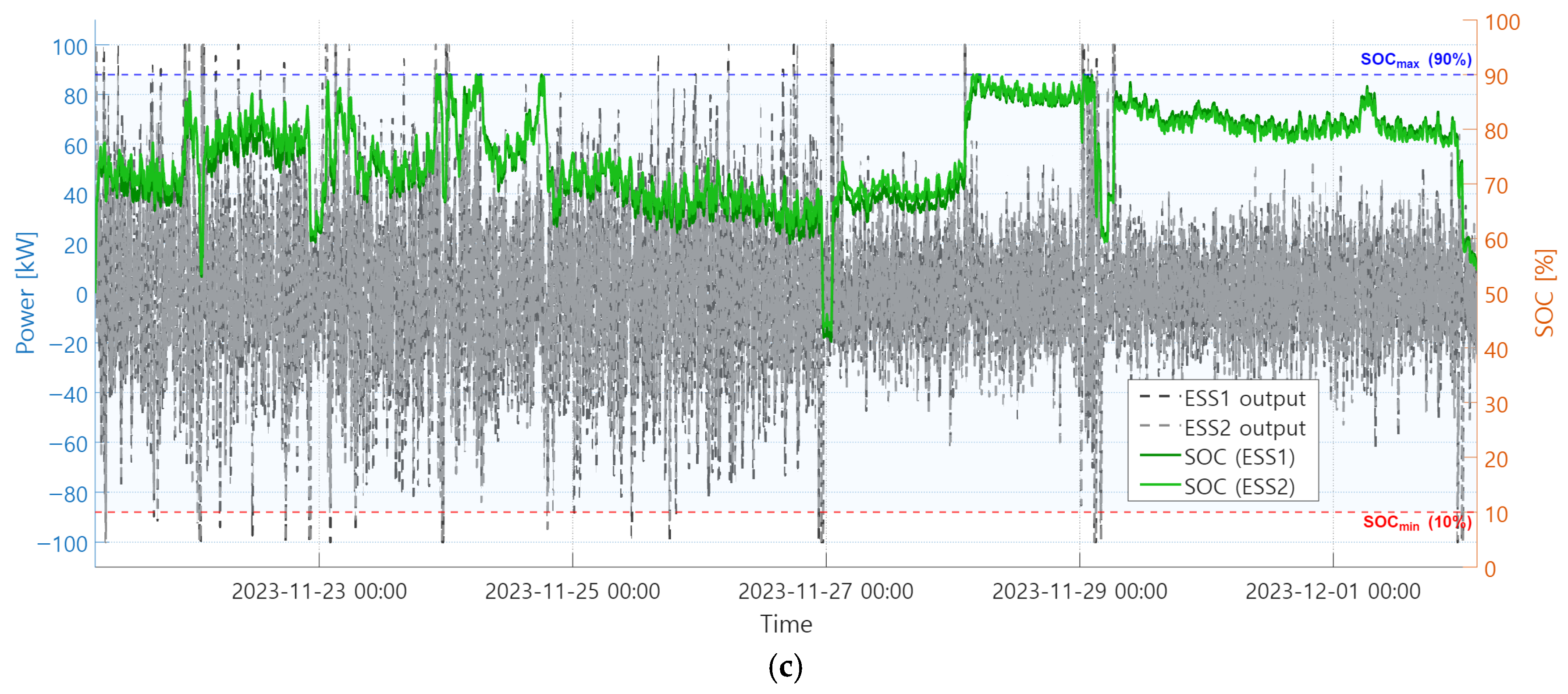
The International Maritime Organization (IMO) has announced regulations that affect many shipbuilding industries and related companies. They require building companies to demonstrate strict compliance with these regulations in construction activities going forward. In response, shipbuilding companies are testing various electrification methods, with the ultimate aim of making ships more eco-friendly. In large ships, in particular, constructors often take a gradual route by hybridizing the propulsion system. In many large cargo ships, the adoption of energy storage systems (ESSs) is expected as part of this transition. In practice, the most frequently operating units inside the ship are the generator engines (GEs). Therefore, this study targets the fluctuation rate characteristics of GEs, providing a more realistic basis for ESS sizing. By focusing on smoothing the GE output, this study determines the ESS capacity required to maintain system stability using a simple moving average (SMA) method and evaluates the fluctuation rate of the GEs under various load conditions.
Keywords: energy storage system; fluctuation rate analysis; generator engine; load smoothing; shipboard power system; simple moving average energy storage system; fluctuation rate analysis; generator engine; load smoothing; shipboard power system; simple moving average