Article

Development of an Integrated Longitudinal Control Algorithm for Autonomous Mobility with EEG-Based Driver Status Classification and Safety Index


School of ICT, Robotics & Mechanical Engineering, Hankyong National University, Anseong-si 17579, Republic of Korea
*
Author to whom correspondence should be addressed.
Electronics 2024, 13(7), 1374; https://doi.org/10.3390/electronics13071374

Submission received: 29 February 2024 / Revised: 29 March 2024 / Accepted: 3 April 2024 / Published: 5 April 2024
(This article belongs to the Special Issue Autonomous Vehicles Technological Trends, 2nd Edition)

Abstract

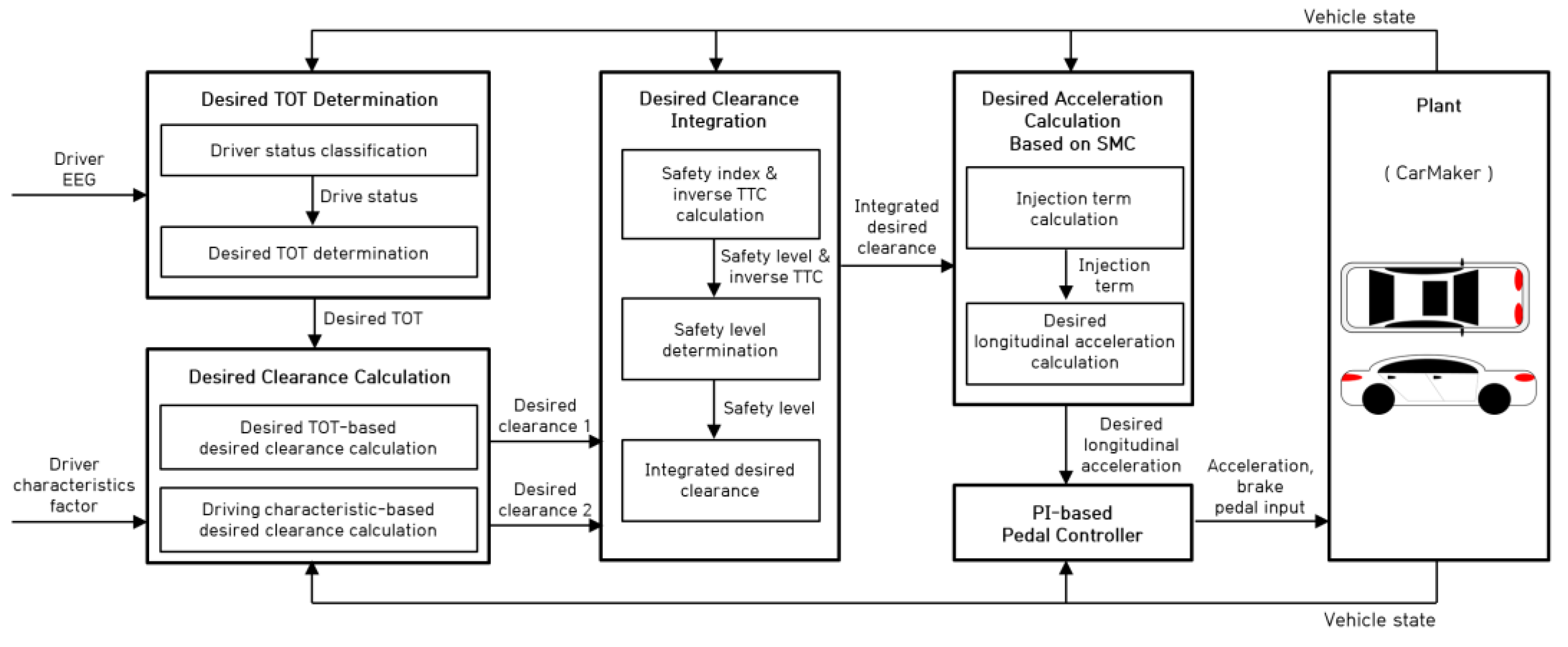
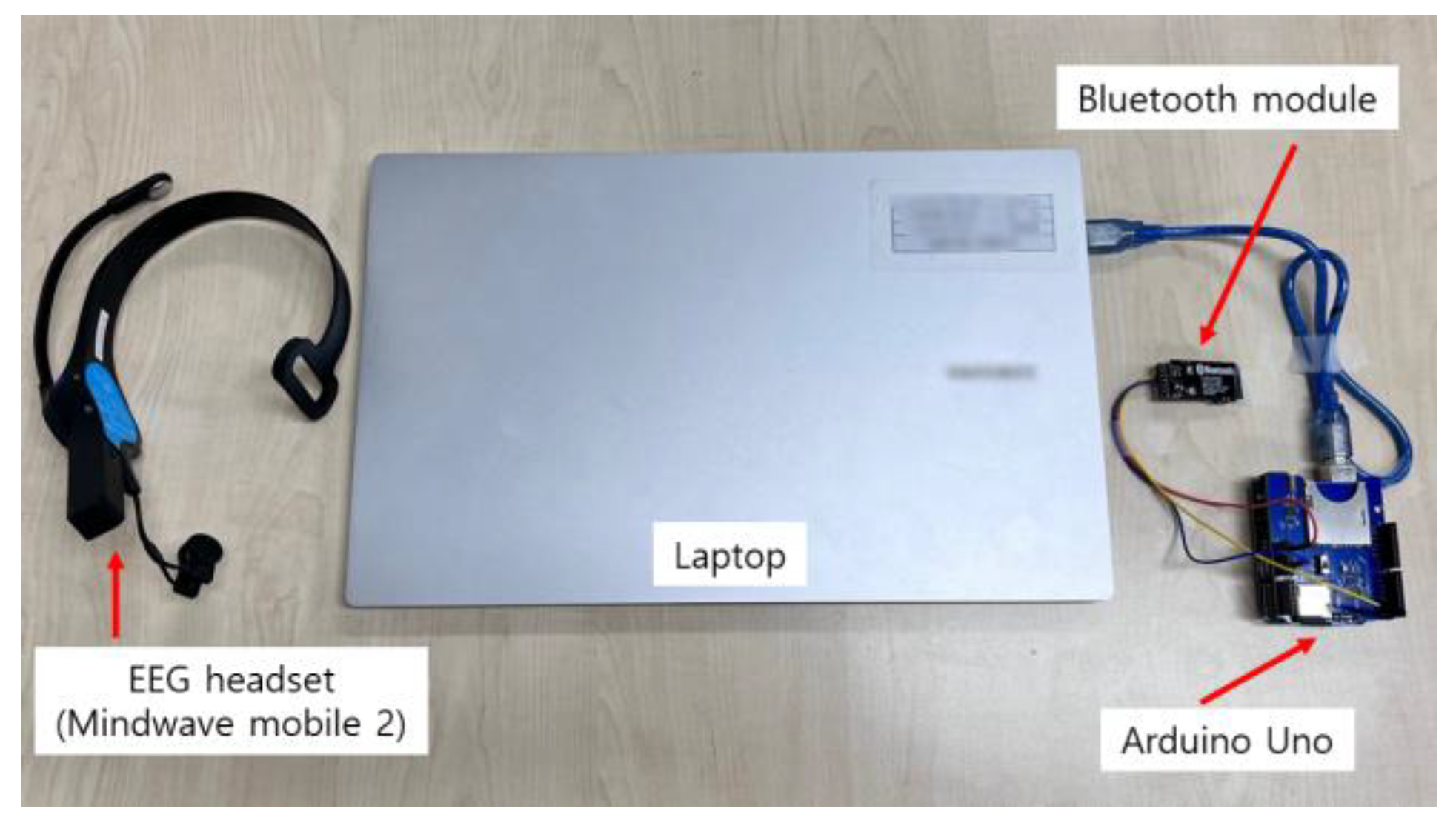
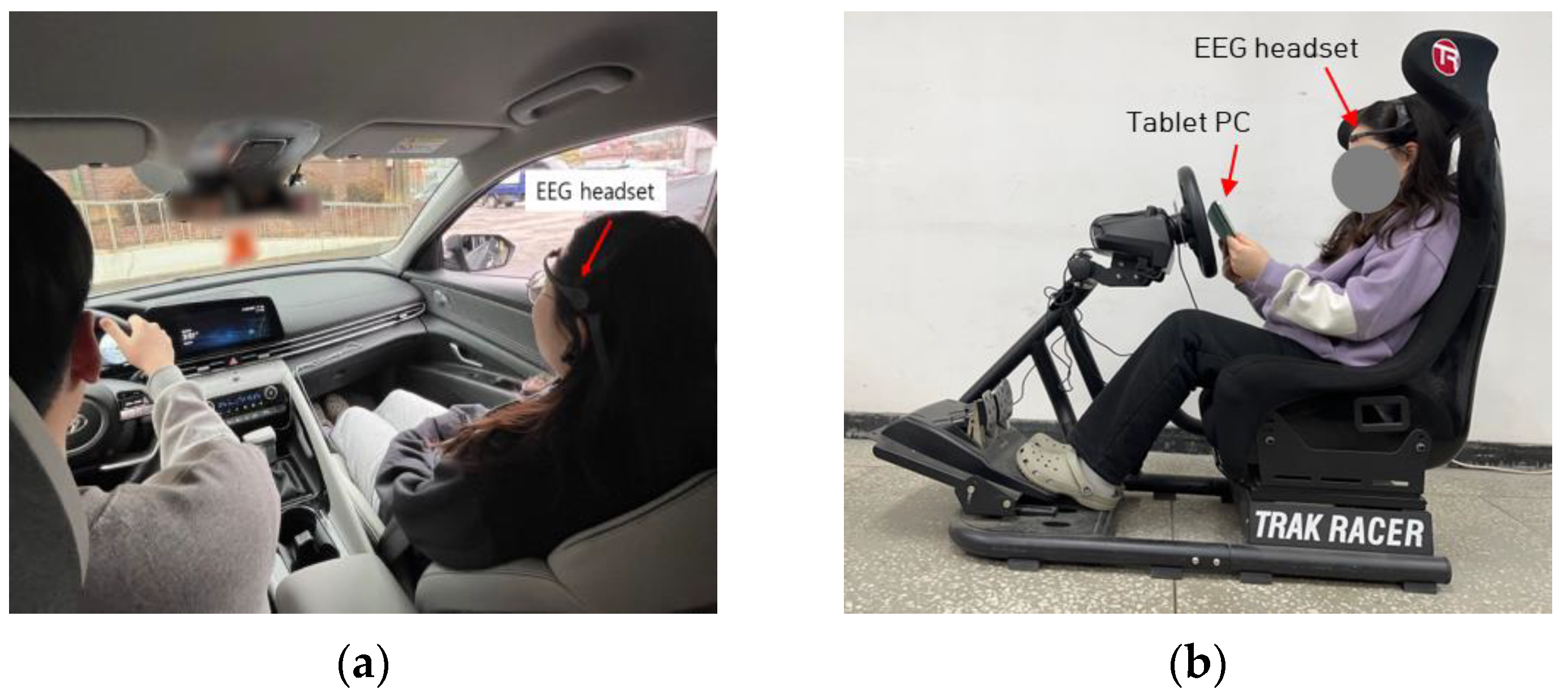
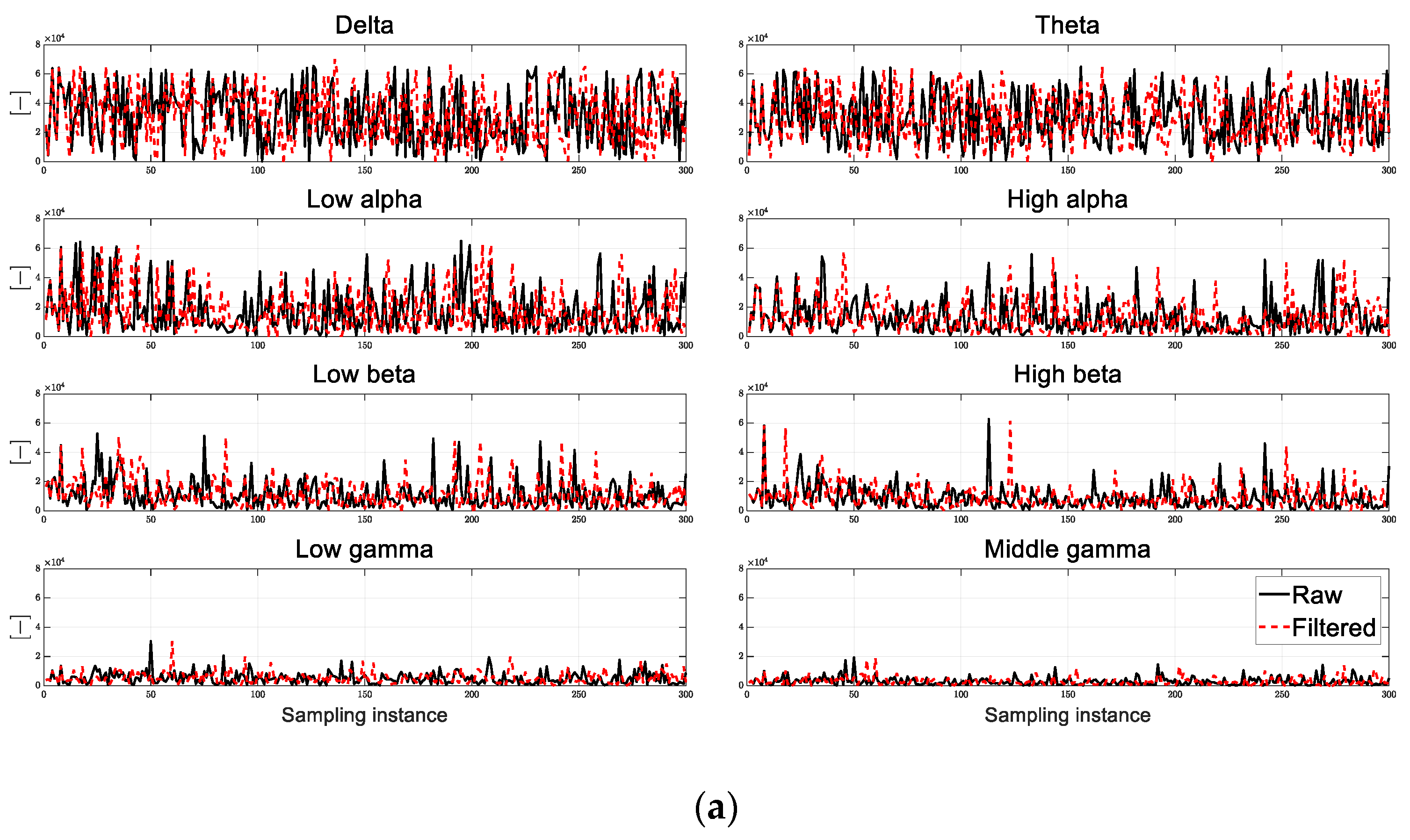
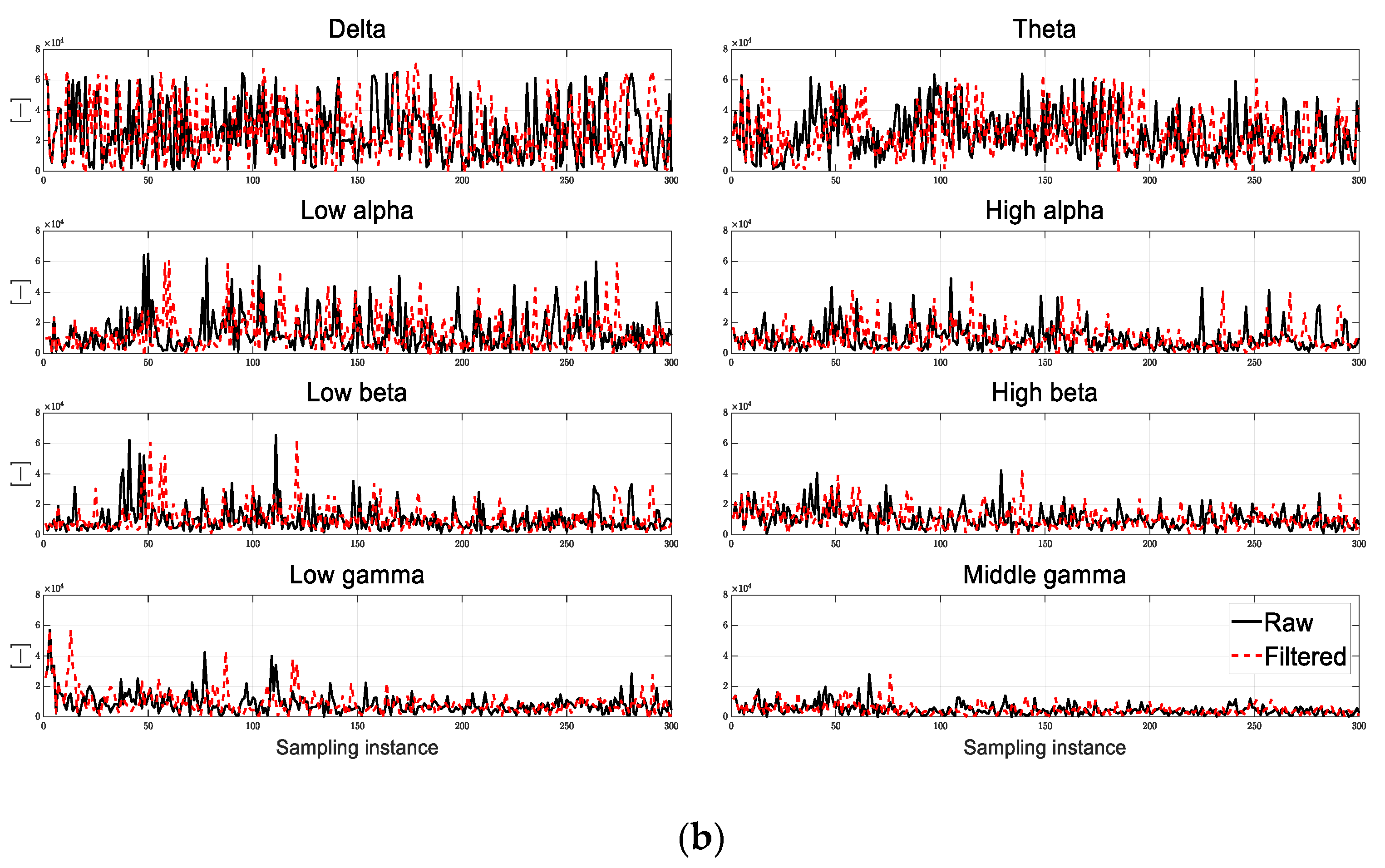
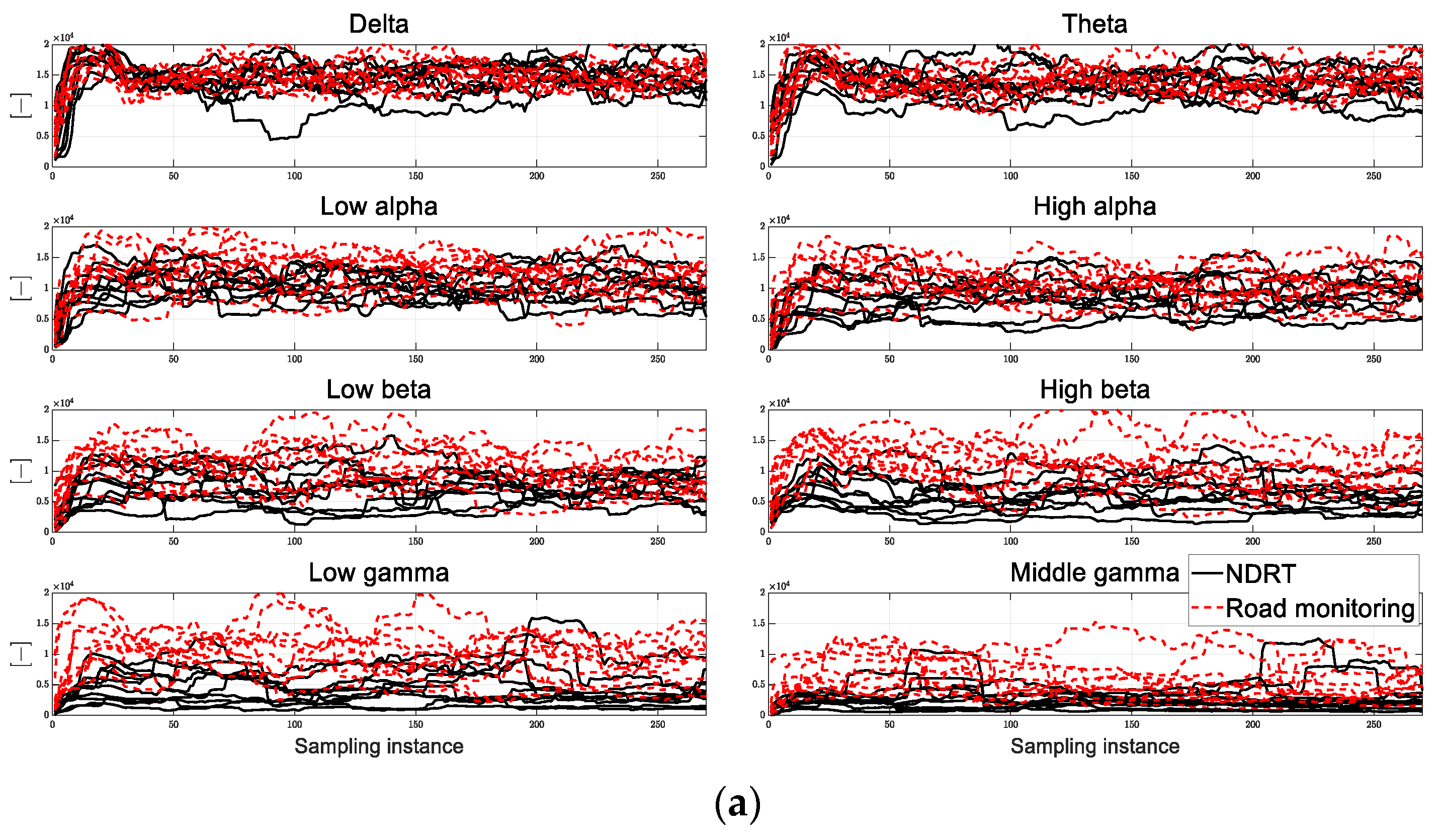
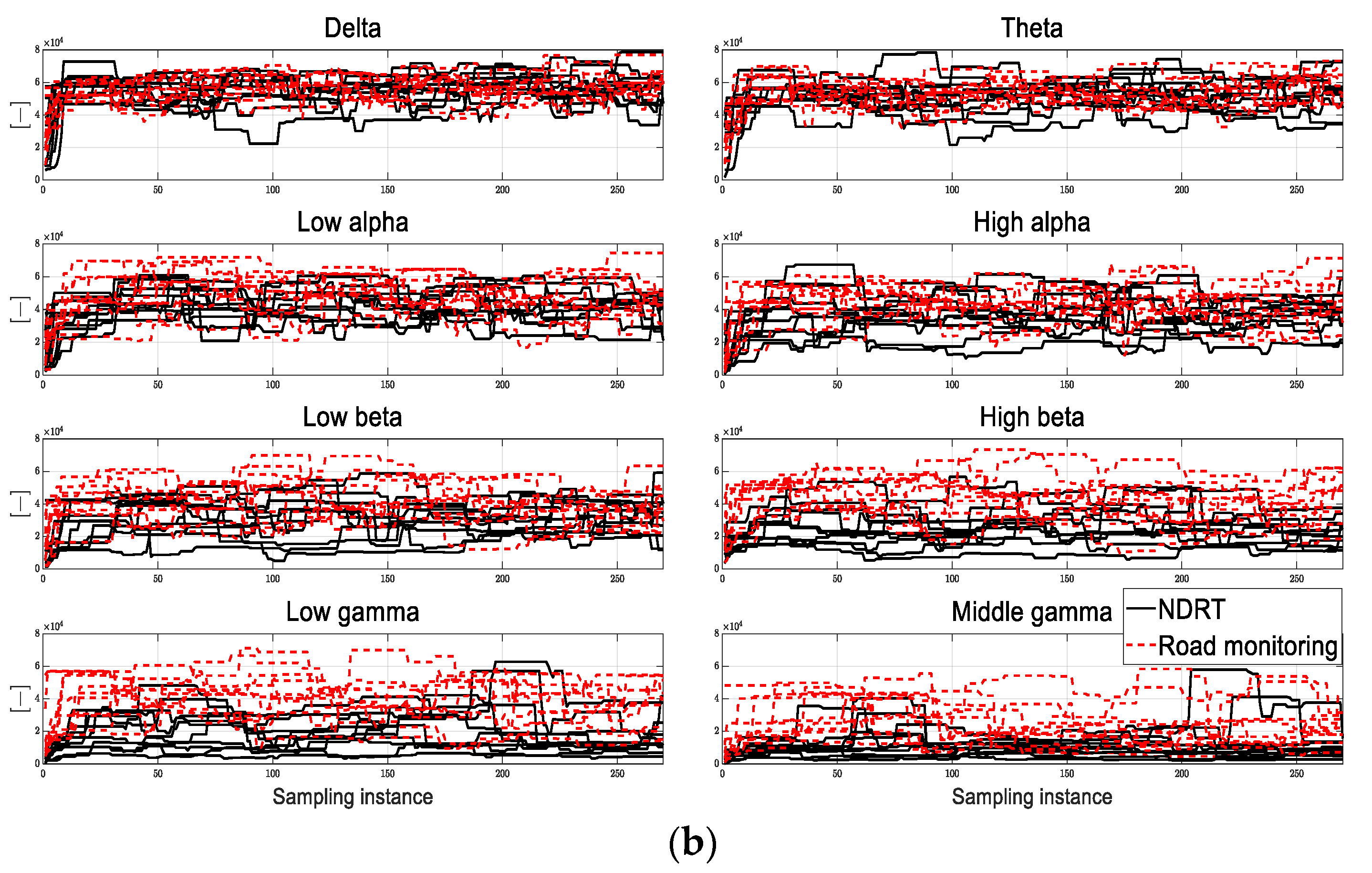
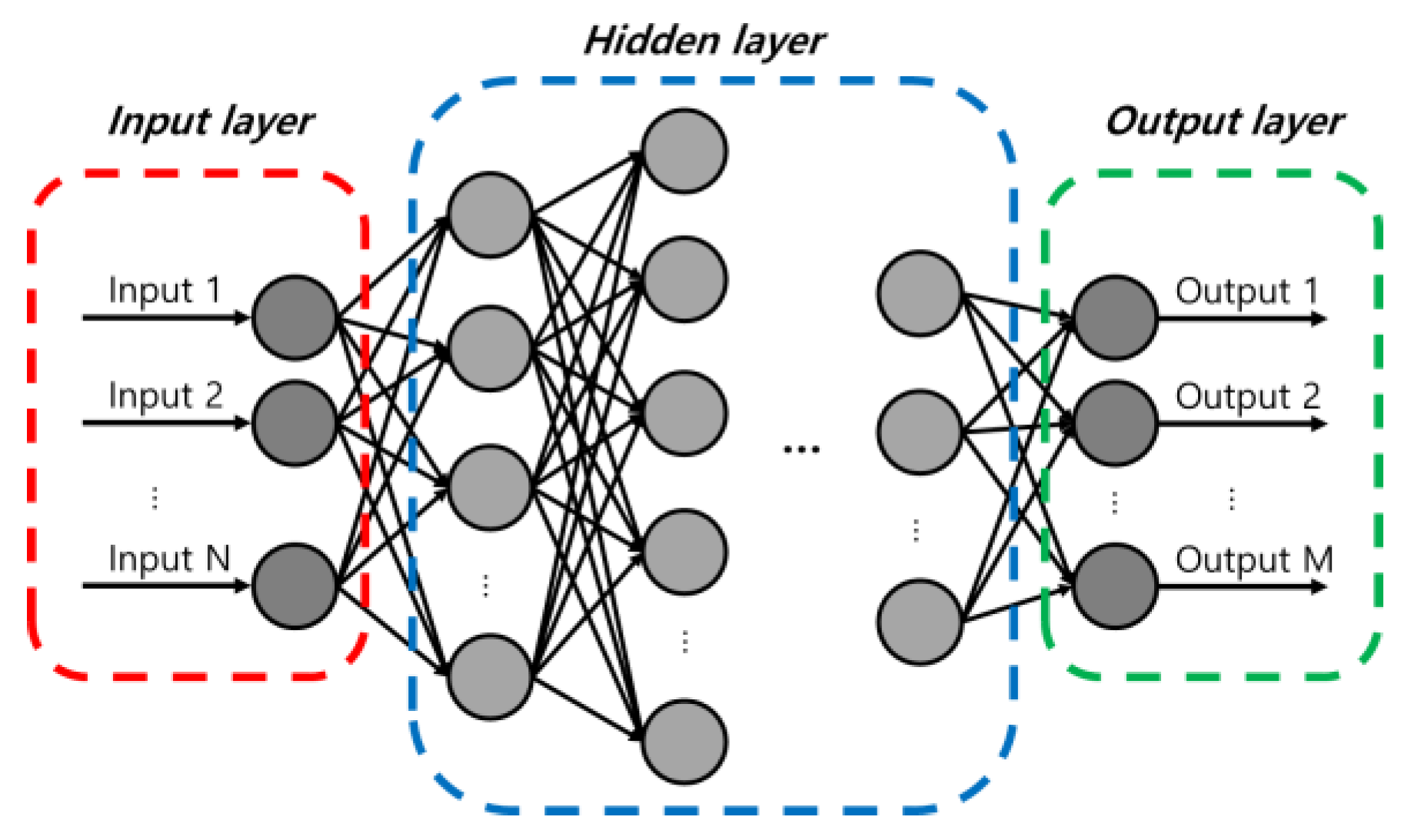
During unexpected driving situations in autonomous vehicles, such as a system failure, the driver should take over control from the vehicles in SAE Level 3 to cope with unexpected situations. Therefore, it is necessary to develop reasonable takeover technologies to ensure safe driving. In this study, an electroencephalogram (EEG)-based driver status classification model and a safety index-based integrated longitudinal control algorithm considering the takeover time and driving characteristics are proposed. The driver status is classified into two states: road monitoring and non-driving-related tasks. EEG data are acquired while the driver performs certain tasks. The driver status classification model is presented using the EEG data based on a machine learning method. It is designed such that the desired takeover time is determined based on the classified driver state. To design the integrated longitudinal control algorithm, a safety index is designed and calculated based on the vehicle state and driver’s driving characteristics. The desired clearances based on the desired takeover time and driver characteristics are calculated and selected based on the safety index. A sliding-mode control algorithm is adopted to allow the vehicle to track the desired clearance reasonably. The performance of the proposed control algorithm is evaluated using the MATLAB/Simulink R2019a (Mathworks, Natick, Massachusetts, U.S.A) and CarMaker software 8.1.1 (IPG Automotive, Karlsruhe, Germany).
Keywords: autonomous mobility; takeover time; safety index; electroencephalogram; driver status classification; driving characteristics; integrated longitudinal control autonomous mobility; takeover time; safety index; electroencephalogram; driver status classification; driving characteristics; integrated longitudinal control