Article

Efficient Cross-Project Software Defect Prediction Based on Federated Meta-Learning

1
School of Undergraduate Education, Shenzhen Polytechnic University, Shenzhen 518055, China
2
Heilongjiang Province Key Laboratory of Laser Spectroscopy Technology and Application, Harbin University of Science and Technology, Harbin 150080, China
*
Author to whom correspondence should be addressed.
Electronics 2024, 13(6), 1105; https://doi.org/10.3390/electronics13061105

Submission received: 3 February 2024 / Revised: 7 March 2024 / Accepted: 13 March 2024 / Published: 18 March 2024
(This article belongs to the Special Issue Machine Learning Methods in Software Engineering)

Abstract

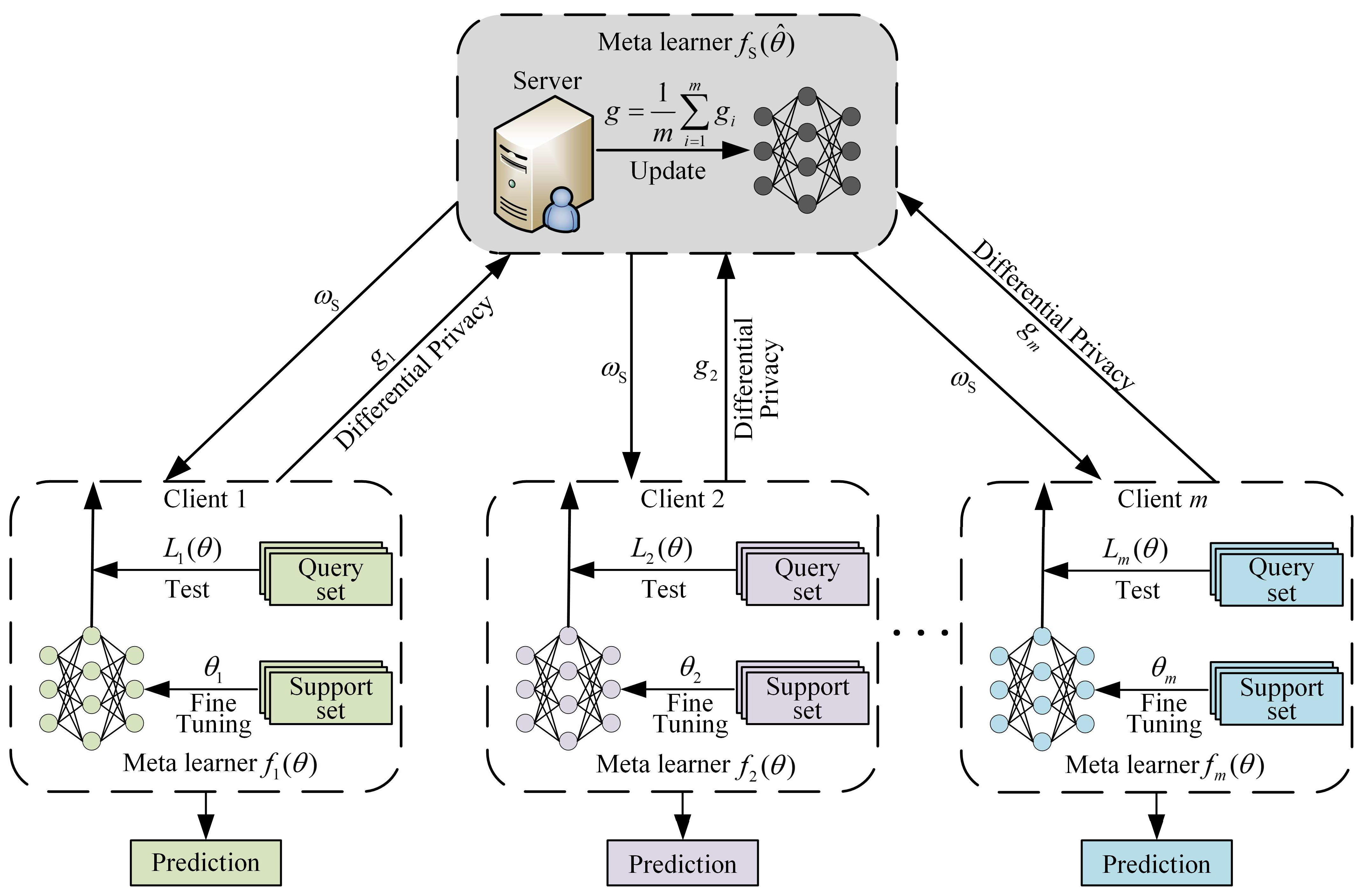
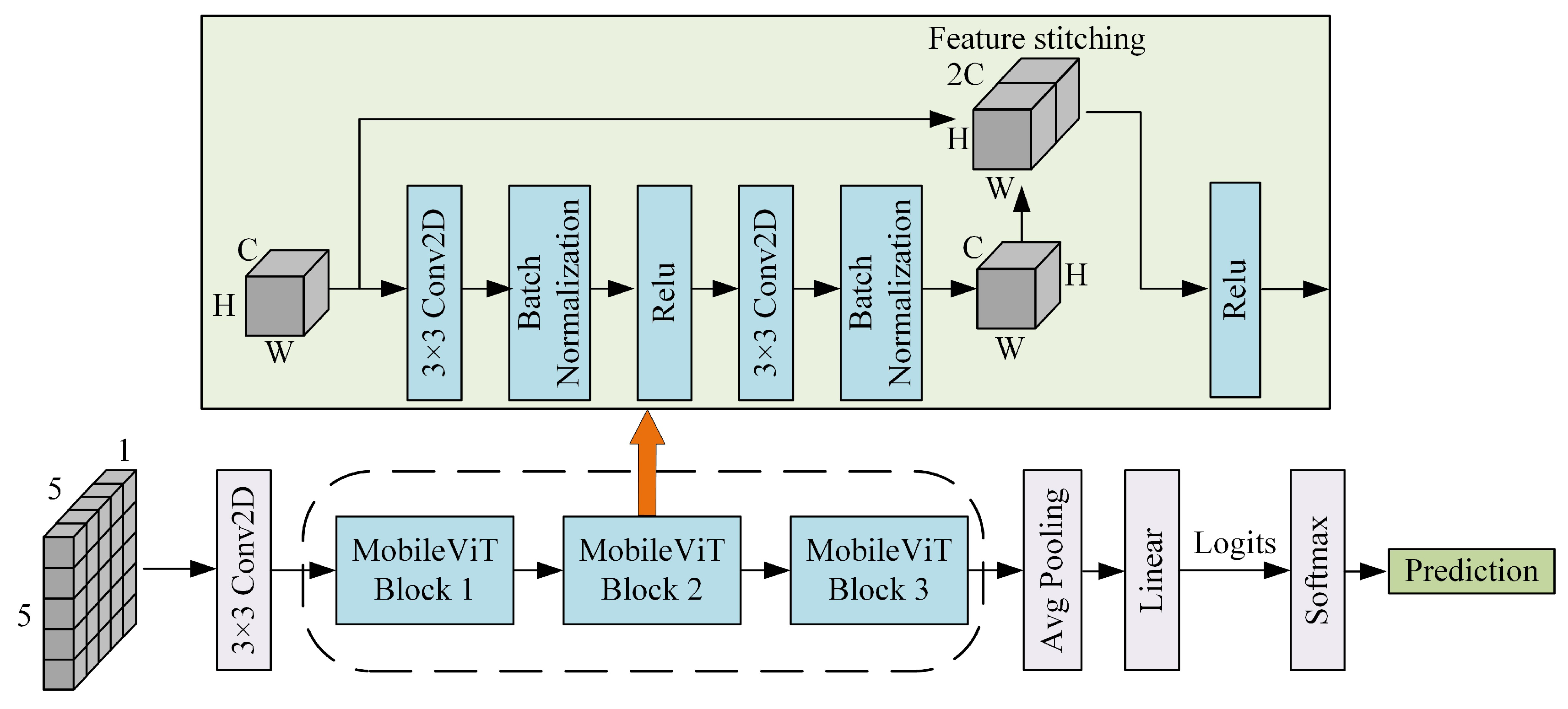
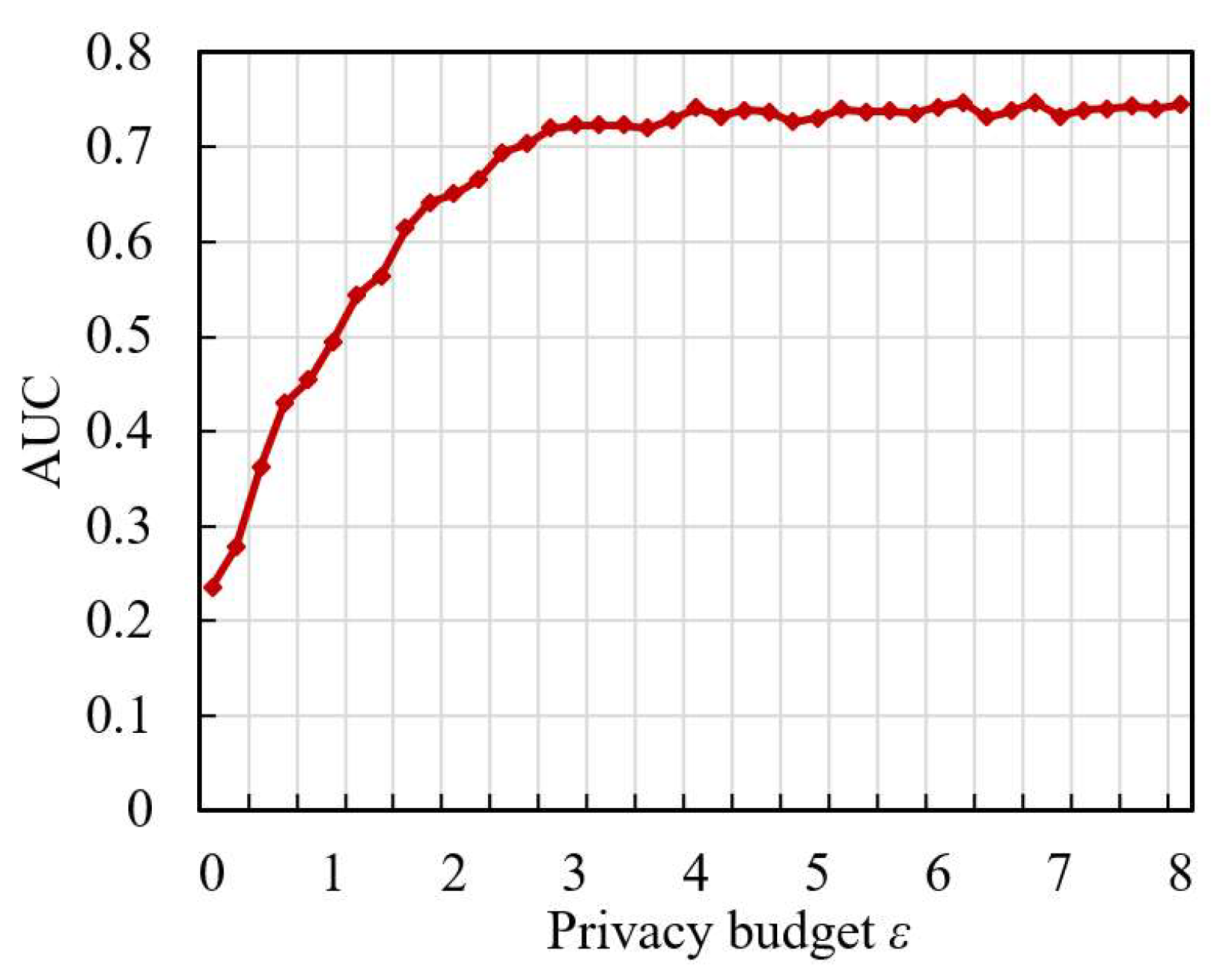
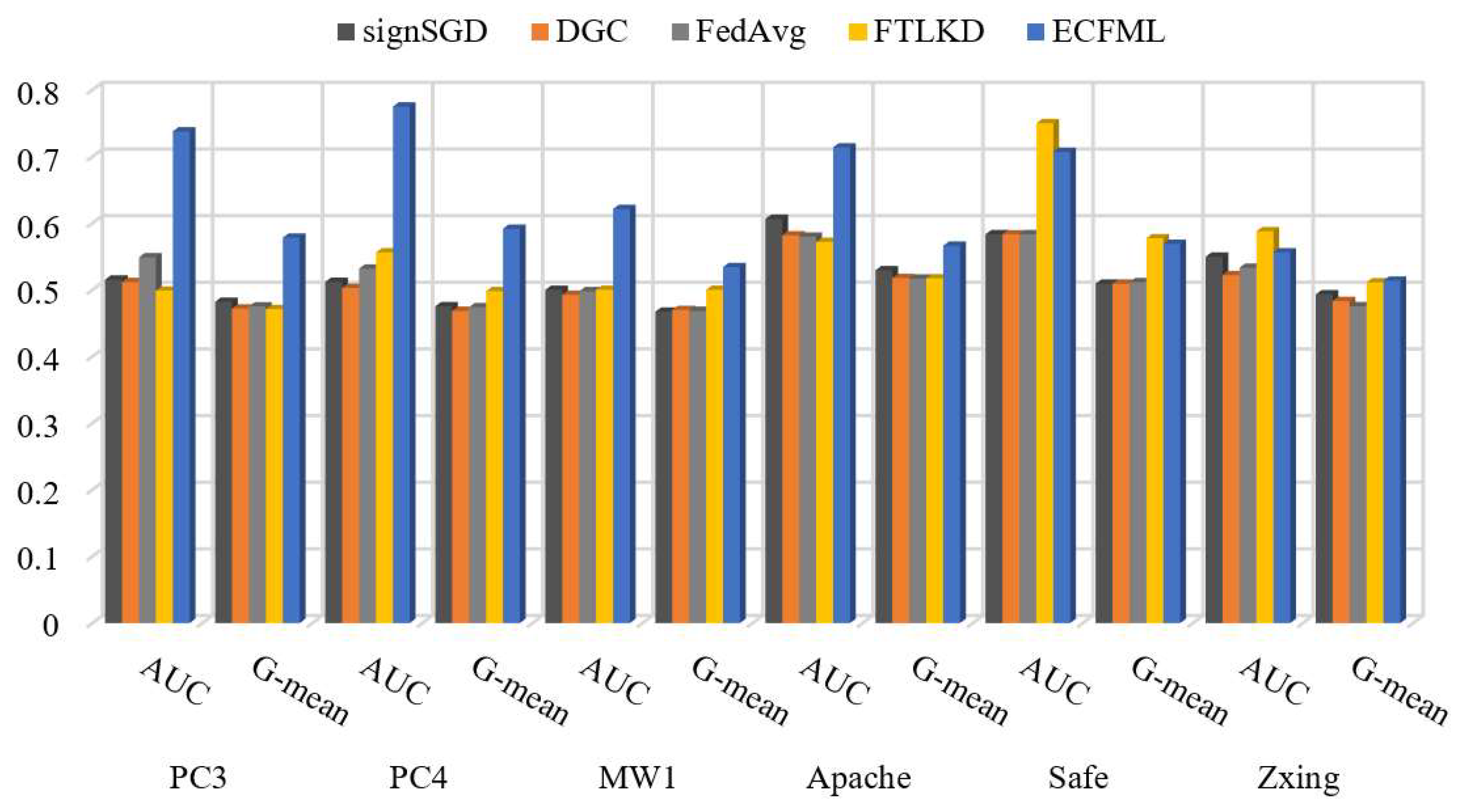
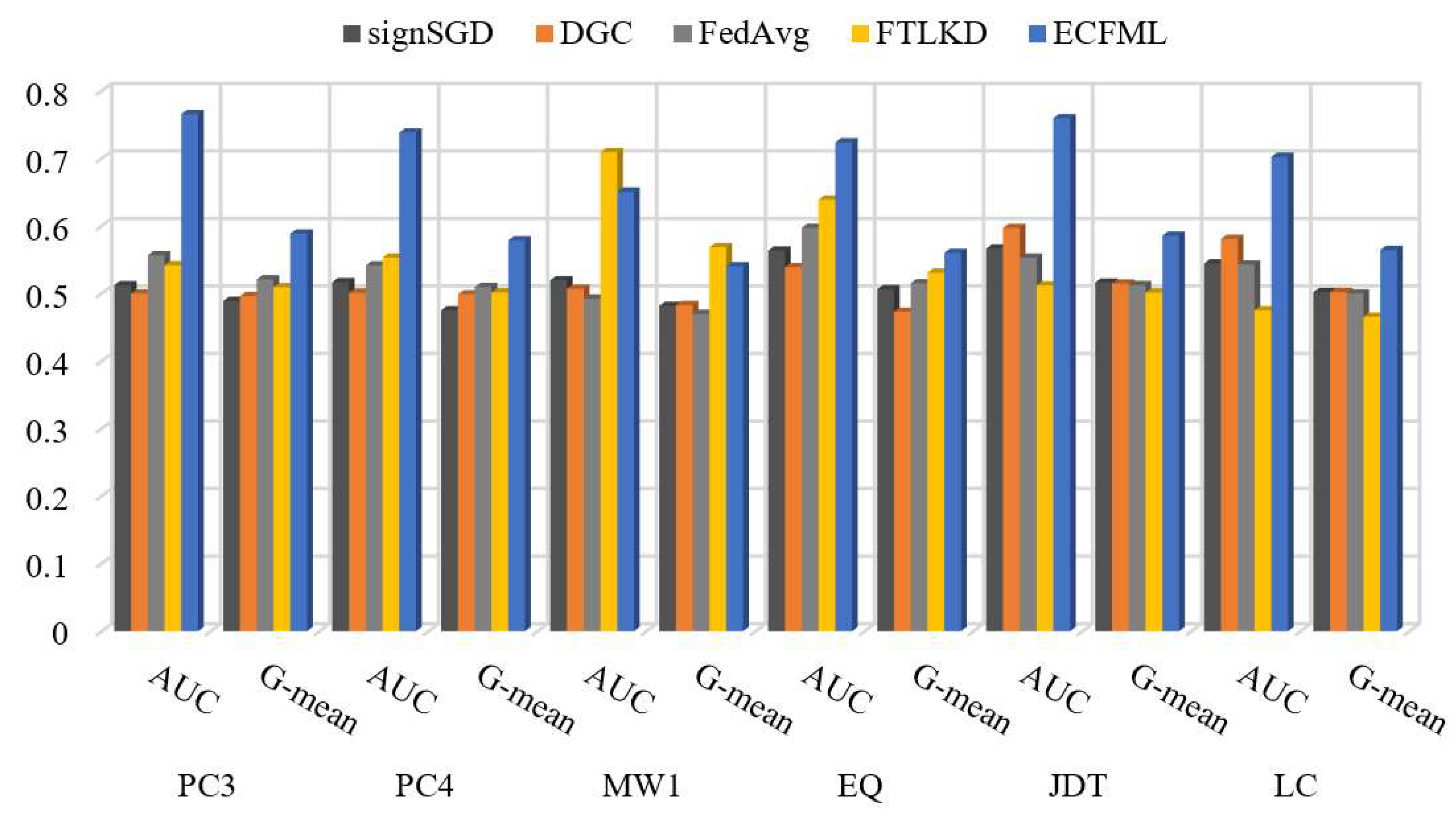
Software defect prediction is an important part of software development, which aims to use existing historical data to predict future software defects. Focusing on the model performance and communication efficiency of cross-project software defect prediction, this paper proposes an efficient communication-based federated meta-learning (ECFML) algorithm. The lightweight MobileViT network is used as the meta-learner of the Model Agnostic Meta-Learning (MAML) algorithm. By learning common knowledge on the local data of multiple clients, and then fine-tuning the model, the number of unnecessary iterations is reduced, and communication efficiency is improved while reducing the number of parameters. The gradient information model is encrypted using the differential privacy of the Laplace mechanism, and the optimal privacy budget is determined through experiments. Experiments on three public datasets (AEEEM, NASA, and Relink) verified the effectiveness of ECFML in terms of parameter quantity, convergence, and model performance of cross-project software defect prediction.
Keywords: software defect prediction; federated meta-learning; MobileViT; differential privacy software defect prediction; federated meta-learning; MobileViT; differential privacy