Article

Meta-Hybrid: Integrate Meta-Learning to Enhance Class Imbalance Graph Learning

College of Mathematics and Computer, Jilin Normal University, Siping 136000, China
*
Authors to whom correspondence should be addressed.
Electronics 2024, 13(18), 3769; https://doi.org/10.3390/electronics13183769

Submission received: 11 July 2024 / Revised: 13 September 2024 / Accepted: 20 September 2024 / Published: 22 September 2024

Abstract

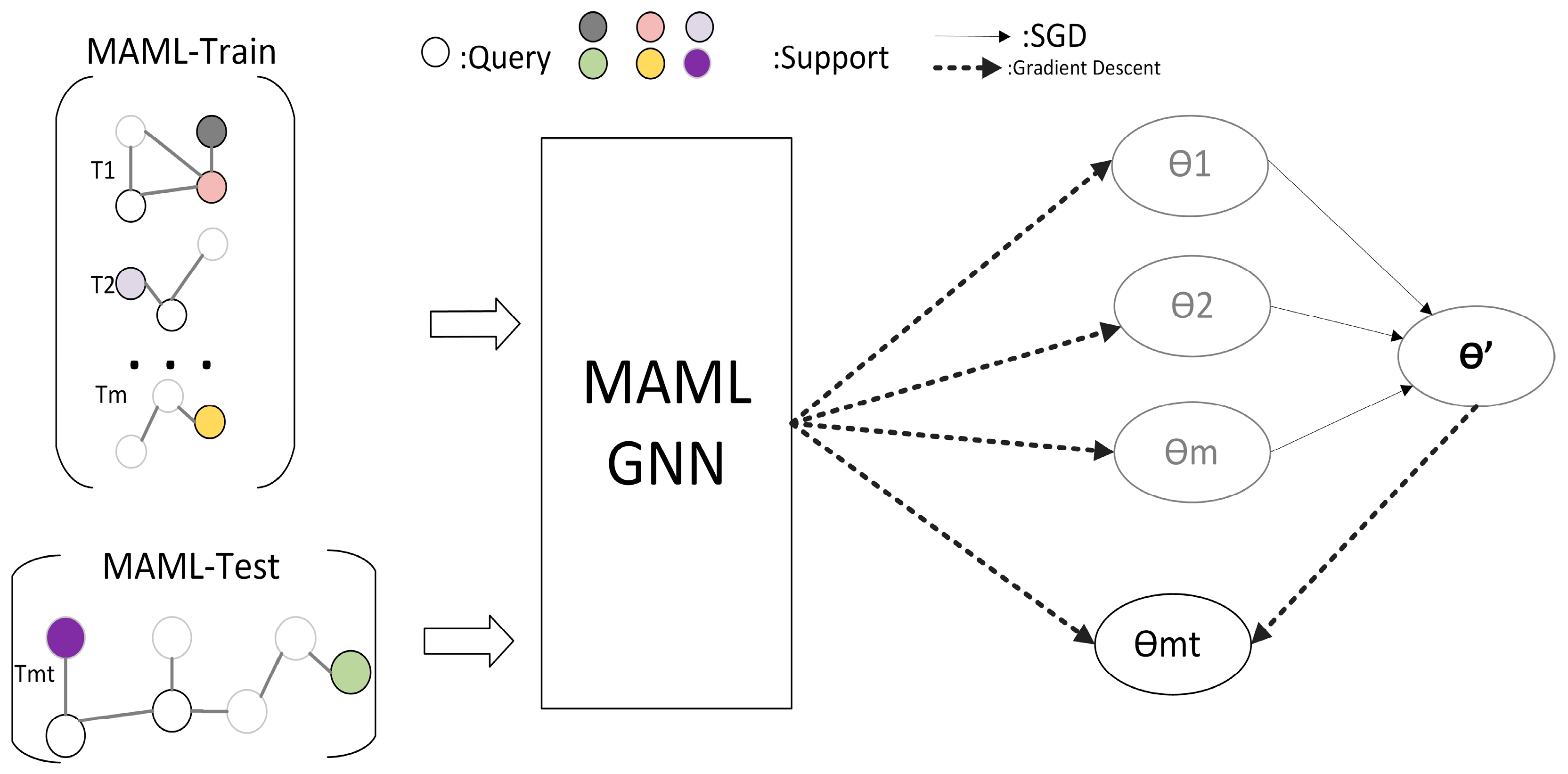
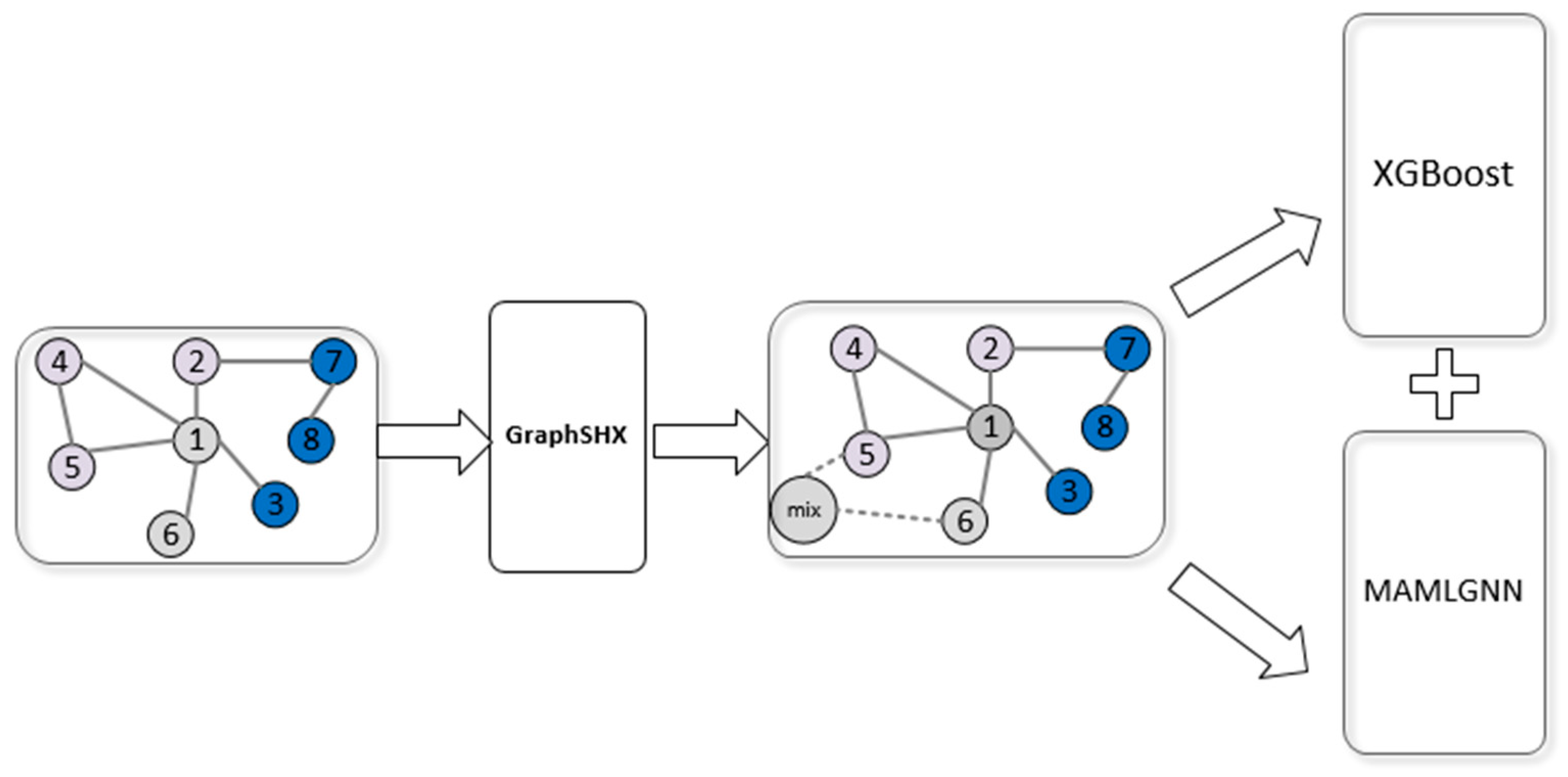
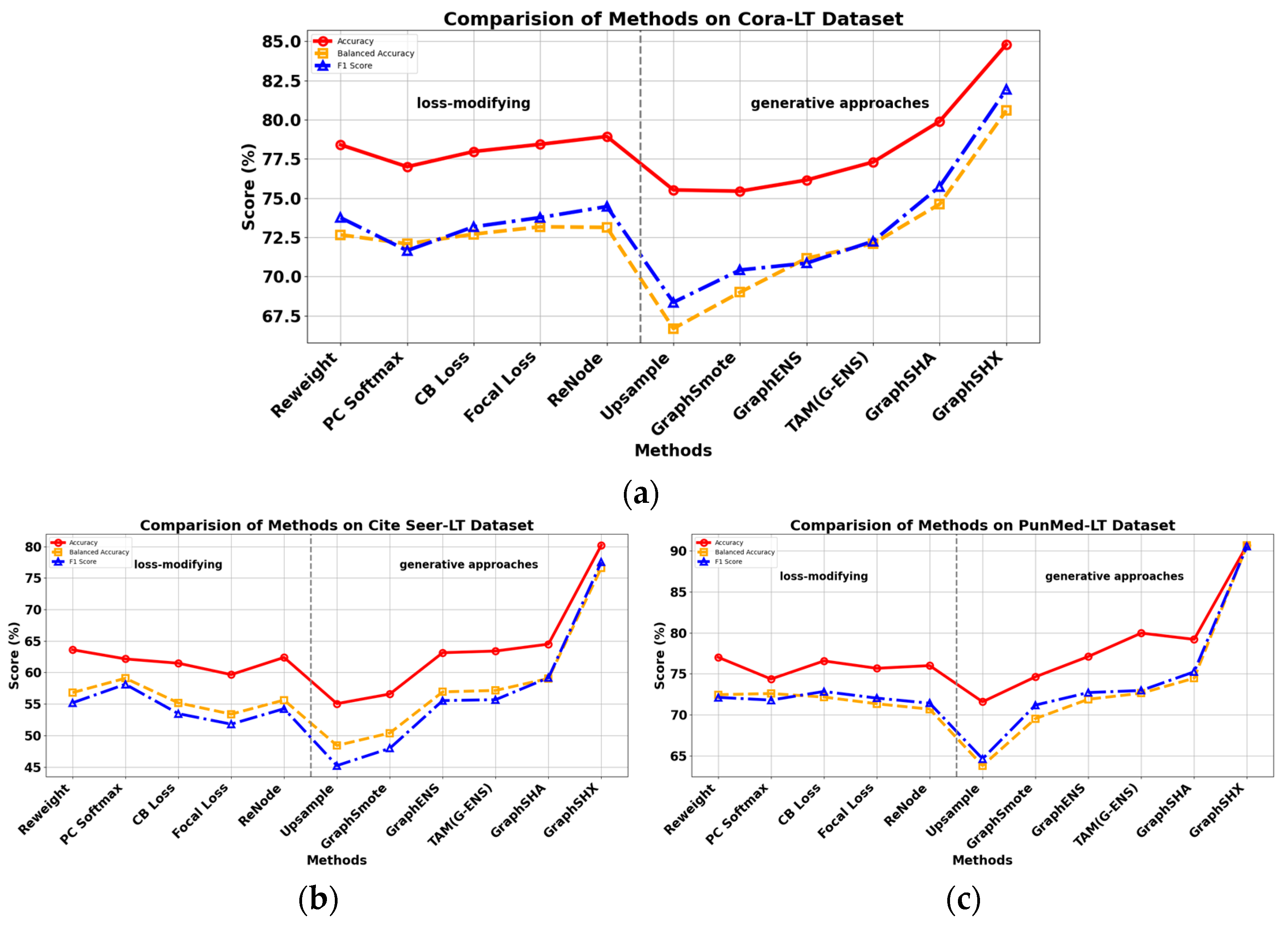
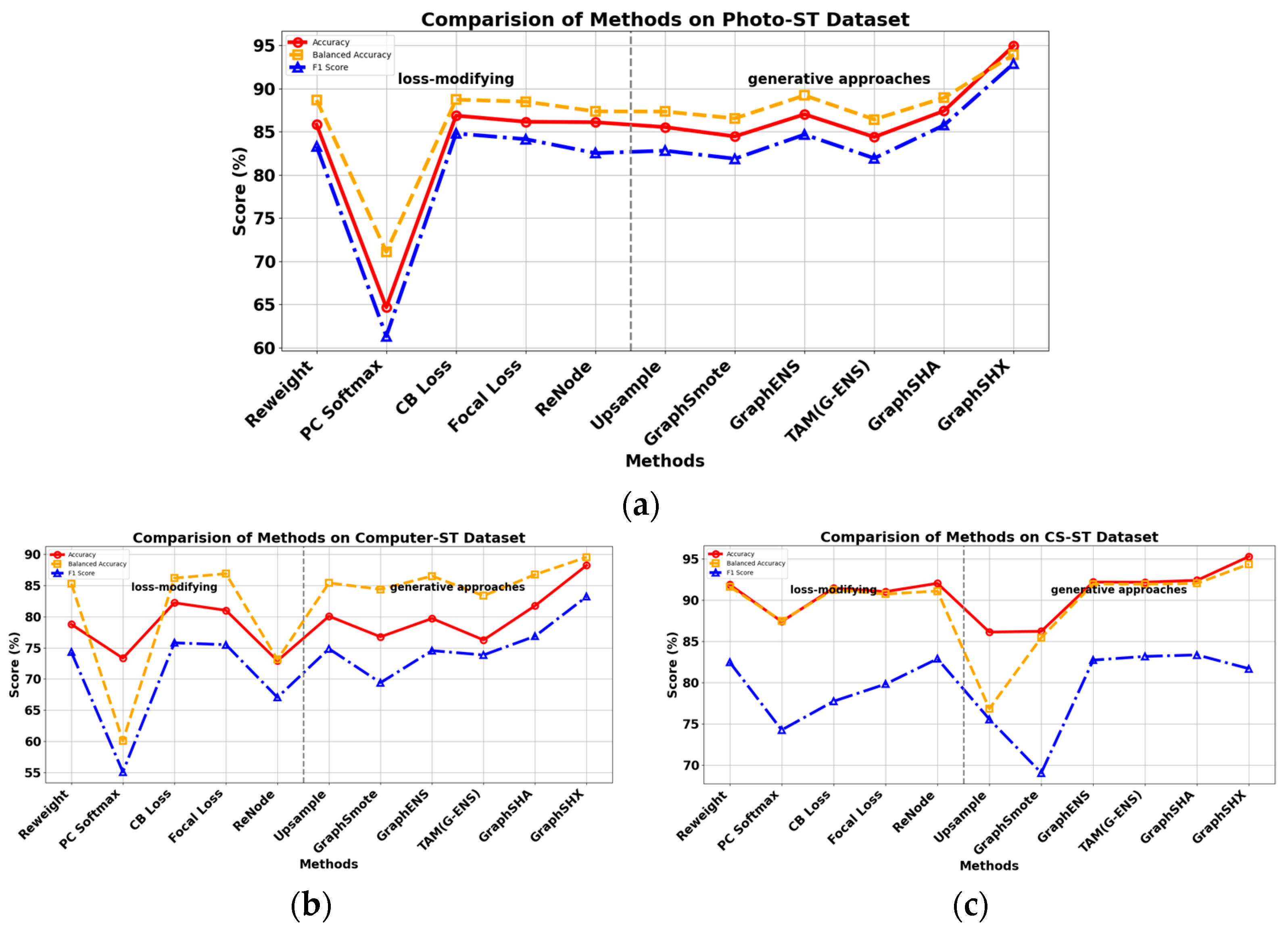
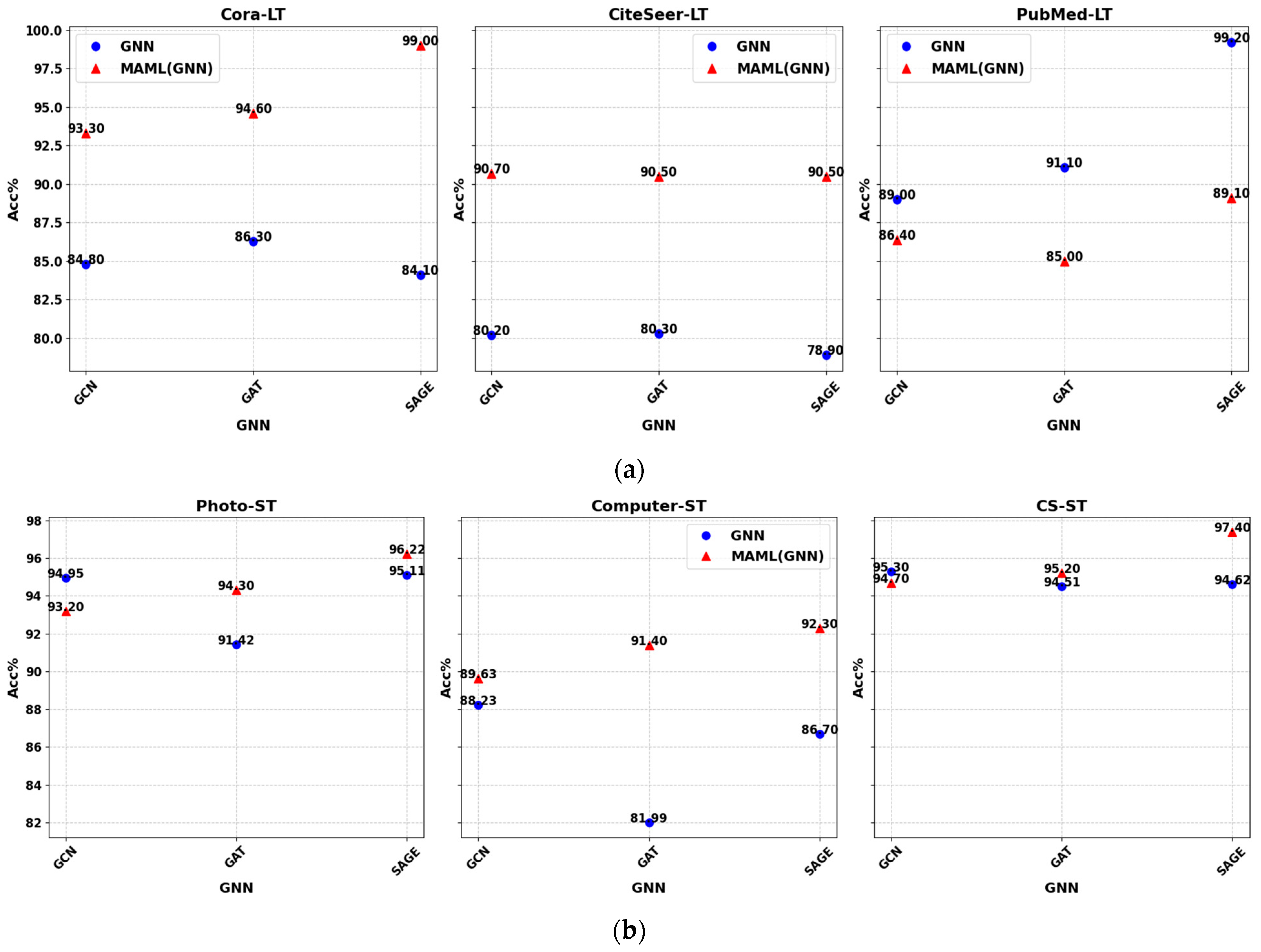
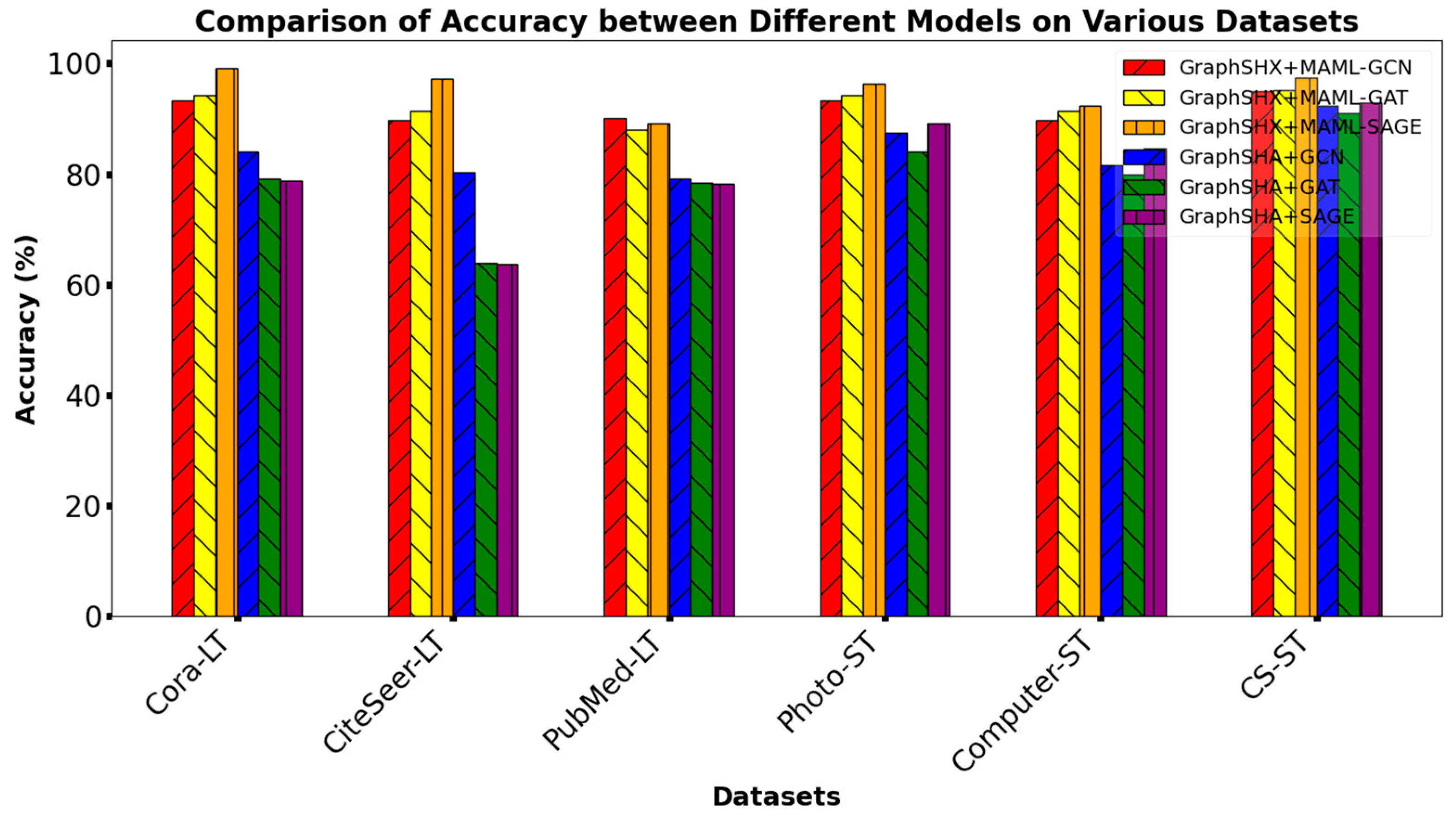
The class imbalance problem is a significant challenge in node classification tasks. Since majority class samples dominate imbalanced data, the model tends to favor the majority class, resulting in insufficient ability to identify minority classes. Evaluation indicators such as accuracy may not fully reflect the model’s performance. To solve these undesirable effects, we propose a framework for synthesizing minority class samples, GraphSHX, to balance the number of samples of different classes, and integrate the XGBoost model for node classification prediction during the training process. Conventional graph neural networks (GNNs) yielded unsatisfactory results, possibly due to the limited number of newly generated nodes. Therefore, we introduce a meta-mechanism to deal with small-sample problems, and employ the meta-learning approach to enhance performance on small-sample tasks by learning from a large number of tasks. An empirical evaluation of node classification on six publicly available datasets demonstrated that our balanced data set method outperforms existing optimal loss repair methods and synthetic node methods. The addition of the XGBoost model and meta-learning improves the accuracy by more than 5% to 10%, with the overall accuracy of the improved model being 15% higher than that of the baseline method.
Keywords: graph neural network; class imbalance node classification; ensemble learning graph neural network; class imbalance node classification; ensemble learning