Article

Detection of Scratch Defects on Metal Surfaces Based on MSDD-UNet

School of Electronic and Information Engineering, Guangxi Normal University, Guilin 541004, China
*
Authors to whom correspondence should be addressed.
These authors contributed equally to this work.
Electronics 2024, 13(16), 3241; https://doi.org/10.3390/electronics13163241

Submission received: 18 July 2024 / Revised: 12 August 2024 / Accepted: 14 August 2024 / Published: 15 August 2024
(This article belongs to the Topic AI and Data-Driven Advancements in Industry 4.0)

Abstract

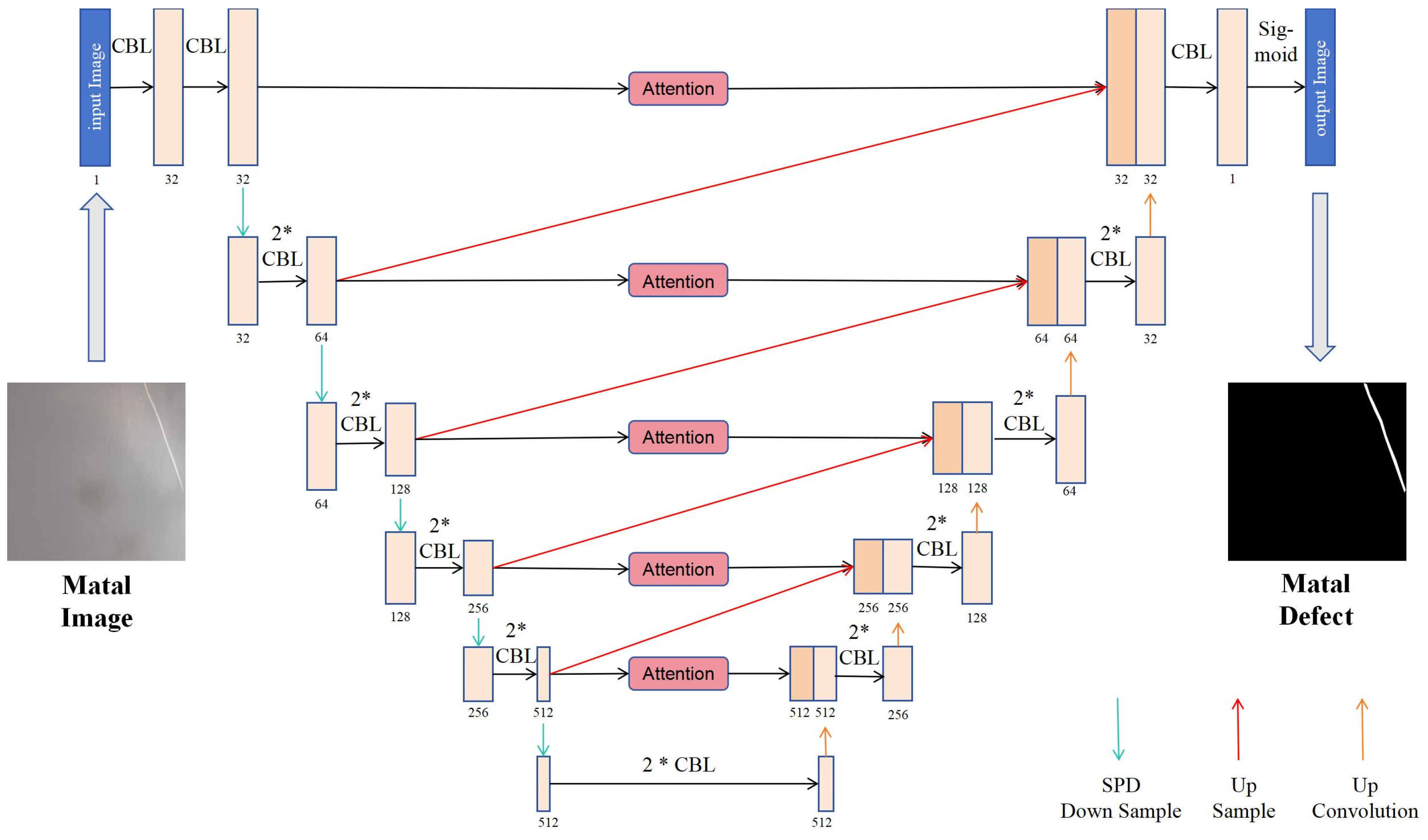
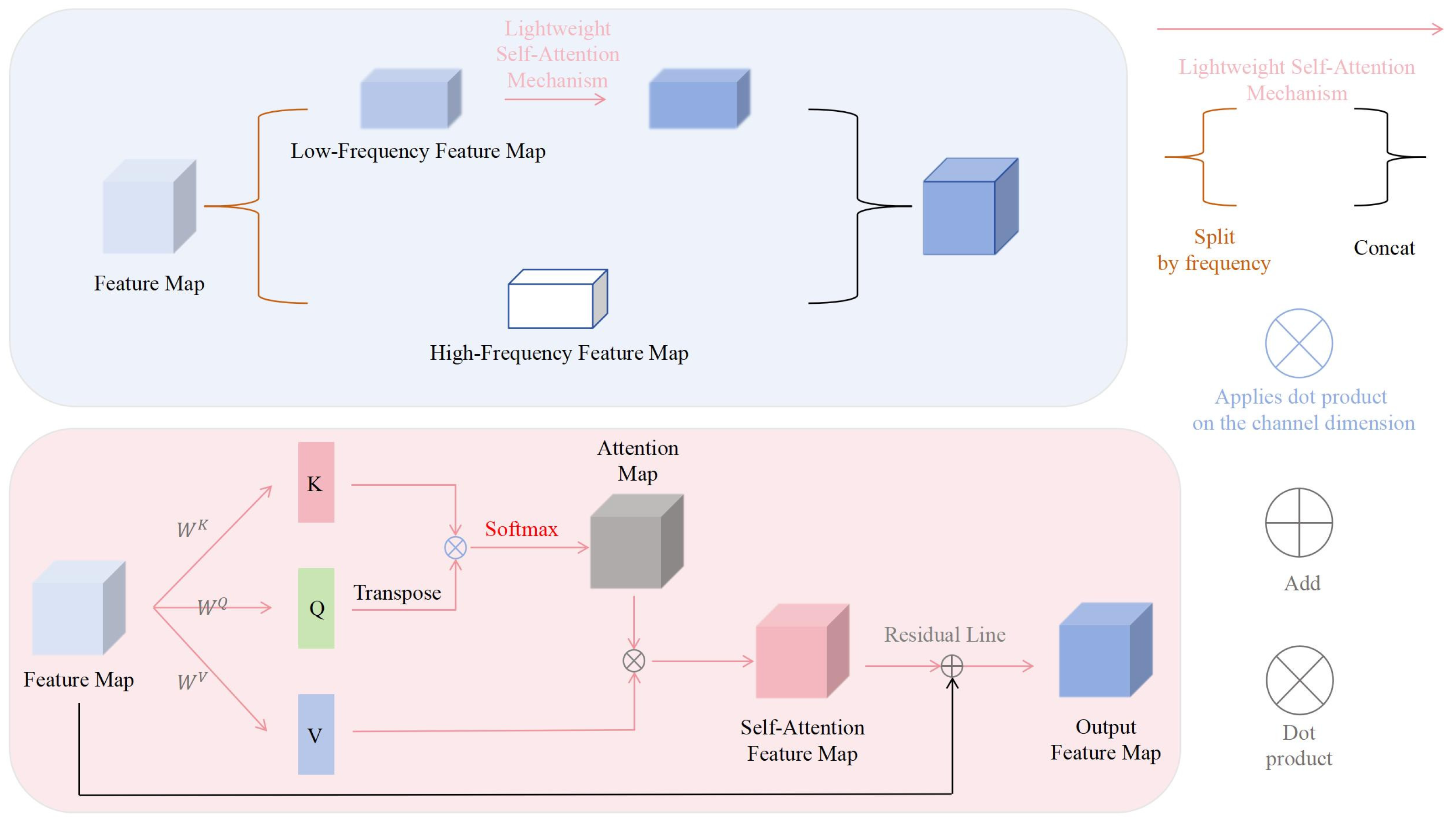
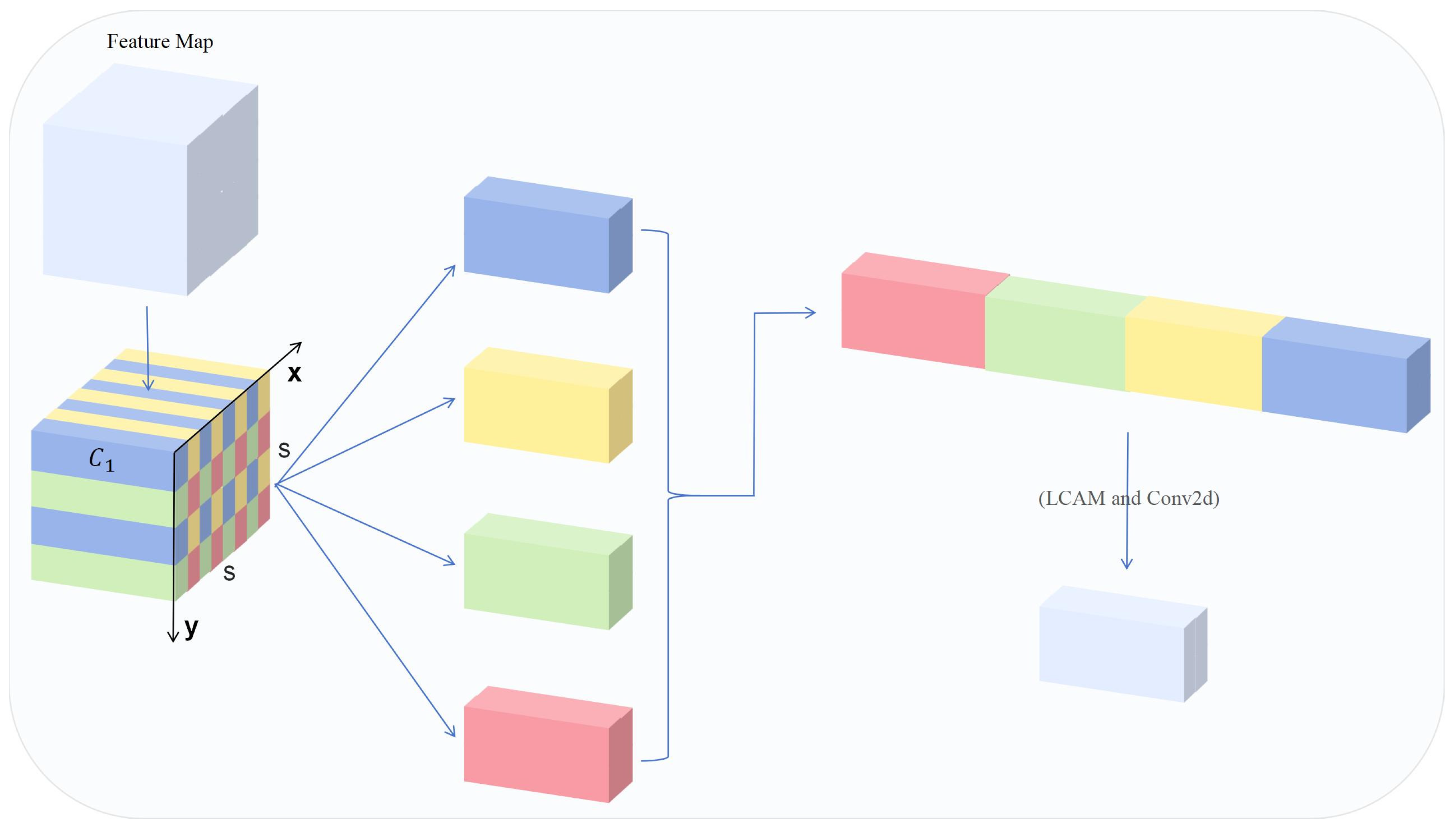
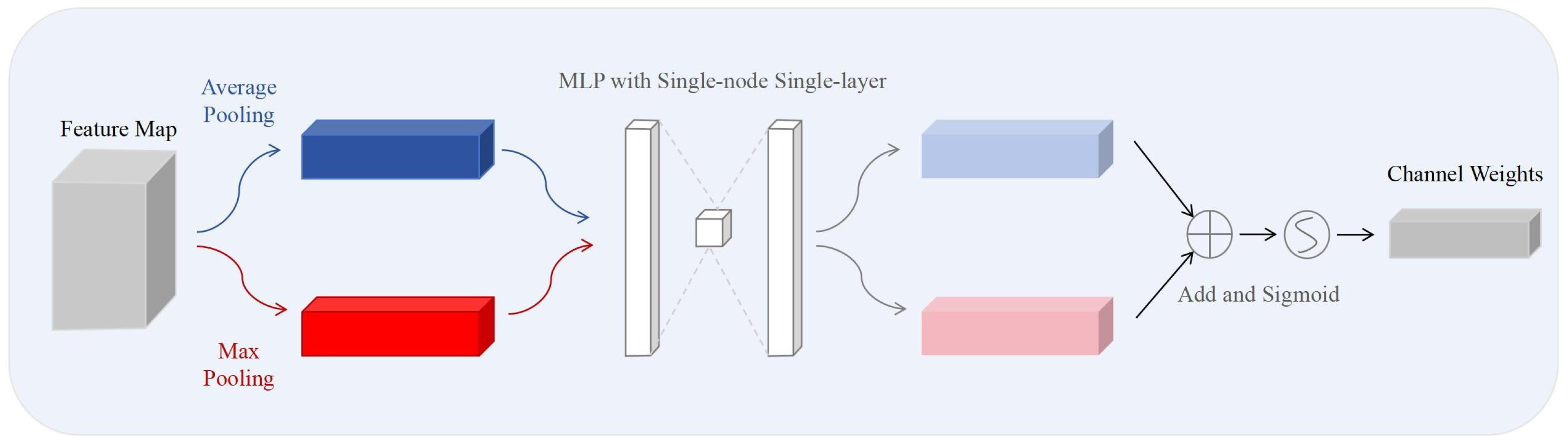
In this work, we enhanced the U-shaped network and proposed a method for detecting scratches on metal surfaces based on the Metal Surface Defect Detection U-Net (MSDD-UNet). Initially, we integrated a downsampling approach using a Space-To-Depth module and a lightweight channel attention module to address the loss of contextual information in feature maps that results from multiple convolution and pooling operations. Building on this, we developed an improved attention module that utilizes image frequency decomposition and cross-channel self-attention mechanisms, as well as the strengths of convolutional encoders and self-attention blocks. Additionally, this attention module was integrated into the skip connections between the encoder and decoder. The purpose was to capture dense contextual information, highlight small and fine target areas, and assist in localizing micro and fine scratch defects. In response to the severe foreground–background class imbalance in scratch images, a hybrid loss function combining focal loss and Dice loss was put forward to train the model for precise scratch segmentation. Finally, experiments were conducted on two surface defect datasets. The results reveal that our proposed method is more advantageous than other state-of-the-art scratch segmentation methods.
Keywords: defect detection; attention mechanism; hybrid loss; U-Net; SPD module; semantic segmentation defect detection; attention mechanism; hybrid loss; U-Net; SPD module; semantic segmentation