Article

An Improved Series 36-Pulse Rectifier Based on Dual Passive Pulse-Doubling Circuit on the System DC Side

1
School of Automation and Electrical Engineering, Lanzhou Jiaotong University, Lanzhou 730070, China
2
School of Electrical Automation and Information Engineering, Tianjin University, Tianjin 300072, China
3
State Grid Gansu Electric Power Company Electric Power Science Research Institute, Lanzhou 730070, China
*
Author to whom correspondence should be addressed.
Electronics 2024, 13(16), 3215; https://doi.org/10.3390/electronics13163215

Submission received: 1 July 2024 / Revised: 4 August 2024 / Accepted: 13 August 2024 / Published: 14 August 2024

Abstract

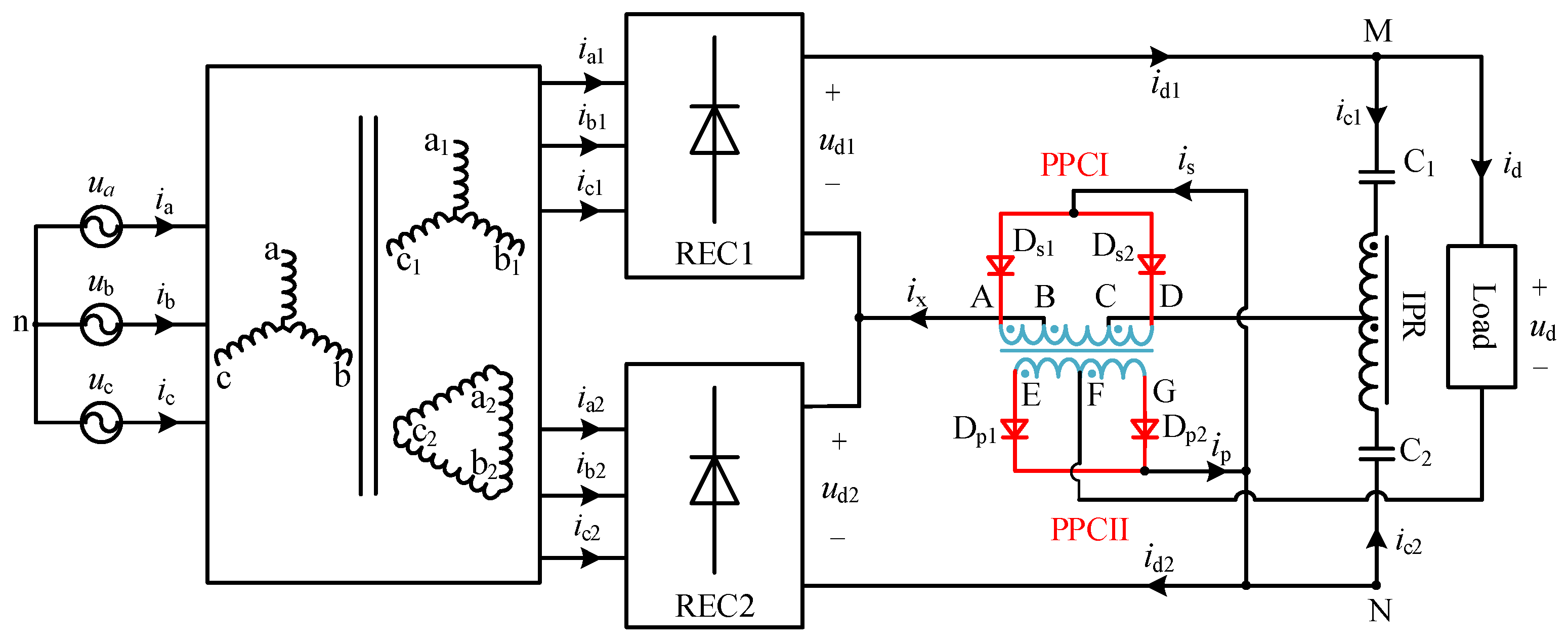
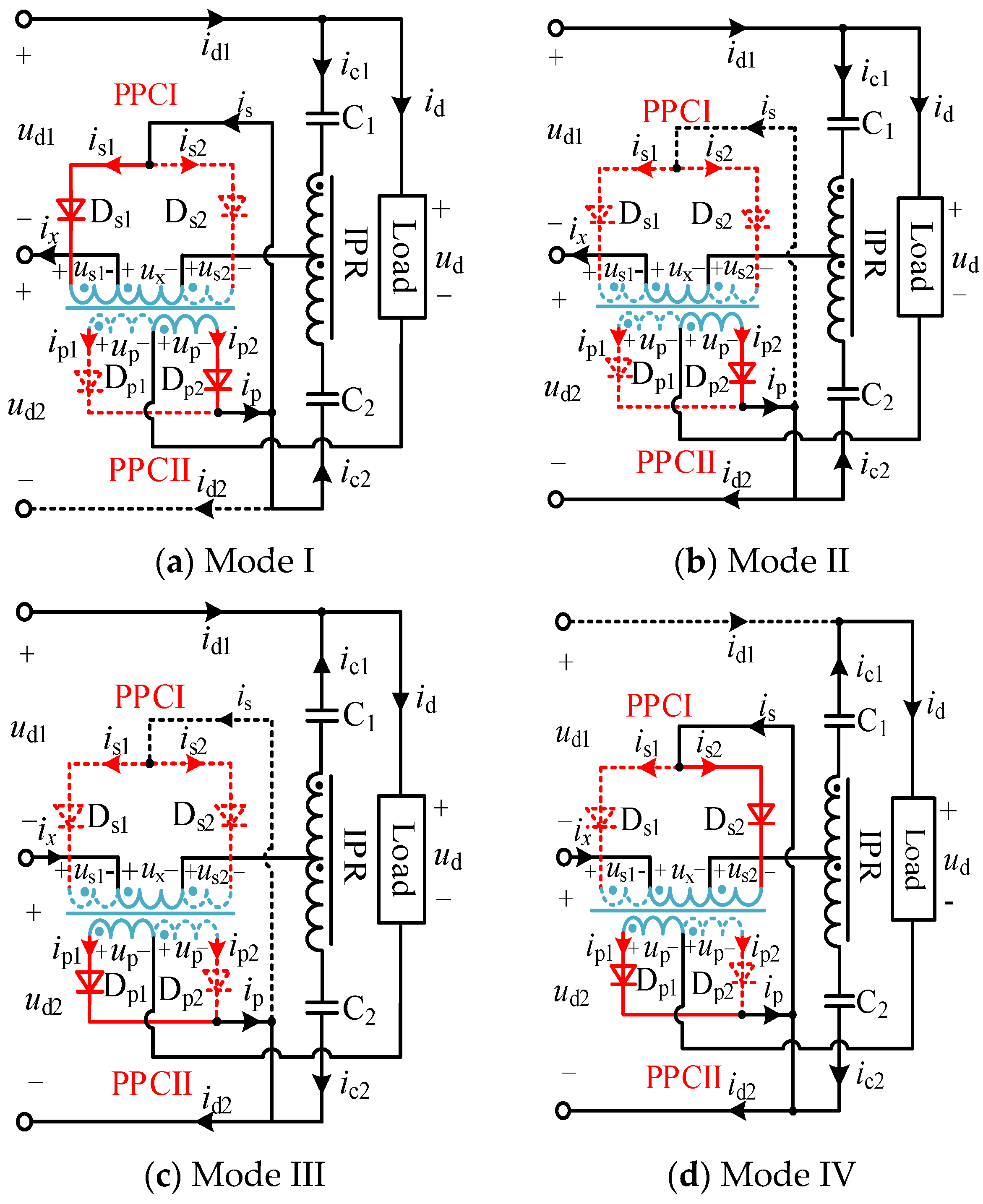
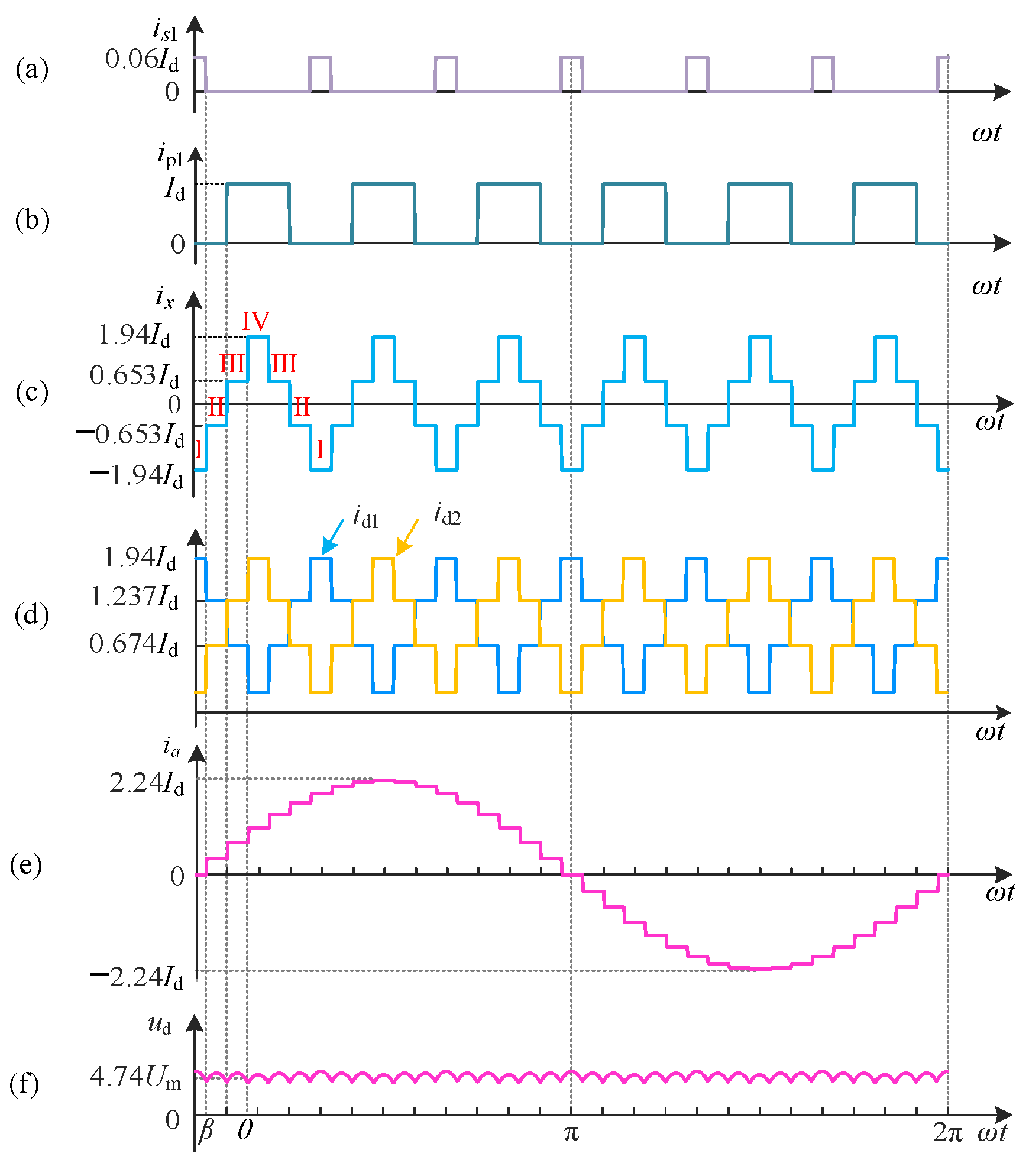
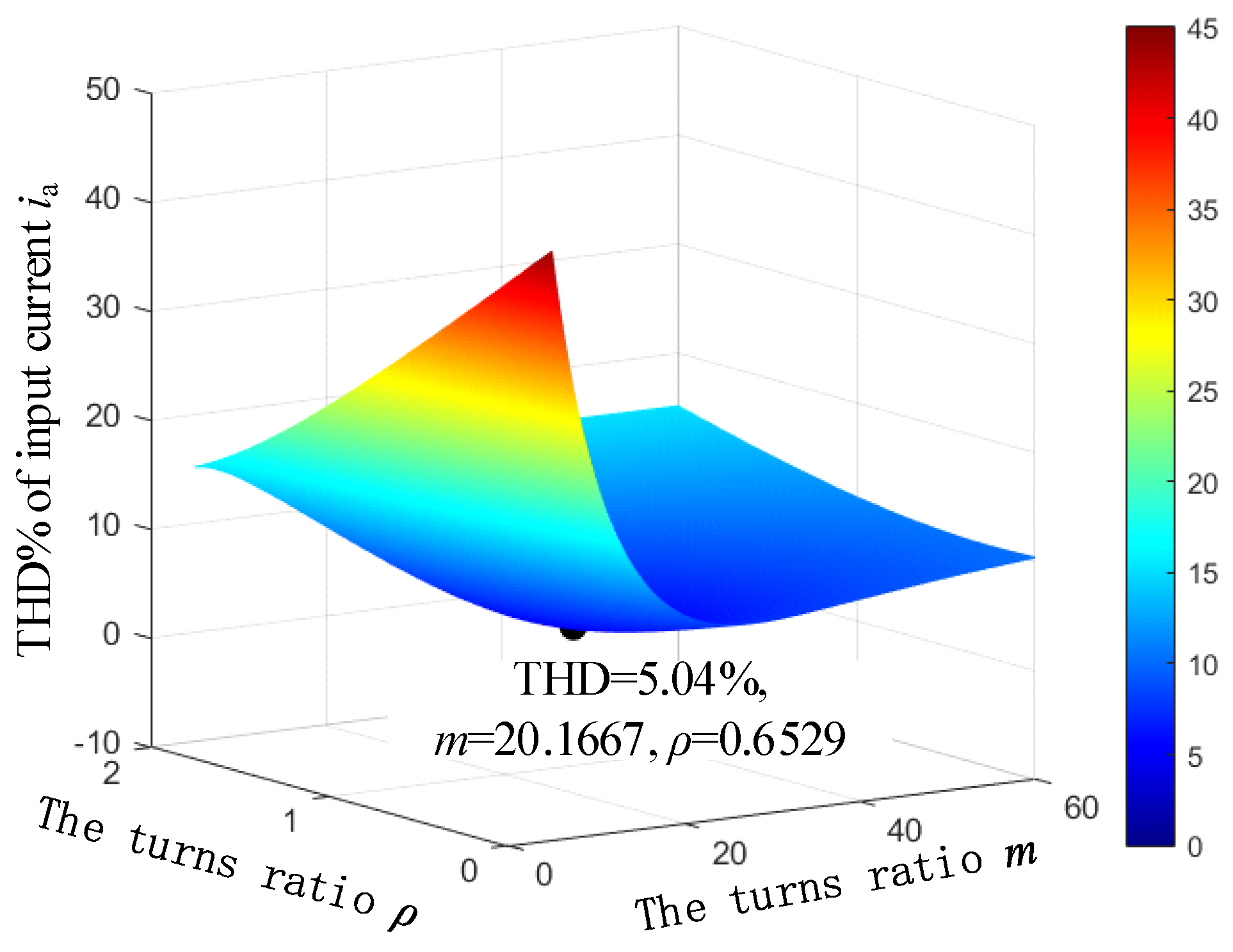
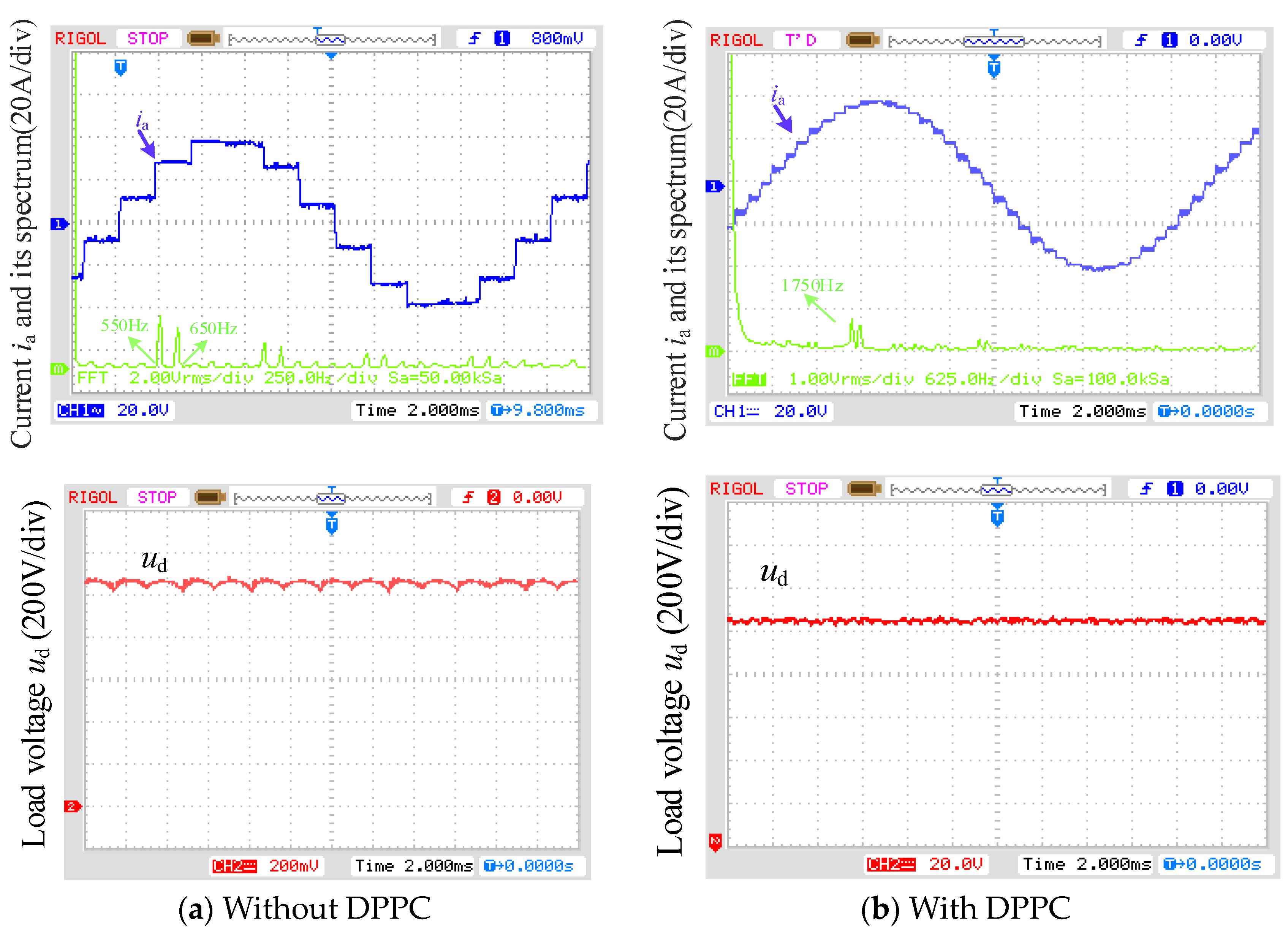
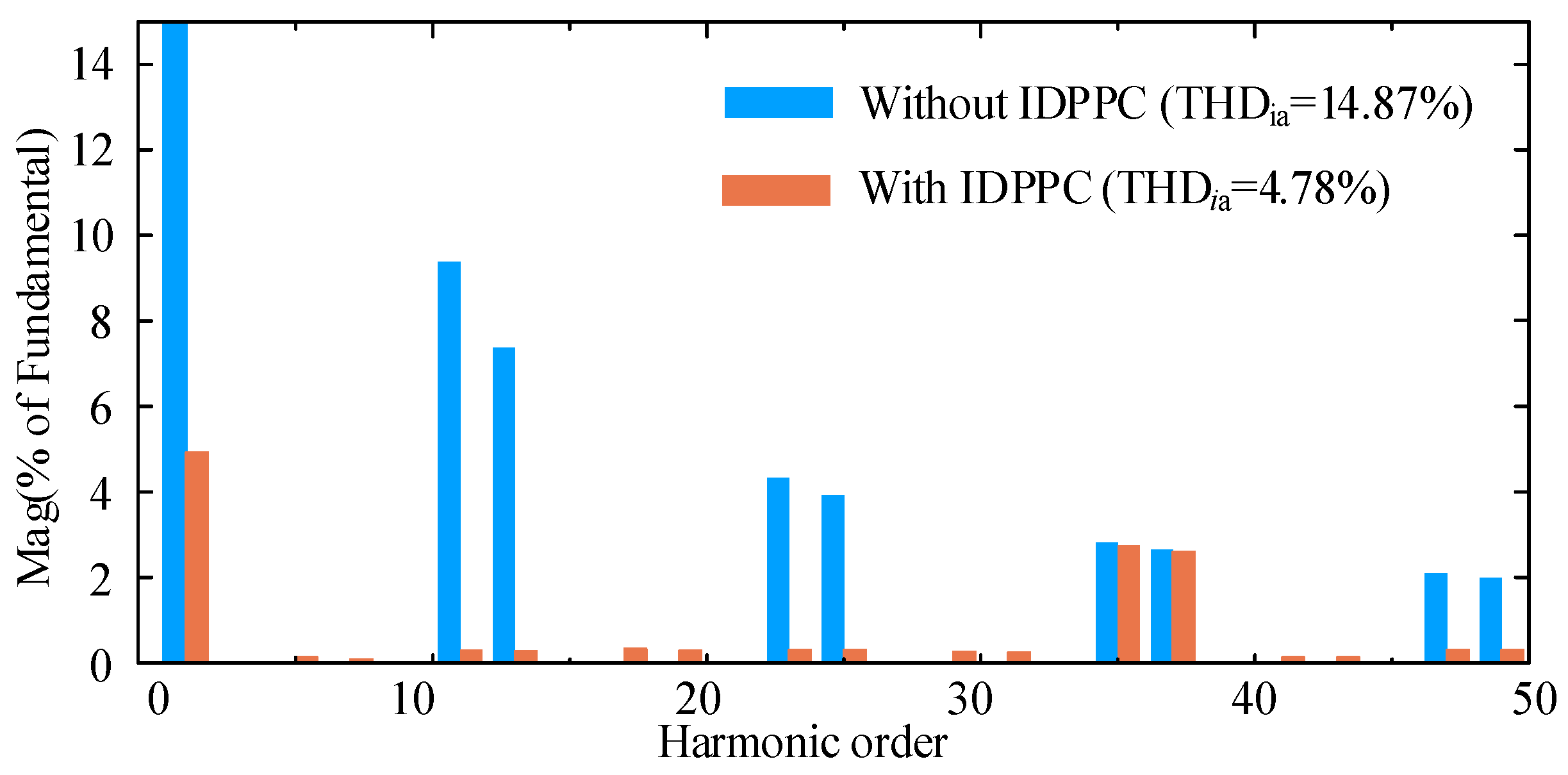
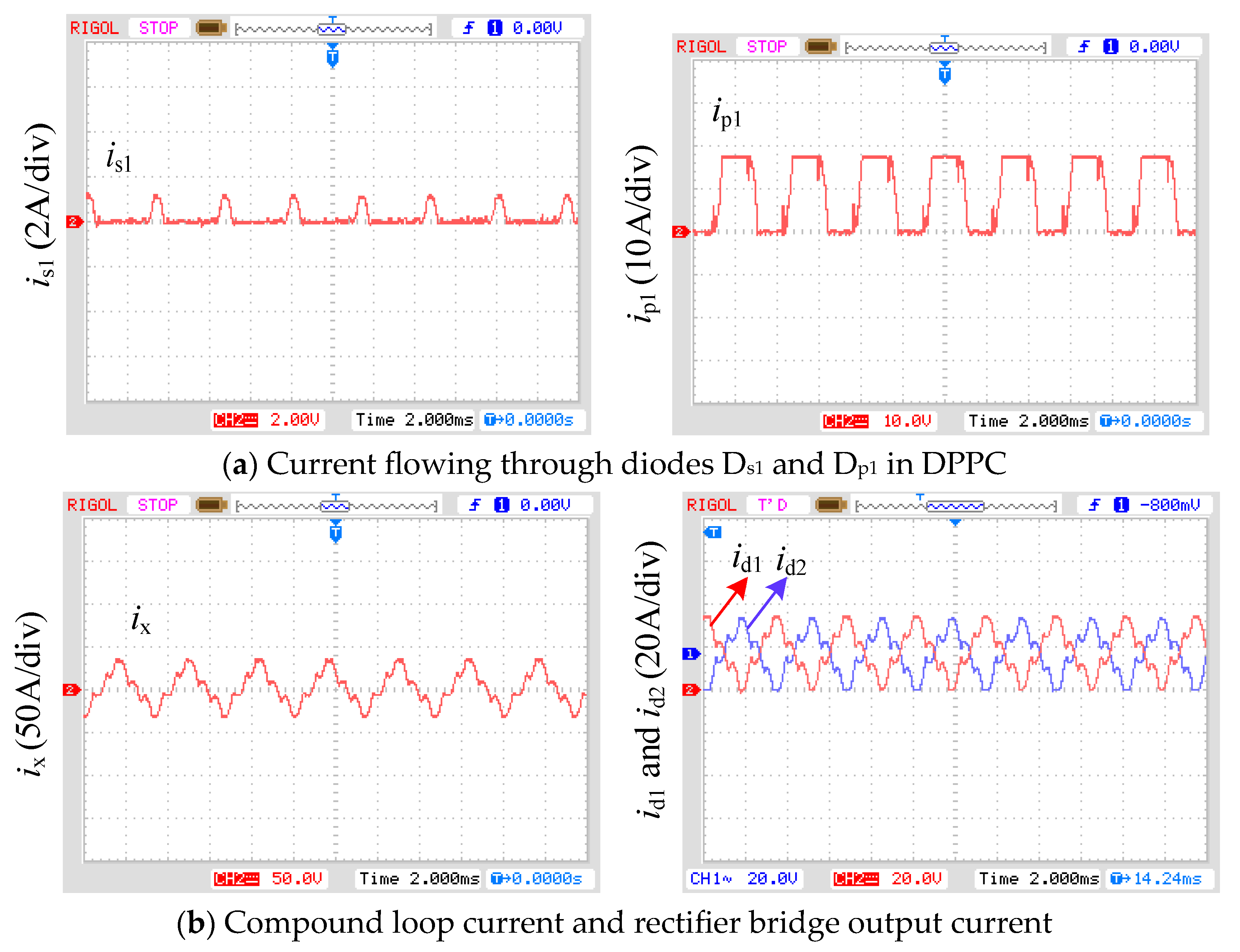
The series-type 12-pulse rectifier generates a large amount of harmonics in the AC side current due to the strong nonlinearity of its rectifying diodes, causing serious harmonic pollution to the power grid. This article proposes a series 36-pulse rectifier based on a DC side dual passive frequency-doubling circuit to suppress the AC side current harmonics of a 12-pulse rectifier. The rectifier uses two symmetrical passive pulse multiplication circuits to regulate the circulation in the DC side circuit, increasing the output voltage and current state of the rectifier bridge, thereby increasing the number of pulses in the rectifier from 12 times to 36 times. Firstly, the working principle of the rectifier and the working mode of the dual passive frequency-doubling circuit were analyzed. Secondly, the harmonic suppression mechanism of the rectifier input current was revealed, and the frequency-doubling characteristics of the load voltage were analyzed. Finally, the correctness of the theoretical analysis was verified through a semi-physical platform. The verification and comparison results show that under the optimal conditions of the injecting transformer turns ratio, the DPPC can not only reduce the THD value of the input current by about 1/3 (from 14.87% to 4.78%) but can also increase the fluctuation frequency of the load voltage by 3 times (from 12 to 36), while improving the power quality of the AC/DC side rectifier and achieving the low harmonic operation of the rectifier. The proposed 36-pulse rectifier can effectively suppress harmonics; it has the advantages of simple structure, strong robustness, and high output voltage gain, and it is suitable for medium-voltage and high-voltage high-power rectification applications.
Keywords: 36-pulse rectifier; pulse-doubling circuit; harmonics reduction; semi-physical test 36-pulse rectifier; pulse-doubling circuit; harmonics reduction; semi-physical test