Article

An Unmanned Aerial Vehicle (UAV) System for Disaster and Crisis Management in Smart Cities

1
Department of Information Technology, College of Computer, Qassim University, Buraydah 51921, Saudi Arabia
2
Department of Information Technology, Community College of Qatar, Doha 7344, Qatar
3
Équipe de Sciences de l’information et Modélisation, Polydisciplinary Faculty of Sidi Bennour, Chouaib Doukkali University, El Jadida 24000, Morocco
*
Author to whom correspondence should be addressed.
Electronics 2023, 12(4), 1051; https://doi.org/10.3390/electronics12041051

Submission received: 25 January 2023 / Revised: 13 February 2023 / Accepted: 14 February 2023 / Published: 20 February 2023
(This article belongs to the Section Artificial Intelligence)

Abstract

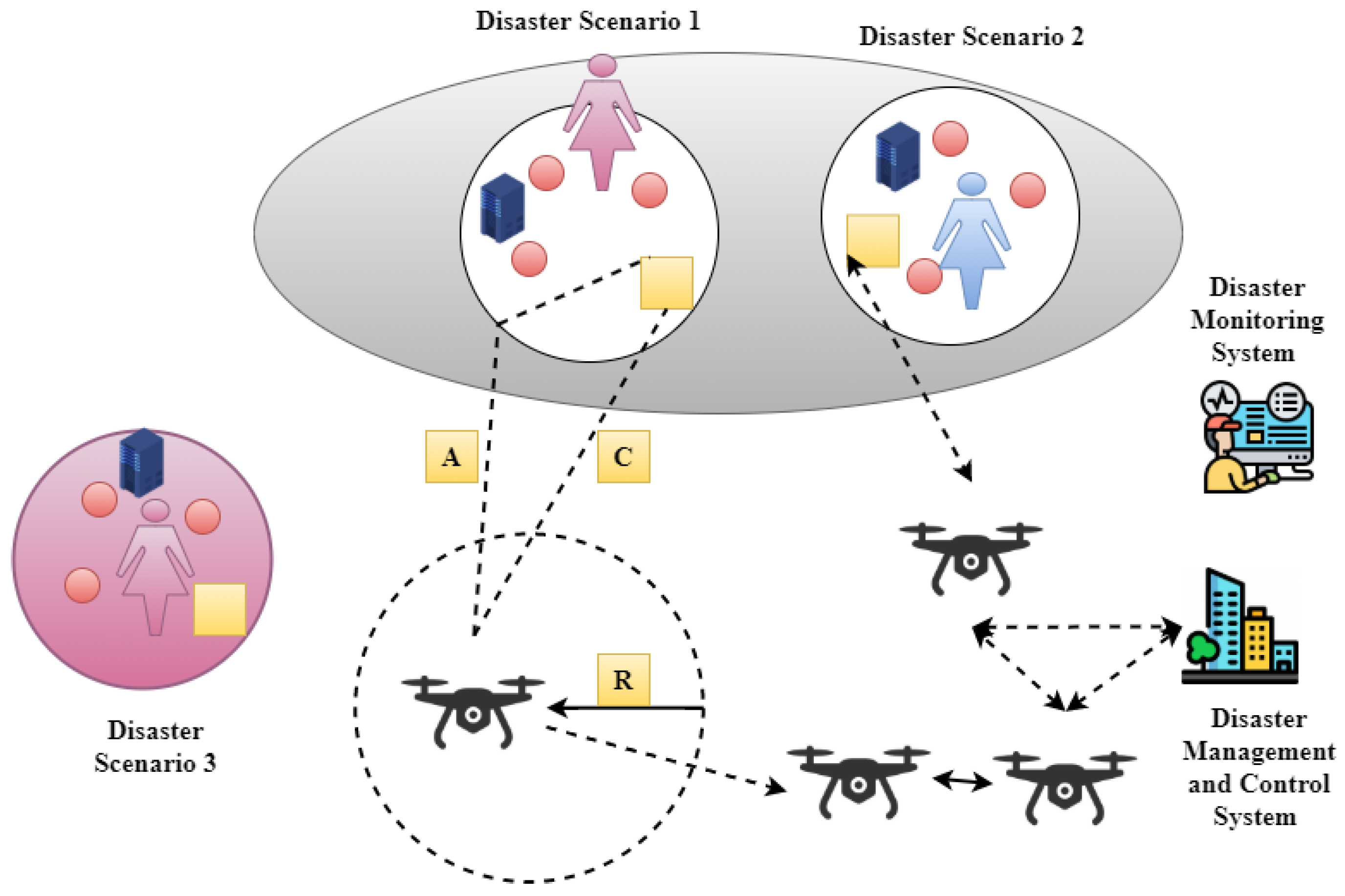
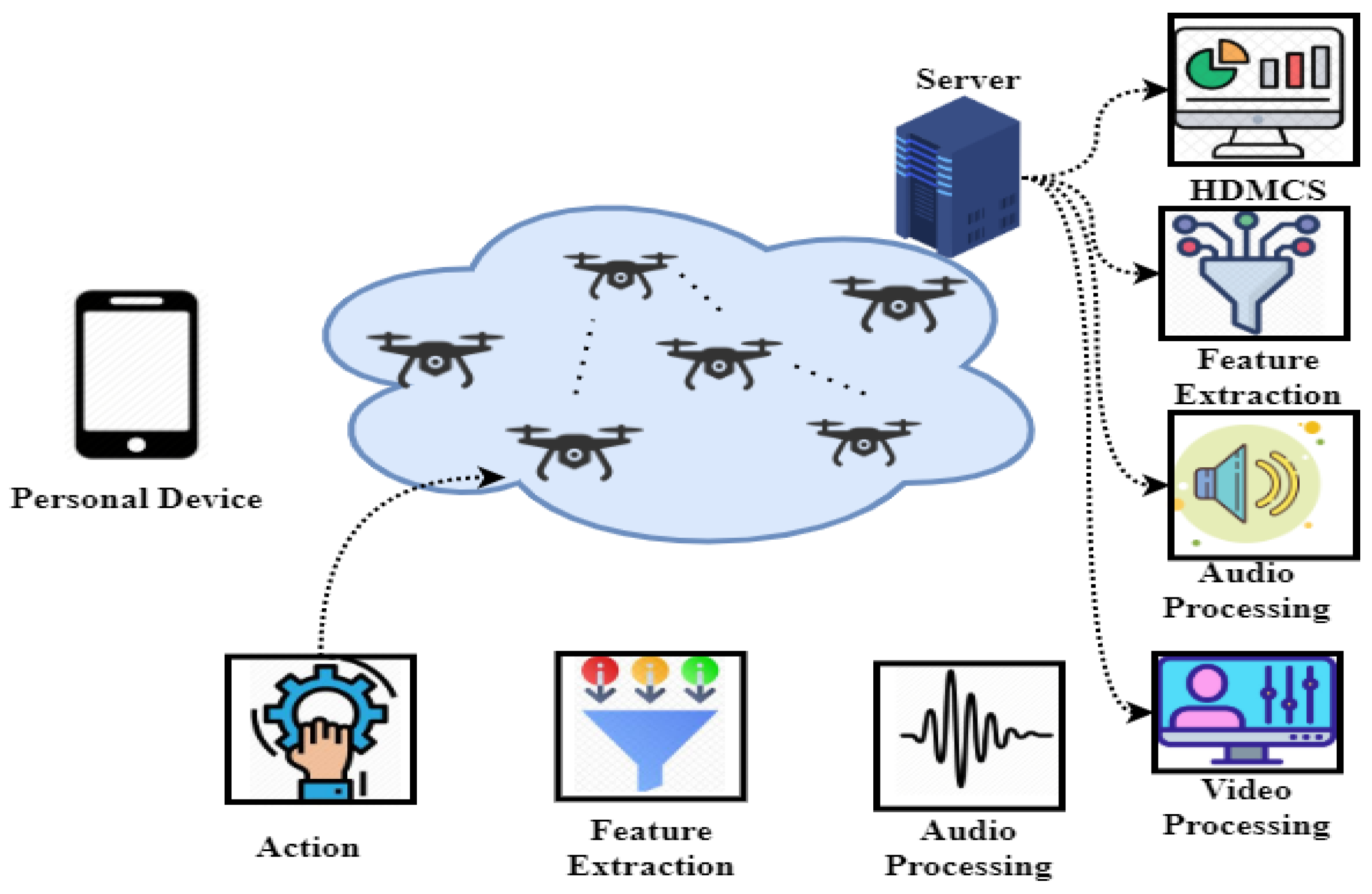
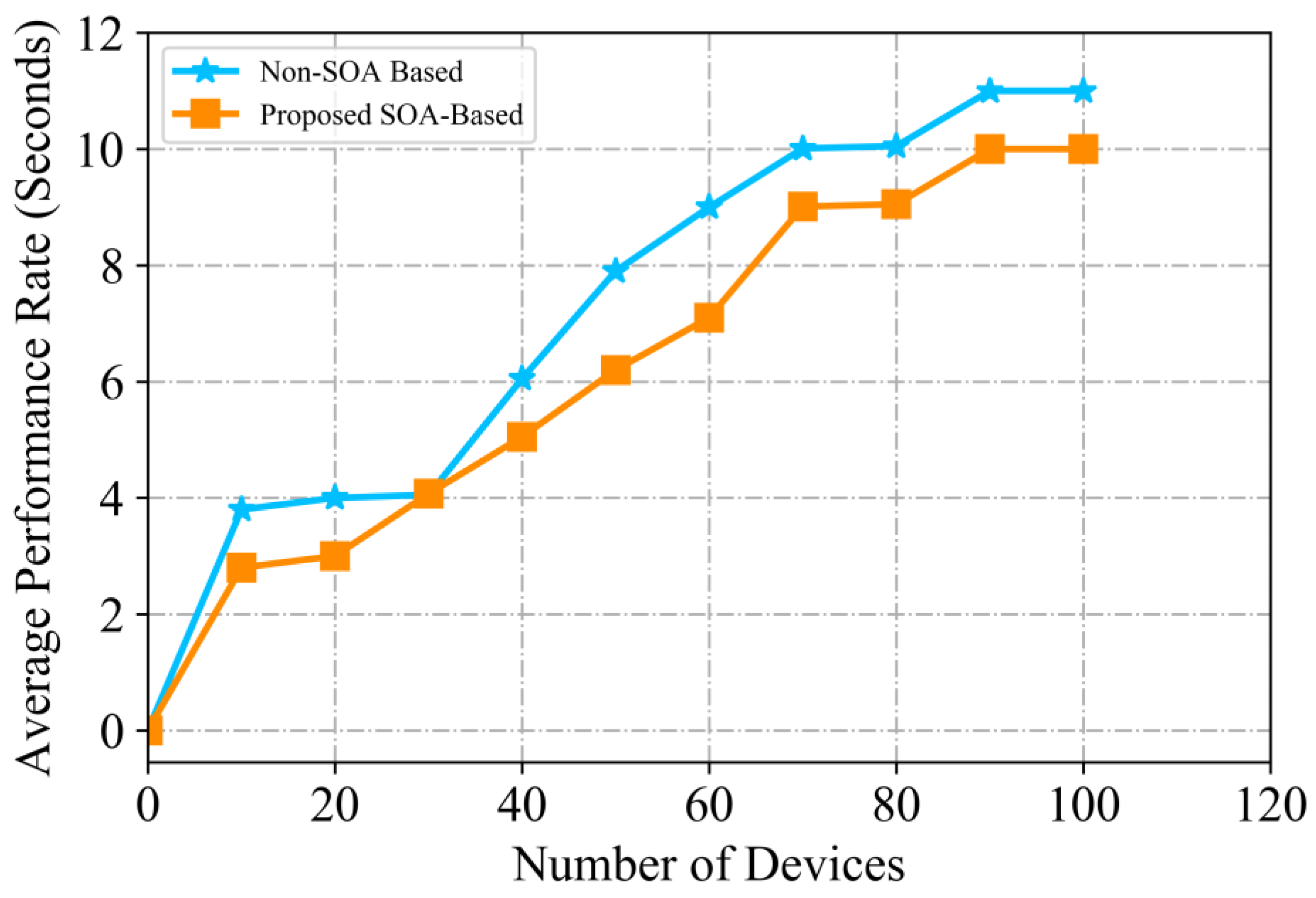
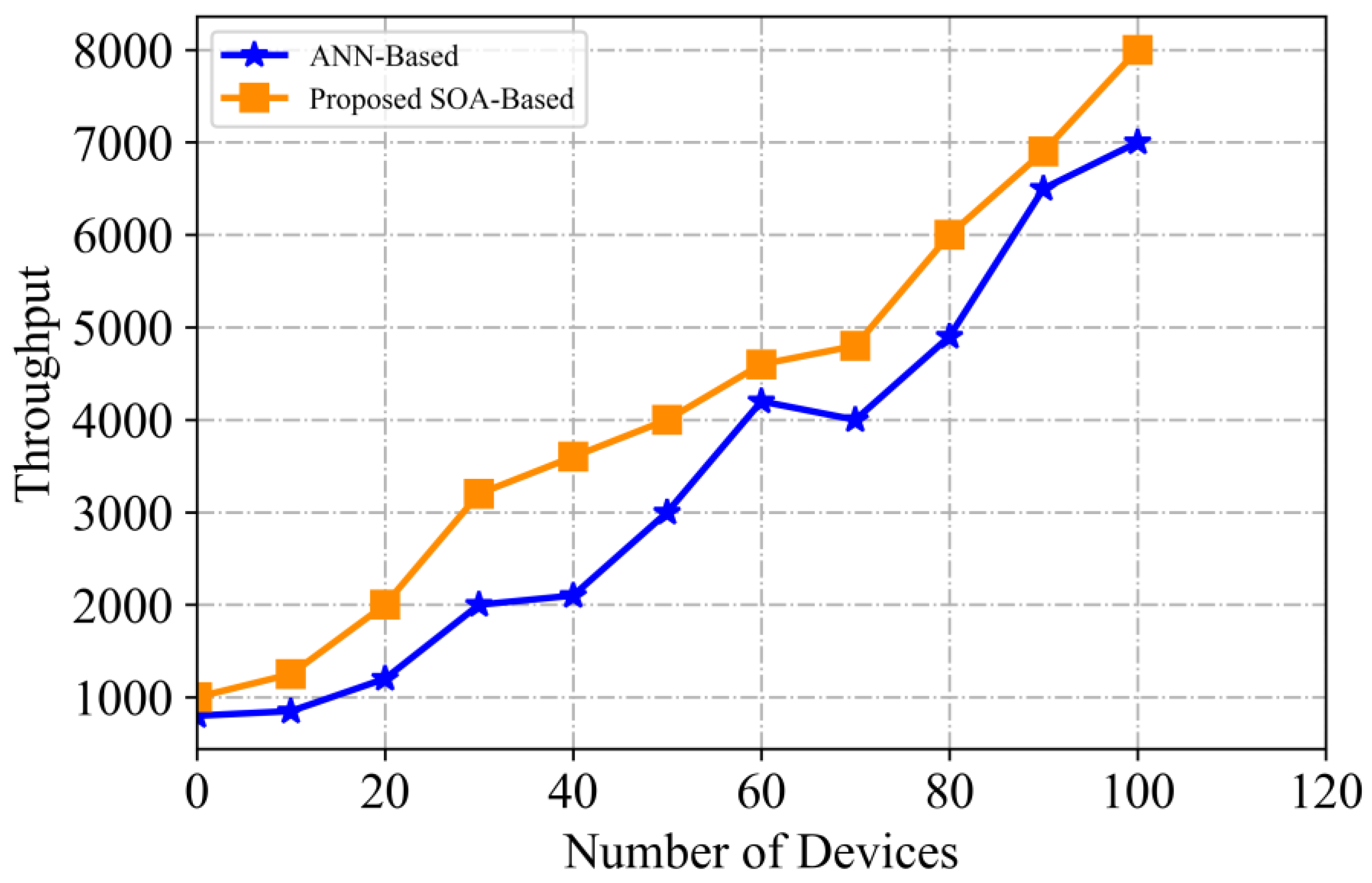
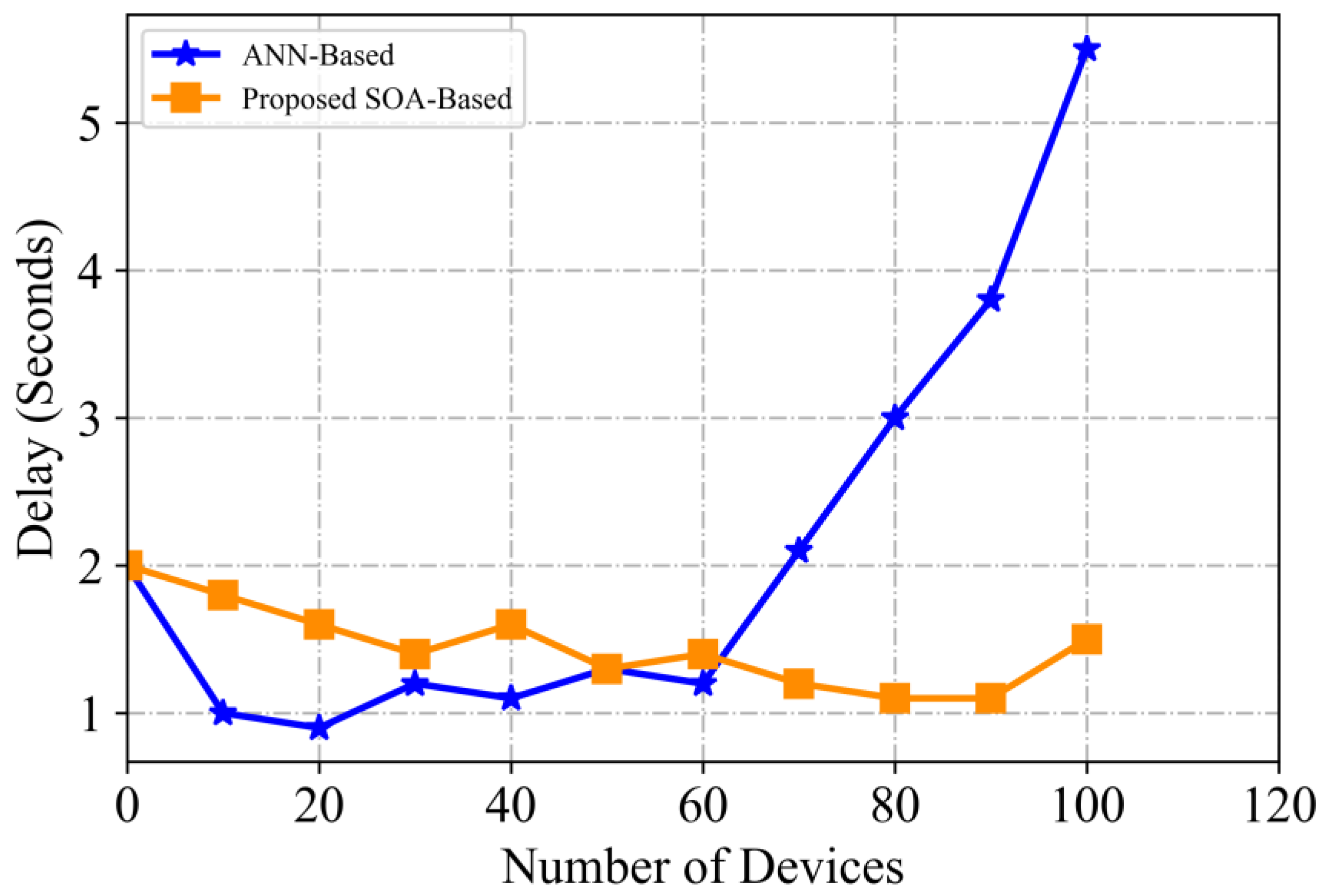
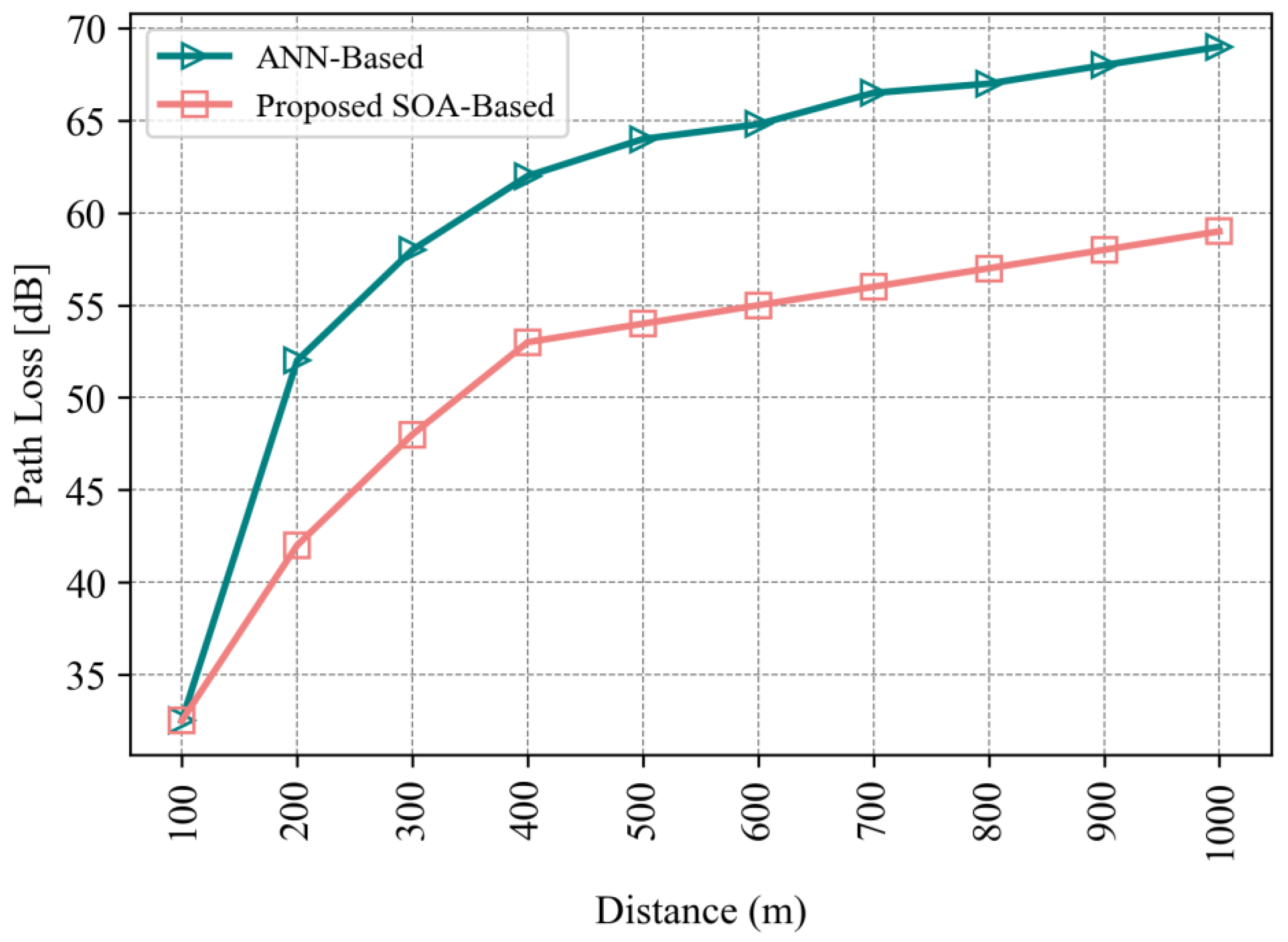
Over the course of the last decade, the unmanned aerial vehicle (UAV) research community has received a significant amount of attention. Emergency response operations, such as those that follow a natural disaster, are one of the civil applications that could benefit from the use of UAVs in disaster and crisis management. In the event of a catastrophic event, it would be extremely beneficial for both victims and first responders to have access to a UAV network that is capable of deploying independently and offering communication services. However, when working with complicated situations, one of the most difficult things is coming up with exploratory paths for the networks involved. A crisis and disaster management system using a swarm optimization algorithm (SOA) is proposed to assist in disaster and crisis management. In this system, the UAV search and rescue team follows the strategy called the delay tolerant network, which has the ability to explore. The proposed approach is able to find the global maximum in the search space without ever settling for a suboptimal solution. This work has two primary objectives: the first is to investigate a potential disaster zone, and the second is to direct the UAV to a number of victim groups that were found during the investigation phase. For the purpose of performing a characterization, performance metrics such as delay, throughput, performance rate, and path loss have been analyzed. The results show the superiority of the performance over the existing work.
Keywords: Internet of Things; edge computing; optimization; disaster management; swarm optimization algorithm; unmanned aerial vehicles Internet of Things; edge computing; optimization; disaster management; swarm optimization algorithm; unmanned aerial vehicles