Next Article in Journal
Two-Layer Cooperative Optimization of Flexible Interconnected Distribution Networks Considering Electric Vehicle User Satisfaction Degree
Previous Article in Journal
Addressing Body Image Disturbance through Metaverse-Related Technologies: A Systematic Review
 
 
Retraction published on 8 August 2025, see Electronics 2025, 14(16), 3158.
Article

RETRACTED: Research on Texture Feature Recognition of Regional Architecture Based on Visual Saliency Model

1
School of Civil Engineering and Architecture, Xiamen University of Technology, Xiamen 361024, China
2
College of Forestry and Grassland, Jilin Agriculture University, Changchun 130118, China
3
The Arts and Design College Xiamen, Fuzhou University, Xiamen 361021, China
*
Author to whom correspondence should be addressed.
Electronics 2023, 12(22), 4581; https://doi.org/10.3390/electronics12224581

Submission received: 7 September 2023 / Revised: 18 September 2023 / Accepted: 25 September 2023 / Published: 9 November 2023 / Retracted: 8 August 2025
(This article belongs to the Section Computer Science & Engineering)

Abstract

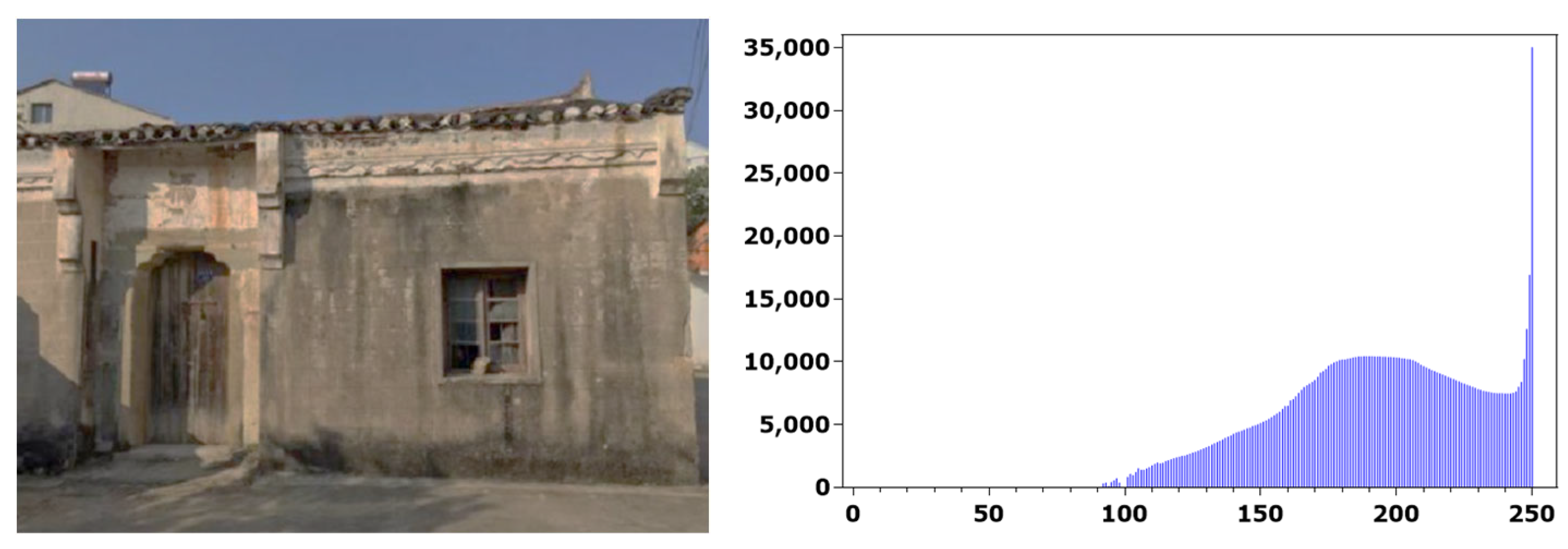
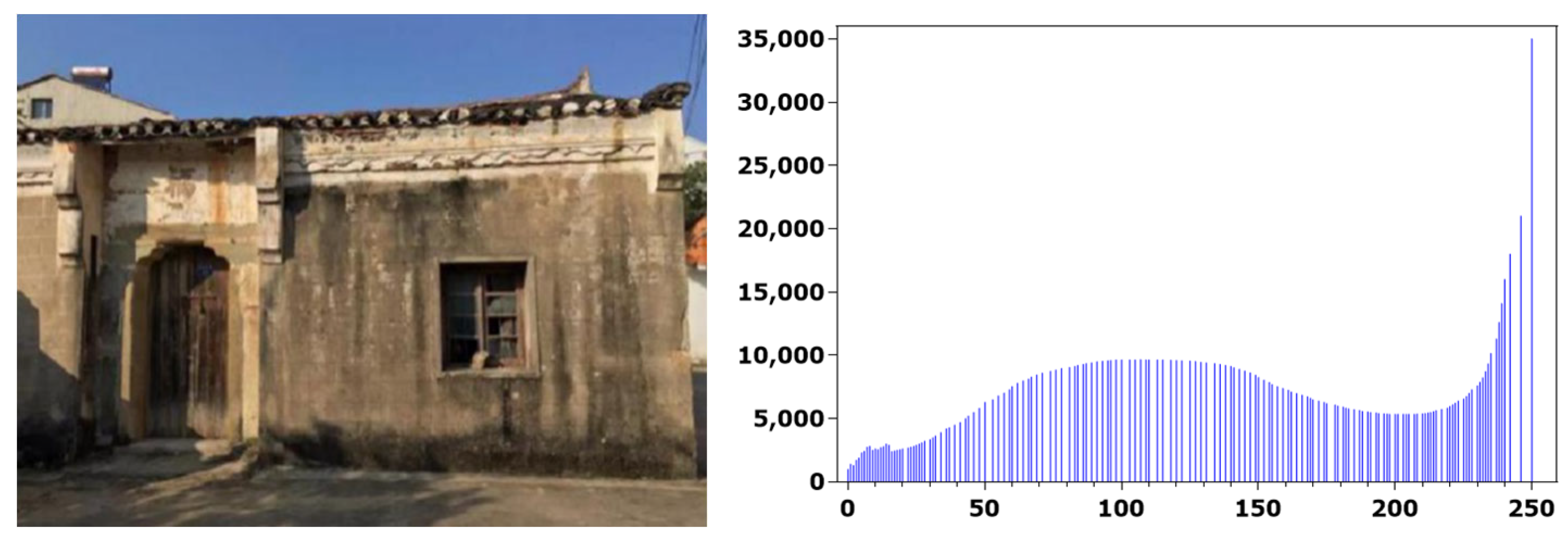
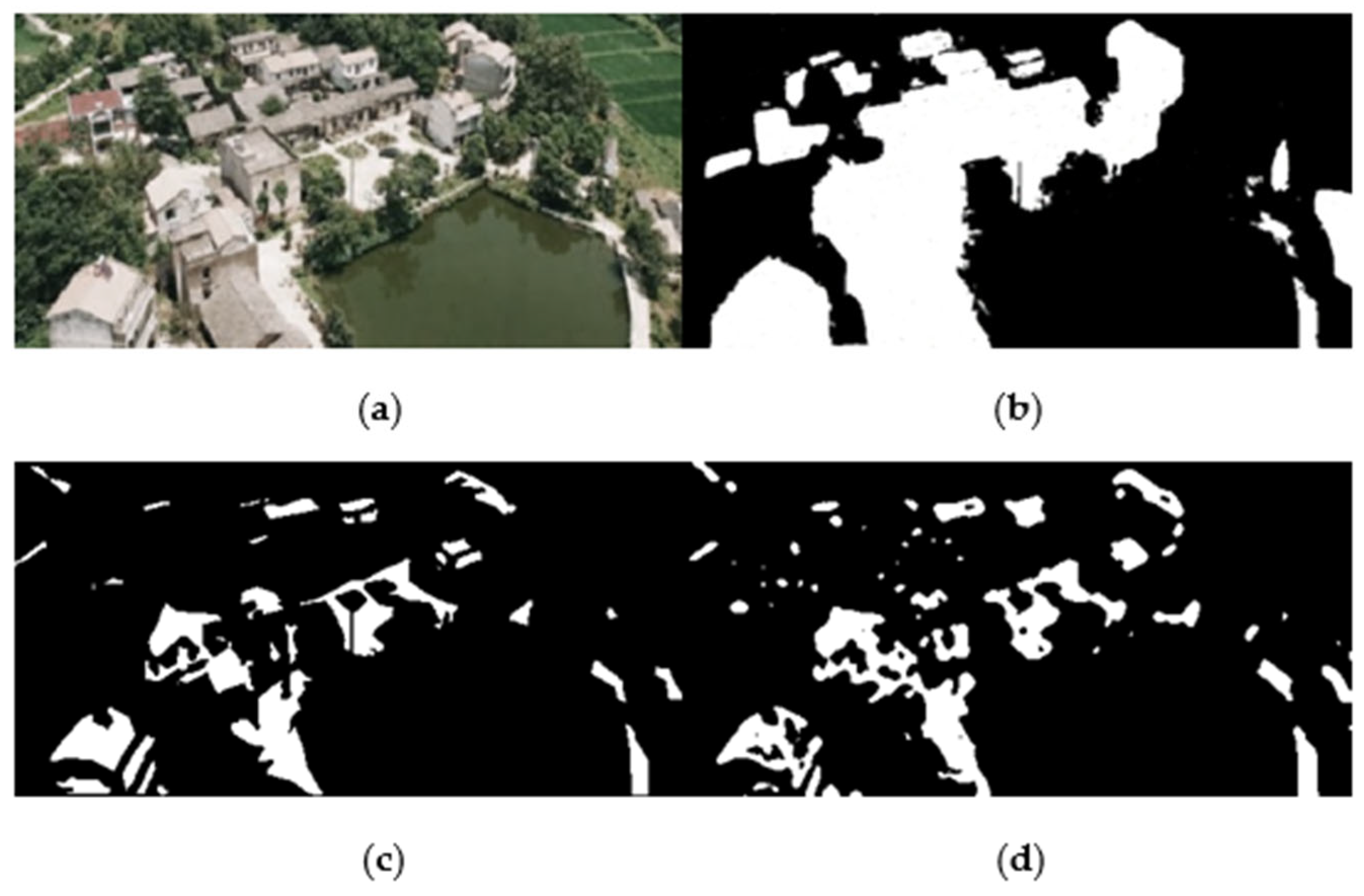
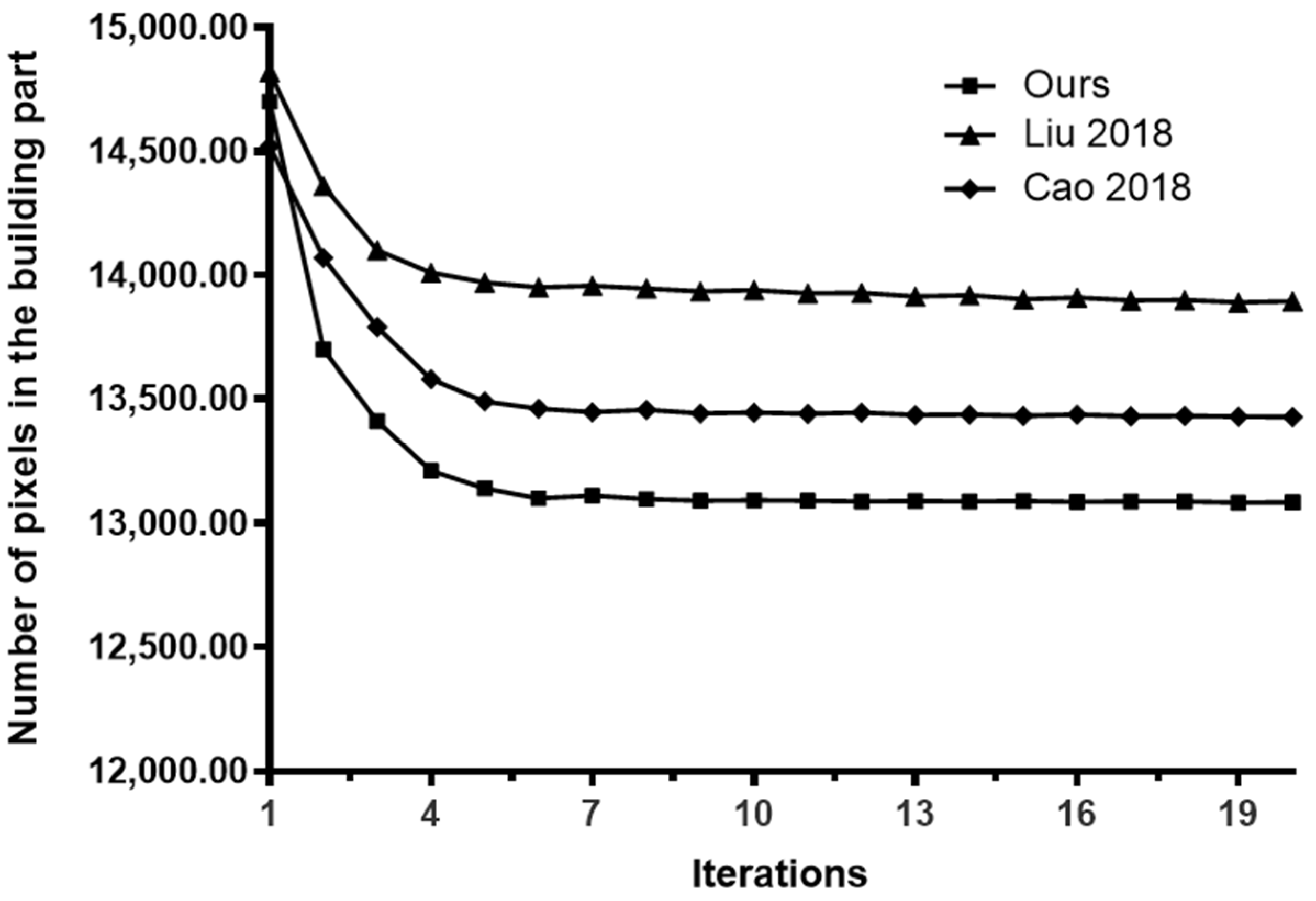
Architecture is a representative of a city. It is also a spatial carrier of urban culture. Identifying the architectural features in a city can help with urban transformation and promote urban development. The use of visual saliency models in regional architectural texture recognition can effectively enhance the effectiveness of regional architectural texture recognition. In this paper, the improved visual saliency model first enhances the texture images of regional buildings through histogram enhancement technology, and uses visual saliency algorithms to extract the visual saliency of the texture features of regional buildings. Then, combined with the maximum interclass difference method of threshold segmentation, the visual saliency image is segmented to achieve accurate target recognition. Finally, the feature factor iteration of the Bag of Visual Words model and the function classification of support vector machines were used to complete the recognition of regional architectural texture features. Through experimental verification, the constructed regional architectural texture feature recognition method based on visual saliency model can effectively enhance the recognition image. This method performs well in boundary contour separation and visual saliency, with an average recognition rate of 0.814 for texture features in different building scenes, indicating high stability.
Keywords: visual saliency; regional architecture; feature recognition; feature extraction; image enhancement visual saliency; regional architecture; feature recognition; feature extraction; image enhancement