Article

Cross-Day EEG-Based Emotion Recognition Using Transfer Component Analysis
1
Henan Key Laboratory of Imaging and Intelligent Processing, PLA Strategic Support Force Information Engineering University, Zhengzhou 450001, China
2
Troops 73616 of PLA, Shanghai 201100, China
*
Author to whom correspondence should be addressed.
Electronics 2022, 11(4), 651; https://doi.org/10.3390/electronics11040651

Submission received: 22 January 2022 / Revised: 15 February 2022 / Accepted: 17 February 2022 / Published: 19 February 2022
(This article belongs to the Topic Machine and Deep Learning)

Abstract

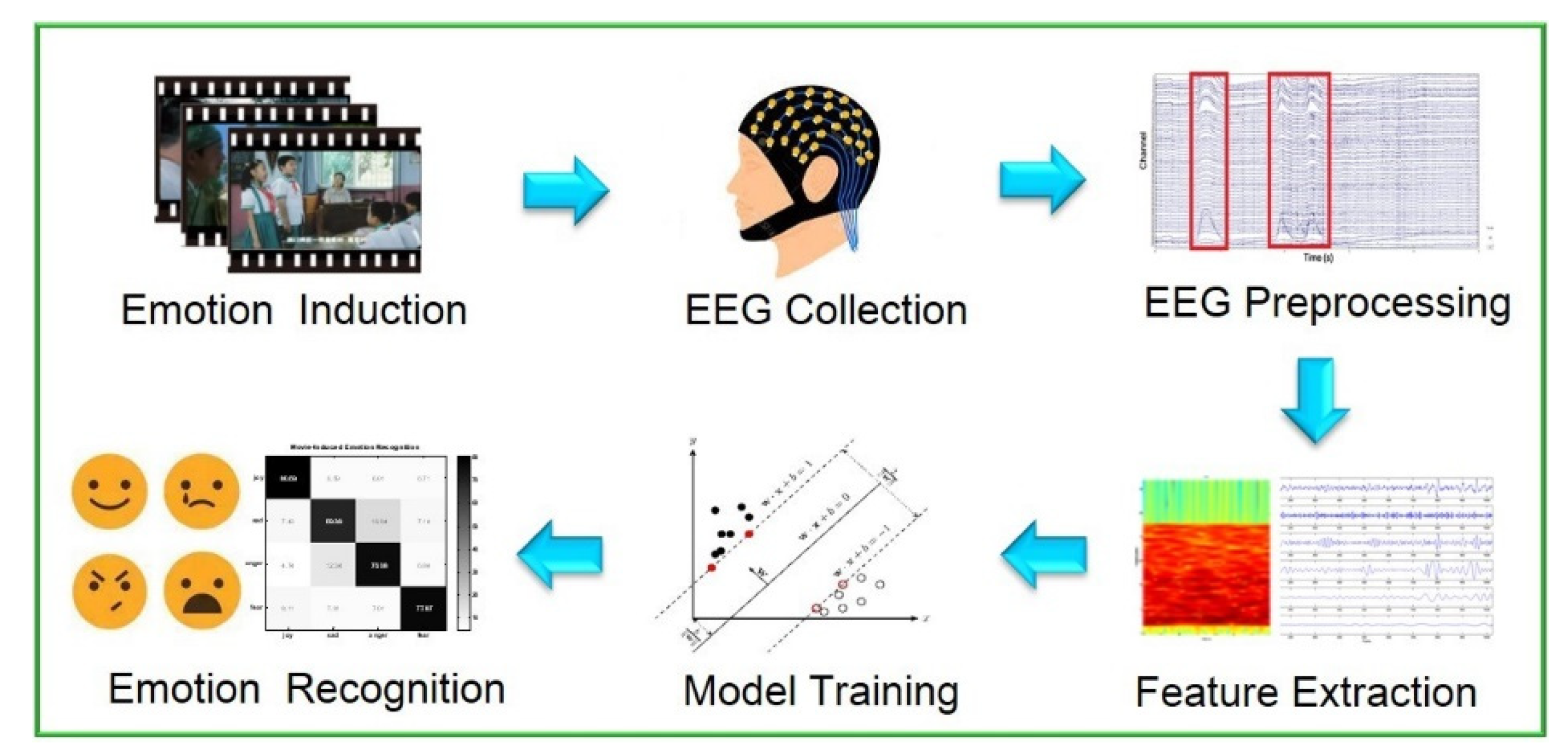
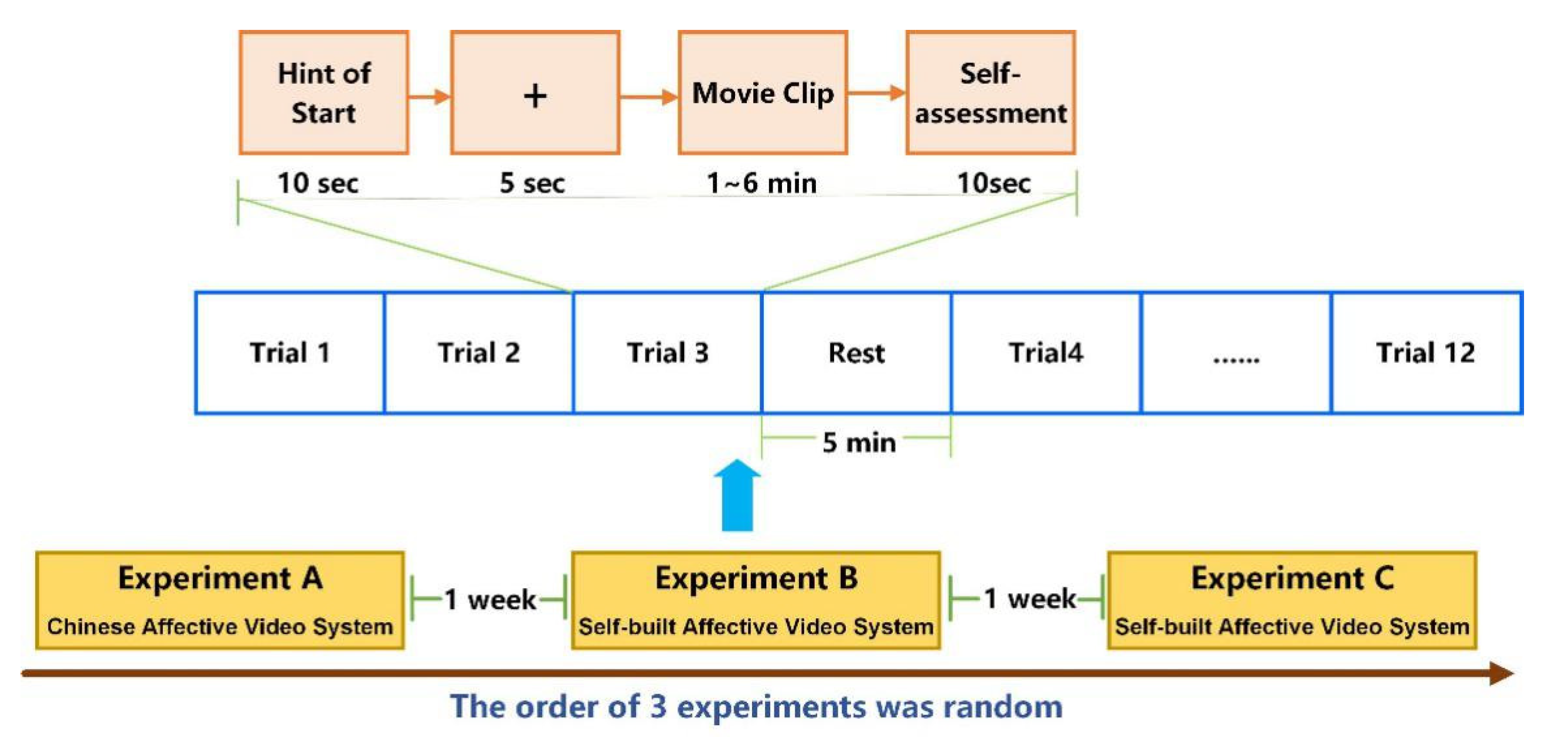
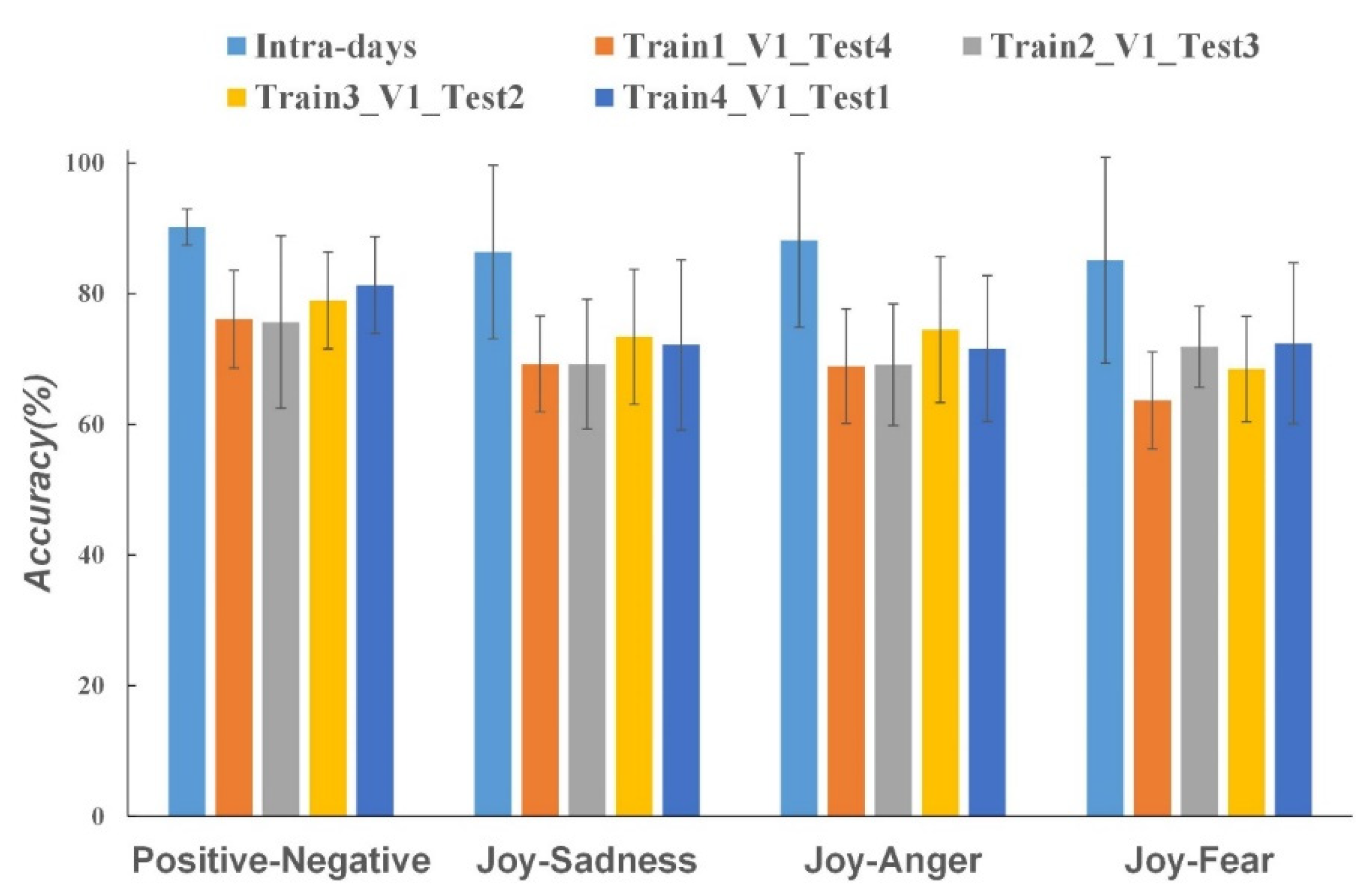
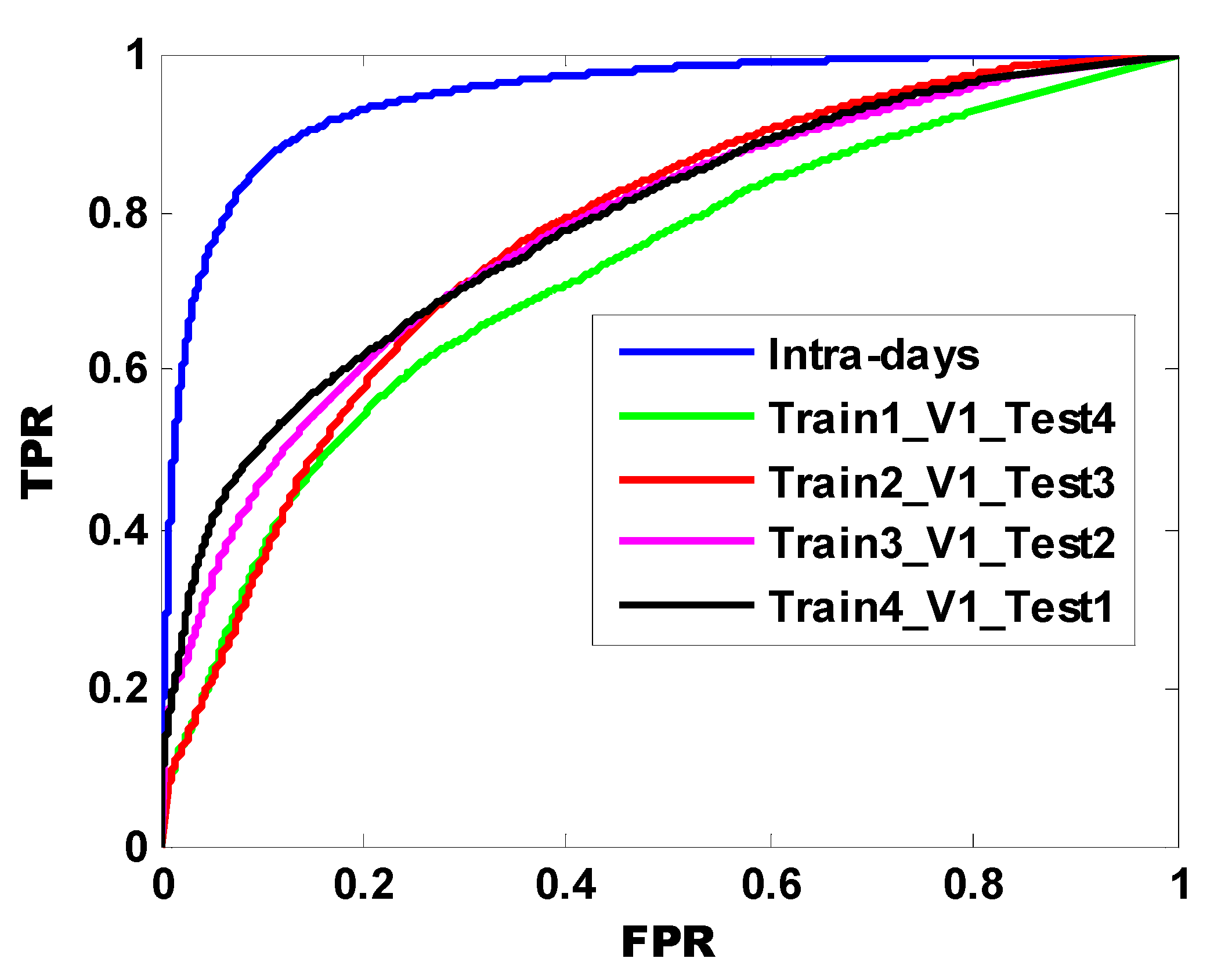
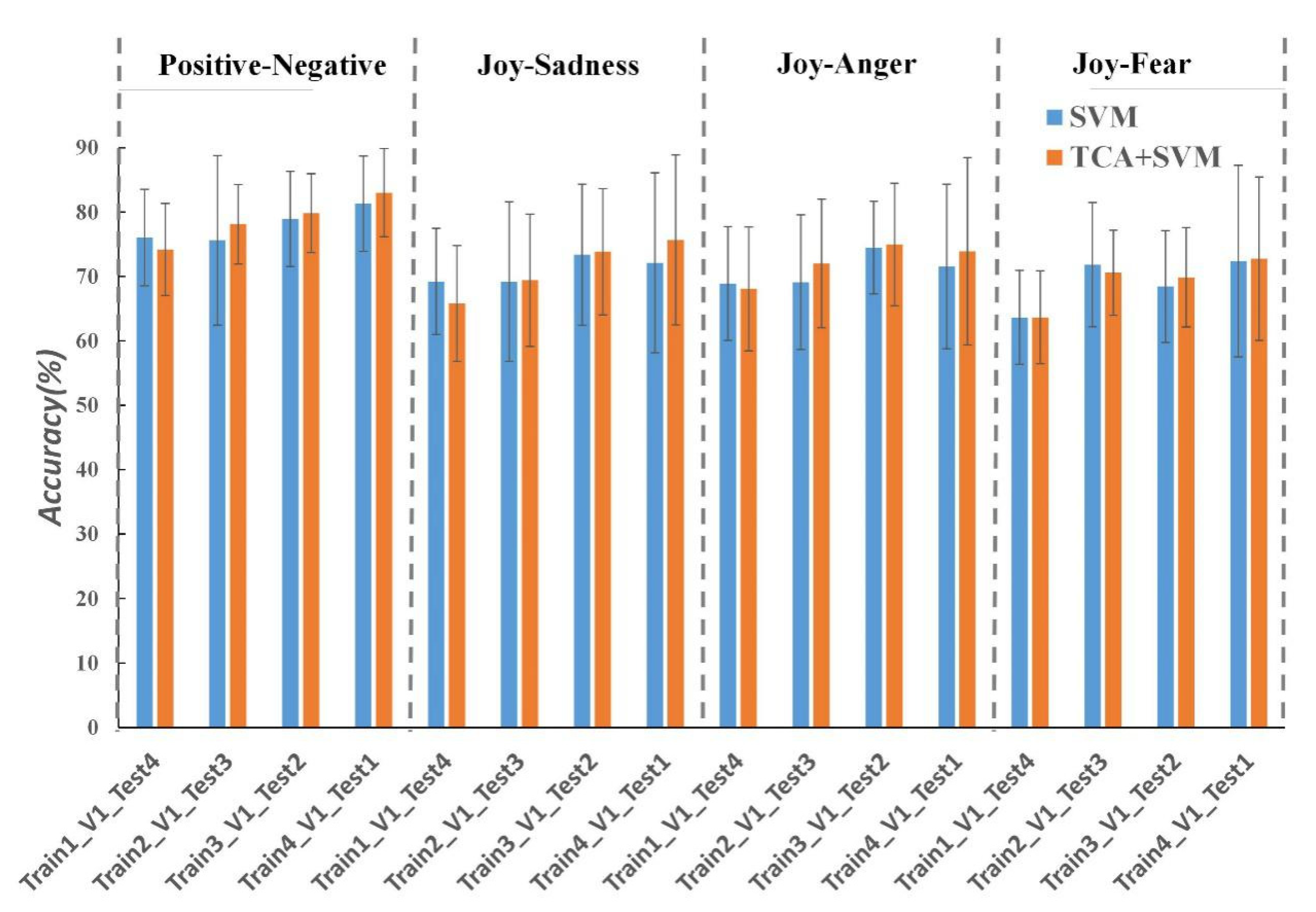
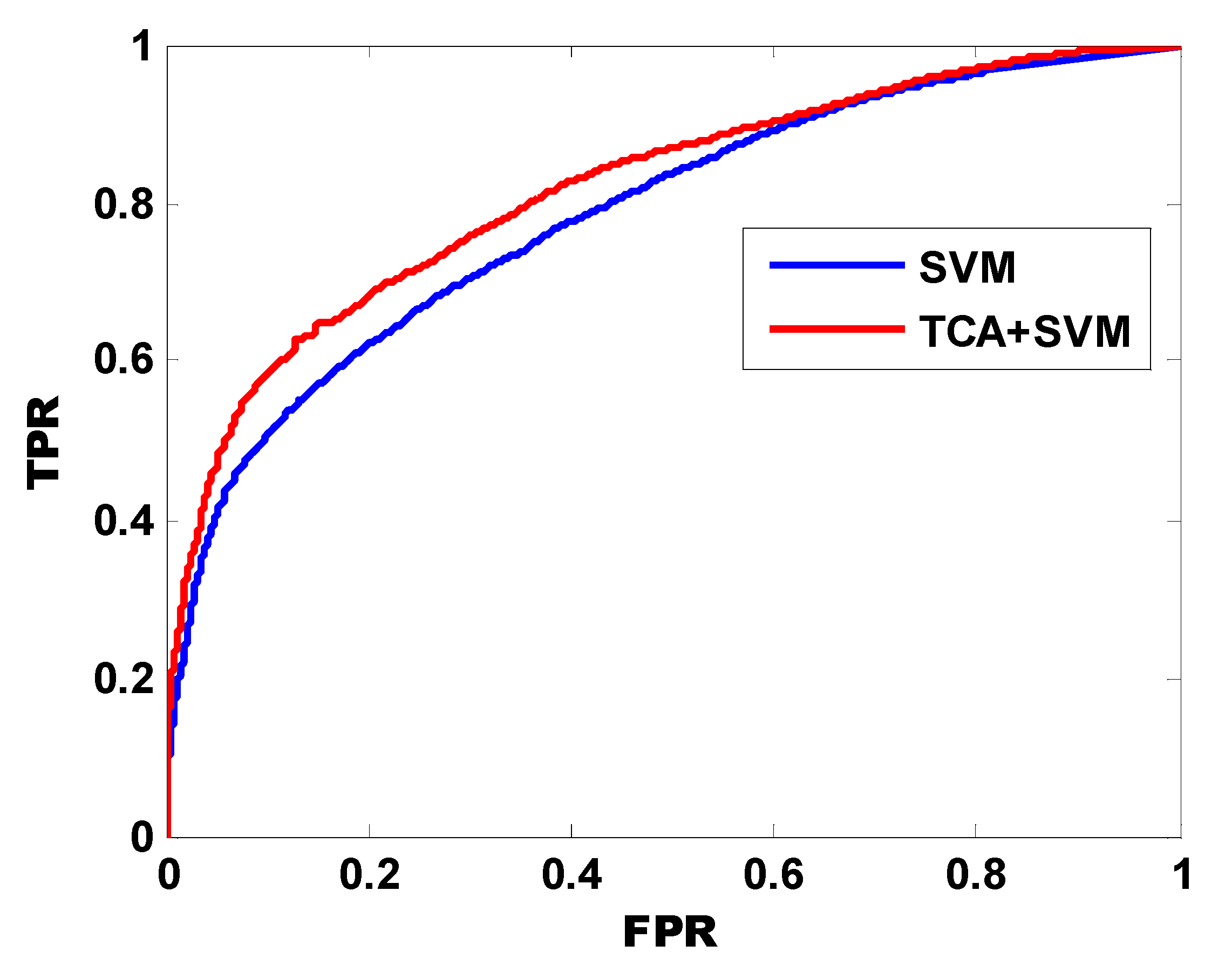
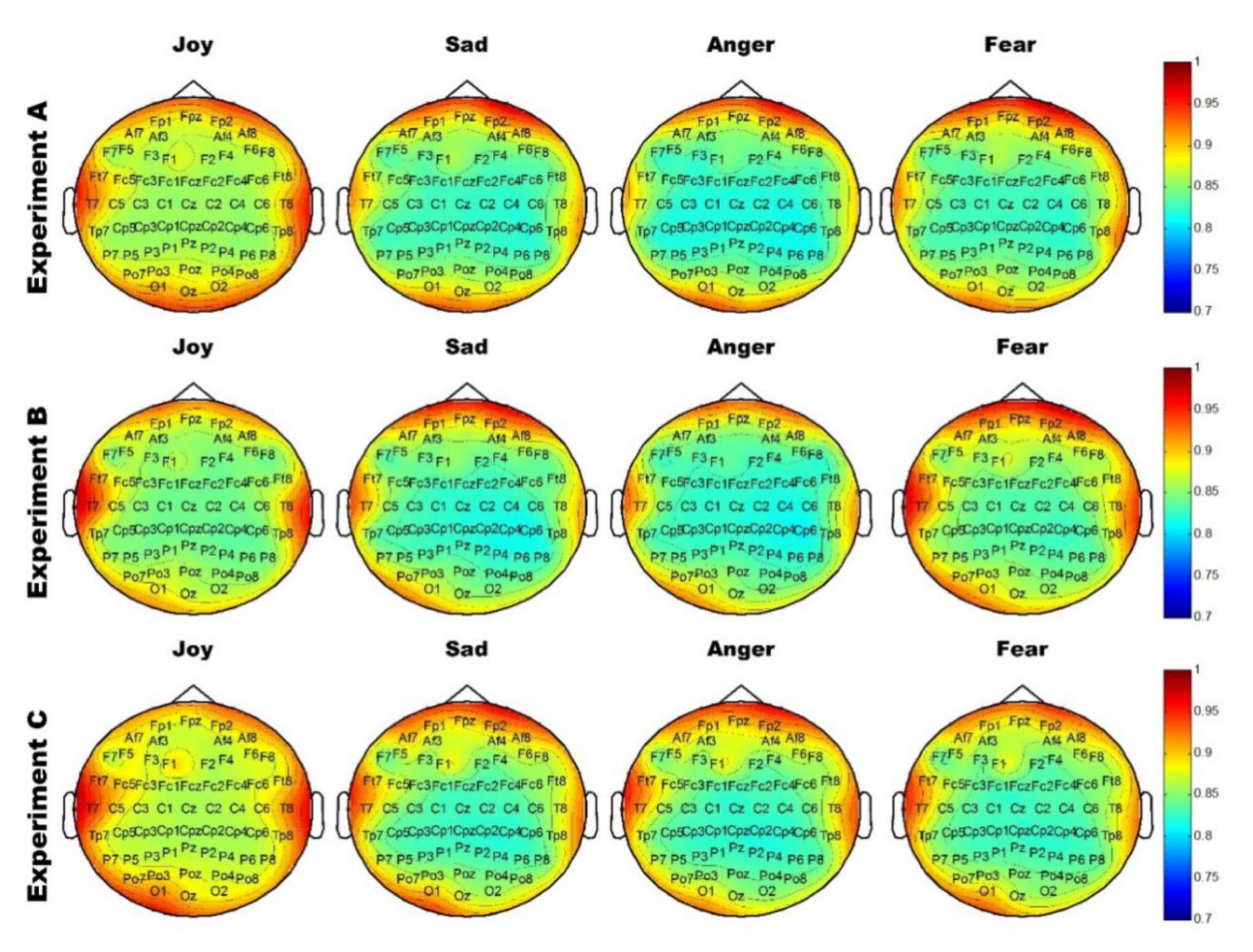
EEG-based emotion recognition can help achieve more natural human-computer interaction, but the temporal non-stationarity of EEG signals affects the robustness of EEG-based emotion recognition models. Most existing studies use the emotional EEG data collected in the same trial to train and test models, once this kind of model is applied to the data collected at different times of the same subject, its recognition accuracy will decrease significantly. To address the problem of EEG-based cross-day emotion recognition, this paper has constructed a database of emotional EEG signals collected over six days for each subject using the Chinese Affective Video System and self-built video library stimuli materials, and the database is the largest number of days collected for a single subject so far. To study the neural patterns of emotions based on EEG signals cross-day, the brain topography has been analyzed in this paper, which show there is a stable neural pattern of emotions cross-day. Then, Transfer Component Analysis (TCA) algorithm is used to adaptively determine the optimal dimensionality of the TCA transformation and match domains of the best correlated motion features in multiple time domains by using EEG signals from different time (days). The experimental results show that the TCA-based domain adaptation strategy can effectively improve the accuracy of cross-day emotion recognition by 3.55% and 2.34%, respectively, in the classification of joy-sadness and joy-anger emotions. The emotion recognition model and brain topography in this paper, verify that the database can provide a reliable data basis for emotion recognition across different time domains. This EEG database will be open to more researchers to promote the practical application of emotion recognition.
Keywords: EEG signals; emotion recognition; cross-day; Transfer Component Analysis (TCA); domain adaptation EEG signals; emotion recognition; cross-day; Transfer Component Analysis (TCA); domain adaptation