Article

Analysis of the S-ANFIS Algorithm for the Detection of Blood Infections Using Hybrid Computing

1
Department of Computer Science, KIET Group of Institutions, Delhi-NCR, Ghaziabad 201206, India
2
Department of Computer Applications, KIET Group of Institutions, Delhi-NCR, Ghaziabad 201206, India
3
Department of Applied Sciences, Meerut Institute of Engineering & Technology, NH-58 Delhi-Roorkee Highway, Baghpat Bypass Road, Meerut 250005, India
4
Division of Computer and Information Engineering, Dongseo University, Busan 47011, Republic of Korea
*
Author to whom correspondence should be addressed.
Electronics 2022, 11(22), 3733; https://doi.org/10.3390/electronics11223733

Submission received: 19 September 2022 / Revised: 9 October 2022 / Accepted: 9 November 2022 / Published: 14 November 2022
(This article belongs to the Special Issue Machine Learning Applications to Signal Processing)

Abstract

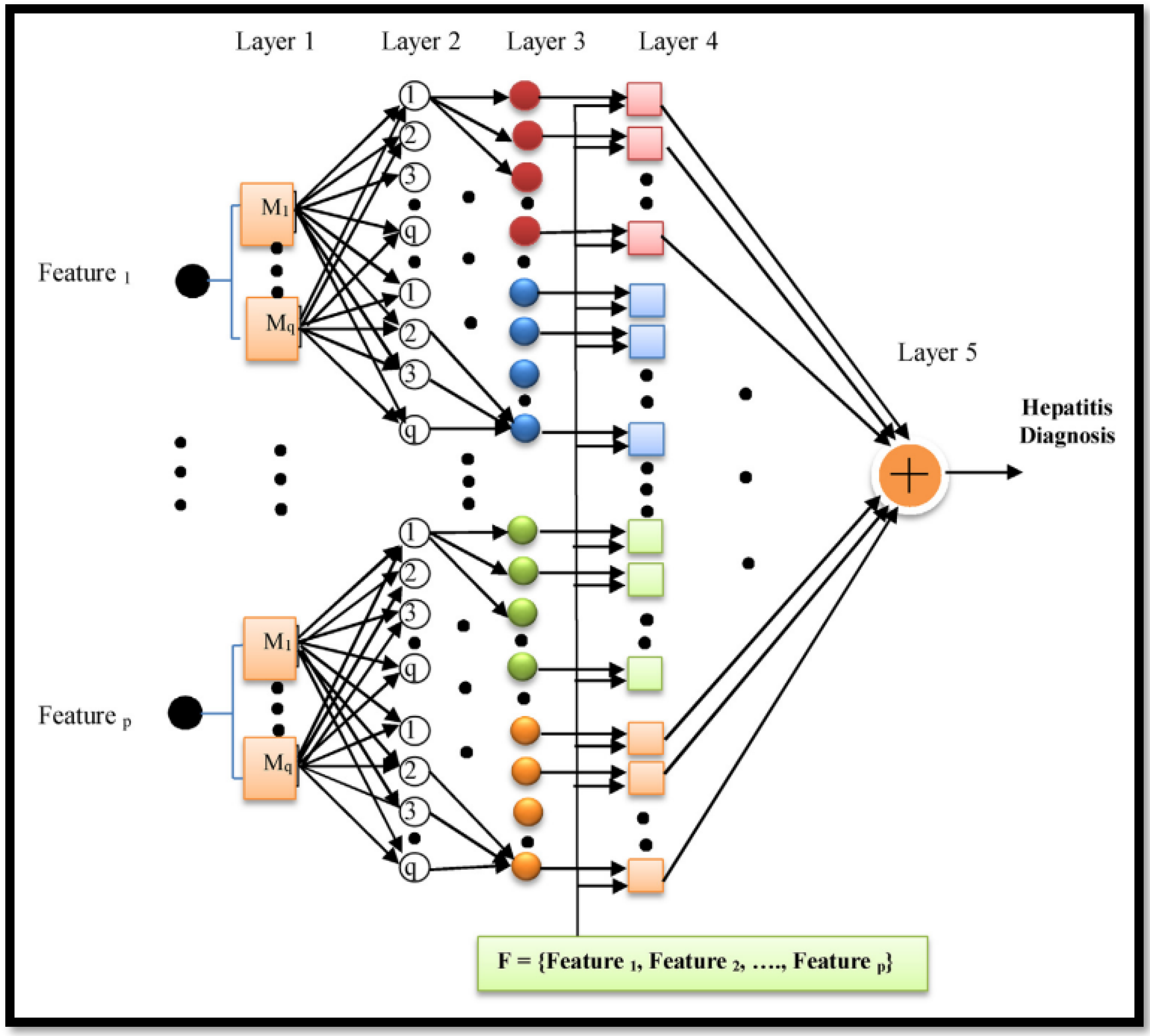
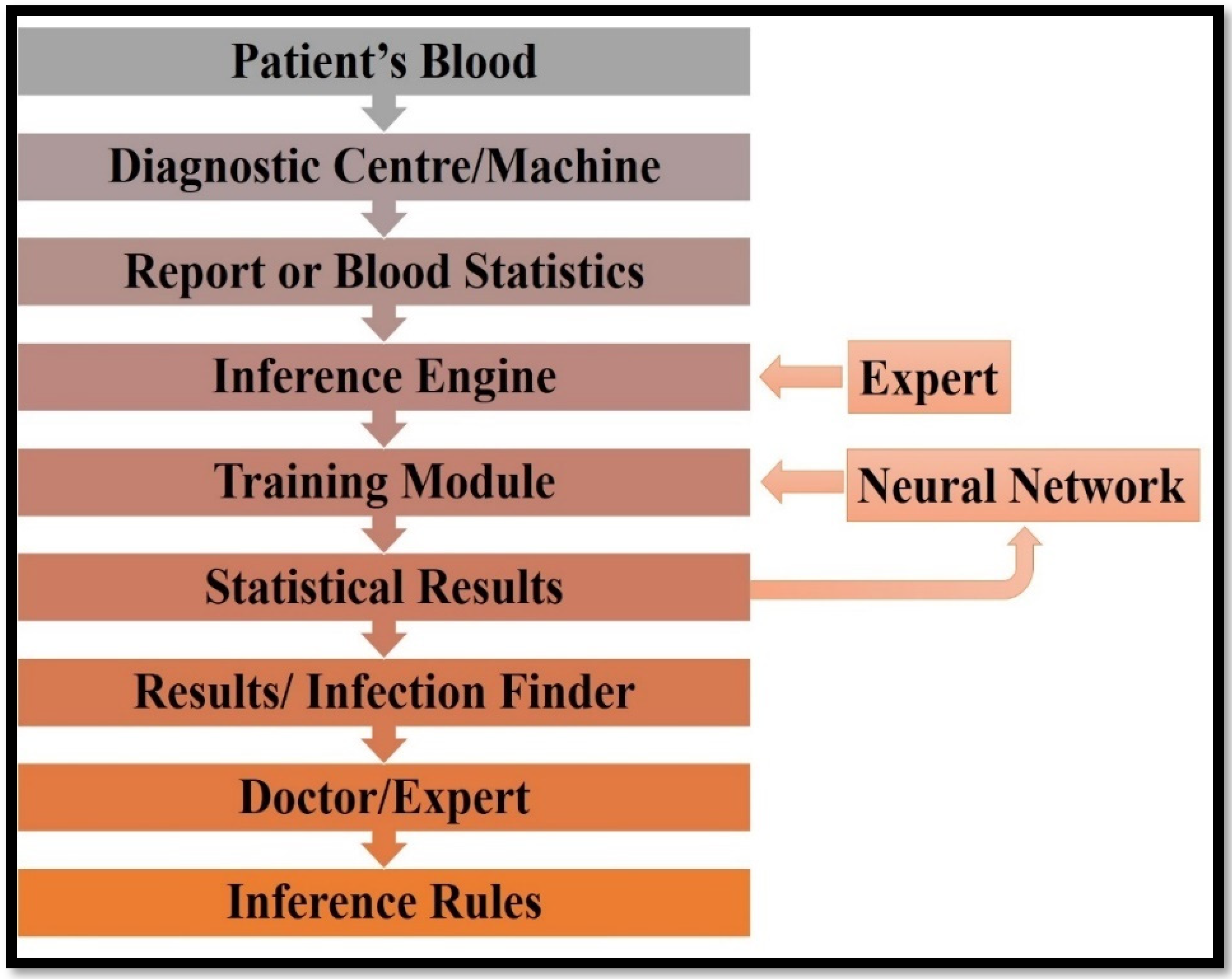
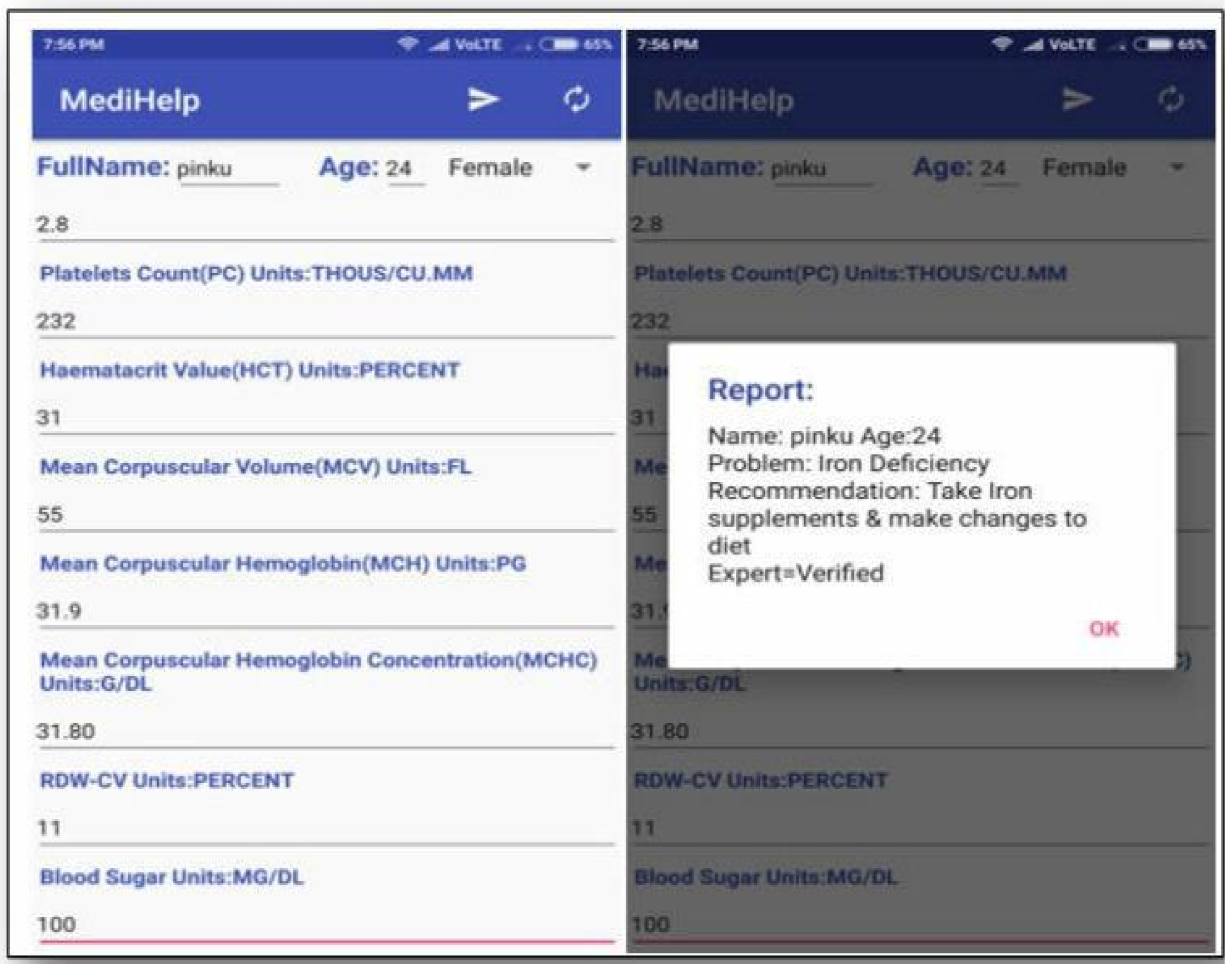
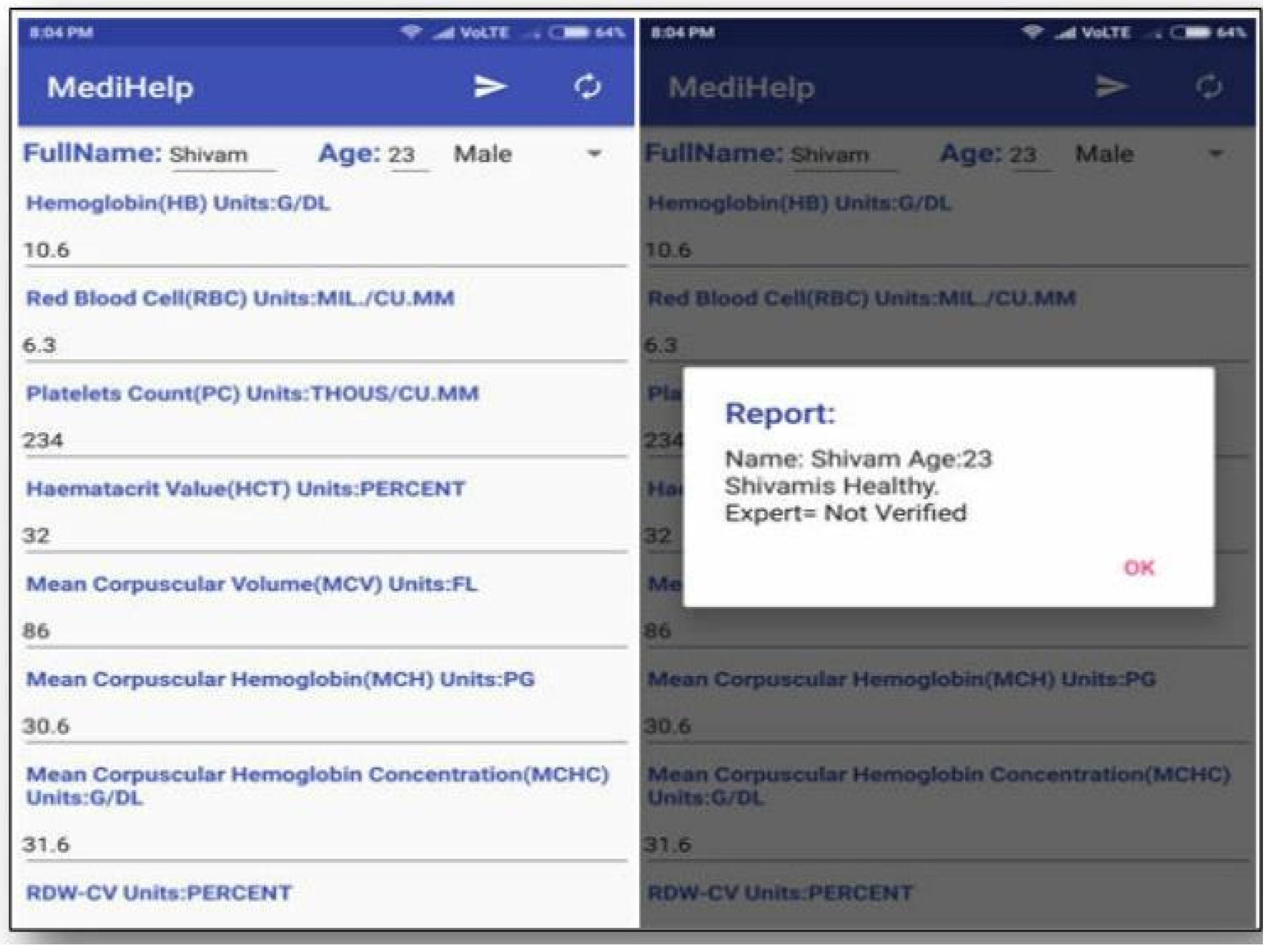
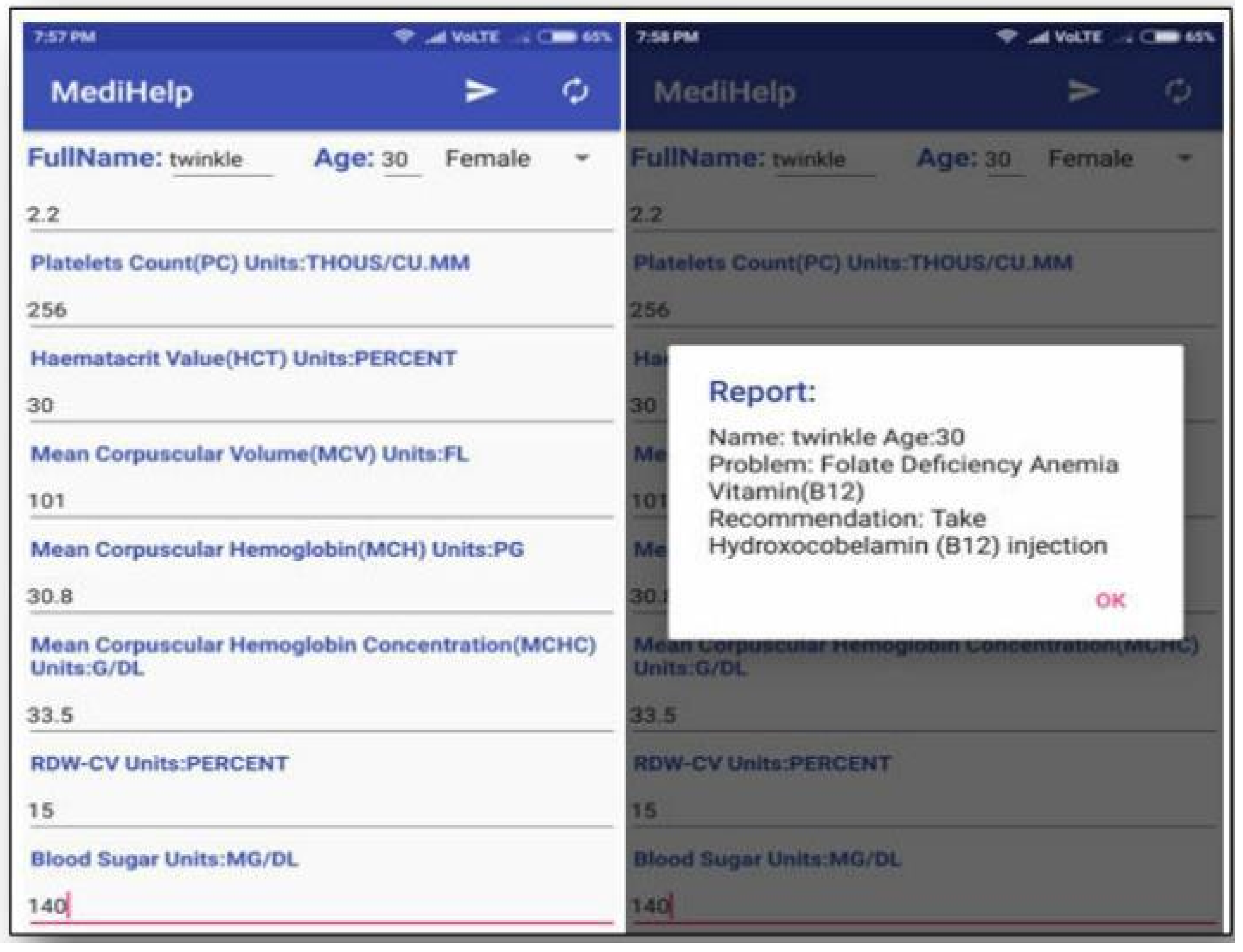
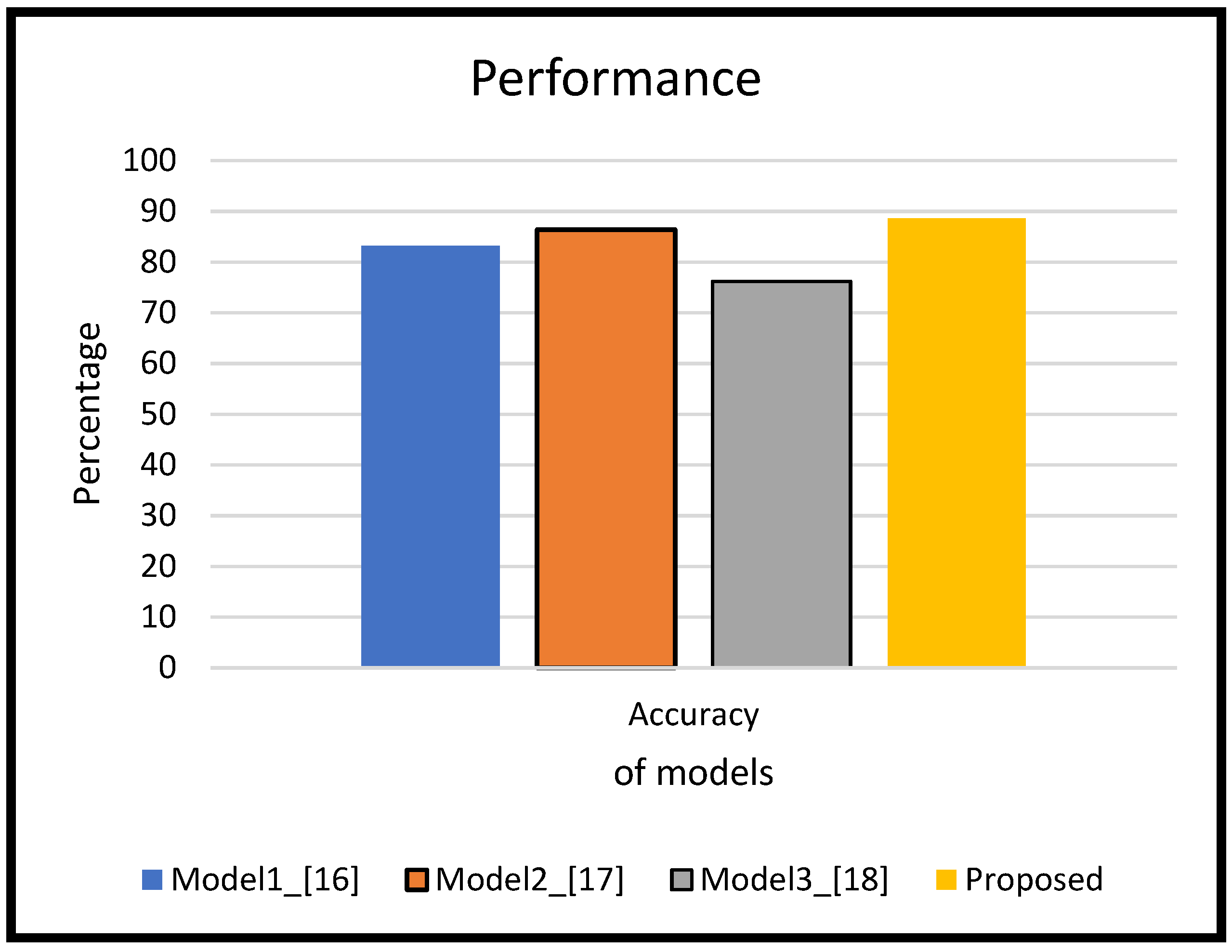
Environment and climate change have caused a rise in a wide range of diseases and infections. In countries where overpopulation is a problem, many infections spread severely. The main focus of this paper is the detection and identification of blood diseases. An automated system that examines all potential diseases using patient information and data is needed to deal with unpredictable circumstances. Having an automated and intelligent system that evaluates the reports and counsels doctors in any other area or nation is a demand of the time. The same solutions can be identified by the proposed system. To apply the adaptive neuro-fuzzy inference system (ANFIS) and related techniques to predict chronic diseases early, the authors have gone through various existing models and case studies on diabetics and other patients. The proposed approach, called S-ANFIS which is using the hybrid approach, is based on ANFIS and includes content curation and intelligence analysis in addition to comparison with current models. As a result, the suggested model outperforms other approaches in terms of disease prediction accuracy, with a score of 88.6%.
Keywords: ANFIS; blood disease; chronic disease; inference system; neuro-fuzzy; prediction ANFIS; blood disease; chronic disease; inference system; neuro-fuzzy; prediction