


Abstract
An interconnection of electric power networks enables decarbonization of the electricity system by harnessing and sharing large amounts of renewable energy. The highest potential renewable energy areas are often far from load centers, integrated through long-distance transmission interconnections. The transmission interconnection mitigates the variability of renewable energy sources by importing and exporting electricity between neighbouring regions. This paper presents an overview of regional and global energy consumption trends by use of fuel. A large power grid interconnection, including renewable energy and its integration into the utility grid, and globally existing large power grid interconnections are also presented. The technologies used for power grid interconnections include HVAC, HVDC (including LCC, VSC comprising of MMC-VSC, HVDC light), VFT, and newly proposed FASAL are discussed with their potential projects. Future trends of grid interconnection, including clean energy initiatives and developments, UHV AC and DC transmission systems, and smart grid developments, are presented in detail. A review of regional and global initiatives in the context of a sustainable future by implementing electric energy interconnections is presented. It presents the associated challenges and benefits of globally interconnected power grids and intercontinental interconnectors. Finally, in this paper, research directions in clean and sustainable energy, smart grid, UHV transmission systems that facilitate the global future grid interconnection goal are addressed.
1. Introduction
Electric power system networks are widely interconnected to deliver power to the loads economically and reliably. The improvement in reliability of the electrical power system network enhances the quality of service and reduces the power supply interruptions which include load-shedding and blackout. National economies and power transmission development mainly depend on the power grid infrastructure. In general, electrical energy generation and utilization (load centers) are far away from each other. Power grid interconnection and control of power flow are necessary to supply power to the load centers. Researches show the vast potential of renewable energy to generate electricity for the decarbonization of electricity systems [1,2]. However, the extent of reliability and practical implementation of such a system is a significant challenge due to the inherently variable nature in the development of RES based technologies such as wind turbines and solar PV systems [3,4,5]. A reasonable approach to tackle the variability challenge is the interconnection of adjacent power systems and export or import electricity during high and low power generation, respectively [6]. The idea of global power grid interconnections was originated in the first half of the 20th century by Buckminster. It was considered the potential benefits of a global grid with renewable energy as a backbone. However, it was dismissed due to the limited maximum distances of power transmission (around 350 m) [7]. Later, the concept of the global grid was acknowledged by the United Nations (UN) in 1969 at the World Game Seminar [8].
Recently, at the 2015 UN sustainable development summit, Chinese president Xi Jinping said that China will take the lead on discussions about establishing a “global energy internet” to fulfill the global power demand with green and clean energy alternatives. Currently, UN secretary general considered the advantages of a global grid to be in line with UN’s commitment for sustainable development in the 2030 agenda. However, there are some arguments supporting the idea of a global grid, implementation of intercontinental interconnectors to-date have been limited to short distance subsea AC links such as the Egypt-Jordan and Morocco-Spain interconnectors, and land-based interconnectors with limited flow between central Asia and eastern Europe [8].
The detailed benefits of energy interconnection include social, economic, resource and environmental benefits as depicted in Figure 1. For this reason, many countries are increasing the large power grids and cross-border power grid interconnection. North America, Russia-Baltic Sea and Europe have large interconnected power grids [9,10]. Cross-border interconnected power grids are also developing in Gulf countries, Southern Africa, South America and other regions in the world [11,12]. Moreover, the technological benefits of large scale power network interconnections are [13]:
Figure 1.
Benefits of global energy interconnection [14].
- Balancing mismatches in supply and demand: Connecting summer peak-demand regions with winter peak-demand regions. For example, regions of different time zones, getting large benefits by balancing seasonal and daily peak-load variability.
- Incorporating intermittent renewable power: Transmission interconnection is a tool to facilitate incorporation of variable renewable resources. The evolution of high and ultra-high voltage transmission technology opens up entirely new transportation corridors and interconnection possibilities.
- Accessing remote energy resources: Electricity utilization is concentrated in major cities having large energy demand. This large demand will not be fulfilled by the local energy resources. Even renewable energy sources such as wind, hydro, and solar are highly location-specific and these sites are often located in remote regions far away from the demand centres.
The remaining paper is organized as follows. In Section 2, a global energy consumption overview is presented. In Section 3, large power grid interconnections, including renewable energy and its integration, and global power grid interconnections are described in detail. In Section 4, the current trends in power grid interconnection technologies including HVDC (LCC and VSC-MMC, VSC-HVDC light), high-frequency AC link, VFT and FASAL are discussed in detail. Future prospects of intercontinental and international grid interconnections are presented in Section 5. In Section 6, Research directions in grid interconnections, including clean and sustainable energy, smart grid developments and UHV transmission, are presented. Finally, the paper is concluded in Section 7.
2. Global Energy Consumption Overview
Due to industrialization, population growth, and developments in developing and developed countries, global energy demand increases rapidly. The primary energy consumption of the world has increased from 3460 million tonnes oil equivalent (mtoe) to 13,632 mtoe in a span of 53 years (from 1965 to 2018). This growth has seen an increase of 2.9% in 2018, which is approximately double the 10 year average [15]. Figure 2 depicts global energy consumption in the last 50 years [16]. Energy evolution has gone through firewood to coal and further to oil and gas. Nowadays, more than 80% of the global energy utilization depends mainly on natural gas, coal, oil and other fossil energy resources. The global energy consumption trends and projection based upon the fuel share is depicted in Figure 3. The global power generation based on fuel mix is shifting with renewables gaining share at the expense of coal, nuclear and hydro. The percentage of natural gas share is almost constant at about 20%. In 2018, 66% of new electricity generation capacity was contributed by renewable energy sources. Their stake in the global power market is expected to be approximately 30% in the year 2040. On the other hand, a significant decline in coal consumption demonstrates a confluence with the renewables before 2040 [17]. Figure 4 depicts the global primary energy utilization structure by region in 2018. It is evident from Figure 4 that the primary fuel for power generation in North America is oil and natural gas followed by coal. In South and Central America, oil and hydro is the dominant source of energy while natural gas consumption is at third position. In Europe, oil and natural gas have a large share followed by coal. However, nuclear and renewables also have a significant role. In the Commonwealth of Independent States (CIS) and the Middle East, natural gas is dominant and accounts for more than half of the total energy consumption in both regions. In Africa, oil, natural gas and coal account for approximately 90% of the total energy consumption. In the Asia Pacific region, coal is the dominant fuel followed by oil.
Figure 2.
The global energy consumption trends in the past years (1965–2018) [15].
Figure 3.
The global energy consumption trends and projection based on fuel share [17].
Figure 4.
Region-wise primary energy consumption by fuel around the globe [15].
3. Large Power Grid Interconnections
The increase in voltage levels in the power grid and the enhancement in scale such as the transmission distance, load level, installed capacity and the allocation efficiency of power grids have been significantly improved. After the discovery of electricity, the global power grids have advanced from isolated, small and urban to large-scale interconnected power system networks. The second generation of power grids are specified by large-scale interconnection and development of the zoned and layered power grids. On this behalf, the power grids of third generation will form the power grid mode of local grids, organically combining backbone grids and microgrids [18,19].
3.1. Renewable Energy and Its Integration
The fast development of clean energy systems leads to immediate requirements of large power grids interconnection. Rapidly developing clean energy such as wind, solar and hydro energy systems are significant part of current world energy advancement and also an excellent alternative to carbon emissions mitigation and the establishment of sustainable energy supply [20].
The total world’s theoretical reserves of wind power potential is about 2000 × TWh/year. The wind energy resources are affected by the topography, atmospheric circulation, water, land and other factors and it is unevenly distributed around the globe. Figure 5a shows the global distribution of wind energy resources [21].
Figure 5.
The worldwide distribution of renewable energy sources. (a) Wind energy. (b) Solar energy. (c) Hydro energy [21].
The total annual global solar radiation is equal to about 116 trillion tons of standard coal. The total annual global solar radiation is higher than the global fossil fuel reserves. The global solar energy resources distributions is shown in Figure 5b [21].
The gross theoretical potential of hydropower around the globe is about 41,914 TWh/year. Technically exploitable hydropower potential is about 15,778 TWh/year which is about 38% of the gross theoretical potential of the world [22]. The exploitable hydropower resources in different regions around the globe are shown in Figure 5c [22].
The power generated by the wind and the solar are random and intermittent. Due to these features of new and clean energy, the interconnection of large power grids is essential [23]. Moreover, it is necessary to control the proportion of wind and solar power in the total installed capacity. For this purpose interconnection of both high power grids as well as low power micro and smart grids are required. Due to the evolution of smart grids of different capacities, interconnection with high power grids are required at all power level.
3.2. Global Large Power Interconnections
Interconnection of the synchronous power grids is gradually expanding in most parts of the world. In this section, different existing and future power grid interconnections around the globe are presented in detail.
3.2.1. North America
In eastern North America, the total capacity of the synchronous power grids is more than 760 GW installed over 5.2 × km of area. These synchronous power grids are the largest installed capacity globally, having 500 kV as the backbone network and consisting of few 750 kV power networks. A geographical map of North America interconnected power system networks is depicted in Figure 6. In North America, four synchronous power grids are interconnected asynchronously across the United States, Canada and Mexico, including the eastern and western, together with the Texas and Quebec interconnections [24]. The Eastern interconnection is interconnected to the Western interconnection through six HVDC lines, to the Texas interconnection through two HVDC lines, to the Quebec interconnection through four HVDC lines, and one variable frequency transformer (VFT).
Figure 6.
Electric power grid interconnections in North America [25].
3.2.2. Latin America
Latin America has also taken a move in the integration of electricity markets that leads to economic liberalization, enhances energy security, and reduces generation costs. Latin America has created three main regions for the grid interconnection, which include the Southern Cone (MERCOSUR, excluding Venezuela), the Andean Community (CAN), and Central America (SIEPAC) [26]. The interconnection between Colombia and Panama is expected to start soon having 450 kV and power transmission capacity of 600 MW [27]. Moreover, Colombia and Ecuador share four transmission lines with a maximum export capacity of 535 MW [28]. Many more cross-border interconnections are expected in these regions, for example, Colombia plans a new MTDC interconnection project (Guajira-Cerromatoso-Panama) in order to export energy [29].
3.2.3. Africa
An initiative called Africa Clean Energy Corridor (ACEC) meant for regional cooperation for promoting regional electricity trade and renewable energy (RE) deployment. It harnesses great RE potential existing in East and Southern African sub-regions stretching from Egypt to South Africa. The ACEC initiative, taken up by the International Renewable Energy Agency (IRENA) and recognized by Ministers from the Eastern Africa Power Pool (EAPP) countries and the Southern African Power Pool (SAPP) at the fourth IRENA Assembly in 2014. The initiative enhanced deployment in cross-border interconnection and trade of renewable power in a continuous network from Egypt to South Africa. In Eastern and Southern Africa, 80% of electricity is generated from fossil fuels (natural gas, oil, or coal). It is expected that by 2030, 50% of electricity in Eastern and Southern Africa could come from clean and cost-effective renewables [30,31]. It is proposed that a submarine cable in Africa include the East Africa–West Africa Channel and Africa–European Interconnected Channel. The total length is 4000 km, while the total capacity is 50 GW [32].
3.2.4. Europe
In Western Europe, the installed capacity of synchronous power grids attains 690 GW expanded over nearly 4.5 km of area. To fulfill the mission of clean energy development, European countries try to establish a “Europe-Mediterranean-Middle East” super-power grid by 2050. This will interconnect renewable energy power generation bases in the Middle East, North Africa, and areas along the North Sea coast in Europe [33]. A conceptual plan of a European supergrid linking renewable energy projects is shown in Figure 7 [21].
Figure 7.
A conceptual plan of a European supergrid linking renewable energy projects [21].
3.2.5. Northeast Asia
The countries of Northeast Asia (NEA) were previously poorly connected, have started to explore the possibility of constructing interstate electric ties (ISET) and interstate grids (ISG). Northeast Asia power grid consists of synchronized power grids in each country. Some of the existing interstate transmissions in the NEA region are presented in Table 1 [34,35].
Table 1.
Existing interstate electric ties in Northeast Asia [34].
3.2.6. Indian Power Grids
In India the total electricity generation (including grid connected renewables) has been increased from 1110.458 BU during 2014–2015 to 1376.095 BU during 2018–2019. Among the above generation enhancement, renewables increased by 24.47% while the overall growth rate was 5.19% during the year 2018–2019. The natural resources used for electricity generation are dispersed unevenly and concerted in certain regions. To facilitate the delivery of power from the generating stations to the load centres, transmission networks and grid interconnections are essential. To consider this, a vast network of transmission lines and grid interconnections has been developed over the years. The Indian power grids are developed on a regional basis by dividing the country into five regions such as Northern, Southern, Western, Eastern and North-Eastern regions as shown in Figure 8. Moreover, these regional grids are interconnected via HVAC and HVDC links. Some of the inter-regional grid interconnection projects operating successfully are demonstrated in Figure 8 [36]. Two UHV DC transmission projects having voltage level of kV are incorporated in “Twelfth 5-year Plan” for grid development. One of the projects, the Biswanath Chariali–Agra, the world’s first kV, 6000 MW, 1775 km, UHVDC multiterminal has been commissioned in September 2015 [37]. Another HVDC link, Champa-Kurukshetra, kV, 3000 MW, bipole has been commissioned in March 2017. This is 1287 km long distance, inter-regional between WR-NR HVDC Interconnector [38]. Moreover, India has initiated working on 1200 kV UHV AC transmission system. A national test station is developed in Bina, Madhya Pradesh. It has one 400/1200 kV bay which is successfully charged, along with one 1200 kV single circuit and one 1200 kV double-circuit test transmission line [39]. According to Indian Electrical and Electronics Manufacturers Association (IEEMA), the power transfer capability of 1200 kV line is ranging from 6000 MW to 8000 MW [40].
Figure 8.
Some inter-regional grid interconnections in India [36].
4. Current Trends of Power Grid Interconnection Technologies
Broadly, power grid interconnection may be of two types that are synchronous and asynchronous. In the synchronous interconnection, the operating frequencies of both the interconnected power grids should be the same (50 Hz or 60 Hz). In the asynchronous interconnection, the operating frequencies of both the interconnected power grids may be the same or different. The present scenario of large power grid interconnection implemented around the world includes AC synchronous interconnection, HVDC asynchronous interconnection including LCC-HVDC, VSC-HVDC light and Modular Multi-level Converter (MMC) [41,42] and Variable Frequency Transformer (VFT) based AC asynchronous interconnection. Moreover, some grid interconnection technologies are also proposed in the literature, including High-Frequency AC Link and Flexible Asynchronous AC Link (FASAL) system. Each of these technologies is discussed in detail in the following subsections.
4.1. AC Synchronous Interconnections
The most widely adopted technology for the interconnection of two AC power grids is an AC link. In AC link, two independent AC power grids are interconnected through a tie-line.
- Working Principle
To control the power flow through the tie-line, regional automatic generation control (AGC) is employed. The power-angle of generators on both side of the tie line must be controlled for safe and stable operation of the interconnected system. The active power, as well as the reactive power exchange, is achieved in AC synchronous interconnection. The control of power transfer through these link lines is achieved by various power flow controlling devices, such as load tap changing transformers (LTC) [43,44], phase shifting transformers (PST) [45] and FACTS controllers [46,47].
- Benefits
It is a simple and cost-effective method of grid interconnections.
- Challenges
AC interconnection makes the operation of the power systems complicated. Moreover, it reduces the reliability and stability of the power network under severe faults conditions. If fault occurs, a short circuit current will increase on healthy side of the power network too [48].
- Existing Projects
Some of the existing projects are: (i) UHVAC project (Weifang-Linyi-Zaozhuang-Heze-Shijiazhuang) in China, 1000 kV, length = 2 × 823.6 km, started in 2020. (ii) 427 km of 1000 kV AC circuits (Kita-Iwaki power line) were developed in Japan. (iii) UHVAC project (Mengxi-Jinzhong) in China, 1000 kV, length = 2 × 304 km, started in 2020.
4.2. HVDC Interconnections
In HVDC interconnection, two independent electric power networks are interconnected through high voltage direct current (HVDC) system. This HVDC system can be a LCC-HVDC system and VSC-HVDC system that can be employed in a back-to-back or point-to-point configurations depending upon the operating conditions [49,50].
The HVDC system may be monopolar and bipolar depending upon the operation and location of the converter stations. In a monopolar system, two converters are used that are connected by a single-pole line, and the ground is used as a return path. This system is conventionally used to transmit power over the sea to reduce cost. A bipolar system is a two-pole system where one conductor has a positive polarity while the other one has a negative polarity. This scheme has the advantage over monopolar. Whenever a fault occurs in one of the conductors, the other pole sustains the operation by acting as a monopolar link with the ground [51,52]. The HVDC interconnection provide isolation between the interconnected power system networks and controllability of active power transmission.
4.2.1. LCC-HVDC Technology
The LCC-HVDC technology has been extensively used throughout the world for bulk power, long-distance power transmission or as back-to-back asynchronous links. It is an established and mature technology [53].
- Working Principle
A typical LCC-HVDC system interconnecting two electric power system networks (Grid-1 and Grid-2) is shown in Figure 9. A line-commutated converter (LCC) consists of thyristors as switching devices. These converters require an AC voltage source for their operation. The term line-commutated indicates that the conversion process relies on the line voltage of the AC system to which the converter is connected to effect the commutation from one switching device to its neighboring device.
Figure 9.
A LCC-HVDC system interconnecting two power grids.
A three-phase, six-pulse, full-wave bridge converter is used as a basic block for HVDC conversion. The term six-pulse is due to six commutations or switching operations per period resulting in a harmonic ripple of six times the fundamental frequency in the dc output voltage. Each six-pulse bridge consists of six controlled switching devices or thyristor valves. Each valve consists of a suitable number of series-connected thyristors to achieve the desired dc voltage rating.
- Benefits
The thyristor-based LCC-HVDC system is attractive due to low power losses, low capital cost, higher stability and higher reliability for large-scale HVDC networks [54].
- Challenges
The LCC-HVDC system suffers from drawback of commutation failure which takes place even for 10–14% of voltage dip at inverter AC bus. Moreover, it is unable to supply power to the isolated passive loads [55].
- Existing Projects
Some of the worldwide LCC-HVDC projects with their basic parameters are given in Table 2 [56,57,58,59,60].
Table 2.
Some worldwide LCC-HVDC projects and their basic parameters [56,57,58,59,60].
4.2.2. VSC-HVDC Technology
The VSC-HVDC system is most suitable for multi-terminal DC grids. It is also best suited for wind integration into the utility grid [61,62]. The VSC-HVDC system consists of two voltage source converters (VSCs) connected back-to-back through a common DC link. A Back-to-Back VSC-HVDC system interconnecting two AC power systems is shown in Figure 10 [63]. Here, both the VSCs are three-phase and six-pulse IGBT based converters.
Figure 10.
A BTB VSC-HVDC system interconnecting two AC power systems.
However, a very high DC power exchange needs the backing of strong AC grids [64]. Moreover, AC system faults may lead to commutation failures and even unipolar or bipolar blocking [65,66]. The HVDC system has a performance issue when a low capacity AC power system network is connected on either side [67]. Moreover, the installation of a large number of high voltage switches and filter banks in the HVDC system at both sides of the tie line requires significant space [67]. The VSC-HVDC can further be classified as MMC-VSC and HVDC light which is discussed in the following subsections.
Modular Multi-Level Converters
Decentralized energy storages, modular structure, easy redundant submodules (SMs), and simple fault detection and clearance are Modular Multi-Level Converters (MMCs) features. These characteristics encourage MMCs to be used in high and medium-voltage/power applications.
- Working Principle
Modular Multi-Level Converters (MMC) technology’s operating principle depends on replacing switching series semiconductor strings with equivalent IGBT and capacitor submodules (SM) that provide enhanced operation quality with easy scalability, high availability, fault-tolerant operation and good quality output waveform. The MMC can generate sinusoidal AC voltages with negligible harmonics by increasing the number of SMs [68]. The MMC is designed using six valves positioned in three submodules. Each valve is connected from one DC terminal to one AC terminal which is similar to the two-level converter. However, in MMC, each valve has a controllable voltage source and own storage capacitor. Every SM is consists of two series connected IGBTs across the capacitor. The common point is connected to the AC voltage source [69]. A three-phase MMC is shown in Figure 11.
Figure 11.
Three-phase Modular Multilevel Converter topology [69].
- Benefits
An Integrated Gate-Commutated Thyristor (IGCT) valves can be used in future implementations of the MMC that has a significant potential due to their higher ratings and reliability. However, the life cycle cost of IGCT is less as compared to IGBT for HVDC applications [70]. Hence, the Modular Multi-Level Converters provide distributed energy storage and have a modular structure that offers higher availability and fault- tolerant capability.
- Challenges
The main limitation of the MMC is that the controller is more complex and the control hardware requires a larger processing capability [71].
- Existing Projects
Some of the worldwide recent MMC-VSC projects and their basic parameters are listed in Table 3.
Table 3.
List of some existing worldwide MMC-VSC projects and their basic parameters.
HVDC Light System
An HVDC Light is based on VSC technology. It is designed for underground and underwater as well as long-distance power transmission. It offers several environmental benefits, including oil-free cables, neutral electromagnetic fields, invisible power lines and compact converter stations [84].
- Working Principle
The configuration of a bi-directional HVDC light system is depicted in Figure 12. Each converter station contains two poles, one with positive polarity and one with negative polarity, each with their neutral grounded [85].
Figure 12.
The HVDC light system interconnecting two power grids [85].
The proper design of controllers for both the converter stations is extremely important to take complete benefit of the HVDC light systems. There are four PI controllers at one converter station. Therefore, a bipolar bidirectional VSC-HVDC system (Figure 12) will have a total sixteen PI controllers. Some of the methods used to tune PI controllers include pole placement, bode plots, Ziegler–Nichols and PI controller tuning in cascaded loops. However, these tuning methods depends heavily on the stochastic properties and does not ensure stability [86]. Tuning sixteen PI controller is a tremendous challenge to do. Modulus optimum (MO) and symmetrical optimum (SO) methods are most often used in applications involving one considerable time constant and several small-time constants, which needs simplified models of the system. With proper tuning of PI controllers by MO and SO better respond with low overshoot and poor rejection for the disturbance [87].
- Benefits
The HVDC Light enhances the reliability of power grids. It extends the economic power transmission ranging from a few tens of Megawatts (MW) to 3000 MW and a voltage level of kV over a distance of 2000 km. It has significant applications like integrating wind farms to utility grids, underground power links, providing shore power supplies to islands and offshore oil and gas platforms [88], connecting asynchronous grids and city center infeed [89].
- Challenges
Even though PI parameters are well documented, which rely on a particular designer’s experience, the tuned PI controller does not guarantee optimal performance.
- Existing Projects
Some of the HVDC light projects are: NORDBALT (700 MW, , 450 km, Sweden, ABB, 2015), DOLWIN2 (900 MW, , 135 km, Germany, ABB, 2015) and MACKINAC (200 MW, , USA, ABB, 2014) [89].
4.3. High Frequency AC Link
An AC link unified power flow controller (UPFC) can also be used to control the power flow along the transmission line by injecting an ac voltage in series having controllable magnitude and phase angle without using any mechanical tap changing transformer and thyristorised phase shifters [90,91].
- Working Principle
The AC link UPFC system comprises of a shunt phase-shifting transformer (SPT), ac link capacitors (AC Link), three-throw single- pole (3T-1P) three-phase Vector Switching Converters (VeSC) and a series injection transformer (SIT) connected as shown in Figure 13. The AC link approach is based on phase-shifting transformers with control realized by a VeSC. The VeSC uses gate turn-off switch technology and PWM operating at proper switching frequencies. It also utilizes standard three-phase transformers featuring topological modularity [92,93].
Figure 13.
High Frequency AC Link using a vector switching converters [92].
- Benefits
This system may be placed at any point throughout the transmission line. Independent control of Real (P) and reactive (Q) power through the transmission line is achieved by direct AC–AC conversion without changing the frequency and implementing the strategy of pulse width modulation (PWM) and working in conjunction with suitable configuration of the power transformers [94].
- Challenges
It uses many passive components, especially a line frequency transformer, which makes the equipment costly. Moreover, the former control theory has an issue when dealing with an unbalanced grid fault and harmonics. Thus, the theory needs enhancement to improve performance [95].
- Existing Projects
This technology is under the research and development stage. Hence, it is not been implemented so far.
4.4. Variable Frequency Transformer
Alternatively, the asynchronous interconnection can also be made by the variable frequency transformer (VFT). The VFT is a controllable, bi-directional transmission device that can transfer power between asynchronous power grids [96,97,98].
- Working Principle
The VFT uses a wound rotor induction machine (WRIM) as a rotary transformer which allows interconnection between the two electric power networks operating at two different frequencies. The power flow control is achieved by applying the torque by DC drive system which is coupled with the rotor shaft of the WRIM as shown in Figure 14. The direction and magnitude of power transmission depends on the direction and magnitude of the torque applied on the shaft of the rotor.
Figure 14.
A VFT system interconnecting two power system networks.
- Benefits
It has large rotational inertia of the machine that suppresses power oscillations. The operation is harmonics-free as no power electronic components are involved in the main path of power exchange. It has a high overloading capability due to its large thermal time constant.
- Challenges
The VFT system uses a high-power DC motor and its drive system. The use of DC motor requires frequent maintenance of carbon brushes leading to frequent shutdown. Therefore, space requirement and cost of whole system increase [99]. Moreover, rating of the VFT which is being used in the range of 100–150 MW only. Thus, at present, VFT system is not good for bulk power transfer in the range of thousands of MW between high power AC grids.
- Existing Projects
The world’s first VFT was installed at Hydro-Quebec’s Langlois substation in October 2003, where it used to transport 100 MW of electric power between the power grids of Quebec, Canada, and New York, USA. The second VFT was established at Laredo Substation in southwestern Texas, and its commercial operation commenced in 2007 for interconnecting Texas Power Grid with Mexico Power Grid. The third VFT was successfully inaugurated among PJM power grid and NYISO power grid in 2010 [18].
4.5. Flexible Asynchronous AC Link
In spite of a large number of technologies presently available for the interconnection of the electric power system networks, still there is a need for an efficient, reliable, fault tolerant, harmonic free and cost effective solution for the interconnection of the power system networks having controlled power flow between them. It could be used for bulk power transfer between two high power grids or low power flow between a high power grid and a micro/smart grid. Therefore, recently, a flexible asynchronous AC link (FASAL) system has been developed [100] and reported [55] for providing asynchronous link between two electric power grids operating at same or different frequencies [101].
- Working Principle
It consists of a three-phase wound rotor induction machine (WRIM), voltage regulator and frequency converter. Two separate electric power grids are connected to the stator and rotor of WRIM, respectively. Electrical power is transmitted between the two networks by the magnetic coupling in the air gap of the WRIM. The magnitude and direction of the power transfer through the FASAL system are controlled by controlling the voltage and frequency. The FASAL system linking two power grid is shown in Figure 15.
Figure 15.
A FASAL system linking two power grids.
- Benefits
The FASAL system does not inject harmonics into the power system because it is an electro-mechanical device based on generalized electric machines. It is a simple device having less number of components and also eliminates the requirement of high-power DC motor and its drive system [102,103].
- Challenges
It is an electro-mechanical device-based system. Therefore, it can not be built for a large size of the order of 1000 MW.
- Existing Projects
This technology is under the research and development stage. Hence, it is not been implemented so far.
5. Comparative Analysis
A comparative analysis is made between the FASAL system and LCC-HVDC under various fault conditions. It is found that the FASAL system could be a better alternative to the LCC-HVDC system [104].
The FASAL system is compared with VFT for 100 MW power transfer as shown in Table 4. It is evident that in the FASAL system high-power DC motor has not been used. Moreover, an additional DC motor drive system is also required in the VFT system. Therefore, the FASAL system is more economical as it saves the cost and space requirement of 3750 HP (2.796375 MW) DC motor and its DC drive system. In the FASAL system, no DC motor has been used. Therefore, frequent shut-down due to replacement and maintenance of carbon brushes of the DC motor is also avoided. A comparative analysis of VFT and FASAL System is presented in Table 4. Moreover, comparative analysis of various grid interconnection technologies is presented in Table 5.
Table 4.
Comparative analysis of VFT and FASAL System.
Table 5.
Comparative analysis of various grid interconnection technologies.
The economic comparison of DC and AC interconnections in terms of total installation cost and cost of losses that occur during the operation is shown in Figure 16. The total installation cost includes station cost, including reactive compensation (M$) and Transmission line cost (M$/km). The comparison is made for rated power of 3000 MW and around 1200 km (750 miles) long transmission lines. Other parameters are: interest rate = 10%, power factor = 0.94, full load converter station losses are 9.75% per station, total substation losses (transformers, reactors) are 0.5% of rated power.
Figure 16.
Costs comparison of HVDC and EHV AC transmission systems [105].
6. Future Prospects of Intercontinental and International Grids
Network connectivity around the world has been continuously expanding over the decades. A comprehensive summary of advantage, opportunities and challenges for the global and intercontinental power grid interconnections is presented in Table 6. In 2016, international electricity power transfer totaled 765 billion kWh, and transcontinental interconnections totaled 30 billion kWh. Brancucci et al. [106] identify the potential for cost-effective exports of renewable energy based electricity (RES-E) from North Africa to the European market. The results apply to their respective scenarios as an EU primary coal and gas power system; the trend towards a more established renewable energy based electricity portfolio in continental Europe has progressed. However, the volatility of investment returns and the political instability in Northern Africa have restricted the growth of feasible interconnections.
Table 6.
Advantages and challenges for the global and intercontinental power grid interconnections [8].
The E-Highway 2050 project supported by the EC indicates that some (10–40) GW of transmission capacity between North Africa and Italy should be developed to help the supply of up to 116 GW of installed solar demand centers in the European electricity market [107].
Germany and France are two major exporters in Europe; Europe’s trading capacity is up to 780 billion kWh [108]. While trade potential in Russia and Central Asia has stretched 24.5 billion kWh, African countries reached 31.3 billion kWh, and 11.9 billion kWh in South Asia, 18.4 billion kWh in South East Asia, 1.1 billion kWh in East Asia. South America 46.1 billion kWh and in North America 92.7 billion kWh [34,109,110,111].
Italy (Villanova) operates a kV HVDC interconnection network with an operational transmission capacity of 1 GW and a length of 375 km to Montenegro (Lastva) [112]. Cooperation on energy trade between the two countries has provided new horizons for renewable energy sources to be connected and improved. A versatile DC project between Savoy, France and Piedmont, Italy was constructed with a bipolar transmission capability of 1.2 GW [113]. The HVDC interconnectors of TalukGong, Malaysia, and Garuda Sakti, Indonesia, are rated at kV, 600 MW, 200 km of overhead line, and 57 km of marine cable. A 400 kV AC dual circuit will be generated from Zambia via Tanzania with a transmission capacity of 0.4 GW having length of 2300 km [114].
Another project of 2 GW with a voltage level of 500 kV has been built between Ethiopia and Kenya over the last few years [115]. India has a 1 GW transmission potential for the 400 kV AC interconnector project in Nepal [116].
Iran and Armenia have a 300 MW standard interconnection line. A kV, 4000 MW, Bipolar, HVDC transmission line project between Matiari to Lahore is built by China. Egypt and Saudi Arabia agreed in 2015 to build 1200 km of HVDC lines to connect the two countries. This project will be very relevant for grid connectivity in the Middle East, and Egypt has also begun a feasibility study on connections in the Nile Basin with African countries [114].
Similarly, as a multinational project for economic power, the transmission is carried out between China–South Korea–Japan [117]. China and Kyrgyzstan plan the start of an 8 GW HVDC kV power line. The project will link the hydro and gas power of Central Asian countries with Xingjiang, China’s rich wind power resources. India and Bhutan plan to build two 400 kV HVAC lines with transmission distances of 198 and 64 km to link Bhutan [118].
Several studies have shown the possible feasibility of Australian (South–East) Asian interconnectors [8,119,120]. A planned LCOE of US $0.18–0.25/kWh can now be supplied with solar power from Pilbara, Australia, to Java. Compared to the existing Solar Electricity Feed-in tariff of Australian $0.193/kWh in Java, the study’s authors argued that this interconnector business case could be economically feasible within 5 to 10 years if existing cost reduction trends continue. Blakers et al. [119] argue that Australia’s midday supply of high solar PV absorbs the importance of electricity storage; a factor of four will reduce the power needed to connect to South East Asia, smooth out peak generation, and flow throughout the day. The cost of transmitting low-cost solar and wind power from Australia is very high compared to South East Asia’s regional generation and storage alternative [121].
Cova et al. [122] argued in the early part of the century that the financial viability of Trans-Mediterranean connectors depended heavily on factors such as construction costs and sales rates for electricity. Nearly two decades later, based on the above analyses, the same conclusion still holds for each intercontinental interconnection project. While the advantages of the integration of the intercontinental energy system are evident, the assessments show that real feasibility is heavily dependent, among other things, on the alleged capital costs, the projected cost reduction for improvements in future scenarios due to the technical learning curve and the contextual strategies in which projects are evaluated. There is a need for more comprehensive power system modeling, including sensitivity analysis, with high temporal, technological and spatial resolution [122].
7. Research Directions in Power Grid Interconnections
In this section, major research area and directions in the field of power grid interconnection are presented in detail. There is minimal current support for combining renewable energy with low inertial power converters for reactive power support, frequency deviations, fault rides, harmonics and phase angle hopping. The converter technology’s simulated synchronicity needs to be enhanced to tackle voltage fluctuations, low damping problems and symmetric and asymmetric faults. As a consequence, resource assessment and power prediction are the main research topics. It is possible to develop metrological data and complex weather prediction analysis such that wind and solar radiance are expected ahead of the day. Another contributing factor in managing variability that can assist with frequency variability and peak shaving is creating a long service life and a high capacity, low cost and sensitive large-scale renewable energy storage system. The following research questions for GEIs need to be addressed by the interconnected grid, such as entry, testing and inspection of grid connection; power forecasting in complex metrological data; renewable energy congestion management; synchronization on broad clean energy bases; support for active/reactive power and synchronous virtual generators; storage system for electrochemical/physical/hydrogen.
7.1. Clean and Sustainable Energy
Environmentally sustainable and low-carbon renewable energy (RE) offers enormous potential for global energy interconnection (GEI) development. In the future, acceleration in renewable energy growth is required to increase world energy generation [123]. High-efficiency generation of low-cost conversion and plug-in forms is needed to create energy bases, especially in the North Pole and Equator regions. Hydropower is the primary source of renewable energy against intermittent grid fluctuations [124]. It offers a comfortable start/stop operation, high capacity and performance, and flexible load setting. However, large sources of hydropower can be further improved in an environmentally sustainable manner [125]. The 2030 sustainable development program was planned by the UN which enhances clean energy-share, affordability, reliability and development among the 17 sustainable development goals [126]. In 2015, India set up a clean energy development goal, and renewable energy share will increase from 30% to 40% by 2030.
Marine and polar wind energy are ripening, such as large-scale offshore farms, extreme climate adaptation, remote activity, and maintenance. The latest research directions are the superconducting turbine and the generation of high-altitude wind power [127,128]. Research on solar photovoltaic (SPV) systems requires developing highly efficient conversion modules [129,130]; flexible expansion capabilities such as plug and play converter interaction with grid, low maintenance and simple operation. Similarly, to develop photothermal storage devices for high efficiency [131], high density and high temperatures, it is also vital to improve monitoring control accuracy. Developments in ocean energy research (tide, temperature and salt variation, wave energy) are steadily going forward in almost 30 coastal countries worldwide [132,133]; efficient energy capture devices, mitigating drastic climate change, and system maintenance are crucial issues to be tackled in the future [134].
7.2. Smart Grid Developments
To build a potential electric power grid, the need for technical research and development is essential. Smart substations for the future grid are made to be productive and to cope with severe weather conditions. A smart grid is realized by Defence Ministry of South Korea in order to make energy independence Island. A microgrid at Gaza Island in South Korea is developed in 2015 having SPV (314 kW), wind (100 kW) and ESS (3 MWh). The surplus energy is stored in the energy storage system (ESS) and utilized for various applications.
Global energy interconnection will be the final stage in the natural evolution of electricity grids for ever-greater interconnection. A global power grid allowed by the smart grid infrastructure uses UHV technology to transmit power over long distances. Present renewable energy networks and high-capacity sites are located far from actual power stations. An interconnecting network will handle instability for safe and secure operation once wind and PV sources have been incorporated into the grid. Therefore, the net incorporation of high-proportion renewable energy is one of the key challenges facing the GEI sector in the future. The state and future of interconnected power-sharing grids are depicted in Figure 17.
Figure 17.
The state and future of interconnected power-sharing grids around the globe [18].
Some of the leading research areas in the field of smart grids include intelligent information interacting in subcontracting stations and security, intelligent high-voltage transmission system and equipment, transmission state monitoring, state-of-the-art, self-healing feature, intelligent active distribution network, energy management system, versatile distribution optimization, ultra-wideband and low-power wide-area communication [135,136,137], development of Internet of things (IoT) for the power grids [138,139,140,141], data management and analysis using machine learning, cloud computing analysis [142,143].
7.3. Development of UHV Transmission Systems
Development of an ultra-high voltage (UHV) AC and DC technology is essential for the implementation and deployment of global power grid interconnection. The following properties must be in UHV transmission networks: long-distances, high capacity, flexible configuration, secure, stable and resilient to severe fault conditions. The world’s first ultra-high voltage direct current (UHVDC) transmission line from Zhundong to Wannan is installed in China having 24 GW power, voltage of kV with a line length of 3324 km [144].
An ultra-high voltage alternating current (UHVAC) transmission project commissioned in 2016 by China, Ximeng-Beijing-Jinan having a voltage level of 1000 kV, and the project cost were 2.72 billion dollars [145]. India has built world’s first UHV multiterminal DC (UHVMTDC) transmission project from Assam to Agra, 1728 km long, voltage level of kV and power capacity of 6 GW. Many more UHVDC and UHVAC projects are already commissioned or under construction worldwide, which will help connect future clean energy hubs to the utility grid.
The main fields of research in UHV transmission for the global electric grid interconnections are: UHV AC/DC substations and circuit design [146,147]; electromagnetically controlled environmental systems [148]; project management, construction and handling guidelines of tests on UHV equipments [149,150]; development of standard for testing of equipments; gas insulated transmission lines [151,152]; unmanned aerial and robot inspecting vehicles [153]; HVDC power grid protection and control [154,155,156]; performance and design evaluation of wireless, super-conductive and pipe power transmission technology [157,158,159,160,161].
8. Conclusions
This paper presents a comprehensive evaluation of the current literature associated with the idea of a globally interconnected power grid. It reviews the current status, future prospects and research direction related to global and intercontinental power grid interconnections. There is significant potential to utilize the enormous amount of efficient renewable energy-based electricity worldwide to decarbonize the electricity system. There is scope to smoothen demand and supply through time-zone diversity and area enlargement. The discrepancy between load centers, areas of high renewable electricity potential, and existing grid infrastructure leads to the intercontinental exchange of electricity and power grid interconnection towards a global power grid. A detailed evaluation of the literature shows the possible benefits, opportunities and challenges of global and intercontinental power grid interconnections. The main development trends associated with the global power grid concept reduces the costs of long-distance transmission technologies. Especially in subsea HVDC and land-based, they are partly driven by China, India, and other Asian countries as consequences of their growing economies and consequential power demand. A detailed and comprehensive review is presented on various power grid interconnection technologies with their merits and limitations. These technologies include AC interconnection, HVDC including LCC, VSC comprising MMC and HVDC light, high-frequency AC link, VFT and FASAL. Moreover, few recent projects based on LCC-HVDC, MMC-HVDC and HVDC light are listed with their essential characteristics. Benefits and challenges of power grid interconnection, including intercontinental and international grids, are also highlighted. Finally, this paper addresses the research directions in clean and sustainable energy, smart grid, UHV transmission systems that facilitate the global future grid interconnection goal.
Author Contributions
Conceptualization, I.; data curation, I.; writing—original draft preparation, I.; writing–review and editing, B.A., M.A.H. and M.S.J.A.; supervision, M.S.J.A.; project administration, I. and M.S.J.A.; funding acquisition, B.A. All authors have read and agreed to the published version of the manuscript.
Funding
This work was supported by the Taif University Researchers Supporting Project, Taif University, Taif, Saudi Arabia, under Grant TURSP-2020/278.
Conflicts of Interest
The authors declare no conflict of interest.
Abbreviations
The following abbreviations are used in this manuscript:
| 3T-1P | Three-Throw Single-Pole |
| AC | Alternating Current |
| AGC | Automatic Generation Control |
| CIS | Commonwealth of Independent States |
| DC | Direct Current |
| EC | European Commission |
| ESS | Energy Storage System |
| EU | European Union |
| FACTS | Flexible AC Transmission System |
| FASAL | Flexible Asynchronous AC Link |
| GEI | Global Energy Interconnection |
| HVAC | High Voltage Alternating Current |
| HVDC | High Voltage Direct Current |
| IGBT | Insulated Gate Bipolar Transistors |
| IGCT | Integrated Gate-Commutated Thyristor |
| IoT | Internet of Things |
| LCC | Line Commutated Converter |
| LCOE | Levelized Cost of Electricity |
| LTC | Load Tap-Changers |
| MMC | Modular Multi-level Converter |
| MO | Modulus Optimum |
| MTDC | Multi-Terminal DC |
| MTOE | Million Tonnes Oil Equivalent |
| P | Real Power |
| PI | Proportional Integral |
| PST | Phase Shifting Transformer |
| PV | Photo-Voltaic |
| PWM | Pulse Width Modulation |
| Q | Reactive Power |
| RE | Renewable Energy |
| RES | Renewable Energy Source |
| RES-E | Renewable Energy based Electricity |
| SIT | Series Injection Transformer |
| SM | Sub-Modules |
| SO | Symmetrical Optimum |
| SPT | Shunt Phase Shifting Transformer |
| SPV | Solar Photo-Voltaic |
| UHV | Ultra High Voltage |
| UN | United Nations |
| UPFC | Unified Power Flow Controller |
| VeSC | Vector Switching Converters |
| VFT | Variable Frequency Transformer |
| VSC | Voltage Source Converter |
| WRIM | Wound Rotor Induction Machine |
References
- Miao, B.; Lin, J.; Li, H.; Liu, C.; Li, B.; Zhu, X.; Yang, J. Day-Ahead Energy Trading Strategy of Regional Integrated Energy System Considering Energy Cascade Utilization. IEEE Access 2020, 8, 138021–138035. [Google Scholar] [CrossRef] [Scilit]
- Deng, Y.Y.; Haigh, M.; Pouwels, W.; Ramaekers, L.; Brandsma, R.; Schimschar, S.; Grözinger, J.; de Jager, D. Quantifying a realistic, worldwide wind and solar electricity supply. Glob. Environ. Chang. 2015, 31, 239–252. [Google Scholar] [CrossRef] [Scilit]
- Denholm, P.; Margolis, R.M. Evaluating the limits of solar photovoltaics (PV) in traditional electric power systems. Energy Policy 2007, 35, 2852–2861. [Google Scholar] [CrossRef] [Scilit]
- Ulbig, A.; Borsche, T.S.; Andersson, G. Impact of low rotational inertia on power system stability and operation. IFAC Proc. Vol. 2014, 47, 7290–7297. [Google Scholar] [CrossRef] [Scilit]
- Elavarasan, R.M.; Shafiullah, G.; Padmanaban, S.; Kumar, N.M.; Annam, A.; Vetrichelvan, A.M.; Mihet-Popa, L.; Holm-Nielsen, J.B. A comprehensive review on renewable energy development, challenges, and policies of leading Indian states with an international perspective. IEEE Access 2020, 8, 74432–74457. [Google Scholar] [CrossRef] [Scilit]
- Brinkerink, M.; Shivakumar, A. System dynamics within typical days of a high variable 2030 European power system. Energy Strateg. Rev. 2018, 22, 94–105. [Google Scholar] [CrossRef] [Scilit]
- Fuller, R.B.; Kuromiya, K. Critical Path; Macmillan: New York, NY, USA, 1981. [Google Scholar]
- Brinkerink, M.; Gallachóir, B.Ó.; Deane, P. A comprehensive review on the benefits and challenges of global power grids and intercontinental interconnectors. Renew. Sustain. Energy Rev. 2019, 107, 274–287. [Google Scholar] [CrossRef] [Scilit]
- Purvins, A.; Sereno, L.; Ardelean, M.; Covrig, C.F.; Efthimiadis, T.; Minnebo, P. Submarine power cable between Europe and North America: A techno-economic analysis. J. Clean. Prod. 2018, 186, 131–145. [Google Scholar] [CrossRef] [Scilit]
- Purvins, A.; Fulli, G.; Covrig, C.F.; Chaouachi, A.; Bompard, E.F.; Carpaneto, E.; Huang, T.; Pi, R.J.; Mutule, A.; Oleinikova, I.; et al. The Baltic Power System between East and West Interconnections: First Results from a Security Analysis and Insights for Future Work; European Union Joint Research Centre: Brussels, Belgium, 2016. [Google Scholar]
- Meisen, P.; Mohammadi, C. Cross-Border Interconnections on Every Continent; Global Energy Network Institute: San Diego, CA, USA, 2010. [Google Scholar]
- Zhang, X.P.; Mingyu, O.; Yanmin, S.; Xiaolu, L. Review of Middle East energy interconnection development. J. Mod. Power Syst. Clean Energy 2017, 5, 917–935. [Google Scholar] [CrossRef] [Scilit]
- Yun, W.C.; Zhang, Z.X. Electric power grid interconnection in Northeast Asia. Energy Policy 2006, 34, 2298–2309. [Google Scholar] [CrossRef] [Scilit]
- Ongsakul, W.; Teng, K.; Marichez, S.; Jiang, H. An innovation idea for energy transition towards sustainable and resilient societies: Global energy interconnection. Glob. Energy Interconnect. 2018, 1, 312–318. [Google Scholar]
- BP Statistical Review of World Energy; World Petroleum Congress: London, UK, 2019.
- Rodrigue, J.P.; Comtois, C.; Slack, B. The Geography of Transport Systems; Routledge: New York, NY, USA, 2017. [Google Scholar]
- World Petroleum Congress. BP Energy Outlook; World Petroleum Congress: London, UK, 2019. [Google Scholar]
- Chen, G.; Zhou, X.; Chen, R. Variable Frequency Transformers for Large Scale Power Systems Interconnection: Theory and Applications; John Wiley & Sons: Hoboken, NJ, USA, 2018. [Google Scholar]
- Lee, J.Y.; Verayiah, R.; Ong, K.H.; Ramasamy, A.K.; Marsadek, M.B. Distributed Generation: A Review on Current Energy Status, Grid-Interconnected PQ Issues, and Implementation Constraints of DG in Malaysia. Energies 2020, 13, 6479. [Google Scholar] [CrossRef] [Scilit]
- Gielen, D.; Boshell, F.; Saygin, D.; Bazilian, M.D.; Wagner, N.; Gorini, R. The role of renewable energy in the global energy transformation. Energy Strateg. Rev. 2019, 24, 38–50. [Google Scholar] [CrossRef] [Scilit]
- Liu, Z. Global Energy Interconnection; Academic Press: Cambridge, MA, USA, 2015. [Google Scholar]
- Killingtveit, A. Hydropower. In Managing Global Warming; Letcher, T.M., Ed.; Academic Press: Cambridge, MA, USA, 2019; Chapter 8; pp. 265–315. [Google Scholar]
- Bana, P.R.; Panda, K.P.; Padmanaban, S.; Mihet-Popa, L.; Panda, G.; Wu, J. Closed-loop control and performance evaluation of reduced part count multilevel inverter interfacing grid-connected PV system. IEEE Access 2020, 8, 75691–75701. [Google Scholar] [CrossRef] [Scilit]
- Simões, M.G.; Roche, R.; Kyriakides, E.; Miraoui, A.; Blunier, B.; McBee, K.; Suryanarayanan, S.; Nguyen, P.; Ribeiro, P. Smart-grid technologies and progress in Europe and the USA. In Proceedings of the IEEE Energy Conversion Congress and Exposition, Phoenix, AZ, USA, 17–22 September 2011; pp. 383–390. [Google Scholar]
- National Research Council (NRC). Terrorism and the Electric Power Delivery System; National Academies Press: Washington, DC, USA, 2012. [Google Scholar]
- Ochoa, C.; Dyner, I.; Franco, C.J. Simulating power integration in Latin America to assess challenges, opportunities, and threats. Energy Policy 2013, 61, 267–273. [Google Scholar] [CrossRef] [Scilit]
- Colombia–Panama Energy Interconnection: An Update. Available online: https://epowercolombia.com/colombia-panama-energy-interconnection-an-update/ (accessed on 13 August 2021).
- Pupo-Roncallo, O.; Campillo, J.; Ingham, D.; Ma, L.; Pourkashanian, M. The role of energy storage and cross-border interconnections for increasing the flexibility of future power systems: The case of Colombia. Smart Energy 2021, 2, 100016. [Google Scholar] [CrossRef] [Scilit]
- Paez, D.; Ríos, M.A. Cost analysis of an mtdc for interconnection guajira-cerromatoso-panama. In Proceedings of the 2019 FISE-IEEE/CIGRE Conference—Living the Energy Transition (FISE/CIGRE), Medellin, Colombia, 4–6 December 2019. [Google Scholar]
- Saadi, N.; Miketa, A.; Howells, M. African Clean Energy Corridor: Regional integration to promote renewable energy fueled growth. Energy Res. Soc. Sci. 2015, 5, 130–132. [Google Scholar] [CrossRef] [Scilit]
- Wu, G.C.; Deshmukh, R.; Ndhlukula, K.; Radojicic, T.; Reilly-Moman, J.; Phadke, A.; Kammen, D.M.; Callaway, D.S. Strategic siting and regional grid interconnections key to low-carbon futures in African countries. Proc. Natl. Acad. Sci. USA 2017, 114, E3004–E3012. [Google Scholar] [CrossRef] [Scilit]
- Zhao, X.; Liu, Y.; Wu, J.; Xiao, J.; Hou, J.; Gao, J.; Zhong, L. Technical and economic demands of HVDC submarine cable technology for Global Energy Interconnection. Glob. Energy Interconnect. 2020, 3, 120–127. [Google Scholar] [CrossRef] [Scilit]
- Elliott, D. Emergence of European supergrids—Essay on strategy issues. Energy Strateg. Rev. 2013, 1, 171–173. [Google Scholar] [CrossRef] [Scilit]
- Voropai, N.; Podkovalnikov, S.; Chudinova, L.; Letova, K. Development of electric power cooperation in Northeast Asia. Glob. Energy Interconnect. 2019, 2, 1–6. [Google Scholar] [CrossRef] [Scilit]
- Liu, Z.; Chen, G.; Guan, X.; Wang, Q.; He, W. A concept discussion on northeast Asia power grid interconnection. CSEE J. Power Energy Syst. 2016, 2, 87–93. [Google Scholar] [CrossRef] [Scilit]
- Roy, A.; Khaparde, S.; Pentayya, P.; Usha, S.; Abhyankar, A. Operating experience of regional interconnections in India. In Proceedings of the IEEE Power Engineering Society General Meeting, San Francisco, CA, USA, 16 June 2005; pp. 2528–2535. [Google Scholar]
- Patel, M.M.; Yadav, V.K. Design and operational constraints of NEA ±800 kV, 6000 MW UHVDC bipolar system. In Proceedings of the 2017 Innovations in Power and Advanced Computing Technologies (i-PACT), Vellore, India, 21–22 April 2017; pp. 1–5. [Google Scholar]
- Government of India. Transmission Capacity Addition during 12th Plan (2012–17) in India; Power System Project Monitoring Division, Central Electricity Authority, Government of India: New Delhi, India, 2018.
- Bharti, S.; Dubey, S.P. No-load performance study of 1200 kV Indian UHVAC transmission system. High Volt. 2016, 1, 130–137. [Google Scholar] [CrossRef] [Scilit]
- Development of 1200 kV Ultra High Voltage (UHV) Power Transmission System. Available online: https://ieema.org/development-of-1200-kv-ultra-high-voltage-uhv-power-transmission-system/ (accessed on 13 January 2020).
- Rahman, S.; Khan, I.; Alkhammash, H.I.; Nadeem, M.F. A Comparison Review on Transmission Mode for Onshore Integration of Offshore Wind Farms: HVDC or HVAC. Electronics 2021, 10, 1489. [Google Scholar] [CrossRef] [Scilit]
- Kim, C.; Lee, S. Redundancy determination of HVDC MMC modules. Electronics 2015, 4, 526–537. [Google Scholar] [CrossRef] [Scilit]
- Kramer, A.; Ruff, J. Transformers for phase angle regulation considering the selection of on-load tap-changers. IEEE Trans. Power Deliv. 1998, 13, 518–525. [Google Scholar] [CrossRef] [Scilit]
- Faiz, J.; Siahkolah, B. Differences between conventional and electronic tap-changers and modifications of controller. IEEE Trans. Power Deliv. 2006, 21, 1342–1349. [Google Scholar] [CrossRef]
- Siddiqui, A.S.; Khan, S.; Ahsan, S.; Khan, M. Application of phase shifting transformer in Indian Network. In Proceedings of the 2012 International Conference on Green Technologies (ICGT), Trivandrum, India, 18–20 December 2012; pp. 186–191. [Google Scholar]
- Hingorani, N.G.; Gyugyi, L. FACTS Concept and General System Considerations. In Understanding FACTS: Concepts and Technology of Flexible AC Transmission Systems; IEEE: New York, NY, USA, 2000. [Google Scholar] [CrossRef] [Scilit]
- Imdadullah; Amrr, S.M.; Jamil Asghar, M.S.; Ashraf, I.; Meraj, M. A Comprehensive Review of Power Flow Controllers in Interconnected Power System Networks. IEEE Access 2020, 8, 18036–18063. [Google Scholar] [CrossRef] [Scilit]
- Chen, G.; Zhou, X. Digital simulation of variable frequency transformers for asynchronous interconnection in power system. In Proceedings of the 2005 IEEE/PES Transmission & Distribution Conference & Exposition: Asia and Pacific, Dalian, China, 18 August 2005. [Google Scholar]
- Djehaf, M.; Zidi, S.; Hadjeri, S.; Kobibi, Y.D.; Sliman, S. Steady-state and dynamic performance of asynchronous back-to-back VSC HVDC link. In Proceedings of the 2013 3rd International Conference on Electric Power and Energy Conversion Systems, Istanbul, Turkey, 2–4 October 2013. [Google Scholar]
- Yang, Z.; Li, M.; Lu, X.; Xiang, W.; Zuo, W.; Yao, L.; Lin, W.; Wen, J. Interconnection of VSC-HVDC and LCC-HVDC using DC–DC autotransformer. J. Eng. 2019, 2019, 5033–5037. [Google Scholar] [CrossRef] [Scilit]
- Flourentzou, N.; Agelidis, V.G.; Demetriades, G.D. VSC-based HVDC power transmission systems: An overview. IEEE Trans. Power Electron. 2009, 24, 592–602. [Google Scholar] [CrossRef] [Scilit]
- Kalair, A.; Abas, N.; Khan, N. Comparative study of HVAC and HVDC transmission systems. Renew. Sustain. Energy Rev. 2016, 59, 1653–1675. [Google Scholar] [CrossRef] [Scilit]
- Shu, T.; Lin, X.; Peng, S.; Du, X.; Chen, H.; Li, F.; Tang, J.; Li, W. Probabilistic power flow analysis for hybrid HVAC and LCC-VSC HVDC system. IEEE Access 2019, 7, 142038–142052. [Google Scholar] [CrossRef] [Scilit]
- Mirsaeidi, S.; Dong, X.; Tzelepis, D.; Said, D.M.; Dyśko, A.; Booth, C. A predictive control strategy for mitigation of commutation failure in LCC–based HVDC systems. IEEE Trans. Power Electron. 2019, 34, 160–172. [Google Scholar] [CrossRef] [Scilit]
- Imdadullah; Rahman, H.; Asghar, M.S.J. A Flexible Asynchronous AC Link for Two Area Power System Networks. IEEE Trans. Power Deliv. 2019, 34, 2039–2049. [Google Scholar] [CrossRef] [Scilit]
- Sood, V.K. HVDC Transmission. In Power Electronics Handbook, 4th ed.; Rashid, M.H., Ed.; Butterworth-Heinemann: Oxford, UK, 2018; pp. 847–884. [Google Scholar] [CrossRef] [Scilit]
- Oni, O.E.; Davidson, I.E.; Mbangula, K.N.I. A review of LCC-HVDC and VSC-HVDC technologies and applications. In Proceedings of the IEEE 16th International Conference on Environment and Electrical Engineering (EEEIC), Florence, Italy, 7–10 June 2016. [Google Scholar] [CrossRef] [Scilit]
- Musau, M.P.; Odero, N.A.; Wekesa, C.W. Multi objective dynamic economic dispatch with renewable energy and HVDC transmission lines. In Proceedings of the IEEE PES PowerAfrica, Livingstone, Zambia, 28 June–3 July 2016; pp. 112–117. [Google Scholar]
- Sanz, I.M.; Chaudhuri, B.; Strbac, G.; Hussain, K.; Bayfield, C.; Adapa, R. Corrective control through Western HVDC link in future Great Britain transmission system. In Proceedings of the IEEE Power & Energy Society General Meeting, Denver, CO, USA, 26–30 July 2015. [Google Scholar]
- Xue, Z.F.; Cheng, S.Y.; He, M.; Zhong, Q.; Huang, W.J.; Lu, B.C. Conductor Schemes for ±800 kV UHVDC Transmission Line of Nuozhadu-Guangdong. High Volt. Eng. 2009, 35, 2344–2349. [Google Scholar]
- Raza, A.; Liu, Y.; Rouzbehi, K.; Jamil, M.; Gilani, S.O.; Dianguo, X.; Williams, B.W. Power dispatch and voltage control in multiterminal HVDC systems: A flexible approach. IEEE Access 2017, 5, 24608–24616. [Google Scholar] [CrossRef] [Scilit]
- Xue, A.; Zhang, J.; Zhang, L.; Sun, Y.; Cui, J.; Wang, J. Transient frequency stability emergency control for the power system interconnected with offshore wind power through VSC-HVDC. IEEE Access 2020, 8, 53133–53140. [Google Scholar] [CrossRef] [Scilit]
- Saeedifard, M.; Iravani, R. Dynamic performance of a modular multilevel back-to-back HVDC system. IEEE Trans. Power Deliv. 2010, 25, 2903–2912. [Google Scholar] [CrossRef] [Scilit]
- Castro, L.M.; Acha, E. On the provision of frequency regulation in low inertia AC grids using HVDC systems. IEEE Trans. Smart Grid 2016, 7, 2680–2690. [Google Scholar] [CrossRef] [Scilit]
- Li, G.; Pi, J.; Zheng, L.; Chen, L.; Dong, Y.; Ge, R. Simulation Analysis on Case of Bipolar Blocking in ±500 kV EHVDC Power Transmission Line From Tuanlin to Fengjing. Power Syst. Technol. 2014, 38, 877–881. [Google Scholar]
- Hu, C.; Ma, Y.; Yu, J.; Zhao, L. Dynamic Surface Backstepping Control for Voltage Source Converter-High Voltage Direct Current Transmission Grid Side Converter Systems. Electronics 2020, 9, 333. [Google Scholar] [CrossRef] [Scilit]
- Wang, H.; Redfern, M.A. The advantages and disadvantages of using HVDC to interconnect AC networks. In Proceedings of the 45th International Universities Power Engineering Conference UPEC2010, Cardiff, UK, 31 August–3 September 2010. [Google Scholar]
- Alassi, A.; Bañales, S.; Ellabban, O.; Adam, G.; MacIver, C. HVDC transmission: Technology review, market trends and future outlook. Renew. Sustain. Energy Rev. 2019, 112, 530–554. [Google Scholar] [CrossRef] [Scilit]
- Hannan, M.; Hussin, I.; Ker, P.J.; Hoque, M.M.; Lipu, M.H.; Hussain, A.; Rahman, M.A.; Faizal, C.; Blaabjerg, F. Advanced control strategies of VSC based HVDC transmission system: Issues and potential recommendations. IEEE Access 2018, 6, 78352–78369. [Google Scholar] [CrossRef] [Scilit]
- Ladoux, P.; Serbia, N.; Carroll, E.I. On the potential of IGCTs in HVDC. IEEE J. Emerg. Sel. Top. Power Electron. 2015, 3, 780–793. [Google Scholar] [CrossRef] [Scilit]
- Perez, M.A.; Bernet, S.; Rodriguez, J.; Kouro, S.; Lizana, R. Circuit topologies, modeling, control schemes, and applications of modular multilevel converters. IEEE Trans. Power Electron. 2015, 30, 4–17. [Google Scholar] [CrossRef] [Scilit]
- Siemens AG. HVDC PLUS—The Decisive Step Ahead; Technical report; Siemens AG: Erlangen, Germany, 2016. [Google Scholar]
- Rao, H. Architecture of Nan’ao multi-terminal VSC-HVDC system and its multi-functional control. CSEE J. Power Energy Syst. 2015, 1, 9–18. [Google Scholar] [CrossRef] [Scilit]
- Pipelzadeh, Y.; Chaudhuri, B.; Green, T.C.; Wu, Y.; Pang, H.; Cao, J. Modelling and dynamic operation of the Zhoushan DC grid: Worlds first five-terminal VSC-HVDC project. In Proceedings of the International High Voltage Direct Current Conference, Seoul, Korea, 18–22 October 2015. [Google Scholar]
- NS Energy. Zhangbei VSC-HVDC Power Transmission Project. 2021. Available online: https://www.nsenergybusiness.com/projects/zhangbei-vsc-hvdc-power-transmission-project/ (accessed on 21 March 2021).
- Zhang, Y.; Wang, S.; Liu, T.; Zhang, S.; Lu, Q. A traveling-wave-based protection scheme for the bipolar voltage source converter based high voltage direct current (VSC-HVDC) transmission lines in renewable energy integration. Energy 2021, 216, 119312. [Google Scholar] [CrossRef] [Scilit]
- Tourgoutian, B.; Alefragkis, A. Design considerations for the COBRAcable HVDC interconnector. In Proceedings of the IET International Conference on Resilience of Transmission and Distribution Networks (RTDN), Birmingham, UK, 26–28 September 2017. [Google Scholar] [CrossRef] [Scilit]
- OffShoreEnergy. Siemens Secures Order for COBRA HVDC Link. 2021. Available online: https://www.offshore-energy.biz/siemens-secures-order-for-cobra-hvdc-link/ (accessed on 31 March 2021).
- NS Energy. North Sea Link Interconnector Project. 2021. Available online: https://www.nsenergybusiness.com/projects/north-sea-link-interconnector-project/ (accessed on 1 April 2021).
- Ryndzionek, R.; Sienkiewicz, Ł. Evolution of the HVDC Link Connecting Offshore Wind Farms to Onshore Power Systems. Energies 2020, 13, 1914. [Google Scholar] [CrossRef] [Scilit]
- Li, Z.; Song, Q.; An, F.; Zhao, B.; Yu, Z.; Zeng, R. Review on DC transmission systems for integrating large-scale offshore wind farms. Energy Convers. Econ. 2021, 2. [Google Scholar] [CrossRef] [Scilit]
- Kirby, N. Current Trends in DC: Voltage-Source Converters. IEEE Power Energy Mag. 2019, 17, 32–37. [Google Scholar] [CrossRef] [Scilit]
- Sennewald, T.; Linke, F.; Sass, F.; Westermann, D. Curative Actions by embedded bipolar HVDC-interconnections. In Proceedings of the International ETG-Congress and ETG Symposium, VDE, Esslingen, Germany, 8–9 May 2019. [Google Scholar]
- Weimers, L. HVDC Light: A New Technology for a Better Environment. IEEE Power Eng. Rev. 1998, 18, 19–20. [Google Scholar] [CrossRef] [Scilit]
- Faisal, S.F.; Beig, A.R.; Thomas, S. Time domain particle swarm optimization of PI controllers for bidirectional VSC HVDC light system. Energies 2020, 13, 866. [Google Scholar] [CrossRef] [Scilit]
- Yin, B.; Oruganti, R.; Panda, S.K.; Bhat, A.K. A simple single-input–single-output (SISO) model for a three-phase PWM rectifier. IEEE Trans. Power Electron. 2009, 24, 620–631. [Google Scholar] [CrossRef] [Scilit]
- Suul, J.A.; Molinas, M.; Norum, L.; Undeland, T. Tuning of control loops for grid connected voltage source converters. In Proceedings of the IEEE 2nd International Power and Energy Conference, Johor Bahru, Malaysia, 1–3 December 2008; pp. 797–802. [Google Scholar]
- Guo, Z.; Wu, R.; Yang, Y.; Zha, S.; Cui, X.; Li, D.; Peng, Z.; Liang, Y.; Liang, Z.; Hu, H.; et al. Application of HVDC light system in offshore oil platform. In Proceedings of the IEEE International Conference on Electrical Machines and Systems, Beijing, China, 20–23 August 2011. [Google Scholar] [CrossRef] [Scilit]
- Hitachi ABB. HVDC Light® (VSC). 2021. Available online: https://www.hitachiabb-powergrids.com/offering/product-and-system/hvdc/hvdc-light (accessed on 3 April 2021).
- Mancilla-David, F.; Venkataramanan, G. A pulse width modulated AC link unified power flow controller. In Proceedings of the IEEE Power Engineering Society General Meeting, San Francisco, CA, USA, 16 June 2005; pp. 1314–1321. [Google Scholar]
- Mancilla-David, F. AC link vector switching converters for power flow control and power quality: A Review. In Proceedings of the 41st North American Power Symposium, Starkville, MS, USA, 4–6 October 2009. [Google Scholar]
- Mancilla-David, F.; Venkataramanan, G. Realisation of an ac link unified power flow controller. IET Gener. Transm. Distrib. 2012, 6, 294–302. [Google Scholar] [CrossRef] [Scilit]
- Barragán-Villarejo, M.; Marano-Marcolini, A.; Maza-Ortega, J.M.; Gómez-Expósito, A. Steady-state model for the three-leg shunt-series ac-link power flow controller. IET Gener. Transm. Distrib. 2015, 9, 2534–2543. [Google Scholar] [CrossRef] [Scilit]
- Barragan-Villarejo, M.; Venkataramanan, G.; Mancilla-David, F.; Maza-Ortega, J.; Gómez-Expósito, A. Dynamic modelling and control of a shunt-series power flow controller based on AC-link. IET Gener. Transm. Distrib. 2012, 6, 792–802. [Google Scholar] [CrossRef] [Scilit]
- Li, C.; Deng, Y.; Lv, Z.; Li, W.; He, X.; Wang, Y. Virtual quadrature source-based sinusoidal modulation applied to high-frequency link converter enabling arbitrary direct AC-AC power conversion. IEEE Trans. Power Electron. 2014, 29, 4195–4208. [Google Scholar] [CrossRef] [Scilit]
- Dusseault, M.; Gagnon, J.; Galibois, D.; Granger, M.; McNabb, D.; Nadeau, D.; Primeau, J.; Fiset, S.; Larsen, E.; Drobniak, G.; et al. First VFT Application and Commissioning; Canada Power: Toronto, ON, Canada, 2004; pp. 28–30. [Google Scholar]
- Piwko, R.; Larsen, E.; Wegner, C. Variable frequency transformer—A new alternative for asynchronous power transfer. In Proceedings of the IEEE Power Engineering Society Inaugural Conference and Exposition in Africa, Durban, South Africa, 11–15 July 2005; pp. 393–398. [Google Scholar]
- Khan, M.M.; Imdadullah; Nebhen, J.; Rahman, H. Research on Variable Frequency Transformer: A Smart Power Transmission Technology. IEEE Access 2021, 9, 105588–105605. [Google Scholar] [CrossRef] [Scilit]
- Marken, P.; Roedel, J.; Nadeau, D.; Wallace, D.; Mongeau, H. VFT maintenance and operating performance. In Proceedings of the IEEE Power and Energy Society General Meeting—Conversion and Delivery of Electrical Energy in the 21st Century, Pittsburgh, PA, USA, 20–24 July 2008. [Google Scholar] [CrossRef] [Scilit]
- Asghar, M.J.; Imdadullah. A Flexible Asynchronous AC Link (FASAL) System. Indian Patent 296524, 4 May 2018. [Google Scholar]
- Imdadullah; Amrr, S.M.; Iqbal, A.; Jamil Asghar, M. Comprehensive performance analysis of flexible asynchronous AC link under various unbalanced grid voltage conditions. Energy Rep. 2021, 7, 750–761. [Google Scholar] [CrossRef] [Scilit]
- Imdadullah; Asghar, M.S.J. Bidirectional Power Transmission and Grid Interconnections Using Flexible Asynchronous AC Transmission Link. In Proceedings of the IEEE International Conference on Computing, Power and Communication Technologies (GUCON), New Delhi, India, 27–28 September 2019; pp. 224–229. [Google Scholar]
- Imdadullah; Asghar, M.S.J. Performance Evaluation of Doubly Fed Induction Machine Used in Flexible Asynchronous AC Link for Power Flow Control Applications. In Proceedings of the 2019 International Conference on Electrical, Electronics and Computer Engineering (UPCON), Aligarh, India, 8–10 November 2019. [Google Scholar] [CrossRef] [Scilit]
- Imdadullah; Beig, A.R.; Asghar, M.S.J. Performance Evaluation and Reliability of Flexible Asynchronous AC Link and LCC-HVDC Link Under Fault Conditions. IEEE Access 2020, 8, 120562–120574. [Google Scholar] [CrossRef] [Scilit]
- Bahrman, M.P.; Johnson, B.K. The ABCs of HVDC transmission technologies. IEEE Power Energy Mag. 2007, 5, 32–44. [Google Scholar] [CrossRef] [Scilit]
- Martínez-Anido, C.B.; L’Abbate, A.; Migliavacca, G.; Calisti, R.; Soranno, M.; Fulli, G.; Alecu, C.; De Vries, L. Effects of North-African electricity import on the European and the Italian power systems: A techno-economic analysis. Electr. Power Syst. Res. 2013, 96, 119–132. [Google Scholar] [CrossRef] [Scilit]
- Sanchis, G. e-Highway2050: Europe’s Future Secure and Sustainable Electricity Infrastructure: Project Results; European Union: Brussels, Belgium, 2015. [Google Scholar]
- Pleßmann, G.; Blechinger, P. Outlook on South-East European power system until 2050: Least-cost decarbonization pathway meeting EU mitigation targets. Energy 2017, 137, 1041–1053. [Google Scholar] [CrossRef] [Scilit]
- Mikhalap, S.; Trashchenkov, S.; Vasilyeva, V. Study of Overhead Power Line Corridors on the Territory of Pskov Region (Russia) Based on Satellite Sounding Data. In Proceedings of the 12th International Scientific and Practical Conference, Rezekne, Latvia, 20–22 June 2019; Volume I; pp. 164–167. [Google Scholar]
- Shi, X.; Yao, L.; Jiang, H. Regional power connectivity in Southeast Asia: The role of regional cooperation. Glob. Energy Interconnect. 2019, 2, 444–456. [Google Scholar] [CrossRef] [Scilit]
- Fan, J.; Wang, X.; Huang, Q.; Zhang, X.; Li, Y.; Zeng, P. Power gird interconnection with HVDC link in Northeast Asia considering complementarity of renewable energy and time zone difference. J. Eng. 2019, 2019, 1625–1629. [Google Scholar] [CrossRef] [Scilit]
- Chiacchio, F.; Famoso, F.; D’Urso, D.; Cedola, L. Performance and economic assessment of a grid-connected photovoltaic power plant with a storage system: A comparison between the north and the south of Italy. Energies 2019, 12, 2356. [Google Scholar] [CrossRef] [Scilit]
- Benato, R.; Chiarelli, A.; Sessa, S.D.; Zan, R.D.; Rebolini, M.; Pazienza, M. HVDC Cables Along with Highway Infrastructures: The “Piedmont-Savoy” Italy-France Intertie. In Proceedings of the 2018 AEIT International Annual Conference, Bari, Italy, 3–5 October 2018; pp. 1–6. [Google Scholar] [CrossRef] [Scilit]
- Rafique, S.F.; Shen, P.; Wang, Z.; Rafique, R.; Iqbal, T.; Ijaz, S.; Javaid, U. Global power grid interconnection for sustainable growth: Concept, project and research direction. IET Gener. Transm. Distrib. 2018, 12, 3114–3123. [Google Scholar] [CrossRef] [Scilit]
- Jodensvi, L.; Torstensson, N. Analysis of How Universal Access to Electricity May Impact the Long-Term Viability of the Electricity Sectors in Ethiopia and Kenya. Master’s Thesis, Chalmers University of Technology, Göteborg, Suedia, 2020. [Google Scholar]
- Dhakal, S.; Karki, P.; Shrestha, S. Cross-border electricity trade for Nepal: A SWOT-AHP analysis of barriers and opportunities based on stakeholder’s perception. Int. J. Water Resour. Dev. 2019, 37, 559–580. [Google Scholar] [CrossRef] [Scilit]
- Itiki, R.; Manjrekar, M.; Di Santo, S.G.; Machado, L.F.M. Technical feasibility of Japan-Taiwan-Philippines HVdc interconnector to the Asia Pacific Super Grid. Renew. Sustain. Energy Rev. 2020, 133, 110161. [Google Scholar] [CrossRef] [Scilit]
- Mircea, A.; Philip, M. A China–EU Electricity Transmission Link: Assessment of Potential Connecting Countries and Routes; European Comission: Luxembourg, 2017. [Google Scholar]
- Andrew, B.; Joachim, L.; Anna, N. Asia Pacific Super Grid–Solar electricity generation, storage and distribution. Green 2012, 2, 189–202. [Google Scholar] [CrossRef]
- Taggart, S.; James, G.; Dong, Z.; Russell, C. The Future of Renewables Linked by a Transnational Asian Grid. Proc. IEEE 2012, 100, 348–359. [Google Scholar] [CrossRef] [Scilit]
- Gulagi, A.; Bogdanov, D.; Fasihi, M.; Breyer, C. Can Australia power the energy-hungry asia with renewable energy? Sustainability 2017, 9, 233. [Google Scholar] [CrossRef] [Scilit]
- Cova, B.; Pincella, C.; Simioli, G.; Stigliano, G.P.; Vailati, R.; Zecca, B. HVDC interconnections in the Mediterranean Basin. In Proceedings of the IEEE Power Engineering Society Inaugural Conference and Exposition in Africa, Durban, South Africa, 11–15 July 2005; pp. 143–148. [Google Scholar]
- Siamanta, Z.C. Building a green economy of low carbon: The Greek post-crisis experience of photovoltaics and financial ‘green grabbing’. J. Polit. Ecol. 2017, 24, 258–276. [Google Scholar] [CrossRef] [Scilit]
- Lehtola, T.; Zahedi, A. Solar energy and wind power supply supported by storage technology: A review. Sustain. Energy Technol. Assess. 2019, 35, 25–31. [Google Scholar] [CrossRef] [Scilit]
- Liikanen, M.; Havukainen, J.; Viana, E.; Horttanainen, M. Steps towards more environmentally sustainable municipal solid waste management—A life cycle assessment study of São Paulo, Brazil. J. Clean. Prod. 2018, 196, 150–162. [Google Scholar] [CrossRef] [Scilit]
- Lee, B.X.; Kjaerulf, F.; Turner, S.; Cohen, L.; Donnelly, P.D.; Muggah, R.; Davis, R.; Realini, A.; Kieselbach, B.; MacGregor, L.S.; et al. Transforming our world: Implementing the 2030 agenda through sustainable development goal indicators. J. Public Health Policy 2016, 37, 13–31. [Google Scholar] [CrossRef] [Scilit]
- Ahrens, U.; Diehl, M.; Schmehl, R. Airborne Wind Energy Technology; Springer Science & Business Media: Berlin/Heidelberg, Germany, 2013. [Google Scholar]
- Nam, T.; Vahid, O.; Gupta, R.; Kapania, R.K. High Altitude Airborne Wind Energy. In Proceedings of the AIAA Scitech 2021 Forum, Virtual Event, 19–21 January 2021. [Google Scholar]
- Eisapour, A.H.; Eisapour, M.; Hosseini, M.; Shafaghat, A.; Sardari, P.T.; Ranjbar, A. Toward a highly efficient photovoltaic thermal module: Energy and exergy analysis. Renew. Energy 2021, 169, 1351–1372. [Google Scholar] [CrossRef] [Scilit]
- Kanoun, M.B.; Kanoun, A.A.; Merad, A.E.; Goumri-Said, S. Device design optimization with interface engineering for highly efficient mixed cations and halides perovskite solar cells. Res. Phys. 2021, 20, 103707. [Google Scholar]
- Yang, R.; Li, D.; Salazar, S.L.; Rao, Z.; Arıcı, M.; Wei, W. Photothermal properties and photothermal conversion performance of nano-enhanced paraffin as a phase change thermal energy storage material. Sol. Energy Mater. Sol. Cells 2021, 219, 110792. [Google Scholar] [CrossRef] [Scilit]
- Kang, W.; Xiwu, G. Design of Optimal Scheme for Industrial Network Monitoring of Ocean Energy Power Generation System. IOP Conf. Ser. Earth Environ. Sci. 2021, 647, 012120. [Google Scholar] [CrossRef] [Scilit]
- Madan, D.; Rathnakumar, P.; Marichamy, S.; Ganesan, P.; Vinothbabu, K.; Stalin, B. A Technological Assessment of the Ocean Wave Energy Converters. In Advances in Industrial Automation and Smart Manufacturing; Springer: Singapore, 2021; pp. 1057–1072. [Google Scholar]
- Borthwick, A.G. Marine renewable energy seascape. Engineering 2016, 2, 69–78. [Google Scholar] [CrossRef] [Scilit]
- Gungor, V.C.; Lu, B.; Hancke, G.P. Opportunities and challenges of wireless sensor networks in smart grid. IEEE Trans. Ind. Electron. 2010, 57, 3557–3564. [Google Scholar] [CrossRef] [Scilit]
- Gungor, V.C.; Sahin, D.; Kocak, T.; Ergut, S.; Buccella, C.; Cecati, C.; Hancke, G.P. Smart grid technologies: Communication technologies and standards. IEEE Trans. Ind. Electron. 2011, 7, 529–539. [Google Scholar] [CrossRef] [Scilit]
- Huang, B.; Zhang, C.; Bai, X.; Li, J.; Sun, M.; Kong, W. Energy-efficient resource allocation for machine-type communications in smart grid based on a matching with externalities approach. IEEE Access 2019, 7, 104354–104364. [Google Scholar] [CrossRef] [Scilit]
- Li, Y.; Cheng, X.; Cao, Y.; Wang, D.; Yang, L. Smart choice for the smart grid: Narrowband Internet of Things (NB-IoT). IEEE Internet Things J. 2017, 5, 1505–1515. [Google Scholar] [CrossRef] [Scilit]
- Kulkarni, V.; Sahoo, S.K.; Mathew, R. Applications of Internet of Things for Microgrid. In Microgrid Technologies; Wiley: Hoboken, NJ, USA, 2021; pp. 405–428. [Google Scholar]
- Joseph, A.; Balachandra, P. Smart Grid to Energy Internet: A systematic review of transitioning electricity systems. IEEE Access 2020, 8, 215787–215805. [Google Scholar] [CrossRef] [Scilit]
- Jamil, F.; Iqbal, N.; Ahmad, S.; Kim, D. Peer-to-Peer Energy Trading Mechanism based on Blockchain and Machine Learning for Sustainable Electrical Power Supply in Smart Grid. IEEE Access 2021, 9, 39193–39217. [Google Scholar] [CrossRef] [Scilit]
- Nawaz, R.; Akhtar, R.; Shahid, M.A.; Qureshi, I.M.; Mahmood, M.H. Machine learning based false data injection in smart grid. Int. J. Electr. Power Energy Syst. 2021, 130, 106819. [Google Scholar] [CrossRef] [Scilit]
- Priyanka, E.; Thangavel, S.; Gao, X.Z. Review analysis on cloud computing based smart grid technology in the oil pipeline sensor network system. Pet. Res. 2021, 6, 77–90. [Google Scholar]
- Han, P.; Sun, H.; Tong, Q.; Zhang, Y.; Chen, Z.; Yang, W.; Yang, X. A control strategy of converters based on constant extinction area for UHVDC system under hierarchical connection. Int. J. Electr. Power Energy Syst. 2021, 130, 106968. [Google Scholar] [CrossRef] [Scilit]
- An, T.; Tang, G.; Wang, W. Research and application on multi-terminal and DC grids based on VSC-HVDC technology in China. High Volt. 2017, 2, 1–10. [Google Scholar] [CrossRef] [Scilit]
- Chen, S.; Guo, Y.; Lan, S.; Zhang, K.; Tan, L.; Zhang, D. Simulation Research on Distribution Characteristics of Electromagnetic Field of AC UHV Transmission Line. IOP Conf. Ser. Earth Environ. Sci. 2021, 632, 042050. [Google Scholar] [CrossRef] [Scilit]
- Zhu, H.; Shi, L.; Xing, C. Study on Dynamic Response of a New Type Ultra High Voltage AC-DC Hybrid Power Grid. IOP Conf. Ser. Earth Environ. Sci. 2021, 631, 012121. [Google Scholar] [CrossRef] [Scilit]
- Refaay, M.S.A.M. Analysis of DC Charge Distribution and Electromagnetic Fields in High-Voltage Direct Current Transmission Lines for Bulk Energy Transmission. Ph.D. Thesis, Technische Hochschule, Lübeck, Germany, 2021. [Google Scholar]
- Liu, Z.; OuYang, B.; Chen, Z.; Zhao, P.; Zhao, J. Research on Circuit Parameter Configuration of DC Superimposed Impulse Voltage Test on UHV DC Cable. In Proceedings of the IEEE 4th Conference on Energy Internet and Energy System Integration (EI2), Wuhan, China, 30 October–1 November 2020; pp. 3372–3377. [Google Scholar]
- Liu, M.; Zheng, S.; Wang, F.; Huang, T. Research and Application of Series Compensation Protection Automatic Testing Technology. In Proceedings of the IEEE 4th Conference on Energy Internet and Energy System Integration (EI2), Wuhan, China, 30 October–1 November 2020; pp. 3201–3205. [Google Scholar]
- Tayyab, S.M.; Sekhar, K.C. A Meticulous Method for the Measurement of Partial Discharges in Gas Insulated Switchgears. Int. J. Emerg. Trends Eng. Res. 2021, 9, 189–192. [Google Scholar]
- Du, B.; Dong, J.; Li, J.; Wang, M.; Ran, Z. Insulation Design of Superconducting Gas Insulated Transmission Line. In Polymer Insulation Applied for HVDC Transmission; Springer: Singapore, 2021; pp. 587–604. [Google Scholar]
- Sriram, A.; Sudhakar, T. Technology revolution in the inspection of power transmission lines—A literature review. In Proceedings of the 7th International Conference on Electrical Energy Systems (ICEES), Chennai, India, 11–13 February 2021; pp. 256–262. [Google Scholar]
- Wang, M.; Leterme, W.; Chaffey, G.; Beerten, J.; Van Hertem, D. Multi-vendor interoperability in HVDC grid protection: State-of-the-art and challenges ahead. IET Gener. Transm. Distrib. 2021, 15. [Google Scholar] [CrossRef] [Scilit]
- Muniappan, M. A comprehensive review of DC fault protection methods in HVDC transmission systems. Prot. Control Mod. Power Syst. 2021, 6, 1. [Google Scholar] [CrossRef] [Scilit]
- Feng, L. Study on Difference Between Two-Terminal LCC-HVDC and Three-Terminal LCC-HVDC Control and Protection System. IOP Conf. Ser. Earth Environ. Sci. 2021, 701, 012013. [Google Scholar] [CrossRef] [Scilit]
- Wang, H.; Deng, L.; Luo, H.; Du, J.; Zhou, D.; Huang, S. Microwave Wireless Power Transfer System Based on a Frequency Reconfigurable Microstrip Patch Antenna Array. Energies 2021, 14, 415. [Google Scholar] [CrossRef] [Scilit]
- Ghotbi, I.; Sarfaraz, H. Multiple-load wireless power transmission system through time-division multiplexed resonators. Int. J. Circ. Theory Appl. 2021, 49, 1225–1243. [Google Scholar] [CrossRef] [Scilit]
- Reiser, W.; Reek, T.; Räch, C.; Kreuter, D. Superconductor Busbars—High Benefits for Aluminium Plants. In Light Metals 2021: 50th Anniversary Edition; Springer International Publishing: Cham, Switzerland, 2021; pp. 359–367. [Google Scholar]
- Matsushita, T.; Kiuchi, M.; Nishijima, G.; Masuda, T.; Mukoyama, S.; Aoki, Y.; Nakai, A. Round Robin Test of Critical Current of Superconducting Cable. IEEE Trans. Appl. Superconduct. 2021, 3, 4801004. [Google Scholar]
- Dondapati, R.S.; Thadela, S. Nanotechnology for smart grids and superconducting cables. In Emerging Nanotechnologies for Renewable Energy; Elsevier: Amsterdam, The Netherlands, 2021; pp. 369–403. [Google Scholar]
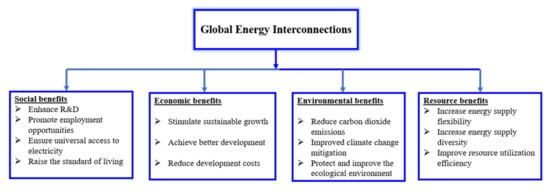
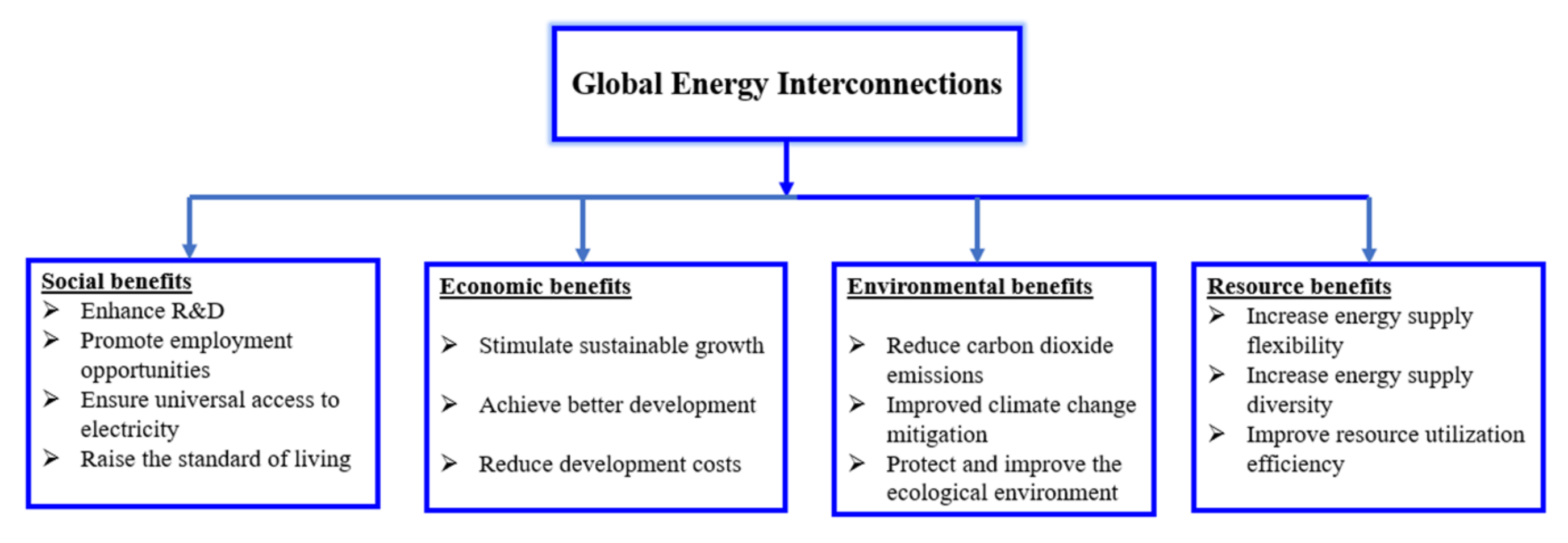
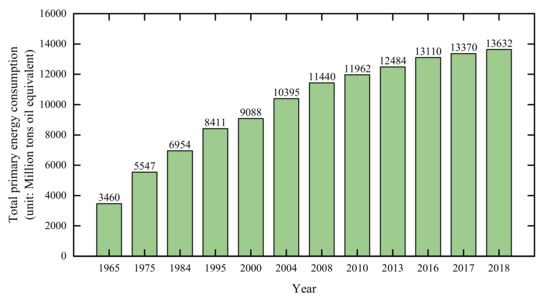
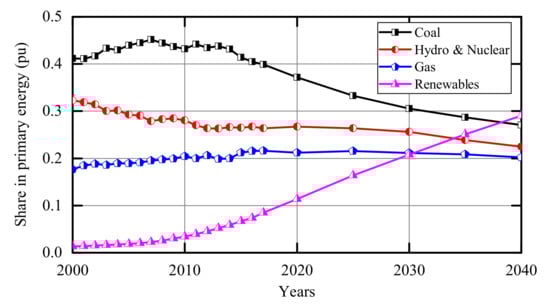
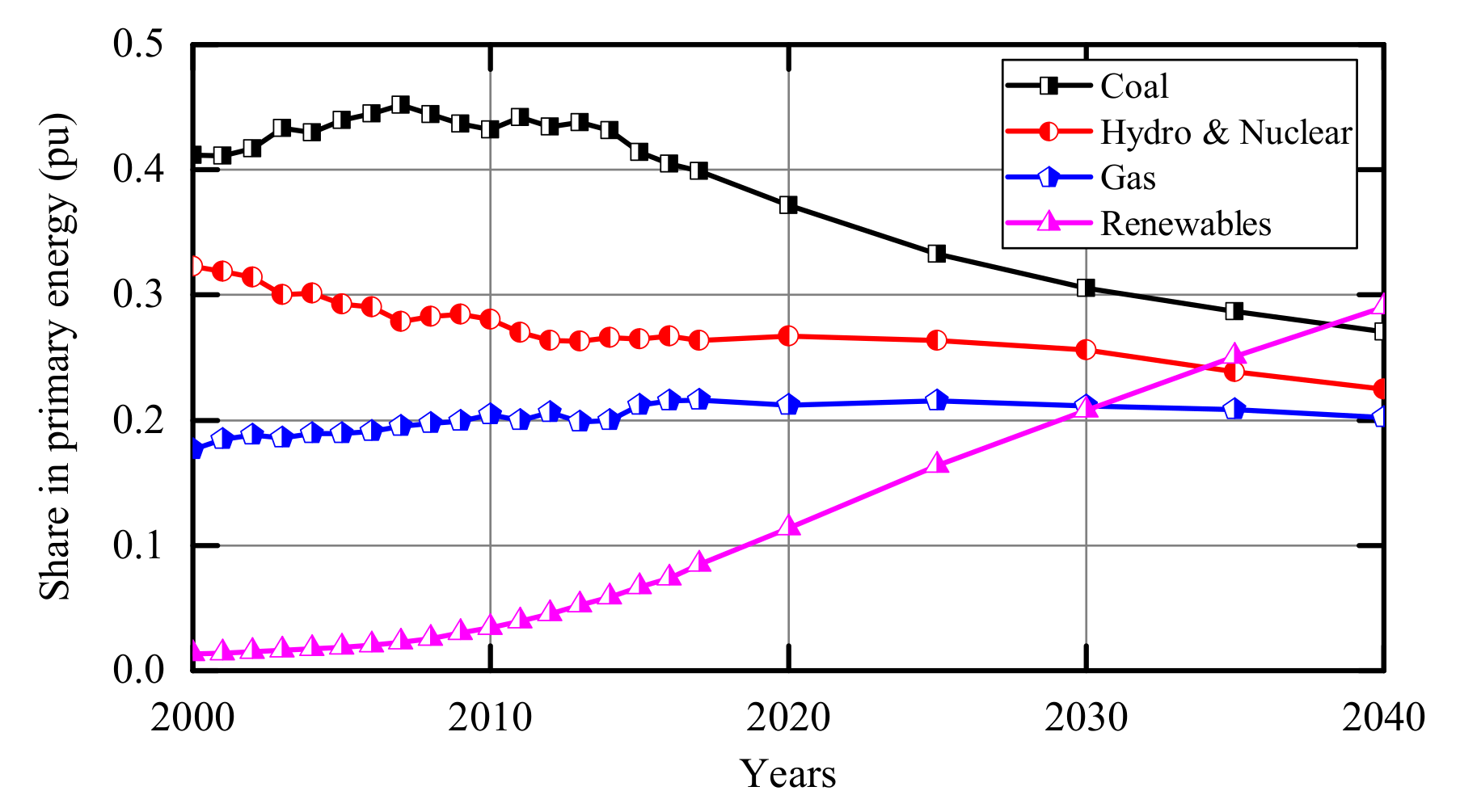
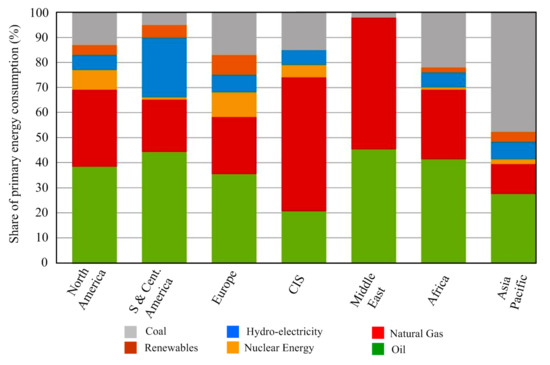
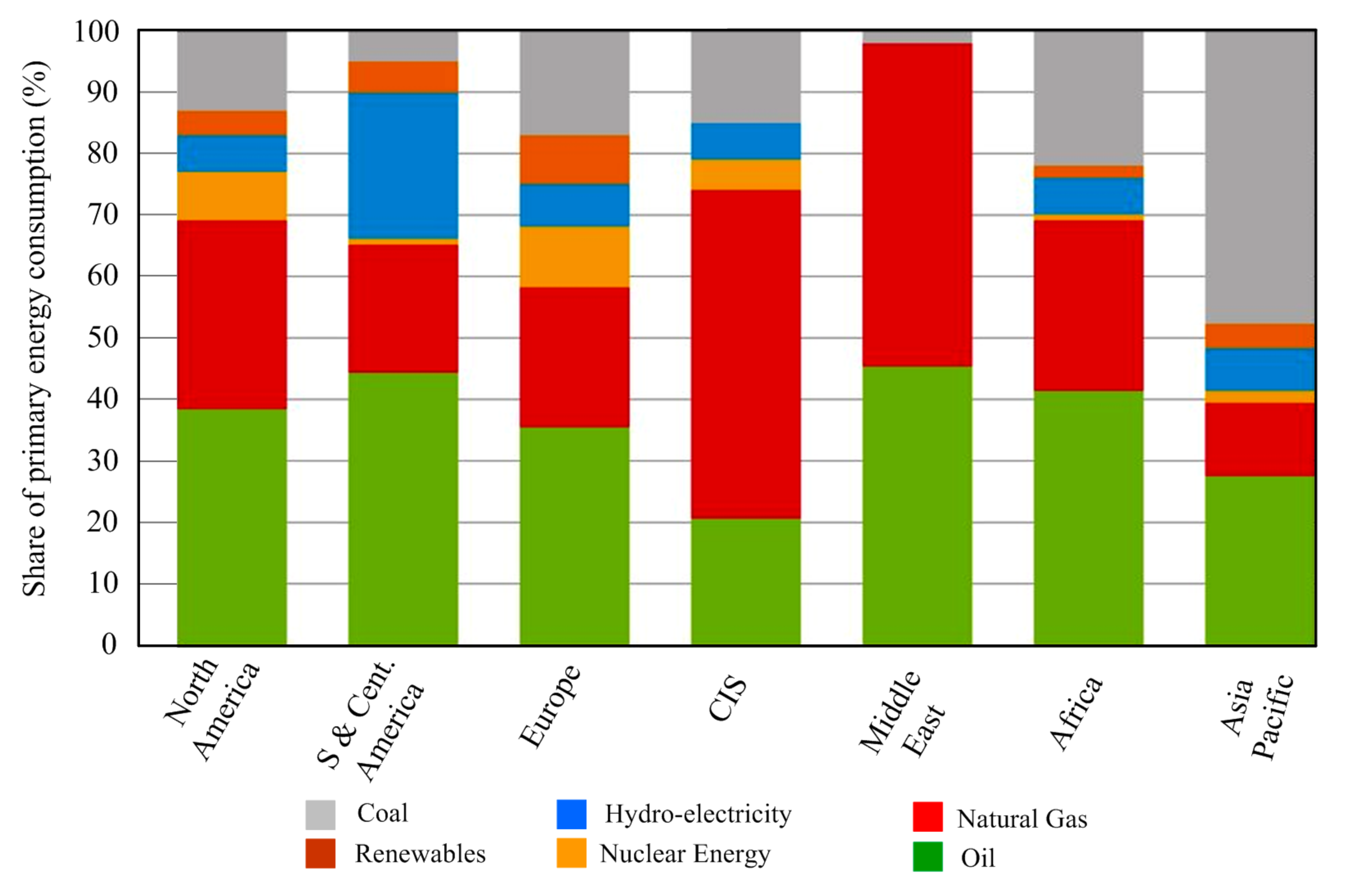
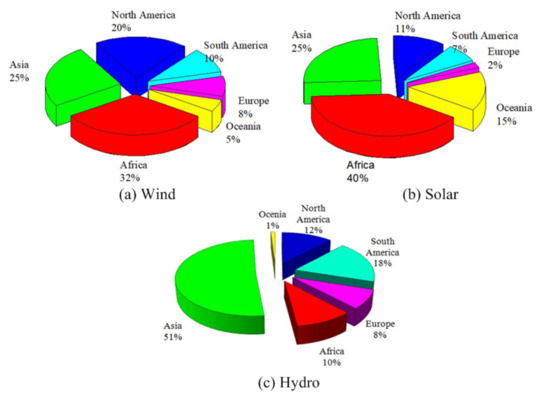
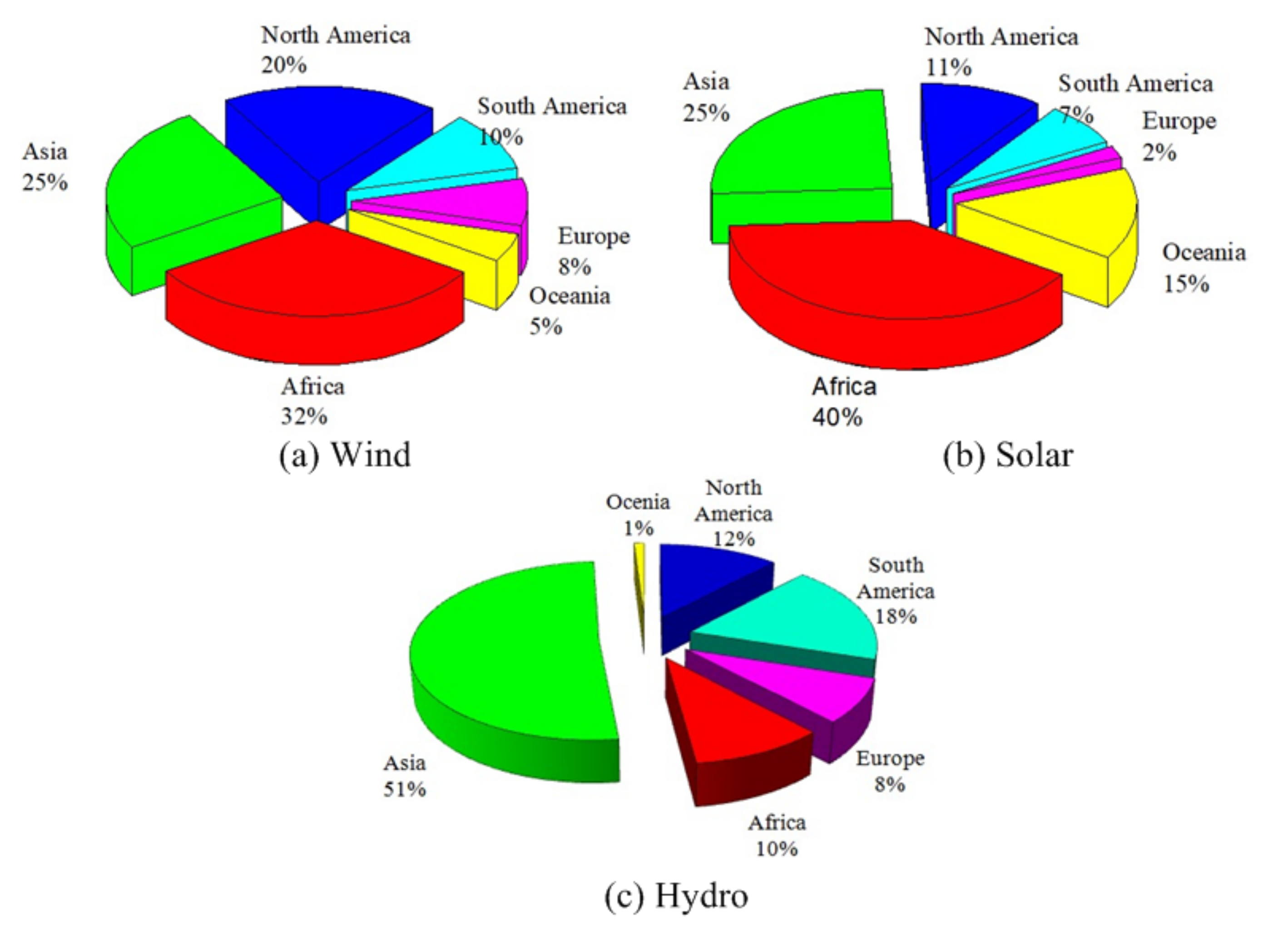
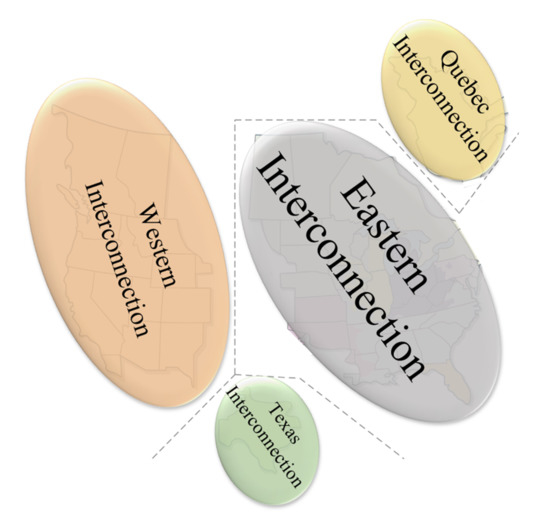
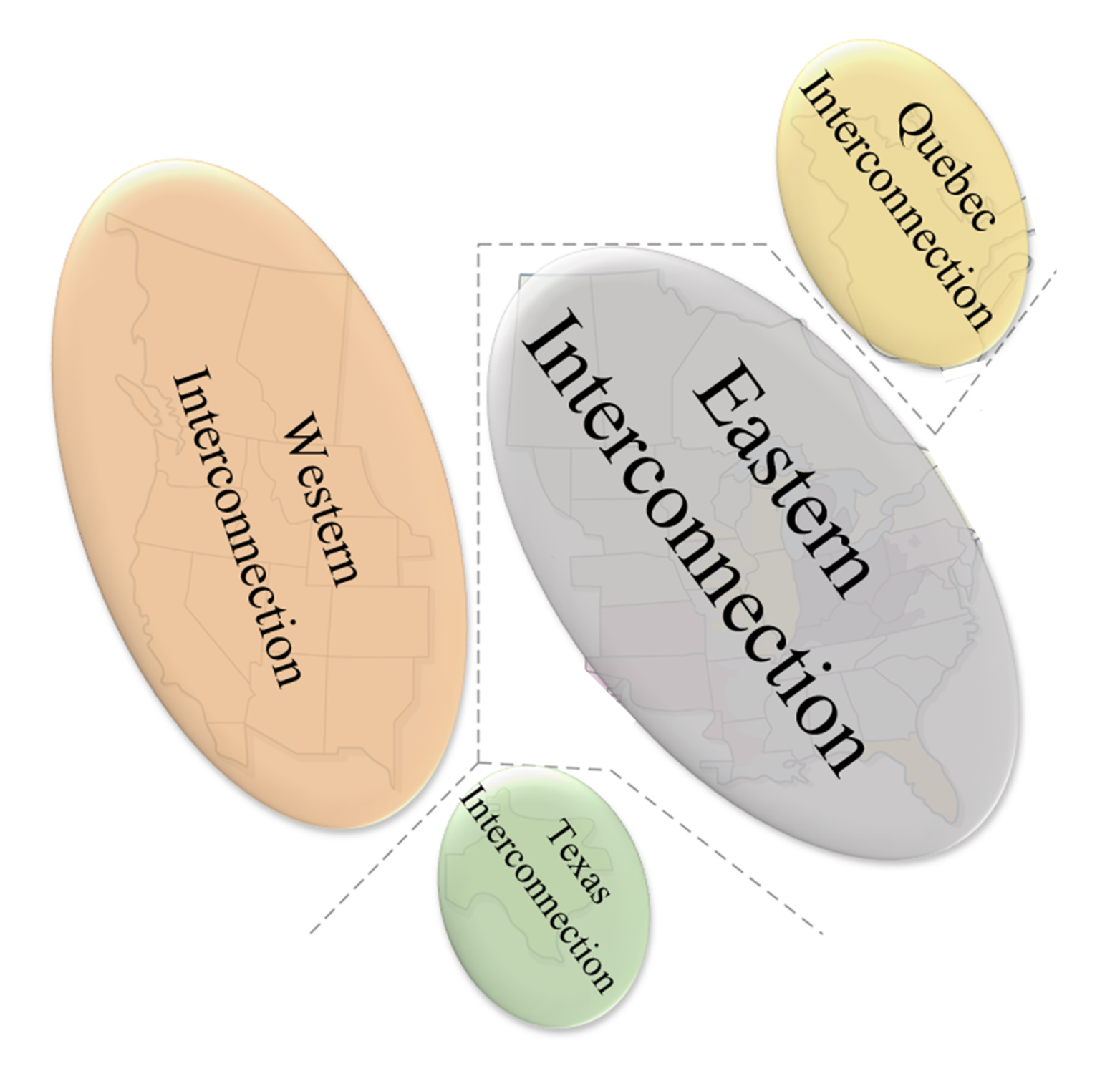
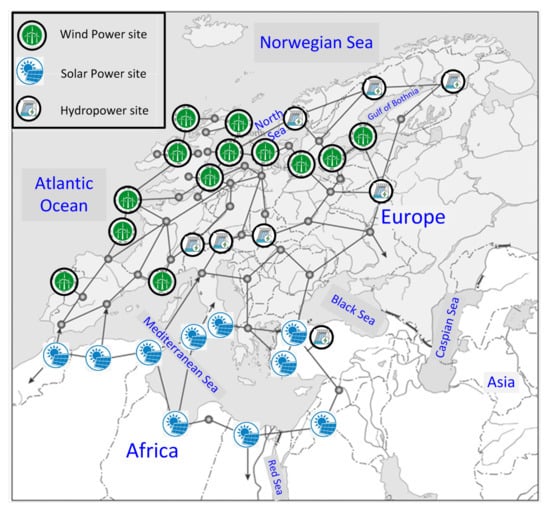
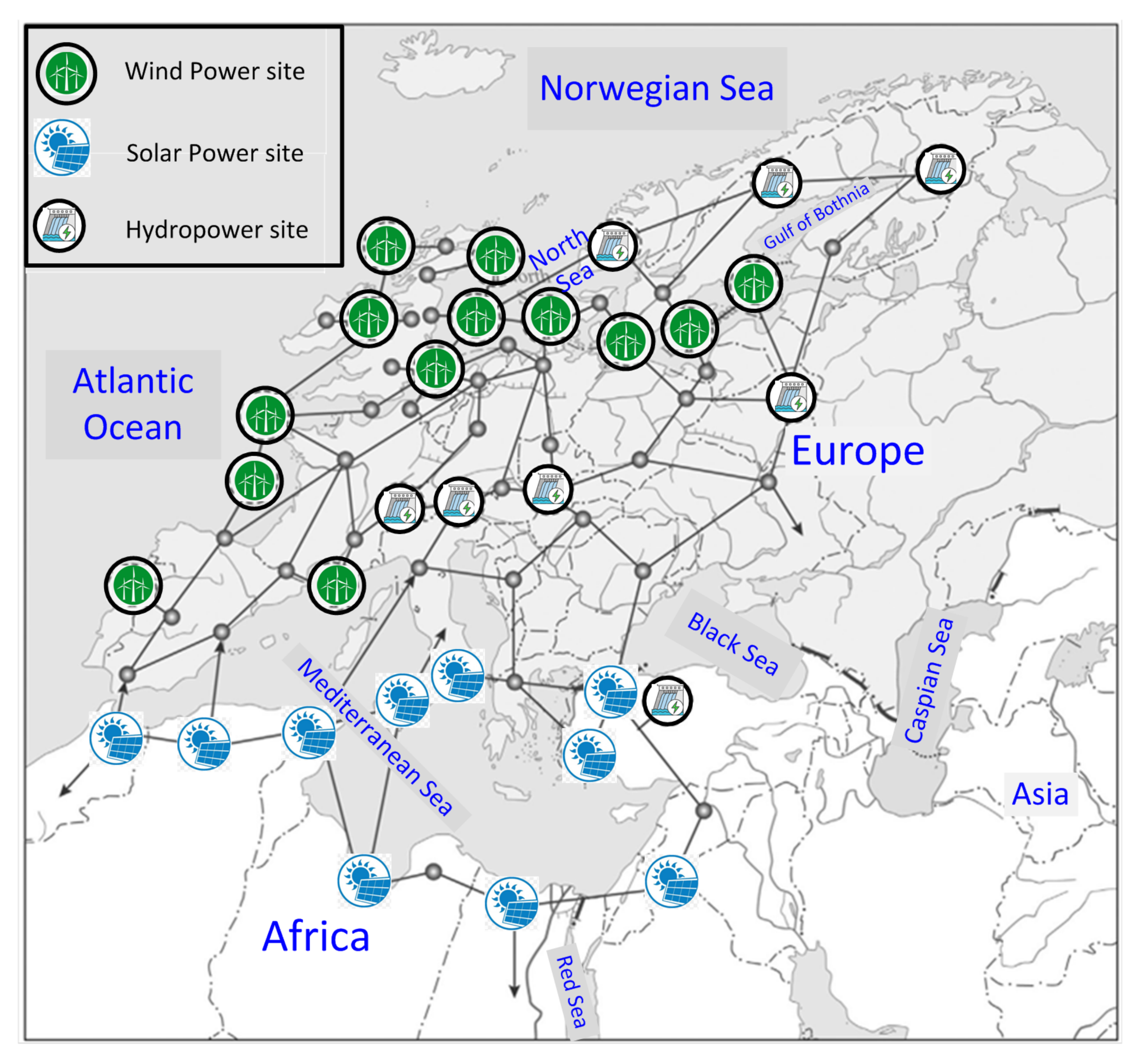
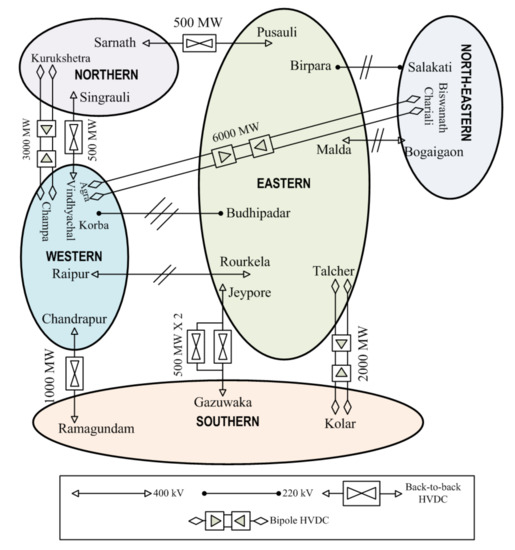
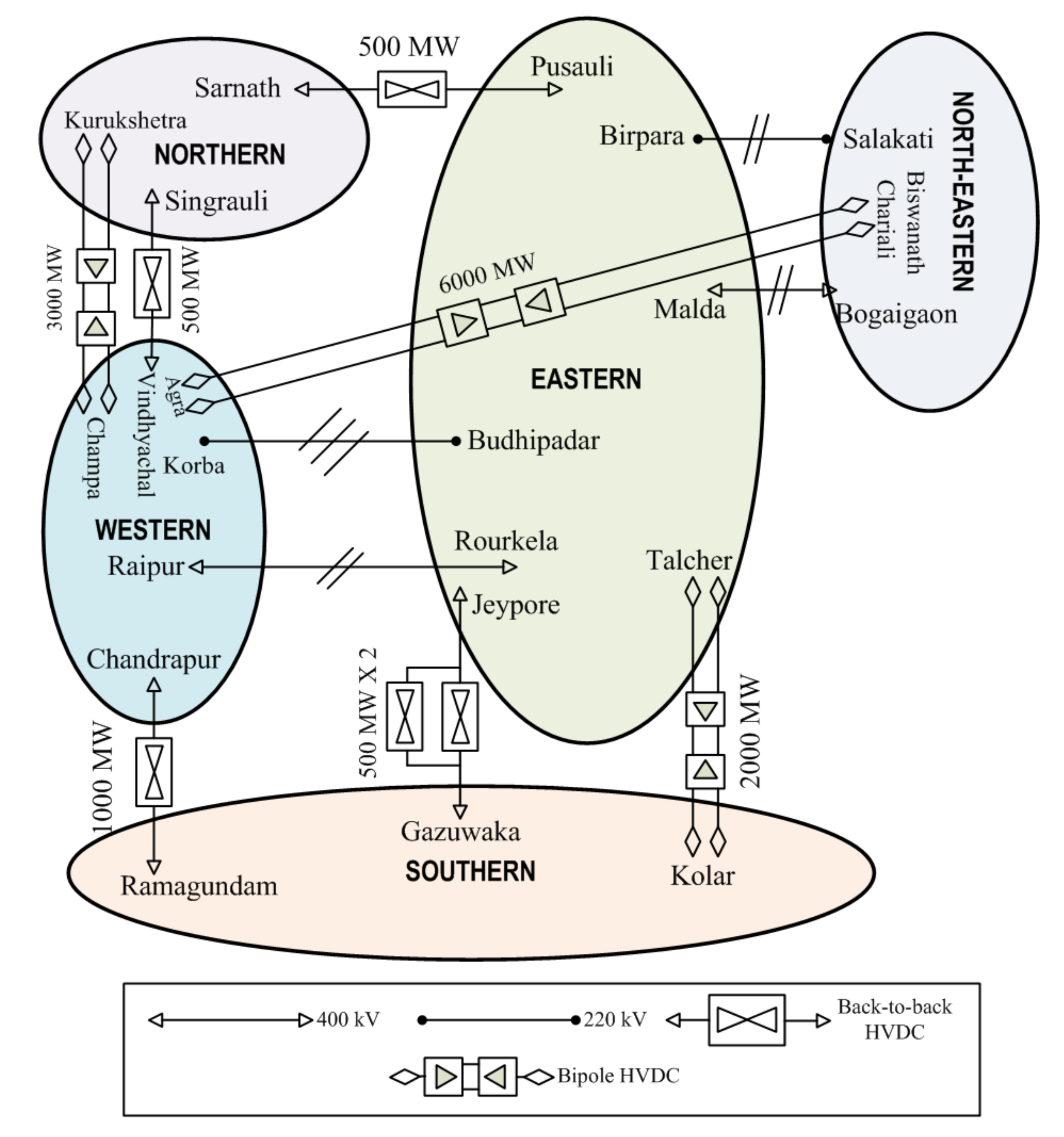
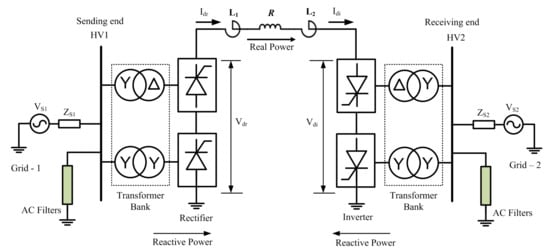
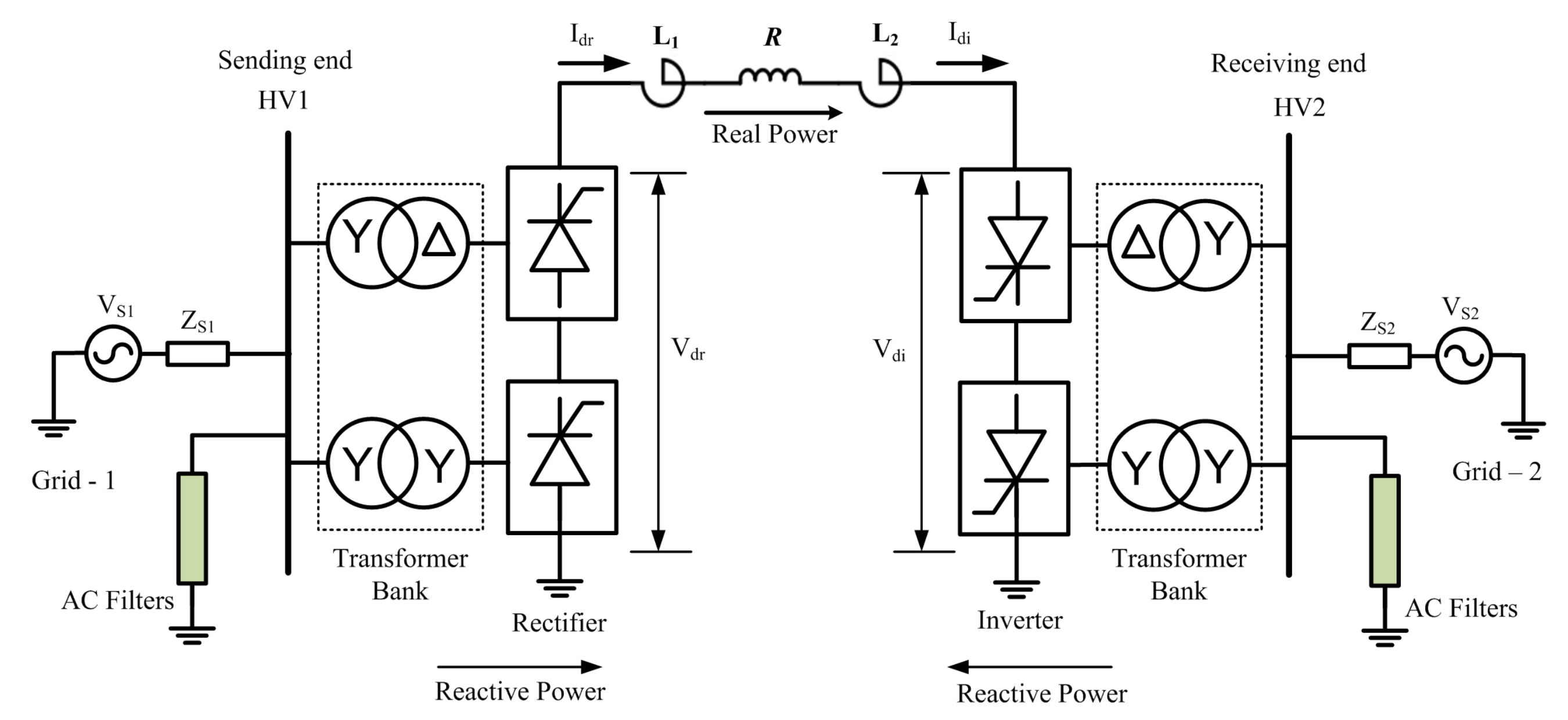
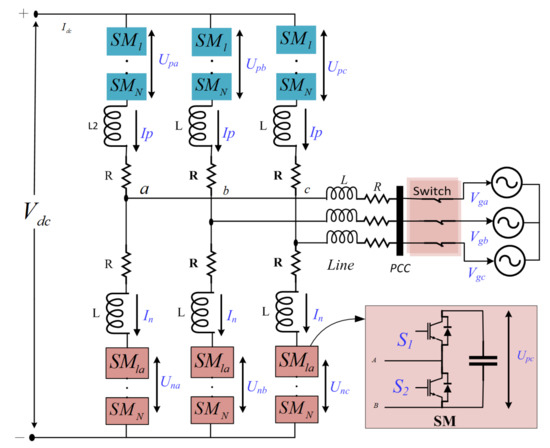
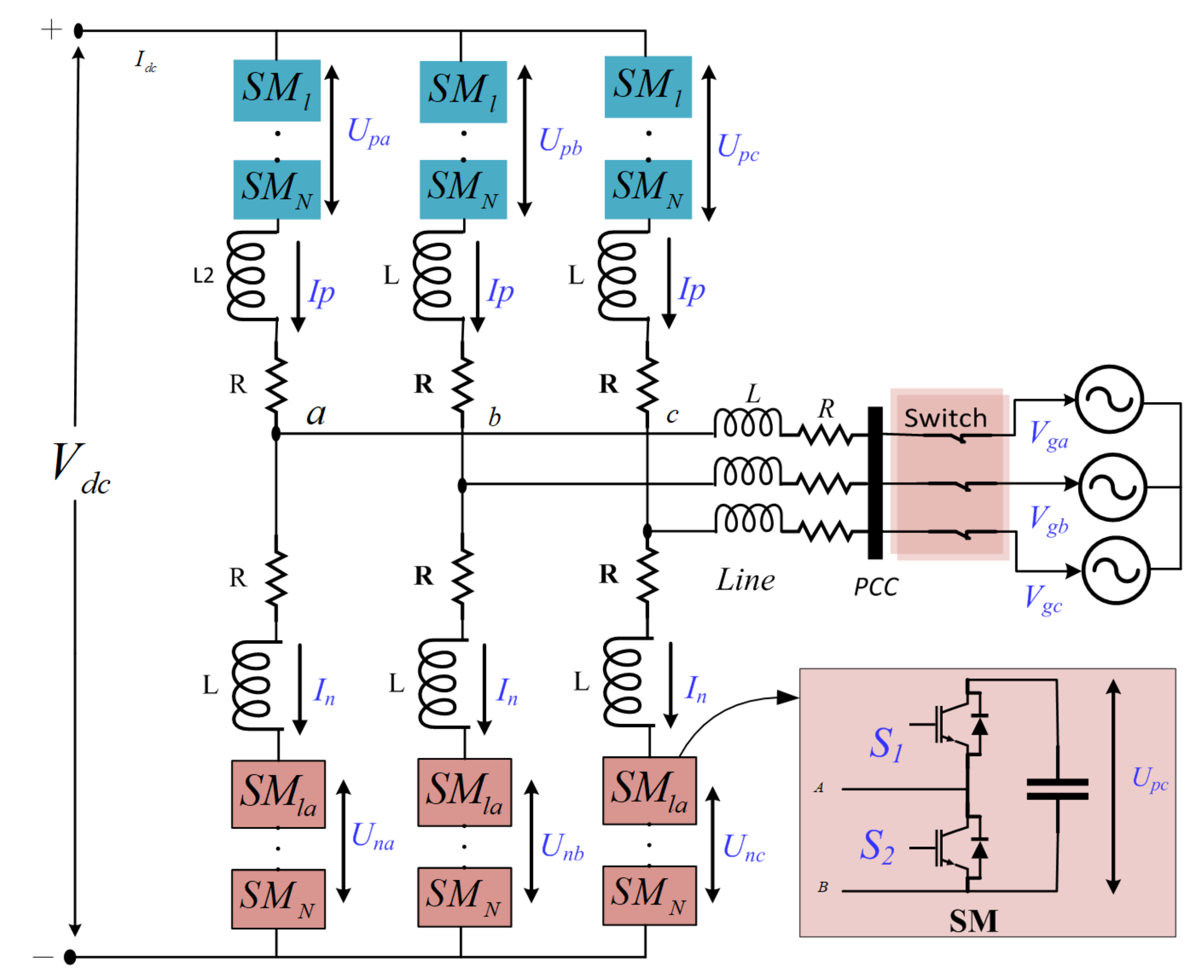
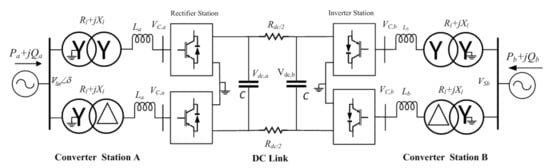
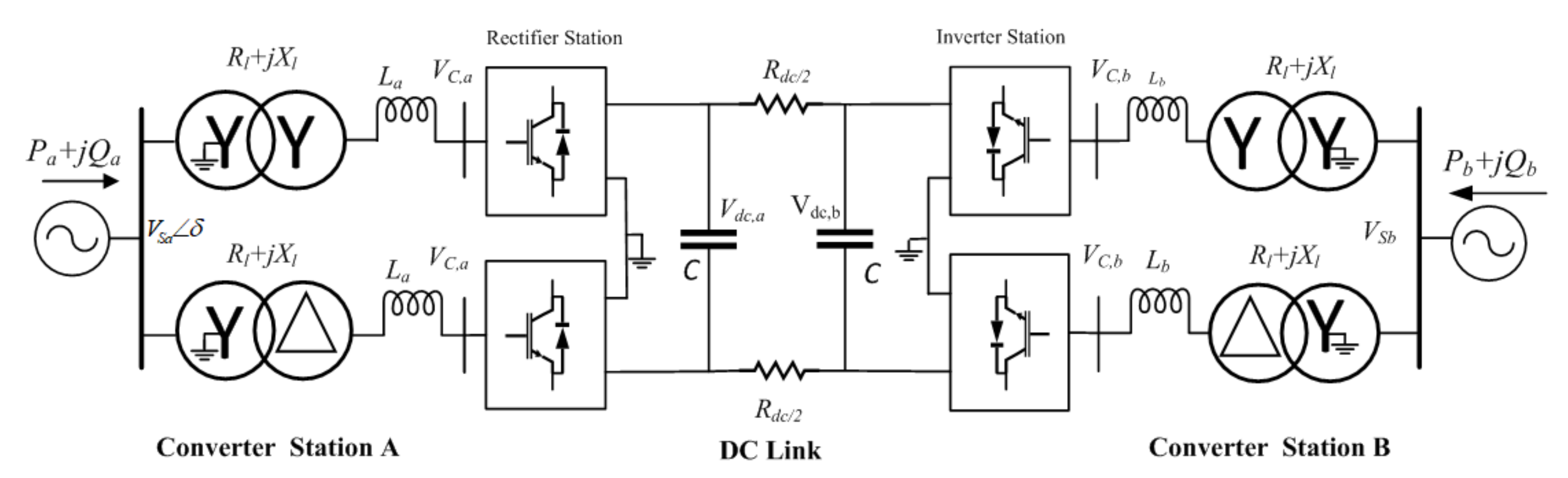
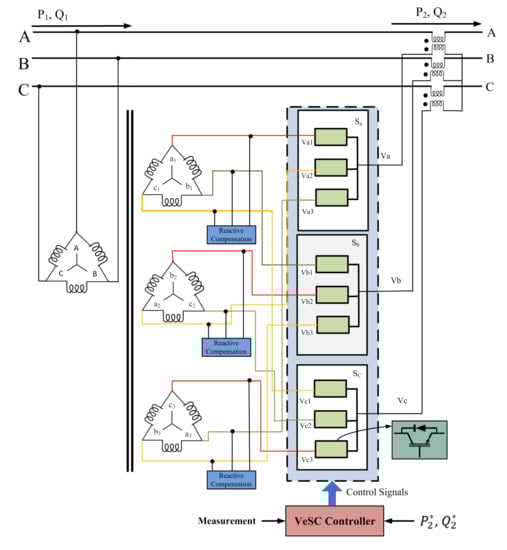
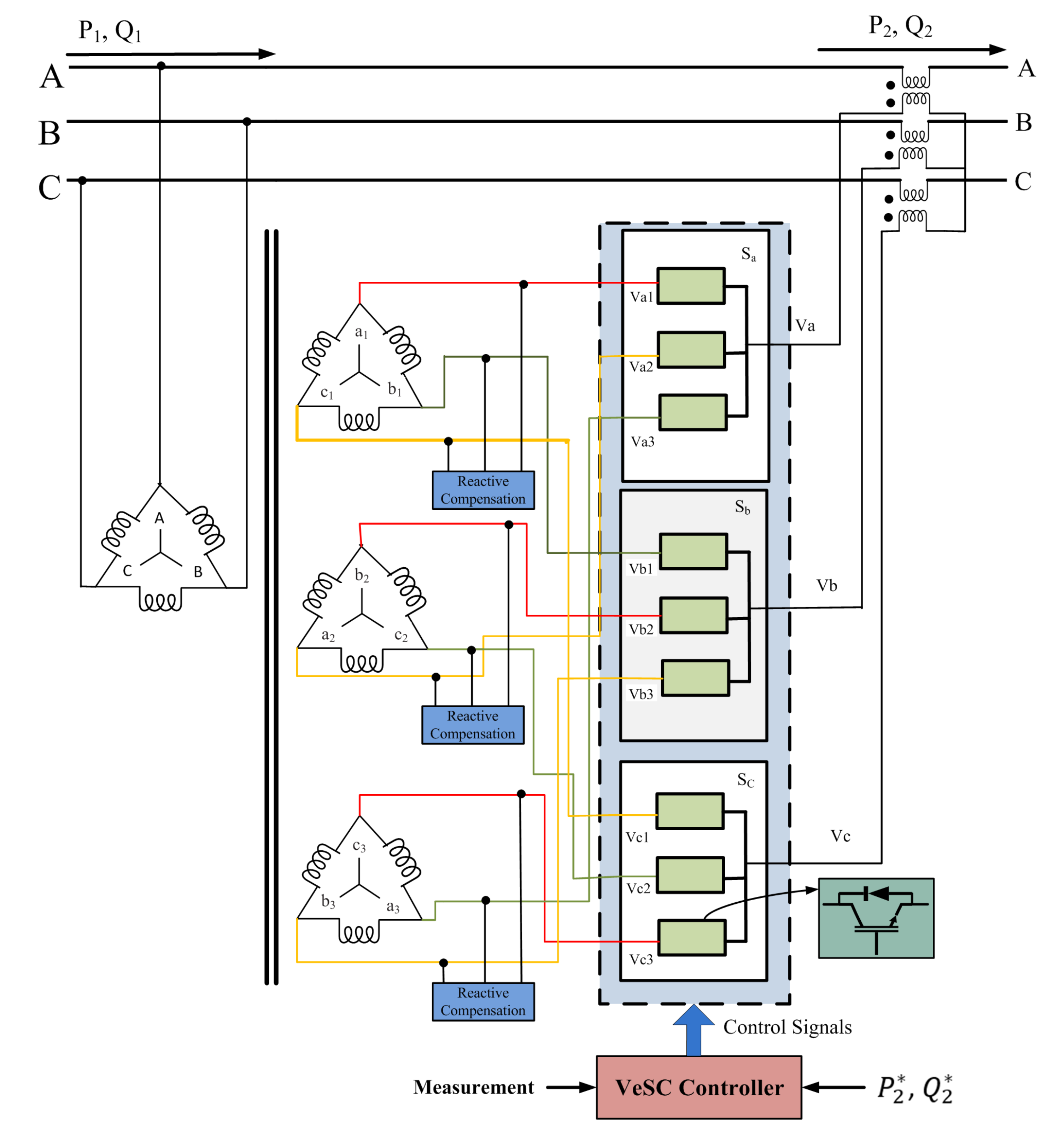
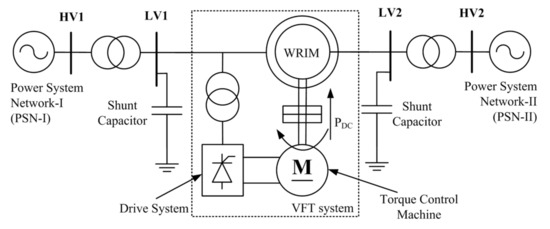
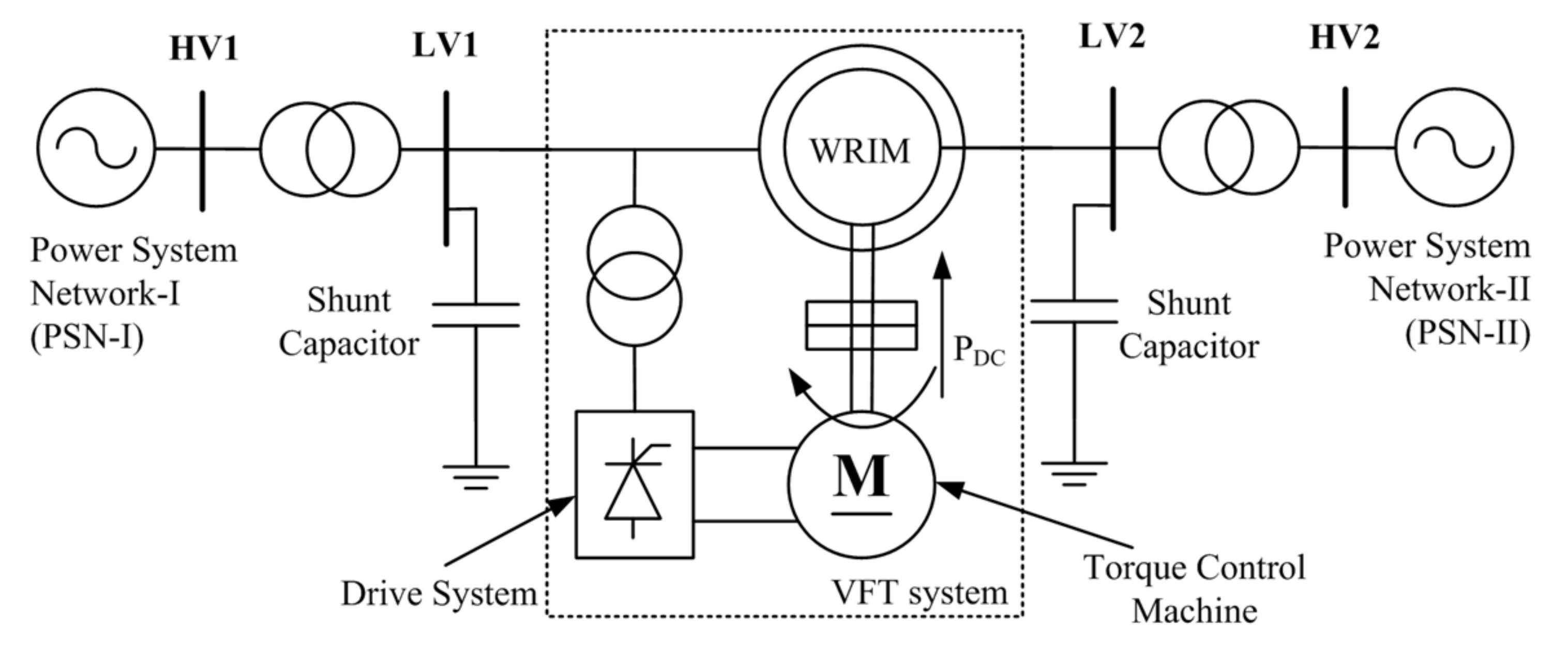
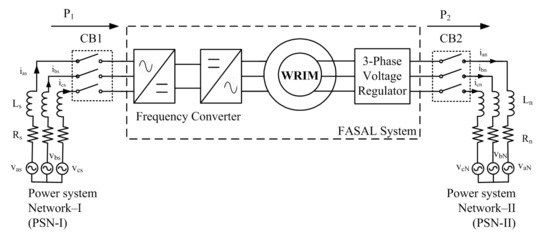
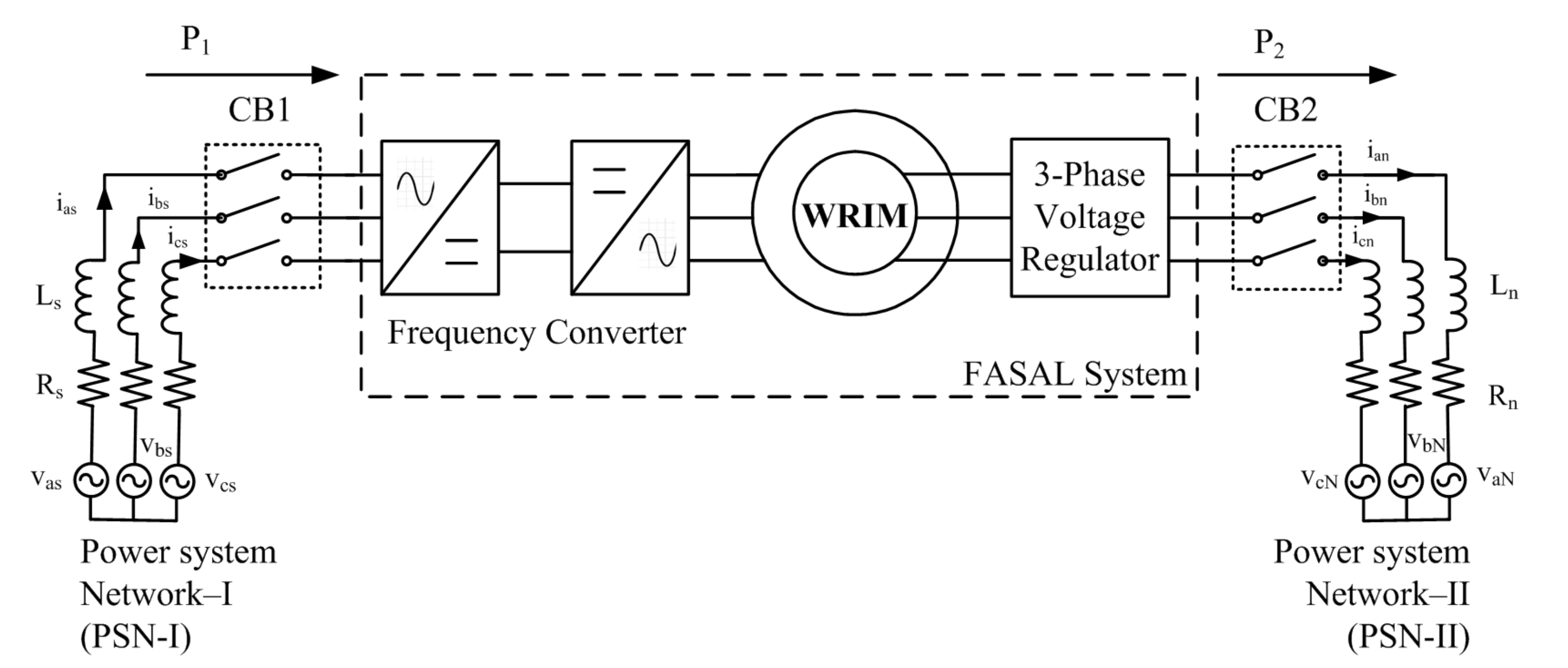
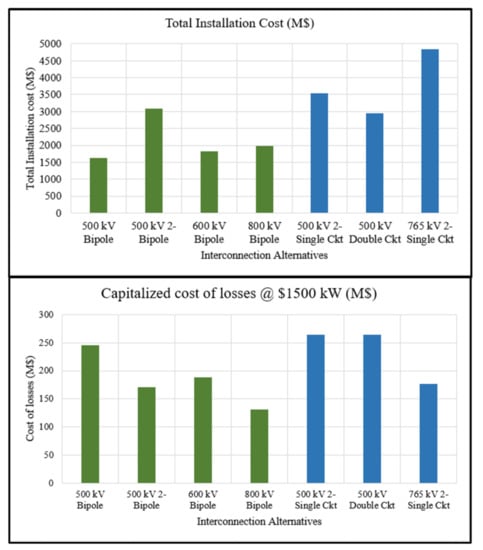
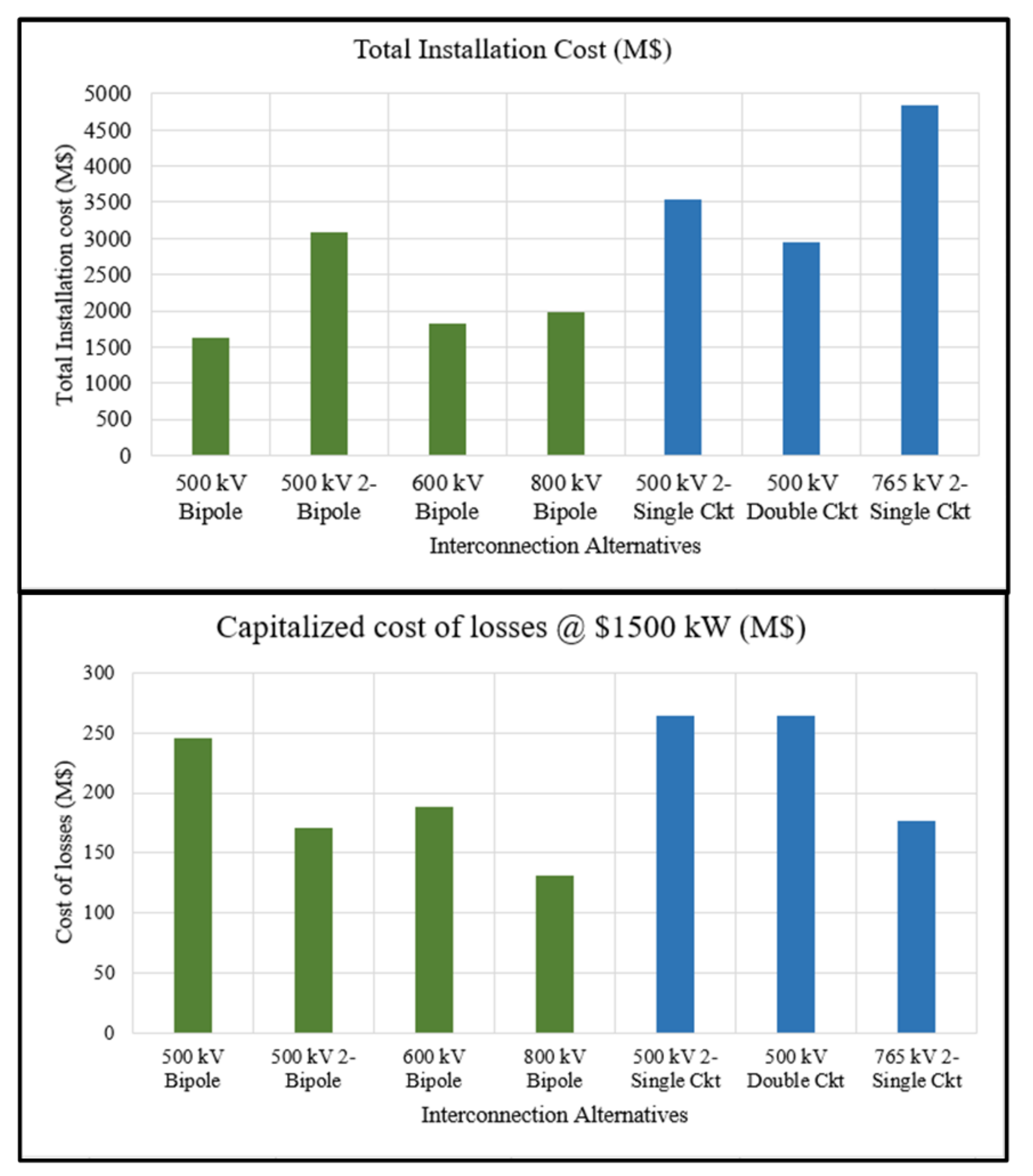
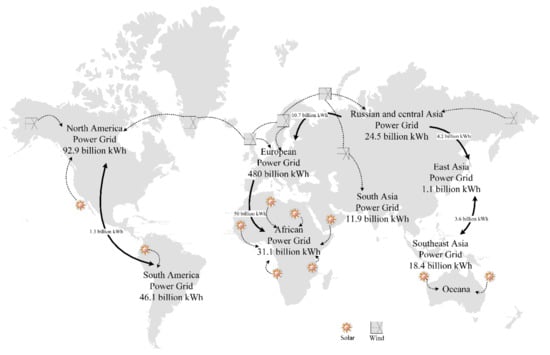
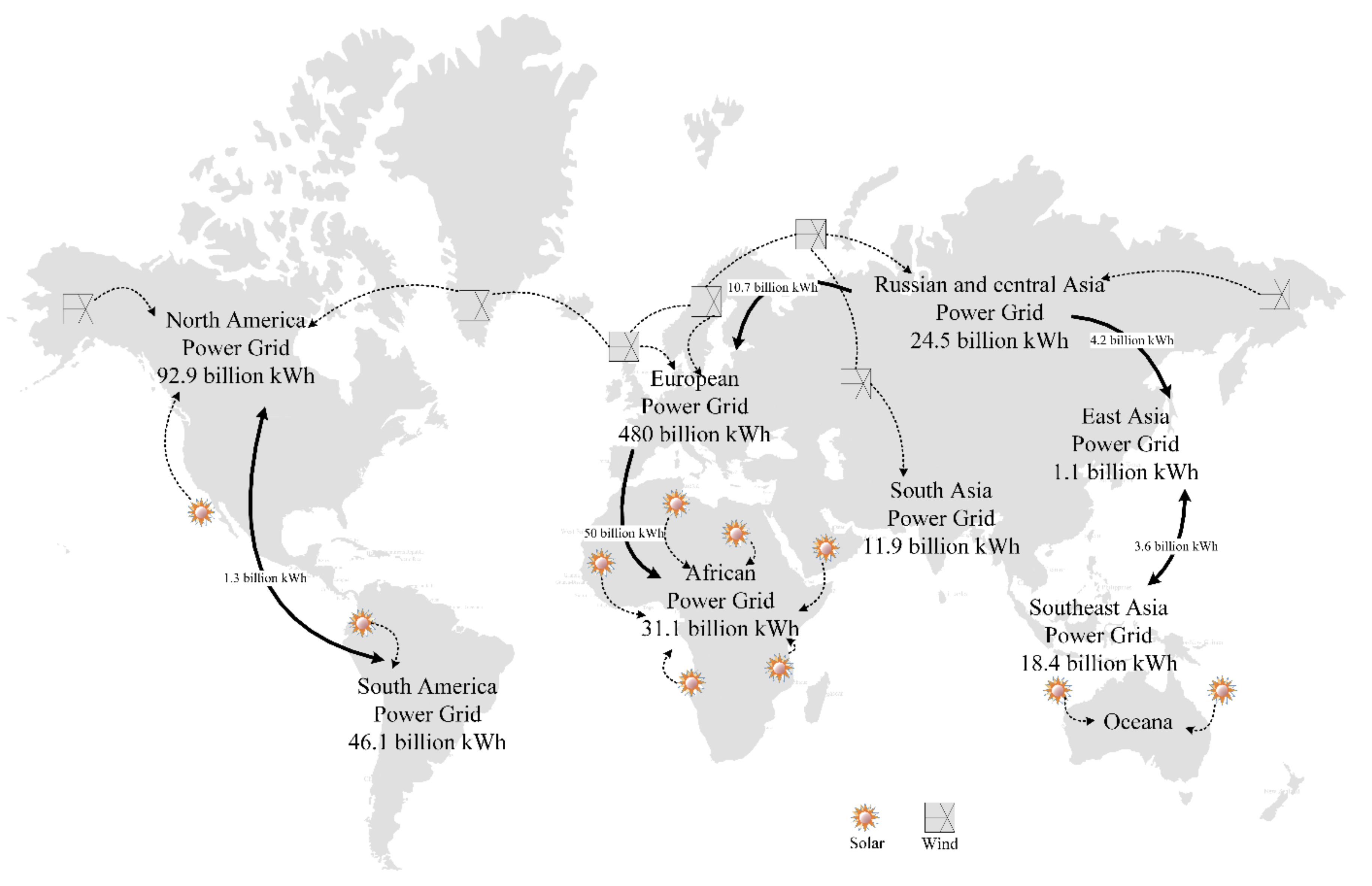

Publisher’s Note: MDPI stays neutral with regard to jurisdictional claims in published maps and institutional affiliations. |
© 2021 by the authors. Licensee MDPI, Basel, Switzerland. This article is an open access article distributed under the terms and conditions of the Creative Commons Attribution (CC BY) license (https://creativecommons.org/licenses/by/4.0/).