

Delonix regia Seed Germ as an Underutilized Biomass Resource: Nutritional Value, Safety, and Potential for Sustainable Protein Supply for Food Systems

 ,
,  , and
, and Highlights
- Delonix regia seed germ yields 78.35% protein, with a favorable essential amino acid profile and no acute toxicity signs in vivo.
- Flamboyant seed germ offers a safe, plant-based protein alternative for sustainable food systems.
- Flamboyant seed germ transforms discarded urban biomass into a safe, renewable protein source supporting circular economy and food security goals.
- Valorizing discarded seed biomass supports waste-to-value and circular economy strategies.
Abstract
1. Introduction
2. Materials and Methods
2.1. Sample Collection
2.2. Flamboyant Germ (FG) Extraction
2.3. Proximate Composition of Raw Material
2.4. Antinutritional Factors (AF) in FSF and FG
2.4.1. Tannins
2.4.2. Saponins
2.4.3. Phytates
2.4.4. Glucosinolates
2.4.5. Trypsin Inhibitors
2.4.6. Cyanogenic Glucosides
2.5. Evaluation of Nutritional Parameters
2.5.1. In Vitro Digestibility
2.5.2. Amino Acid Composition
2.5.3. Essential Amino Acid Proportion (EAP)
2.5.4. Amino Acid Score (AS)
2.5.5. Calculated Protein Efficiency Ratio (C-PER)
2.5.6. Biological Value
2.6. In Vivo Evaluation
2.6.1. Acute Toxicity
2.6.2. Histological Analyses
2.7. Statistical Analysis
3. Results
3.1. Germ Extraction Yield
3.2. Proximate Composition
3.3. Antinutritional Factors
3.4. Evaluation of Nutritional Parameters
3.5. In Vivo Evaluation of Acute Toxicity
3.6. Histological Analysis
4. Discussion
4.1. Germ Extraction Yield
4.2. Proximate Composition
4.3. Antinutritional Factors
4.4. Evaluation of Nutritional Parameters
4.5. Evaluation of Acute Toxicity
5. Conclusions
Author Contributions
Funding
Institutional Review Board Statement
Data Availability Statement
Acknowledgments
Conflicts of Interest
Abbreviations
| FG | Flamboyant germ |
| FsF | Flamboyant seeds flour |
| d.b. | Dry basis |
| SDGs | Sustainable Development Goals |
| AF | Antinutritional factors |
| TCA | Trichloroacetic acid |
| AOAC | Association of Official Analytical Chemists |
| FAO | Food and Agriculture Organization |
| EAP | Essential amino acid proportion |
| BV | Biological value |
| C-PER | Calculated protein efficiency ratio |
| AS | Amino acid score |
References
- Campi, M.; Dueñas, M.; Fagiolo, G. Specialization in food production affects global food security and food systems sustainability. World Dev. 2021, 141, 105411. [Google Scholar] [CrossRef]
- das Merces, Z.d.C.; Salvadori, N.M.; Evangelista, S.M.; Cochlar, T.B.; Strasburg, V.J.; da Silva, V.L.; de Oliveira, V.R. Effectiveness, challenges, and environmental impacts of new food strategies with plant and animal protein products. Foods 2024, 13, 3217. [Google Scholar] [CrossRef]
- Khan, I.S.; Ahmad, M.O.; Majava, J. Industry 4.0 and sustainable development: A systematic mapping of triple bottom line, circular economy and sustainable business models perspectives. J. Clean. Prod. 2021, 297, 126655. [Google Scholar] [CrossRef]
- United Nations General Assembly. Resolution Adopted by the General Assembly on 25 September 2015. 70/1. Transforming Our World: The 2030 Agenda for Sustainable Development. Available online: https://www.un.org/en/development/desa/population/migration/generalassembly/docs/globalcompact/A_RES_70_1_E.pdf (accessed on 20 February 2026).
- Visioli, F. Redefining protein quality: Integrating health outcomes and environmental impacts in the plant-animal protein debate. Foods 2024, 13, 4128. [Google Scholar] [CrossRef]
- Ferrari, L.; Panaite, S.-A.; Bertazzo, A.; Visioli, F. Animal- and plant-based protein sources: A scoping review of human health outcomes and environmental impact. Nutrients 2022, 14, 5115. [Google Scholar] [CrossRef] [PubMed]
- Supapong, C.; Cherdthong, A.; Seankamsorn, A.; Khonkhaeng, B.; Wanapat, M.; Gunun, N.; Gunun, P.; Chanjula, P.; Polyorach, S. Effect of Delonix regia seed meal supplementation in Thai native beef cattle on feed intake, rumen fermentation characteristics and methane production. Anim. Feed Sci. Technol. 2017, 232, 40–48. [Google Scholar] [CrossRef]
- Bake, G.G.; Martins, E.I.; Sadiku, S.O.E. Nutritional evaluation of varying levels of cooked flamboyant seed meal (Delonix regia) on the growth performance and body composition of Nile tilapia (Oreochromis niloticus) fingerlings. Agric. For. Fish. 2014, 3, 233–239. [Google Scholar] [CrossRef][Green Version]
- Amer, A.; Franceschi, E.; Hjazin, A.; Shoqeir, J.H.; Moser-Reischl, A.; Rahman, M.A.; Tadros, M.; Pauleit, S.; Pretzsch, H.; Rötzer, T. Structure and Ecosystem Services of Three Common Urban Tree Species in an Arid Climate City. Forests 2023, 14, 671. [Google Scholar] [CrossRef]
- Yang, N.N.; Yang, A. Urban bioeconomy: Uncovering its components, impacts and the Urban Bio-Symbiosis. Clean. Prod. Lett. 2022, 3, 100015. [Google Scholar] [CrossRef]
- Das, G.; Sharma, A.; Sarkar, P.K. Conventional and emerging processing techniques for the post-harvest reduction of antinutrients in edible legumes. Appl. Food Res. 2022, 2, 100112. [Google Scholar] [CrossRef]
- Yusuf, A.T.M.; Shaikat, A.M.; Bhuiya, A.M.; Dutta, M.; Nath, A.K.; Dash, P.R. Utilizing the medicinal properties of Delonix regia for diseases and beyond: A review of its phytochemistry and pharmacology. Trop. J. Nat. Prod. Res. 2023, 7, 5355–5365. [Google Scholar] [CrossRef]
- McPherson, G.; Simpson, J.R.; Peper, P.J.; Maco, S.E.; Xiao, Q. Municipal Forest Benefits and Costs in Five US Cities. J. For. 2005, 103, 411–416. [Google Scholar] [CrossRef]
- Dumenu, W.K. What are we missing? Economic value of an urban forest in Ghana. Ecosyst. Serv. 2023, 5, 137–142. [Google Scholar] [CrossRef]
- McHale, M.R.; McPherson, E.G.; Burke, I.C. The potential of urban tree plantings to be cost effective in carbon credit markets. For. Urban Green 2007, 6, 49–60. [Google Scholar] [CrossRef]
- Oo, P.Z.; Prapaspongsa, T.; Strezov, V.; Huda, N.; Oshita, K.; Takaoka, M.; Ren, J.; Halog, A.; Gheewala, S.H. The role of global waste management and circular economy towards carbon neutrality. Sustain. Prod. Consum. 2024, 52, 498–510. [Google Scholar] [CrossRef]
- Costa, S.; Donner, M.; Duquennoi, C.; Savary, V. Biological valorization of urban solid biowaste: A study among circular bioeconomy start-ups in France. Sustain. Chem. Pharm. 2024, 39, 101545. [Google Scholar] [CrossRef]
- Pacheco-Aguirre, J.; Rosado-Rubio, G.; Betancur-Ancona, D.; Chel-Guerrero, L. Physicochemical properties of carboxymethylated flamboyant (Delonix regia) seed gum. CYTA J. Food 2010, 8, 169–176. [Google Scholar] [CrossRef]
- AOAC International. Official Methods of Analysis–AOAC, 22nd ed.; Association of Official Analytical Chemists (AOAC): Rockville, MD, USA, 2023. [Google Scholar]
- International Organization for Standardization. ISO 9648; Sorghum—Determination of Tannin Content. 1st ed. 15 December 1988. Available online: https://cdn.standards.iteh.ai/samples/17487/ebdd813edaa445c1b25147f6403aecf8/ISO-9648-1988.pdf (accessed on 18 January 2026).
- Hiai, S.; Nakajima, T. Color reaction of some sapogenins and saponins with vanillin and sulfuric acid. Planta Med. 1976, 29, 116–122. [Google Scholar] [CrossRef] [PubMed]
- Thompson, D.B.; Erdman, J.W. Phytic acid determination in soybeans. J. Food Sci. 1982, 47, 513–517. [Google Scholar] [CrossRef]
- Jezek, J.; Haggett, B.G.D.; Atkinson, A.; Rawson, D.M. Determination of glucosinolates using their alkaline degradation and reaction with ferricyanide. J. Agric. Food Chem. 1999, 47, 4669–4674. [Google Scholar] [CrossRef]
- Sobral, P.A.; Wagner, J.R. Relationship between the composition and antitryptic activity of soy and tofu wheys and thermal behavior of their isolated protein. Inf. Tecnológica 2009, 20, 65–73. [Google Scholar] [CrossRef]
- Tavano, O.L.; Neves, V.A.; da Silva Junior, S.I. In vitro versus in vivo protein digestibility techniques for calculating PDCAAS (protein digestibility-corrected amino acid score) applied to chickpea fractions. Food Res. Int. 2016, 89, 756–763. [Google Scholar] [CrossRef]
- Alaiz, M.; Navarro, J.L.; Girón, J.; Vioque, E. Amino acid analysis by high-performance liquid chromatography after derivatization with diethyl ethoxymethylenemalonate. J. Chromatogr. 1992, 591, 181–186. [Google Scholar] [CrossRef] [PubMed]
- Yust, M.M.; Pedroche, J.; Girón-Calle, J.; Vioque, J.; Millán, F.; Alaiz, M. Determination of tryptophan by highperformance liquid chromatography of alkaline hydrolysates with spectrophotometric detection. Food Chem. 2004, 85, 317–320. [Google Scholar] [CrossRef]
- Chavan, U.D.; McKenzie, D.B.; Shahidi, F. Functional properties of protein isolates from beach pea (Lathyrus maritimus L.). Food Chem. 2001, 74, 177–187. [Google Scholar] [CrossRef]
- FAO. EPR/81/31; Amino Acid Scorign Patterns. Available online: https://www.fao.org/4/m3013e/m3013e00.htm (accessed on 19 January 2026).
- Lee, Y.B.; Elliot, J.G.; Rickansrud, D.A.; Hagberg, E.C. Predicting protein efficiency ratio by the chemical determination of connective tissue content in meat. J. Food Sci. 1978, 43, 1359–1362. [Google Scholar] [CrossRef]
- Gobierno de México. NORMA Oficial Mexicana NOM-062-ZOO-1999, Especificaciones Técnicas Para la Producción, Cuidado y uso de los Animales de Laboratorio. Available online: https://www.gob.mx/cms/uploads/attachment/file/203498/NOM-062-ZOO-1999_220801.pdf (accessed on 19 January 2026).
- Lorke, D. A new approach to practical acute toxicity testing. Arch. Toxicol. 1983, 54, 275–287. [Google Scholar] [CrossRef]
- Feldman, A.; Wolfe, D. Tissue processing and hematoxylin and eosin staining. In Histopathology, Methods and Protocols, 1st ed.; Day, C.E., Ed.; Humana Press: New York, NY, USA, 2014; pp. 31–43. [Google Scholar] [CrossRef]
- Montgomery, D.C. Design and Analysis of Experiments, 10th ed.; Wiley & Sons: Hoboken, NJ, USA, 2020. [Google Scholar]
- FAO. Dietary Protein Quality Evaluation in Human Nutrition Report of an FAO Expert Consultation, 31 March–2 April. Available online: https://openknowledge.fao.org/items/53cf3d0a-1db2-4667-823a-e9d73278efe9 (accessed on 20 January 2026).
- Singh, S.; Bekal, S.; Duan, J.; Singh, V. Characterization and Comparison of Wet Milling Fractions of Export Commodity Corn Originating from Different International Geographical Locations. Starch/Stärke 2023, 75, 2200280. [Google Scholar] [CrossRef]
- Lindeboom, N.; Leduc, P.J.; Paul, G.; Arnison, P.G. Process for Seed and Grain Fractionation and Recovery of Bio-Products. U.S. Patent No. US20090186136A1, 23 July 2009. [Google Scholar]
- Neji, C.; Semwal, J.; Kamani, M.H.; Máthe, E.; Sipos, P. Legume protein extracts: The relevance of physical processing in the context of structural, techno-functional and nutritional aspects of food development. Processes 2022, 10, 2586. [Google Scholar] [CrossRef]
- Toews, R.; Wang, N. Physicochemical and functional properties of protein concentrates from pulses. Food Res. Int. 2013, 52, 445–451. [Google Scholar] [CrossRef]
- Kumar, Y.; Basu, S.; Goswami, D.; Devi, M.; Shivhare, U.S.; Vishwakarma, R.J. Anti-nutritional compounds in pulses: Implications and alleviation methods. Legum. Sci. 2022, 4, e111. [Google Scholar] [CrossRef]
- Jo, J.S.; Bhandari, S.R.; Kang, G.H.; Shin, Y.K.; Lee, J.G. Selection of broccoli (Brassica oleracea var. italica) on composition and content of glucosinolates and hydrolysates. Sci. Hortic. 2022, 298, 110984. [Google Scholar] [CrossRef]
- Pedrosa, M.M.; Guillamón, E.; Arribas, C. Autoclaved and extruded legumes as a source of bioactive phytochemicals: A review. Foods 2021, 10, 379. [Google Scholar] [CrossRef]
- Mustafa, A.M.; Abouelenein, D.; Acquaticci, L.; Alessandroni, L.; Angeloni, S.; Borsetta, G.; Caprioli, G.; Nzekoue, F.K.; Sagratini, G.; Vittori, S. Polyphenols, saponins and phytosterols in lentils and their health benefits: An overview. Pharmaceuticals 2022, 15, 1225. [Google Scholar] [CrossRef] [PubMed]
- Sharma, K.; Kaur, R.; Kumar, S.; Saini, R.K.; Sharma, S.; Pawde, S.V.; Kumar, V. Saponins: A concise review on food related aspects, applications and health implications. Food Chem. Adv. 2023, 2, 100191. [Google Scholar] [CrossRef]
- Xu, Q.; An, J.; Yang, F.; Fan, B.; Zhou, L.; Liu, X.; Li, H. Soybean Trypsin Inhibitors: From Anti-Nutritional Factors to Beneficial Physiological Agents and Delivery Applications. J. Agric. Food Chem. 2025, 73, 31724–31741. [Google Scholar] [CrossRef]
- Chen, W.; Xu, D. Phytic acid and its interactions in food components, health benefits, and applications: A comprehensive review. Trends Food Sci. Technol. 2023, 141, 104201. [Google Scholar] [CrossRef]
- Cosme, F.; Aires, A.; Pinto, T.; Oliveira, I.; Vilela, A.; Gonçalves, B. A Comprehensive Review of Bioactive Tannins in Foods and Beverages: Functional Properties, Health Benefits, and Sensory Qualities. Molecules 2025, 30, 800. [Google Scholar] [CrossRef]
- Oyedeji, O.A.; Azeez, L.A.; Osifade, B.G. Chemical and nutritional compositions of flame of forest (Delonix regia) seeds and seed oil. S. Afr. J. Chem. 2017, 70, 16–20. [Google Scholar] [CrossRef]
- Ohanenye, I.C.; Ekezie, F.-G.C.; Sarteshnizi, R.A.; Boachie, R.T.; Emenike, C.U.; Sun, X.; Nwachukwu, I.D.; Udenigwe, C.C. Legume seed protein digestibility as influenced by traditional and emerging physical processing technologies. Foods 2022, 11, 2299. [Google Scholar] [CrossRef]
- Rajpurohit, B.; Li, Y. Overview on pulse proteins for future foods: Ingredient development and novel applications. J. Future Foods 2023, 3, 340–356. [Google Scholar] [CrossRef]
- Agyekum, P.B.; Dombrowski, J.; Lutterodt, H.E.; Ofosu, I.W. Impact of pretreatments on protein digestibility and chemical and functional properties of elected Underutilized legumes. ACS Food Sci. Technol. 2024, 4, 1216–1226. [Google Scholar] [CrossRef]
- Grela, E.R.; Kiczorowska, B.; Samolinska, W.; Matras, J.; Kiczorowski, P.; Rybinski, W.; Hanczakowska, E. Chemical composition of leguminous seeds: Part I—Content of basic nutrients, amino acids, phytochemical compounds, and antioxidant activity. Eur. Food Res. Technol. 2017, 243, 1385–1395. [Google Scholar] [CrossRef]
- Chan-Chan, M.; Mohuel-Ordoñez, Y.; Gallegos-Tintoré, S.; Chel-Guerrero, L.; Betancur-Ancona, D. Chemical and nutritional characterization of high quality protein maize (Zea mays L.) varieties developed in Yucatan, México. Biotecnia 2021, 23, 11–21. [Google Scholar] [CrossRef]
- Osunsanmi, F.O.; Ogunyinka, B.I.; Oyinloye, B.E.; Opoku, A.R.; Kappo, A.P. Effect of processing methods on amino acid and fatty acid composition of Parkia biglobosa seeds. Appl. Sci. 2024, 14, 10106. [Google Scholar] [CrossRef]
- Solomon, A.; Pandey, P.; Dixon, F.R.; Singh, M.; Dogba-Yassah, A.; Roy, A. The medicinal attributes of Delonix regia: An exploratory study of its bioactive compounds and potential health benefits. Int. J. Sci. R. Technol. 2025, 2, 368–376. [Google Scholar] [CrossRef]
- Ogunshe, A.A.O.; Jayeola, A.A.; Ogundimu, T.C. Microbial studies on laboratory fermentation of Iregi–A potential fermented food condiment from Delonix regia (Boj. Ex Hook.) Raf. Food 2008, 2, 61–64. [Google Scholar]
- Achukwu, E.O.; Odey, J.O.; Owen, M.M.; Lawal, N.; Oyilagu, G.A.; Adamu, A.I. Physical and mechanical properties of flamboyant (Delonix regia) pod filled polyester composites. Heliyon 2022, 8, e08724. [Google Scholar] [CrossRef]
- Alemayehu, F.R.; Bendevis, M.A.; Jacobsen, S.-E. The potential for utilizing the seed crop amaranth (Amaranthus spp.) in East Africa as an alternative crop to support food security and climate change mitigation. J. Agro. Crop. Sci. 2015, 201, 321–329. [Google Scholar] [CrossRef]
- Almeida Sá, A.G.; Moreno, Y.M.F.; Carciofi, B.A.M. Plant proteins as high-quality nutritional source for human diet. Trends Food Sci. Technol. 2020, 97, 170–184. [Google Scholar] [CrossRef]
- Milião, G.L.; de Oliveira, A.P.H.; Soares, L.d.S.; Arruda, T.R.; Vieira, E.N.R.; Leite Junior, B.R.d.C. Unconventional food plants: Nutritional aspects and perspectives for industrial applications. Future Foods 2022, 5, 100124. [Google Scholar] [CrossRef]

| Component | FsF | FG |
|---|---|---|
| Moisture | 9.50 a ± 0.21 | 3.61 b ± 0.17 |
| Crude protein | 20.09 a ± 0.89 | 78.35 b ± 0.45 |
| Crude fiber | 16.83 a ± 0.82 | 10.58 b ± 0.86 |
| Fat | 3.32 a ± 0.11 | 0.66 b ± 0.01 |
| Ash | 4.06 a ± 0.03 | 6.24 b ± 0.10 |
| Carbohydrates as NFE | 55.68 a ± 0.03 | 4.17 b ± 0.40 |
| Antinutrient | FsF | FG |
|---|---|---|
| Tannins (mg/g of sample) | 3.10 b ± 3.00 | 7.05 a ± 4.36 |
| Saponins (mg/g of sample) | 17.543 b ± 0.21 | 28.130 a ± 0.17 |
| Phytates (mg/g of sample) | 9.4 a ± 1.10 | 3.26 b ± 17.81 |
| Glucosinolates ¥ | 0.17 a ± 0.82 | 0.14 b ± 0.86 |
| Trypsin inhibitors * | 1.20 b ± 0.11 | 3.91 a ± 0.01 |
| Cyanogenic glucosides (mg/g of sample) | 0.00 a ± 0.00 | 0.00 a ± 0.00 |
| Content (g/100 g of Protein) | FAO Recommendation ¥ [35] | Amino Acid Score | |
|---|---|---|---|
| Essential amino acids | |||
| His | 2.23 ± 0.26 | 1.6 | >1 |
| Ile | 3.25 ± 0.13 | 3.0 | >1 |
| Leu | 7.74 ± 0.01 | 6.1 | >1 |
| Lys | 4.97 ± 0.05 | 4.8 | >1 |
| Thr | 2.78 ± 0.13 | 2.5 | <1 |
| Trp | 1.06 ± 0.01 | 0.66 | >1 |
| Val | 6.74 ± 0.14 | 4.0 | >1 |
| Met | 0.51 ± 0.09 | * | * |
| Cys | 0.84 ± 0.08 | * | * |
| Tyr | 3.22 ± 0.24 | ** | ** |
| Phe | 4.75 ± 0.21 | ** | ** |
| * SAA | 1.35 | 2.3 | <1 |
| * AAA | 7.97 | 4.1 | >1 |
| Non-essential amino acids | |||
| Asp + Asn | 6.84 ± 0.30 | ||
| Glu + Gln | 19.67 ± 0.32 | ||
| Ser | 4.35 ± 0.10 | ||
| Gly | 4.56 ± 0.42 | ||
| Arg | 8.62 ± 0.07 | ||
| Ala | 6.29 ± 0.09 | ||
| Pro | 11.55 ± 0.76 | ||
| Nutritional Parameters | |||
| In vitro digestibility | 43.63% | ||
| EAP | 38.10% | ||
| C-PER[X7] | 2.36 | ||
| C-PER[X10] | 2.54 | ||
| BV | 24.63 ± 0.86 | ||
| First Phase Dose (mg/kg of Body Weight) | ||||
| Control | 10 | 100 | 1000 | |
| Kidney |  |  | 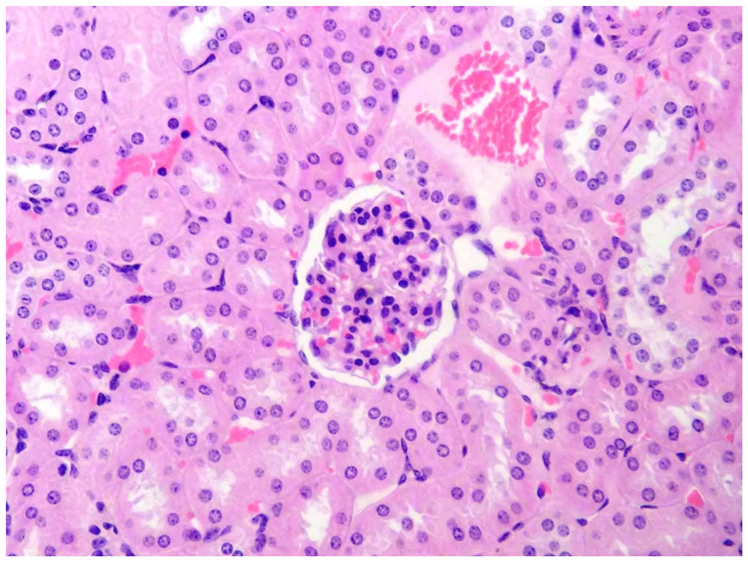 |  |
| Liver |  |  |  | 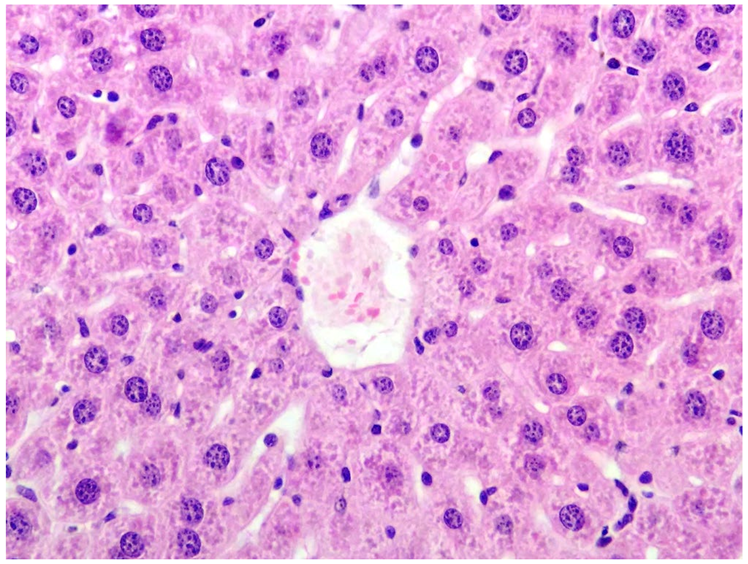 |
| Second phase dose (mg/kg of body weight) | ||||
| 1600 | 2900 | 5000 | ||
| Kidney |  |  |  | |
| Liver |  |  | 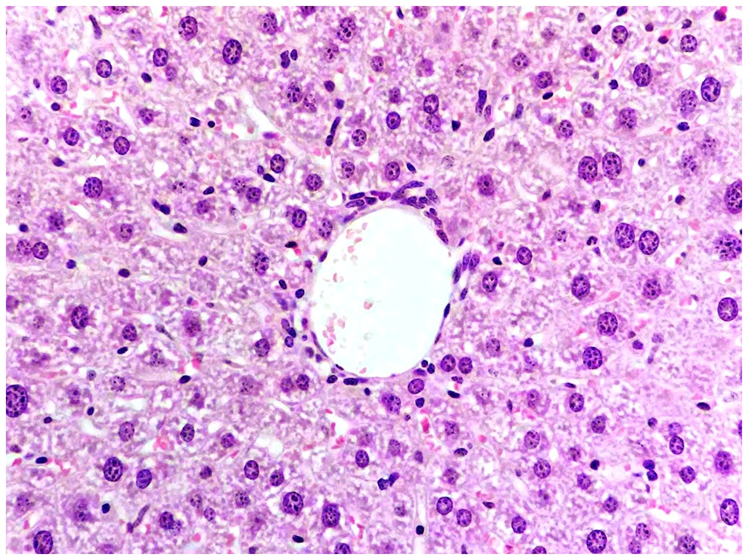 | |
Disclaimer/Publisher’s Note: The statements, opinions and data contained in all publications are solely those of the individual author(s) and contributor(s) and not of MDPI and/or the editor(s). MDPI and/or the editor(s) disclaim responsibility for any injury to people or property resulting from any ideas, methods, instructions or products referred to in the content. |
© 2026 by the authors. Licensee MDPI, Basel, Switzerland. This article is an open access article distributed under the terms and conditions of the Creative Commons Attribution (CC BY) license.
Share and Cite
Sandoval-Peraza, V.M.; Ramos-Ocharán, O.; Alcalá-Escamilla, K.I.; Molina-Rosas, M.Y.; Chel-Guerrero, L.; Betancur-Ancona, D. Delonix regia Seed Germ as an Underutilized Biomass Resource: Nutritional Value, Safety, and Potential for Sustainable Protein Supply for Food Systems. Resources 2026, 15, 37. https://doi.org/10.3390/resources15030037
Sandoval-Peraza VM, Ramos-Ocharán O, Alcalá-Escamilla KI, Molina-Rosas MY, Chel-Guerrero L, Betancur-Ancona D. Delonix regia Seed Germ as an Underutilized Biomass Resource: Nutritional Value, Safety, and Potential for Sustainable Protein Supply for Food Systems. Resources. 2026; 15(3):37. https://doi.org/10.3390/resources15030037
Chicago/Turabian StyleSandoval-Peraza, Valentino Mukthar, Octavio Ramos-Ocharán, Karla Itzél Alcalá-Escamilla, Magdalena Yunuen Molina-Rosas, Luis Chel-Guerrero, and David Betancur-Ancona. 2026. "Delonix regia Seed Germ as an Underutilized Biomass Resource: Nutritional Value, Safety, and Potential for Sustainable Protein Supply for Food Systems" Resources 15, no. 3: 37. https://doi.org/10.3390/resources15030037
APA StyleSandoval-Peraza, V. M., Ramos-Ocharán, O., Alcalá-Escamilla, K. I., Molina-Rosas, M. Y., Chel-Guerrero, L., & Betancur-Ancona, D. (2026). Delonix regia Seed Germ as an Underutilized Biomass Resource: Nutritional Value, Safety, and Potential for Sustainable Protein Supply for Food Systems. Resources, 15(3), 37. https://doi.org/10.3390/resources15030037
