


Highlights
- Main Findings
- A novel sustainability framework was developed to evaluate circular biorefinery pathways for small rice mills using real-world data.
- Balanced, multi-product configurations proved most robust across technical, economic, environmental, and social metrics.
- Probabilistic analysis confirmed diversified pathways as the most resilient, balancing all sustainability dimensions.
- Implications
- The framework provides a practical tool to guide rice mills in transitioning to circular, multi-product biorefineries.
- The study identifies a key trade-off between technological advancement, local employment, and chemical use.
Abstract
Rice processing generates substantial residual biomass globally—about 170 million tons of husk, 62–71 million tons of bran and 23–39 million tons of broken rice annually—which remains largely underutilized and creates environmental burdens and lost economic opportunities. This study was conducted to address the necessity for integrated sustainability assessments of rice mill biorefineries. The focus of this study is on transitioning from a global context of residual biomass generation to a local-scale application in small and medium mills (100–300 tons/day). We apply a resource-centric framework, combining process simulation, techno-economic analysis, and Life Cycle Assessment (LCA—selected for its capacity to quantify trade-offs and avoid burden-shifting across multiple impact categories) with Social-LCA. Five valorization scenarios are assessed. Results demonstrate that biorefinery pathways fundamentally alter supply provision: husk cogeneration boosts energy self-sufficiency (SGI = 12.54), displacing fossil fuels, while silica and nutrient recovery create new, local material flows, substituting for virgin resources. However, chemically intensive routes increase human toxicity impacts (up to 4.0 × 10⁻¹ kg 1,4-DB eq/kg) despite product diversification. Social analysis reveals a tension between worker preferences for advanced technology and community priorities for low-chemical, employment-generating options. Probabilistic sensitivity analysis identifies a diversified configuration (oil, flour, feed, cogeneration) as most robust, optimizing overall resource productivity and circularity. This work transitions the conceptual model of a rice mill from a linear processor to a multi-output bio-resource hub, offering actionable pathways to enhance regional energy, mineral, and nutrient security through circular economy implementation.
1. Introduction
Rice (Oryza sativa) is of central importance to global food security, serving as the primary dietary staple for more than half of the world’s population. In 2023, the global production of paddy rice surpassed 780 million tons, with Asia constituting the dominant production hub and Latin America—particularly countries such as Brazil, Peru, and Colombia—emerging as significant contributors to regional and global supply chains. The industrial processing of rice is characterized by significant resource inefficiency: per metric ton of paddy rice, approximately 220 kg of husk, 80–100 kg of bran, and 30–50 kg of broken rice are produced [1,2]. When extrapolated on a global scale, these figures translate to more than 170 million tons of hulls, 62–71 million tons of bran, and 23–39 million tons of broken rice annually, much of which remains underutilized or is disposed of as low-value waste, often through open burning, which causes particulate emissions, land-use pressures, and other negative environmental externalities [3].
In recent years, the biorefinery concept has been established as a means of closing material and energy loops in the agroindustry sector. This is achieved by converting by-products into a portfolio of higher-value outputs, including food ingredients, materials, and energy. Consequently, this improves circular resource management and economic returns [4]. The valorization routes delineated herein are intended to serve as illustrative exemplars rather than exhaustive compendia. These routes have been selected to reflect the most widely implemented and industrially mature options within rice processing systems.
Rice husk is a common fuel source for heat and power generation, with a lower heating value typically reported in the range of 12–15 MJ·kg−1 (depending on moisture content and composition). This makes it a suitable fuel for on-site cogeneration systems [5]. Beyond its potential for energy recovery, rice husk has also been explored as a feedstock for higher-value material applications, such as biochar [6] production or silica recovery [7]. These applications are increasingly recognized as relevant pathways in modern rice biorefinery concepts. Rice bran constitutes a substantial source of oil and bioactive compounds; the lipid fraction is frequently reported to reach ~20–25%, depending on variety and stabilization, rendering it appealing for edible oil, nutraceutical, and cosmetic applications [8,9]. Proteins extracted from bran, particularly glutelin, exhibit functional properties such as emulsification and solubility after fractionation or hydrolysis, enabling their use in specialized nutrition and ingredient formulations [10]. Finally, broken rice, which retains essentially the same composition as whole kernels but is downgraded due to size or shape, can be milled into gluten-free flours or processed into expanded snack products and other foods, applications for which market demand continues to grow [11].
Published case studies on rice processing residues demonstrate that the energetic valorization of rice husk has been the dominant applied pathway within rice milling systems. Documented implementations demonstrate the integration of husk-fired combustion and cogeneration units into operational mills to supply process heat and electricity necessary for drying, milling, and auxiliary operations. This approach is intended to reduce reliance on external energy sources and mitigate residue disposal challenges. In major rice-producing regions, particularly in Southeast Asia, these systems have been adopted in response to structural constraints faced by conventional mills. These constraints encompass low profit margins, escalating energy expenditures, and constrained waste management alternatives. This finding validates the technical viability of husk-based energy recovery under industrial operating conditions [12]. Recent large-scale applications have also been reported in Latin America. It is noteworthy that the Diana Group has commissioned a fifth-generation thermoelectric self-generation plant in Yopal, Colombia, utilizing controlled husk combustion for the production of steam and electricity. This innovative approach has enabled the attainment of full energy self-sufficiency, with surplus power being exported to the local grid. The project has also resulted in substantial reductions in CO2 emissions [13]. In addition to these energy-focused applications, applied studies have examined alternative uses of rice processing by-products, including material-oriented applications of rice husk and food- and feed-related valorization of rice bran and broken rice. However, extant literature on this subject typically addresses individual residues and single conversion routes in isolation. As a result, the existing collection of case studies is marked by fragmentation, which limits the available knowledge regarding the technical, environmental, and social trade-offs associated with integrated, multi-output rice biorefinery configurations.
The main limitations of representative sustainability assessment studies are summarized in Table 1.
Table 1.
Scope and limitations of representative studies on rice by-product valorization and biorefinery sustainability assessment.
In this context, the present study introduces the following innovations: (i) the following is a comparative evaluation of multiple integrated rice biorefinery configurations within a single operational framework, (ii) the utilization of authentic operational data, exemplifying small- and medium-scale rice mills, is imperative and (iii) a multidimensional sustainability assessment explicitly oriented towards short- and near-term industrial decision-making is necessary.
Despite its potential, current research on rice biorefineries reveals two significant limitations. Previous studies have previously evaluated biorefinery systems through a holistic lens. These studies have integrated technical, economic, environmental, and social dimensions into composite sustainability indices. This integration has yielded valuable support for strategic planning and long-term investment decisions [14,15]. In contrast, the present study focuses on the application of a multidimensional sustainability framework at the industrial decision-making level, addressing short-term and near-term configuration choices under real process data, limited capital availability, and operational constraints typical of small- and medium-scale rice mills. Firstly, most existing studies analyze individual valorization routes, such as husk energy production or bran oil extraction, without comparing integrated configurations that can transform multiple by-product streams simultaneously. Secondly, when integrated systems are studied, they often assume large-scale, capital-intensive facilities that do not reflect the operational and financial realities of the small- to medium-sized rice mills that dominate production landscapes in many countries [4,16,17,18]. Consequently, there is limited understanding of how different biorefinery configurations perform holistically across technical, economic, environmental and social dimensions, particularly in contexts characterized by restricted investment capacity, local market heterogeneity, and strong socio-territorial dependence on agro-industrial activity.
Addressing these gaps requires a resource-centric analytical framework capable of comparing alternative biorefinery pathways under realistic operating conditions while ensuring analytical robustness and replicability across diverse geographical settings. Rice milling systems are an ideal case study in this regard due to their relatively standardized processing structure, predictable by-product profiles and global prevalence in developing and emerging economies. In the present study, five rice biorefinery configurations were designed to represent progressive technological integration, from existing mill operations to increasingly diversified and complex valorization schemes. These configurations were developed based on technical and operational feasibility, using only commercially available technologies and product routes with proven market demand.
To ensure the validity and realism of the model, the simulation was based on real operational data, recorded in a fully operational rice mill in the Caribbean region of Colombia, which served as a direct basis for the parameterization of the process. These data were used solely to characterize the baseline production system and configure scenario conditions. However, the overarching methodological framework remains generalizable and suitable for application in rice value chains across different countries and scales.
A multidimensional sustainability assessment was then applied to each configuration. Rather than focusing on a single dimension, such as economic profitability or environmental performance, this study integrates technical efficiency, economic viability, environmental impact and social acceptability into a unified analytical approach. This is essential for identifying potential trade-offs between dimensions (e.g., between profitability and environmental impact, or between technological complexity and social acceptance), and for determining which configuration offers the most balanced performance in real conditions. Adopting this holistic perspective enables the study to make two main contributions to the field. Firstly, it provides a structured comparative analysis of complete rice biorefinery systems that are tailored to the scale and operational characteristics of small and medium-sized mills—a segment that has been largely neglected in biorefinery research. Secondly, it offers a robust and transparent framework for integrating sustainability dimensions. This enables researchers, industry stakeholders and policymakers to identify viable pathways for advancing circularity in rice-producing regions. Therefore, the primary objective of this study is to determine which biorefinery configuration most effectively transforms a conventional rice mill from a linear food processor into a multi-output bio-resource hub, thereby enhancing circularity, resource security, and overall sustainability for prevalent small- and medium-scale operations worldwide.
2. Materials and Methods
This study evaluates alternative pathways for the valorization of rice milling by-products (husk, bran rice, rice flour, and broken rice) generated in a medium-scale rice mill (100–300 t·day−1). The objective is to compare their technical, economic, environmental, and social performance under realistic operating conditions. The methodological framework integrates process simulation, techno-economic analysis, life cycle assessment, and social life cycle assessment within a unified sustainability evaluation scheme. Figure 1 provides a synopsis of the comprehensive workflow, meticulously delineating the rational progression from scenario formulation and process modeling to the multi-criteria sustainability evaluation.
Figure 1.
Overall methodological workflow of the study, illustrating the sequential steps from biorefinery scenario definition and process modeling to the integrated multi-criteria sustainability assessment.
2.1. Scenario Configuration
The scenarios were configured to systematically compare alternative pathways for the valorization of rice processing byproducts as secondary bio-resources within a representative medium-scale milling system, with a processing capacity ranging from 100 to 300 tons per day under consideration involve the same upstream rice milling process (reception, cleaning, husking, milling, and grading). The distinguishing factor among the scenarios is the downstream handling and valorization of the generated by-products. Husk streams are evaluated for on-site energy generation, while bran rice, rice flour, and broken rice are directed to material and food-related valorization routes depending on the scenario configuration. The definition of each scenario was executed through the utilization of. This methodological approach was implemented defined alternative was both technically feasible and operationally realistic for mills of a similar size. The criterion was implemented exclusively to ensure the practical feasibility of the system, without implying any technological prioritization or product selection as a component of this study. The design of the scenario followed a structured, hierarchical logic:
- (a)
- Scenario 1 (Baseline): The current milling configuration is utilized as a reference point.
- (b)
- Scenario 2 (Energy Transition): The integration of husk-based cogeneration for the purpose of internal energy supply is a subject of significant interest.
- (c)
- Scenarios 3–5 (Diversification Pathways): The progressive integration of mature valorization routes for bran, broken rice, and derived products must be maintained in accordance with the baseline infrastructure.
Operational production data (i.e., paddy throughput, by-product generation, and utility demand) were obtained from a fully operational rice mill located in the Caribbean region of Colombia. These data were used exclusively to parameterize the baseline scenario and define realistic simulation conditions. The methodological structure is applicable to other rice milling contexts.
2.2. Technical Analysis
The technical evaluation of the five scenarios was carried out through mass and energy balances developed using process simulation in the SuperPro Designer® software version 11 (Intelligent, Inc., US, Freehold, NJ, USA). A set of widely recognized performance indicators was used to quantify conversion efficiency, resource intensity, and process integration.
2.2.1. Mass-Based Indicators
- (a)
- Product yield (Yₚ): Ratio between product mass and raw material input, expressing conversion efficiency and overall process productivity [19].
- (b)
- Process Mass Intensity (PMI): Total mass of raw materials required per unit of valuable product; lower values indicate more resource-efficient systems [20,21].
- (c)
- Material Renewability Index (RMI): Shares of renewable inputs relative to total material inputs, providing insight into dependence on non-renewable resources [22].
- (d)
- Mass Loss Index (MLI): Mass of waste generated per unit of valuable product, serving as a direct indicator of process inefficiency.
2.2.2. Energy-Based Indicators
Energy performance was evaluated using:
- (a)
- Specific Energy Consumption (SEC): Total thermal and electrical energy required per unit of raw material processed.
- (b)
- Self-Generation Index (SGI): Proportion of the total energy demand that can be met internally using energy generated within the system (electricity or heat).
This approach enabled a comprehensive evaluation of the energy balance and overall efficiency of the scenarios [23].
where:
2.3. Economic Analysis
The economic assessment included estimation of capital expenditures (CapEx), operating expenditures (OpEx), and profitability indicators. Costs and equipment capacities were derived from industrial suppliers; values for the baseline rice process were informed by data collected at the pilot mill. CapEx was estimated using standard cost multipliers (Table 2) and amortized via the straight-line method.
Table 2.
Multipliers for calculating the total cost of capital.
Operating costs were computed from the simulated mass and energy balances and included raw materials, chemicals, utilities, packaging, and labor. Input prices—such as paddy rice, enzymes, ethanol, and utilities—were based on values representative of the Colombian market, as summarized in Table 3. While regional in origin, these data were used solely to evaluate the economic feasibility of the modeled case and do not affect the generalizability of the methodology.
Table 3.
Economic parameters for biorefinery analysis.
Profitability was evaluated through net present value (NPV), internal rate of return (IRR), payback period, earnings before interest and taxes (EBIT), and earnings before interest, taxes, depreciation, and amortization (EBITDA) over a 20-year horizon.
A sensitivity analysis was conducted to assess the impact of varying degrees of market adoption on the new product portfolio. Three scenarios were modeled: sales equivalent to 100%, 80%, and 60% of the projected production. This framework has been developed to address the uncertainty associated with the launch of non-traditional products in a mill whose core business remains rice. It enables an assessment of the project’s economic resilience under potential commercialization constraints.
The costs of raw materials, utilities, and products are presented in Table 3.
2.4. Environmental Analysis
The environmental impact assessment for each scenario was performed by quantifying the contributions of waste streams and organic components using the parameters generated in SuperPro Designer, based on the composition and flow characteristics of each process stream. The analysis followed the ISO 14040 framework [24], which includes four phases: (i) goal and scope definition, (ii) life cycle inventory (LCI), (iii) life cycle impact assessment (LCIA), and (iv) interpretation of results. The LCIA was carried out using the ReCiPe 2016 method (hierarchical perspective), applying both midpoint and endpoint indicators. Midpoint assessment was first used to capture the full spectrum of environmental impacts and to identify the most representative categories; these categories were subsequently linked to the endpoint indicators to ensure consistency in the sustainability interpretation.
2.4.1. Goal and Scope
The main goal of the LCA was to compare the environmental performance of a baseline rice milling configuration (Scenario 1) with five alternative biorefinery scenarios integrating different rice by-product valorization routes. These alternatives were designed to represent increasing levels of technological complexity and diversification. A gate-to-gate system boundary was established, covering all industrial operations from the reception, conditioning, and milling of paddy rice to the additional valorization steps and the packaging of final products. The agricultural stage was excluded because it is identical across all scenarios, ensuring that differences in environmental performance arise solely from process integration strategies and not from upstream cultivation practices. Figure 2 provides a graphical representation of the system boundaries, the inputs and outputs illustrated 2 vary depending on the scenario considered as described in Section 3.1.
Figure 2.
System boundaries of the process, showing the inputs, outputs, and key subprocesses.
2.4.2. Functional Unit
The functional unit was defined as 1 kg of processed paddy rice, which served as the reference basis for quantifying inputs, outputs, and impacts, thereby ensuring comparability across scenarios.
2.4.3. Life Cycle Inventory (LCI)
The LCI was constructed by integrating operational data from the reference milling facility with the mass and energy balances generated through process simulations. All simulations were conducted in SuperPro Designer and parameterized using real operational data from the mill. This ensured that modeled flows—energy demand, water use, reagents, emissions, and solid and liquid residues—accurately reflected system performance. Background data for energy generation, chemical production, and ancillary processes were sourced from the Ecoinvent 3.2 and Agri-footprint databases. All flows were normalized to the functional unit to ensure consistency across the biorefinery configurations.
2.4.4. Life Cycle Impact Assessment (LCIA)
For the sustainability-oriented interpretation of results, the ReCiPe 2016 endpoint method with a hierarchical perspective (World ReCiPe H) was applied. This method was selected because its three damage categories—Human Health (DALYs), Ecosystems (species·yr), and Resources (USD)—share harmonized units that enable an integrated and comparable sustainability assessment across scenarios. The representative midpoint categories identified in the first stage of the LCIA were retained because each corresponded directly to one of the endpoint damage categories, ensuring methodological coherence between midpoint screening and endpoint interpretation. LCA modeling and impact calculations were performed using SimaPro v8.3 (PRé Consultants, The Netherlands, Amersfoort).
2.5. Social Analysis
The social analysis was structured using the Social Life Cycle Assessment (S-LCA) methodology, in accordance with the guidelines of the United Nations Environment Programme [25] and was adapted to the conditions of rice agro-industry in developing economies. This adaptation involved a door-to-door approach and a functional unit of 1 kg of processed paddy rice. The procedure was developed in five phases.
- (a)
- Scientific screening: Systematic literature review (2015–2025) to identify relevant stakeholder groups and indicators.
- (b)
- Regulatory screening: Review of national and sectoral regulations related to labor, occupational health, gender equality, social protection and rural development regulations, and environmental governance.
- (c)
- Indicator structuring: Organization into stakeholder subcategories based on relevance and applicability.
- (d)
- Data collection: Structured questionnaires with Likert scales (–2 to +2), applied through telephone interviews (workers, community, management) and digital surveys (consumers) [26,27].
- (e)
- Validation and sensitivity: Expert validation (Kendall W; K-coefficient) and weighting sensitivity analysis [28].
2.6. Sustainability Analysis
The sustainability assessment integrated the results of the technical, economic, environmental, and social analyses to identify the most balanced biorefinery configuration. Given that sustainability is a multidimensional and context-dependent concept, the evaluation framework was designed to allow comparability across heterogeneous indicators while preserving methodological transparency and analytical rigor. The assessment was structured into two sequential phases: (i) graphical communication of results and (ii) calculation of a composite sustainability index.
2.6.1. Phase I: Graphical Communication of Results
To enable cross-dimensional comparison, all indicators were transformed into dimensionless values using a min–max normalization procedure. This step aligned variables originally expressed in different units (e.g., CO2-eq emissions, financial returns, mass-based efficiencies, or perception-based scores) onto a common 0–1 scale, ensuring methodological compatibility prior to weighting. Normalization followed established practices in sustainability assessment and multicriteria analysis. The normalized values were subsequently integrated into the analysis workflow and used directly in the comparative evaluation of the scenarios. To support the comparative analysis, the integrated performance of the scenarios was displayed using a ternary diagram (Figure 3). In this representation, each vertex corresponds to a sustainability dimension, and the sum of the assigned weights equals 100% [29]. The position of each scenario within the triangular space reflects its relative performance under different weighting schemes. A color gradient—from red (low performance) to green (high performance)—was applied to incorporate the fourth dimension of the analysis, allowing simultaneous visualization of all four sustainability pillars. This graphical tool effectively illustrates how scenario preferences shift depending on stakeholder priorities, highlighting the multidimensional nature of the assessment.
Figure 3.
Ternary diagram for integrated sustainability assessment. The position of each scenario (Sc1–Sc5) within the triangle represents its performance under a specific weighting of the three dimensions at the vertices. A color scale (red to green) integrates the fourth dimension, enabling simultaneous visualization of all four sustainability pillars (technical, economic, environmental, social).
2.6.2. Phase II: Calculation of the Sustainability Index
A composite Sustainability Index (SI) was calculated to synthesize the performance of each scenario. Each sustainability dimension was assigned a relative importance weight (ZXj) defined either by the evaluator or by stakeholder consultation criteria, with the constraint that the sum of all weights equals 100%. The SI for each scenario was computed by aggregating the weighted, dimensionless indicators according to the following equation:
where:
- Specific indicators of the dimension (technical, economic, environmental and social) standardized (dimensionless)
- Relative importance weight (dimensionless)
Consequently, a value ranging from 0 to 1 is derived for each scenario, with 0 representing the poorest relative performance and 1 representing the optimal outcome. The results of the sustainability index can be represented on a color scale to facilitate visual comparison (Figure 4), following the proposal of Zortea et al. [30].
Figure 4.
The color code (left) is applied to three example scenarios (right), showing that scenario 1 has an index of 7 and 0.8. According to the color scale, this index is “highly satisfactory.” Scenario 2 408 is “highly unsatisfactory,” and scenario 3 is “satisfactory”.
2.6.3. Interpretation and Sensitivity Analysis
The interpretation stage integrated two complementary analytical perspectives: a comparative examination of scenario performance within each sustainability dimension and an evaluation of the aggregated Sustainability Index (SI), allowing the identification of configurations that exhibited consistently strong results across technical, economic, environmental, and social criteria. To further reinforce the robustness of the conclusions, a sensitivity analysis was conducted by systematically modifying the relative importance assigned to each sustainability dimension, simulating weighting schemes that emphasized environmental, economic, or social priorities, as well as a configuration with equal weights across all dimensions.
3. Results and Discussion
3.1. Scenario Configuration
The scenario architecture was developed using valorization routes that are extensively documented in industrial rice-processing systems. These routes have well-established unit operations, operational conditions, and commercial applications. As mentioned in Section 2.1, these include husk-based energy recovery, flour production, rice bran oil extraction, protein-rich co-products, animal feed pellets, and expanded cereal snacks. In order to ensure technical plausibility for medium-scale milling operations, only technologies supported by mature industrial practice were incorporated.
The overall configuration of the most integrated scenario (Scenario 5) is illustrated in Figure 5, highlighting the progressive combination of unit operations and valorization pathways in the complete biorefinery configuration.
Figure 5.
Scenario 5. Advanced valorization strategy: energy, oil, hydrolyzed protein, flour, feed, premium rice and snack.
To parameterize the baseline configuration, representative operational data—paddy throughput, by-product generation rates and utility requirements—were used exclusively to establish realistic simulation conditions. Since all scenarios rely on generalizable unit operations and commercially available technologies, the proposed framework is readily applicable to a broad range of rice-processing contexts beyond the reference configuration.
Key operational parameters used to define and simulate the scenarios are summarized in Table 4. These values provide representative throughput, by-product generation rates, and energy conversion efficiencies for a medium-scale rice milling operation.
Table 4.
Technical operational parameters for biorefinery simulation analysis.
Scenario Descriptions
- Scenario 1—Baseline configuration.
Represents a conventional milling system involving cleaning, drying, hulling, polishing and grading. Husk is partially combusted for steam generation, while bran and fine flour are used in low-value applications. This scenario reflects standard industrial practice and provides the functional reference for comparison.
- Scenario 2—Husk-based cogeneration.
All husk (~2.1–2.3 t/h) is used as fuel in a biomass boiler coupled to a steam turbine, enabling substantial substitution of external electricity supply. Thermal integration practices (condensate recovery, economizers, combustion control) are included to increase efficiency. No modifications are introduced in the milling line.
- Scenario 3—Integrated bran and flour valorization.
Builds on Scenario 2 by adding established valorization routes for bran and flour. Flour is homogenized and packaged for gluten-free applications. Bran undergoes ethanol extraction (≈70% solvent recovery) to produce oil, followed by alkaline protein extraction (≈40–45% recovery) and enzymatic hydrolysis (≈15–20% degree of hydrolysis). Remaining solids are pelletized as animal feed.
- Scenario 4—Simplified oil-centered valorization.
Retains flour production and husk-based cogeneration but simplifies bran valorization by limiting processing to oil extraction and palletization, avoiding protein extraction and hydrolysis. This reduces reagent use, water demand, operating complexity and capital cost while maintaining diversification relative to the baseline.
- Scenario 5—Advanced multi-product biorefinery.
Integrates energy generation, oil extraction, hydrolyzed proteins, flour production and snack expansion. Broken rice is divided between flour production and steam-expanded cereal snacks (~350 kg/h). This scenario represents the highest level of integration and diversification, combining food, feed, functional ingredients and energy products in a single configuration.
3.2. Technical Analysis
A comparative analysis of the technical and energy indicators across the five scenarios (Table 5) reveals notable differences in mass-based resource efficiency, byproduct generation, and energy integration. Process Mass Intensity (PMI), a pivotal metric for environmental performance and conversion efficiency [31], remains constant in Scenario 2 (Sc2) relative to the baseline, suggesting no enhancement in mass efficiency despite the implementation of husk-based cogeneration. The overall product yield (Yp) demonstrates only a negligible variation across the scenarios examined, with Scenario 4 (Sc4) exhibiting the optimal raw material utilization. The Renewability Material Index (RMI) exhibits a modest increase in more diversified configurations (Sc3–Sc5), suggesting that gains in renewable input efficiency are predominantly associated with the integration of additional product streams. These observations align with the findings of previous studies, which reported that the incorporation of stabilized byproduct streams can enhance apparent productivity without necessarily increasing process complexity [32,33].
Table 5.
Technical and energy results of rice biorefineries.
The most integrated scenarios (Sc3–Sc5) introduce new valorized resource streams, including oils, proteins, and snacks, which enhance the overall value of outputs but do not proportionally increase mass efficiency. This phenomenon is consistent with the observations reported in the literature concerning cereal and oilseed biorefineries, where the implementation of multiple valorization pathways has been shown to expand the product portfolio while introducing technical and energy trade-offs [34]. Material loss and renewability indicators further support this interpretation. Although advanced scenarios demonstrate improved integration of renewable inputs and reduced waste, the net effect is influenced by the additional operations required and the management of byproducts. This is a critical consideration in biorefinery sustainability assessments [35].
In terms of energy performance, Sc2 attains substantial self-sufficiency through husk valorization as local energy source in cogeneration, exhibiting a Self-Generation Index (SGI) of 12.54. This outcome aligns with the findings of previous studies emphasizing the promise of lignocellulosic residues in generating energy and enhancing autonomy from external inputs [4]. Conversely, scenarios characterized by more intricate processing pathways (Sc3–Sc5) demonstrate SGI values that approximate unity. This observation signifies that the diversification towards high-value products tends to diminish the net energy available for self-consumption. This trade-off between energy generation and high-value product recovery has been emphasized in the literature [20]. The specific energy consumption (SEC) exhibited a dualistic pattern, with lower values observed in the simpler scenarios and higher energy inputs required in the most complex configurations. This is attributed to the heat- and labor-intensive nature of operations such as oil extraction, enzymatic hydrolysis, and snack production. This phenomenon has been documented in other biorefinery studies as well, where the refinement and separation of materials increases the energy demand per unit of raw material processed [20,36]. Consequently, the SEC should be interpreted in conjunction with economic considerations, as elevated energy consumption may be warranted if the resulting products offer adequate added value.
In summary, Sc2 offers a technically robust and energy-efficient configuration, improving self-sufficiency without altering mass efficiency relative to the baseline. Conversely, Sc3–Sc5 enable strategic diversification toward high-value products, albeit with increased energy demands. These findings emphasize the inherent trade-offs in biorefinery design between maximizing value recovery and maintaining technical efficiency, a challenge that is widely recognized in sustainability assessments of biomass processing systems [34].
3.3. Economic Analysis
A comprehensive economic evaluation of the various biorefinery configurations is outlined in Table 6, which presents key financial indicators, including capital expenditures (CapEx), operating expenditures (OpEx), income, cash flow, EBIT, EBITDA, internal rate of return (IRR), and payback period (PBP). The values of these indicators for sensitivity analysis are presented in Table 7.
Table 6.
Economic indicator and sensibility evaluation of rice biorefineries (100% sales).
Table 7.
Economic indicator and sensibility evaluation of rice biorefineries for 60% and 80% sales.
The findings underscore that transitioning from a conventional milling operation (Scenario 1, Sc1) to diversified valorization schemes leads to substantial enhancement in financial performance and operational margins. In Scenario 1 (Sc1), which represents a standard milling system, the annual EBIT is calculated to be USD 4.73 billion, with an EBITDA of USD 5.29 billion, an IRR of 16.96%, and a PBP of 4.2 years. Although financially viable, this baseline scenario demonstrates limited capacity to exploit secondary flows. This finding is analogous to those reported in lignocellulosic biorefineries, where unvalorized byproducts limit revenue generation [37,38]. Scenario 2 (Sc2) emphasizes husk-based cogeneration, attaining an internal rate of return (IRR) of 20.11% and a payback period (PBP) of 3.6 years. The observed increase can be attributed to two factors: first, the state’s progress in achieving energy self-sufficiency, and second, the potential financial benefits derived from the sale of electricity surpluses. This outcome is consistent with other techno-economic assessments of biomass energy integration in medium-scale biorefineries [39]. Scenario 3 (Sc3), which incorporates oil and protein extraction in the processes of flour and animal feed production, has been demonstrated to be economically unfeasible. Operational expenditure (OpEx) increased to USD 59.63 million per year, earnings before interest and taxes (EBIT) decreased to USD 0.14 million per year, and earnings before interest and taxes (EBITDA) fell to USD 1.34 million per year. The payback period extends to 23.9–80.1 years, precluding the attainment of a substantial IRR. This scenario mirrors the risk documented in other studies, which indicate that intermediate complexity, devoid of high-value coproducts, results in economic value destruction [40,41]. Scenarios 4 and 5 (Sc4–Sc5), which represent advanced integrated configurations, demonstrate the highest economic performance. In Sc4, the combination of flour and oil production with residual utilization as animal feed results in EBIT and EBITDA reaching USD 7.90 and 8.64 million per year, respectively. The IRR is 21.35%, and the PBP is 3.4 years. The integrated model (Sc5) demonstrates a profitable operational trajectory, with an estimated energy generation, snack production, and recovery of hydrolyzed proteins and bran oil resulting in an EBIT of USD 14.19 million, an EBITDA of USD 15.53 million per year, an IRR of 21.22%, and a PBP of 3.4 years. These results illustrate how diversification into high-value products allows recovery of higher CapEx (USD 34.23 M) while maintaining strong profitability, corroborating findings in other integrated biorefineries [42]. Figure 6 presents the cumulative net present value (NPV) profiles of the five scenarios under different market uptake conditions. Scenario 1 (Sc1) demonstrates a gradual and nearly linear increase in the net present value (NPV), reflecting the constrained value capture inherent to a conventional milling configuration. The integration of husk-based cogeneration in Scenario 2 (Sc2) has been shown to expedite the accumulation of net present value (NPV) by virtue of its capacity to mitigate external energy dependency, while concurrently sustaining moderate levels of overall growth. Conversely, Scenario 3 (Sc3) demonstrates a delayed and flattened NPV trajectory, suggesting that the augmented process complexity is not adequately offset by adequate economic returns. As illustrated by Scenarios 4 and 5 (Sc4–Sc5), the most precipitous and substantial NPV growth is exhibited across all sensitivity cases, thereby demonstrating heightened economic resilience. As indicated by the findings of techno-economic studies of plantain and citrus residue biorefineries [40,41], analogous patterns have been reported.
Figure 6.
Cumulative net present value (NPV) profiles over the project lifetime for the five biorefinery scenarios under different market uptake conditions (100%, 80%, and 60% of projected sales): (a) Scenario 1, (b) Scenario 2, (c) Scenario 3, (d) Scenario 4, and (e) Scenario 5.
In conclusion, the economic viability of rice biorefineries is contingent not solely on the technological intricacy involved, but also on the capacity to effectively transform that complexity into high-value products. Simple configurations, such as Sc2, offer incremental improvements with minimal financing barriers. In contrast, advanced configurations (Sc4–Sc5) necessitate larger investments and provide resilience against market fluctuations. Integration of energy generation has been demonstrated to further enhance operational stability, thereby reducing reliance on external electricity and providing complementary revenue streams [37,38].
3.4. Environmental Analysis
The life cycle assessment (LCA) shows that the environmental performance of the rice biorefinery configurations varies substantially with the valorization strategy adopted. Table 8 summarizes the selected midpoint indicators—Climate Change (CC), Human Toxicity (HT), and Fossil Resource Depletion (FD)—identified as the most representative categories for subsequent endpoint interpretation. The 18 midpoint impact categories and their contribution in each of the scenarios are shown in Figure S1 in the Supplementary Materials.
Table 8.
Total contribution of the main categories to the environmental impact of the scenarios.
The baseline scenario (Sc1) demonstrates relatively low impacts (CC ≈ 2.6 × 10⁻² kg CO2 eq/kg paddy, HT ≈ 1.1 × 10⁻³ kg 1,4-DCB eq/kg of product, FD ≈ 2.9 × 10⁻³ kg oil eq/kg). These values reflect the limited contribution of industrial processing, aligning with cradle-to-gate studies that attribute most emissions to agricultural production [43]. The energy-oriented scenario (Sc2) shows an increase in climate change impacts (approximately 2.1 × 10⁻¹ kg CO2 eq/kg) primarily due to husk combustion demonstrating the trade-off between fossil fuel displacement and localized emissions from biomass resource use, while maintaining minimal human toxicity (approximately 3.6 × 10⁻⁴ kg 1,4-DB eq/kg). This behavior is consistent with literature on rice residue cogeneration systems [44]. Chemically intensive scenarios (Sc3–Sc5) emerge as the dominant contributors to environmental burden. Human toxicity in Sc5 reaches 4.0 × 10⁻¹ kg 1,4-DB eq/kg, driven by solvent use, alkaline/acidic reagents, and enzymatic hydrolysis steps [45]. Fossil resource depletion also peaks in Sc4 and Sc5 (approximately 1.5 × 10⁻² kg oil eq/kg), reflecting the material and energy demands intrinsic to chemical extraction routes.
Overall, the midpoint results indicate that environmental sustainability does not increase linearly with technological complexity. Energy-based and physical valorization routes (Sc2) offer a more favorable balance of impacts, whereas chemical configurations (Sc3–Sc5) generate disproportionate burdens. When normalized per kilogram of valorized product (protein, flour, oil), Sc4 and Sc5 improve relative to Sc3, highlighting the importance of aligning chemical valorization with high-value outputs. Achieving environmental viability for chemical routes requires solvent recovery rates approaching 90%, reduced reagent consumption, and the adoption of alternative extraction techniques such as supercritical fluids or ultrasound [46].
The results obtained at the endpoint (see Figure 7) corroborate the trends that were observed at the midpoint level. The baseline scenario (Sc1) maintains total damage values between 2.2 and 2.5 mPt, thus confirming the relatively low burden associated with conventional milling. By way of contrast, chemically intensive scenarios (Sc3–Sc5) demonstrate markedly higher total impacts, ranging from 12.9 to 15.9 mPt. The Human Health damage category is responsible for the majority of the contribution (70–80% of the total), driven by emissions and toxic releases associated with solvents and reagents. Furthermore, ecosystem damage and resource depletion also escalate, with fossil resource use reaching ≈2.3 mPt in Sc3 and Sc5—an outcome consistent with the material intensity of chemical valorization processes. These results are consistent with earlier analyzes of chemical intensification in rice supply chains [47], which report increased toxicity and resource exhaustion as synthetic input use rises. Analogous trends have been observed in the comparison of conventional versus organic or low-input systems [48], where a reduction in chemical inputs is directly correlated with improvements in human health and climate-related burdens. The results of the study demonstrate that environmental sustainability does not scale proportionally with technological complexity. While energy-efficient configurations (Sc2) achieve a balanced performance, chemically intensive strategies (Sc3–Sc5) generate disproportionate environmental costs. Consequently, the design of rice biorefineries should prioritize physical and energy-based utilization of by-products. In circumstances where the utilization of chemical pathways is imperative, the viability of such approaches hinges upon the attainment of near-closed-loop solvent recovery, the minimization of reagent demands, and the contemplation of less intensive technological alternatives. The primary objective of this approach is to circumvent the transference of associated burdens to human health and ecosystem quality.
Figure 7.
Impact contribution of each of the scenarios to the endPoint indicators of the environmental impact analysis.
3.5. Social Analysis
The social assessment of rice biorefinery configurations, conducted under the Social Life Cycle Assessment (S-LCA) framework [23], reveals significant variations in stakeholder perceptions associated with technological complexity and diversification of industrial processes. The selection of four critical stakeholder groups was made on the basis of scientific and regulatory screening. The groups included mill workers, local community workers, management staff, and consumers. Mill workers were prioritized due to their operation of the new processing lines and their exposure to differential occupational hazards and training needs depending on technological complexity. Local community workers offered insights into the broader socio-economic and environmental ramifications of the mills, encompassing employment generation and environmental quality perceptions. The management staff proffered information regarding regulatory compliance, technology adoption, corporate social responsibility, and strategic decision-making. Concurrently, consumers were incorporated into the study to ascertain their acceptance and willingness to pay for sustainably produced products [26,27,48]. The indicators were structured across these stakeholder groups, aligning with UNEP/SETAC subcategories. For workers and local communities, the indicators included a living wage, fair remuneration, occupational health and safety, training for handling chemicals and new equipment, and gender equality. For management staff, indicators encompassed regulatory compliance, local environmental impact, job creation, technological development, circular economy practices, social responsibility, and contractual stability. Consumer indicators centered on the propensity to pay a premium and the significance of information regarding social and environmental product attributes. The data collection process involved the administration of structured questionnaires, employing a standardized Likert scale ranging from −2 to +2. This scale was utilized through telephone interviews with workers, local community members, and management, as well as digital surveys administered to consumers [24,25]. The robustness of the weighting and scoring was ensured by expert validation (Kendall W; K-coefficient) and sensitivity analysis [30,49]. The Questionnaire for Social assessment of Rice Biorefineries is presented in Table 9.
Table 9.
Questionnaire for Social assessment of Rice Biorefineries.
The results, summarized in Figure 8, demonstrate that factory workers exhibited nonlinear acceptance behavior towards changes in resource processing technology, with the highest level observed in Scenario 5 (0.81) in comparison to the baseline Sc1 (0.58). This finding suggests that workers do not inherently reject more sophisticated technologies; rather, they voice concerns regarding intermediate diversification levels (Sc2: 0.67; Sc3: 0.71). As chemical sophistication increases, concerns regarding potential exposure to solvents and reagents escalate, giving rise to apprehensions surrounding job substitution and the displacement of less-skilled labor [50]. In contrast, the local community exhibits a divergent pattern, with acceptance peaking in Scenario 4 (0.98). This strategic prioritization of job creation, productive diversification, and territorial economic revitalization is consistent with findings that community acceptance depends on perceived local benefits and productive linkages [51]. As demonstrated by the results of the management assessments, there is an upward trend in the level of technological complexity, which reaches a peak in Sc4 and Sc5 (0.88). In this group, profiles such as quality engineers, production managers, and marketing managers regard advanced configurations as opportunities for premium markets. Conversely, the general manager expressed reservations regarding investment risks and investor confidence, thereby highlighting internal heterogeneity in strategic perspectives. The consumers’ adoption of these products exhibited a progressive adoption curve, starting from the lowest rating of 0.48 in Sc1 and peaking at 0.88 in Sc4. This indicates a willingness to pay a premium for products that are socio-environmentally differentiated. The slight decrease observed in Sc5 (0.78) indicates potential market segmentation for ultra-specialized products [26].
Figure 8.
Stakeholders score and Weighted index by Scenery.
A comparative analysis of the results reveals three primary social tensions: first, a divergence between worker and community preferences, with workers favoring Sc5 and the community prioritizing Sc4; second, a mismatch between technical complexity and worker acceptance, as increasing chemical sophistication does not linearly enhance perceived well-being; and third, a dissonance between management’s strategic vision and market adoption dynamics, as management strongly supports diversified products (Sc4 and Sc5) that do not fully align with consumer uptake. In sum, Scenario 4 is the most socially balanced configuration, integrating high community and consumer acceptance with management support, while maintaining intermediate worker satisfaction. These findings suggest that transitions toward more complex biorefineries should be gradual, commencing with lower social risk scenarios (Sc2–Sc3) and advancing as technical capabilities and community trust are consolidated.
3.6. Sustainability Assessment
To integrate the technical, economic, environmental, and social assessments, a composite Sustainability Index (SI) was calculated for the five biorefinery scenarios (Sc1–Sc5). All dimension-specific indicators were initially standardized using min–max scaling, a technique that transforms heterogeneous units into a common 0–1 scale. This ensured the comparability of indicators across technical, economic, environmental, and social dimensions. Two aggregation schemes were applied: a simple average, assuming equal weight for all indicators, and a weighted average based on the relative importance of each variable within its dimension. The near-complete overlap of the trajectories in the ternary diagrams (Figure 9) demonstrates the spatial stability of scenario rankings and supports the robustness of the conclusions across aggregation schemes. To illustrate, scenarios with balanced normalized scores across all four dimensions appear closer to the center of the ternary space, while scenarios dominated by a single dimension shift toward the corresponding vertex. This approach enables a straightforward visual interpretation of the trade-offs and the overall sustainability balance.
Figure 9.
Ternary diagram of the give scenarios based on four combinations of environmental, economic social, and technical performance dimensions.
A total of 23,426 weighting configurations were evaluated through a systematic sensitivity exploration. The relative importance of the technical, economic, environmental, and social dimensions was varied using discrete 2% increments, subject to the normalization constraint that the sum of weights equals 100%. Three-dimension weights were iterated explicitly, while the remaining weight was computed as the residual required to satisfy Σwᵢ = 1, ensuring consistent normalization across all configurations. This methodological approach enabled the exploration of the full spectrum of stakeholder priority structures and prevented bias arising from reliance on a single weighting scheme. As illustrated in Figure 10, the probabilistic distribution of the sustainability index (SI) for each scenario is represented across the 0–1 scale, with stacked bars denoting the probability of each scenario falling within each interval. The results of these simulations demonstrated that the ranking of scenarios varies according to the value structure of the decision-maker, underscoring that sustainability does not constitute an absolute or universal hierarchy but instead reflects the interplay between stakeholder-specific priorities and contextual considerations. This analysis confirmed that the applied framework is sufficiently flexible to incorporate diverse strategic preferences while maintaining methodological comparability, transparency, and reproducibility.
Figure 10.
Probabilistic distribution of the sustainability index (SI) for the five scenarios (Sc1–Sc5).
Sc1 demonstrated a concentration in the middle and upper ranges, indicating operational robustness and competitiveness in current practices, although with a limited capacity for high-value diversification. Its strengths—continuous flow, established markets for traditional products, and partial energy integration—contrast with persistent structural limitations, particularly residue management challenges, low energy density of the husk, and dependence on conventional commercial networks. These features are consistent with previous assessments of traditional rice-processing systems, which emphasize stability but limited adaptive potential [45].
Sc2 presents a technically feasible alternative centered on energy self-sufficiency through husk valorization. This configuration stabilizes the SI within the mid-range and contributes to lower operational costs, thereby enhancing resilience. However, its capacity to increase the production of high-value co-products remains marginal. This constraint reflects a broader pattern observed in energy-focused configurations, where improvements in energy autonomy do not necessarily translate into expanded value generation across the product portfolio. Sc3, which incorporates oil extraction, protein hydrolysis, and product diversification, exhibits clear technical promise but faces pronounced operational and economic limitations. The reliance on intensive processing stages—such as solvent extraction using ethanol, alkaline hydrolysis with NaOH, and energy-demanding separation and drying—drives up energy consumption, capital expenditure, and operating costs, while also magnifying environmental burdens. These dynamics mirror those observed in high-intensity biorefinery routes, where technological sophistication tends to increase trade-offs across resource use and environmental impacts [52].
Sc4 emerges as the most balanced and robust scenario, combining moderate process complexity with the production of value-added outputs such as oil and animal feed. The results indicate that targeted selection of high-performance routes, effective thermal integration, and reduced reliance on chemical reagents generate consistently favorable outcomes. Moreover, this configuration shows low sensitivity to variations in weighting schemes, supporting the proposition that strategic simplicity often outperforms unnecessarily complex designs in integrated agro-industrial systems. Sc5 represents the most ambitious and high-risk configuration. Although it enhances economic prospects by expanding the product portfolio and capturing higher market value, it also increases exposure to market volatility, operational demands, and social acceptance risks. The high approval reported among workers contrasts with comparatively lower consumer acceptance, underscoring the intricate interactions between technological complexity, market behavior, and social perceptions documented in related studies [53].
A thorough analysis of the dimensionless indices reveals distinct performance patterns across sustainability dimensions. SC4 achieves the highest technical score (≈0.64), characterized by balanced yields, energy efficiency, and minimal losses. SC5 excels economically (≈0.68), driven by the expansion of revenue streams, whereas SC1 presents the most favorable environmental profile (≈0.97). Social differences are relatively modest, though SC4 stands out for combining high community and managerial acceptance with adequate worker satisfaction. Integrating the insights from Figure 8 and Figure 9, SC4 consistently occupies a central and balanced position in the ternary diagram and demonstrates high SI probabilities across weighting schemes, reinforcing its identification as the most robust configuration. These patterns highlight the relevance of intermediate scenarios as viable pathways for sustainable transitions, effectively balancing multidimensional performance and stakeholder priorities.
Although the case study focuses on a rice biorefinery, the methodological framework and observed trends are broadly transferable to other agro-industrial systems. The combined use of normalization, weighting, and scenario analysis provides a generalizable structure for evaluating how technical, economic, environmental, and social dimensions interact, thereby supporting decision-making in diverse agricultural and industrial sectors worldwide.
3.7. Integrated Discussion
The integrated assessment of the five rice biorefinery scenarios confirms that increasing technological integration does not automatically translate into proportional sustainability gains. Conversely, system performance is governed by the efficacy with which process complexity is converted into stable value creation across the technical, economic, environmental, and social dimensions. From a techno-economic perspective, the results clearly demonstrate that advanced configurations (Sc4 and Sc5) are capable of absorbing higher capital investment and operational complexity while maintaining strong financial performance. In such scenarios, the joint optimization of material streams (oil, flour, feed, proteins, snacks) and energy recovery enables the distribution of costs and benefits across multiple outputs, thereby enhancing EBIT, EBITDA, and market resilience under adverse conditions, as evidenced by the sensitivity analysis. This behavior is consistent with patterns reported for integrated agro-industrial biorefineries, where diversification into complementary product streams is a key determinant of long-term economic robustness [42].
The environmental results indicate that sustainability improvements are not solely driven by the introduction of novel processing routes, but rather by reductions in material losses and enhanced utilization of available biomass. Scenarios that integrate energy recovery and by-product valorization have been shown to reduce the environmental burden per functional unit, provided that increases in auxiliary inputs and energy demand remain below the benefits obtained through diversification. This trade-off is particularly evident in Sc4 and Sc5, where environmental impacts are distributed across multiple co-products, thus improving the relative performance of the system in comparison to chemically intensive but less balanced configurations [45,46,47]. The social assessment further demonstrates that sustainability does not scale linearly with technological complexity. The generation of employment opportunities, technical capacity building, and stronger productive linkages is facilitated by more diversified scenarios; however, they simultaneously introduce higher requirements in terms of governance, training, and risk management. The responses of workers and communities indicate that acceptance is less dependent on the degree of integration itself than on the perceived balance between economic opportunities, occupational safety, and local benefits. This finding is in line with the results of previous social life cycle studies in agro-industrial systems [26,27,50,51].
Taken together, these findings confirm that no single configuration can be considered universally optimal. Instead, the results underscore the significance of selecting integration strategies that are congruent with the operational context, investment capacity, and strategic objectives of the milling facility. While Sc2 represents a technically robust and low-risk pathway for improving energy autonomy, Sc4 and Sc5 emerge as more ambitious configurations capable of maximizing value creation and system resilience when economic, environmental, and organizational conditions are favorable.
3.8. General Considerations and Limitations
From a methodological perspective, the primary limitations of this study stem from the assumptions adopted in the techno-economic assessment (TEA) and life cycle assessment (LCA). In the TEA, production scale and material flows are constrained by the operational capacity of an existing rice mill. This precludes scale optimization or greenfield design and limits capital expenditure flexibility. Consequently, economic performance is more sensitive to market uptake of biorefinery co-products than to throughput expansion. In the LCA, a gate-to-gate system boundary was implemented to ensure scenario comparability, with the exclusion of agricultural production and upstream variability. Consequently, environmental outcomes are indicative of relative variations in process integration and valorization strategies as opposed to the absolute life-cycle impacts. The study proposes an integrated framework for evaluating medium-scale rice biorefineries, emphasizing technically viable configurations with short- and medium-term implementation potential. Integrating technical, economic, environmental, and social analyses enables coherent identification of trade-offs, thereby providing a robust basis for real-world decision-making.
The framework prioritizes industrially mature technologies and commercially available products, ensuring evaluated scenarios are feasible for existing mills. While this approach may constrain the overall scope, it does serve to underscore the practical relevance of the research. Subsequent research endeavors may extend the framework to encompass emerging value chains or more intricate products, thereby enabling exploratory assessment without compromising practical applicability. From an environmental perspective, the emphasis on the industrial stage facilitates the establishment of a uniform framework for the comparison of diverse biorefinery configurations. The analysis does not consider agricultural stages or potential biomass streams, which may influence environmental outcomes and resource portfolios. This suggests that a cradle-to-gate extension would be a valuable avenue for future research.
The generalizability of the findings is supported by the parameterization of the model, which is based on operational data from a representative mill in the Colombian Caribbean region. The transferability of this approach to other contexts is contingent upon adjustments to key parameters, including biomass availability, by-product yields, input prices, energy conditions, and local regulations. The social analysis focuses on impacts associated with industrial operations and primary stakeholders. This analysis is suitable for evaluating plant-level technological integration and has the potential to be expanded to territorial or long-term assessments. Incorporating a sustainability index with multiple weighting schemes enhances adaptability to diverse stakeholder profiles and strategic priorities. The framework does not identify a universally optimal configuration; however, it provides a systematic basis for comparative analysis, thereby supporting informed decision-making across productive and strategic contexts.
4. Conclusions
A comprehensive evaluation of rice biorefinery configurations has demonstrated that a multidimensional assessment—integrating technical efficiency, economic viability, environmental performance, and social acceptability—yields a nuanced understanding of trade-offs and synergies across sustainability dimensions in resource management. A thorough examination of the available data using technical analysis revealed that scenarios incorporating moderate process diversification and energy integration achieve higher operational efficiency. Conversely, excessively complex configurations do not necessarily guarantee proportional gains in mass or energy performance. An economic assessment was conducted, and the results indicated that scenarios balancing capital and operational costs with diversified product streams offer superior financial stability. In contrast, highly ambitious configurations, despite their potential for premium outputs, exhibited greater vulnerability to market and operational risks. A comprehensive environmental evaluation has confirmed that the minimization of solvent-intensive processes, in conjunction with the optimization of renewable resource utilization, is imperative to ensure the maintenance of minimal impacts on human health, ecological systems, and natural resources. Conversely, the implementation of intensive extraction methodologies has been demonstrated to result in a substantial escalation in environmental stresses. A social analysis indicated that aligning technological complexity with stakeholder acceptance is imperative. Scenarios that foster community benefits and maintain workforce engagement demonstrate superior performance in terms of social sustainability. This underscores the necessity for gradual transitions in process adoption.
The incorporation of these dimensions through a probabilistic and weighted Sustainability Index further underscored the robustness of intermediate and strategically diversified configurations for balanced resource stewardship. In the fourth scenario, a balanced profile was consistently achieved, combining high community and managerial acceptance, favorable technical performance, and resilient economic and environmental outcomes. This finding indicates that the design of sustainable biorefineries must consider more than just achieving maximum technical or economic performance. Instead, it emerges from a careful equilibrium across all dimensions.
Despite the fact that the framework was parameterized using operational data from a medium-sized rice mill in Colombia, the methodology is fully generalizable and can be applied to other rice value chains—or analogous agro-industrial systems—by contextualizing scenario parameters to their specific operational realities. This adaptability enables researchers, industry stakeholders, and policymakers to identify viable pathways toward circularity and sustainable intensification in diverse contexts. Consequently, the approach’s broader relevance is highlighted beyond the local case study. In essence, the findings offer actionable insights for the design of technically robust, economically feasible, environmentally responsible, and socially acceptable biorefineries positioning the rice mill as a multi-output bio-resource hub to support sustainable development in rice-producing regions worldwide.
Supplementary Materials
The following supporting information can be downloaded at: https://www.mdpi.com/article/10.3390/resources15020028/s1. Figure S1: Impact contribution of each of the scenarios to the MidPoint indicators of the environmental impact analysis. CC: Climate change; OD: Ozone layer depletion; TA: Terrestrial acidification; FE: Freshwater eutrophication; ME: Marine eutrophication; HT: Human toxicity; POF: Photochemical oxidant formation; PMF: Particulate matter formation; TE: Terrestrial ecotoxicity; FET: Freshwater ecotoxicity; MET: Marine ecotoxicity; IR: Ionizing radiation; ALO: Agricultural occupation; ULO: Urban occupation; NLT: Natural area transformation; WD: Water resource depletion; MD: Metal depletion; FD: Fossil resource depletion.
Author Contributions
Conceptualization, N.S.-A.; methodology, N.S.-A. and J.D.G.-N.; software N.S.-A., J.D.G.-N. and D.K.J.-E.; validation, N.S.-A., J.D.G.-N. and D.K.J.-E.; formal analysis, N.S.-A.; investigation, N.S.-A.; resources, N.S.-A.; data curation, N.S.-A., J.D.G.-N. and D.K.J.-E.; writing—original draft preparation, N.S.-A.; writing—review and editing, C.E.O.-A.; visualization, C.E.O.-A. and N.S.-A. supervision, C.E.O.-A.; project administration, C.E.O.-A. and C.A.C.-A.; funding acquisition, C.E.O.-A. and C.A.C.-A. All authors have read and agreed to the published version of the manuscript.
Funding
This research was funded by the MINISTERIO DE CIENCIA, TECNOLOGIA E INNOVACION-UNIVERSIDAD DE SUCRE, with the Project “Aprovechamiento y valorización sostenible de residuos sólidos orgánicos y su posible aplicación en biorrefinerías y tecnologías de residuos a energía en el departamento de Sucre” (BPIN code 2020000100189).
Institutional Review Board Statement
This study is part of the research project “Sustainable Use and Valorization of Organic Solid Waste and its Potential Application in Biorefineries and Waste-to-Energy Technologies in the Department of Sucre,” endorsed by the Colombian Ministry of Science, Technology and Innovation under code BPIN 2020000100189, and institutionally approved by the Research Directorate of the National University of Colombia, Manizales campus, with confirmation of compliance with all requirements, including ethical ones, as per Approval No. 16271 dated 13 November 2019. It also forms part of the doctoral thesis entitled “Pathways for the Evaluation and Implementation of a Small-Scale Sustainable Biorefinery Based on a Rice Mill in the Department of Sucre,” formally approved by the Faculty Council of Engineering and Architecture of the National University of Colombia, which validated compliance with research regulations, including ethical ones, through Act 46 dated 28 November 2019.
Informed Consent Statement
Data collection was conducted via anonymous telephone surveys. No personal, sensitive, or identifiable data was collected. Participation was entirely voluntary, and standardized verbal informed consent was obtained.
Data Availability Statement
The original contributions presented in this study are included in the article and Supplementary Material. Further inquiries can be directed to the corresponding author.
Acknowledgments
The authors express their gratitude to the Margaret McNamara Education Grants 2023.
Conflicts of Interest
The authors declare no conflicts of interest.
References
- Rodriguez, Y.A. Production of Protein Hydrolysate from Rice Brain Using Immobilized Protease of Lignocellulosic Waste. Doctoral Dissertation, Universidad Nacional de Colombia Sede Manizales, Manizales, Colombia, 2021. [Google Scholar]
- Shahbandeh, M. Grain Production Worldwide 2024/25 by Type, Statista. Available online: https://www.statista.com/statistics/263977/world-grain-production-by-type/ (accessed on 25 August 2025).
- Kumar, A.; Roy, A.; Priyadarshinee, R.; Sengupta, B.; Malaviya, A.; Dasguptamandal, D.; Mandal, T. Economic and sustainable management of wastes from rice industry: Combating the potential threats. Environ. Sci. Pollut. Res. 2017, 24, 26279–26296. [Google Scholar] [CrossRef] [Scilit]
- Cherubini, F.; Jungmeier, G.; Wellisch, M.; Willke, T.; Skiadas, I.; Van Ree, R.; de Jong, E. Toward a common classification approach for biorefinery systems. Biofuels Bioprod. Biorefining 2009, 3, 534–546. [Google Scholar] [CrossRef] [Scilit]
- Prasara-A, J.; Gheewala, S.H. Sustainable utilization of rice husk ash from power plants: A review. J. Clean. Prod. 2017, 167, 1020–1028. [Google Scholar] [CrossRef] [Scilit]
- Karam, D.S.; Nagabovanalli, P.; Rajoo, K.S.; Ishak, C.F.; Abdu, A.; Rosli, Z.; Muharam, F.M.; Zulperi, D. An overview on the preparation of rice husk biochar, factors affecting its properties, and its agriculture application. J. Saudi Soc. Agric. Sci. 2022, 21, 149–159. [Google Scholar] [CrossRef] [Scilit]
- Hossain, S.S.; Mathur, L.; Roy, P.K. Rice husk/rice husk ash as an alternative source of silica in ceramics: A review. J. Asian Ceram. Soc. 2018, 6, 299–313. [Google Scholar] [CrossRef] [Scilit]
- Tufail, T.; Ain, H.B.U.; Chen, J.; Virk, M.S.; Ahmed, Z.; Ashraf, J.; Shahid, N.U.A.; Xu, B. Contemporary Views of the Extraction, Health Benefits, and Industrial Integration of Rice Bran Oil: A Prominent Ingredient for Holistic Human Health. Foods 2024, 13, 1305. [Google Scholar] [CrossRef] [Scilit]
- Garofalo, S.F.; Demichelis, F.; Mancini, G.; Tommasi, T.; Fino, D. Conventional and ultrasound-assisted extraction of rice bran oil with isopropanol as solvent. Sustain. Chem. Pharm. 2022, 29, 100741. [Google Scholar] [CrossRef] [Scilit]
- Khan, S.H.; Butt, M.S.; Sharif, M.K.; Sameen, A.; Mumtaz, S.; Sultan, M.T. Functional Properties of Protein Isolates Extracted from Stabilized Rice Bran by Microwave, Dry Heat, and Parboiling. J. Agric. Food Chem. 2011, 59, 2416–2420. [Google Scholar] [CrossRef] [Scilit] [PubMed]
- Oliveira, A.R.; Ribeiro, A.E.C.; Oliveira, É.R.; Ribeiro, K.O.; Garcia, M.C.; Careli-Gondim, Í.; Júnior, M.S.S.; Caliari, M. Physicochemical, microbiological and sensory characteristics of snacks developed from broken rice grains and turmeric powder. Int. J. Food Sci. Technol. 2020, 55, 2719–2729. [Google Scholar] [CrossRef] [Scilit]
- Goodman, B.A. Utilization of waste straw and husks from rice production: A review. J. Bioresour. Bioprod. 2020, 5, 143–162. [Google Scholar] [CrossRef] [Scilit]
- Bioeconomia Info. En Colombia, un Toque de ‘Diana’ Despierta la Bioeconomía del Arroz. Available online: https://www.bioeconomia.info/2025/02/24/en-colombia-un-toque-de-diana-despierta-la-bioeconomia-del-arroz/ (accessed on 2 March 2025).
- Ovezikoglou, P.; Aidonis, D.; Achillas, C.; Vlachokostas, C.; Bochtis, D. Sustainability Assessment of Investments Based on a Multiple Criteria Methodological Framework. Sustainability 2020, 12, 6805. [Google Scholar] [CrossRef] [Scilit]
- Solarte-Toro, J.C.; Ortiz-Sanchez, M.; Alzate, C.A.C. Sustainability analysis of biorefineries based on country socio-economic and environmental context: A step-by-step way for the integral analysis of biomass upgrading processes. Renew. Energy 2023, 206, 1147–1157. [Google Scholar] [CrossRef] [Scilit]
- Murthy, G.S. Systems analysis frameworks for biorefineries. In Biofuels: Alternative Feedstocks and Conversion Processes for the Production of Liquid and Gaseous Biofuels; Elsevier: Amsterdam, The Netherlands, 2019; pp. 77–92. [Google Scholar]
- de Jong, E.; Jungmeier, G. Biorefinery concepts in comparison to petrochemical refineries. In Industrial Biorefineries & White Biotechnology; Elsevier: Amsterdam, The Netherlands, 2015; pp. 3–33. [Google Scholar]
- Santos, D.S.; Callefi, M.H.B.M.; Ianda, T.F.; Calixto, E.E.d.S.; Pereira, G.A.G.; Toro, J.C.S.; Alzate, C.A.C.; Pessoa, F.L.P.; de Araújo Kalid, R. Small and medium-scale biorefineries: Biomass quantification and its bioeconomic potential in the Southern Coastal Territory of Bahia. Environ. Sci. Pollut. Res. 2025, 32, 2726–2746. [Google Scholar] [CrossRef] [Scilit]
- Alzate, C.A.C.; Botero, J.M.; Marulanda, V.A. Biorefineries: Design and Analysis; CRC Press: Boca Raton, FL, USA, 2018. [Google Scholar]
- Ruiz-Mercado, G.J.; Smith, R.L.; Gonzalez, M.A. Sustainability indicators for chemical processes: II. Data needs. Ind. Eng. Chem. Res. 2012, 51, 2329–2353. [Google Scholar] [CrossRef] [Scilit]
- Budzinski, K.; Blewis, M.; Dahlin, P.; D’Aquila, D.; Esparza, J.; Gavin, J.; Ho, S.V.; Hutchens, C.; Kahn, D.; Koenig, S.G.; et al. Introduction of a process mass intensity metric for biologics. New Biotechnol. 2019, 49, 37–42. [Google Scholar] [CrossRef] [Scilit]
- Rogers, L.; Jensen, K.F. Continuous manufacturing—the Green Chemistry promise? Green Chem. 2019, 21, 3481–3498. [Google Scholar] [CrossRef] [Scilit]
- Solarte, J. Sustainability Assessment of Different Biorefinery Schemes to Enhance the Development of Post-Conflict Areas in the Colombian Context: The Montes de Maria Case. Doctoral Dissertation, Universidad Nacional de Colombia Sede Manizales, Manizales, Colombia, 2022. [Google Scholar]
- ISO-14040; Environmental Management–Life Cycle Assessment–Principles and Framework. International Organization for Standardization: Geneva, Switzerland, 2022.
- Valdivia, S.; Ugaya, C.M.L.; Hildenbrand, J.; Traverso, M.; Mazijn, B.; Sonnemann, G. A UNEP/SETAC approach towards a life cycle sustainability assessment—our contribution to Rio+20. Int. J. Life Cycle Assess. 2012, 18, 1673–1685. [Google Scholar] [CrossRef] [Scilit]
- Aparcana, S.; Linzner, R.; Salhofer, S. Social assessment of recycling systems—Peruvian case studies. Proc. Inst. Civ. Eng.—Waste Resour. Manag. 2013, 166, 84–92. [Google Scholar] [CrossRef] [Scilit]
- Niero, A. Understanding Business Model Sustainability in Food Production Systems Through Life Cycle Thinking. Doctoral Dissertation, Alma Mater Studiorum Università di Bologna, Bologna, Italy, 2025. [Google Scholar] [CrossRef]
- SETAC; UNEP. Guidelines for Social Life Cycle Assessment of Products and Organizations United Nations Environment Programme. 2020. Available online: https://www.lifecycleinitiative.org/wp-content/uploads/2021/01/Guidelines-for-Social-Life-Cycle-Assessment-of-Products-and-Organizations-2020-22.1.21sml.pdf (accessed on 14 August 2025).
- Hofstetter, P.; Braunschweig, A.; Mettier, T.; Müller-Wenk, R.; Tietje, O. The Mixing Triangle: Correlation and Graphical Decision Support for LCA-based Comparisons. J. Ind. Ecol. 1999, 3, 97–115. [Google Scholar] [CrossRef] [Scilit]
- Zortea, R.B.; Maciel, V.G.; Passuello, A. Sustainability assessment of soybean production in Southern Brazil: A life cycle approach. Sustain. Prod. Consum. 2018, 13, 102–112. [Google Scholar] [CrossRef] [Scilit]
- Monteith, E.R.; Mampuys, P.; Summerton, L.; Clark, J.H.; Maes, B.U.W.; McElroy, C.R. Why we might be misusing process mass intensity (PMI) and a methodology to apply it effectively as a discovery level metric. Green Chem. 2019, 22, 123–135. [Google Scholar] [CrossRef] [Scilit]
- Farzad, S.; Mandegari, M.A.; Guo, M.; Haigh, K.F.; Shah, N.; Görgens, J.F. Multi-product biorefineries from lignocelluloses: A pathway to revitalisation of the sugar industry? Biotechnol. Biofuels 2017, 10, 87. [Google Scholar] [CrossRef] [Scilit]
- Tobin, T.; Gustafson, R.; Bura, R.; Gough, H.L. Integration of wastewater treatment into process design of lignocellulosic biorefineries for improved economic viability. Biotechnol. Biofuels 2020, 13, 24. [Google Scholar] [CrossRef] [Scilit] [PubMed]
- Santibañez-Aguilar, J.E.; González-Campos, J.B.; Ponce-Ortega, J.M.; Serna-González, M.; El-Halwagi, M.M. Optimal planning and site selection for distributed multiproduct biorefineries involving economic, environmental and social objectives. J. Clean. Prod. 2014, 65, 270–294. [Google Scholar] [CrossRef] [Scilit]
- Nogueira, G.P.; McManus, M.C.; Leak, D.J.; Franco, T.T.; Dias, M.O.d.S.; Cavaliero, C.K.N. Are eucalyptus harvest residues a truly burden-free biomass source for bioenergy? A deeper look into biorefinery process design and Life Cycle Assessment. J. Clean. Prod. 2021, 299, 126956. [Google Scholar] [CrossRef] [Scilit]
- Sadhukhan, J.; Ng, K.S.; Hernandez, E.M. Biorefineries and Chemical Processes: Design, Integration and Sustainability Analysis; John Wiley & Sons: Hoboken, NJ, USA, 2014. [Google Scholar]
- Schroeder, P.; Anggraeni, K.; Weber, U. The Relevance of Circular Economy Practices to the Sustainable Development Goals. J. Ind. Ecol. 2019, 23, 77–95. [Google Scholar] [CrossRef] [Scilit]
- Ten Have, H.; Gordijn, B. Sustainability. In Medicine, Health Care and Philosophy; Springer: Berlin/Heidelberg, Germany, 2020; Volume 23. [Google Scholar]
- Alhaddi, H. Triple Bottom Line and Sustainability: A Literature Review. Bus. Manag. Stud. 2015, 1, 6–10. [Google Scholar] [CrossRef] [Scilit]
- Syed, S.; Tollamadugu, N.P. Role of plant growth-promoting microorganisms as a tool for environmental sustainability. In Recent Developments in Applied Microbiology and Biochemistry; Elsevier: Amsterdam, The Netherlands, 2019; pp. 209–222. [Google Scholar]
- Rodriguez, L. Towards a Methodological Tool for the Integral Evaluation of the Sustainability of a Biocomposite Material: A Case Study. Doctoral Dissertation, Universidad Nacional de Colombia Sede Manizales, Manizales, Colombia, 2021. [Google Scholar]
- Lampridi, M.G.; Sørensen, C.G.; Bochtis, D.D. Agricultural Sustainability: A Review of Concepts and Methods. Sustainability 2019, 11, 5120. [Google Scholar] [CrossRef] [Scilit]
- Blengini, G.A.; Busto, M. The life cycle of rice: LCA of alternative agri-food chain management systems in Vercelli (Italy). J. Environ. Manag. 2009, 90, 1512–1522. [Google Scholar] [CrossRef] [Scilit] [PubMed]
- Shafie, S.M.; Masjuki, H.H.; Mahlia, T.M.I. Life cycle assessment of rice straw-based power generation in Malaysia. Energy 2014, 70, 401–410. [Google Scholar] [CrossRef] [Scilit]
- Abu Bakar, N.A.; Rahman, M.H.A.; Ibrahim, K.N.; Roslan, A.M.; Hassan, M.A. Comparative Assessment of Rice Mill Waste Utilisation Management in Malaysia Using Integrated Material Flow and Life Cycle Analyses. J. Ecol. Eng. 2024, 25, 222–236. [Google Scholar] [CrossRef] [Scilit]
- Vauchel, P.; Colli, C.; Pradal, D.; Philippot, M.; Decossin, S.; Dhulster, P.; Dimitrov, K. Comparative LCA of ultrasound-assisted extraction of polyphenols from chicory grounds under different operational conditions. J. Clean. Prod. 2018, 196, 1116–1123. [Google Scholar] [CrossRef] [Scilit]
- Unrean, P.; Fui, B.C.L.; Rianawati, E.; Acda, M. Comparative techno-economic assessment and environmental impacts of rice husk-to-fuel conversion technologies. Energy 2018, 151, 581–593. [Google Scholar] [CrossRef] [Scilit]
- Nabavi-Pelesaraei, A.; Rafiee, S.; Mohammadkashi, N.; Chau, K.-W.; Mostashari-Rad, F. Principle of Life Cycle Assessment and Cumulative Exergy Demand for Biodiesel Production: Farm-To-Combustion Approach. In Synergy Development in Renewables Assisted Multi-Carrier Systems; Amidpour, M., Ebadollahi, M., Jabari, F., Kolahi, M.R., Ghaebi, H., Eds.; Green Energy and Technology; Springer: Cham, Switzerland, 2022; pp. 127–169. [Google Scholar] [CrossRef] [Scilit]
- Cinelli, M.; Gonzalez, M.A.; Ford, R.; McKernan, J.; Corrente, S.; Kadziński, M.; Słowiński, R. Supporting contaminated sites management with Multiple Criteria Decision Analysis: Demonstration of a regulation-consistent approach. J. Clean. Prod. 2021, 316, 128347. [Google Scholar] [CrossRef] [Scilit] [PubMed]
- Houshyar, E.; Chen, B.; Chen, G. Environmental impacts of rice production analyzed via social capital development: An Iranian case study with a life cycle assessment/data envelopment analysis approach. Ecol. Indic. 2018, 105, 675–687. [Google Scholar] [CrossRef] [Scilit]
- Vanclay, F. The potential application of social impact assessment in integrated coastal zone management. Ocean Coast. Manag. 2012, 68, 149–156. [Google Scholar] [CrossRef] [Scilit]
- Solarte-Toro, J.C.; Ortiz-Sanchez, M.; Alzate, C.A.C. Environmental life cycle assessment (E-LCA) and social impact assessment (SIA) of small-scale biorefineries implemented in rural zones: The avocado (Persea Americana var. Americana) case in Colombia. Environ. Sci. Pollut. Res. 2022, 30, 8790–8808. [Google Scholar] [CrossRef] [Scilit]
- Ortiz-Sanchez, M.; Piedrahita-Rodríguez, S.; Solarte-Toro, J.C.; Moustakas, K.; Alzate, C.A.C. Sustainability analysis of biorefineries applying biotechnological routes to convert bagasse from non-centrifugal sugar production for rural economic development in Colombia. Biomass Convers. Biorefinery 2024, 15, 24885–24907. [Google Scholar] [CrossRef] [Scilit]
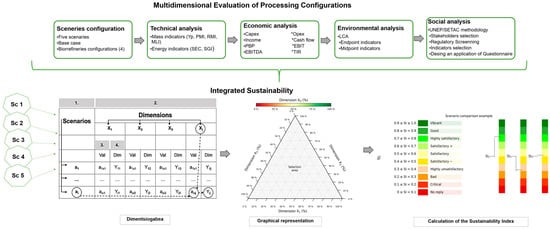
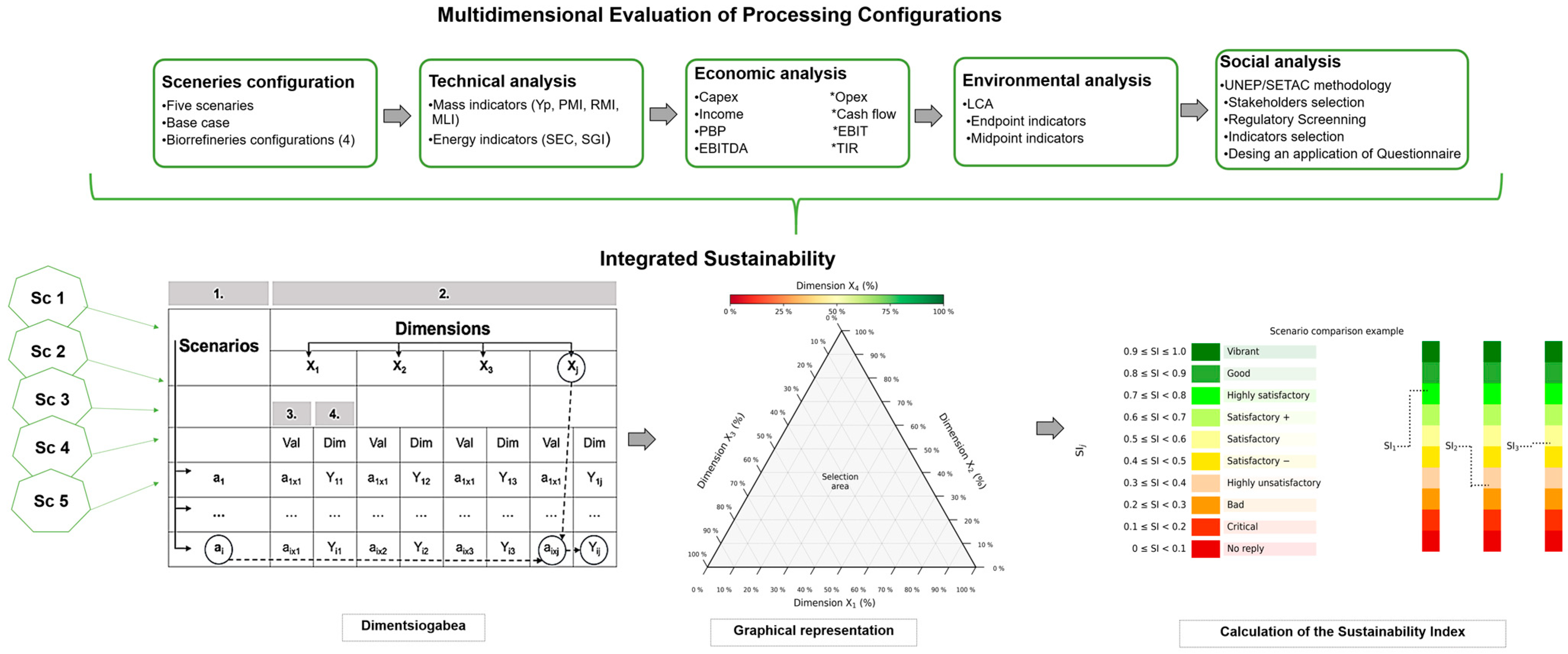
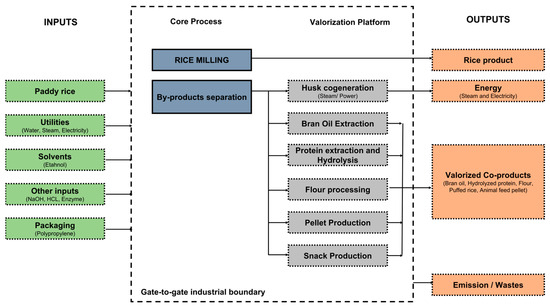
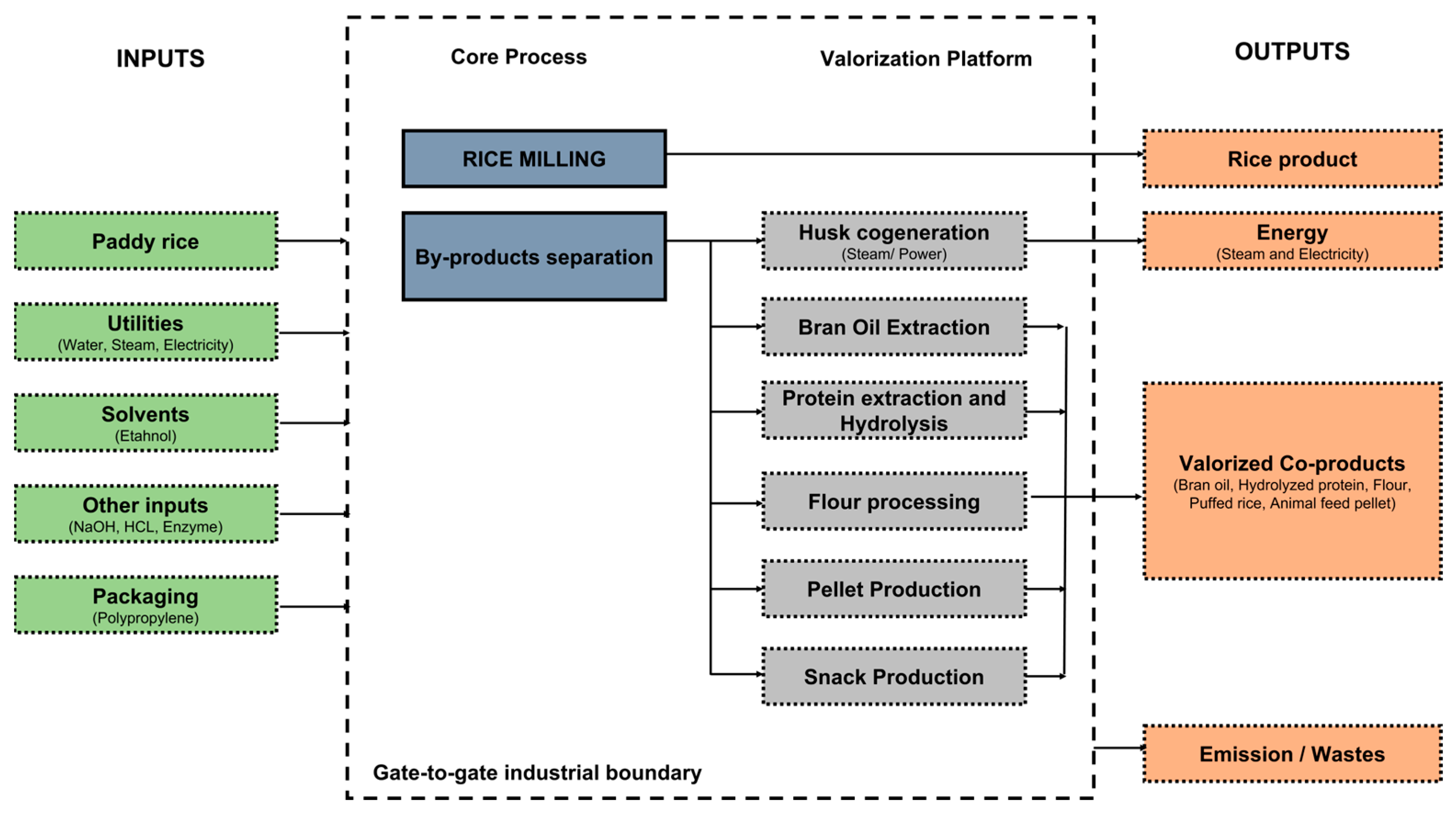
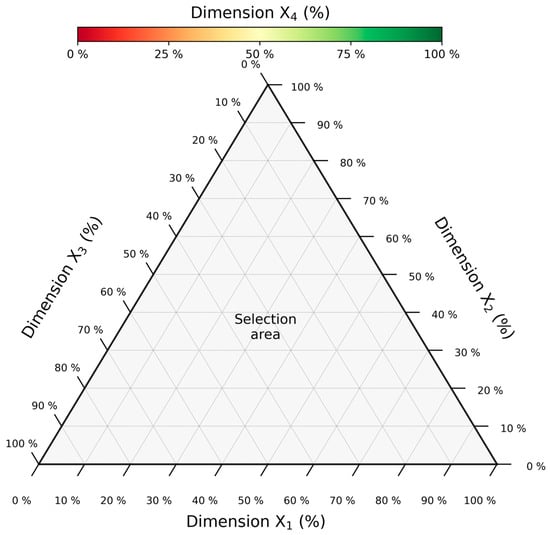
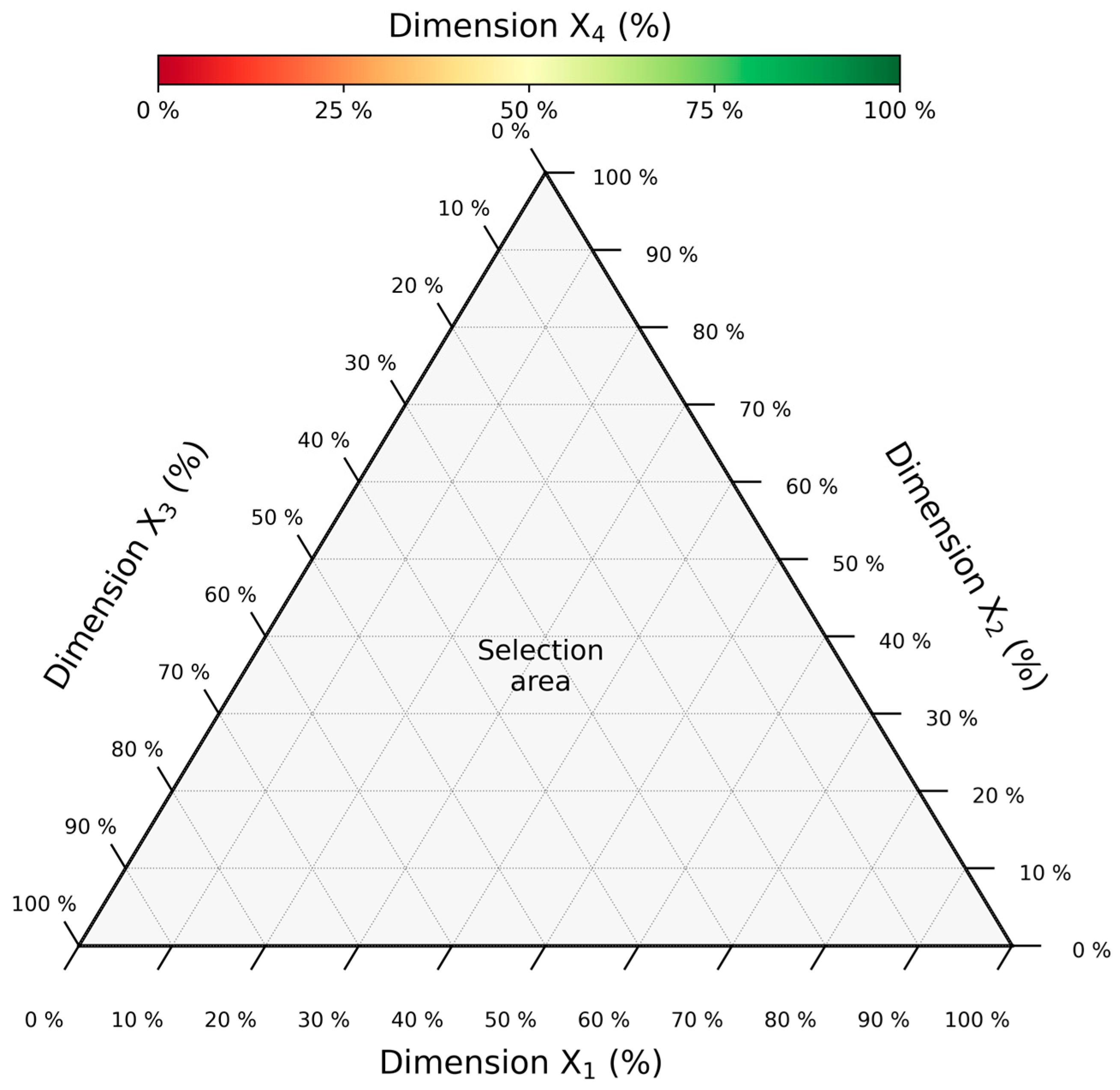
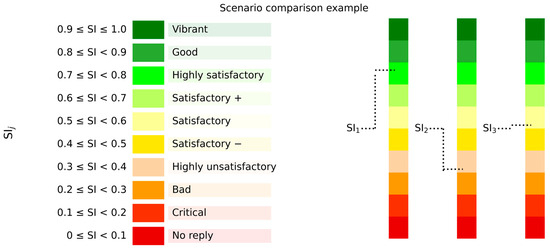
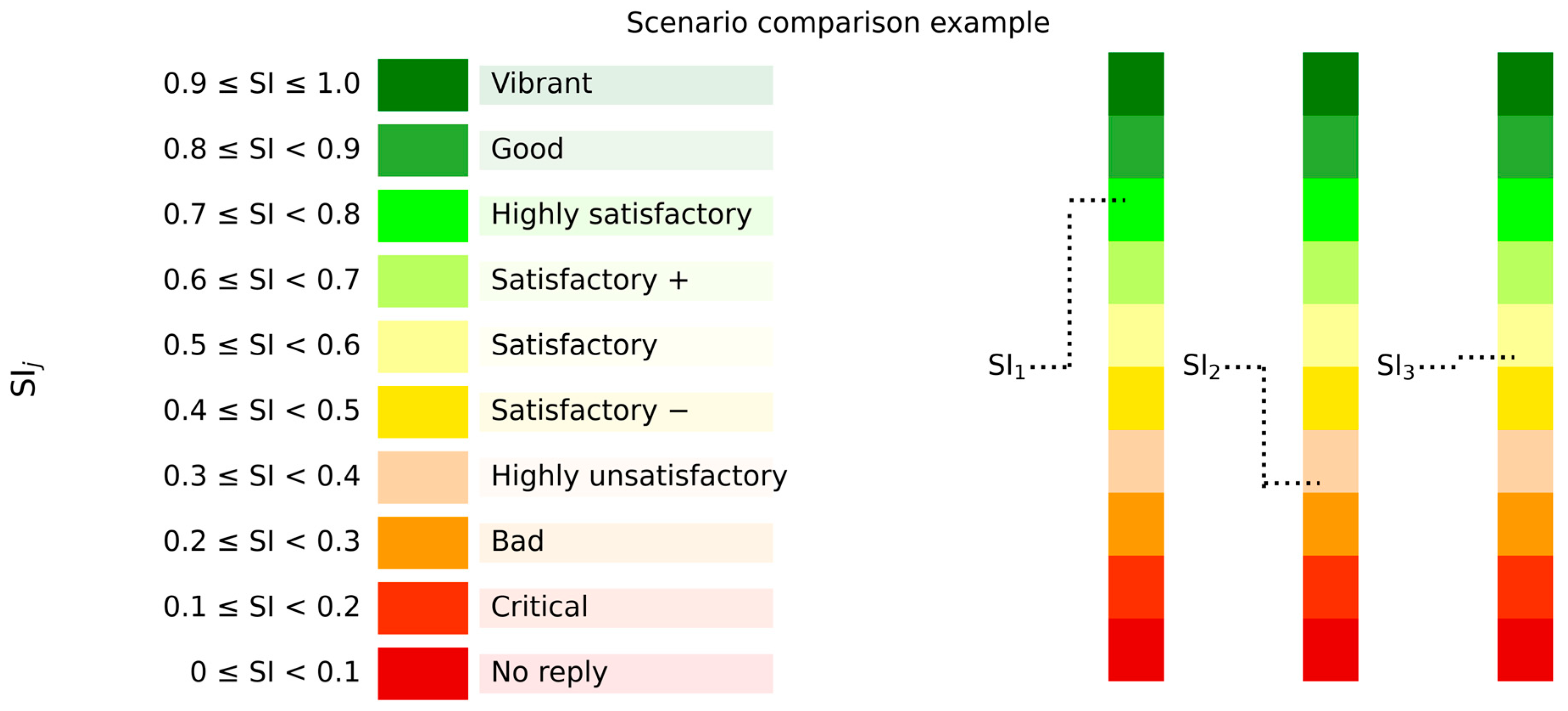
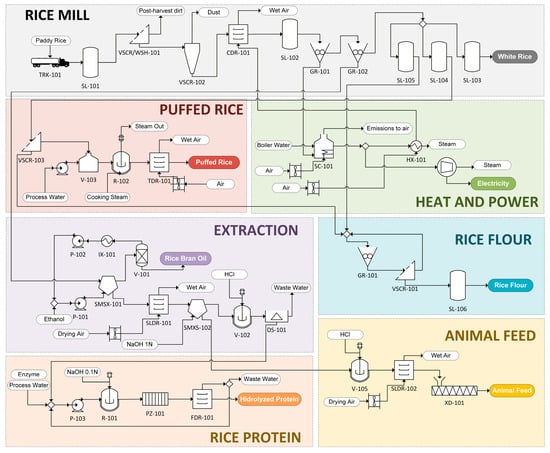
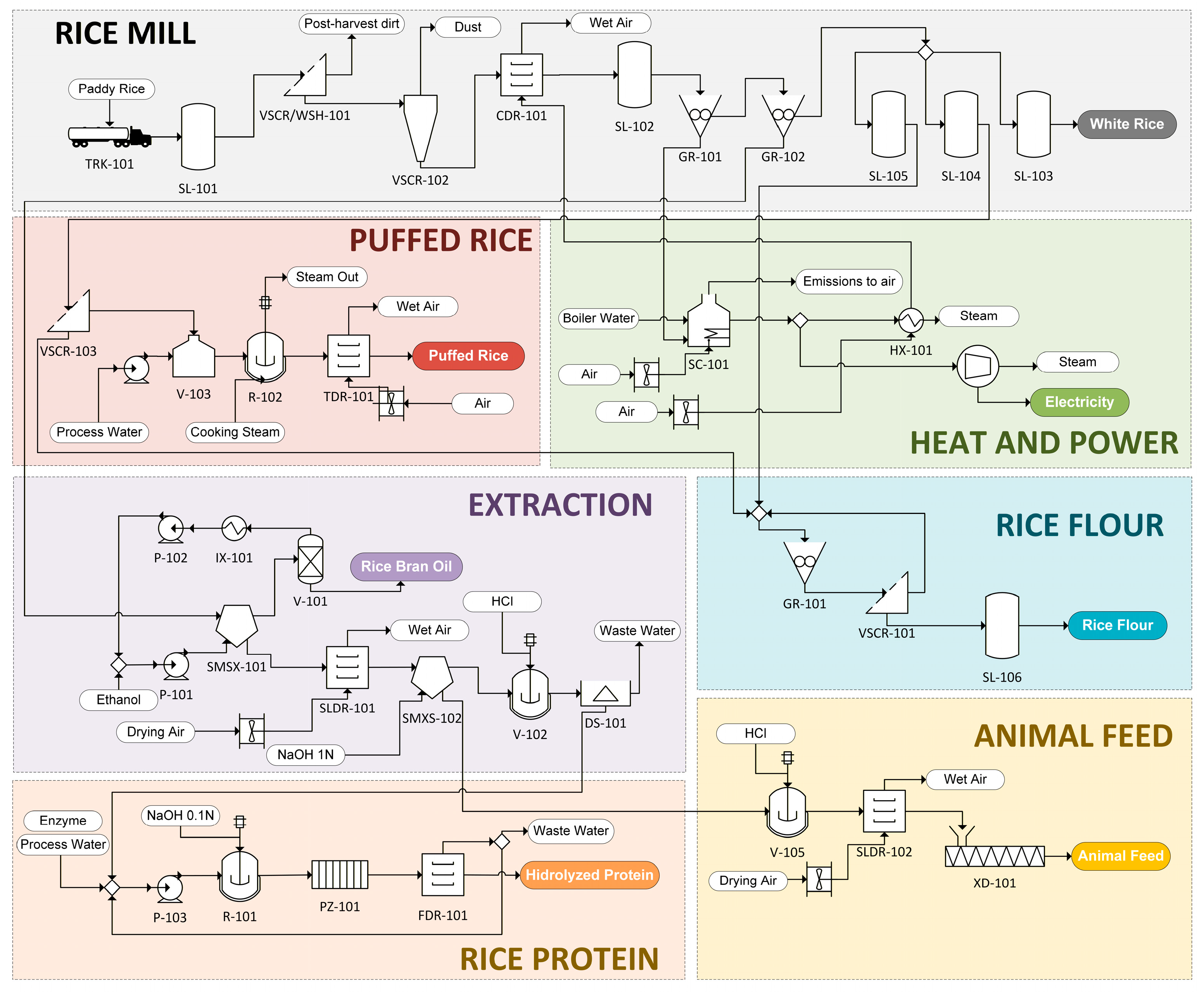
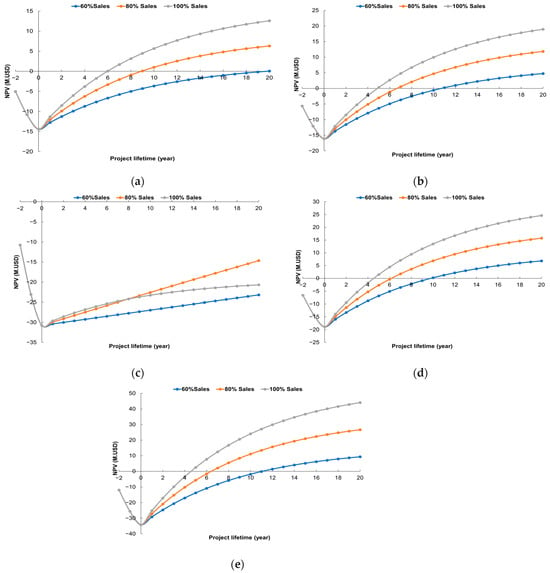
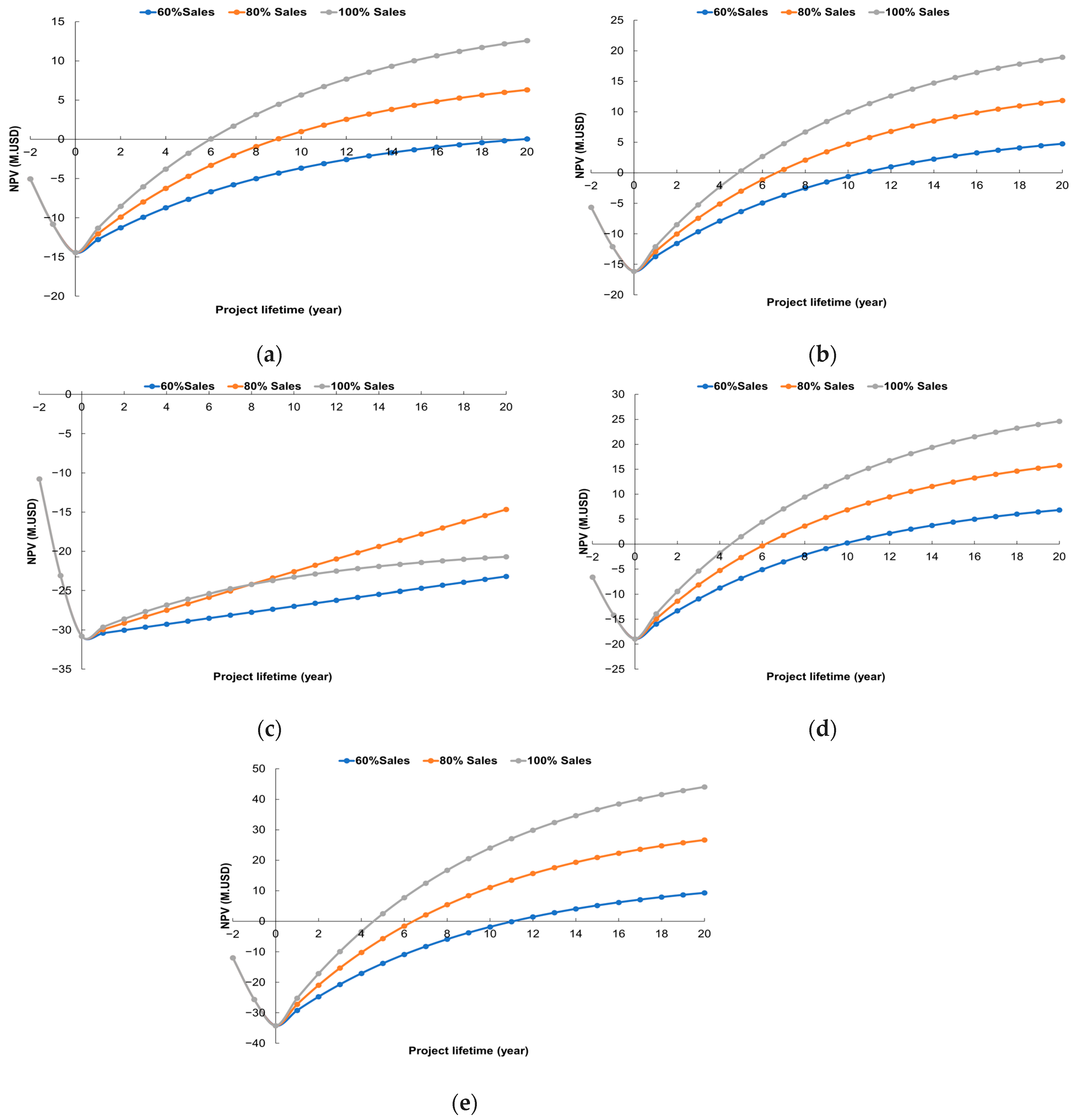
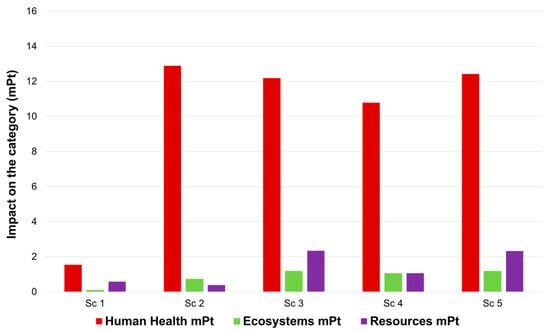
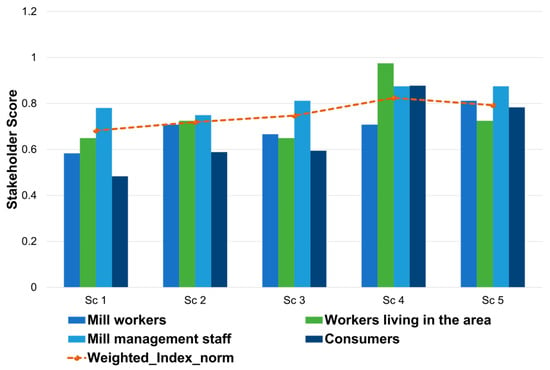
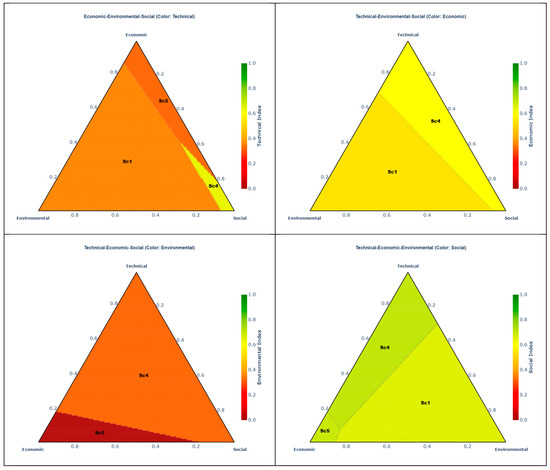
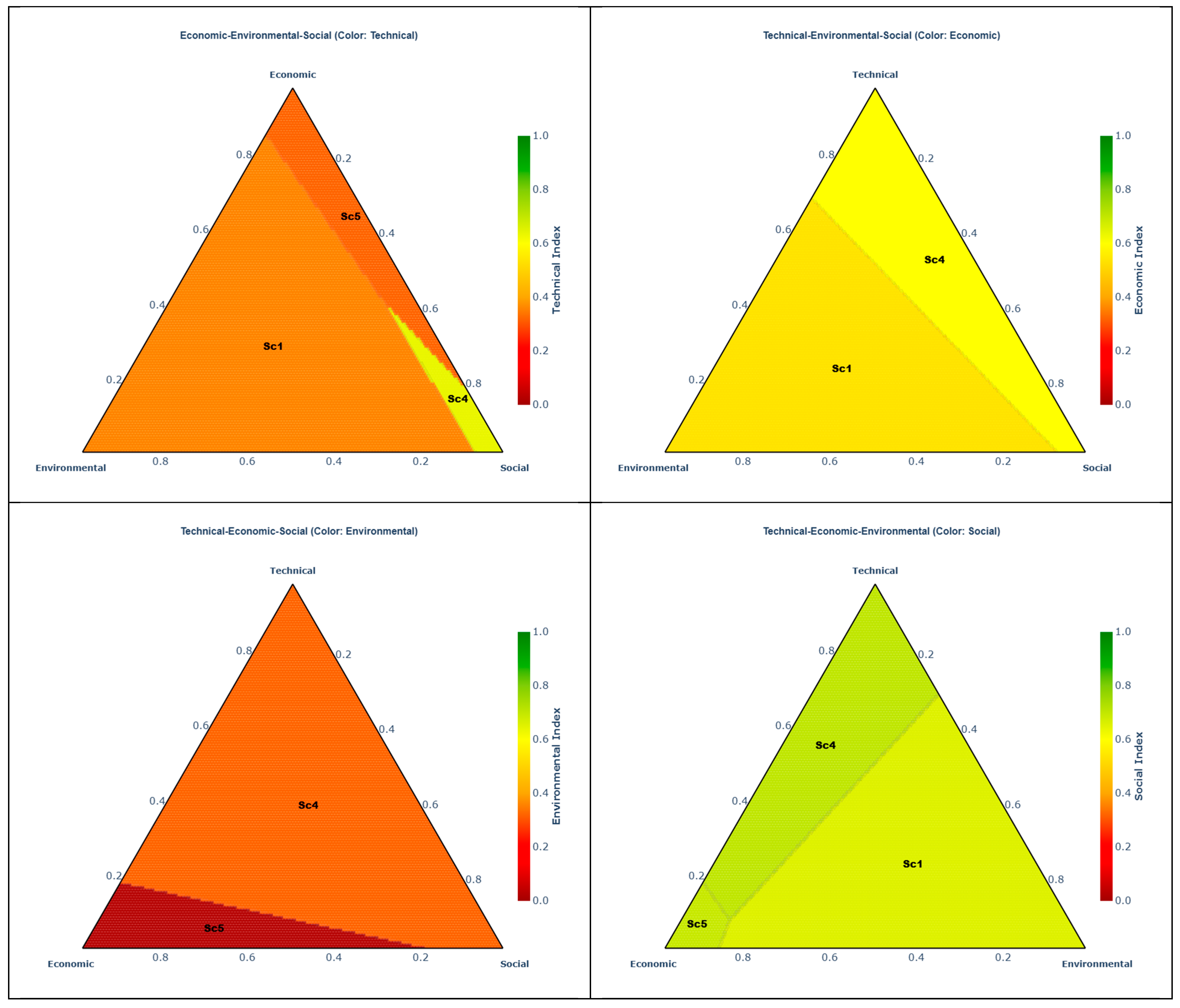
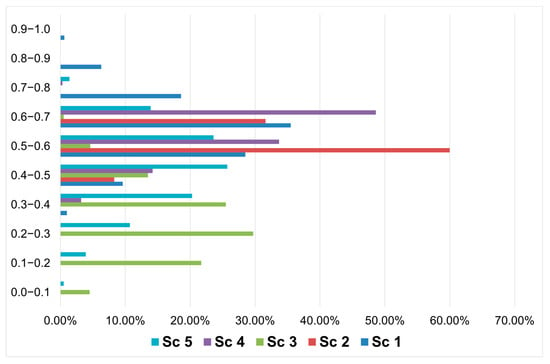
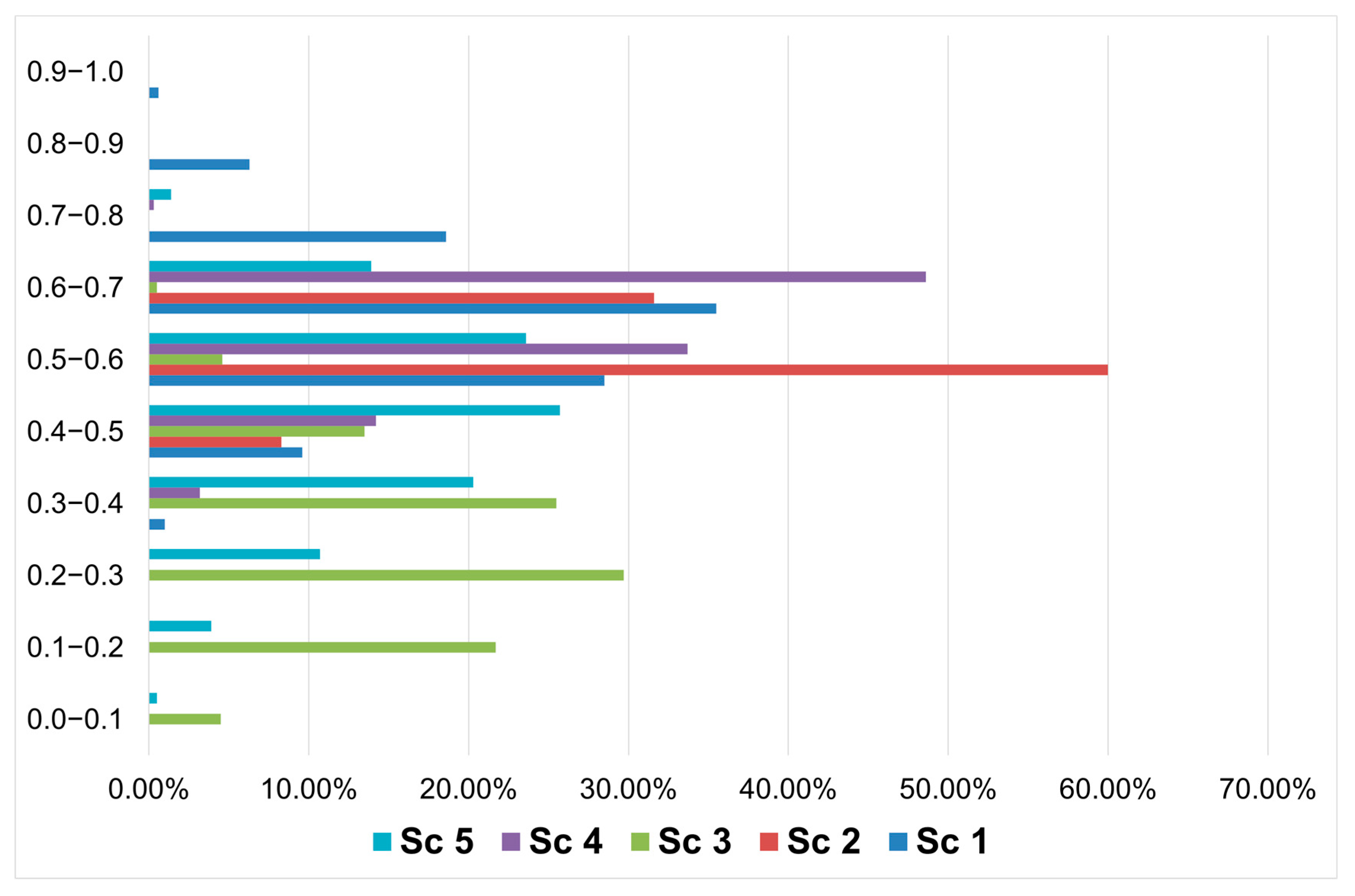

Disclaimer/Publisher’s Note: The statements, opinions and data contained in all publications are solely those of the individual author(s) and contributor(s) and not of MDPI and/or the editor(s). MDPI and/or the editor(s) disclaim responsibility for any injury to people or property resulting from any ideas, methods, instructions or products referred to in the content. |
© 2026 by the authors. Licensee MDPI, Basel, Switzerland. This article is an open access article distributed under the terms and conditions of the Creative Commons Attribution (CC BY) license.