Skip to Content
ResourcesResources
  • Article
  • Open Access

22 January 2026

Layered Social Network Dynamics in Community-Based Waste Management Initiatives: Evidence from Colombo, Sri Lanka


and
1
Graduate School of Human-Environment Studies, Kyushu University, Fukuoka 819-0395, Japan
2
Faculty of Human-Environment Studies, Kyushu University, Fukuoka 819-0395, Japan
*
Author to whom correspondence should be addressed.

Abstract

Rapid urban growth in many Global South cities strains waste systems and slows the shift to circular economy (CE) practice. Colombo, Sri Lanka, exemplifies this challenge, where overstretched state-led services coexist with neighborhood groups, NGOs, and informal collectors driving circular activities. This study adopts a layered social network diagnostic framework to examine how community-based waste management networks operate and how they might be reshaped to enable a city-wide CE. Using survey and interview data from 185 actors, information-sharing, collaboration, and resource-exchange networks are analyzed separately and in combination. The results reveal three principal findings: (i) Social-capital forms operate largely in parallel, with limited conversion between information, collaboration, and material exchange; (ii) the network exhibits “thin bridges and thick clusters,” in which a small number of NGO hubs mediate most cross-cluster connectivity; (iii) layers operate with mismatched coordination logics, producing gaps between awareness, collective action, and resource mobilization. As a result, ideas circulate widely but rarely translate into joint projects, local teams coordinate effectively yet remain isolated, and material flows depend on a narrow and fragile logistics spine. By diagnosing these structural misalignments, this study demonstrates a key novelty: scalable circular economy adoption depends not only on technology and policy but also on the design and alignment of underlying coordination networks.

1. Introduction

1.1. Introduction to the Concept of Circularity and Urban Waste Management

Global urban expansion has triggered an unprecedented surge in solid waste generation, straining municipal infrastructures and necessitating a transition toward circular economy (CE) frameworks [1]. This transition depends on managing diverse waste streams, from organic matter to complex polymers and e-waste, and on developing valorization pathways that return these materials to productive use [2]. While high-income contexts often rely on centralized, capital-intensive technologies for valorization, cities in the Global South frequently utilize decentralized, labor-intensive pathways where waste is treated as a livelihood resource [3].
Despite the growing emphasis on circularity, contemporary CE discourse remains heavily technocentric [4]. It focuses primarily on material flow efficiencies and engineering solutions, while the social relations that underpin these flows remain underexplored. In many developing urban centers, overstretched state-led services coexist with a mosaic of informal and community-based actors, including neighborhood groups, NGOs, and individual collectors who drive local circular activities through self-organized coordination [5,6].
However, a critical gap persists: While material recovery volumes are often tracked, the underlying social coordination mechanisms that enable or inhibit these flows remain poorly understood [7,8]. To achieve a scalable city-wide circular economy, analytical attention must shift from purely material-centric metrics to the socially embedded coordination dynamics of the actors involved [5]. Therefore, this study asks the following: How do social network structures within community-led initiatives operate, and how might these network structures be leveraged to support scalable circular economy transitions in urban contexts?

1.2. Thematic Review of Circular Economy Landscapes

Existing research on circular economy transitions and urban waste management in the Global South tends to cluster around three emphases: material recovery, actor networks, and governance or community-based coordination. While each strand offers useful insights, they are rarely integrated, leaving a limited understanding of how circular practices are organized and scaled in practice.
A first body of work examines material loops and valorization pathways, quantifying recovery of plastics, paper, metals, and organics and highlighting the central role of informal recycling sectors in diverting waste back into production cycles [2]. However, this literature is often material-centric, prioritizing output and efficiency while giving less attention to the coordination that enables recovery. A second strand focuses on stakeholder networks and information flows, frequently using social network analysis to map relationships and the circulation of knowledge such as prices, schedules, or technical advice [5,6]. Although it identifies communication hubs, it often treats information exchange as a proxy for cooperation, without distinguishing informational ties from collaborative or resource-based ties. A third stream addresses governance and community-based initiatives, emphasizing trust [9], social capital, and self-organization [10], where municipal oversight is uneven [11,12]. Yet, the social dimension of circular economy transitions remains underdeveloped, particularly regarding how trust-based relations translate into structural resilience [4].
Taken together, these strands reveal a key gap: material recovery, information exchange, and social coordination are typically studied in isolation rather than as coexisting interaction domains within the same network. This siloed approach reveals structural misalignments, where networks may appear cohesive in one domain yet remain fragmented or fragile for others. Addressing this gap requires frameworks that examine multiple interaction types in parallel and assess how their alignment shapes the diffusion and scalability of circular economy practice.

1.3. Contribution and Innovation

This study addresses the identified gaps by introducing a layered social network (LSN) diagnostic framework to analyze community-based circular economic practices. The contribution of this research is twofold.
First, it advances methodology by disaggregating informal waste systems into three functionally distinct interaction layers: information sharing, collaboration, and resource exchange. Prior social network research has shown that different types of ties, such as communication, cooperation, and trust-based relations, do not necessarily co-occur within the same network, yet they are often combined in conventional stakeholder mapping [13,14]. Building on this insight, the LSN approach enables a layered diagnosis that distinguishes between interaction domains and assesses whether connectivity in one domain is matched by connectivity in others. This provides a more nuanced insight into urban circularity than monolithic or single-layer network models.
Second, this study offers a theoretical and practical contribution by shifting attention from predominantly technocentric solutions toward network-centric design. Through the inductive synthesis of recurring coordination patterns, the analysis identifies characteristic structural configurations that shape the robustness and scalability of circular practices. These insights offer actionable guidance for policymakers and practitioners seeking to strengthen community-based circular systems under conditions of limited infrastructure and institutional capacity. Together, these contributions position social and material network alignment as a critical, yet underexamined, dimension of circular economy transitions in the Global South.

1.4. The Current Waste Landscape in Colombo, Sri Lanka

Colombo, located in Sri Lanka’s Western Province (the country’s main waste-generating region), faces sustained pressure on municipal solid waste services. Within the Colombo Metropolitan Region, the Colombo Municipal Council collects 700–800 tons of waste per day, with neighboring local authorities handling an additional 350–400 tons [15]. While collection coverage is widespread in core urban areas, downstream capacity and implementation gaps continue to constrain integrated and circular waste management.
Research in similar contexts shows that alongside formal municipal services, a diverse set of informal collectors, neighborhood groups, and non-governmental organizations support everyday waste valorization through self-organized, trust-based coordination [5,16]. Much of this activity remains weakly captured in official datasets, and coordination gaps persist between information availability, collective action, and access to material or financial resources [17]. These conditions point to the need for an analytical approach that distinguishes between different forms of interaction, as connectivity in one domain does not reliably indicate coordination in others. This study, therefore, focuses on community-based waste management initiatives in Colombo, examining how social networks shape the circulation and alignment of these interaction domains in a resource-constrained urban setting. Resources here refer to materials, equipment, transport, and buyer/MRF access within the waste domain.

2. Materials and Methods

This study analyzes Colombo’s community-led waste-management network as a layered social network comprising information sharing, collaboration, and resource exchange and benchmarks each layer against the aggregate network to examine how ties are organized. The analysis is interpreted through two complementary lenses: social capital (to examine relationship dynamics, bonding/bridging/linking ties, and brokerage positions) and resilience (to assess structural soundness, including rapidity, redundancy, and robustness). Building on these diagnostics, network metrics are combined with interview evidence to inductively synthesize coordination patterns, defined as recurring network arrangements that link actor roles (e.g., hubs, clusters, chains) to structural features (e.g., centralization, clustering, path length) and shape how information and resources move through the system.

2.1. Theoretical Lenses to Study Network Dynamics

To move beyond descriptive mapping, this study employs a dual-lens analytical framework that evaluates both the relational quality and structural integrity of Colombo’s waste networks.
Social capital theory: Understanding the ties and dynamics between actors
The social capital literature treats social networks as the essential structural framework in which capital is generated and sustained [18]. Bonding ties secure collective effort, bridging ties transmit knowledge across groups, and linking ties connect communities to power and finance [19,20]. Understanding these forms of capital will shed light on basic operational mechanisms of the network.
Resilience and adaptation frameworks: understanding the structural soundness of the network
In social and community network research, resilience is commonly described as the capacity of social units to withstand and recover from shocks while maintaining core functions and relationships [21]. The current concepts of resilience are used to understand the structural soundness of the network layer by layer and to conceptualize the coordination patterns.
The resilience literature indicates that systems with redundant bridges and overlapping pathways recover faster from disturbance [22]. Bruneau built a framework of 4Rs to define network resilience: rapidity, robustness, redundancy, and resourcefulness [23]:
  • Rapidity: Potential speed of moving information/resources through the network, proxied by average path length and diameter.
  • Redundancy: Availability of alternative routes if preferred paths fail, proxied by clustering coefficient, density/average degree, and within-module closure.
  • Robustness: Ability to maintain connectivity and coordination under node loss. This study operationalizes robustness by betweenness concentration (fraction of shortest-path traffic carried by the top actors) and qualitative articulation risk, where reliance on one or two NGOs indicates single-point vulnerability [20,21].
  • Resourcefulness: The fourth R, resourcefulness, refers to the actor’s capabilities to mobilize funds, equipment, staff, authority, and partnerships to solve problems. Resourcefulness manifests primarily through actor capabilities and institutional processes rather than network structure alone. Following Norris et al. [21], this study treats mobilization as part of rapidity (how quickly resources can be accessed and used) and uses resourcefulness qualitatively to interpret results in the discussion.
Accordingly, the structural soundness assessment adopts the 3Rs (rapidity, redundancy, and robustness) from network structure, while resourcefulness is used qualitatively in the Discussion section to contextualize how key NGOs and local authorities enable or constrain mobilization. Table 1 below gives a summary of the theoretical concepts used in the study.
Table 1. Definition of theoretical concepts.
The above theoretical frameworks help in gaining a deep understanding of the nature of relationships and the structural features of the network. These diagnostics provide the empirical basis for identifying each layer’s coordination pattern.

2.2. Case Study

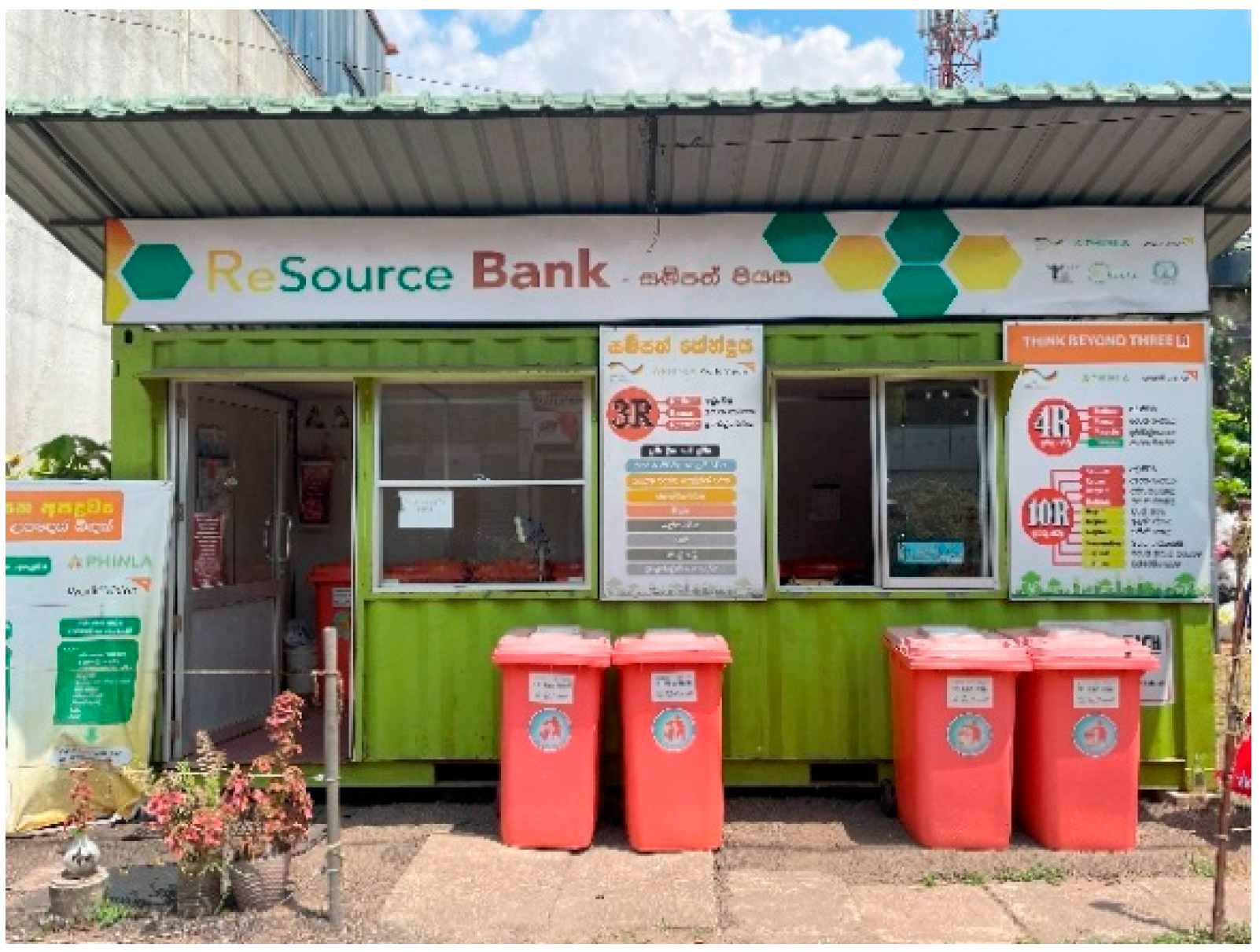
Colombo has witnessed significant urban growth over the past decades, leading to complex challenges in waste management. Despite infrastructure and government efforts, limitations persist due to inconsistent waste segregation, limited landfill space, and public non-compliance. In this context, supported community-based organizations (CBO) and nonprofit organizations (NPO) initiatives have emerged as crucial supplements to formal waste management systems. Establishing waste banks (Figure 1), training of waste collectors and opening valorizing pathways for waste are a few examples of these activities. In this study, community-based waste management initiatives refer to locally organized and participatory waste-related activities in which coordination among collectors, residents, community-based organizations, and supporting NGOs occurs primarily through everyday social relations. This focus is analytically distinct from general waste management, which is typically organized through centralized, municipality-led service delivery systems. However, this study does not evaluate the performance or effectiveness of informal waste management initiatives; rather, it analyzes the structure and patterns of relationships among actors involved in community-based waste management activities, as reported through network ties.
Figure 1. Ragama resource bank. Source: Author.
The following Table 2 lists the six principal organizations and actors that anchor the network.
Table 2. Principal organizations that anchor the network of Colombo’s informal waste management.

2.3. Sampling and Data Collection

2.3.1. Sampling

This study used a multi-seed snowball sampling design to map active participants in Colombo’s circular-waste ecosystem. Initial contacts were drawn from organizational lists held by NPOs, community leaders, and entrepreneurs; each seed then referred additional actors in their waste-related networks (collectors, CBOs, buyers/recyclers, and municipal officers). This approach is appropriate for hard-to-enumerate populations where relational referrals are the primary discovery mechanism and many relevant actors are undocumented or have low visibility (e.g., marginalized waste collectors who engage only via trusted intermediaries) [24]. In practice, the design functioned as trust-mediated access: Several participants agreed to be interviewed only after introductions by known NPO field officers or peer collectors, enabling contact with segments absent from formal rosters. The network boundary was defined as actors engaged in waste-circularity activities in the Colombo metropolitan area during 2024–2025. Alternative designs like respondent-driven sampling (RDS) were considered but were infeasible given the absence of comprehensive documentation of waste actors and the cross-organizational, trust-dependent nature of the target sample [25]. These alternatives are flagged for the future. Consequently, while this method was essential for access, the resulting sample is not statistically representative of the entire ecosystem. The findings should therefore be interpreted as revealing the structure, relationships, and processes within the mapped network, rather than providing population-wide estimates.

2.3.2. Data Sources and Acquisition

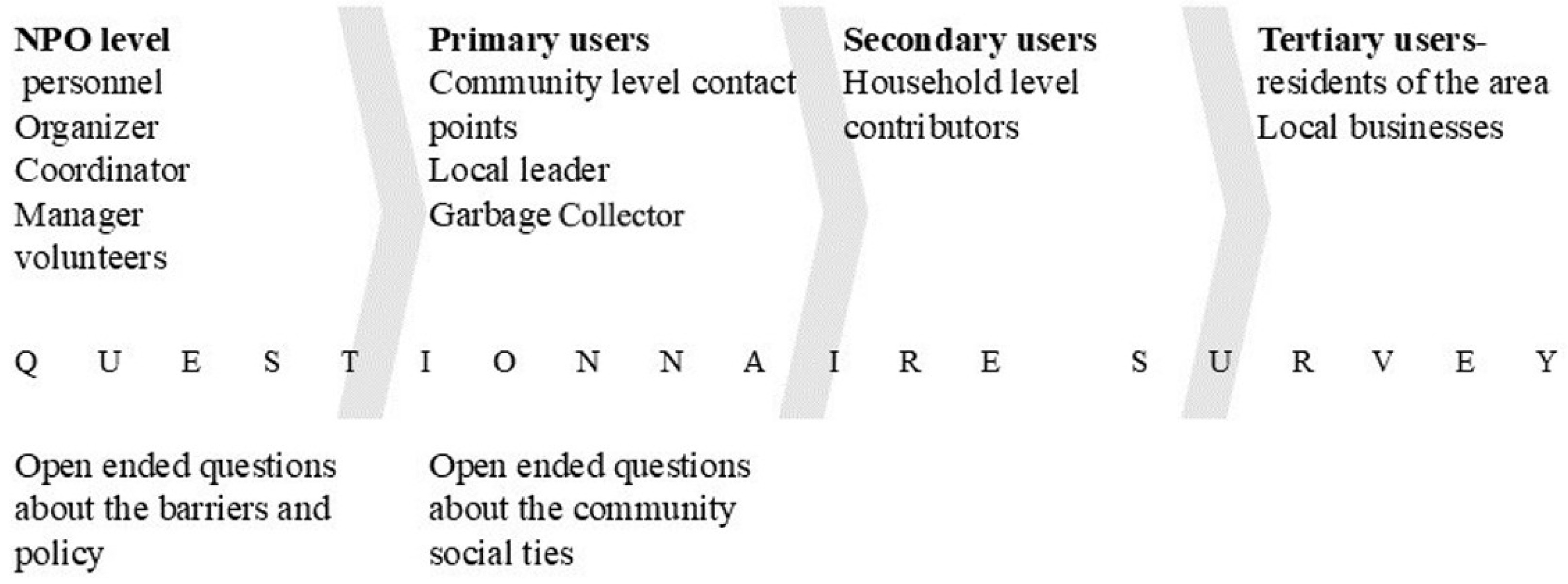
Informed consent was obtained from all subjects involved in the study. Between February and March 2024, out of a target of 200 individuals, 185 complete and usable responses were obtained. Figure 2 shows how the surveys were distributed.
Figure 2. Data collection schematic.
A structured ego-centric network survey recorded the following: (i) actor attributes (organization/individual, role, and locality) and (ii) named ties for three interaction types with examples to reduce ambiguity: information sharing (awareness campaigns, technical advice, and training/know-how), collaboration (joint activities and co-organized events, task coordination), and resource exchange (equipment/tools, funding, materials, and transport/MRF or buyer access). Respondents could freely nominate multiple alters; brief follow-up interviews clarified ambiguous nominations and provided context.

2.3.3. Layer Construction

Following the theoretical justification in Section 1.3, this study developed a layered social network (LSN) model separating actor relationships into three functionally distinct interaction layers: information sharing, collaboration, and resource exchange. The guiding principle of this layering is functional differentiation, recognizing that knowledge flows, trust-based cooperation, and material exchange do not necessarily co-occur. Although the data is cross-sectional, coordination dynamics are examined structurally. Patterns of connectivity, alignment, and bottlenecks are compared across interaction layers:
-
Information Layer: The flow of technical knowledge [26].
-
Collaboration Layer: Collective action and advocacy [5].
-
Resource Exchange Layer: Movement of materials and capital [27].
The LSN approach was developed in response to the empirical conditions of Colombo’s informal waste ecosystem, where coordination unfolds through parallel but uneven interaction channels. Rather than assuming that connectivity in one domain implies coordination in others, this approach disaggregates relationships into information sharing, collaboration, and resource exchange layers. This allows the analysis to distinguish between thin, informational ties and more substantive collaborative or material connections, avoiding a false impression of network integration based on isolated interactions. Because the LSN framework relies on functional differentiation rather than context-specific actors, it can be applied to other low- and middle-income urban settings by redefining interaction layers to reflect local coordination practices.

2.3.4. Network Construction

Named entities were standardized and de-duplicated to form a unified actor list. From these dyads, three simple, undirected layer graphs (information, collaboration, and resource exchange) were built; an aggregate network combined all edges. Tie frequency was recorded for context but not used to weight edges. All personally identifying information was removed prior to analysis. The network is best interpreted as a dense sample of active CE actors and not a complete census.

2.4. Data Analysis

2.4.1. Step 1—Social Network Analysis

To explore the informal waste management network of Colombo through the theoretical lenses, SNA is a widely adopted tool [28,29]. It helps in visualizing the networks and provides valuable metrics that can be interpreted into social capital, coordination, and resilience-related observations. SNA enables the visualization and measurement of interaction patterns among individuals, organizations, and institutions, uncovering the dynamics that support or inhibit collaboration, information diffusion, and collective action [29,30]. SNA was used in this study to map relationships and calculate the metrics that are used in evaluating the social capital forms, resilience, and subsequent coordination patterns.
The following Table 3 indicates a brief explanation of how the social capital, resilience, and coordination patterns are explored using SNA metrics.
Table 3. Metrics of SNA and their importance in theoretical lenses.
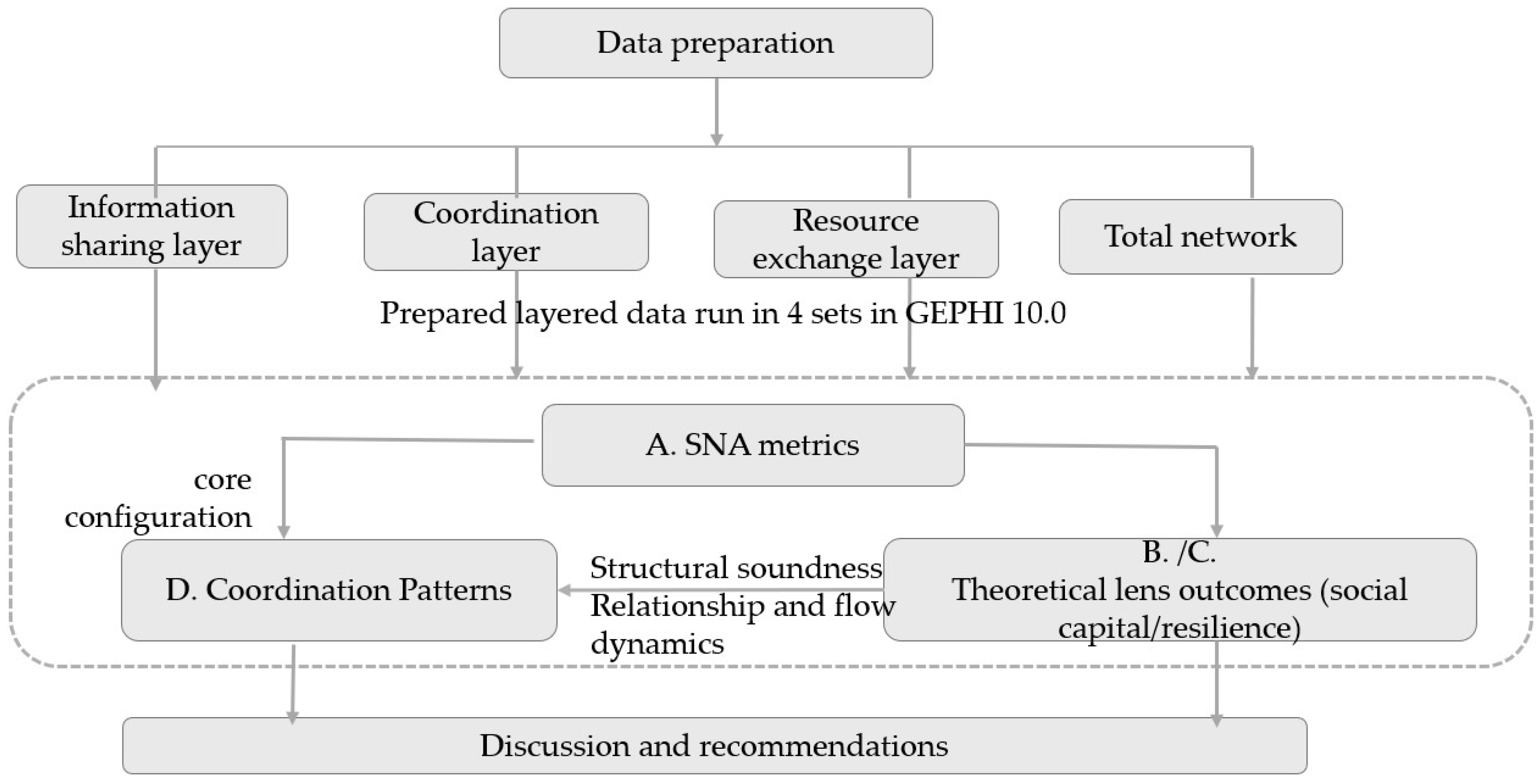
Figure 3 shows the flow of data analysis from data preparation. Edge tables and node tables for each layer and for the whole network were prepared. Layer-by-layer and total network analyses were carried out using Gephi 0.10 software (Gephi Consortium, Paris, France) to obtain network metrics. The average path length and diameter were computed on the largest component of each network graph and on the total network.
Figure 3. Methodology.
Cross-layer overlap calculation.
In addition to layer-wise metrics, overlaps across the three interaction layers at the tie level were assessed. First, all directed edges were standardized as undirected ties (removing self-loops and collapsing reciprocal nominations). The overlap was then calculated as the proportion of unique ties that appear in two or more layers relative to the total number of unique ties across all layers. The presence of ties spanning all three layers was assessed separately.

2.4.2. Step 2—Analysis of Social Capital, Resilience, and Coordination Patterns of the Layers

SNA metrics were tabulated against their theoretical lens and coordination pattern-related interpretations. These theoretical lens outcomes were thereafter used to build the observed coordination patterns as a conceptual node link diagram, as explained in the following section and Figure 3:
(A) Core Configuration: Whether a layer has multiple cores and how powerful they are:
  • Modularity Q—strength of clustering/modules.
  • Clustering coefficient—local closure within modules.
  • Density/Avg. degree—overall tie availability.
  • Key brokers (names/roles identified)—hub/broker presence and concentration by betweenness centrality and degree.
(B) Structural soundness (resilience lens):
  • Rapidity: Sets the length of routes. Short paths/small diameter compress the network into hub-like or chain-like conduits; longer paths imply fragmented reach or many small pockets.
  • Redundancy: Sets the thickness of routes. High clustering/density yields thick local fabrics (multiple alternatives inside groups). Low clustering yields thin bridges between groups.
  • Robustness: The network’s ability to maintain core functions when key nodes or links are disrupted. This is evaluated through two complementary structural signatures:
    -
    Hub Dependence (Single-Point Risk): Calculated as the proportion of total network betweenness centrality concentrated in the top 1 and top 3 actors (ranked by betweenness). A high concentration (e.g., ≥50% held by two or three actors) indicates that shortest-path traffic relies on a few critical brokers, creating a structural bottleneck. This implies that the failure or removal of such a hub would disproportionately fragment network connectivity. This vulnerability is structurally operationalized (betweenness concentration) rather than being processed through node-removal simulations.
    -
    Fault Isolation: Assessed by interpreting modularity (Q) in conjunction with the average clustering coefficient. A network with high modularity (distinct communities) and adequate local clustering exhibits decentralized robustness. In this configuration, a disruption is more likely to be contained within a single module (“fault isolation”), allowing other parts of the network to maintain local function even if cross-module bridges are temporarily lost.
(C) Relationship and flow dynamics (social capital lens):
  • Bonding: Close-knit communities are connected locally; cross-group connection is limited (usually means dense, inward-looking modules).
  • Bridging: A small set of connectors orchestrates connections between groups; speed is high but fragile.
  • Linking: Connections organized along vertical lines; access improves, dependence increases.

3. Results and Discussion

This section presents a comparative analysis of the three primary relational layers within Colombo’s community waste network, along with insights from the total network structure. Each layer highlights a specific mode of interaction and reveals different structural tendencies, actor roles, and implications for circular economy practices. This paper follows Liu et al. [32] in classifying networks: those with a density below 0.25 are sparse, and those with a density above 0.75 are dense. consistent with Orrú et al. [33], modularity values in the 0.3–0.7 range are commonly read as evidence of meaningful community structure.

3.1. Layer-Wise Network Metrics Overview

Table 4 summarizes the key metrics for each layer and the total network, together with the dominant forms of social capital, resilience profile, and the coordination pattern inferred for each. See Appendix A.1, Appendix A.2, Appendix A.3 and Appendix A.4 for the detailed results and interpretation table.
Table 4. Summary of key metrics and observations for the layers of the network.

3.1.1. Information Sharing Layer

(a) Results: The information-sharing layer is highly sparse (density = 0.003; average degree = 1.3), indicating limited overall connectivity (Table 4). Despite this sparsity, the network exhibits a relatively long average path length (3.643) and strong modular structure (Q = 0.697), suggesting that information exchange is organized into multiple community substructures. Clustering remains weak (0.038), indicating limited triadic closure within these substructures.
Despite this sparsity, the average path length is 3.64, and the diameter is 10, suggesting that information can traverse the network at the city scale, albeit through indirect routes. Betweenness centrality is highly concentrated in two NGO actors—PHINLA (ID 186) and World Vision (ID 195)—which together carry most of the shortest paths connecting otherwise disconnected modules. As a result, most cross-cluster information flows depend on a small number of hubs, with few alternative routes available.
(b) Information sharing layer Interpretation: social capital, resilience, and coordination pattern
Social capital—Bridging dominates but is highly concentrated: Low density (0.003) and clustering (0.038), alongside high modularity Q (0.697), imply that most cross-cluster ties are carried by a small number of hubs (e.g., PHINLA, World Vision). As discussed in a study carried out in Nairobi and Norway, these bridges could also become a bottleneck due to their control over information flow [5,28]. Furthermore, interviews show that peripheral actors often choose not to share what little they know because the topic is ‘not well received;’ attitude, not distance, limits bridging at the edge. Furthermore, lack of bonding capital (low clustering–low triadic closure) in information sharing is a weakness because the information comes from outside the community cliques and will not be internalized.
Resilience: Rapidity is medium–high (avg. path 3.64): Information can traverse the city via hubs. Redundancy is very low (sparse density 0.003, weak clustering 0.038), leaving minimal alternative routes if those hubs go offline. Robustness is low as well because bridging is concentrated in two NGOs (single-point vulnerabilities).
Observed coordination pattern: Coordination patterns can be referred to as centralized broadcasting (Table 5). This relates to the core-periphery networks identified by Bodin & Crona [19] that are effective in information dissemination. The NGO hub (PHINLA) and a CBO centrally act to provide awareness and information to community groups. Information relaying can stall if a hub fails.
Table 5. Construction of the coordination pattern of the information sharing layer.

3.1.2. Collaboration Layer

(a) Results: The collaboration layer displays the highest density (0.044) and average degree (2.083) among all layers, indicating a more cohesive and interactive network. The clustering coefficient (0.107) is higher than in the other layers, indicating stronger local closure and repeated interaction among peers. Modularity remains moderate (Q = 0.632), suggesting the presence of multiple collaboration clusters.
The average path length is 2.72, and the diameter is 6, indicating short coordination routes within the network. However, collaborative ties account for only 7% of total network edges, and betweenness centrality is concentrated in a small set of peer actors, limiting cross-cluster coordination.
(b) Collaboration layer interpretation: social capital, resilience, and coordination pattern
Social capital—Bonding capital dominates. The higher clustering and moderate degree (high clustering: 0.107; degree: 2.10) indicate tight peer groups where members substitute for one another. Yet bridging is minimal: the same three individuals broker most cross-clique cooperation. The NPOs and CBOs require better bridging for scalability. When inspecting the high-betweenness hubs and the other nodes, it was noted that these are mostly peers. Hence, it is considered that linking capital is negligible.
Resilience—Rapidity is moderate: paths are short (avg. path 2.72; diameter 6), so teams coordinate quickly inside modules; cross-team mobilization is slower because inter-module ties are few (modularity Q 0.632).
Redundancy is moderate as well. Tighter local closure (clustering 0.107) and an avg. degree of 2.10 indicate that several peers can substitute within groups; between modules, alternatives are limited because bridges are scarce. Robustness is high locally but lower system-wide: the loss of a broker seldom collapses a team, yet cross-team projects stall without that broker.
Observed coordination pattern—The observed coordination pattern is referred to as decentralized peer-clique coordination (Table 6). Actors are connected and organized at the peer level. External actors step in only when invited by a trusted broker. Actors are primarily connected and organized at the peer level through trust-based collaboration within local modules. In this context, the entry of new NPOs or institutional collaborators is not automatic; it is typically an invitational process mediated by trusted brokers (high-betweenness, bridging actors) who introduce external partners and transfer legitimacy into the group. This resonates with Van de Ven et al.’s [34] findings that service work relates to dense peer ties. Projects launch quickly within the current circle yet struggle to link up with similar efforts outside the known circle.
Table 6. Construction of the coordination pattern of the information collaboration layer.

3.1.3. Resource Exchange Layer

(a) Results: The layer is very sparse (density: 0.007; average degree: 1.30), with weak local closure (clustering: 0.028) and clear modular structure (modularity Q 0.640). Paths are short (average path: 2.23; diameter: 6), reflecting short routes along a narrow structure.
Betweenness centrality is highly concentrated: three actors (PHINLA, World Vision, and the municipal MRF) account for approximately 70% of total betweenness, indicating that material and financial flows are routed through a small vertical core.
(b) Resource exchange layer interpretation: social capital, resilience, and coordination pattern
Social capital—Linking dominates. Flows run vertically: collectors → NGO hubs → municipal MRF → buyers. Three hubs—PHINLA (ID 186), World Vision (ID 195), and the MRF (ID 191)—account for about 70% of total betweenness, indicating that shortest paths pass through this small core. Bonding among collectors is weak (clustering 0.028), so peer-to-peer swaps are rare; bridging across collector groups is minimal.
Resilience—Rapidity is medium (short routes along the spine). Redundancy is very low (sparse density; weak clustering), leaving few backups. Robustness is low because ~70% of betweenness is concentrated in three nodes; failure of anyone disrupts throughput for many collectors.
Observed coordination pattern—These results point to a vertical core supplier chain as seen in Table 7.
Table 7. Construction of the coordination pattern of the resource exchange layer.
A small vertical core (two NGOs + the municipal MRFs) hands out resources, aggregates material from collectors, and hands it to several private buyers further downstream. The chain looks efficient but hinges on that core. Meng et al. [35] show that in emergency urban response, resource mobilization follows a chain of command, showing a similar structure to this study. Material moves smoothly under normal conditions, but a disruption at the core blocks every upstream supplier at once, indicating a key vulnerability.

3.1.4. Total Network

(a) Results: Considering the total network (without distinguishing between tie types), a comprehensive picture of Colombo’s community-based waste management ecosystem is seen as a sparse, broker-centered web: low overall connectedness (avg degree of 1.45), high modular segmentation (modularity of 0.7), and long graph distances (avg path length of 4.16). Brokerage concentrates in three hubs (PHINLA-186, World Vision-195, and Katana upcycle-108) while dozens of small CBO clusters remain inward-facing. This whole-graph snapshot confirms a city-wide structure held together by a few bridges spanning many tightly bonded islands (Table 4).
(b) Total network interpretation: social capital, resilience, and coordination pattern.
Social capital—A mixed profile emerges. Bonding is visible inside CBO clusters (local cohesion), while bridging and linking are concentrated in a few NGO/buyer hubs (PHINLA, World Vision, GRCA, and Katana Upcycle) that carry much of the cross-cluster traffic (high degree and/or betweenness), connecting community modules to one another and to institutional actors. Given a modularity Q value of 0.67 and clustering value of 0.07, most cross-cluster flow depends on these hubs rather than on distributed lateral ties.
Resilience—Rapidity is moderate: dissemination is possible city-wide but requires multiple steps (average path length 4.16). Redundancy is low between clusters: Sparse ties and weak closure (density: 0.006; clustering: 0.07) leave few alternative routes if a main connector is unavailable. Robustness is high locally but fragile system-wide: bonded clusters keep functioning, yet the network relies disproportionately on a few intermediaries, so the loss or overload of these actors would isolate modules and slow diffusion.
Observed coordination pattern—Coordination pattern was derived based on the results as seen in Table 8.
Table 8. Construction of the coordination pattern of the total network.
While actors like PHINLA and World Vision link multiple modularity classes, other actors (e.g., local councils) remain confined within their modular group. Their moderate degree yet extremely low betweenness suggests that they are present in the network but not positioned to mediate cross-cluster coordination. LGU interactions with collectors tend to be procedural or intermittent, making them less salient in everyday coordination, which instead relies on NGOs and CBOs. With 43 modularity classes arranged around the key brokers, a broker-centric coordination pattern emerges.
To summarize each layer of characteristics, we list the following:
  • Information sharing is fragmented and dependent on a few bridging actors/NGO hubs. Community structures need strengthening. PHINLA 186 and World Vision 195 dominate information flow: modest degree yet remarkably high betweenness.
  • Collaboration emerges as the most integrated and cohesive layer, showing dense bonding and trust. But collaborative relationships are very few in number, based around the key personnel in nonprofit organizations. Field staff 152/149 and community leader 23 anchor dense CBO cliques in collaboration.
  • Resource exchange is the fastest in terms of reach, and it is connected through a central spine. But redundancy is extremely low, indicating a fragile network. Grassroot collectors are connected to high-resource nodes.
  • The total network shows cohesive and distinct structures connected with weak ties.

3.2. Key Theoretical Lenses Interpretation

3.2.1. Social Capital Lens: Parallel, Not Integrated, Capital Forms

Social capital is woven into a network’s architecture, and social network analysis makes it possible to map where that capital is concentrated [28]. Studies of community currencies in Japan and Korea show that different tie types create different capital forms: bonding within repeat transactions and bridging through occasional exchanges [27]. Disaster-resilience research in China maps how capitals shift across phases of disaster response [20]. Yet circular economy research rarely explores the informal networks layer by layer. Applying that lens to Colombo reveals three distinct capital patterns. Bridging dominated information exchange networks, bonding dominated collaboration networks, and linking dominated resource exchange networks.
To assess whether these capital forms are structurally integrated, cross-layer overlaps at the tie level were examined. Of all unique actor–actor ties across the three layers, 79.85% appear in only one layer, while 20.15% appear in exactly two layers, and no ties simultaneously span all three layers (see Appendix A.5 Table A5). This indicates that while a limited subset of relationships connects two interaction domains, information sharing, collaboration, and resource exchange rarely co-occur. It is therefore reasonable to state that capital forms coexist but do not interlock: bridging (information), bonding (collaboration), and linking (resource exchange) operate largely in parallel channels, leaving “conversion gaps” where ideas do not automatically become projects and projects do not consistently gain material backing.
These conversion gaps do not imply a need to fully integrate bridging, bonding, and linking into a single structure. Rather, they point to the need for selective, broker-mediated translation between interaction layers to enable capital conversion. In practice, this requires boundary-spanning actors (NPOs and CBO leaders) that help locally embedded trust (bonding) scale into broader connections (bridging) and link collective initiatives to formal administrative or market resources (linking). Section 3.3.1 outlines actionable interventions that operationalize this layered approach.

3.2.2. Resilience: “Thin Bridges, Thick Clusters”

Resilient governance networks must perform four things well: move information and resources rapidly, keep operating when nodes fail (robustness), provide fallback routes (redundancy), and mobilize fresh capacity after a shock (resourcefulness) [19,23]. While each layer shows distinct resilience profiles, with collaboration being locally robust and resource exchange being hub-dependent, the overall network exhibits a “thin-bridges, thick-clusters” pattern seen in Mumbai and Shiraz [20,36].
Three or four high-betweenness hubs carry most knowledge and logistics, while densely knit CBO clusters remain locally robust. If any hub—PHINLA, World Vision, or the municipal MRF—drops out, entire clusters become instantly isolated, and peripheral actors’ reluctance to relay information compounds the break. Several trained collectors had abandoned the profession before GRCA could be formed. A practical implication is that while organizational resourcefulness (vehicles, budgets, and contracts) can buffer minor shocks, it cannot offset the system’s structural thinness; strengthening the 3R profile, therefore, requires adding redundant bridges, diversifying connectors beyond the few hubs, and weaving currently isolated clusters into multiple overlapping pathways.

3.2.3. Coordination Patterns Across Layers

The three interaction layers rely on different coordination logics. The mismatch in coordination affects the network in several ways. Ideas and instructions are slower, but the resources are more efficient. A few instances were observed where collectors received machinery but were not relaying information to and from the NPOs about their use and maintenance. In short, centralized broadcasting, decentralized teamwork, and a narrow logistics spine pull in different directions. Resolving these tensions requires a transition to a polycentric coordination model rather than further centralization. In this framework, centralized hubs function as bidirectional conduits: They broadcast information downward while pulling insights upward from decentralized, module-level practices. By capturing local innovations through trusted brokers and translating them into city-wide strategies, this feedback-oriented arrangement preserves the adaptability of decentralized teamwork while enabling centralized actors to scale effective grassroots practices across the urban system.
Resolving that tension will be essential for moving to a city-wide and nationwide circular economy system. The following Table 9 provides a summary of all approaches to the discussion.
Table 9. Summary of three approaches to understanding the network.

3.3. Key Findings

Compared to prior approaches applied in the study region, such as material-flow analyses that quantify recovered volumes [37] or aggregated stakeholder mappings that treat cooperation as a single category [5], the layered analysis reveals important functional asymmetries.
  • Social Capital forms coexist but do not interlock within different layers.
Layer-specific mapping reveals that bridging (information), bonding (collaboration), and linking (resource) capital run on separate tracks with little overlap. Information is shared within similar clusters; the project organization’s core is strong but has problems expanding, and a collector who does not have friends in high places has less access to resources.
2.
Different layers within the same network, involving the same nodes, operate with different coordination logics.
Centralized broadcasting for knowledge, self-governed cliques for teamwork, and a core-supplier chain for logistics show that within the same network, different activities are organized and operate differently at different speeds. This arrangement clarifies why awareness campaigns diffuse rapidly while equipment, funding, and market access lag.
3.
Overall structure of the network shows a “thin-bridges, thick-clusters” pattern.
Just three hubs hold >60% of betweenness, whereas the clusters are densely bonded yet inward facing. This signifies that a few central NGO hubs connect tightly knit vendor organizations, neighborhood committees, and other locally organized clusters that are otherwise isolated from the whole web.
This study highlights the importance of dissecting a network to understand the internal mechanisms. Moreover, these findings shift the focus from “who matters?” to “how do the pieces fit or how they fail to work together,” providing a clearer roadmap for building city-wide, resilient circular economy networks in developing-country settings.

3.3.1. Actionable Recommendations

By distinguishing between information, collaboration, and resource-exchange networks, the layered approach enables more precise, practice-oriented recommendations. Rather than calling for broad improvements in coordination, this allows targeted interventions aligned with the specific structural constraints, as discussed below:
  • Address the wide yet thin nature of the network: A neutral body, such as a strengthened NGO member or a municipal sustainability desk, is proposed to act as a central facilitative broker to strengthen and create ties. This expands waste management initiatives across other similar organizations, causing them to organize and lead more waste management projects.
  • Weave the clusters together: Encourage collectors to partner with neighborhood organizations (e.g., women’s societies) to access resources and share know-how. This leverages existing bonding capital to build new bridging ties while targeted, low-cost incentives help connect currently isolated groups into a more interwoven, wider support network.
  • Redundancy in bridging hubs: NPOs need to decentralize their roles by assigning information-sharing duties to selected members: for instance, training a handful of enthusiastic collectors (e.g., IDs 10 and 1) as “info stewards,” enabling multiple pathways for translating knowledge into action.
  • Adopt a hybrid governance platform: Establishing a circularity council chaired jointly by government institutions like CEA, the waste management authority, and NPO organizations. This serves as a linking mechanism, connecting grassroots initiatives to formal administrative resources and decision-making. Rather than centralizing control, this platform facilitates resource alignment and cross-layer coordination.
  • Normalize circular habits: Integrate waste-segregation modules into school curricula and municipal outreach so that citizen attitudes no longer stall edge-level adoption.
These recommendations may appear contradictory if read as a single coordination model. Instead, they address different structural needs across network layers and scales. Increasing relational redundancy responds to single-point vulnerabilities and can often be achieved through low-cost relational “weaving” between existing clusters, rather than expensive infrastructural duplication. Low-cost incentives are intended to scale proven community practices by leveraging existing bonding ties and local trust, not by adding new financial burdens. Finally, centralized coordination is limited to a facilitative linking role at the administrative level, supporting cross-layer alignment and equitable access to resources, while decentralized collaboration should remain dominant at the operational level to enable rapid, adaptive, module-based action. This layered approach to intervention mirrors the layered reality of the network itself.

3.3.2. Limitations and Future Directions

This study sets out to conceptualize Colombo’s waste management network and untangle its city-wide complexity. Bonding, bridging, and linking were inferred from structural signatures (who is connected to whom and how). With the network architecture now delineated, future work can examine actor roles and measure their social capital using psychometric instruments (trust, reciprocity, and shared norms) to map the network’s relational quality and activation conditions. Interview evidence, especially peripheral actors’ reluctance to disseminate information, highlights why this next step matters for understanding and improving the adoption and diffusion of circular economy practices.
While the multi-seed snowball design was essential for accessing hard-to-reach informal actors, it is susceptible to gatekeepers and homophily bias. Consequently, the findings represent the observed active network rather than a city-wide census. Future studies should build on this diagnostic using respondent-driven sampling (RDS) or registry-assisted frames to enable weighted statistical inference as actor documentation improves. Additionally, longitudinal research is needed to track how these coordination patterns evolve under formal policy integration.
This study resulted in distinct patterns of hubs, clusters, and actors in the network. Future work should embed the network in a geographical space to report median edge distance by layer, overlay ward/municipal boundaries, and test whether missing ties are short and feasible to weave in linking coordination patterns to implementation costs and priorities.

4. Conclusions

A global shift toward the circular economy is underway, but pathways differ sharply across contexts. In many Global South cities, informal and community actors form a critical part of the waste management system and drive much of the on-the-ground circular activity. This study examined how social network structures within community-led waste-management initiatives operate in Colombo, Sri Lanka, and how these structures shape the adoption and diffusion of circular economy practices.
By disaggregating coordination into information, collaboration, and resource layers, this research addresses a key methodological gap in the CE literature, revealing that connectivity in one domain does not automatically translate into material mobilization. The observed pattern of “thin bridges and thick clusters” demonstrates that network structure, rather than individual effort, is a primary constraint on the scalability of community-based circular practices.
A key contribution of this research is therefore diagnostic. By revealing where interaction layers are decoupled and how different coordination patterns within the same network pull activity in divergent directions, the layered social network approach provides a foundation for targeted interventions. This enables management and policy responses to move beyond generic, one-size-fits-all prescriptions toward precision strategies that address specific structural vulnerabilities, such as misalignment between trust-based collaboration and material or logistical flows. In doing so, this study responds to a broader gap in circular economy research, where social network structure and coordination dynamics remain underexplored.
While empirically grounded in Colombo, the layered social network approach is transferable to other low- and middle-income urban contexts where waste management relies on informal, trust-based coordination. Interaction layers can be redefined to reflect local practices while retaining the core principle of functional differentiation.
Community-based circular initiatives can only be scaled when informal ties of waste-related activities are deliberately linked to decision-making and resource pipelines, calling for CE strategies that go beyond top–down solutions and isolated pilots. In short, cities that want circular economies to move from pilot to norm must learn to design not only better technologies and policies but also design and facilitate better networks.

Author Contributions

Conceptualization, R.D.S. and P.D.; methodology, R.D.S.; software, R.D.S.; validation, R.D.S. and P.D.; formal analysis, R.D.S.; investigation, R.D.S.; resources, P.D.; data curation, R.D.S.; writing—original draft preparation, R.D.S.; writing—review and editing, R.D.S. and P.D.; visualization, R.D.S.; supervision, P.D.; project administration, R.D.S.; funding acquisition, P.D. All authors have read and agreed to the published version of the manuscript.

Funding

This research received no external funding.

Institutional Review Board Statement

This study was conducted in accordance with the Declaration of Helsinki and approved by the Research Ethics Committee of the Department of Urban Design, Planning, and Disaster Management, Faculty of Human-Environment Studies, Kyushu University (approval number AUD2025-03; approved on 9 January 2026).

Data Availability Statement

The raw data supporting the conclusions of this article will be made available by the authors upon request.

Acknowledgments

I would like to express my sincere gratitude to the MEXT scholarship for providing me with the financial support that made this research possible.

Conflicts of Interest

The authors declare no conflicts of interest.

Appendix A

Appendix A.1. Layer-Wise Network Metrics Overview

Information sharing layer.
Table A1. Information sharing layer results and observations regarding the theoretical lens.
DensityAvg. DegreeClust. Coef.Modularity QAvg. PathDiameterKey BrokersObservationConclusions
Metric0.0030.930.0380.6973.6410PHINLA 186, Ja-Ela WC 187
NPO and CBO hold top positions
Resources 15 00019 i001Information sharing network with key brokers highlighted. Colors indicate community clusters, and size is based on betweenness centrality.
What the metric meansSparse networkLow connectionsLow internal bondingMany clustersModerate distanceLong distance
xx Many clusters but little cohesion inside themLow bonding capital
x xNPO and CBO hubs span otherwise separate groupsBridging capital present
x xInfluence concentrated in two NGO hubsLimited linking capital
x x xCentral nodes broadcasting the information to sparse networkCoordination is centralized
xx Moderate path length despite large diameter slow message spreadModerate–high rapidity
x x xHub loss fragments silos; little internal bondingFragile robustness
xxx Few alternate routes: actors hold <1 tie on average in the sparse networkMinimal redundancy

Appendix A.2. Collaboration Layer

Table A2. Collaboration layer results and observations regarding the theoretical lens.
DensityAvg. DegreeClust. Coef.Modularity QAvg. PathDiameterKey BrokersObservation (Evidence Line)Conclusions
Metric0.442.080.1070.5662.726PHINLA-PM (152, Janathakshan-PM (149 & 23), WMA (205). Individuals dominate top positions. Peer level connections between NPO staffResources 15 00019 i002Collaboration network diagram with key broker highlights (Colors indicate community clusters, and size is based on betweenness centrality.). Individual actors rather than institutions play key roles.
What the metric meansDense networkhigh personal connectionsStrong internal bondingClustered Average lengthAverage length
xxx Many ties and tight trianglesHigh bonding capital
x xFew cross-clique bridges (top brokers)Moderate bridging capital
xx xDense, linked network. Outside links are fewerWeak linking capital
xxx xStrong clusters, connections, and brokers show Self-governed peer teamsDecentralized coordination
x Short internal routes < 3 Medium–high rapidity
x Triangles hold the network even if a key node failsStrong local robustness
xx Actors hold around two connections; clusters are connected, although not stronglyModerate redundancy

Appendix A.3. Resource Exchange Layer

Table A3. Resource exchange layer results and observations regarding the theoretical lens.
DensityAvg. DegreeClust. Coef.Modularity QAvg. PathDiameterKey BrokersObservationConclusions
Metric value0.0071.340.0280.6402.236PHINLA (186), World Vision (195), Material Recovery Facility (MRF) (191). Three hubs have 70% of total node betweenness)Resources 15 00019 i003Resource exchange layer with key brokers highlighted (Colors indicate community clusters, and size is based on betweenness centrality.). Key roles distributed amongst institutions, facilities, collectors, buyers, and government agencies
What the metric meansSparse networkModerate personal connectionsVery weak internal bondingDistinct clustersAverage lengthAverage length
x x Sparse graph, few peer tie trianglesLow bonding capital
x x xDistinct clusters and nodes have less connections, three hubs bridging clustersLow bridging capital
xx xLow internal connections, high-betweenness hubs are NPO, buyers and collectors, showing a vertical connection between fellow actors and main hubs.Dominant linking capital
xThree hubs hold >70% betweennessHub-dependent. Hubs have a hierarchy
x Short paths accelerate flowHigh rapidity
x xCore failure halts chainLow robustness
xxx Almost no peer-to-peer swapsLow redundancy

Appendix A.4. Total Network

Table A4. Total network results and observations regarding the theoretical lens.
DensityAvg. DegreeClust. coef.Modularity QAvg. PathDiameterKey BrokersObservationConclusions
Metric value0.0061.450.070.674.1614PHINLA (NGO), World Vision (NGO), Katana Upcycle (social enterprise), GRCA collectors (CBO), Western Province Waste Management Authority and selected local councils (public sector) (195), Material Recovery Facility (MRF) (191). Three hubs have 70% of total node betweenness)Resources 15 00019 i004Total network with key brokers highlighted (Colors indicate community clusters, and size is based on betweenness centrality.). Key roles distributed amongst NPO, CBO, and government institutions.
What the metric meansSparse networkModerate personal connectionsLow internal bonding (triadic closure)Distinctly clustered. (43 clusters.)Average to long distanceStretched network
xxxx Few peer tie triangles but moderate personal connectionsModerate bonding capital
x xDistinct clusters and nodes, NPOs, and local leaders connecting themModerate–high bridging capital
x xLow internal connections and high-betweenness hubs are NPOs, enterprises, and local authorities, showing a vertical connectionModerate–high linking capital
xxxDistinct clusters around several powerful hubsSeveral central hubs
xx Long paths of flowLow rapidity
x xxx xHigh-betweenness hubs and sparse network. So, much cross-cluster traffic depends on a small set of brokersLow robustness
xxx xModerate connections within clusters, but hub dependence shows few substitute routesLow redundancy

Appendix A.5. Cross-Layer Overlap

Table A5. Overlap across three interaction layers at the tie level.
Tie Occurrence Across LayersNumber of TiesPercentage (%)
Present in one layer only54379.85
Present in exactly two layers13720.15
Present in all three layers00.00
Total unique ties680100.00

References

  1. Ellen MacArthur Foundation. Towards the Circular Economy Vol. 1: Economic and Business Rationale for an Accelerated Transition; Ellen MacArthur Foundation: Isle of Wight, UK, 2013; Available online: https://content.ellenmacarthurfoundation.org/m/27265af68f11ef30/original/Towards-the-circular-economy-Vol-1.pdf (accessed on 28 June 2025).
  2. Zisopoulos, F.K.; Steuer, B.; Abussafy, R.; Toboso-Chavero, S.; Liu, Z.; Tong, X.; Schraven, D. Informal recyclers as stakeholders in a circular economy. J. Clean. Prod. 2023, 415, 137894. [Google Scholar] [CrossRef]
  3. Dewick, P.; de Mello, A.M.; Sarkis, J.; Donkor, F.K. The puzzle of the informal economy and the circular economy. Resour. Conserv. Recycl. 2022, 187, 106602. [Google Scholar] [CrossRef]
  4. Zavos, S.; Lehtokunnas, T.; Pyyhtinen, O. The (missing) social aspect of the circular economy: A review of social scientific articles. Sustain. Earth Rev. 2024, 7, 11. [Google Scholar] [CrossRef]
  5. Kloettschen, V.; Onyango, J.; Chapman, T.; Kaburu, G.; Feltham, N. Nairobi Circular Economy Baseline Study: Network and Waste Worker Analysis; Circular Economy Innovation Clusters; Climate-KIC: Amsterdam, The Netherlands, 2024; Available online: https://www.climate-kic.org/programmes/climate-entrepreneurship/circular%20economy-innovation-clusters/ (accessed on 10 January 2026).
  6. Poshai, L.; Intauno, K. Evaluating the efficacy of social capital in facilitating sustainable municipal waste management: Reflections from Harare, Zimbabwe. J. Educ. Manag. Dev. Stud. 2024, 4, 80–93. [Google Scholar] [CrossRef]
  7. Handoyo, E.; Setyowati, D.L.; Nurkomalasari, D. Social capital contribution and community-based waste management in the city of Cirebon. Int. J. Innov. Creat. Change 2020, 11, 93–113. [Google Scholar]
  8. Hernandez Marquina, M.V.; Le Dain, M.A.; Joly, I.; Zwolinski, P. Exploring determinants of collaboration in circular supply chains: A social exchange theory perspective. Sustain. Prod. Consum. 2024, 50, 1–19. [Google Scholar] [CrossRef]
  9. Laha, S. Governing the network: Trust in E-waste informality in India. Geoforum 2022, 134, 1–12. [Google Scholar] [CrossRef]
  10. Peng, Z.; Lu, W.; Yuan, L.; Zhang, Y. The rise of syndicates: Social network analyses of construction waste haulers in Hong Kong using a novel InfoMap-XGBoost method. Resour. Conserv. Recycl. 2024, 206, 107663. [Google Scholar] [CrossRef]
  11. Chen, L.; Gao, M.; Liang, K.; Appolloni, A. Dual-layer coordination framework for urban mining: Integration of social network analysis and multi-agent systems. J. Environ. Manag. 2025, 390, 126211. [Google Scholar] [CrossRef]
  12. Yang, Y.; Goto, C.; Shin, Y.; Kumakoshi, Y.; Yoshimura, Y.; Koizumi, H. A Social Network Analysis Approach to Community-Based Organizational Networks in Sungmisan Village, South Korea. Urban Reg. Plan. Rev. 2023, 10, 21–58. [Google Scholar] [CrossRef]
  13. Bodin, Ö.; Crona, B.; Thyresson, M.; Golz, A.L.; Tengö, M. Conservation Success as a Function of Good Alignment of Social and Ecological Structures and Processes. Conserv. Biol. 2014, 28, 1371–1379. [Google Scholar] [CrossRef]
  14. Bródka, P.; Kazienko, P. Multi-layered Social Networks. In Encyclopedia of Social Network Analysis and Mining; Alhajj, R., Rokne, J., Eds.; Springer: Berlin/Heidelberg, Germany, 2012. [Google Scholar] [CrossRef]
  15. Akishla Batuwanthudawa, S.; Dissanayake, D. Sri Lanka Can Prosper by Converting Waste to Energy: With Special Reference to Colombo Municipality. Samodhana J. 2021, 10, 77–101. [Google Scholar]
  16. Yang, H.; Ma, M.; Thompson, J.R.; Flower, R.J. Waste management, informal recycling, environmental pollution, and public health. J. Epidemiol. Community Health 2018, 72, 237–243. [Google Scholar] [CrossRef] [PubMed]
  17. Jayasinghe, R.; Azariadis, M.; Baillie, C. Waste, Power, and Hegemony: A Critical Analysis of the Wastescape of Sri Lanka. J. Environ. Dev. 2019, 28, 173–195. [Google Scholar] [CrossRef]
  18. Ennis, G.; West, D. Exploring the potential of social network analysis in asset-based community development practice and research. Aust. Soc. Work 2010, 63, 404–417. [Google Scholar] [CrossRef]
  19. Bodin, Ö.; Crona, B.I. The role of social networks in natural resource governance: What relational patterns make a difference? Glob. Environ. Change 2009, 19, 366–374. [Google Scholar] [CrossRef]
  20. Cui, P.; Li, D. A SNA-based methodology for measuring the community resilience from the perspective of social capitals: Take Nanjing, China as an example. Sustain. Cities Soc. 2020, 53, 101880. [Google Scholar] [CrossRef]
  21. Norris, F.H.; Stevens, S.P.; Pfefferbaum, B.; Wyche, K.F.; Pfefferbaum, R.L. Community resilience as a metaphor, theory, set of capacities, and strategy for disaster readiness. Am. J. Community Psychol. 2008, 41, 127–150. [Google Scholar] [CrossRef]
  22. Folke, C. Resilience: The emergence of a perspective for social–ecological systems analyses. Glob. Environ. Change 2006, 16, 253–267. [Google Scholar] [CrossRef]
  23. Bruneau, M.; Chang, S.E.; Eguchi, R.T.; Lee, G.C.; O’Rourke, T.D.; Reinhorn, A.M.; Shinozuka, M.; Tierney, K.; Wallace, W.A.; Von Winterfeldt, D. A Framework to Quantitatively Assess and Enhance the Seismic Resilience of Communities. Earthq. Spectra 2003, 19, 733–752. [Google Scholar] [CrossRef]
  24. Kirchherr, J.; Charles, K. Enhancing the sample diversity of snowball samples: Recommendations from a research project on anti-dam movements in Southeast Asia. PLoS ONE 2018, 13, e0201710. [Google Scholar] [CrossRef]
  25. Raifman, S.; DeVost, M.A.; Digitale, J.C.; Chen, Y.-H.; Morris, M.D. Respondent-Driven Sampling: A Sampling Method for Hard-to-Reach Populations and Beyond. Curr. Epidemiol. Rep. 2022, 9, 38–47. [Google Scholar] [CrossRef]
  26. Livas, S.M.; Locke, D.H.; Sonti, N.F. Urban environmental stewardship networks: How organizations collaborate, share resources, and exchange knowledge within Baltimore, Maryland. Soc. Netw. 2025, 83, 105–119. [Google Scholar] [CrossRef]
  27. Nakazato, H.; Lim, S. A multiplex network approach to the self-organizing bonding and bridging social capital fostered among local residents: A case study of community currency in Korea under the Hanbat LETS. J. Open Innov. Technol. Mark. Complex. 2024, 10, 100271. [Google Scholar] [CrossRef]
  28. Alhassan, A.Y. Social Capital and Information Flow in Decision Making: A Social Network Analysis of Actors in a Road Expansion Project in Kristiansand, Norway. Int. J. Politics Cult. Soc. 2024, 38, 451–475. [Google Scholar] [CrossRef]
  29. Borgatti, S.P.; Mehra, A.; Brass, D.J.; Labianca, G. Network analysis in the social sciences. Science 2009, 323, 892–895. [Google Scholar] [CrossRef] [PubMed]
  30. Bodin, Ö.; Prell, C. Social network analysis in natural resource governance—Summary and outlook. In Social Networks and Natural Resource Management: Uncovering the Social Fabric of Environmental Governance; Bodin, Ö., Prell, C., Eds.; Cambridge University Press: Cambridge, UK, 2011; pp. 347–373. [Google Scholar] [CrossRef]
  31. Bodin, Ö.; Crona, B.; Ernstson, H. Social networks in natural resource management: What is there to learn from a structural perspective? Ecol. Soc. 2006, 11, r2. [Google Scholar] [CrossRef]
  32. Liu, J.; Wu, P.; Jiang, Y.; Wang, X. Explore potential barriers of applying circular economy in construction and demolition waste recycling. J. Clean. Prod. 2021, 326, 129400. [Google Scholar] [CrossRef]
  33. Orrú, M.; Monni, C.; Marchesi, M.; Concas, G.; Tonelli, R. Predicting software defectiveness through network analysis. CEUR Workshop Proc. 2015, 1820, 36–47. [Google Scholar]
  34. Van de Ven, A.H.; Walker, G.; Liston, J. Coordination Patterns Within an Interorganizational Network. Hum. Relat. 1979, 32, 19–36. [Google Scholar] [CrossRef]
  35. Meng, D.; Zeng, Q.; Lu, F.; Sun, J.; An, J. Cross-organization task coordination patterns of urban emergency response systems. Inf. Technol. J. 2011, 10, 367–375. [Google Scholar] [CrossRef]
  36. Zhang, J.; Luo, Y. Degree Centrality, Betweenness Centrality, and Closeness Centrality in Social Network BT. In Proceedings of the 2017 2nd International Conference on Modelling, Simulation and Applied Mathematics (MSAM2017), Bangkok, Thailand, 26–27 March 2017; pp. 300–303. [Google Scholar] [CrossRef]
  37. Valencia, M.; Craps, M.; Yepez, M.; Solíz, M.F. Sociomaterial networks for a systemic circular economy transition in an intermediate Global South city. J. Clean. Prod. 2024, 483, 144257. [Google Scholar] [CrossRef]
Disclaimer/Publisher’s Note: The statements, opinions and data contained in all publications are solely those of the individual author(s) and contributor(s) and not of MDPI and/or the editor(s). MDPI and/or the editor(s) disclaim responsibility for any injury to people or property resulting from any ideas, methods, instructions or products referred to in the content.

Article Metrics

Citations

Article Access Statistics

Multiple requests from the same IP address are counted as one view.