1. Introduction
Significantly reducing greenhouse gas emissions is vital to limiting global warming and curtailing catastrophic climate change. In 2019, the Climate Change Act 2008 (2050 Target Amendment) Order made achieving net-zero domestic greenhouse gas emissions by 2050 a legally binding target for the UK, following earlier commitments from 2008 to cut greenhouse gas emissions by 80% compared to 1990 levels [
1,
2]. Despite progress in grid decarbonisation, ongoing reviews of progress towards this target by the Climate Change Committee (CCC) highlight that current and projected plans are insufficient to meet the target, with the 2025 progress review identifying 39% of the required reduction in emissions having insufficient plans or significant risks [
3].
The overlapping and intersecting social and ecological issues underpinning different paths towards decarbonisation are often categorised as ‘wicked’ problems [
4,
5]. Such challenges require a whole-systems approach, in order to effectively anticipate the potential trade-offs or indirect effects of interventions and choose policies that do not inadvertently work against each other [
6,
7,
8,
9]. Taking a systems approach can be described as ‘not using single, simple solutions’, ‘paying attention to the interrelationships within and across levels of influence’, and ‘paying attention to the intended and unintended outcomes of intervening in the system’ [
8]. Pathways to net zero require collaboration across all areas of policy, as single-issue solutions can create significant negative consequences in other domains. A past example of this is the push towards diesel vehicles for greater fuel efficiency and reduced carbon emissions, which resulted in increases in air pollution (particularly NO
x) in urban areas [
10]. This led to the implementation of additional policy measures to remedy the increase, such as low-emission zones [
11].
Despite legally binding national targets, on a sub-national level, responsibility for net-zero implementation remains unclear [
3]. At the local authority (LA) level, over 300 LAs have declared a climate emergency and have their own plans to achieve carbon neutrality, some up to 20 years earlier than the 2050 target [
12]. Schemes which contribute to achieving net-zero targets, such as the retrofit of social housing, have commenced in many areas [
13,
14]. Local authorities have significant responsibilities in areas where decarbonisation is critical, namely housing/buildings and transport (and the planning aspects of both), which account for over 50% of emissions in the UK [
12,
15]. However, local authorities are increasingly dependent on both the powers and funding devolved to regional mayoral (combined) authorities, which control strategic planning [
16]. Neither local nor regional authorities have a statutory responsibility to deliver net zero, which means actions being taken at each level are largely driven by political will, and central government funding [
16].
The complexity of delivering on net-zero targets is in part due to the context in which the policies are to be applied, where multiple additional overlapping issues, such as the rising cost of living (in proportion to income) [
17] and health service challenges [
18,
19] manifest. The West Midlands, as a diverse, post-industrial region and one of the first designated mayoral combined authorities, embodies many of the challenges and opportunities of achieving net zero on a local level in areas with similar post-industrial towns and cities. Local authorities hold over 1300 different duties and responsibilities, which include education, child and adult social care, planning, waste collection and road maintenance, to name but a few [
20]. Alongside the practical and political challenges of delivering progress towards net zero, reduced per capita funding for local government, previous austerity measures, and post-Brexit and COVID-19 economic challenges mean local authorities are facing increasing financial pressures. This is alongside increasing demand on services such as social care [
21]. In the West Midlands, Birmingham City Council—the largest local authority in the UK—filed a section 114 notice in 2023 (referred to as bankruptcy), and other local authorities in England could follow [
22,
23]. These financial pressures mean local authorities are more reluctant to be seen spending money on things that are of lower priority to the public, and net-zero policy has recently become a source of polarisation, with backlash from right-wing groups and politicians [
24]. In addition, Birmingham, Sandwell, Wolverhampton, and Walsall local authority districts were identified in the 2025 Indices of Multiple Deprivation calculations as being among the 20 most income-deprived in the UK, reflecting high levels of poverty [
25]. To local authority officers and the public, issues like poverty and health can be felt to deserve priority over, or even be seen as at odds with, net-zero actions [
26]. Making progress towards net-zero goals in the UK, particularly in areas with high rates of poverty such as the West Midlands, will likely depend on being able to design policies with obvious benefits for health, the cost of living, and employment, in addition to decarbonisation, in order for spending to be perceived as justified by council members and the public [
26].
Traditional or embedded ways of working in government can often limit between-team interaction, limiting cross-issue working and whole systems approaches [
4,
7]. However, the use of systems methods is gaining interest, particularly in the field of public health [
8,
27]. By taking a systems approach, policy makers may be able to gain an understanding of the co-benefits and trade-offs of different net-zero policy options—particularly with regard to their impact on areas of statutory responsibility—and thus prioritise net-zero pathways that deliver other local benefits in addition to decarbonisation. Participatory systems mapping (PSM) is a method through which stakeholders with knowledge of different parts of a system, or diverse perspectives, are brought together to build a causal diagram (map) of the causal connections forming the system in question, in the process pooling their expertise and facilitating a different kind of discussion [
28]. As a participatory method, PSM can be helpful for relationship building across domains, and a way of establishing ‘common ground’ between people with different priorities [
28,
29,
30,
31]. The system maps themselves can be helpful tools for further policy design and analysis, enabling the identification of leverage points (potential targets for maximally effective intervention) and trade-offs [
29,
32,
33].
The WM Net Zero project emerged as a result of relationships between researchers at the University of Birmingham and officers at the West Midlands Combined Authority and other local authorities in the West Midlands, formed through previous research into air quality and its health impacts in the region [
34]. The overall aim of the project is to optimise health co-benefits in regional net-zero actions. One of the key outputs will be the creation of a novel mixed-methods framework where quantitative exposure and health modelling insights are paired with stakeholder-generated systems mapping to create a decision support tool that captures measurable impacts, but also the wider social, organisational, and behavioural factors that shape real-world policy outcomes. This paper describes the process and results of a participatory systems mapping (PSM) process undertaken as part of this project with local authority officers and the Mayoral Combined Authority in the West Midlands (WMCA), to investigate the relationships between net zero and other issues of importance for policy officers. The research demonstrates the utility of participatory systems mapping as a tool for assisting the development of net-zero strategies and policies at a local and regional authority level. The analysis of the map resulting from the PSM process in this case study may also offer useful insight into the perceived relationships between net zero and other areas of importance for local authorities—such as poverty—which may be transferable to other similar contexts. Particular attention is paid to the potential local and ‘felt’ benefits of net-zero intervention, beyond a reduction in emissions.
2. Materials and Methods
2.1. Participatory Systems Mapping
Participatory systems mapping (PSM), as developed by the Centre for the Evaluation of Complexity Across the Nexus (CECAN; Guildford, UK), is well described in previous literature and guides [
28,
29,
30,
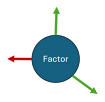
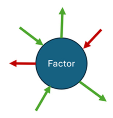
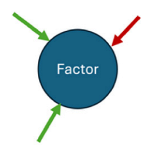
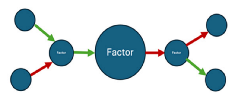
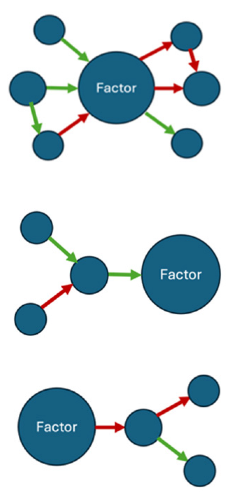
31]. In short, participants with different knowledge of or perspectives on a system are brought together to create a causal map of their shared understanding of the system. The resulting map offers a representation of their mental models, and the process of creating and analysing the map increases stakeholder understanding of different perspectives on the issues explored. The starting point for the mapping exercise is a set of agreed ‘outcomes’—key factors that represent the system functions that matter most for different stakeholders, the key challenge that is being explored, or which would be measures on the dashboard of that system. During the workshop, the participants drew directed, causal network graphs. These include factors (also sometimes referred to as nodes or elements) that are expressed as variables that can increase or decrease, e.g., ‘access to green space’. The relationship between factors is shown through directed arrows. We refer to these as connections, but they are sometimes called links or edges. These connections are colour-coded, with green indicating a positive or ‘same’ relationship and red indicating a negative or ‘opposite’ relationship. Positive or ‘same’ connections show that the factors change in the same direction, so an increase in one factor (the starting factor) causes an increase in the other (at the end of the arrow point). Negative or ‘opposite’ connections show that an increase in the starting factor causes a decrease in the ‘end’ factor. In the case of a decrease in the starting factor, positive connections show that the connected factor would also decrease (same), and negative connections show that the connected factor would increase (opposite).
2.2. Workshop Design and Preparation
The participatory systems mapping process design was collaboratively produced by a small team of academics and local authority officers who were part of the research project. The aim was to follow an “actionable complexity” approach, which would generate a systems map that captured what mattered to local authority officers and could produce meaningful and usable systems insights, whilst simultaneously building capacity in systems mapping methods, software, and analysis, which officers could use in future projects. The planning process had early input from the WMCA and was badged as hosted by them. Our initial remit for participants that could span the breadth of the system included Local Authority (LA) air quality officers, LA Net Zero and Climate Change Officers, LA housing officers, LA Natural Capital Officers, UKHSA, Transport for West Midlands, Defra, and WMCA staff from relevant teams.
To gain a breadth of appropriate participants, presentations and invites were sent to key groups, such as the West Midlands Environmental Protection Group (with environmental health professionals from across the West Midlands) and the net zero and climate change officers’ working group. Members were invited to join a systems mapping workshop and/or receive training in systems mapping to co-facilitate and become part of the design team. The invite emphasised possible uses of the map felt to be of potential use to LA officers: identifying and understanding the key actors, processes, and relationships that influence climate change and air quality in their local area; gaining insights into the different perspectives and priorities of stakeholders; understanding how different policy areas and interventions can interact with each other in both problematic and beneficial ways; uncovering potential risks to policy delivery and outcomes and potential unexpected impacts of interventions; using this understanding to develop and implement more effective climate change and air quality policies and interventions. The workshop was also advertised at a Clean Air Night event, and further invites were targeted at groups for parts of the system with low representation.
Five officers from three different local authorities (Sandwell, Coventry, and Solihull) and the UKHSA, alongside members of the project team, participated in systems mapping facilitation training and formed an initial PSM working group. A total of 11 policy officers from various policy teams in different West Midlands Local Authorities also participated in preparatory interviews to assist in the framing and design of the systems mapping workshop. The theme and scope of the systems mapping workshop were decided on with the working group, incorporating insights from the interviews. All members of the working group became workshop co-facilitators.
The consensus within the group of local authority co-facilitators was that workshop participants would speculatively map the system that would underpin ‘Thriving Net Zero communities in the West Midlands’, concurrently highlighting the relationships in the existing system that need to be influenced in order to move the key outcomes in the intended direction. This theme was chosen to represent the aim of the collective efforts of the different policy teams represented in the process, with the understanding that the mapping would highlight potential interactions between the factors under the remit of each policy team.
In preparation for the workshop, participants were invited to review an online whiteboard which had a collection of outcomes and factors gathered from policy and strategy documents published by the local and combined authorities, such as the West Midlands Combined Authority Inclusive Growth framework [
35]. Participants had the opportunity to suggest additional factors to be included, and ‘vote’ on the existing factors to signify perceived importance. Additional factors were available as suggested by project researchers modelling the interactions between net zero policies, air quality, and public health, with the hope that the map would provide additional qualitative context to the quantitative models being developed by the WM Net Zero team. These factors were printed and on offer during the workshop to be included in the map, but their inclusion was not compulsory.
2.3. Workshop
All participants attended an in-person mapping workshop in June 2024. The participants were allocated into one of four groups, mixed with regard to the policy areas the participants were working in and their level of seniority. Each group had two trained facilitators assisting with the map creation, one who was a peer and another who was an academic.
The workshop started with an introduction to systems mapping and its potential uses in a policy context, followed by the process of collectively choosing the outcomes around which the maps would be built. Based on the theme ‘Thriving Net Zero communities in the West Midlands’, the groups were asked to deliberate and suggest core ‘outcome’ factors that they believed represent the essential measures of the functioning of the system—what they would need to see on a dashboard to monitor whether thriving net zero communities were in existence or being achieved. The final seven outcomes represent a synthesis of the outcomes suggested from each table, which were then approved by the collective group. Following the outcome generation, each table spent time independently generating additional factors that they believed held a direct or indirect relationship to the outcomes. Factors were then discussed between the participants on each table and merged where similar suggestions had been made, before being added to the map. The connections between any factor being added and the factors already on the map were discussed by the whole table so that the appropriate representation was agreed upon by consensus. This process facilitated generative discussions about the meaning of different factors and their real, experienced causal relationships. In practical terms, the mapping exercise used sticky notes (for factors) on whiteboard paper with erasable whiteboard pens for drawing connections.
2.4. Merging/Synthesis and Verification
Following the workshop, the four maps (one for each table) were digitised and turned into Excel tables of factors (nodes) and connections (edges) by the research team. Where factors were assessed to have the same meaning, but with slightly different wording, these were merged under a name that represented the perceived shared meaning, e.g., ‘Crime’, ‘Crime rates’, ‘Graffiti’, and ‘Vandalism’ were merged into ‘Crime and Anti-social behaviour’. Judgement on whether to merge factors with potentially similar meaning was based on the connections the factors had in each of the generated maps—where the factor was shown to have the same or similar connections in the different maps, it was deemed appropriate to merge. Where there were different relationships identified in the different maps, the factors were kept separate, and the different causal pathways were maintained in the final map. The final name of the merged factor was either the one most commonly used (i.e., if it was worded as such in 3 out of 4 maps), or one that reflected the conversation that had occurred around that factor (as confirmed in follow-up sessions).
Where the same causal link was represented through multiple paths, but these different paths did not represent different mechanisms of action, e.g., road traffic accidents increase hospital admissions; road traffic accidents increase injury, which increases hospital admissions, the path that included the intermediate factor was preserved (in this case, injury), to show that the causal link is not direct. In some cases, all paths were preserved as each represented a different mechanism of action.
Participants in the mapping workshop were invited to further online working groups to review the merged map and sense-check the representation of the parts of the system relevant to their subject matter knowledge. This included adding new factors or connections to factors that had not yet been represented in the map. A total of five of these sessions took place, with group sizes from 1 to 6 participants and with a focus on transport, housing, planning, net zero and environmental health.
2.5. Analysis
The combined and verified map was then analysed—questions for the analysis of the map (
Table 1) are based on previous examples of using systems mapping in policy contexts [
28,
33]. Results of network analysis must be understood as representing stakeholders’ collective and subjective understanding of their own system, rather than “objective” facts, and are interpreted and interrogated with this in mind.
Feedback loops and sub-maps (smaller maps extracted from the larger whole) were also identified to better understand perceived system dynamics and identify potential leverage points in areas of policy interest. Using the PRSM online mapping software (version 3.1) and GEPHI graph analysis software (version 0.10.1), upstream and downstream factors of a factor of interest were isolated, and factors which were represented in both upstream and downstream analysis (within 3-degrees of connection) were identified as forming feedback loops. The web-based systems mapping tool Kumu was also used for map visualisation and exploration.
Given the perceived importance of the outcomes identified by the workshop participants, these factors—in combination with the factors that scored highly in the network analysis measures, and factors of relevance for net zero—were the starting point for the analysis of the map, and formed the basis of the ‘systems stories’ that emerged.
3. Results
3.1. Key System Outcomes
The workshop participants selected 7 key outcomes:
Within this set of agreed outcomes are factors that would be considered measurable, such as Quality of Life—which in the public health field is represented in metrics like QUALYs (Quality-adjusted life years) [
36]—and population health, which may be understood through things like mortality and disease rates. Other outcomes such as ‘hope’ and ‘community resilience’ are less quantitative in nature. These outcomes represent what the participants believe are essential to a system that could create and sustain ‘thriving net zero communities in the West Midlands’. ‘Greenhouse Gas Emissions’ was agreed to represent the net zero target, with the other 6 outcomes representing ‘thriving communities’. The idea of having both the ‘thriving’ and ‘net zero’ aspects of the mapping was perceived to be particularly important to understand how net-zero strategies may support the other goals of local authorities.
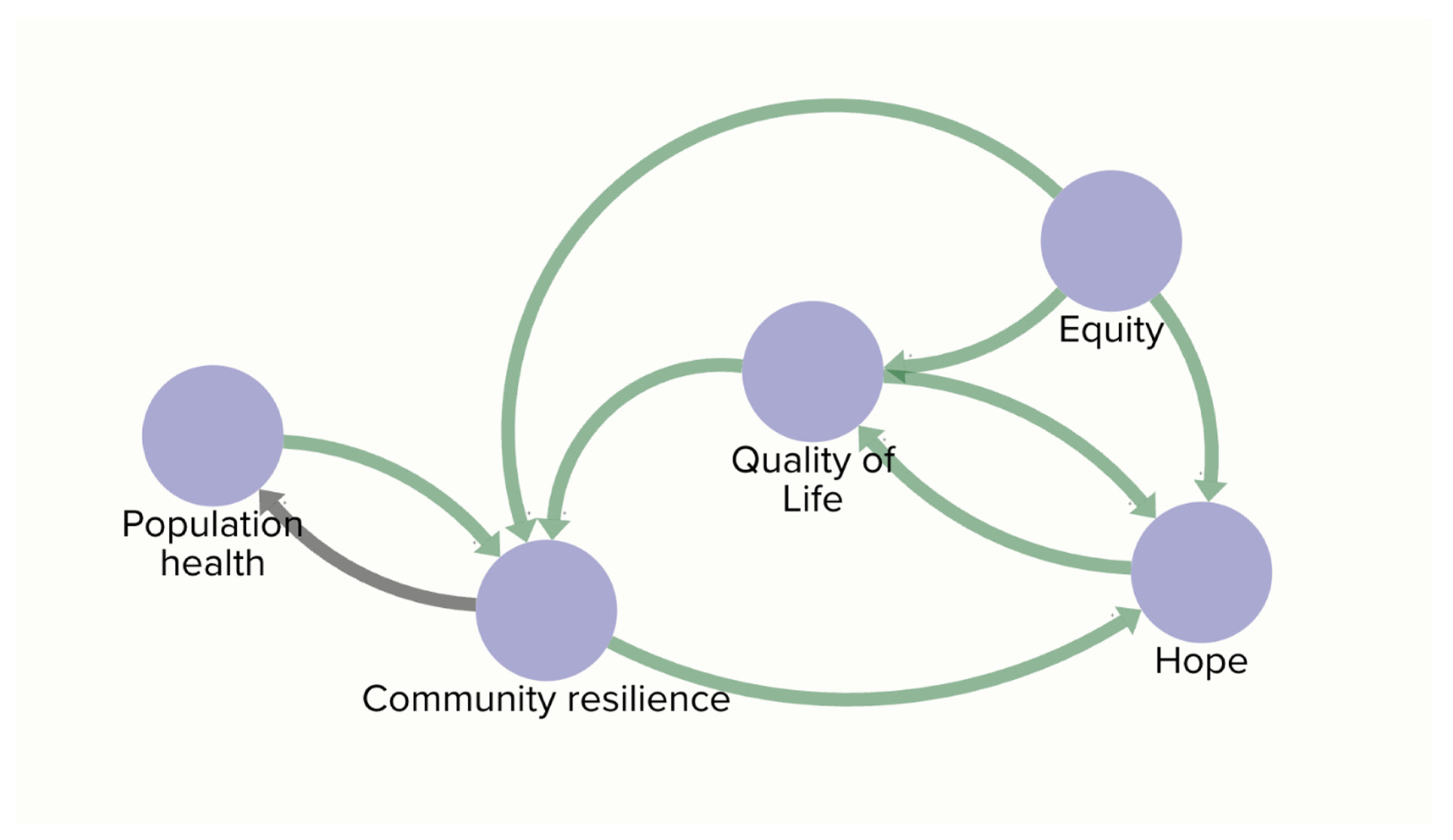
These outcomes were perceived to be closely related, with hope, equity, community resilience and quality of life all sharing direct positive connections, and with hope and quality of life shown as mutually reinforcing. Population health and community resilience share direct connections, with population health increasing community resilience, and increasing community resilience having a complex relationship with population health (
Figure 1). Complex links (where the impact of one factor changing is not consistently a same or opposite change in the other) often represent multiple missing causal pathways that would have different effects on the downstream factor.
3.2. Factors of Influence—Poverty
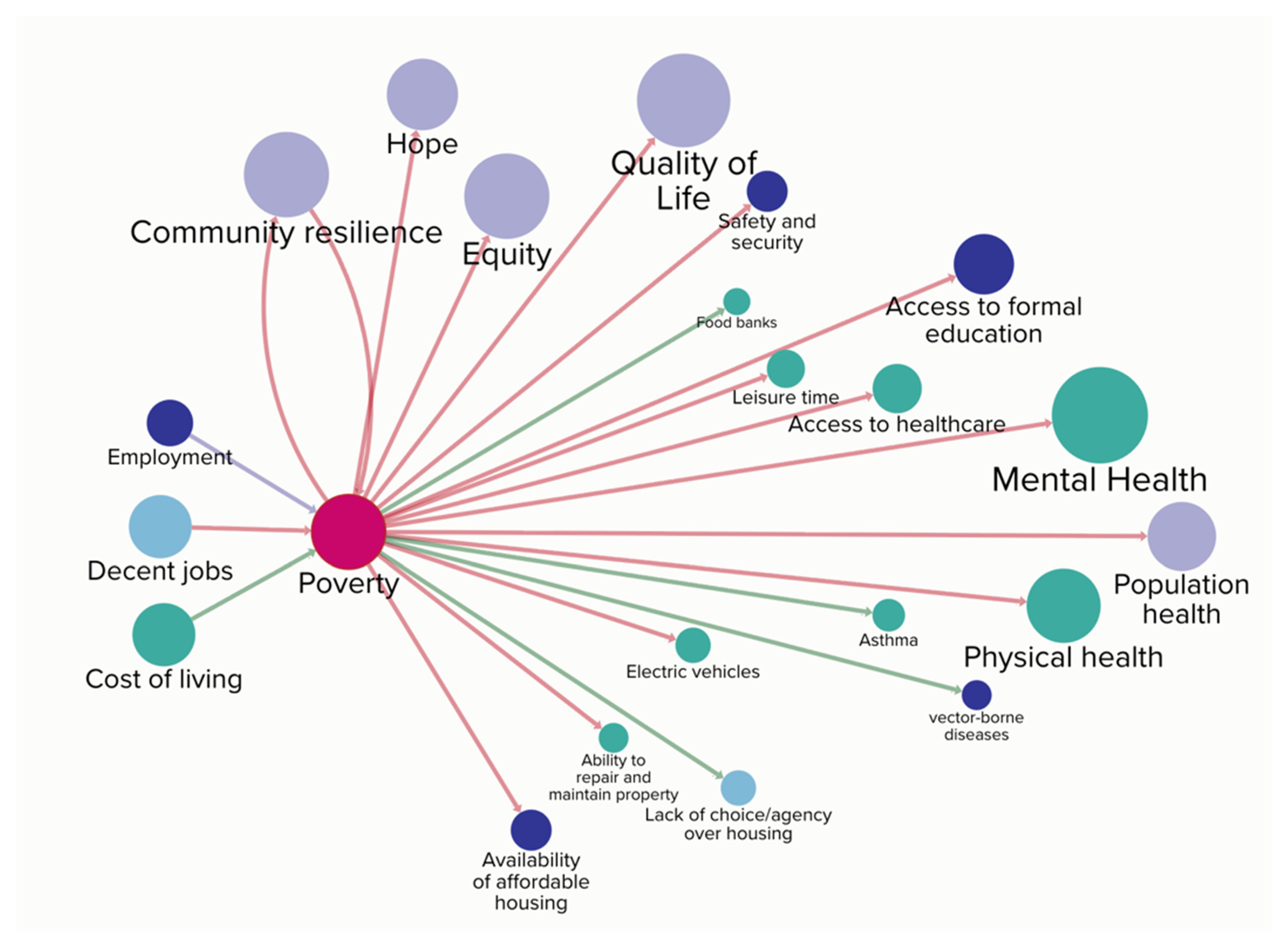
Looking at the systems map beyond these core outcomes, the factor ‘poverty’ has the highest number of outgoing connections (out-degree) in the network (
Figure 2), suggesting that it is perceived to have very high influence in the system, and is thus perceived to be important by the participants in the mapping exercise. This includes direct influence on five of the outcomes—population health, quality of life, equity, community resilience and hope—driving each of them in the undesired direction.
Poverty, as represented in the map (
Figure 2), has relatively few direct inputs but a large range of outputs, including direct influence on multiple areas of statutory responsibility such as housing, access to education, safety and security, and vector-borne disease (public health protection). Poverty is part of several reinforcing feedback loops in the system (
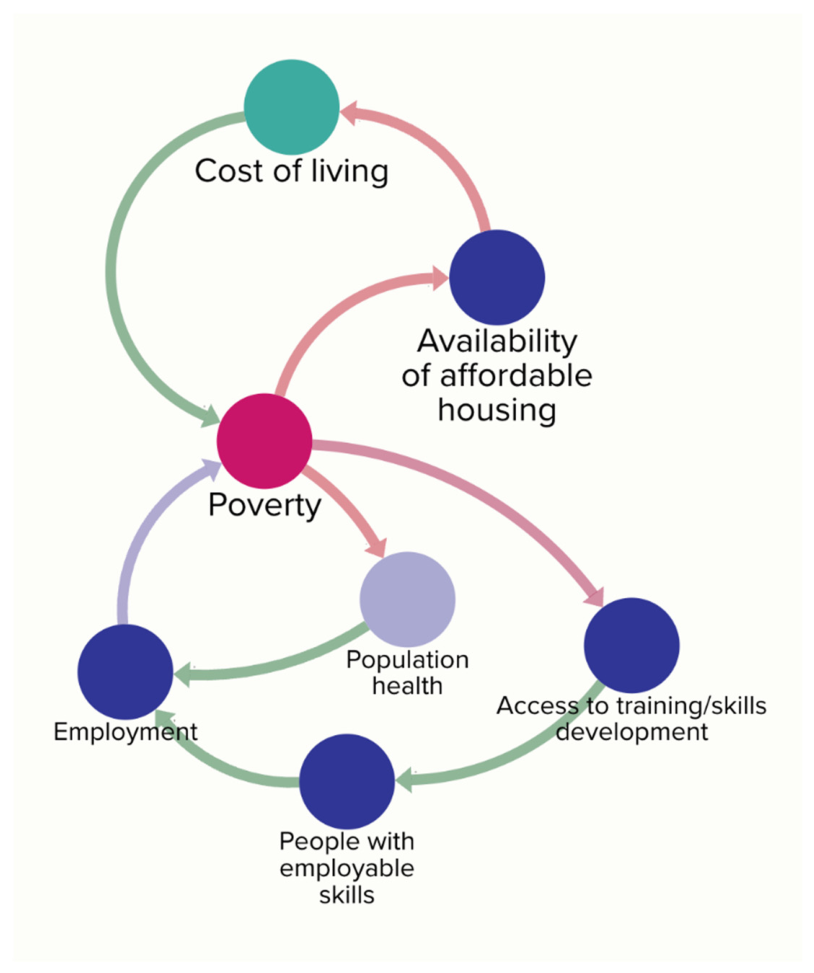
Figure 3), as the majority of factors that are within one or two degrees downstream of poverty also have direct outgoing connections to factors upstream of poverty (creating these loops).
The map shows poverty as reducing access to education, which limits employable skills, and decreases mental and physical health (population health) (
Figure 3). Both impacts affect people’s ability to find and stay in work (employment), which contributes to further poverty. Our systems map also demonstrates how poverty impacts health in a number of ways (
Figure 2)—the reinforcing relationship with unemployment and mental health being one, and others including reducing access to healthcare, increasing exposure to vector-borne disease, and multiple reinforcing loops around housing. The impact of poverty on health means that communities experiencing poverty will have higher numbers of people unable to work or providing unpaid care, which further decreases employment. Employment has a complex relationship with poverty, reflecting that people who are employed can still experience poverty. It is an increase in ‘decent jobs’ (
Figure 2) that decreases poverty.
‘Quality of Life’ and ‘Mental Health’ were both factors that scored highly in terms of degree and in-degree (network analysis), showing that they are understood as being influenced by many other factors in the system. Quality of life and population health (for which mental health is a direct link) are both system outcomes, and both are impacted by poverty and feature in the reinforcing loops around poverty. The high connectivity of these factors is likely to indicate their perceived importance by those participating in the mapping exercise.
3.3. Factors of Influence—Incidences of Extreme Heat
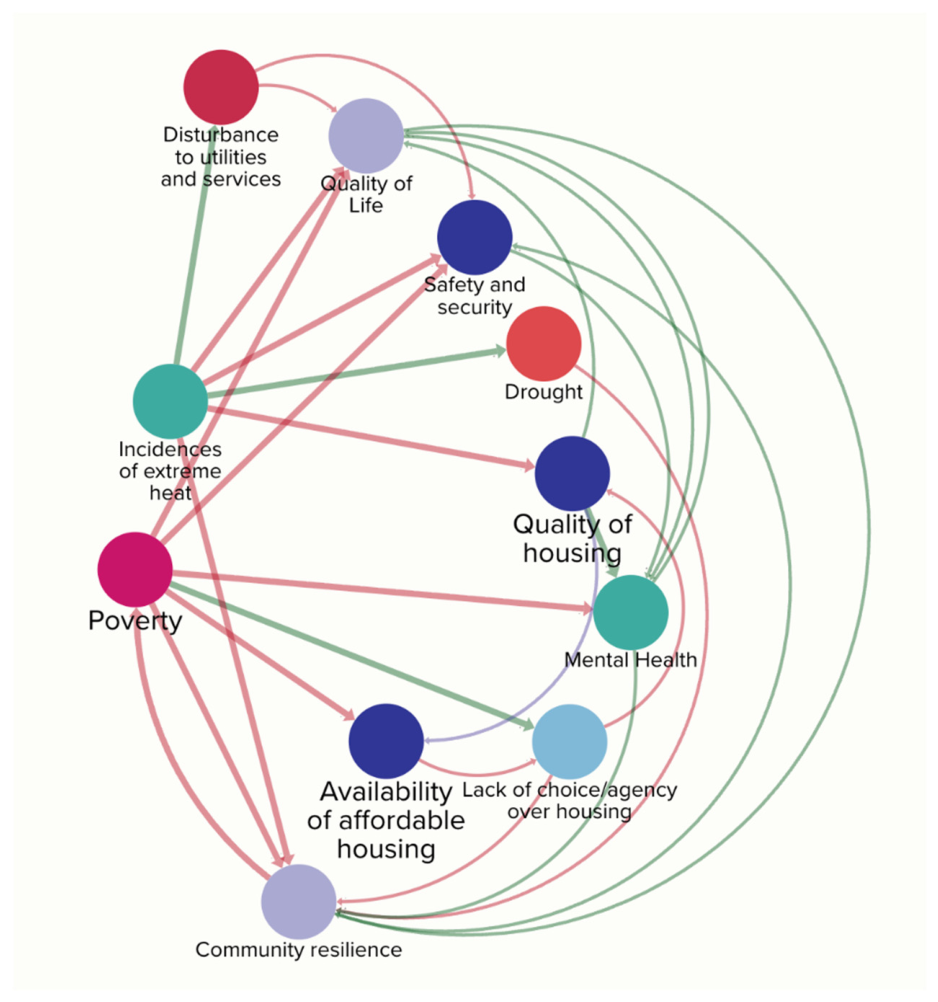
‘Incidences of extreme heat’ was also identified as a factor of influence in the system, with high betweenness centrality and out-degree scores (second only to poverty). Poverty and incidences of extreme heat both directly reduce physical health (population health), quality of life, community resilience, and safety and security (
Figure 4), highlighting how the impacts of climate change are likely to be compounded in communities already experiencing high levels of poverty.
The identification of both poverty and incidences of extreme heat as highly influential factors in the participants’ perception of the system is likely representative of local and regional authority officers’ concerns about attempting to achieve net zero within increasingly challenging contexts. The importance of incidences of extreme heat, as opposed to other consequences of climate breakdown, likely reflects the concerns of this particular, mostly urban geographical context.
3.4. Interactions Between Poverty and Local Net Zero Actions—Transport
Transport was chosen as a theme for analysis due to the responsibilities local and regional authorities have for transport and its contribution as a sector to greenhouse gas emissions. Isolating factors related to the implementation of public transport infrastructure (
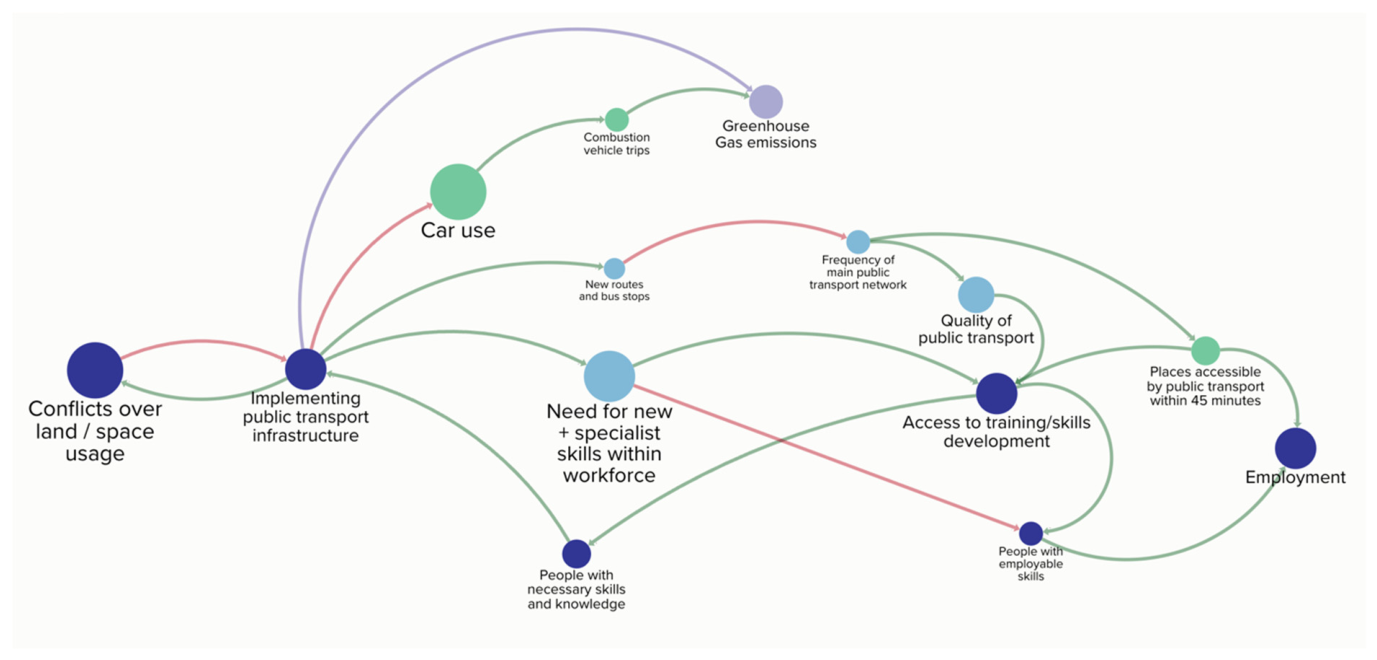
Figure 5) shows that developing this infrastructure can decrease carbon emissions by reducing car use and therefore combustion vehicle trips (these emissions are cut further if the public transport in question is electrified via a decarbonised grid).
Infrastructure projects of this type are perceived to create a demand for skilled labour (shown as a need for new and specialist skills in the workforce;
Figure 5), firstly for the planning and construction, and then for the delivery of the related transport services once any construction is completed. Our map shows how the demand for these skills is perceived to have different impacts—if training and skill development opportunities are not accessible or available, then there will not be enough people with employable skills to meet the demand.
As demonstrated in the map, public transport projects offer the potential to create a reinforcing loop—as the transport network is developed, more people gain access to education and training opportunities, increasing equity of access and, over time, the number of skilled people (re)entering the workforce. In addition to this, as more people use the public transport on offer to access both training and employment (as well as for other purposes), there is potential for more jobs to be created within the network itself as it expands in capacity or reach. This interacts with the poverty cycles by increasing employment, and if the jobs created are ‘decent’ jobs, reducing poverty.
3.5. Interactions Between Poverty and Local Net Zero Actions—Housing
Housing was chosen as a theme for analysis due to the responsibilities local and regional authorities have for housing and the contribution from the sector to greenhouse gas emissions. Similarly to employment, poverty interacts with multiple reinforcing loops around housing. Exploring the reinforcing loops that were illustrated within our map, poverty reduces the amount of housing that is affordable to people and increases demand/competition for that affordable housing (
Figure 3). This leaves people with less choice over their housing and means they may have to pay more (increasing food and fuel poverty). This increases their cost of living (proportional to their income; living in precarity), which reinforces poverty.
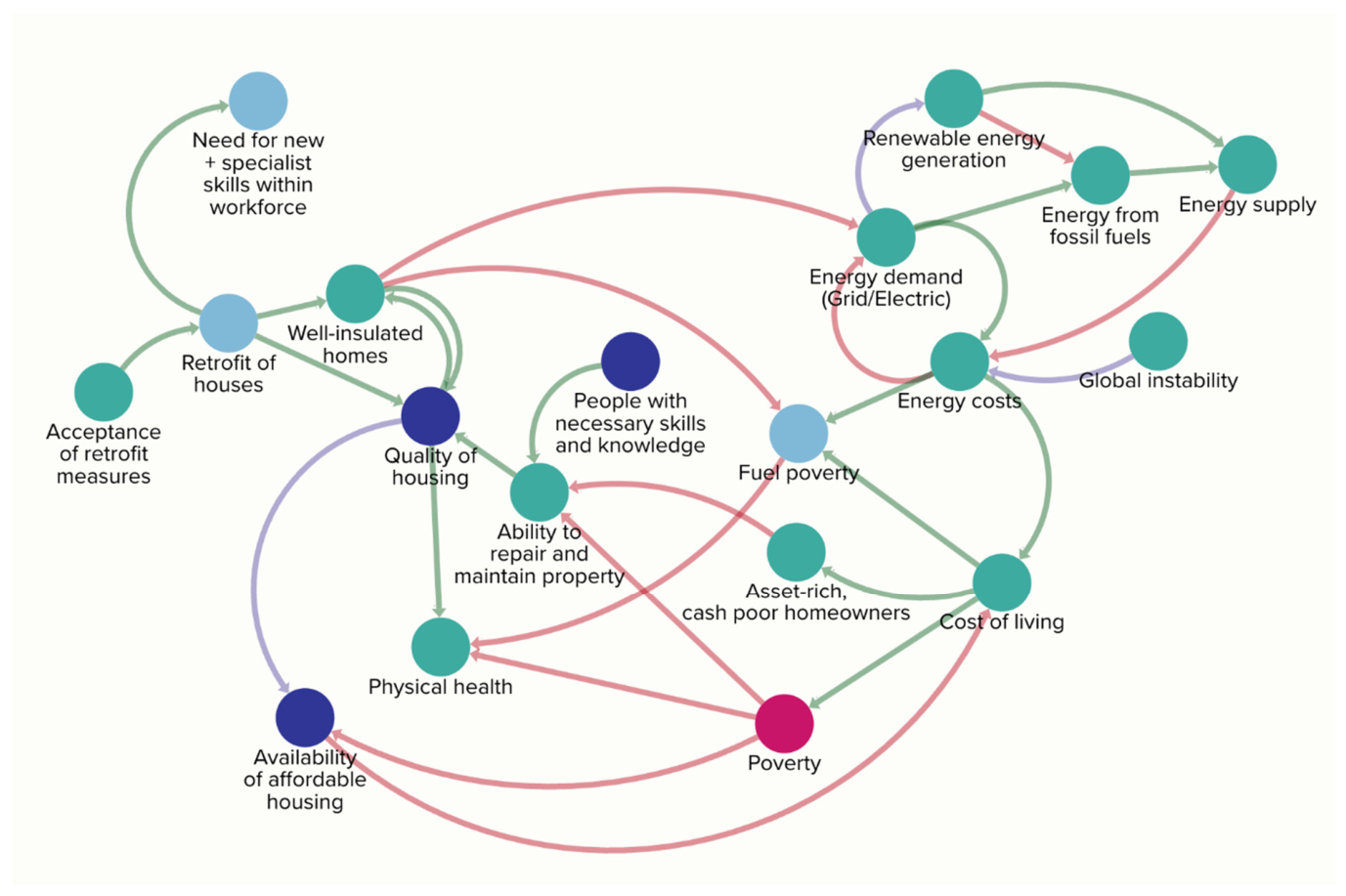
The systems mapping exercise highlighted the inability to adequately maintain properties as a key barrier to housing quality (
Figure 6), with poverty and asset-rich but cash-poor homeowners (who tend to be older and therefore at greater risk of the health impacts of fuel poverty [
37]) being included as reasons properties are not maintained. Also contributing to the ability (or inability) to repair and maintain property is the availability of people with necessary skills—whether this be the homeowners/tenants themselves or tradespeople; this relates once again to skills provision and training.
Other barriers to a good quality of housing that were identified include housing density (building homes for quantity over quality), lack of regulation of social housing, and a lack of choice and tenants’ rights.
Our systems exploration also highlights the perceived risk of extreme heat (and other effects of climate change) reducing the quality of housing available (
Figure 4), as certain houses are assumed to become unsuitable as a safe and comfortable living environment at higher temperatures—again, this would likely be those which have had less repair and maintenance due to unaffordability. Other extreme weather events, such as flooding, will also damage housing, and the housing most likely to be affected is also more likely to be that which was originally affordable/available to those experiencing poverty.
Poverty, and more specifically fuel-poverty, is shown to be influenced by net-zero measures such as housing retrofit (
Figure 6), which increases the number of well insulated homes and therefore reduces fuel poverty. However, our map also highlights the perceived risk that retrofitting that increases the quality of housing may make that housing unaffordable (particularly for those experiencing poverty). Over time, this could lead to greater segregation of housing quality between the richest and poorest and reinforce fuel poverty.
4. Discussion
The constructed map represents what participating local and regional authority officers believe is important to creating ‘thriving net zero communities in the West Midlands’. The prominence of both poverty and incidences of extreme heat in the system map reflects the complexities of implementing net-zero strategies in highly challenging contexts, where multiple issues are seemingly competing for attention and funding. One outcome from this mapping process is a form of catharsis for those involved—visualising the complexity that officers are working within can help contextualise feelings of frustration and overwhelm, whilst the analysis then offers practical routes for re-engaging and taking action.
The analysis of the participant-selected ‘outcome’ factors, net-zero related factors, and network analysis results can be presented as key “system stories”—narratives which highlight relevant insights that arise from taking a participatory whole-system approach, and which can be used to guide action.
4.1. Key System Story: Poverty Is Highly Influential in the System and Works Against Nearly All of the Key Outcomes Chosen by the Participants, Therefore Poverty Is an Interesting Lens Through Which to Explore the System
The factor ‘poverty’ has the highest out-degree in the final systems map, reflecting its perceived importance and influence in the system as understood by the participants. The factor had a relatively low number of inputs compared to outputs, which could highlight where local authority officers are very aware of poverty and can see and articulate its impacts, but the different causes are harder to define. When discussing the role of poverty in this system, it could be argued that high poverty levels are an emergent property of the wider economic and social system, as poverty is not one but multiple overlapping experiences and disadvantages [
38]. The number of reinforcing loops identified in this mapping process reflect the challenge of addressing rising poverty, and why it is not always possible for individuals to ‘break the poverty cycle’. The highly connected relationship between poverty and the chosen ‘thriving’ system outcomes is not unexpected and allows for the exploration of the questions local authorities have around designing, arguing for, and implementing net-zero policies in high-poverty contexts. Environmental policies can sometimes be perceived as ‘nice to have’ but not essential or not deserving priority over issues that feel more urgent to people day-to-day, such as high levels of poverty [
26]. Exploring these issues through systems mapping reveals that they are not separate but highly interrelated and often share both causes and potential co-benefits. In addition to mitigation policies, the shared connections between poverty and incidences of extreme heat highlight that not everyone will be equally impacted by climate change—those already experiencing poverty will likely experience greater, compounded effects on their health and wellbeing [
39].
The finding of poverty being a central issue, linking to health and employment, is in line with the Capability Deprivation theory, which argues that poverty is not merely a lack of income but a deprivation of basic capabilities that people value [
40,
41]. Tackling poverty in local communities would enhance multiple other basic capabilities, such as safety and security and access to education, which would arguably be further benefited by decarbonised net-zero systems [
42]. Also consistent with the literature of Poverty Traps,
Figure 4 and
Figure 6 show that poverty is a node within several reinforcing causal loops that also involves physical health, mental health, safety and security, and community resilience, meaning that low income leads to poor health and reduces the level of safety and community resilience, which leads back to even lower income levels [
43].
4.2. Key System Story: Poverty and Employment Are Perceived to Be Highly Inter-Related-the Map Suggests That Net Zero Policies Have the Potential to Create Employment Benefits, and Local Authorities Are Well Situated to Enable Maximisation of These Co-Benefits Through Skills Programmes and Intentional Joined-Up Planning Transport Infrastructure Projects
Both employment and decent jobs are perceived to be direct influences on poverty in our system map. Opportunities related to economic growth and increased jobs and employment are co-benefits of net-zero policies that are discussed under ‘green growth’ or ‘green new deal’ messaging [
44]. However, so-called ‘green growth’ will only result in increased local employment in ‘green’ jobs if local people have the relevant skills (
Figure 5). Under their statutory responsibilities, local authorities are expected to provide broad employment and skills support, which often includes some scoping and planning functions to support local employers [
45].
Many local net-zero plans include transport decarbonisation, particularly as this is one of the major sources of greenhouse gas emissions in the UK [
3,
46]. Using the map to take a broader view of this issue suggests there are opportunities in the provision of decarbonised public transport (
Figure 5) for employment and skills. The WMCA skills strategy mentions job creation around electric vehicles (private cars) and related infrastructure [
47], but opportunities within public transport are less explored. The benefits of public transport in providing
access to employment opportunities are highlighted in the Bus Franchising Consultation Summary Report [
48], but this refers to employment outside of the transport network itself (or surrounding industries).
In the map verification conversations, which followed the main mapping workshop, transport discussions often referred to bus franchising as the major change happening in public transport provision. Bus franchising places responsibility for bus routes and timetabling in the hands of the regional transport authority (Transport for West Midlands in this case) [
48]. Although bus franchising is not a ‘net zero’ policy per se, using analysis from our mapping exercise, we can suggest that an approach that expands and improves the bus network and infrastructure could have multiple benefits for net zero, employment, and ultimately anti-poverty goals (if the causal relationships included in this mapping exercise hold true to real-life scenarios).
Without statutory responsibility for decarbonisation under the UK Climate Change Act, local authority plans may be limited to decarbonising their own operations and fleet (under bus franchising) rather than further optimising the transport system to reduce car use and emissions overall. It is worth noting that whilst electrification of the existing public transport network would still require infrastructure development and therefore could create employment opportunities, without changes to the frequency and reach of the transport network, the additional, tangible benefits of decreased car use and more equitable access to key services and education may not be achieved. Another consideration is that, as the employer and budget holder, the transport function of the Combined Authority may wish to save money on salaries, but added benefits for health and poverty alleviation would arise from creating ‘decent’ jobs. This decision likely depends on what value is given to indirect effects and ‘non-transport’ metrics when making transport decisions. Practical questions that arise from this exercise, therefore, include whether the potential co-benefits of bus franchising for both net zero and employment are being considered in bus franchising proposals and the skills-support offerings of local authorities. This is also a demonstration of how the use of PSM in the local and regional authority context can assist in identifying relationships between the work of different teams.
Our map suggests that poverty is currently a barrier to attaining new skills, and so without additional intervention, it is unlikely that higher poverty areas could immediately benefit from higher employment due to net-zero-related investment. This could lead to contracts and employment benefits being outsourced and realised elsewhere. Where demand is pre-empted—which is within the local authorities’ function—there may be the opportunity for a joined-up approach which increases both training and employment.
When considering a net-zero strategy as an integrated and complex whole, a focus on achieving employment co-benefits as early as possible (for the poverty-decreasing effect) may play a role in increasing the success of subsequent net-zero interventions by creating more favourable conditions for them to be implemented.
4.3. Key Systems Story: Poverty and Health Are Highly Inter-Related. The Map Suggests That Net Zero Policies Related to Housing Have the Potential to Create Health Benefits, but That Poverty Is a Barrier to Achieving These Benefits. The Health Benefits of Net Zero-Related Housing Interventions Could Be Maximised if Those in Poverty Were Addressed as a Priority, Helping Disrupt Other Poverty Cycles (e.g., Those Around Employment)
Burning fossil fuels for heat and electricity production is another of the major contributors to the UK’s greenhouse gas emissions [
3]. In addition to this, tackling fuel poverty—a result of high energy prices, low income, and poor-quality (including low energy efficiency) housing—is commonly used as an example of the co-benefits of net-zero policies (
Figure 6) [
49,
50]. Retrofit schemes are designed to reduce both energy demand and fossil fuel use to meet that demand by ensuring houses have both adequate insulation and electrified heating systems, and/or solar panels to aid in renewable electricity provision [
14,
49,
50,
51,
52].
Poor housing is directly responsible for many of the health-related impacts of poverty, such as high levels of asthma, which impact people’s ability to remain in work and education [
53]. Results from our mapping exercise suggest that a retrofit that improves the quality of housing has the potential to reduce both fuel poverty and related health impacts. However, real case studies have shown that the cumulative impacts of poverty and other factors mean that many houses may need significant remedial works before qualifying for any kind of retrofit scheme [
51]. Local and national authorities may therefore need to make provisions for remedial works within retrofit schemes, or only the more affluent communities—where houses have been more regularly maintained—may be able to retrofit, which is unlikely to have the same co-benefits of reducing fuel poverty (and therefore health). Our mapping suggests that there is a risk that improving the quality of some housing will mean that housing will become unaffordable. These contextual complexities increase the potential for more targeted, place-based approaches to retrofit to have greater co-benefits than ‘blanket’ approaches. Where successfully implemented, our mapping exercise suggests that retrofit schemes that improve the quality of housing could create co-benefits amongst our identified key outcomes—greater equity, hope, and quality of life (through decreased exposure to air pollution and decreased fuel poverty). Similarly to the decent jobs vs employment example, it is not simply retrofit that achieves these benefits, but retrofit that improves the quality of housing—a badly performed retrofit will not achieve these co-benefits, and risks increasing mould and damp [
52].
Local authorities have statutory housing responsibilities, but for retrofit, the bulk of their power lies in their social housing stock, with limited means of influencing the privately owned or privately rented market. The development of place-based retrofit schemes, where residents in a mix of housing tenures could stand to benefit, requires significant community and stakeholder engagement and buy-in. Exploring the relationship between housing and poverty (as illustrated through our mapping exercise) highlights how poverty is both a driving force behind the need to improve the quality of housing through schemes like retrofit, and a barrier to the implementation of said schemes (through the need to repair homes that have not been maintained). Insight from this mapping process suggests that retrofit schemes may benefit from being designed to achieve health and equity outcomes, as opposed to simply energy-use reductions, and this may assist in creating accountability for the quality of the retrofit, evaluating the costs and benefits, and creating the opportunity for different, targeted funding streams.
Our mapping exercise also suggests that, through health, poor-quality housing contributes to the previously explored poverty cycles related to employment (poor quality housing leads to poor health, which leads to unemployment, reinforcing poverty). If unaddressed, this could limit the potential co-benefits of net zero policies, such as the employment and transport example given above, as pre-existing poor health creates a barrier to employment not alleviated by greater skills and employment opportunities. Alternatively, if both housing and transport are addressed together, including with adequate skills provision, there is potential to multiply the health and employment co-benefits—reversing multiple of the identified poverty cycles at once. The need and opportunity for net-zero skills development has been highlighted in housing and building retrofit plans such as the ‘Devolved Buildings Retrofit Pilot’ [
50] and the “Retrofit Functional Strategy’ [
49], which both explore the opportunities of investment in retrofit schemes for simultaneously creating training and employment opportunities. Housing retrofit that improves the quality of housing—creating healthy homes—may not only create employment opportunities through the retrofit, but in the longer term may contribute to a healthier workforce.
4.4. Systems Practice in Local and Regional Government
This work follows previous examples of the use of participatory systems mapping within local government, particularly public health functions [
54,
55], and applies it to net-zero policymaking and the interactions between net zero and other areas of responsibility. Approaches to participatory systems mapping differ, and our method does not include the development of any causal-loop diagrams [
56] or systems maps from the literature [
54,
55] before engaging the participants in mapping—instead constructing the map from participants’ input only.
This participatory systems mapping exercise demonstrates just one way that those working in local and regional government can meaningfully engage with the complexity surrounding net-zero policies and the socioeconomic contexts in which they will be applied.
On a practical level, a joined-up approach may mean a change in the usual ways of working for local authorities—participants in the mapping exercise commented on how useful it was in bringing different teams together, and how infrequently opportunities arose to do that. Our exercise allowed conversations between levels of government (local and regional), different local authorities, and different teams within local authorities. Even before the maps were synthesised and analysed, participants were able to spot connections between their work and that of other teams, facilitating future conversations about how policies may be interacting across different teams’ areas of responsibility.
Our mapping exercise visualises the participants’ understanding of the complexity that local authorities are working within when designing policies that contribute to net zero targets, whilst also improving (or at least not worsening) inequality and poverty, and demonstrates that when considering systems issues like poverty, health, and housing, the lines between policy domains and responsibilities become increasingly blurred. As such, different approaches to policy making and intervention design may be necessary to achieve the maximum co-benefits of the policies under consideration.
The method in the paper draws on Collaborative Governance theory, which argues that a whole-network governance is needed and is affected by goal consensus and network size [
57]. The method attempts to overcome the limitations of silos in government by enabling effective horizontal coordination among the participants and institutions [
58], especially in tackling the complex challenge under climate change to achieve net-zero communities [
9]. Findings from the study contribute further to the Collaborative Governance approach, where one of the challenges is the implementation process [
59]. To achieve net-zero communities, the implementation process requires different stakeholders to collaborate with whole-systems thinking [
9]. Through the participatory system mapping process, members from the local authorities were able to actively engage and identify the key issues, such as poverty and its links with employment and health. By participants practicing whole-systems thinking and engaging with stakeholders across disciplines, the participatory approach also tackles important issues of collaborative public management research, such as lateral thinking and interdisciplinarity [
60].
In their review of place-based approaches to local net zero governance, McMillan et al. pose that net zero (and the climate crisis more broadly) requires new ways to govern, but the focus has been on national, not on local governance [
61]. They highlight seven issues:
Co-ordinating between and within levels of government;
Creating locally appropriate pathways;
Creating shared knowledge bases;
Fostering buy-in from multiple stakeholders;
Acting under uncertainty;
Delivering cross-cutting activities to unlock action,
Resourcing local co-ordination and delivery.
Through this work, we have demonstrated that participatory systems mapping could be one way that local and regional authorities may be able to increase coordination between teams, create shared knowledge, and identify relevant stakeholders, in order to aid a place-based approach to policy development for net-zero policies and related issues.
Additionally, when discussing the possible outcomes to include for this mapping process, participants decided that including the less easily quantified factors (such as hope) allowed for discussions to go beyond the usual framing of their work on policies and interventions and their monitoring and evaluation, which normally focus on measurable metrics. The emphasis on working with what is measurable is common across policymaking and governance, supporting an evidence-based policymaking approach, and creating accountability to replicate ‘what works’ and objective evaluation [
62]. However, critics of this approach cite that it can create a perception of certainty and control that is unrealistic in practice [
62,
63]. Qualitative methods like participatory systems mapping challenge the use of tools such as mechanistic cost–benefit analysis, which are arguably limited in efficacy for complex issues and interventions [
64]. An example of this is the identification of feedback loops, which we have focused on in our analysis, which are often missing from linear, causal cost–benefit calculations [
64]. There are, of course, quantitative complexity methods, such as agent-based modelling [
65], but the capacity for using these methods within local government remains very low. In practice, it remains challenging to use qualitative systems approaches and the resulting insights if they do not easily fit within the decision-making frameworks that local and regional authority leaders are using. These processes also require time resource, and often a level of expert facilitation or training (in the first instance), which means there needs to be buy-in from senior leadership to approve working in this way [
7].
4.5. What Is Not in the Map, and Limitations of This Process
The map created through this process represents a combination of the mental models of those involved and cannot be taken as an objective or complete model of the system. Rather, it visualises the intersubjective, collective understanding of participants’ system based on their years of experience. But also contains their biases and blind spots. Although PSM process design is aimed at challenging or revealing these and allowing participants to think differently or understand their own knowledge gaps, participatory models always remain intersubjective objects. This analysis is thus not intended to be prescriptive or a definitive answer to how to best design and implement net-zero polices in high-poverty contexts. The analysis of the map contained within this paper is presented as a demonstration of the type of insights that can arise from a participatory systems mapping process, and the conversations that can be facilitated as a result. The map was verified in conversation with participants; however, there may still be connections represented that participants would disagree on or wish to expand with more detail if revisiting the map. The participatory nature of the process allows the authors to continue working with the participants to explore which of the insights has practical value, and what may need to be reconsidered in the light of new evidence or a new perspective.
Temporal aspects: Although methods exist to incorporate time-relevant elements, such as delays in causal systems mapping, these were not deployed during this process. As such, there is context missing from the map and the analysis around how quickly different changes and effects would become tangible. Policies are often expected to provide tangible benefits within certain election cycles, so this is an element that would be helpful to include in future map development and analysis, particularly if the map is being developed around a particular policy problem.
Economic growth and other economic factors: During the deliberation of the outcomes to include in the map, there was debate over the inclusion of economic growth as an outcome. Economic growth is a stated goal of most national and regional policy, with the West Midlands Combined Authority adopting an ‘Inclusive Growth’ framework as its driving strategy. However, officers wanted to avoid including growth as an outcome, hoping to instead demonstrate where growth may contribute to thriving within the wider map. This did mean that economic factors were potentially underexplored compared to their true influence in decision-making.
Social care: There was a lack of representation from social care teams amongst those who participated in the mapping, and although delivering social care was repeatedly expressed as a key pressure for local authorities, and health-related factors are broadly explored in the map, health and social care systems are not.
Local Authorities’ influence and ways of working: The preparatory interviews, which were used to design the theme and scope of the mapping, included an exploration of systems issues in each interviewee’s context, which often touched upon ways of working and the role of local authorities. We found that when reviewing the maps, there had not been much further exploration of this in the workshop, beyond one or two factors (e.g., ‘outsourcing from local authorities, ‘capacity to investigate environmental health reports’). This could reflect a reluctance to explore these issues and potentially appear critical in front of peers and colleagues.
Social and cultural factors: More qualitative social factors, such as belief systems and emotions, are not widely represented or explored in the map. This limits the use of the map for exploring things like behaviour change, which was again repeatedly mentioned as being important, but not widely explored in the mapping.
Who was not in the room: There was a spread of different policy areas and expertise represented in the room, with a mix of seniority within that. However, those who choose to verbally contribute to a group discussion of this nature can be heavily influenced by personality types and power dynamics. Where someone contributes significantly more than others, this can create areas of the map that are much more detailed and complete, depending on their area of interest. This is partially accounted for in the way the different maps were merged, and by ensuring each mapping group had two trained facilitators present. However, it is clear from our map analysis that there are areas of local authority work and interest that have not been represented (e.g., social care).
Local Authority bias: This map represents the mental models of those who participated, and not an absolute or objective fact. In this instance, the participants were all people working in local government, and who may therefore have a bias towards institutional narratives about how problems are caused and resolved.
5. Conclusions
The research demonstrates the utility of participatory systems mapping as a tool for assisting the development of net-zero strategies and policies at a local and regional authority level, which are sensitive to the local context and opportunities. In addition to these methodological insights, the analysis of the map resulting from the PSM process in this case study may also offer useful insight into the perceived relationships between net zero and other areas of importance for local authorities, namely poverty reduction and climate adaptation, that are applicable in other post-industrial, urban regions in the UK. Exploring the system that underpins ‘Thriving, Net Zero communities in the West Midlands’ with local and regional authority policy officers has highlighted how poverty in particular plays a key role in the current system dynamics, creating barriers to implementing net zero policies in a way that achieves multiple co-benefits. Our analysis also highlights that even if on a national, strategic level net zero is about housing, transport, and energy, from a local authority perspective, a net zero that creates tangible local benefit is about designing policies across these domains to maximise the health, employment, and climate resilience benefits. Taken in isolation, improvements to housing or transport systems may not be as effective alone as they could be when designed and delivered together, where each can benefit from the benefits of the other. In each scenario, long-term, lasting change requires disrupting the identified ‘vicious cycles’ of poverty, and there are opportunities and leverage points within the housing domain to do this for employment and vice versa. Local authorities have the opportunity to create and feed these potential positive cycles by investing in skills development programmes that support the demand created by net zero investment in infrastructure and considering net zero within the design and implementation of other policies (e.g., bus franchising). Further work could include the use of the map for exploration of more specific policy scenarios or interventions derived from the net-zero strategies of policy bodies in the West Midlands, to accompany other data around emissions changes for both greenhouse gases and air pollutants, health data, or cost data. The systems insights could then be presented alongside quantitative data that can be more easily adopted by traditional evidence-based policy-making frameworks. Additional work should also be done to use this method (or similar) to build a map that represents public, rather than local or regional authority, perspectives on the same themes. This would add further local context that will be key for policy and intervention planning and may address the lack of social and cultural factors in this map.
Through this work, we have demonstrated how participatory systems mapping is one way that local and regional authority officers (and other policymakers) can visualise and engage with complexity, particularly around net zero. We have shown that the process supports a different way of working—facilitating conversations that may not otherwise take place and encouraging a whole-systems approach to policy development—but also requires time resource that may not normally be allocated to such activities. The method should be further adapted to suit the local and regional authority context, and in the first instance applied to specific scenarios where cross-team working could be optimised, such as local (and regional) plan development. Further work could include exploration of how systems mapping methods could be combined with other systems approaches and ways of working (e.g., mission approaches), to form the basis of a novel and replicable approach to complex, cross-cutting policy issues at a local government level.



 ,
,