Article

Industry 4.0/5.0 Maturity Models: Empirical Validation, Sectoral Scope, and Applicability to Emerging Economies


by
Dayron Reyes Domínguez
1,*,
Marta Beatriz Infante Abreu
2 and
Aurica Luminita Parv
1,*
1
Department of Manufacturing Engineering, Transilvania University of Brasov, 500036 Braşov, Romania
2
Department of Business Informatics, Technological University of Havana “José Antonio Echeverría” (CUJAE), La Habana 19390, Cuba
*
Authors to whom correspondence should be addressed.
Systems 2026, 14(2), 134; https://doi.org/10.3390/systems14020134

Submission received: 23 December 2025 / Revised: 20 January 2026 / Accepted: 22 January 2026 / Published: 27 January 2026
(This article belongs to the Section Systems Practice in Social Science)

Abstract

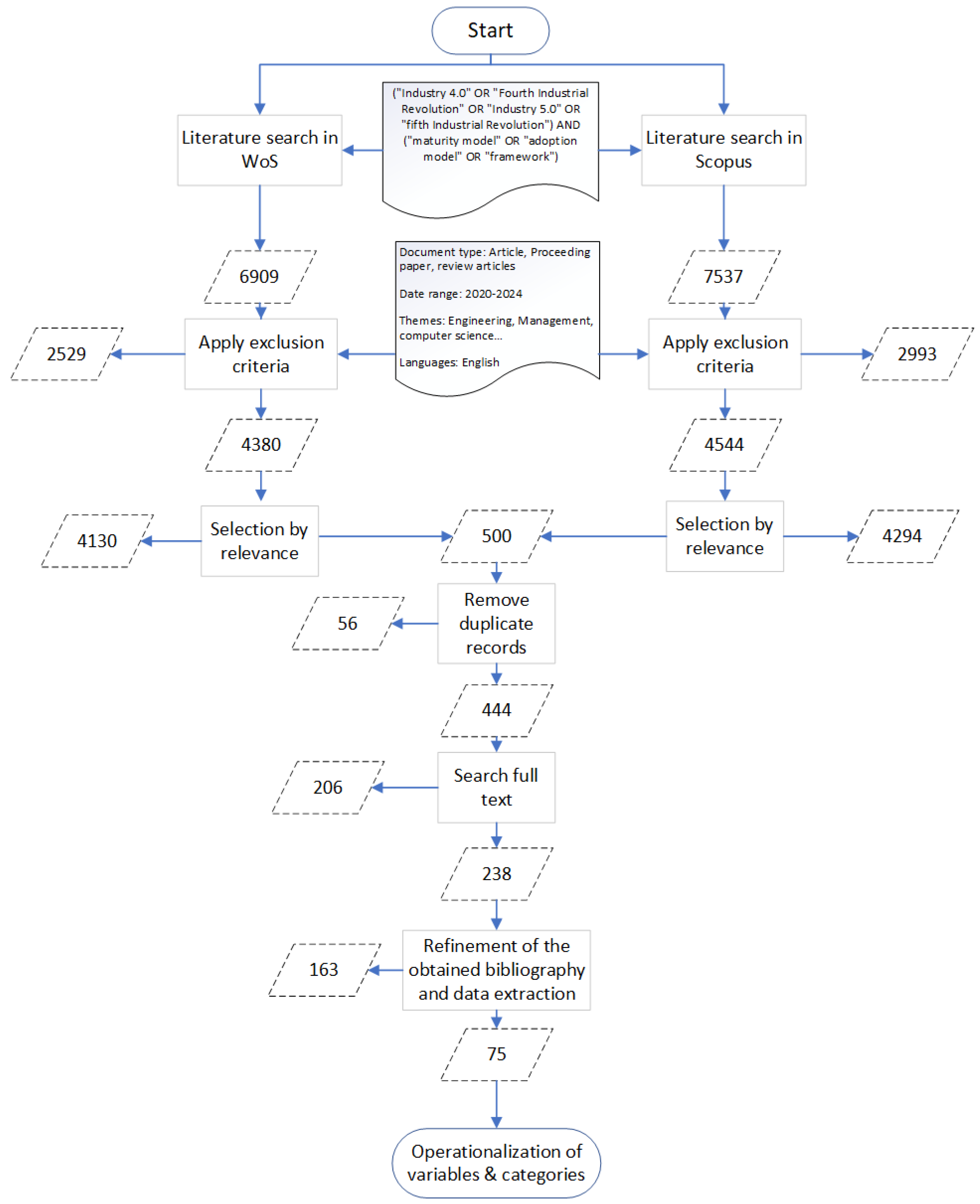
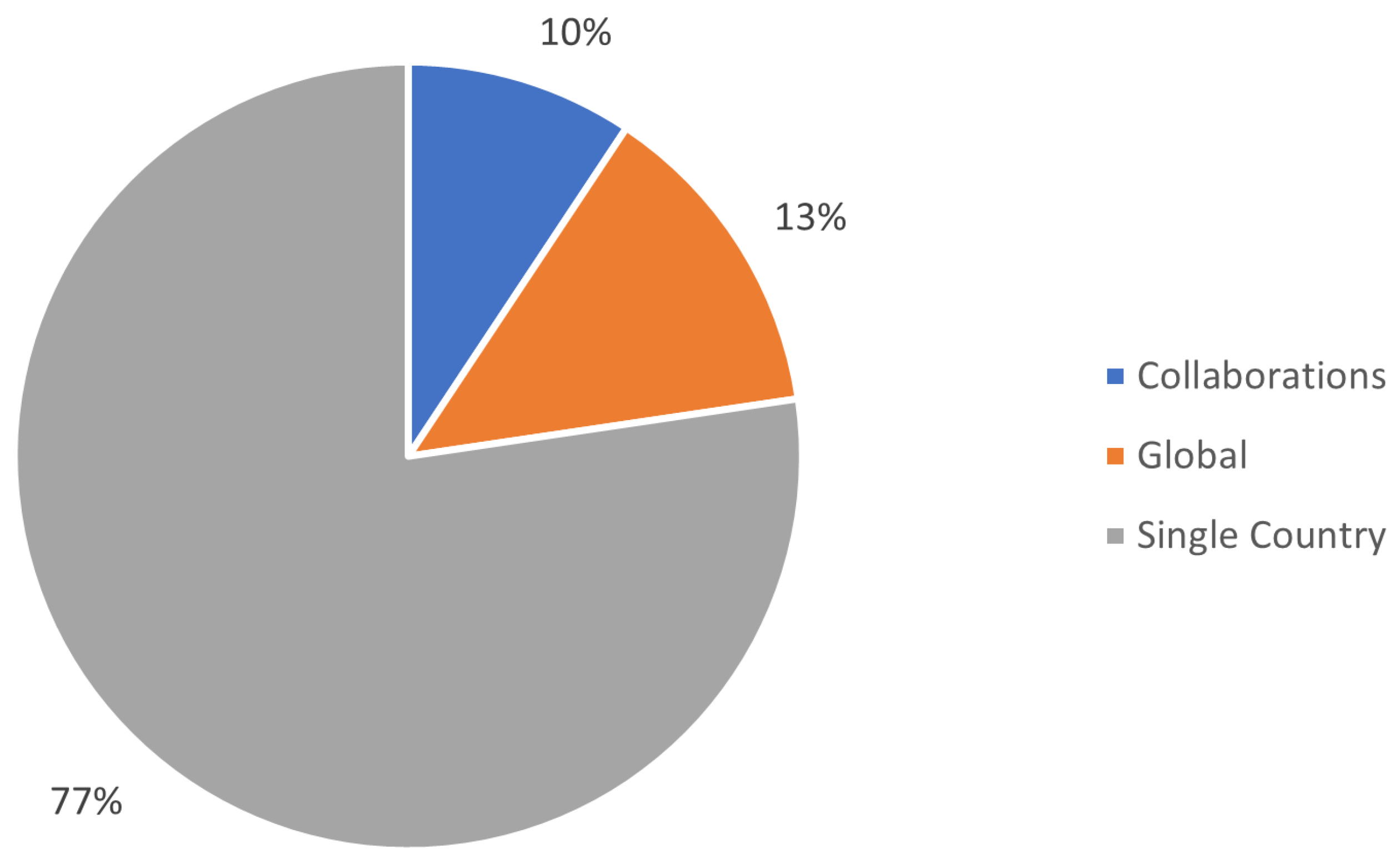
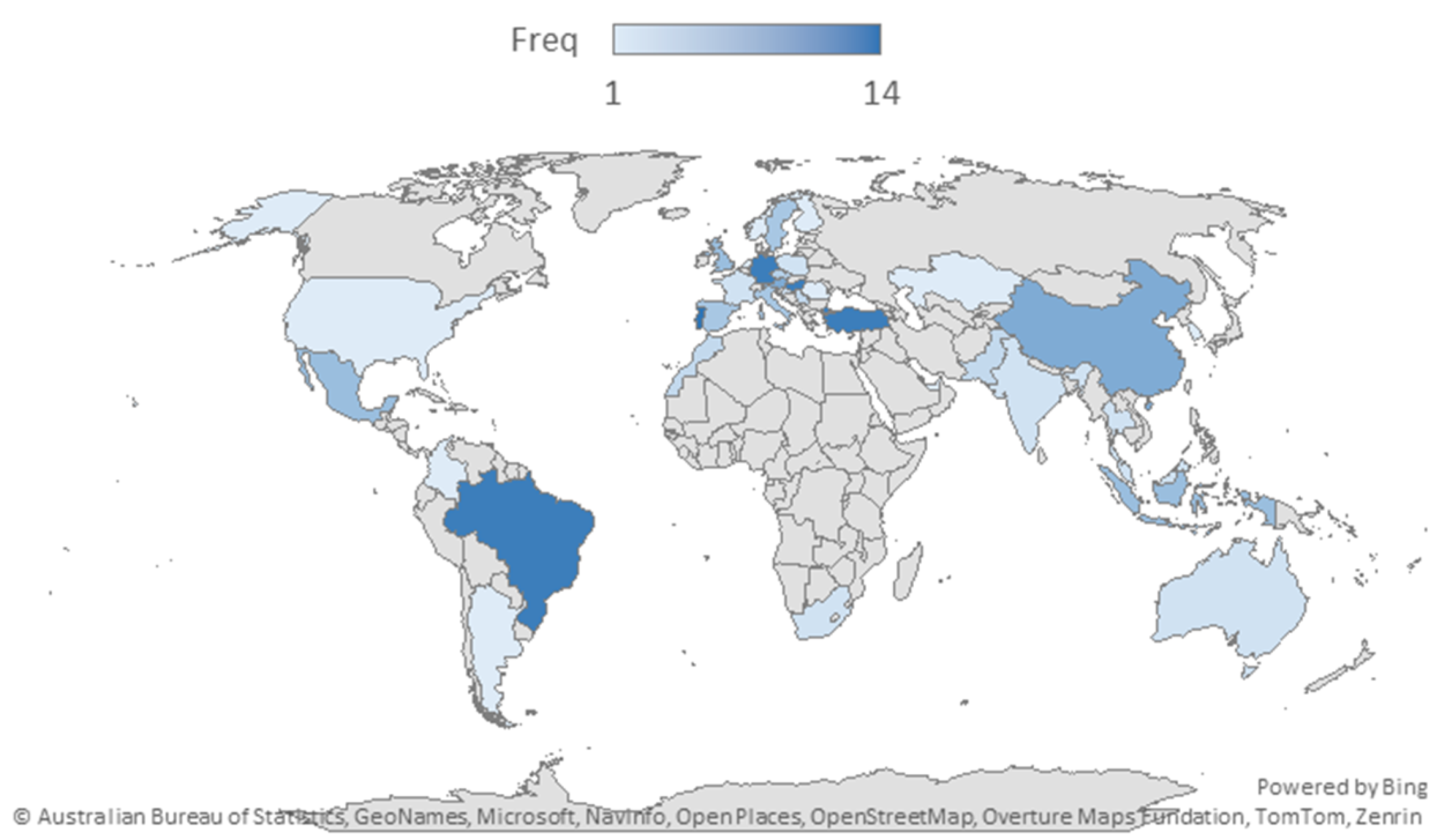
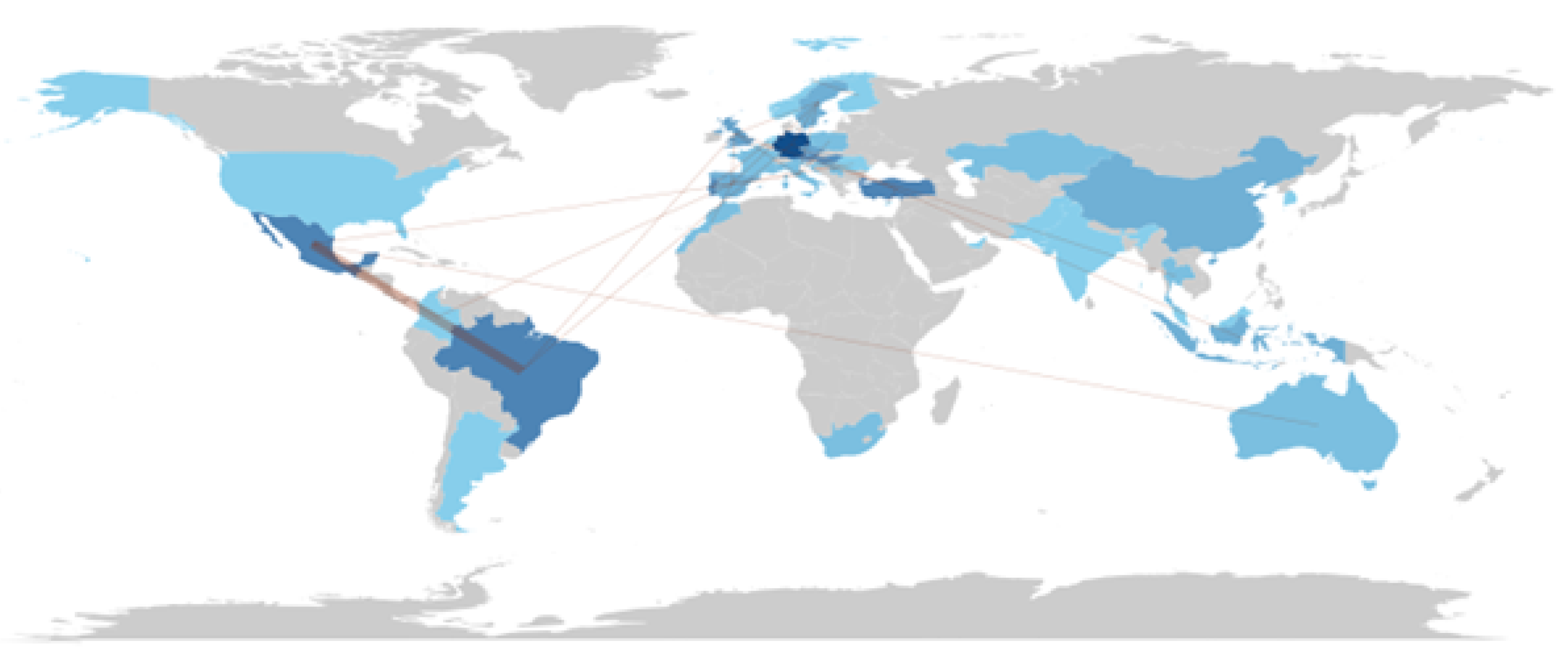
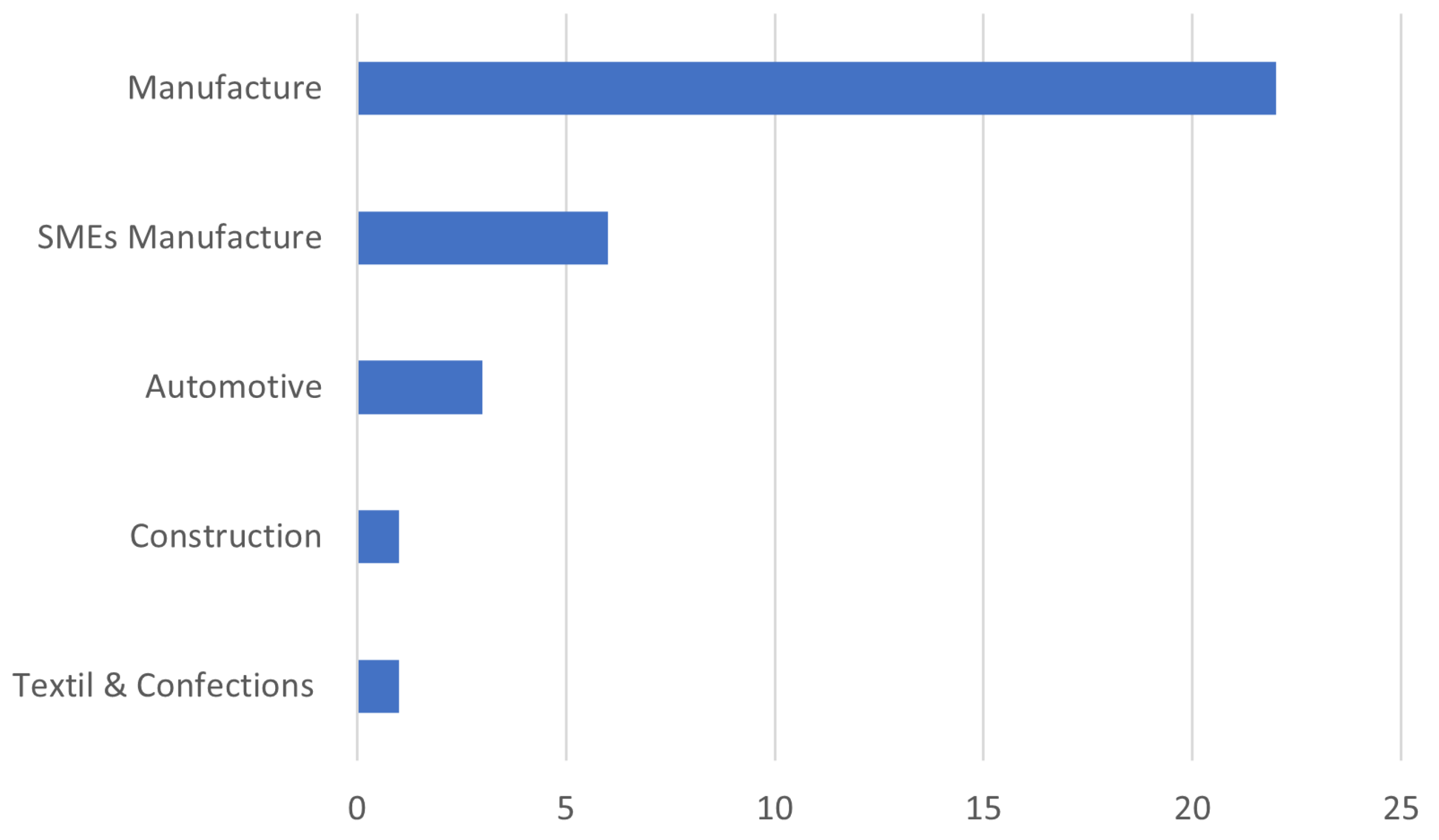
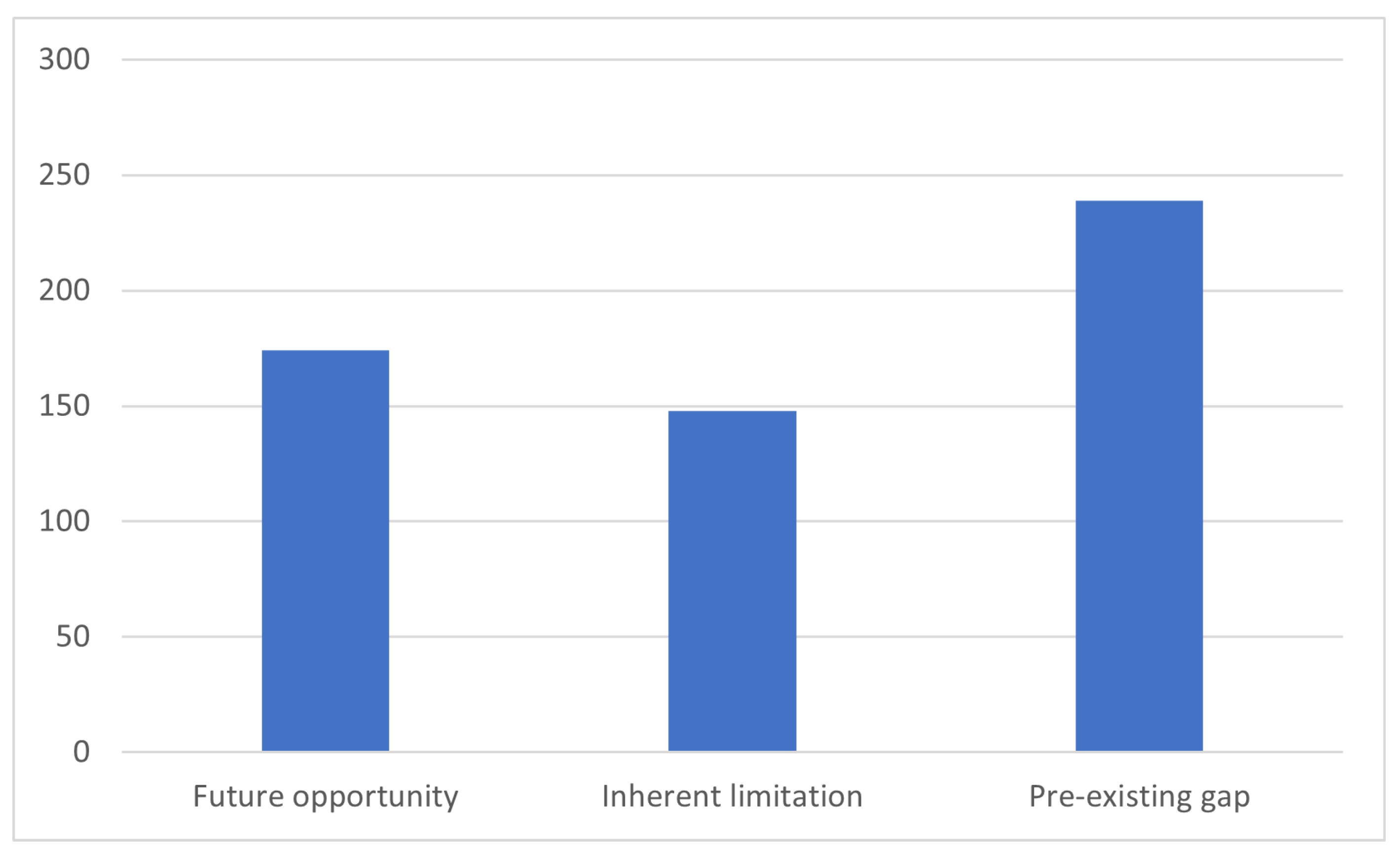
This article presents an academic literature analysis of 75 Industry 4.0 (I4.0) and Industry 5.0 (I5.0) maturity models published between 2020 and 2024, examining their empirical validation, sectoral scope, geographical origin, and stated applicability to developing-country contexts. The study combines descriptive profiling, contingency-table analyses with exact tests and effect sizes, and a large-scale synthesis of 562 research gaps reported by model authors. Knowledge production is highly concentrated in single-country studies (77.3%) and in developed economies, while most models do not explicitly or implicitly document applicability to developing-country settings (approximately 83%). Empirical validation practices are uneven, with multiple-case studies (33.3%) and surveys (24.0%) dominating, and sectoral coverage is strongly skewed toward manufacturing, limiting transferability to other sectors relevant for emerging economies. A statistically detectable association is observed between the development level of the model’s country of origin and the presence of applicability statements (χ2 = 17.13, p<0.05, moderate effect size), whereas authorship configuration shows no substantive association. Thematic analysis of reported gaps highlights persistent deficits in empirical rigor, sectoral breadth, SME orientation, operationalization of human-centric and sustainability dimensions associated with Industry 5.0, availability of implementation tools, and longitudinal or predictive evidence. The article concludes by outlining a research agenda focused on context-aware validation designs, broader sectoral grounding, and greater transparency and reproducibility, supported by open access to all underlying data, codebooks, and taxonomies.
Keywords: Industry 4.0; Industry 5.0; maturity models; digital transformation; emerging economies; empirical validation; research gaps Industry 4.0; Industry 5.0; maturity models; digital transformation; emerging economies; empirical validation; research gaps