Article

Text-to-Model Transformation: Natural Language-Based Model Generation Framework


1
Industrial and Manufacturing Engineering Department, College of Engineering and Applied Sciences, University of Wisconsin Milwaukee, Milwaukee, WI 53211, USA
2
College of Engineering, University of Texas Rio Grande Valley, Edinburg, TX 78539, USA
3
Industrial, Manufacturing and Systems Engineering Department, College of Engineering, University of Texas El Paso, El Paso, TX 79936, USA
*
Author to whom correspondence should be addressed.
Systems 2024, 12(9), 369; https://doi.org/10.3390/systems12090369

Submission received: 12 June 2024 / Revised: 3 September 2024 / Accepted: 6 September 2024 / Published: 14 September 2024

Abstract

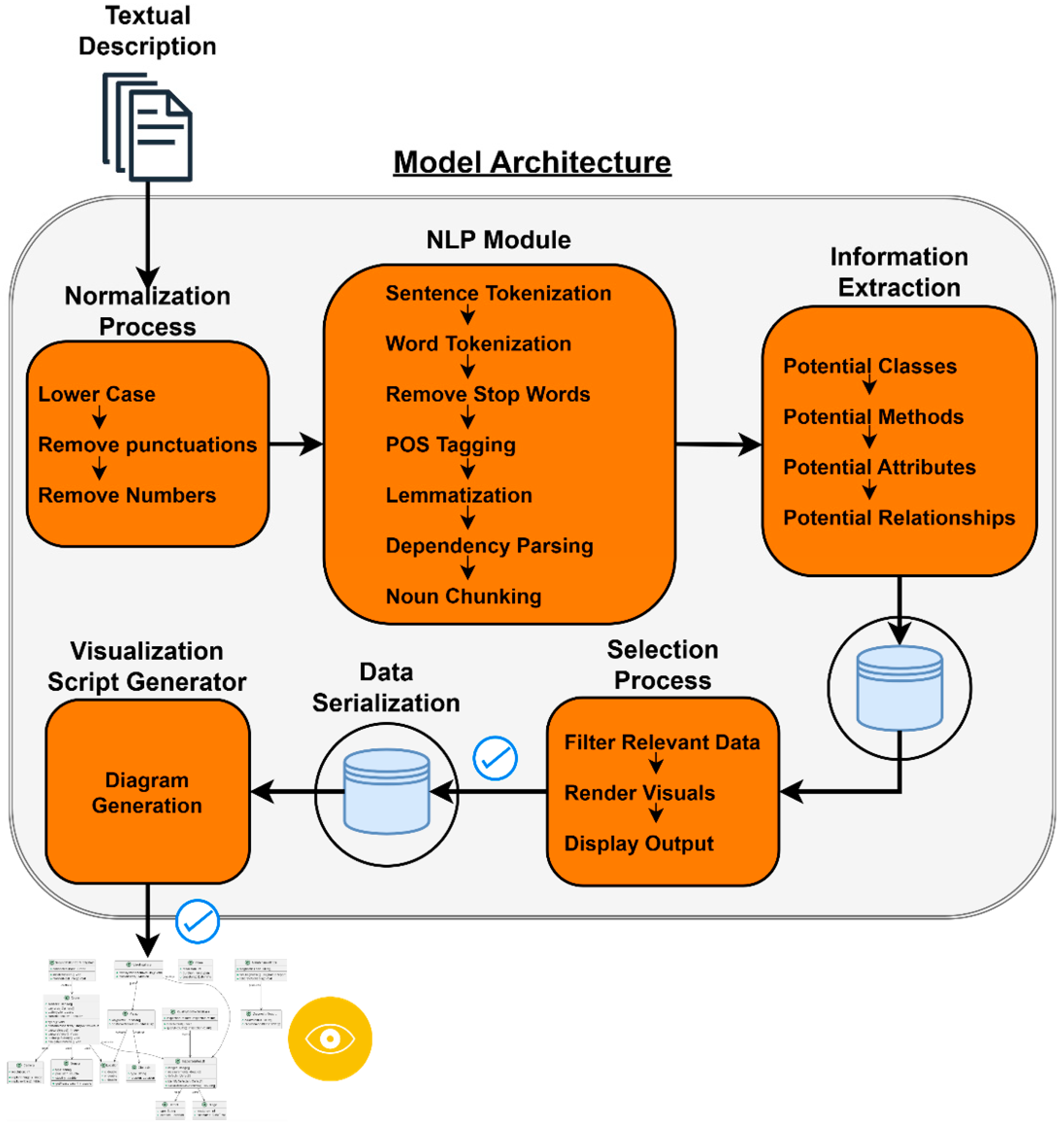
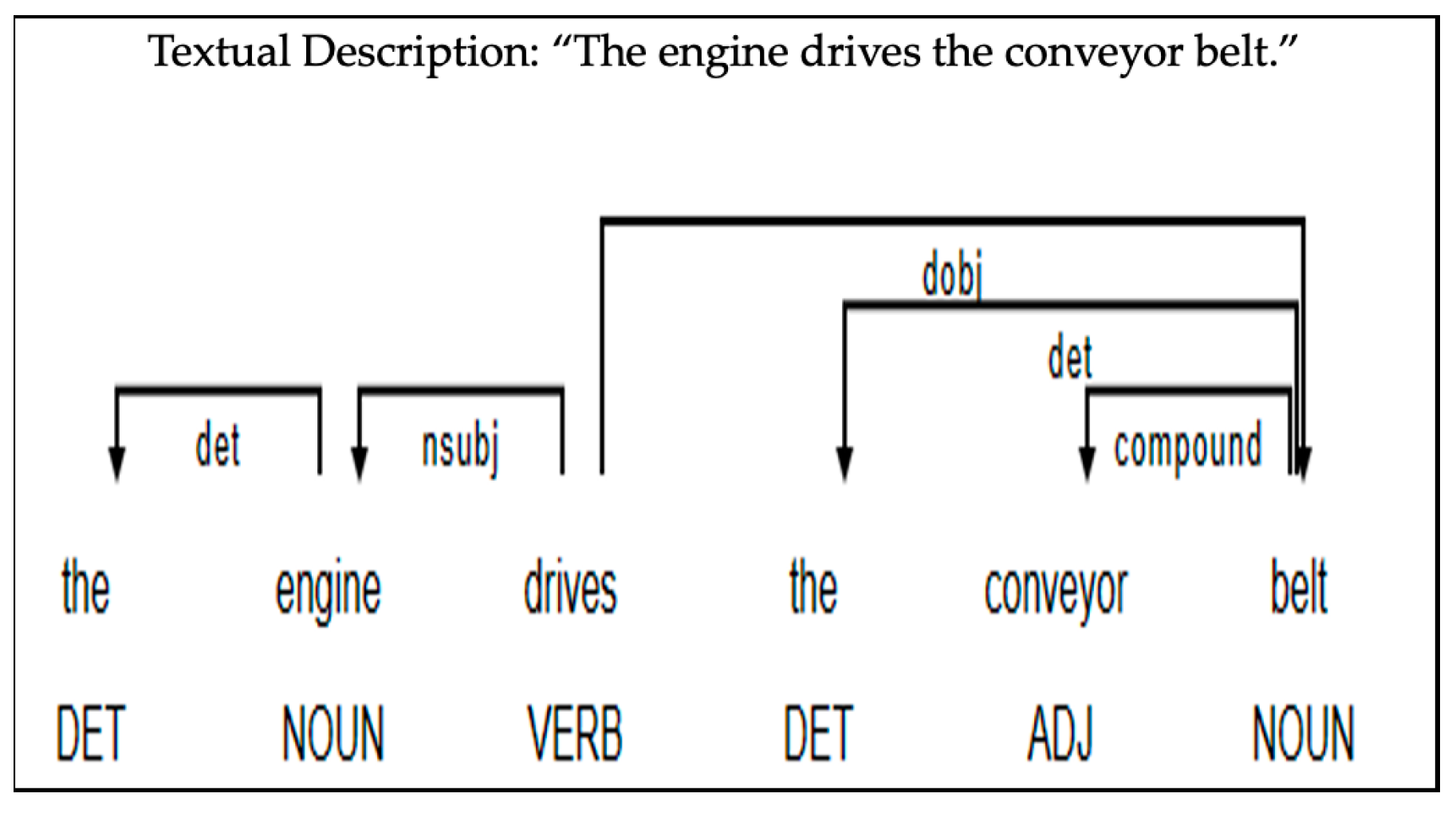
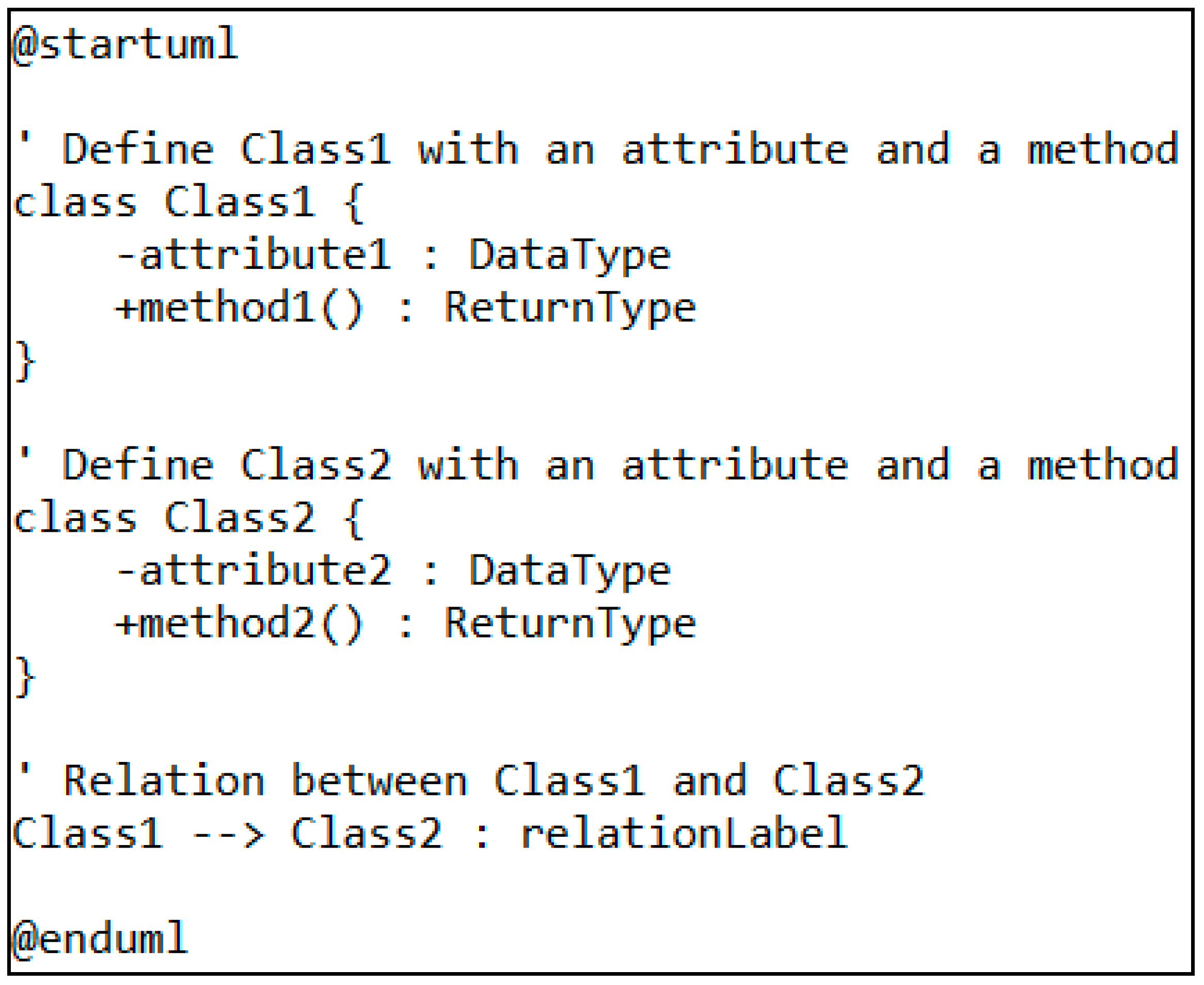
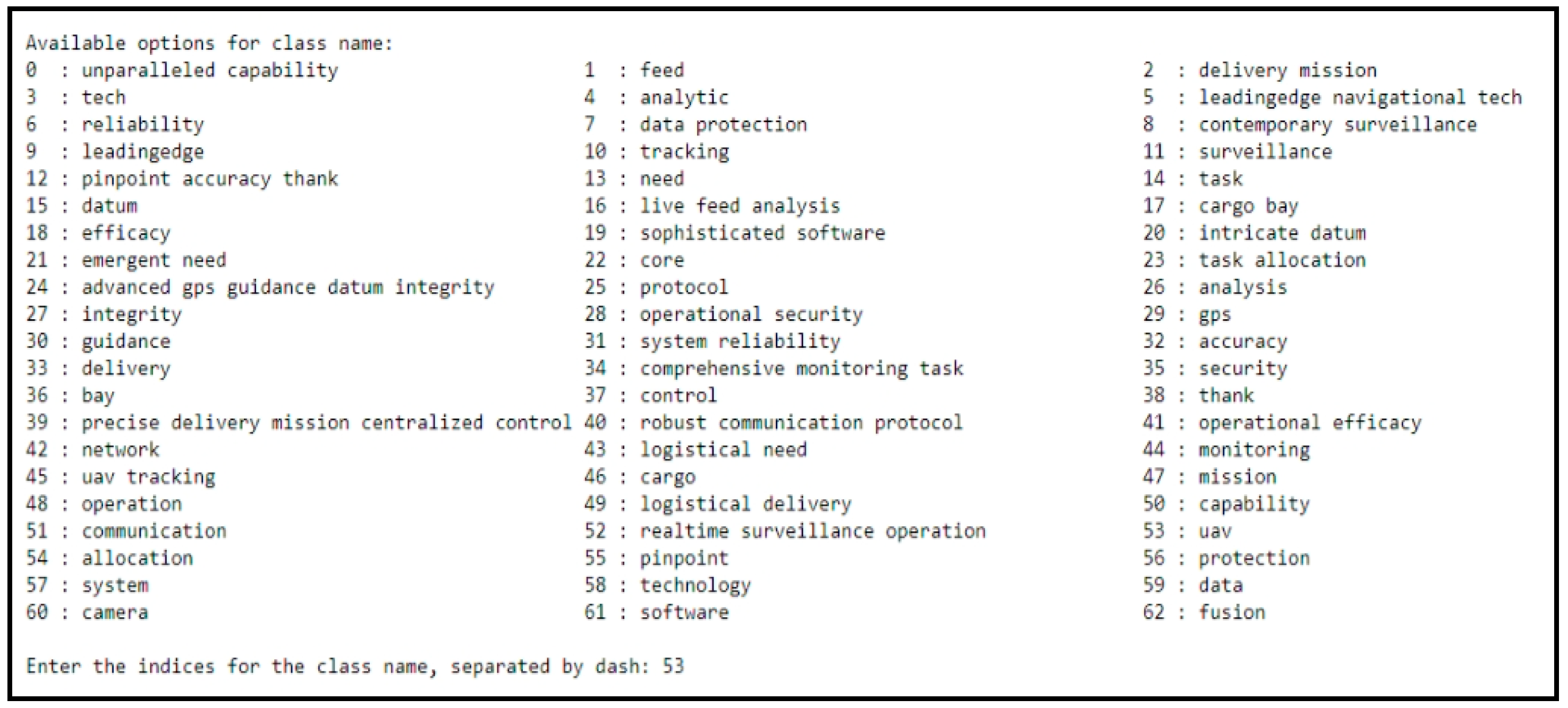
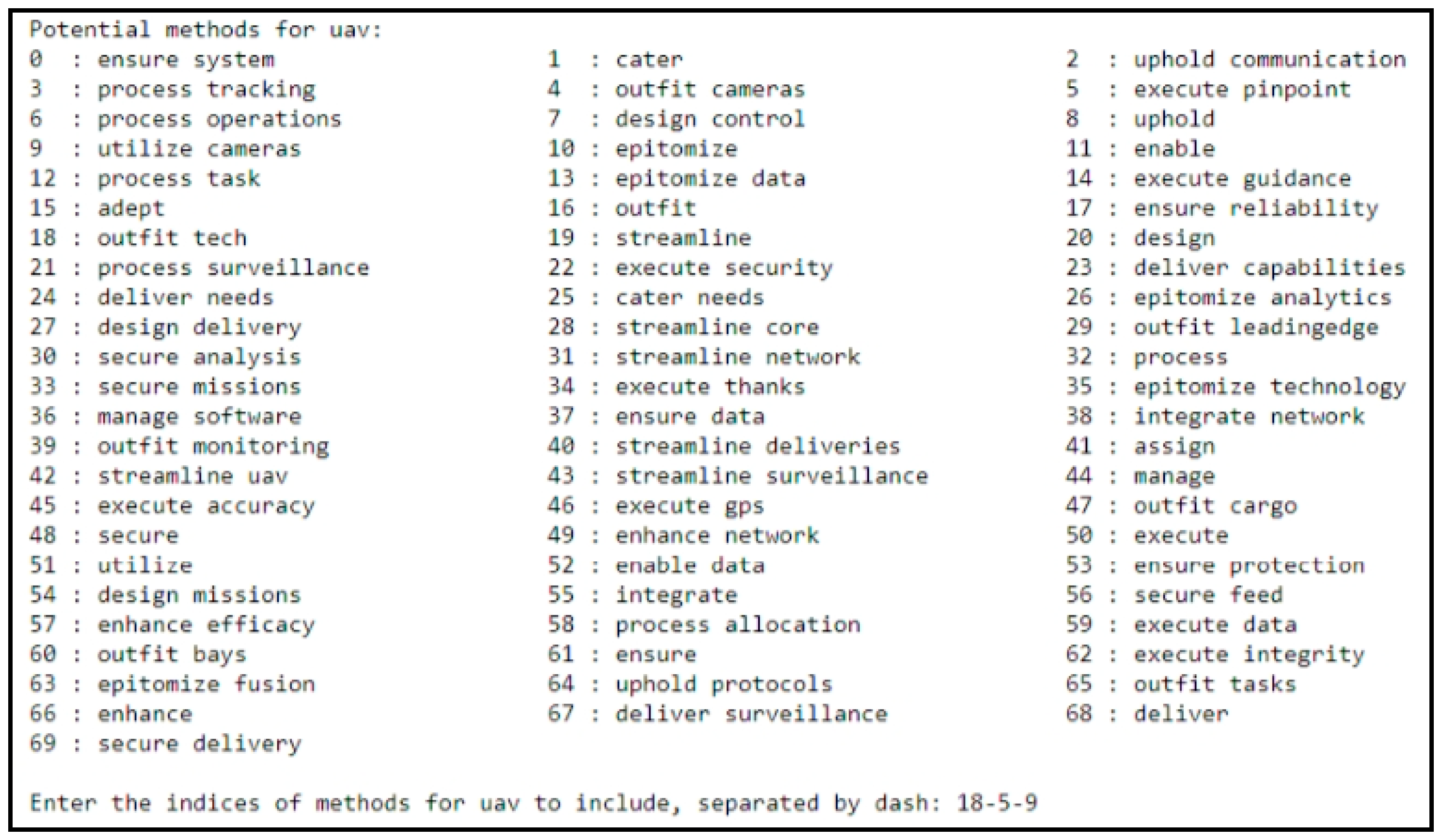
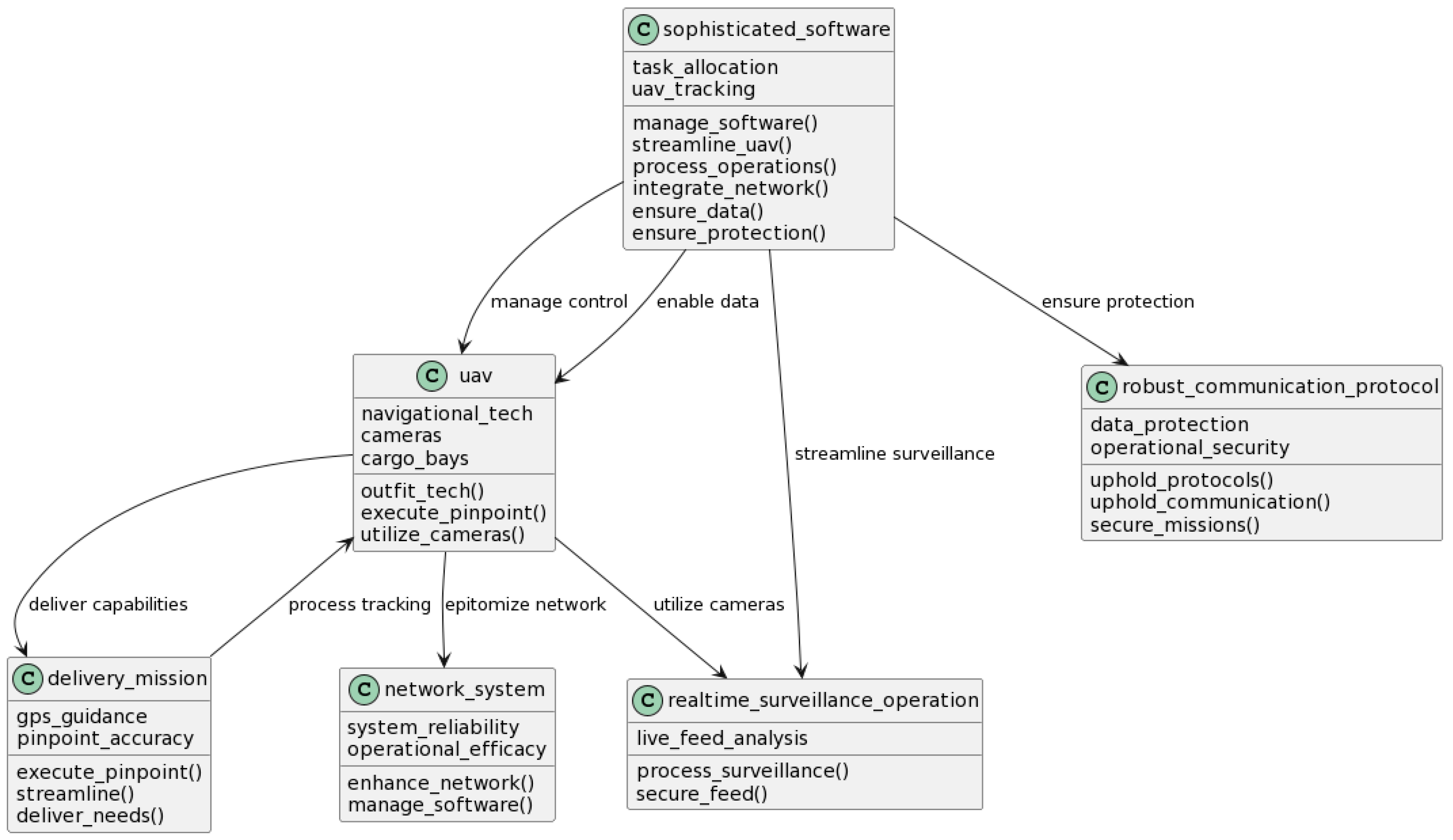
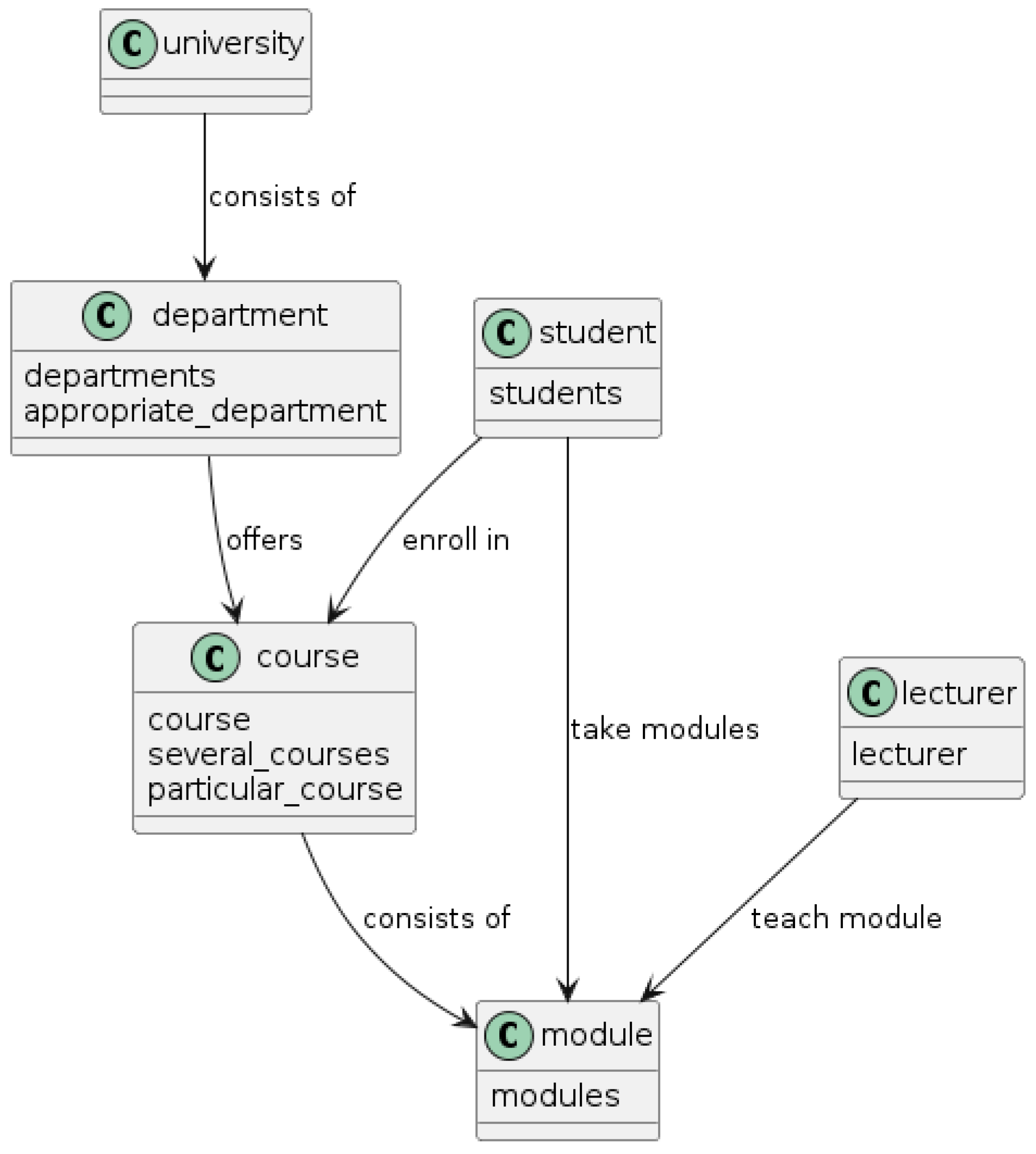
System modeling language (SysML) diagrams generated manually by system modelers can sometimes be prone to errors, which are time-consuming and introduce subjectivity. Natural language processing (NLP) techniques and tools to create SysML diagrams can aid in improving software and systems design processes. Though NLP effectively extracts and analyzes raw text data, such as text-based requirement documents, to assist in design specification, natural language, inherent complexity, and variability pose challenges in accurately interpreting the data. In this paper, we explore the integration of NLP with SysML to automate the generation of system models from input textual requirements. We propose a model generation framework leveraging Python and the spaCy NLP library to process text input and generate class/block definition diagrams using PlantUML for visual representation. The intent of this framework is to aid in reducing the manual effort in creating SysML v1.6 diagrams—class/block definition diagrams in this case. We evaluate the effectiveness of the framework using precision and recall measures. The contribution of this paper to the systems modeling domain is two-fold. First, a review and analysis of natural language processing techniques for the automated generation of SysML diagrams are provided. Second, a framework to automatically extract textual relationships tailored for generating a class diagram/block diagram that contains the classes/blocks, their relationships, methods, and attributes is presented.
Keywords: MBSE; machine learning; SysML; class diagram; block definition; systems architecture; system model; systems design MBSE; machine learning; SysML; class diagram; block definition; systems architecture; system model; systems design