Multi-Omics Analysis Reveals the Adaptive Responses of Lycoris aurea to Arid Stress

1
Key Laboratory of Research and Utilization of Ethnomedicinal Plant Resources of Hunan Province, Huaihua University, Huaihua 418008, China
2
Key Laboratory of Eco-Environment in the Three Gorges Reservoir Region (Ministry of Education), School of Life Sciences, Southwest University, Chongqing 400715, China
3
School of Biological Sciences, University of Auckland, Auckland 1010, New Zealand
4
Chongqing Urban Ecosystem Observation and Research Station, Chongqing Academy of Forestry, National Forestry and Grassland Administration, Chongqing 400036, China
*
Authors to whom correspondence should be addressed.
†
These authors contributed equally to this work.
Biology 2026, 15(2), 195; https://doi.org/10.3390/biology15020195
Submission received: 18 December 2025
/
Revised: 15 January 2026
/
Accepted: 15 January 2026
/
Published: 21 January 2026
(This article belongs to the Special Issue Advances in Plant Multi-Omics)
Simple Summary
Drought is an increasing threat to plant survival, especially for non-model species growing under natural field conditions. In this study, we investigated how the bulbous plant Lycoris aurea responds to low soil moisture by integrating soil measurements with transcriptomic and metabolomic analyses. We found that changes in soil water availability, rather than nutrient levels, were closely associated with coordinated shifts in gene expression and metabolite profiles. These changes were mainly linked to amino acid metabolism, cell wall and cuticle reinforcement, and metabolic adjustments that support stress endurance. Our results suggest that L. aurea relies on coordinated molecular and metabolic strategies, centered on its bulb-based life history, to cope with water limitation. This work provides a field-based, multi-omics perspective on drought adaptation in a medicinal geophyte and offers a useful foundation for future physiological and functional studies.
Abstract
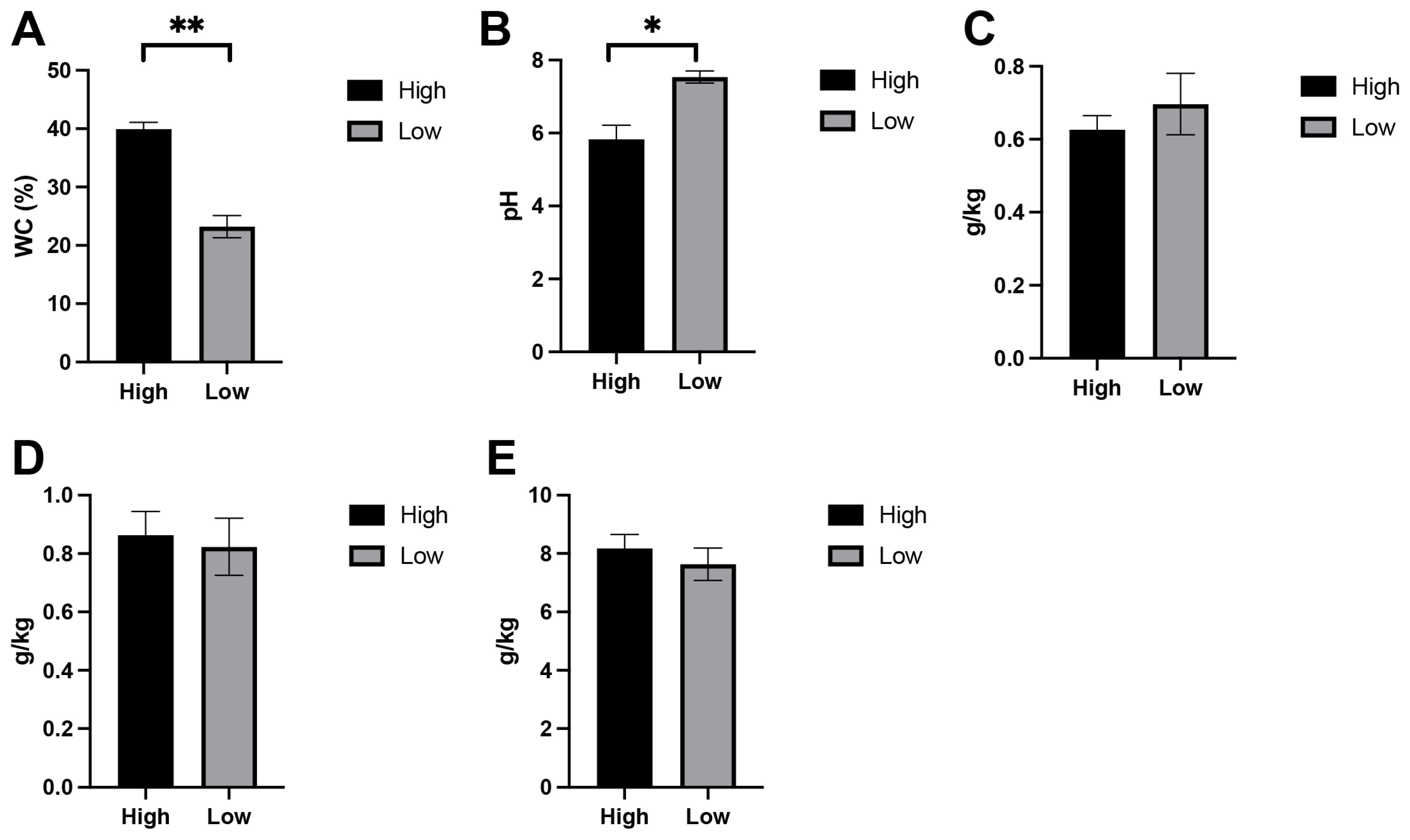
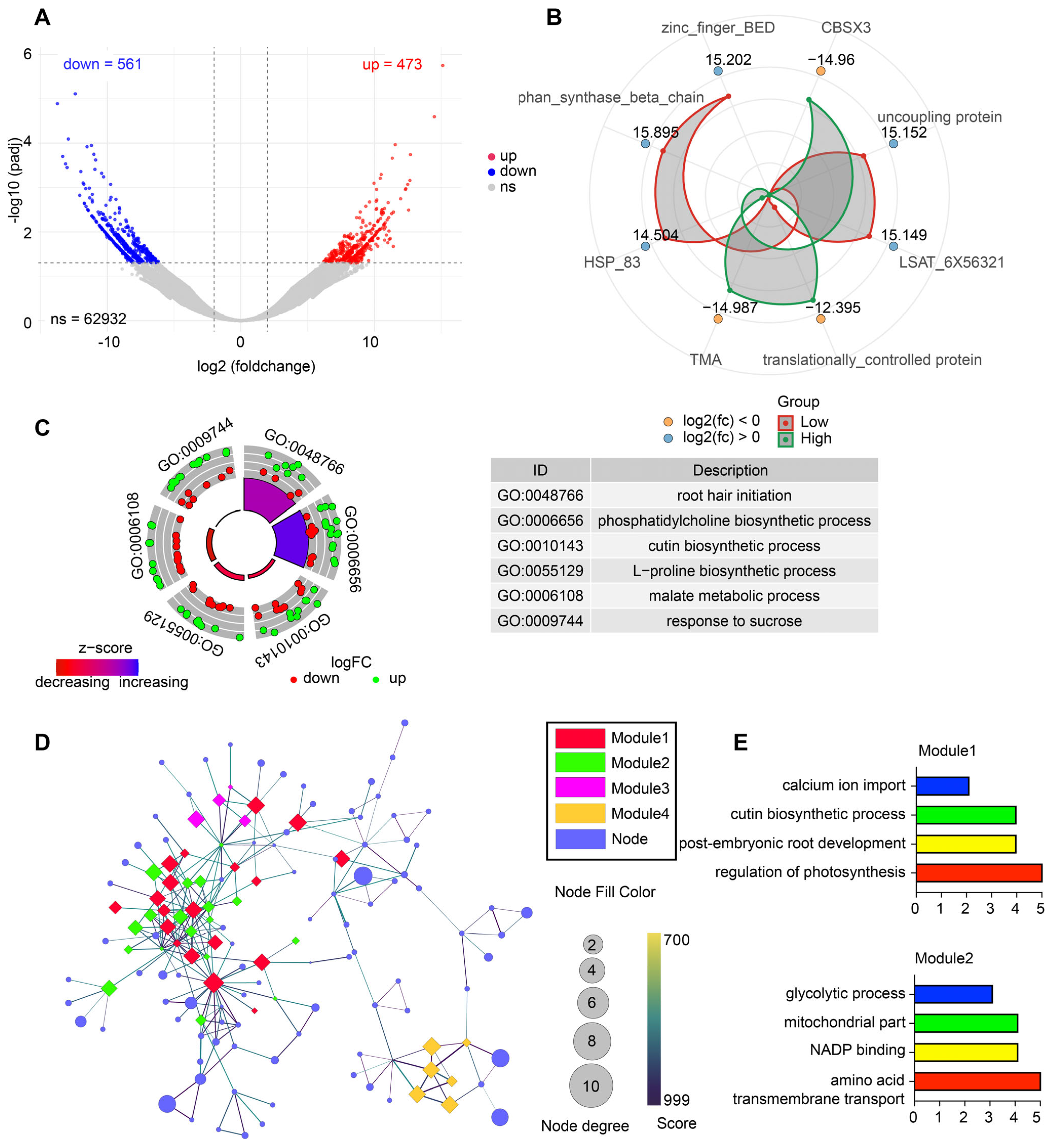
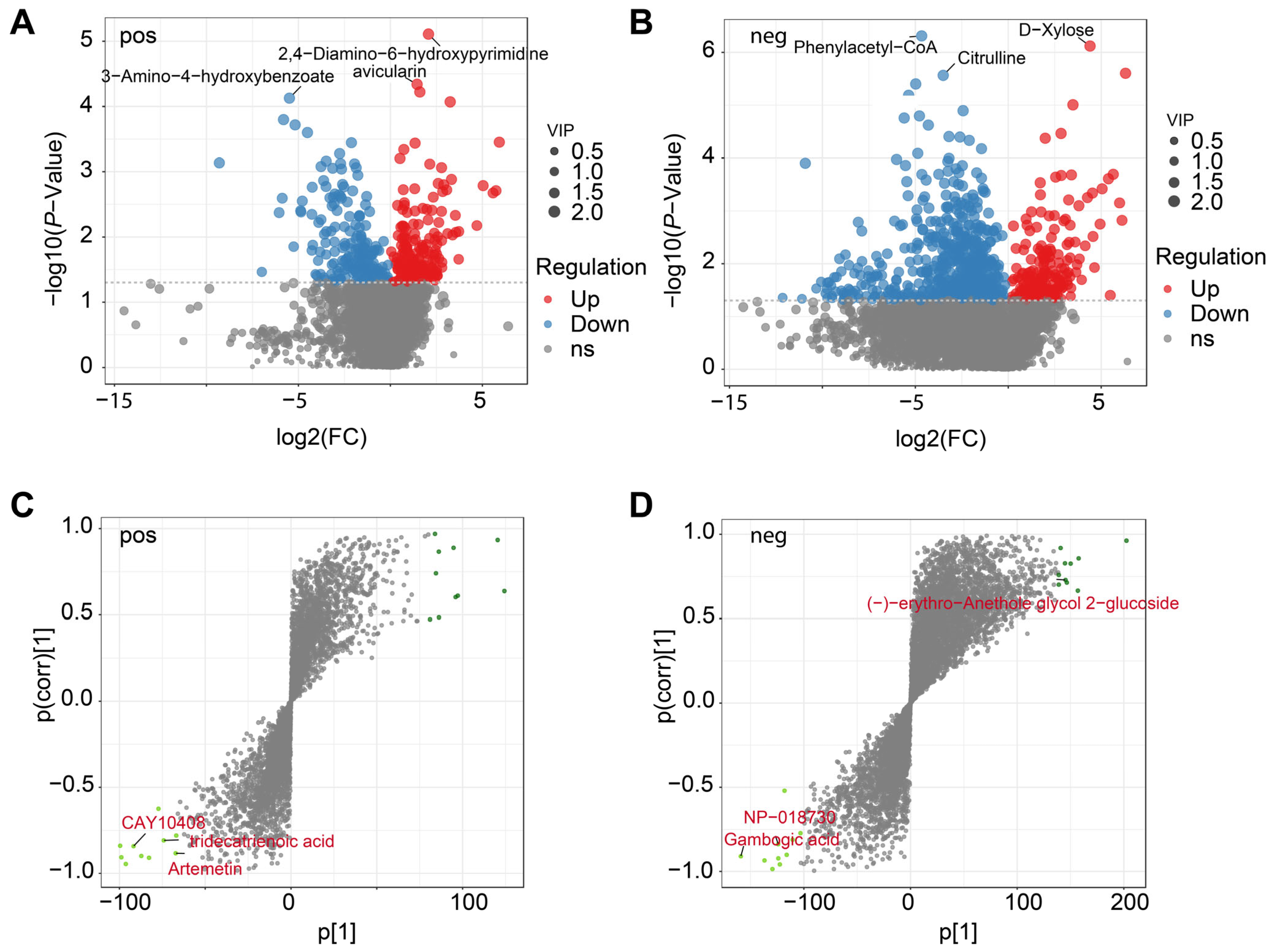
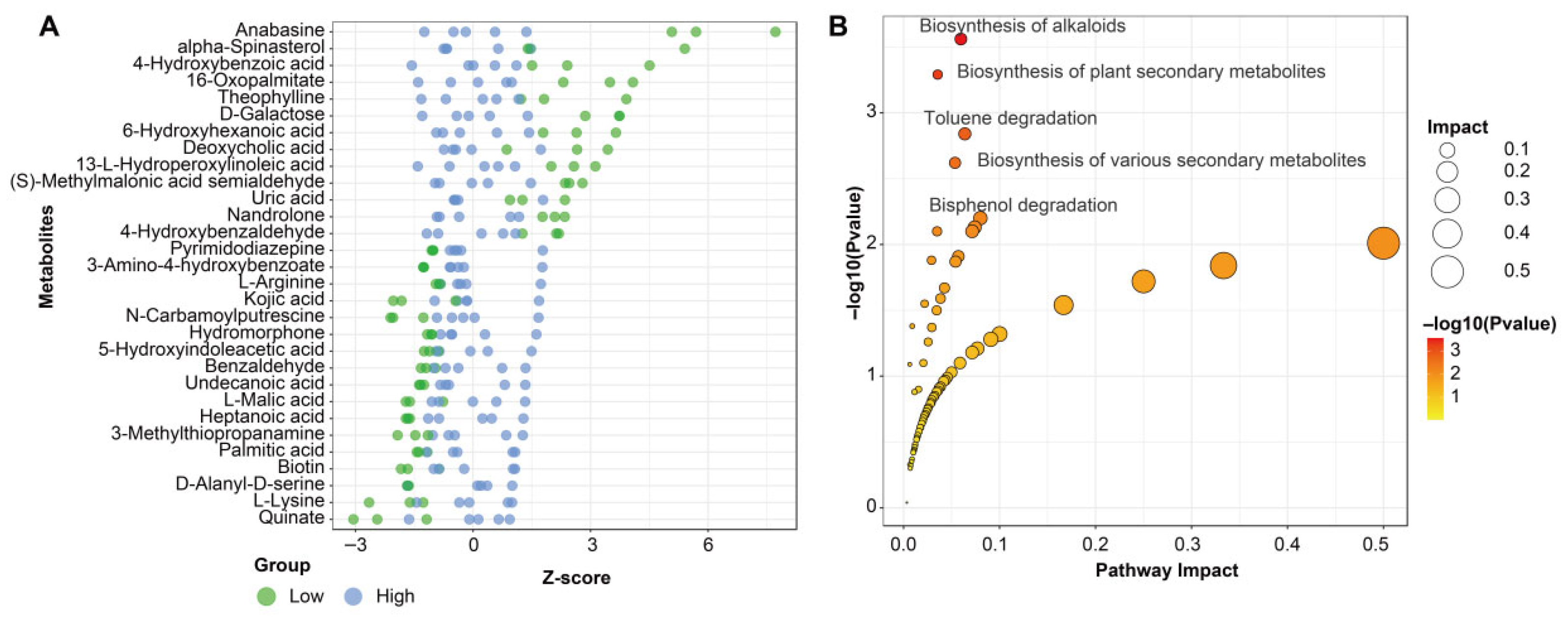
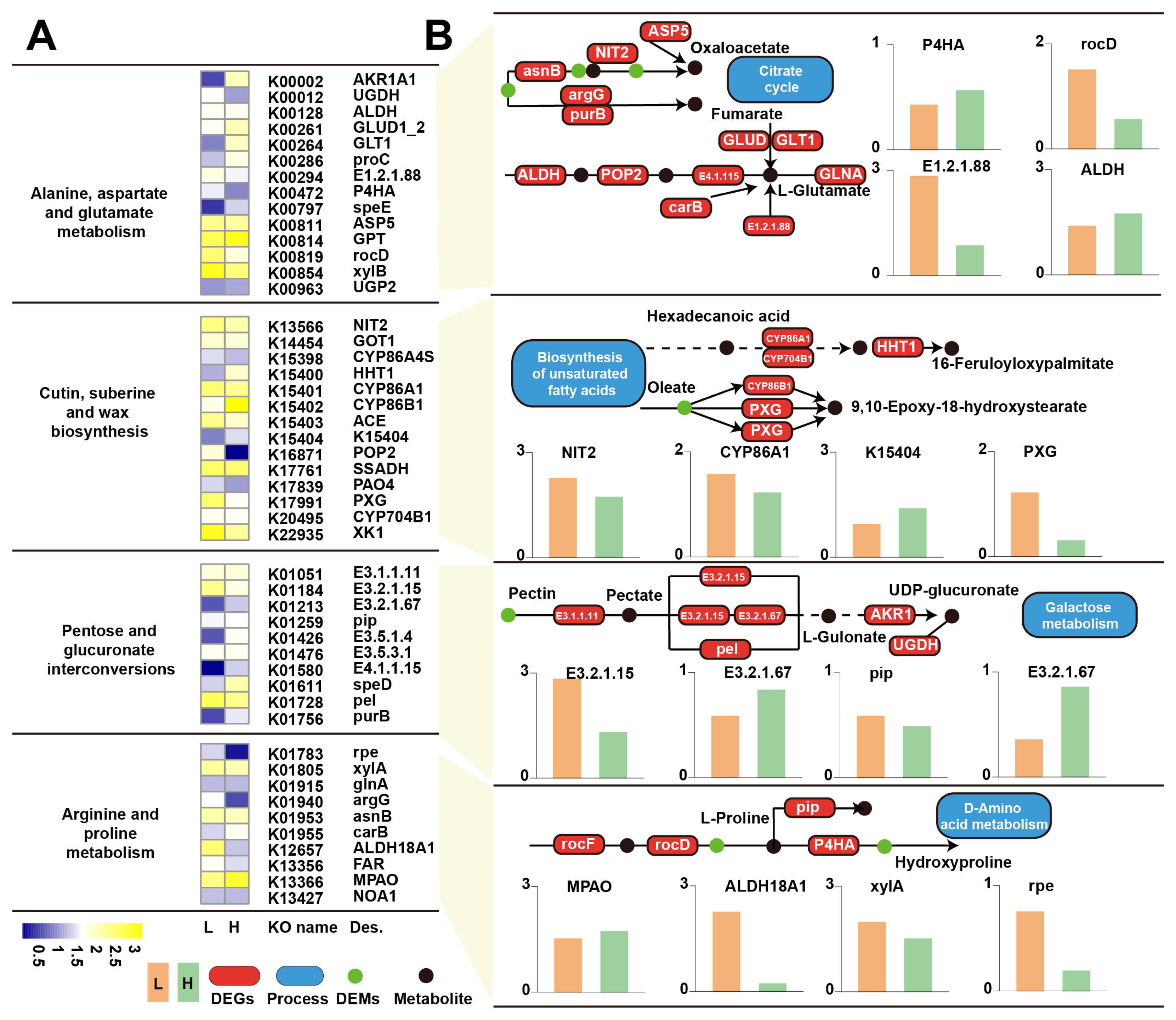
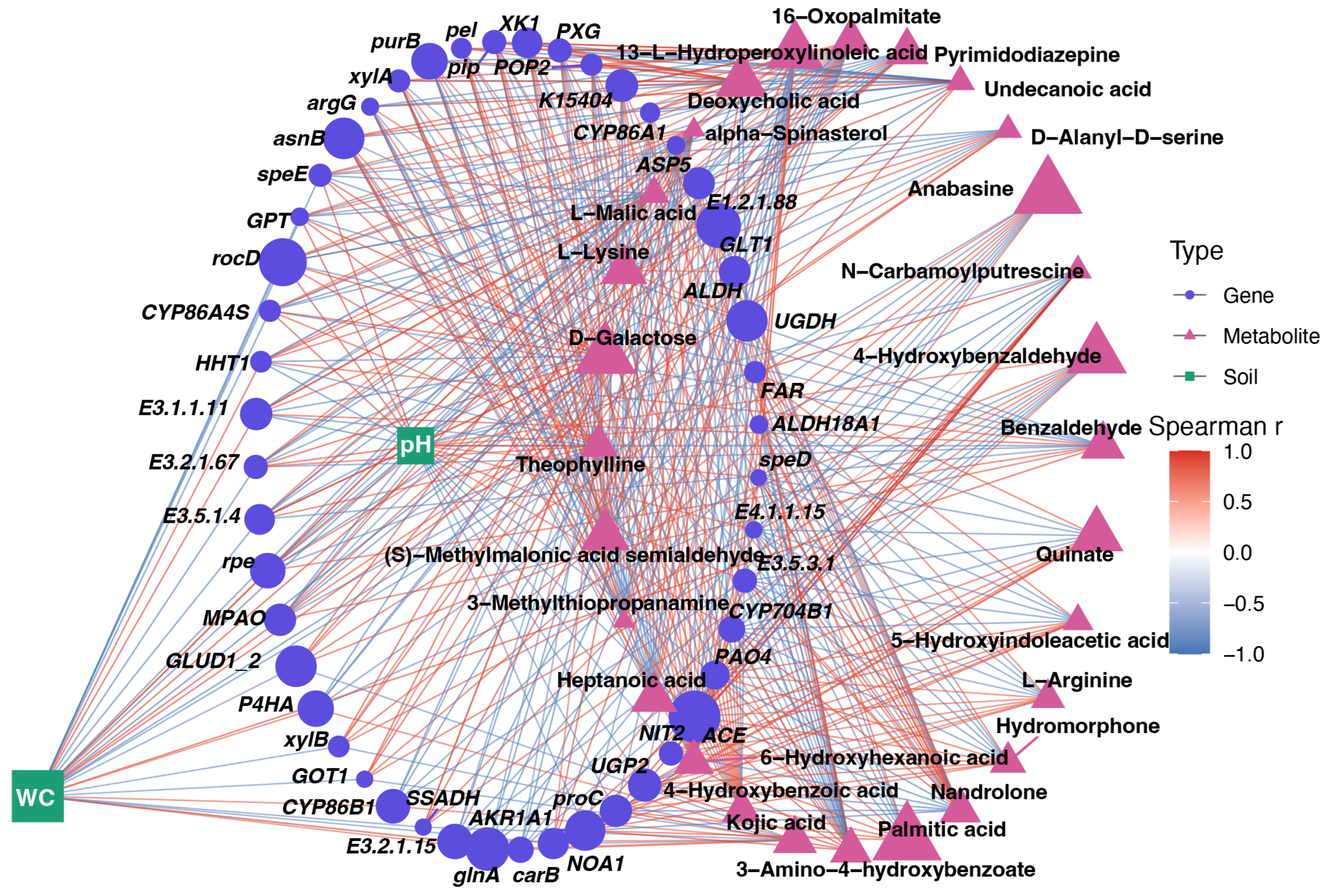
Understanding how plants respond to water limitation is increasingly important under accelerating climate change. Lycoris aurea, a widely distributed ornamental and medicinal bulbous plant, frequently inhabits environments with fluctuating soil moisture, yet its molecular drought-response mechanisms remain largely unexplored. In this study, we investigated L. aurea growing under field-based, in situ soil moisture regimes, comparing low (~20% soil water content) and high (~40% soil water content) conditions. We combined soil property assessments with high-resolution transcriptomic and untargeted metabolomic profiling to characterize the adaptive responses of bulb tissues under contrasting soil water conditions. Although total nitrogen, phosphorus, and potassium levels were comparable across treatments, soil moisture, representing the primary contrasting field condition, and soil pH, a correlated environmental factor, were significantly associated with variation in gene expression and metabolite accumulation (p < 0.05, n = 3). Transcriptome analyses identified a total of 1034 differentially expressed genes enriched in pathways related to amino acid metabolism, cuticle formation, cell wall modification, and osmotic adjustment. Metabolomic analysis identified a total of 1867 differentially expressed metabolites belonging to carboxylic acids and prenol lipids, showing alterations involved in amino acids, lipids, phenolic acids, and alkaloids associated with osmoprotection, membrane stabilization, and structural reinforcement under low soil moisture. Pathway-based integration analysis highlighted four core pathways, including “alanine, aspartate and glutamate metabolism” (p = 0.00371) and “cutin, suberine and wax biosynthesis” (p = 0.00873), as central hubs linking transcriptional regulation with metabolic reconfiguration. Gene-metabolite-soil correlation networks further demonstrated that drought adaptation arises from tightly coordinated biochemical and structural adjustments rather than shifts in nutrient acquisition. Together, this species-specific study provides a comprehensive multi-omics framework for understanding drought tolerance in L. aurea, reveals key molecular targets associated with plant resilience, and offers potential targets and insights for the conservation of drought-resilient Lycoris cultivars.
Keywords:
Lycoris aurea; gene regulation; metabolome; soil properties