CXCL13 as a Prognostic Biomarker and Immune Microenvironment-Associated Gene in Endometrial Carcinoma: A Multi-Omics Investigation

Simple Summary
Abstract
1. Introduction
2. Methods
2.1. Multi-Omics Data Processing and Analysis
2.1.1. Data Sources and Preprocessing
2.1.2. Calculation of Tumor Microenvironment Scores
2.1.3. Baseline Clinical Characteristics Analysis
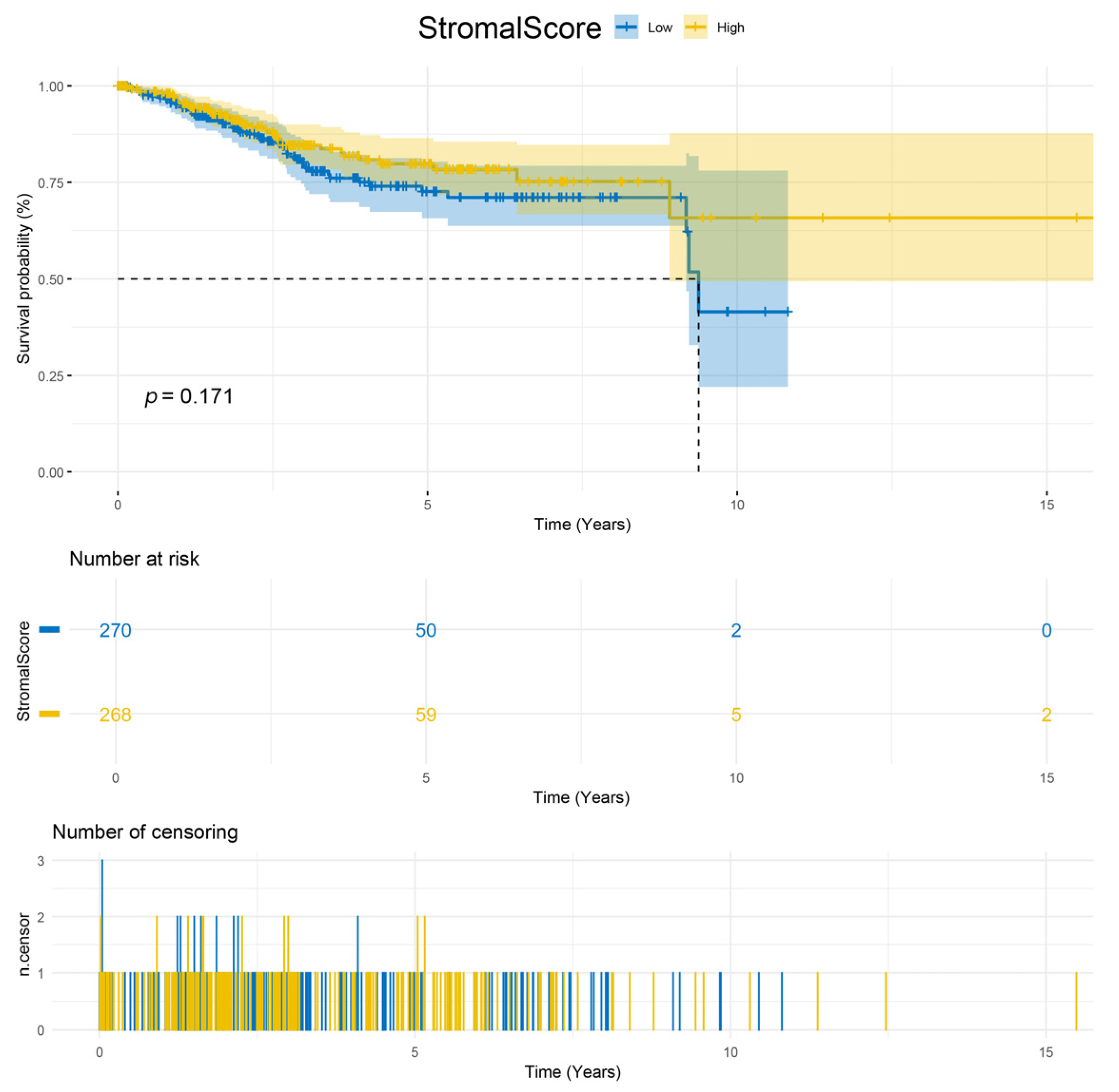
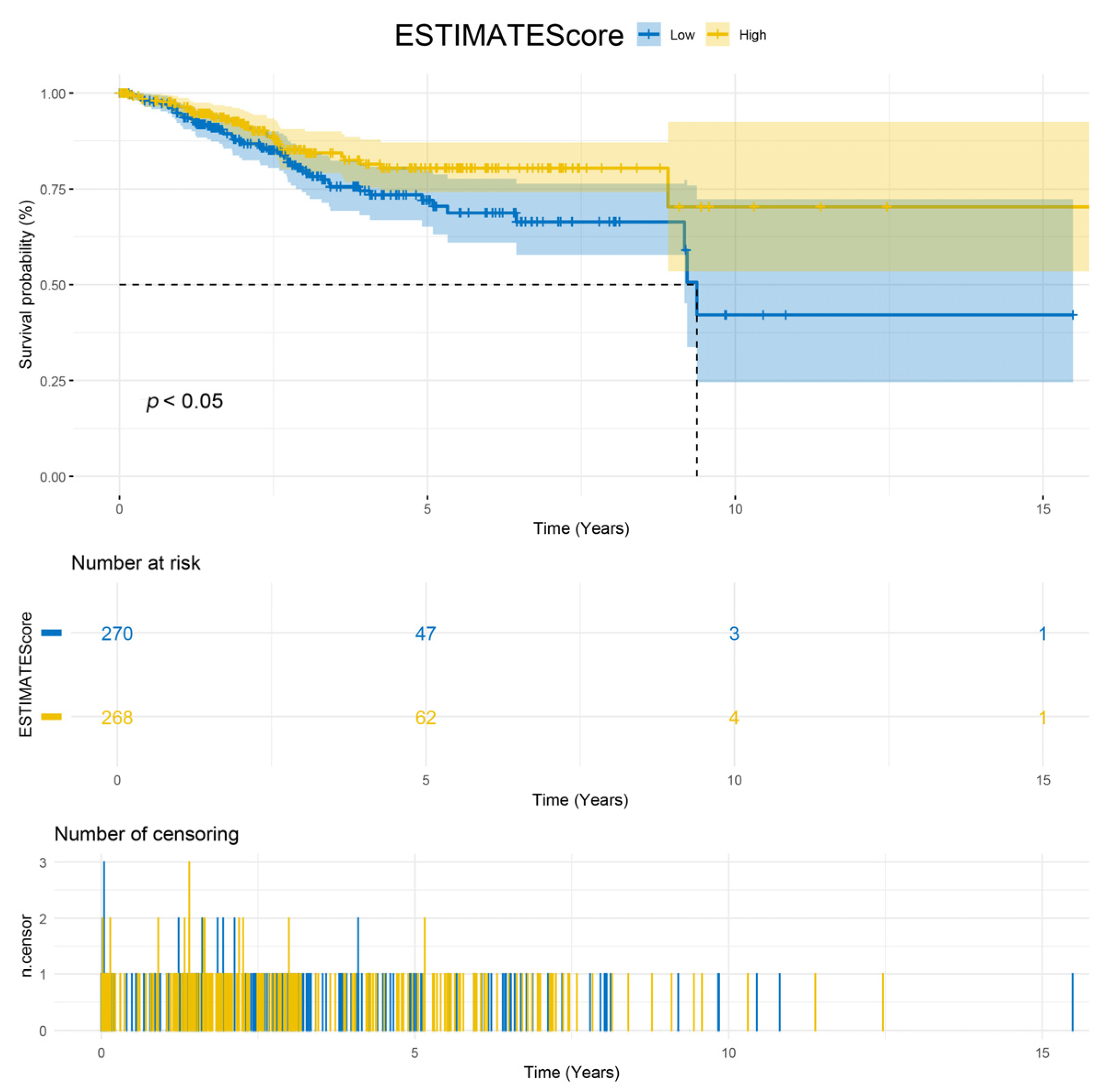
2.1.4. Survival Analysis
2.1.5. Identification of Differentially Expressed Genes Between High- and Low-Score Groups for ImmuneScores and StromalScores
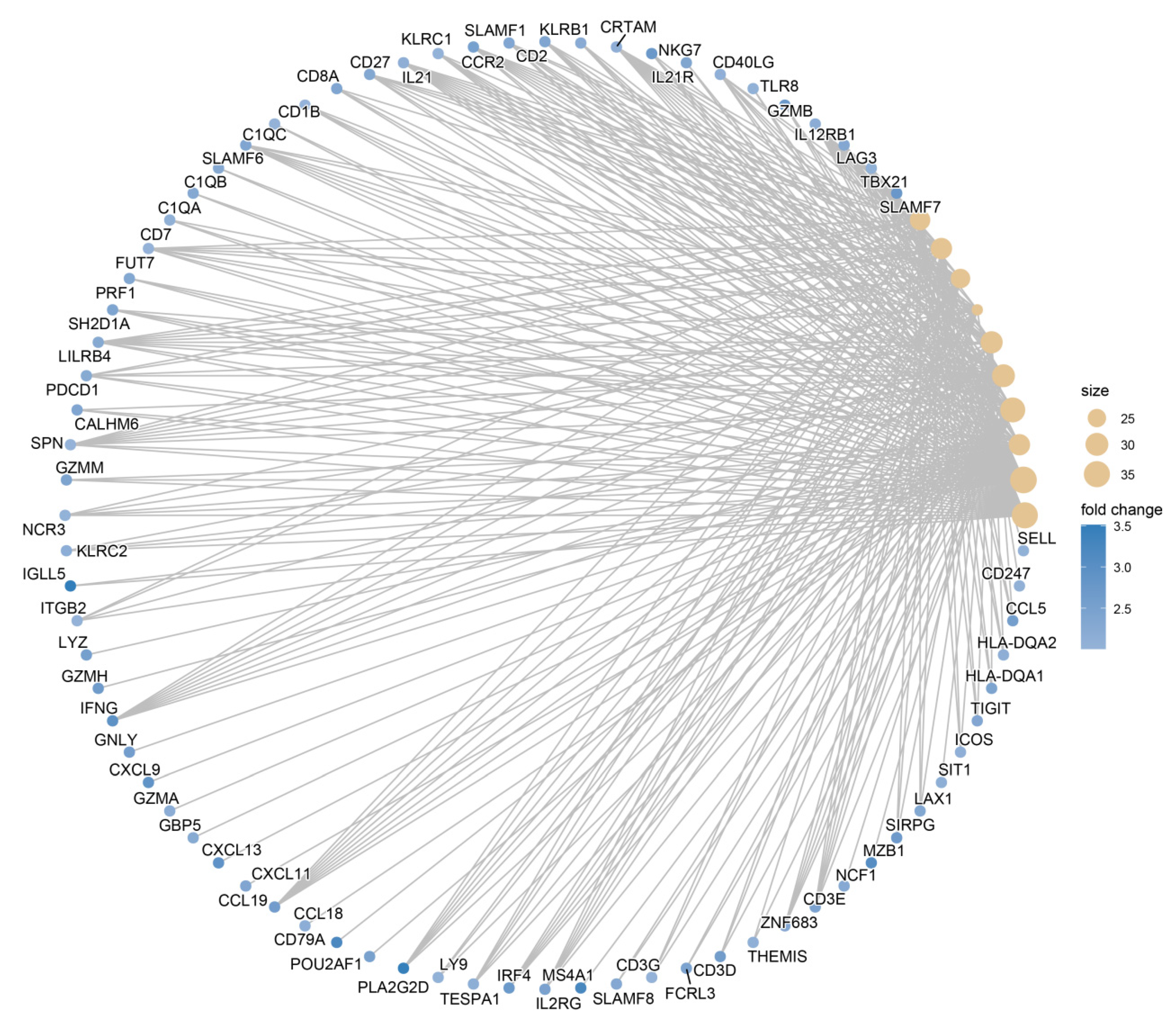
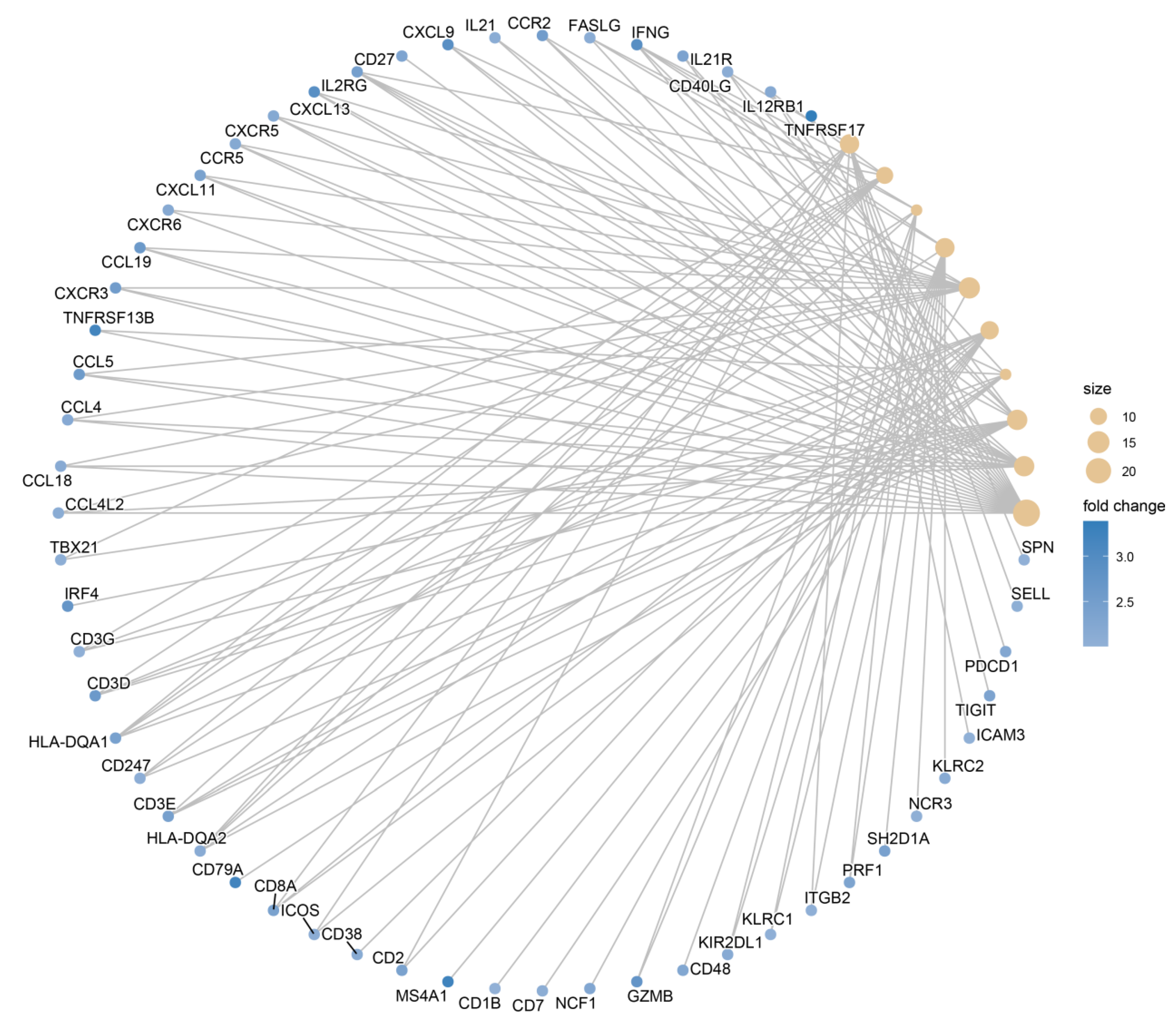
2.1.6. GO and KEGG Enrichment Analysis
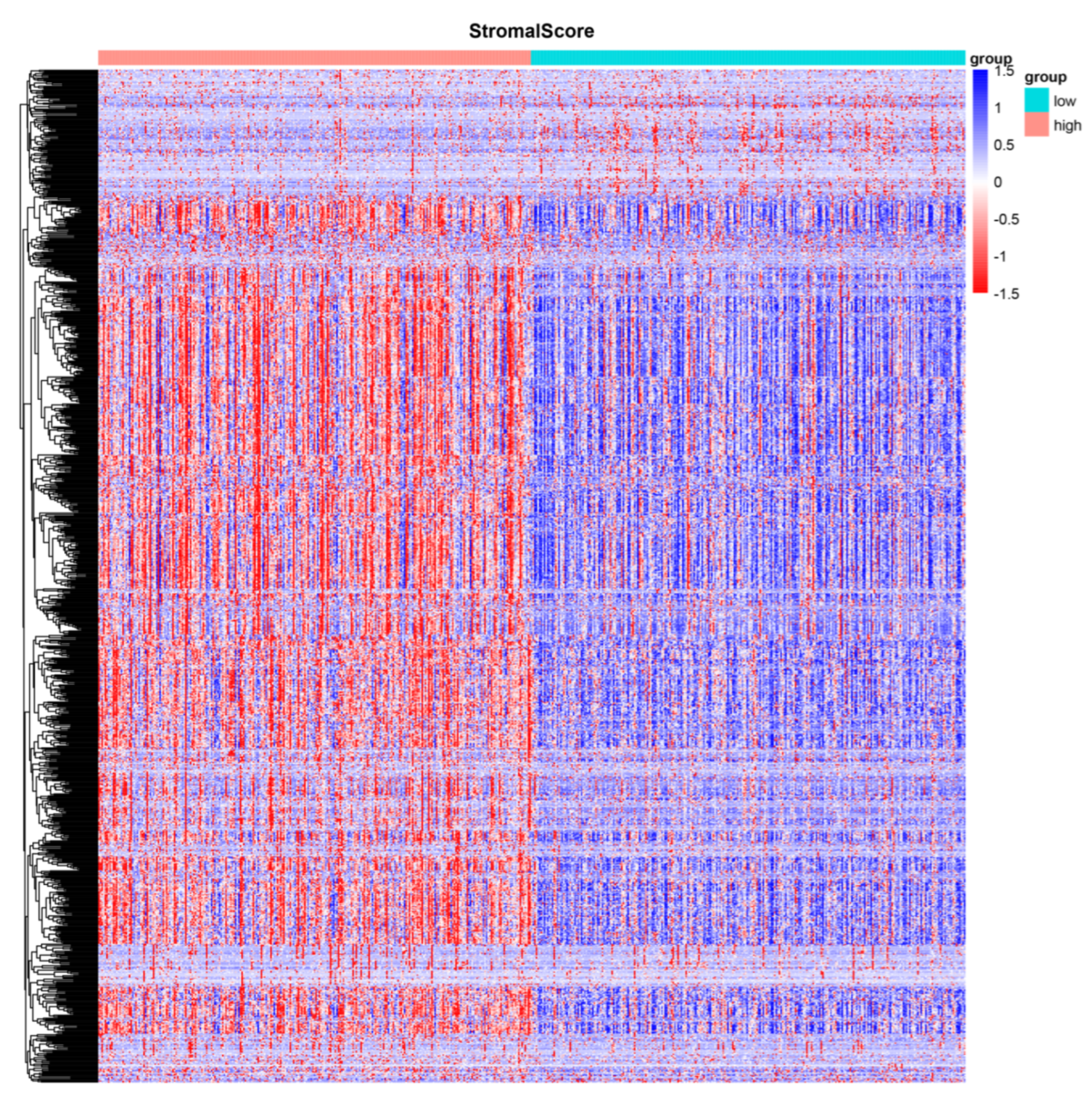
2.1.7. Heatmap
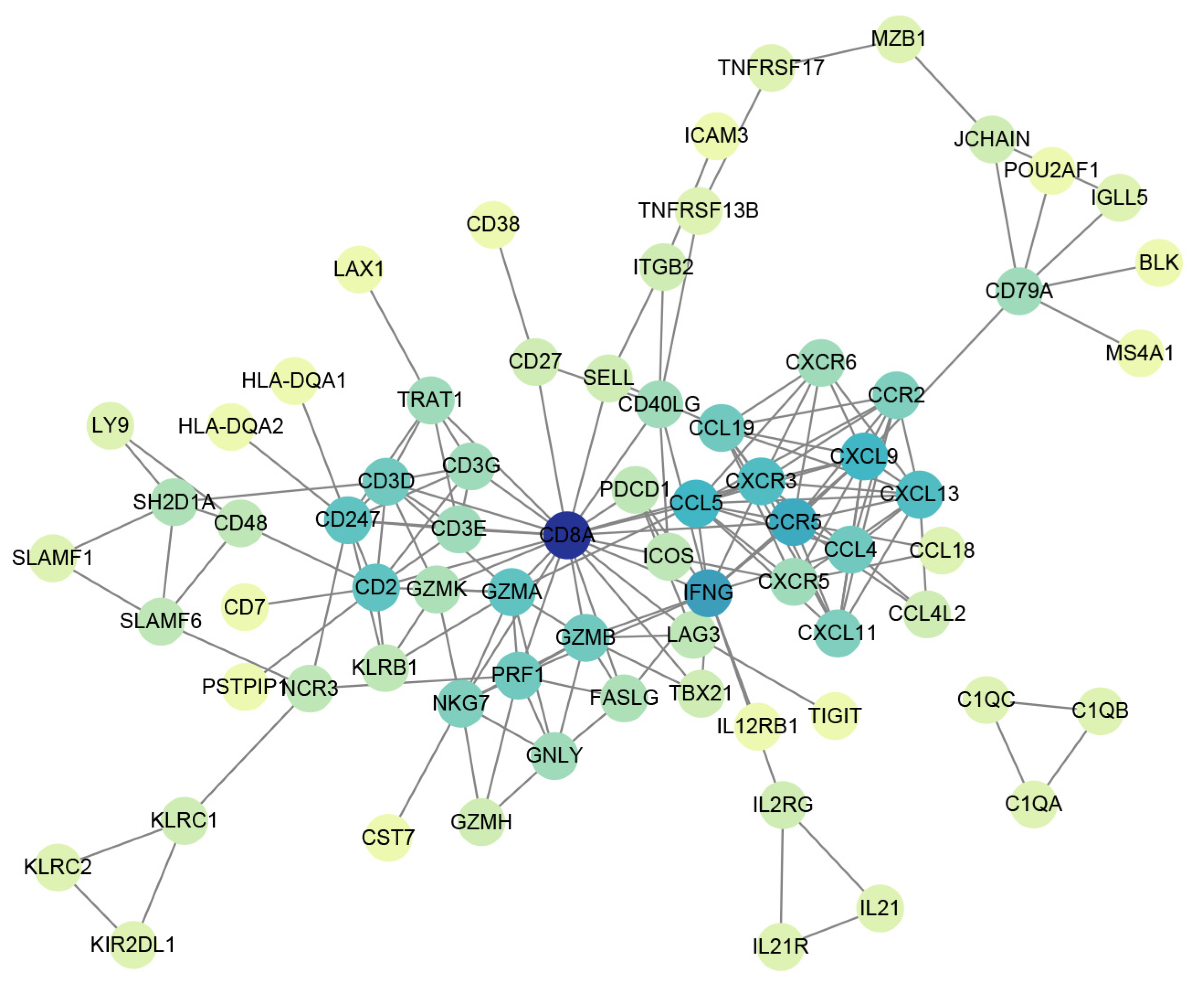
2.1.8. PPI Network Construction
2.1.9. Cox Regression Analysis
2.1.10. Gene Set Enrichment Analysis
2.1.11. Tumor-Infiltrating Cell Abundance Profiles
2.2. Processing and Analysis of Single-Cell RNA Sequencing Data
2.2.1. Clinical Characteristics of the Single-Cell Dataset
2.2.2. Data Quality Control and Standardization
2.2.3. Batch Effect Correction and Dimension Reduction/Clustering
2.2.4. Cell Type Annotation
2.2.5. Detailed Analysis of T Cell Subpopulations
2.2.6. Analysis of CXCL13 Expression
2.2.7. Quality Control Standards
3. Results
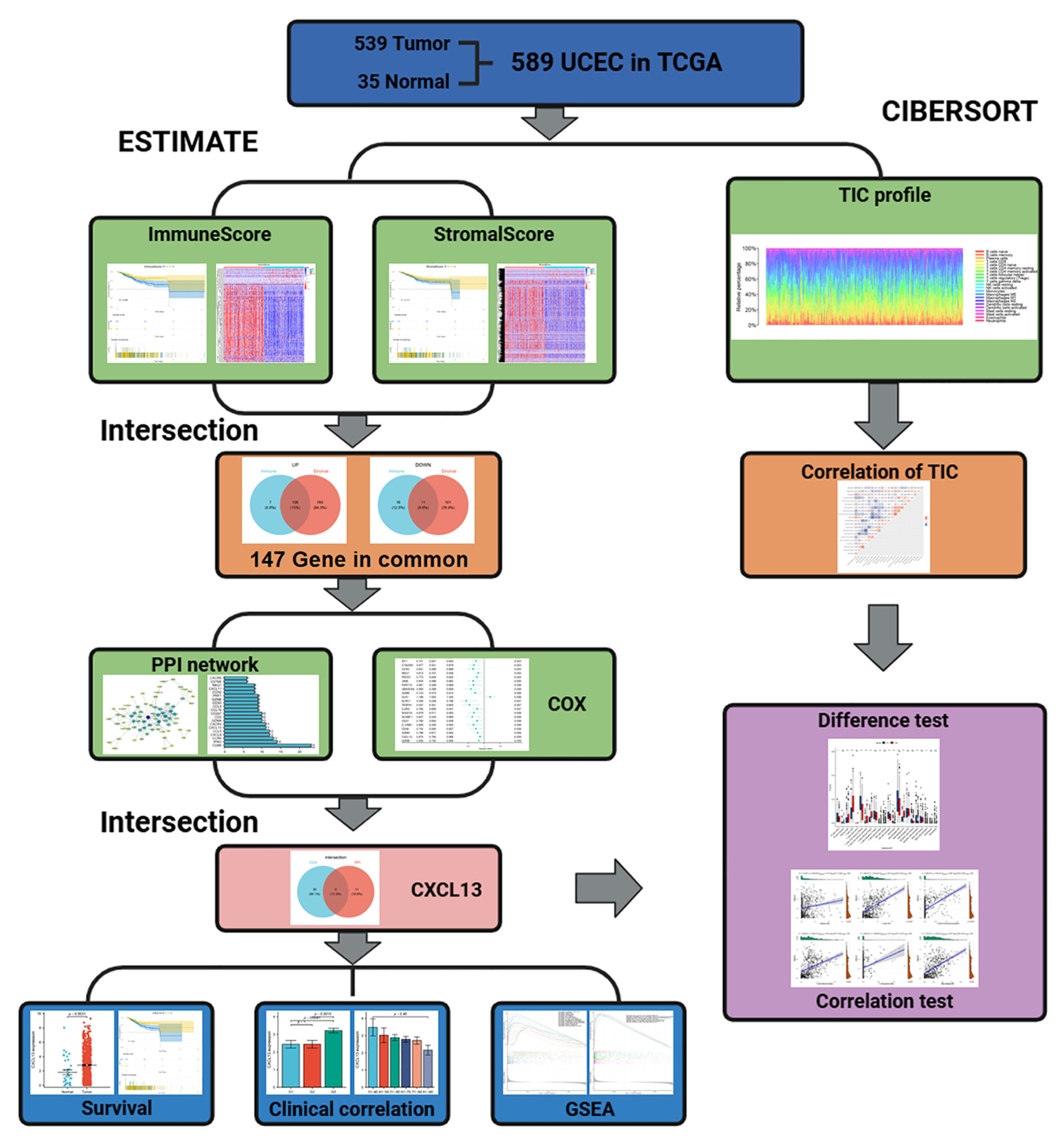
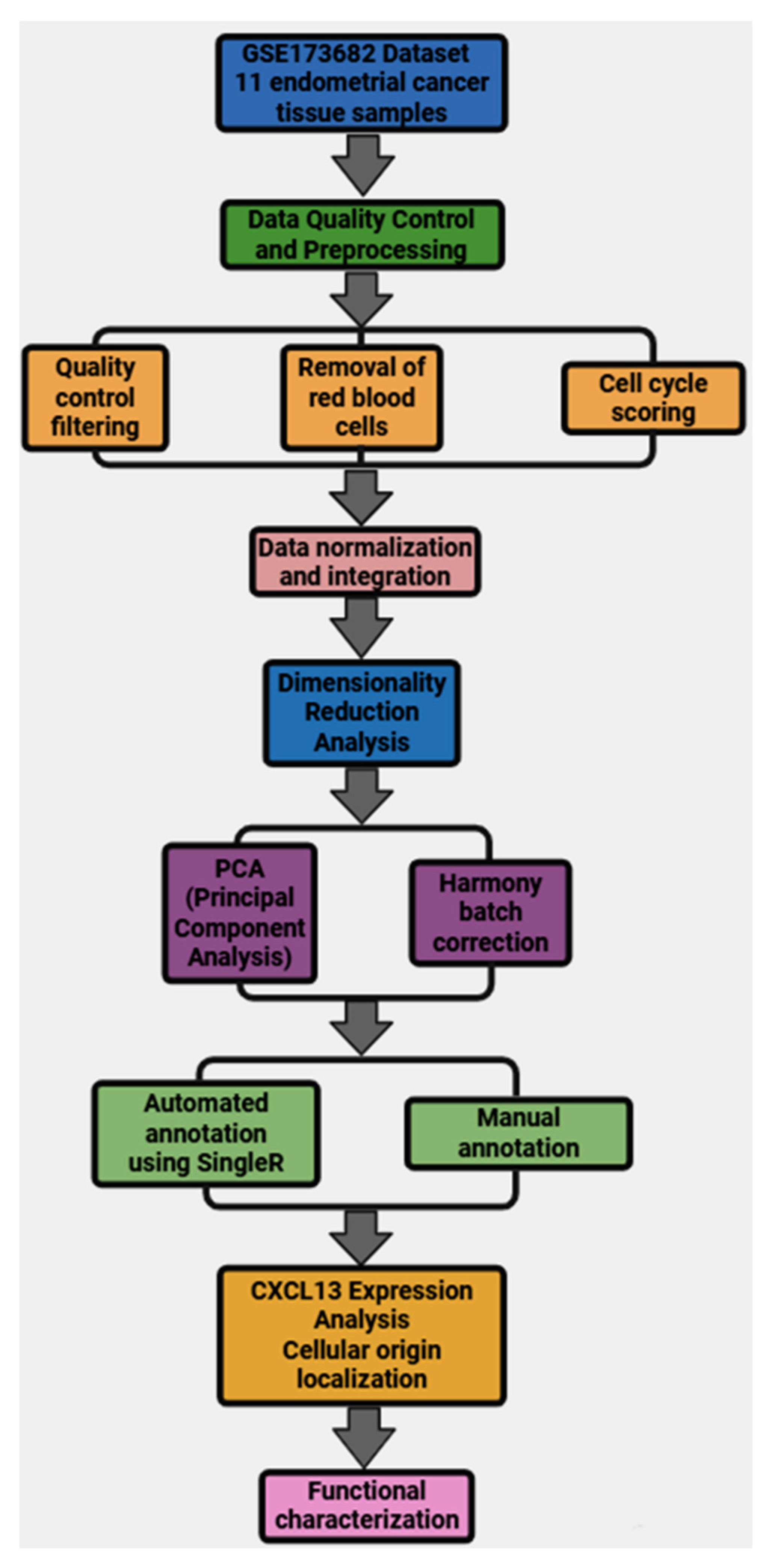
3.1. Analytical Workflow of This Study
3.1.1. Identification and Validation of Core Prognostic Genes for Endometrial Cancer (UCEC) Based on TCGA Multi-Omics Data
3.1.2. Processing and Analysis of Single-Cell RNA Sequencing Data
3.2. Baseline Clinicopathological Characteristics of the TCGA UCEC Cohort
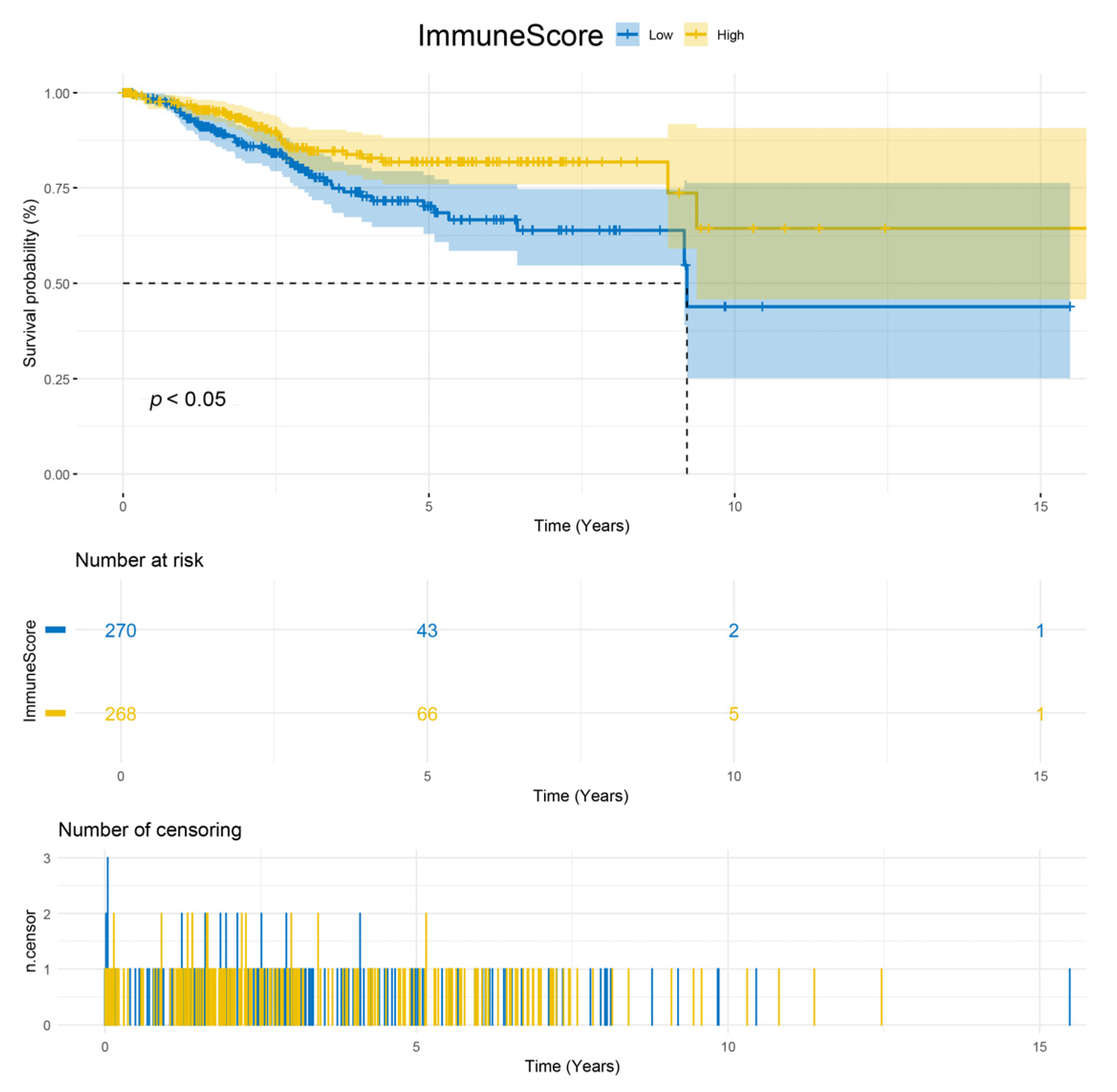
3.3. Association Between Tumor Microenvironment Scores and Clinicopathological Features in UCEC
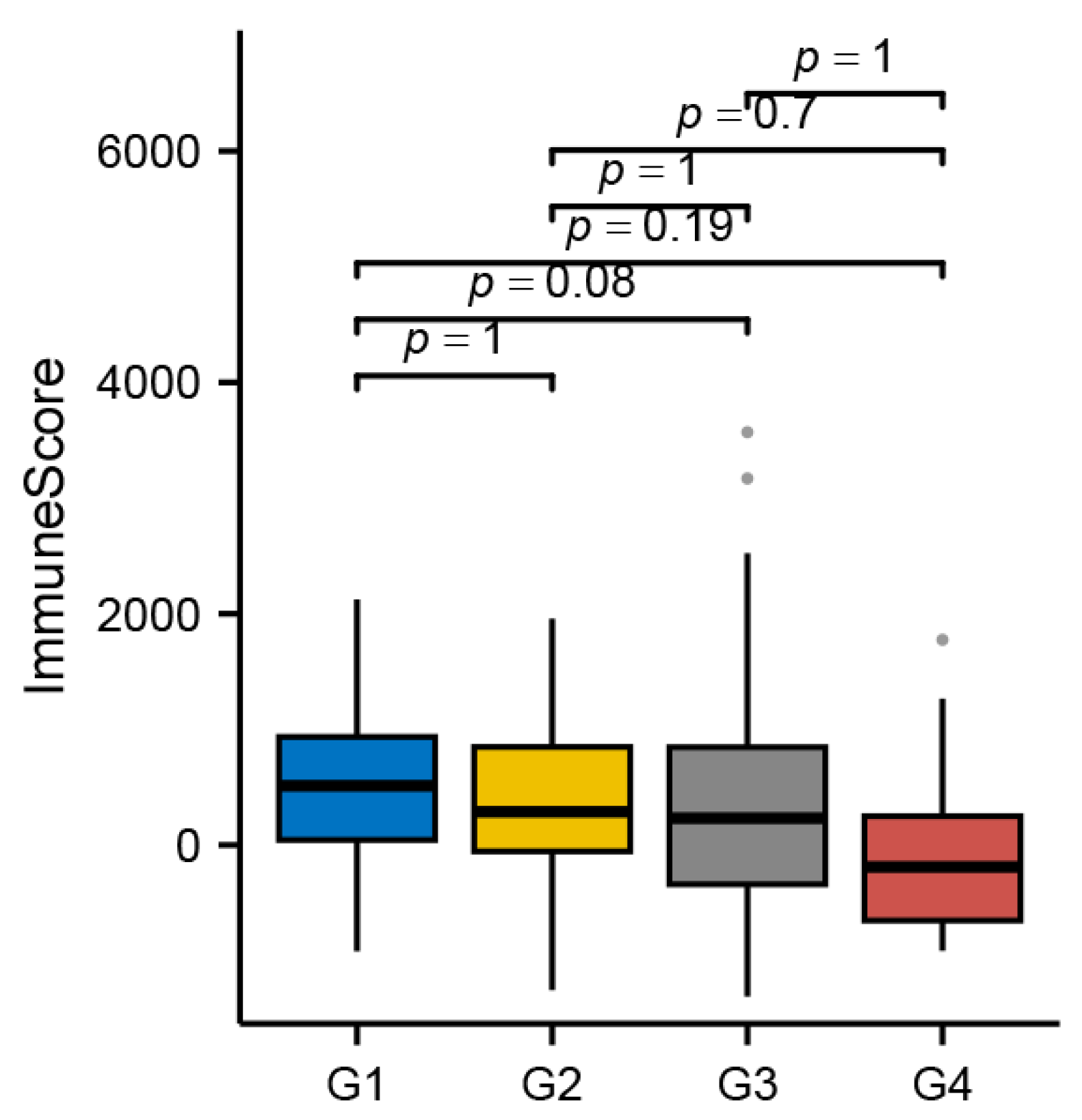
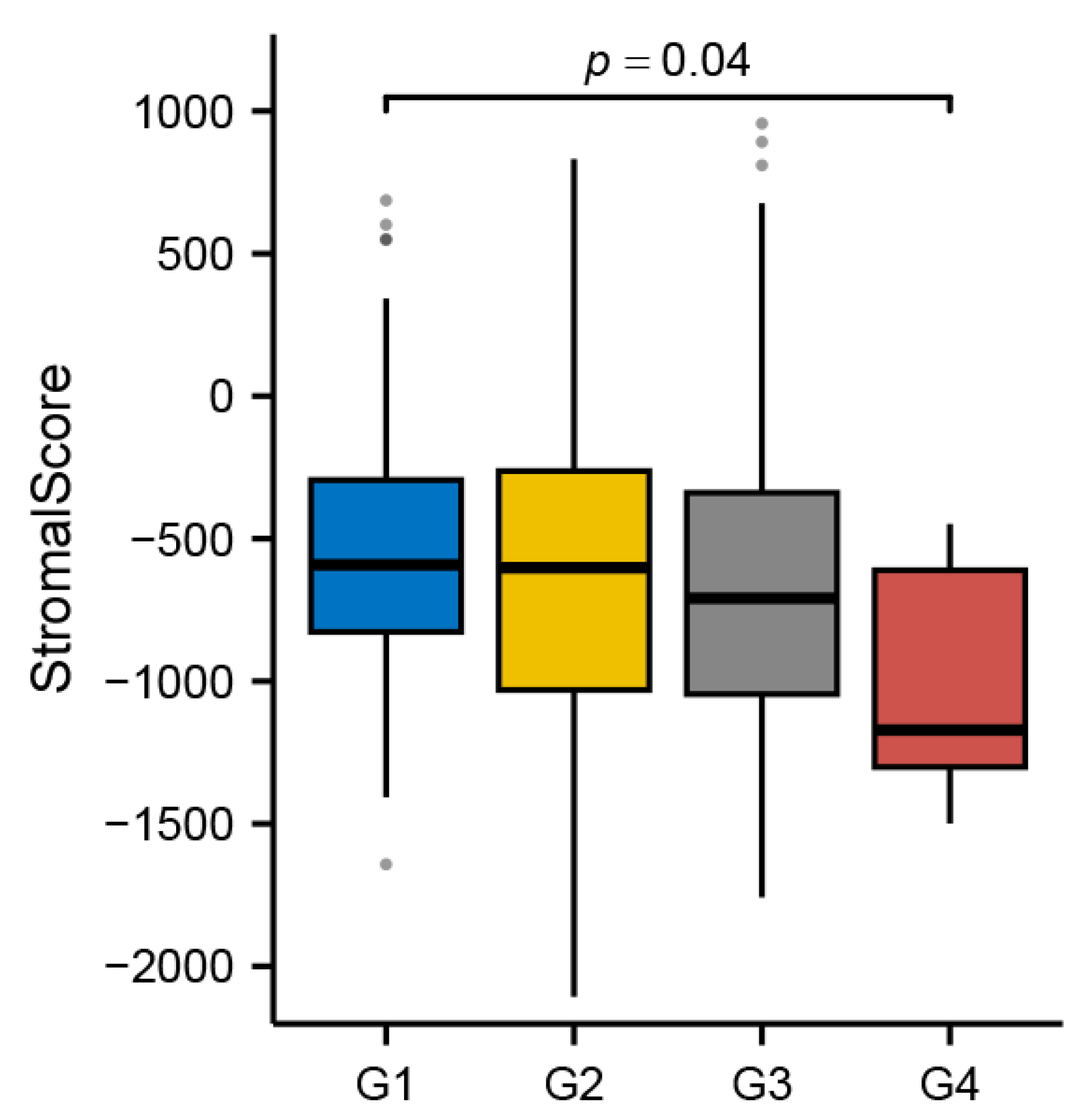
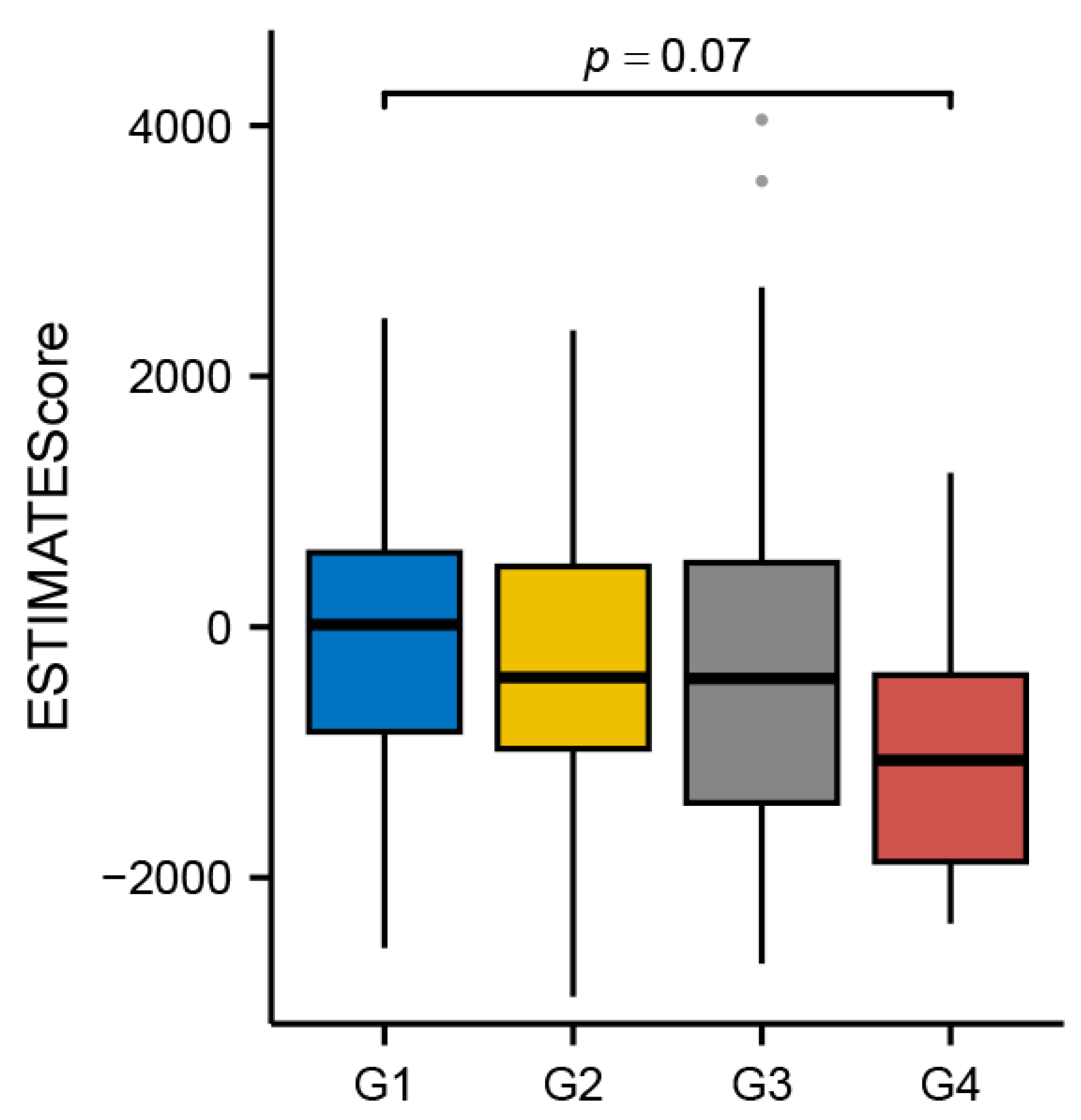
3.4. The Ratio of Immune to Stromal Components Is Associated with the Clinical-Pathological Staging of Endometrial Cancer Patients
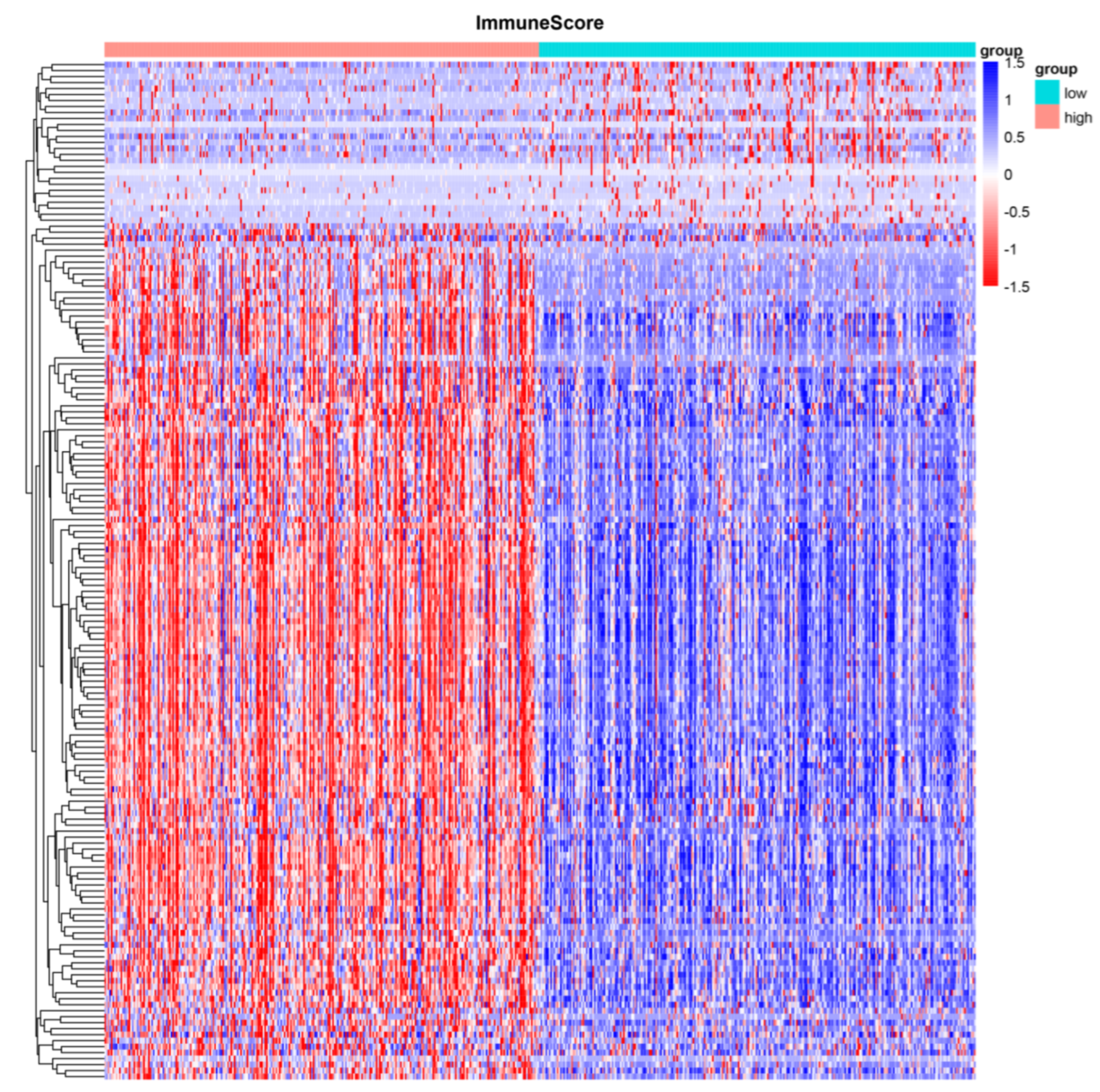
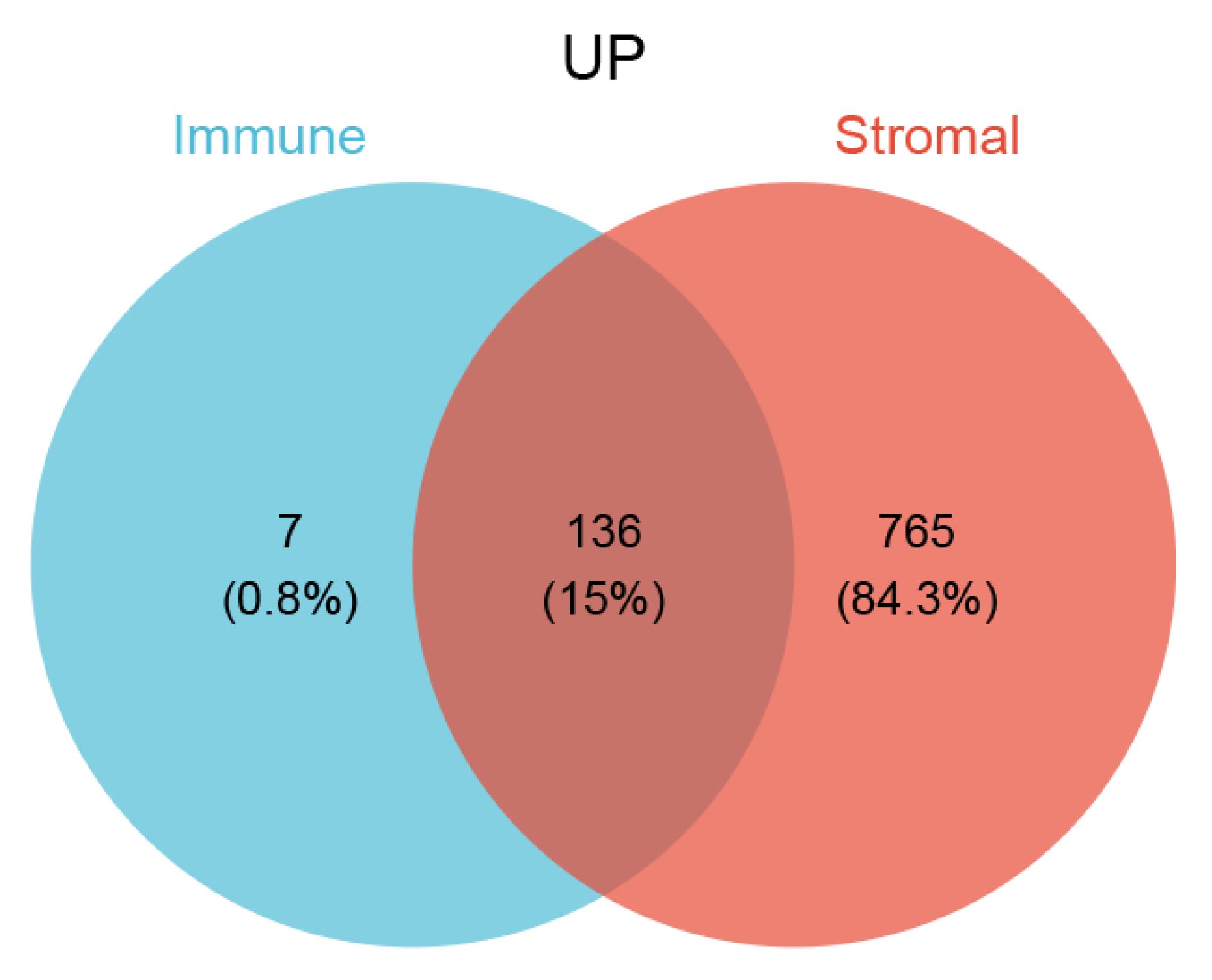
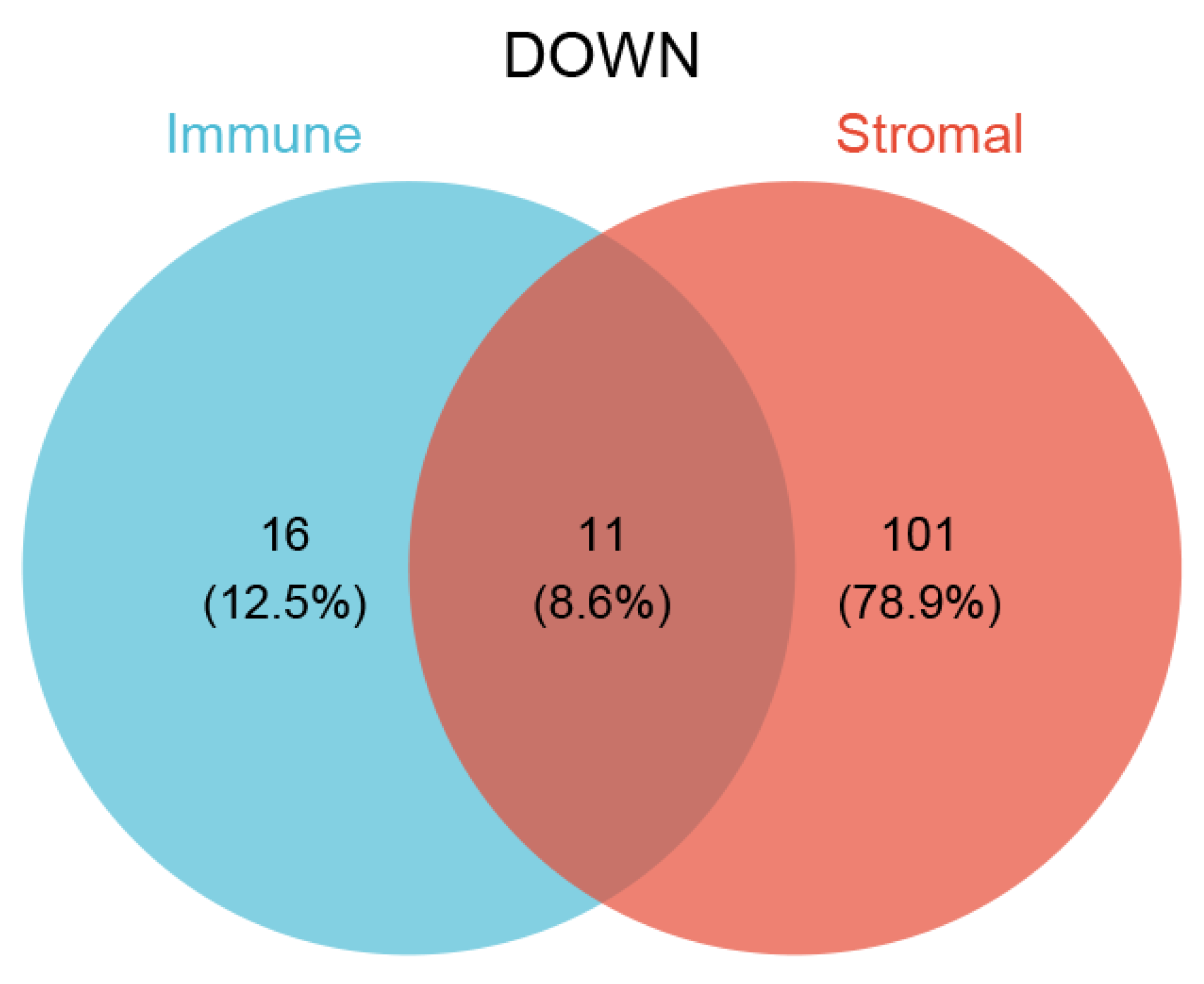
3.5. Analysis of Differentially Expressed Genes Common to Both ImmuneScore and StromalScore Revealed a Marked Enrichment in Pathways Related to Immune Activation
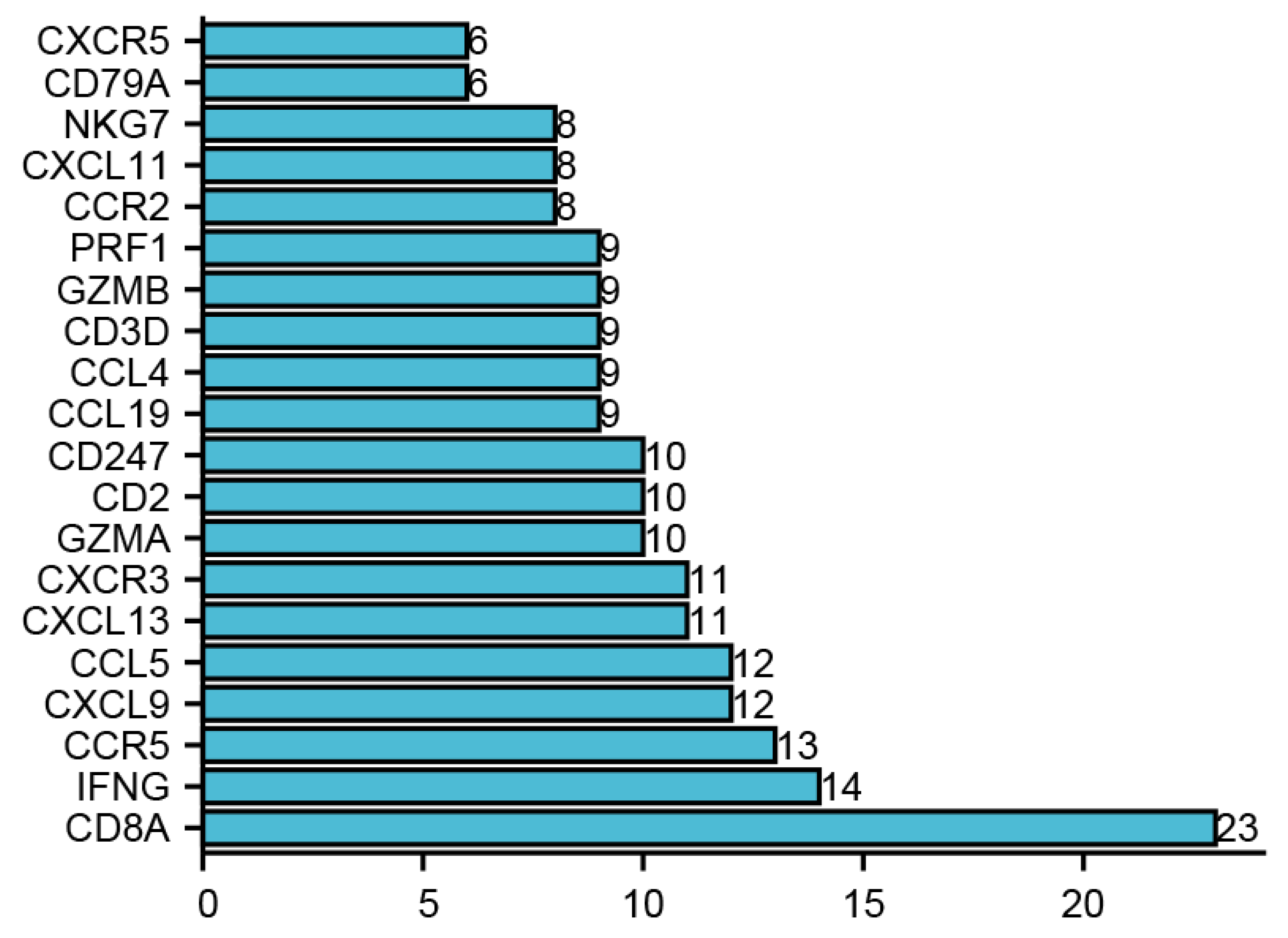
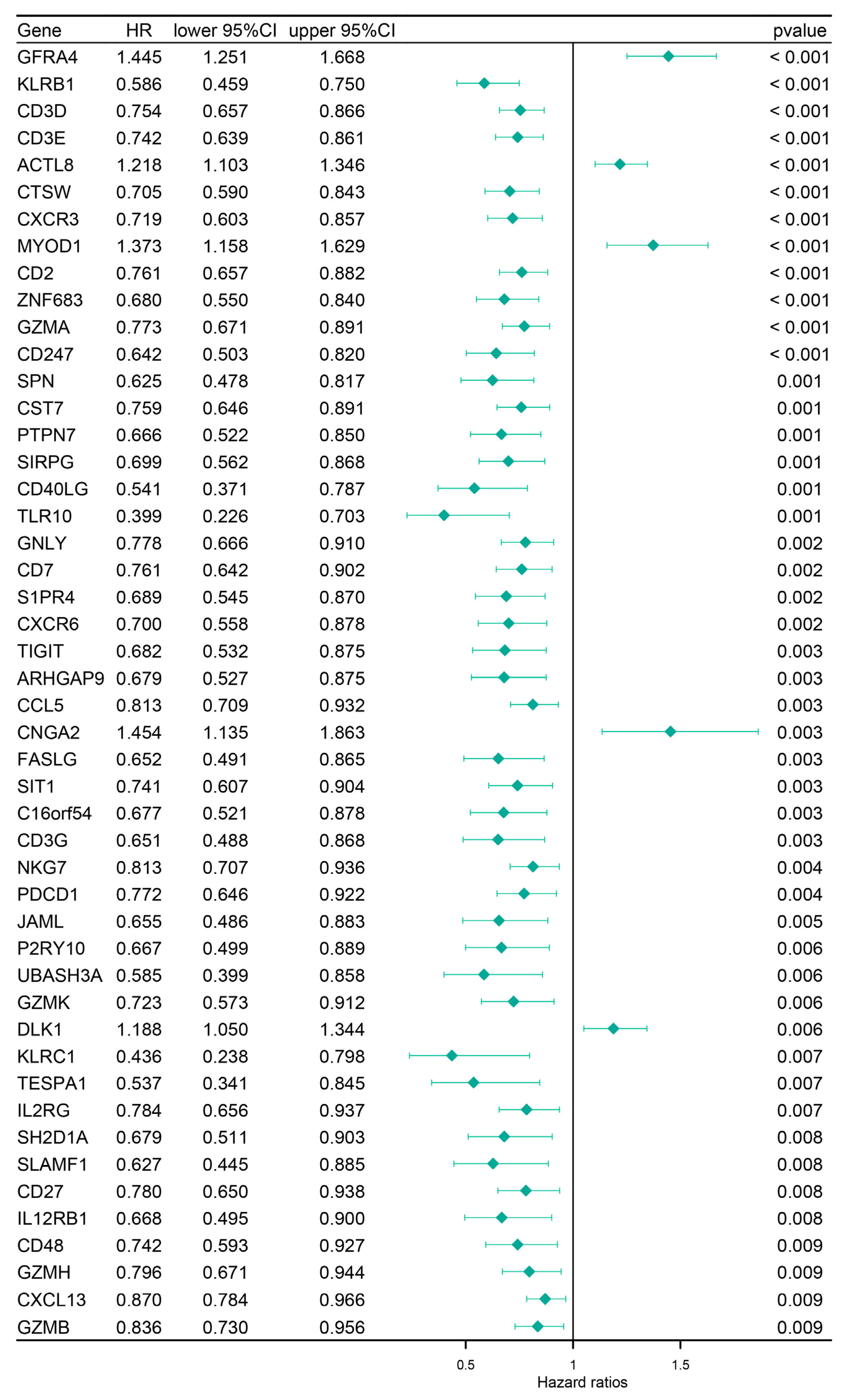
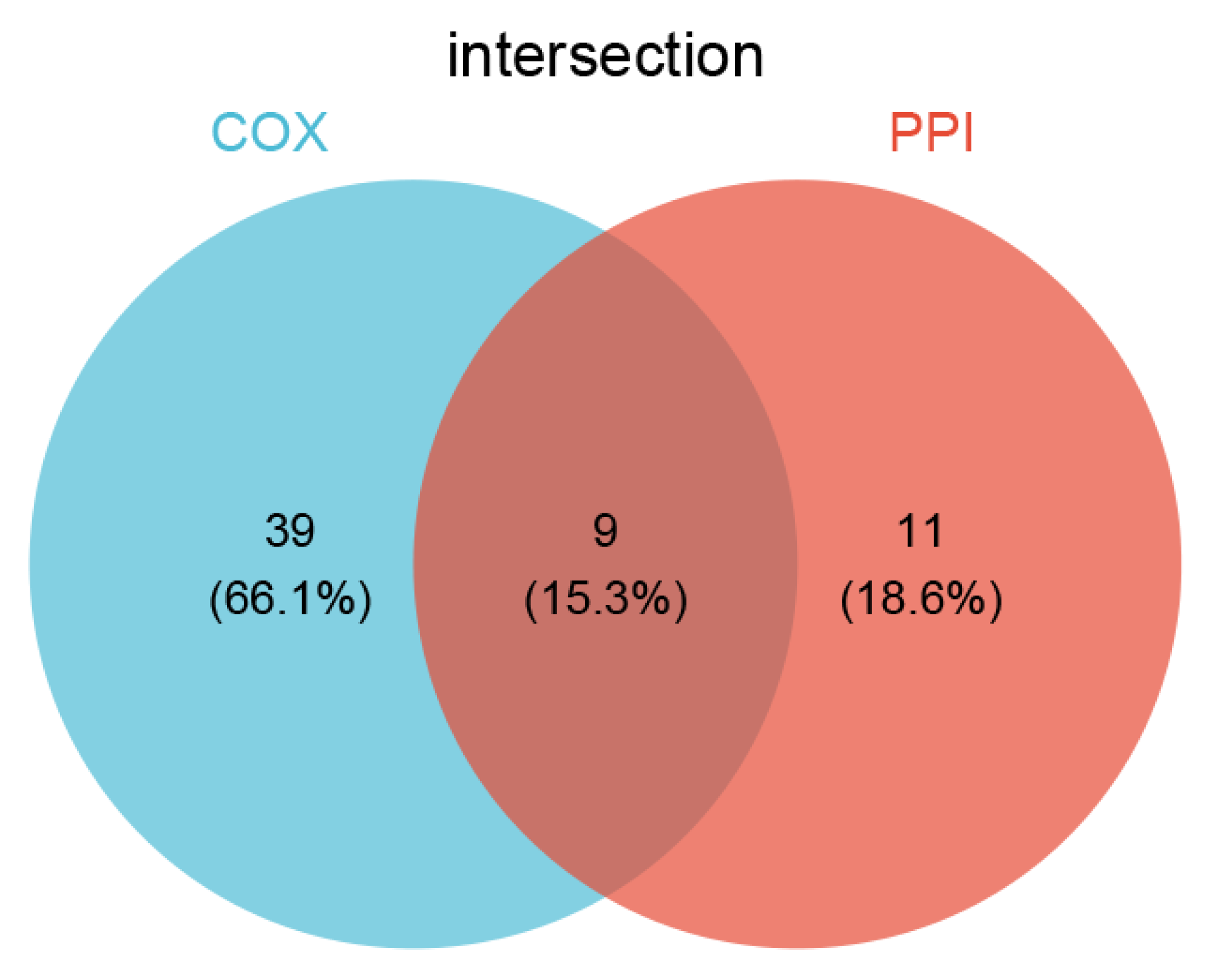
3.6. Integrative Analysis of Protein–Protein Interaction Network and Univariate Cox Regression
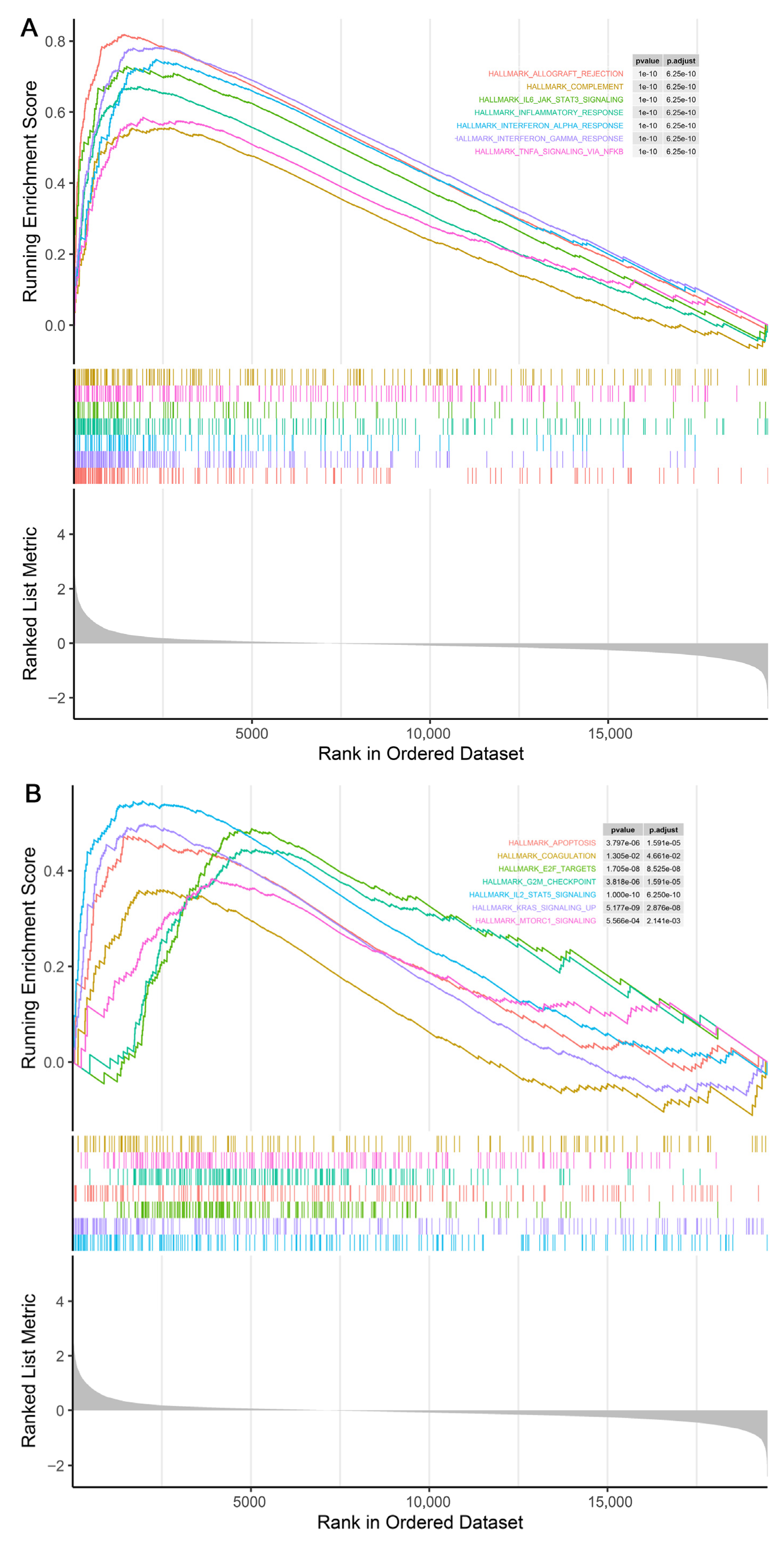
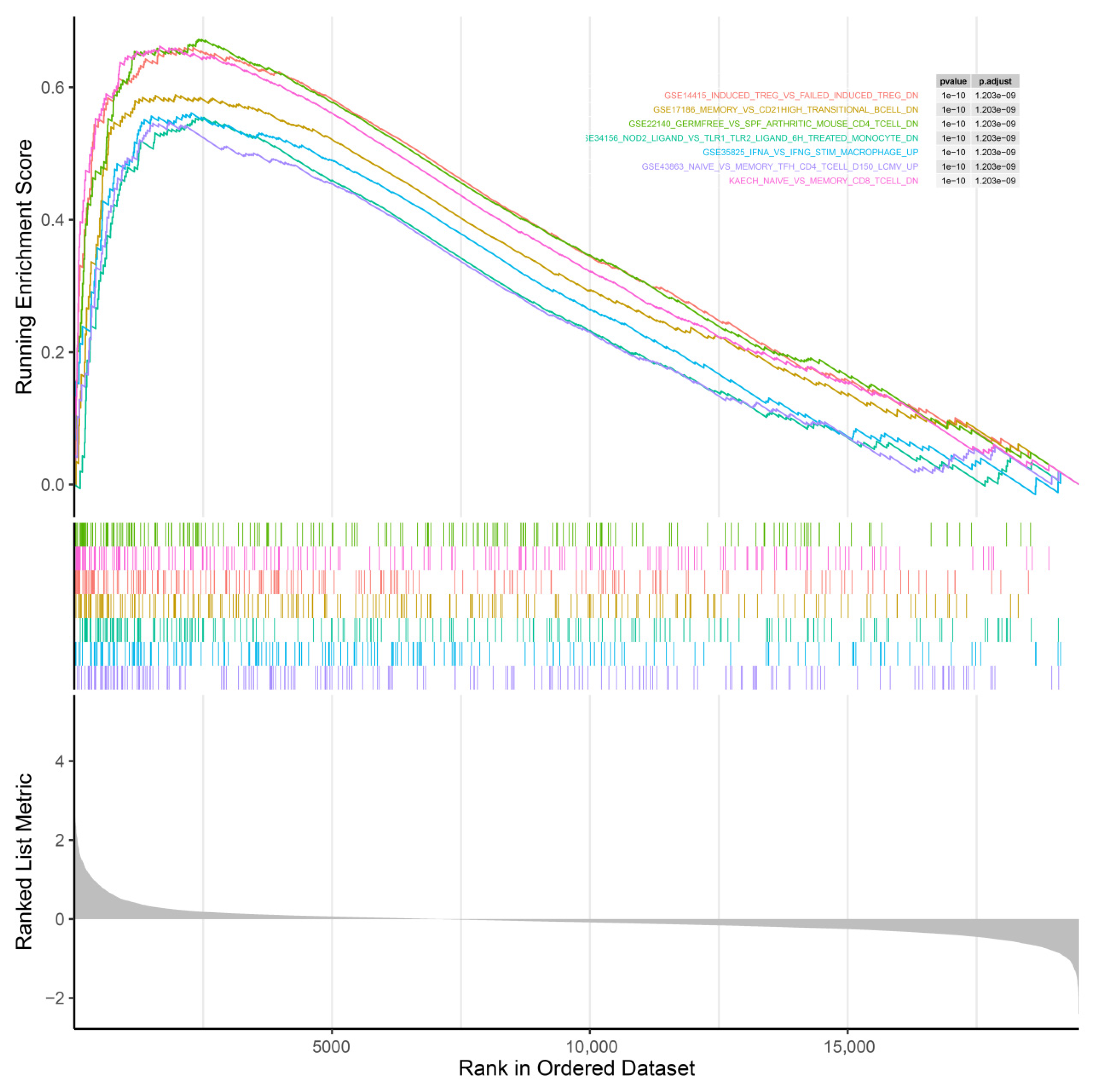
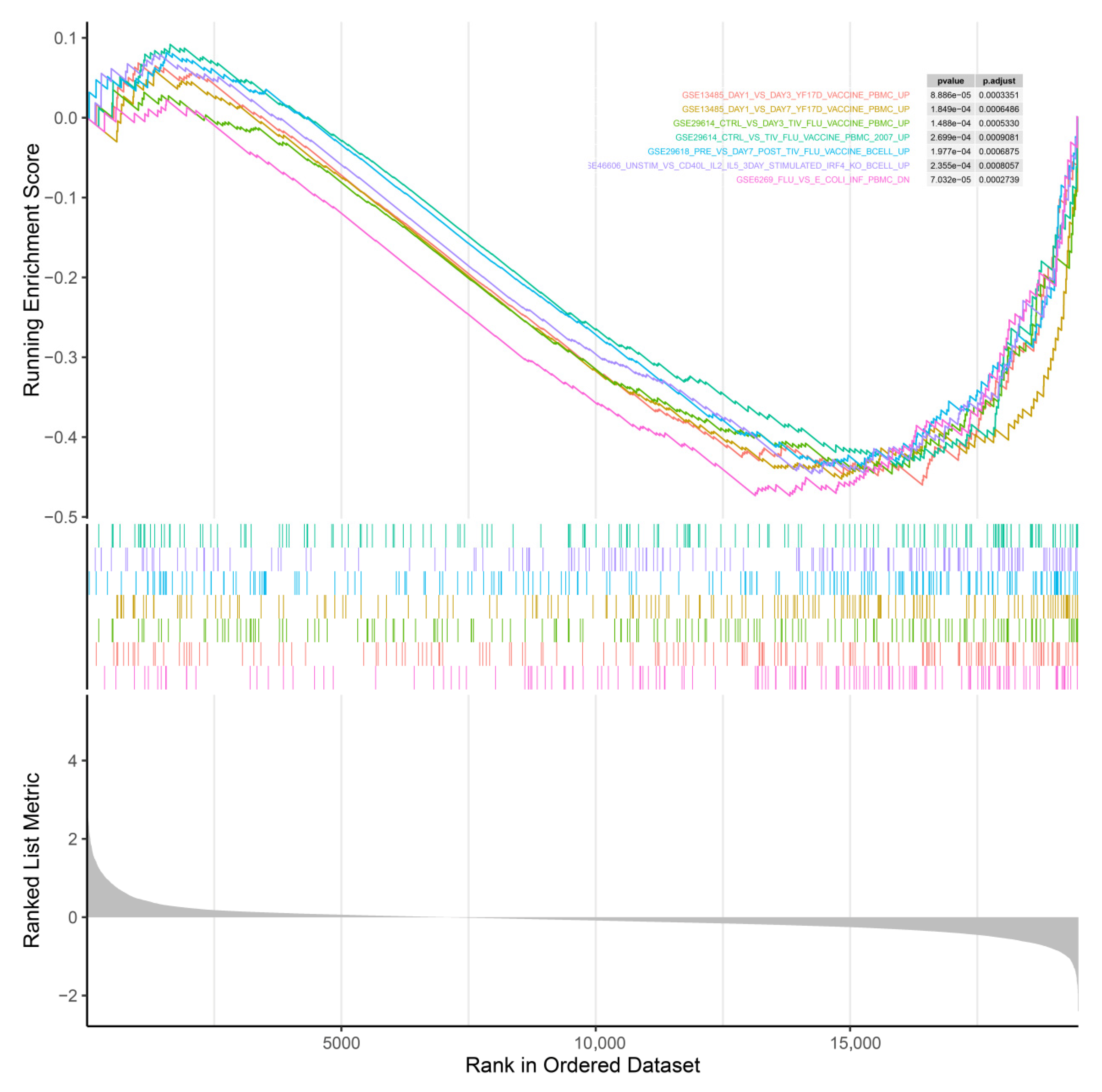
3.7. Association of CXCL13 Expression with TLS-Related Immune-Activation Features
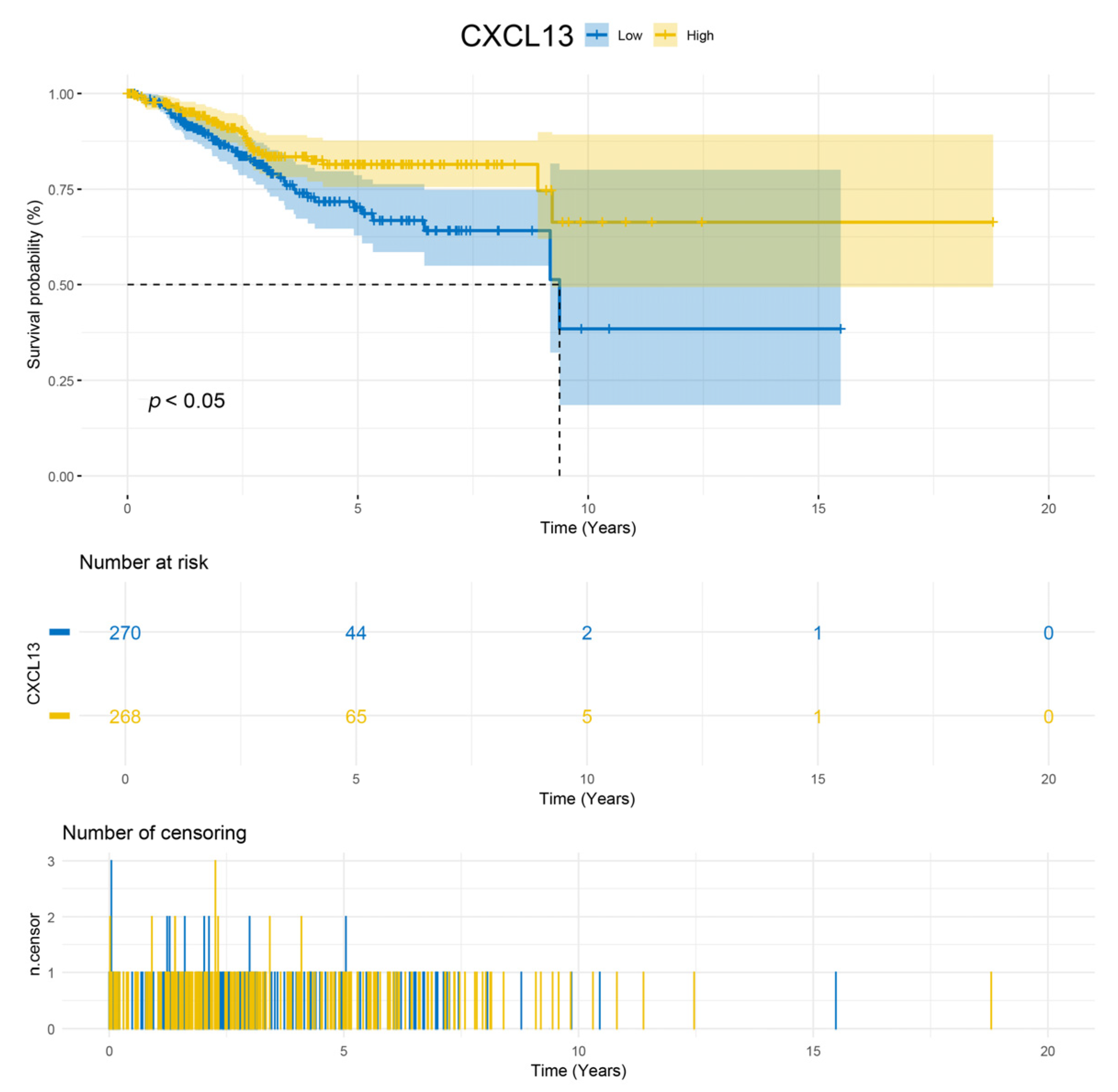
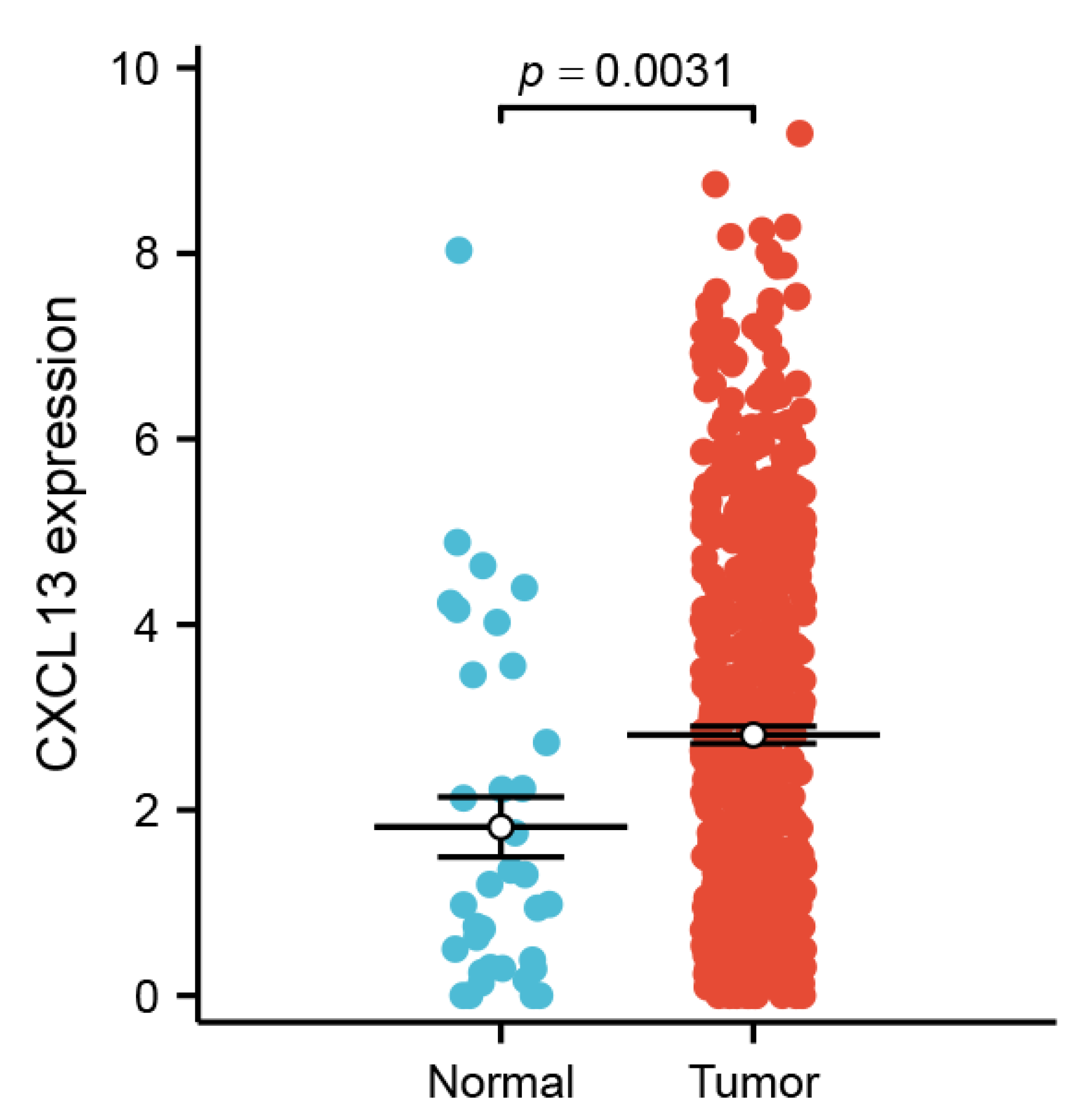
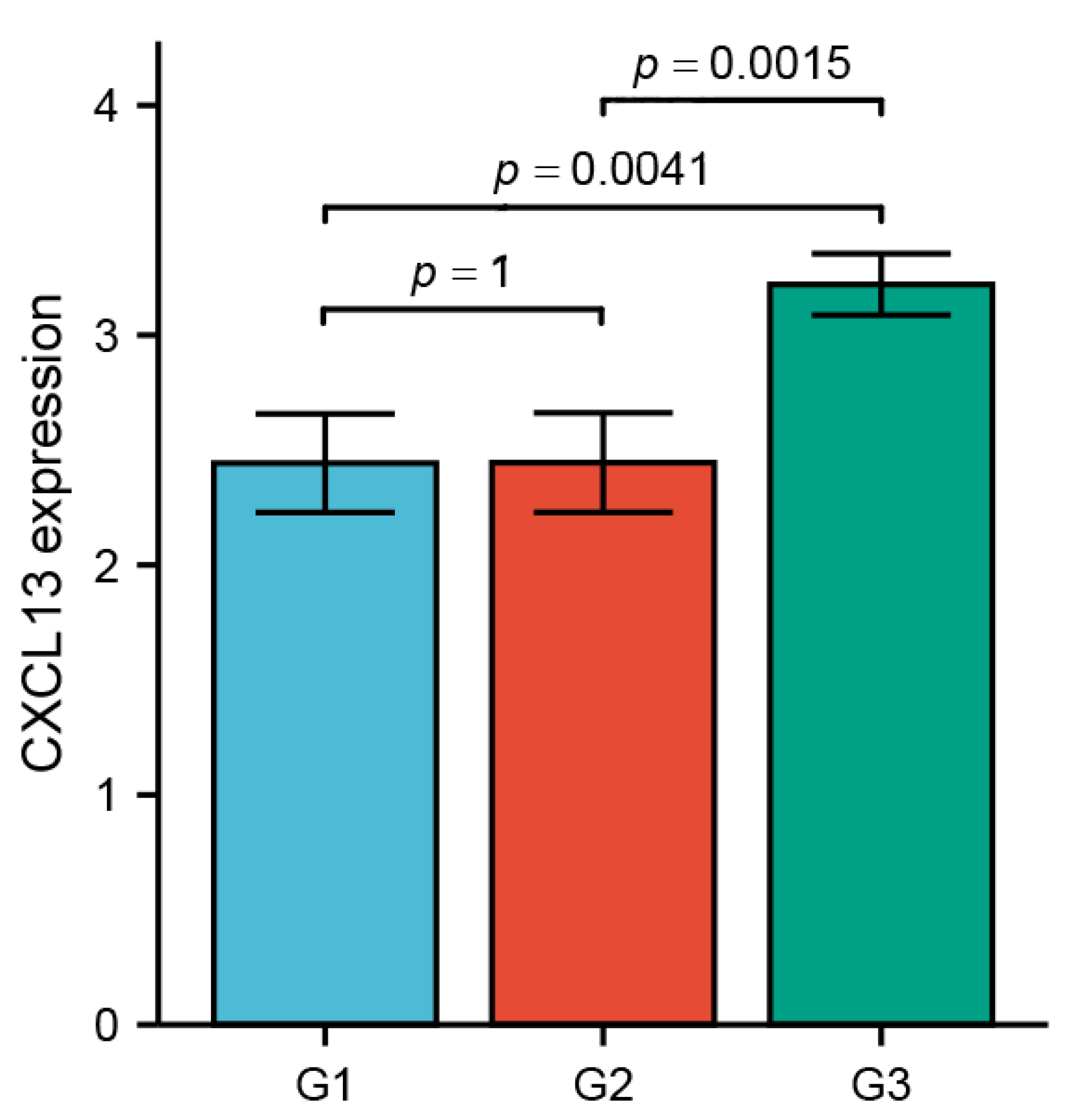
3.8. Association Between CXCL13 Expression and Patient Survival as Well as Pathological Grade in Endometrial Cancer
3.9. The Role of CXCL13 as a Putative Biomarker for Immune Activity Within the Tumor Microenvironment
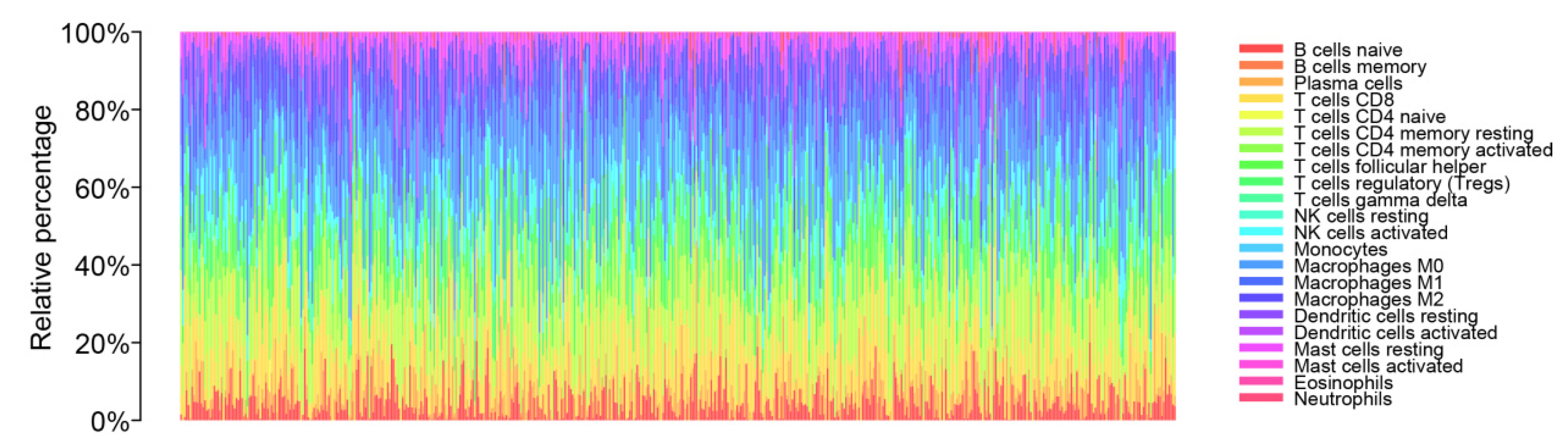
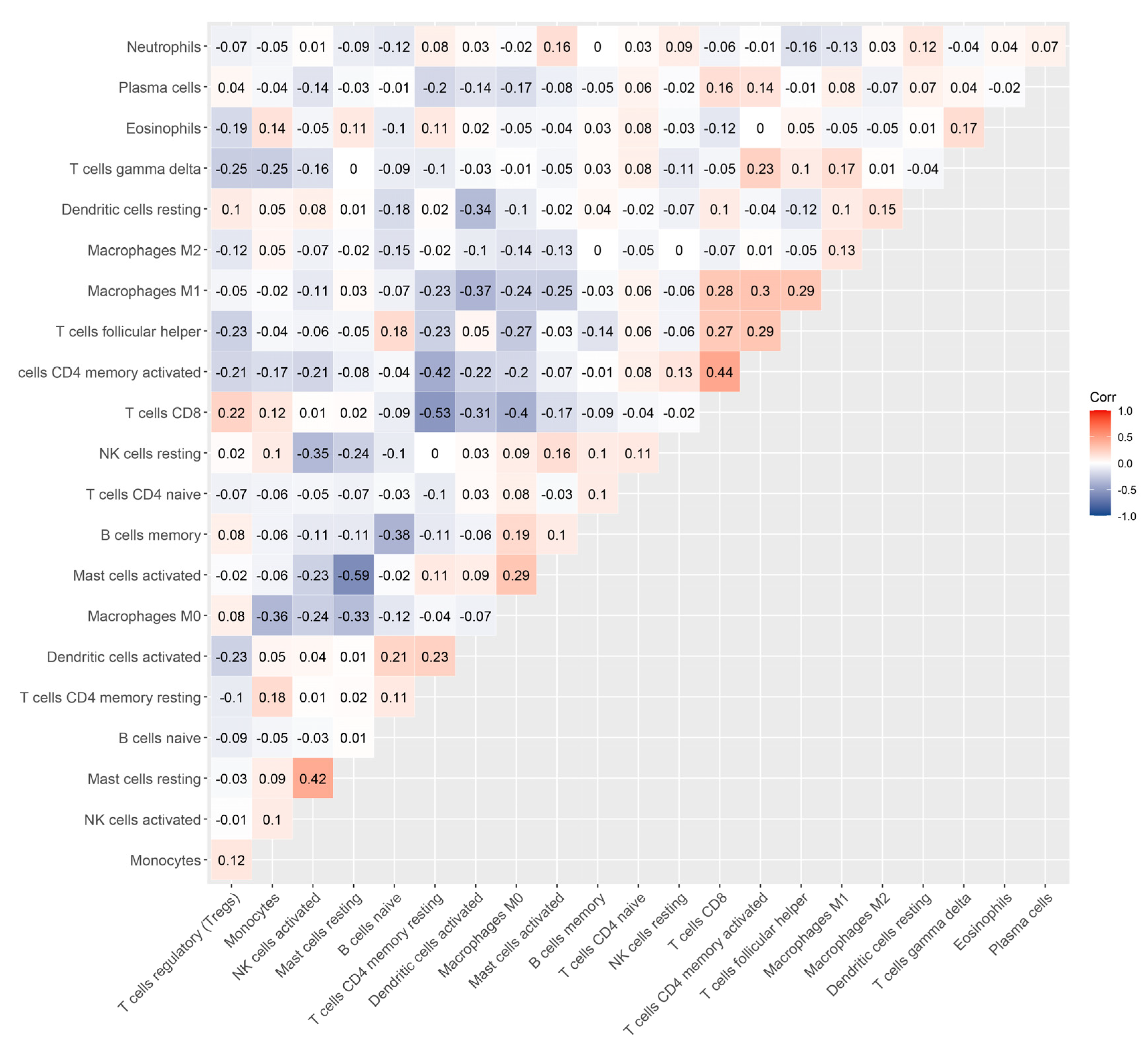
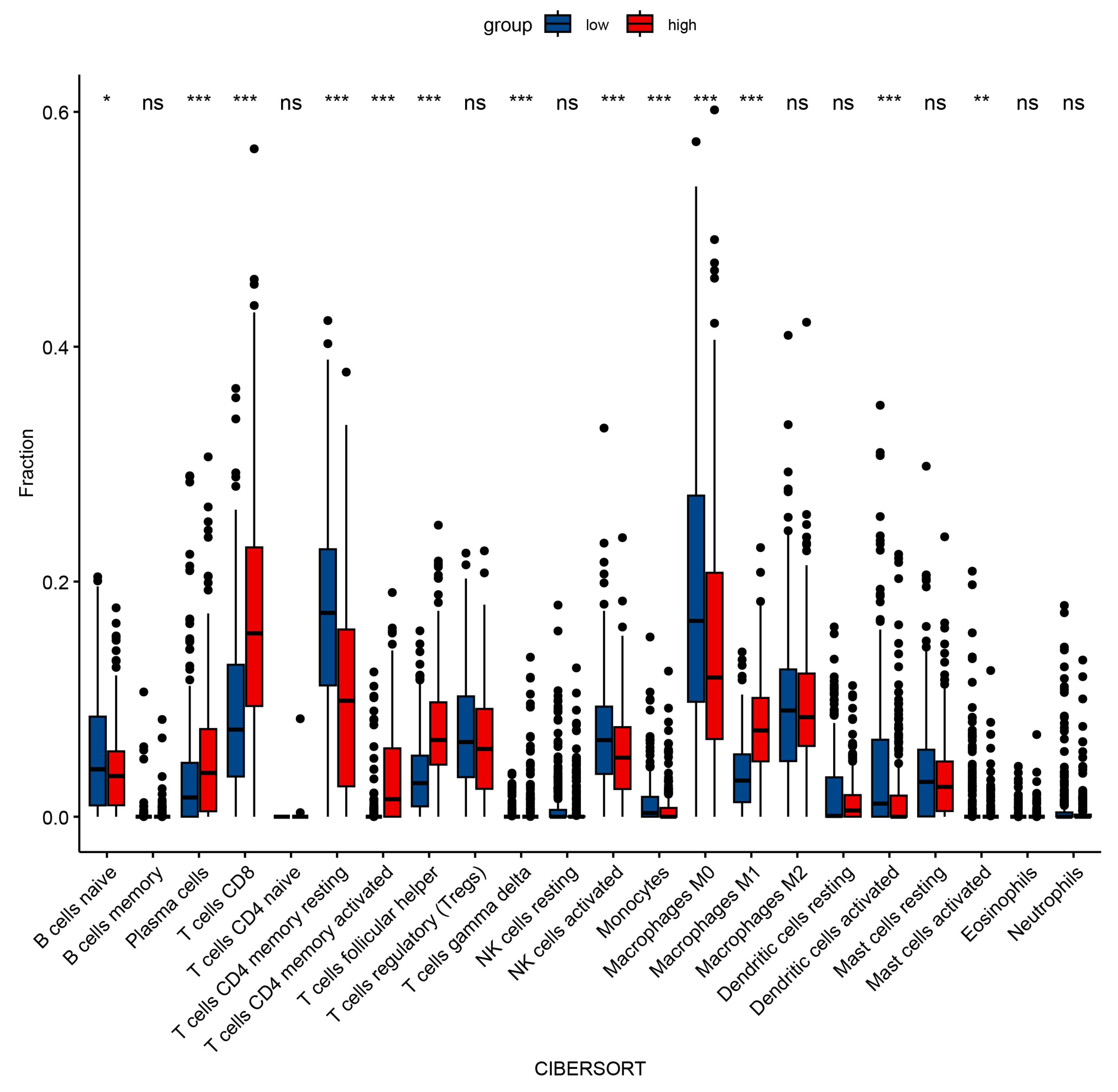
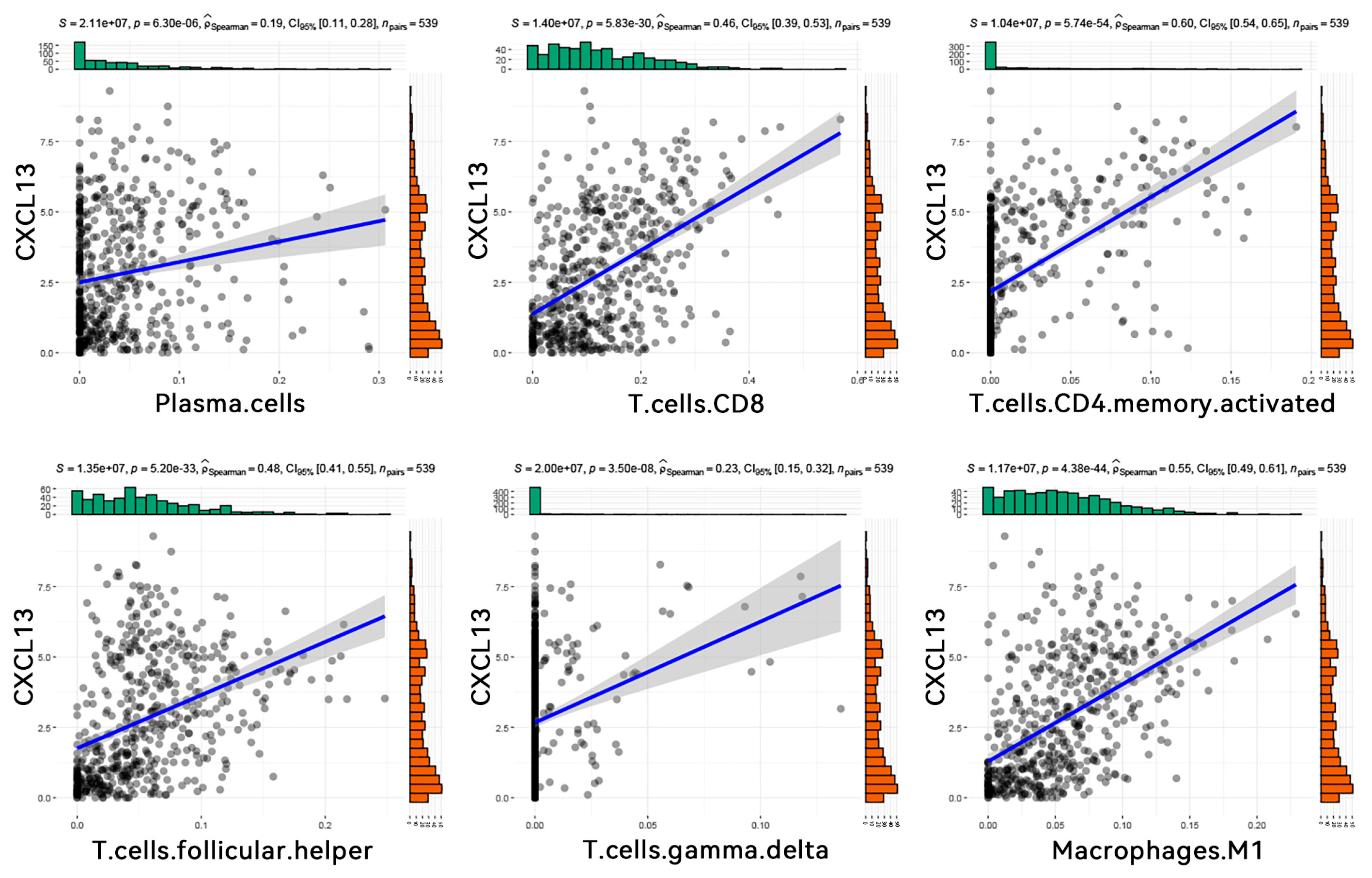
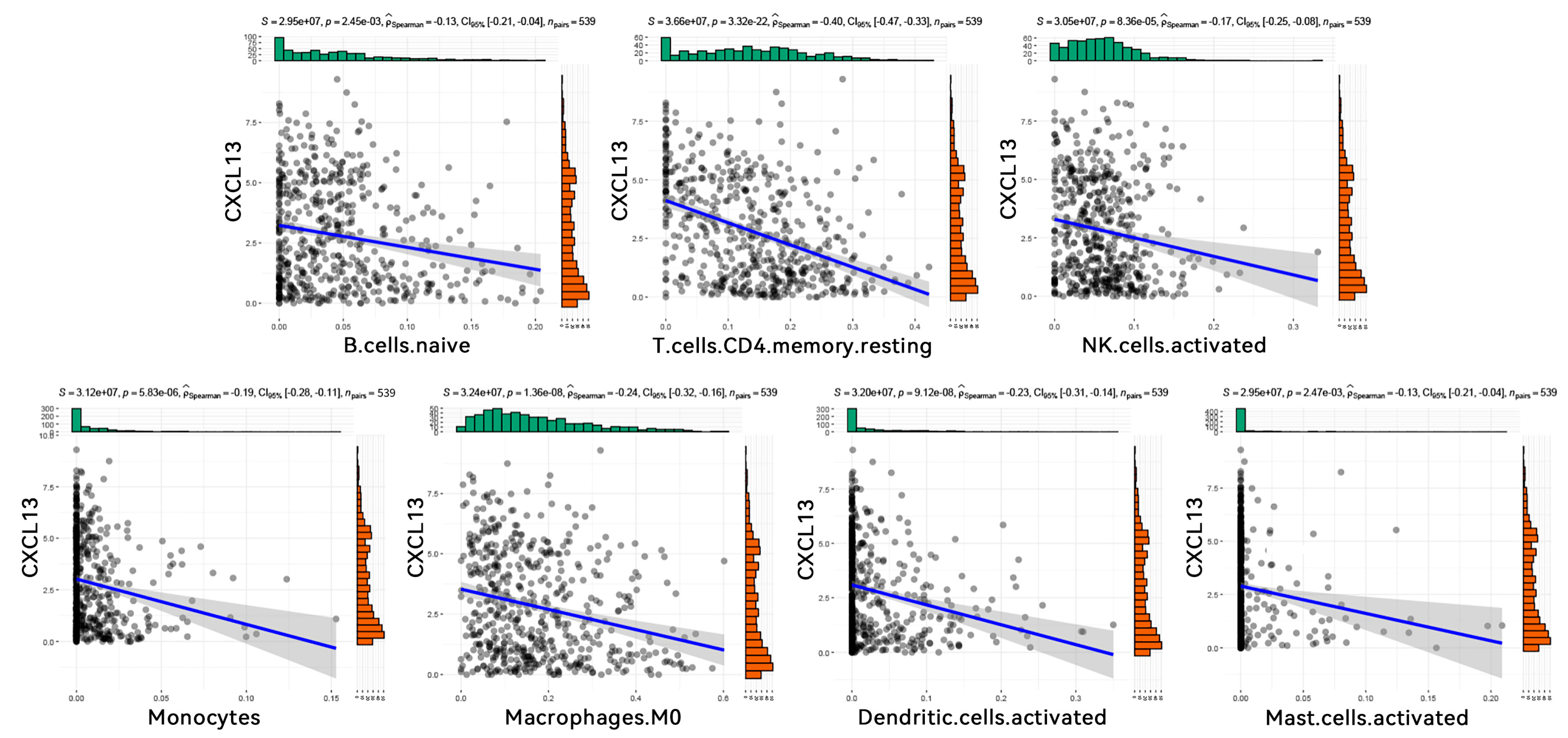
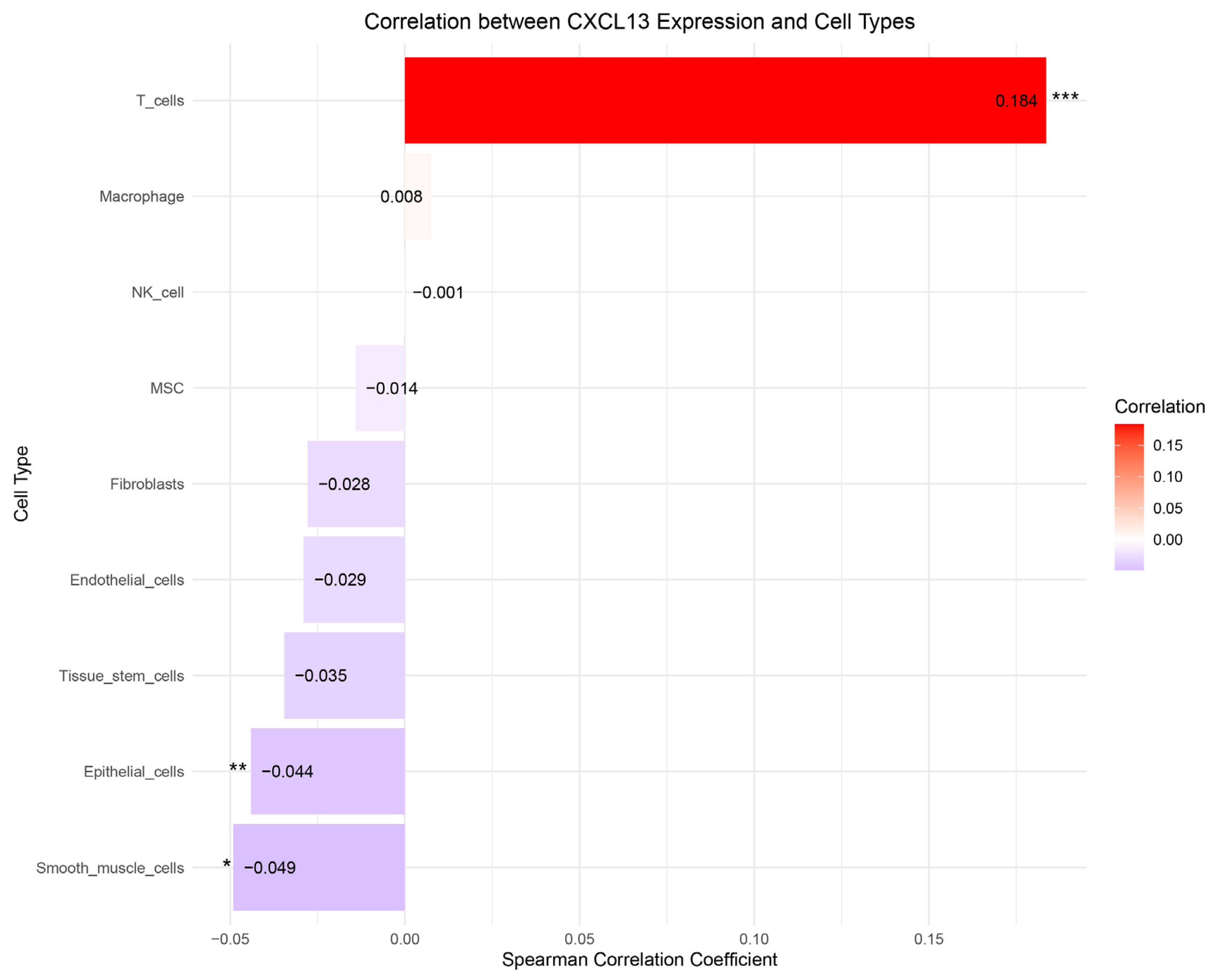
3.10. Association Between CXCL13 Expression and Transcriptome-Inferred Immune Cell Composition
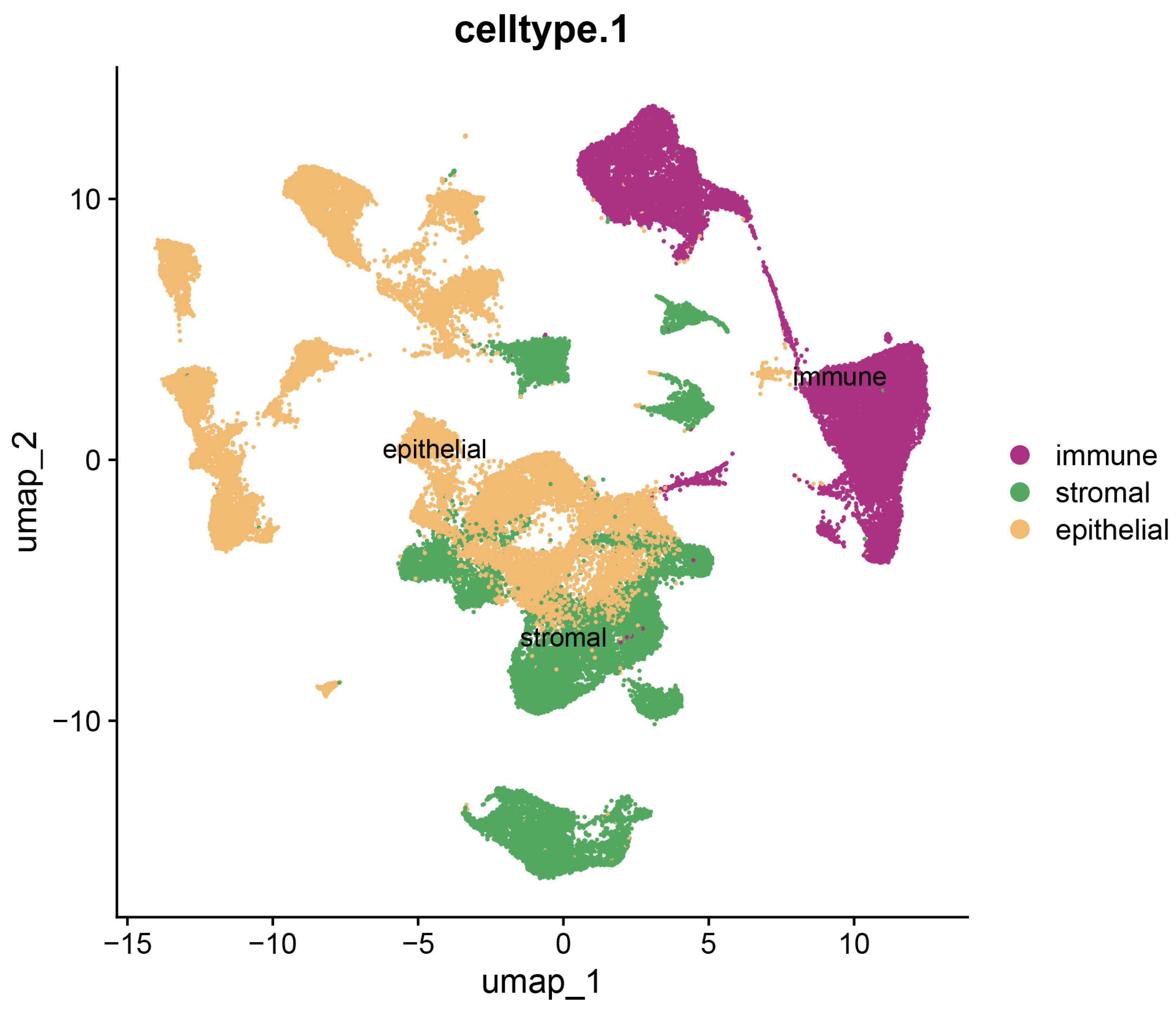
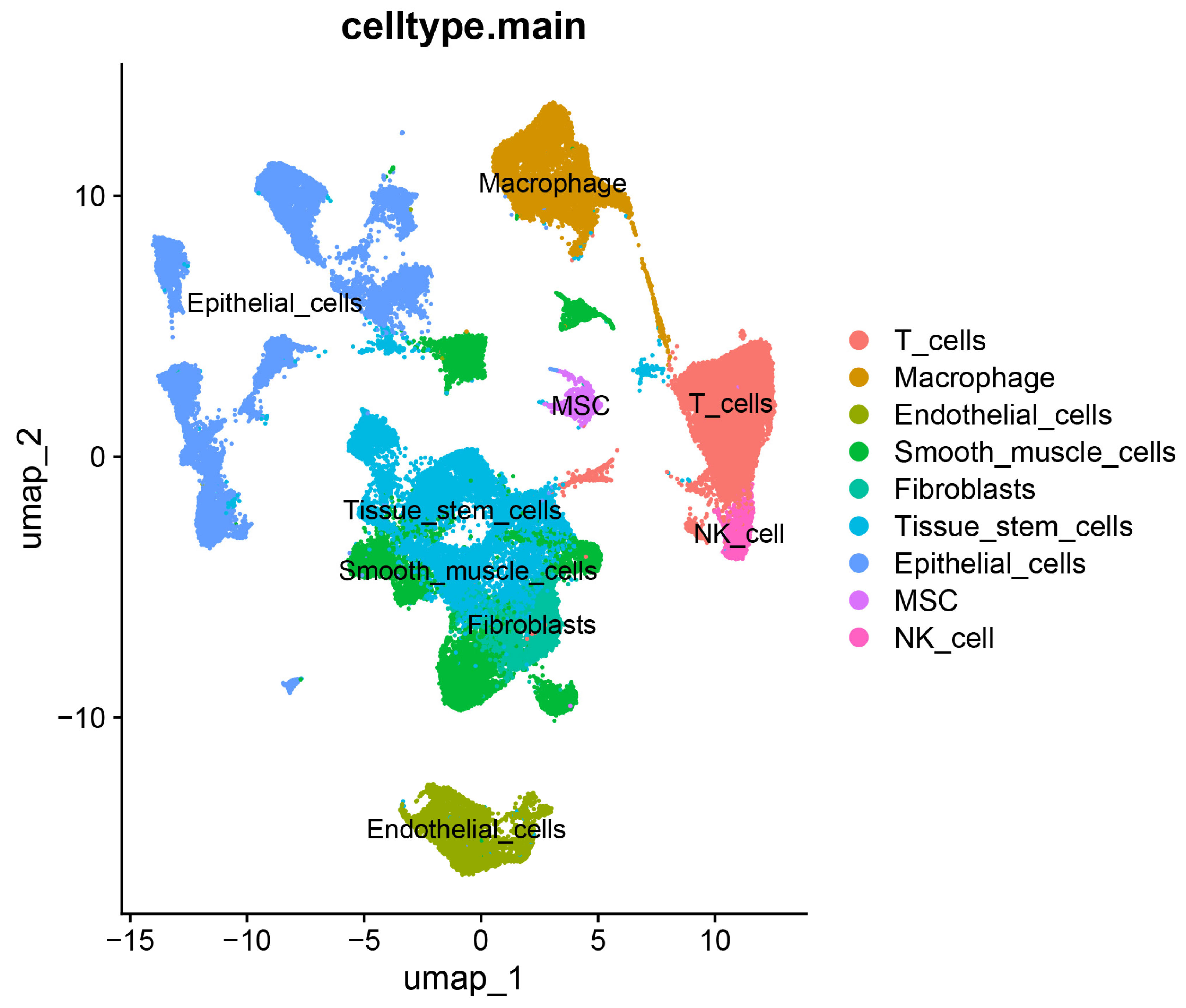
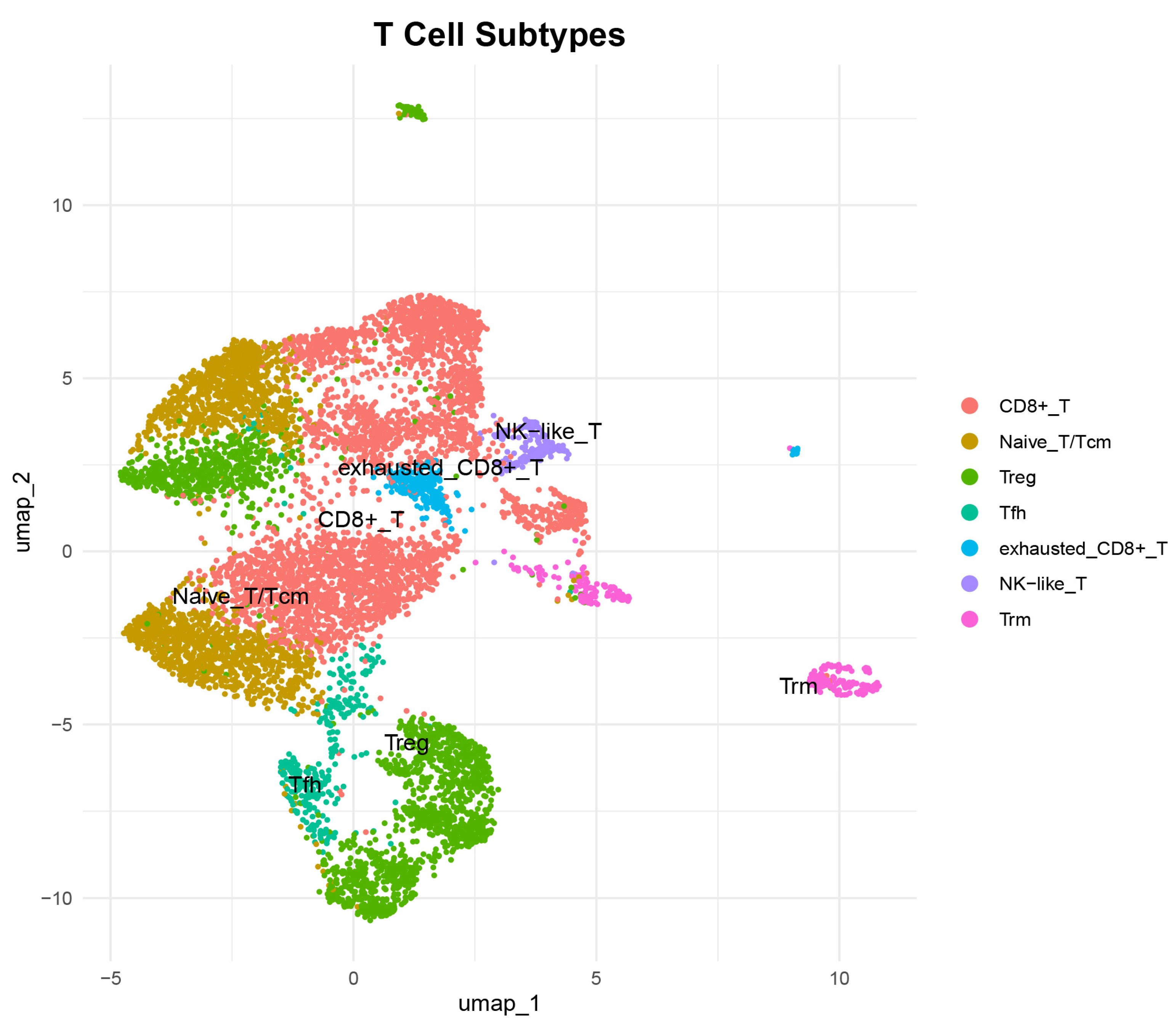
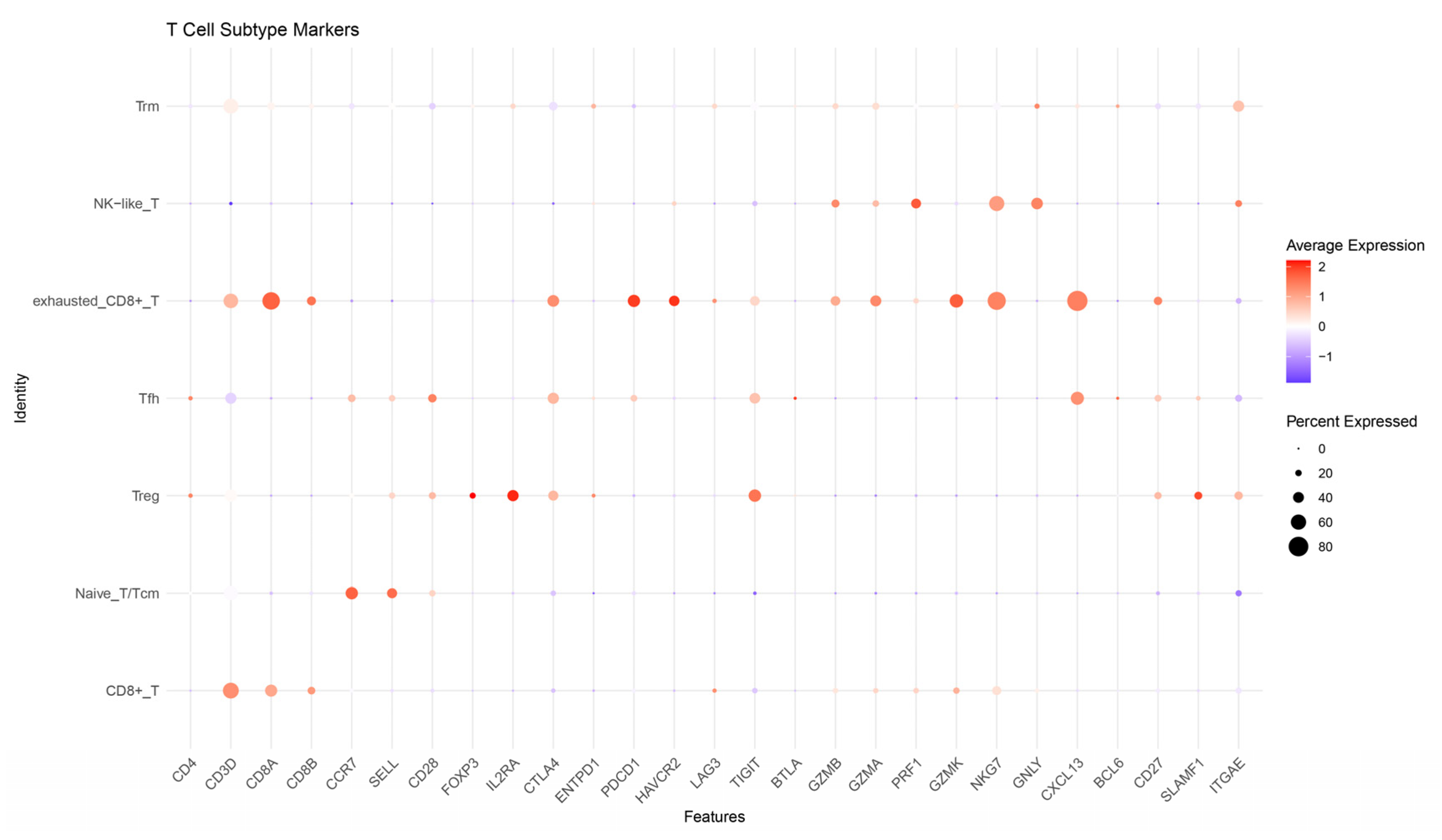
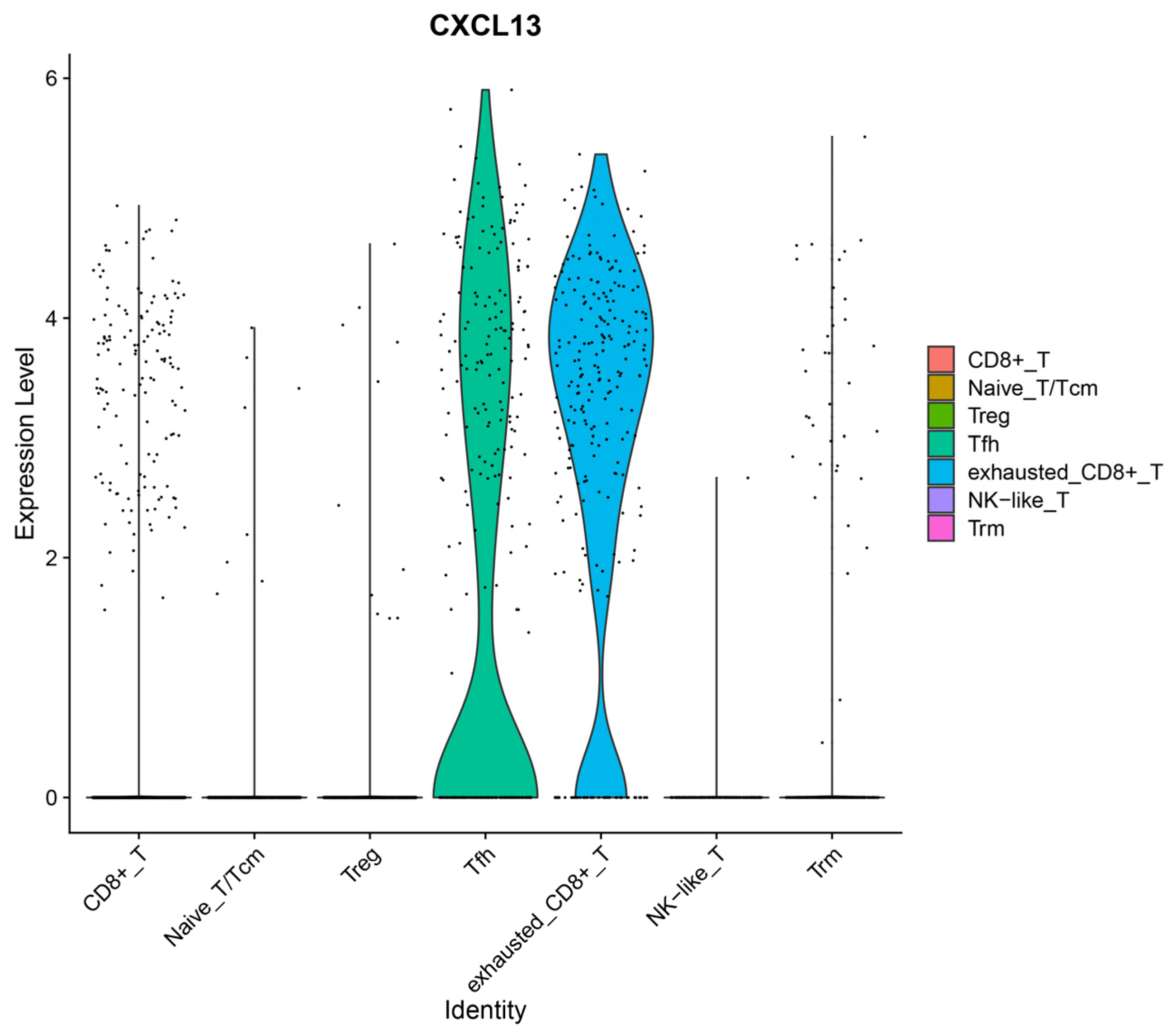
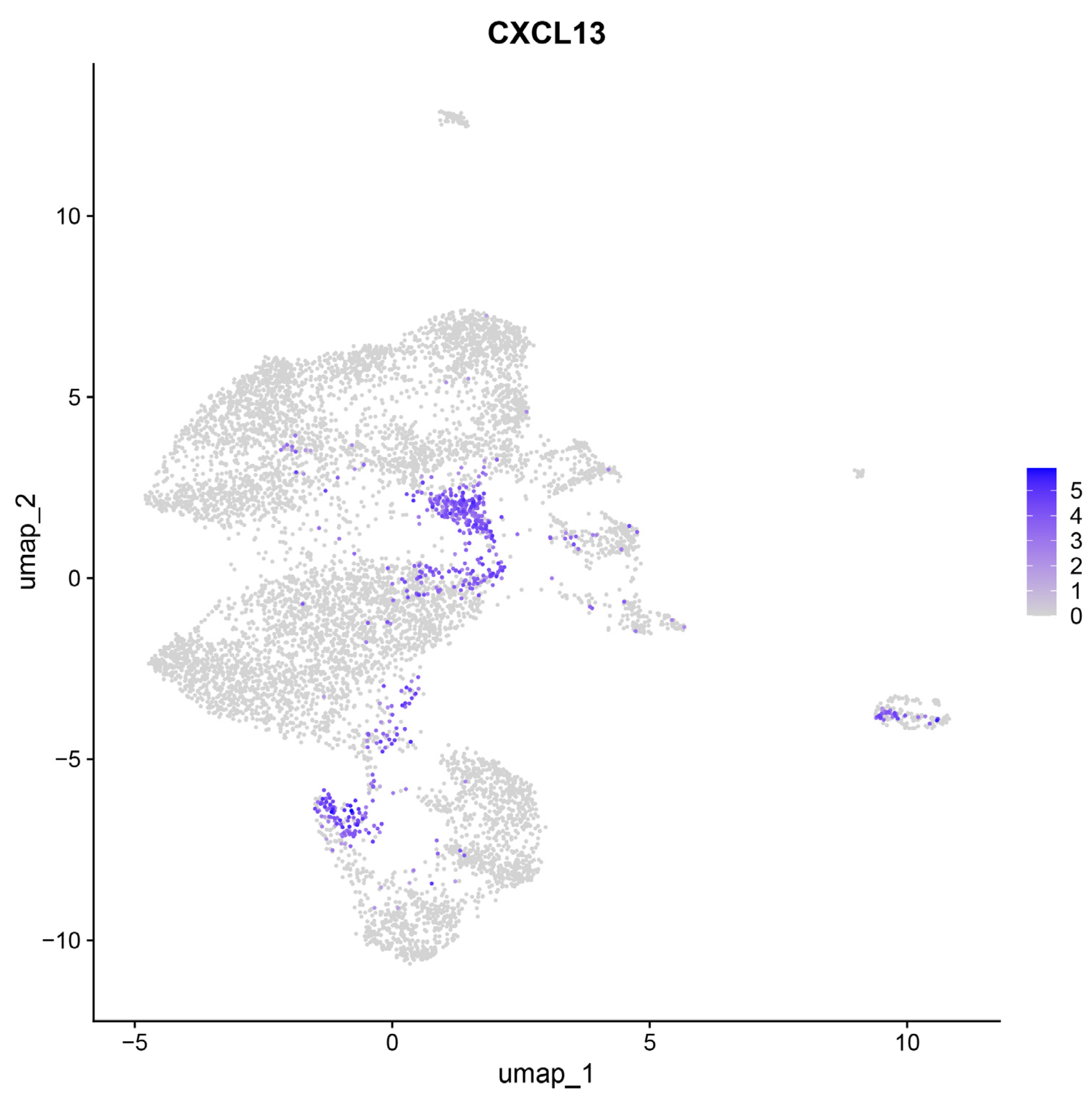
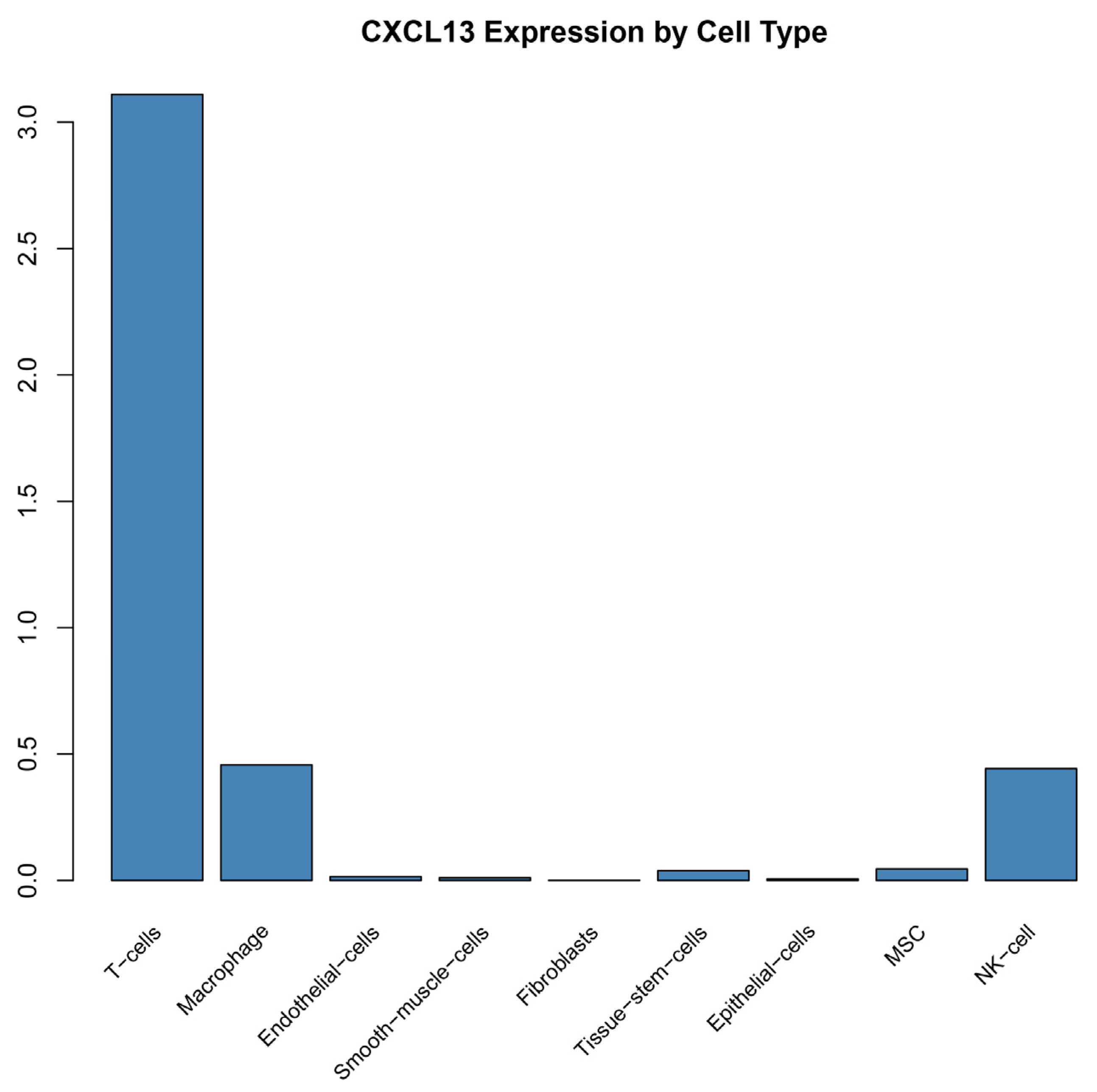
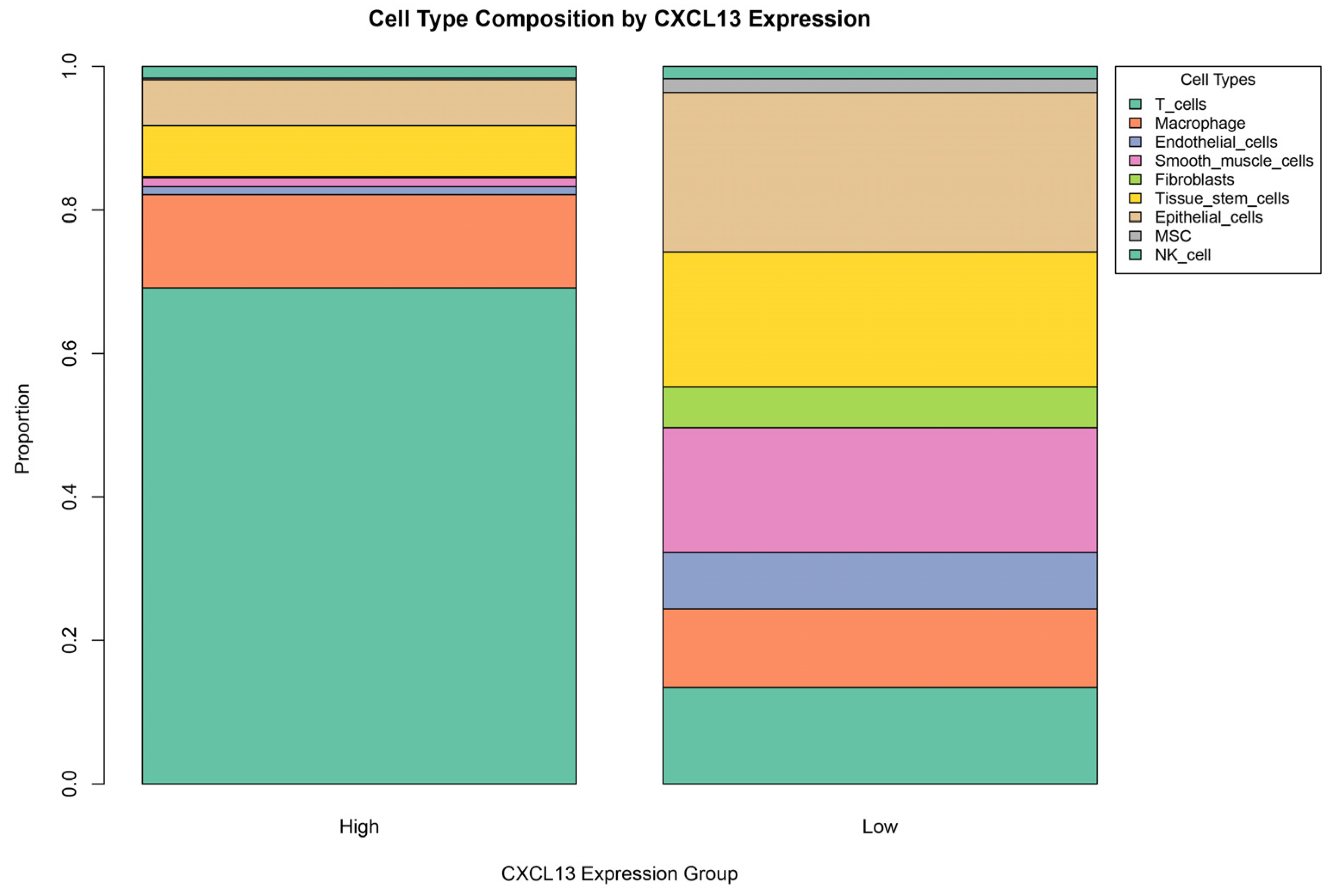
3.11. Cellular Origin of CXCL13: Predominant Expression in Follicular Helper and Exhausted CD8+ T Cells
4. Discussion
4.1. Synergistic Mechanisms Involving CXCL13 and TLS Formation
4.2. Comparative Analysis with Other Tumor Types
4.3. Clinical Significance and Translational Prospects
4.4. Relationship with Previous GWAS Findings in Uterine Cancer
4.5. Future Directions and Translational Perspectives
5. Conclusions
6. Limitations
Supplementary Materials
Author Contributions
Funding
Institutional Review Board Statement
Informed Consent Statement
Data Availability Statement
Acknowledgments
Conflicts of Interest
References
- Zheng, R.S.; Chen, R.; Han, B.F.; Wang, S.M.; Li, L.; Sun, K.X.; Zeng, H.M.; Wei, W.W.; He, J. Cancer incidence and mortality in China, 2022. Zhonghua Zhong Liu Za Zhi 2024, 46, 221–231. [Google Scholar]
- Colombo, N.; Creutzberg, C.; Amant, F.; Bosse, T.; González-Martín, A.; Ledermann, J.; Marth, C.; Nout, R.; Querleu, D.; Mirza, M.R.; et al. ESMO-ESGO-ESTRO Consensus Conference on Endometrial Cancer: Diagnosis, treatment and follow-up. Ann. Oncol. 2016, 27, 16–41. [Google Scholar] [CrossRef]
- Urick, M.E.; Bell, D.W. Clinical actionability of molecular targets in endometrial cancer. Nat. Rev. Cancer 2019, 19, 510–521. [Google Scholar] [CrossRef]
- Loukovaara, M.; Pasanen, A.; Bützow, R. Molecular classification of endometrial carcinoma: A clinically oriented review. J. Clin. Pathol. 2022, 75, 731–738. [Google Scholar] [CrossRef]
- Hanahan, D.; Weinberg, R.A. Hallmarks of cancer: The next generation. Cell 2011, 144, 646–674. [Google Scholar] [CrossRef]
- Binnewies, M.; Roberts, E.W.; Kersten, K.; Chan, V.; Fearon, D.F.; Merad, M.; Coussens, L.M.; Gabrilovich, D.I.; Ostrand-Rosenberg, S.; Hedrick, C.C.; et al. Understanding the tumor immune microenvironment (TIME) for effective therapy. Nat. Med. 2018, 24, 541–550. [Google Scholar] [CrossRef]
- Kumar, S.; Mittal, S.; Gupta, P.; Singh, M.; Chaluvally-Raghavan, P.; Pradeep, S. Metabolic Reprogramming in Tumor-Associated Macrophages in the Ovarian Tumor Microenvironment. Cancers 2022, 14, 5224. [Google Scholar] [CrossRef] [PubMed]
- Li, C.; Wu, H.; Guo, L.; Liu, D.; Yang, S.; Li, S.; Hua, K. Single-cell transcriptomics reveals cellular heterogeneity and molecular stratification of cervical cancer. Commun. Biol. 2022, 5, 1208. [Google Scholar] [CrossRef] [PubMed]
- Sahai, E.; Astsaturov, I.; Cukierman, E.; DeNardo, D.G.; Egeblad, M.; Evans, R.M.; Fearon, D.; Greten, F.R.; Hingorani, S.R.; Hunter, T.; et al. A framework for advancing our understanding of cancer-associated fibroblasts. Nat. Rev. Cancer 2020, 20, 174–186. [Google Scholar] [CrossRef] [PubMed]
- Zhang, L.; Conejo-Garcia, J.R.; Katsaros, D.; Gimotty, P.A.; Massobrio, M.; Regnani, G.; Makrigiannakis, A.; Gray, H.; Schlienger, K.; Liebman, M.N.; et al. Intratumoral T cells, recurrence, and survival in epithelial ovarian cancer. N. Engl. J. Med. 2003, 348, 203–213. [Google Scholar] [CrossRef] [PubMed]
- Helmink, B.A.; Reddy, S.M.; Gao, J.; Zhang, S.; Basar, R.; Thakur, R.; Yizhak, K.; Sade-Feldman, M.; Blando, J.; Han, G.; et al. B cells and tertiary lymphoid structures promote immunotherapy response. Nature 2020, 577, 549–555. [Google Scholar] [CrossRef]
- Sautès-Fridman, C.; Petitprez, F.; Calderaro, J.; Fridman, W.H. Tertiary lymphoid structures in the era of cancer immunotherapy. Nat. Rev. Cancer 2019, 19, 307–325. [Google Scholar] [CrossRef] [PubMed]
- Dieu-Nosjean, M.C.; Goc, J.; Giraldo, N.A.; Sautès-Fridman, C.; Fridman, W.H. Tertiary lymphoid structures in cancer and beyond. Trends Immunol. 2014, 35, 571–580. [Google Scholar] [CrossRef] [PubMed]
- Cabrita, R.; Lauss, M.; Sanna, A.; Donia, M.; Skaarup Larsen, M.; Mitra, S.; Johansson, I.; Phung, B.; Harbst, K.; Vallon-Christersson, J.; et al. Tertiary lymphoid structures improve immunotherapy and survival in melanoma. Nature 2020, 577, 561–565. [Google Scholar] [CrossRef]
- Wang, X.W.; Cong, B.B.; Shi, Z.Q.; Ling, Y.C.; Zheng, L.M.; Qiu, P.F. Research progress on molecular characteristic heterogeneity between primary breast cancer and metastatic lymph nodes. Chin. J. Clin. Oncol. 2025, 52, 1013–1017. [Google Scholar]
- Gu-Trantien, C.; Loi, S.; Garaud, S.; Equeter, C.; Libin, M.; de Wind, A.; Ravoet, M.; Le Buanec, H.; Sibille, C.; Manfouo-Foutsop, G.; et al. CD4+ follicular helper T cell infiltration predicts breast cancer survival. J. Clin. Investig. 2013, 123, 2873–2892. [Google Scholar] [CrossRef]
- Ammirante, M.; Luo, J.L.; Grivennikov, S.; Nedospasov, S.; Karin, M. B-cell-derived lymphotoxin promotes castration-resistant prostate cancer. Nature 2010, 464, 302–305. [Google Scholar] [CrossRef]
- Regner, M.J.; Wisniewska, K.; Garcia-Recio, S.; Thennavan, A.; Mendez-Giraldez, R.; Malladi, V.S.; Hawkins, G.; Parker, J.S.; Perou, C.M.; Bae-Jump, V.L.; et al. A multi-omic single-cell landscape of human gynecologic malignancies. Mol. Cell. 2021, 81, 4924–4941.e10. [Google Scholar] [CrossRef]
- Liu, H. Research progress of oncostatin M in microenvironment regulation and metastasis of breast cancer. MEDS Clin. Med. 2025, 6, 127–132. [Google Scholar] [CrossRef]
- Nagase, Y.; Kodama, M.; Aimono, E.; Nakamura, K.; Takamatsu, R.; Abe, K.; Yoshimura, T.; Chiyoda, T.; Yamagami, W.; Nishihara, H. CXCL9 and CXCL13 shape endometrial cancer immune-activated microenvironment via tertiary lymphoid structure formation. Cancer Sci. 2025, 116, 1193–1202. [Google Scholar] [CrossRef]
- Wang, Z.; Gao, Y. Expression and prognosis of CXCL13 in uterine corpus endometrial carcinoma based on bioinformatics analysis. Discov. Oncol. 2025, 16, 1848. [Google Scholar] [CrossRef]
- Sakai, S.A.; Oyoshi, H.; Nakamura, M.; Taki, T.; Nomura, K.; Hojo, H.; Hirata, H.; Motegi, A.; Nakamura, Y.; Zenkoh, J.; et al. Single-cell spatial analysis with Xenium reveals anti-tumour responses of CXCL13+T and CXCL9+ cells after radiotherapy combined with anti-PD-L1 therapy. Br. J. Cancer 2025, 133, 795–808. [Google Scholar] [CrossRef] [PubMed]
- Stelloo, E.; Nout, R.A.; Osse, E.M.; Jürgenliemk-Schulz, I.J.; Jobsen, J.J.; Lutgens, L.C.; van der Steen-Banasik, E.M.; Nijman, H.W.; Putter, H.; Bosse, T.; et al. Improved Risk Assessment by Integrating Molecular and Clinicopathological Factors in Early-stage Endometrial Cancer-Combined Analysis of the PORTEC Cohorts. Clin. Cancer Res. 2016, 22, 4215–4224. [Google Scholar] [CrossRef]
- Cheng, P.; Ma, J.; Zheng, X.; Zhou, C.; Chen, X. Bioinformatic profiling identifies prognosis-related genes in the immune microenvironment of endometrial carcinoma. Sci. Rep. 2021, 11, 12608. [Google Scholar] [CrossRef]
- Yoshihara, K.; Shahmoradgoli, M.; Martínez, E.; Vegesna, R.; Kim, H.; Torres-Garcia, W.; Treviño, V.; Shen, H.; Laird, P.W.; Levine, D.A.; et al. Inferring tumour purity and stromal and immune cell admixture from expression data. Nat. Commun. 2013, 4, 2612. [Google Scholar] [CrossRef]
- Zeng, D.; Li, M.; Zhou, R.; Zhang, J.; Sun, H.; Shi, M.; Bin, J.; Liao, Y.; Rao, J.; Liao, W. Tumor Microenvironment Characterization in Gastric Cancer Identifies Prognostic and Immunotherapeutically Relevant Gene Signatures. Cancer Immunol. Res. 2019, 7, 737–750. [Google Scholar] [CrossRef]
- Sharonov, G.V.; Serebrovskaya, E.O.; Yuzhakova, D.V.; Britanova, O.V.; Chudakov, D.M. B cells, plasma cells and antibody repertoires in the tumour microenvironment. Nat. Rev. Immunol. 2020, 20, 294–307. [Google Scholar] [CrossRef]
- Butler, A.; Hoffman, P.; Smibert, P.; Papalexi, E.; Satija, R. Integrating single-cell transcriptomic data across different conditions, technologies, and species. Nat. Biotechnol. 2018, 36, 411–420. [Google Scholar] [CrossRef] [PubMed]
- Cancer Genome Atlas Research Network; Kandoth, C.; Schultz, N.; Cherniack, A.D.; Akbani, R.; Liu, Y.; Shen, H.; Robertson, A.G.; Pashtan, I.; Shen, R.; et al. Integrated genomic characterization of endometrial carcinoma. Nature 2013, 497, 67–73. [Google Scholar] [CrossRef] [PubMed]
- Shi, L.; Mei, Y.; Jiang, P.; Chen, R.; Wang, Y.; Li, D. Exploring the role of IGHV3-30 in the immune microenvironment and prognosis of uterine endometrial cancer. Discov. Oncol. 2026, 17, 582. [Google Scholar] [CrossRef]
- Ritchie, M.E.; Phipson, B.; Wu, D.; Hu, Y.; Law, C.W.; Shi, W.; Smyth, G.K. limma powers differential expression analyses for RNA-sequencing and microarray studies. Nucleic Acids Res. 2015, 43, e47. [Google Scholar] [CrossRef]
- Yu, G.; Wang, L.G.; Han, Y.; He, Q.Y. clusterProfiler: An R package for comparing biological themes among gene clusters. Omics 2012, 16, 284–287. [Google Scholar] [CrossRef] [PubMed]
- Kanehisa, M.; Goto, S. KEGG: Kyoto encyclopedia of genes and genomes. Nucleic Acids Res. 2000, 28, 27–30. [Google Scholar] [CrossRef] [PubMed]
- Szklarczyk, D.; Gable, A.L.; Lyon, D.; Junge, A.; Wyder, S.; Huerta-Cepas, J.; Simonovic, M.; Doncheva, N.T.; Morris, J.H.; Bork, P.; et al. STRING v11: Protein-protein association networks with increased coverage, supporting functional discovery in genome-wide experimental datasets. Nucleic Acids Res. 2019, 47, D607–D613. [Google Scholar] [CrossRef]
- Menon, S.M.P.; Elengoe, A. Evaluation of the role of kras gene in colon cancer pathway using string and Cytoscape software. Biomed. Res. Ther. 2020, 7, 3835–3842. [Google Scholar] [CrossRef]
- Liao, S.; Zhou, X.; Liu, C.; Liu, C.; Hao, S.; Luo, H.; Hou, H.; Liu, Q.; Zhang, Z.; Xiao, L.; et al. Stereo-cell: Spatial enhanced-resolution single-cell sequencing with high-density DNA nanoball-patterned arrays. Science 2025, 389, eadr0475. [Google Scholar] [CrossRef] [PubMed]
- Chen, Y.; Wu, Y.; Zhao, Z.; Wen, L.; Wu, M.; Song, D.; Zeng, Q.; Liu, Y.; Yan, G.; Zhang, G. Retrospective study on the correlation between CXCL13, immune infiltration, and tertiary lymphoid structures in cutaneous squamous cell carcinoma. PeerJ 2025, 13, e19398. [Google Scholar] [CrossRef]



| Patient | GEO Sample Number | Cancer Type | Tumor Site | Histology | Stage | Age | BMI | scATAC-seq Cells | scRNA-seq Cells |
|---|---|---|---|---|---|---|---|---|---|
| Patient 1 | GSM5276933 | Endometrial | Endometrium | Endometrioid | IA | 70 | 39.89 | 6348 (6649) | 5279 (5697) |
| Patient 2 | GSM5276934 | Endometrial | Endometrium | Endometrioid | IA | 70 | 30.57 | 7248 (6658) | 7277 (7963) |
| Patient 3 | GSM5276935 | Endometrial | Endometrium | Endometrioid | IA | 70 | 38.55 | 4165 (7241) | 4974 (6054) |
| Patient 4 | GSM5276936 | Endometrial | Endometrium | Endometrioid | IA | 49 | 55.29 | 7597 (7917) | 7413 (8110) |
| Patient 5 | GSM5276937 | Endometrial | Endometrium | Endometrioid | IA | 62 | 49.44 | 6797 (7881) | 7291 (8403) |
| Patient 6 | GSM5276938 | Endometrial | Ovary | Serous | IIIA | 74 | 29.94 | 6643 (2351) | 6866 (8009) |
| Patient 7 | GSM5276939 | Ovarian | Ovary | Endometrioid | IA | 76 | 34.85 | 5924 (7107) | 6454 (8295) |
| Patient 8 | GSM5276940 | Ovarian | Ovary | HGSOC | IIB | 61 | 22.13 | 8014 (7898) | 7454 (8181) |
| Patient 9 | GSM5276941 | Ovarian | Ovary | HGSOC | IIIC | 59 | 22.37 | 9670 (9942) | 6192 (6939) |
| Patient 10 | GSM5276942 | Ovarian | Ovary | Carcinosarcoma | IVB | 69 | 23.72 | 4439 (8977) | 7663 (8984) |
| Patient 11 | GSM5276943 | Gastric | Ovary | GIST | IV | 59 | 33.96 | 7776 (11,066) | 8660 (10,094) |
| Characteristic | Total | CXCL13-High | CXCL13-Low | p-Value |
|---|---|---|---|---|
| No. of patients | 539 | 270 | 269 | — |
| CXCL13 expression, median IQR | 2.415 (0.847–4.558) | 4.558 (3.423–5.509) | 0.842 (0.393–1.485) | <0.001 |
| Age at diagnosis, years, median IQR | 64.0 (57.0–71.0) | 63.0 (56.0–70.5) | 64.0 (58.0–72.0) | 0.101 |
| FIGO stage, n % | n = 466 | n = 239 | n = 227 | 0.466 |
| Stage I | 303 65.0 | 161 67.4 | 142 62.6 | |
| Stage II | 42 9.0 | 23 9.6 | 19 8.4 | |
| Stage III | 101 21.7 | 47 19.7 | 54 23.8 | |
| Stage IV | 20 4.3 | 8 3.3 | 12 5.3 | |
| Residual disease, n % | n = 390 | n = 197 | n = 193 | 0.336 |
| R0 | 327 83.8 | 167 84.8 | 160 82.9 | |
| R1 | 17 4.4 | 11 5.6 | 6 3.1 | |
| R2 | 12 3.1 | 4 2.0 | 8 4.1 | |
| RX | 34 8.7 | 15 7.6 | 19 9.8 | |
| Tumor grade, n % | n = 463 | n = 239 | n = 224 | 0.005 |
| G1 | 92 19.9 | 42 17.6 | 50 22.3 | |
| G2 | 106 22.9 | 44 18.4 | 62 27.7 | |
| G3 | 255 55.1 | 150 62.8 | 105 46.9 | |
| High Grade | 10 2.2 | 3 1.3 | 7 3.1 | |
| Histological subtype, n % | n = 366 | n = 173 | n = 193 | 0.654 |
| Endometrioid | 300 82.0 | 145 83.8 | 155 80.3 | |
| Serous | 53 14.5 | 22 12.7 | 31 16.1 | |
| Mixed | 13 3.6 | 6 3.5 | 7 3.6 | |
| Vital status, n % | n = 364 | n = 171 | n = 193 | 0.102 |
| Living | 325 89.3 | 158 92.4 | 167 86.5 | |
| Deceased | 39 10.7 | 13 7.6 | 26 13.5 | |
| Integrative molecular cluster, n % | n = 366 | n = 173 | n = 193 | <0.001 |
| CN high | 59 16.1 | 22 12.7 | 37 19.2 | |
| CN low | 90 24.6 | 21 12.1 | 69 35.8 | |
| MSI | 65 17.8 | 42 24.3 | 23 11.9 | |
| POLE | 17 4.6 | 13 7.5 | 4 2.1 | |
| Not assigned | 135 36.9 | 75 43.4 | 60 31.1 | |
| Overall survival time, days, median IQR | 712.5 (385.2–1222.2) | 714.0 (351.5–1350.5) | 709.0 (426.0–1141.0) | 0.768 |
Disclaimer/Publisher’s Note: The statements, opinions and data contained in all publications are solely those of the individual author(s) and contributor(s) and not of MDPI and/or the editor(s). MDPI and/or the editor(s) disclaim responsibility for any injury to people or property resulting from any ideas, methods, instructions or products referred to in the content. |
© 2026 by the authors. Licensee MDPI, Basel, Switzerland. This article is an open access article distributed under the terms and conditions of the Creative Commons Attribution (CC BY) license.
Share and Cite
Sun, Y.; Wang, X.; Wu, F.; Ji, Y.; Xie, J. CXCL13 as a Prognostic Biomarker and Immune Microenvironment-Associated Gene in Endometrial Carcinoma: A Multi-Omics Investigation. Biology 2026, 15, 987. https://doi.org/10.3390/biology15130987
Sun Y, Wang X, Wu F, Ji Y, Xie J. CXCL13 as a Prognostic Biomarker and Immune Microenvironment-Associated Gene in Endometrial Carcinoma: A Multi-Omics Investigation. Biology. 2026; 15(13):987. https://doi.org/10.3390/biology15130987
Chicago/Turabian StyleSun, Yiwen, Xiaoyv Wang, Fangzheng Wu, Yanglin Ji, and Jun Xie. 2026. "CXCL13 as a Prognostic Biomarker and Immune Microenvironment-Associated Gene in Endometrial Carcinoma: A Multi-Omics Investigation" Biology 15, no. 13: 987. https://doi.org/10.3390/biology15130987
APA StyleSun, Y., Wang, X., Wu, F., Ji, Y., & Xie, J. (2026). CXCL13 as a Prognostic Biomarker and Immune Microenvironment-Associated Gene in Endometrial Carcinoma: A Multi-Omics Investigation. Biology, 15(13), 987. https://doi.org/10.3390/biology15130987