1. Introduction
Diabetes mellitus is a metabolic disorder characterized by chronic hyperglycemia, primarily resulting from insufficient insulin secretion and insulin resistance [
1]. As a core pathological feature of type 2 diabetes mellitus (T2DM), insulin resistance manifests as decreased tissue sensitivity to insulin, coupled with progressive failure of pancreatic β-cells to compensate, ultimately leading to a chronic hyperglycemic state [
2,
3]. This state, in turn, triggers a cascade of pathological events, including β-cell apoptosis [
4], dysregulation of glucose and lipid metabolism [
5], oxidative stress, and inflammatory responses [
6,
7]. The central goals in managing this complex disease are effective glycemic control, amelioration of insulin resistance, and preservation of β-cell function. While pharmacological interventions remain the mainstay of treatment, they are often associated with side effects and an inability to halt disease progression [
8]. Therefore, exploring novel, non-invasive, and potentially multi-targeted alternative or adjuvant therapies is of paramount importance.
In recent years, mechanical wave-based physical therapies have gained increasing attention in diabetes and complications research. One study demonstrated that hepatic focused ultrasound alleviated obesity and related complications in mice, significantly reducing body weight, blood lipids, and lipoprotein dysregulation, while also decreasing hepatic cytokine levels and leukocyte infiltration [
9]. Subsequent research showed that targeted hepatic focused ultrasound stimulation of the hepatoportal nerve plexus markedly improved glucose metabolism in diabetic mice, rats, and pigs, thereby ameliorating insulin resistance and treating T2DM. It is proposed that the mechanical waves generated by ultrasonic pulses act by activating mechanosensitive ion channels and modulating peripheral nerves. This approach has completed in vitro and preclinical model studies and has now entered phase I clinical trials [
10,
11]. Meanwhile, electromagnetic low-energy shock wave (ELESW) therapy, a non-invasive physical treatment, has demonstrated effects in orthopedics and urology, including promoting tissue regeneration and angiogenesis and inhibiting inflammation [
12,
13]. In recent years, numerous studies have reported its efficacy in wound healing and in treating diabetes and its complications [
14,
15,
16,
17]. Preliminary evidence suggests that low-energy shock waves can regulate local blood flow and may influence specific cellular signaling pathways [
18,
19], and may even promote the regeneration of damaged pancreatic β-cells [
20], providing a rationale for their application in diabetes treatment.
To date, whether ELESW therapy directly improves systemic glucose regulation in T2DM has not been systematically investigated. Previous studies have focused primarily on the effects of shock waves on wound healing, local blood flow, or tissue regeneration in diabetic complications, rather than on pancreatic β-cell function or hepatic glucose metabolism. Furthermore, the safety profile of ELESW in the context of diabetic vascular fragility remains unexplored. To address these gaps, the present study first established a T2DM model in SD rats to identify safe ELESW treatment parameters and to characterize the potential hazards associated with excessive energy delivery. Subsequently, therapeutic efficacy was evaluated in spontaneously diabetic OLETF rats, a model that closely recapitulates the progressive nature of human T2DM. In addition, ELESW was applied to IR-HepG2 and HG-HepG2 hepatocytes to explore its effects on hepatic glucose metabolism at the cellular level. This integrated approach aims to investigate whether ELESW can ameliorate insulin resistance, protect pancreatic β-cells, and alleviate hyperglycemia-induced hepatocyte damage, providing a preliminary basis for further evaluation of ELESW as a potential non-pharmacological intervention in T2DM.
2. Materials and Methods
2.1. Experimental Animals and Cells
Animals: Sprague–Dawley (SD) rats were purchased from Beijing SPF Biotechnology Co., Ltd. (Beijing, China). Obese Otsuka Long-Evans Tokushima Fatty (OLETF) rats were obtained from Beijing HFK Bioscience Co., Ltd. (Beijing, China). All rats were housed individually in a standard specific pathogen-free (SPF) animal facility with free access to food and water. The environment was maintained at a temperature of 22 ± 2 °C, humidity of 50 ± 10%, and a 12-h light/12-h dark cycle. The experimental protocol was reviewed and approved by the Animal Ethics Committee of Hebei Agricultural University (Approval No. 2023200). The approval specifically covered the observation of severe adverse events, including hemorrhage and mortality, with predefined humane endpoints (e.g., >20% body weight loss within one week, inability to eat or drink, or moribund state). Animals reaching these endpoints were immediately euthanized by intraperitoneal injection of sodium pentobarbital (150 mg/kg). All procedures were performed in accordance with the principles of animal welfare and ethics.
Cell lines: The HepG2 cell line (human hepatocellular carcinoma cell line) was purchased from Shanghai Fuheng Biotechnology Co., Ltd. (Shanghai, China).
2.2. Drugs and Reagents
Streptozotocin (Bio-Target, Beijing, China, Catalog No. S6050F). Isoflurane (Jindafu Pharmaceutical, Xingtai, China; Lot No. 2022504). Anhydrous glucose (TOPBIO, Beijing, China, Catalog No. 0188-500 g). Insulin (Novo Nordisk, Tianjin, China, Lot No. 2022083642). DMEM medium (Gibco, Suzhou, China, Lot No. 6125109). Penicillin–streptomycin solution (Wisent, Nanjing, China, Catalog No. 450-201-E1). Fetal bovine serum (Servicebio, Wuhan, China, Catalog No. G8003-100 mL). MTT (Solarbio, Beijing, China, Catalog No. M8180). DMSO (Servicebio, Wuhan, China, Catalog No. GC203006-100 mL). Animal Tissue/Cell Total RNA Extraction Kit (Servicebio, Wuhan, China, Catalog No. G2640-50T). Reverse Transcription Kit (Servicebio, Wuhan, China, Catalog No. G3337-50). SYBR Green qPCR Master Mix (Servicebio, Wuhan, China, Catalog No. G3326-01). Primer design and synthesis (Servicebio, Wuhan, China). Rat Insulin ELISA Kit (Yuanju Bio, Shanghai, China, Lot No. 202404). ALT ELISA Kit (Nanjing Jiancheng, Nanjing, China, Catalog No. C009-1). AST Assay Kit (Nanjing Jiancheng, Nanjing, China, Catalog No. C010-1). Glycogen Assay Kit (Nanjing Jiancheng, Nanjing, China, Catalog No. A043-1-1).
2.3. Equipment and Instruments
The electromagnetic low-energy shock wave experimental device used in this study was a modified KDE-2B electromagnetic shock wave lithotripter (energy range: 6–40 J; voltage: ~220 V; frequency: 50 Hz; input power: 1.5 kVA), which was jointly developed by the research teams from Hebei Agricultural University and Beijing Zhongke Jian’an Medical Technology Co., Ltd. (Hebei, China). The device incorporates a focusing lens and a dual-layer damping interface. The focal zone has a diameter of approximately 15 mm and a length of approximately 25 mm, located at a depth of 10–15 mm below the skin surface. The energy flux density was set to <0.08 mJ/mm2. The treatment area (liver and pancreas projection) was defined as the region between the xiphoid process and the left costal margin. To ensure reproducibility, the probe was manually positioned using anatomical landmarks (xiphoid process and the lowest point of the left rib cage), with the same operator performing all treatments. Medical ultrasound coupling gel was applied consistently at a thickness of 2–3 mm, with the probe maintained perpendicular to the skin surface. The same energy dose was delivered to both liver and pancreas regions by sequentially targeting the two areas during each session; no repositioning was allowed during pulse delivery. All treatments were performed by a single operator who was aware of group allocation. On Call EZ IV Blood Glucose Meter (ACON Biotechnology (Hangzhou) Co., Ltd.). (Hangzhou, China). Cell culture incubator (MCO-15AC, SANYO Electric Biomedical Co., Ltd.). (Moriguchi, Japan). Microplate reader (iMark, purchased from BIO-RAD). (Hercules, CA, USA). CFX Connect Optics Module q-PCR instrument (purchased from BIO-RAD). DP-73 optical microscope (purchased from OLYMPUS). (Tokyo, Japan).
2.4. Establishment and Grouping of the T2DM Model in SD Rats
SD rats were divided into a normal group and a model group for the evaluation of the efficacy and safety of shock wave parameters. Rats in the model group were fed a high-fat and high-sugar diet (formula: 20% glucose, 10% animal oil, 0.5% sodium cholate, and 1% cholesterol) for 12 weeks, followed by intraperitoneal injection of streptozotocin (STZ, 30 mg/kg) for three consecutive days. Before STZ injection, the rats were fasted for 12 h with free access to water. All rats except those in the normal group received STZ dissolved in citrate buffer; the normal group received citrate buffer only. Three days after the last injection, blood glucose levels were measured by tail puncture using a glucometer. Only rats with blood glucose levels above 11.1 mmol/L were included in the subsequent grouping experiments. The SD rat model was chosen for parameter optimization due to its rapid and predictable induction of T2DM, which facilitates the efficient identification of lethal and safe energy thresholds with minimal animal use (3R principle).
Rats were anesthetized with 2.0% isoflurane by inhalation, placed in lateral recumbency on an animal board, and fixed. The hair over the liver and pancreas in the abdominal region was shaved, and medical ultrasound coupling gel was applied to the exposed skin. The shock wave probe was placed over the liver and pancreas. Shock wave parameters were as follows: output voltage of 8–12 kV, energy density < 0.08 mJ/mm
2, and pulse frequencies of 500, 200, or 120 pulses. Fasting blood glucose levels were monitored during the treatment period. To adhere to the 3R (Replacement, Reduction, Refinement) principle, each experimental group contained at least 3 rats at baseline, The specific group sizes for each parameter set were as follows: (1) Safety test in normoglycemic rats (
Table 4): Normal control (
n = 3), 8 kV/500 pulses (
n = 3), 10 kV/500 pulses (
n = 3), and 12 kV/500 pulses (
n = 3). (2) Efficacy and safety in diabetic rats 500 pulses (
Table 5): Normal control (
n = 3), diabetic model (
n = 3), 8 kV/500 pulses (
n = 6), 10 kV/500 pulses (
n = 3), and 12 kV/500 pulses (
n = 3). The larger sample size for the 8 kV/500 pulses group was chosen because pilot tests indicated possible partial mortality, requiring more animals to obtain evaluable data. (3) Diabetic rats 200 pulses (
Table 6): Normal control (
n = 3), diabetic model (
n = 3), 6 kV/200 pulses (
n = 3), and 8 kV/200 pulses (
n = 3). (4) Diabetic rats 120 pulses (
Table 7): Normal control (
n = 3), diabetic model (
n = 3), 6 kV/120 pulses (
n = 6), and 8 kV/120 pulses (
n = 6). Larger group sizes were used here to better assess treatment effects after reducing the pulse number.
2.5. Establishment of the T2DM Model in OLETF Rats
The OLETF rat model was used for efficacy assessment because it represents a spontaneous, non-induced form of T2DM that more closely mimics the progressive metabolic deterioration seen in human patients, thereby providing higher translational relevance than acute chemically induced models. Male OLETF rats were divided into normal control and model groups. The model group was continuously fed a high-sucrose, high-fat diet (composition: 20% sucrose, 10% lard, 0.5% sodium cholate, 1% cholesterol) for 55 weeks until fasting blood glucose levels reached 6.6–8 mmol/L. Subsequently, a single low-dose intraperitoneal injection of streptozotocin (10 mg/kg) dissolved in citrate buffer was administered to further induce Type 2 diabetes. Before modeling, all rats were fasted for 12 h with free access to water. Rats in the normal control group received citrate buffer only, while all others received STZ in citrate buffer. Three days post-injection, blood glucose levels were measured via tail vein puncture using a glucometer. All model rats with sustained blood glucose levels > 11.1 mmol/L were included in the experiment. To ensure unbiased allocation, rats meeting the inclusion criteria were randomly assigned to groups using a random number table. The final groups were: normal control group (Normal, n = 3), T2DM model group without treatment (Model, n = 3), and shock wave treatment group (SW, n = 6). The Model and SW groups underwent the same high-fat diet and STZ injection protocol.
2.6. ELESW Treatment Protocol for OLETF Rats
Rats were anesthetized with 2.0% isoflurane inhalation, positioned in lateral recumbency on an animal board, and the abdominal hair over the liver and pancreas regions was shaved. After skin exposure, medical ultrasound coupling gel was applied. The shock wave transducer was positioned over the liver and pancreas areas using the anatomical landmarks (xiphoid process and left costal margin) as described in
Section 2.3, ensuring consistent probe placement for each treatment session. The treatment parameters were: output voltage 7 kV; energy flux density < 0.08 mJ mm
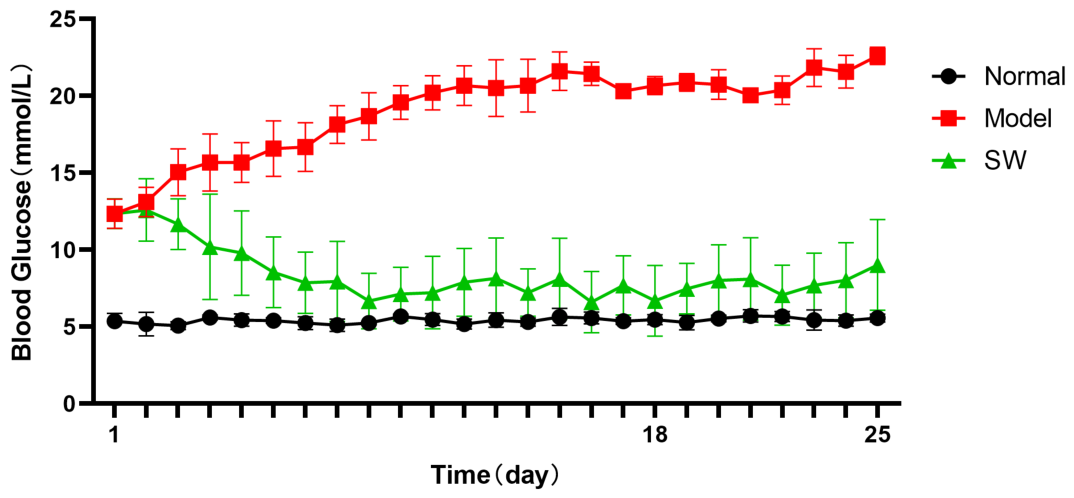
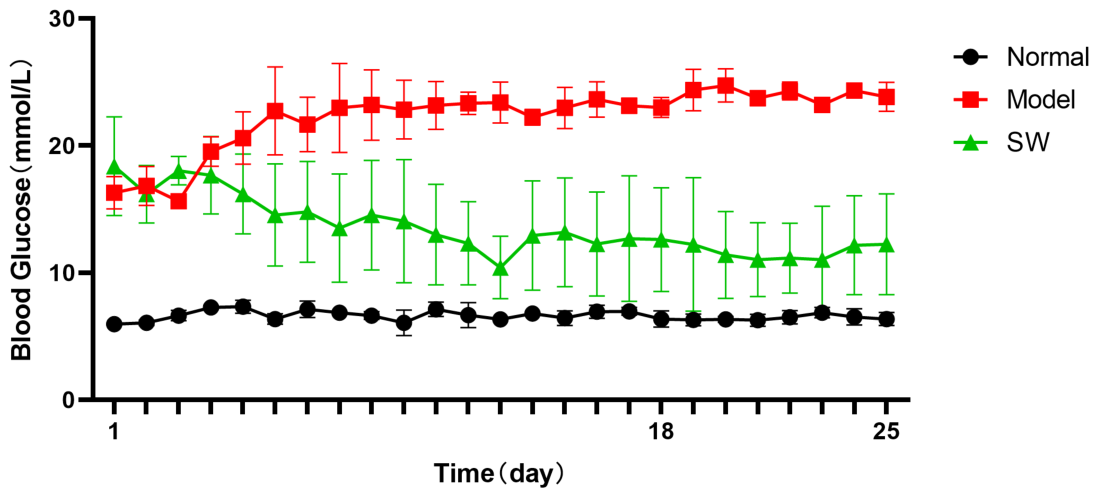
2; and a pulse regimen of 30 consecutive pulses followed by a 30-s interval, with 150 pulses constituting one treatment session. Each T2DM rat received 18 consecutive days of treatment, followed by a 7-day observation period with continued blood glucose monitoring. All treatments were performed by a single operator who was aware of group allocation. However, all outcome assessments—including fasting and postprandial blood glucose measurements, glucose tolerance test (GTT), insulin tolerance test (ITT), histopathological analysis, and qPCR analysis—were conducted by different investigators who were blinded to the treatment group identities.
2.7. Glucose Tolerance Test (GTT) and Insulin Tolerance Test (ITT)
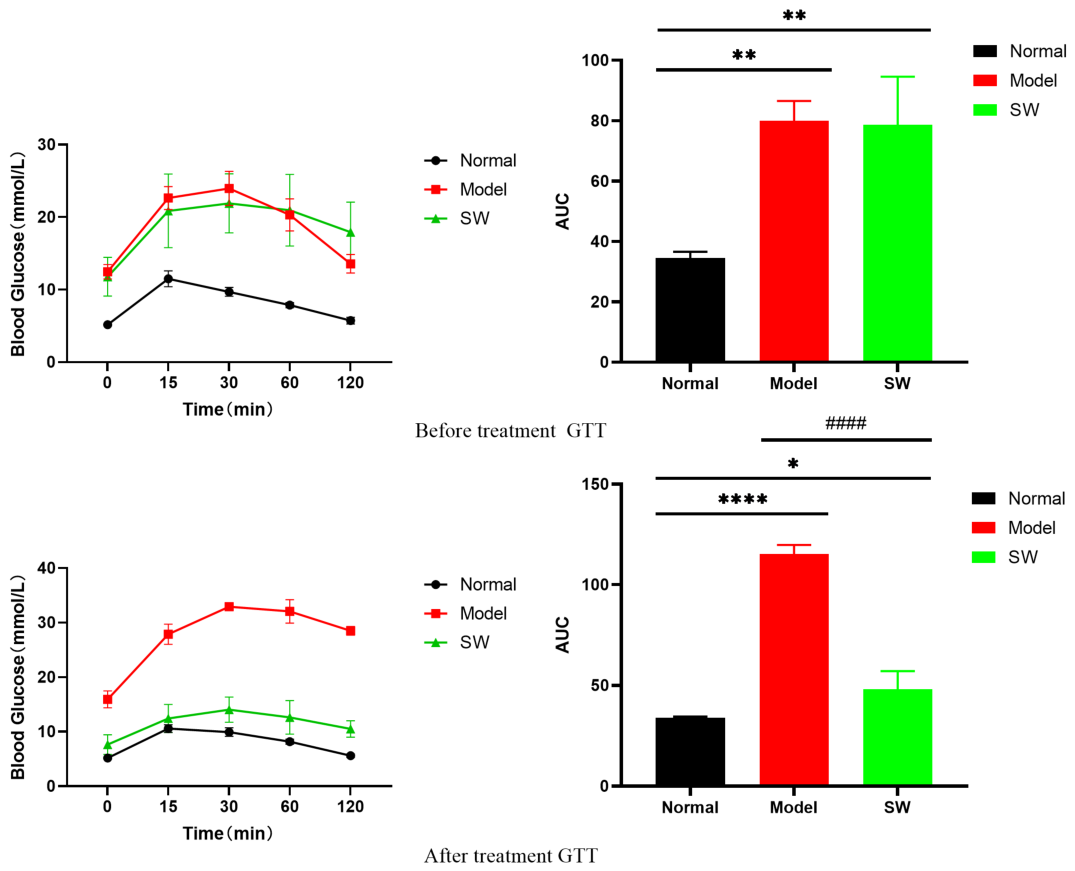
To assess glucose clearance capacity before and after treatment, a GTT was performed after a 12-h fast. A 20% glucose solution was administered intraperitoneally (2 g/kg). Blood glucose levels were measured at 0, 15, 30, 60, and 120 min using a glucometer, and the area under the curve (AUC) was calculated to quantify overall glucose tolerance.
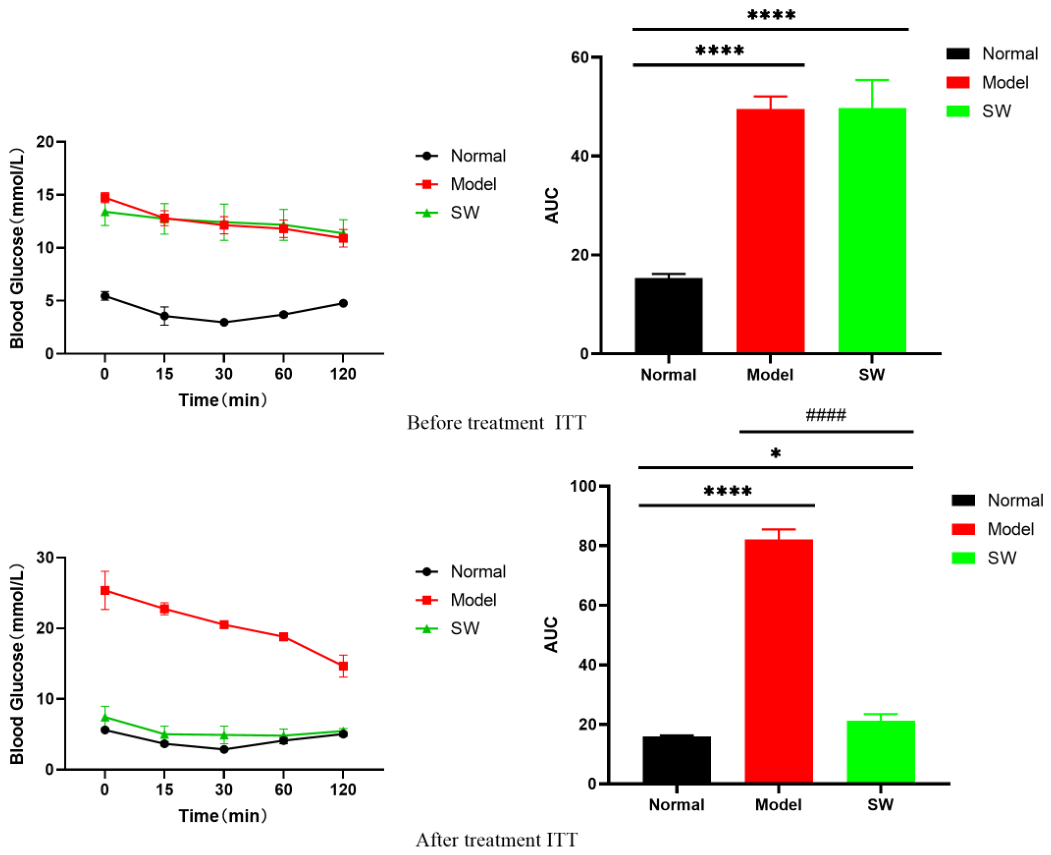
To evaluate peripheral tissue insulin sensitivity before and after treatment, an ITT was conducted after a 6-h fast. Insulin dissolved in physiological saline was administered intraperitoneally (0.5 U/kg). Blood glucose levels were measured at 0, 15, 30, 60, and 120 min, and the AUC was calculated to assess insulin sensitivity.
2.8. Serum Insulin Measurement and Insulin Resistance Index
Fasting serum insulin levels were measured using a commercial rat-specific sandwich ELISA kit. Absorbance at 450 nm was determined using a microplate reader, with the intensity being proportional to the insulin concentration in the sample.
The fasting serum insulin concentrations, together with the fasting blood glucose levels, were used to calculate the homeostatic model assessment of insulin resistance (HOMA-IR) index, a key metric for evaluating systemic insulin sensitivity [
21]. The formula used was:
2.9. Histopathological Sectioning
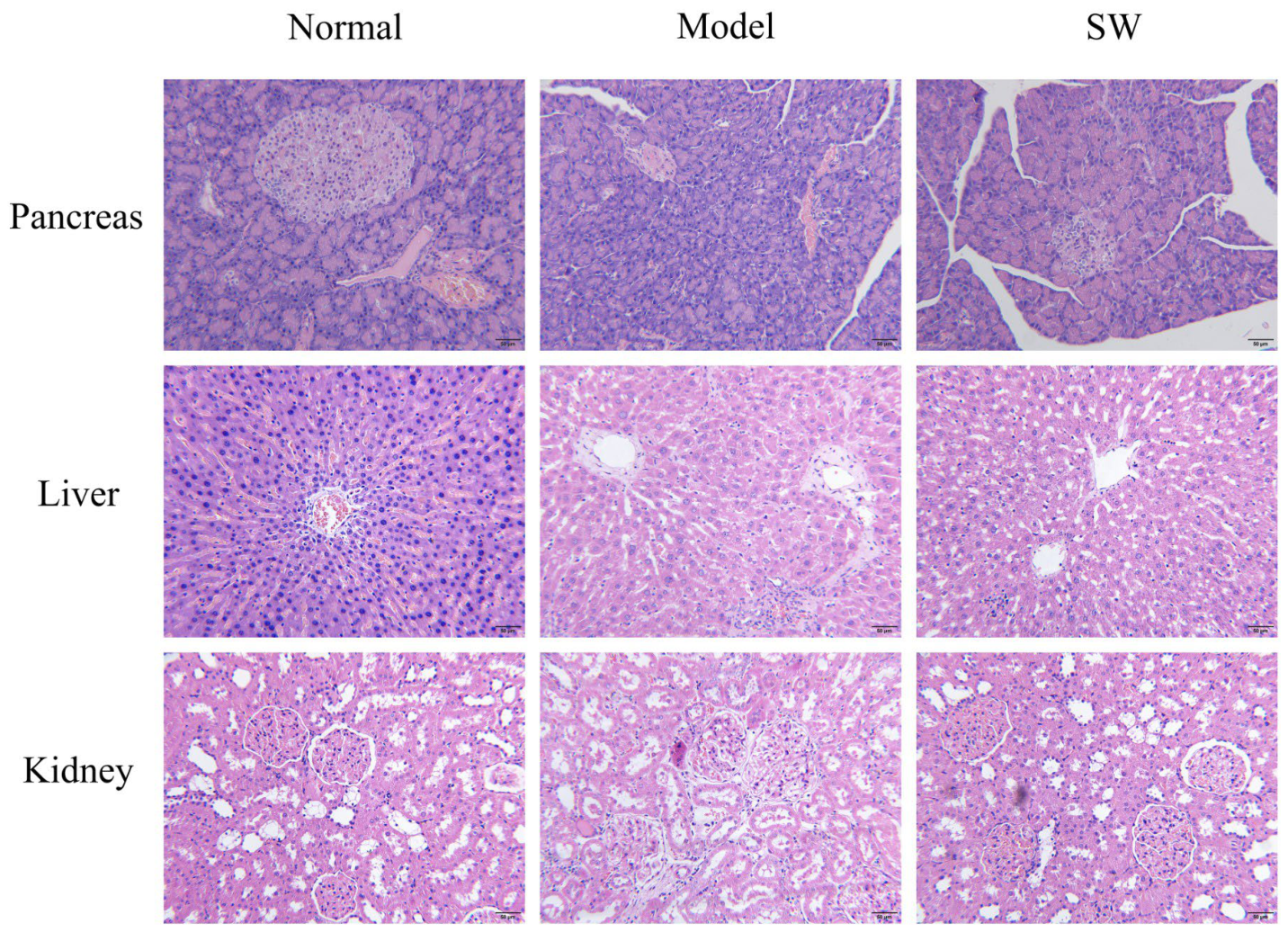
Fresh pancreatic, hepatic, and renal tissues were fixed in 4% paraformaldehyde for over 24 h. Following dehydration, tissues were embedded in paraffin and sectioned at a thickness of 4 μm. Sections were deparaffinized and stained with haematoxylin and eosin (H&E) according to the manufacturer’s protocol.
2.10. mRNA Detection in Pancreatic, Hepatic, and Renal Tissues of T2DM Rats
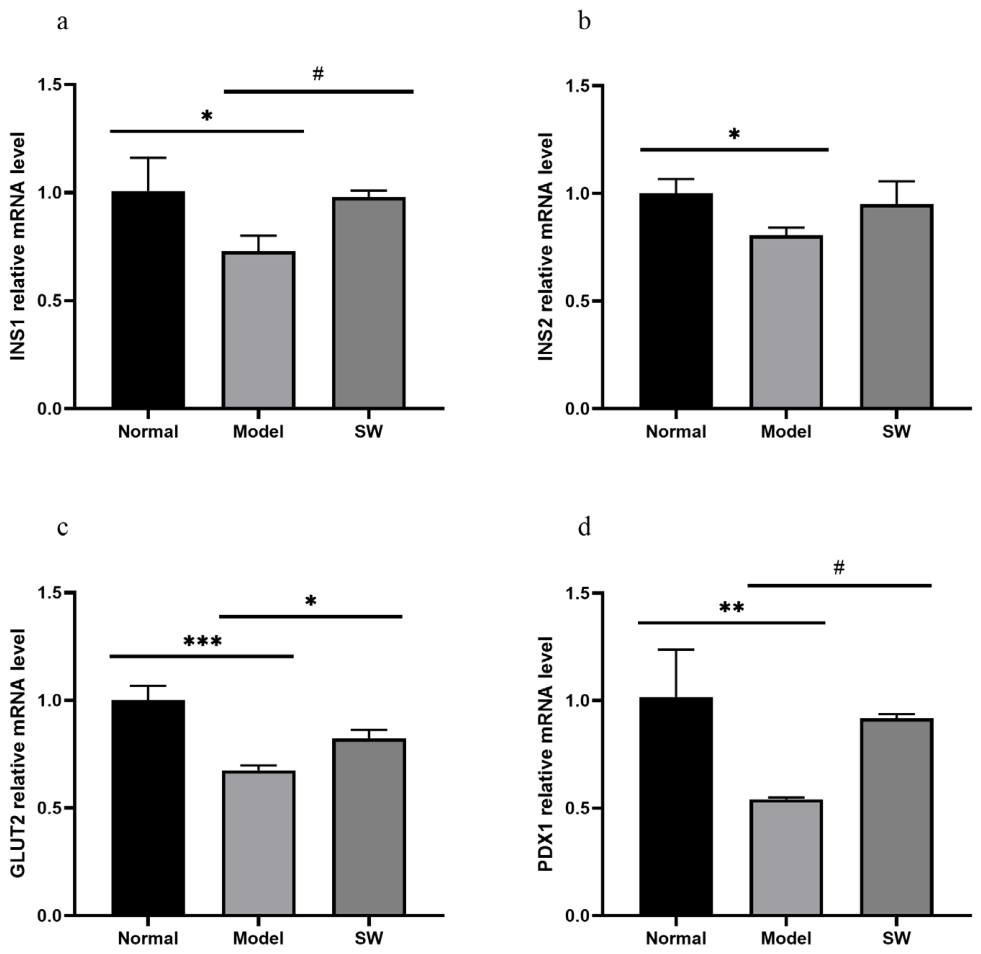
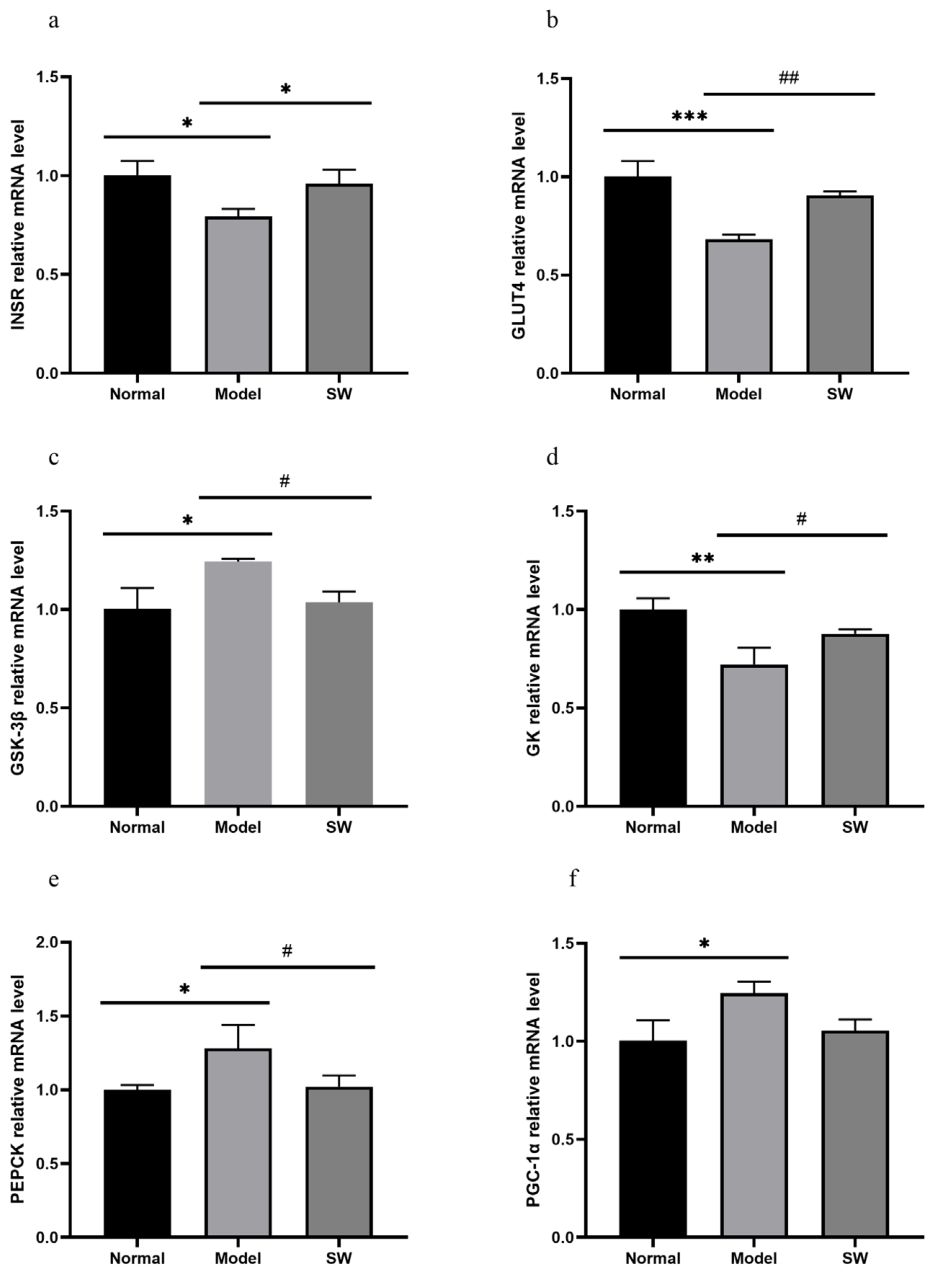
Total RNA was extracted from pancreatic, liver, and kidney tissues using a commercial kit according to the manufacturer’s instructions. cDNA was synthesized via reverse transcription. qPCR amplification was performed using the following protocol: initial denaturation at 95 °C for 2 min, followed by 40 cycles of denaturation at 95 °C for 15 s and annealing/extension at 60 °C for 30 s. The CT values were recorded, and the relative expression of target genes was calculated using the 2
−ΔΔCT method. The number of animals per group (
n) is as described in
Section 2.4 and
Section 2.5. Three technical replicates were performed for each animal sample, and the mean of the technical replicates was used as one data point for statistical analysis. Primer sequences are listed in
Table 1.
2.11. Effect of ELESW on HepG2 Cell Viability
HepG2 cells were cultured in DMEM medium supplemented with 10% fetal bovine serum (FBS) and 1% penicillin/streptomycin at 37 °C in a 5% CO2 incubator. Cells were passaged upon reaching 80% confluence.
Cells were seeded in 96-well plates at a density of 1 × 10⁵ cells per well and cultured for 24 h. After cell attachment, the supernatant was discarded and replaced with serum-free DMEM medium. Cells were then subjected to low-energy shock waves at different pulse frequencies (50, 100, 150, 200, 300, 400 pulses). Following treatment, cells were cultured for an additional 24 h. The supernatant was then removed, and 20 μL of MTT solution was added to each well, followed by incubation for 4 h. After removing the MTT solution, 150 μL of DMSO was added to each well. Plates were placed on a shaker and agitated at 37 °C for 10 min. Absorbance at 490 nm was measured for each well using a microplate reader.
2.12. Establishment of the IR-HepG2 Cell Model and Experimental Grouping
An insulin-resistant cell model was established based on previously reported methods [
22,
23] to determine suitable insulin concentration and exposure duration. HepG2 cells were seeded in 96-well plates at a density of 1 × 10
5 cells per well and cultured for 24 h at 37 °C in a 5% CO
2 incubator. Cells were then serum-starved for 12 h using serum-free medium. Except for the normal control and normal shock wave groups, all other groups were treated with DMEM medium containing 10
−6 mol/L insulin and 33 mmol L
−1 glucose for 24 h to induce insulin resistance. Subsequently, cells were subjected to shock wave treatment (300 pulses, 7 kV, energy flux density < 0.08 mJ/mm
2) and cultured for another 24 h. The experimental groups were as follows: normal control group (Normal), normal shock wave group (Normal Shock Wave, NSW), model group (Model), and model shock wave group (Model Shock Wave, MSW). For cell experiments and qPCR analyses, three independent biological replicates were performed (
n = 3). In each independent experiment, three technical replicates were included for each condition, and the mean of the technical replicates was used as one data point for statistical analysis. The same procedure was applied to all subsequent cell experiments and qPCR analyses.
2.13. Detection of Key Enzyme mRNA Related to Glucose Metabolism in IR-HepG2 Cells
HepG2 cells were seeded in 6-well plates at a density of 2 × 10
3 cells per well and cultured in DMEM medium containing 10% FBS for 24 h. Grouping and treatments were performed as described in
Section 3.4.2. After treatment, total RNA was extracted using a commercial kit according to the manufacturer’s instructions, and cDNA was synthesized via reverse transcription. qPCR amplification was performed under the following conditions: initial denaturation at 95 °C for 2 min, followed by 40 cycles of denaturation at 95 °C for 15 s and annealing/extension at 60 °C for 30 s. The CT values were recorded, and the relative expression of target genes was calculated using the 2
−ΔΔCT method. Primer sequences are listed in
Table 2.
2.14. Establishment of the HG-HepG2 Cell Model and Experimental Grouping
A high-glucose-induced cell damage model was established by treating cells with 50 mmol/L glucose [
24,
25,
26]. HepG2 cells were seeded in 96-well plates at a density of 1 × 10
5 cells per well and cultured for 24 h at 37 °C in a 5% CO
2 incubator. The supernatant was then discarded, and except for the normal control group, all other groups were treated with serum-free DMEM medium containing 50 mmol/L glucose. Cells were subsequently subjected to shock wave treatment (300 pulses, 7 kV, energy flux density < 0.08 mJ/mm
2) and cultured for another 24 h. The experimental groups were as follows: normal control group (Normal), normal shock wave group (Normal Shock Wave, NSW), model group (Model; 50 mmol/L glucose), and model shock wave group (Model Shock Wave, MSW; 50 mmol/L glucose + shock wave).
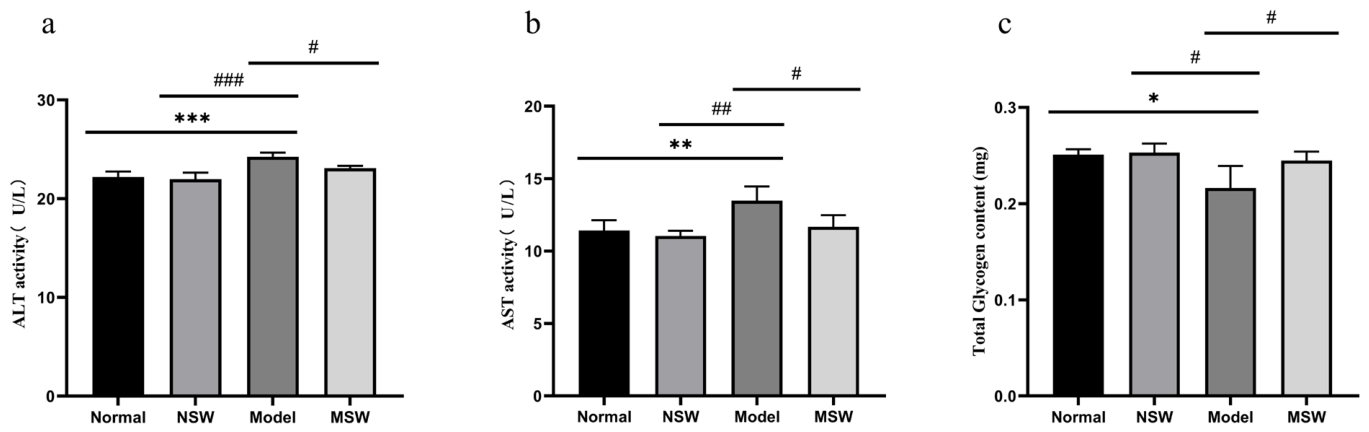
2.15. Measurement of ALT, AST, and Glycogen Content
Alanine aminotransferase (ALT) and aspartate aminotransferase (AST) activities were measured using commercial assay kits following the manufacturer’s protocols. Enzyme activities were calculated from the colorimetric reactions.
Glycogen content was determined using the anthrone method according to the kit instructions. Glycogen was extracted with a strongly alkaline solution, and the content was measured under strongly acidic conditions using the anthrone chromogenic reagent.
2.16. Detection of Glucose Metabolism and Pyroptosis-Related mRNA in HG-HepG2 Cells
HepG2 cells were seeded in 6-well plates at a density of 2 × 10
3 cells per well, cultured with medium for 24 h, and then grouped and treated according to the methods described in the relevant section. After treatment, total RNA was extracted using a commercial kit according to the manufacturer’s instructions, and cDNA was synthesized via reverse transcription. qPCR amplification was performed under the following conditions: initial denaturation at 95 °C for 2 min, followed by 40 cycles of denaturation at 95 °C for 15 s and annealing/extension at 60 °C for 30 s. The CT values were recorded, and the relative expression of target genes was calculated using the 2
−ΔΔCT method. Primer sequences are listed in
Table 2 and
Table 3.
2.17. Statistical Analysis
Data were analyzed using SPSS 24 software and are presented as mean ± s.e.m. Graphs were generated using GraphPad Prism 9. Prior to analysis, normality (Shapiro–Wilk test) and homogeneity of variances (Levene’s test) were checked. For comparisons among multiple independent groups, one-way ANOVA was performed, followed by LSD and Duncan’s multiple range tests for post hoc comparisons. For repeated-measures data (e.g., blood glucose over time), a repeated-measures ANOVA was used. When the sphericity assumption was violated, Greenhouse–Geisser correction was applied. p < 0.05 was considered statistically significant. All experiments were conducted under blinded conditions for outcome assessment, and group sizes adhered to the 3R principle as described in the respective sections.
4. Discussion
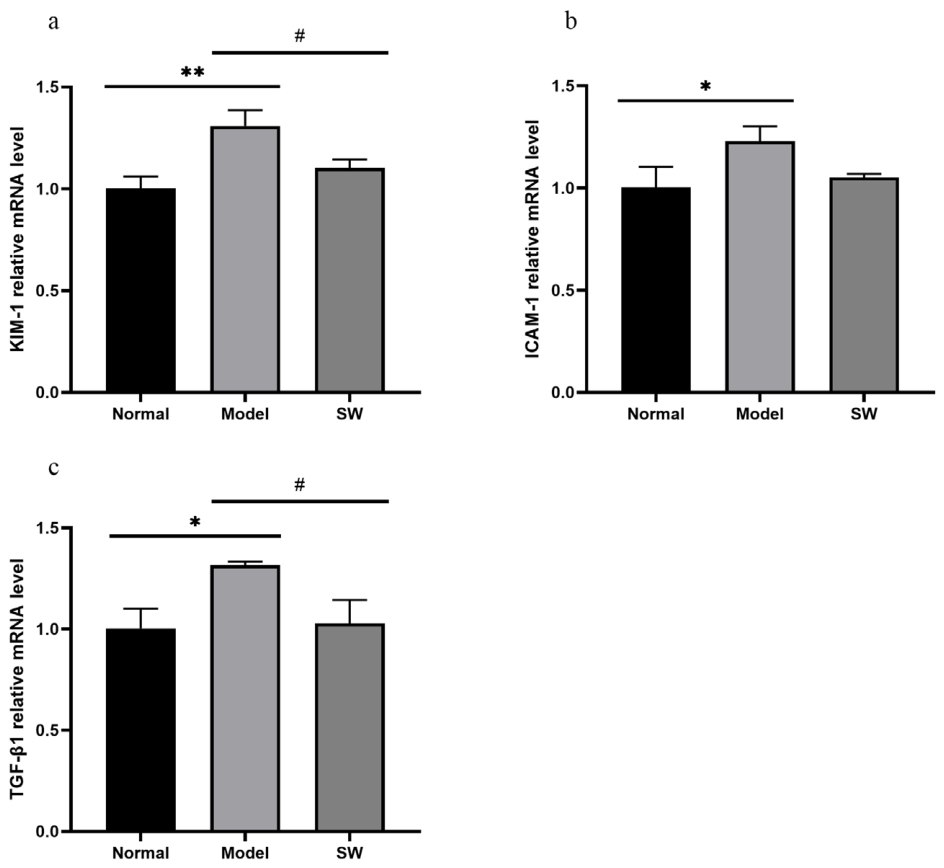
This study systematically investigated ELESW therapy as a non-invasive physical intervention for T2DM, using complementary animal models (SD and OLETF rats) and cellular models (IR-HepG2 and HG-HepG2). Our results showed that, under precisely optimized energy parameters, ELESW was associated with lower blood glucose levels and improved insulin resistance and glucose metabolic disorders in T2DM. The potential mechanisms, as suggested by mRNA and histopathological data, may involve promoting glucose utilization, enhancing insulin signal transduction, suppressing hepatic gluconeogenesis, attenuating local inflammation in the pancreas, liver, and kidneys, as well as protecting and promoting the proliferation and repair of pancreatic β-cells. Notably, ELESW treatment caused no detectable damage to normal tissues but specifically rectified metabolic disturbances under diabetic conditions and provided cytoprotection in hepatocytes under high-glucose stress.
A key finding of this study was that the safety and efficacy of ELESW therapy critically depended on precise energy control. ELESW levels exceeding the safety threshold damaged the fragile vasculature of T2DM rats—but not normoglycemic rats—leading to multi-organ hemorrhage. This observation suggests pathological alterations in vascular sensitivity to mechanical stress under diabetic conditions, consistent with previous reports that diabetes induces structural and functional abnormalities in vessel walls, thereby reducing their tolerance to external mechanical stress [
37,
38]. Compared with focused ultrasound stimulation, which targets specific neural plexuses [
10,
11], ELESW appears to exert broader multi-organ effects, but its narrower therapeutic window necessitates stricter parameter optimization. Although the high mortality (up to 100%) observed during parameter optimization in SD rats raises important safety and ethical concerns, but no mortality occurred in normoglycemic rats under the same stimulation parameters, indicating that diabetes-induced vascular fragility—rather than the shock wave itself—is the primary cause of hemorrhage and death. This finding has two implications. First, it establishes a narrow therapeutic window for ELESW in T2DM, which must be strictly adhered to in future studies. Second, it highlights the necessity of including safety-optimization phases in preclinical studies of mechanical therapies for diabetes. From an ethical standpoint, the severe outcomes were anticipated and approved by the ethics committee, with predefined humane endpoints and immediate euthanasia to minimize suffering. The 3R principle was followed by using the minimal number of animals required to define lethal thresholds (
n = 3 per group, with
n = 6 only for intermediate parameters). While the mortality itself is regrettable, the data obtained were essential to prevent the use of harmful parameters in subsequent efficacy studies. Future investigations should further refine protocols to reduce animal exposure to potentially lethal conditions, possibly by using real-time monitoring or lower-energy starting points.
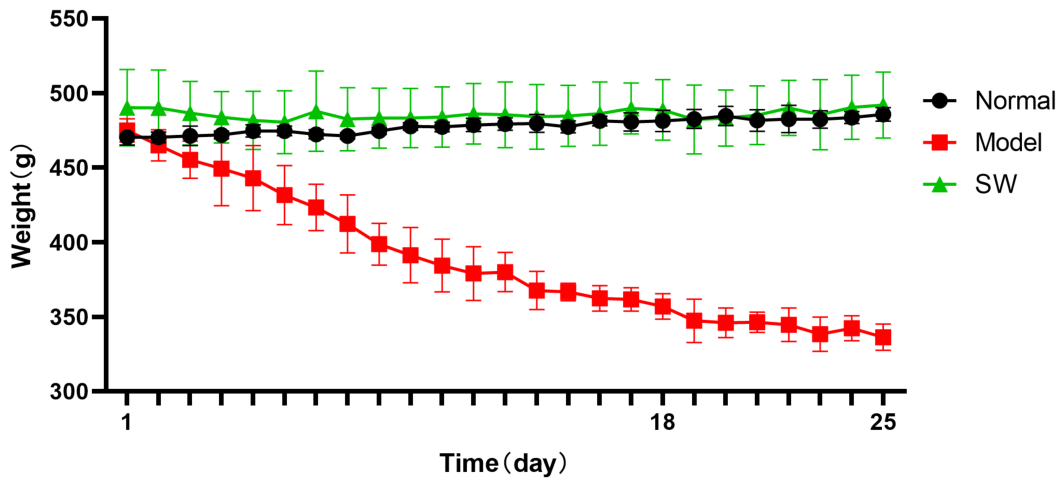
After establishing safe parameters, ELESW treatment in OLETF rats significantly improved systemic glucose homeostasis, as evidenced by reduced fasting and postprandial blood glucose, enhanced insulin sensitivity, and attenuated pathological weight loss. These findings align with previous studies showing that non-invasive mechanical stimuli, including shock waves and ultrasound, facilitate pancreatic β-cell repair and improve insulin resistance in T2DM models [
9,
10,
11,
20]. Unlike pharmacological agents such as metformin, which primarily act on hepatic
AMPK, ELESW appeared to exert simultaneous effects on the pancreas, liver, and kidneys, suggesting a distinct multi-target profile.
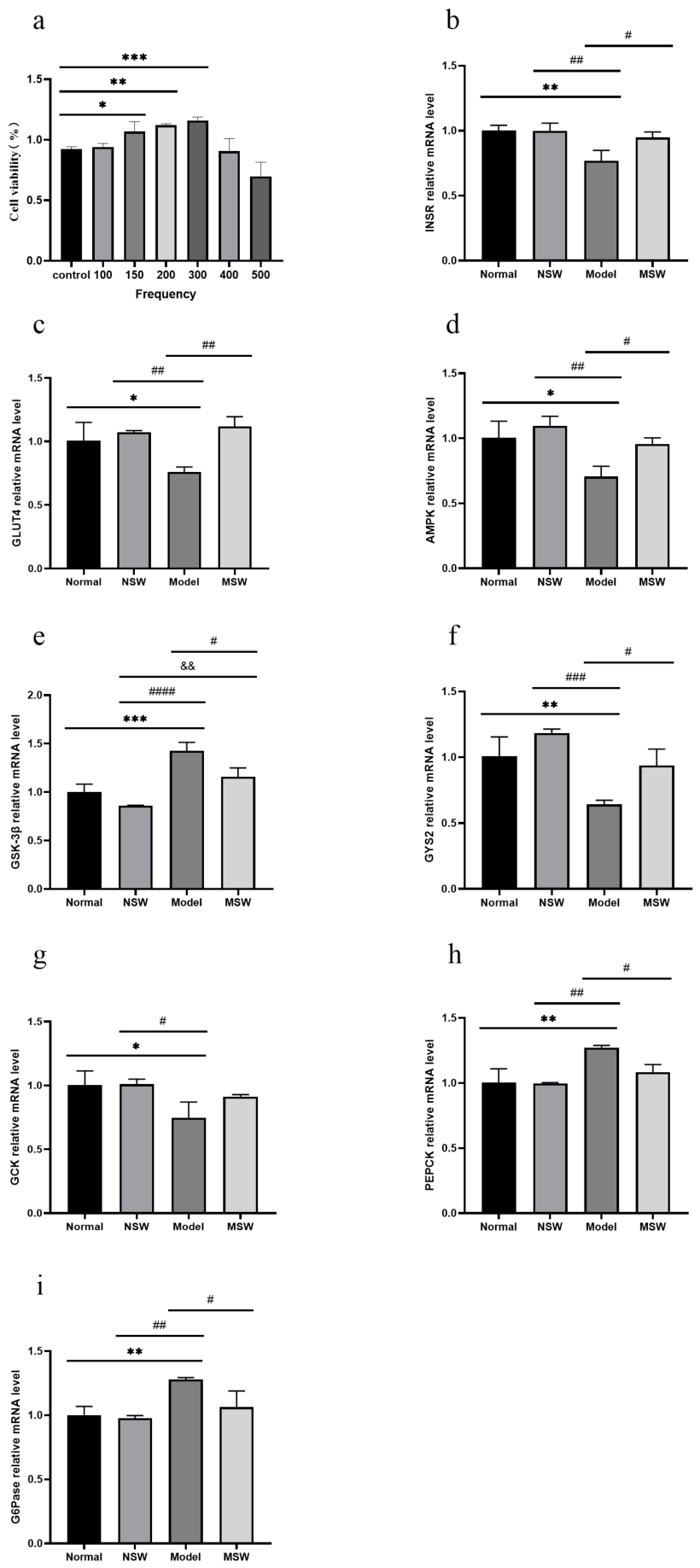
In the IR-HepG2 model, ELESW therapy was associated with amelioration of disordered glucose metabolism, potentially through a dual mechanism at the transcriptional level. First, it upregulated the mRNA expression of
INSR, which may in turn influence the PI3K/AKT signaling axis and downstream enzymes involved in glucose uptake and utilization. This suggests a possible improvement in insulin signal transduction, a core strategy for reversing insulin resistance [
39]. Second, ELESW increased the mRNA levels of
AMPK, while concurrently promoting glycogen synthesis and suppressing the expression of key gluconeogenic enzymes (
PEPCK and
G6Pase), thus reducing hepatic glucose output [
40,
41]. These changes at the transcriptional level suggest that ELESW may affect AMPK-related pathways, similar to the action of metformin [
42].
More importantly, our study revealed the tissue-protective and reparative functions of ELESW. Histopathological and qPCR analyses showed that ELESW significantly mitigated inflammatory cell infiltration and tissue damage in the pancreas, liver, and kidneys. Chronic low-grade inflammation is a known driver of both insulin resistance and β-cell dysfunction [
43]. The observed increase in islet area, accompanied by reduced inflammation, suggests that ELESW may create a microenvironment conducive to β-cell survival and regeneration. This anti-inflammatory effect is consistent with previous reports that ELESW exerts anti-inflammatory, pro-angiogenic, and stem cell-activating effects in orthopedic and wound healing models [
44,
45,
46], as well as its capacity to reduce pancreatic inflammation and apoptosis in diabetic models [
20].
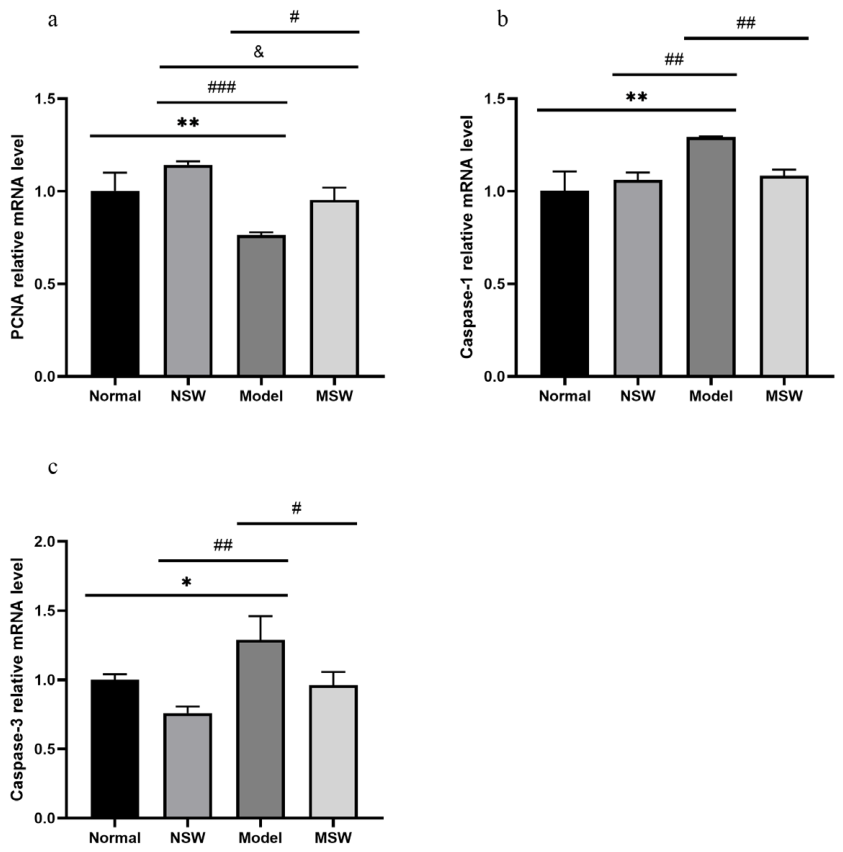
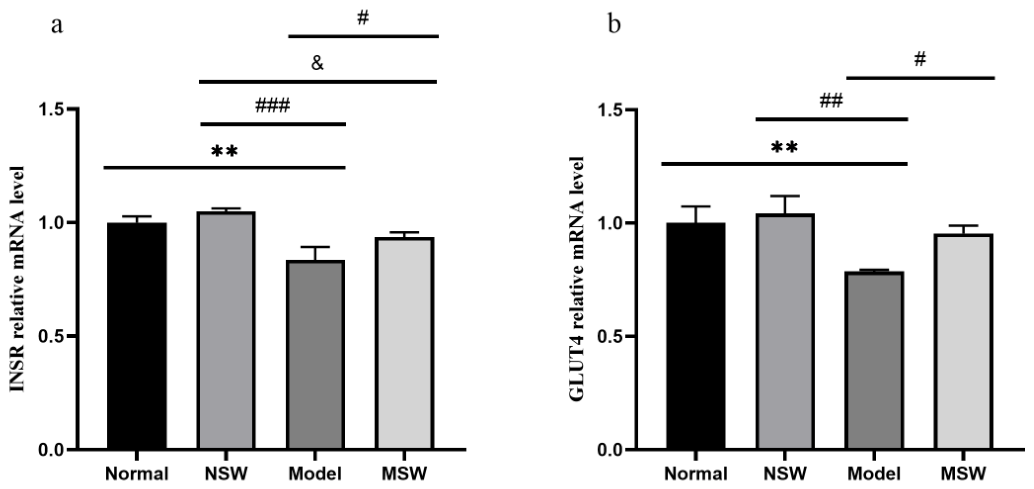
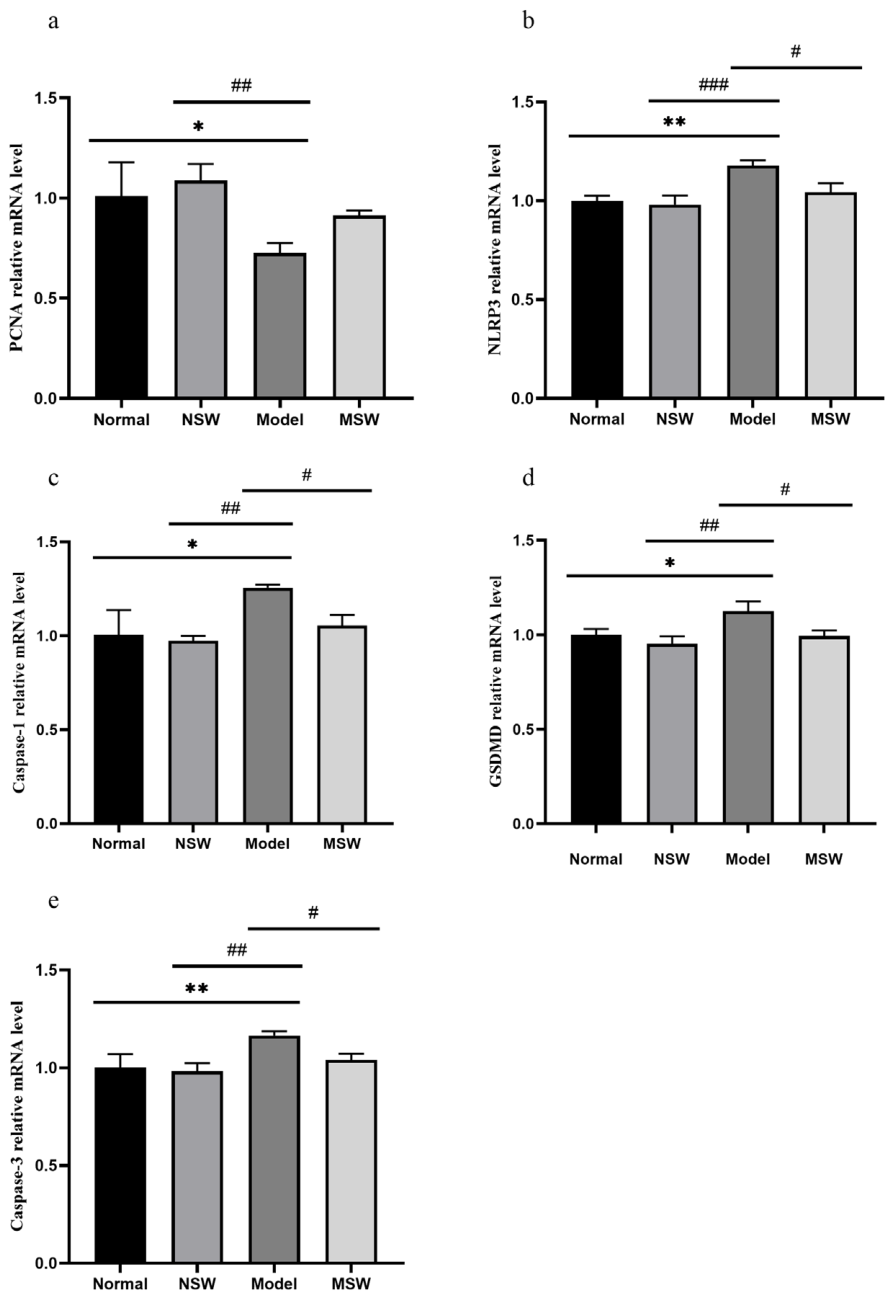
In high-glucose-stressed HepG2 cells, ELESW not only was associated with improved metabolic function through upregulation of INSR and GLUT4 mRNA expression, but also may affect pyroptosis and apoptosis-related pathways by suppressing the mRNA levels of NLRP3, caspase-1, GSDMD, and caspase-3. These transcriptional changes, including the downregulation of NLRP3, caspase-1, GSDMD, and caspase-3 mRNA, suggest that ELESW may affect the pyroptosis and apoptosis pathways at the transcriptional level.
However, mRNA changes do not directly reflect protein activation or cleavage events. For example, activation of the pyroptosis pathway requires cleavage of caspase-1 and gasdermin D (GSDMD-N), which cannot be inferred from mRNA data alone. Studies have shown that diabetes can induce hepatocyte pyroptosis by promoting oxidative stress-mediated NLRP3 inflammasome activation. Furthermore, hyperglycemia exacerbates acute liver injury by enhancing NLRP3 inflammasome activation in hepatic macrophages [
47]. Previous research has shown that when endothelial cells are stimulated with shock waves at an energy flux density of 0.04–0.13 mJ/mm
2, this not only enhances the expression of certain angiogenic factors but also reduces the expression of pro-apoptotic cytokines [
48]. Furthermore, studies indicate that low-energy shock waves can induce intracellular actin cytoskeleton reorganization and Ca
2+ influx through mechanical stimulation [
49]. As a crucial second messenger, Ca
2+ regulates multiple cellular processes, including proliferation, death, and energy metabolism [
50,
51,
52]. It has also been reported that the mechanosensitive ion channel PIEZO1 serves as a primary receptor for hyperosmotic mechanical stress in corneal epithelial cells, and inhibition of PIEZO1 significantly reduces NLRP3 inflammasome-associated pyroptosis [
53]. Based on these reports, it is tempting to hypothesize that ELESW might protect cells and improve tissue function through mechano-ion channel activation and Ca
2+-dependent signaling, potentially counteracting T2DM-induced hyperglycemic damage. However, the present study did not experimentally test the involvement of PIEZO1, Ca
2+ influx, or any specific mechanosensitive channels. Therefore, these proposed mechanisms remain speculative and should be considered as hypotheses to be tested in future studies, rather than as conclusions drawn from the current data.
Taken together, this study demonstrates that ELESW therapy, under optimized safe parameters, effectively lowers blood glucose and ameliorates insulin resistance in T2DM rats. At the transcriptional level, ELESW upregulates key genes involved in insulin signaling (e.g., INSR, GLUT4) and glucose metabolism (e.g., AMPK, GYS2), while downregulating genes associated with gluconeogenesis (e.g., PEPCK, G6Pase) and cell death pathways (e.g., NLRP3, caspase-1, GSDMD, caspase-3). These mRNA changes suggest that ELESW may exert its beneficial effects through modulation of the PI3K/AKT and AMPK signaling axes, as well as suppression of pyroptosis and apoptosis at the transcriptional level. Moreover, ELESW promotes islet repair and reduces inflammation in the pancreas, liver, and kidneys, suggesting a multi-organ protective effect. Nevertheless, this study has several limitations. First, the mechanistic conclusions are based exclusively on mRNA expression data; lack of protein-level validation precludes definitive statements about pathway activation. Second, the high mortality observed during parameter optimization raises ethical and safety concerns that were addressed by establishing a narrow therapeutic window. Third, no sham control group was included. Thus, non-specific effects of the procedures cannot be fully excluded. Nevertheless, the consistency of findings across different models supports the main conclusions. Future studies with a sham control are needed. Subsequent research should involve larger sample sizes, incorporate protein-level assays, and directly test the mechanotransduction hypotheses to facilitate clinical translation.