Cellular Stress and Immune Activation in Celiac Disease: Is the Chaperone System a Key Player?


 and
and 
Simple Summary
Abstract
1. Introduction
1.1. Autoimmune Diseases
1.2. Celiac Disease: Prevalence, Pathogenesis, Diagnosis and Treatment
1.2.1. Prevalence and Epidemiology
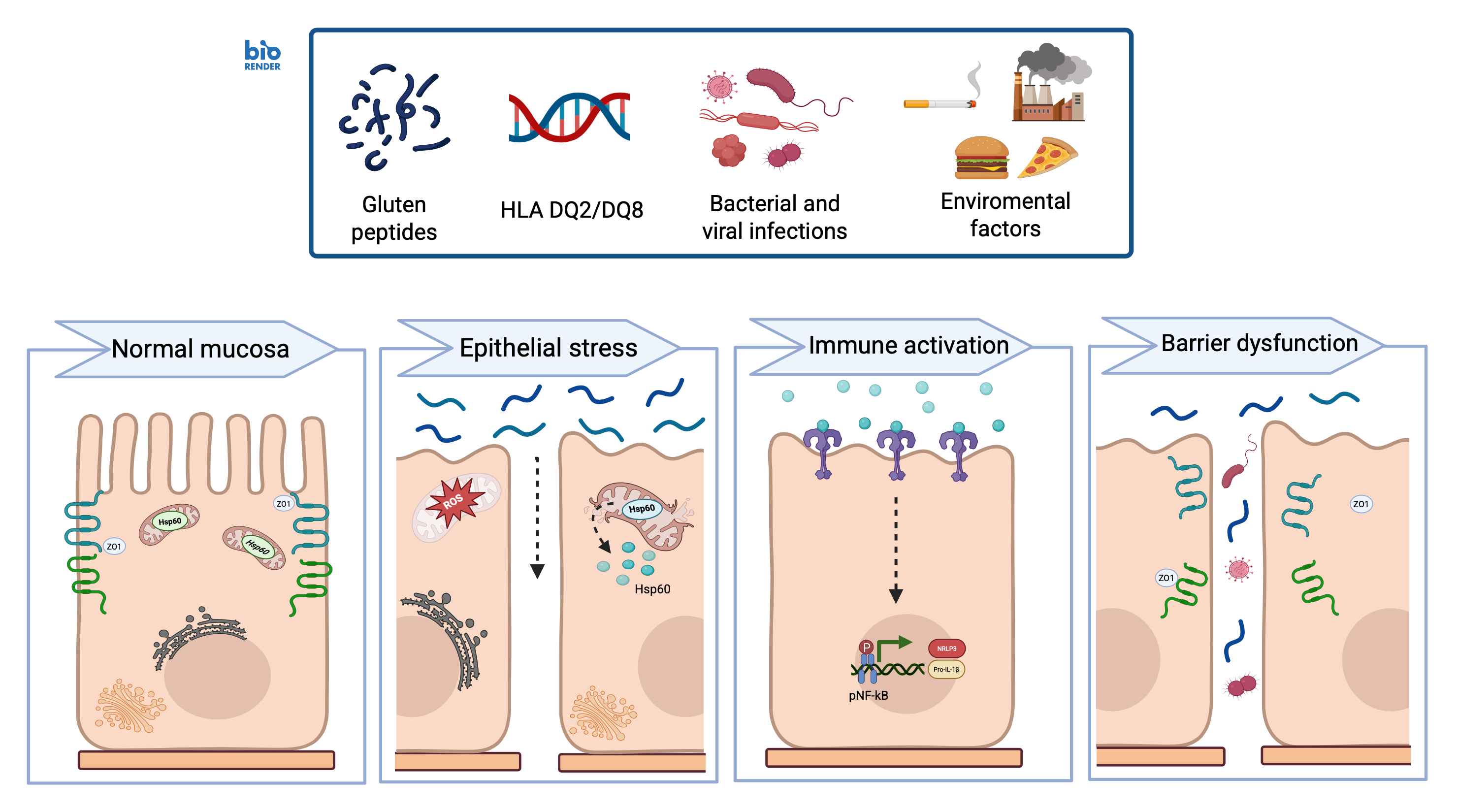
1.2.2. Pathogenesis
1.2.3. Diagnosis
1.2.4. Treatments
1.2.5. Aims and Methodology of the Review
1.3. The Chaperone System
2. Heat Shock Proteins and Epithelial Stress in Celiac Disease
2.1. Hsp27
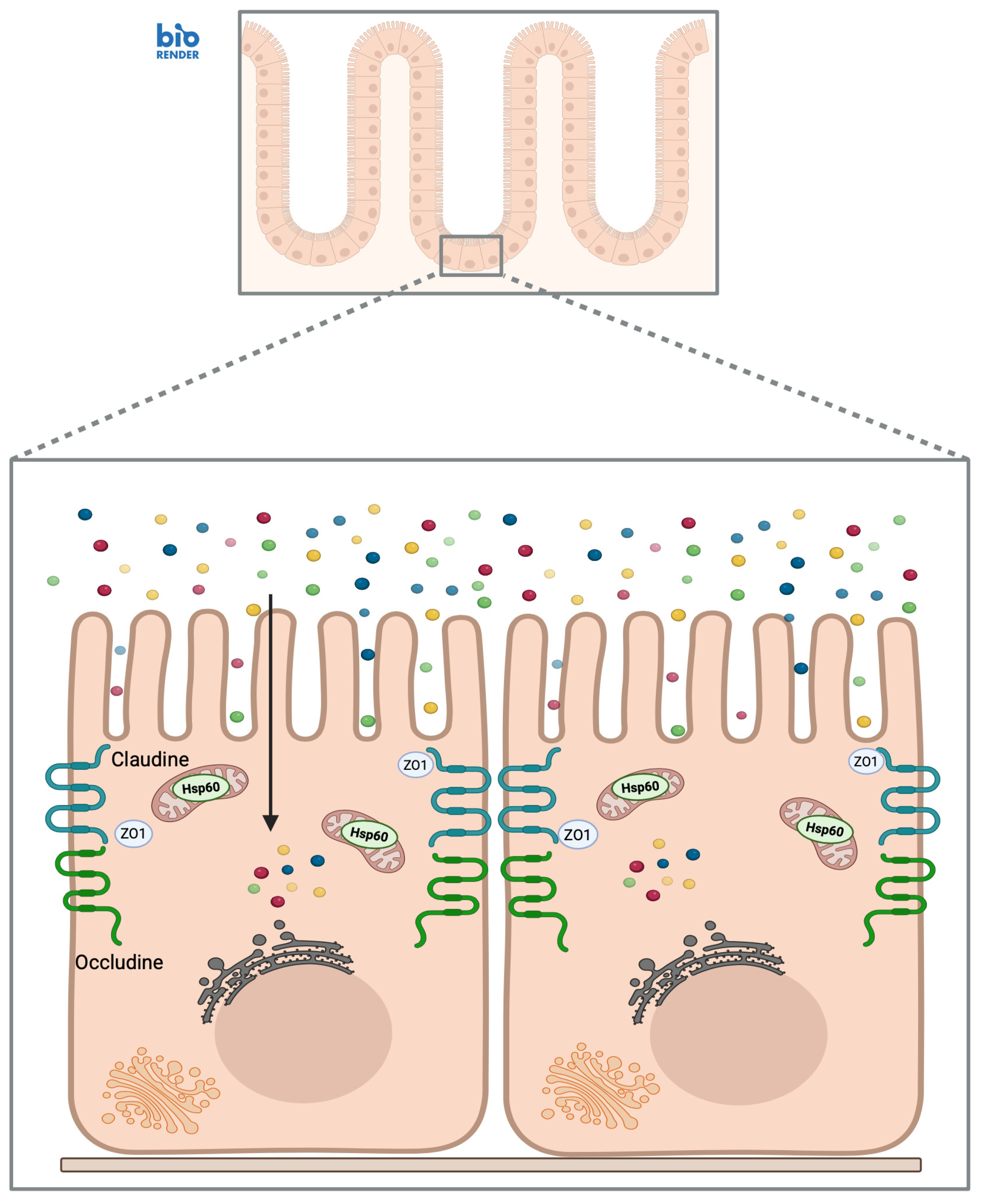
2.2. Hsp60
2.3. Hsp70
2.4. Hsp90
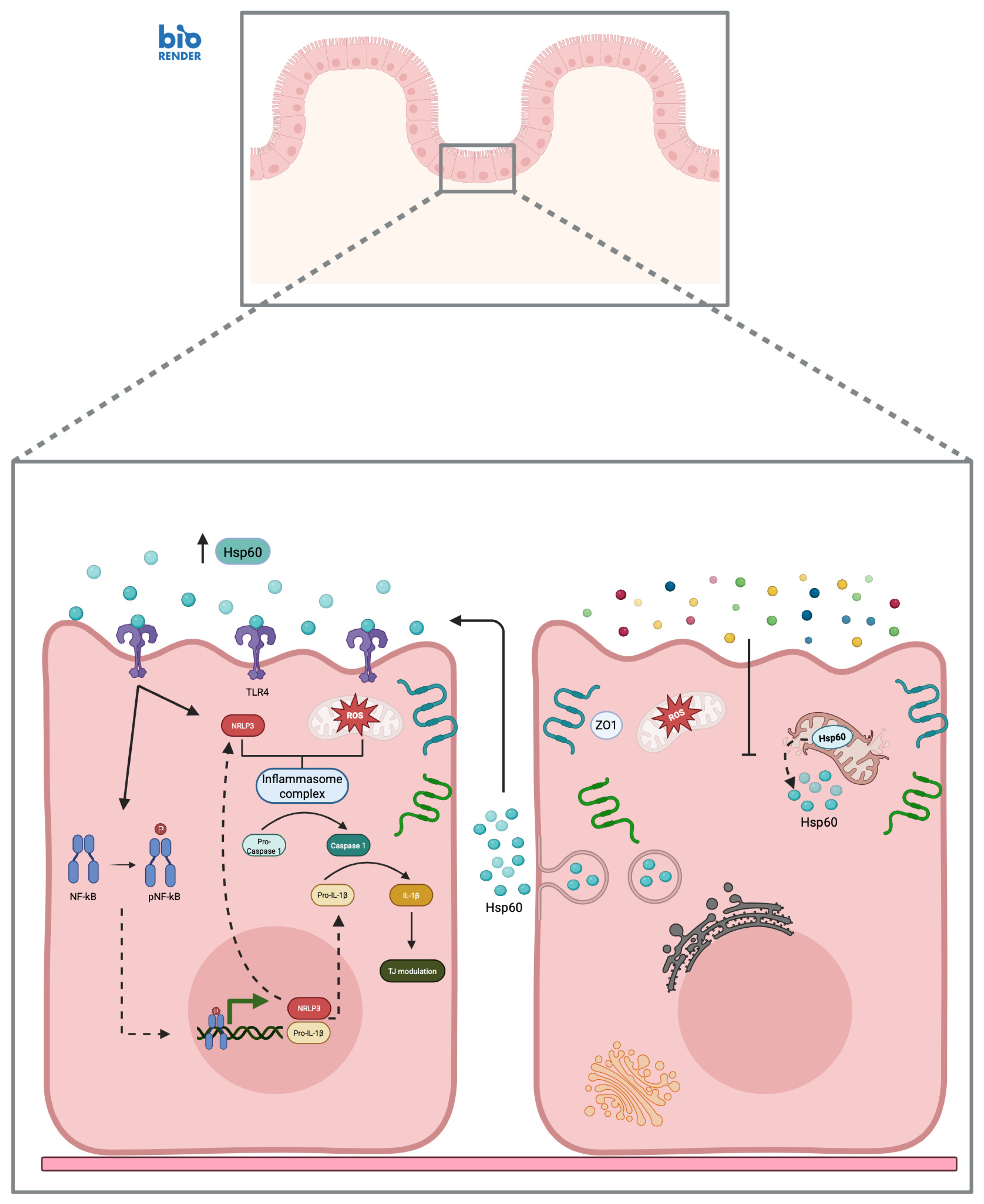
3. Hsp60–TLR Interplay in Celiac Disease
4. Discussion
Limitations and Future Perspectives
5. Conclusions
Author Contributions
Funding
Institutional Review Board Statement
Informed Consent Statement
Data Availability Statement
Acknowledgments
Conflicts of Interest
Abbreviations
| AD | Autoimmune Disease |
| CD | Celiac Disease |
| CS | Chaperone System |
| DAMP | Damage-associated Molecular Patterns |
| EMA | Anti-endomysial Antibodies |
| GFD | Gluten-free Diet |
| HLA | Human Leukocyte Antigen |
| Hsps | Heat Shock Proteins |
| IBD | Inflammatory Bowel Disease |
| IELs | Intraepithelial Lymphocytes |
| IL-1β | Interleukin-1 beta |
| IL-6 | Interleukin-6 |
| MAPK | Mitogen-activated Protein Kinases |
| MLCK | Myosin Light Chain Kinase |
| NF-kB | Nuclear Factor kappa B |
| NLRP3 | NLR Family Pyrin Domain Containing 3 (inflammasome NLRP3) |
| PEPs | Prolyl endopeptidases |
| ROS | Reactive Oxygen Species |
| TLRs | Toll-like Receptors |
| TNF- α | Tumor Necrosis Factor |
| tTG | Tissue Transglutaminase |
References
- Ilchmann-Diounou, H.; Menard, S. Psychological stress, intestinal barrier dysfunctions, and autoimmune disorders: An overview. Front. Immunol. 2020, 11, 1823. [Google Scholar] [CrossRef]
- Pisetsky, D.S. Pathogenesis of autoimmune disease. Nat. Rev. Nephrol. 2023, 19, 509–524. [Google Scholar] [CrossRef]
- Fugger, L.; Jensen, L.T.; Rossjohn, J. Challenges, progress, and prospects of developing therapies to treat autoimmune diseases. Cell 2020, 181, 63–80. [Google Scholar] [CrossRef]
- Marson, A.; Housley, W.J.; Hafler, D.A. Genetic basis of autoimmunity. J. Clin. Investig. 2015, 125, 2234–2241. [Google Scholar] [CrossRef]
- Vojdani, A. A potential link between environmental triggers and autoimmunity. Autoimmune Dis. 2014, 2014, 437231. [Google Scholar] [CrossRef]
- Tiffon, C. The impact of nutrition and environmental epigenetics on human health and disease. Int. J. Mol. Sci. 2018, 19, 3425. [Google Scholar] [CrossRef] [PubMed]
- Song, X.; Liang, H.; Nan, F.; Chen, W.; Li, J.; He, L.; Cun, Y.; Li, Z.; Zhang, W.; Zhang, D. Autoimmune diseases: Molecular pathogenesis and therapeutic targets. MedComm 2025, 6, e70262. [Google Scholar] [CrossRef] [PubMed]
- Gujral, N.; Freeman, H.J.; Thomson, A.B.R. Celiac disease: Prevalence, diagnosis, pathogenesis and treatment. World J. Gastroenterol. 2012, 18, 6036–6059. [Google Scholar] [CrossRef] [PubMed]
- Ben Houmich, T.; Admou, B. Celiac disease: Understandings in diagnostic, nutritional, and medicinal aspects. Int. J. Immunopathol. Pharmacol. 2021, 35, 20587384211008709. [Google Scholar] [CrossRef]
- Dunne, M.R.; Byrne, G.; Chirdo, F.; Feighery, C. Coeliac disease pathogenesis: The uncertainties of a well-known immune mediated disorder. Front. Immunol. 2020, 11, 1374. [Google Scholar] [CrossRef]
- Maiuri, L.; Ciacci, C.; Ricciardelli, I.; Vacca, L.; Raia, V.; Auricchio, S.; Picard, J.; Osman, M.; Quaratino, S.; Londei, M. Association between innate response to gliadin and activation of pathogenic T cells in coeliac disease. Lancet 2003, 362, 30–37. [Google Scholar] [CrossRef]
- Schumann, M.; Siegmund, B.; Schulzke, J.D.; Fromm, M. Celiac disease: Role of the epithelial barrier. Cell. Mol. Gastroenterol. Hepatol. 2017, 3, 150–162. [Google Scholar] [CrossRef]
- Macario, A.J.L.; de Macario, E.C. Chapter 12—Chaperone proteins and Chaperonopathies. In Handbook of Stress, Stress Physiology, Biochemistry, and Pathology; Fink, G., Ed.; Elsevier: Amsterdam, The Netherlands; Academic Press: Cambridge, MA, USA, 2019; Volume 3, pp. 135–152. [Google Scholar]
- Caio, G.; Volta, U.; Sapone, A.; Leffler, D.A.; De Giorgio, R.; Catassi, C.; Fasano, A. Celiac disease: A comprehensive current review. BMC Med. 2019, 17, 142. [Google Scholar] [CrossRef]
- Kahaly, G.J.; Frommer, L.; Schuppan, D. Celiac disease and endocrine autoimmunity—The genetic link. Autoimmun. Rev. 2018, 17, 1169–1175. [Google Scholar] [CrossRef]
- Ensari, A.; Marsh, M.N. Diagnosing celiac disease: A critical overview. Turk. J. Gastroenterol. 2019, 30, 389–397. [Google Scholar] [CrossRef]
- Cappello, F.; David, S.; Rappa, F.; Bucchieri, F.; Marasà, L.; Bartolotta, T.E.; Farina, F.; Zummo, G. The expression of HSP60 and HSP10 in large bowel carcinomas with lymph node metastase. BMC Cancer 2005, 5, 139. [Google Scholar] [CrossRef] [PubMed]
- Caruso Bavisotto, C.; Cipolla, C.; Graceffa, G.; Barone, R.; Bucchieri, F.; Bulone, D.; Cabibi, D.; Campanella, C.; Marino Gammazza, A.; Pitruzzella, A.; et al. Immunomorphological pattern of molecular chaperones in normal and pathological thyroid tissues and circulating exosomes: Potential use in clinics. Int. J. Mol. Sci. 2019, 20, 4496. [Google Scholar] [CrossRef] [PubMed]
- Zhang, M.; Bi, X. Heat shock proteins and breast cancer. Int. J. Mol. Sci. 2024, 25, 876. [Google Scholar] [CrossRef] [PubMed]
- Basset, C.A.; de Macario, E.C.; Leone, L.G.; Macario, A.J.L.; Leone, A. The chaperone system in cancer therapies: Hsp90. J. Mol. Histol. 2023, 54, 105–118. [Google Scholar] [CrossRef]
- Bakthisaran, R.; Tangirala, R.; Rao, C.M. Small heat shock proteins: Role in cellular functions and pathology. Biochim. Biophys. Acta Proteins Proteom. 2015, 1854, 291–319. [Google Scholar] [CrossRef]
- Basha, E.; O’Neill, H.; Vierling, E. Small heat shock proteins and α-crystallins: Dynamic proteins with flexible functions. Trends Biochem. Sci. 2012, 37, 106–117. [Google Scholar] [CrossRef] [PubMed]
- Ce, P.; Erkizan, O.; Gedizlioglu, M. Elevated HSP27 levels during attacks in patients with multiple sclerosis. Acta Neurol. Scand. 2011, 124, 317–320. [Google Scholar] [CrossRef]
- Roelofs, M.F.; Boelens, W.C.; Joosten, L.A.B.; Abdollahi-Roodsaz, S.; Geurts, J.; Wunderink, L.U.; Schreurs, B.W.; van den Berg, W.B.; Radstake, T.R.D.J. Identification of small heat shock protein B8 (HSP22) as a novel TLR4 ligand and potential involvement in the pathogenesis of rheumatoid arthritis. J. Immunol. 2006, 176, 7021–7027. [Google Scholar] [CrossRef]
- Ishida, R.; Okamoto, T.; Motojima, F.; Kubota, H.; Takahashi, H.; Tanabe, M.; Oka, T.; Kitamura, A.; Kinjo, M.; Yoshida, M.; et al. Physicochemical Properties of the Mammalian Molecular Chaperone HSP60. Int. J. Mol. Sci. 2018, 19, 489. [Google Scholar] [CrossRef]
- Cappello, F.; de Macario, E.C.; Marasà, L.; Zummo, G.; Macario, A.J.L. Hsp60 expression, new locations, functions and perspectives for cancer diagnosis and therapy. Cancer Biol. Ther. 2008, 7, 801–809. [Google Scholar] [CrossRef] [PubMed]
- Kim, H.; Park, J.; Roh, S.H. The structural basis of eukaryotic chaperonin TRiC/CCT: Action and folding. Mol. Cells 2024, 47, 100012. [Google Scholar] [CrossRef]
- Sokolowski, I.; Kucharska-Lusina, A.; Miller, E.; Poplawski, T.; Majsterek, I. Exploring the Gene Expression and Plasma Protein Levels of HSP90, HSP60, and GDNF in Multiple Sclerosis Patients and Healthy Controls. Curr. Issues Mol. Biol. 2024, 46, 11668–11680. [Google Scholar] [CrossRef]
- Rodolico, V.; Tomasello, G.; Zerilli, M.; Martorana, A.; Pitruzzella, A.; Gammazza, A.M.; David, S.; Zummo, G.; Damiani, P.; Accomando, S.; et al. Hsp60 and Hsp10 increase in colon mucosa of Crohn’s disease and ulcerative colitis. Cell Stress Chaperones 2010, 15, 877–884. [Google Scholar] [CrossRef] [PubMed]
- Mantej, J.; Polasik, K.; Piotrowska, E.; Tukaj, S. Autoantibodies to heat shock proteins 60, 70, and 90 in patients with rheumatoid arthritis. Cell Stress Chaperones 2019, 24, 283–287. [Google Scholar] [CrossRef]
- Brocchieri, L.; de Macario, E.C.; Macario, A.J. hsp70 genes in the human genome: Conservation and differentiation patterns predict a wide array of overlapping and specialized functions. BMC Evol. Biol. 2008, 8, 19. [Google Scholar] [CrossRef] [PubMed]
- Tomasello, G.; Sciumé, C.; Rappa, F.; Rodolico, V.; Zerilli, M.; Martorana, A.; Cicero, G.; De Luca, R.; Damiani, P.; Accardo, F.M.; et al. Hsp10, Hsp70, and Hsp90 immunohistochemical levels change in ulcerative colitis after therapy. Eur. J. Histochem. 2011, 55, e38. [Google Scholar] [CrossRef]
- Sziksz, E.; Veres, G.; Vannay, Á.; Prókai, Á.; Gál, K.; Ónody, A.; Korponay-Szabó, I.R.; Reusz, G.; Szabó, A.; Tulassay, T.; et al. Increased heat shock protein 72 expression in celiac disease. J. Pediatr. Gastroenterol. Nutr. 2010, 51, 573–578. [Google Scholar] [CrossRef] [PubMed]
- Hoter, A.; El-Sabban, M.E.; Naim, H.Y. The HSP90 Family: Structure, Regulation, Function, and Implications in Health and Disease. Int. J. Mol. Sci. 2018, 19, 2560. [Google Scholar] [CrossRef]
- Easton, D.P.; Kaneko, Y.; Subjeck, J.R. The hsp110 and Grp170 stress proteins: Newly recognized relatives of the Hsp70s. Cell Stress Chaperones 2000, 5, 276–290. [Google Scholar] [CrossRef]
- Zuo, W.F.; Pang, Q.; Zhu, X.; Yang, Q.Q.; Zhao, Q.; He, G.; Han, B.; Huang, W. Heat shock proteins as hallmarks of cancer: Insights from molecular mechanisms to therapeutic strategies. J. Hematol. Oncol. 2024, 17, 81. [Google Scholar] [CrossRef]
- Bukau, B.; Weissman, J.; Horwich, A. Molecular chaperones and protein quality control. Cell 2006, 125, 443–451. [Google Scholar] [CrossRef] [PubMed]
- Samborski, P.; Grzymisławski, M. The role of HSP70 heat shock proteins in the pathogenesis and treatment of inflammatory bowel diseases. Adv. Clin. Exp. Med. 2015, 24, 525–530. [Google Scholar] [CrossRef]
- Spierings, J.; van Eden, W. Heat shock proteins and their immunomodulatory role in inflammatory arthritis. Rheumatology 2017, 56, 198–208. [Google Scholar] [CrossRef] [PubMed]
- Zilaee, M.; Shirali, S. Heat shock proteins and diabetes. Can. J. Diabetes 2016, 40, 594–602. [Google Scholar] [CrossRef] [PubMed]
- Gammazza, A.M.; Bucchieri, F.; Grimaldi, L.M.E.; Benigno, A.; de Macario, E.C.; Macario, A.J.L.; Zummo, G.; Cappello, F. The molecular anatomy of human Hsp60 and its similarity with that of bacterial orthologs and acetylcholine receptor reveal a potential pathogenetic role of anti-chaperonin immunity in myasthenia gravis. Cell. Mol. Neurobiol. 2012, 32, 943–947. [Google Scholar] [CrossRef]
- Hoter, A.; Naim, H.Y. The functions and therapeutic potential of heat shock proteins in inflammatory bowel disease—An update. Int. J. Mol. Sci. 2019, 20, 5331. [Google Scholar] [CrossRef]
- Kostenko, S.; Moens, U. Heat shock protein 27 phosphorylation: Kinases, phosphatases, functions and pathology. Cell. Mol. Life Sci. 2009, 66, 3289–3307. [Google Scholar] [CrossRef]
- Paul, C.; Manero, F.; Gonin, S.; Kretz-Remy, C.; Virot, S.; Arrigo, A.P. Hsp27 as a negative regulator of cytochrome C release. Mol. Cell. Biol. 2002, 22, 816–834. [Google Scholar] [CrossRef] [PubMed]
- Setty, M.; Discepolo, V.; Abadie, V.; Kamhawi, S.; Mayassi, T.; Kent, A.; Ciszewski, C.; Maglio, M.; Kistner, E.; Bhagat, G.; et al. Distinct and synergistic contributions of epithelial stress and adaptive immunity to functions of intraepithelial killer cells and active celiac disease. Gastroenterology 2015, 149, 681–691.e10. [Google Scholar] [CrossRef] [PubMed]
- Bavisotto, C.C.; Alberti, G.; Vitale, A.M.; Paladino, L.; Campanella, C.; Rappa, F.; Gorska, M.; de Macario, E.C.; Cappello, F.; Macario, A.J.L.; et al. Hsp60 post-translational modifications: Functional and pathological consequences. Front. Mol. Biosci. 2020, 7, 95. [Google Scholar] [CrossRef] [PubMed]
- Hu, C.; Yang, J.; Qi, Z.; Wu, H.; Wang, B.; Zou, F.; Mei, H.; Liu, J.; Wang, W.; Liu, Q. Heat shock proteins: Biological functions, pathological roles, and therapeutic opportunities. MedComm 2022, 3, e161. [Google Scholar] [CrossRef]
- Piatek-Guziewicz, A.; Ptak-Belowska, A.; Przybylska-Felus, M.; Pasko, P.; Zagrodzki, P.; Brzozowski, T.; Mach, T.; Zwolinska-Wcislo, M. Intestinal parameters of oxidative imbalance in celiac adults with extraintestinal manifestations. World J. Gastroenterol. 2017, 23, 7849–7862. [Google Scholar] [CrossRef]
- Barone, M.V.; Auricchio, R.; Nanayakkara, M.; Greco, L.; Troncone, R.; Auricchio, S. Pivotal role of inflammation in celiac disease. Int. J. Mol. Sci. 2022, 23, 7177. [Google Scholar] [CrossRef]
- Calderwood, S.K.; Gong, J.; Murshid, A. Extracellular HSPs: The complicated roles of extracellular HSPs in immunity. Front. Immunol. 2016, 7, 159. [Google Scholar] [CrossRef]
- Zininga, T.; Ramatsui, L.; Shonhai, A. Heat shock proteins as immunomodulants. Molecules 2018, 23, 2846. [Google Scholar] [CrossRef]
- Quintana, F.J.; Cohen, I.R. The HSP60 immune system network. Trends Immunol. 2011, 32, 89–95. [Google Scholar] [CrossRef]
- Swaroop, S.; Sengupta, N.; Suryawanshi, A.R.; Adlakha, Y.K.; Basu, A. HSP60 plays a regulatory role in IL-1β-induced microglial inflammation via TLR4-p38 MAPK axis. J. Neuroinflamm. 2016, 13, 27. [Google Scholar] [CrossRef]
- Swaroop, S.; Mahadevan, A.; Shankar, S.K.; Adlakha, Y.K.; Basu, A. HSP60 critically regulates endogenous IL-1β production in activated microglia by stimulating NLRP3 inflammasome pathway. J. Neuroinflamm. 2018, 15, 177. [Google Scholar] [CrossRef]
- Zhen, Y.; Zhang, H. NLRP3 inflammasome and inflammatory bowel disease. Front. Immunol. 2019, 10, 276. [Google Scholar] [CrossRef] [PubMed]
- Li, Z.; Guo, J.; Bi, L. Role of the NLRP3 inflammasome in autoimmune diseases. Biomed. Pharmacother. 2020, 130, 110542. [Google Scholar] [CrossRef]
- Al-Sadi, R.; Ye, D.; Said, H.M.; Ma, T.Y. IL-1beta-induced increase in intestinal epithelial tight junction permeability is mediated by MEKK-1 activation of canonical NF-kappaB pathway. Am. J. Pathol. 2010, 177, 2310–2322. [Google Scholar] [CrossRef] [PubMed]
- Kaminsky, L.W.; Al-Sadi, R.; Ma, T.Y. IL-1β and the intestinal epithelial tight junction barrier. Front. Immunol. 2021, 12, 767456. [Google Scholar] [CrossRef]
- Sturgeon, C.; Fasano, A. Zonulin, a regulator of epithelial and endothelial barrier functions, and its involvement in chronic inflammatory diseases. Tissue Barriers 2016, 4, e1251384. [Google Scholar] [CrossRef]
- Szebeni, B.; Veres, G.; Dezsofi, A.; Rusai, K.; Vannay, A.; Bokodi, G.; Vásárhelyi, B.; Korponay-Szabó, I.R.; Tulassay, T.; Arató, A. Increased mucosal expression of Toll-like receptor (TLR)2 and TLR4 in celiac disease. J. Pediatr. Gastroenterol. Nutr. 2007, 45, 187–193. [Google Scholar] [CrossRef]
- Talipova, D.; Smagulova, A.; Poddighe, D. Toll-like receptors and celiac disease. Int. J. Mol. Sci. 2022, 24, 265. [Google Scholar] [CrossRef] [PubMed]
- Vabulas, R.M.; Ahmad-Nejad, P.; da Costa, C.; Miethke, T.; Kirschning, C.J.; Häcker, H.; Wagner, H. Endocytotic HSP60s use the toll-like receptor 2 (TLR2) and TLR4 to activate the toll/interleukin-1 receptor signaling pathway in innate immune cells. J. Biol. Chem. 2001, 276, 31332–31339. [Google Scholar] [CrossRef] [PubMed]



| Family | Localization | Function | Dysregulation in ADs | Sample Size | Method |
|---|---|---|---|---|---|
| Small Hsps (HSPB1-HSPB10) | Cytosol Mitochondria Nucleus | Acts as a holdase, preventing protein aggregation by sequestering misfolded proteins [21,22]. |
| n = 50 ctrl = 45 | ELISA |
| n = 7 ctrl = 7 | WB, IHC | |||
| Hsp60 (HSP60 TRiC) | Mitochondria Cytosol | Functions as a protein foldase and prevents aggregation [25,26,27]. |
| n = 40 ctrl = 40 | ELISA Gene expression analysis |
| n = 40 ctrl = 20 | IHC, WB, IF | |||
| n = 39 ctrl = 40 | ELISA | |||
| Hsp70 (SPA1A/1B HSPA1L HSPA5 HSPA9) | Cytosol Nucleus ER Mitochondria | Exhibits multiple roles in proteostasis, acting as a holdase and foldase, preventing aggregation and directing protein fate [31]. |
| n = 40 | IHC |
| n = 39 ctrl = 40 | ELISA | |||
| n = 25 ctrl = 10 | WB, RT-PCR, IF | |||
| Hsp90 (HSP90AA HSP90AB GRP9 TRAP1) | Cytosol Cytosol Cytosol/ER Mitochondria | Serves as a foldase for de novo synthesized proteins and promotes the refolding of misfolded proteins; major substrates include kinases and steroid receptors [34]. |
| n = 40 ctrl = 40 | ELISA Gene expression analysis |
| n = 40 | IHC | |||
| n = 39 ctrl = 40 | ELISA | |||
| Large Hsps (HSP110 GRP170) | Cytosol ER | Acts as a holdase, maintaining proteins in a non-aggregated state; functions as a co-chaperone of HSP70 [35]. | No information regarding the involvement of the large HSP family in ADs was found. |
Disclaimer/Publisher’s Note: The statements, opinions and data contained in all publications are solely those of the individual author(s) and contributor(s) and not of MDPI and/or the editor(s). MDPI and/or the editor(s) disclaim responsibility for any injury to people or property resulting from any ideas, methods, instructions or products referred to in the content. |
© 2026 by the authors. Licensee MDPI, Basel, Switzerland. This article is an open access article distributed under the terms and conditions of the Creative Commons Attribution (CC BY) license.
Share and Cite
Vergilio, G.; Vultaggio, G.; Gagliardo, R.; Paladino, L.; Rappa, F. Cellular Stress and Immune Activation in Celiac Disease: Is the Chaperone System a Key Player? Biology 2026, 15, 805. https://doi.org/10.3390/biology15100805
Vergilio G, Vultaggio G, Gagliardo R, Paladino L, Rappa F. Cellular Stress and Immune Activation in Celiac Disease: Is the Chaperone System a Key Player? Biology. 2026; 15(10):805. https://doi.org/10.3390/biology15100805
Chicago/Turabian StyleVergilio, Giuseppe, Giusy Vultaggio, Rosalia Gagliardo, Letizia Paladino, and Francesca Rappa. 2026. "Cellular Stress and Immune Activation in Celiac Disease: Is the Chaperone System a Key Player?" Biology 15, no. 10: 805. https://doi.org/10.3390/biology15100805
APA StyleVergilio, G., Vultaggio, G., Gagliardo, R., Paladino, L., & Rappa, F. (2026). Cellular Stress and Immune Activation in Celiac Disease: Is the Chaperone System a Key Player? Biology, 15(10), 805. https://doi.org/10.3390/biology15100805