Predicting Ecological Risks of Alexandrium spp. Under Climate Change: An Ensemble Modeling Approach


1
China Waterborne Transport Research Institute, Beijing 100088, China
2
School of Energy and Environmental Engineering, University of Science and Technology Beijing, Beijing 100083, China
3
Key Laboratory of Biodiversity and Environment on the Qinghai-Tibetan Plateau, Ministry of Education, School of Ecology and Environment, Tibet University, Lhasa 850000, China
4
School of Environmental Science and Engineering, Southwest Jiaotong University, Chengdu 611756, China
*
Author to whom correspondence should be addressed.
Biology 2025, 14(11), 1499; https://doi.org/10.3390/biology14111499
Submission received: 26 September 2025
/
Revised: 20 October 2025
/
Accepted: 21 October 2025
/
Published: 27 October 2025
Simple Summary
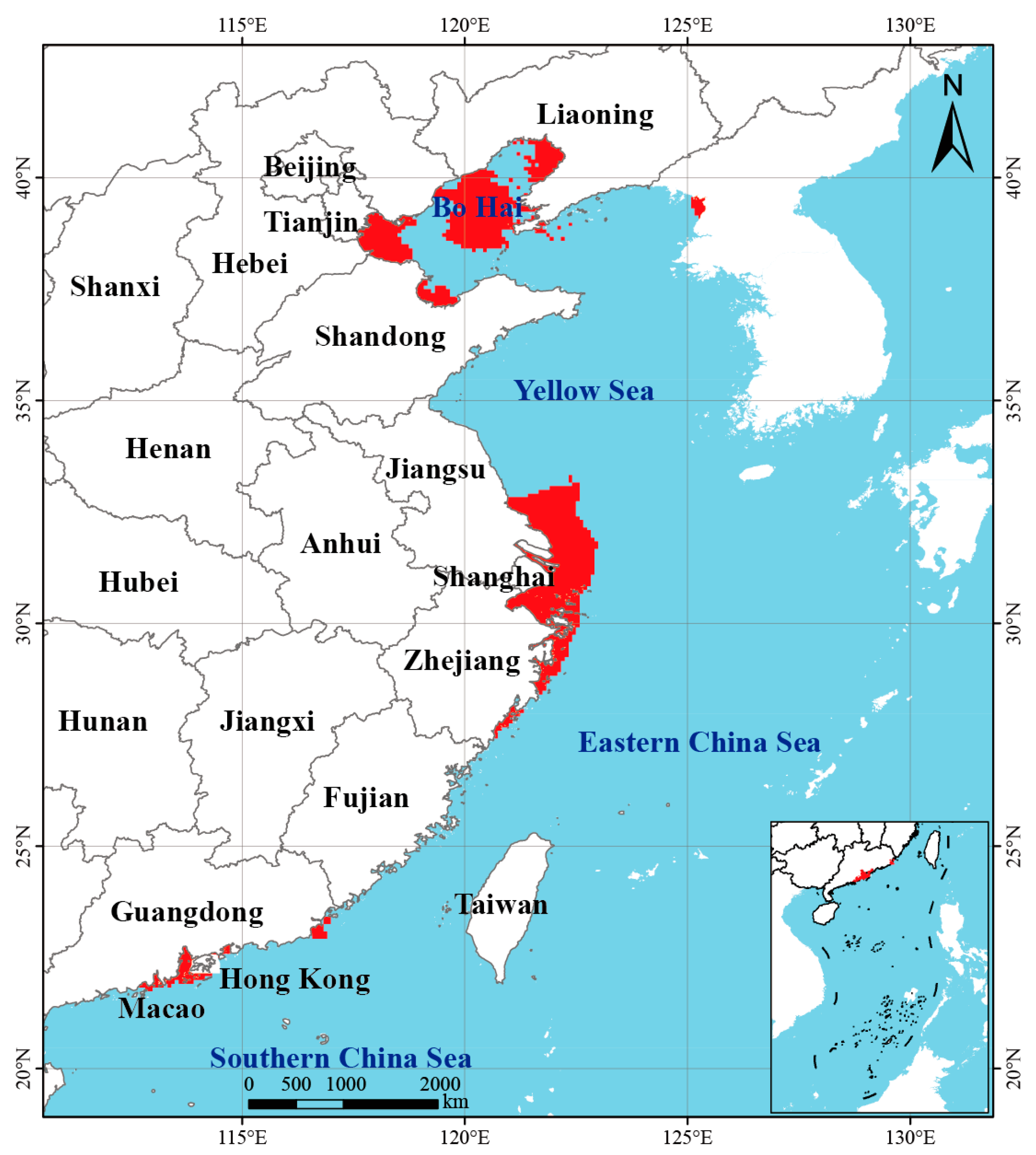
Harmful algal blooms (HABs) caused by Alexandrium spp. are a growing threat to marine ecosystems, fisheries, and human health. This study used computer-based ensemble models to predict where these algae might occur in Chinese coastal waters now and in the future under climate change. We found that salinity is the most important factor controlling their presence, while temperature influences when and where blooms may happen. At present, the highest-risk areas are in Bohai Bay, the Yangtze River estuary, and along the Fujian and Guangdong coasts. In the future, suitable habitats are expected to shift southward, especially under high-emission scenarios, with new risk zones emerging in the South China Sea. These findings suggest that climate change will restructure regional bloom risks and highlight the need for proactive monitoring and management to protect fisheries and public health.
Abstract
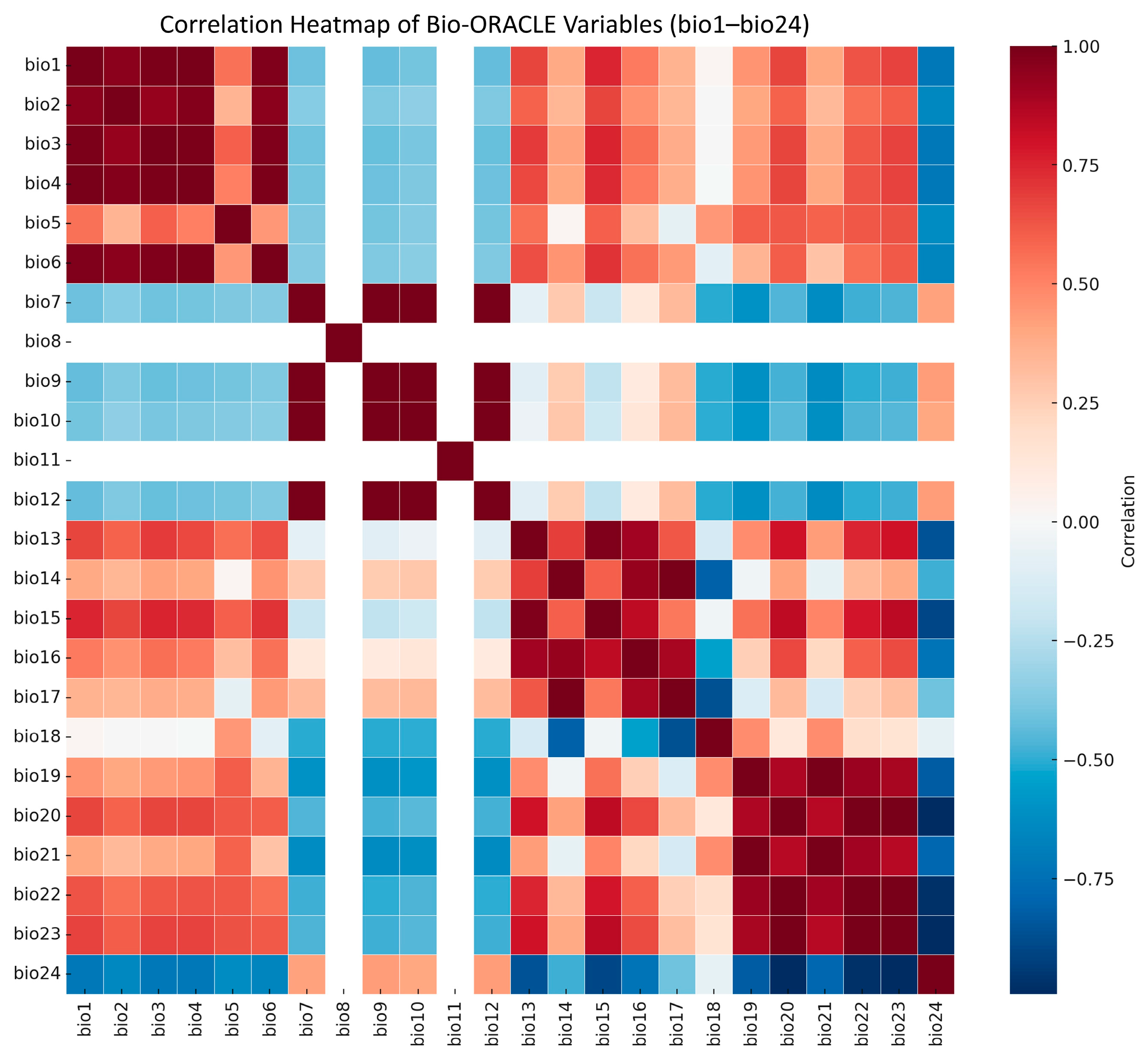
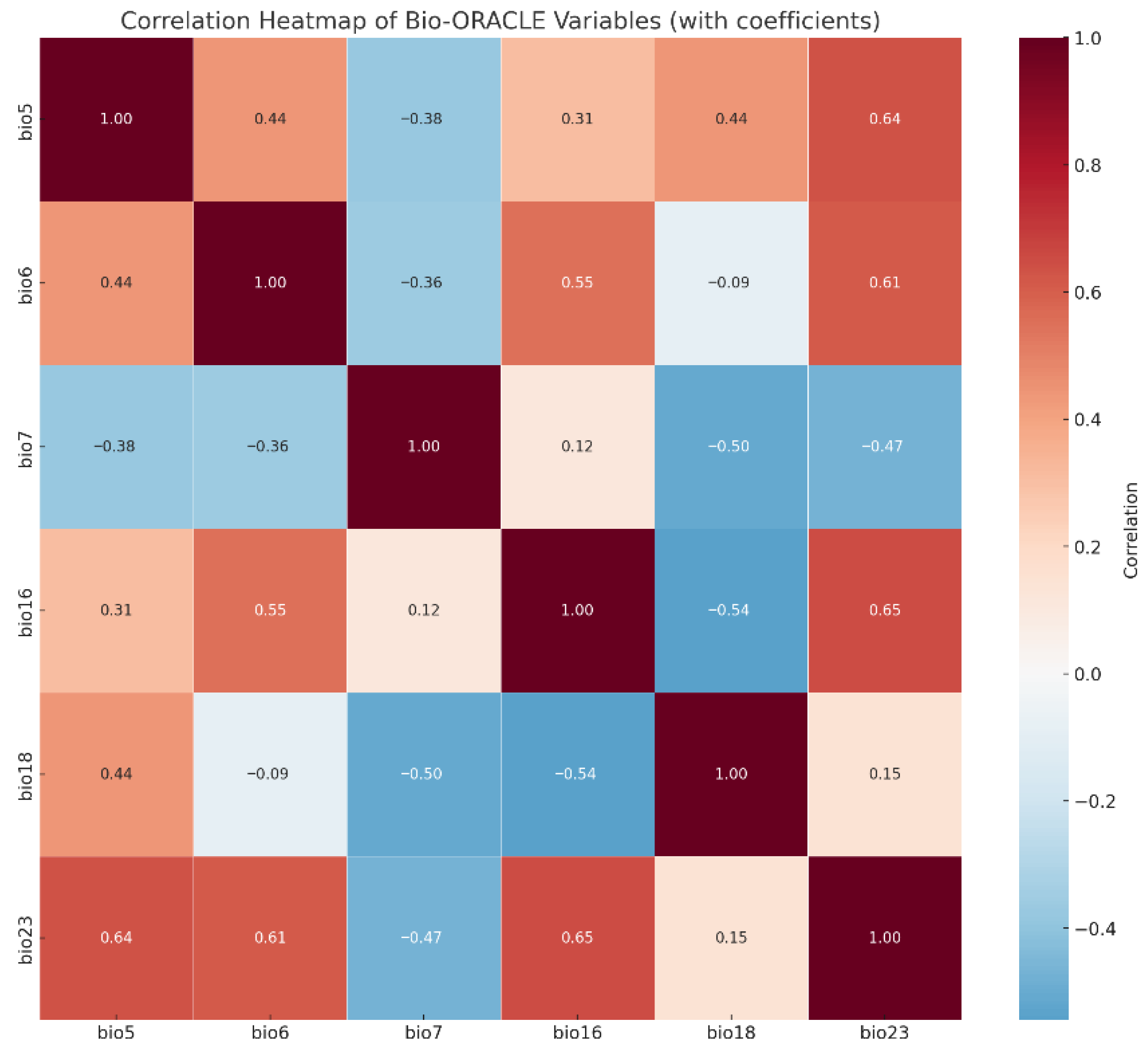
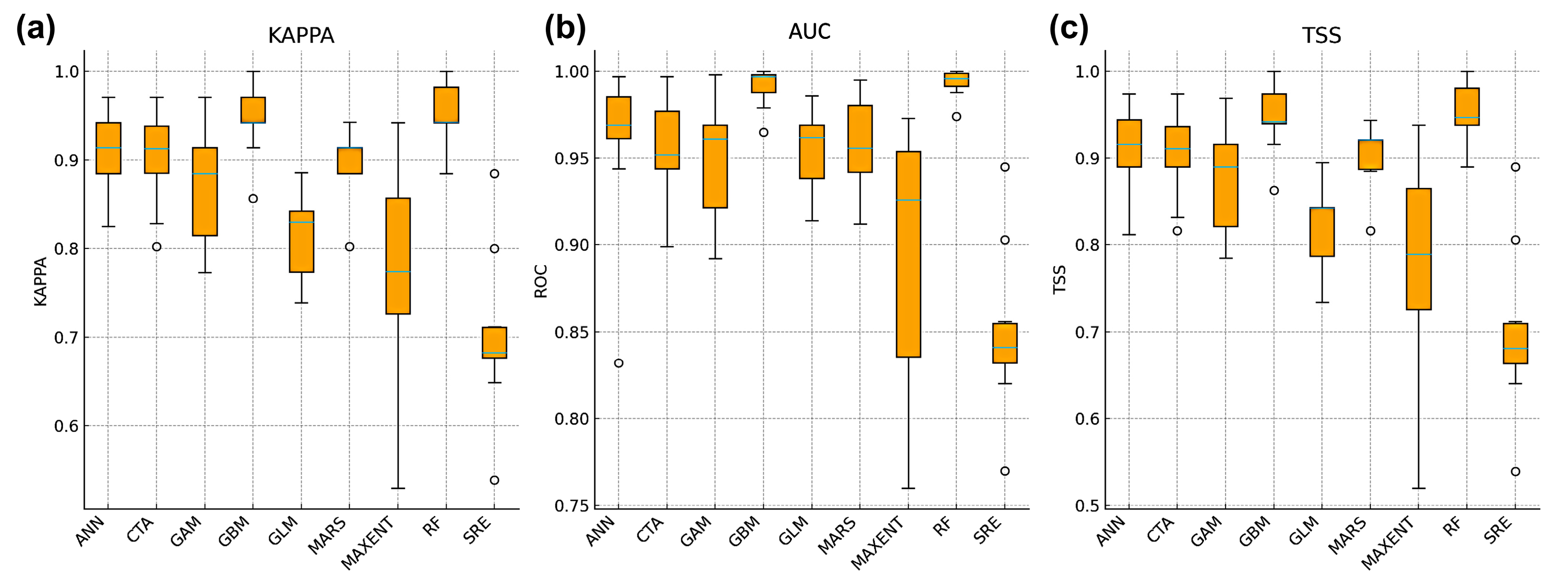
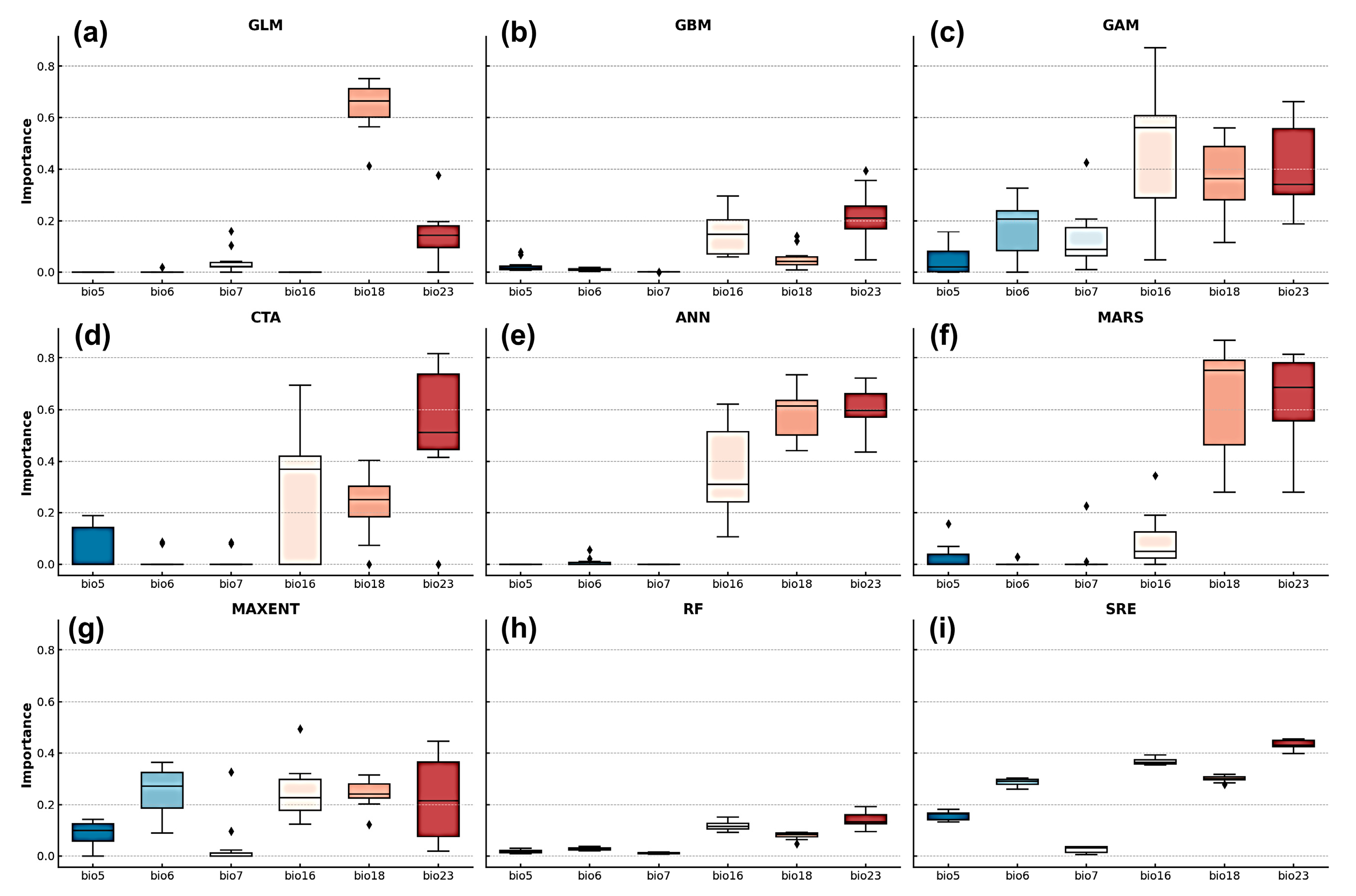
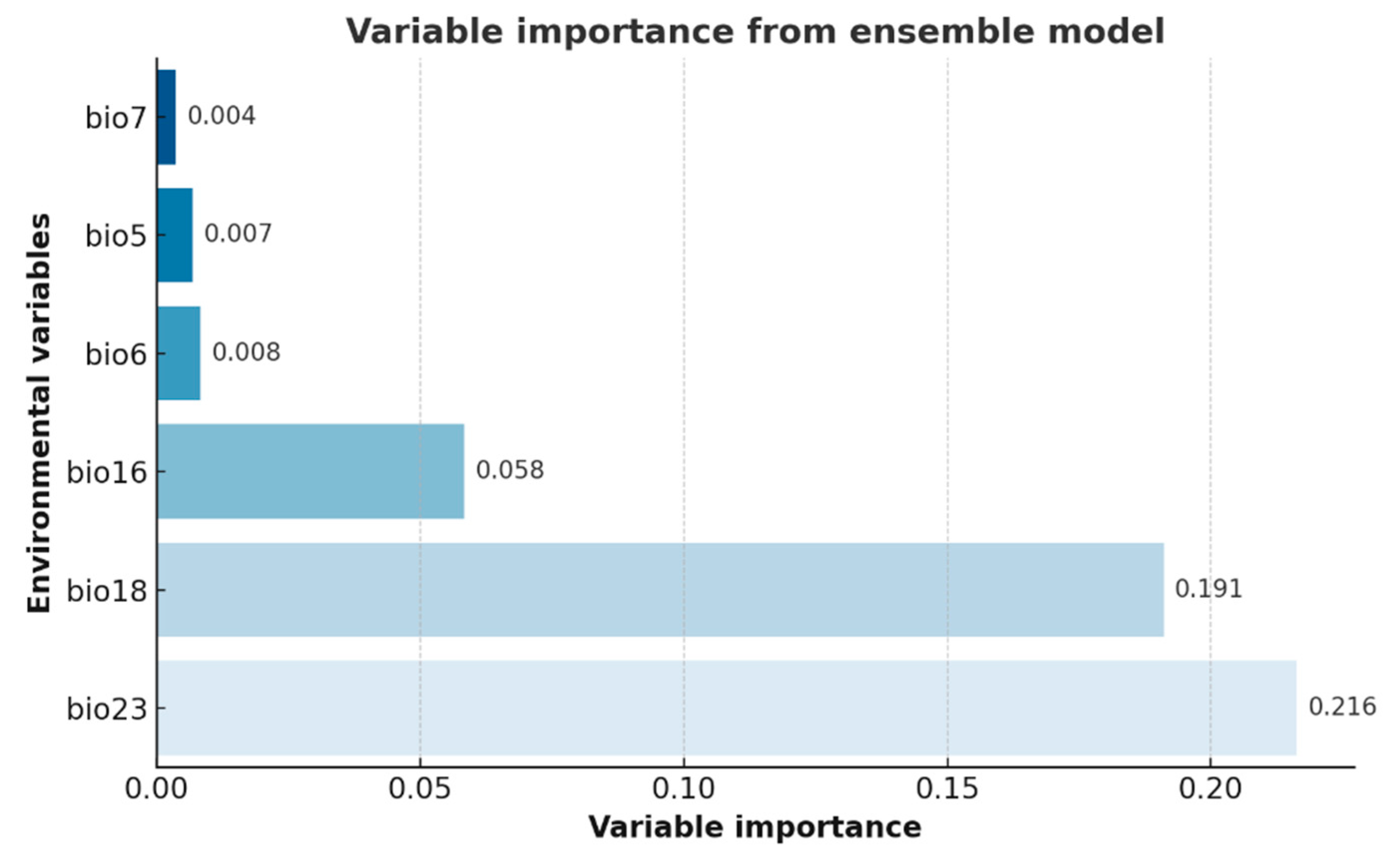
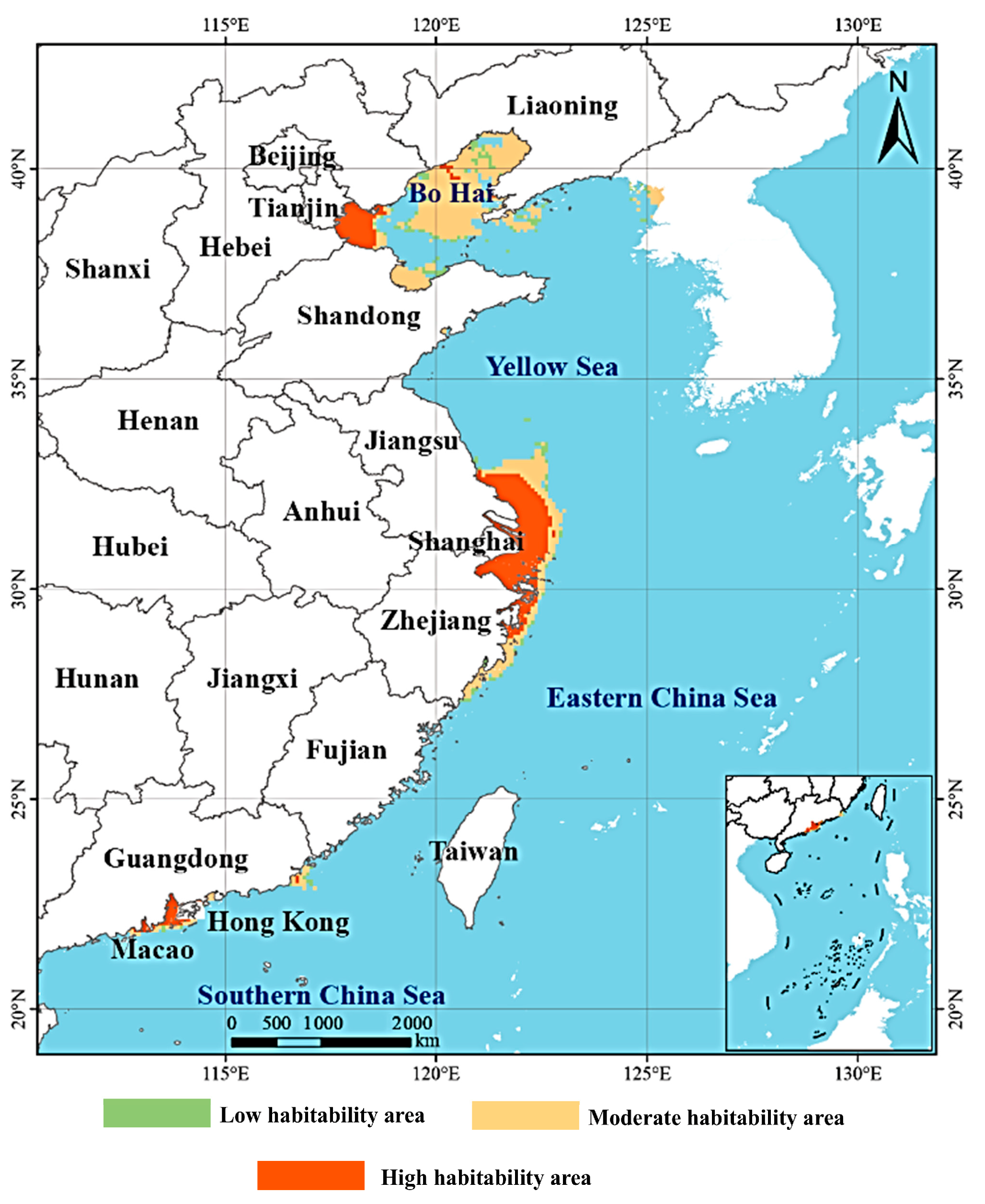
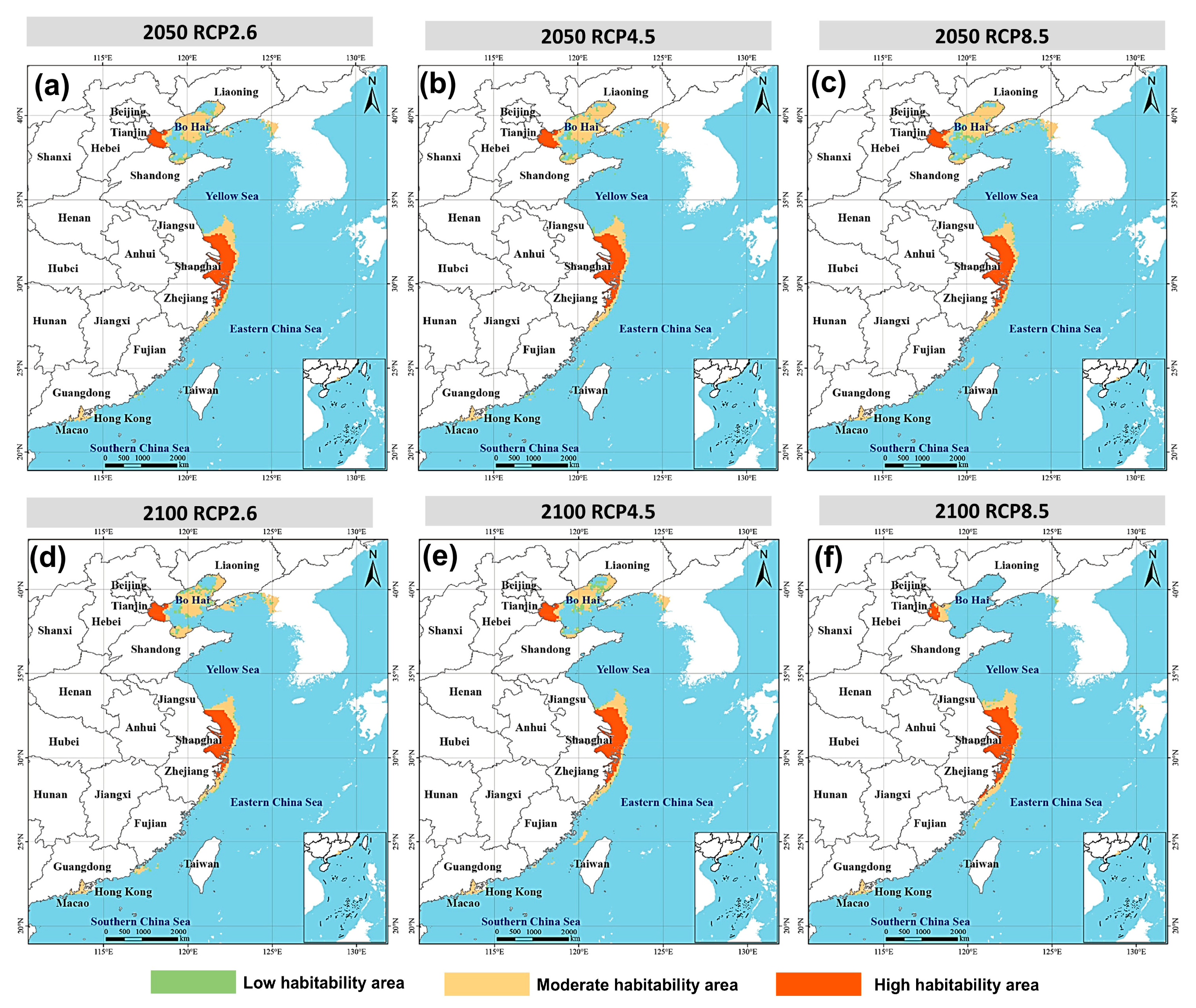
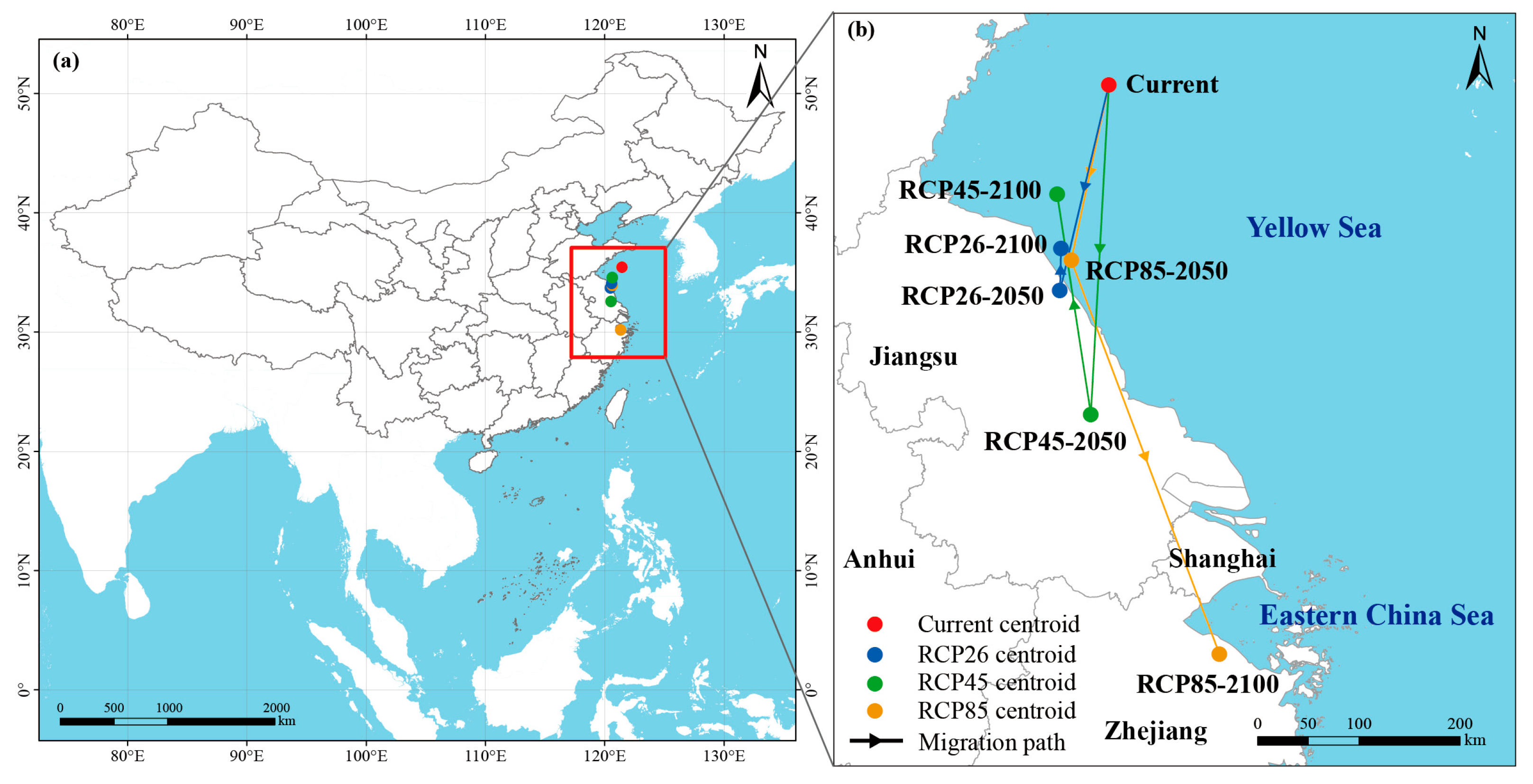
Alexandrium spp., globally recognized as harmful algal bloom (HAB) species, pose severe threats to marine ecosystems, fisheries, and public health. Based on 469 occurrence records and 24 marine environmental variables, this study employed the Biomod2 ensemble modeling framework to predict the potential distribution of Alexandrium spp. under current and future climate scenarios, and to assess the role of key environmental factors and the spatiotemporal dynamics of habitat centroid shifts. The results revealed that (1) the ensemble model outperformed single models (AUC = 0.998, TSS = 0.977, Kappa = 0.978), providing higher robustness and reliability in prediction; (2) salinity range (bio18, 19.1%) and mean salinity (bio16, 5.8%) were the dominant factors, while minimum temperature (bio23) also showed strong constraints, indicating that salinity determines “whether persistence is possible,” while temperature influences “whether blooms occur”; (3) under present conditions, high-suitability habitats are concentrated in Bohai Bay, the Yangtze River estuary to the Fujian coast, and parts of Guangdong; (4) climate change is predicted to drive a southward shift of suitable habitats, with the most pronounced expansion under the high-emission scenario (RCP8.5), leading to the emergence of new high-risk areas in the South China coast and adjacent South China Sea; (5) centroid analysis further indicated a pronounced southward migration under RCP8.5 by 2100, highlighting a regional reconfiguration of ecological risks. Collectively, salinity and temperature are identified as the core drivers shaping the ecological niche of Alexandrium spp., and future warming is likely to exacerbate HAB risks in southern China. This study delineates key prevention regions and proposes a shift from reactive to proactive management strategies, providing scientific support for HAB monitoring and marine ecological security in China’s coastal waters.