

Prolonged Cold Exposure Negatively Impacts Atlantic Salmon (Salmo salar) Liver Metabolism and Function
by
 , , , , ,
Isis Rojas
1,*, 
Albert Caballero-Solares
1,
Émile Vadboncoeur
1,
Rebeccah M. Sandrelli
1,
Jennifer R. Hall
2,
Kathy A. Clow
1,
Christopher C. Parrish
1 ,
,
Matthew L. Rise
1,
Andrew K. Swanson
3 and
Anthony K. Gamperl
1 
1
Department of Ocean Sciences, Memorial University of Newfoundland and Labrador, St. John’s, NL A1C 5S7, Canada
2
Aquatic Research Cluster, CREAIT Network, Ocean Sciences Centre, Memorial University of Newfoundland and Labrador, St. John’s, NL A1C 5S7, Canada
3
Cooke Aquaculture Inc., Saint John, NB E2L 3H3, Canada
*
Author to whom correspondence should be addressed.
Biology 2024, 13(7), 494; https://doi.org/10.3390/biology13070494
Submission received: 27 April 2024
/
Revised: 12 June 2024
/
Accepted: 28 June 2024
/
Published: 3 July 2024
(This article belongs to the Section Marine and Freshwater Biology)
Simple Summary
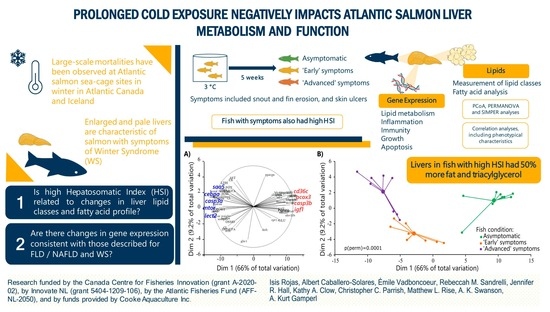
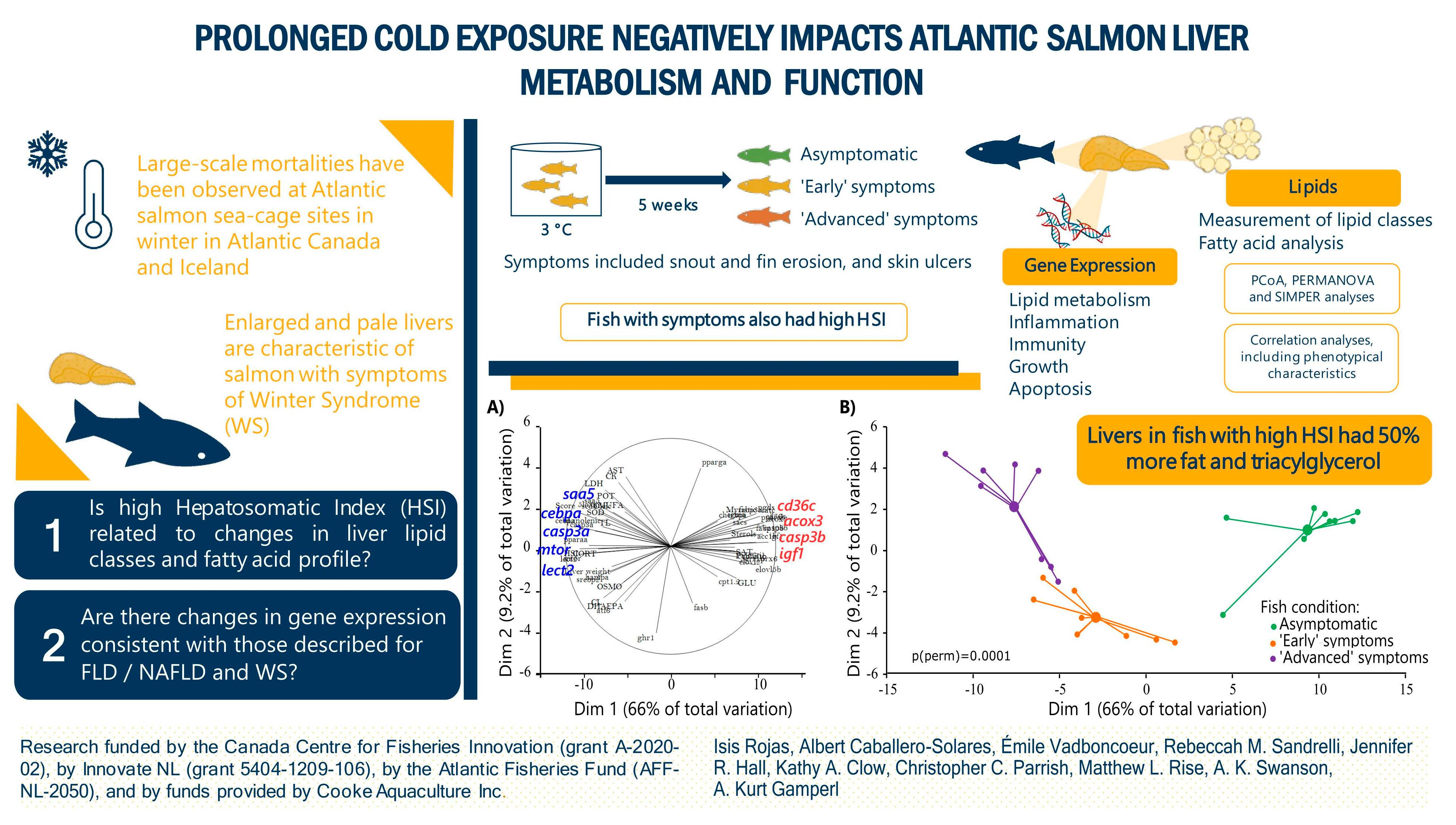
Winter-associated mortalities at Atlantic salmon marine aquaculture sites have been reported in the last decade in Atlantic Canada and Iceland. Some fish species develop a condition known as ‘Winter Syndrome’ or ‘Winter Disease’ (WS/WD) when held at cold temperatures that is associated with enlarged and pale livers (fatty liver disease; FLD). To determine if salmon can develop FLD, we measured liver fat content and composition, and the expression of 34 molecular biomarkers of FLD in fish held long-term at 3 °C. Total fat and triacylglycerol levels were 50% higher in fish that showed symptoms of FLD, compared with healthy fish. Also, the expression level of 32 of the 34 selected biomarkers changed in fish with symptoms of FLD. Our results show that prolonged exposure to cold temperatures can lead to the development of FLD in some Atlantic salmon, and suggest that the development of new diets may improve the health and welfare of salmon during the winter.
Abstract
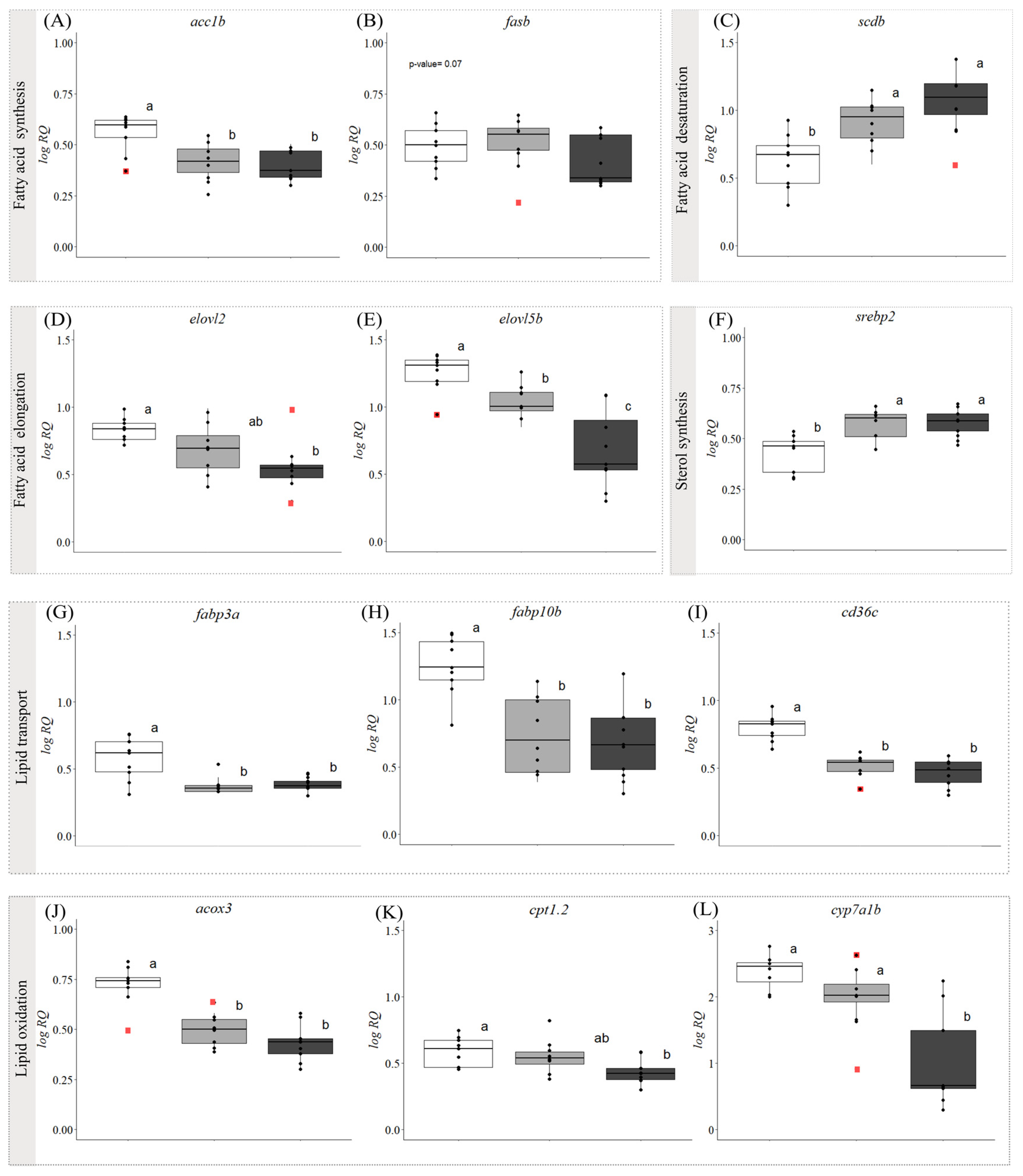
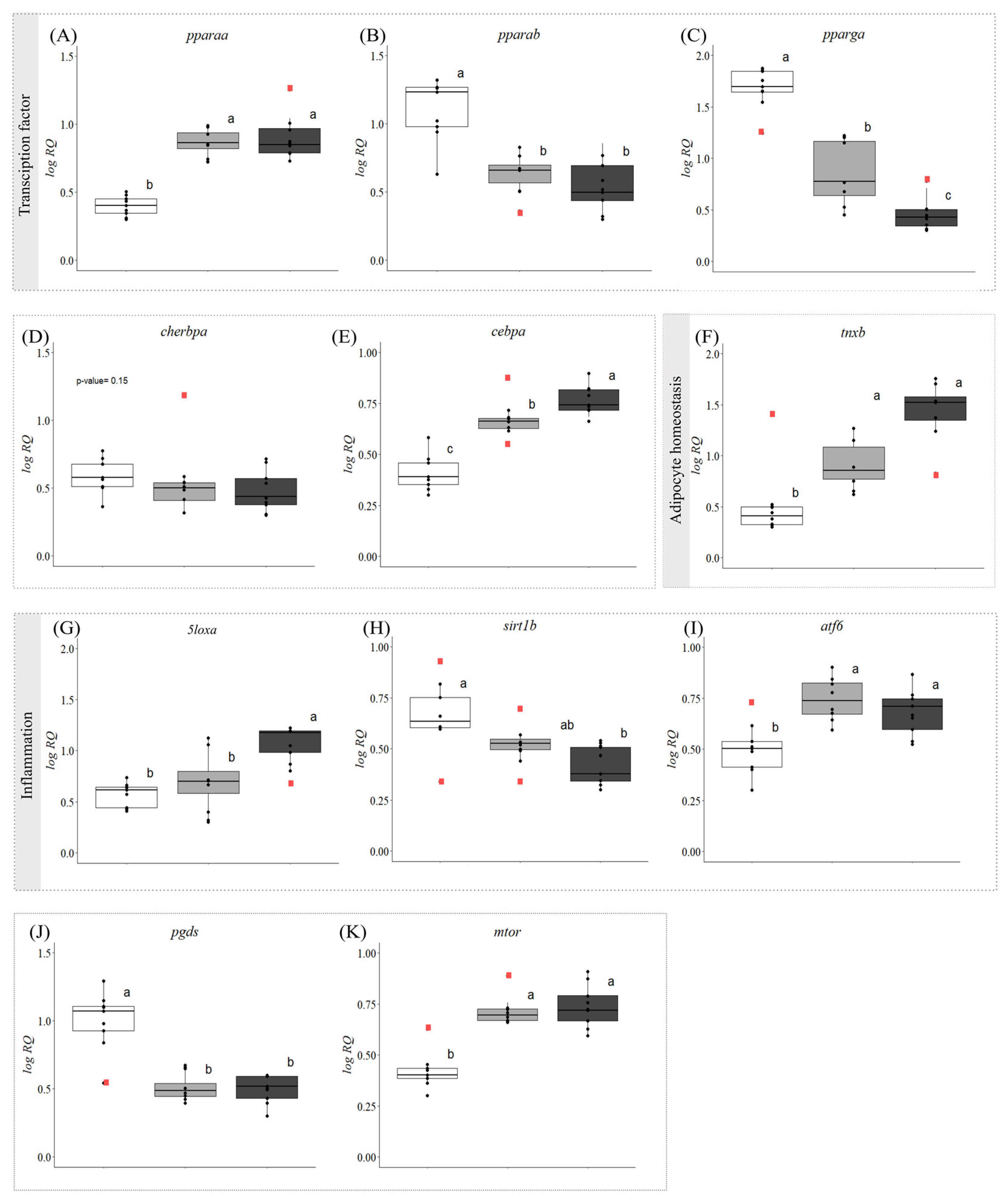
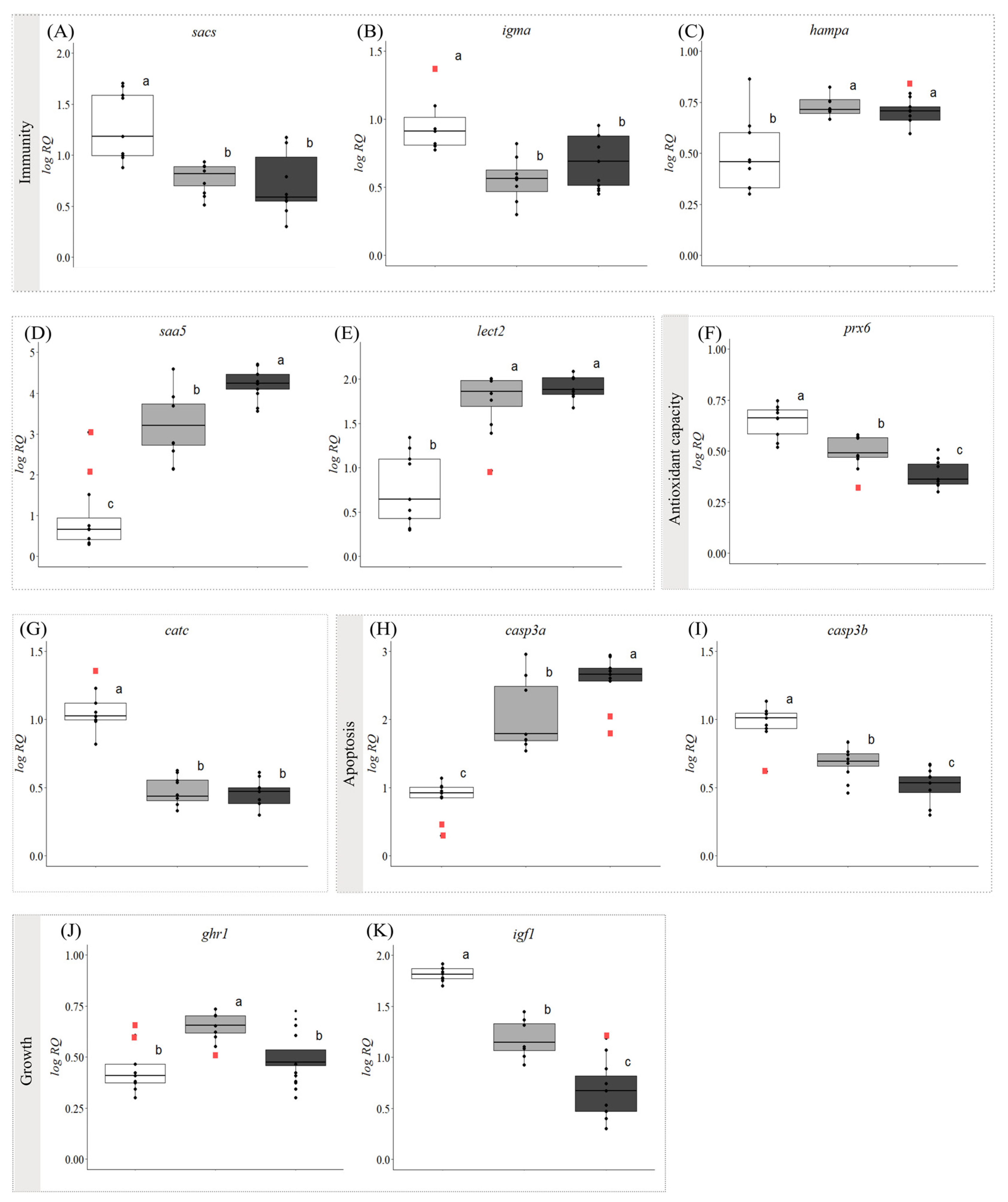
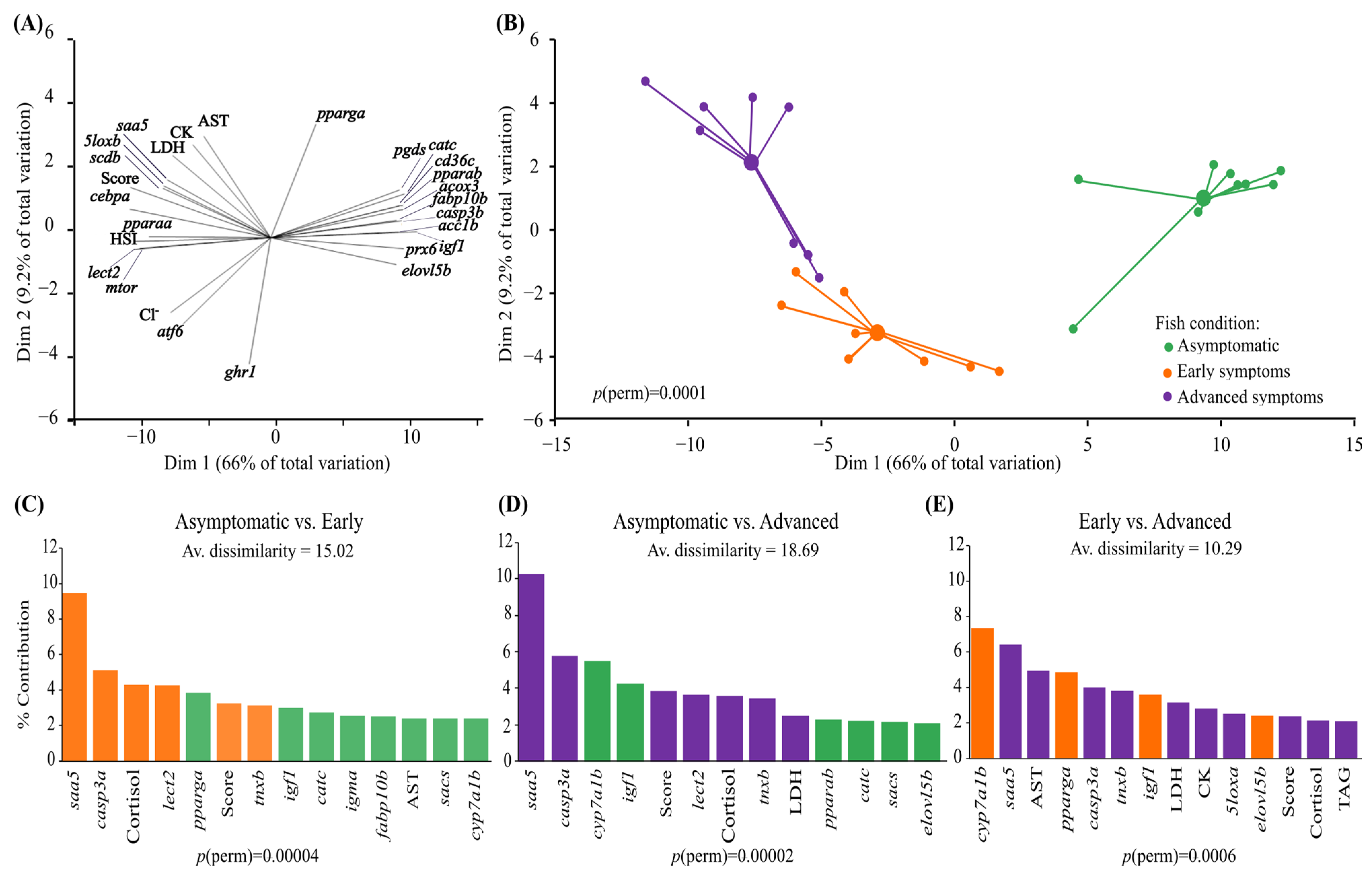
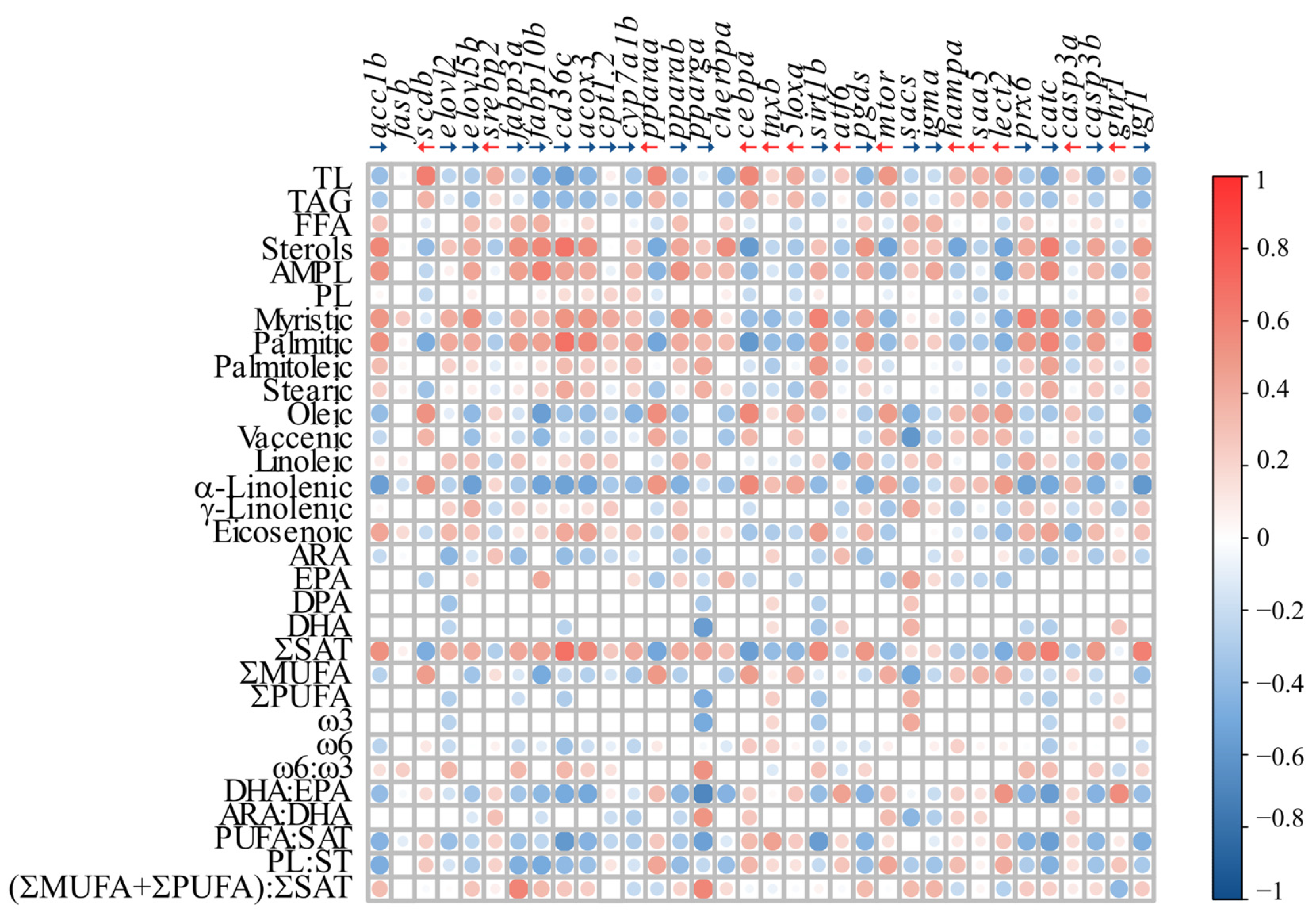
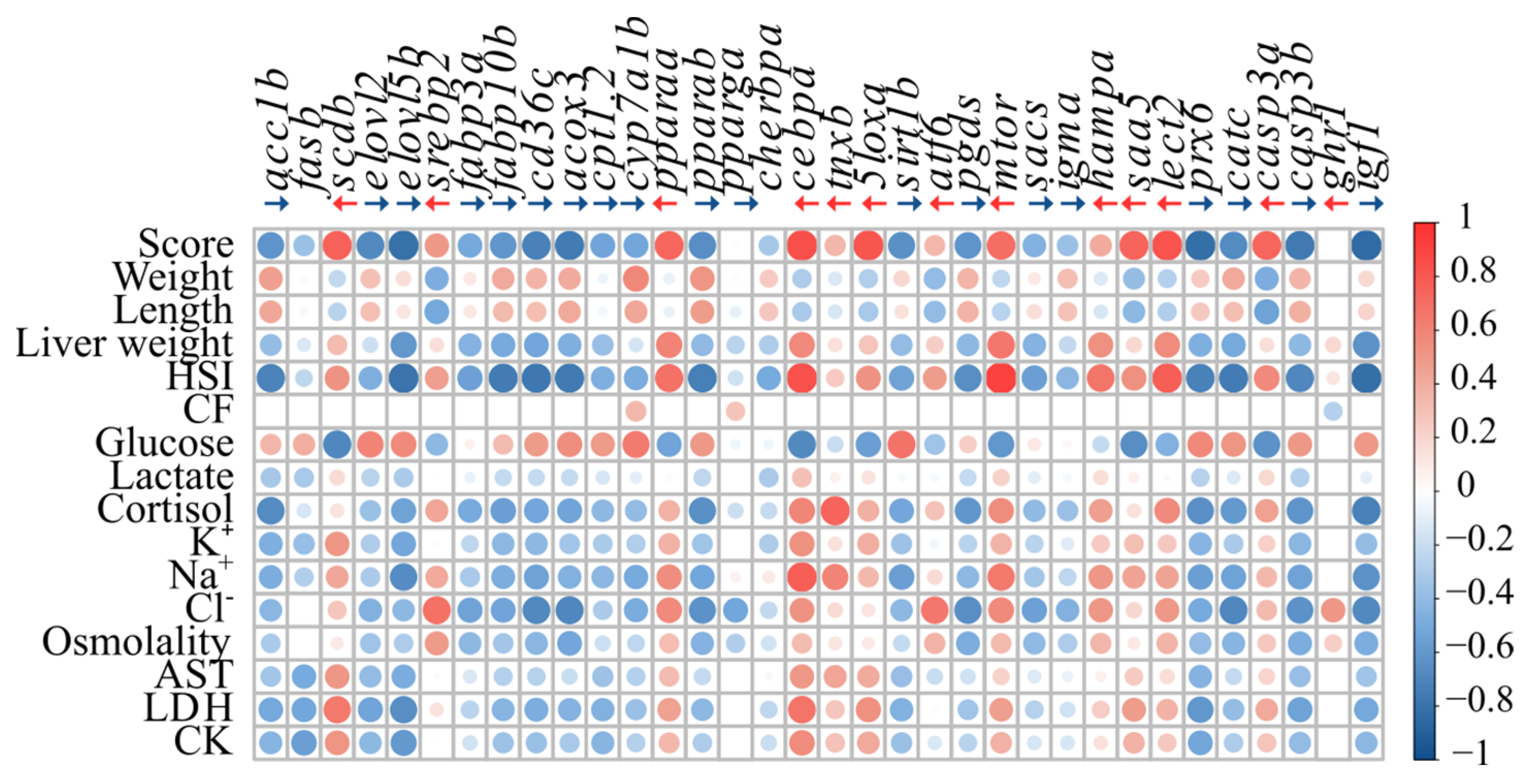
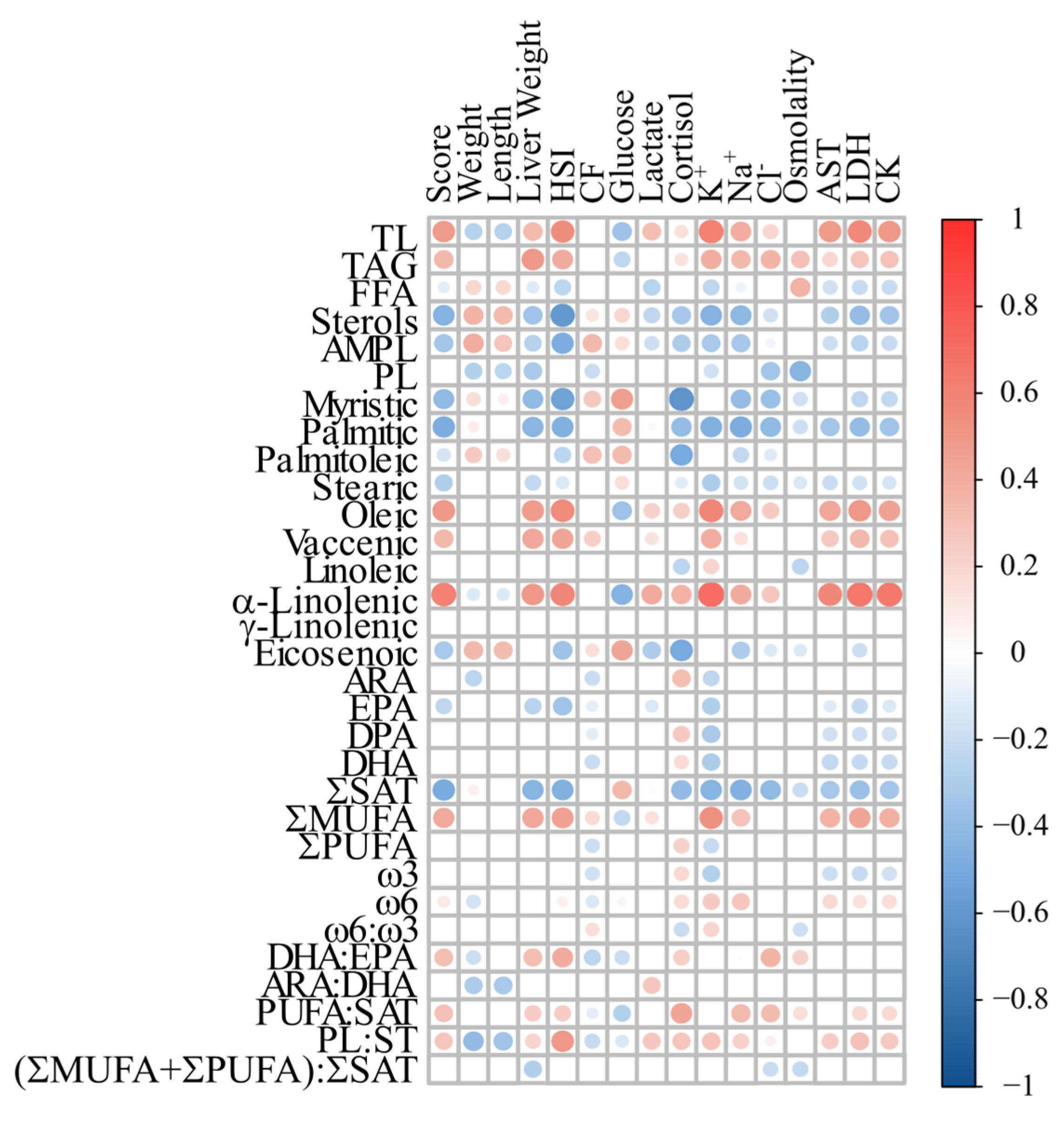
Large-scale mortality events have occurred during the winter in Atlantic salmon sea cages in Eastern Canada and Iceland. Thus, in salmon held at 3 °C that were apparently healthy (i.e., asymptomatic) and that had ‘early’ and ‘advanced’ symptoms of ‘winter syndrome’/’winter disease’ (WS/WD), we measured hepatic lipid classes and fatty acid levels, and the transcript expression of 34 molecular markers of fatty liver disease (FLD; a clinical sign of WS/WD). In addition, we correlated our results with previously reported characteristics associated with this disease’s progression in these same individuals. Total lipid and triacylglycerol (TAG) levels increased by ~50%, and the expression of 32 of the 34 genes was dysregulated, in fish with symptoms of FLD. TAG was positively correlated with markers of inflammation (5loxa, saa5), hepatosomatic index (HSI), and plasma aspartate aminotransferase levels, but negatively correlated with genes related to lipid metabolism (elovl5b, fabp3a, cd36c), oxidative stress (catc), and growth (igf1). Multivariate analyses clearly showed that the three groups of fish were different, and that saa5 was the largest contributor to differences. Our results provide a number of biomarkers for FLD in salmon, and very strong evidence that prolonged cold exposure can trigger FLD in this ecologically and economically important species.