Habitat Enrichment Causes Changes in Fish Behavioural Characteristics: A Case Study of Sparus latus



1
South China Sea Fisheries Research Institute, Chinese Academy of Fishery Sciences, Key Laboratory of Marine Ranching, Ministry of Agriculture and Rural Affairs, Guangzhou 510300, China
2
National Agricultural Experimental Station for Fishery Resources and Environment Dapeng, Shenzhen 518121, China
3
Hainan Seed Industry Laboratory, Sanya 572025, China
*
Author to whom correspondence should be addressed.
Biology 2024, 13(6), 364; https://doi.org/10.3390/biology13060364
Submission received: 9 March 2024
/
Revised: 11 May 2024
/
Accepted: 18 May 2024
/
Published: 22 May 2024
Simple Summary
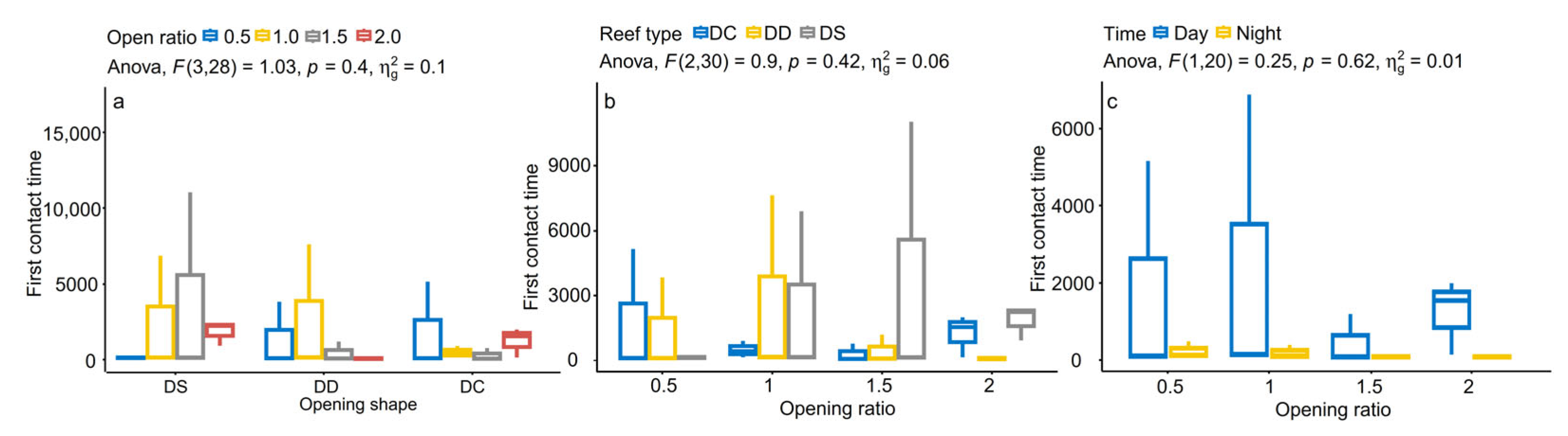
Habitat restoration is a key way to restore fishery resources. Artificial reefs, as important habitat restoration measures, have achieved the goal of protecting and increasing fishery resources. However, research on the breeding process and models of artificial reefs for ensuring fishery resources is lacking. In this study, the behavioural strategies of Sparus latus (S. latus) under the influence of habitat abundance were studied to provide a theoretical basis for restoring the habitat and promoting the proliferation of fishery resources. There was no significant difference in reef first contact time of juvenile S. latus during the day or at night. Enrichment structures reshaped the habitat preferences of S. latus. An increase in habitat enrichment promoted S. latus clustering at night. The reef opening ratio significantly affected the reef-tropism and clustering behaviours of S. latus. The light intensity significantly influenced the exploration and activity patterns of S. latus.
Abstract
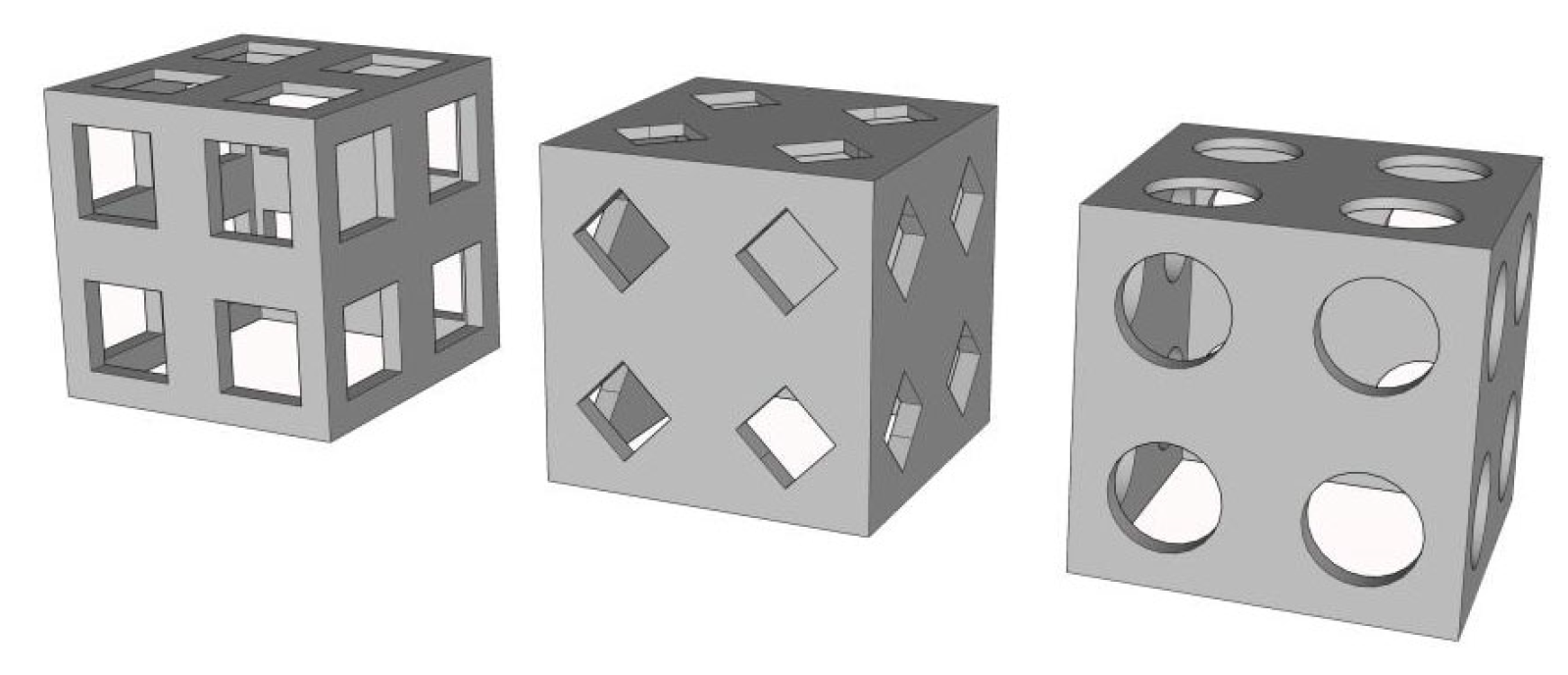
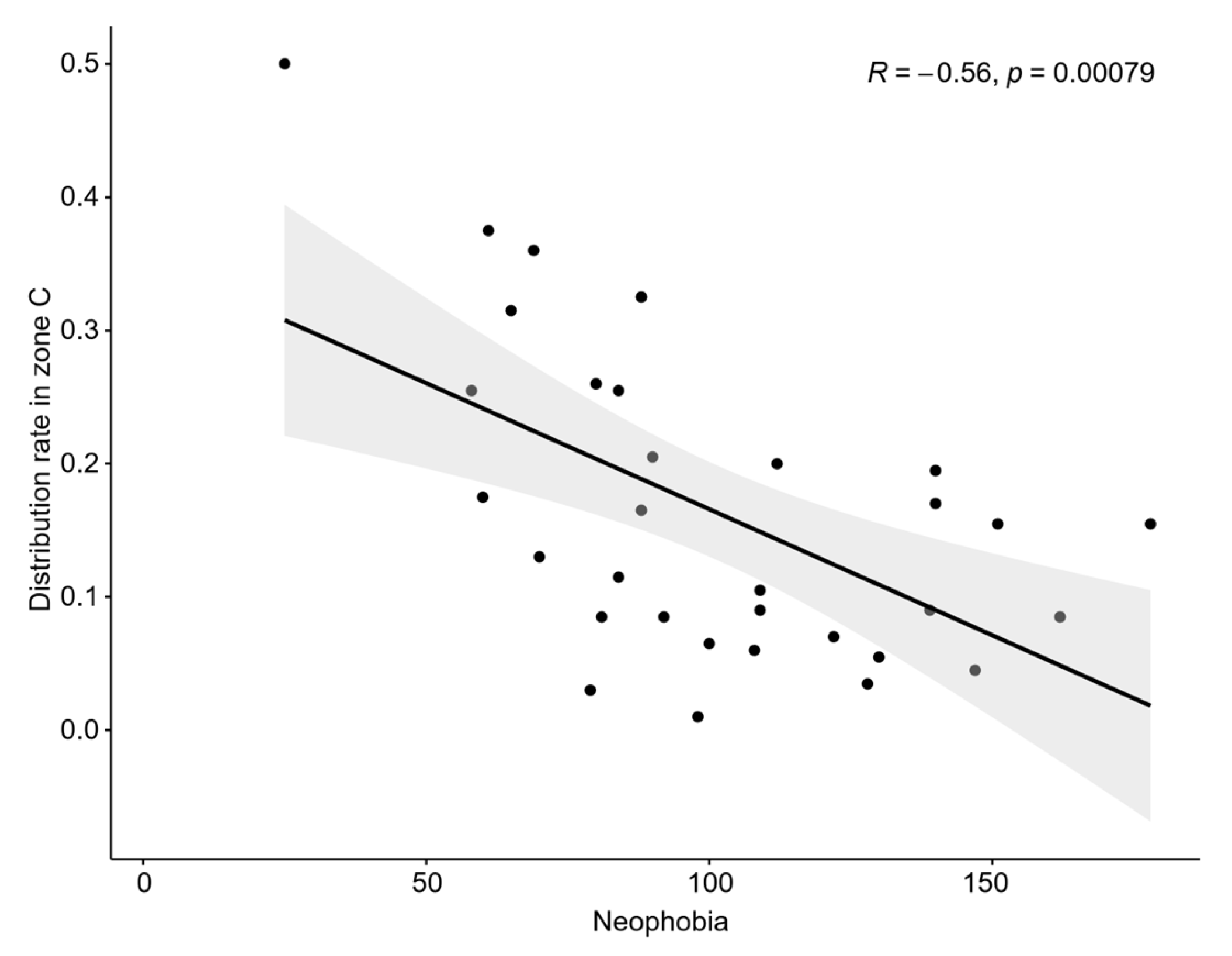
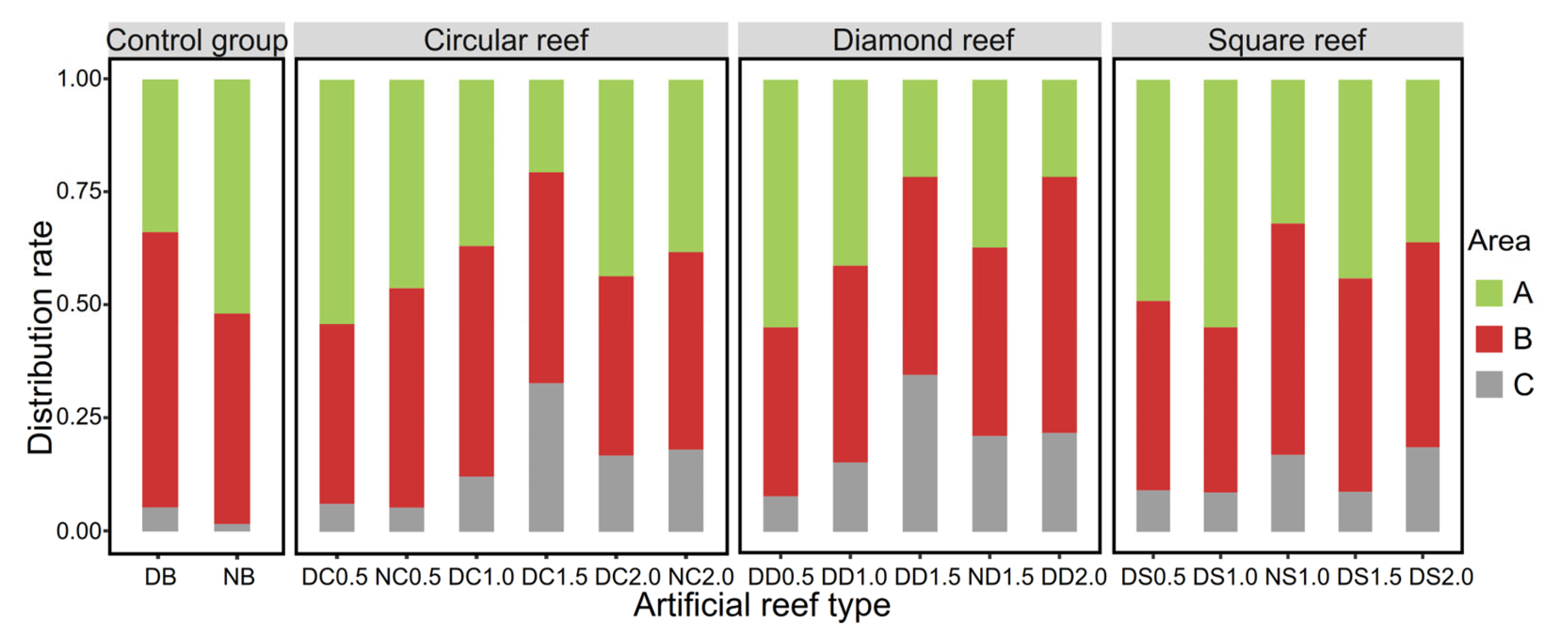
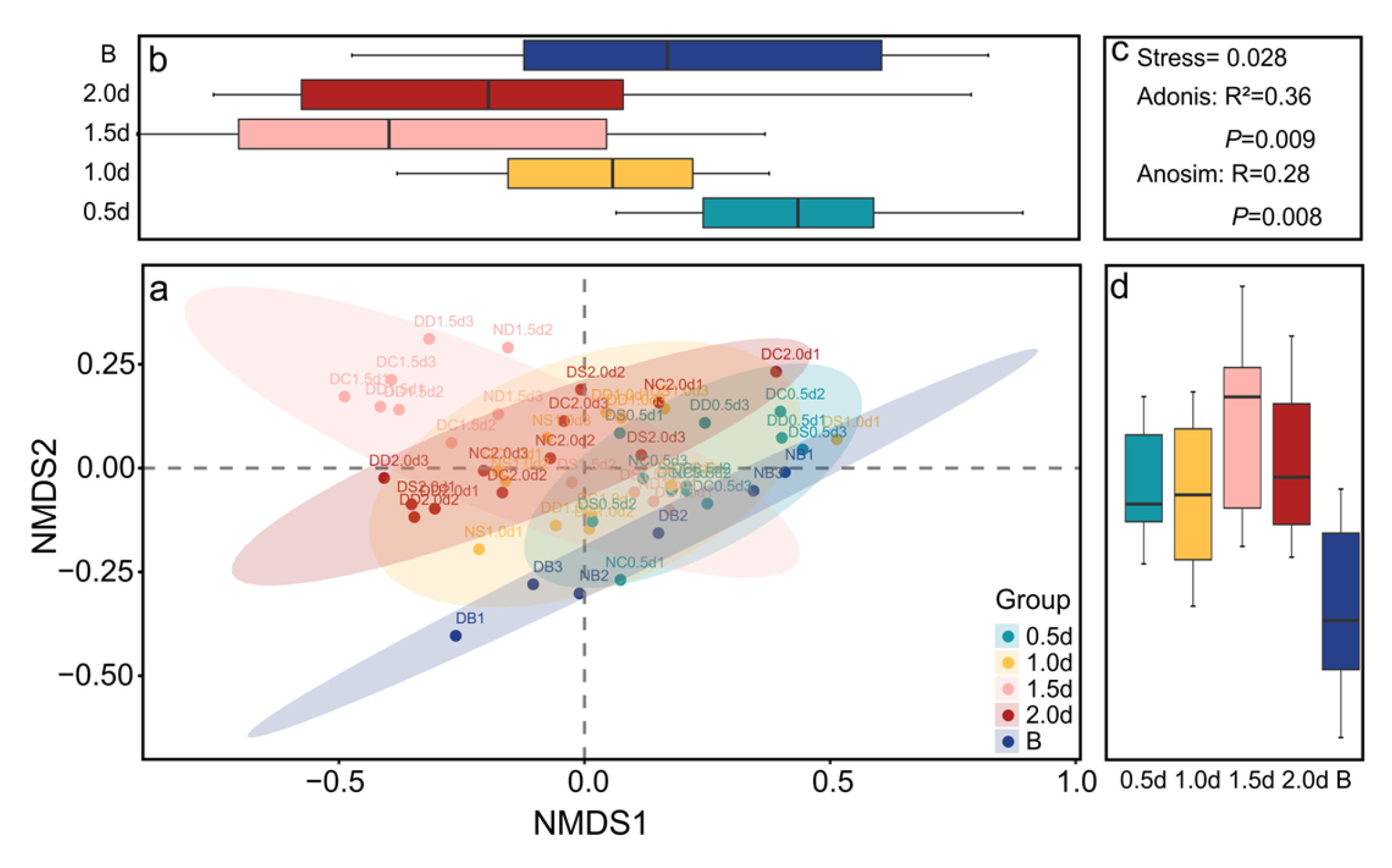
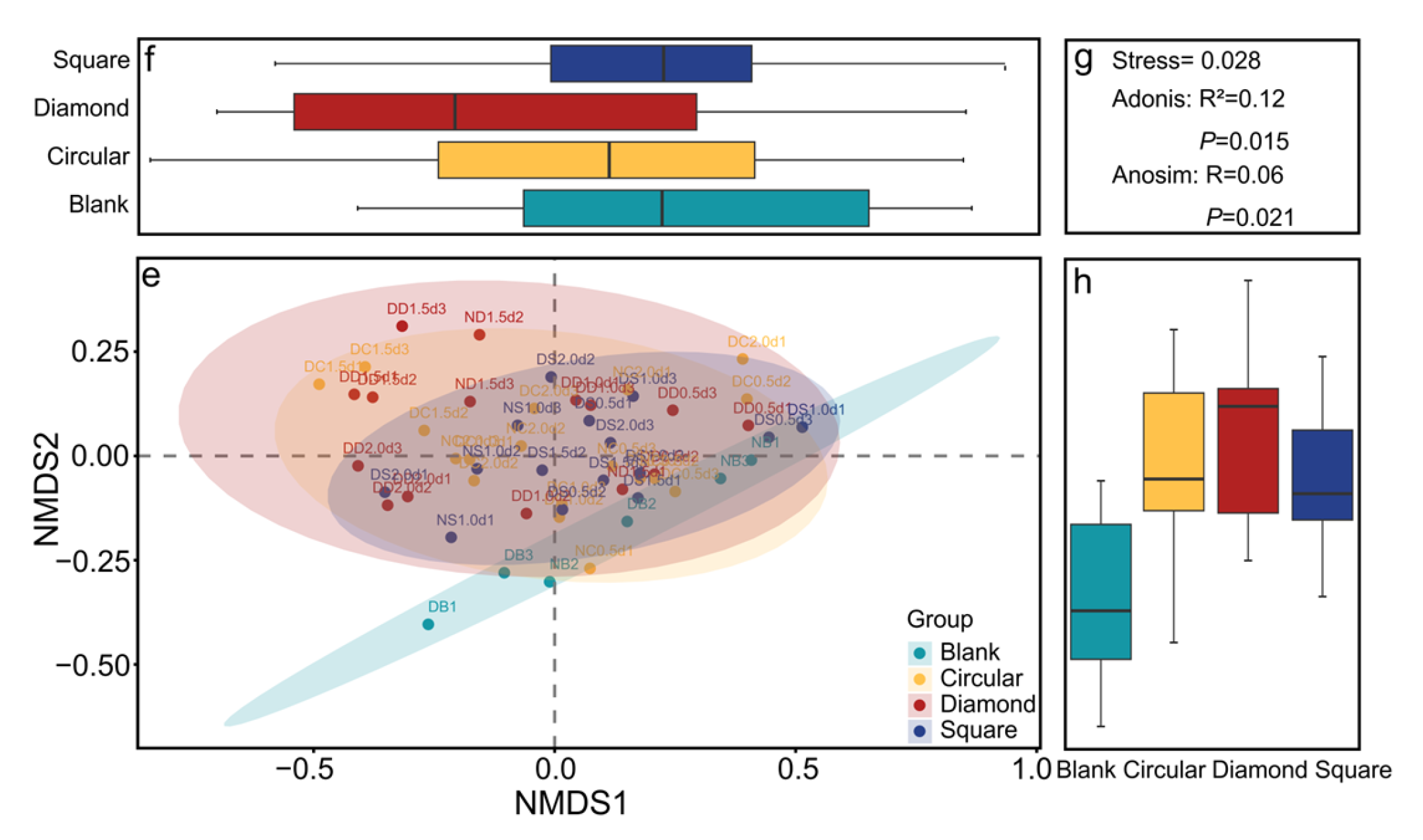
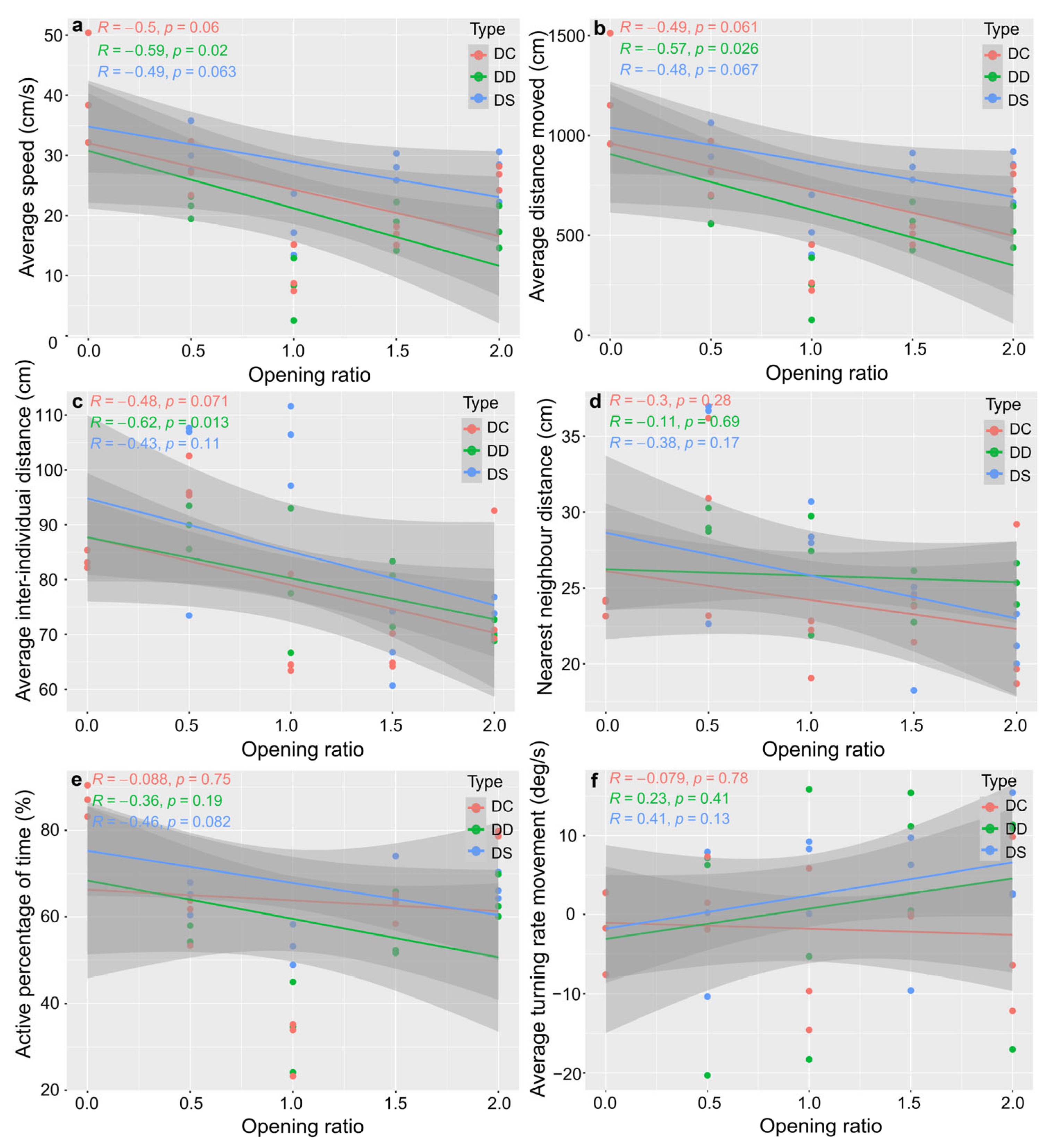
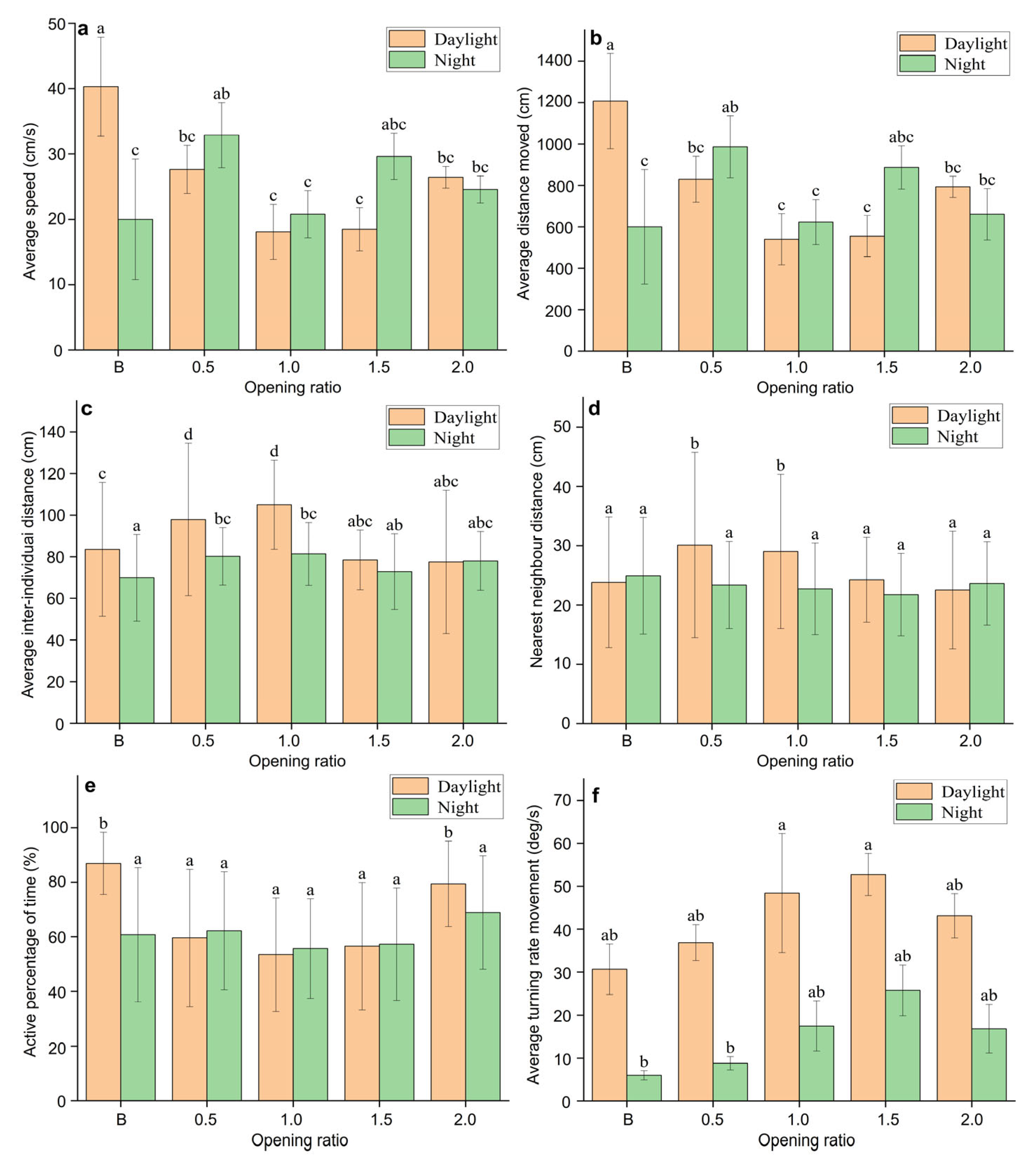
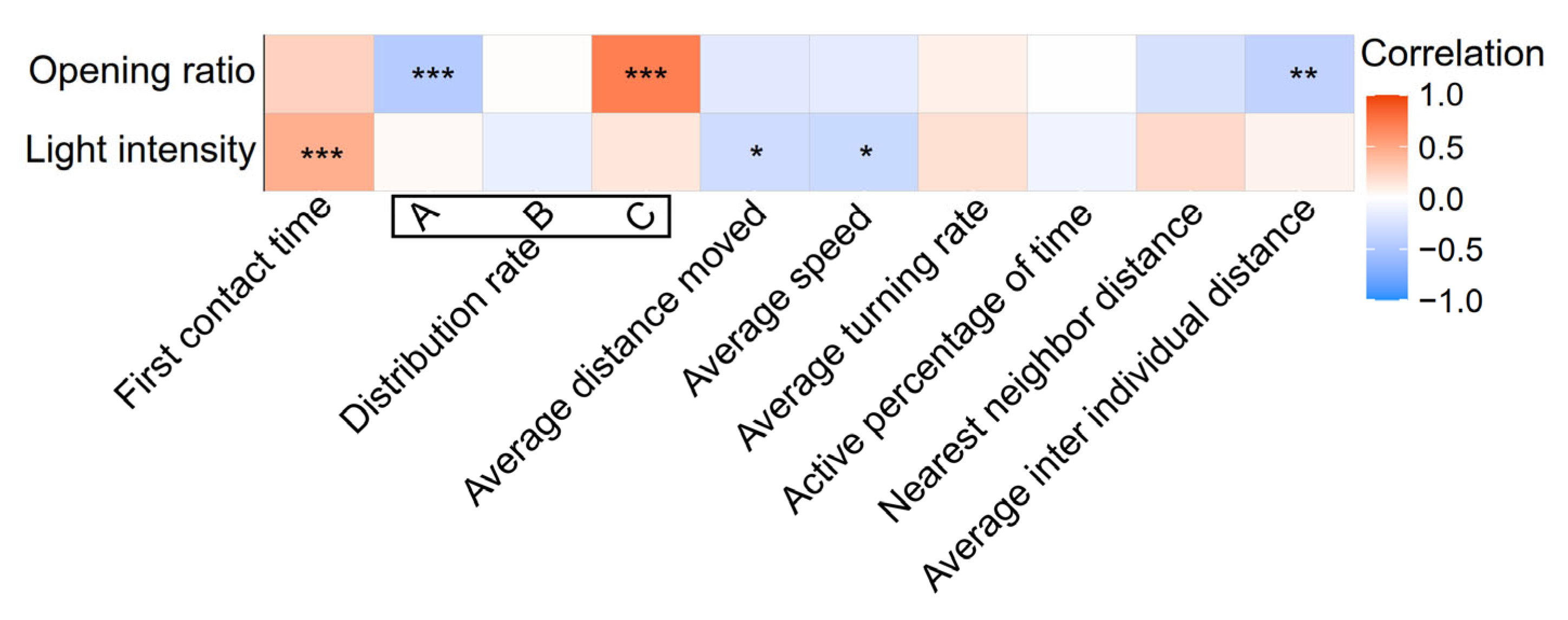
To better understand the habitat preferences and behavioural ecology of Sparus latus, we performed an experiment using box-shaped reefs as habitat enrichment materials, allowing us to determine the behavioural strategies and drivers involved in the response to different enrichment structures. The results showed that the first contact time of S. latus was negatively correlated (Pearson’s correlation, p < 0.005) with the distribution rate in the artificial reef area. Enrichment structures affected the habitat preferences of S. latus, and there was a significant difference in the average distribution rate between the control and treatment groups (Adonis, p < 0.001). The opening ratio (Adonis, R2 = 0.36) explained the distribution difference of S. latus better than the opening shape (Adonis, R2 = 0.12). In the absence of an enrichment structure, S. latus remained more active during the daytime, exhibiting poor clustering, while in the presence of an enrichment structure, S. latus exhibited clustered movement at night. The opening ratio was negatively correlated with the average interindividual distance (Spearman’s correlation, p < 0.01) and showed a significant positive correlation with the average distribution rate in the reef area (Spearman’s correlation, p < 0.001), indicating that the reef opening ratio significantly affected the reef-tropism and clustering behaviours of S. latus. The light intensity was negatively correlated with the average distance moved, and the average speed (Spearman’s correlation, p < 0.05) was significantly positively correlated with the reef first contact time (Spearman’s correlation, p < 0.001), indicating that the light intensity affected the exploration and activity patterns of S. latus. These results provide a research basis for analysing the pattern and process of fish proliferation induced by artificial reef habitats.