Addressing Discrepancies between Experimental and Computational Procedures


1
Serota Academic Center (Room 138), New York Institute of Technology, Department of Osteopathic Manipulative Medicine, College of Osteopathic Medicine, Northern Boulevard, P.O. Box 8000, Old Westbury, NY 11568, USA
2
Agency for Science, Technology and Research (A*STAR), Institute of High Performance Computing (IHPC), 1 Fusionopolis Way, #16-16 Connexis, Singapore 138632, Singapore
*
Author to whom correspondence should be addressed.
Biology 2021, 10(6), 536; https://doi.org/10.3390/biology10060536
Submission received: 14 May 2021
/
Revised: 3 June 2021
/
Accepted: 10 June 2021
/
Published: 15 June 2021
(This article belongs to the Special Issue Mechanobiology)
Simple Summary
This technical note addresses the need to consider uncertainties when using experimental procedures to extract a geometry that is consequently used for computational simulations. Many uncertainties enter the process in both the experimental and computational techniques.
Abstract
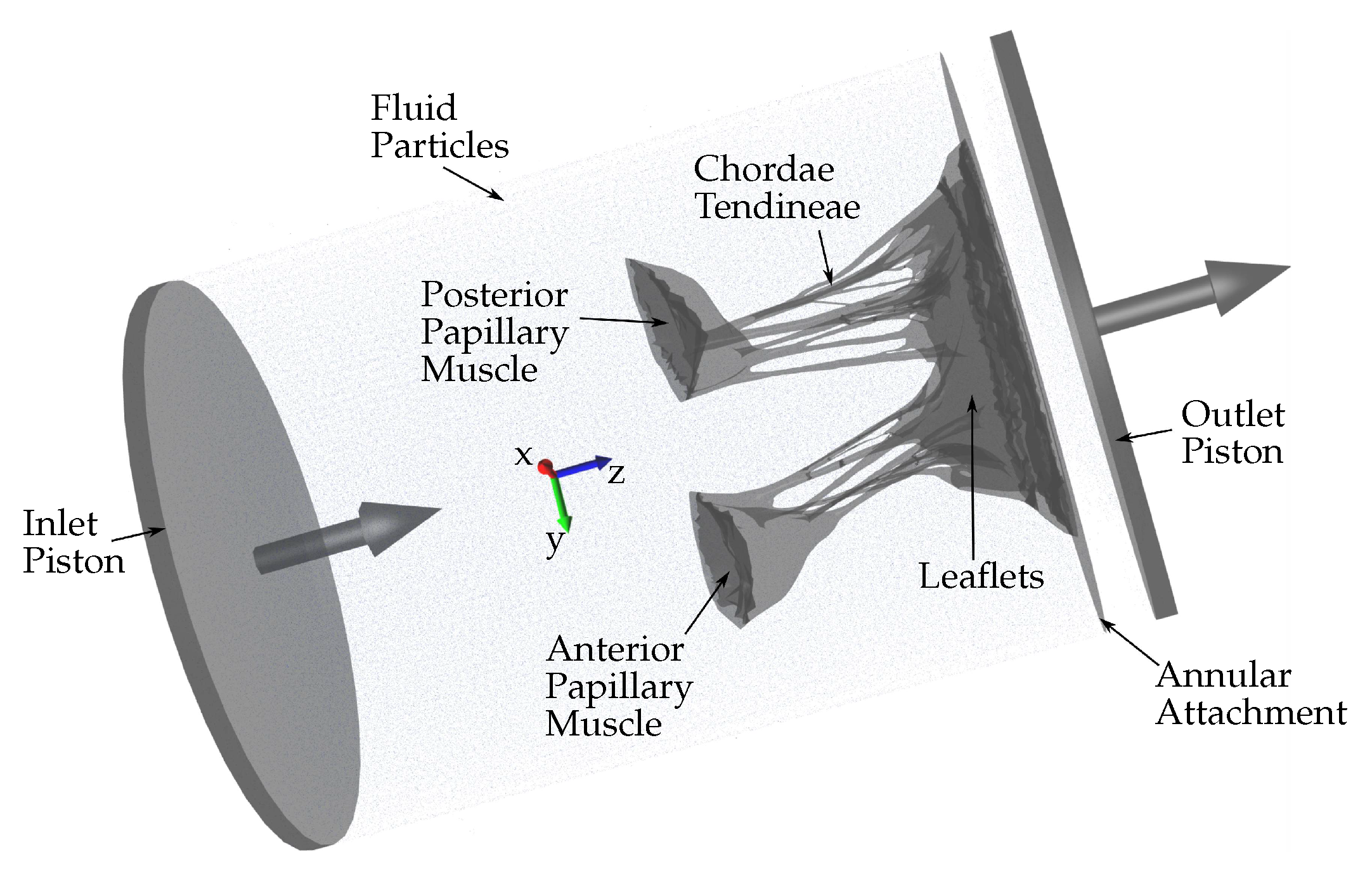
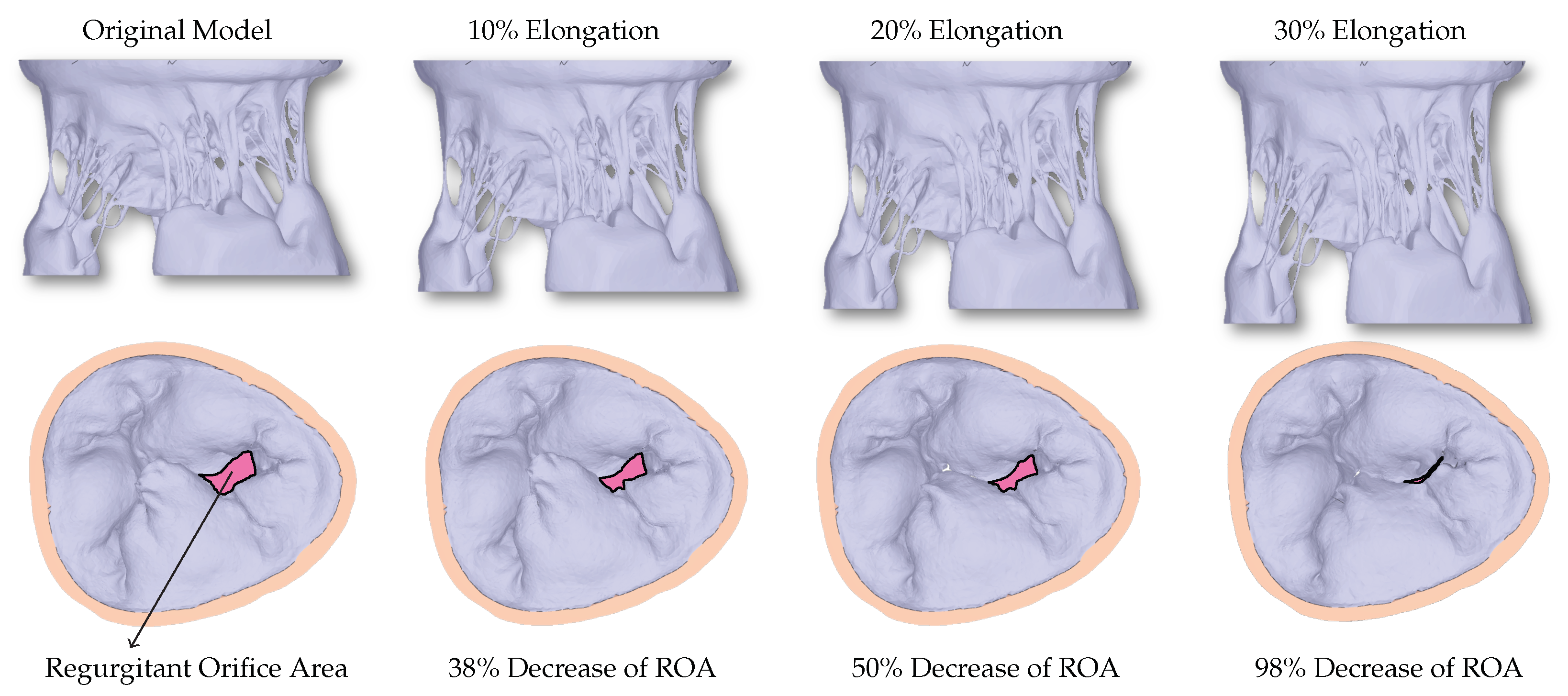
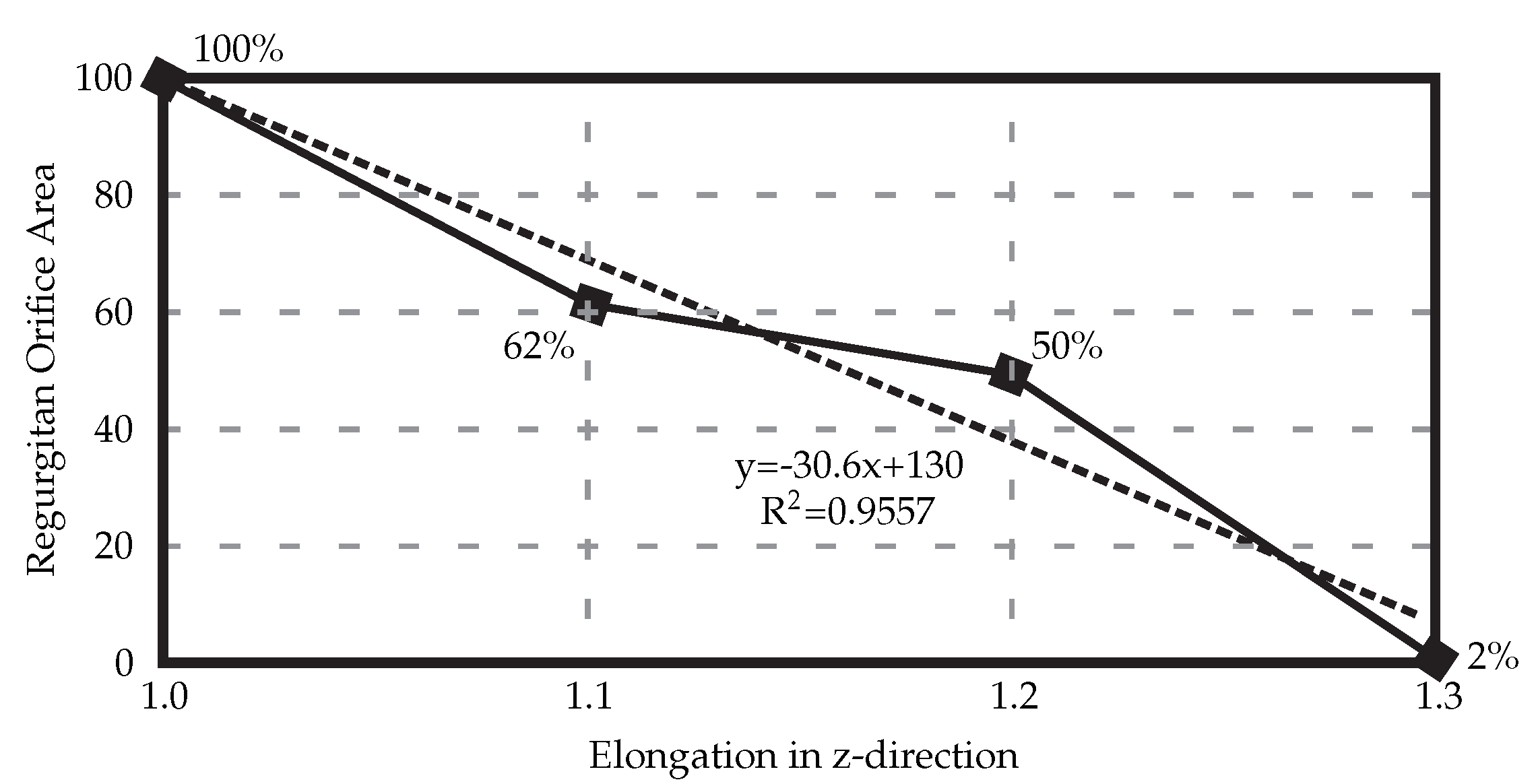
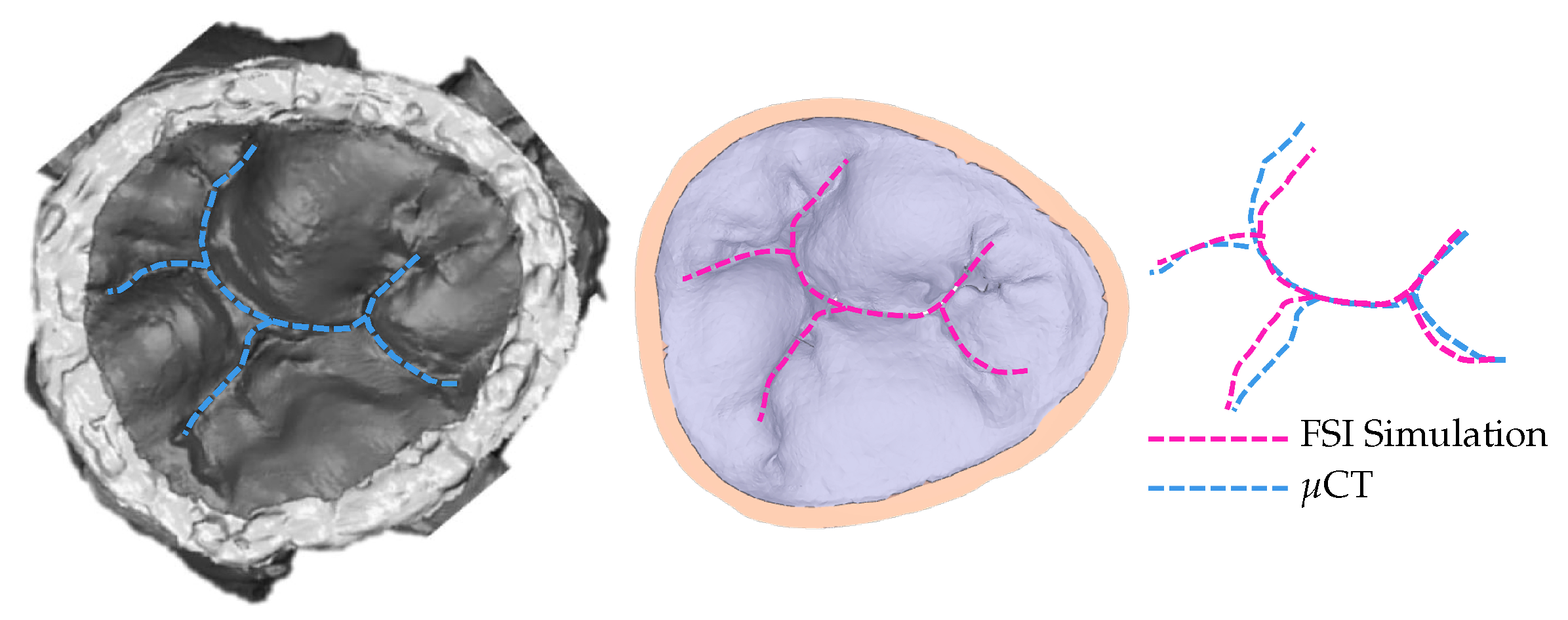
Imaging subject-specific heart valve, a crucial step to its design, has experimental variables that if unaccounted for, may lead to erroneous computational analysis and geometric errors of the resulting model. Preparation methods are developed to mitigate some sources of the geometric error. However, the resulting 3D geometry often does not retain the original dimensions before excision. Inverse fluid–structure interaction analysis is used to analyze the resulting geometry and to assess the valve’s closure. Based on the resulting closure, it is determined if the geometry used can yield realistic results. If full closure is not reached, the geometry is adjusted adequately until closure is observed.