


Abstract
To investigate the effects of different surface coating treatments on the fire resistance of Qing Dynasty traditional corridor-style timber structures, the Long Corridor of the Beijing Summer Palace was selected as the case study. Two representative timber species, red pine and larch, were examined under three treatment conditions, including no treatment, traditional treatment (“San-dao-hui” and “Yi-ma-wu-hui”), and composite treatment combining traditional treatment with modern flame-retardant coatings. Cone calorimeter (CC) testing and Fire Dynamics Simulator (FDS) simulation were used to systematically investigate their combustion performance and fire spread patterns. Results indicate a clear, gradual improvement in timber reaction to fire: composite treatment coating performed best, followed by plaster layer protection, and untreated wood performed the worst. Among these, the composite treatment of red pine with “Yi-ma-wu-hui” (one hemp layer and five lime plaster layers) combined with modern flame-retardant coating showed the highest overall efficacy. The time to ignition (TTI) reached 76.7 s, a 210.5% increase compared with untreated wood. Meanwhile, peak heat release rate and carbon monoxide production were both significantly reduced. Notably, the selected modern flame-retardant coating cures colorless and transparent, preserving the original appearance of the wood, and the composite treatment maintains the historical texture and color consistency required for heritage restoration. The flame-retardant efficiency of the “Yi-ma-wu-hui” plaster layer was superior to that of the “San-dao-hui” (three lime plaster layers), owing to its denser structure that provides a stronger physical barrier effect. Larch exhibited better inherent reaction to fire than red pine, and surface coating treatments effectively reduced differences between substrates. FDS simulations confirmed that the composite treatment could keep peak heat release rate below 6000 kW under the most adverse meteorological conditions, confining high temperatures and dense smoke near the ignition point and effectively restraining sequential fire spread in traditional corridor-style timber structures. These findings provide a scientific basis and practical guidance for the fire-resistant restoration of Qing Dynasty traditional corridor-style timber structures and similar heritage buildings.
1. Introduction
Chinese ancient timber architecture constitutes vital built heritage bearing historical and cultural significance. Its preservation is important for safeguarding traditional culture and maintaining the continuity of historical urban and architectural identity. However, because timber is inherently combustible and has relatively low reaction to fire, fire safety remains a central concern in the conservation of such structures [1]. Corridor-style architecture, a representative form of traditional Chinese buildings, is diverse in typology and flexible in layout. It can be divided into attached corridors and independent corridors: the attached corridor is represented by the Corridor beside the Golden Water River in the Forbidden City, while the independent corridors include the Long corridor in the Summer Palace, Beijing and the Covered bridge corridor in northern Fujian. These corridors serve multiple functions, including passage, landscape integration, and spatial linkage (Figure 1). Yet its linearly continuous, open, and permeable spatial configuration makes it highly vulnerable to sequential fire propagation. Once ignited, flames spread rapidly, and structural collapse frequently occurs [2]. In 2022, a catastrophic fire struck Wan’an Bridge in Ningde, Fujian Province—a national key cultural relic protection unit and the longest surviving wooden arch corridor bridge in China. The structure was swiftly consumed and collapsed, inflicting irreversible damage to cultural heritage. Such disasters powerfully underscore the urgency and imperative of fire protection research for corridor-style ancient timber buildings.
Figure 1.
Typical types of traditional Chinese corridor-style timber buildings [3]. (a) Corridor beside the Golden Water River in the Forbidden City. (b) Long corridor in the Summer Palace, Beijing. (c) Covered bridge corridor in northern Fujian.
Surface coating treatment for timber components generally serves as an effective means of enhancing the fire resistance of ancient timber structures. China’s traditional fireproofing techniques for timber structures have evolved into a mature technological system centered around the application of the plaster layer. Among these, the traditional “Yi-ma-wu-hui” (a surface coating treatment consisting of one hemp layer and five lime plaster layers) and traditional “San-dao-hui” (three-layer lime plaster) remain widely employed in ancient building restoration due to their alignment with the principle of authenticity in heritage conservation [4,5], establishing them as the most frequently used traditional surface coating methods. Concurrently, modern transparent flame-retardant coatings enhance timber’s flame-retardant properties through chemical inhibition while preserving the original appearance of ancient structures, establishing them as crucial contemporary surface coating materials in heritage fire protection [6,7]. However, limited research has examined the combustion behavior of red pine (Pinus koraiensis) and larch (Larix gmelinii), commonly used in Qing dynasty corridor-style timber structures, when protected by these traditional treatments. Thus, quantitative comparisons of the flame-retardant efficacy between the “Yi-ma-wu-hui” and “San-dao-hui” techniques are still lacking. Although a few studies have reported that composite treatments with the reverse application sequence—applying modern flame-retardant coatings first, followed by traditional treatment—exhibit diminished flame-retardant performance [8,9], the synergistic role of the forward application sequence remains unclear.
In the field of fire safety research for timber buildings, scholars worldwide have investigated the modification effects of flame-retardant materials on the combustion properties of wood using cone calorimeter (CC) tests, and conducted fire dynamics simulations of historic timber buildings via software such as Fire Dynamics Simulator (FDS 2023), providing theoretical support for fire protection. A large number of reviews have systematically summarized the fire behavior, testing methods, and numerical simulation technologies of modern mass timber structures. Maharjan et al. [10] summarized full-scale tests and component fire experiments of engineered wood structures, and analyzed the influence of charring characteristics and structural degradation on fire resistance performance of timber members. Yasir et al. [11] further reviewed the fire performance of cross-laminated timber (CLT) and pointed out the existing gaps between experimental results and numerical predictions in practical fire research.
At the material testing level, the cone calorimeter has become the most mainstream testing apparatus for characterizing timber combustion. Lamandé et al. [12] adopted a controlled-atmosphere cone calorimeter to explore the fire reaction characteristics of CLT under different oxygen concentrations, and clarified the variation rules of heat release and smoke emission in oxygen-deficient combustion environments. Rinta-Paavola et al. [13] calibrated the pyrolysis and charring models of common coniferous woods based on cone calorimeter test data, which greatly improved the prediction accuracy of timber combustion behavior in numerical simulation. Yang et al. [14] used a cone calorimeter to compare and analyze the fire hazards of flooring materials under different heat fluxes, and established key evaluation indicators, including fire growth index and total heat release. Leonelli et al. [15] characterized aerosol emissions from the combustion of dead shrub twigs and leaves using a cone calorimeter, distinguishing the differences in smoke products between preheating and flaming combustion stages. Patel et al. [16] developed a prediction model for the fire behavior of polyethylene based on cone calorimeter data, realizing quantitative calculation of parameters such as heat release rate. Zhang et al. [17] combined vertical burning tests and cone calorimeter experiments to reveal the synergistic flame-retardant and anti-smoldering mechanisms of alginate/flame-retardant viscose fibers. Jin et al. [18] treated wood panels with phosphorus-nitrogen additives, significantly prolonging ignition time and reducing peak heat release rate. Jiang et al. [19] developed a phosphorus-nitrogen-boron composite flame-retardant system, which greatly reduced the heat release and smoke production of rubber wood. Qu et al. [20] took spruce and radiata pine as research objects and verified that flame-retardant primer resins could effectively suppress rapid heat release and fire spread of timber components.
For fire simulation, Jiang et al. [21] performed numerical simulations of fire spread in large-scale open CLT compartments, revealing the fire evolution laws in open spaces. Cui et al. [22] carried out experimental and numerical studies on the full process of fire development in historic timber lounge bridges and established a fire risk assessment system. Wei et al. [23] explored fire spread and control laws of timber buildings through full-scale tests, clarifying the critical influence of fire source location. Liu et al. [24] simulated the fire in the Rear Hall of Yangxin Dian in the Palace Museum using FDS, quantifying heat release, smoke diffusion, and cultural relic evacuation risks. Zhang et al. [25] focused on concave brick-timber historic buildings and revealed the regulatory effects of fire source location on temperature field, smoke distribution and occupant evacuation time. Overall, existing studies have laid a solid methodological foundation for timber fire safety research, yet obvious limitations remain in addressing the specific needs of Qing Dynasty corridor-style timber structures: most experimental objects are general timbers such as spruce, radiata pine and rubber wood, which are inconsistent with the actual timbers (Korean pine, larch) used in Qing Dynasty covered corridor timber structures; most fire simulations target enclosed or concave buildings, without analyzing the regulatory effect of surface coating treatments on fire spread in combination with the linear spatial characteristics of covered corridors; moreover, lacking support from actual meteorological data, the simulation results deviate from engineering practice. Few studies have also explored the synergistic flame-retardant performance of traditional lime-plaster techniques combined with modern transparent flame-retardant coatings for ancient timber components.
The Beijing Summer Palace Corridor represents a typical Qing Dynasty corridor-style timber structure. Its timber selection and surface plastering techniques for timber structural members are highly representative. Different from conventional single flame-retardant schemes, this work focuses on the combination of traditional restoration techniques and modern fire protection materials. This study examines the Summer Palace Corridor using a combined approach of cone calorimeter experiments and FDS fire simulations. It investigates the fire behavior of red pine and larch under different coating treatment scenarios (no treatment, traditional treatment, and composite treatment). This study conducts quantitative comparisons of the flame-retardant efficacy between the traditional “Yi-ma-wu-hui” and “San-dao-hui” surface coating techniques. The combined flame-retardant effect of traditional treatment and modern flame-retardant coatings in composite surface treatments is clarified. Furthermore, using actual meteorological data, this study reveals the controlling effects of surface coating treatments on fire spread within the linear space of the corridor. The findings will provide a scientific basis and technical solutions for the fire-resistant restoration of Qing Dynasty corridor-style timber structures and similar heritage buildings.
2. Experimental and Simulation Methodology Design
This study examines the fire behavior of three surface coating treatments—untreated wood, traditional treatment, and composite treatment combining traditional treatment with modern flame-retardant coating—applied to the iconic Qing Dynasty corridor timber structure of the Summer Palace. Employing a combined approach of cone calorimeter (CC) testing and FDS (FDS 2023) simulation, the research systematically investigates the regulatory effects of these treatments on the fire behavior of traditional Chinese corridor timber structures. Actual timber materials and traditional plastering techniques that were commonly used in the Summer Palace were applied in this study to serve as benchmarks for the tests and subsequent simulations. Simulated conditions were established based on regional meteorological characteristics to quantitatively compare the flame-retardant efficacy of different surface coating systems. The specific experimental and simulation design is outlined below.
2.1. Choice of Wood and Surface Coating Materials
2.1.1. Wood Substrates
The test wood substrates were selected based on information provided by the Summer Palace Management Office and verified against restoration practice records. They are composed of red pine (Pinus koraiensis) and larch (Larix gmelinii), the primary timber types used in the Long Corridor of the Summer Palace. Both timber types comply with the Beijing Regional Standards for Materials in the Restoration of Cultural Heritage Buildings [26] and represent typical timber materials for Qing Dynasty northern corridor-style timber structures.
2.1.2. Surface Coating Materials
Traditional plastering materials generally include brick mortar, tung oil, pig’s blood, and hemp fiber—materials specifically designated for ancient building restoration in the Beijing region. In the case of the Summer Palace Long corridor traditional coating technique, and at the same time aligning with the principle of authenticity in heritage conservation, the standard components for their traditional “Yi-ma-wu-hui” technique are composed mainly of lime plaster, hemp fiber, tung oil, pig’s blood, and other organic additives. The modern flame-retardant coating selected is Remmers Adolit BSS 1, a water-based flame-retardant coating manufactured by Remmers GmbH (Löningen, Germany). This boron-free, water-based timber flame-retardant material dries colorless and odorless without altering surface texture. It achieves surface fire protection while preserving the original appearance of ancient buildings, fully meeting the surface coating requirements for timber components in heritage structures. The material was procured from an authorized Remmers distributor in China.
2.2. Design and Preparation of Surface Coating Specimens
2.2.1. Specimen Specification Design
This study designed and fabricated 36 combustion test specimens, encompassing two types of timber species: red pine and larch. Each wood species was subjected to six surface coating treatments, yielding 12 distinct timber surface coating test combinations. Three parallel specimens were prepared for each test combination to ensure data reliability and reproducibility. All specimens were uniformly machined to standard dimensions of 100 mm × 100 mm × 10 mm with strict dimensional accuracy control. The moisture content of the base timber was maintained at 12% ± 2%, in accordance with the requirements of the Standard Test Method for Heat Release Rate of Building Materials [27], thereby minimizing interference from variations in substrate condition and dimensional deviations on the test results.
2.2.2. Surface Coating Treatment Schemes and Coding Rules
Surface coating treatments were categorized into three main groups: untreated wood (control specimen), traditional treatment, and composite treatment (combining traditional treatment with modern flame-retardant coating). Among the traditional treatments, two commonly used techniques from the Qing Dynasty corridor-style timber structures were selected: “San-dao-hui” (three-layer lime plaster) and “Yi-ma-wu-hui” (one hemp fiber layer and five lime plaster layers). This yielded six treatment conditions: untreated wood; “San-dao-hui” plaster layer; “Yi-ma-wu-hui” plaster layer; untreated wood coated with modern flame-retardant coating; “San-dao-hui” plaster layer coated with modern flame-retardant coating; “Yi-ma-wu-hui” plaster layer coated with modern flame-retardant coating.
To facilitate experimental documentation, data collation, and result traceability, a letter-based coding system was adopted to uniformly identify the 12 test groups. The coding rules are as follows: H denotes red pine, L denotes larch, B denotes untreated wood, S denotes “San-dao-hui” plaster layer, Y denotes “Yi-ma-wu-hui” plaster layer, and M denotes additional application of modern flame-retardant coating over the base treatment. Specific codes corresponding to surface coating treatments are detailed in Table 1.
Table 1.
Details of the 36 test specimens.
2.2.3. Surface Coating Layer Preparation Process
The preparation of the surface coating layers for all test specimens strictly adheres to the Beijing Regional Standards for the Restoration of Cultural Heritage and Ancient Architectural Structures [28]. The traditional plaster base layer was applied on-site by master craftsmen specializing in ancient architectural oil painting restoration at the Forbidden City in Beijing, ensuring complete conformity with the original plastering techniques employed on the Long Corridor of the Summer Palace. The “San-dao-hui” plaster layer was produced using traditional methods, sequentially completing four core processes: joint-filling plaster and base-coating plaster for priming, medium-grade plaster for leveling, fine-grade plaster for finishing, and raw tung oil curing. For the “Yi-ma-wu-hui” plaster layer, after the joint-filling lime and base-coating stages, two additional core processes were added: hemp incorporation and lime pressing with hemp grinding. This was followed sequentially by medium-grade lime for leveling, fine-grade lime for finishing, and raw tung oil curing. The craftsmen’s execution of each plastering operation and the state of the specimens are detailed in Table 2.
Table 2.
Construction Process of Traditional Treatment and Corresponding Photographic Documentation.
The modern flame retardant used in this study is Remmers Adolit BSS 1 liquid, a boron-free, water-based impregnating agent that contains no pesticides, halogens or heavy metals. It remains colorless and odorless after curing and will not alter the natural texture of wood. Before coating, all specimen surfaces were cleaned, smoothed and dried, with wood moisture strictly controlled below 18% as required by the product specification. Manual brushing was adopted as the construction method. Each specimen was coated three times, and the next coat was applied only after the previous layer was completely dried. The application rate for each coat was precisely controlled at 0.3 kg/m2 to guarantee uniform coating thickness and stable flame-retardant performance.
All specimens were prepared as accurately as possible to simulate the actual conditions of the timber components in the Long Corridor of the Summer Palace under different surface coating treatments, so as to provide reliable test samples for the following cone calorimeter testing.
2.3. Cone Calorimeter Combustion Testing
2.3.1. Test Instrumentation and Objectives
A Searl-FTT0242 cone calorimeter manufactured by Fire Testing Technology Limited (East Grinstead, UK) was used to simulate real-time fire scenarios based on the oxygen consumption principle, conducting combustion performance tests on 36 specimens with varying surface coating treatments. The core objectives were to quantitatively determine key combustion parameters, including time to ignition (TTI), heat release rate (HRR), total heat release (THR), mass loss rate (MLR), smoke production rate (SPR), and carbon monoxide (CO)/carbon dioxide (CO2) production rates. This enabled a systematic evaluation of how different surface coating treatments enhance the reaction to fire of red pine and larch, providing authentic and reliable measured parameters of wood combustion characteristics for the subsequent FDS simulation (Section 2.4).
2.3.2. Test Procedure Specifications
Prior to testing, both the interior and exterior of the specimen combustion chamber were cleaned and dried to prevent uneven combustion caused by adherent substances. After placing the specimen in the chamber, all five surfaces were wrapped with aluminum foil, exposing only the fire-facing surface. The vertical distance between the specimen and the cone-shaped heater was strictly maintained at 25 mm. A standard heat flux of 35 kW/m2, commonly used in cone calorimeter tests, was adopted as the quantitative parameter for conducting combustion performance tests on all specimens.
2.4. FDS Fire Dynamics Simulation
Taking the 20-bay continuous straight corridor of the Summer Palace as the simulation reference, a three-dimensional fire model was constructed using Pyrosim 2023 software to investigate the fire spread and evolution patterns within the corridor-like linear space under different surface coating treatments. The coordinate origin (0, 0, 0) was set at the lower-left corner of the corridor plan where it meets the ground. The bay direction was defined as the X-axis (single bay length: 2.5 m), the depth direction as the Y-axis (depth: 2.3 m), and the height direction as the Z-axis.
2.4.1. Model Construction and Dimensional Parameters
Considering the fire development characteristics of timber corridor structures, the structural components of the corridor were appropriately simplified: minor elements such as hanging panels and benches, which are considered to have a minor impact on fire behavior, were omitted. Only core structural components with significant surface area and pronounced influence on fire spread and heat release were retained, including rafters, fascia boards, upper frame timber, and lower frame timber. Model dimensional parameters were determined based on historical survey drawings, field measurement data, and the Qing Dynasty Architectural Component Weighting Table [29], strictly adhering to the actual construction dimensions of the Long Corridor of the Summer Palace. The model accurately reflects the spatial structure and component characteristics of the Long Corridor of the Summer Palace. The model dimensions are shown in Figure 2, and the multi-view schematic of the model is presented in Figure 3.
Figure 2.
Dimension drawing of the corridor model (Unit: mm).
Figure 3.
Schematic multi-view of the corridor model.
Grid size is a critical factor affecting the calculation efficiency and accuracy of FDS numerical simulation. Excessively large grids will cause calculation errors, while overly fine grids will greatly increase the computation time. According to the consensus of existing fire simulation studies, the ratio between the fire characteristic diameter and the computational grid size should be controlled within the range of 4~16 to ensure reliable simulation results.
The fire characteristic diameter was calculated using the following formula:
Here, D∗ = fire characteristic diameter (m); Q = maximum heat release rate of fire (kW); ρ0 = initial air density (kg/m3); Cp = specific heat capacity at constant pressure (J/(kg·K)); T0 = ambient temperature (K); g = gravitational acceleration (m/s2).
In this study, the maximum heat release rate Q was set to 8000 kW, air density ρ0 = 1.206 kg/m3, specific heat capacity Cp = 1.005 kJ/(kg·K), ambient temperature T0 = 316.06 K, and gravitational acceleration g = 9.81 m/s2. The calculated fire characteristic diameter was approximately 2.22 m. The reasonable range of grid size was determined to be 0.14 m~0.56 m.
Comprehensively considering calculation accuracy and computational cost, a uniform grid size of 0.15 m × 0.15 m × 0.15 m was adopted in this study, which falls within the recommended range. The model was divided into 24, 370 and 25 cells along the X, Y and Z directions, respectively, with a total of 222,000 grid cells. Grid independence verification was carried out before formal simulation. The results showed that when the grid size was reduced to 0.15 m, the changes in temperature, smoke concentration and heat release rate tended to be stable, indicating that the grid setting met the grid independence requirement and the calculation results were credible.
All combustion characteristic parameters of timber specimens obtained from cone calorimeter tests were imported into FDS in chronological order. The maximum heat release rate and real-time combustion data of each material were taken as the basic material input parameters for the simulation, which is a widely adopted and mature processing method in fire numerical simulation research.
2.4.2. Meteorological Parameter Configuration
Meteorological data serves as a crucial basis for setting the FDS fire simulation conditions. This study adopted hourly meteorological data from the NASA POWER platform to analyze regional meteorological characteristics of the Summer Palace area. Precise geographical coordinates of the Summer Palace area (39.59° N, 116.16° E) were obtained via Google Earth. Hourly meteorological parameters were extracted for the period from 1 January 2023 to 31 December 2025, including air temperature and relative humidity at 2 m above ground level, and wind speed at 10 m above ground level. A total of 26,304 valid data points were collected. Based on the meteorological analysis results, the maximum air temperature, minimum relative humidity, and the most frequently occurring wind speed were selected to define an extreme meteorological fire scenario, which correspond to an ambient temperature of 42.91 °C, relative humidity of 6.05%, wind speed of 2.5 m/s, and wind direction aligned with the positive X-axis (equivalent to a Level 2 light breeze in the Summer Palace area). Concurrently, atmospheric pressure was set at 103 kPa, air density at 1.004 kg/m3, and the specific heat capacity of air at constant pressure at 1.006 kJ/(kg·K), all aligning with the actual meteorological characteristics of the study area.
2.4.3. Fire Source Parameters and Positioning
Based on the Code for Fire Safety Engineering—Part 4: Selection of Design Fire Scenarios and Design Fires [30], the fire source was defined as a t2-type fast-growing fire with a fire growth coefficient of 0.0469 kW/s2, which is consistent with the growth characteristics of fires involving ancient wooden building materials. Considering the actual scenario of the covered corridor as a non-sprinklered public space, the maximum heat release rate was set at 8.0 MW with a fire source area of 1 m2.
Preliminary on-site investigations indicate that the electrical equipment of the Long Corridor in the Summer Palace is arranged throughout the structure with high density. The corridor lights, circuits, and monitoring points are tangled in multiple places, making them prone to short circuits, leakage, and electrical sparks caused by wear, aging, overload, and loose connections. Coupled with high temperature and dry weather in Beijing during summer, which accelerates the aging of circuit insulation, and willow and poplar catkins easily adhering to electrical equipment and igniting in spring, these factors collectively suggest that electrical fires are the primary contributing factor to fires in the covered corridor, based on field observations and common engineering practice. Therefore, this study selected the ignition of upper timber components caused by corridor lights and electrical circuit faults as the typical fire scenario to conduct electrical fire simulations.
Considering the characteristic that electrical fires often spread linearly along the circuit direction, the fire source was designed to be elongated with a heat release rate per unit area of 8 MW/m2, a total fire source area of 1 m2, and geometric dimensions of 2 m in the X-direction and 0.4 m in the Y-direction. It was arranged at a height of 2.5 m, consistent with the height of the eave columns of the covered corridor. This position is immediately adjacent to timber components such as beams, rafters, and ceiling boards, with highly concentrated combustibles at height. Relevant studies have shown that locating the fire source in densely covered combustible components is more likely to promote rapid fire development and large-scale spread [31]. Combining the structural characteristics of the Long Corridor of the Summer Palace, which has densely covered upper components and a through lower space, placing the fire source at this location can not only conform to the actual ignition form of electrical fires but also reasonably reflect the real danger of the covered corridor under typical fire scenarios, accurately matching the characteristics of actual fire risk sources.
2.4.4. Monitoring System Configuration
To systematically capture the spatiotemporal distribution characteristics of temperature and smoke during fire progression, a dual monitoring system combining monitoring points and monitoring slices was established. Four monitoring points were positioned along the linear extension of the corridor, uniformly distributed at the geometric centers of the 5th, 10th, 15th, and 20th bays from the ignition point, at a height of 2.5 m. Their corresponding coordinates are (11.25, 1.15, 2.5) m, (23.75, 1.15, 2.5) m, (36.25, 1.15, 2.5) m, and (48.75, 1.15, 2.5) m, where all units are in meters. Each point is equipped with a thermocouple and an optical density (OD) sensor, enabling real-time synchronous acquisition of temperature and smoke concentration at the same location—this facilitates direct comparison of temperature decay and smoke diffusion patterns across different distances. A horizontal monitoring slice at Z = 2.5 m and a vertical longitudinal section at Y = 1.15 m were established: the 2.5 m height corresponds to the underside of the corridor’s beam framework, representing the core height for thermal smoke propagation during a fire; the vertical longitudinal section traverses the entire linear space of the corridor, enabling multidimensional capture of the dynamic evolution characteristics of the fire’s temperature field and smoke layer height, thus providing visual support for analyzing fire spread patterns. The arrangement of fire sources and monitoring points in the corridor model is shown in Figure 4, while the locations of the computational domain slices are depicted in Figure 5.
Figure 4.
Layout of fire sources and monitoring points in the corridor model. (The numbers on the horizontal axis represent the serial number of each bay of the corridor; the red marks denote the fire source and four temperature monitoring points (Point 1–Point 4)).
Figure 5.
Schematic diagram of the computational domain section in the corridor model.
2.4.5. Simulated Operating Conditions Design
In accordance with the actual surface coating techniques employed on the Long Corridor of the Summer Palace, rafters and fascia boards were treated with “San-dao-hui” (three-layer lime plaster), while upper and lower timber frames were coated with “Yi-ma-wu-hui” (one hemp fiber layer and five lime plaster layers). Six sets of comparative simulated operating conditions were designed. Except for variations in the base materials of timber components and surface coating treatments, all fire source parameters, meteorological conditions, and monitoring systems remained consistent. The simulation duration was uniformly set to 300 s, focusing on the critical initial response phase within the first five minutes after ignition. All timber combustion characteristics for each scenario were derived from actual measurements using the cone calorimeter (CC) in Section 2.3, so as to ensure the authenticity and accuracy of simulation results. For record-keeping purposes, a letter-based coding system was adopted to uniformly identify the six simulated scenarios. The coding rules are as follows: H denotes corridor components with red pine as the base material; L denotes larch as the base material; 0 denotes untreated wood with no surface coating (control); 1 denotes traditional treatment; 2 denotes composite treatment combining traditional treatment with modern flame-retardant coating. Specific operating condition settings are detailed in Table 3.
Table 3.
Fire Simulation Scenario Settings for Different Timber Species and Surface Coating Treatments.
2.4.6. Data Analysis Methods
This simulation study is carried out as a comparative scenario analysis for different coating schemes, rather than a full-scale quantitative prediction of real fire behavior. Simulation results were analyzed from quantitative data and visualized as contours. Quantitative analysis primarily involves extracting temperature and smoke OD data from four monitoring points, comparing temperature change rates, peak values, and spatial decay patterns under different surface coating conditions, while quantifying peak smoke concentration and fluctuation characteristics. Visual analysis integrates temperature and smoke OD contour plots from the Z = 2.5 m horizontal slice and Y = 1.15 m vertical section to intuitively present the diffusion range and propagation pathways of high-temperature zones and high-concentration smoke. Through the aforementioned analysis, the suppression effects of traditional single-layer plaster protection versus composite treatment on fire intensity, heat transfer, and smoke diffusion in timber-framed corridor structures were clarified, and the practical efficacy of surface coating treatments was validated.
3. Results and Discussion
This study systematically investigated the combustion behavior and fire propagation patterns of red pine and larch under three surface coating treatments—untreated wood, traditional treatment, and composite treatment—using cone calorimeter testing and FDS simulation. The experiments focused on core parameters including time to ignition (TTI), heat release rate (HRR), total heat release (THR), mass loss rate (MLR), smoke production rate (SPR), and gaseous product (CO/CO2) yields. Simulations combined with regional meteorological characteristics were cross-referenced to analyze the temperature field and smoke diffusion properties within the corridor-type linear space, to better understand the general flame-retardant efficacy of different surface coating treatments. For the subsequent figures of this study, all data curves are plotted using the average values of the three parallel tests, unless otherwise stated.
3.1. Cone Calorimeter Test Results and Analysis
3.1.1. Ignition Time Analysis
Time to ignition (TTI) is a key indicator characterizing the ignition resistance of materials. A longer TTI value indicates that the material is less likely to be ignited under fire exposure and exhibits better fire resistance. The TTI test results (mean ± SD) of specimens with different surface coating treatments are presented in Table 4 and Figure 6. The standard deviation values of all groups are within a reasonable range, indicating that the parallel test data have good stability and repeatability, and the experimental results are reliable. Significant differences in TTI were observed among all specimens, and the ignition behavior is jointly dominated by the surface coating treatment and the characteristics of the wood substrate.
Table 4.
Time to Ignition (TTI) Results of Specimens with Different Surface Coating Treatments.
Figure 6.
Comparison of Time to Ignition (TTI) of Specimens with Different Surface Coating Treatments.
In the untreated condition, LB had a TTI of 31.0 s, representing an approximately 25.5% increase compared to HB (24.7 s). This disparity may be related to the more rapid pyrolysis rate of red pine under radiant heating, which could be associated with differences in its chemical composition and thermal decomposition behavior. After application of the traditional treatment, the TTI of both wood species increased significantly, with red pine specimens showing superior improvement: red pine HS and HY exhibited TTI increases of 89.1% and 190.3%, respectively, compared to HB, while larch LS and LY showed increases of 78.4% and 115.2% relative to LB. Concurrently, the TTI of the “Yi-ma-wu-hui” hemp/plaster layer (HY and LY) was higher than that of the “San-dao-hui” plaster layer (HS and LS), indicating that thicker coatings and multi-layered structures form physical barriers that more effectively delay heat transfer and enhance ignition resistance.
After application of the composite treatment, the TTI of all these specimens further extended, demonstrating a pronounced synergistic flame-retardant effect: the TTI of red pine HSM and HYM increased by 33.4% and 7.0%, respectively, compared to HS and HY, while that of larch LSM and LYM increased by 12.1% and 5.4%, respectively, compared to LS and LY. Notably, the composite treatment maintained the pattern where the “Yi-ma-wu-hui” hemp/plaster layer (HYM and LYM) outperformed the “San-dao-hui” plaster layer (HSM and LSM). Among all specimens, red pine HYM exhibited the highest TTI (76.7 s). This demonstrates that by combining the physical barrier of traditional treatment with the chemical inhibition of modern flame-retardant coatings, this combination significantly optimizes wood ignition resistance while offering excellent adaptability.
3.1.2. Heat Release Performance Analysis
Heat release rate (HRR) and total heat release (THR) are core parameters for evaluating fire intensity and hazard scale. The peak HRR (pHRR) and its time to peak (TTP) directly reflect the combustion intensity and the critical point of risk outbreak. The heat release behaviors of specimens with different surface coating treatments differ significantly, as shown in Figure 7 and Figure 8 and Table 5. The following analysis integrates the curve development trend and statistical data. All specimens exhibit a typical double-peak combustion characteristic, while differences in surface coating treatments and wood substrates lead to distinct variations in combustion parameters.
Figure 7.
Comparison of Heat Release Rate (HRR) curves between red pine and larch under different coating treatments. (a) Untreated wood (HB and LB). (b) Application of “San-dao-hui” (HS and LS). (c) Application of “Yi-ma-wu-hui” (HY and LY). (d) Modern coating applied over untreated wood (HBM and LBM). (e) Modern coating applied over “San-dao-hui” (HSM and LSM). (f) Modern coating applied over “Yi-ma-wu-hui” (HYM and LYM).
Figure 8.
Comparison of Total Heat Release (THR) curves between red pine and larch under different coating treatments. (a) Untreated wood (HB and LB). (b) Application of “San-dao-hui” (HS and LS). (c) Application of “Yi-ma-wu-hui” (HY and LY). (d) Modern coating applied over untreated wood (HBM and LBM). (e) Modern coating applied over “San-dao-hui” (HSM and LSM). (f) Modern coating applied over “Yi-ma-wu-hui” (HYM and LYM).
Table 5.
Statistical Results of Peak Heat Release Rate (pHRR) and Time to Peak (TTP) of Specimens with Different Coating Treatments.
In the untreated wood state, the first peak HRR (pHRR1) of larch (LB) was 189.50 kW/m2, slightly higher than that of red pine (HB, 184.00 kW/m2). However, the second peak HRR (pHRR2) of larch (167.18 kW/m2) was 31.2% higher than that of red pine (127.38 kW/m2), and the time to peak2 (TTP2) was delayed by 14.5%, resulting in similar cumulative total heat release (THR) values in the early combustion stage. After application of traditional treatment, both wood species exhibited reduced pHRR and significantly delayed TTP, with the “Yi-ma-wu-hui” treatment yielding superior results: compared to HB, the pHRR2 of red pine HY decreased by 19.7%, while TTP1 and TTP2 were delayed by 150.0% and 60.2%, respectively; compared to LB, the pHRR1 of larch LY decreased by 22.9%, and the delays of both peaks exceeded those of LS (the “San-dao-hui” treated group).
After application of the composite treatment, pHRR further decreased and TTP was delayed for all specimens except larch LBM, demonstrating significant synergistic thermal barrier effects: the pHRR1 of red pine HBM, HSM, and HYM decreased by 36.2%, 26.3%, and 21.6%, respectively, compared to their uncoated counterparts (HB, HS, and HY); compared to LY, the pHRR1 and pHRR2 of larch LYM decreased by 23.5% and 7.9%, respectively, with TTP2 delayed to 810 s—the longest among all specimens. The unique phenomenon where the pHRR2 of LBM exceeds that of untreated wood (LB) indicates that the flame-retardant coating does not provide an expected heat release reduction effect on larch wood in this case, which requires further study in practical applications.
Overall, the composite treatment demonstrated optimal heat release suppression for both wood species. The synergistic effect of the “Yi-ma-wu-hui” plaster layer consistently outperformed that of the “San-dao-hui” plaster layer, providing a core basis for selecting surface coating schemes for corridor-style timber structures.
The apparently higher second heat release peak observed in flame-retardant-coated larch specimens may be interpreted by considering both the experimental data trends and the known flame-retardant behavior of the coating materials.
To clearly demonstrate the above variation pattern, the heat release rate curves of the three parallel tests for test group LB and LBM are presented in Figure 9. From the overall combustion trend, after applying modern flame-retardant coating, the heat release rate curves of larch specimens become much smoother, and the intense and concentrated heat release characteristic of untreated wood is significantly suppressed, which directly reflects the effective regulating effect of the flame-retardant coating on the wood combustion process. The apparent abnormality of local peaks does not alter the core conclusion that the flame-retardant coating possesses favorable fire-retardant efficiency.
Figure 9.
Comparison of heat release rate curves of three parallel tests between test groups LB and LBM. (a) Heat release rate curves of three parallel tests for Group LB. (b) Heat release rate curves of three parallel tests for Group LBM.
The untreated wood specimens in test group LB are susceptible to interference from factors such as initial moisture content and surface uniformity, leading to obvious differences in pyrolysis initiation timing among different specimens and relatively scattered peak occurrence times; consequently, the peaks are significantly lowered after averaging. In contrast, for test group LBM that were coated with modern coating, the flame-retardant layer forms a continuous and stable charring thermal insulation layer when heated, resulting in a more uniform delaying trend in the pyrolysis and heat release process of wood, subsequently leading to the synchronized heat release timing and peak occurrence timing of the three parallel tests.
3.1.3. Mass Loss Characteristics Analysis
Mass loss rate (MLR) directly reflects the degree of thermal pyrolysis and mass consumption of the wood substrate, while the final residual mass indicates post-combustion stability. As shown in Figure 10 and Figure 11, the mass of all specimens decreases monotonically with combustion time and tends to stabilize.
Figure 10.
Comparison of Mass Loss Rate (MLR) curves between red pine and larch under different surface coating treatments. (a) Untreated wood (HB and LB). (b) Application of “San-dao-hui” (HS and LS). (c) Application of “Yi-ma-wu-hui” (HY and LY). (d) Modern coating applied over untreated wood (HBM and LBM). (e) Modern coating applied over “San-dao-hui” (HSM and LSM). (f) Modern coating applied over “Yi-ma-wu-hui” (HYM and LYM).
Figure 11.
Comparison of Mass Loss curves between red pine and larch under different surface coating treatments. (a) Untreated wood (HB and LB). (b) Application of “San-dao-hui” (HS and LS). (c) Application of “Yi-ma-wu-hui” (HY and LY). (d) Modern coating applied over untreated wood (HBM and LBM). (e) Modern coating applied over “San-dao-hui” (HSM and LSM). (f) Modern coating applied over “Yi-ma-wu-hui” (HYM and LYM).
Specimens of both red pine and larch exhibited consistent patterns: in their initial state, specimens with “Yi-ma-wu-hui” (one hemp fiber layer + five lime plaster layers) had higher initial mass than those with “San-dao-hui” (three-layer lime plaster), while the latter had higher initial mass than untreated wood specimens. After application of the composite coating, the initial mass of each specimen increased slightly. With traditional treatment applied, the mass loss rate was slowed, the MLR peak decreased, and fluctuations diminished. The “Yi-ma-wu-hui” plaster layer demonstrated superior inhibitory effects, delaying the onset of the MLR peak and increasing the final residual mass. After application of the composite coating, the mass loss curve became more gradual, the MLR peak further decreased, and the residual mass increased significantly. Among all specimens, red pine HYM and larch LYM had the highest residual mass, demonstrating the synergistic efficacy of the composite system in inhibiting material consumption.
When comparing the two wood species, red pine had a lower initial mass than larch, reflecting its lower density. Larch exhibited a steeper initial slope in its mass change curve, indicating faster initial mass loss. Both wood species showed dual-peak MLR curves: larch’s second MLR peak occurred later than red pine’s but reached a higher value. This aligns with the heat release rate trend, confirming the correlation between mass loss and heat release.
3.1.4. Analysis of Smoke Generation Characteristics
Smoke production rate (SPR) and total smoke production (TSP) directly affect personnel evacuation safety during fires. The time to peak SPR (TTP-SPR) and its intensity reflect the abruptness of smoke release, while TSP indicates the cumulative hazard scale of smoke. As shown in Figure 12 and Figure 13, the SPR curves of all specimens exhibit double peaks, and the regulatory effects of surface coating treatments and wood substrates on smoke generation are significant.
Figure 12.
Comparison of smoke production rate (SPR) curves between red pine and larch under different surface coating treatments. (a) Untreated wood (HB and LB). (b) Application of “San-dao-hui” (HS and LS). (c) Application of “Yi-ma-wu-hui” (HY and LY). (d) Modern coating applied over untreated wood (HBM and LBM). (e) Modern coating applied over “San-dao-hui” (HSM and LSM). (f) Modern coating applied over “Yi-ma-wu-hui” (HYM and LYM).
Figure 13.
Comparison of total smoke production (TSP) curves between red pine and larch under different surface coating treatments. (a) Untreated wood (HB and LB). (b) Application of “San-dao-hui” (HS and LS). (c) Application of “Yi-ma-wu-hui” (HY and LY). (d) Modern coating applied over untreated wood (HBM and LBM). (e) Modern coating applied over “San-dao-hui” (HSM and LSM). (f) Modern coating applied over “Yi-ma-wu-hui” (HYM and LYM).
Red pine and larch exhibit a consistent pattern in total smoke production (TSP) emissions. Under identical combustion durations, TSP levels are higher in specimens with the “Yi-ma-wu-hui” plaster layer than in those with the “San-dao-hui” plaster layer, while the latter show higher emissions than untreated wood specimens. The primary cause is the combustion of organic components within the plaster layer materials, such as hemp fiber and other additives. These organic materials release additional gaseous by-products during burning, leading to increased smoke emissions. The “Yi-ma-wu-hui” configuration, featuring a thicker coating and higher fiber content, generates a relatively greater smoke volume. The key difference is that after applying the composite treatment to red pine, TSP levels decreased for HYM, HSM, and HBM specimens, while the gradient distribution trend remained unchanged; in contrast, for larch, TSP levels of LYM, LSM, and LBM specimens showed little change or even slight increases after coating application. This correlates with larch’s pyrolysis characteristics and the limited chemical suppression effect of the flame-retardant coating.
The smoke production rate (SPR) peak patterns of both wood species were similar: the onset of the SPR peak occurred later in “Yi-ma-wu-hui” plaster layer specimens than in “San-dao-hui” plaster layer and untreated wood specimens. The intensity of the first SPR peak was significantly higher in red pine HY specimens, attributed to the plaster layer delaying pyrolysis and concentrating gaseous product release. After applying the flame-retardant coating, the SPR peaks of all red pine specimens were delayed, with the first peak generally heightened. This is hypothesized to result from the initial char layer formed by the coating blocking gaseous products, leading to concentrated release. Larch specimens exhibited delayed peaks but varying intensity changes, reflecting sensitivity to the coating influenced by wood microstructure and plaster layer adhesion.
3.1.5. Analysis of Combustion Gas Products
Carbon monoxide (CO) production rate and carbon dioxide (CO2) production rate are key indicators reflecting the completeness of combustion reactions. A higher CO production rate peak indicates more incomplete combustion and a greater risk of toxic gas emission. As shown in Figure 14 and Figure 15, the CO production rate variation trends of red pine and larch are basically consistent. The CO2 production rate variation in all specimens is highly consistent with that of heat release rate (HRR), both showing typical double-peak characteristics, which directly reflect changes in combustion intensity.
Figure 14.
Comparison of carbon monoxide production rate (COP) curves between red pine and larch under different surface coating treatments. (a) Untreated wood (HB and LB). (b) Application of “San-dao-hui” (HS and LS). (c) Application of “Yi-ma-wu-hui” (HY and LY). (d) Modern coating applied over untreated wood (HBM and LBM). (e) Modern coating applied over “San-dao-hui” (HSM and LSM). (f) Modern coating applied over “Yi-ma-wu-hui” (HYM and LYM).
Figure 15.
Comparison of carbon dioxide production rate (CO2P) curves between red pine and larch under different surface coating treatments. (a) Untreated wood (HB and LB). (b) Application of “San-dao-hui” (HS and LS). (c) Application of “Yi-ma-wu-hui” (HY and LY). (d) Modern coating applied over untreated wood (HBM and LBM). (e) Modern coating applied over “San-dao-hui” (HSM and LSM). (f) Modern coating applied over “Yi-ma-wu-hui” (HYM and LYM).
The CO2 production rate peak of untreated wood specimens appeared earliest and exhibited the highest intensity. No treatment timber burned intensely, with the fuel reacting fully with oxygen, leading to a synchronous increase in CO2 production. After applying traditional treatment, the CO2 production rate peak significantly decreased and appeared later. The “Yi-ma-wu-hui” plaster layer demonstrated superior suppression compared to the “San-dao-hui” plaster layer, relying on physical barrier effects to delay heat transfer and wood pyrolysis. After applying modern flame-retardant coatings, both CO2 production rate peaks further diminished, and the curves flattened, demonstrating synergistic effects between the plaster layer’s physical barrier and the coating’s chemical inhibition.
The CO production rate variation patterns of red pine and larch were broadly consistent: both untreated timber specimens (HB and LB) exhibited pronounced CO production rate peaks, caused by localised oxygen depletion and incomplete combustion resulting from rapid burning. After applying traditional treatment, no significant CO production rate peaks were observed in HS, HY, LS, or LY samples. Moreover, CO production rate values throughout the process remained lower in HY and LY compared to HS and LS, indicating that plaster layers improve combustion oxygen supply conditions and reduce incomplete combustion—with the “Yi-ma-wu-hui” plaster layer demonstrating superior efficacy. After applying the composite flame-retardant coating, the CO production rate peaks in HBM and LBM further increased and concentrated in the late combustion phase. This may be attributed to the coating’s char layer, which initially inhibits combustion but may subsequently promote smouldering combustion under oxygen-limited conditions, leading to enhanced incomplete combustion. Conversely, CO production rate levels throughout the entire process decreased for HSM, HYM, LSM, and LYM. This demonstrates that the composite system of traditional treatment and flame-retardant coating enhances combustion stability and mitigates the risk of incomplete combustion arising from smouldering.
3.2. FDS Fire Simulation Results and Analysis
3.2.1. Analysis of Overall Fire Development Characteristics
The temporal evolution of heat release rate (HRR) directly reflects the coupled effects of different surface coating treatments and wood species characteristics on the fire development of corridor-style timber structures. Figure 16 presents the dynamic response curves of HRR for corridor components made of red pine and larch within 0–300 s of fire exposure under three conditions: no treatment, traditional treatment, and composite treatment.
Figure 16.
Comparison of heat release rate curves under various cases. (a) No treatment (H0 and L0). (b) Traditional treatment (H1 and L1). (c) Composite treatment (H2 and L2).
With reference to Table 3 and Figure 16, the period of 0–100 s constitutes the initial stage, during which HRR remains at low levels with negligible variations across conditions. The coating layers remain largely intact, and differences between wood species are not yet fully evident. The period of 100–200 s is the rapid escalation phase, where HRR curves diverge markedly across conditions. The no-treatment specimens (H0, L0) first exit the slow growth stage, exhibiting significantly higher HRR increase rates than the protected specimens. H0 shows particularly fast growth, with a markedly steeper curve slope than L0. The traditional treatment conditions (H1, L1) had a slower increase rate, while the composite treatment conditions (H2, L2) had the latest onset of rapid growth and the most gradual increase rate. The period of 200–300 s constitutes the peak stabilisation phase. The magnitude of the HRR peak follows the following sequence: no treatment specimens > specimens with traditional treatment > composite treatment specimens. Among these, the H0 condition exhibited the highest peak value (exceeding 14,000 kW), while the L2 condition recorded the lowest peak (approximately 6000 kW).
The fire development morphology diagram at 300 s (Figure 17) strongly corroborates the HRR data: under the no treatment condition, the flame exhibited the widest linear spread along the corridor and the highest combustion intensity, with the flame in the H0 scenario nearly covering the first eight bays; in the traditional treatment condition, the flame was confined near the ignition point, with a marked reduction in combustion intensity; under the composite treatment condition, only minor localised burning occurred at the ignition point, thus demonstrating better flame-retardant efficacy of the composite system. Under identical coating conditions, the flame spread range and intensity of red pine-related scenarios were slightly greater than those of larch-related scenarios, confirming the inherent material difference where red pine burns more intensely than Larch.
Figure 17.
Comparison of fire development trend at 300 s of various cases. (The red/orange regions represent flame zones with heat release, and the dark black areas denote smoke layers; the deeper the red tone, the stronger the heat release intensity).
3.2.2. Analysis of Temperature Field Distribution and Spread Patterns
The temperature variation curves from monitoring points 1–4 reveal the thermal behavior patterns within the corridor-type linear space (Figure 18). Observing the temperature response at monitoring point 1, the H0 and L0 scenarios (no treatment) exhibited rapid temperature escalation during the initial fire phase, reaching approximately 800 °C by 300 s—demonstrating significant fire spread potential. In the H1 and L1 scenarios (traditional treatment), the rate of temperature increase slowed significantly. The H2 and L2 scenarios (composite treatment) exhibited the most gradual temperature rise, reaching only approximately 400 °C at 300 s—demonstrating improved thermal barrier efficacy of the composite treatment system. Furthermore, under identical coating conditions, the peak temperatures of L0, L1, and L2 were slightly lower than those of H0, H1, and H2. This aligns with the inherent fire resistance advantage of larch, attributed to its higher density and lower porosity.
Figure 18.
Comparison of temperature variation curves at different monitoring points under various cases. (a) Monitoring Point 1—No treatment. (b) Monitoring Point 1—Traditional treatment. (c) Monitoring Point 1—Composite treatment. (d) Monitoring Point 2—No treatment. (e) Monitoring Point 2—Traditional treatment. (f) Monitoring Point 2—Composite treatment. (g) Monitoring Point 3—No treatment. (h) Monitoring Point 3—Traditional treatment. (i) Monitoring Point 3—Composite treatment. (j) Monitoring Point 4—No treatment. (k) Monitoring Point 4—Traditional treatment. (l) Monitoring Point 4—Composite treatment. (m) Layout of monitoring points.
As monitoring points moved further from the ignition source, peak temperatures across all scenarios exhibited marked attenuation. At the most distant monitoring point 4, temperature responses levelled off, maintaining overall low levels: H0 at approximately 90 °C, L0 around 70 °C, and H1, L1, H2, and L2 stabilised near 60 °C. At this point, the temperature decay rate along the path reached its maximum. At monitoring points 2, 3, and 4, the temperature differences between H1 and L1, as well as between H2 and L2, gradually narrowed. However, H1 remained higher than L1, and both exceeded H2 and L2 (with negligible variation between H2 and L2). This indicates that traditional treatment mitigates fire resistance differences between wood species, while composite treatment further diminishes these variations. Concurrently, overall temperature levels continued to decrease with increasing distance from the ignition source.
Regarding temporal effects, temperature differences between treatments were initially negligible during the early stages of the fire. However, over time, the disparities in the efficacy of coating treatments rapidly amplified. This underscores the critical importance of implementing effective fire protection measures within the golden rescue window following fire initiation.
The temperature slice contour map at 300 s (Figure 19) visually illustrates the spatial distribution characteristics of the temperature field: under the no-treatment condition, the high-temperature zone exhibits the most extensive linear spread along the corridor, with local temperatures approaching 1000 °C. After application of the traditional treatment, both the extent and intensity of the high-temperature zone diminish. Under the composite treatment condition, the high-temperature zone is confined to the vicinity of the ignition point. Under identical coating conditions, the extent and intensity of high-temperature zones in larch-related scenarios were slightly lower than those in red pine scenarios, confirming larch’s superior inherent fire resistance. These findings demonstrate that the composite treatment system significantly delays fire propagation speed and reduces peak temperatures, buying valuable time for personnel evacuation and firefighting operations. Furthermore, the temperature attenuation effect in linear spaces provides a reference for the design of fire compartments in corridor-style timber structures.
Figure 19.
Comparison of temperature slice cloud contours at 300 s of various cases.
3.2.3. Analysis of Smoke Optical Density Distribution and Diffusion Characteristics
The temporal and spatial variation in optical density (OD) directly reflects smoke concentration and diffusion range, which is closely related to visibility for personnel evacuation, as shown in Figure 20. Overall, the OD at monitoring point 1 showed a clear three-stage development pattern across all scenarios. From 0 to 100 s, a slow growth phase occurred, where smoke generation remained limited and diffusion within the elongated corridor space had not yet established a significant concentration gradient. Between 100 and 200 s, a rapid ascent phase commenced as the fire progressed to the fully developed combustion stage. The heat release rate increased markedly, driving smoke to spread rapidly along the corridor’s linear axis under the combined influence of buoyancy and pressure gradients. After 200 s, the OD growth rate accelerated further, reaching fluctuating peaks between 250 and 300 s. This process directly correlates with the sustained rise, accumulation, and lateral spread characteristics of the fire smoke layer.
Figure 20.
Comparison of optical density variation curves at different monitoring points under various cases. (a) Monitoring Point 1—No treatment. (b) Monitoring Point 1—Traditional treatment. (c) Monitoring Point 1—Composite treatment. (d) Monitoring Point 2—No treatment. (e) Monitoring Point 2—Traditional treatment. (f) Monitoring Point 2—Composite treatment. (g) Monitoring Point 3—No treatment. (h) Monitoring Point 3—Traditional treatment. (i) Monitoring Point 3—Composite treatment. (j) Monitoring Point 4—No treatment. (k) Monitoring Point 4—Traditional treatment. (l) Monitoring Point 4—Composite treatment. (m) Layout of monitoring points.
The suppression efficacy of different surface coating treatments against smoke generation exhibited a clear and stable hierarchical relationship. Under no treatment conditions, wood pyrolysis and combustion were most intense, resulting in the highest smoke production. The application of the traditional treatment led to a significant reduction in OD peaks for both H1 and L1 specimens. The composite system demonstrated the optimal smoke suppression performance. Under identical coating conditions, the OD values for red pine-related scenarios consistently exceeded those for larch-related scenarios. This disparity stems from red pine’s higher lignin content, which facilitates easier pyrolysis and the generation of smoke precursors. Notably, the final ranking of OD values across all monitoring points remained consistent: H0 consistently exhibited the highest levels, followed by L0; H1 and H2 values were closely matched, while L1 and L2 values were similarly comparable. This pattern differs significantly from the temperature change characteristics. Under composite treatment conditions, red pine and larch exhibited lower temperature responses than under untreated conditions. However, the OD responses showed that red pine’s H1 and H2 values remained consistently higher than larch’s L1 and L2 values. This phenomenon clearly demonstrates that species-specific compositional differences dominate smoke generation processes. Although coating treatments reduce overall smoke concentration, they do not alter the core distinctions between wood species.
Spatially, both OD peaks and their rise rates exhibit a marked attenuation trend with increasing distance from the ignition point to the monitoring points, directly reflecting the distance-dependent effects of smoke dilution and dispersion within the linear corridor. Temporally, OD variations were minimal across all conditions during the initial phase of the fire. However, as combustion progressed, differences in smoke suppression efficacy between coating treatments rapidly amplified. This characteristic underscores the critical importance of implementing targeted fire control measures within the early stage of fire development following a fire outbreak.
The OD slice contour maps of each scenario at 300 s (Figure 21) are in good agreement with the time-series data from the aforementioned monitoring points in terms of spatial distribution. Under the no-treatment condition, high OD areas exhibited the widest linear spread along the corridor axis and the steepest concentration gradient. Particularly in the H0 scenario, both the peak smoke concentration and diffusion distance reached their maximum values, vividly demonstrating the characteristic of red pine undergoing intense pyrolysis to generate substantial smoke under no treatment conditions. After application of the traditional treatment, both the extent and intensity of high OD areas diminished markedly, with overall concentration levels significantly reduced. Under the composite treatment condition, high OD areas were effectively confined near the ignition point, thus demonstrating improved smoke suppression efficacy of the composite treatment system. Under identical coating conditions, the extent and intensity of high OD zones in larch-related scenarios were slightly smaller than those in red pine scenarios. This further validates that while coating treatments reduce overall smoke concentration, they do not alter the fundamental differences between wood species.
Figure 21.
Comparison of optical density slice cloud contours at 300 s of various cases.
3.3. Synergistic Role of Surface Coating
The optimal flame-retardant efficacy of the composite treatment system combining traditional treatment with modern flame-retardant coatings stems from their synergistic role: the traditional treatment forms a physical barrier using materials such as hemp fiber, delaying heat transfer to the timber substrate and inhibiting the initiation and progression of pyrolysis reactions; modern flame-retardant coatings, under high-temperature conditions, may contribute to further fire resistance by limiting oxygen and heat exchange and suppressing the release of combustible volatiles, thereby delaying combustion progression. The synergistic effect of the “Yi-ma-wu-hui” plaster layer surpasses that of the “San-dao-hui” plaster layer, primarily due to its thicker coating and the dense structure, which enhances physical barrier capability. Red pine exhibits superior compatibility with the composite system compared to larch, which may be related to differences in wood structural characteristics that could affect coating penetration and treatment adhesion.
The linear, interconnected structure of corridor-style timber constructions facilitates chain-reaction fire propagation. The composite treatment system suppresses initial fire development at its source by prolonging ignition time (TTI) and reducing heat release and smoke generation. Combined with the inherent temperature and smoke attenuation effects of linear spaces, it effectively controls fire spread, providing a scientifically viable technical pathway for fire protection in ancient corridor-style timber structures.
4. Conclusions
This study focused on the Long Corridor of the Summer Palace, a quintessential corridor-style timber structure of the Qing Dynasty. Employing a combined approach of cone calorimeter testing and fire dynamics simulation, it systematically investigated the reaction to fire of red pine and larch under three surface coating treatment conditions: untreated wood, traditional, and composite treatment. Key findings are as follows:
All surface coating treatments improved the fire resistance of red pine and larch timbers used in corridor-style timber structures to varying degrees, exhibiting a clear order of performance in coating efficacy: the composite treatment proved the most effective, followed by traditional treatment, with untreated wood showing the poorest performance. The composite treatment system generally optimizes multiple wood fire performance indicators through the physical barrier effect of traditional plastering combined with the chemical inhibition effect of modern flame-retardant coatings. These improvements include enhancing ignition resistance, inhibiting heat release, suppressing material consumption, reducing smoke generation, and lowering toxic gas emissions. In the traditional treatment system, the “Yi-ma-wu-hui” technique consistently outperformed the “San-dao-hui” technique in fire resistance. It demonstrated a longer ignition time (TTI) and a more significant reduction in peak heat release rate (pHRR), which is attributable to its thicker coating and denser structure achieved through the hemp reinforcement and lime compaction process. This denser structure also helps to form a more continuous and less cracked char layer during combustion, further enhancing its physical barrier effect against heat and oxygen.
The inherent fire-retardant properties of the wood substrate significantly influence its fire performance, with larch exhibiting superior natural fire resistance compared to red pine. Under untreated conditions, larch demonstrated a longer ignition time (31.0 s) than red pine (24.7 s), alongside lower peak heat release rates (pHRR) and total smoke production (TSP). Under identical treatment conditions, both the temperature response intensity and smoke diffusion range of larch specimens were smaller than those of red pine specimens. Surface coating treatments effectively mitigate these substrate differences, with composite treatment systems nearly eliminating the core disparity in combustion intensity between the two wood species. FDS fire simulation results validated the regulating effect of surface coating on fire spread within corridor-like linear spaces. Under the most adverse environmental conditions—high temperature and low humidity (42.91 °C, 6.05% RH) with a wind speed of 2.5 m/s—the composite treatment system controlled the peak fire heat release rate (pHRR) below 6000 kW, confining high-temperature zones and dense smoke to the vicinity of the ignition point. The temperature at the furthest monitoring point dropped below 60 °C, effectively suppressing the risk of sequential fire spread in corridor-style structures and securing valuable time for firefighting operations.
This study confirms that the synergistic integration of traditional treatment with modern flame-retardant coatings represents an effective approach for protecting corridor-style timber structures. The composite solution combining the “Yi-ma-wu-hui” technique and modern flame-retardant coating generally delivers a more comprehensive fire performance. Crucially, this solution aligns with the principle of authenticity in heritage conservation, preserving the appearance and texture of ancient buildings. These findings not only further support the technical framework for surface fire protection in ancient timber structures but also provide scientific justification and practical technical solutions for the fire-resistant restoration of Qing Dynasty corridor-style timber structures and similar cultural heritage sites.
Author Contributions
Conceptualization, J.S., S.D. and S.Y.Y.; methodology, S.D. and S.Y.Y.; validation and formal analysis, J.S., W.Z. and S.Y.Y.; investigation, J.S. and W.Z.; writing—original draft preparation, J.S.; writing—review and editing, S.Y.Y., S.D. and W.Z.; supervision, S.Y.Y. and S.D.; funding acquisition, S.D. and S.Y.Y. All authors have read and agreed to the published version of the manuscript.
Funding
This research was funded by the Key Laboratory of Ecology and Energy Saving Study of Dense Habitat, Ministry of Education (Grant No. 20220105) and the NSFC Research Fund for International Excellent Young Scientists (Grant No. W2432031).The APC was funded by the NSFC Research Fund for International Excellent Young Scientists.
Data Availability Statement
The original data generated and analyzed during this study are fully contained within the article. Raw experimental and simulation data can be available from the corresponding author upon reasonable request.
Conflicts of Interest
The authors declare no conflicts of interest.
References
- Kang, C. Fire Safety Issues and Countermeasure Recommendations for Cultural Heritage and Ancient Buildings. Eng. Constr. Des. 2025, 2, 52–54. [Google Scholar]
- Wenyu, Z. Research on Fire Protection Strategies for Wooden Arch Covered Bridges. Fujian Archit. 2024, 5, 93–96. [Google Scholar]
- Wikimedia Foundation. Wikimedia Commons. Available online: https://commons.wikimedia.org/wiki/Main_Page (accessed on 7 May 2026).
- Jingyi, B. Painted Decorations in Ancient Chinese Architecture; China Building Materials Industry Press: Beijing, China, 2007. [Google Scholar]
- Qian, Z. Research on Traditional Materials in the Lacquer Decoration Techniques of Ancient Buildings in the Forbidden City. Constr. Technol. 2024, 53, 107–114. [Google Scholar]
- Jin, Z.; Chengyu, Z.; Hao, C. Application and Research Status of Fire-Retardant Coatings in Timber Structures in China. Constr. Sci. Technol. 2019, 17, 74–79+3. [Google Scholar]
- Wenyi, N. Analysis of the Function of Mortise-and-Tenon Joints in Ancient Architectural Timber Specimens and Research on Flame-Retardant Fire Protection Technologies. In Proceedings of the 11th Annual Conference of the China Association for Science and Technology on Independent Innovation and Sustainable Development, Chongqing, China, 8–10 September 2009. [Google Scholar]
- Yupeng, L.; Sokyee, Y.; Weihan, Z.; Shibing, D. Assessing the Fire Properties of Various Surface Treatments on Timber Components in Ancient Chinese Buildings: A Case Study from the Xianqing Temple in Changzhi, Shanxi, China. Coatings 2024, 14, 1326. [Google Scholar] [CrossRef] [Scilit]
- Yupeng, L.; Sokyee, Y.; Shibing, D. A Comparative Study of the Fire Properties of Chinese Traditional Timber Structural Components under Different Surface Treatments. Buildings 2024, 14, 2439. [Google Scholar] [CrossRef] [Scilit]
- Sumita, M.; Tharaka, G.; Priyan, M. Review of Experimental Testing and Fire Performance of Mass Timber Structures. J. Compos. Sci. 2025, 9, 290. [Google Scholar] [CrossRef] [Scilit]
- Muhammad, Y.; Kieran, R.; Conan, O.; Vesna, J. Fire Performance of Cross-Laminated Timber: A Review of Standards, Experimental Testing, and Numerical Modelling Approaches. Fire 2025, 8, 406. [Google Scholar] [CrossRef] [Scilit]
- Adèle, L.; Véronique, M.; Serge, B.; Gaëlle, F. Effects of Oxygen Concentration on the Reaction to Fire of Cross-Laminated Timber in a Controlled-Atmosphere Cone Calorimeter. Fire Technol. 2025, 61, 3–28. [Google Scholar]
- Aleksi, R.-P.; Dmitry, S.; Simo, H. Modelling Charring and Burning of Spruce and Pine Woods During Pyrolysis, Smoldering and Flaming. Fire Technol. 2023, 59, 2751–2786. [Google Scholar] [CrossRef] [Scilit]
- Yang, Z.; Liu, J.-Y.; Zhao, X. Study of Fire Hazard of Flooring Materials on Data of Cone Calorimeter. Procedia Eng. 2016, 135, 584–587. [Google Scholar] [CrossRef] [Scilit]
- Lara, L.; Toussaint, B.; Antoine, S.P.; Yann, Q.; Alexis, C. Characterization of Aerosols Emissions from the Combustion of Dead Shrub Twigs and Leaves Using a Cone Calorimeter. Fire Saf. J. 2017, 91, 800–810. [Google Scholar] [CrossRef] [Scilit]
- Patel Rajesh, J.; Qiang, W. Prediction of Properties and Modeling Fire Behavior of Polyethylene Using a Cone Calorimeter. J. Loss Prev. Process Ind. 2016, 41, 411–418. [Google Scholar] [CrossRef] [Scilit]
- Xian-Sheng, Z.; Yan-Zhi, X.; Mei-Wu, S.; Xiong, Y. The Flame Retardancy of Alginate/Flame Retardant Viscose Fibers Investigated by Vertical Burning Test and Cone Calorimeter. Chin. Chem. Lett. 2018, 29, 489–492. [Google Scholar] [CrossRef] [Scilit]
- Jin, E.; Chung, Y.-J. Combustion Characteristics of Wood Panels Treated with Phosphorus-Nitrogen Additives. BioResources 2016, 11, 4319–4331. [Google Scholar] [CrossRef] [Scilit]
- Huichuan, J.; Kai, L.; Yue, M.; Xuemei, M.; Zhiyong, H. Study on the Combustion Performance of Phosphorus-Nitrogen-Boron Composite Flame-Retarded Rubberwood. J. Trop. Crops 2020, 41, 787–792. [Google Scholar]
- Wei, Q.; Muting, W.; Wei, S.; Yuzhang, W.; Xingxia, M. Development of Fire-Retardant Primer Resin for Ancient Architectural Timber Specimens. Wood Ind. 2020, 34, 12. [Google Scholar]
- Jiang, L.; Bøe, A.S.; Li, T. Numerical Simulation of Fire Spread in a Large-Scale Open CLT Compartment. Fire Saf. J. 2024, 150, 104289. [Google Scholar] [CrossRef] [Scilit]
- Cui, Z.; Chun, Q. Experimental and Numerical Study on Fire Development Process and Fire Risk Assessment of Historic Timber Lounge Bridges. Herit. Sci. 2024, 12, 404. [Google Scholar] [CrossRef] [Scilit]
- Peng, W.; Long-Hua, H.; Rui-Xin, Y.; Fei, L.; Yong, T.; Li-Yuan, X.; Zhirong, W. Full Scale Test on Fire Spread and Control of Wooden Buildings. Procedia Eng. 2011, 11, 355–359. [Google Scholar] [CrossRef] [Scilit]
- Jinzhou, L.; Haijiang, D.; Bo, W.; Yue, L. Numerical Simulation Study of the Fire in the Rear Hall of the Hall of Mental Cultivation, Palace Museum, Based on FDS Software. Ind. Archit. 2023, 53, 171–180. [Google Scholar]
- Yanni, Z.; Xuemeng, L.; Pan, S.; Luoxin, H.; Lulu, Z.; Shuai, Z. Study on the Influence of Ignition Source Location on Fire Spread Characteristics in Concave Brick-Wood Ancient Structures. J. Eng. Disaster Prev. Mitig. 2023, 43, 1313–1321. [Google Scholar]
- DB11/T 889.2-2013; Operating Procedures for Restoration of Cultural Relics Buildings—Part 2: Woodwork. Beijing Municipal Bureau of Quality and Technical Supervision: Beijing, China, 2013.
- GB/T 16172-2007; Tianjin Fire Research Institute of MPS. Test Method for Heat Release Rate of Building Materials. General Administration of Quality Supervision, Inspection and Quarantine of the People’s Republic of China. Standardization Administration of China: Beijing, China, 2007.
- DB11/T 889.3-2014; Operating Procedures for Restoration of Cultural Relics Buildings—Part 3: Painting Work. Beijing Municipal Bureau of Quality and Technical Supervision: Beijing, China, 2014.
- Bingjian, M. Traditional Chinese Timber Construction Techniques; Science Press: Beijing, China, 1991. [Google Scholar]
- GB/T 31593.4-2015; Fire Safety Engineering—Part 4: Selection of Design Fire Scenarios and Design Fires. General Administration of Quality Supervision, Inspection and Quarantine of the People’s Republic of China. Standardization Administration of China: Beijing, China, 2015.
- Liu, F.; Huai, C.P.; Li, J.J. Numerical analysis on indoor fire development of ancient wooden structures. Sci. Technol. Eng. 2019, 19, 299–304. [Google Scholar]
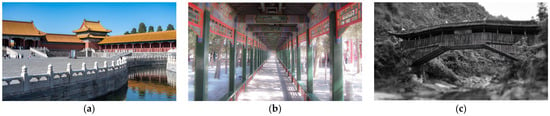
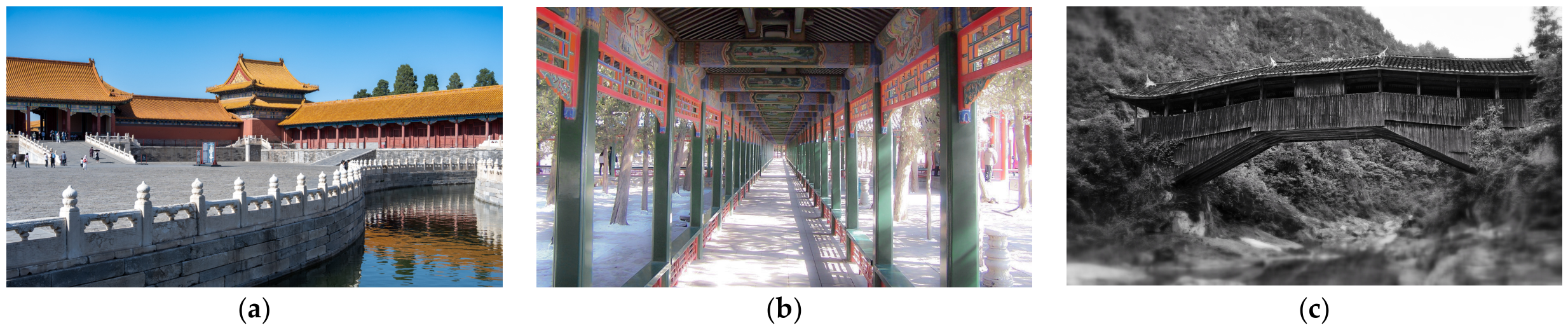
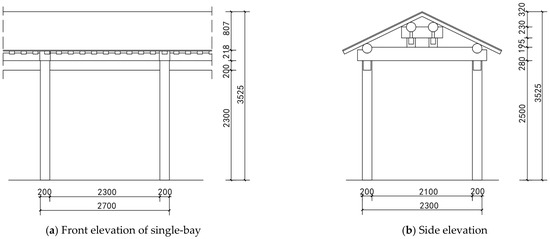
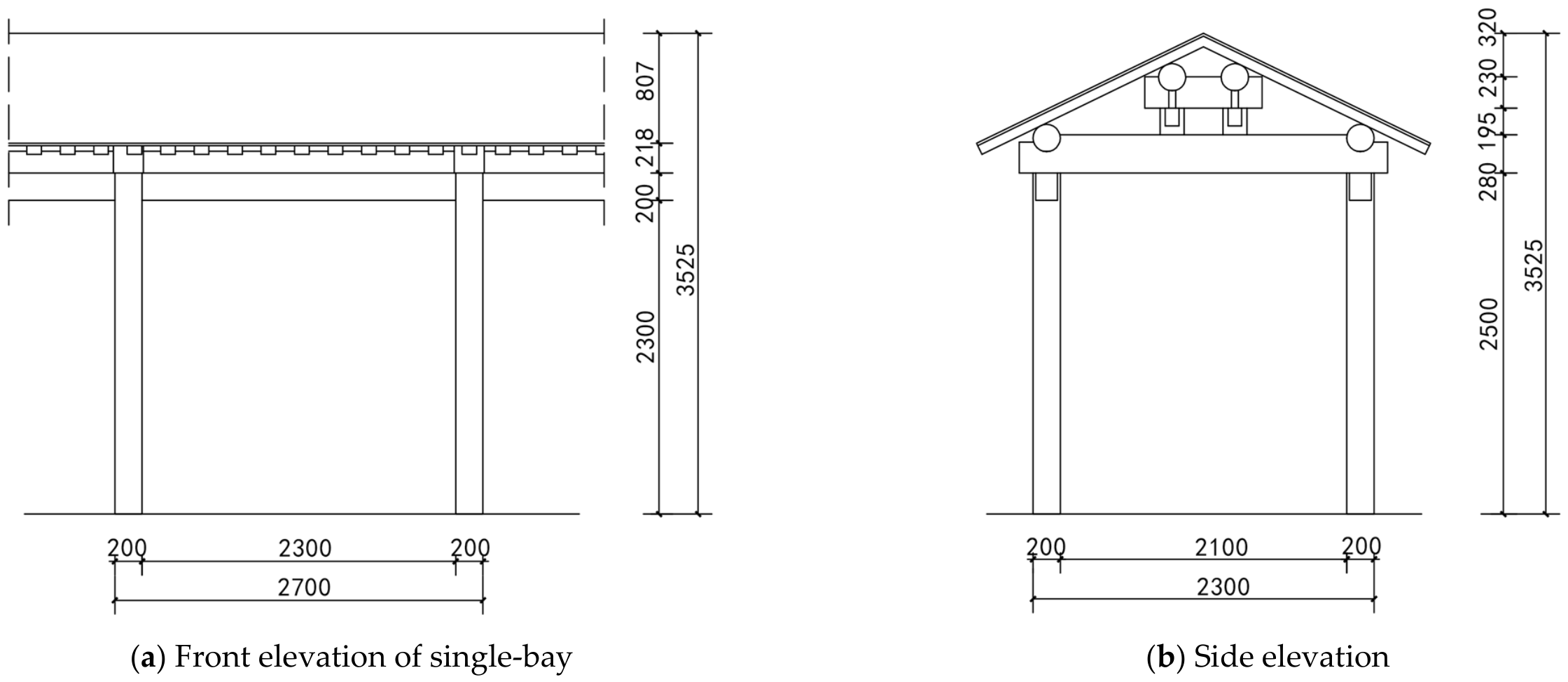
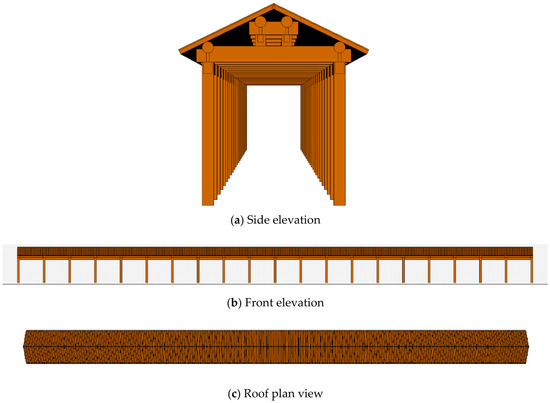
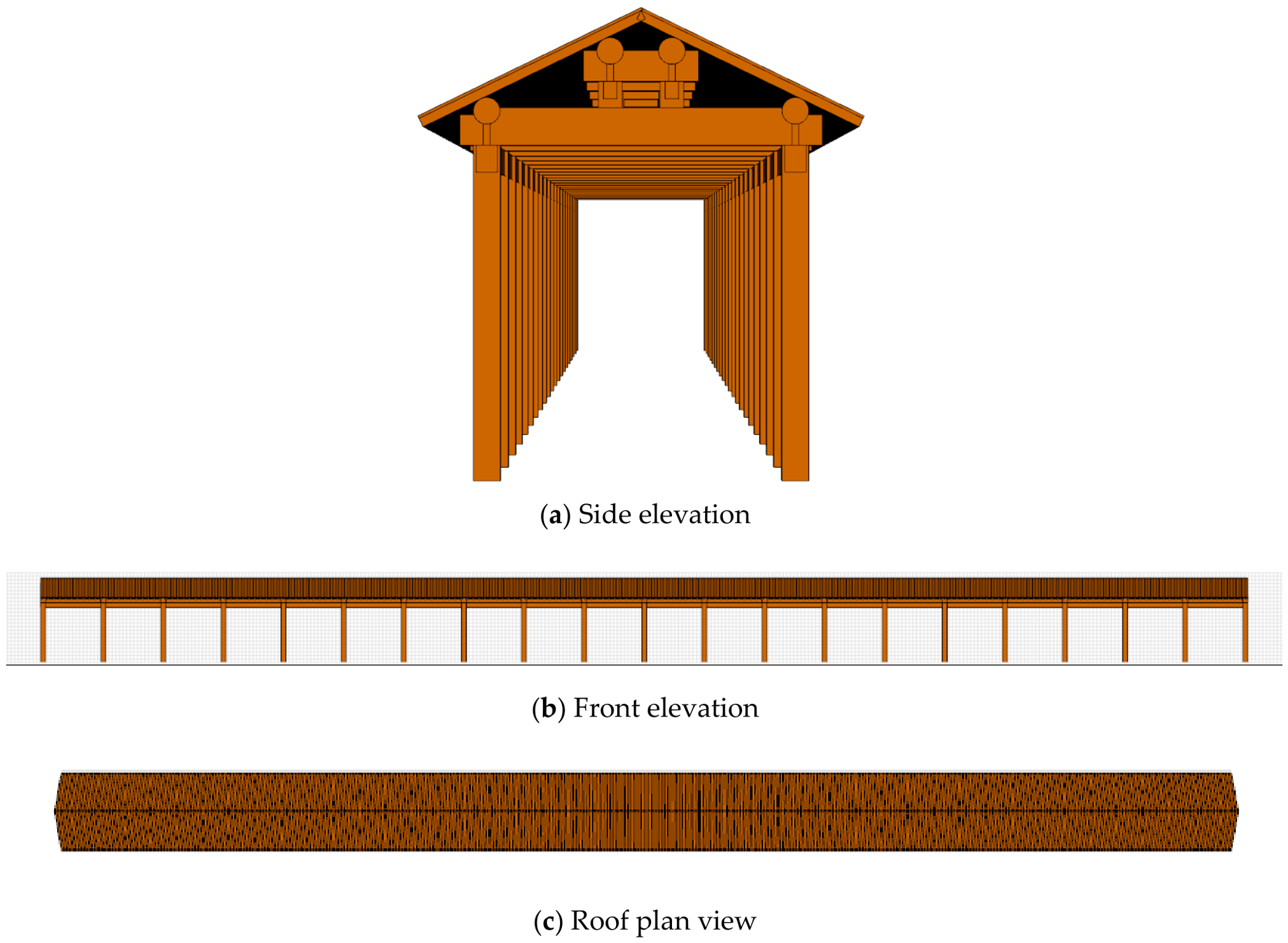
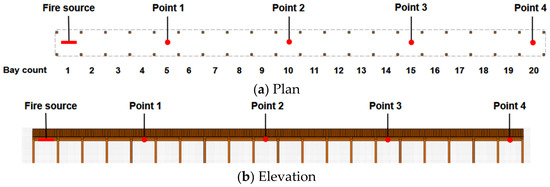
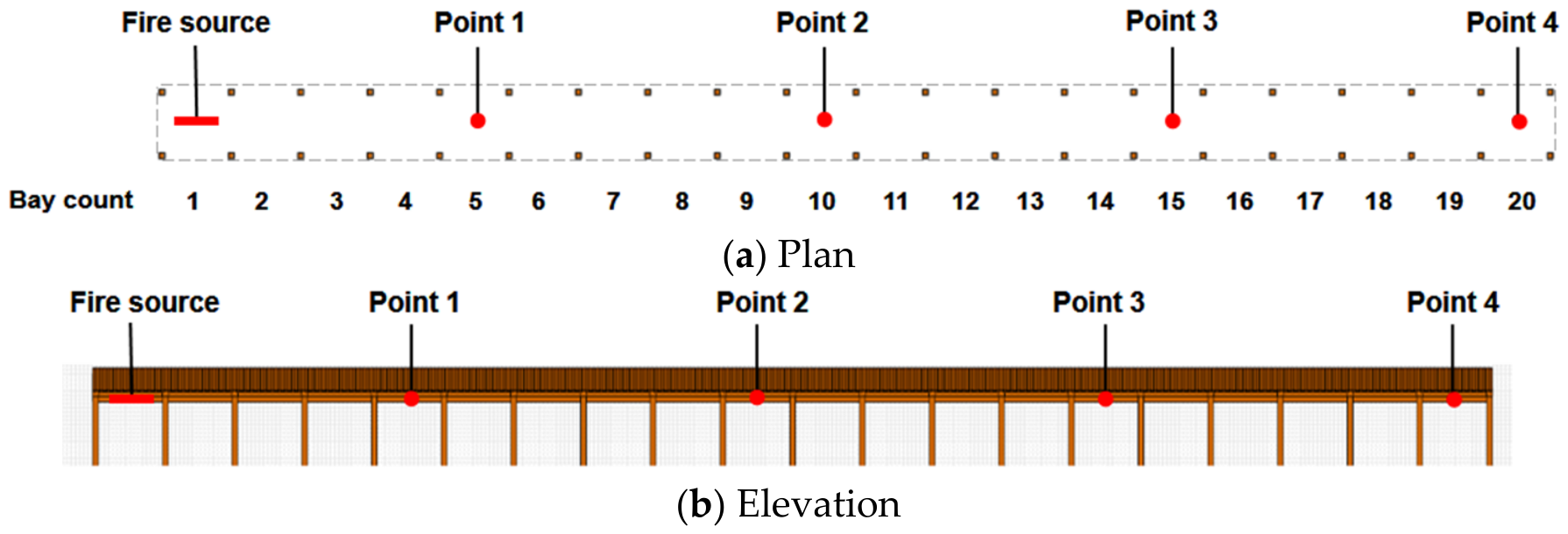
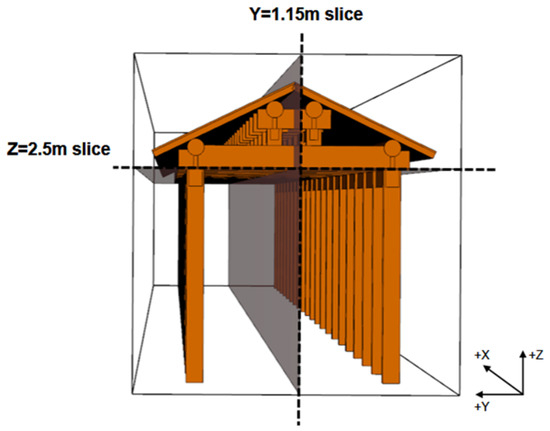
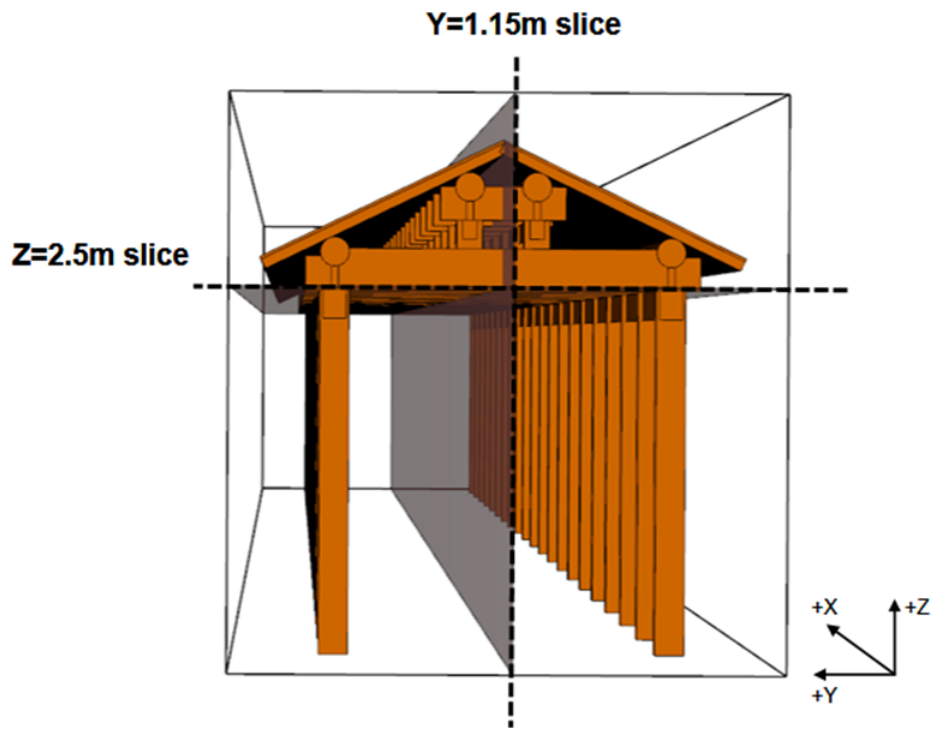
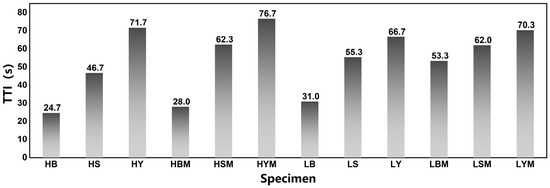
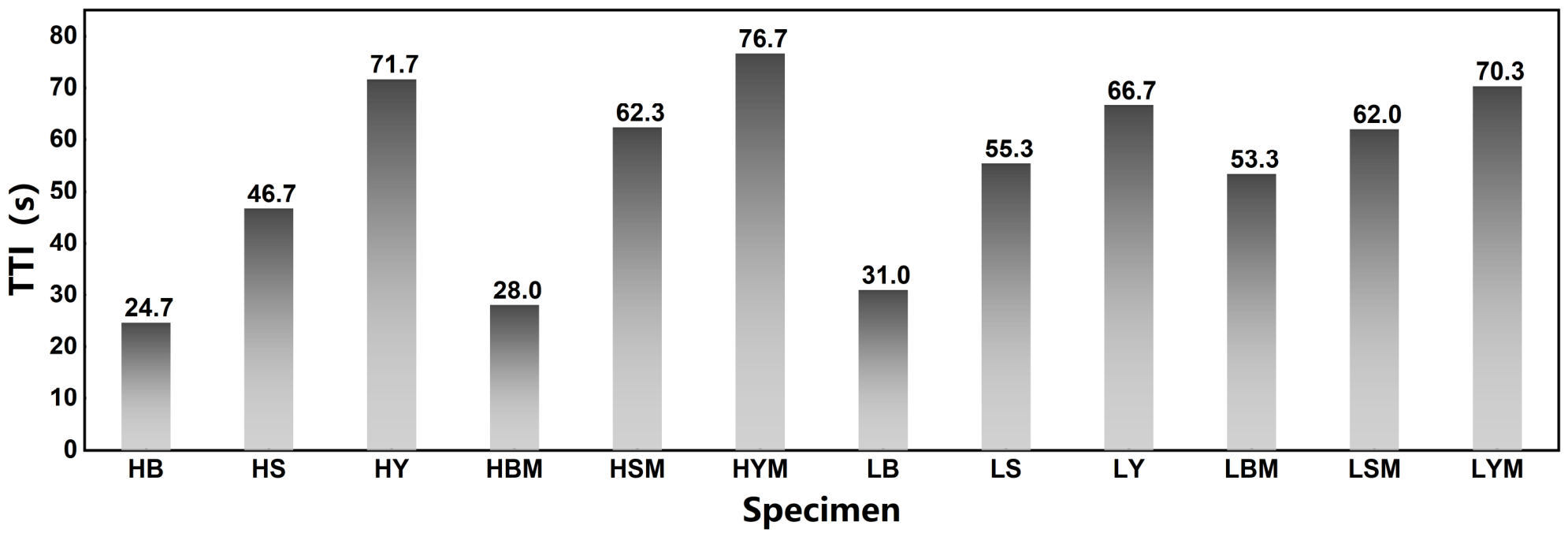
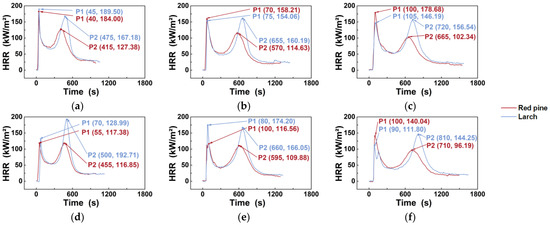
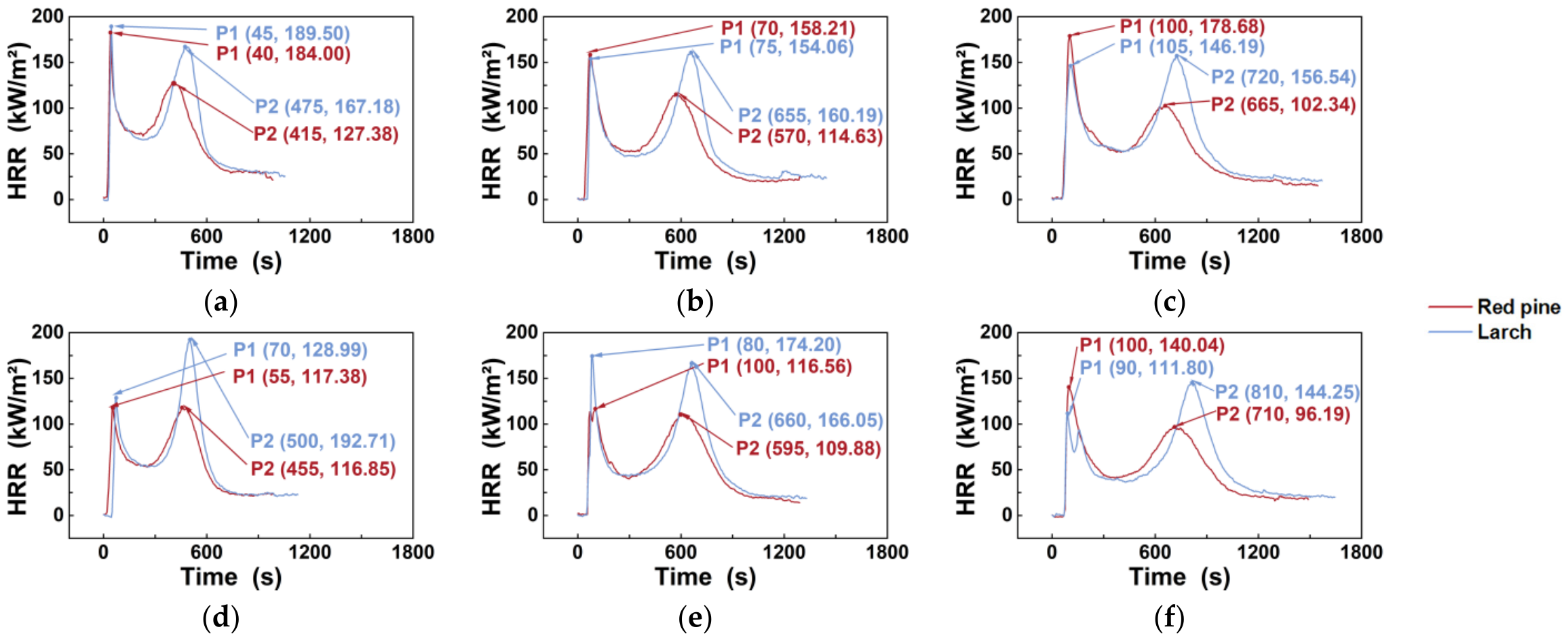
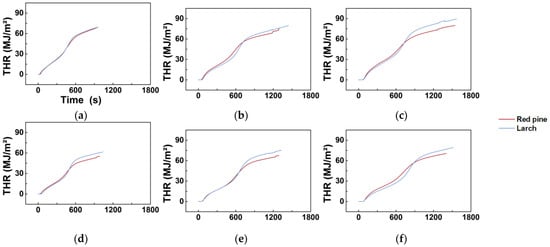
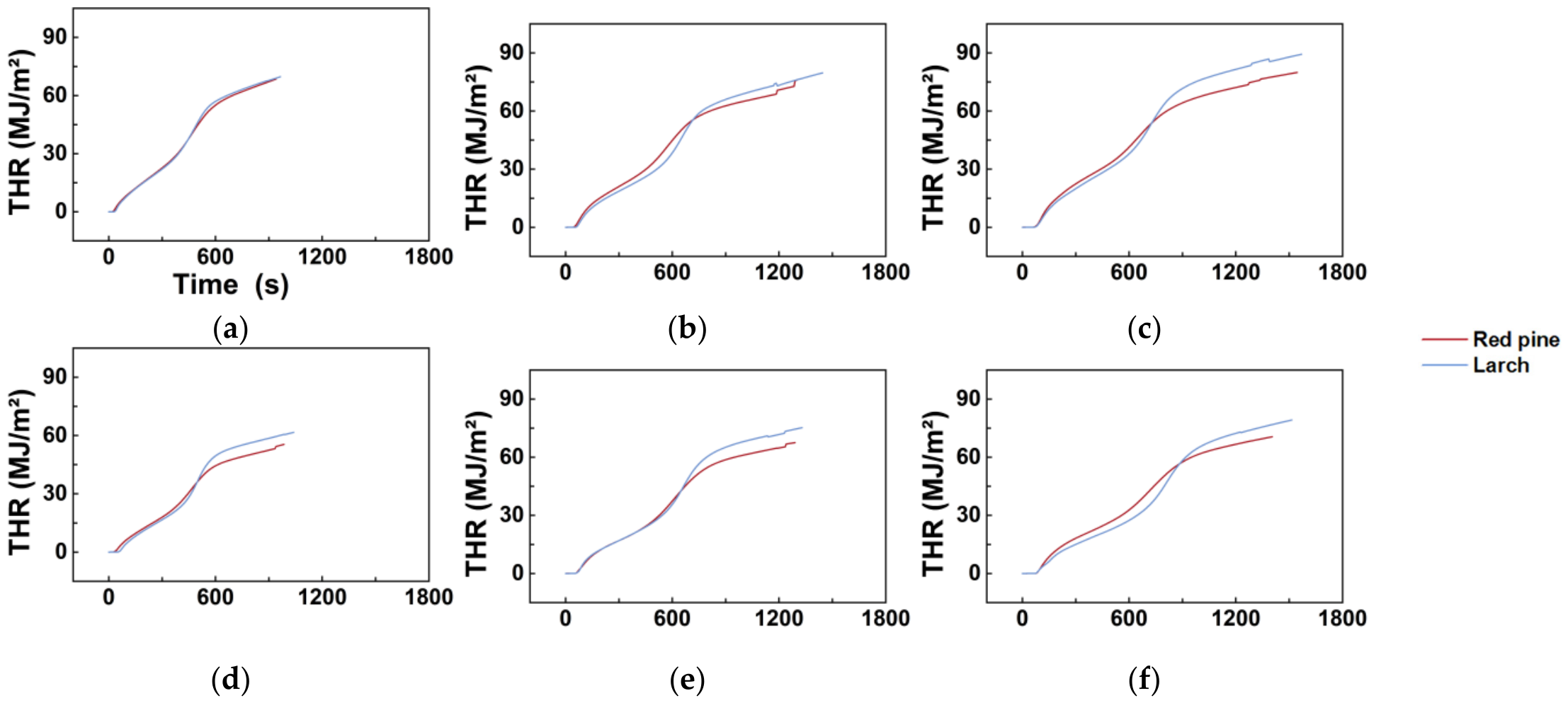
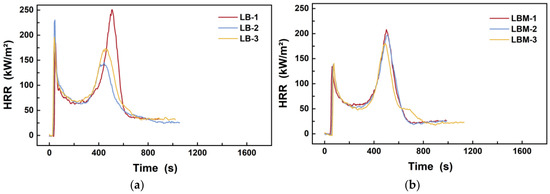
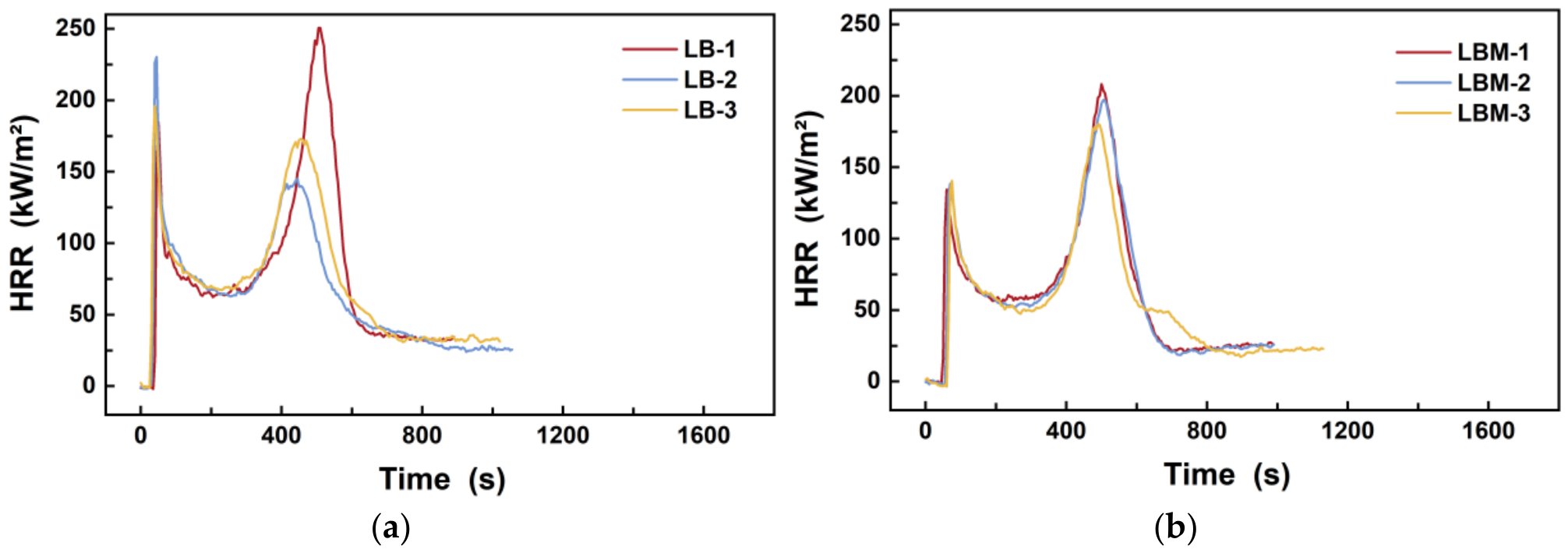
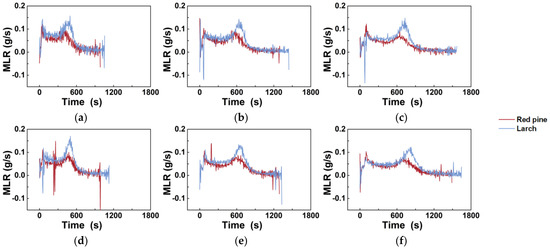
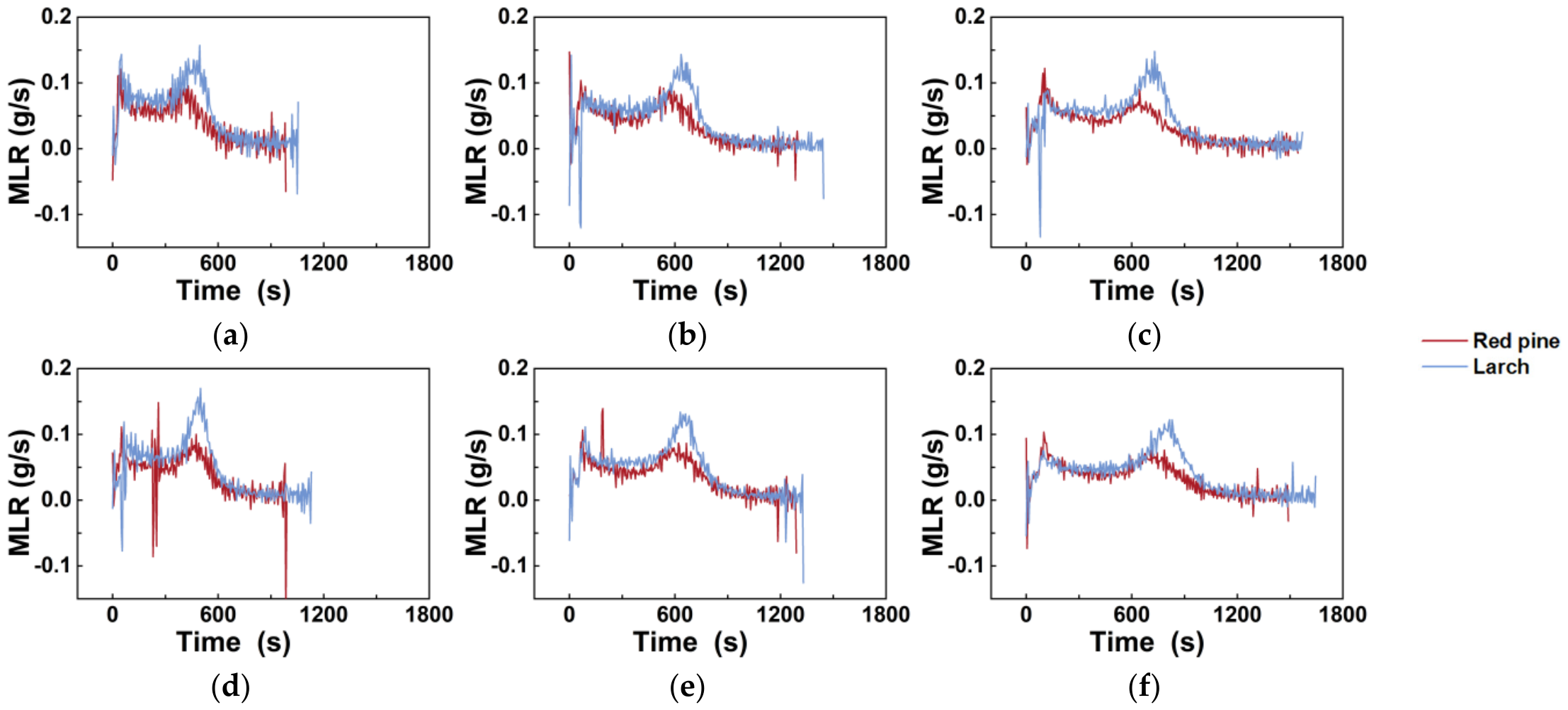
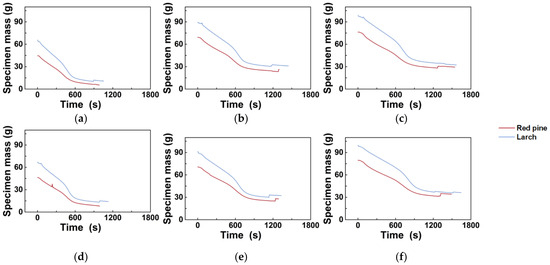
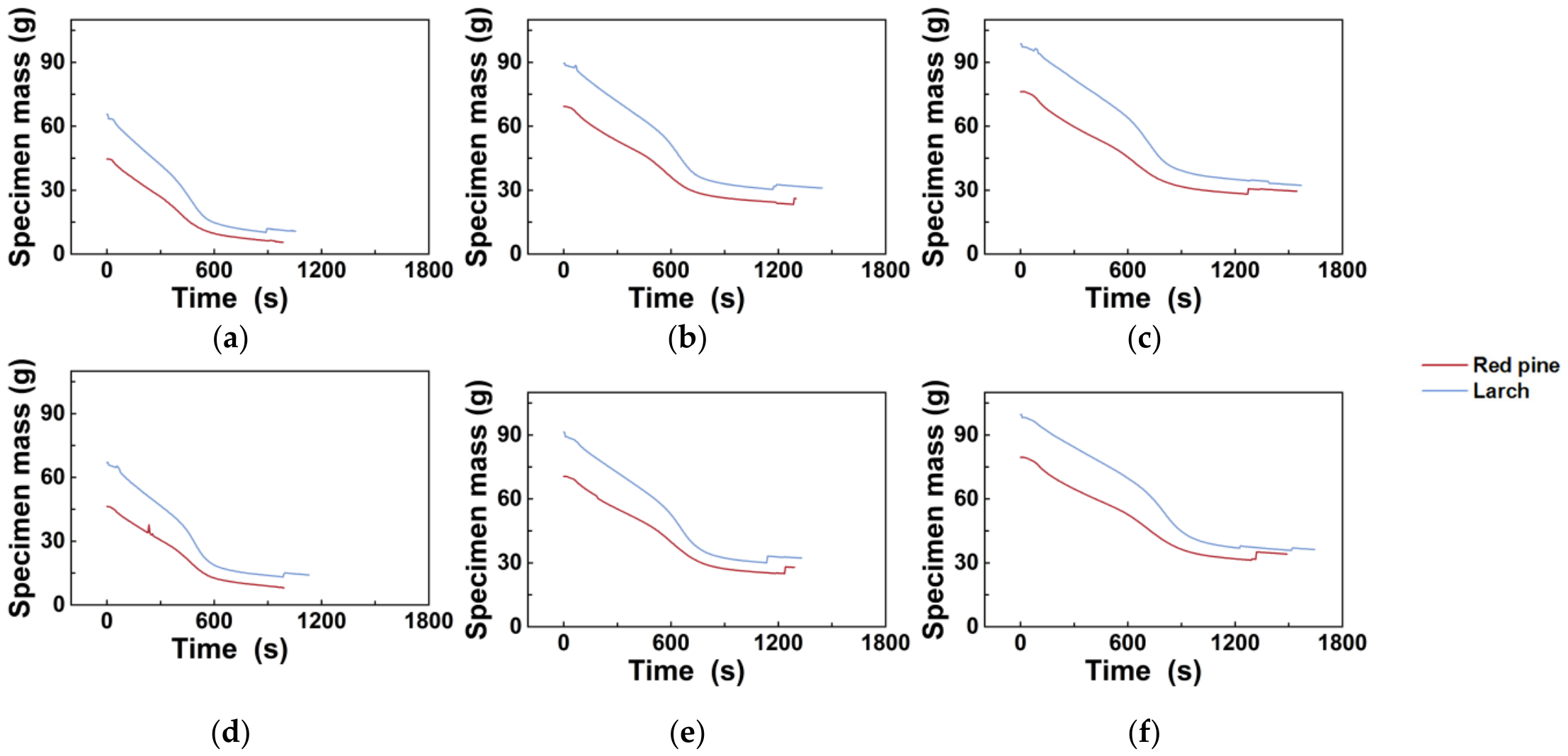
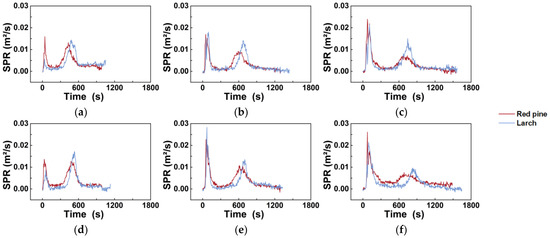
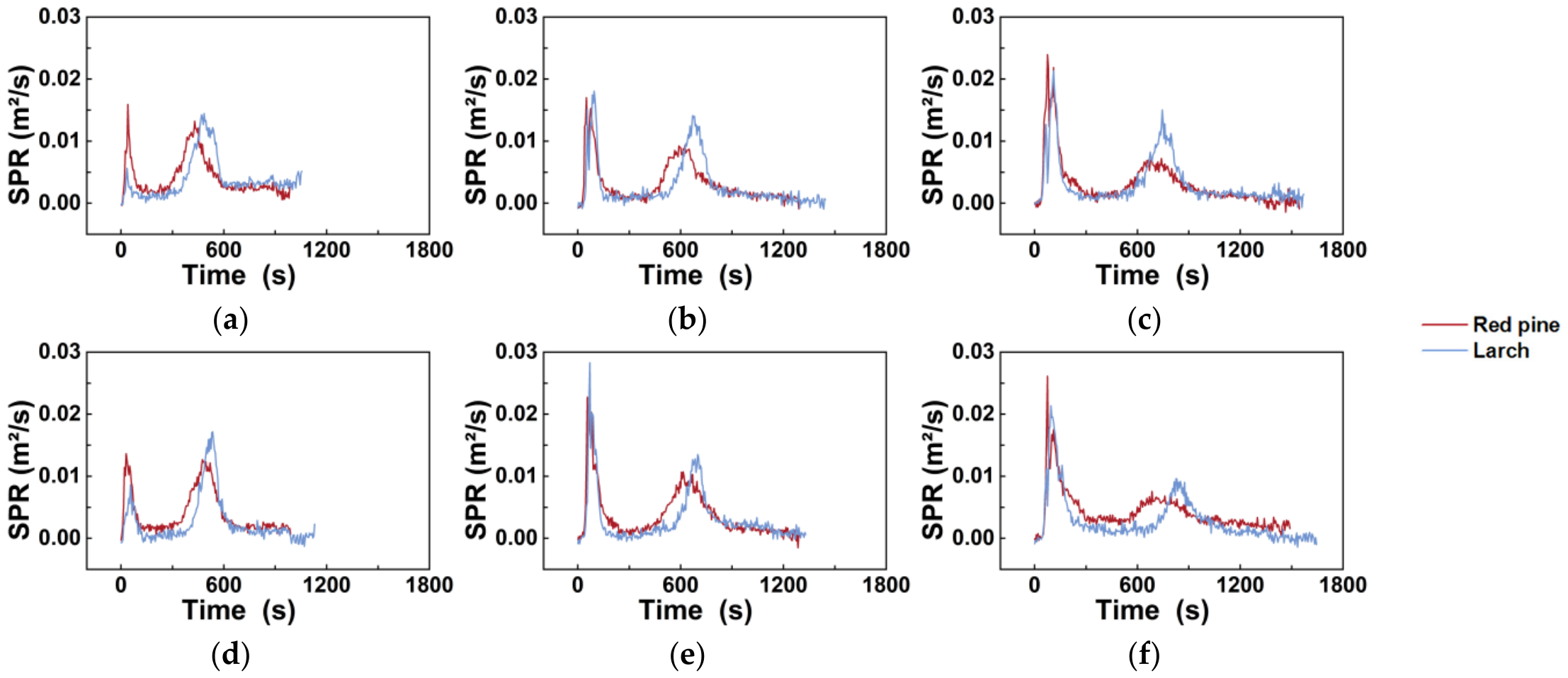
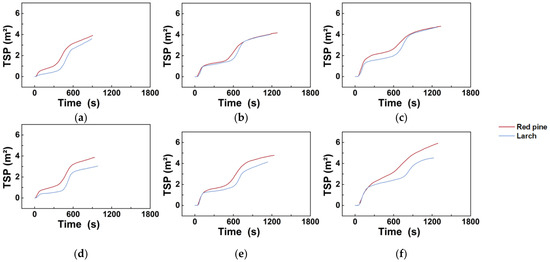
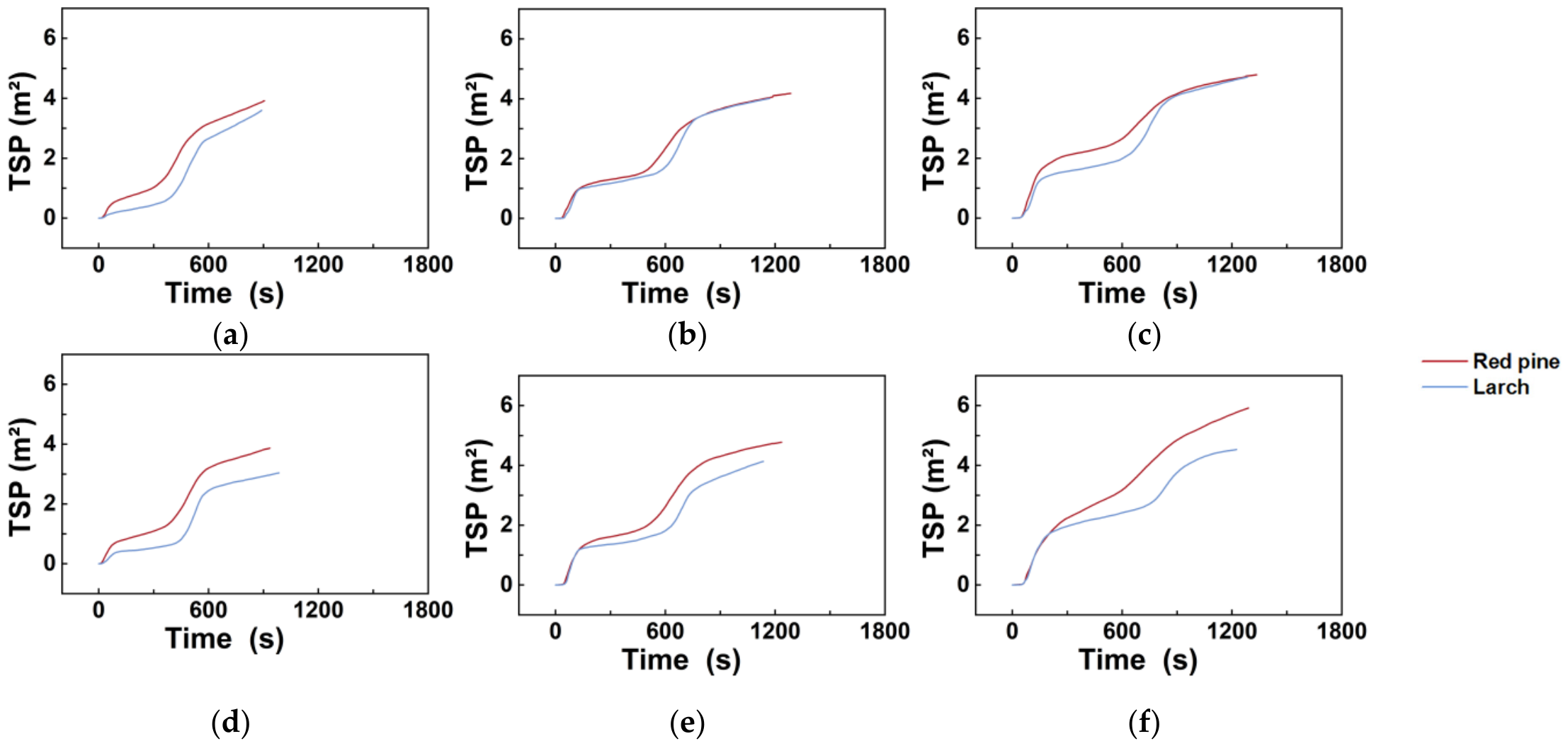
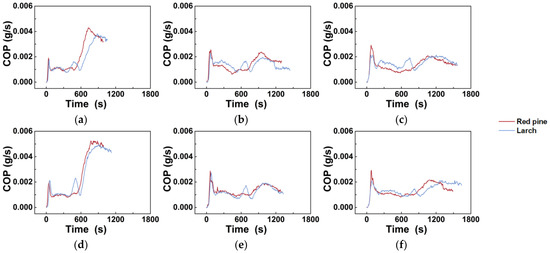
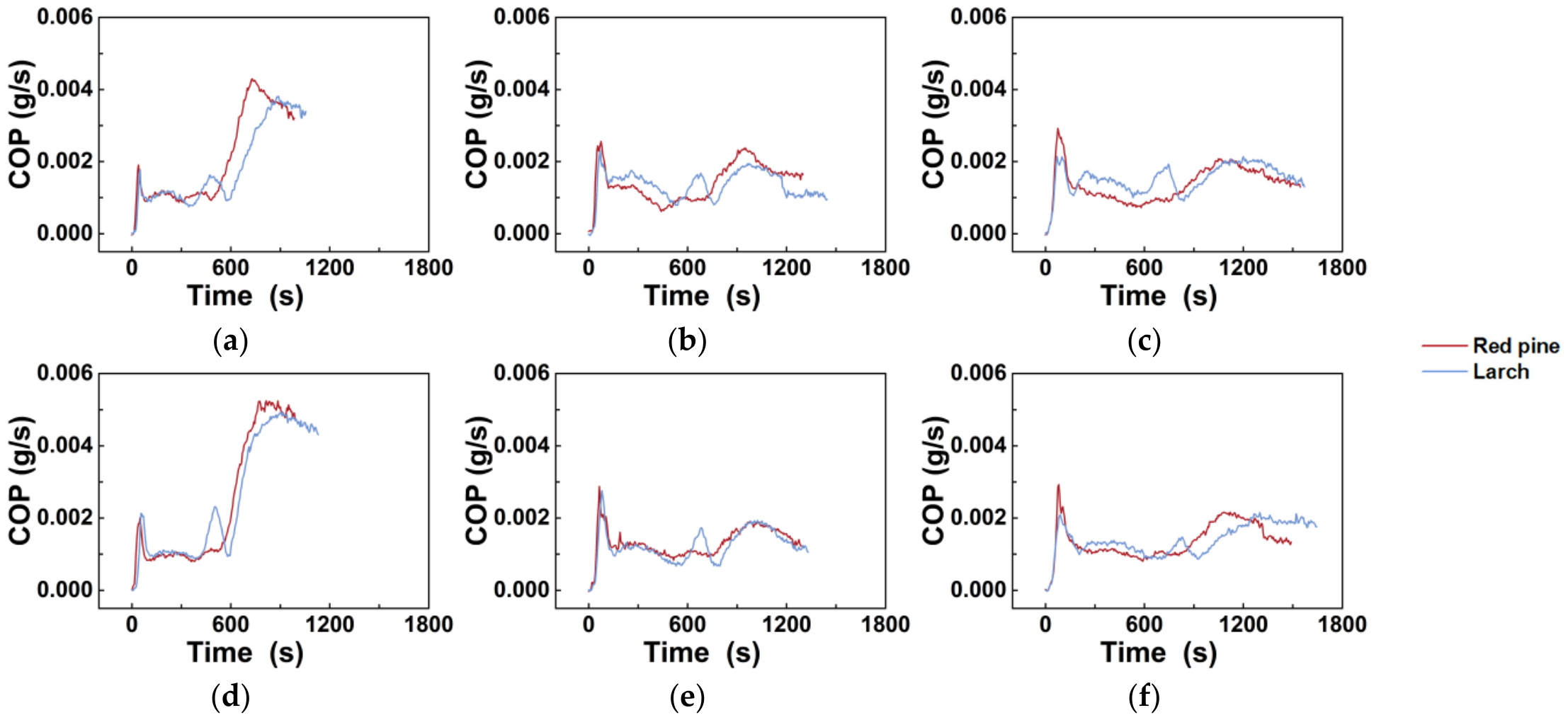
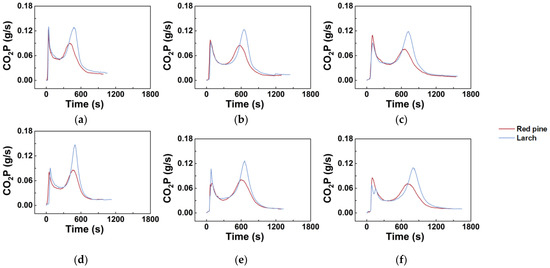
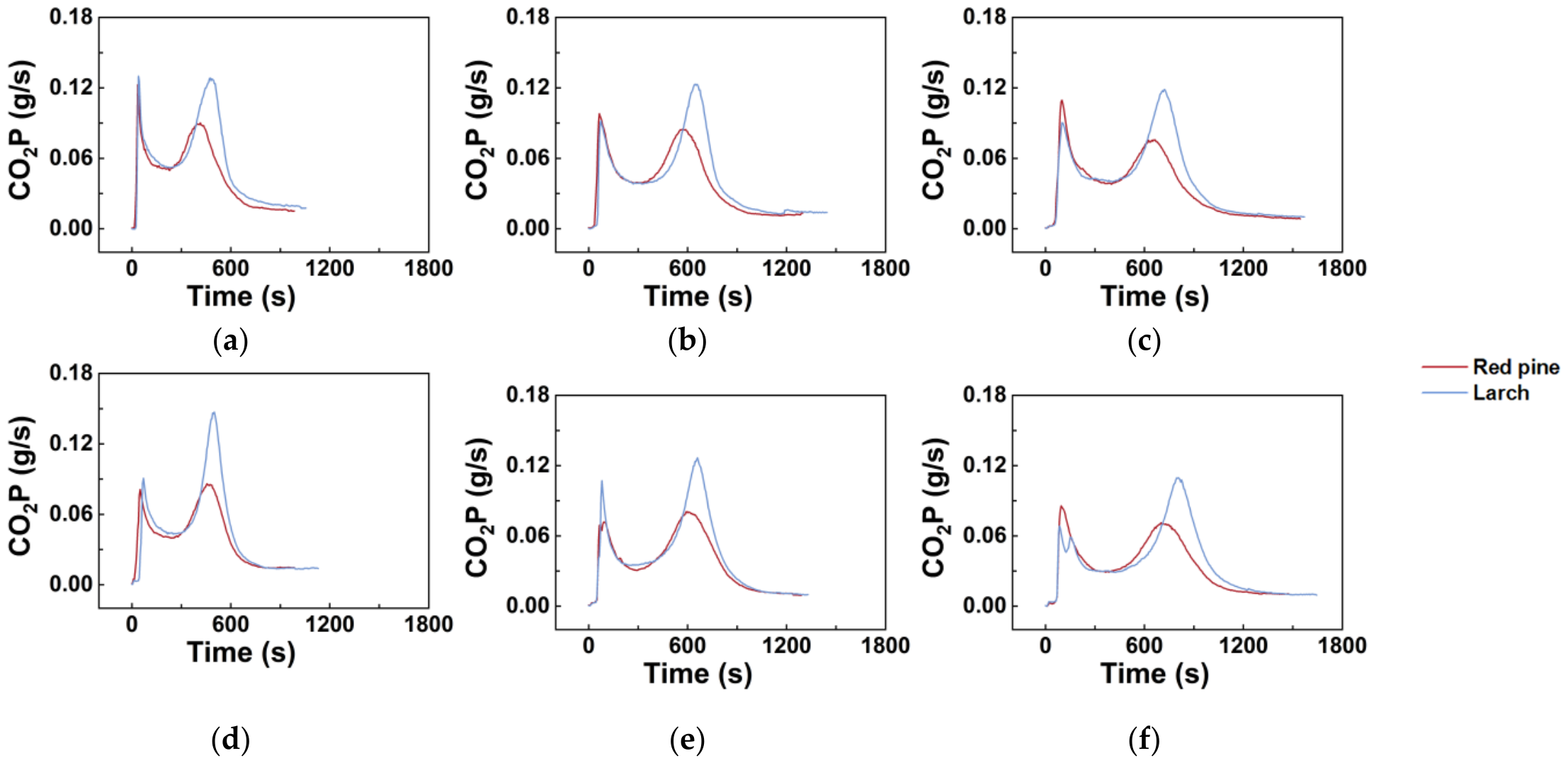
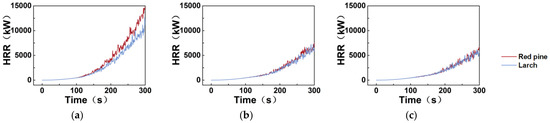
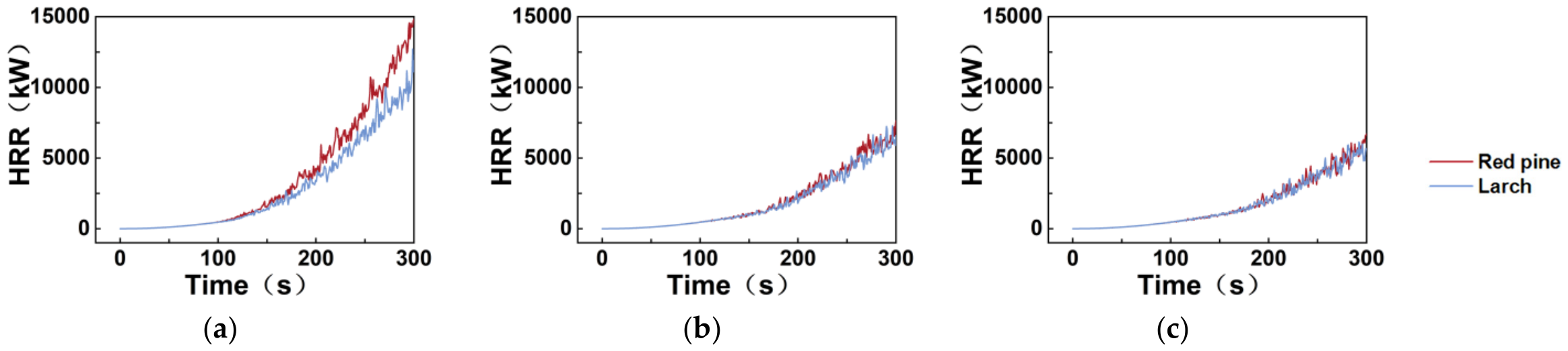
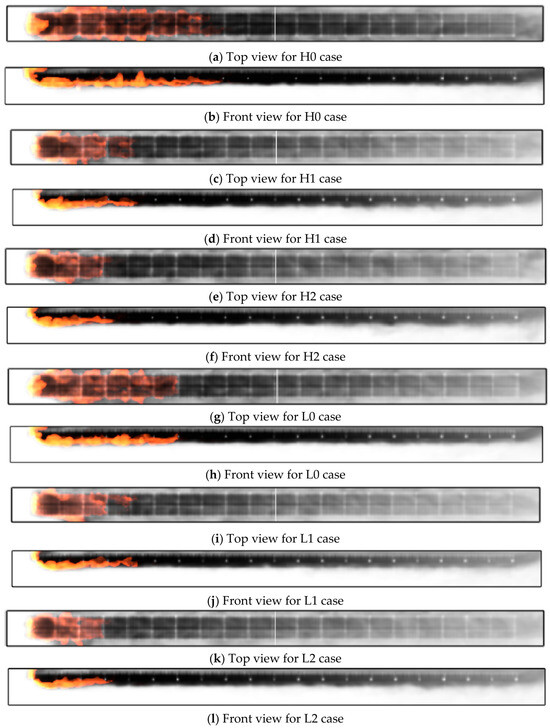
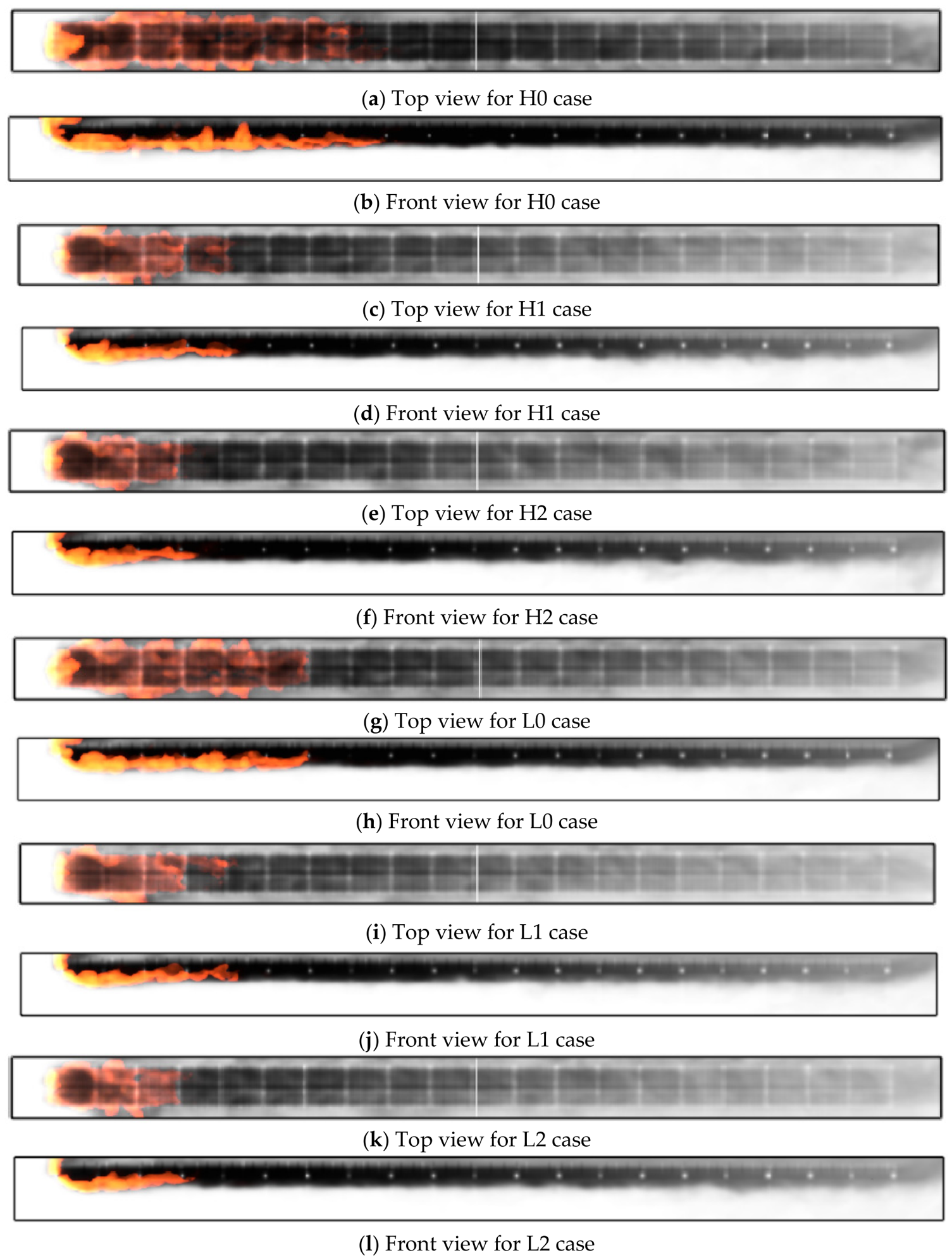
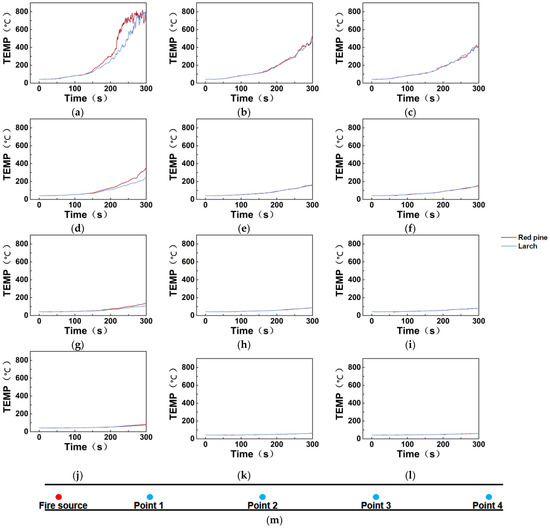
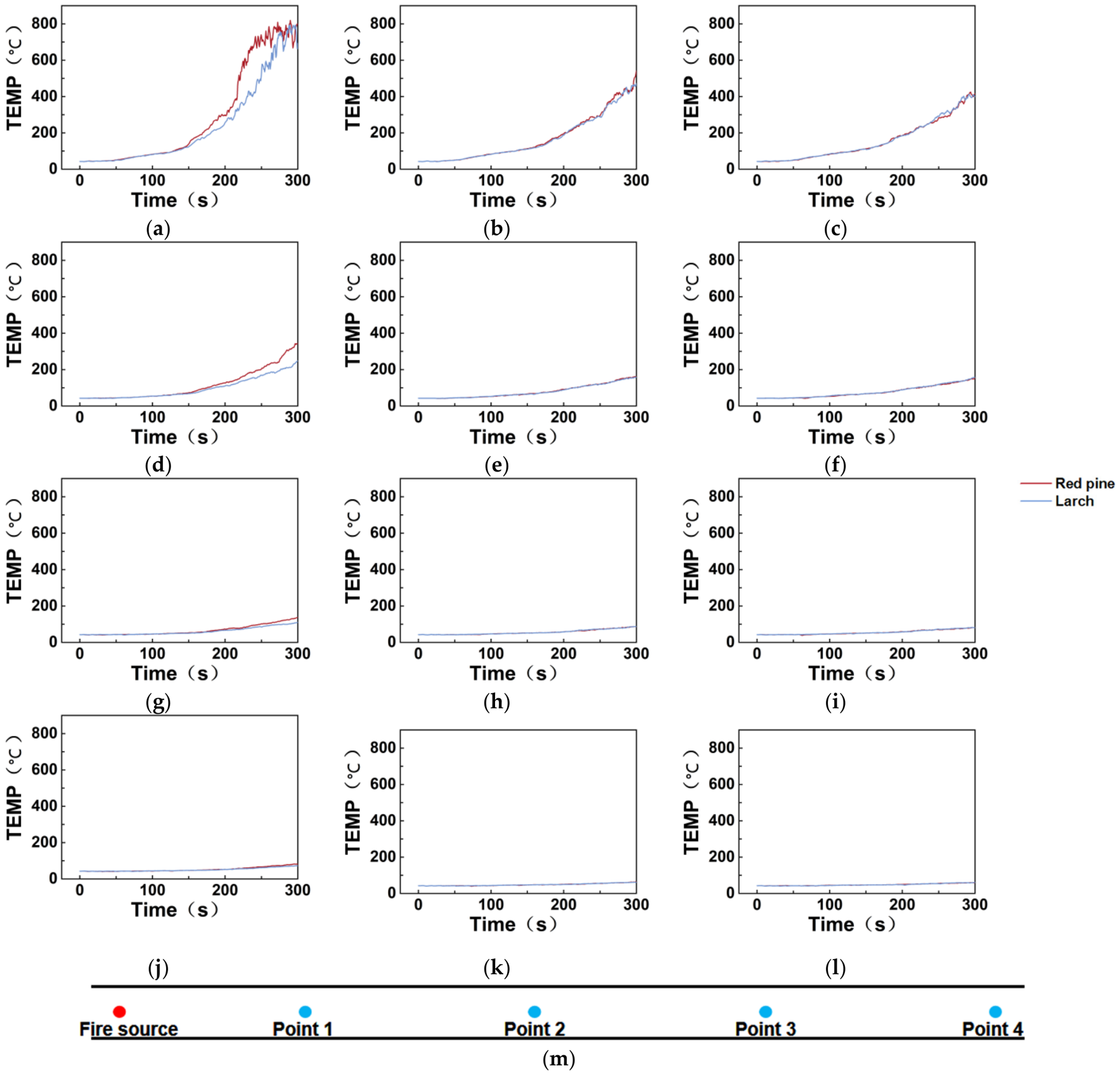
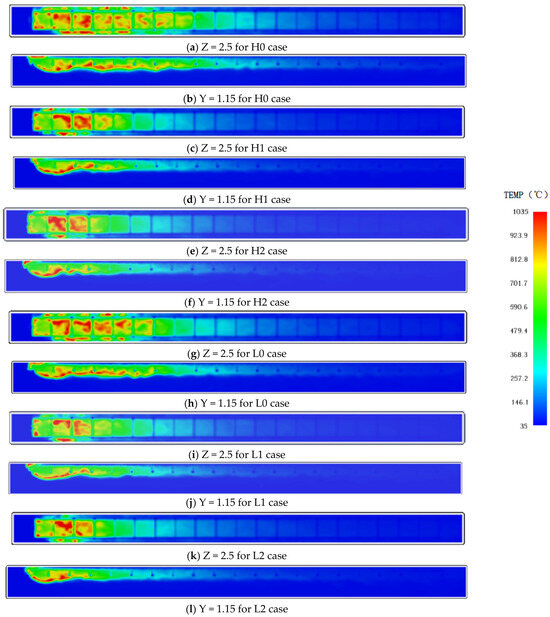
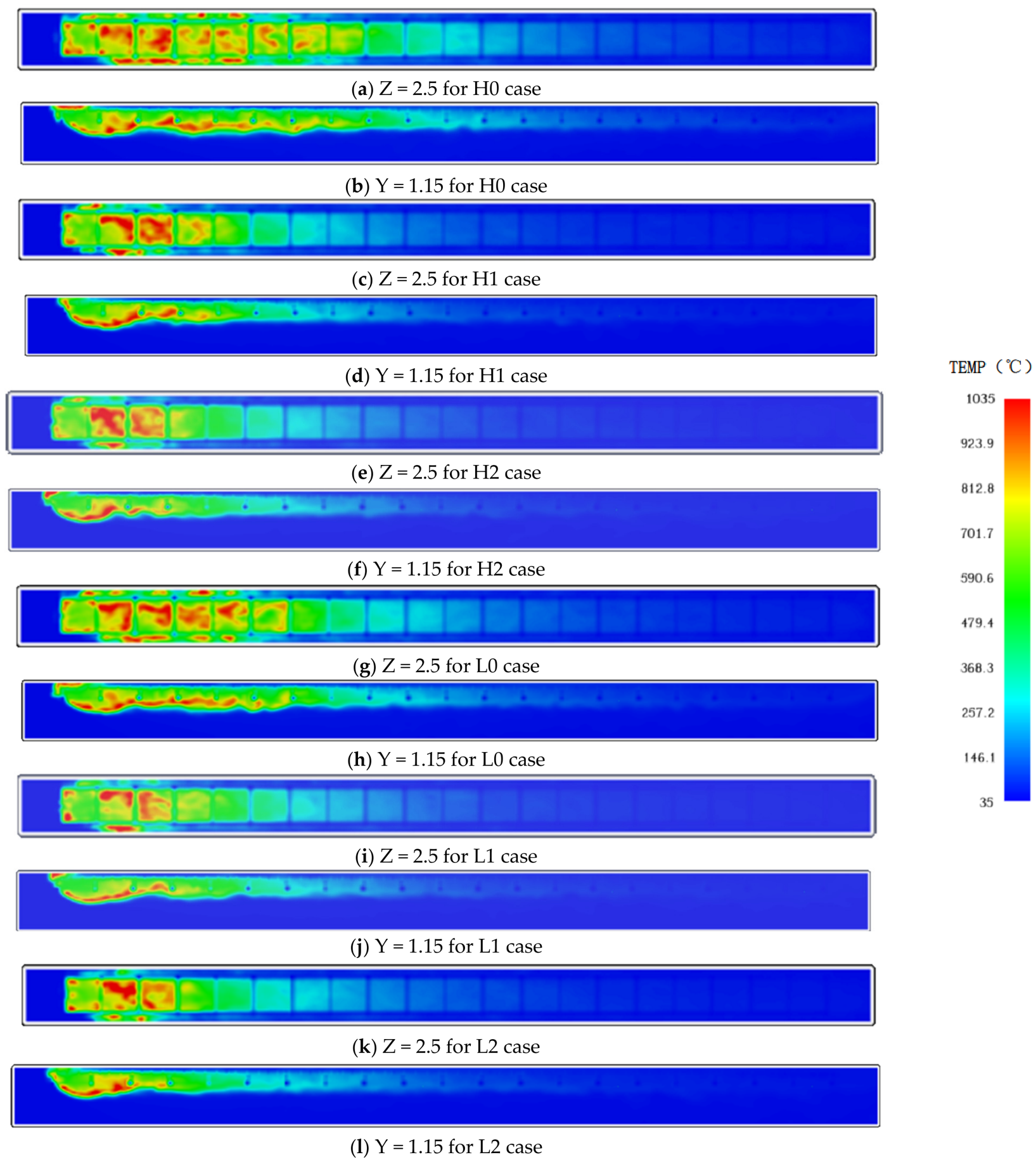
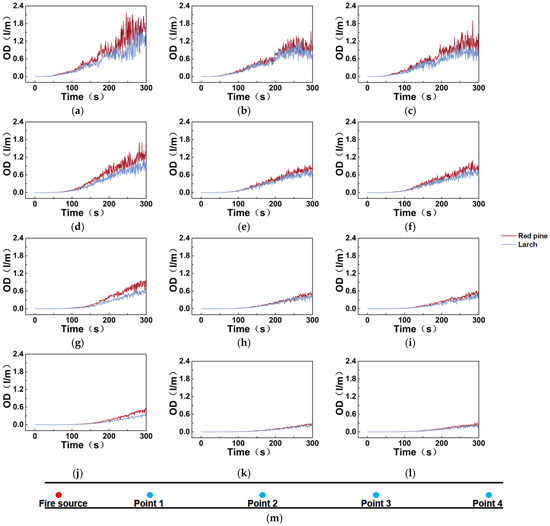
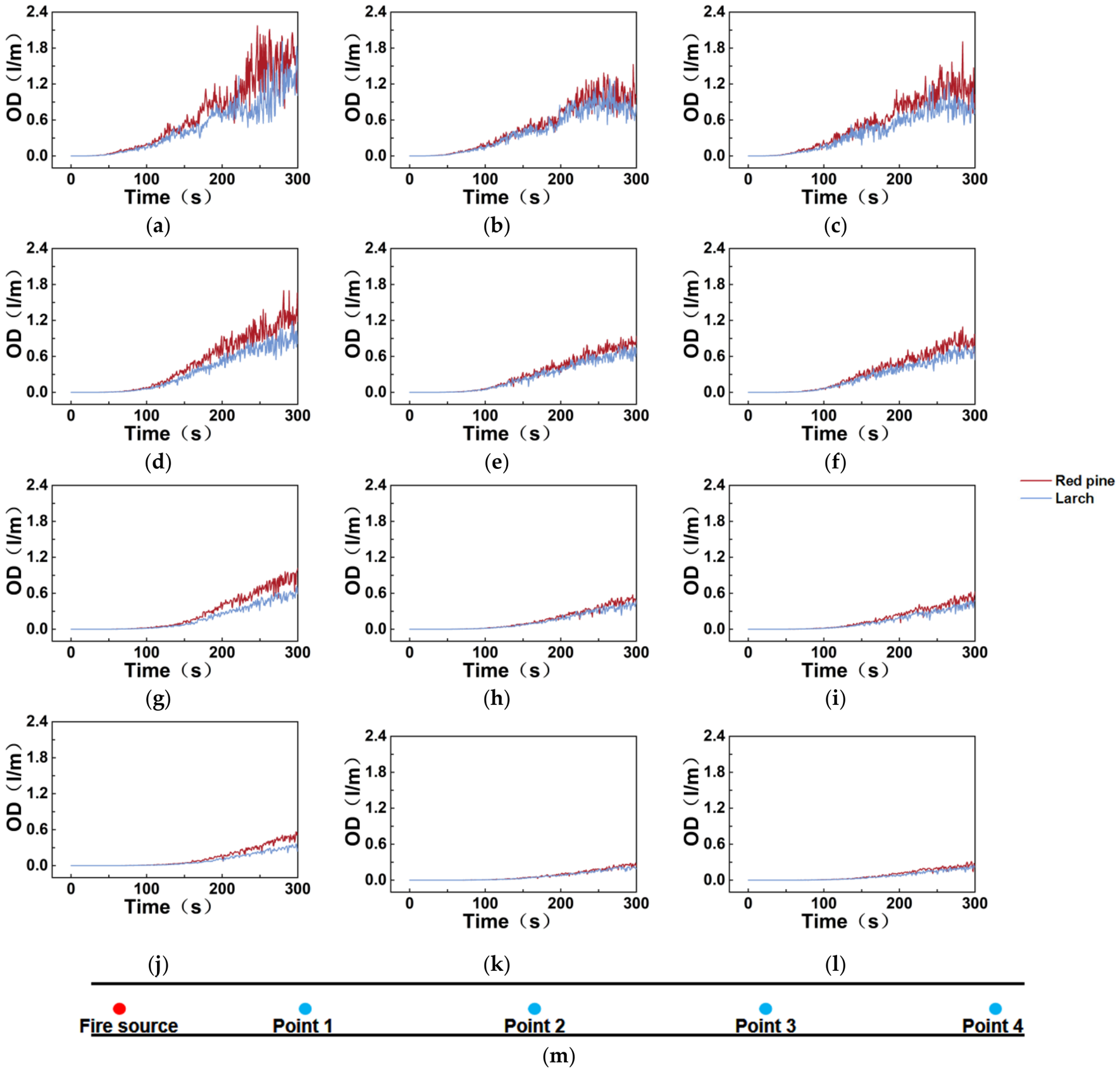
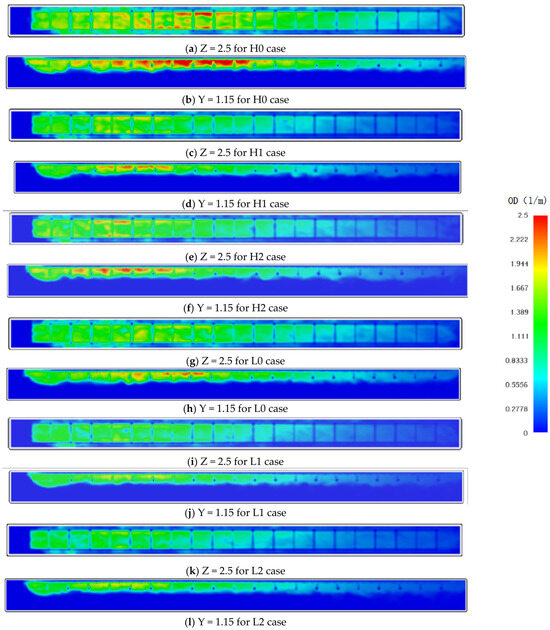
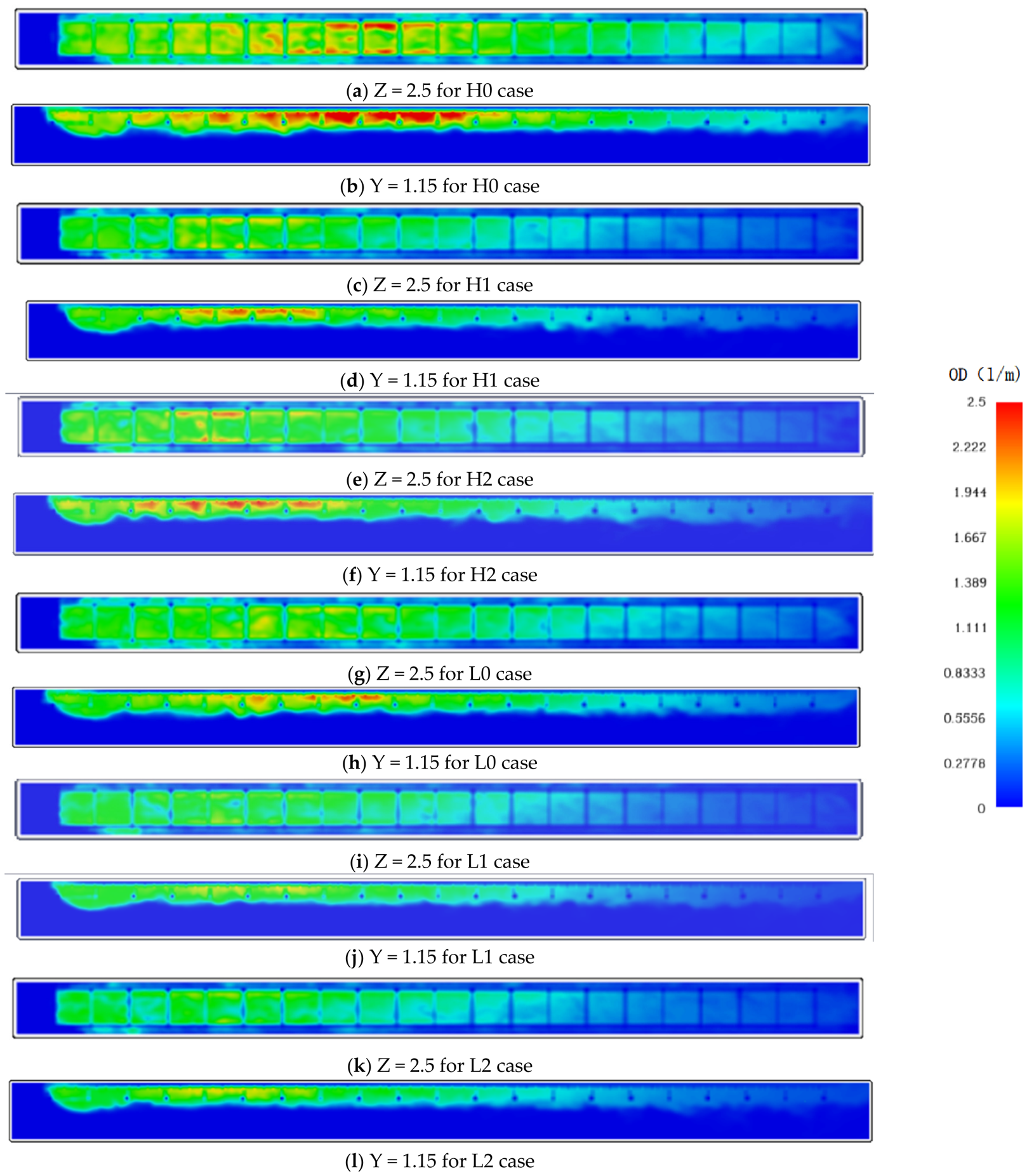

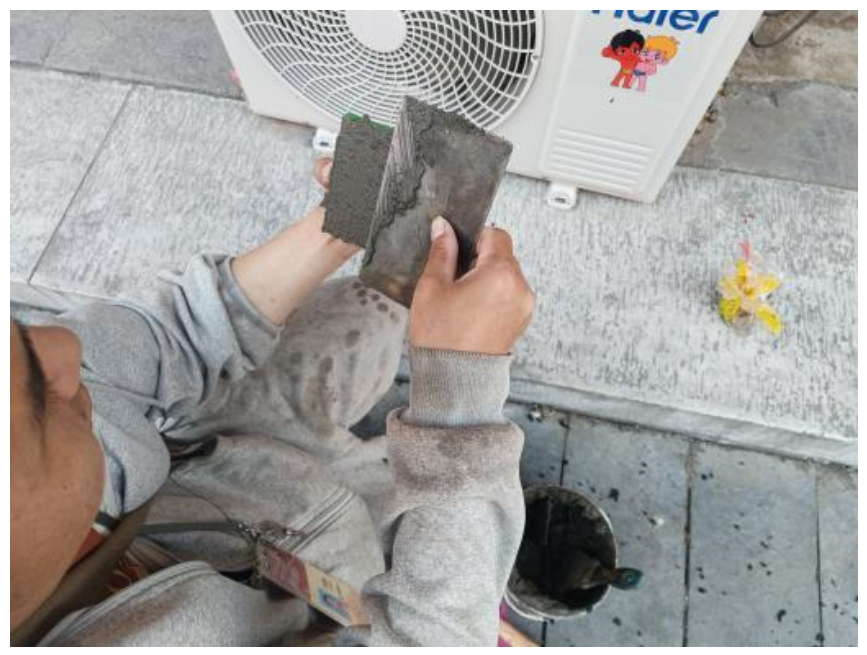
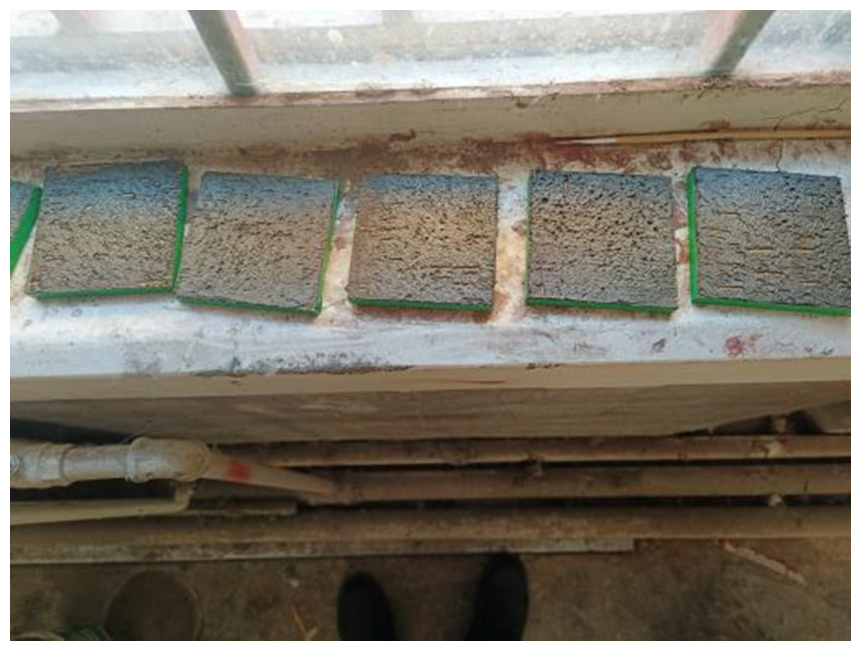
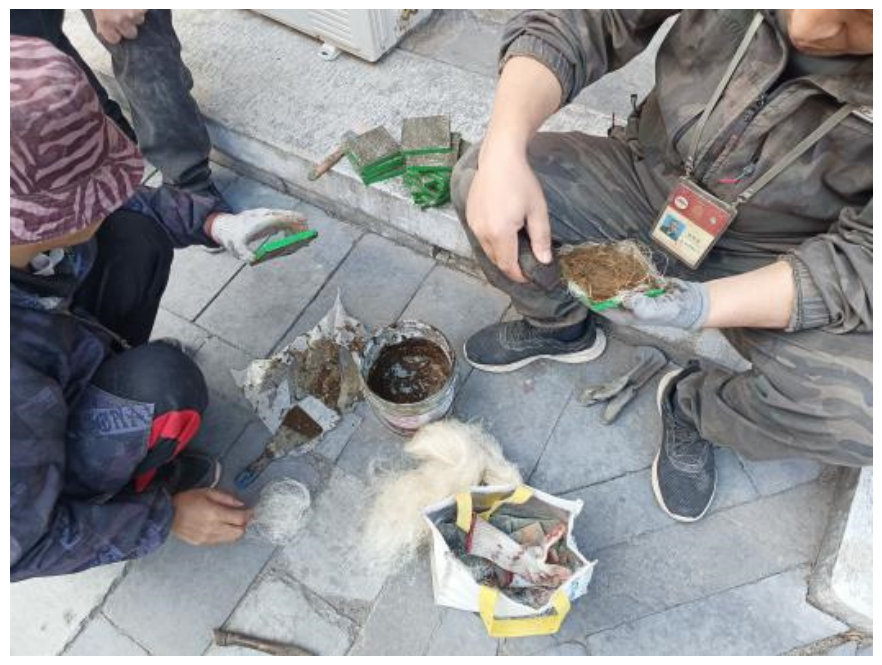
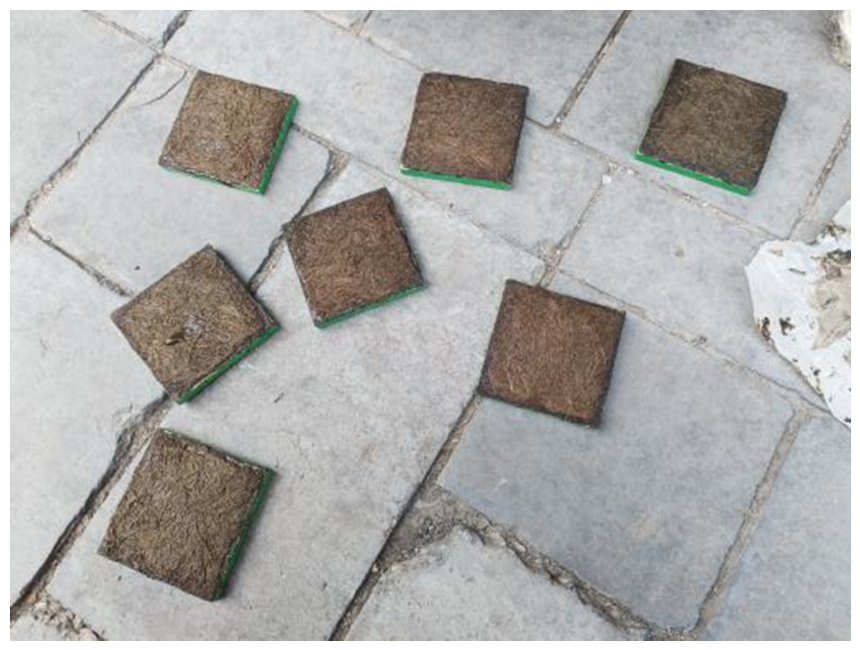
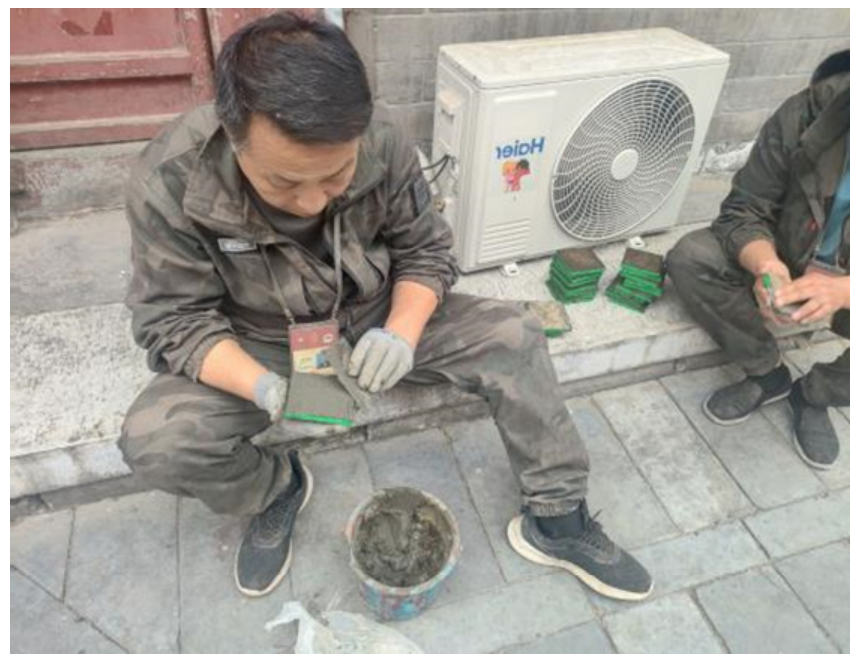
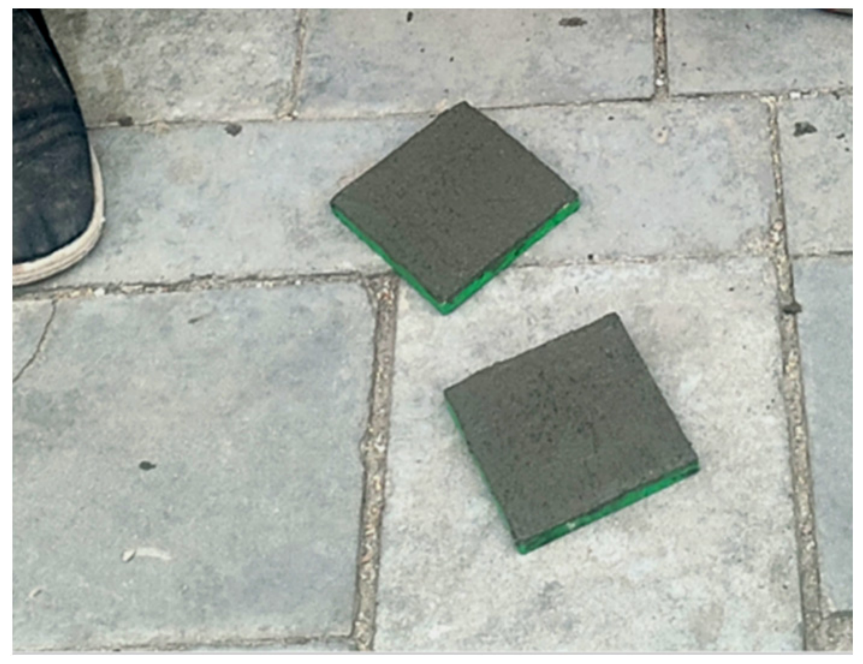
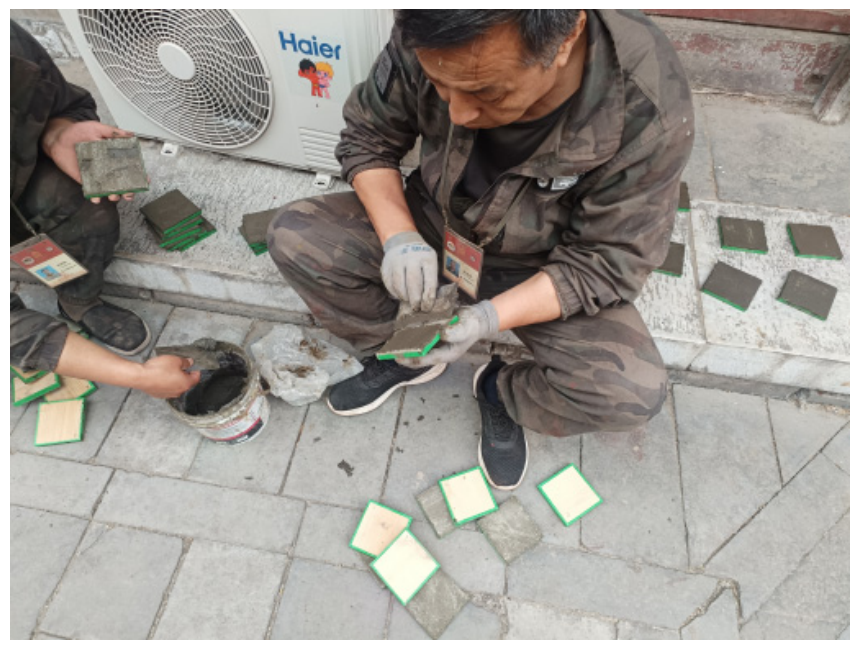
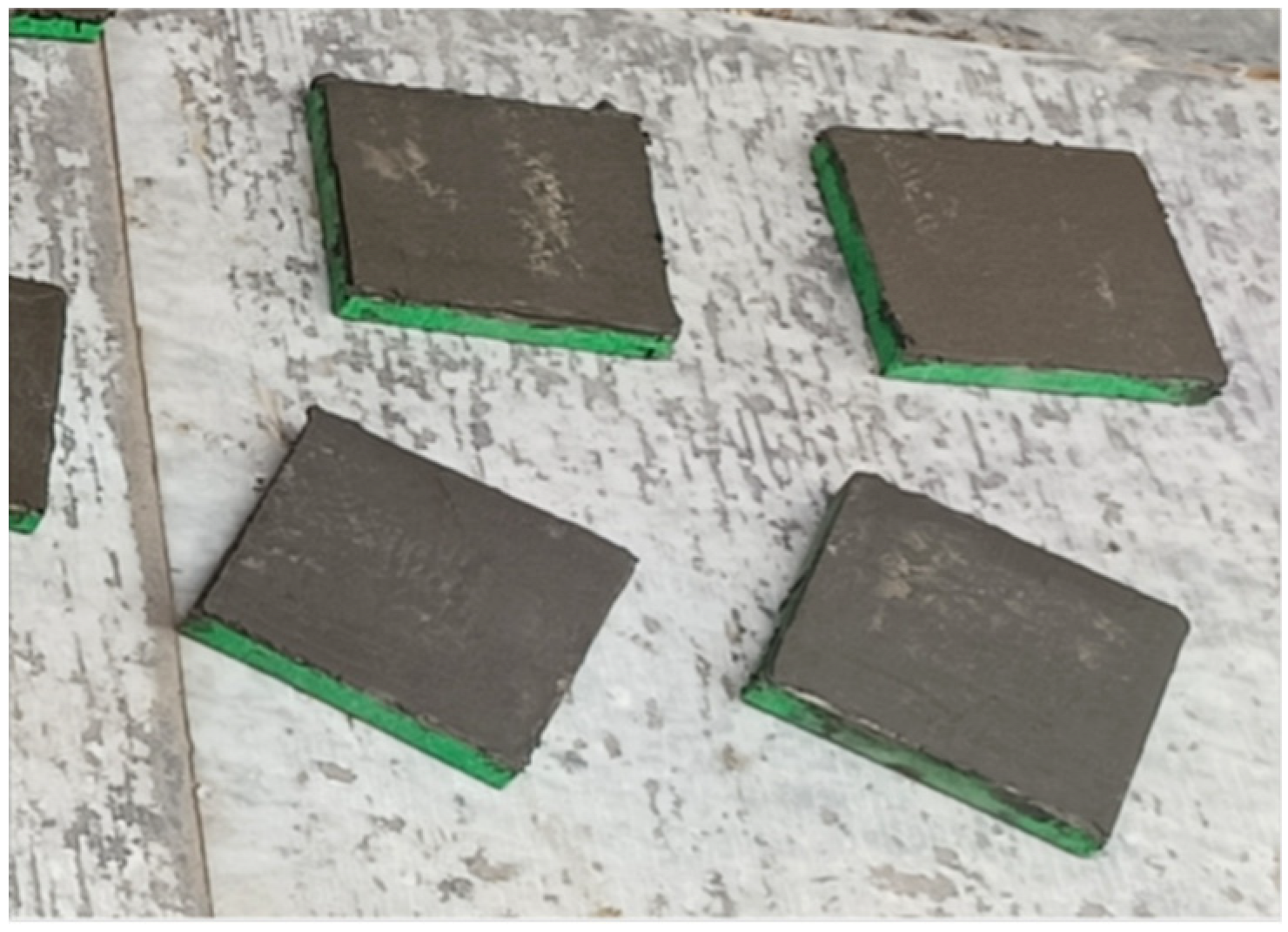
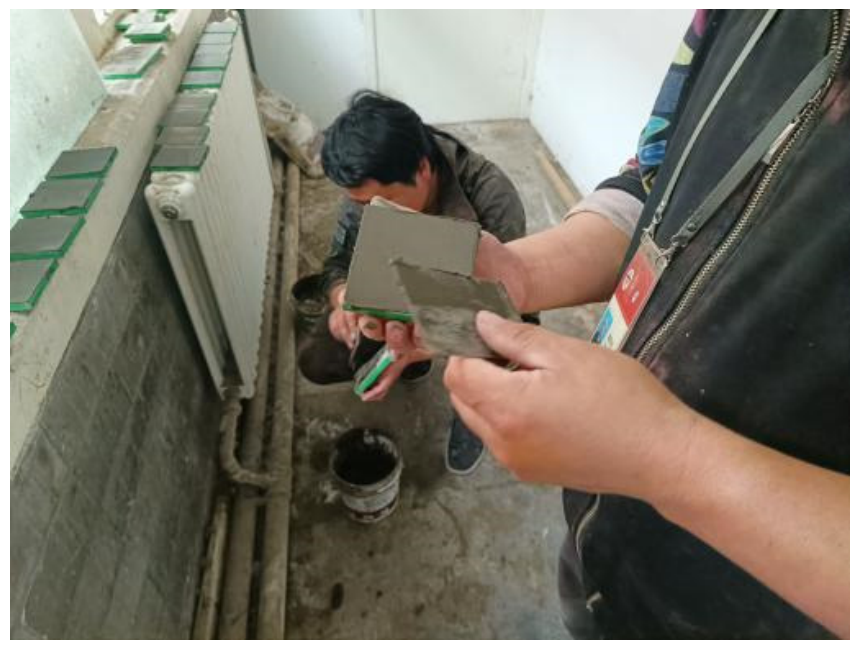
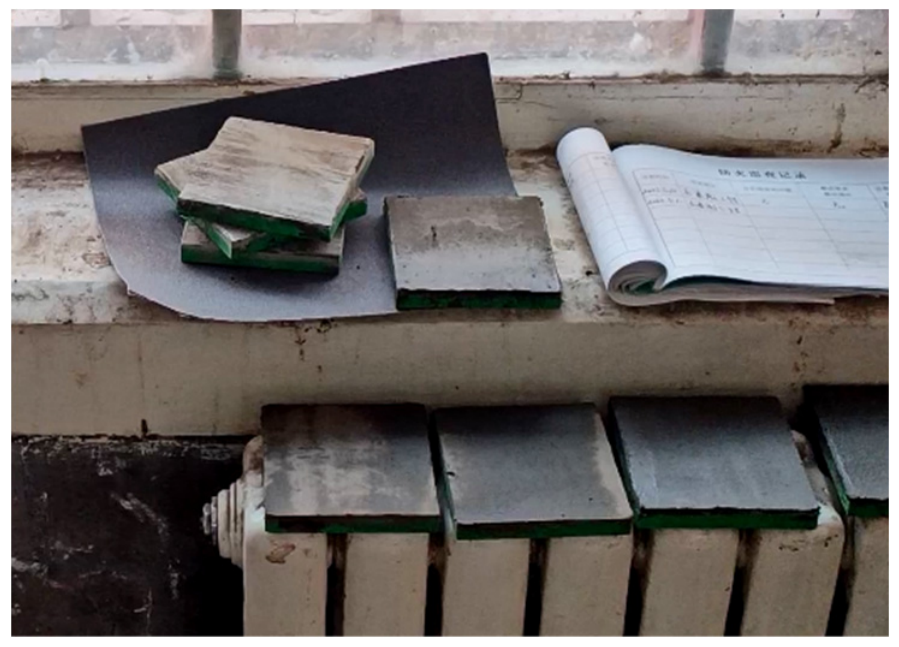
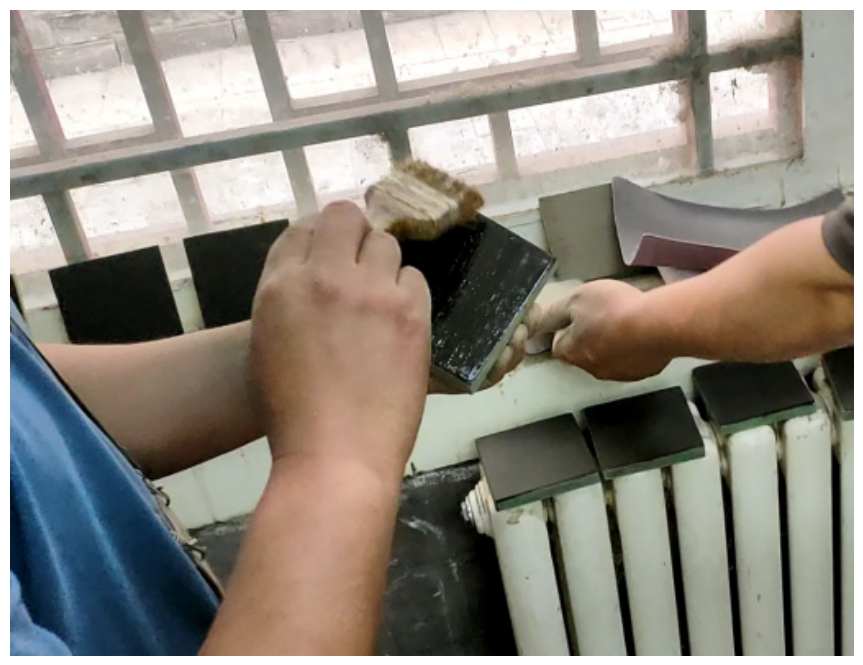
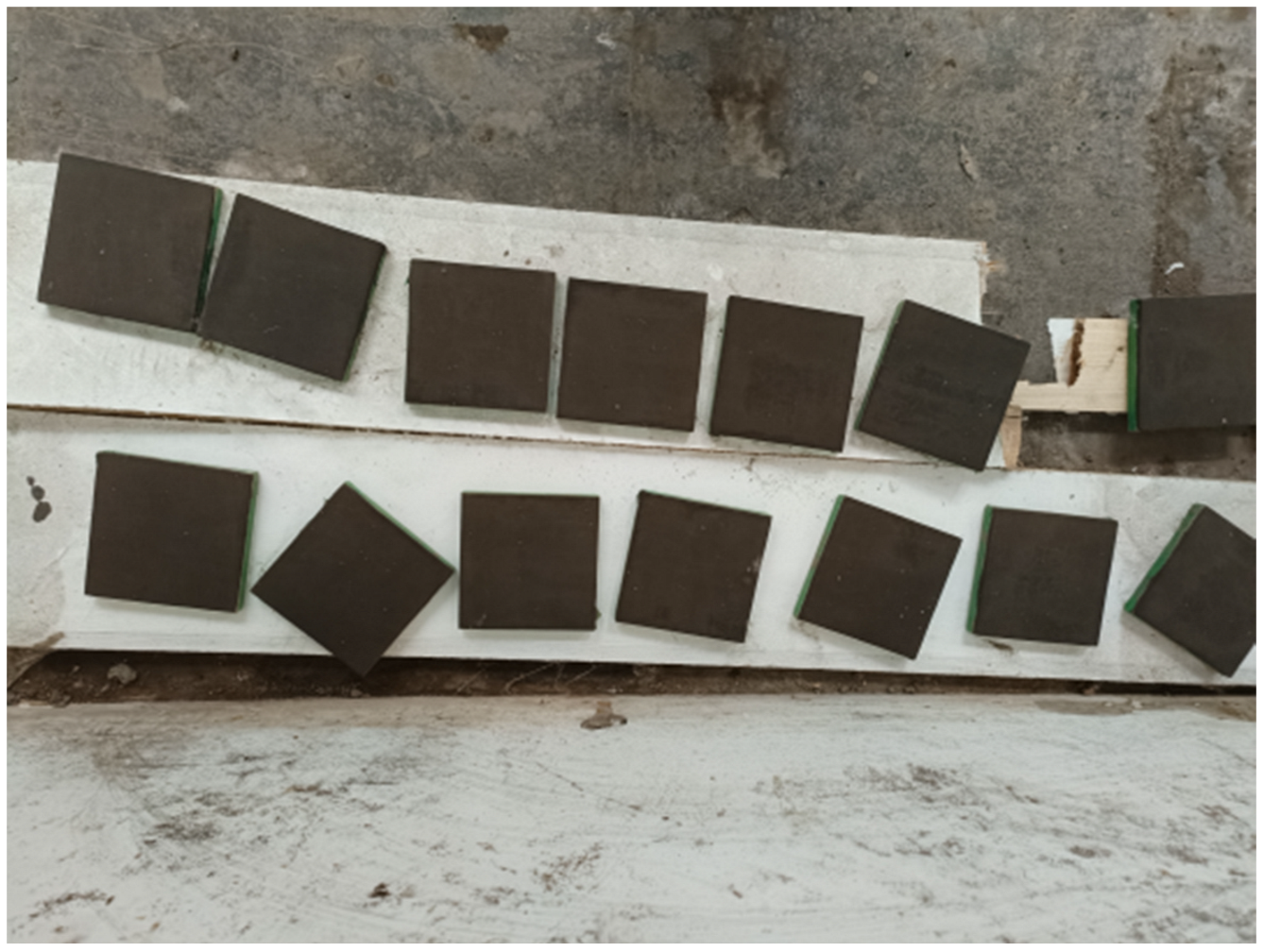
Disclaimer/Publisher’s Note: The statements, opinions and data contained in all publications are solely those of the individual author(s) and contributor(s) and not of MDPI and/or the editor(s). MDPI and/or the editor(s) disclaim responsibility for any injury to people or property resulting from any ideas, methods, instructions or products referred to in the content. |
© 2026 by the authors. Licensee MDPI, Basel, Switzerland. This article is an open access article distributed under the terms and conditions of the Creative Commons Attribution (CC BY) license.