Article

Preparation and Performance of Nano-Silica-Modified Epoxy Resin Composite Coating for Concrete Subjected to Cryogenic Freeze–Thaw Cycles

1
School of Civil Engineering, Chongqing Jiaotong University, Chongqing 400074, China
2
Guizhou Daowu Highway Construction Co., Ltd., Guiyang 550001, China
3
Key Laboratory of Advanced Civil Engineering Materials of Ministry of Education, School of Materials Science and Engineering, Tongji University, Shanghai 201804, China
4
Guizhou Hongxin Chuangda Engineering Detection & Consultation Co., Ltd., Guiyang 550014, China
5
Guizhou Key Laboratory of Intelligent Construction and Maintenance of Mountain Bridge and Tunnel, Guiyang 550014, China
*
Author to whom correspondence should be addressed.
Coatings 2026, 16(1), 19; https://doi.org/10.3390/coatings16010019 (registering DOI)
Submission received: 1 December 2025 / Revised: 15 December 2025 / Accepted: 21 December 2025 / Published: 23 December 2025
(This article belongs to the Special Issue Corrosion Resistant Coatings in Civil Engineering)

Abstract

Concrete is prone to deterioration and increased permeability under cryogenic freeze–thaw cycles. In this study, a novel method was proposed to prepare a nano-silica-modified epoxy resin composite coating with excellent anti-permeability. The effects of layer composition, a resin layer modified with different nanoparticles, and different nano-silica dosages on the oil impermeability of coated concrete were studied. The mechanical properties and chemical stability of the composite coating were also evaluated. The results showed that the composite coating composed of a nano-silica-modified resin layer, bonding layer, and surface layer presented good resistance to oil penetration under cryogenic freezing cycles. Moreover, nano-silica seemed to be a better choice for resin modification than nano-TiO2 and graphene. Macroscopic and morphological observation also confirmed a reduction in cracks and the integrity of the composite coating for concrete protection. Therefore, the coated concrete presented good mechanical properties and chemical stability. This study provides a guide for the preparation of composite coating concrete used for mountainous highway bridges and liquefied natural gas tanks.

1. Introduction

Concrete has been widely used as a construction and building material for hundreds of years [1,2]. With the development of science and technology in China, research has moved forward to engineering structures used for extreme environments [3,4]. Freeze–thaw cycling is one of the extreme environments that concrete needs to deal with [5]. The highways and bridges in mountainous areas and the western region of China are designed to withstand freeze–thaw cycling for many years [6,7]. Furthermore, liquefied natural gas tanks are required to withstand cryogenic freeze–thaw cycling [8]. The lowest temperature reaches minus 165 °C. Due to the difference in the thermal expansion coefficients of aggregates and cement matrix, freeze–thaw cycles will cause the generation and development of cracks within concrete and even lead to the degradation of the concrete [9]. Therefore, it is of great importance to improve the durability of concrete subjected to cryogenic freeze–thaw cycles.
Coating has been reported to be one of the most direct and effective solutions to improving the durability of concrete [10,11,12]. There are numerous types of concrete coatings with diverse functions. Based on the composition of the coatings, they can mainly be classified into organic resin coatings [13], silane and siloxane coatings [14], silicate coatings, and polymer-modified cement-based coatings [15,16]. The organic resin coatings mainly include epoxy resin, polyurethane, acrylic resin, and various modified resin coatings made from organic resins [17]. Among these resin coatings, epoxy resin coatings are widely used in concrete protection and structure repair due to their fast curing speed, dense structure, and excellent adhesion to substrates [18]. The protective principle of resin coatings is to form a dense layer on the surface of concrete, while silane and siloxane coatings protect concrete by undergoing chemical reactions after penetrating the concrete [19,20]. Silane and siloxane coatings are commonly used to improve the hydrophobicity of concrete due to their low cost and ease of use, but they face some problems, including severe losses and difficulty in determining penetration depth [21,22]. Silicate coatings have a similar protective principle to that of silane coatings [23]. Meanwhile, silicate coatings also have problems, such as poor adhesion to concrete and poor resistance to erosion. Polymer-modified cement-based coatings are prepared by using cement as the main material and adding polymer emulsions, inorganic fillers, and modifiers. The addition of polymer improves the porosity of the coating and enhances its anti-permeability and thus is applicable in various concrete waterproofing projects [24]. However, due to the existence of the interface transition zone, the bonding between the polymer-modified cement-based coatings and concrete is poor.
Currently, the above coatings are widely used in various protective projects for concrete, including waterproofing [25], anti-freezing [26], anti-carbonation [27], anti-chloride erosion, and anti-acid and alkali corrosion [28,29]. However, research on the anti-permeability of coatings for concrete, especially the anti-penetration performance of oil molecules, is relatively scarce. As compared to water, the surface tension of organic liquids is much lower, which makes it more difficult for concrete to achieve good anti-penetration performance against oil. Moreover, none of the aforementioned types of coatings can provide good protection for concrete from oil penetration [30]. In fact, the research on hydrophobic coating for concrete can be taken as a reference for oleophobic coating for concrete. The principle of hydrophobic coatings is based on the wetting theory model [31]. The degree of water molecule wetting on the surface of concrete can be reduced by constructing rough structures at micro–nano-scales and applying low-surface-energy modification. Oleophobic coating can also protect concrete from oil penetration by reducing the degree of infiltration of organic liquid molecules through the surface of the concrete [32]. In our previous study [33], a composite coating composed of a surface layer modified by nano-silica and a resin layer was proposed to improve the oleophobicity of concrete. The coated concrete with this double impermeability layer presented good resistance to oil penetration in the cryogenic environment. However, the anti-permeability of the coatings for concrete was significantly reduced when the environment changed from a constantly cryogenic temperature to cryogenic freeze–thaw cycles. Further studies are urgently needed on coating protection for concrete under cryogenic freeze–thaw cycles.
Therefore, this study aims to propose a novel method for preparing a nano-silica-modified epoxy resin composite coating with excellent anti-permeability. This composite coating is designed for the protection of concrete exposed to cryogenic freezing cycles. The effects of coating composition, nano-particle types and dosages, cryogenic freezing cycles, and different processing methods on the oil absorption rate of coated concrete were comprehensively investigated. The protective mechanism of a composite coating on concrete was analyzed with the help of morphological observation.

2. Experiments

2.1. Raw Materials

In this study, bisphenol A-type epoxy resin E51 and T31 fatty amine curing agents were purchased from Dongguan Tatsumata Adhesive Products Co., Dongguan, China. Meanwhile, three types of nanoparticles, including nano-SiO2, nano-TiO2, and graphene, were used to prepare nano-modified resin composite coating. Nano-SiO2 and nano-TiO2 supplied by Shanghai Aladdin Biochemical Technology Co., Shanghai, China, were analytically pure. Graphene supplied by Shenzhen Suiheng Technology Co., Shenzhen, China, was 99% pure. Tetraethyl orthosilicate (TEOS), 1H,1H,2H,2H-Perfluorodecyltrimethoxysilane (PFDTS), and methyl silicone purchased from Shanghai Ron Reagent Co., Shanghai, China, were used to prepare surface and bonding layers. In addition, ordinary Portland cement (P·O 52.5) purchased from the Nanjing Onoda (Nanjing, China) manufacturer and sand purchased from Xiamen Aceo Standard Sand Co., Xiamen, China, were used to prepare concrete.

2.2. Preparation of Composite Coating for Concrete

As seen in Figure 1a, the coating of concrete was mainly composed of three layers, including the surface layer, bonding layer, and resin layer. The preparation process of the surface layer followed the steps reported in our previous study [33]. The ammonia and nano-silica were added to the ethanol-containing beaker. The beaker was magnetically stirred for 0.5 h at room temperature. Then, TEOS and PFDTS were respectively added to the beaker for another 0.5 h and 24 h of stirring. Finally, sol–gel was used for the surface layer. The bonding layer was composed of methyl silicone.
Figure 1b shows a schematic diagram of the preparation of the nano-modified resin layer. Nanoparticles and T31 were added to the ethanol-containing beaker. The beaker was magnetically stirred for 0.5 h at room temperature. Afterward, E51 was added to the beaker, followed by another 0.5 h of magnetic stirring at room temperature. The obtained gel was taken as the modified resin layer. During the coating process, the modified resin layer was first brushed onto the surface of the concrete. After 24 h of curing at ambient temperature, the bonding layer was brushed onto the surface, followed by the surface layer. After another 24 h of curing, the coated concrete was obtained.

2.3. Methodology

The anti-permeability of the composite coating was characterized by testing the oil absorption of the coated concrete according to ASTM F 716-09 standard [34]. The coated specimens were immersed in small-molecule alkane oil. Before the oil immersion, the other sides of the coated specimen were sealed with epoxy resin. The mass of the coated specimens before and after oil immersion was weighed, and the oil absorption rate was calculated based on the mass difference. Triplicate specimens were prepared for each test.
The cryogenic freeze–thaw cycles of the concrete specimens were conducted as follows. The specimens were immersed in liquid nitrogen for 0.5 h and then quickly taken out and left to stand at room temperature for 1 h until the temperature of the specimens returned to room temperature. Afterward, the specimens were immersed in liquid nitrogen again, and this process was repeated. We counted the number of cryogenic freeze–thaw cycles as the specimens were immersed in liquid nitrogen and taken out. The oil absorption rate of the specimens after reaching the target number of cycles was tested.
The samples taken from the composite coating concrete were used for morphological observation with the help of a field emission scanning electron microscope (Sigma 300 VP, Oberkochen, Germany).

3. Results and Discussion

3.1. Effect of Nanoparticle Type on Resin Modification

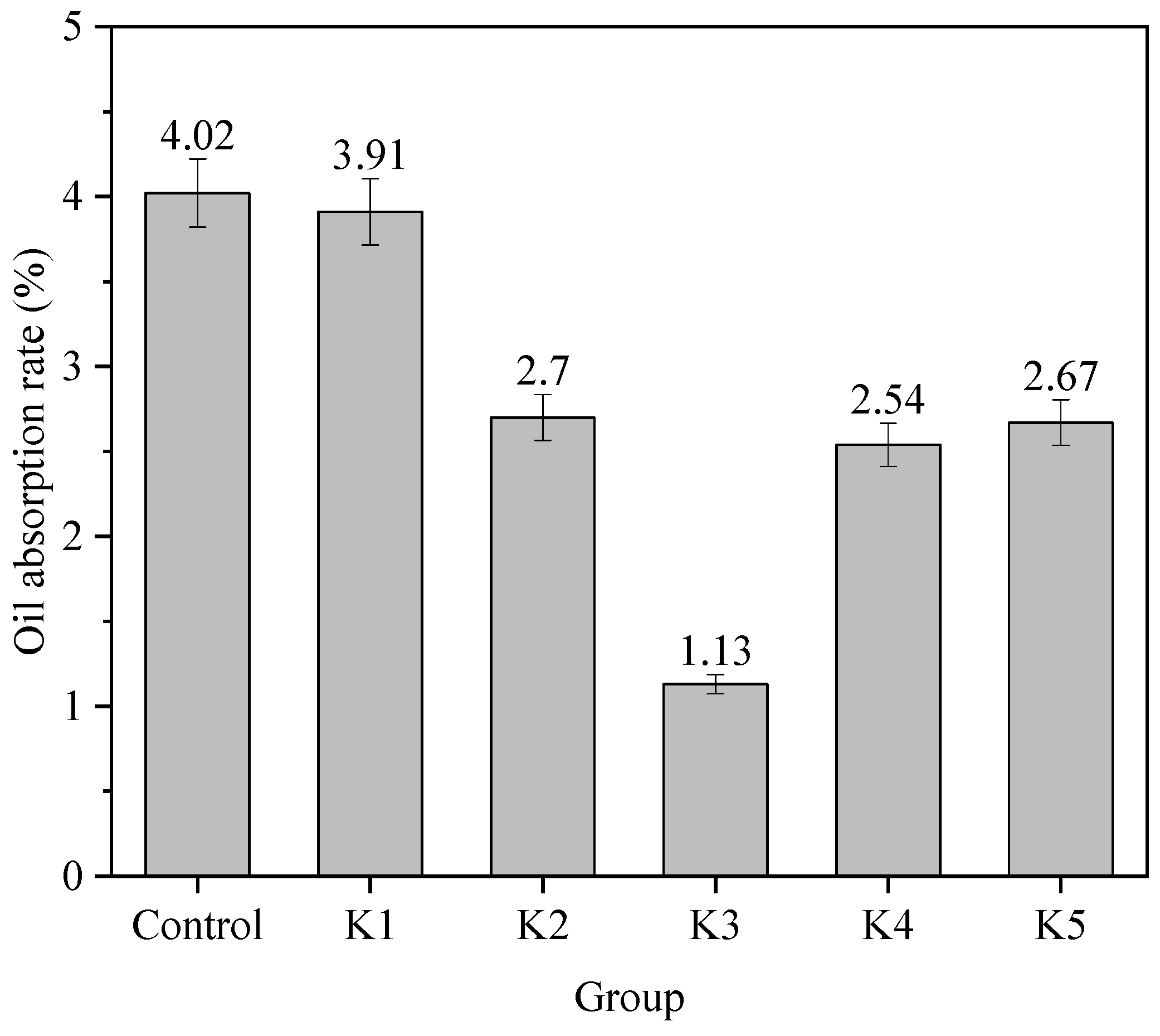
The design principle of the resin layer modified by nano-silica was to utilize its low thermal expansion coefficient to reduce the overall thermal expansion coefficient of the composite coating [35,36]. Apart from nano-silica, nano-TiO2 and graphene were also nanoparticles with a low thermal expansion coefficient. The coefficients for nano-silica, nano-TiO2, and graphene were, respectively, 5.0 × 10⁻⁶, 7.1 × 10⁻⁶, and −7 × 10⁻⁶ [37,38,39]. Hence, Table 1 lists the preparation parameters of the coating composition to study the effect of the above three layers and resin modified with different nanoparticles on the protection of concrete. In this experiment, the dosage of different nanoparticles was kept the same, while only the type was changed. Experimental groups (K3-K5) with different types of nanoparticles were prepared. Meanwhile, a comparative analysis was conducted with no coating (control group), coating containing only a surface layer and an unmodified resin layer (K1), and coating containing only a surface layer and a bonding layer (K2).
After 30 cryogenic freezing cycles, the oil absorption rate of the coated concrete was measured, and the results are shown in Figure 2. As can be seen, the control group of concrete without coating presented the highest oil absorption rate. Moreover, among the coated concrete, only the coating composition formed by the surface layer and resin layer combination (K1) had a similar oil absorption rate comparable to that of the control group. This indicates that the composite coating formed by the surface layer and resin layer basically lost its resistance to oil penetration after 30 cycles of cryogenic freezing. This is mainly because during the cyclic freezing process, the bottom resin layer suffered from degradation, such as cracking and peeling, resulting in the destruction of the dense structure and the small oil molecules no longer being blocked. Conversely, the coating composition formed by the surface layer and bonding layer combination (K2) had a lower oil absorption rate than the control one and K1. This indicated that the bonding layer still maintained a certain degree of anti-penetration performance against oil molecules after 30 cycles of cryogenic freezing. This was mainly because methyl silicone can maintain its own structural integrity during the freezing process, allowing the dense layer to play a certain role in reducing the oil absorption rate.
Furthermore, it can be seen that the coating composition formed by the surface layer, bonding layer, and modified resin layer combination (K3-K5) presented a lower oil absorption rate. This confirmed that the resin layer modified by nanoparticles effectively improved the anti-penetration performance of oil molecules after 30 cycles of cryogenic freezing. Moreover, the resin layer modified by nano-silica presented the best anti-penetration performance. The oil absorption rate was 1.13%, which was reduced by over 70% compared to the control group. This was probably because both surface and resin layers containing nano-silica showed better compatibility than other nanoparticles, thereby resulting in better resistance to oil molecules under cryogenic freezing.

3.2. Effect of Nano-Silica Dosage on Resin Modification

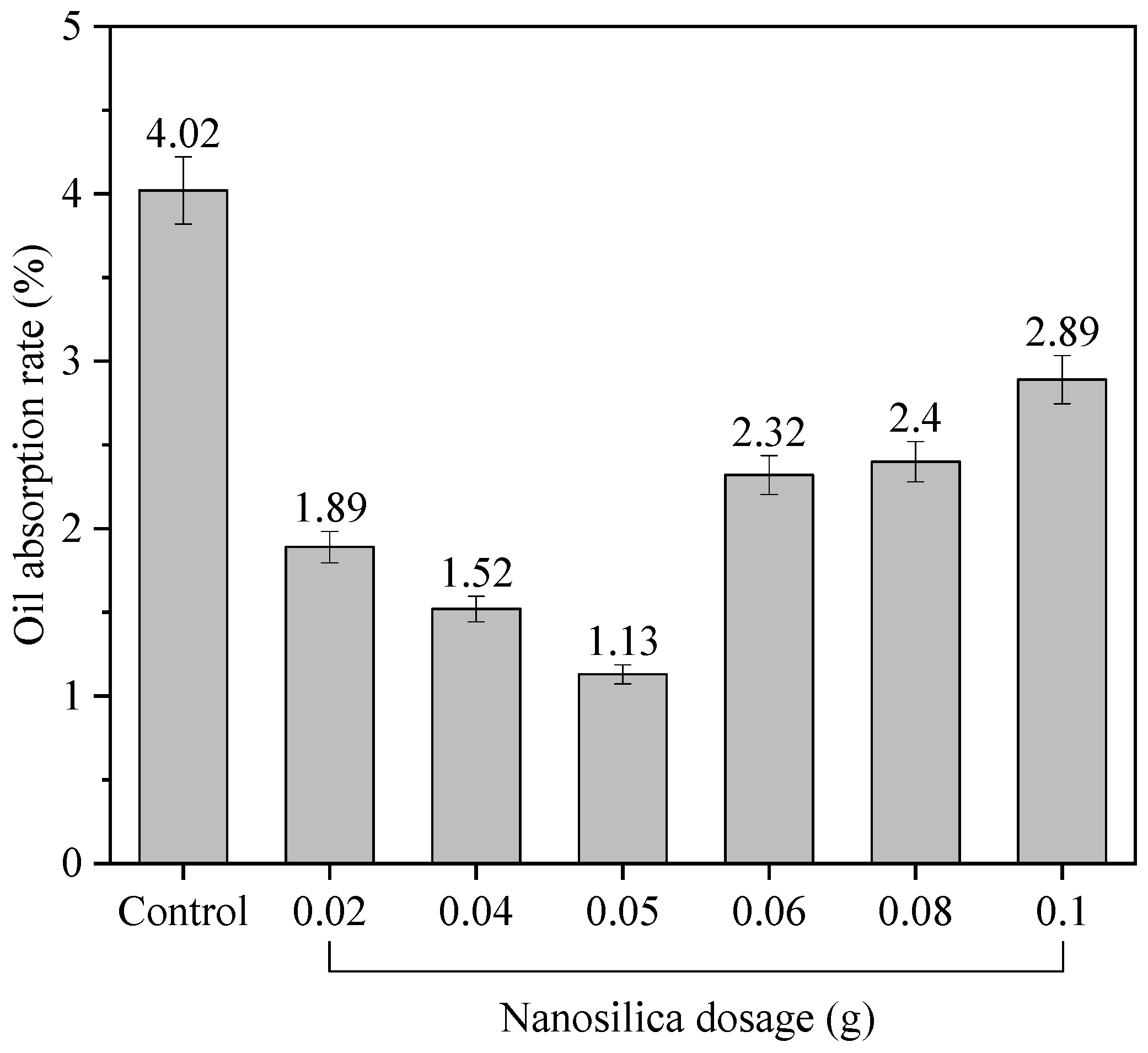
As seen above, the resin layer modified with nano-silica presented better anti-penetration performance than the unmodified resin layer and the resin layer modified with other nanoparticles. Therefore, Table 2 lists the preparation parameters of the coating composition to further study the effect of the resin layer modified with different nano-silica dosages on the protection of concrete. In this experiment, the dosage of nano-silica ranged from 0.02 g to 0.10 g (K3, K6–K10). Meanwhile, a comparative analysis was conducted with no coating (control group).
As seen in Figure 3, the oil absorption rate of the coated concrete first decreased and then increased as the nano-silica dosage continuously increased. Also, the anti-penetration performance of the coating after 30 cycles of cryogenic freezing showed a similar trend. This indicated that adding a suitable dosage of nano-silica to the resin layer can effectively improve resistance to cryogenic freezing cycles. However, the addition of excess nano-silica weakened the improvement. This is probably due to the agglomeration induced by adding excess nano-silica. The nano-silica particles were unevenly distributed in the resin, thereby weakening the anti-penetration performance of the coating. When the dosage of nano-silica was 0.05 g, the lowest oil absorption rate was obtained. Converted into the mass ratio of nano-silica and resin, the proportion of nano-silica was 2.5%.

3.3. Appearance and Permeability of Coated Concrete After Cryogenic Freeze–Thaw Cycles

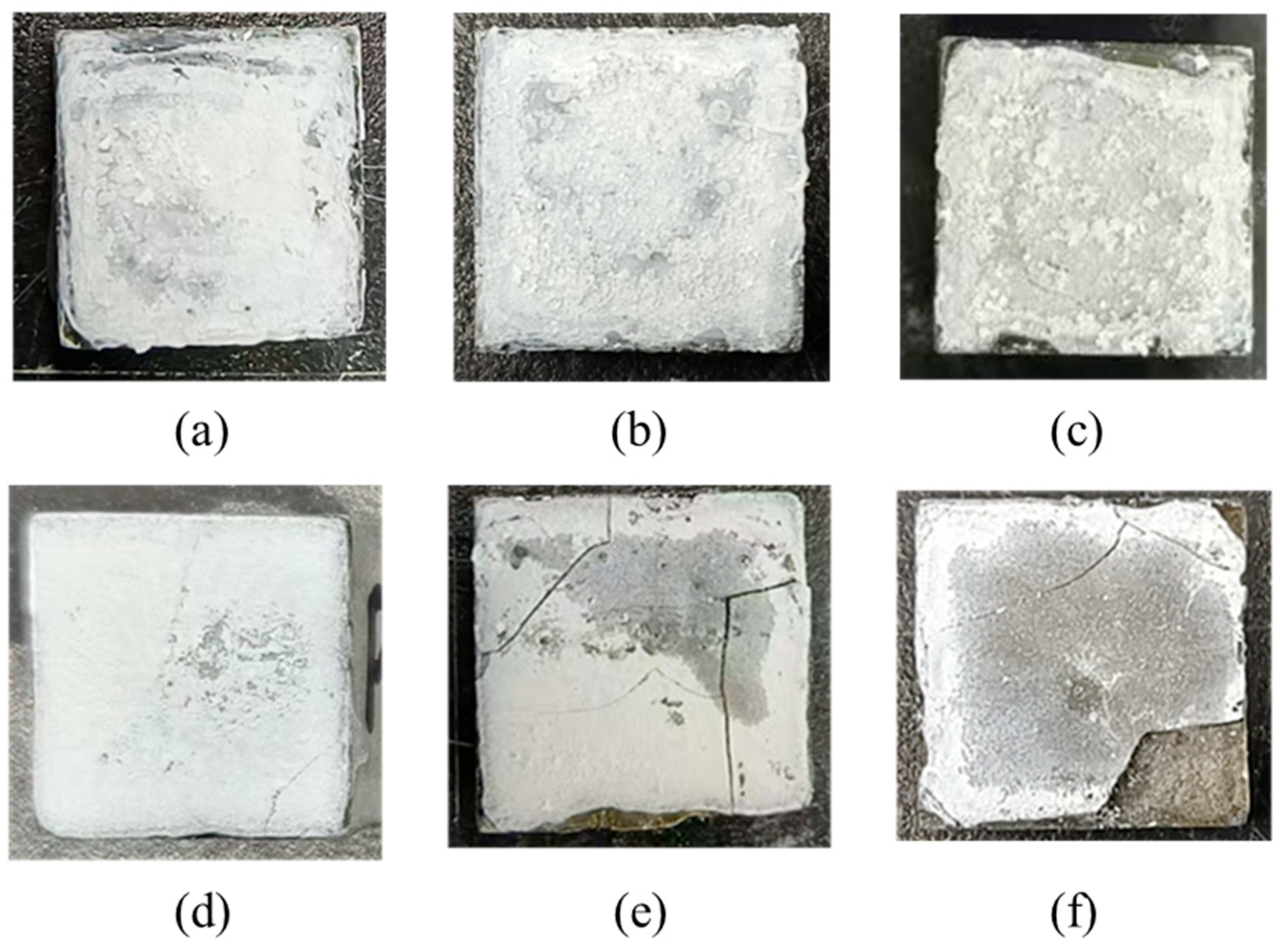
In order to intuitively observe the protective effect of the coating on concrete, Figure 4 shows the appearance of coated concrete during 25 cycles of cryogenic freezing. More specifically, Figure 4a–c show the appearance of concrete coated with a resin layer modified by nano-silica, a bonding layer, and a surface layer, while Figure 4d–f show the appearance of concrete coated with an unmodified resin layer, a bonding layer, and a surface layer. It can be seen in Figure 4a,d that the coated concrete presented a similar appearance without obvious degradation after five cycles of cryogenic freezing. After 15 cycles of cryogenic freezing, no obvious cracks or peeling were observed on the surface of the concrete coated with the modified resin layer (Figure 4b), but obvious cracks were observed on the surface of the concrete coated with the unmodified resin layer (Figure 4e). After 25 cycles, slight stripping of the surface layer was found on the concrete coated with the modified resin layer, while the resin layer remained in relatively good condition (Figure 4c). However, for the concrete coated with the unmodified resin layer, the surface layer had completely fallen off, and the adhesion between the resin layer and the concrete had also been lost, resulting in peeling (Figure 4f). This confirmed that the resin layer modified by nano-silica maintained a good state, which was the key factor in the coated concrete with good anti-penetration against oil.
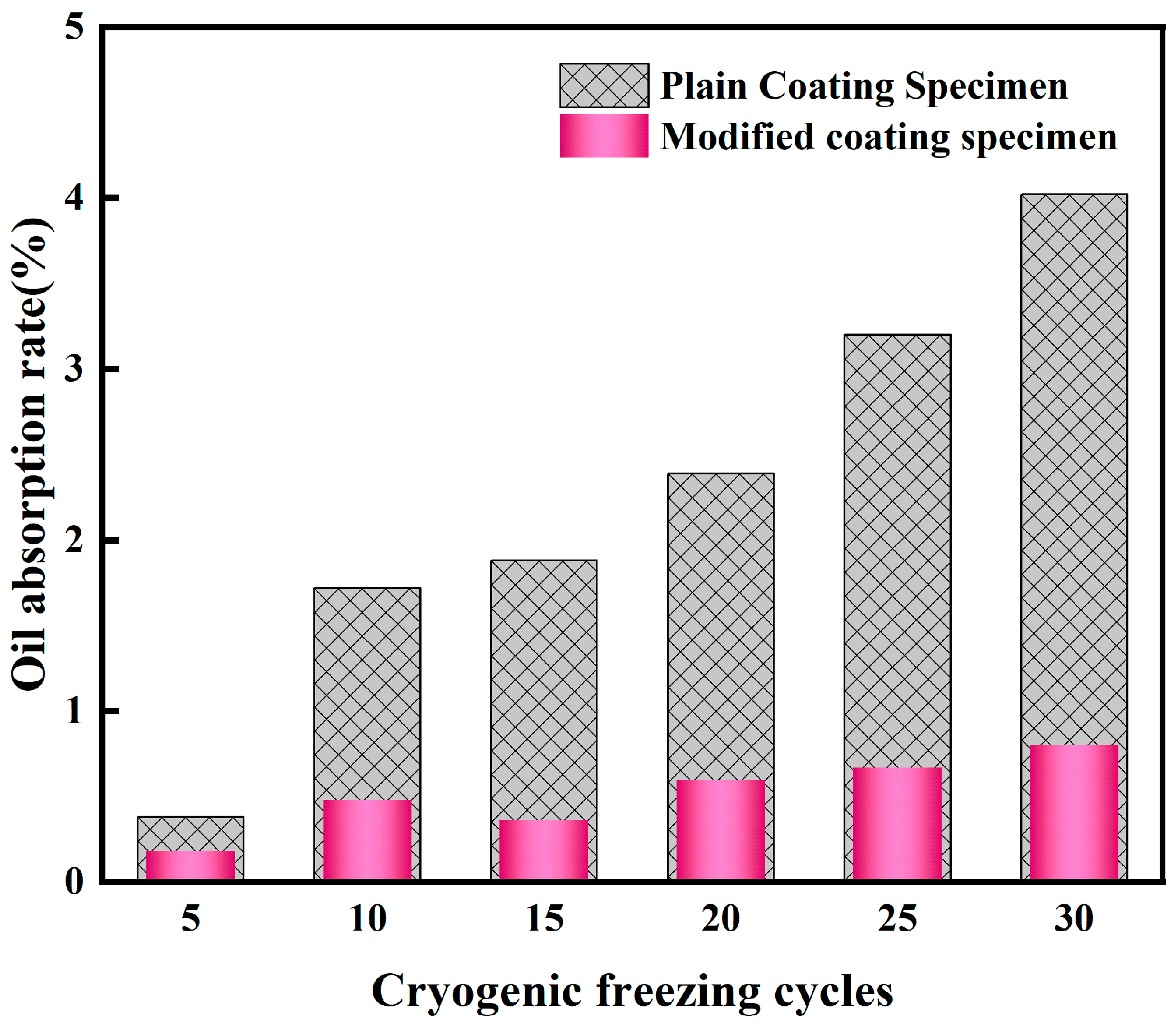
Furthermore, Figure 5 compares the oil absorption of the coated specimens during 30 cycles of cryogenic freezing. As can be seen, under different cryogenic freezing cycles, the concrete coated by the resin layer modified with nano-silica had a lower oil absorption rate than the concrete coated by the unmodified resin layer. This indicates that the resin layer can maintain good resistance to the penetration of small oil molecules after modification with nano-silica. The modified resin layer significantly improved the resistance of coated concrete to cryogenic freezing cycles.

3.4. Mechanical Properties and Chemical Stability of Coated Concrete

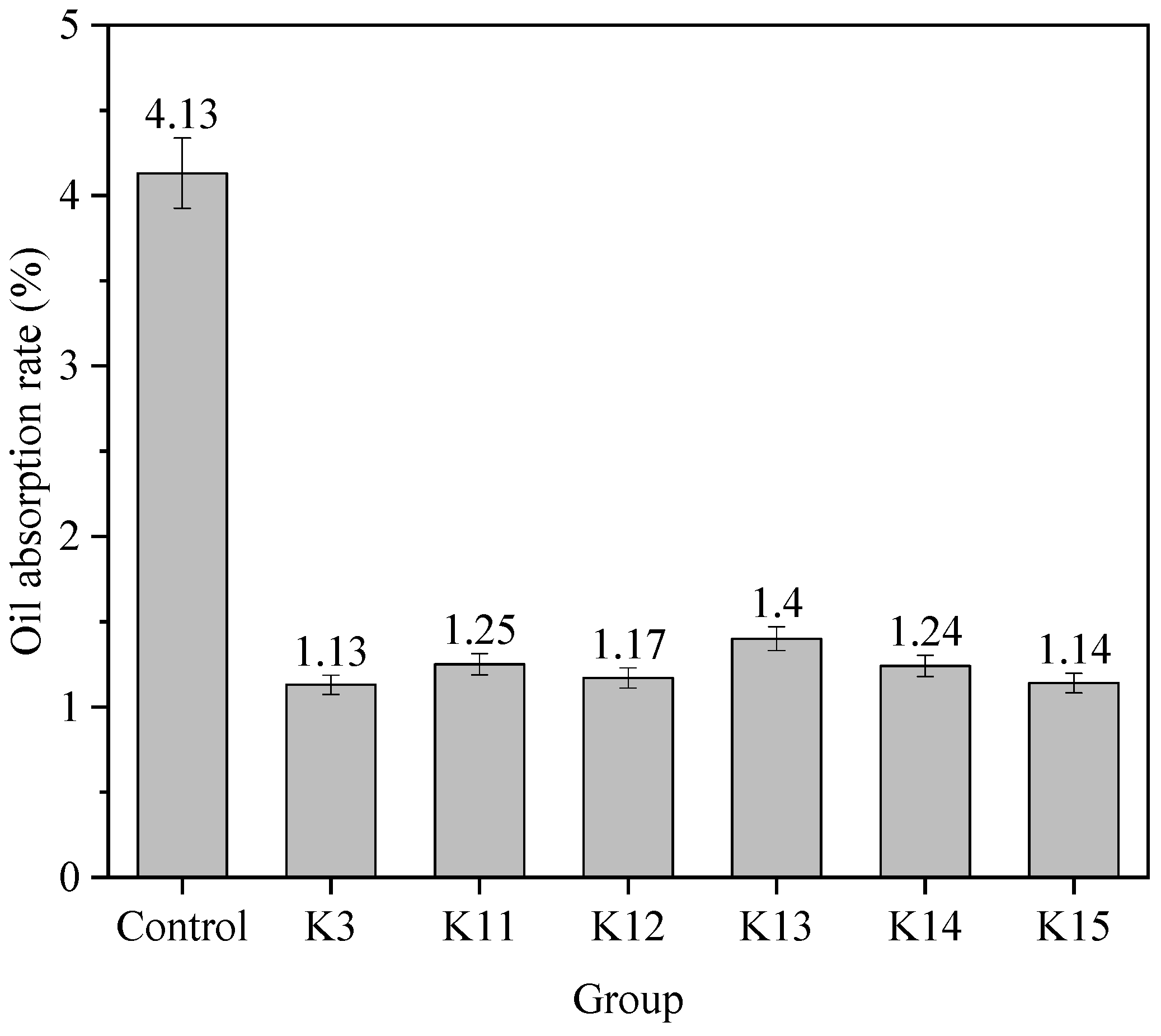
To further characterize the protection of concrete with modified composite coating under cryogenic freezing cycles, more tests on the coated concrete were conducted. Table 3 lists the details evaluating the mechanical properties and chemical stability of the coated concrete with the help of different processing methods (K11-K15). The coating composition was formed by the surface layer, bonding layer, and modified resin layer combination.
Figure 6 shows the effect of different processing methods on the oil absorption rate of the coated concrete after 30 cryogenic freeze–thaw cycles. Meanwhile, a comparative analysis was conducted on concrete without the above treatments (control group and K3). It can be seen that these treatments led to an increase in the oil absorption rate (K11–K15) to a certain extent, as compared to the coated concrete without these treatments (K3). This indicated that these processing methods had a negative impact on the resistance of coated concrete to oil penetration, but the variation range of the oil absorption rate was not significant. As compared to the control group, the oil absorption rate can still be reduced by more than 60% for the coated concrete even after 30 cryogenic freeze–thaw cycles and different processing methods. This confirmed the good ability of the composite coating to resist oil penetration under cryogenic freezing cycles. The modification of the resin layer by nano-silica largely reduced its degradation during the cryogenic freezing cycles, thereby maximizing the structural integrity of the resin and its resistance to abrasion and solution corrosion. Therefore, concrete subjected to cryogenic freeze–thaw cycles can maintain excellent mechanical properties and chemical stability with the help of this composite coating.

3.5. Microstructural Analysis

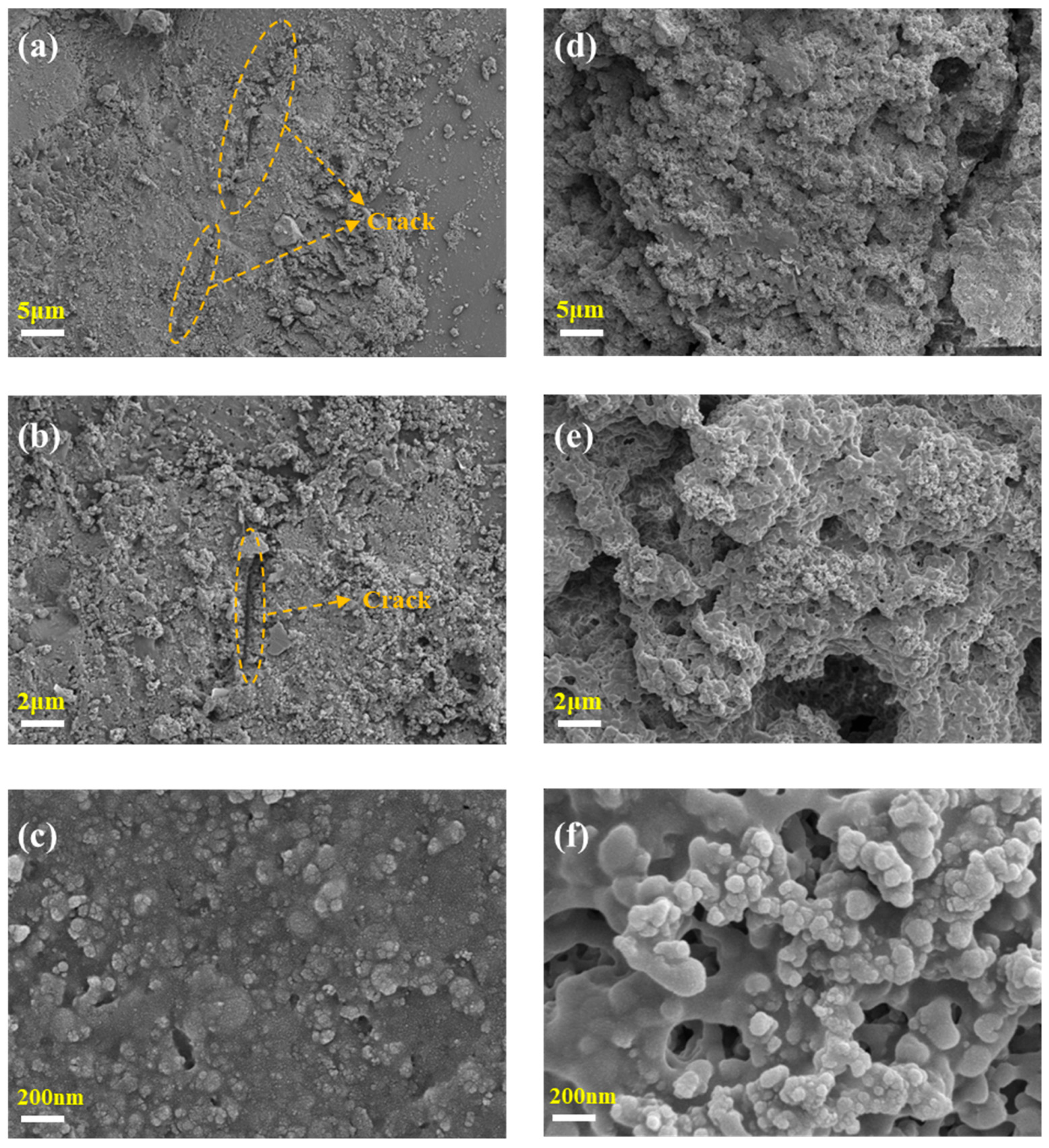
To better understand the strengthening mechanism of the coated concrete, the morphologies of the composite coating after 25 cycles of cryogenic freezing are shown in Figure 7. More specifically, Figure 7a–c show the morphologies of the coating with an unmodified resin layer, while Figure 7d–f show the morphologies of the coating with a resin layer modified by nano-silica. As seen in Figure 7a,b, the coating with the unmodified resin layer exhibited obvious cracks at the micrometer scale. This indicated that the resin layer deteriorated under the cryogenic freezing cycles. The compact structure of the coating was damaged, and the anti-penetration against oil was negatively affected. In contrast, the coating with the modified resin layer was observed to have a rough microstructure composed of particle clusters at the micrometer scale (Figure 7d,e). By further increasing the magnification, the rough microstructure formed by the nano-silica particles can be seen in Figure 7f at the nanoscale. This is consistent with the observation of the coating with silica nanoparticles in our previous study [33]. However, this structure is hardly observable in Figure 7c. This confirmed that the composite coating with a nano-silica-modified resin layer can better maintain the integrity of the surface layer during cryogenic freezing cycles.
It is known that the significant decline in the anti-penetration performance of composite coatings under cryogenic freezing cycles is mainly due to the deterioration of the resin layer. Based on the macroscopic and microscopic morphologies, the deterioration of the resin layer was attributed to the generation of macroscopic cracks and microcracks, as well as the detachment of the surface layer. The Si-OH groups on the surface of nano-silica can form chemical bonds with the epoxy groups of epoxy resin, resulting in covalent bond connections. This chemical interaction directly participates in the construction of the cross-linking network, equivalent to introducing nano-silica as a cross-linking agent or network node into the system, thereby significantly increasing the cross-linking density and interface bonding strength. The addition of nano-silica to the resin layer also reduced the thermal expansion coefficient of the composite coating and decreased the overall thermal stress mismatch of the coating during the cryogenic freezing cycles. This avoided the generation of excessive cracks, thereby ensuring the integrity of the resin layer with a dense structure to a greater extent. At the same time, the bonding layer further enhanced the bonding strength between the surface layer and the resin layer. This resulted in a significant improvement in the shedding of the surface layer during the cryogenic freezing cycles. Therefore, the composite coating composed of a nano-silica-modified resin layer, a bonding layer, and a surface layer exhibited excellent resistance to oil penetration after being subjected to cryogenic freezing cycles. The addition of nano-silica increased the cost of coating production, but the protective performance of the coating is expected to reduce the maintenance cost of concrete and delay deterioration. From a life-cycle perspective, the composite coating had economic advantages in protecting concrete subjected to a cryogenic environment.

4. Conclusions

This study proposed a composite coating with a nano-silica-modified resin layer for the protection of concrete subjected to cryogenic freeze–thaw cycles. The effects of layer composition, a resin layer modified with different nanoparticles, and different nano-silica dosages on the anti-penetration of the concrete against oil were studied. Meanwhile, the mechanical properties and chemical stability of the coated concrete were evaluated. Conclusions were drawn as follows:
(1) The nano-silica was found to be a better choice for the modification of the resin layer than nano-TiO2 and graphene, and the optimal dosage of nano-silica was 2.5% by weight of resin. The composite coating was composed of three layers, including a resin layer modified with nano-silica, a bonding layer, and a surface layer. The methyl silicone was selected as the bonding layer to improve the bonding strength between the resin layer and the surface layer.
(2) After the resin layer was modified by nano-silica, the cracks in the coated concrete under cryogenic freeze–thaw cycles were largely reduced. SEM images confirmed that the surface layer maintained good structural integrity after cryogenic freezing due to the presence of the nano-silica-modified resin layer.
(3) The nano-silica-modified resin layer also significantly improved the resistance of the coated concrete to oil penetration under 30 cycles of cryogenic freezing. The oil absorption of the coated concrete was reduced by more than 70% as compared to the concrete without coating. Meanwhile, the composite coating presented good mechanical properties and chemical stability after 30 cycles of cryogenic freezing.
(4) The nano-silica-modified resin composite coating for concrete exhibited excellent resistance to cryogenic freezing cycles. This provided a guide for the preparation of composite coating concrete that can be used for mountainous highway bridges and liquefied natural gas tanks.

Author Contributions

Conceptualization, Z.J.; Methodology, P.Z., K.G. and H.C.; Validation, S.Z., Q.Y. and Z.J.; Formal analysis, K.G.; Investigation, P.Z. and H.C.; Resources, S.Z. and Q.Y.; Data curation, K.G.; Writing—original draft, P.Z.; Writing—review & editing, S.Z., K.G., H.C., Q.Y. and Z.J.; Visualization, H.C.; Supervision, Z.J. All authors have read and agreed to the published version of the manuscript.

Funding

This research received no external funding.

Institutional Review Board Statement

Not applicable.

Informed Consent Statement

Not applicable.

Data Availability Statement

Data is contained within the article.

Conflicts of Interest

Author Sigui Zhao was employed by Guizhou Daowu Highway Construction Co., Ltd. Author Qian Yang was employed by Guizhou Hongxin Chuangda Engineering Detection & Consultation Co., Ltd. The remaining authors declare that the research was conducted in the absence of any commercial or financial relationships that could be construed as a potential conflict of interest.

References

  1. Zhou, P.; Gu, K.; Jiang, Z. Preparation and Properties of Non-Autoclaved High-Strength Pile Concrete with Anhydrite and Ground Granulated Blast-Furnace Slag. Case Stud. Constr. Mater. 2024, 21, e03597. [Google Scholar] [CrossRef]
  2. Gao, J.; Zhou, P.; Zhao, S.; Yang, Q.; Gu, K.; Song, Q.; Jiang, Z. Optimizing the Mixture Design of Manufactured Sand Concrete for Highway Guardrails in Mountainous Terrain. Buildings 2025, 15, 1436. [Google Scholar] [CrossRef]
  3. Lan, J.; Tong, F.; Liu, G. An Effective Thermal Conductivity Model for Simulating the Heat Transfer Process of Concrete Dams under Extreme Temperature Conditions. Eng. Struct. 2025, 335, 120306. [Google Scholar] [CrossRef]
  4. Zeng, H.; Li, Y. Effect of Waste Stone Powder on Compressive Strength and Pore Structure of Concrete in Extreme Low Temperature and Complex Environment. J. Build. Eng. 2024, 95, 110108. [Google Scholar] [CrossRef]
  5. Zahedi, A.; Komar, A.; Sanchez, L.F.M.; Boyd, A.J. Global Assessment of Concrete Specimens Subjected to Freeze-Thaw Damage. Cem. Concr. Compos. 2022, 133, 104716. [Google Scholar] [CrossRef]
  6. Tian, Z.; Zhu, X.; Chen, X.; Ning, Y.; Zhang, W. Microstructure and Damage Evolution of Hydraulic Concrete Exposed to Freeze–Thaw Cycles. Constr. Build. Mater. 2022, 346, 128466. [Google Scholar] [CrossRef]
  7. Luo, H.; Zhou, X.; Yang, Y.; Li, F.; Wu, Y. Freeze–Thaw Deterioration Mechanisms of Concrete under Low-Temperature High-Frequency Cycling in High-Altitude Mountainous Regions. Case Stud. Constr. Mater. 2025, 23, e05594. [Google Scholar] [CrossRef]
  8. Cheng, L.; Liu, J.; Duan, P.; Zhou, Y.; Zhou, D.; Wang, J. Mechanical Properties and Degradation Mechanism of LNG Containment Concrete Material under Cryogenic Conditions. Constr. Build. Mater. 2022, 347, 128557. [Google Scholar] [CrossRef]
  9. Kogbara, R.B.; Iyengar, S.R.; Grasley, Z.C.; Rahman, S.; Masad, E.A.; Zollinger, D.G. Relating Damage Evolution of Concrete Cooled to Cryogenic Temperatures to Permeability. Cryogenics 2014, 64, 21–28. [Google Scholar] [CrossRef]
  10. Kim, W.H.; Han, Y.; Rhie, Y.H.; Won, N.I.; Na, Y.H. Spray Coating of Nanosilicate-Based Hydrogel on Concrete. Adv. Mater. Interfaces 2022, 9, 2201664. [Google Scholar] [CrossRef]
  11. Li, G.; Ding, Y.; Gao, T.; Qin, Y.; Lv, Y.; Wang, K. Chloride Resistance of Concrete Containing Nanoparticle-Modified Polymer Cementitious Coatings. Constr. Build. Mater. 2021, 299, 123736. [Google Scholar] [CrossRef]
  12. Gu, W.; Liu, R.; Zhang, Y.; Yu, X.; Feng, P.; Ran, Q.; Zhang, Y.; Zhang, Y. Robust Water-Borne Multi-Layered Superhydrophobic Coating on Concrete with Ultra-Low Permeability. Constr. Build. Mater. 2024, 411, 134573. [Google Scholar] [CrossRef]
  13. Ajir, K.; Toufigh, V.; Ghaemian, M. Protecting Ordinary Cement Concrete against Acidic and Alkaline Attacks Utilizing Epoxy Resin Coating. Constr. Build. Mater. 2025, 472, 141003. [Google Scholar] [CrossRef]
  14. Zewei, D.; Xiaodong, W.; Ming, Z. Research Progress of Silane Impregnation and Its Effectiveness in Coastal Concrete Structures: A Review. J. Build. Eng. 2024, 91, 109550. [Google Scholar] [CrossRef]
  15. Chang, J.; Li, W.; Wang, D.; Zhang, Y. Effect of Silicate Modulus on Tensile Properties and Microstructure of Waterproof Coating Based on Polymer and Sodium Silicate-Activated GGBS. Constr. Build. Mater. 2020, 252, 119056. [Google Scholar] [CrossRef]
  16. Chen, W.; Song, X.; He, X.; Su, Y.; Oh, S.K.; Chen, S.; Sun, Q. Durability Improvement Mechanism of Polymer Cement Protective Coating Based on Functionalized MXene Nanosheets Modified Polyacrylate Emulsion. Prog. Org. Coat. 2024, 186, 108021. [Google Scholar] [CrossRef]
  17. Liao, J.; Wang, Y.; Sun, X.; Wang, Y. Chloride Penetration of Surface-Coated Concrete: Review and Outlook. Materials 2024, 17, 4121. [Google Scholar] [CrossRef]
  18. Xia, D.; Guo, K.; Wang, Y. Experimental Investigation on the Mechanical Properties of Waterborne Epoxy Resin Modified High-Performance Recycled Aggregate Concrete. Mater. Lett. 2025, 396, 138744. [Google Scholar] [CrossRef]
  19. Geng, Y.; Zhou, P.; Li, S.; Cao, J.; Zhou, Z.; Wu, Z.; Liu, A. Superior Corrosion Resistance of Mild Steel Coated with Graphene Oxide Modified Silane Coating in Chlorinated Simulated Concrete Solution. Prog. Org. Coat. 2022, 164, 106716. [Google Scholar] [CrossRef]
  20. Sakr, M.R.; Bassuoni, M.T. Silane and Methyl-Methacrylate Based Nanocomposites as Coatings for Concrete Exposed to Salt Solutions and Cyclic Environments. Cem. Concr. Compos. 2021, 115, 103841. [Google Scholar] [CrossRef]
  21. Talha, M.; Ma, Y.; Lin, Y. Improved In-Vitro Corrosion Performance of Resorbable Magnesium Alloy Using Distinctive Hybrid Silane Coatings with Modified Nano Graphene Oxide. Inorg. Chem. Commun. 2026, 183, 115746. [Google Scholar] [CrossRef]
  22. Phanasgaonkar, A.; Raja, V.S. Influence of Curing Temperature, Silica Nanoparticles- and Cerium on Surface Morphology and Corrosion Behaviour of Hybrid Silane Coatings on Mild Steel. Surf. Coat. Technol. 2009, 203, 2260–2271. [Google Scholar] [CrossRef]
  23. He, Q.; Guo, C.; Han, K.; Liu, F.; Feng, Y.; Wang, X.; Qian, X.; Meng, J. Direct Recycling of Spent Graphite Anode via Calcium Silicate Coating for High-Capacity and Fast Lithium Storage. Carbon 2025, 244, 120727. [Google Scholar] [CrossRef]
  24. Custódio, J.; Silva, H.; Rodrigues, M.P.; Cabral-Fonseca, S.; Ribeiro, A.B.; Morais, F. Performance of a Polymeric Coating Material Applied to a Concrete Structure Affected by Internal Expansive Chemical Reactions. Procedia Struct. Integr. 2024, 54, 271–278. [Google Scholar] [CrossRef]
  25. Li, J.; Li, S.; Aminul Haque, M.; Chen, B. Water-Resistance Performance Analysis of Portland Composite Concrete Containing Waterproofing Liquid Membrane. J. Build. Eng. 2023, 76, 106889. [Google Scholar] [CrossRef]
  26. Zhu, Z.X.; Luo, J.; Yan, W.J. Strength Deterioration Law and Microstructural Mechanism in Concrete Sprayed with Inorganic Coatings under the Freeze–Thaw Cycle. Res. Cold Arid Reg. 2025, 17, 205–216. [Google Scholar] [CrossRef]
  27. Aguiar, J.B.; Júnior, C. Carbonation of Surface Protected Concrete. Constr. Build. Mater. 2013, 49, 478–483. [Google Scholar] [CrossRef]
  28. Qu, H.; Feng, M.; Li, M.; Tian, D.; Zhang, Y.; Chen, X.; Li, G. Enhancing the Carbonation and Chloride Resistance of Concrete by Nano-Modified Eco-Friendly Water-Based Organic Coatings. Mater. Today Commun. 2023, 37, 107284. [Google Scholar] [CrossRef]
  29. Song, L.; Zhao, L.; Xia, H.; Li, X.; Cui, L.; Niu, Y. Preparation and Properties of Octadecylamine Modified SiO2/Silicon-Acrylic Coating for Concrete Anti-Snowmelt Salt Corrosion. Prog. Org. Coat. 2025, 202, 109155. [Google Scholar] [CrossRef]
  30. Xue, Z.; Liu, M.; Jiang, L. Recent Developments in Polymeric Superoleophobic Surfaces. J. Polym. Sci. B Polym. Phys. 2012, 50, 1209–1224. [Google Scholar] [CrossRef]
  31. Yazdani, M.R.; Salehi, M.; Eslami-Farsani, R. Fabrication and Investigation Superhydrophobic Micro/Nanoscaled Hierarchical Structure Coating on Brass with Evaluation of the Anti-Icing, Corrosion Resistance and Wetting Properties. Appl. Surf. Sci. 2025, 709, 163807. [Google Scholar] [CrossRef]
  32. Yang, J.; Li, J.; Xu, P.; Chen, B. Robust and Transparent Superoleophobic Coatings from One-Step Spraying of SiO2@fluoroPOS. J. Solgel Sci. Technol. 2020, 93, 79–90. [Google Scholar] [CrossRef]
  33. Chen, H.; Zhang, H.; Ren, Q.; Zhang, B.; Zhu, X.; He, B.; Yang, Z.D.; Jiang, Z. Characterization and Stability of Innovative Modified Nanosilica-Resin Composite Coating: Subjected to Mechanical, Chemical, and Cryogenic Attack. Prog. Org. Coat. 2024, 197, 108780. [Google Scholar] [CrossRef]
  34. ASTM F 716-09; Standard Test Methods for Sorbent Performance of Absorbents. ASTM International: West Conshohocken, PA, USA, 2009.
  35. Domun, N.; Hadavinia, H.; Zhang, T.; Sainsbury, T.; Liaghat, G.H.; Vahid, S. Improving the Fracture Toughness and the Strength of Epoxy Using Nanomaterials-a Review of the Current Status. Nanoscale 2015, 7, 10294–10329. [Google Scholar] [CrossRef]
  36. Shi, Z.; Li, X.F.; Bai, H.; Xu, W.W.; Yang, S.Y.; Lu, Y.; Han, J.J.; Wang, C.P.; Liu, X.J.; Li, W. Bin Influence of Microstructural Features on Thermal Expansion Coefficient in Graphene/Epoxy Composites. Heliyon 2016, 2, e00094. [Google Scholar] [CrossRef] [PubMed]
  37. Jang, J.S.; Varischetti, J.; Lee, G.W.; Suhr, J. Experimental and Analytical Investigation of Mechanical Damping and CTE of Both SiO2 Particle and Carbon Nanofiber Reinforced Hybrid Epoxy Composites. Compos. Part. A Appl. Sci. Manuf. 2011, 42, 98–103. [Google Scholar] [CrossRef]
  38. Kurimoto, M.; Ozaki, H.; Sawada, T.; Kato, T.; Funabashi, T.; Suzuoki, Y. Filling Ratio Control of TiO2 and SiO2 in Epoxy Composites for Permittivity-Graded Insulator with Low Coefficient of Thermal Expansion. IEEE Trans. Dielectr. Electr. Insul. 2018, 25, 1112–1120. [Google Scholar] [CrossRef]
  39. Bao, W.; Miao, F.; Chen, Z.; Zhang, H.; Jang, W.; Dames, C.; Lau, C.N. Controlled Ripple Texturing of Suspended Graphene and Ultrathin Graphite Membranes. Nat. Nanotechnol. 2009, 4, 562–566. [Google Scholar] [CrossRef]
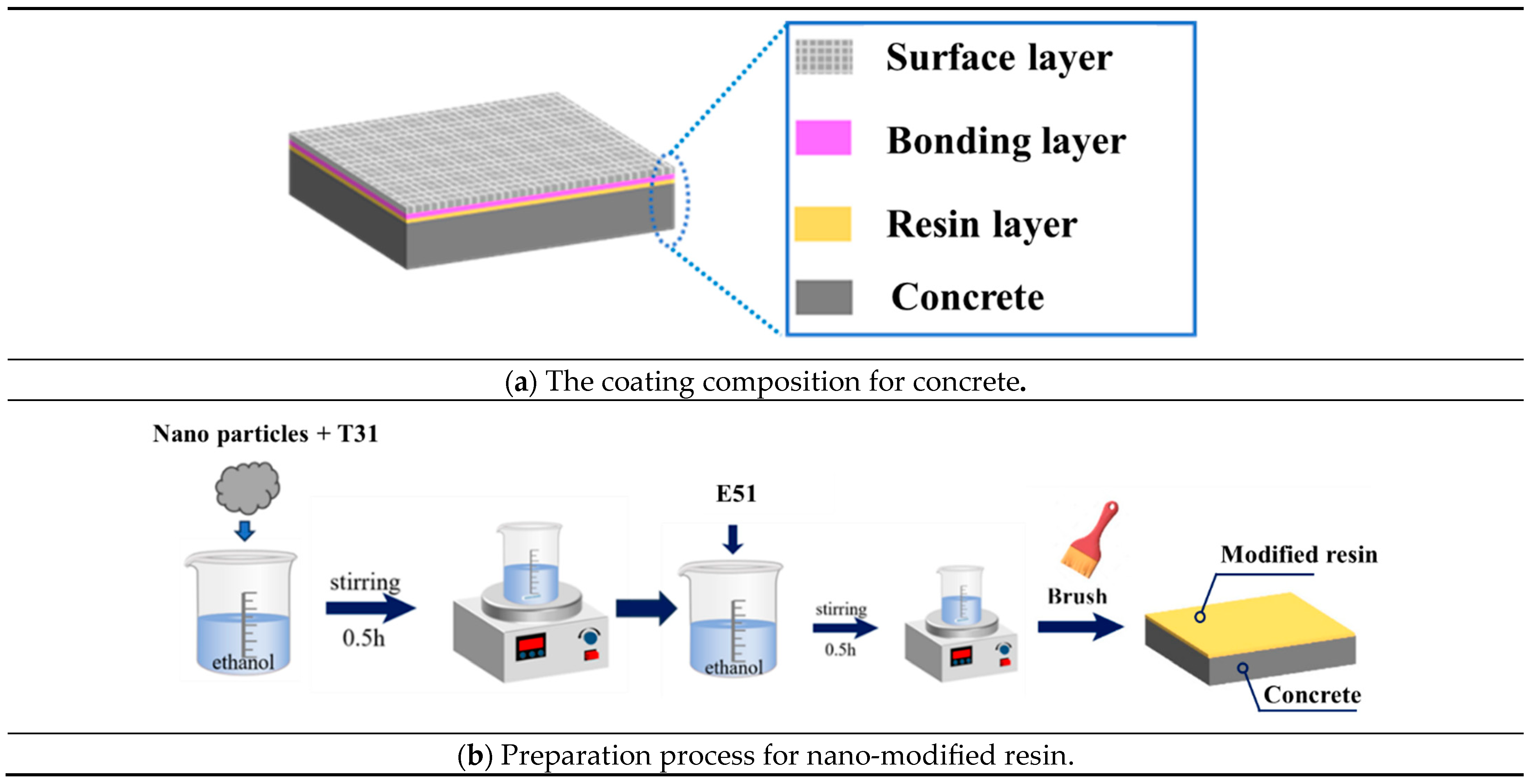
Figure 1. Preparation of nano-modified resin composite coating for concrete.
Coatings 16 00019 g001
Figure 2. Oil absorption of coating modified with different nanoparticles.
Coatings 16 00019 g002
Figure 3. Oil absorption of coating modified with different nano-silica dosages.
Coatings 16 00019 g003
Figure 4. Modified coating specimen after cryogenic freeze–thaw cycles: (a) 5 times, (b) 15 times, (c) 25 times. Plain coating specimen after cryogenic freeze–thaw cycles: (d) 5 times, (e) 15 times, (f) 25 times.
Coatings 16 00019 g004
Figure 5. Comparison of oil absorption between plain coating specimen and modified coating specimen.
Coatings 16 00019 g005
Figure 6. Oil absorption of coated concrete with different processing methods.
Coatings 16 00019 g006
Figure 7. Morphology of plain coating with magnifications of (a) 2000×, (b) 5000×, and (c) 50,000× and modified coating with magnifications of (d) 2000×, (e) 5000×, (f) 50,000× after 25 cryogenic freeze–thaw cycles.
Coatings 16 00019 g007
Table 1. Preparation parameters for resin composite coatings modified with different nanoparticles.
GroupCoating CompositionNano-Particle
TypeDosage (g)
Control---
K1Surface layer and resin layer--
K2Surface layer and bonding layer--
K3Surface layer, bonding layer, and modified resin layerNano-SiO20.05
K4Surface layer, bonding layer, and modified resin layerNano-TiO20.05
K5Surface layer, bonding layer, and modified resin layerGraphene0.05
Table 2. Preparation parameters of resin composite coatings with different nano-silica dosages.
GroupCoating CompositionNano-Particle
TypeDosage (g)
Control---
K6Surface layer, bonding layer, and modified resin layerNano-SiO20.02
K70.04
K30.05
K80.06
K90.08
K100.10
Table 3. Different processing methods for coated concrete after 30 cryogenic freeze–thaw cycles.
GroupDifferent Processing Methods
K11Sandpaper abrasion cycles: 100 times
K12Flaking caused by adhesive tape: 100 times
K131 mol/L HCl solution immersion: 24 h
K141 mol/L NaOH solution immersion: 24 h
K151 mol/L NaCl solution immersion: 24 h
Disclaimer/Publisher’s Note: The statements, opinions and data contained in all publications are solely those of the individual author(s) and contributor(s) and not of MDPI and/or the editor(s). MDPI and/or the editor(s) disclaim responsibility for any injury to people or property resulting from any ideas, methods, instructions or products referred to in the content.