1. Introduction
The protection of cultural heritage is essential for preserving historical inheritance and ensuring cultural continuity. However, cultural relics are continuously threatened by corrosion and deterioration caused by environmental factors such as temperature, humidity, and pollutants during preservation and display. These processes often lead to irreversible damage and the permanent loss of historical information [
1,
2]. Globally, it is estimated that losses of cultural heritage due to corrosion amount to hundreds of millions of US dollars annually. Therefore, the development of scientific and effective technologies to inhibit the corrosion of relics and ensure their protection is urgently needed [
3]. Among the diverse materials preserved in cultural heritage—metals, ceramics, stone, murals, and organic relics such as paper and textiles—each possesses distinct material characteristics, corrosion mechanisms, and thus requires tailored protection strategies [
4,
5]. Early approaches to cultural relic protection relied largely on experience and traditional craftsmanship, employing stabilization treatments that included physical cleaning and the use of simple chemical reagents. With the integration of materials science, chemistry, and environmental science, the protection of cultural relics has become increasingly scientific and systematic [
6]. In recent decades, considerable advances have been made in understanding the corrosion mechanisms affecting relics [
7,
8,
9,
10]; developing novel protective materials, such as nanomaterials and biomaterials [
11,
12]; improving analytical and detection techniques, including in situ and non-destructive analysis [
13]; and formulating preventive conservation strategies [
14]. Thanks to sustained research, innovative technologies and materials are now being implemented in practical conservation projects with promising results. Yet, the rapid expansion of literature—with an increasing number of publications and increasingly dispersed research topics—has led to challenges such as overlapping research directions and diminished research value. Therefore, a systematic and comprehensive review of the field of relic corrosion and protection is crucial for identifying research frontiers, guiding future developments, and enhancing the innovative value of scientific inquiry. At present, researchers also contend with information overload and difficulty in obtaining a broad perspective on prevailing trends.
Bibliometrics enables the analysis of research status, knowledge structure, and evolutionary dynamics in a specific field by collecting and evaluating publications over defined periods, and by visually presenting these findings to researchers [
15,
16,
17,
18,
19]. Analysis of bibliometric data can objectively reveal research hotspots, core author groups, patterns of international collaboration, and predict future trends. Consequently, bibliometric research has become an important tool for understanding a field’s development trajectory and facilitating the strategic planning of scientific research. Despite its utility, systematic bibliometric analyses in the field of cultural relic corrosion and protection remain scarce.
In this study, we applied bibliometric methods to collect all relevant publications on the corrosion and protection of cultural relics from the Web of Science (WOS) Core Collection database, covering the period from 1961 to 2025. A total of 4983 papers were included in our analysis. We systematically conducted statistical and visual analyses regarding publication volume, citation frequency, research institutions, country/region distribution, core authors, and keywords. The annual publication output and contributions from different countries/regions reveal the scale and developmental trends of research in this field. Analyses of outputs by core authors and leading institutions help identify key contributors and research teams. By constructing co-occurrence and chronological keyword maps spanning 1961 to 2025, we provide an in-depth interpretation of the evolution of research hotspots in relic corrosion and protection. Finally, by clustering keywords from recent years, we aim to elucidate current research frontiers and forecast future trends.
2. Methods
2.1. Data Sources and Retrieval Strategy
The Web of Science (WOS) Core Collection database was chosen due to its high accuracy and authority [
20]. All relevant literature published from 1961, to 2025, was comprehensively retrieved from the WOS Core Collection. The phrases “relic corrosion” “relic corrode” “heritage corrosion” “heritage corrode” “artifact corrosion” “artifact corrode” were used as “Topic” (searches title, abstract, keyword plus, and author keywords), and the phrases “relic protection” “relic conservation” “heritage protection” “heritage conservation” “artifact protection” “artifact conservation” were used as “Title” (searches article titles). After screening, the included documents consisted of three types: article, review article, and proceeding paper. The bibliometric analysis software Citespace 6.4.R1 (Philadelphia, USA) was employed to analyze the literature data related to corrosion and protection of cultural relics. All data retrieval was conducted on a single day, 2 November 2025, to ensure data consistency and to avoid potential deviations caused by daily database updates.
2.2. Data Collection and Analysis
The data exported from WOS included the following fields: title, author, keywords, abstract, publication year, country/region, institution, and number of citations. All relevant data were extracted and imported into Microsoft Excel 2019 for preliminary organization and statistical analysis, which included annual publication volumes, institutional distribution, researcher distribution, and country/region distribution. Subsequently, the bibliometric analysis software Citespace 6.4.R1 was used to construct and visualize the author collaboration network, international collaboration network, and keyword co-occurrence network [
21]. Utilizing cluster analysis, timeline visualizations, and other functionalities provided by Citespace 6.4.R1, we conducted an in-depth analysis of the distribution of research strengths and the evolution of topics in the field of cultural relics corrosion and protection.
3. Results
3.1. Trend of Global Publications and Citations
This study retrieved literature from the WOS Core Collection on 2 November 2025, using topic and title searches. After excluding two papers from 2026, a total of 4983 articles published between 1961 and 2025 on the topics of cultural relics corrosion and protection were ultimately selected. Among these, 2286 articles were related to cultural relics corrosion, and 2797 focused on cultural relics protection. The data was analyzed using Citespace 6.4.R1 software.
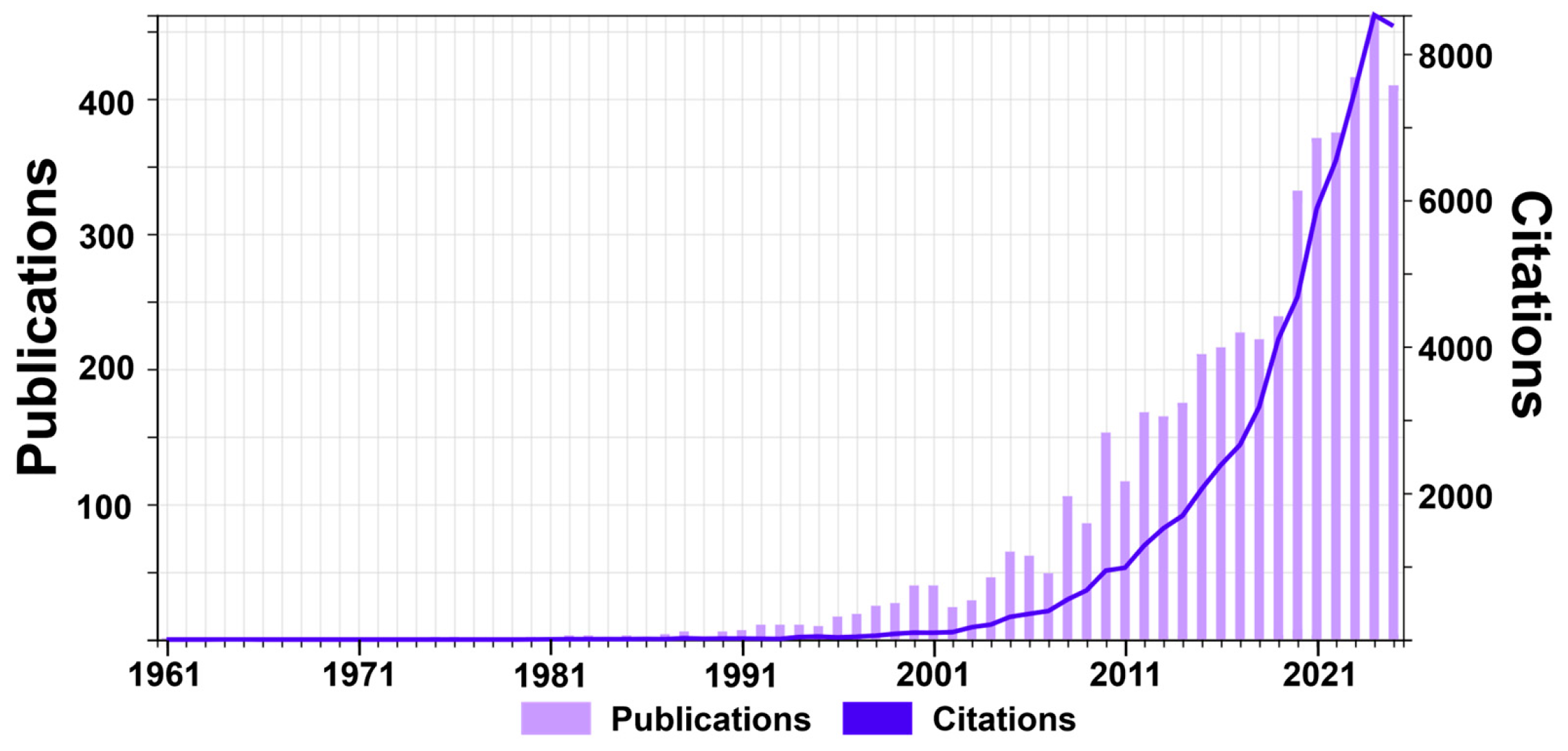
As shown in
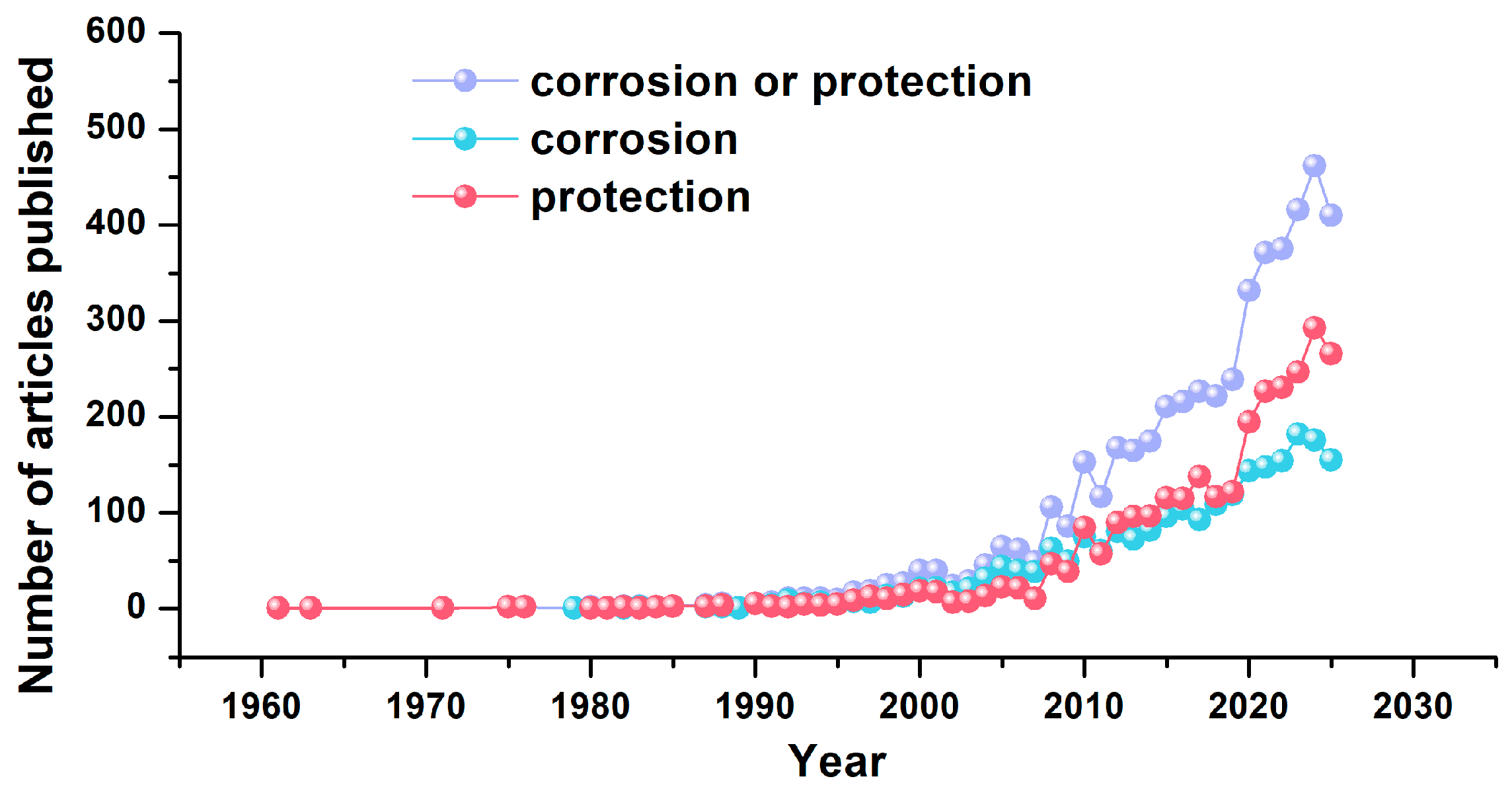
Figure 1, the earliest paper related to the corrosion and protection of cultural relics was published in 1961. Before 2004, the annual number of publications on cultural relics corrosion and protection research was relatively low, showing an overall flat trend. After 2004, the total volume of research began to increase and reached its peak in 2024, with 462 papers published. Specifically, before 2009, the annual number of publications on cultural relics corrosion consistently exceeded that on cultural relics protection. However, after 2009, publications on cultural relics corrosion fell below those on protection, indicating a growing scholarly emphasis on cultural relics preservation topics.
Figure 2 shows a total of 4983 publications in the field of cultural relic corrosion and protection research, with a total citation frequency of 65,746 times. After 2007, however, the annual citation count grew rapidly. It surpassed 5000 citations in 2021 (reaching 5885) and hit a peak of 8530 in 2024. This indicates that research topics related to the corrosion and protection of cultural relics are attracting increasing attention from scholars.
3.2. Trend of Research Fields
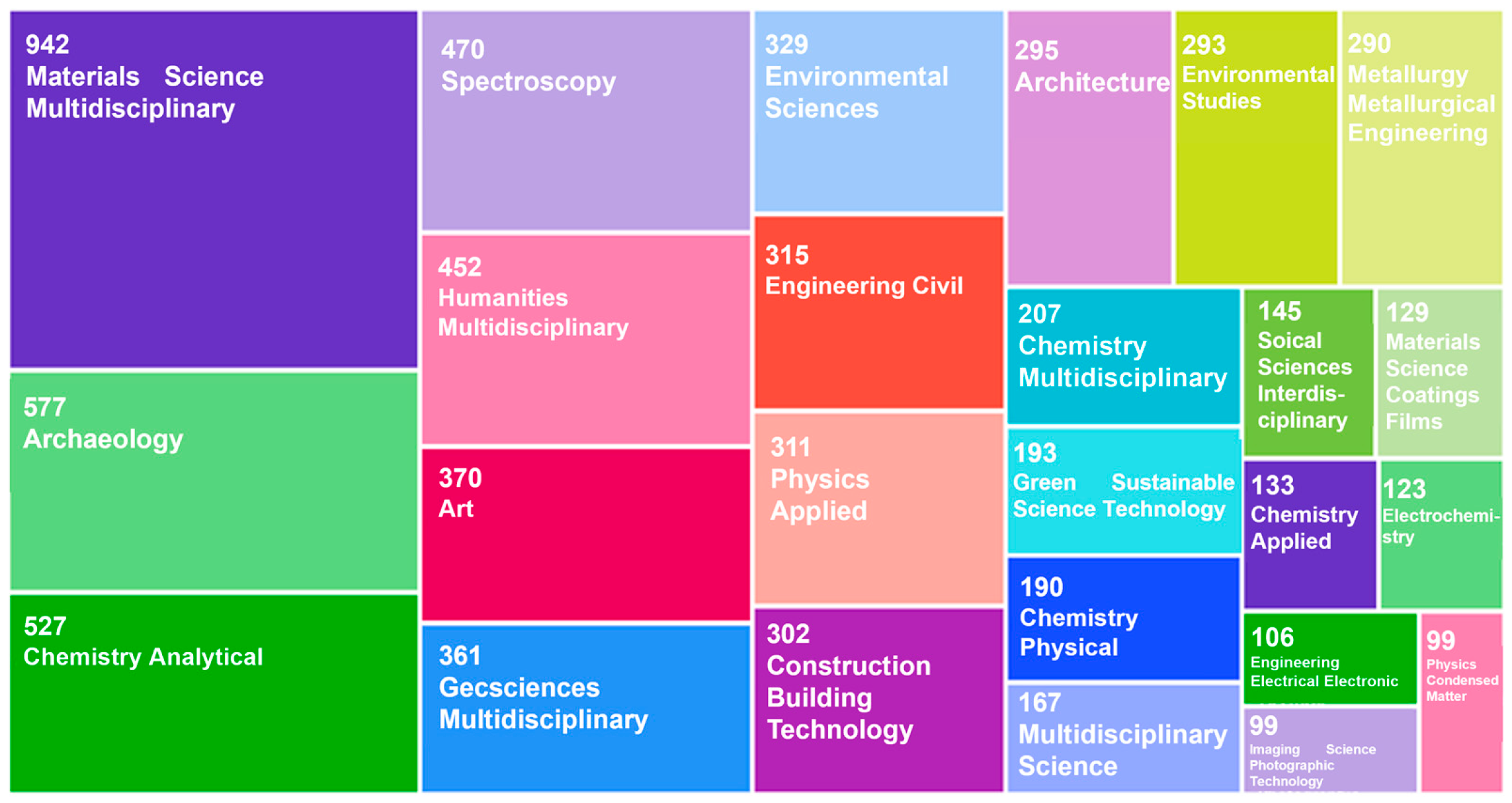
Figure 3 displays the top 25 publications for research fields on the corrosion and protection of cultural relics. Based on statistics from the WOS Core Collection, the top 10 research fields in terms of the number of publications on the corrosion and protection of cultural relics were Materials Science Multidisciplinary, Archaeology, Chemistry Analytical, Spectroscopy, Humanities Multidisciplinary, Art, Geosciences Multidisciplinary, Environmental Sciences, Engineering Civil, Physics Applied. The first field is Materials Science Multidisciplinary with 942 papers, the second field is Archaeology with 577 papers, the third field is Chemistry Analytical with 527 papers, the fourth field is Spectroscopy with 470 papers, the fifth field is Humanities Multidisciplinary with 452 papers. A total of 40,327 citing articles regarding the corrosion and protection of cultural relics were identified in the WOS Core Collection.
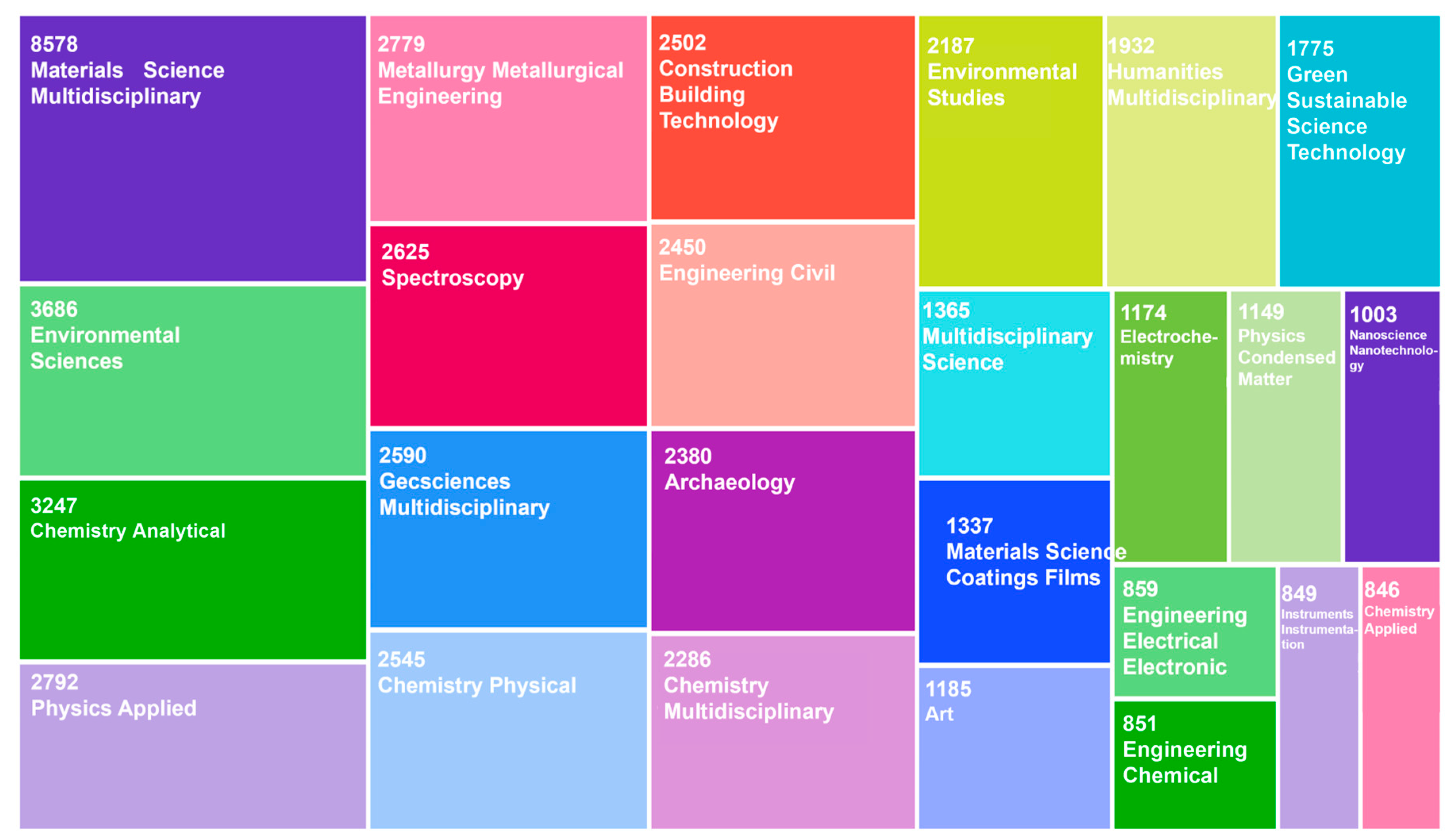
Figure 4 displays the top 25 citing articles for research fields on the corrosion and protection of cultural relics. Based on statistics from the WOS Core Collection, the top 10 research fields in terms of the number of citing articles on the corrosion and protection of cultural relics were Materials Science Multidisciplinary, Environmental Sciences, Chemistry Analytical, Physics Applied, Metallurgy Metallurgical Engineering, Spectroscopy, Geosciences Multidisciplinary, Chemistry Physical, Construction Building Technology, Engineering Civil. The first field is Materials Science Multidisciplinary with 8578 citing articles, the second field is Environmental Sciences with 3686 citing articles, the third field is Chemistry Analytical with 3247 citing articles, the fourth field is Physics Applied with 2792 citing articles, the fifth field is Metallurgy Metallurgical Engineering with 2779 citing articles.
3.3. Contribution of Countries to Global Publications
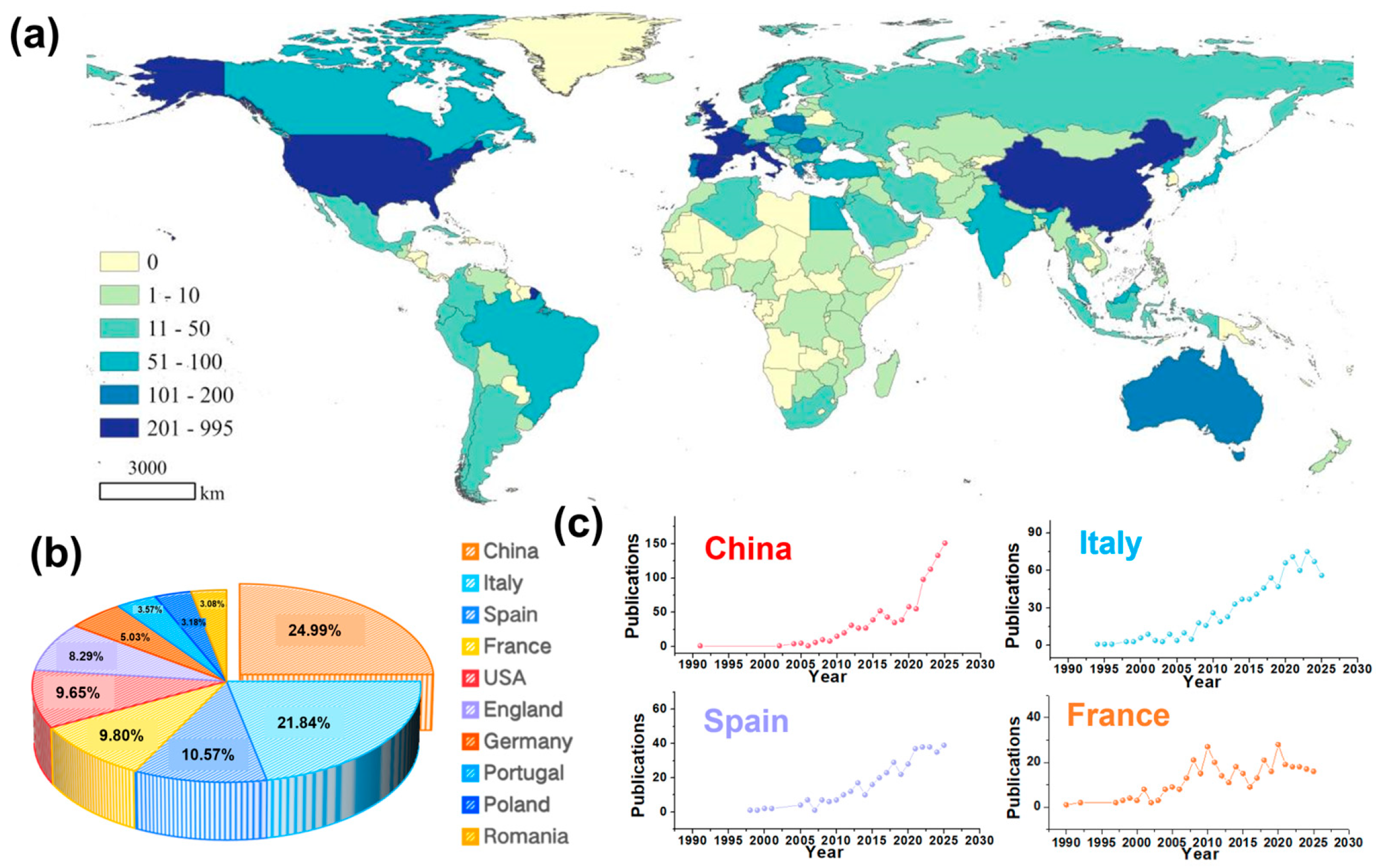
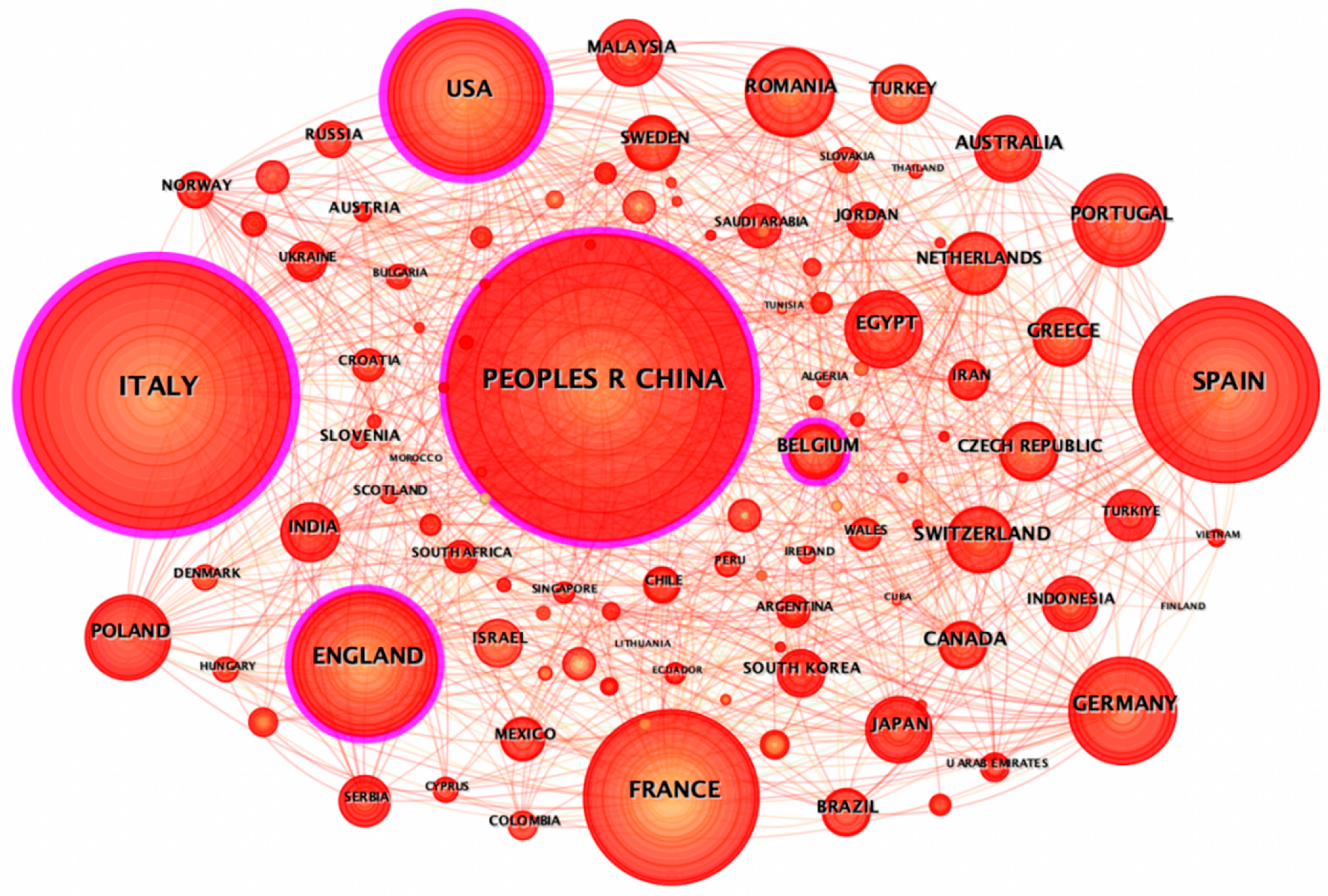
Figure 5 illustrates the contributions of various countries/regions to research on cultural relic corrosion and protection. The top ten countries/regions ranked by number of publications are China, Italy, Spain, France, the United States, England, Germany, Portugal, Poland, and Romania, as shown in
Table 1. China ranks first with 974 publications, followed by Italy (851), Spain (412), and France (382), occupying the second, third, and fourth places, respectively. In addition, it is noted that Italy has the highest number of cumulative cited articles and cumulative citations among all countries, at 9468 and 13,844, respectively. Next are France (7540 and 10983), China (6647 and 8090), the USA (6304 and 6897), and Spain (5602 and 7385), respectively. Together, the top four countries account for 57.4% of the total publications among the top ten, highlighting their significant role in global research on cultural relic corrosion and protection. Additionally, these four countries initiated research in this field at approximately the same time—around 1990. Notably, the number of publications from China has continued to increase, with a particularly rapid growth rate after 2020. In contrast, Italy, Spain, and France have experienced slower growth or even a decline in recent years, which may be associated with changes in national policies regarding cultural development and support for research on cultural relics.
Figure 6 displays the network visualization among different countries/regions that have published at least 10 papers on the corrosion and protection of cultural relics. The font size and circle area size represent the number of published papers while the circle area colors indicate the year, and the link lines among different countries/regions indicate the collaboration activity. The top 10 countries/regions that have published papers on the corrosion and protection of cultural relics were China, Italy, Spain, France, USA, England, Germany, Portugal, Poland, and Romania. China leads in the number of publications, with 974 papers on the corrosion and protection of cultural relics, while the second country was Italy with 851 papers, and the third was Spain with 412 papers. In addition, USA, Italy, England, Belgium, and China have many international collaborations with other countries or regions. This trend indicates a move towards growing international cooperation in the research on the corrosion and protection of cultural relics. Sharing data is beneficial for enhancing research efforts and speeding up progress.
3.4. Contribution of Countries to Institutes and Main Authors
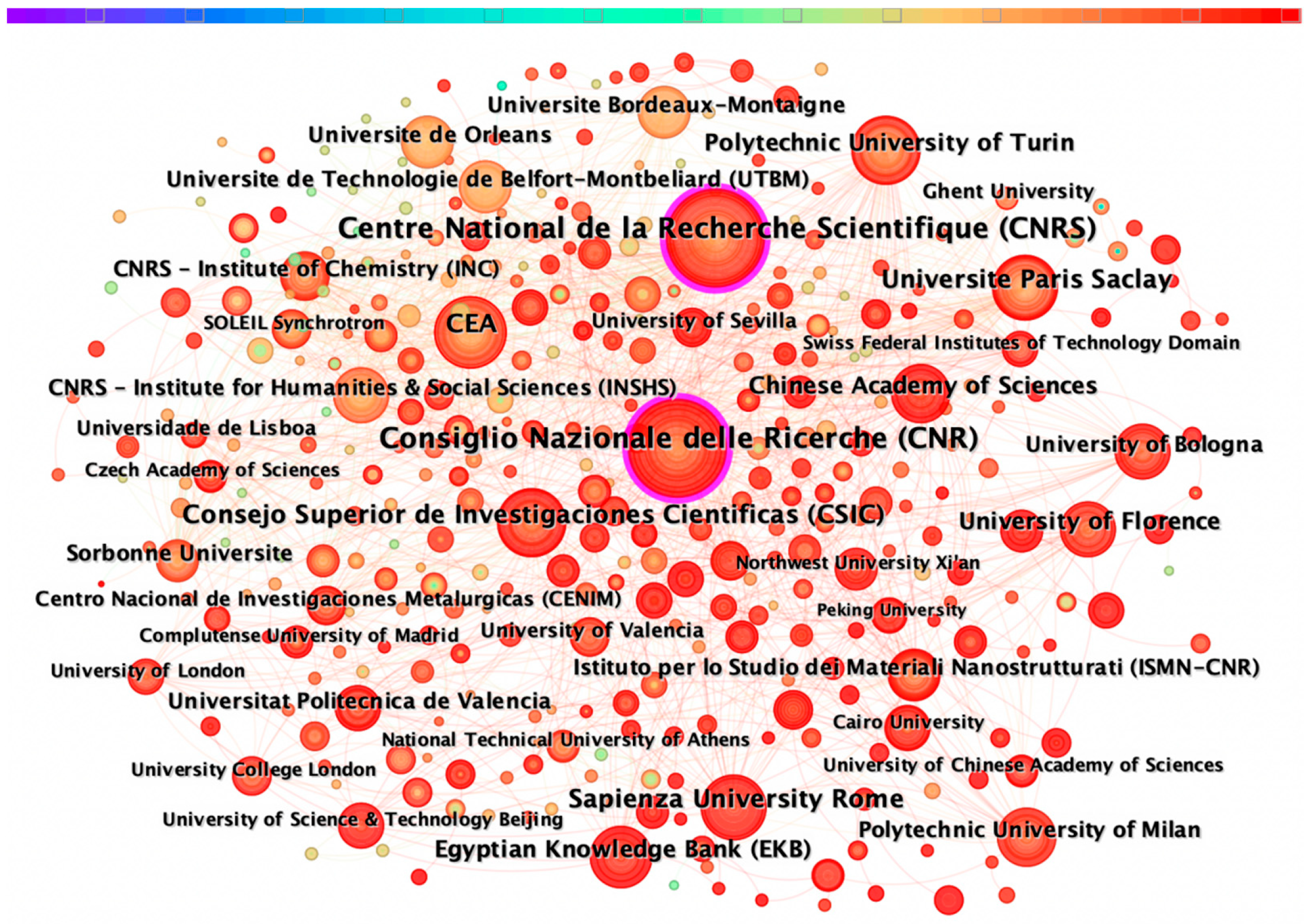
Figure 7 displays the network visualization among different institutions that have published at least 23 papers on the corrosion and protection of cultural relics. The top 10 institutions that have published papers on the corrosion and protection of cultural relics were as follow: Centre National de la Recherche Scientifique (CNRS), Consiglio Nazionale delle Ricerche (CNR), CEA, Universite Paris Saclay, Consejo Superior de Investigaciones Cientificas (CSIC), Sapienza University Rome, Egyptian Knowledge Bank (EKB), Polytechnic University of Turin, Chinese Academy of Sciences, University of Florence. Among them, Centre National de la Recherche Scientifique leads in the number of publications, with 232 papers on the corrosion and protection of cultural relics, while the second institution was Consiglio Nazionale delle Ricerche with 190 papers, and the third was CEA with 117 papers. In addition, Centre National de la Recherche Scientifique (CNRS), Consiglio Nazionale delle Ricerche (CNR), Consejo Superior de Investigaciones Cientificas (CSIC), and Chinese Academy of Sciences have many academic collaborations with other institutions.
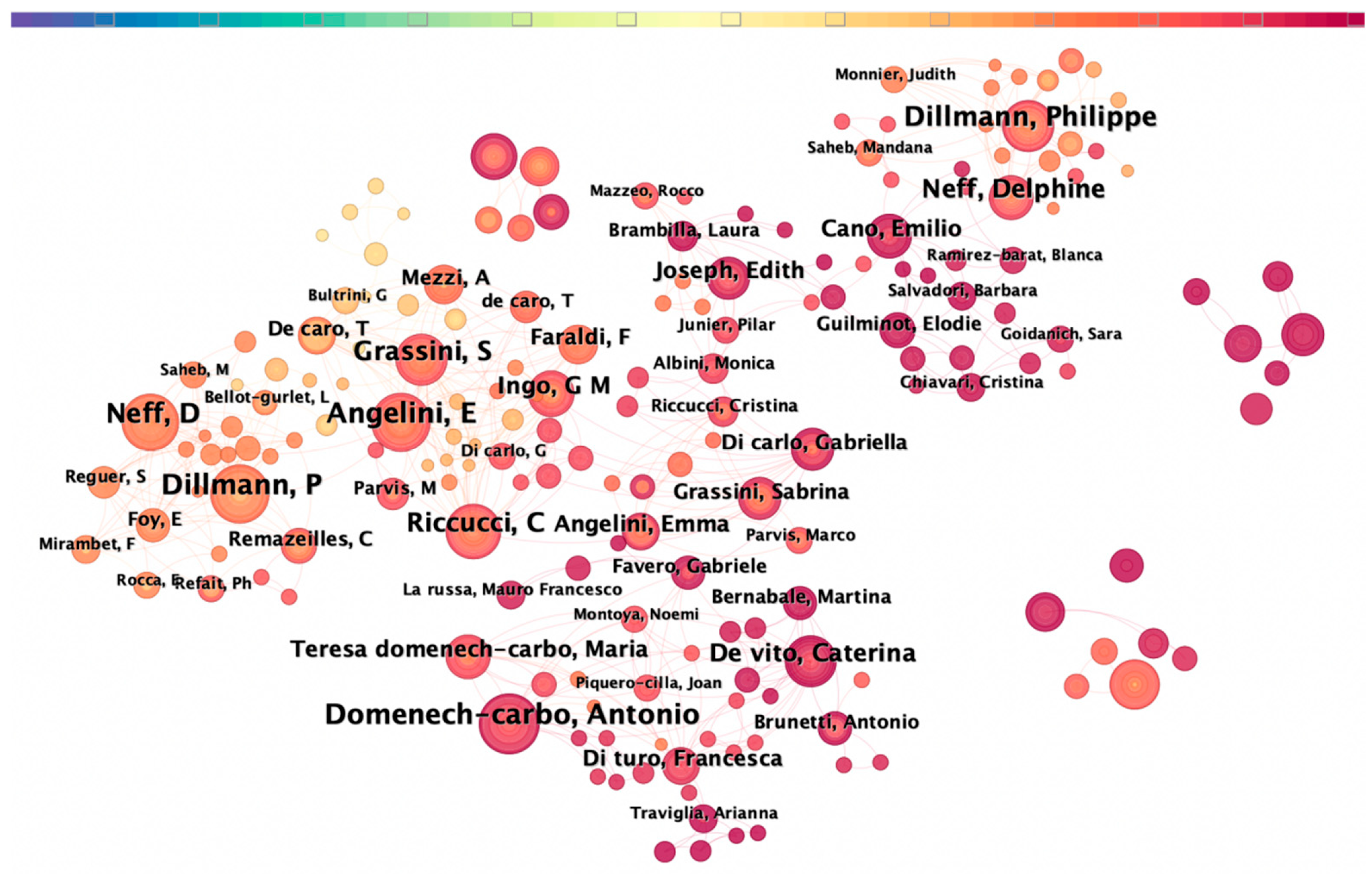
Figure 8 displays the network visualization among different authors that have published at least 10 papers on the corrosion and protection of cultural relics. The top 10 authors that have published papers on the corrosion and protection of cultural relics were as follow: Neff, Delphine; Dillmann, Philippe; Domenech-Carbo, Antonio; Riccucci, Cristina; Ingo, Gabriel Maria; Grassini, Sabrina; Angelini, Emma; Baglioni, Piero; de, Tilde; Adriaens, Mieke. Among them, Neff, Delphine leads in the number of publications, with 65 papers on the corrosion and protection of cultural relics, while the second author was Dillmann, Philippe with 54 papers, and the third was Domenech-Carbo, Antonio with 43 papers.
3.5. Analysis of Keywords in Publications
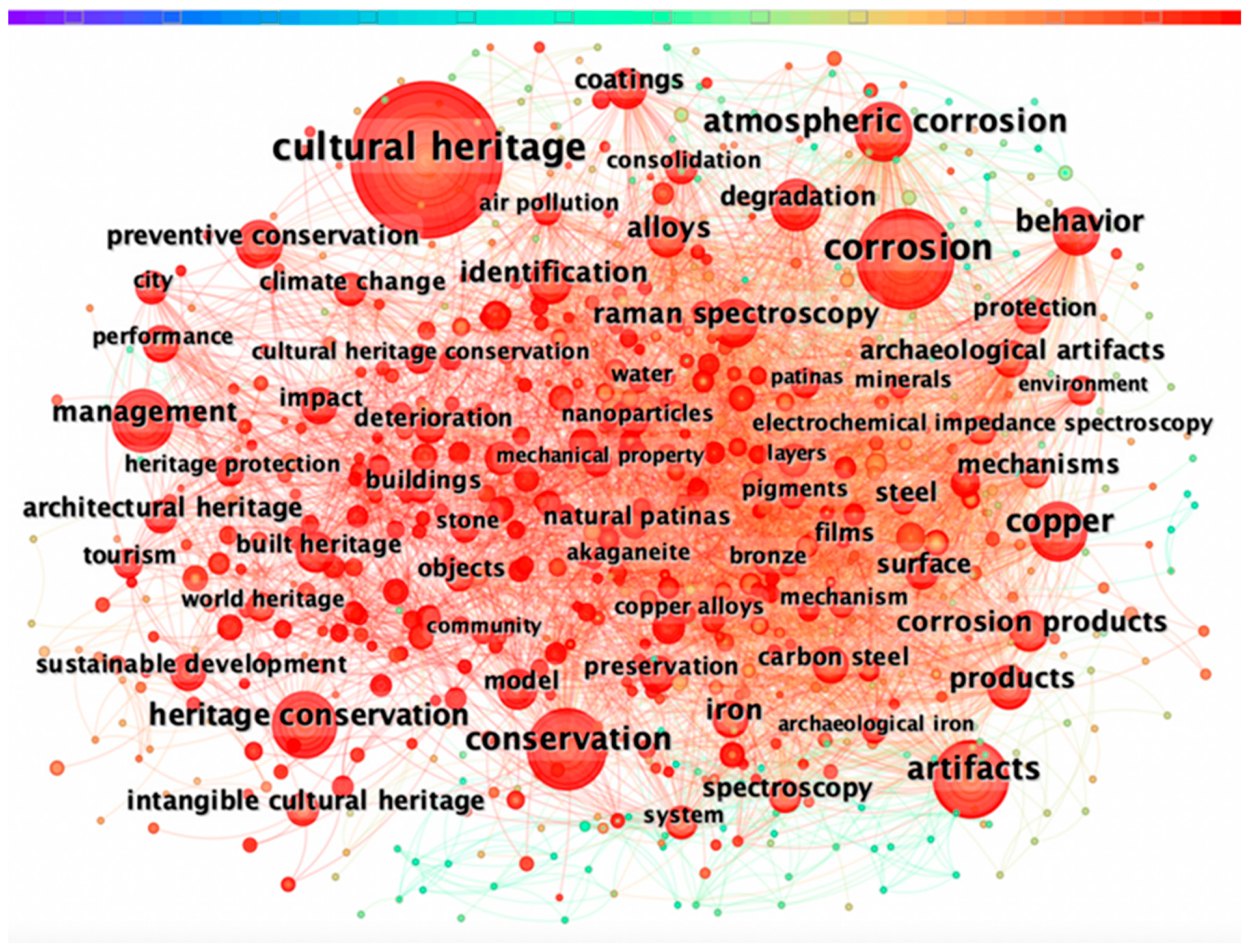
Figure 9 and
Table 2 show the network visualization among different keywords that published at least 30 cultural relic corrosion and protection related papers. From 1961 to 2025, the top 10 keywords were cultural heritage, corrosion, artifacts, conservation, copper, atmospheric corrosion, heritage conservation, behavior, management, Raman spectroscopy. The word “cultural heritage” appears 665 times, “corrosion” appears 424 times, “artifacts” appears 244 times, “conservation” appears 188 times, and “copper” appears 179 times, which means they are still the research hotspots. Importantly, “conservation” or “protection” appear near 500 times. This indicates that the protection and conservation of cultural relic have attracted the attention of scholars. In addition, high-frequency keywords such as cultural heritage, corrosion, artifacts, atmospheric corrosion, and iron have attracted scholars’ attention at a relatively early stage. Among them, keywords such as corrosion, system, artifacts, atmospheric corrosion, iron, cultural heritage, alloys, and spectroscopy exhibit strong centrality, indicating that these keywords have significant research influence and their related thematic studies have a broader reach. Particularly, research related to keywords such as corrosion, system, and artifacts constitutes the central theme of cultural relic corrosion and protection.
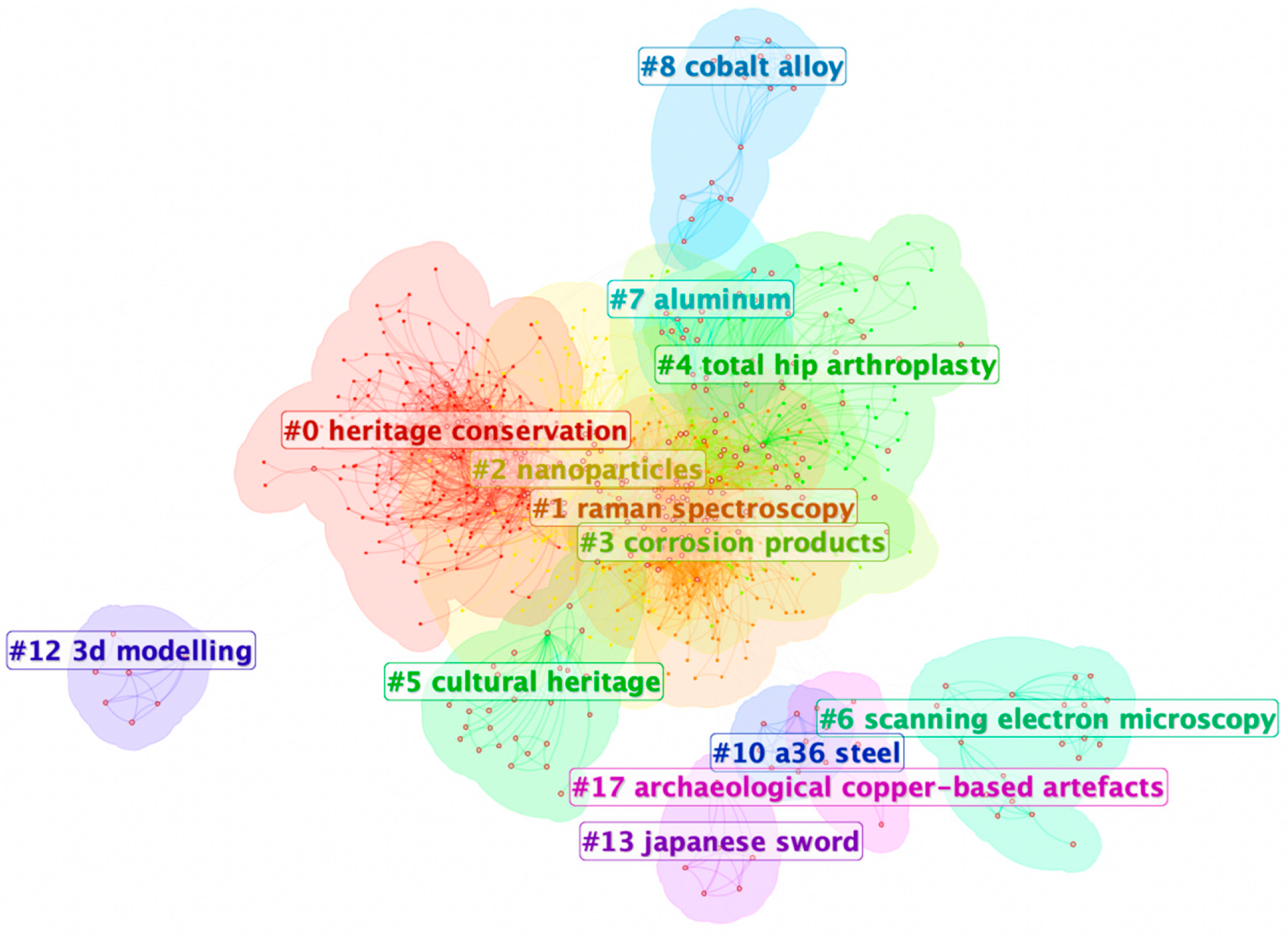
Figure 10 shows the clusters of keywords in cultural relic corrosion and protection research-related papers. By classifying the keywords and analyzing the related literature, the research on cultural relic corrosion and protection could be generally grouped into 18 categories.
Table 3 presents the top 9 keyword categories. The first is heritage conservation with 195 keywords, including heritage conservation, management, preventive conservation, intangible cultural heritage, architectural heritage, tourism, etc. The second is Raman spectroscopy with 180 keywords, including artifacts, copper, atmospheric corrosion, behavior, Raman spectroscopy, products, etc. The third is nanoparticles with 132 keywords, including degradation, coatings, protection, deterioration, preservation, consolidation, etc. The fourth is corrosion products with 84 keywords, including conservation, corrosion products, identification, objects, bronze, copper alloys, etc. The fifth is about cultural relics of biological bones, with 75 keywords including corrosion, evolution, dissolution, total hip replacement, glass, etc.
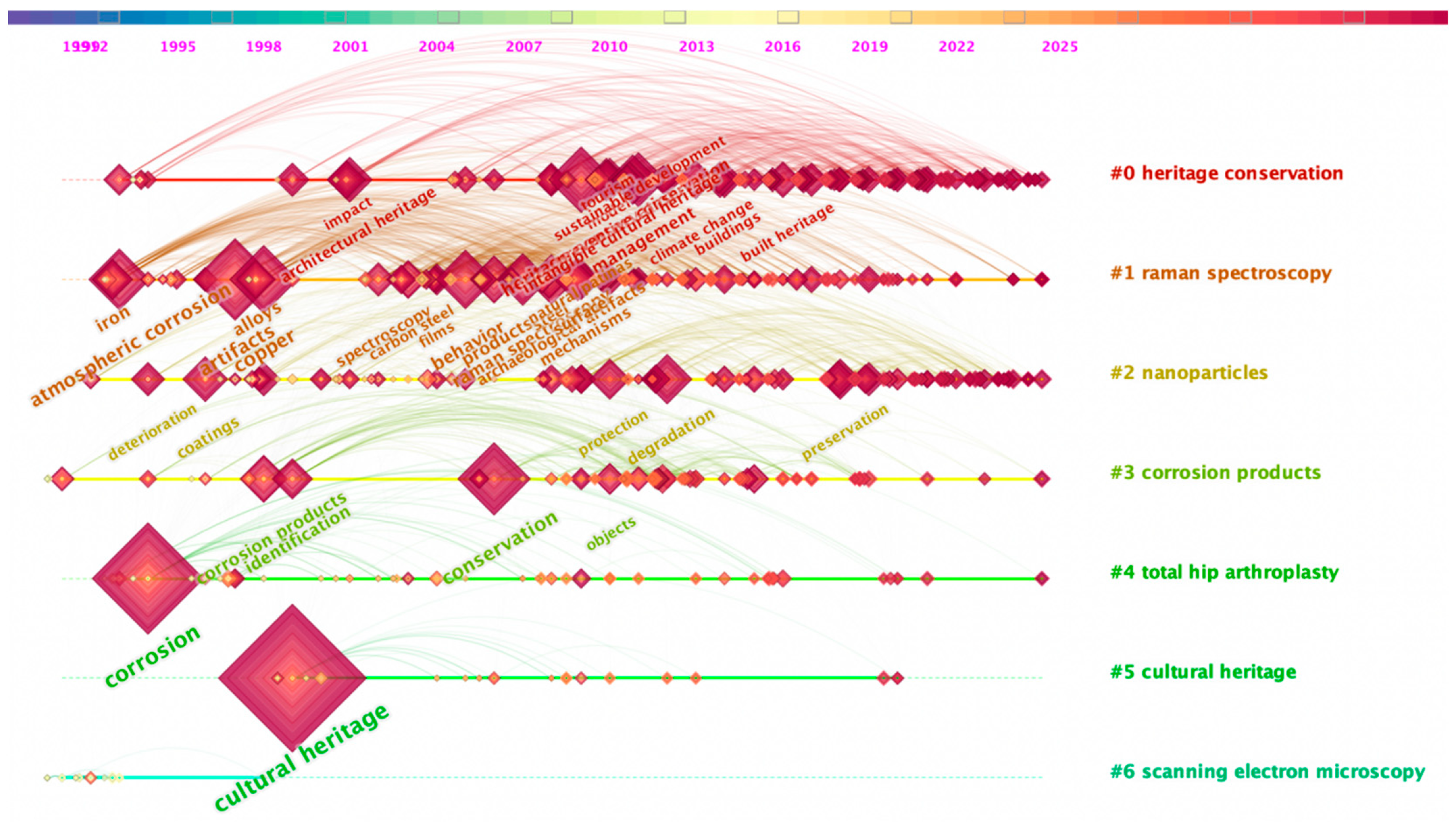
As shown in
Figure 11, in academic research on the corrosion and protection of cultural relics, the thematic studies of heritage conservation and Raman spectroscopy have consistently been key focuses in domestic and international academic circles. Over the past three decades, research on these related themes has persistently permeated the entire process of cultural relics corrosion and protection studies. In the thematic research on heritage conservation, the keyword “heritage conservation” first emerged in 2009 as the most significant term. Over time, it has been continuously explored and has yielded substantial research outcomes. Related studies are expected to maintain high academic attention in the future. Meanwhile, in the thematic research on Raman spectroscopy, three significant keywords of “artifacts” “copper” and “atmospheric corrosion”, which began to emerge in 1997, 1998, and 1993, respectively. Following their appearance, related research findings have progressively increased over time, garnering considerable attention and extensive study from scholars. Additionally, since its initial appearance in 1999, “cultural heritage” has progressively evolved into the core and focal point of research on corrosion and protection of cultural relics over time. It is anticipated to remain a subject of significant academic interest for the foreseeable future.
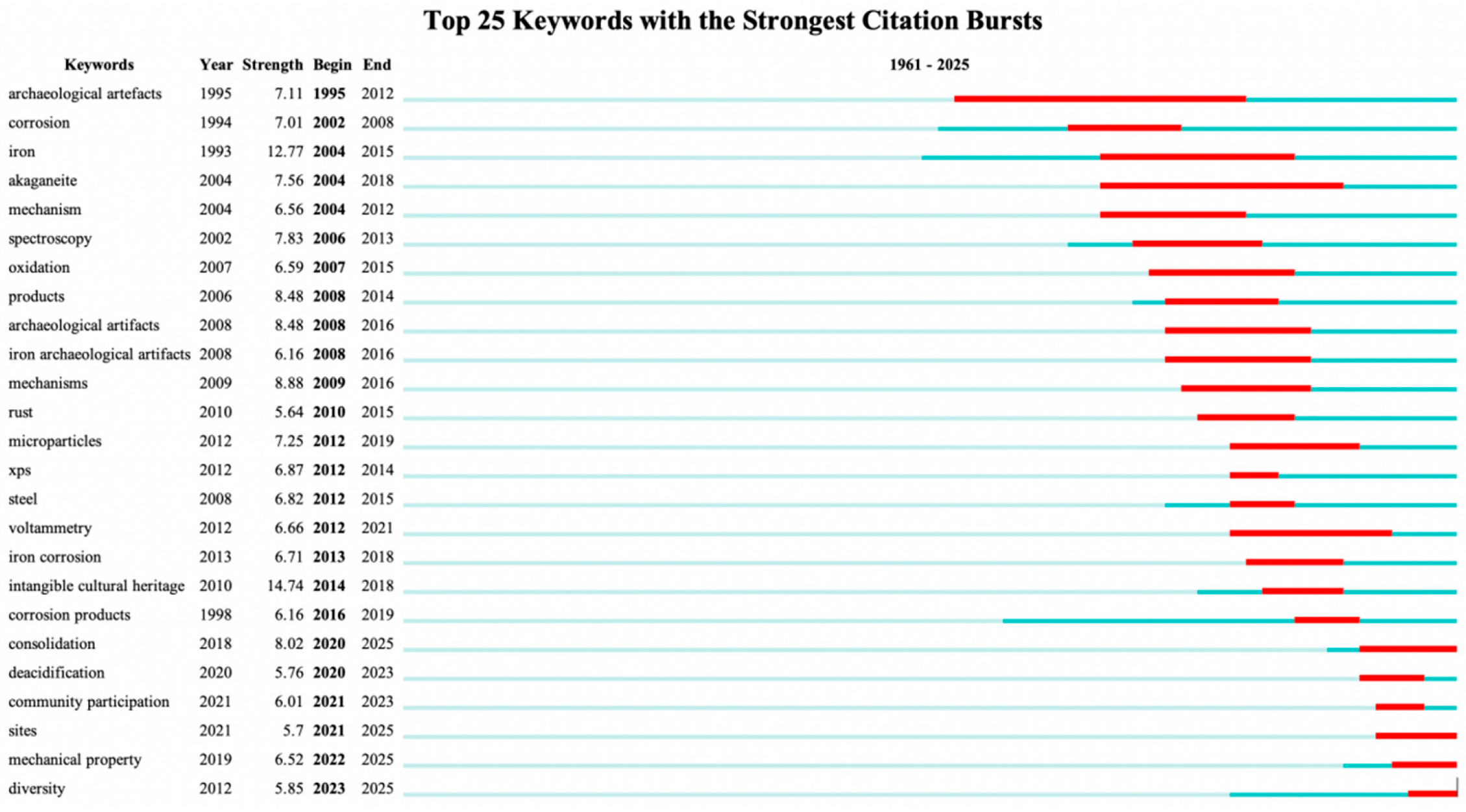
By conducting a visual burst analysis of keywords, this study aims to reveal the evolution of research hotspots in the field of cultural relics corrosion and protection. As shown in
Figure 12, in the early stages of research on the corrosion and protection of cultural relics, scholarly focus was primarily concentrated on areas such as archeological artifacts, corrosion, iron, akaganeite, and mechanism. Over time, a series of keywords such as spectroscopy, oxidation, products, archeological artifacts, mechanisms, rust, microparticles, voltammetry, iron corrosion, intangible cultural heritage, and corrosion products have successively garnered academic attention, establishing themselves as research hotspots in the field of cultural relics corrosion and protection. In recent years, keywords such as consolidation, sites, mechanical properties, and diversity have garnered significant attention and demonstrated high research intensity within the academic community.
4. Discussion
4.1. Evolution of Research on Corrosion and Protection of Cultural Relics
Scientific attention to the preservation of cultural relics has a long history, but early research primarily relied on empirical observation and traditional restoration techniques. Until 1961, with the emergence of modern analytical chemistry and materials science, that the corrosion and protection of cultural relics evolved into an independent, interdisciplinary field, gradually moving toward systematization and scientific rigor. According to statistics from the WOS database, between the publication of the first related paper in 1961 and 2025, this field has accumulated 4983 publications. An analysis of annual publication volume and citation counts indicates that the development of modern research on the corrosion and protection of cultural relics can be divided, based on research activity and shifting focus, into two main stages: a period of slow accumulation (1961–2003) and a period of rapid development (2004 to the present).
The slow accumulation period was characterized by limited annual publication counts and a primary focus on understanding corrosion mechanisms in metals, stones, and other heritage materials. Research was constrained by the analytical techniques of the era, such as basic optical microscopy and wet chemical analysis, which directed efforts towards characterizing corrosion products and proposing foundational mechanistic models.
A pivotal transition began around 2004, heralding the rapid development period. This surge is attributable to three synergistic factors: (1) a global escalation in cultural heritage awareness, fueled by UNESCO initiatives and increased public engagement; (2) the revolutionary advent of advanced characterization tools (e.g., synchrotron radiation, high-resolution spectroscopy, 3D imaging) enabling non-invasive, in situ, and molecular-level investigation; and (3) a strategic policy and funding shift towards preventive conservation in many nations. A critical inflection points within this phase occurred in 2009. Prior to this year, publications focusing on “corrosion” outnumbered those on “protection.” After 2009, this proportion underwent a decisive reversal. This reversal marks a profound shift in the strategic focus of the field: from a stage dominated by description and diagnosis, to a complete shift towards development driven by intervention and solutions. This can be attributed to the development of advanced characterization and coating technologies, and the research content has expanded from simply explaining degradation phenomena to actively developing innovative mitigation strategies, such as nanomaterials, biomimetic treatments, and advanced coating systems.
4.2. Trends and Hotspots of Research on Corrosion and Protection of Cultural Relics
Analysis of the frequency of high-frequency keyword occurrences, co-occurrence networks, and burst intensities clearly reveals the evolutionary trajectory of research hotspots in the field of cultural relics corrosion and protection. By clustering keywords and conducting in-depth interpretation of the related literature, the research trends in this field can be chronologically summarized into three core directions: (1) in-depth analysis of corrosion mechanisms; (2) innovative research and development of advanced protective materials and technologies; and (3) the rise in preventive conservation and systematic management strategies. Corrosion of cultural relics is the fundamental cause of their deterioration; therefore, understanding its underlying mechanisms has always been the cornerstone and primary focus of research. Early studies centered on exploring the corrosion behaviors, product identification, and corrosion pathways of common cultural relic materials such as copper, iron, and alloys in various environments, including the atmosphere and soil [
22,
23]. The introduction of advanced analytical techniques, such as Raman spectroscopy and infrared spectroscopy, has provided powerful tools for investigating corrosion processes at the microscopic level [
24,
25].
Based on a deeper understanding of corrosion mechanisms, research hotspots have naturally shifted toward inhibiting or delaying corrosion through technical means—that is, through the innovative development of protective materials and technologies [
26,
27]. This trend is reflected in the surge of keywords such as “nanoparticles,” “coatings,” “protection,” “reinforcement,” and “preservation.” Researchers are dedicated to developing more efficient protective materials. For example, using nano-calcium hydroxide to reinforce cultural relics, designing corrosion inhibitors and composite coatings to stabilize cultural relics, and applying biomineralization technology to restore relics (
Figure 13) [
28,
29,
30]. This direction is directly related to improving the effectiveness and durability of protective interventions. In addition, the use of biomimetic methods to prepare transparent hydrophobic or superhydrophobic coatings can achieve waterproofing and moisture resistance of cultural relics, greatly improving the long-term protection of cultural relics [
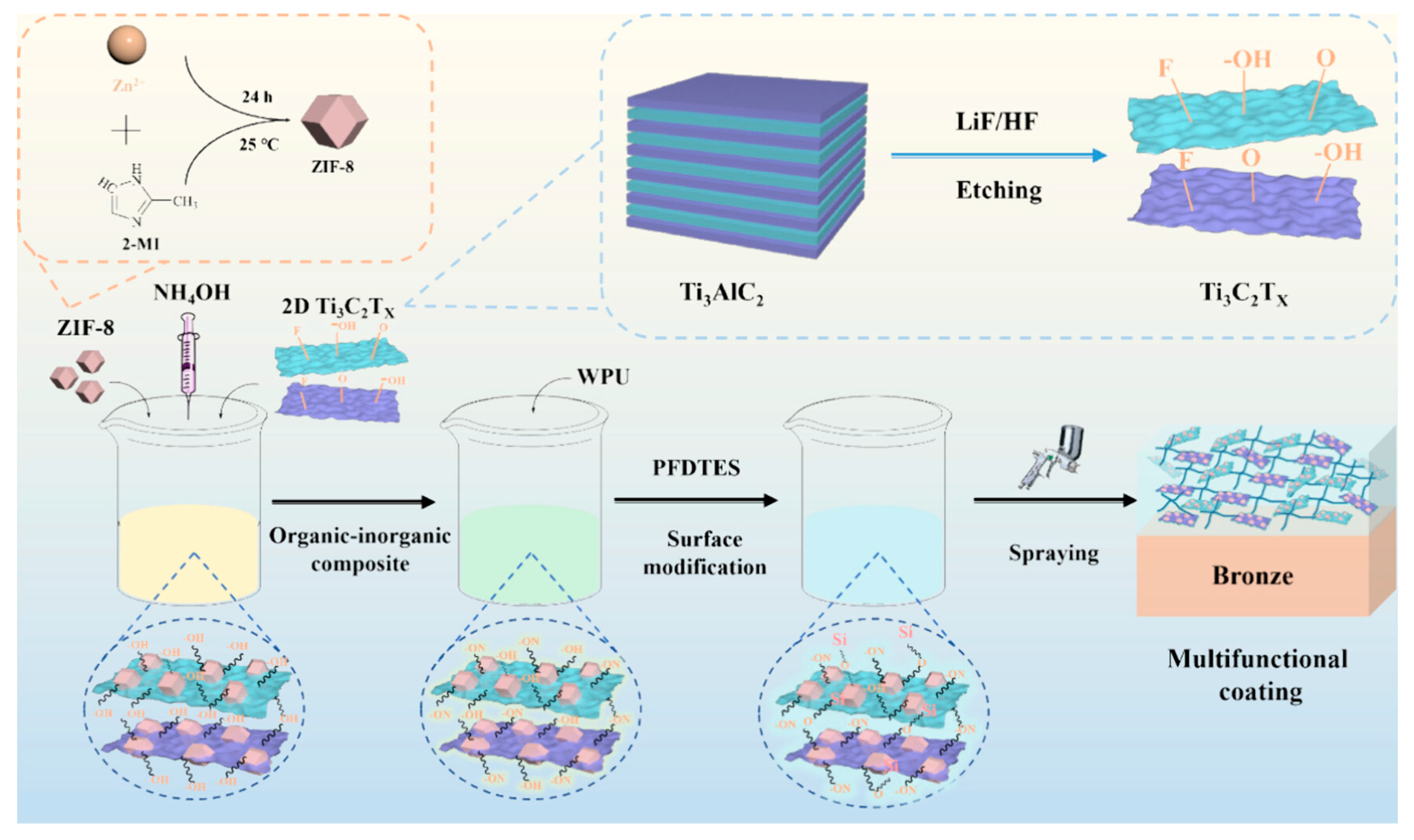
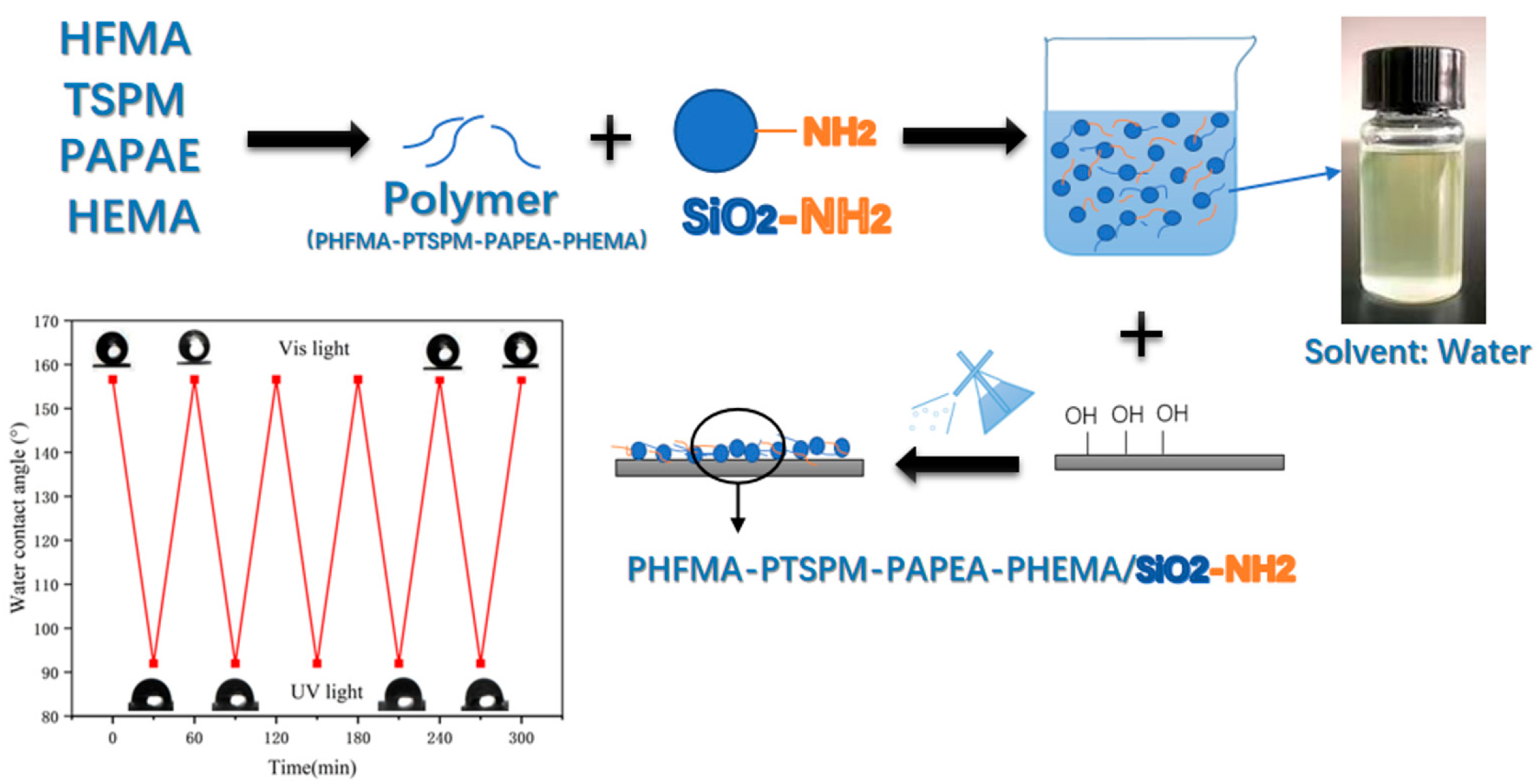
31]. In addition, researchers have also developed intelligent protective coatings. For example, a highly stable photoresponsive superhydrophobic coating was prepared by spray coating method, which can endow the material surface with excellent weather resistance, wear resistance, and ultrasonic durability, highlighting its enormous practical application potential (
Figure 14) [
32,
33].
4.3. Collaboration and Innovation
The publication and collaboration landscape analysis reveals that progress in this field is intrinsically tied to robust interdisciplinary and international synergy.
The dispersion of high-impact publications across top journals in materials science, chemistry, archeology, and spectroscopy is not incidental. It underscores that breakthroughs occur at the intersection of disciplines. For instance, solving a bronze disease problem requires an archeologist’s contextual knowledge, a chemist’s understanding of chlorides, and a materials scientist’s skill in designing inhibitors. This necessity forces researchers to transcend traditional disciplinary boundaries, fostering a unique integrative research culture.
At the national level, while countries with abundant heritage resources (China, Italy, Spain, France) are natural research hubs, the extensive collaboration networks led by the USA, Italy, England, Belgium, and China are crucial. These networks facilitate access to rare/unique artifact samples, cross-validation of findings in diverse climatic and pollution contexts, and pooling of specialized, often expensive, analytical infrastructure. They accelerate the translation of fundamental science into globally applicable conservation practices.
The pivotal role of institutions like CNRS (France) and CNR (Italy), and of leading authors forming tightly knit teams (e.g., around Dillmann, Neff), demonstrates that sustained innovation relies on stable, trust-based consortiums. These groups effectively combine long-term fundamental research with applied project-based work. However, the field also faces the challenge of broadening these core networks to include more institutions from diverse geographical and economic backgrounds, ensuring equitable knowledge production and capacity building. Future innovation will depend on further strengthening this collaborative fabric to tackle increasingly complex conservation challenges, such as those posed by climate change.
5. Conclusions
Based on a bibliometric analysis of 4983 articles on cultural relic corrosion and protection published in the WOS Core Collection from 1961 to 2025, this paper systematically reveals the development trajectory and research hotspots in this field. The specific conclusions are as follows:
(1) This field has undergone an evolution from slow accumulation to rapid development. Since 2004, both the annual number of publications and citations have increased significantly, reaching a peak in 2024. The research hotspots present a clear chronological trend: in the early stage, the focus was on fundamental research into corrosion mechanisms; in the middle stage, attention shifted to innovative development of protective materials and technologies; in recent years, there has been increasing emphasis on preventive conservation and systematic management strategies.
(2) China, Italy, Spain, and France are the countries with the most prolific research output in this field, accounting for 57.4% of total publications, indicating the central role of countries rich in cultural heritage resources in the field. Institutions such as the French National Centre for Scientific Research, the Italian National Research Council, and the Chinese Academy of Sciences are key forces driving research progress, and have formed close research networks through extensive inter-institutional cooperation. Core authors represented by Neff, Delphine and Dillmann, Philippe have built active international research teams, further promoting knowledge exchange and technological innovation.
(3) This field is characterized by distinct interdisciplinarity, with the deep integration of multiple disciplines such as materials science, archeology, analytical chemistry, and spectroscopy providing indispensable support for understanding complex corrosion mechanisms and developing advanced protection technologies. The increasing strengthening of international collaboration has not only accelerated the resolution of scientific problems, but also laid a solid foundation for addressing global challenges in cultural heritage conservation.
6. Research Outlook
Based on the above bibliometric analysis results and an assessment of current research trends, this paper believes that future research in the field of cultural heritage corrosion and protection will develop in the direction of greater refinement, greenness, intelligence, and systematization. Specifically, the following directions are worthy of focused attention and exploration:
(1) With advances in analytical techniques, research will shift from macroscopic, static observation to in situ characterization of microscopic, dynamic processes. By utilizing technologies such as synchrotron radiation, aberration-corrected electron microscopy, and in situ spectroscopy, the interfacial reactions, structural evolution, and performance degradation mechanisms of composite and organic materials in cultural relics can be revealed at the molecular/atomic scale under the coupled influence of factors such as temperature, humidity, pollutants, and microorganisms.
(2) In response to global sustainable development goals, the development of environmentally friendly, biocompatible, reversible, or recyclable protective materials will become an important trend. This includes: bio-derived protective materials based on biomineralization principles; intelligent coatings with self-healing capabilities; green corrosion inhibitors sourced from natural products or industrial by-products; and composite materials with controllable performance that can be safely removed after aging. In addition, the long-term durability, compatibility with cultural relic substrates, and mechanisms of action of new functional materials need to be more systematically evaluated.
(3) Future research will move beyond traditional environmental monitoring to focus on developing intelligent perception systems that integrate the Internet of Things, artificial intelligence, and machine learning algorithms. These systems will be able to monitor in real time and in situ both the micro- and macro-failure states of cultural relic materials and the dynamic changes in their microenvironmental parameters, thereby enabling early warning of corrosion risks and predictive maintenance. Specific research includes high-sensitivity, low-cost micro-sensor arrays, as well as models for assessing the health status of cultural relics based on big data analysis.
(4) Digital twin technology, high-precision 3D modeling, and augmented reality (AR)/virtual reality (VR) will play increasingly important roles in cultural heritage conservation. Constructing digital twins of relics can be used to simulate the effects of different conservation schemes, record restoration processes, conduct virtual display and education, and provide a visual, interactive data platform for decision-making in conservation. In addition, establishing standardized and shareable digital archives is also a problem that needs to be addressed in the future.
(5) Addressing complex issues in cultural heritage conservation through deeper interdisciplinary integration. In the future, not only will the integration of natural sciences (materials, chemistry, physics, biology) and the humanities/archeology be necessary, but the introduction of knowledge from fields such as data science, engineering, and social sciences (including conservation economics and public participation mechanisms) will also be required. The establishment of regular interdisciplinary collaboration platforms and talent cultivation mechanisms is needed to jointly address new challenges to cultural heritage brought by climate change, tourism pressure, and other factors.
In summary, through sustained technological innovation, in-depth mechanism exploration, forward-looking materials development, and closer international and interdisciplinary cooperation, the field of cultural heritage corrosion and protection will surely provide a more solid, intelligent, and sustainable technological foundation for the long-term survival of humanity’s precious cultural heritage.