Article

Study on Soil Corrosion Resistance Reinforced with Reactive Powder Concrete in Chloride Environment


1
School of Civil Engineering and Geographical Environment, Ningbo University, Ningbo 315000, China
2
School of Civil Transportation Engineering, Ningbo University of Technology, Ningbo 315211, China
3
Engineering Research Center of Industrial Construction in Civil Engineering of Zhejiang, Ningbo University of Technology, Ningbo 315048, China
*
Authors to whom correspondence should be addressed.
Coatings 2023, 13(7), 1134; https://doi.org/10.3390/coatings13071134

Submission received: 29 May 2023 / Revised: 19 June 2023 / Accepted: 20 June 2023 / Published: 22 June 2023
(This article belongs to the Special Issue Surface Engineering and Mechanical Properties of Building Materials)

Abstract

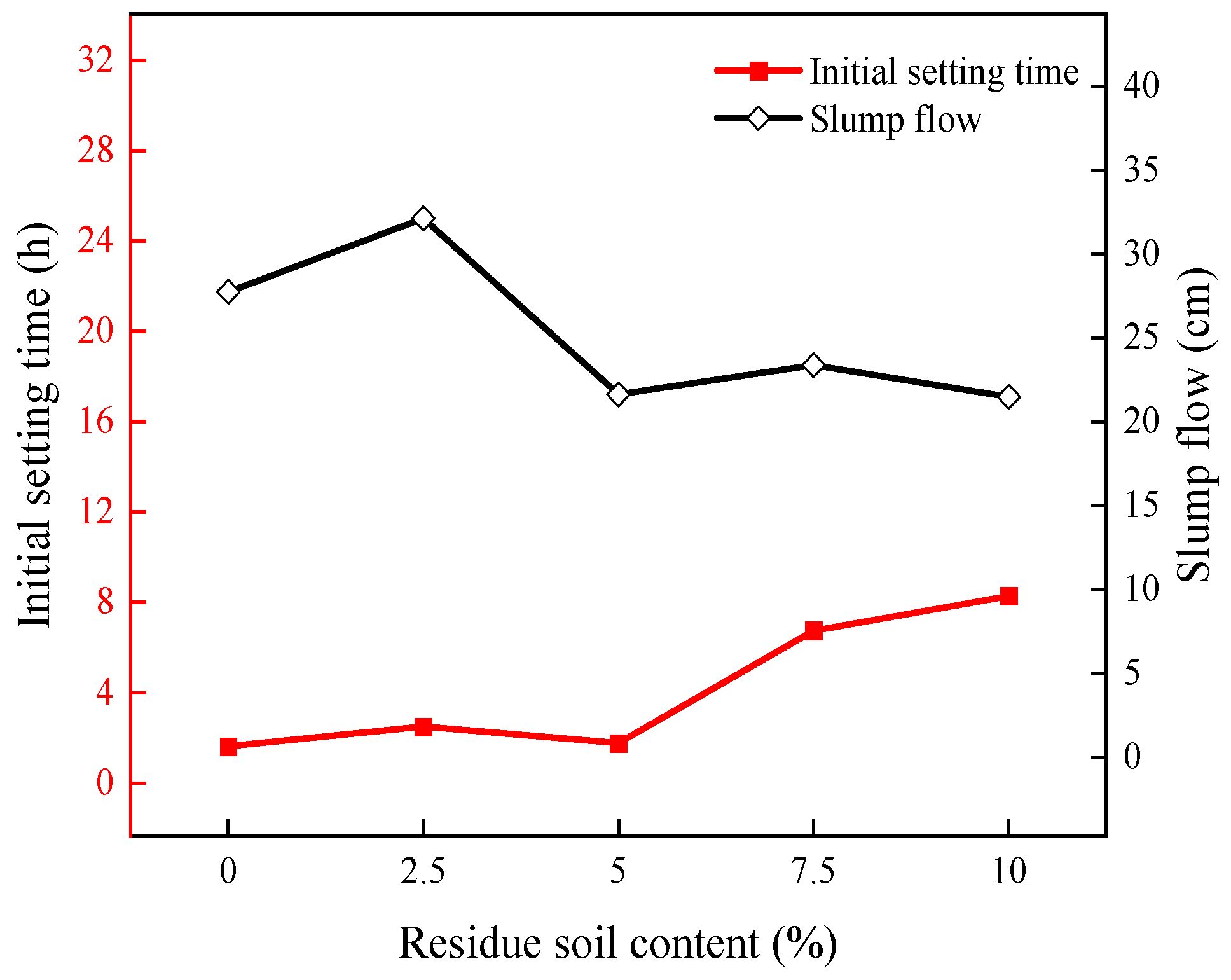
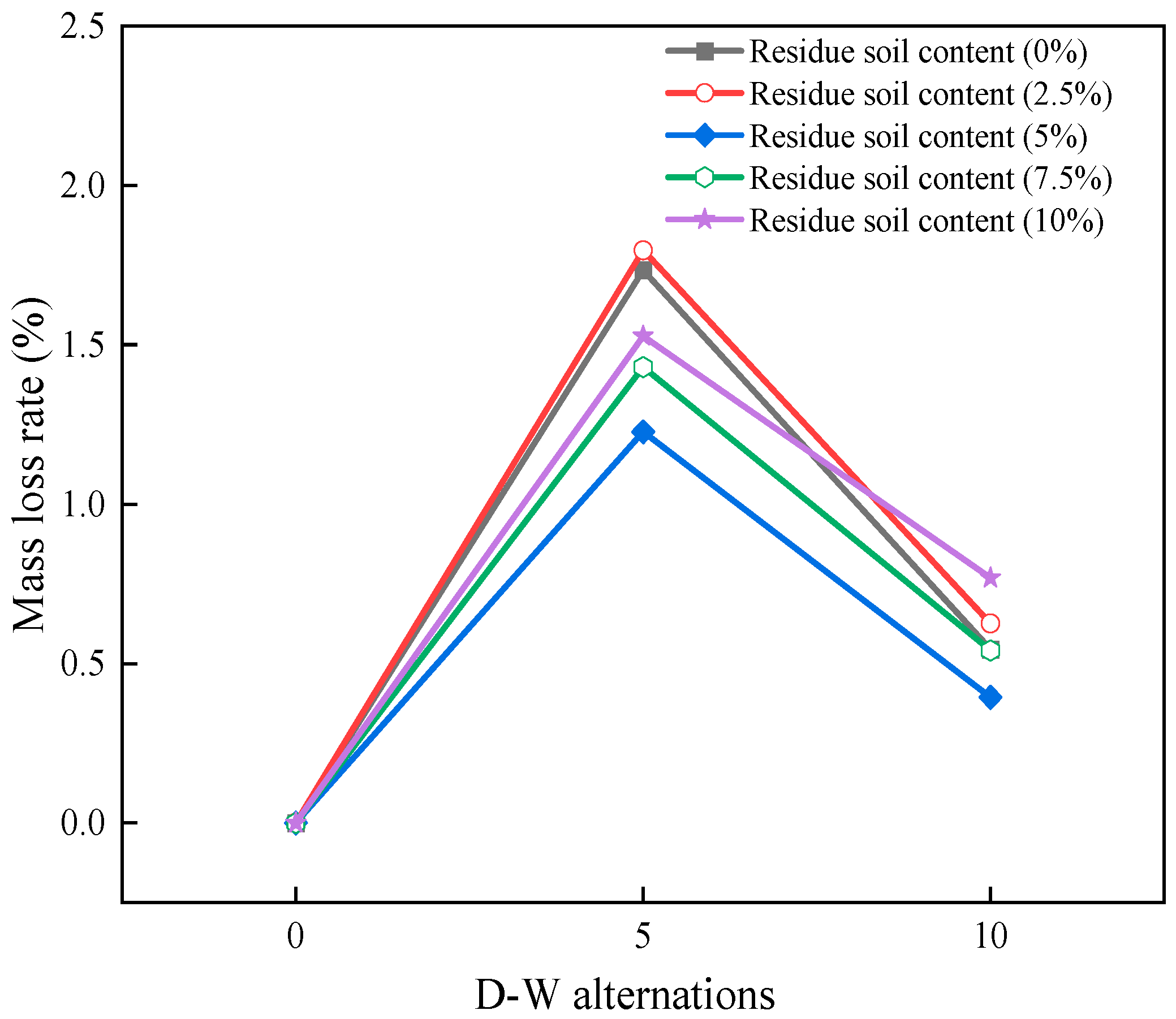
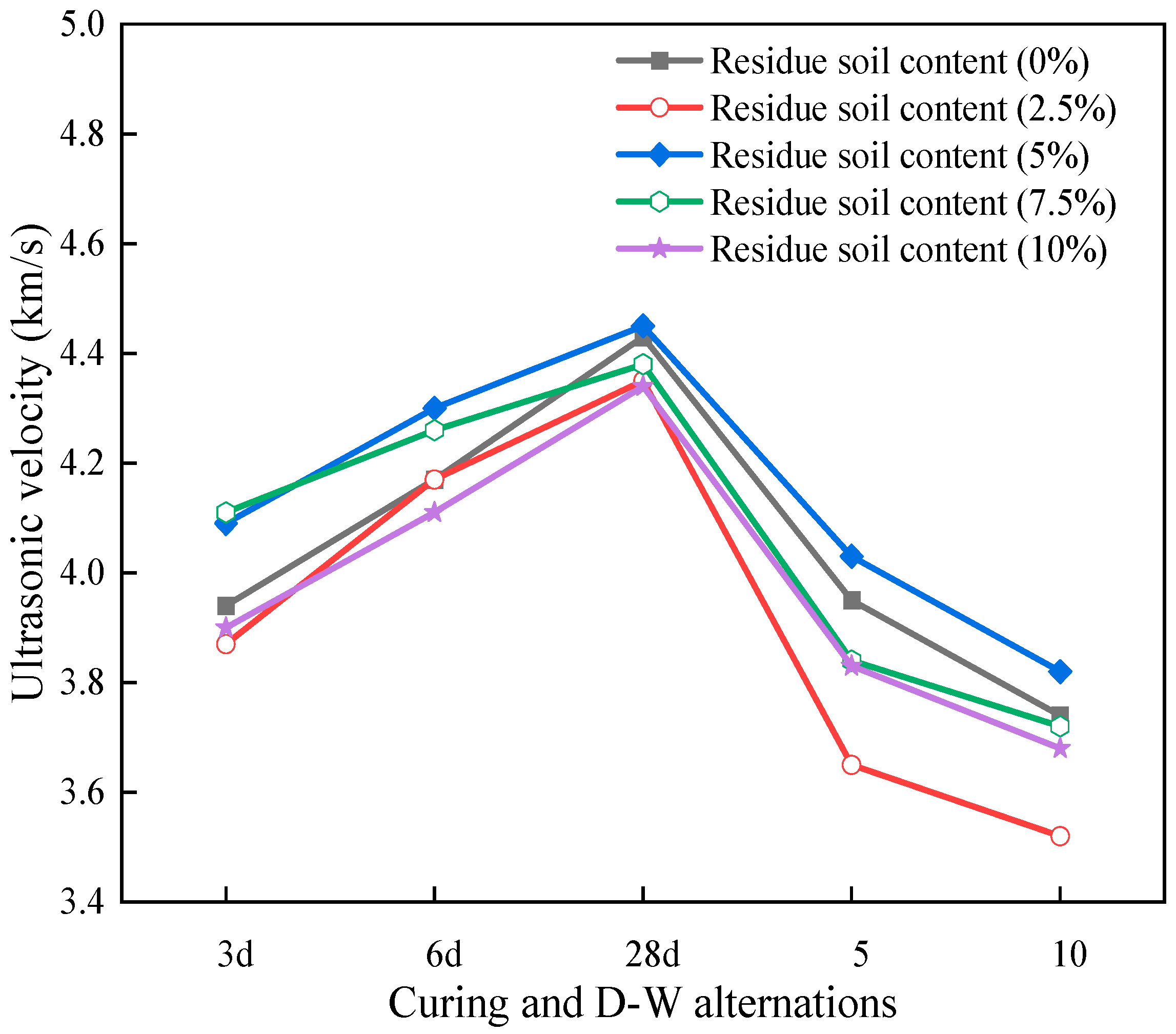
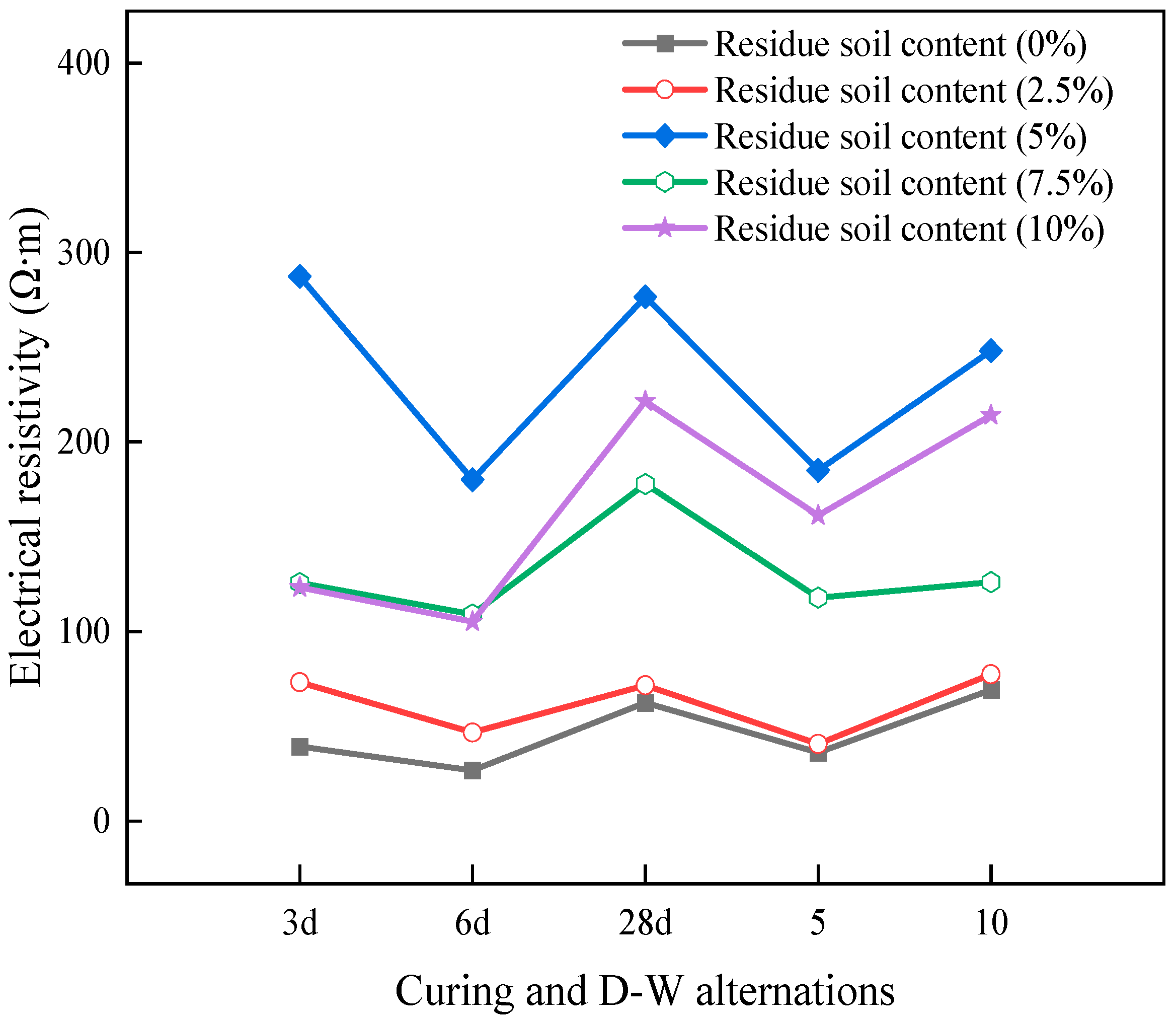
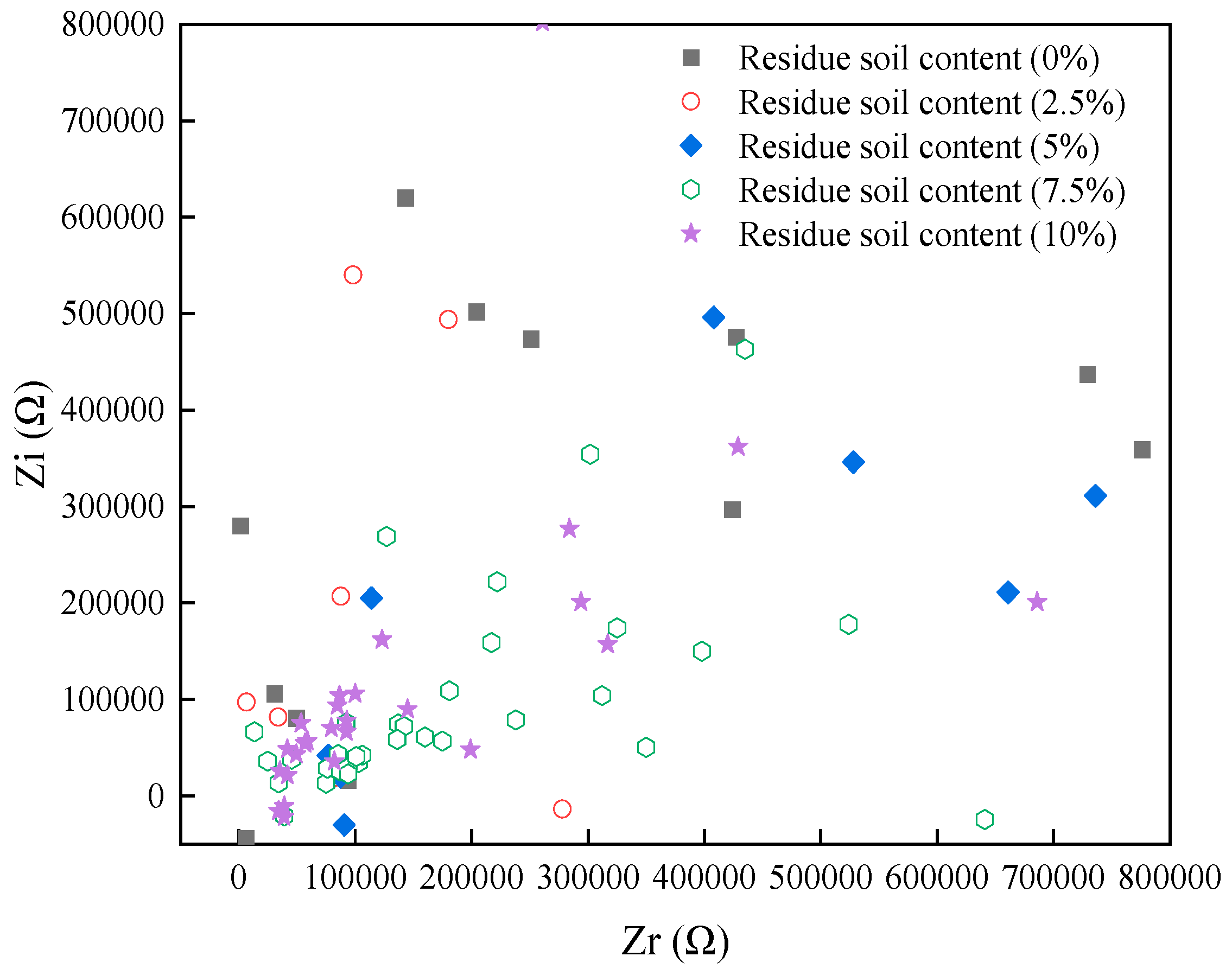
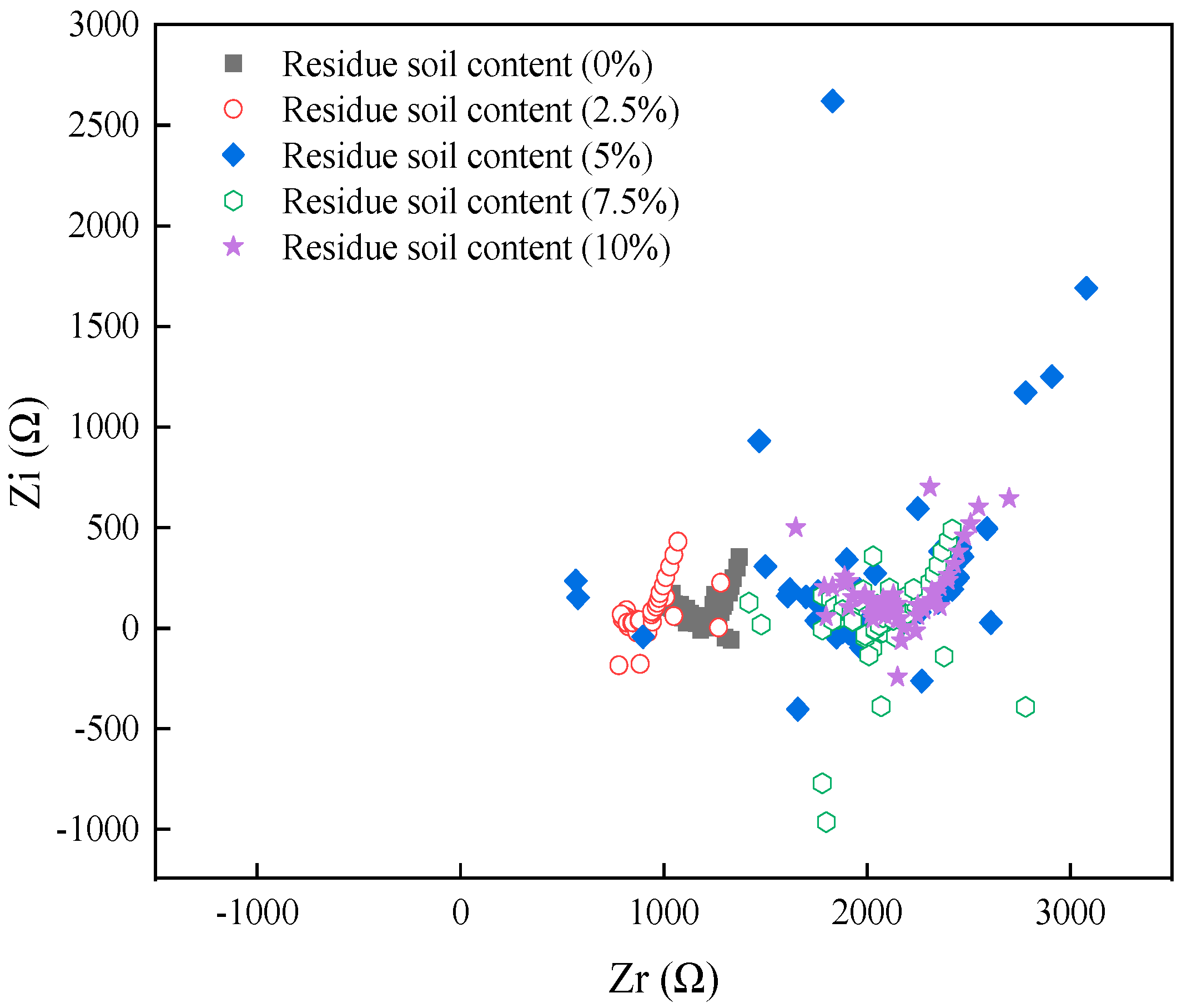
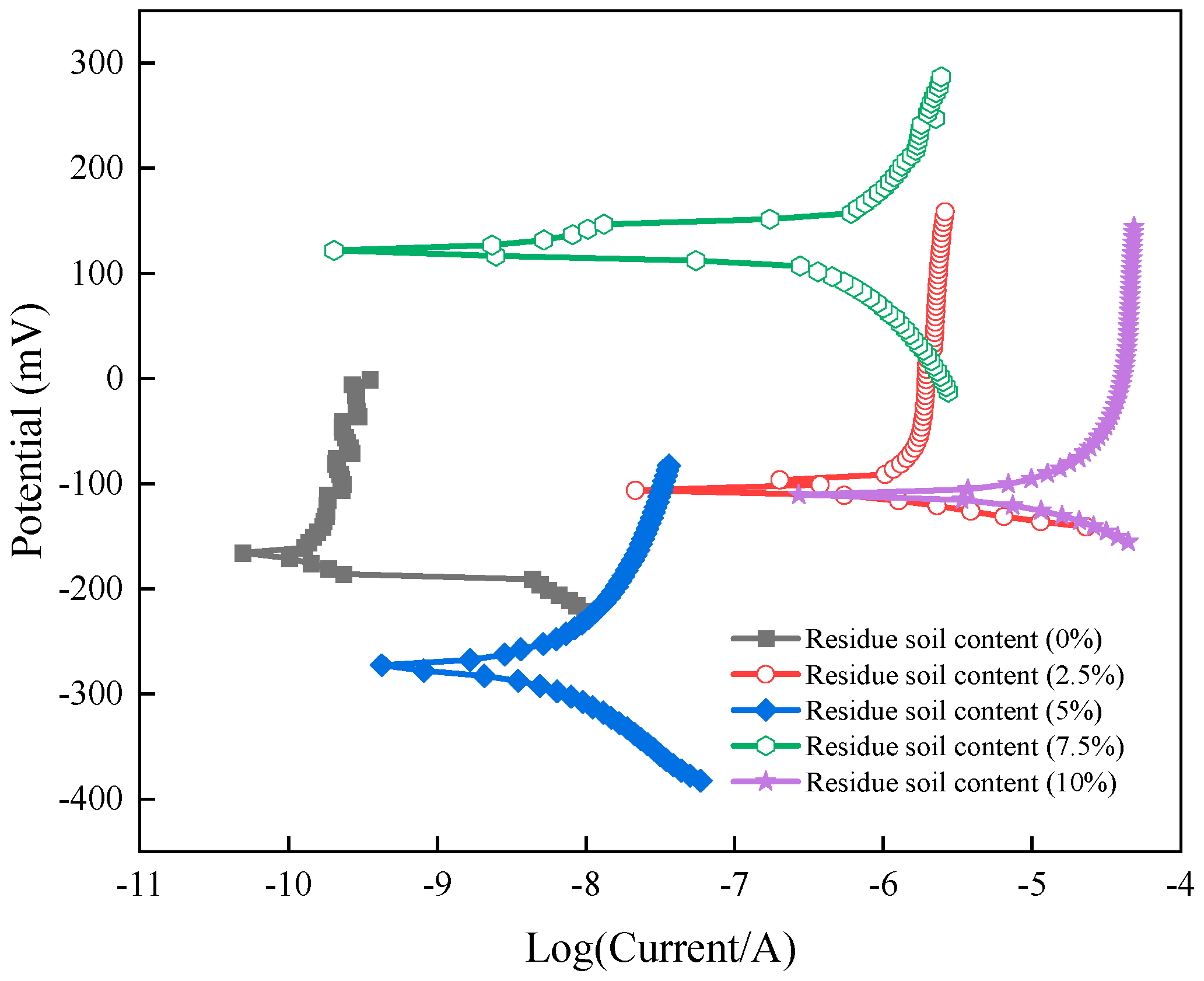
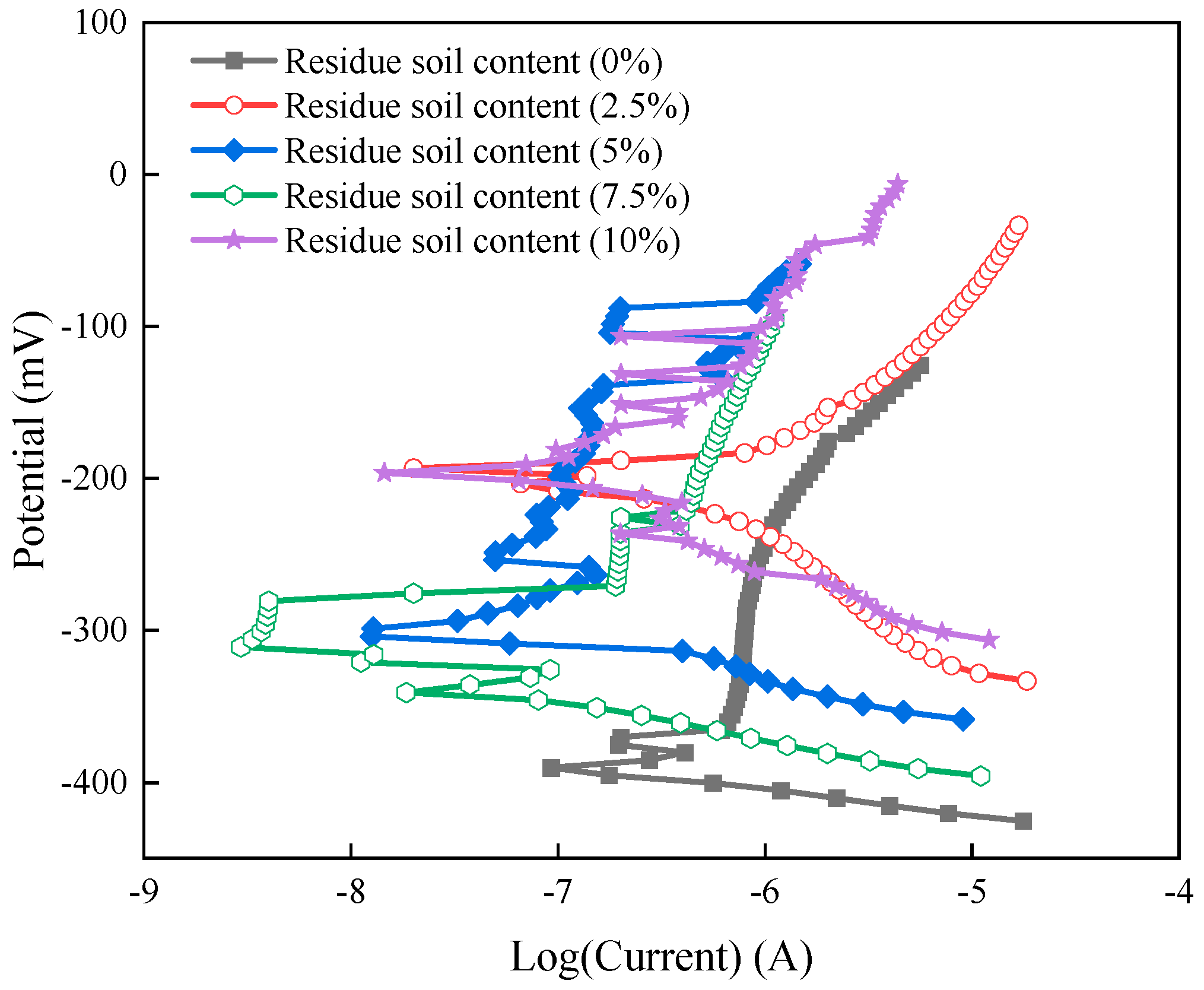
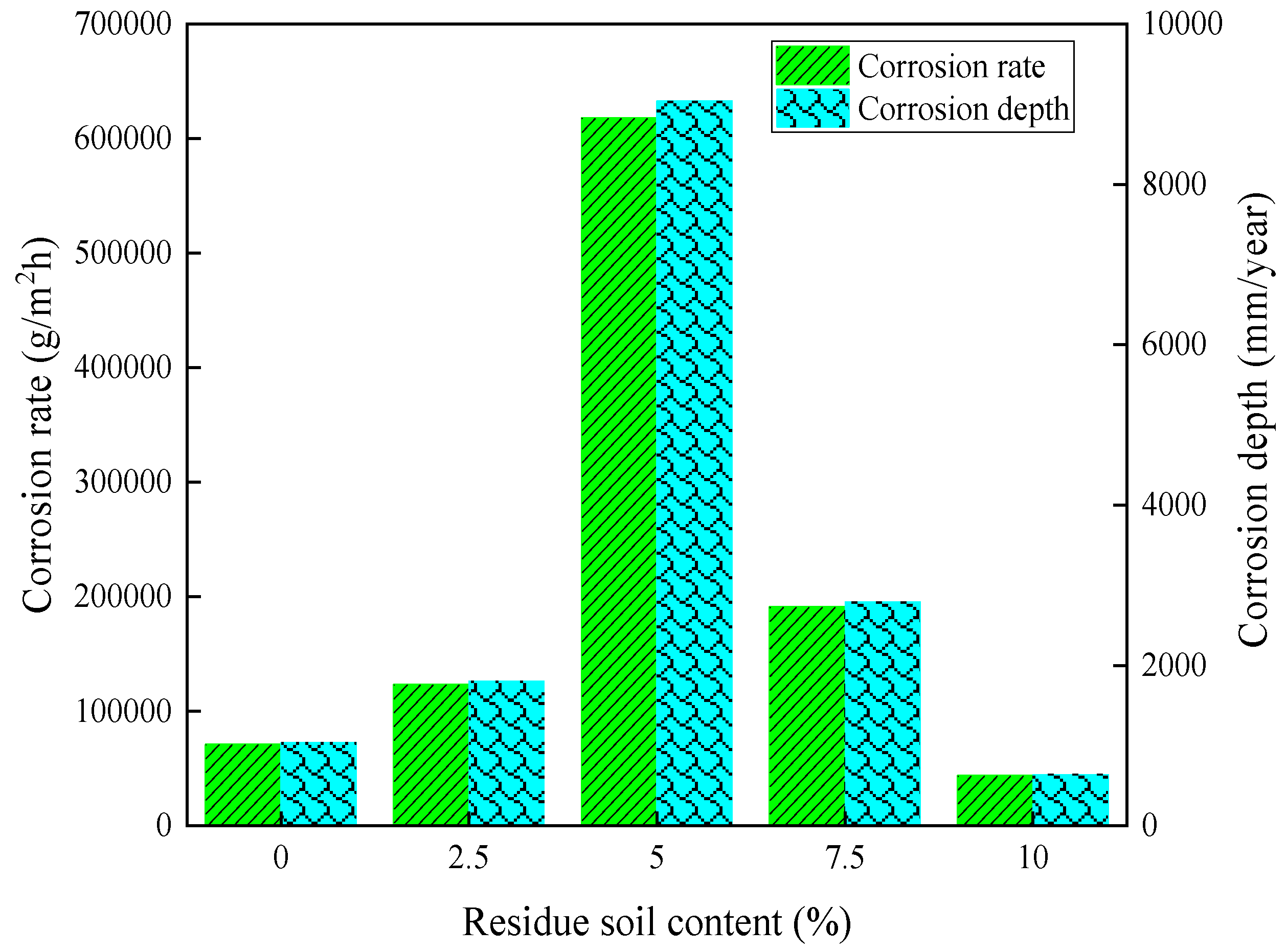
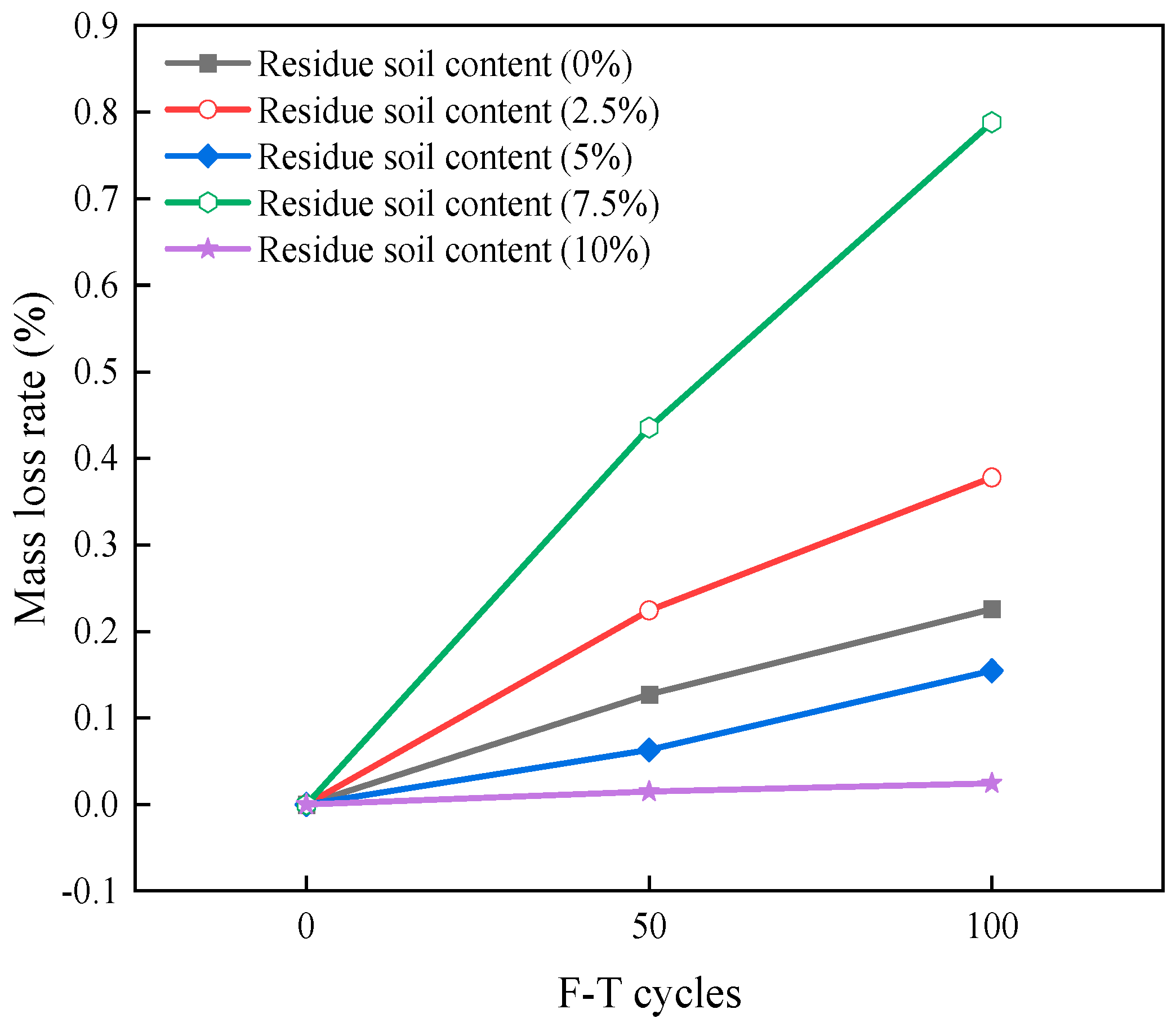
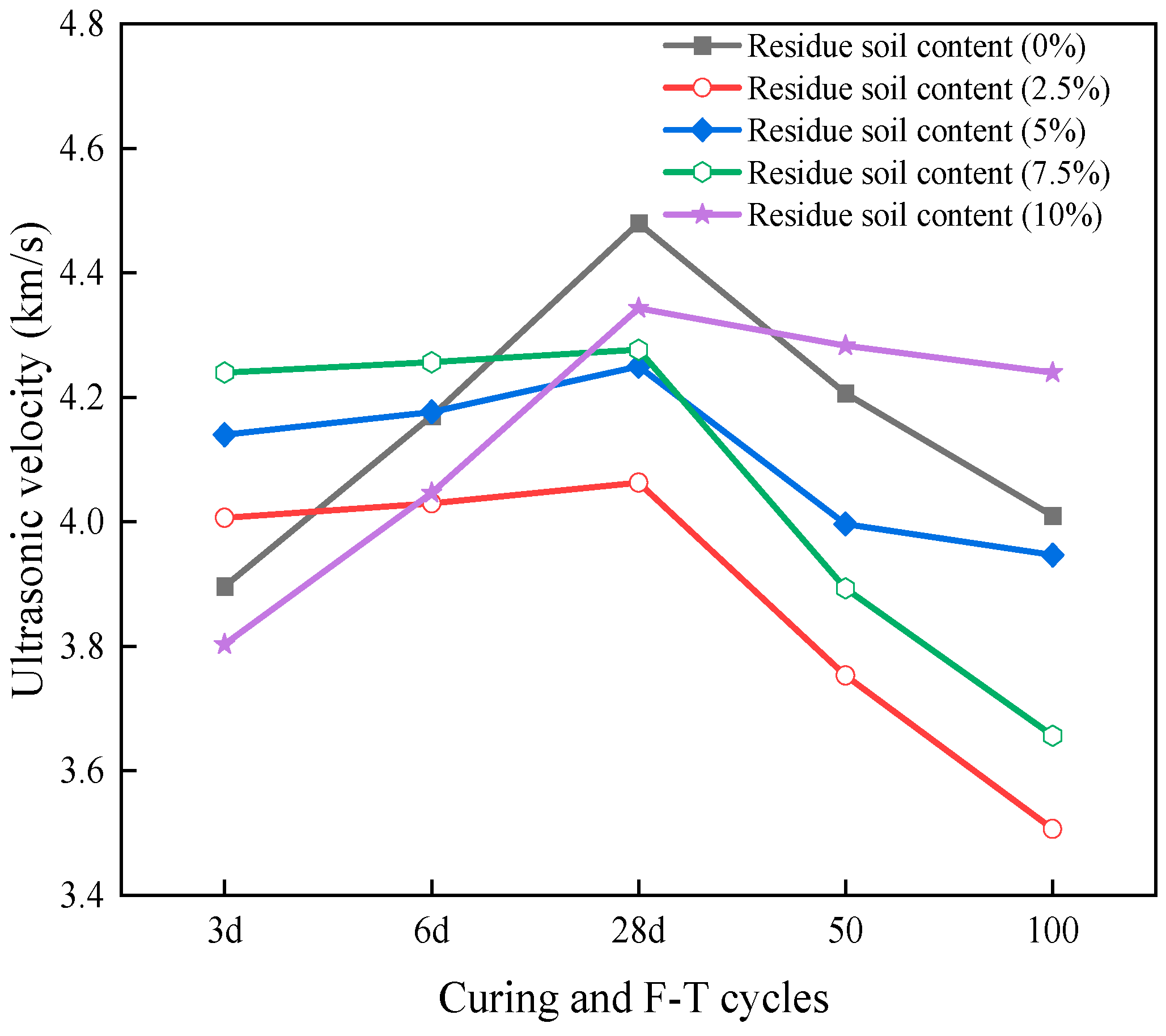
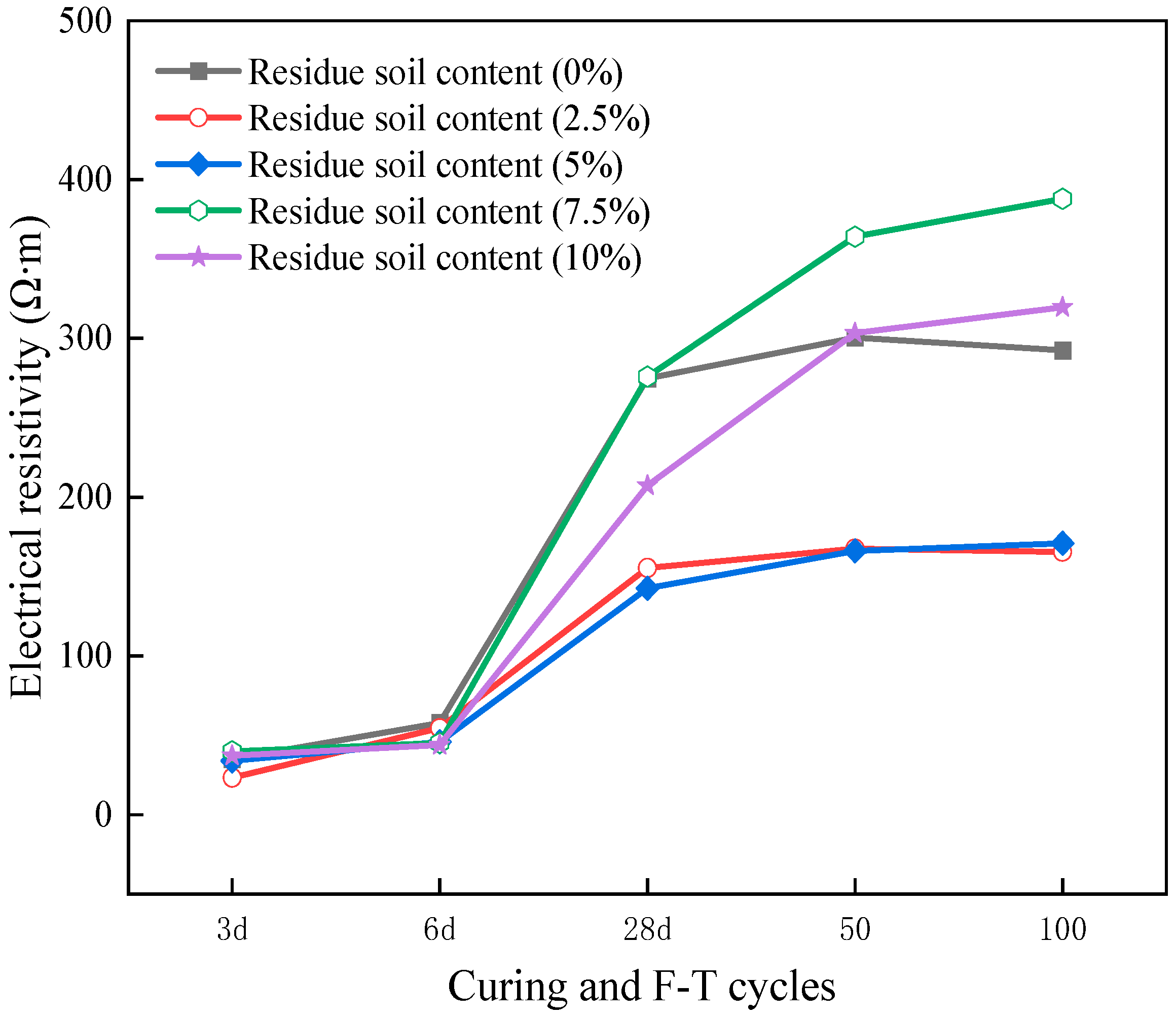
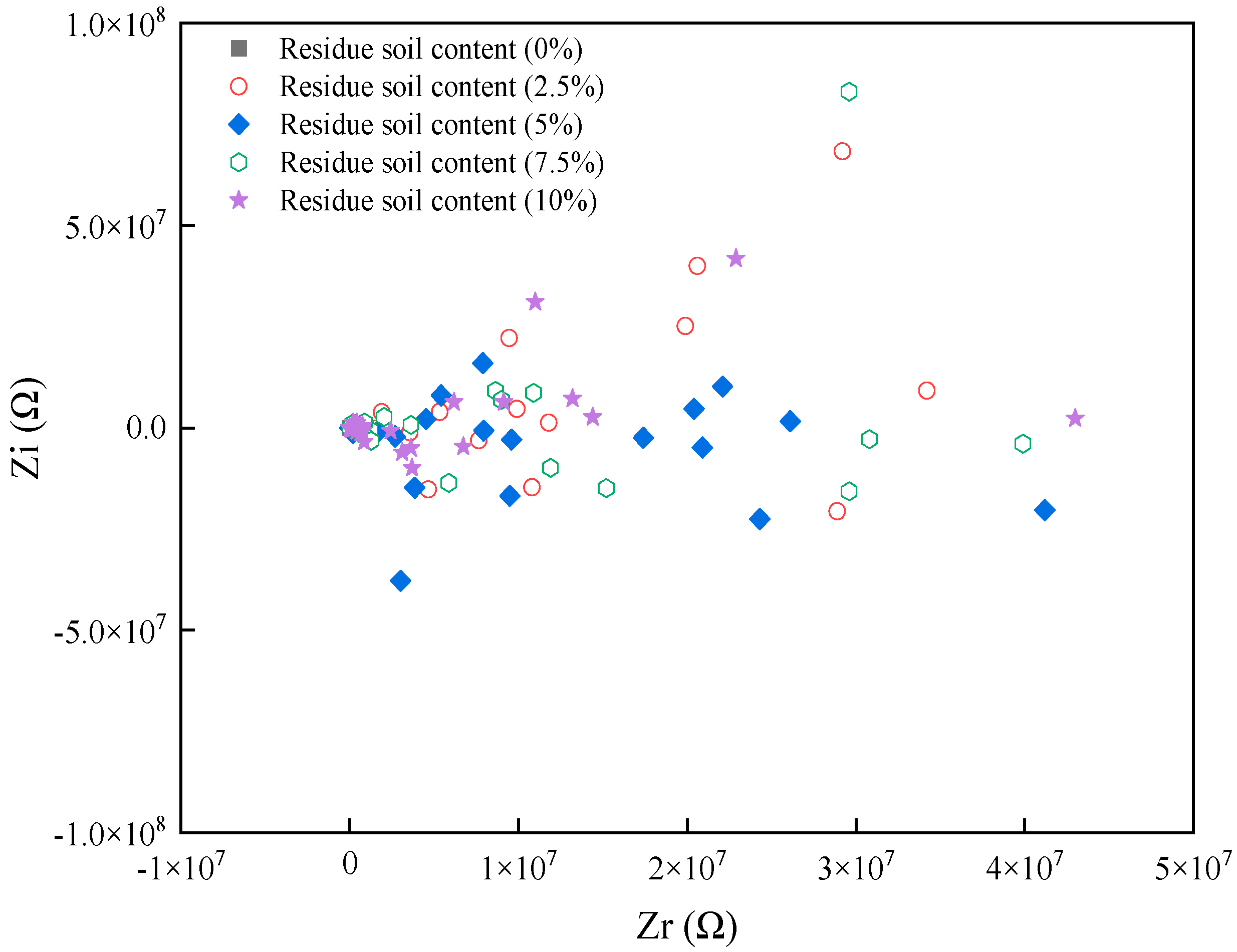
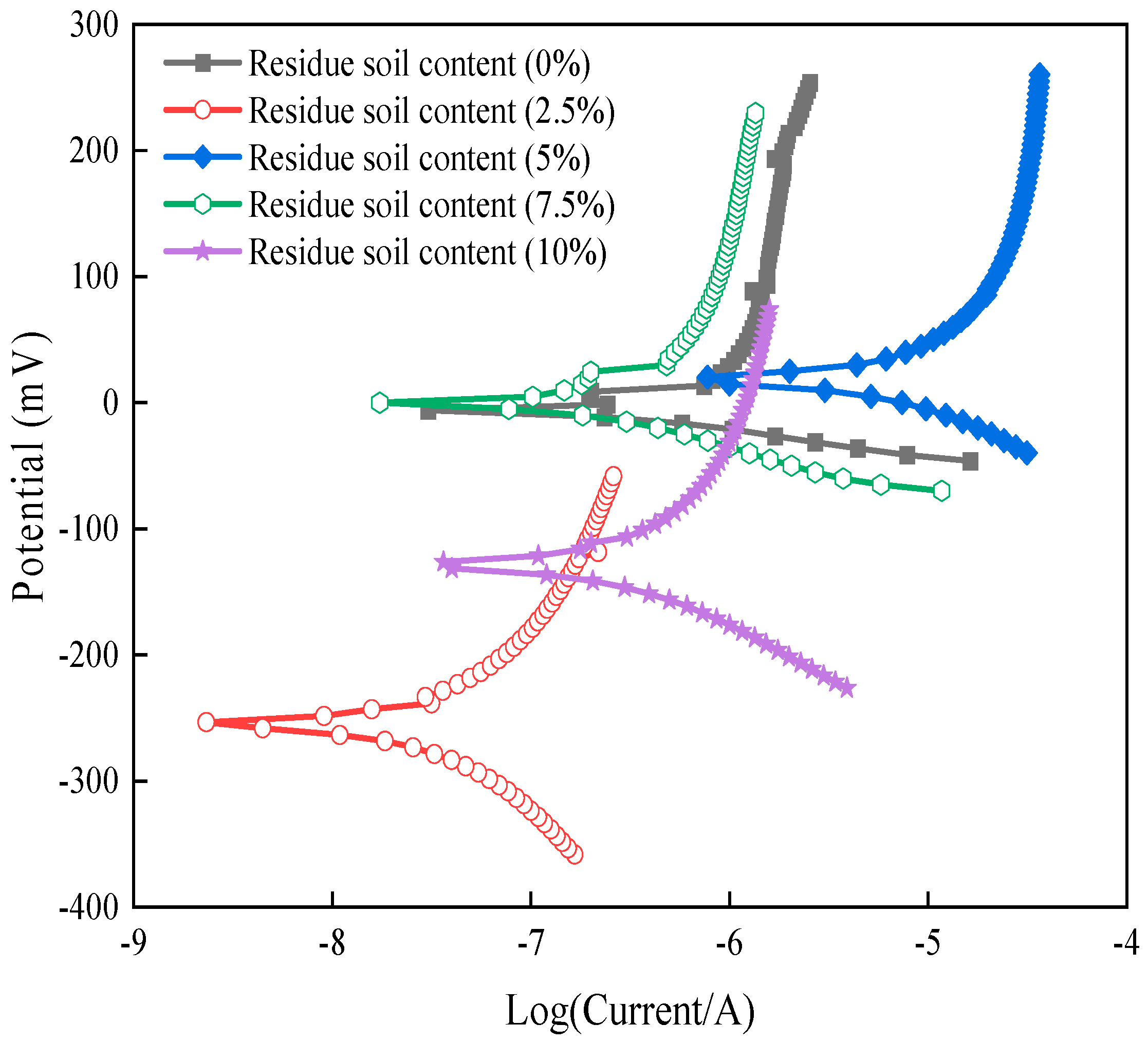
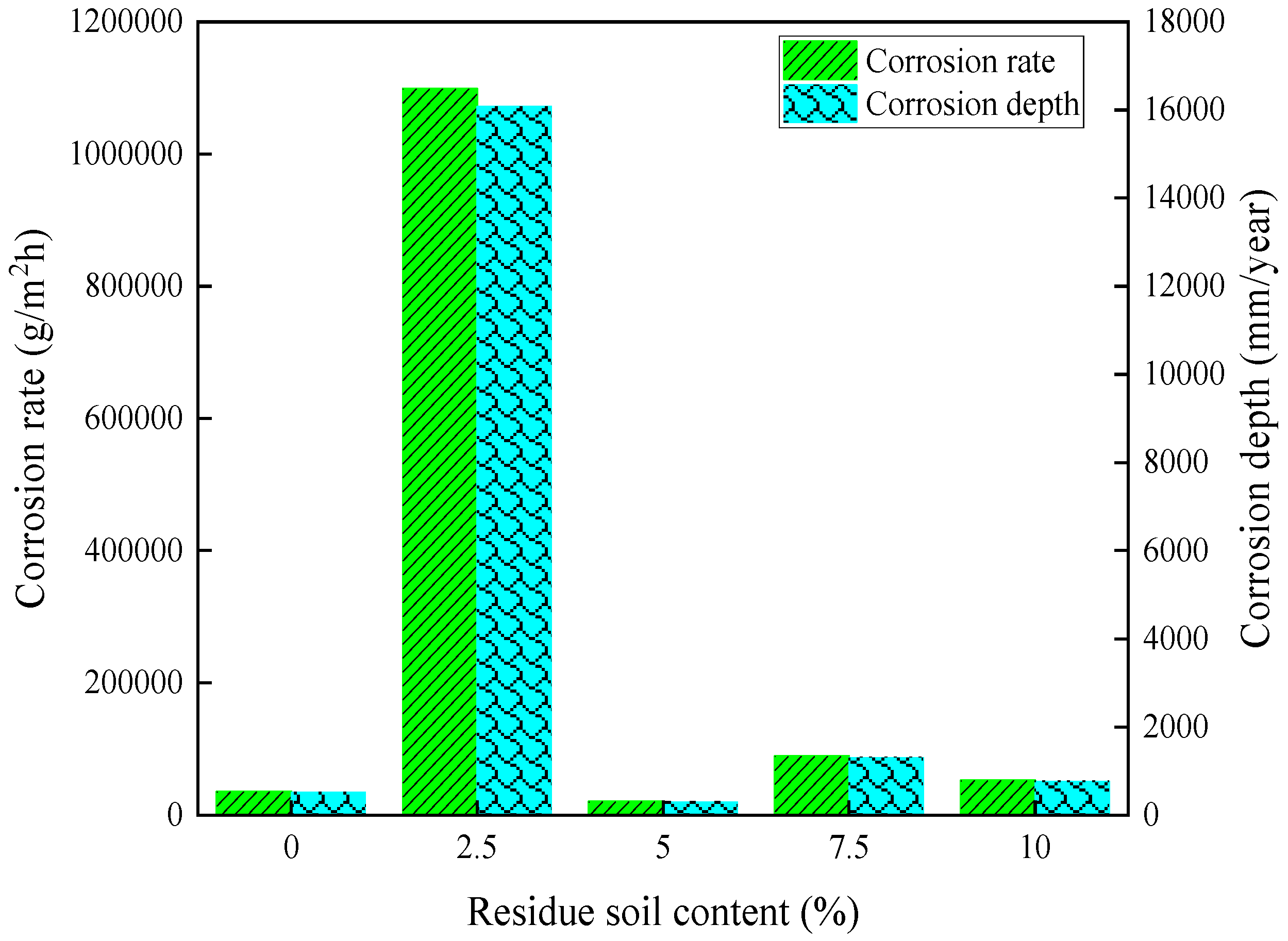
The accumulation of residue soil (generally composed of soil, residue, or mud consolidation) is one of the important causes of damage to the environment limiting urban development. At present, the recycling rate of residue soil in developed countries is as high as 90%, while in China it is less than 5%. In marine construction, reinforced concrete often suffers from corrosion, which leads to a decrease in the service life and durability of the structure. Reactive powder concrete (RPC) with high strength and good corrosion resistance can solve these problems. In order to efficiently dispose of residue soil, protect the environment, and promote urbanization development, this study uses residue soil as a raw material to replace some cement in RPC, and studies the corrosion resistance of it (under dry–wet alternations and freeze–thaw cycles). In this study, five types of reinforced RPC with different residue soil contents (0%, 2.5%, 5%, 7.5%, and 10%) are prepared. Firstly, the working performance of blank freshly mixed residue soil RPC slurry is analyzed. Then, the corrosion resistance of residue-soil-reinforced RPC under the dry–wet alternations with 3% NaCl and freeze–thaw cycles is analyzed through parameters such as mass loss rate, electrical resistivity, ultrasonic velocity, AC impedance spectroscopy, and Tafel. The results show that under the dry–wet alternations, when the residue soil content is 10%, the corrosion rate and corrosion depth of the residue-soil-reinforced RPC are the minimum, at 43,744.84 g/m2h and 640.22 mm/year, respectively. Under the freeze–thaw cycles, the corrosion rate and corrosion depth of the 10% residue soil content group are higher than that of the 5%, being 52,592.87 g/m2h and 769.71 mm/year, respectivley. Compared to the other groups, the reinforced RPC with 10% residue soil content shows good corrosion resistance in both dry–wet alternations and freeze–thaw cycles. Replacing some of the cement in RPC with residual soil to control the amount of residual soil at 10% of the total mass of RPC can effectively improve the corrosion resistance of residue-soil-reinforced RPC and maximize the consumption of residue soil. This plan provides a feasible method for residue soil treatment in the construction industry, while also providing inspiration for research on the corrosion resistance of concrete in marine buildings.
Keywords: residue soil; RPC; dry–wet alternations; freeze–thaw cycles; corrosion resistance residue soil; RPC; dry–wet alternations; freeze–thaw cycles; corrosion resistance