Article

Optimization of Multi-Track Laser-Cladding Process of Titanium Alloy Based on RSM and NSGA-II Algorithm
1
School of Mechanical Engineering, Shaanxi University of Technology, Hanzhong 723001, China
2
Shaanxi Provincial Key Laboratory of Industrial Automation, Shaanxi University of Technology, Hanzhong 723001, China
*
Author to whom correspondence should be addressed.
Coatings 2022, 12(9), 1301; https://doi.org/10.3390/coatings12091301

Submission received: 12 July 2022 / Revised: 19 August 2022 / Accepted: 26 August 2022 / Published: 5 September 2022

Abstract

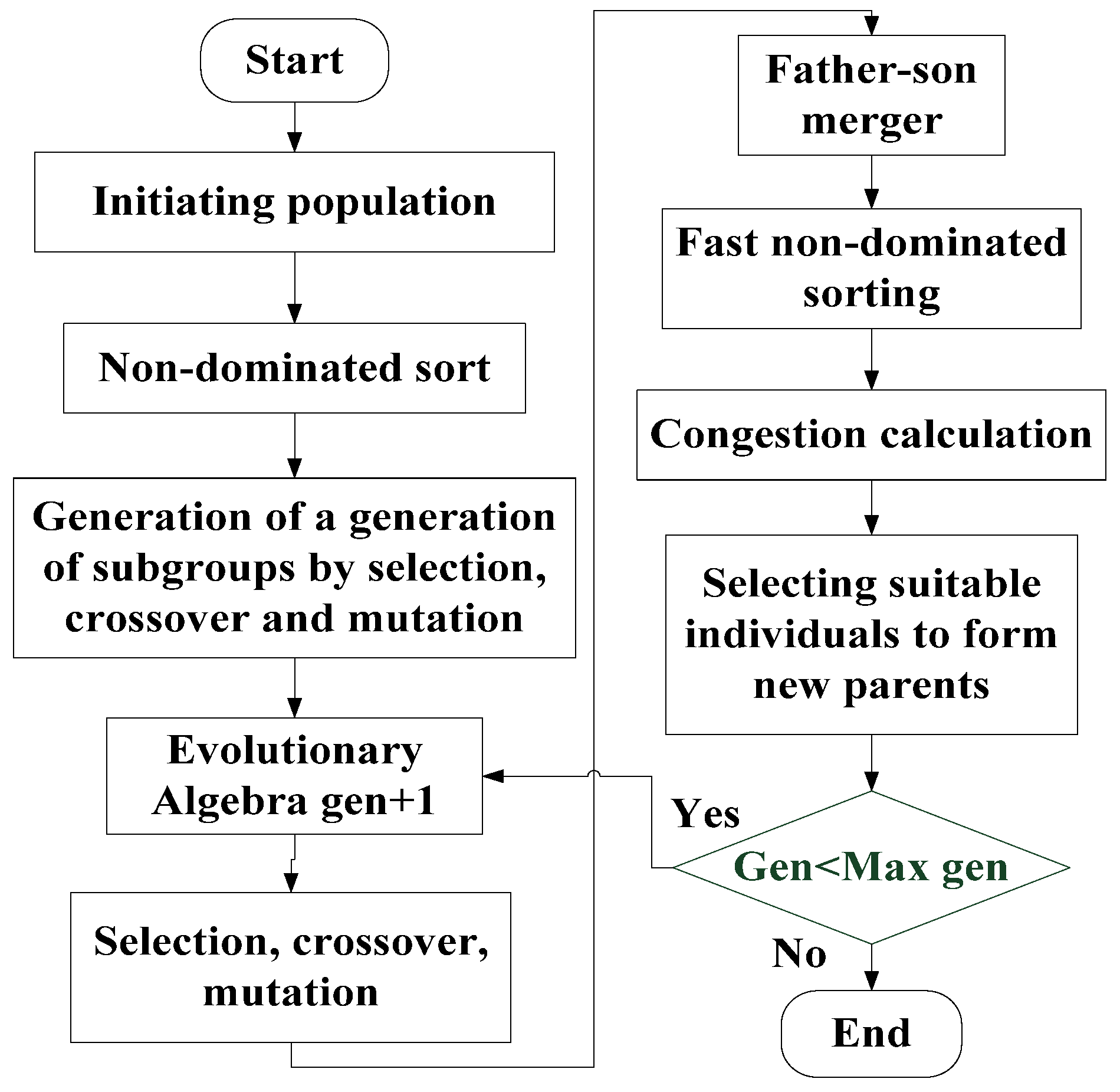
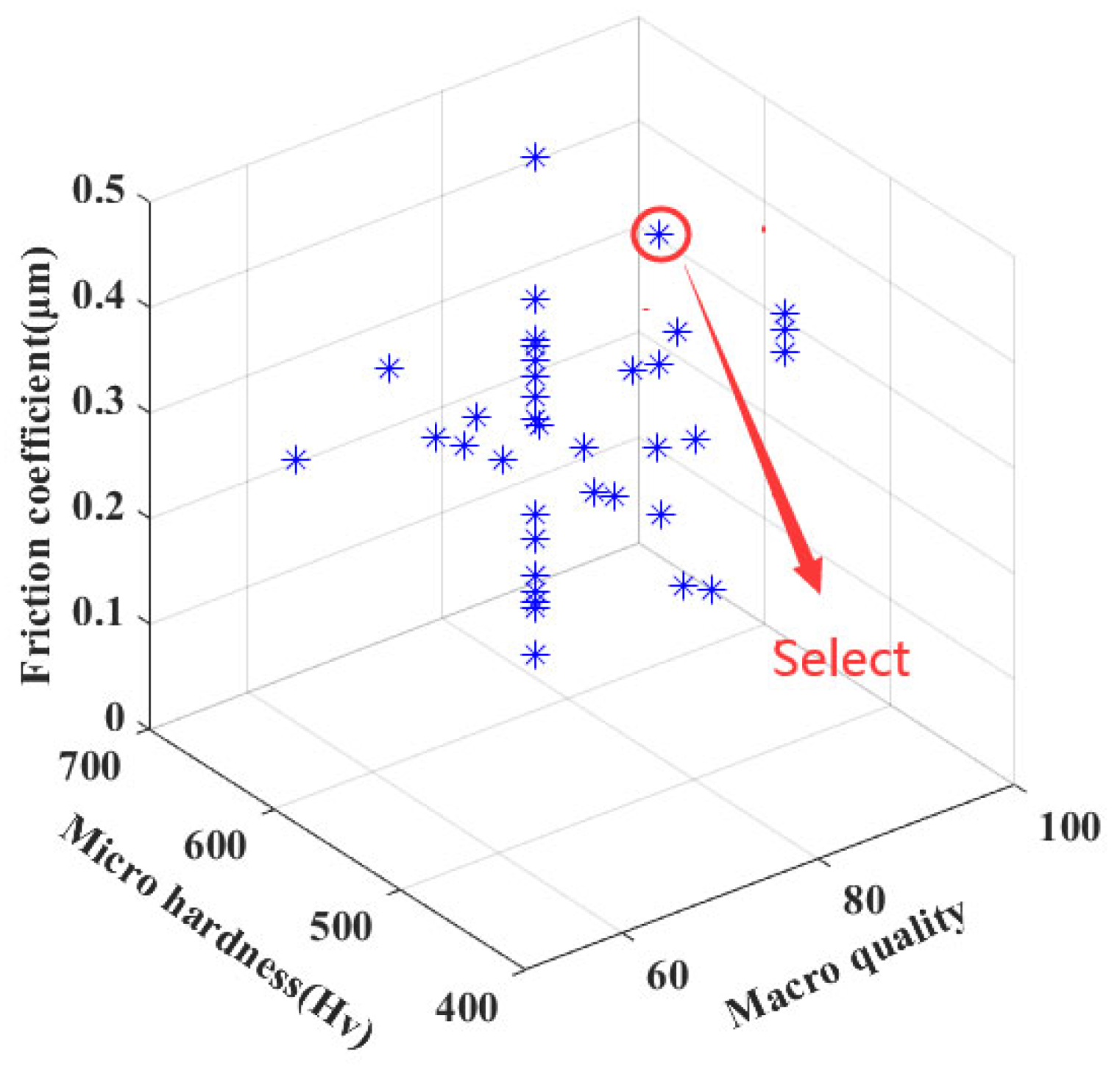
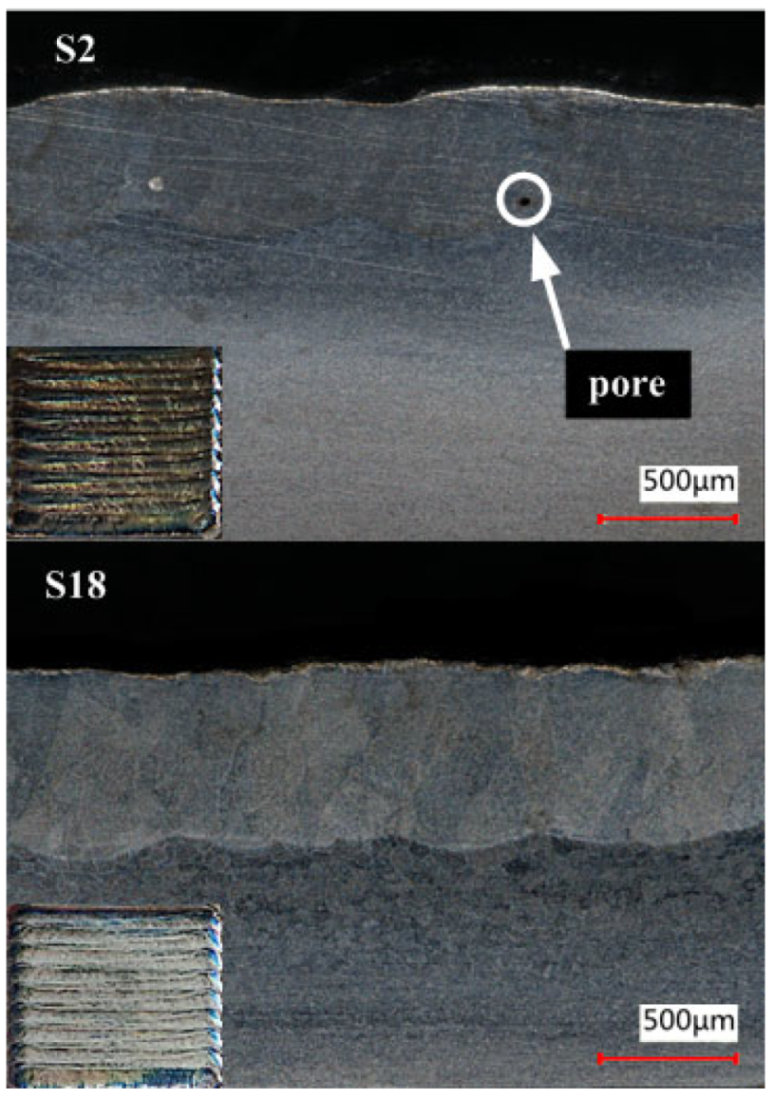
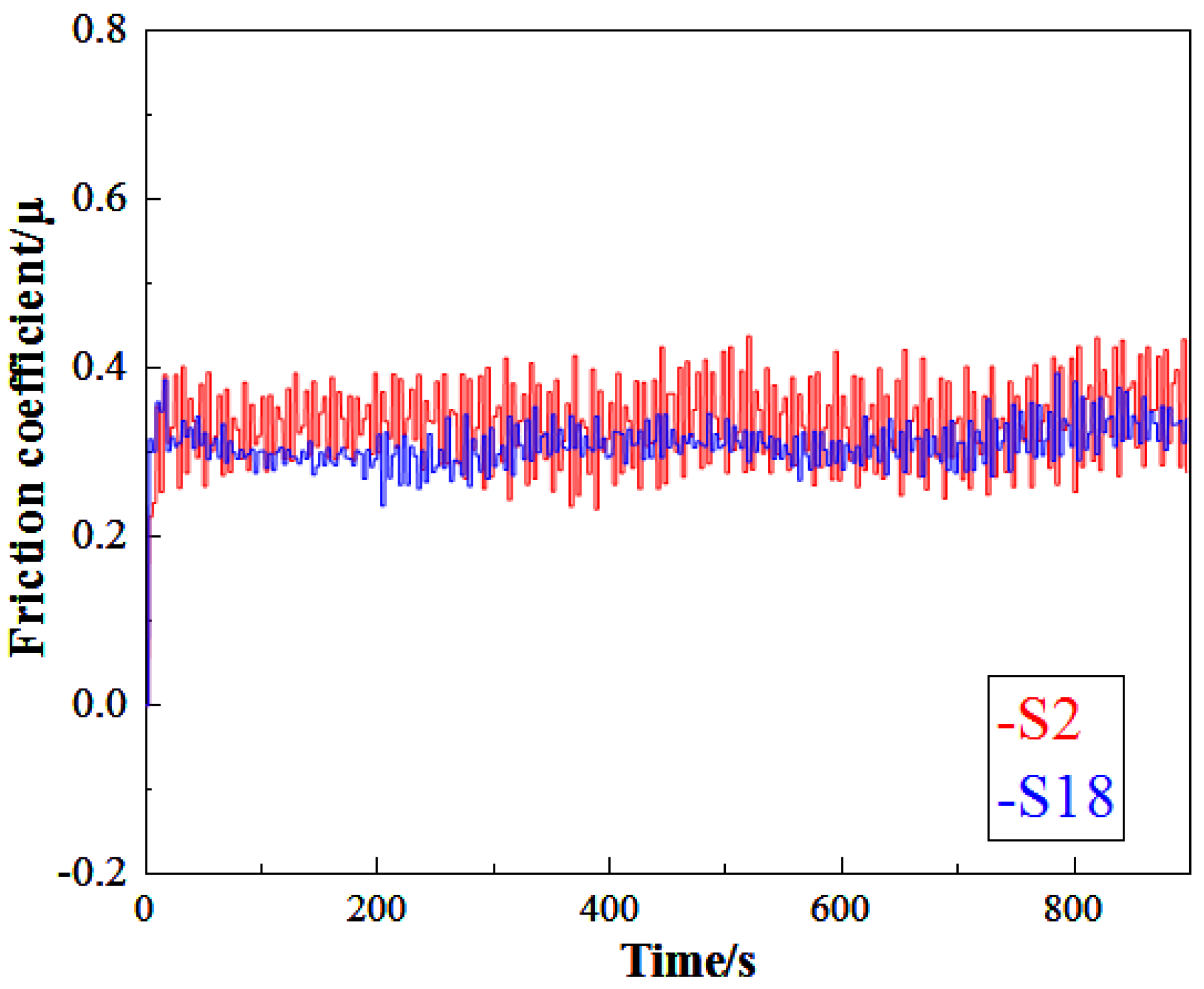
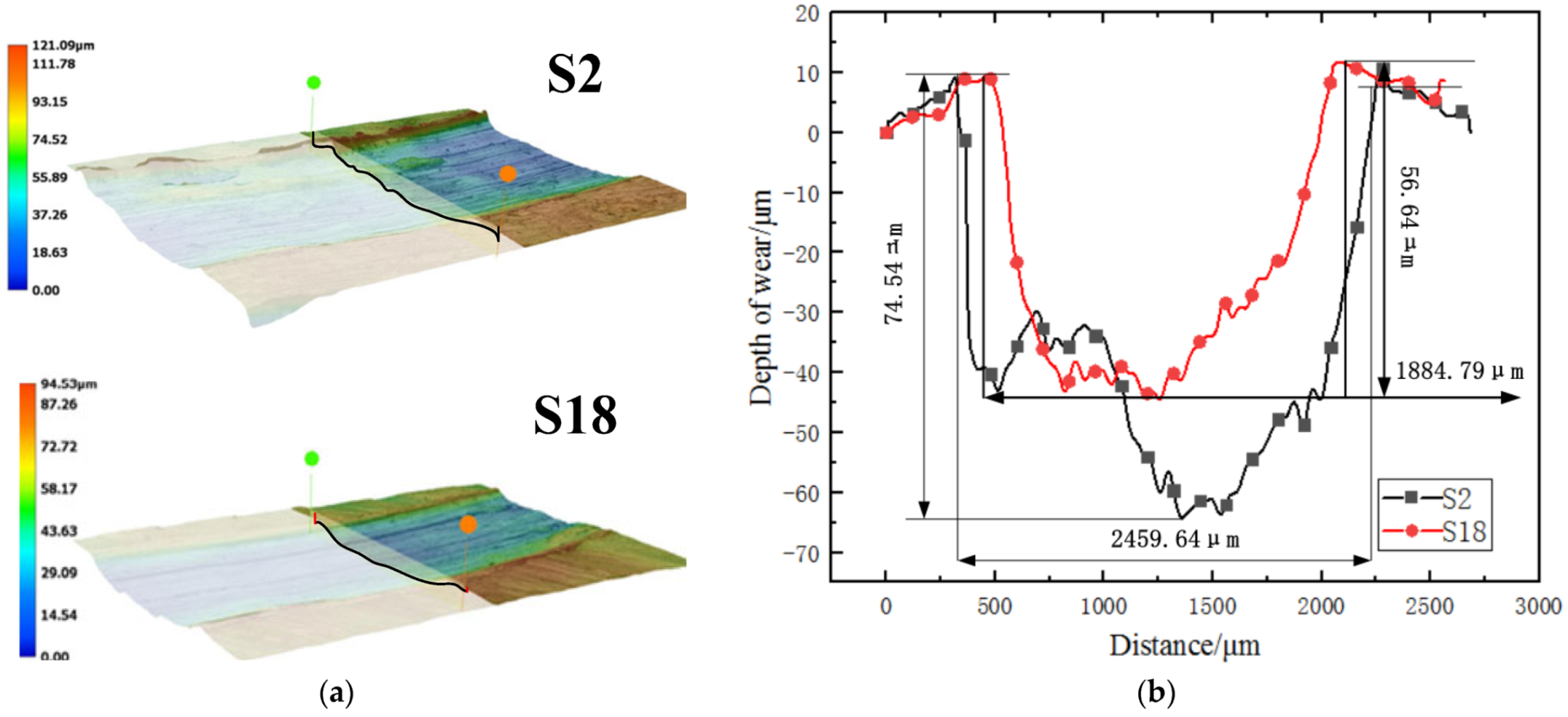
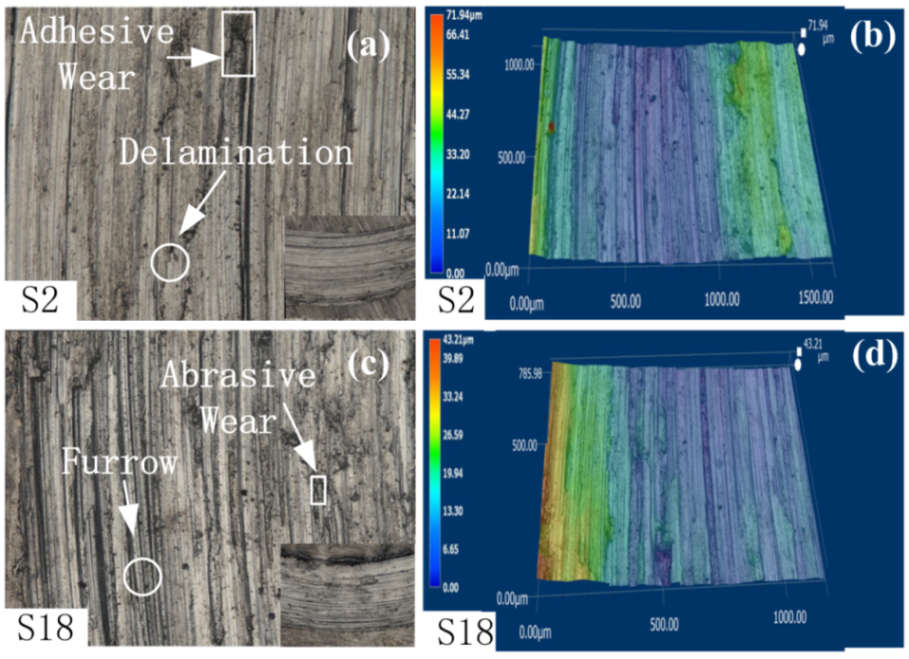
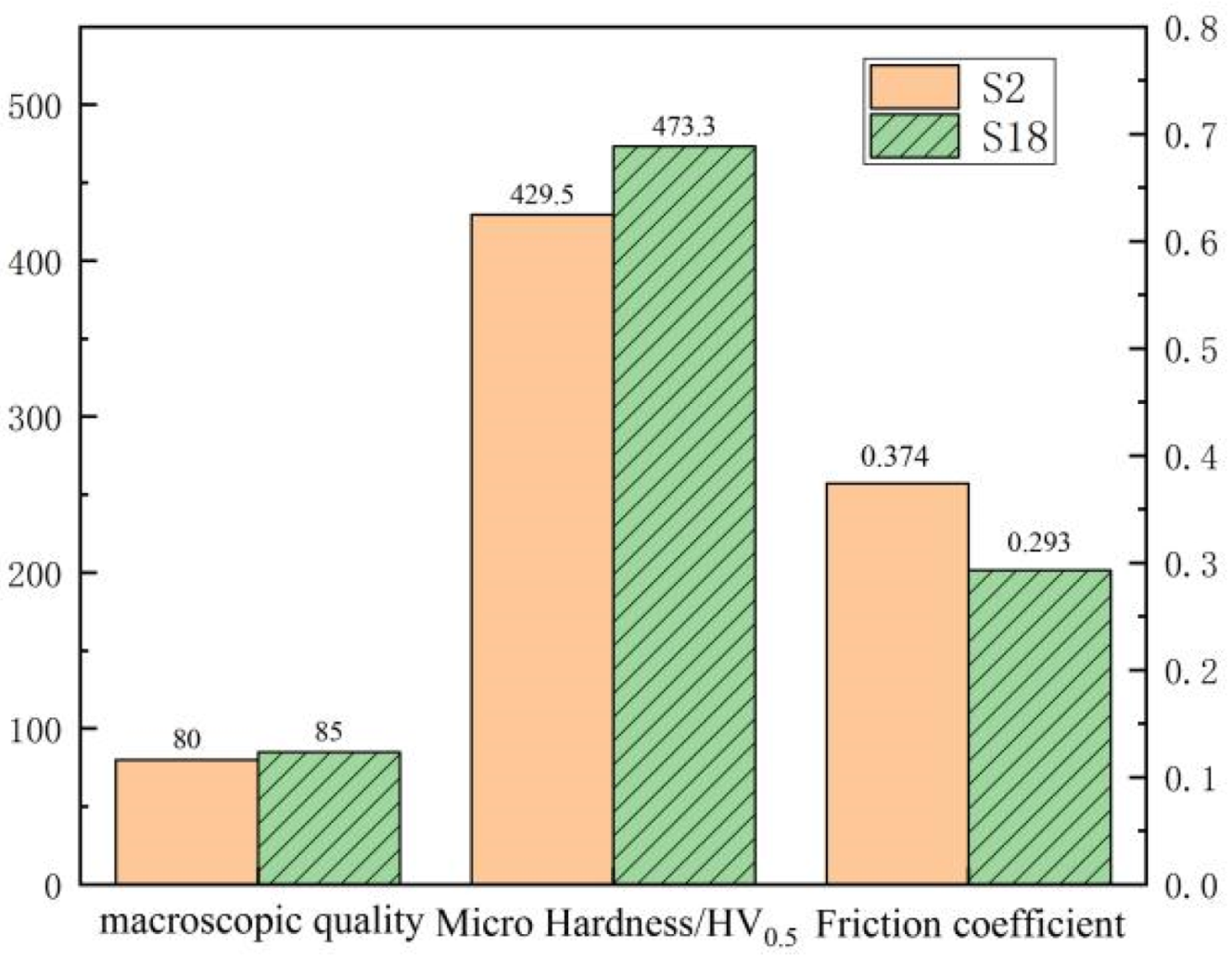
Titanium alloy is an important material in the 21st century and its consumption in the aerospace and energy fields is increasing. In the production and repair of titanium alloy, the problem of energy saving and consumption reduction is becoming increasingly important. Laser-cladding technology with optimized parameters can bring great economic benefit. In order to obtain the best process parameters of laser-cladding TC4 alloy powder, a method of laser-cladding parameters’ optimization based on the RSM and NSGA-II Algorithm is proposed. The BBD (Box–Behnken Design) experiment scheme was designed by the response surface method. A surrogate model between input variables (laser power, scanning speed, and powder-feeding speed) and response values (macroscopic quality, microhardness, and average friction coefficient) was established. The second generation non-dominant sorting genetic algorithm (NSGA-II) was used to optimize the process parameters and the optimization results were verified by experiments. The results show that the optimum parameters are a laser power of 2600 W, scanning speed of 19.1 mm/s, and powder-feeding rate of 12.2 g/min. The samples prepared with the best process parameters show mainly abrasive wear, accompanied by a small amount of adhesive wear. Its wear depth is 7.71 μm and the average friction coefficient is 0.293. After cladding, the macroscopic quality of the cladding layer is increased by 5.8%, the microhardness is increased by 10.1%, and the average friction coefficient is reduced by 27.6%.
Keywords: laser cladding; TC4 powder; response surface method; NSGA-II algorithm; multi-objective optimization laser cladding; TC4 powder; response surface method; NSGA-II algorithm; multi-objective optimization