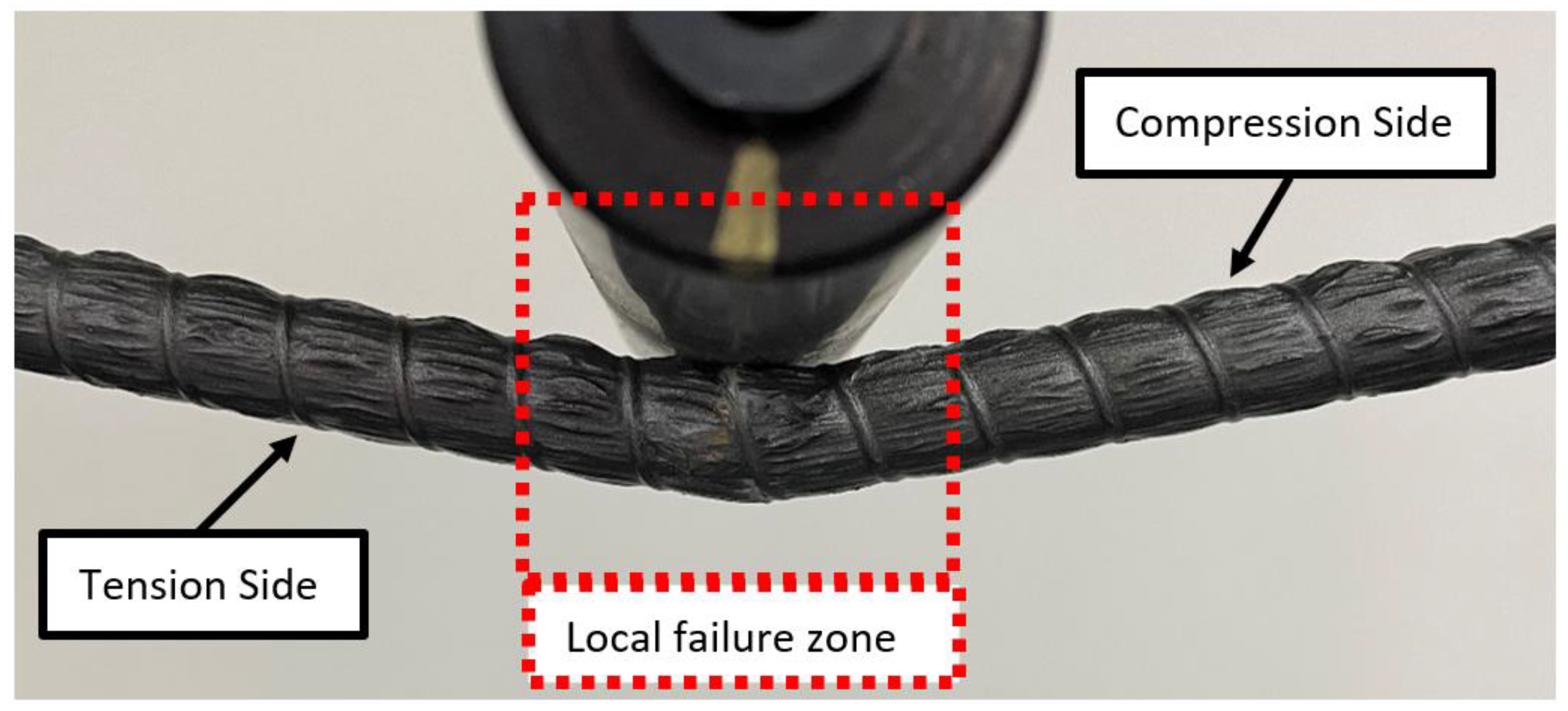
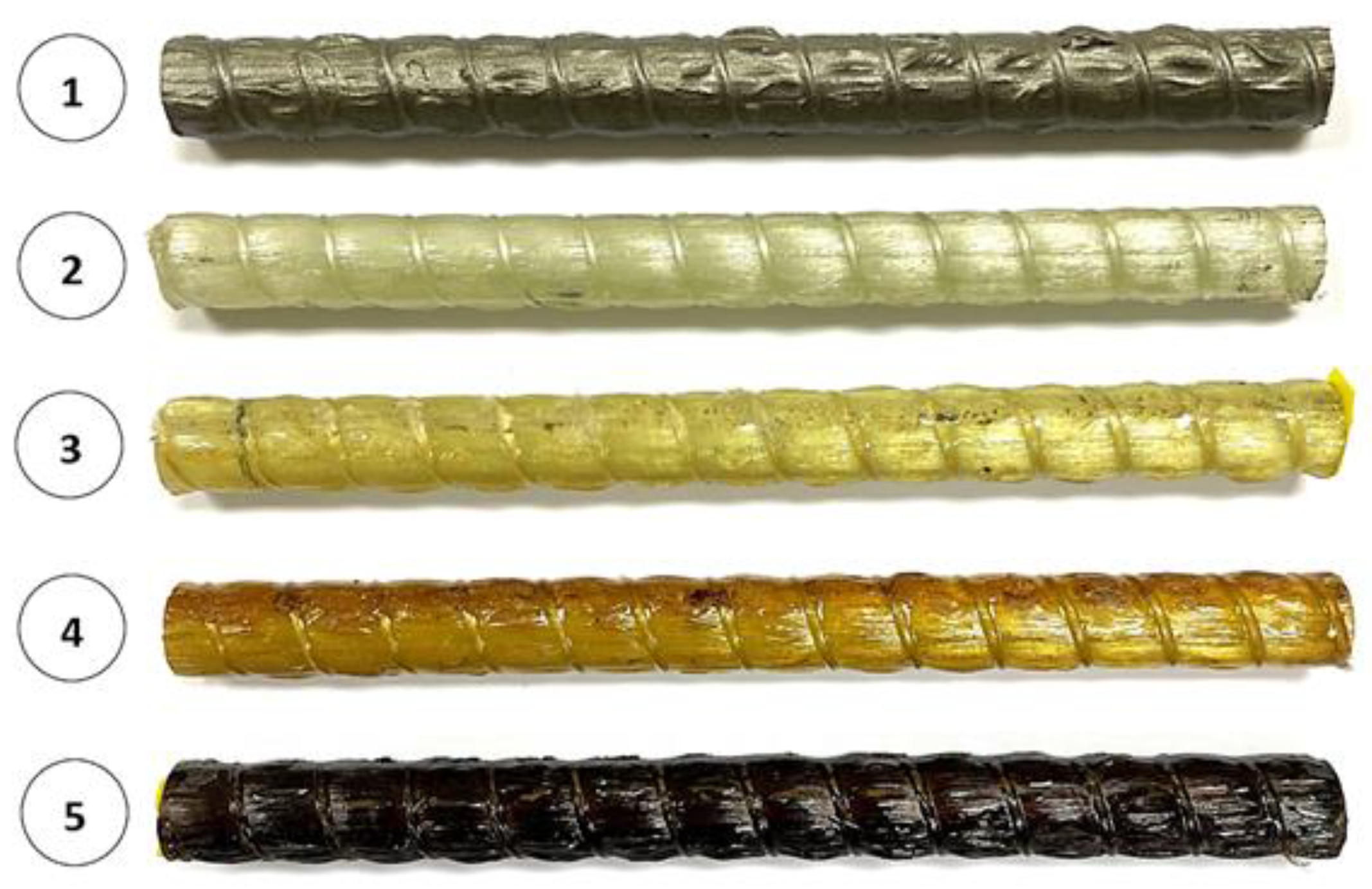
The Dynamic and Flexural Behavior of Coated GFRP Rebars after Exposure to Elevated Temperatures

Abstract
Share and Cite
Basha, M.; Moustafa, E.B.; Melaibari, A. The Dynamic and Flexural Behavior of Coated GFRP Rebars after Exposure to Elevated Temperatures. Coatings 2022, 12, 902. https://doi.org/10.3390/coatings12070902
Basha M, Moustafa EB, Melaibari A. The Dynamic and Flexural Behavior of Coated GFRP Rebars after Exposure to Elevated Temperatures. Coatings. 2022; 12(7):902. https://doi.org/10.3390/coatings12070902
Chicago/Turabian StyleBasha, Muhammad, Essam B. Moustafa, and Ammar Melaibari. 2022. "The Dynamic and Flexural Behavior of Coated GFRP Rebars after Exposure to Elevated Temperatures" Coatings 12, no. 7: 902. https://doi.org/10.3390/coatings12070902
APA StyleBasha, M., Moustafa, E. B., & Melaibari, A. (2022). The Dynamic and Flexural Behavior of Coated GFRP Rebars after Exposure to Elevated Temperatures. Coatings, 12(7), 902. https://doi.org/10.3390/coatings12070902