Article

Photocatalytic Inactivation of Bacillus subtilis Spores by Natural Sphalerite with Persulfate under Visible Light Irradiation
1
Guangzhou Key Laboratory of Environmental Catalysis and Pollution Control, Institute of Environmental Health and Pollution control, School of Environmental Science and Engineering, Guangdong University of Technology, Guangzhou 510060, China
2
College of Materials Science and Engineering, Shenzhen University, Shenzhen 518000, China
*
Author to whom correspondence should be addressed.
Coatings 2022, 12(4), 528; https://doi.org/10.3390/coatings12040528

Submission received: 27 March 2022 / Revised: 11 April 2022 / Accepted: 11 April 2022 / Published: 13 April 2022
(This article belongs to the Special Issue Designs, Preparations and Applications of Catalyst Materials)

Abstract

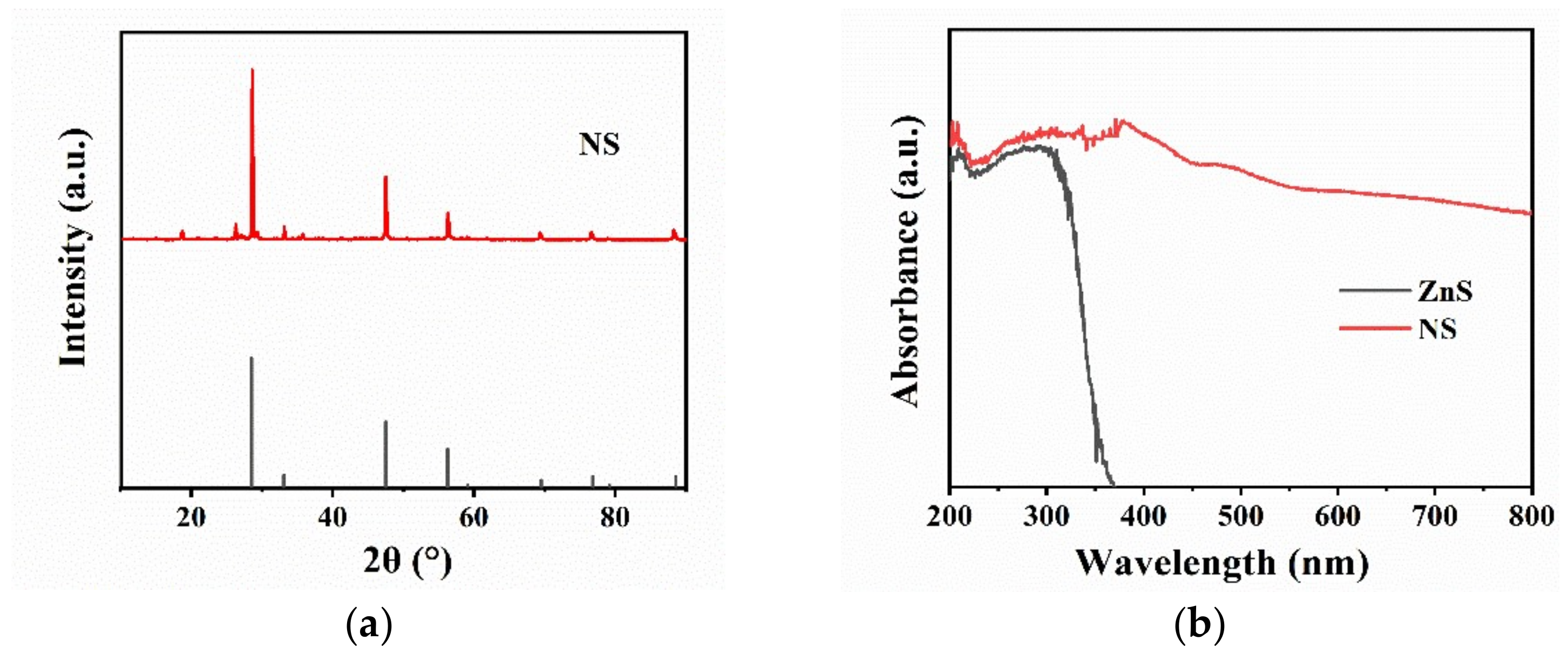
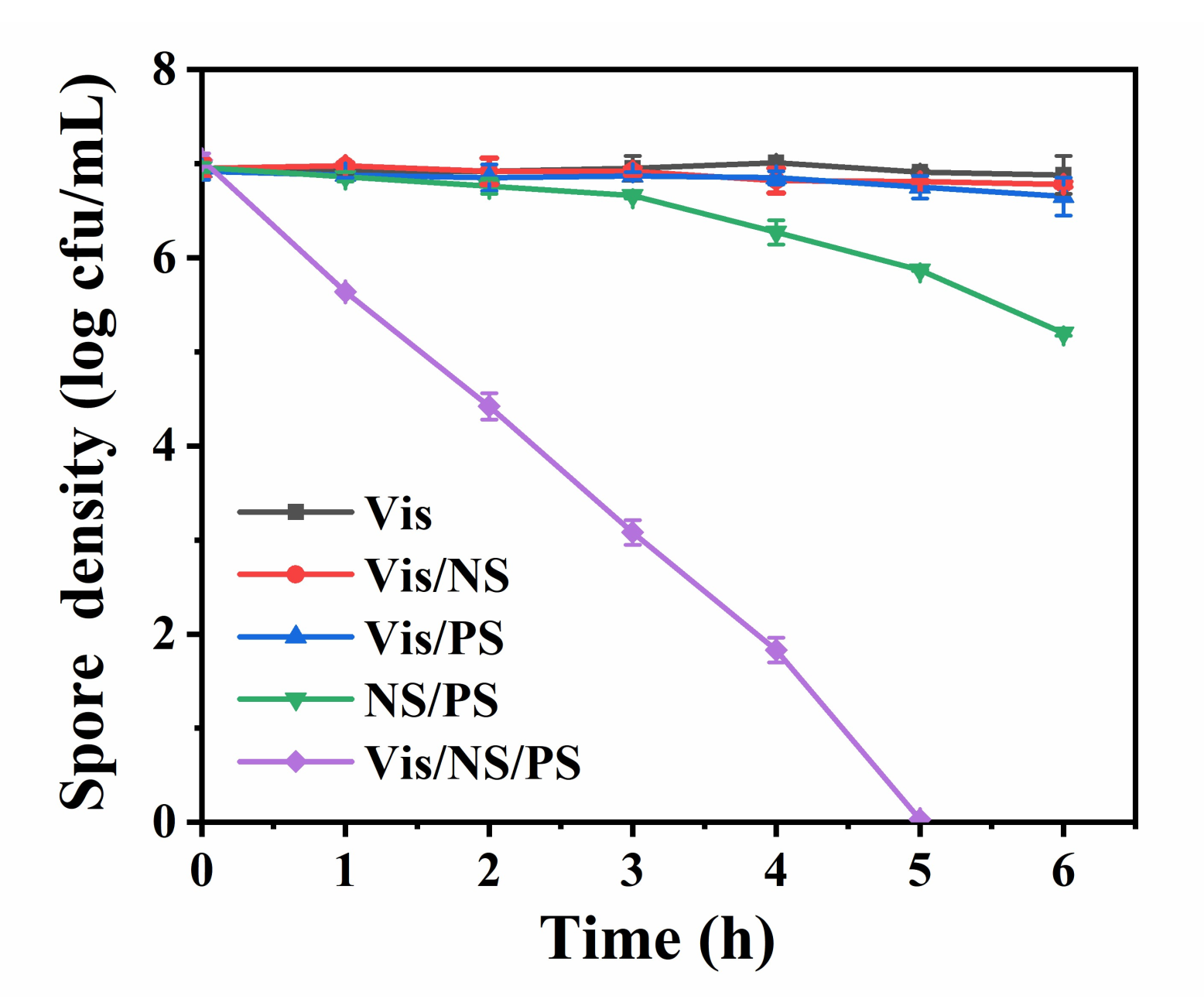
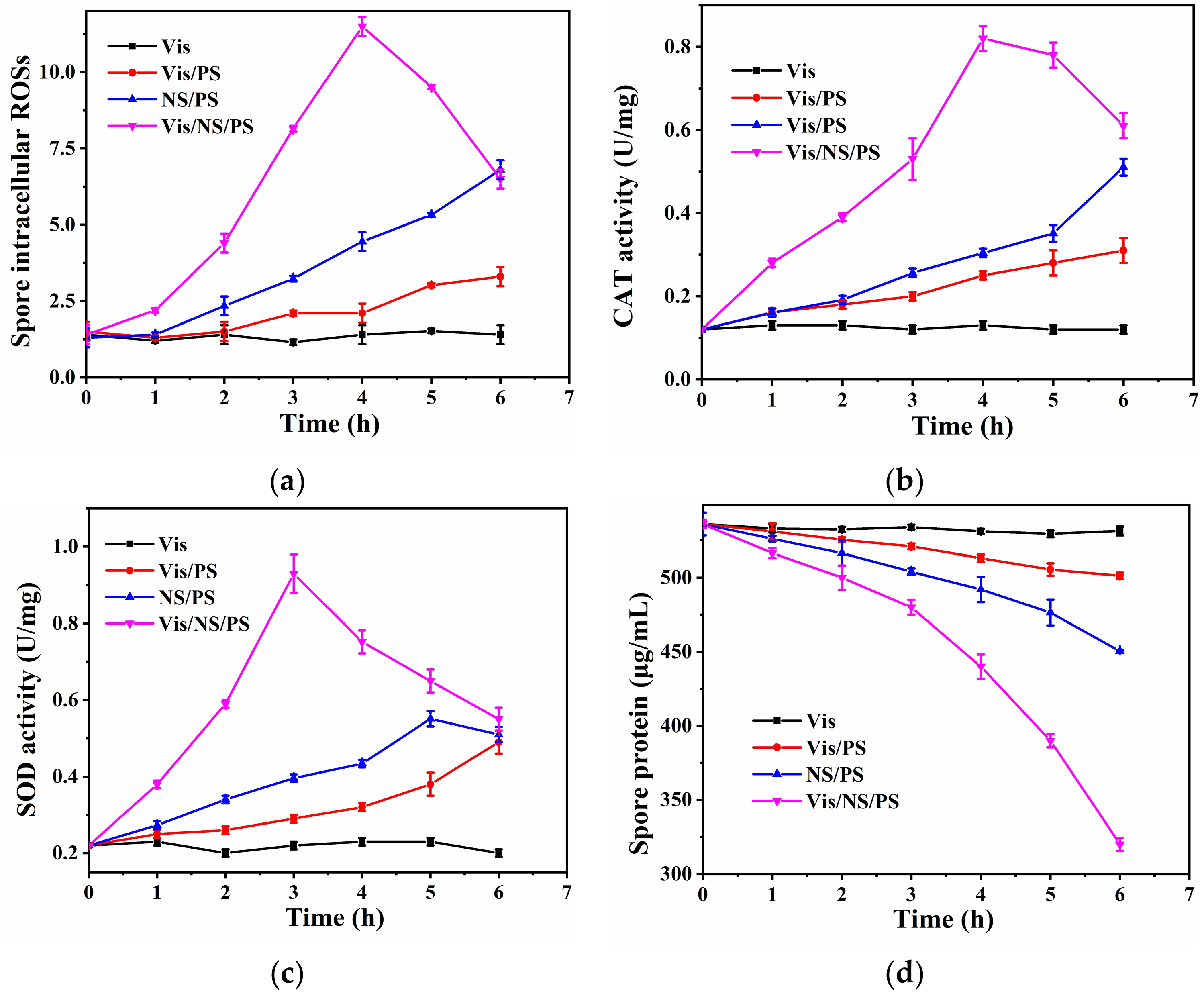
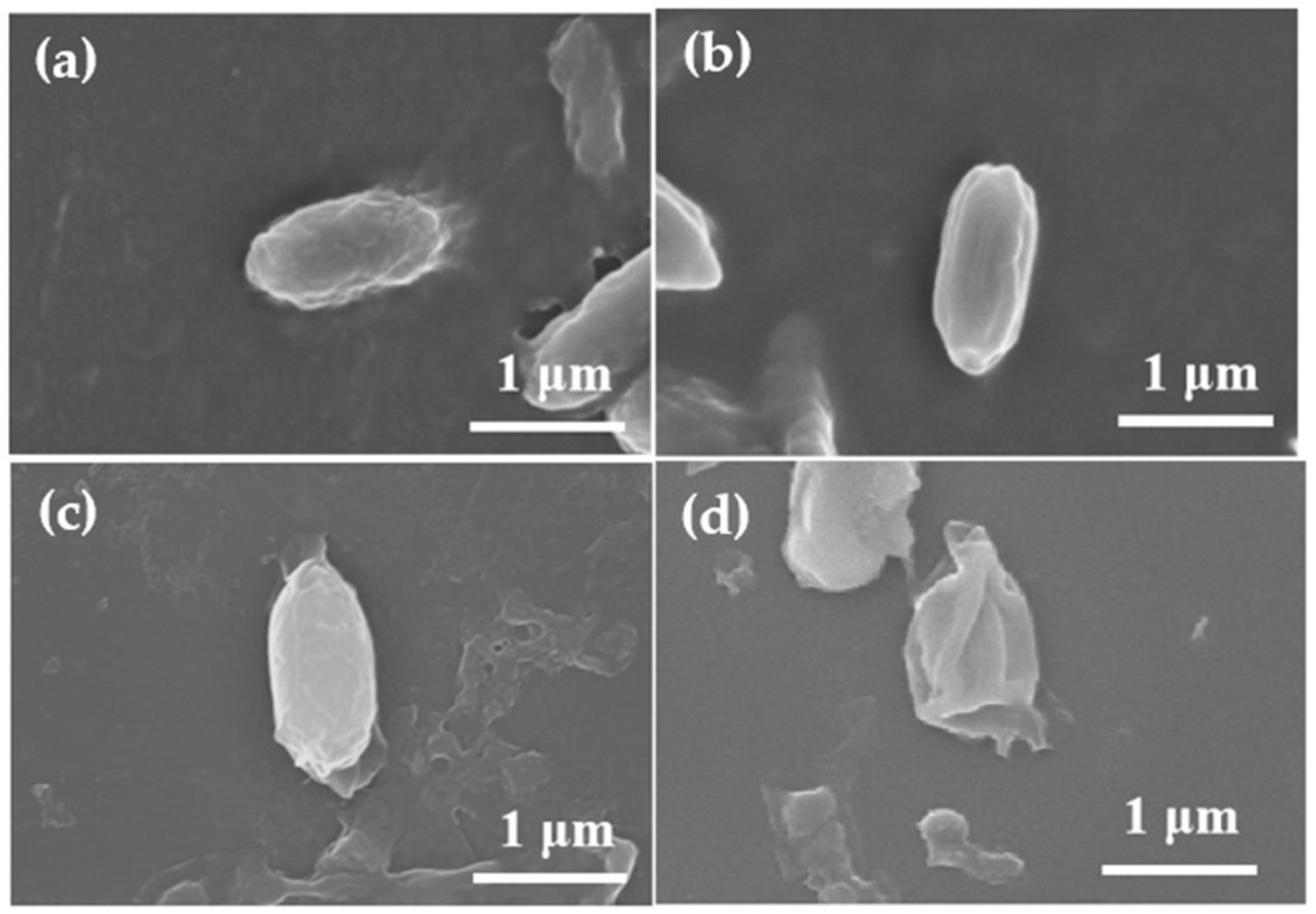
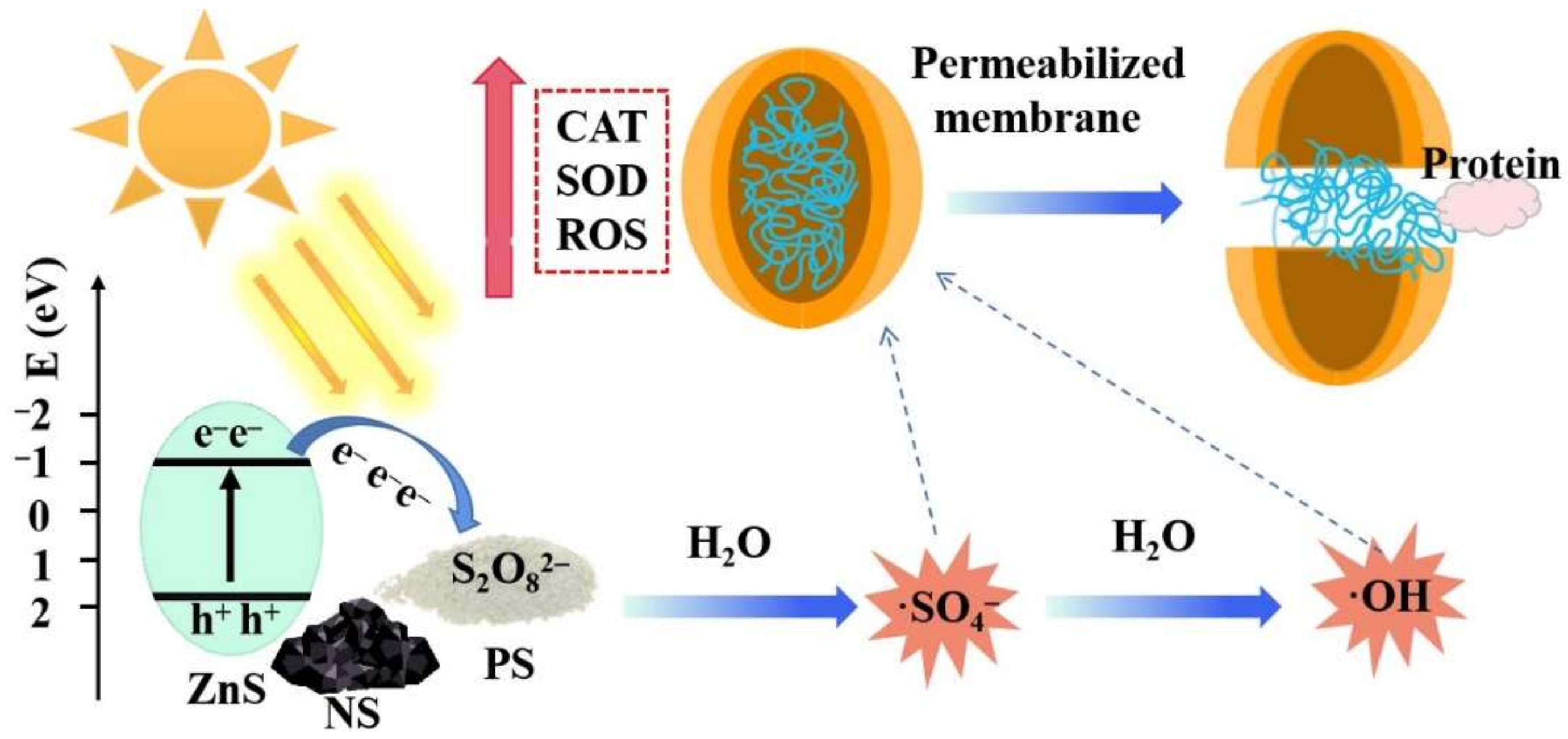
Bacterial spores are highly resistant to be inactivated by conventional water disinfection methods. In this study, the inactivation efficiency and mechanisms of Bacillus subtitles (B. subtilis) spores by natural sphalerite (NS) with persulfate (PS) under visible light (Vis) irradiation were investigated for the first time. The NS was composed of ZnS doped with trace amounts of metal ions, including As, Fe, Cd, and Mn. The results showed that 7 log of B. subtilis spores could be completely inactivated within 5 h in the Vis/NS/PS photocatalytic system, and the inactivation efficiency was about four and seven times higher than that of the NS/PS system and the Vis/PS system, respectively. The photo-generated electrons are generated by the excitation of NS under the illumination activated PS to form PS radicals (∙SO4) and hydroxyl radicals (∙OH), which are the main active species for spore inactivation. Mechanism studies further showed that spore inactivation was related to physiological responses, including the increase in intracellular reactive oxygen species, the change of induced antioxidant enzyme activity, and the change of total protein. Furthermore, the dynamic changes of cells during spore inactivation were observed by SEM. These results not only clarify the relationship between the cell physiological stress response and inactivation mechanism of spores, but also reveal the interaction between minerals and PS under Vis, which provides technical methods for the inactivation of bacterial spores in the field of water disinfection.
Keywords: photocatalysis; bacterial spores; persulfate; natural sphalerite; visible light photocatalysis; bacterial spores; persulfate; natural sphalerite; visible light