Article

Oxygen Plasma Improved Shear Strength of Bonding between Zirconia and Composite Resin

1
Institute of Oral Sciences, Chung Shan Medical University, Taichung 402, Taiwan
2
Department of Dentistry, Chung Shan Medical University Hospital, Taichung 402, Taiwan
3
Department of Dental Technology, Shu Zen Junior College of Medicine and Management, Kaohsiung 82144, Taiwan
*
Author to whom correspondence should be addressed.
Coatings 2020, 10(7), 635; https://doi.org/10.3390/coatings10070635

Submission received: 13 June 2020 / Revised: 28 June 2020 / Accepted: 29 June 2020 / Published: 30 June 2020
(This article belongs to the Special Issue Surface Functionalization of Implant Materials)

Abstract

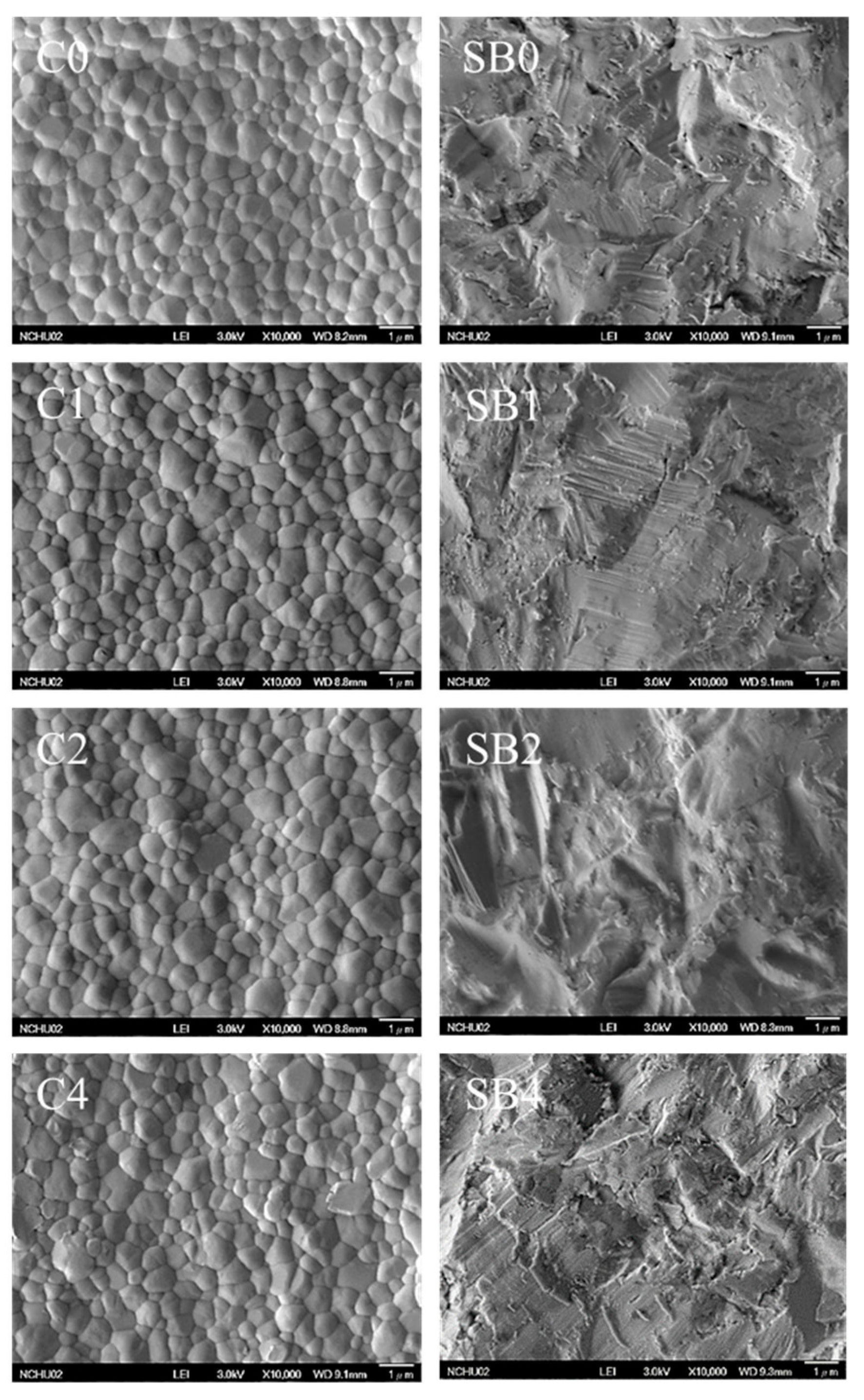
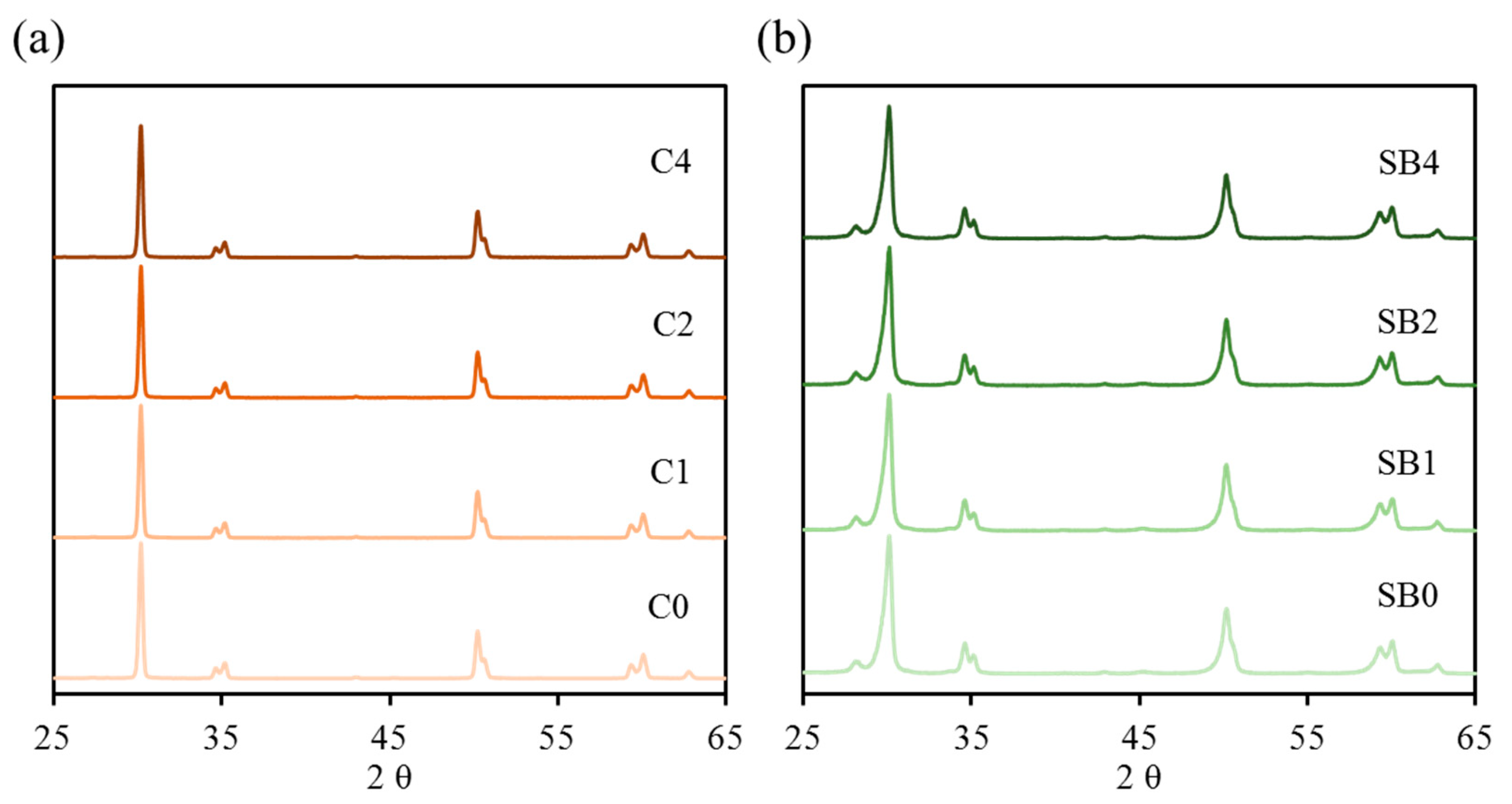
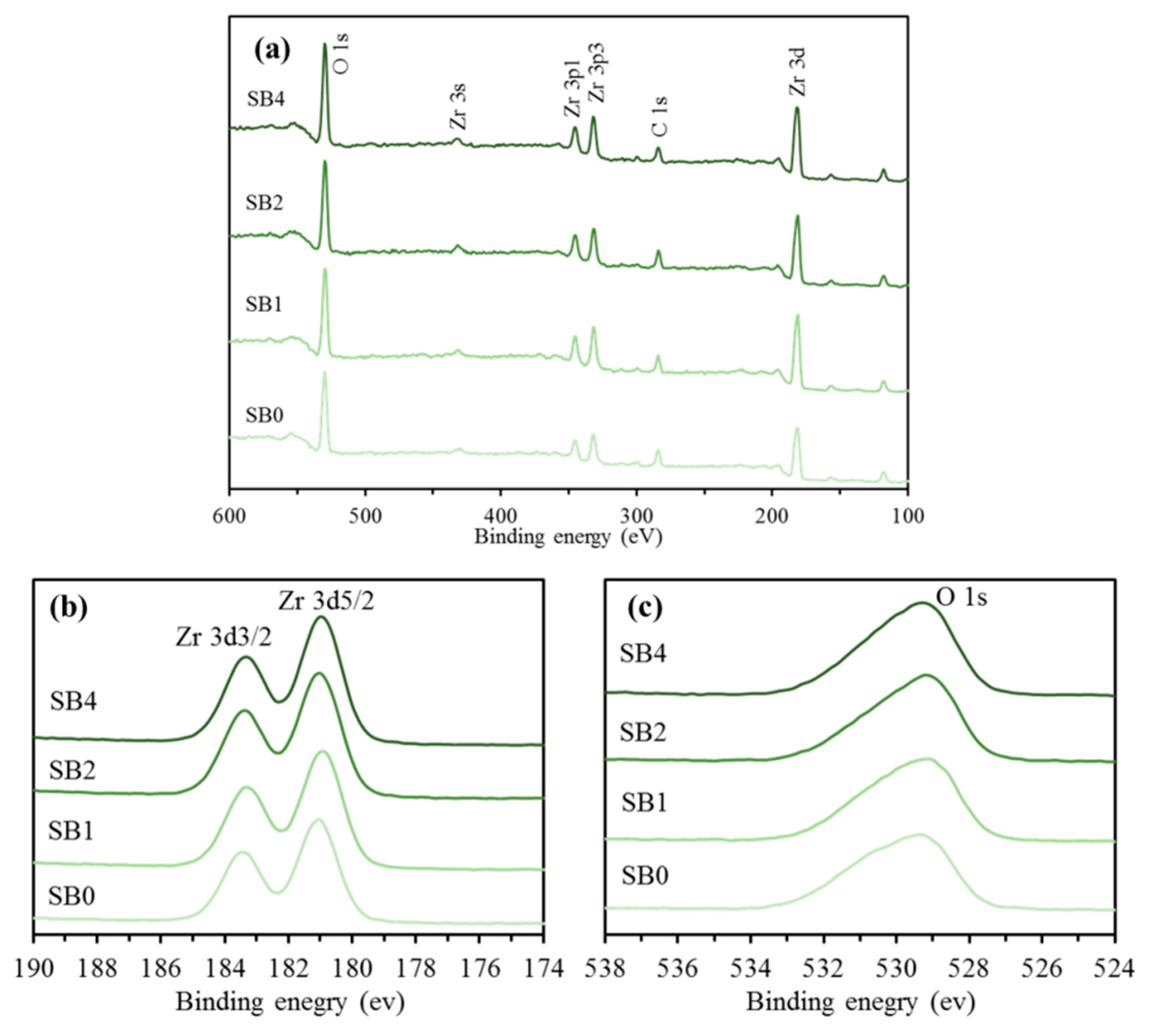
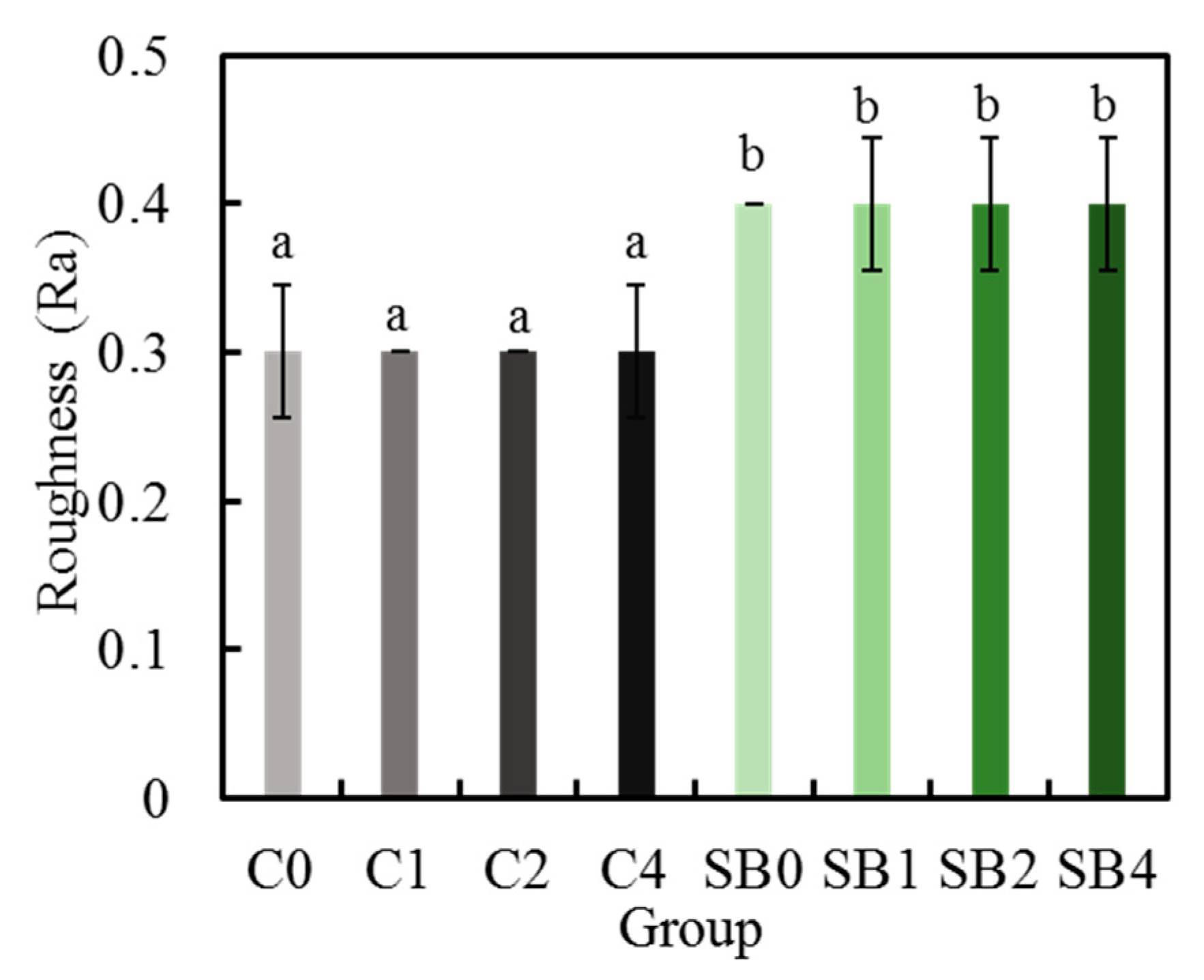
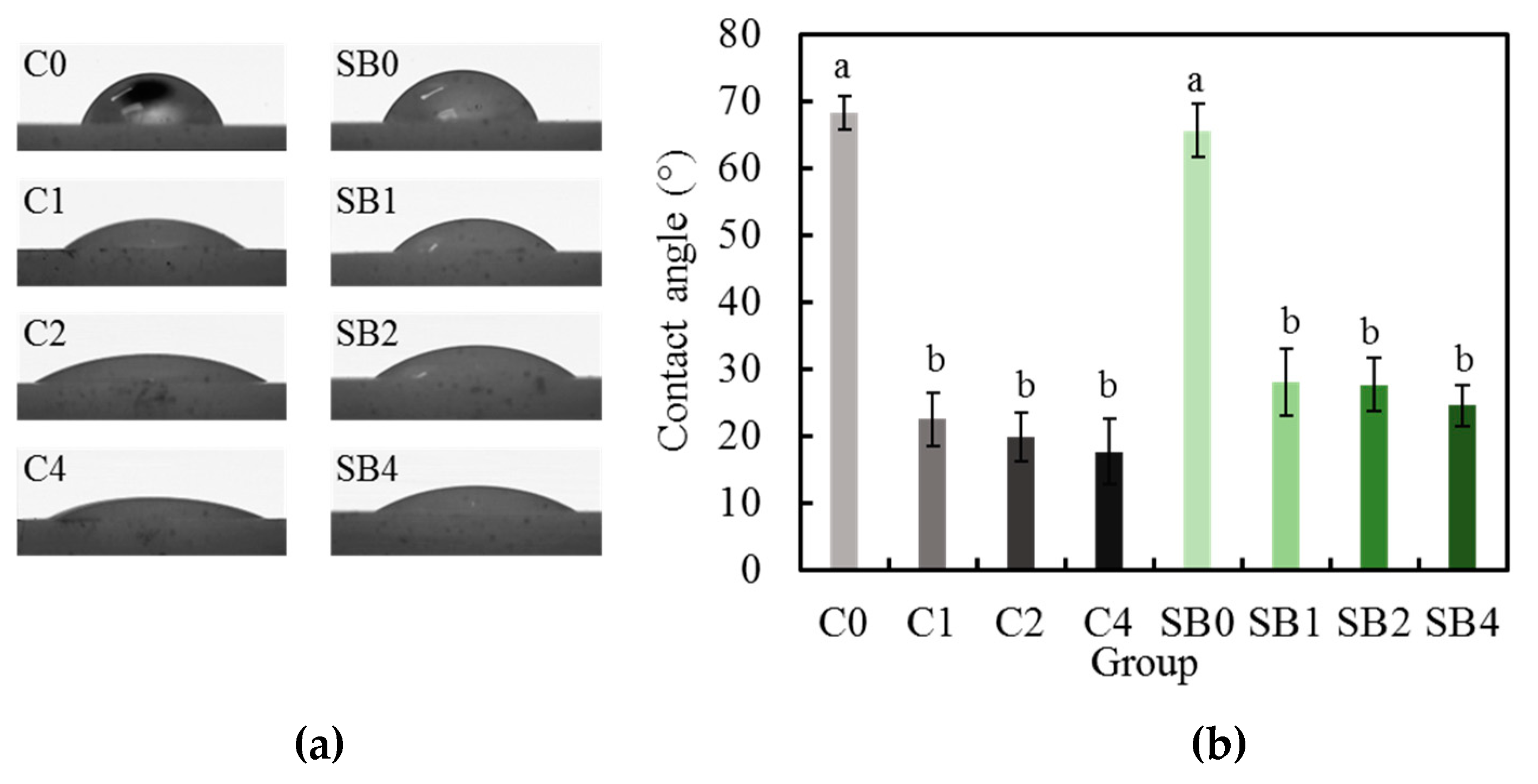
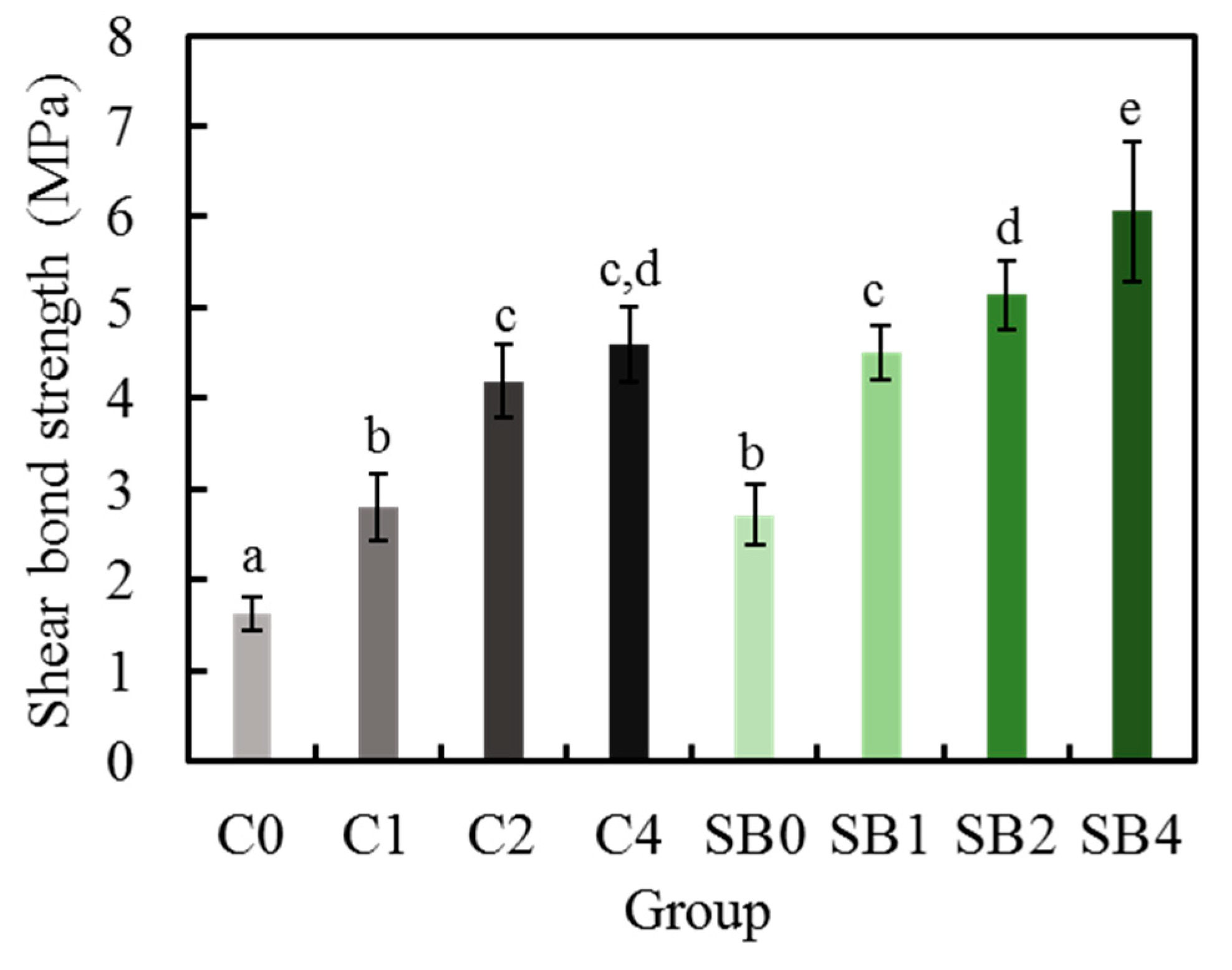
Improving the strength of the bonding of zirconia to composite resins remains a challenge in dental restorations. The purpose of this study was to evaluate the shear strength of the bonding of zirconia to composite resins, thereby verifying the hypothesis that as the power of the non-thermal oxygen plasma increases, the bonding strength of the plasma-treated zirconia is increased. The effects of the oxygen plasma power (100, 200, and 400 W) on the surface structure, chemical composition, and hydrophilicity of the zirconia and the strength of the bonding between zirconia and composite resin were investigated. As a result, after different plasma power treatments, the surface structure and phase composition of zirconia were not different from those of zirconia without treatment. However, the oxygen plasma treatment not only reduced carbon adsorption but also greatly increased the hydrophilicity of the zirconia surface. More importantly, the strength of the bonding between the plasma-treated zirconia and composite resin was significantly higher than that in the corresponding control group without plasma treatment. Regardless of whether the zirconia was pristine or sandblasted, the higher the plasma power, the greater the bond strength obtained. The conclusion is that the oxygen plasma treatment of zirconia can effectively improve the strength of the bonding between the zirconia and composite resin without damaging the microstructure and phase composition of the zirconia.
Keywords: zirconia; composite resin; oxygen plasma; shear bond strength zirconia; composite resin; oxygen plasma; shear bond strength