Article

Non-Fluorinated, Sustainable, and Durable Superhydrophobic Microarrayed Surface for Water-Harvesting


by
Oriol Rius-Ayra
*,
Sheila Fiestas-Paradela
and
Nuria Llorca-Isern
CPCM Departament de Ciència dels Materials i Química Física, Facultat de Química, Universitat de Barcelona, Martí i Franquès 1, 08028 Barcelona, Spain
*
Author to whom correspondence should be addressed.
Coatings 2020, 10(4), 314; https://doi.org/10.3390/coatings10040314

Submission received: 2 March 2020 / Revised: 23 March 2020 / Accepted: 24 March 2020 / Published: 26 March 2020
(This article belongs to the Section Surface Characterization, Deposition and Modification)

Abstract

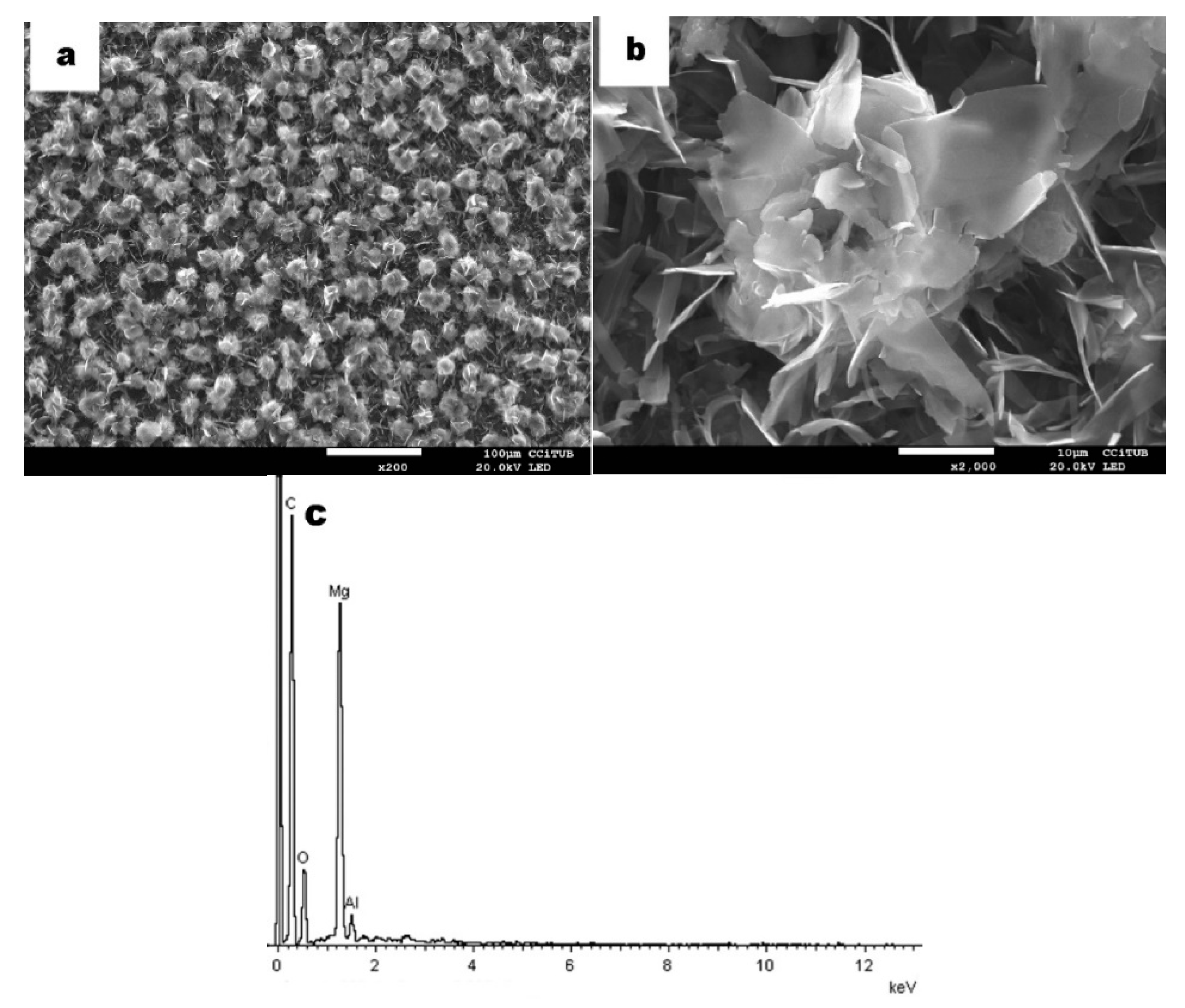
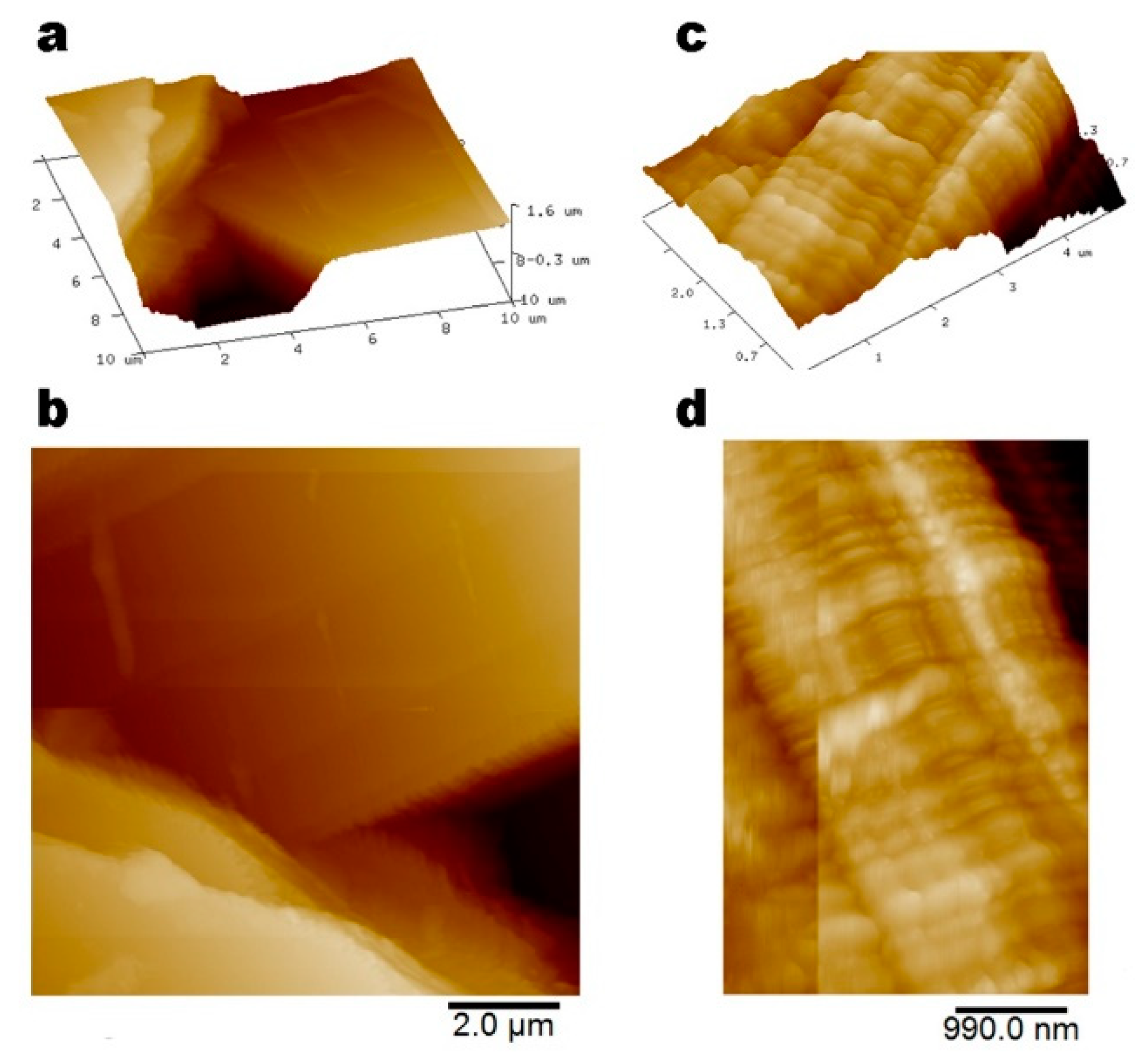
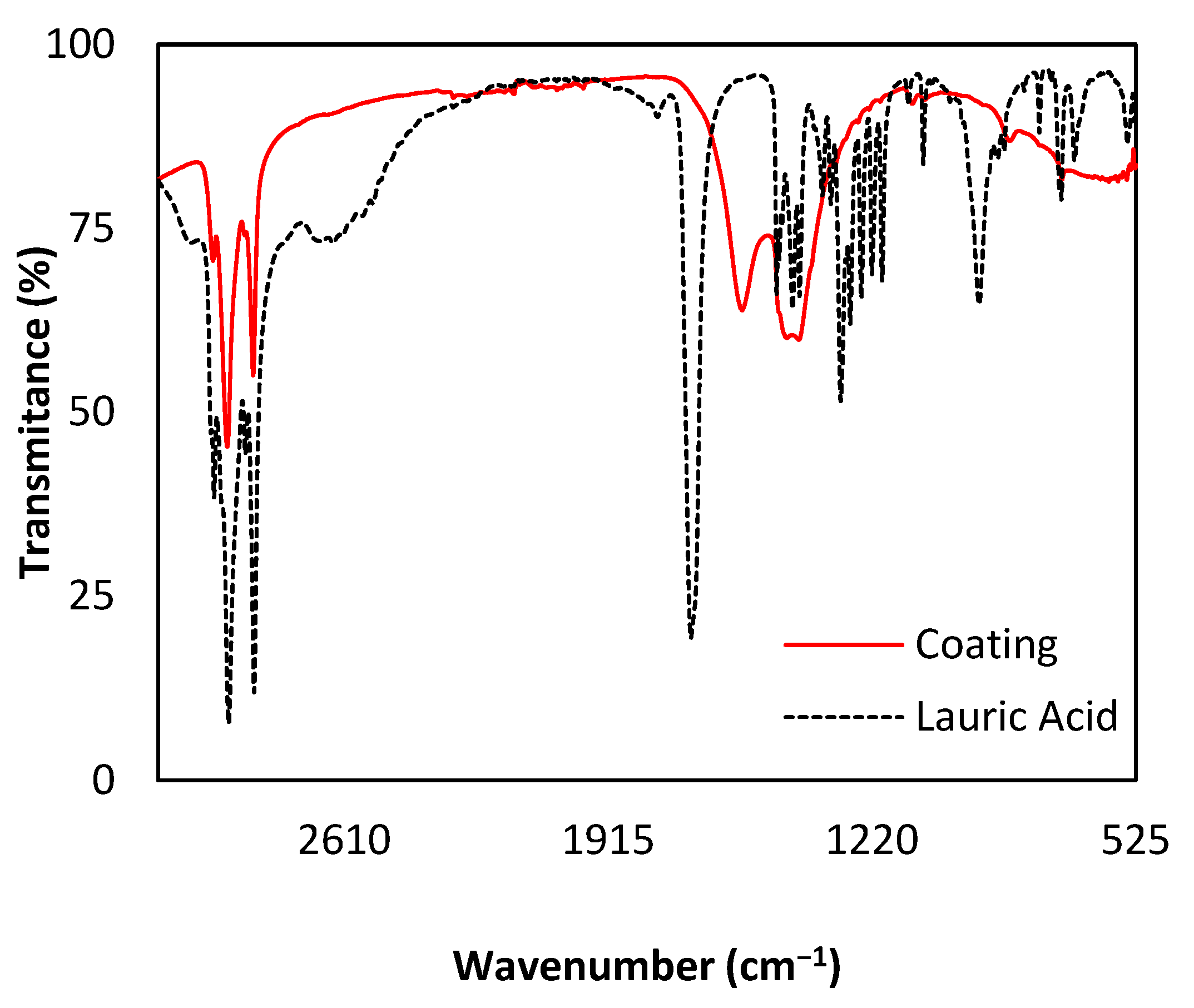
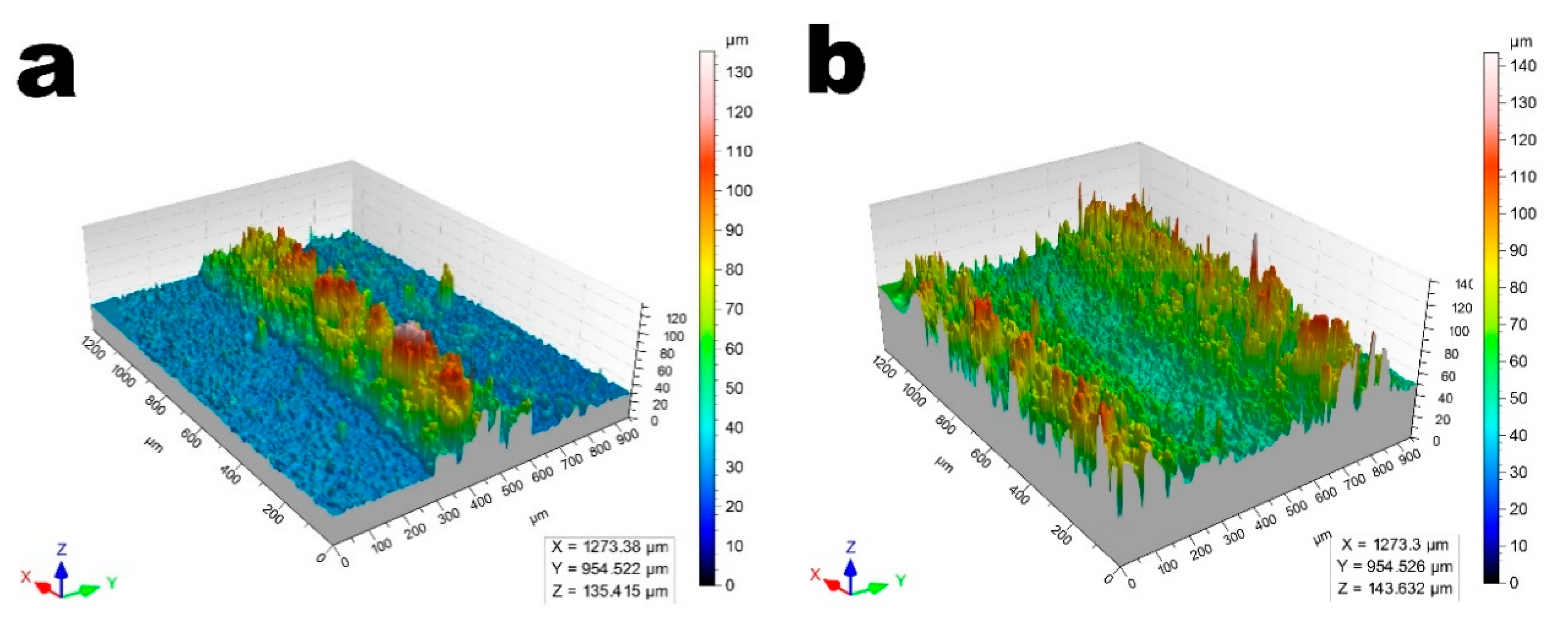
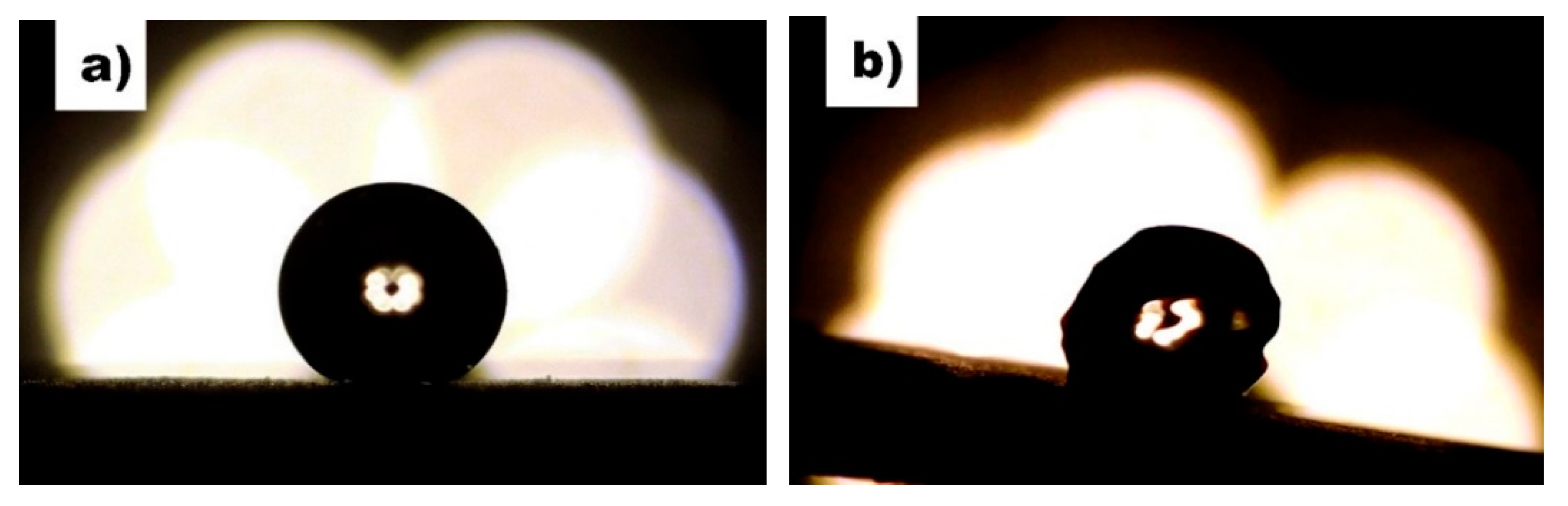
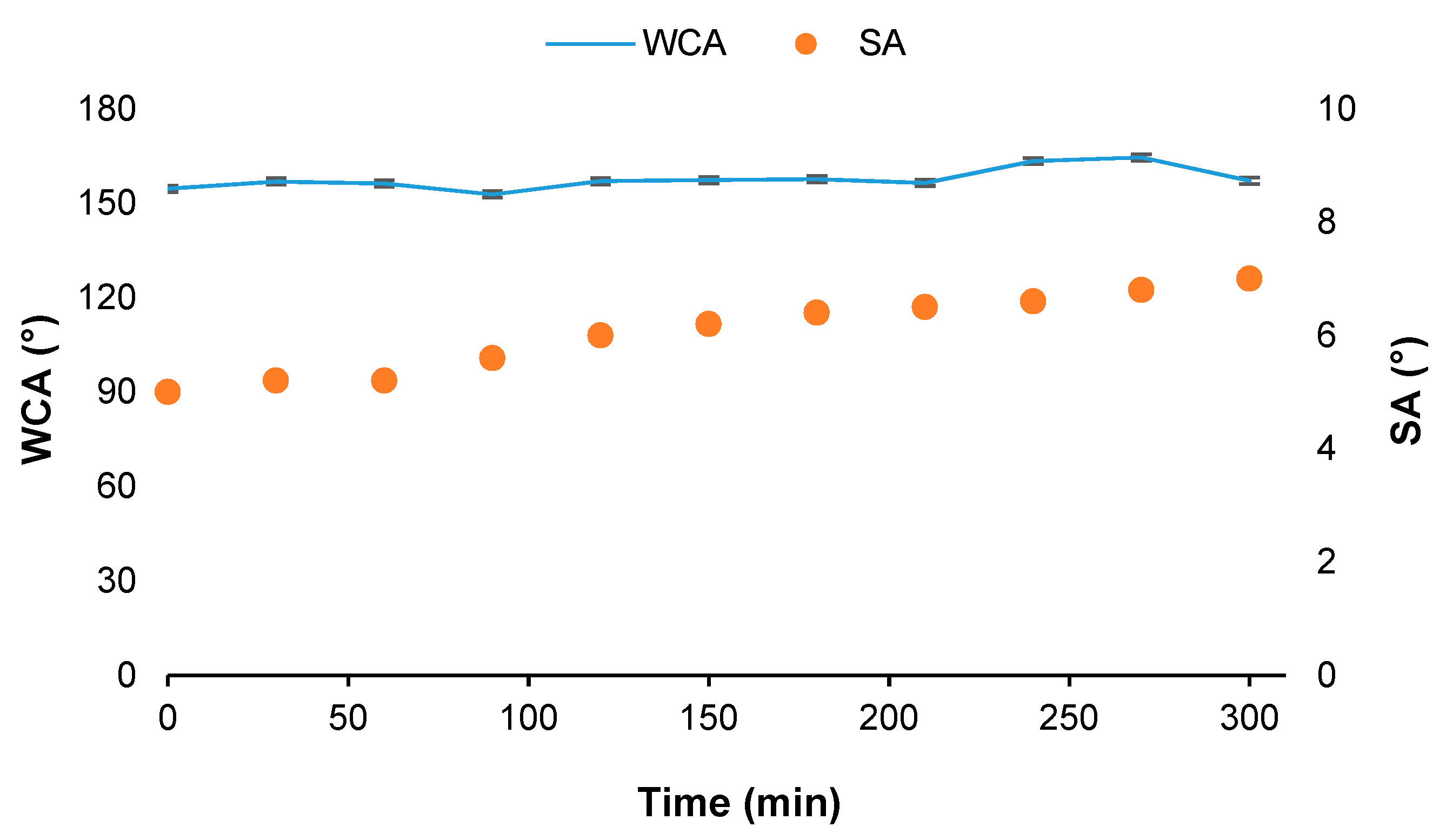
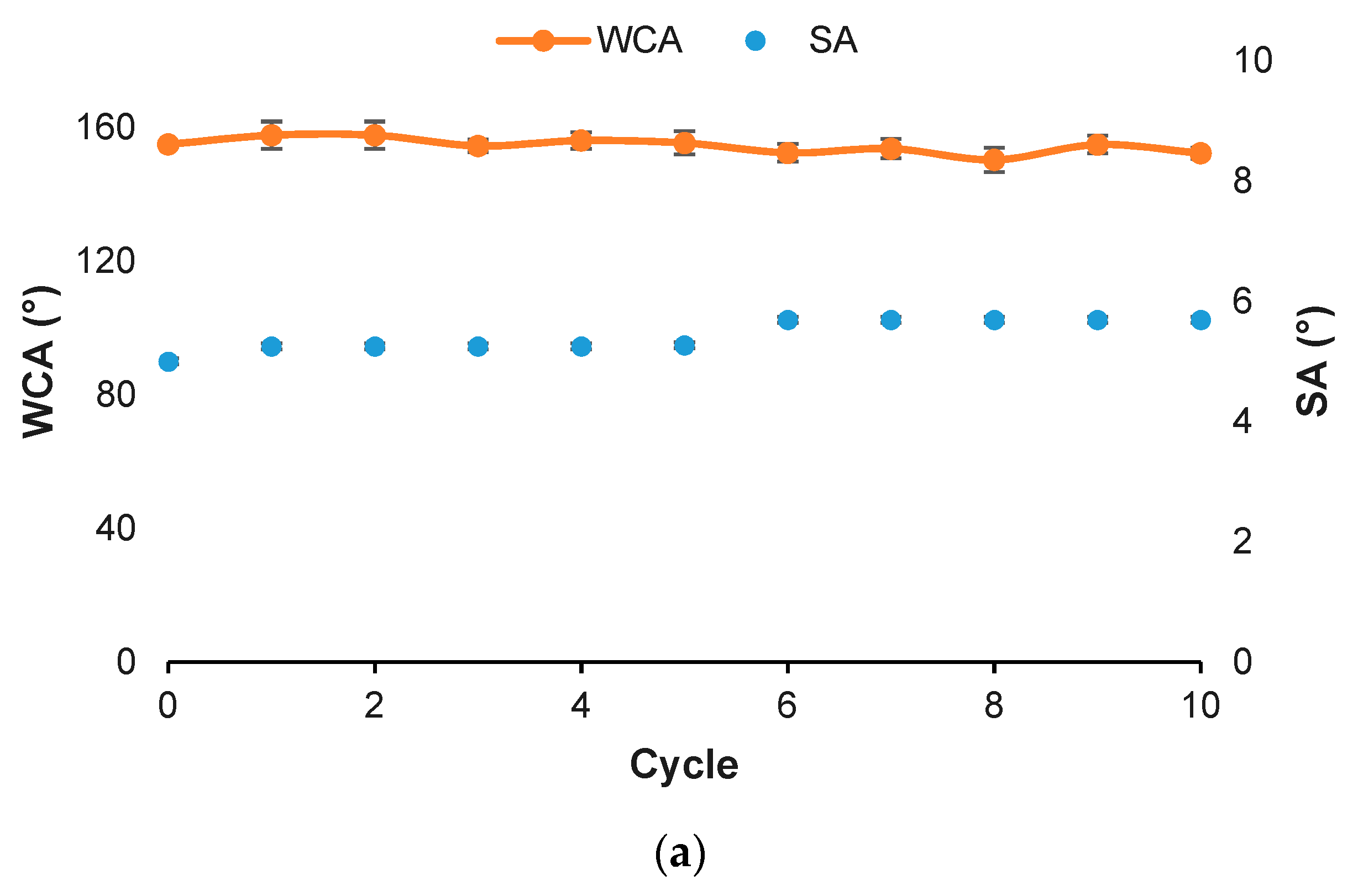
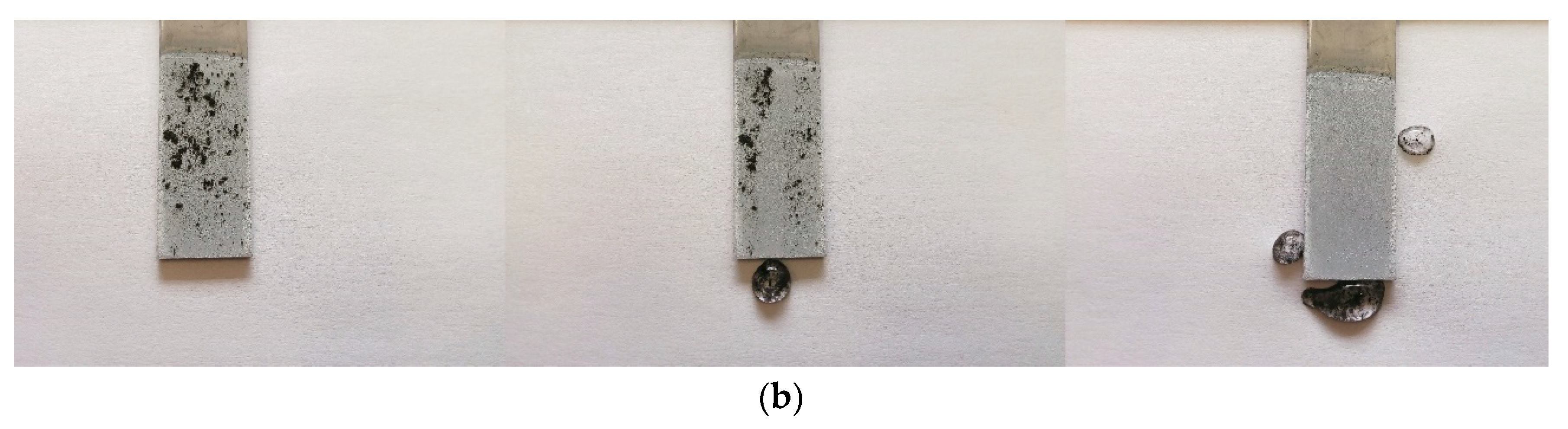
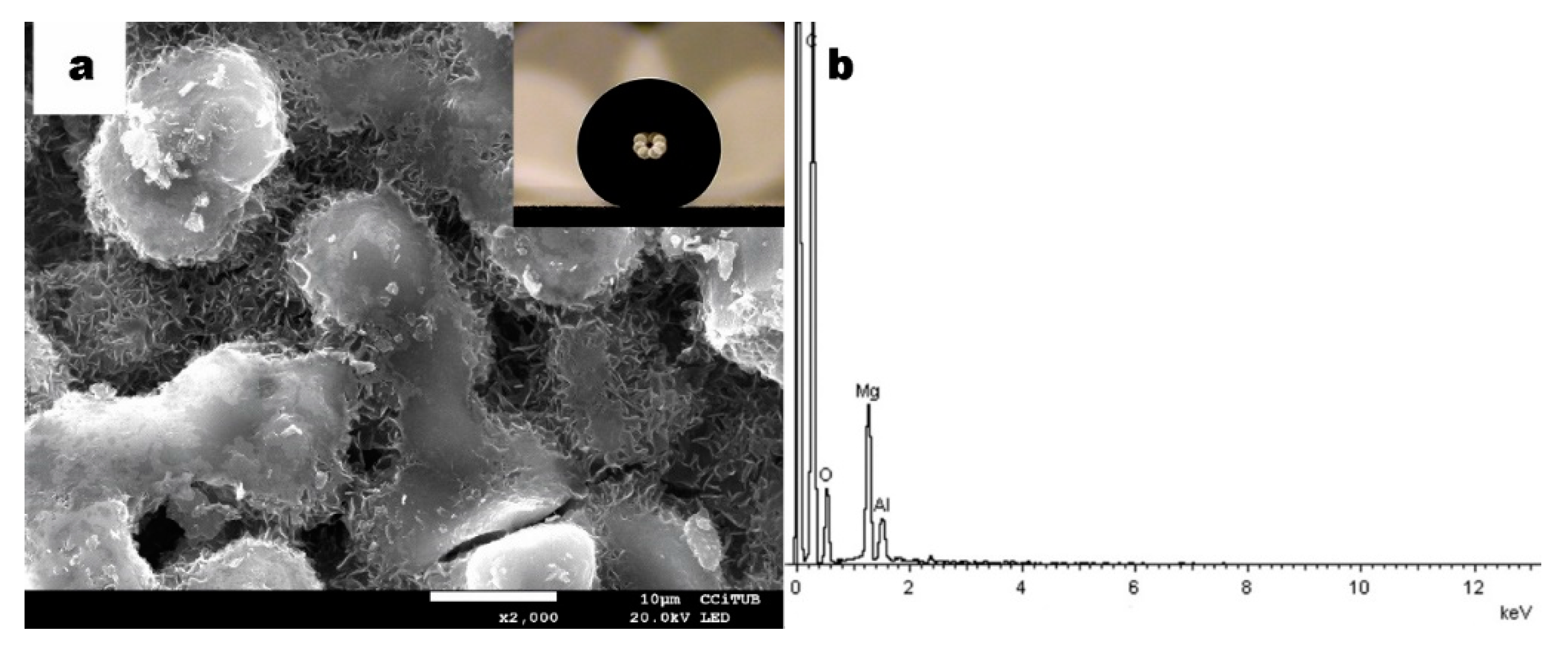
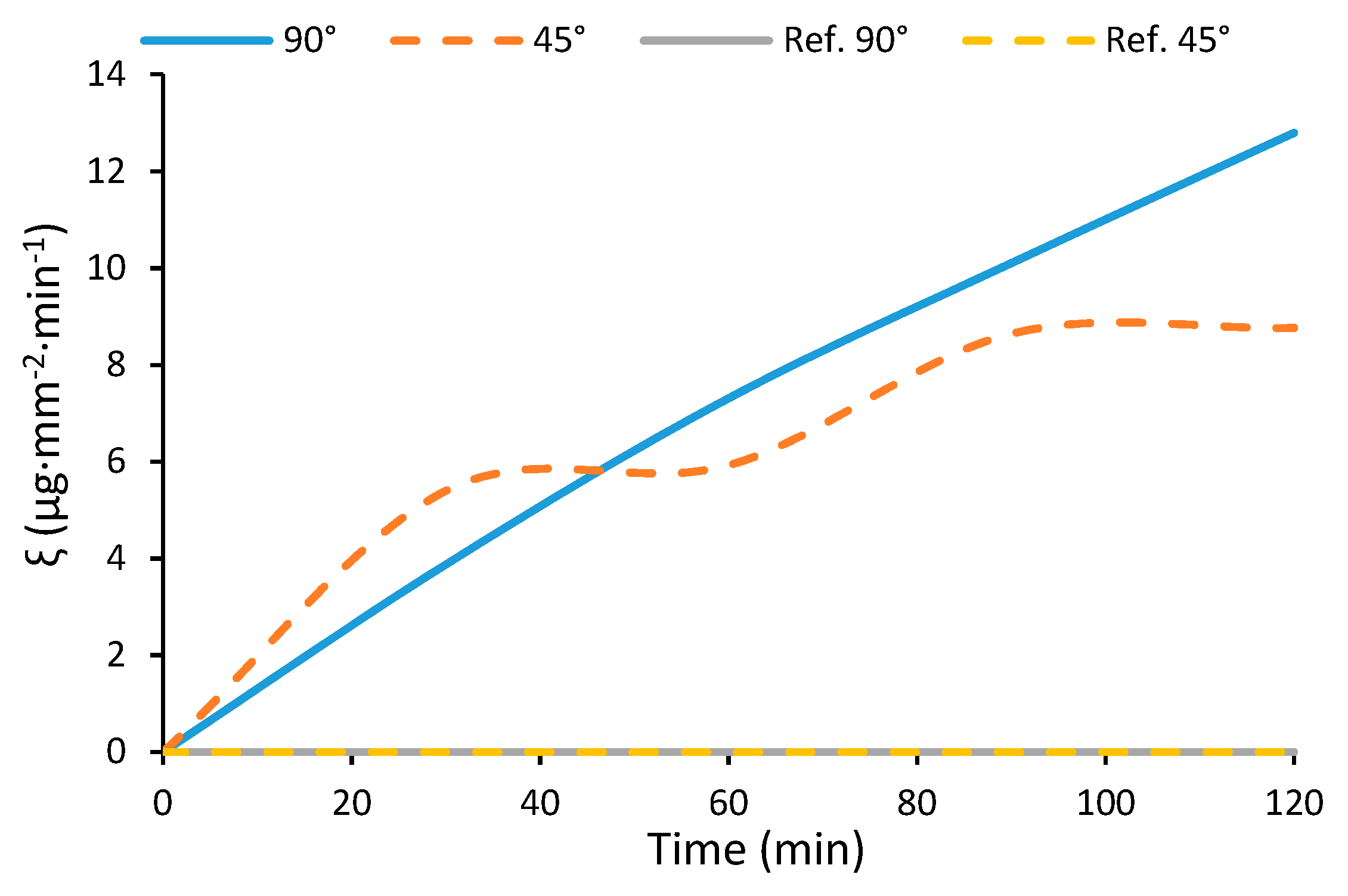
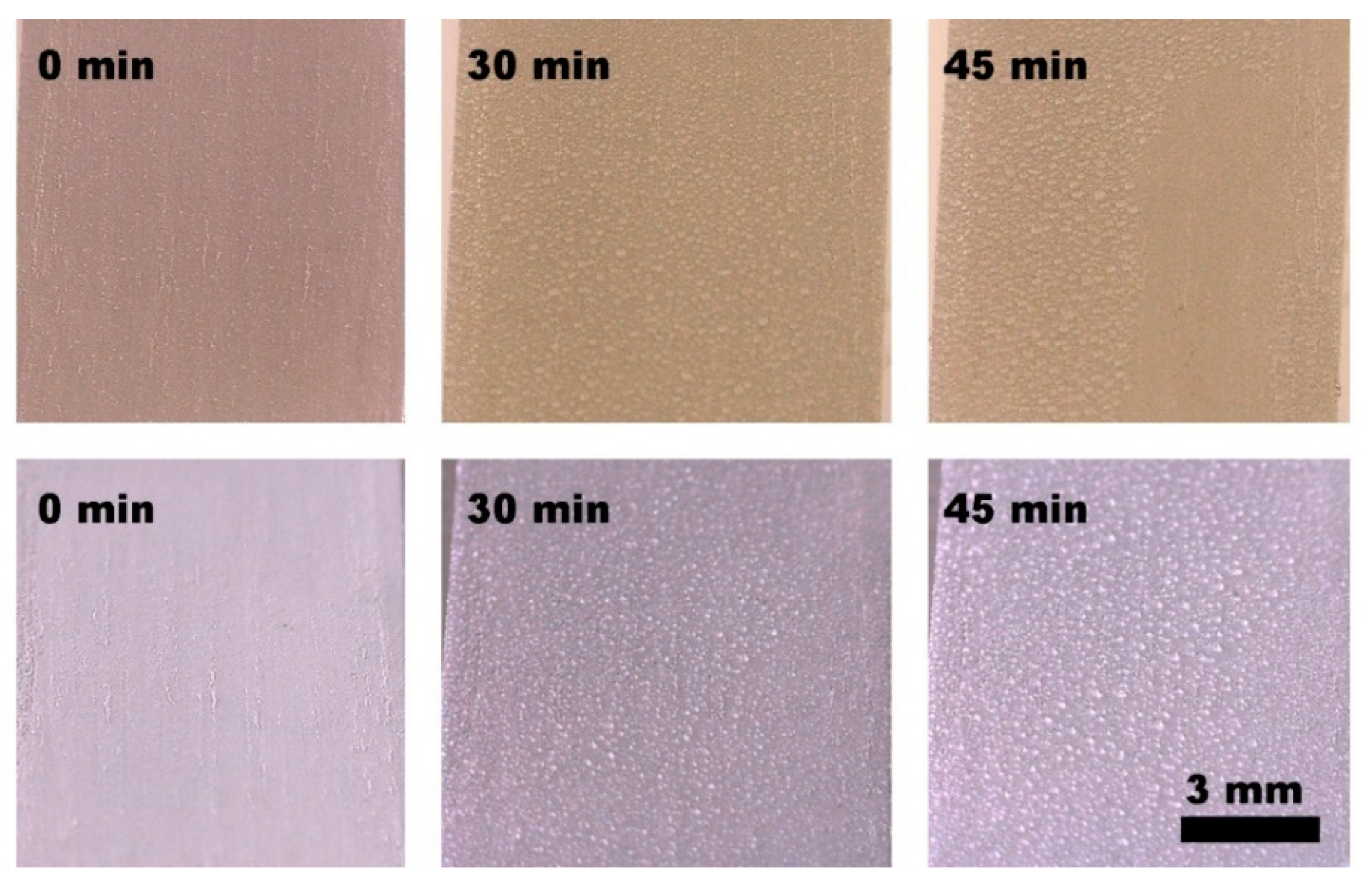
Water scarcity is a worldwide issue that significantly affects the environment, population, and economy of the arid zones. In this study, we report a straightforward method for water-harvesting based on modifications of the surface wettability. Using magnesium chloride, lauric acid, and electrodeposition process, a superhydrophobic surface (155°) is obtained. Morphological characterization techniques allow determination of the characteristic flower-like microstructures combined with close packed nanoarrays that lead to the hierarchical structure. Furthermore, the coating presents vertically aligned microarrays in a non-linear cone morphology formed by dynamic templating of hydrogen bubbles. From a chemical point of view, magnesium laurate is responsible for the surface tension decrease. To determine the durability of the obtained surface ultra-violet (UV) light test and abrasive paper test, tests are carried out revealing high durability against these severe conditions. The water-harvesting ability of the superhydrophobic surface is studied at 45° and 90° tilted samples. The capacity of the water to be harvested efficiently is found to be at 90° tilt under fog conditions. The use of green reactants associated with this hierarchical structure broadens a new scope for sustainable freshwater collection and it becomes an excellent example of a green solution.
Keywords: non-fluorinated; superhydrophobic; water-harvesting; fatty acid; robust; durable non-fluorinated; superhydrophobic; water-harvesting; fatty acid; robust; durable