Article

Bioinformatic Analysis of 1000 Amphibian Antimicrobial Peptides Uncovers Multiple Length-Dependent Correlations for Peptide Design and Prediction


Department of Pathology and Microbiology, College of Medicine, University of Nebraska Medical Center, 985900 Nebraska Medical Center, Omaha, NE 68198-5900, USA
Antibiotics 2020, 9(8), 491; https://doi.org/10.3390/antibiotics9080491

Submission received: 29 June 2020 / Revised: 29 July 2020 / Accepted: 3 August 2020 / Published: 7 August 2020
(This article belongs to the Special Issue Development of Antimicrobial Peptides from Amphibian)

Abstract

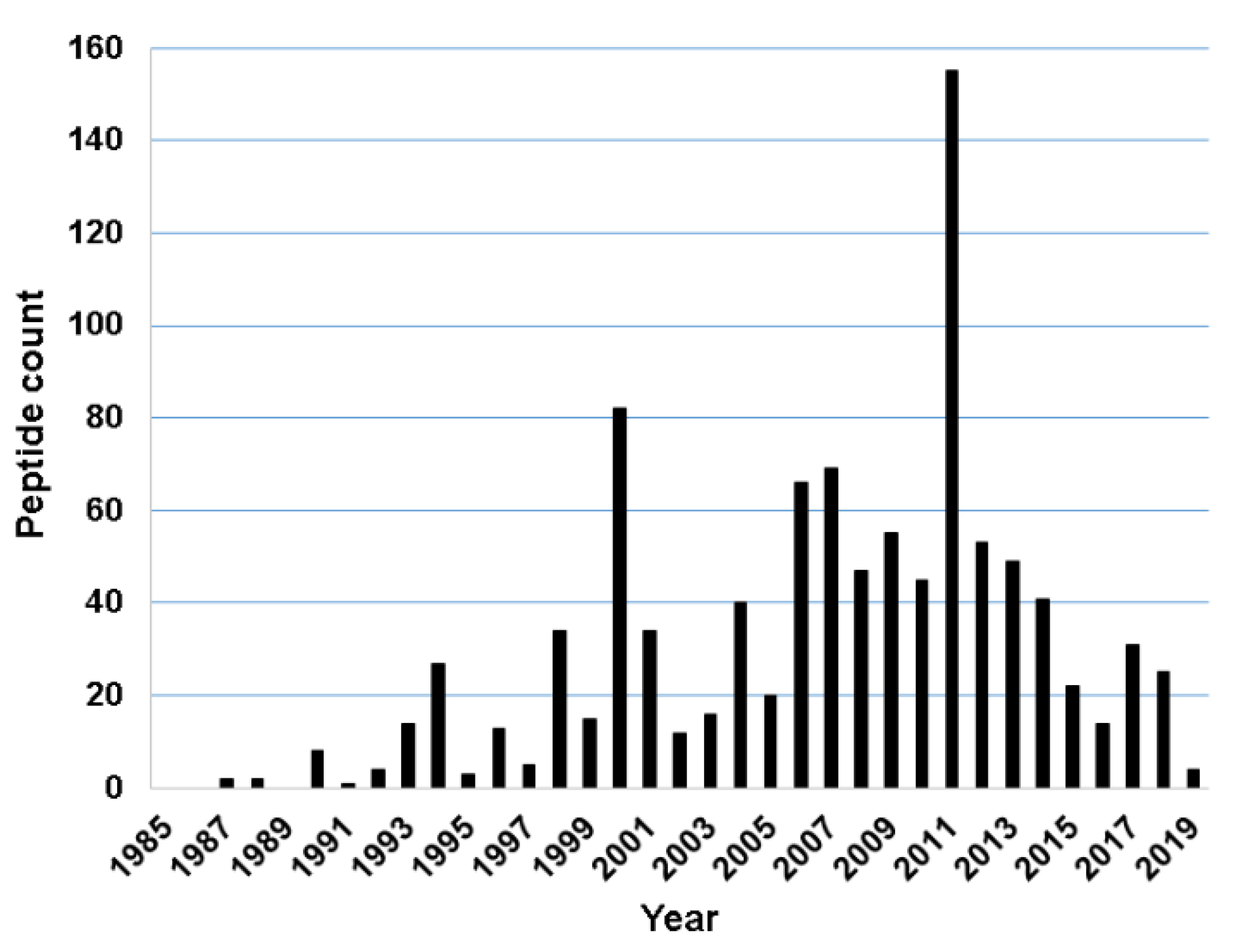
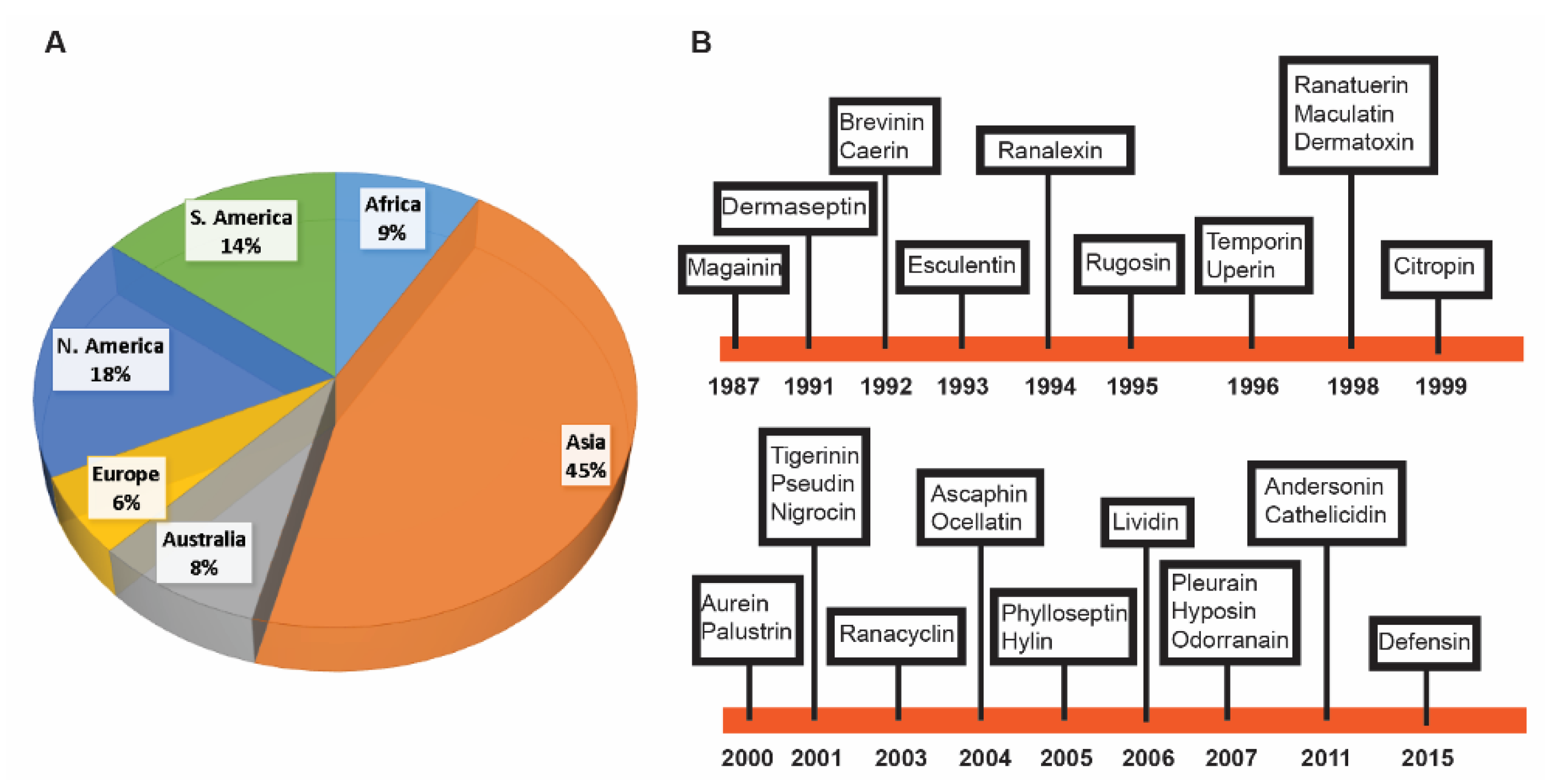
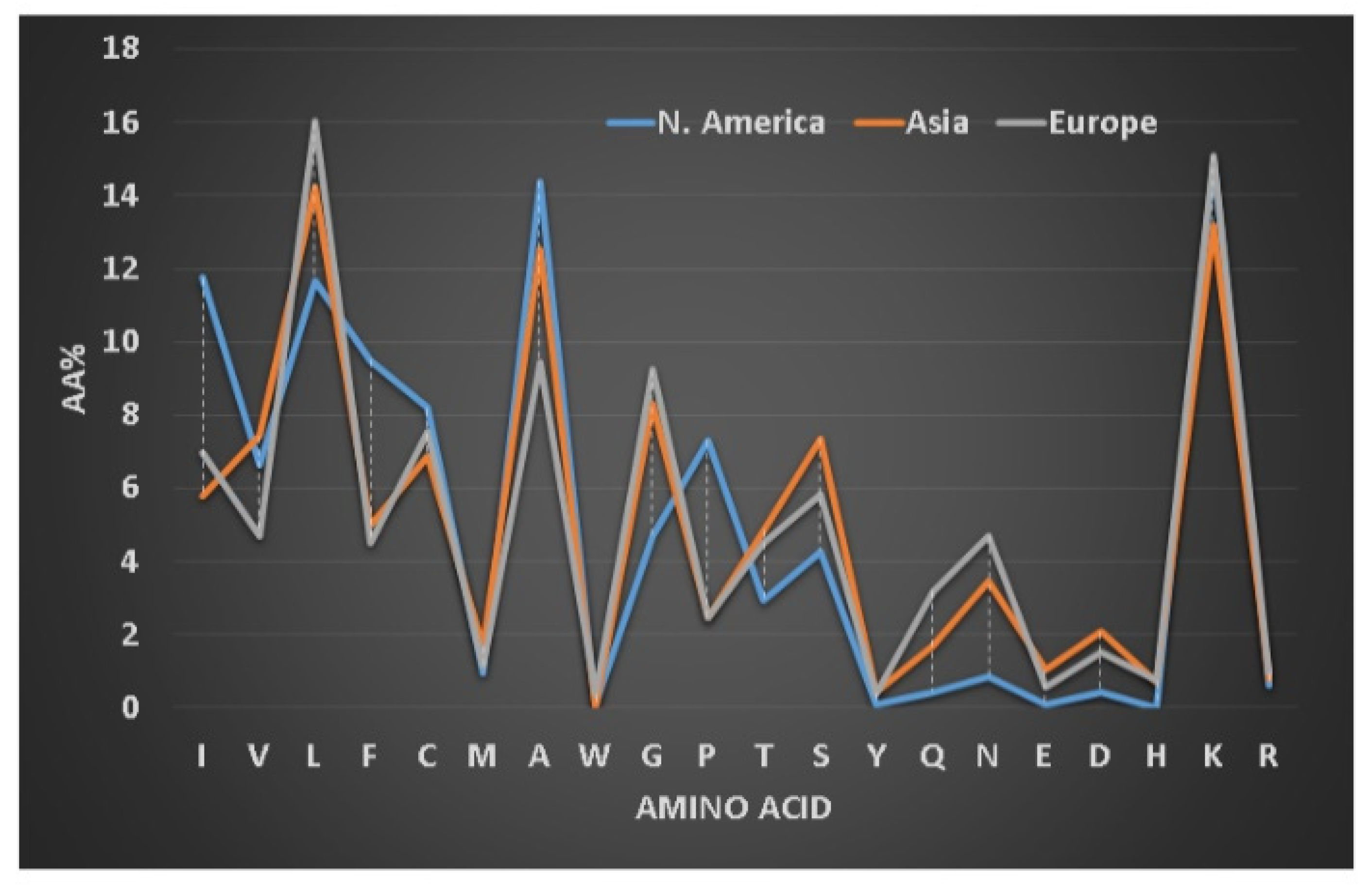
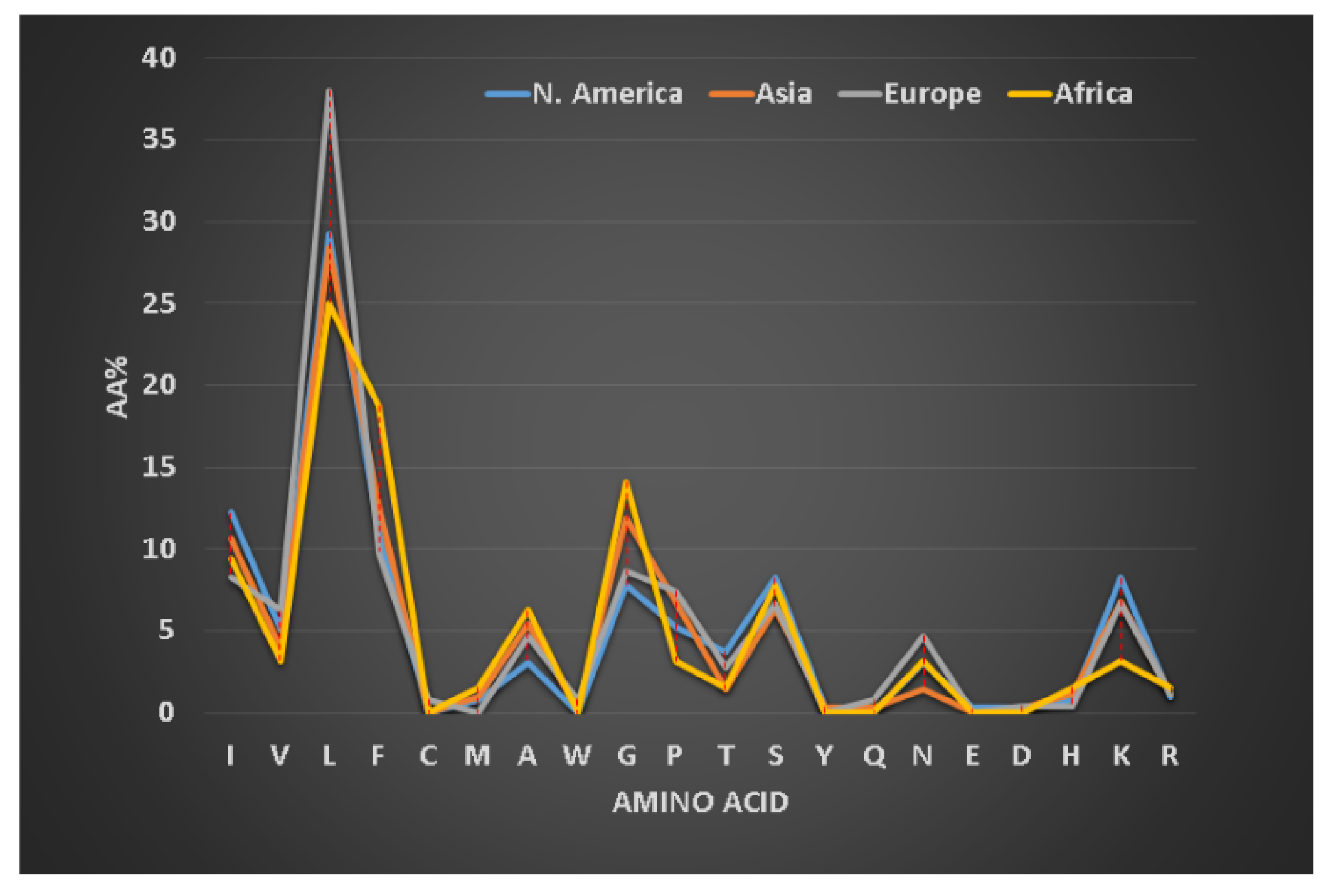
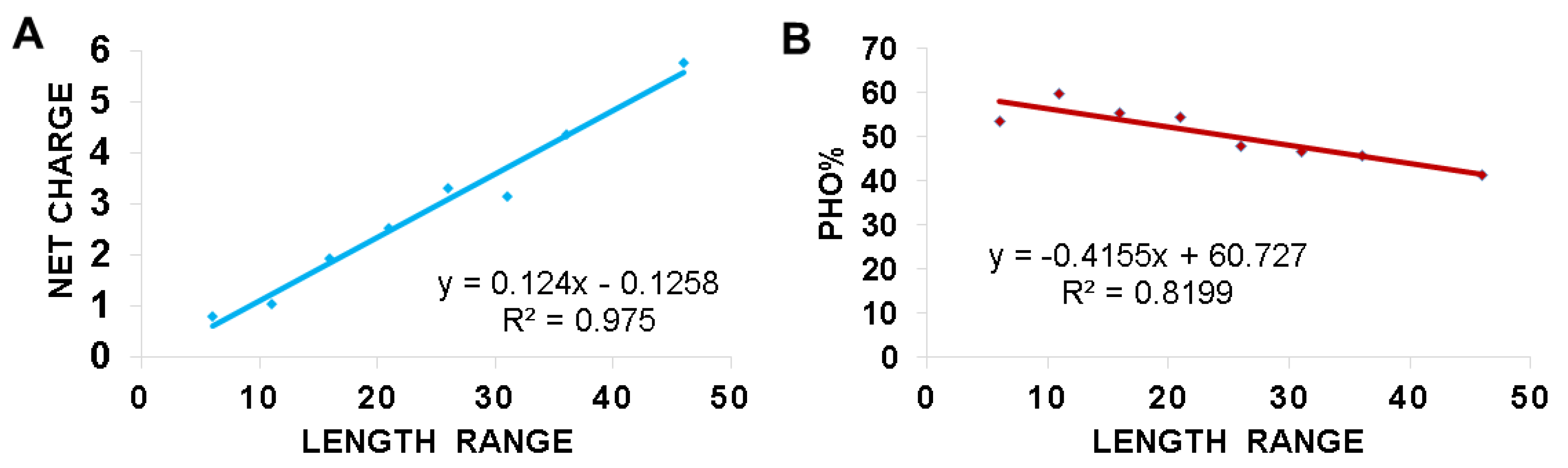
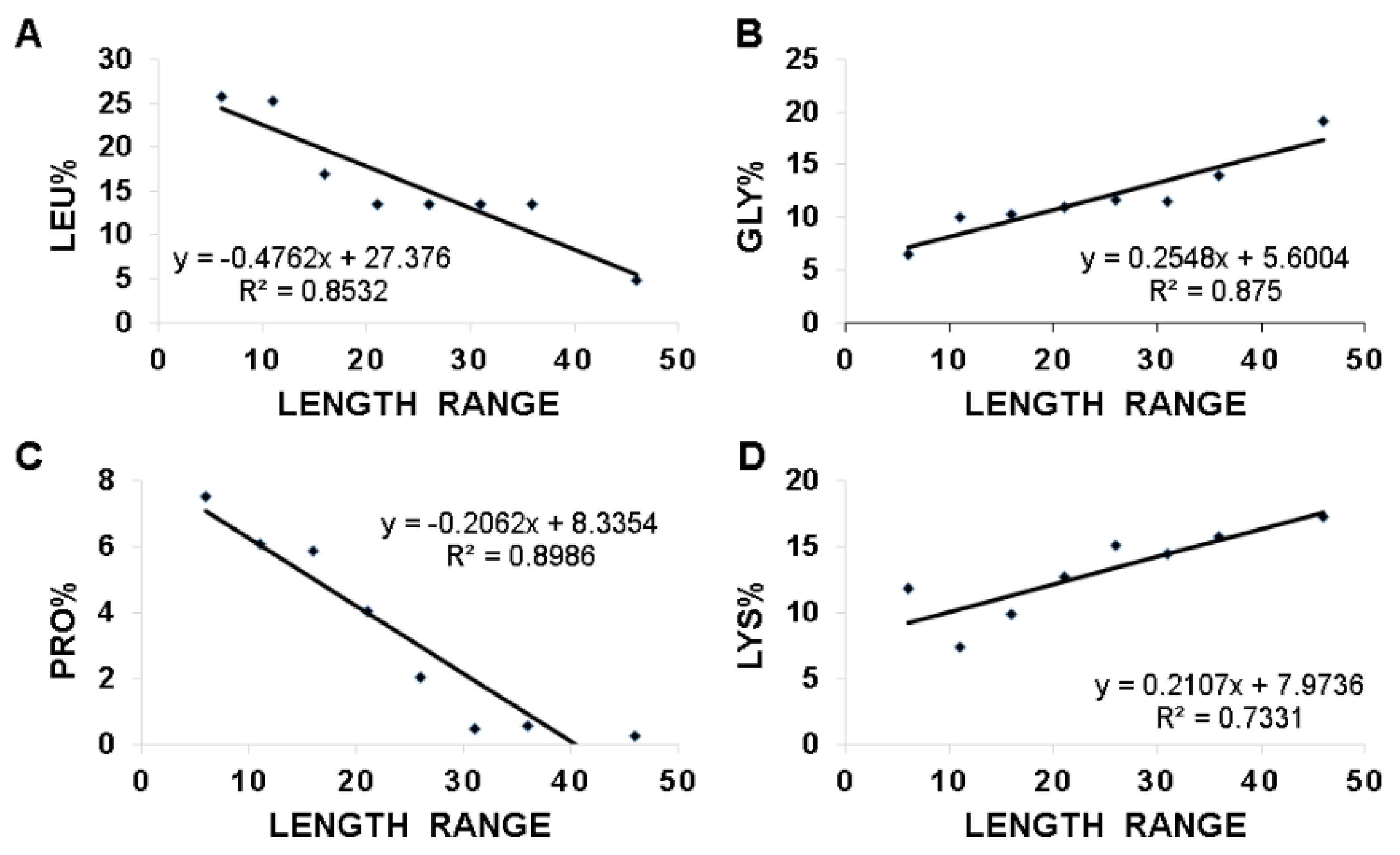
Amphibians are widely distributed on different continents, except for the polar regions. They are important sources for the isolation, purification and characterization of natural compounds, including peptides with various functions. Innate immune antimicrobial peptides (AMPs) play a critical role in warding off invading pathogens, such as bacteria, fungi, parasites, and viruses. They may also have other biological functions such as endotoxin neutralization, chemotaxis, anti-inflammation, and wound healing. This article documents a bioinformatic analysis of over 1000 amphibian antimicrobial peptides registered in the Antimicrobial Peptide Database (APD) in the past 18 years. These anuran peptides were discovered in Africa, Asia, Australia, Europe, and America from 1985 to 2019. Genomic and peptidomic studies accelerated the discovery pace and underscored the necessity in establishing criteria for peptide entry into the APD. A total of 99.9% of the anuran antimicrobial peptides are less than 50 amino acids with an average length of 24 and a net charge of +2.5. Interestingly, the various amphibian peptide families (e.g., temporins, brevinins, esculentins) can be connected through multiple length-dependent relationships. With an increase in length, peptide net charge increases, while the hydrophobic content decreases. In addition, glycine, leucine, lysine, and proline all show linear correlations with peptide length. These correlations improve our understanding of amphibian peptides and may be useful for prediction and design of new linear peptides with potential applications in treating infectious diseases, cancer and diabetes.
Keywords: amino acid signature; amphibians; amphipathic helix; antimicrobial peptides; database; peptide design amino acid signature; amphibians; amphipathic helix; antimicrobial peptides; database; peptide design