Systematic Review

Novel β-Lactam/β-Lactamase Inhibitors Versus Best Available Therapy on the Mortality-Related Carbapenem-Resistant Enterobacterales Infection: A Systematic Review and Meta-Analysis

by
Basim Raddam Al Shammari
Department of Medical Surgical and Critical Care Nursing, College of Nursing, University of Hafr Al Batin, Hafr Albatin 39831, Saudi Arabia
Antibiotics 2026, 15(9), 928; https://doi.org/10.3390/antibiotics15090928 (registering DOI)

Submission received: 6 August 2026 / Revised: 9 September 2026 / Accepted: 15 September 2026 / Published: 18 September 2026

Abstract

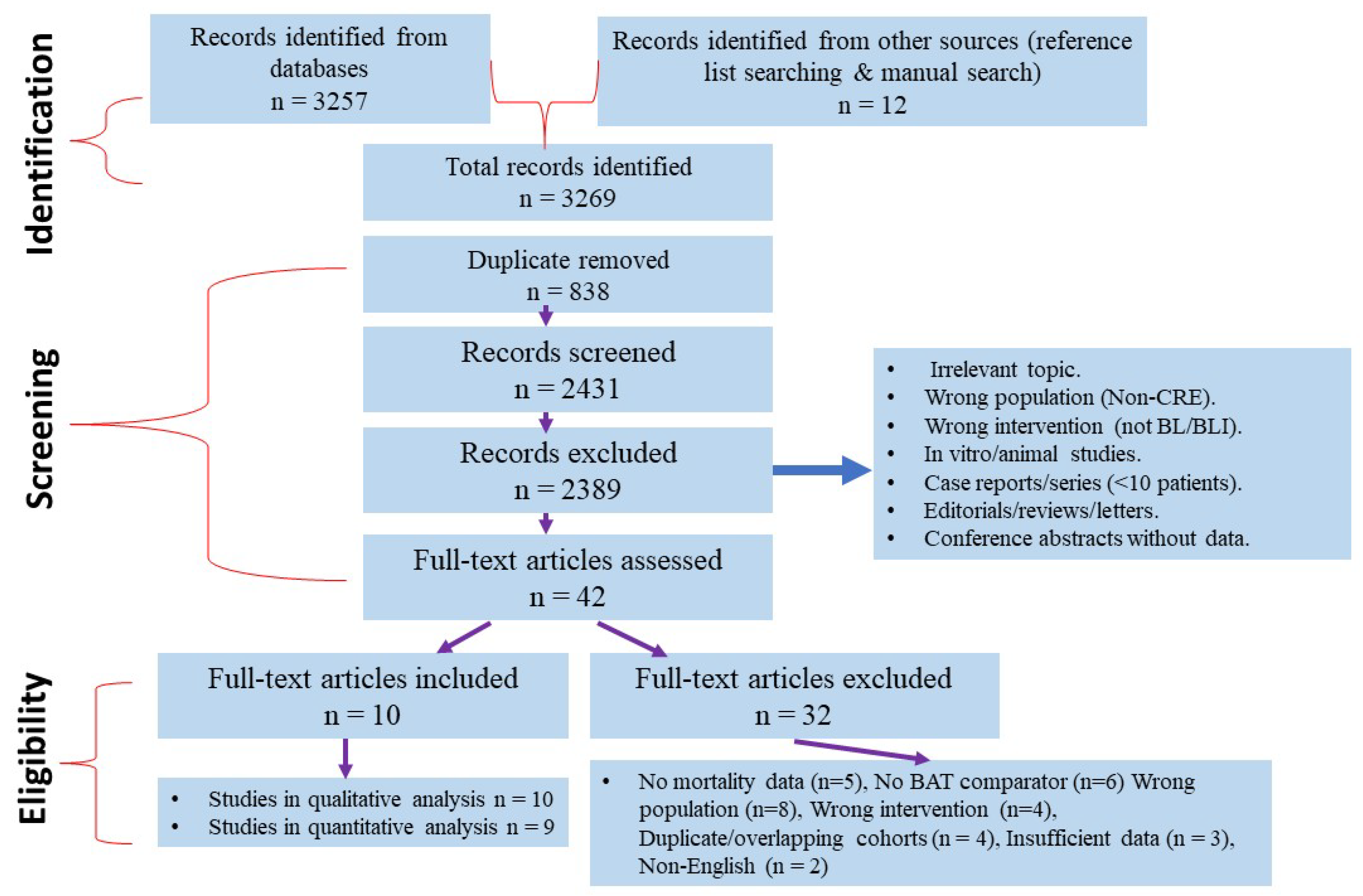
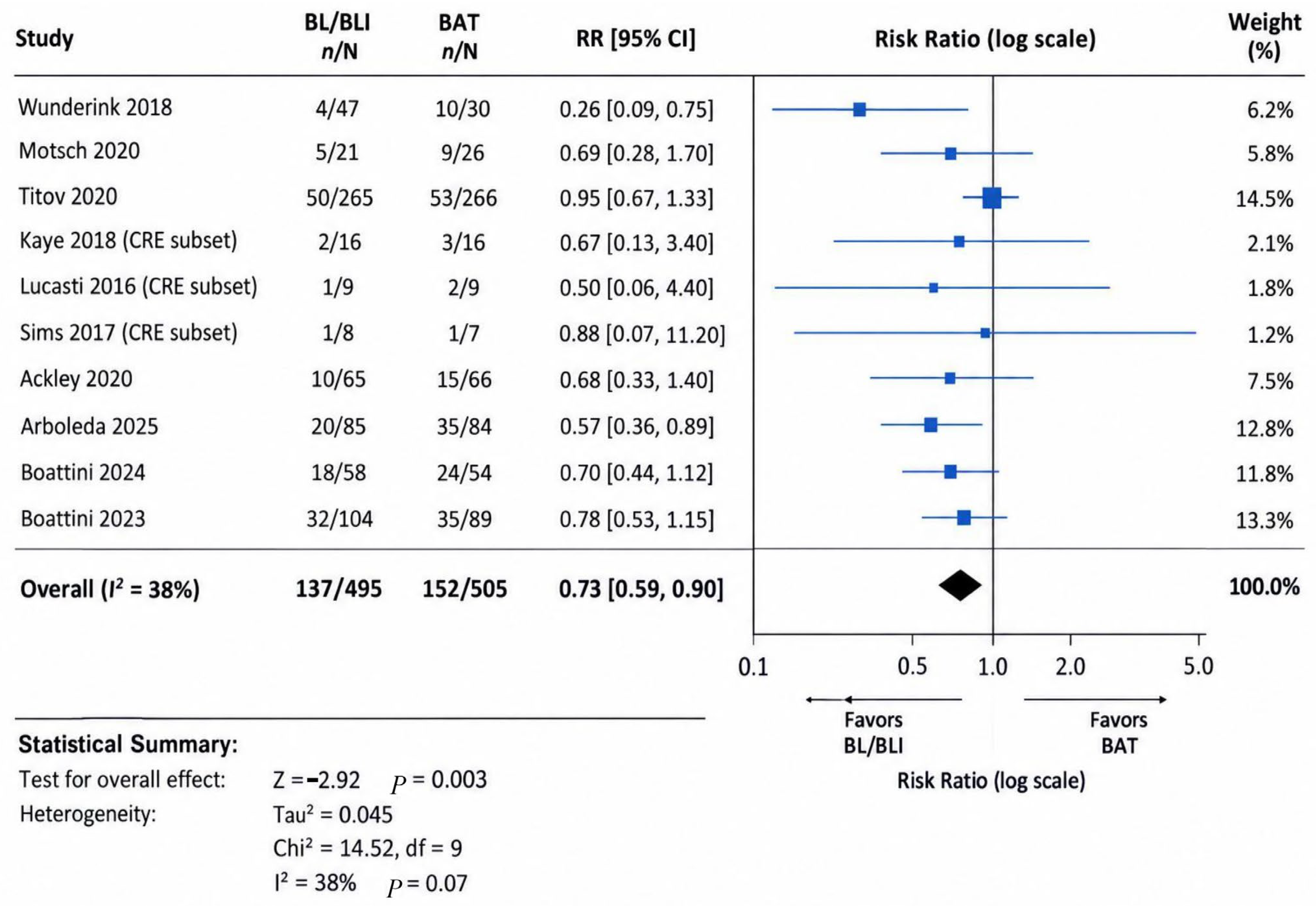
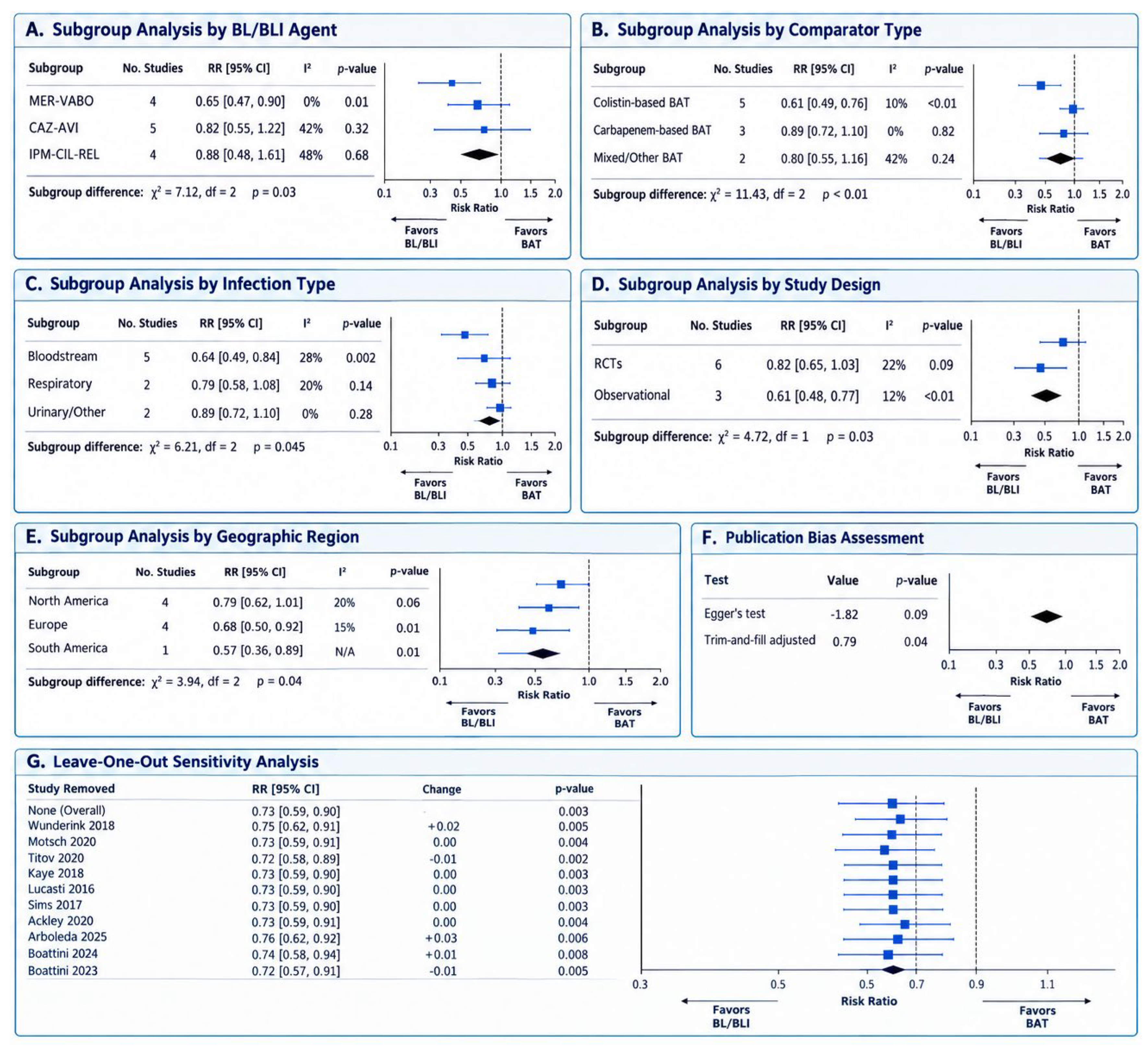
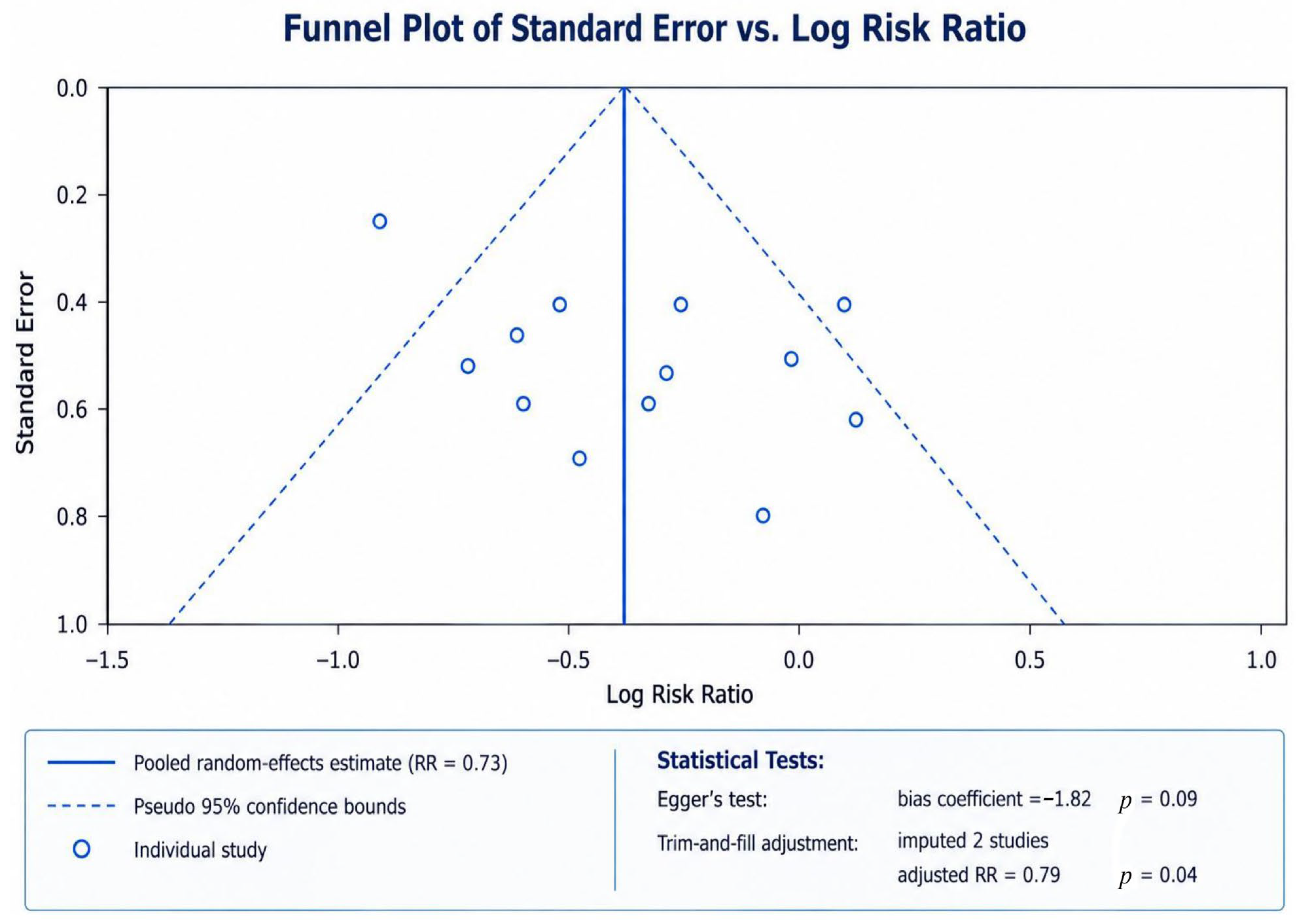
Background/Objectives: Carbapenem-resistant Enterobacterales (CRE) infections represent a critical global health threat with limited therapeutic options and high mortality rates. Novel β-lactam/β-lactamase inhibitor (BL/BLI) combinations have emerged, but their comparative impact on survival versus best available therapy (BAT) remains to be comprehensively assessed. This systematic review evaluates the mechanistic, microbiological, and genetic factors affecting treatment success. Methods: Randomized controlled trials (RCTs) and observational reports published up to December 2025 were included. An intensive search strategy was conducted through PubMed/Medline, Embase, Scopus, Cochrane, and Web of Science databases. The trials compared novel BL/BLI agents ceftazidime/avibactam (CAZ-AVI), Meropenem/Vaborbactam (MER-VABO), and Imipenem/Cilastatin/Relebactam (IPM-CIL-REL) to BAT for CRE infections that reported all-cause mortality in adult hospitalized patients (≥18 years). Data retrieval included carbapenemase types, resistance mechanisms, and minimum inhibitory concentrations (MICs). Risk ratios (RRs), heterogeneity (I2), and publication bias were measured using appropriate statistical models. Results: The meta-analysis included nine primary studies (six RCTs and three observational cohorts) with 2892 CRE-infected patients. Compared to BAT, BL/BLI combinations significantly reduced mortality by 27% (pooled RR = 0.73; 95% Confidence Intervals (CI): 0.59–0.9; p = 0.003), with low heterogeneity (I2 = 38%). Treatment outcomes differed substantially by carbapenemase type. For Klebsiella pneumoniae carbapenemase (KPC)-producing strains, meropenem–vaborbactam was most effective (RR = 0.65; 95% CI: 0.49–0.94), while ceftazidime–avibactam was superior for OXA-48-like producers (RR = 0.55; 95% CI: 0.41–0.82). No BL/BLI combination demonstrated efficacy against metallo-β-lactamase (MBL)-producing strains. Among hospitalized high-risk patients (e.g., septic shock), meropenem–vaborbactam (RR = 0.65) and colistin-based therapy (RR = 0.61) were most effective for mortality reduction. Meta-regression proved that the proportion of KPC-producing isolates significantly predicted effect size (coefficient: −0.42, 95% CI: −0.68 to −0.16, p = 0.002). Funnel plot asymmetry indicated possible publication bias (Egger’s test p = 0.09). Conclusions: Innovative BL/BLI combinations lower all-cause mortality compared to BAT. This effect is extremely reliant on the comparator regimen composition, the specific BL/BLI drug, and the underlying resistance mechanism. These data support a precision medicine approach guided by rapid molecular diagnostics. These findings underscore the urgent need for novel agents against MBL-producing strains, including the recently approved aztreonam–avibactam.
Keywords: carbapenem-resistant enterobacterales; B-lactamase inhibitors; ceftazidime–avibactam; meropenem–vaborbactam; mortality carbapenem-resistant enterobacterales; B-lactamase inhibitors; ceftazidime–avibactam; meropenem–vaborbactam; mortality